

VOTING POWER100.00%
DOWNVOTE POWER100.00%
RESOURCE CREDITS100.00%
REPUTATION PROGRESS71.39%
Net Worth
0.008USD
STEEM
0.151STEEM
SBD
0.000SBD
Effective Power
10.079SP
├── Own SP
0.000SP
└── Incoming DelegationsDeleg
+10.079SP
Detailed Balance
| STEEM | ||
| balance | 0.000STEEM | STEEM |
| market_balance | 0.000STEEM | STEEM |
| savings_balance | 0.000STEEM | STEEM |
| reward_steem_balance | 0.151STEEM | STEEM |
| STEEM POWER | ||
| Own SP | 0.000SP | SP |
| Delegated Out | 0.000SP | SP |
| Delegation In | 10.079SP | SP |
| Effective Power | 10.079SP | SP |
| Reward SP (pending) | 0.152SP | SP |
| SBD | ||
| sbd_balance | 0.000SBD | SBD |
| sbd_conversions | 0.000SBD | SBD |
| sbd_market_balance | 0.000SBD | SBD |
| savings_sbd_balance | 0.000SBD | SBD |
| reward_sbd_balance | 0.000SBD | SBD |
{
  "balance": "0.000 STEEM",
  "savings_balance": "0.000 STEEM",
  "reward_steem_balance": "0.151 STEEM",
  "vesting_shares": "0.000000 VESTS",
  "delegated_vesting_shares": "0.000000 VESTS",
  "received_vesting_shares": "16413.030323 VESTS",
  "sbd_balance": "0.000 SBD",
  "savings_sbd_balance": "0.000 SBD",
  "reward_sbd_balance": "0.000 SBD",
  "conversions": []
}
Account Info
| name | got-media |
| id | 1933486 |
| rank | 128,119 |
| reputation | 15503550105 |
| created | 2025-04-30T14:03:00 |
| recovery_account | steemcurator01 |
| proxy | None |
| post_count | 146 |
| comment_count | 0 |
| lifetime_vote_count | 0 |
| witnesses_voted_for | 0 |
| last_post | 2026-05-19T08:07:12 |
| last_root_post | 2026-05-19T08:07:12 |
| last_vote_time | 2026-01-26T16:26:54 |
| proxied_vsf_votes | 0, 0, 0, 0 |
| can_vote | 1 |
| voting_power | 7,277 |
| delayed_votes | 0 |
| balance | 0.000 STEEM |
| savings_balance | 0.000 STEEM |
| sbd_balance | 0.000 SBD |
| savings_sbd_balance | 0.000 SBD |
| vesting_shares | 0.000000 VESTS |
| delegated_vesting_shares | 0.000000 VESTS |
| received_vesting_shares | 16413.030323 VESTS |
| reward_vesting_balance | 253.782050 VESTS |
| vesting_balance | 0.000 STEEM |
| vesting_withdraw_rate | 0.000000 VESTS |
| next_vesting_withdrawal | 1969-12-31T23:59:59 |
| withdrawn | 0 |
| to_withdraw | 0 |
| withdraw_routes | 0 |
| savings_withdraw_requests | 0 |
| last_account_recovery | 1970-01-01T00:00:00 |
| reset_account | null |
| last_owner_update | 1970-01-01T00:00:00 |
| last_account_update | 1970-01-01T00:00:00 |
| mined | No |
| sbd_seconds | 0 |
| sbd_last_interest_payment | 1970-01-01T00:00:00 |
| savings_sbd_last_interest_payment | 1970-01-01T00:00:00 |
{
  "id": 1933486,
  "name": "got-media",
  "owner": {
    "weight_threshold": 1,
    "account_auths": [],
    "key_auths": [
      [
        "STM8HDX9nAPzLHyjwbBh9SJuNEESGLwXfYKFgfFd1i8FzZBWHKt1C",
        1
      ]
    ]
  },
  "active": {
    "weight_threshold": 1,
    "account_auths": [],
    "key_auths": [
      [
        "STM6vfzfH6fMtZf6G7qX6bSwSDAQbqRkLxnUtwFNEd23YXYjP1wU8",
        1
      ]
    ]
  },
  "posting": {
    "weight_threshold": 1,
    "account_auths": [],
    "key_auths": [
      [
        "STM6E7WGoNn6ve5MRjyP3f4J2LFy1SnXrbctnXJCGVqbx8si6yrr8",
        1
      ]
    ]
  },
  "memo_key": "STM5RDTdk8N3iZzWZSSgdNN2z1RPwZaicgw6AKE1xNMQ2rc9ioMTw",
  "json_metadata": "{}",
  "posting_json_metadata": "",
  "proxy": "",
  "last_owner_update": "1970-01-01T00:00:00",
  "last_account_update": "1970-01-01T00:00:00",
  "created": "2025-04-30T14:03:00",
  "mined": false,
  "recovery_account": "steemcurator01",
  "last_account_recovery": "1970-01-01T00:00:00",
  "reset_account": "null",
  "comment_count": 0,
  "lifetime_vote_count": 0,
  "post_count": 146,
  "can_vote": true,
  "voting_manabar": {
    "current_mana": "16413030323",
    "last_update_time": 1769562453
  },
  "downvote_manabar": {
    "current_mana": 4103257581,
    "last_update_time": 1769562453
  },
  "voting_power": 7277,
  "balance": "0.000 STEEM",
  "savings_balance": "0.000 STEEM",
  "sbd_balance": "0.000 SBD",
  "sbd_seconds": "0",
  "sbd_seconds_last_update": "1970-01-01T00:00:00",
  "sbd_last_interest_payment": "1970-01-01T00:00:00",
  "savings_sbd_balance": "0.000 SBD",
  "savings_sbd_seconds": "0",
  "savings_sbd_seconds_last_update": "1970-01-01T00:00:00",
  "savings_sbd_last_interest_payment": "1970-01-01T00:00:00",
  "savings_withdraw_requests": 0,
  "reward_sbd_balance": "0.000 SBD",
  "reward_steem_balance": "0.151 STEEM",
  "reward_vesting_balance": "253.782050 VESTS",
  "reward_vesting_steem": "0.152 STEEM",
  "vesting_shares": "0.000000 VESTS",
  "delegated_vesting_shares": "0.000000 VESTS",
  "received_vesting_shares": "16413.030323 VESTS",
  "vesting_withdraw_rate": "0.000000 VESTS",
  "next_vesting_withdrawal": "1969-12-31T23:59:59",
  "withdrawn": 0,
  "to_withdraw": 0,
  "withdraw_routes": 0,
  "curation_rewards": 0,
  "posting_rewards": 303,
  "proxied_vsf_votes": [
    0,
    0,
    0,
    0
  ],
  "witnesses_voted_for": 0,
  "last_post": "2026-05-19T08:07:12",
  "last_root_post": "2026-05-19T08:07:12",
  "last_vote_time": "2026-01-26T16:26:54",
  "post_bandwidth": 0,
  "pending_claimed_accounts": 0,
  "vesting_balance": "0.000 STEEM",
  "reputation": "15503550105",
  "transfer_history": [],
  "market_history": [],
  "post_history": [],
  "vote_history": [],
  "other_history": [],
  "witness_votes": [],
  "tags_usage": [],
  "guest_bloggers": [],
  "rank": 128119
}
Withdraw Routes
| Incoming | Outgoing |
|---|---|
Empty | Empty |
{
  "incoming": [],
  "outgoing": []
}From Date
To Date
got-mediapublished a new post: how-to-sell-your-house-fast-in-hopewell-a-complete-guide-for-20262026/05/19 08:07:12
got-mediapublished a new post: how-to-sell-your-house-fast-in-hopewell-a-complete-guide-for-2026
2026/05/19 08:07:12
| parent author | |
| parent permlink | sellingfastinhopewell |
| author | got-media |
| permlink | how-to-sell-your-house-fast-in-hopewell-a-complete-guide-for-2026 |
| title | How to Sell Your House Fast in Hopewell: A Complete Guide for 2026 |
| body |  Selling in 2026 looks different than it did during years when buyers felt rushed. Many buyers are more selective and more detail-oriented. They still buy, but they compare more carefully. That means sellers who want to sell fast in Hopewell should focus on buyer confidence and removing doubts, not on expensive upgrades. This complete guide explains how to sell faster in 2026 using practical steps that work in real life. ## Step 1 Choose the selling route that fits your life Most sellers compare two main routes. ## Traditional listing route: more showings and show-ready routines possible repair negotiations after inspection buyer financing and appraisal steps ## Direct cash buyer route: fewer moving parts often supports as-is condition less dependence on lender timelines The best route depends on your home’s condition and how much disruption you can tolerate. If your schedule is tight or the home needs work, a direct route may fit better. ## Step 2 Focus on the first two minutes of a walkthrough In 2026, buyers decide fast whether a home feels maintained. They notice: odor and humidity lighting and openness whether basic items work smoothly ## Practical improvements that help: clear entryways and hallways reduce kitchen counter clutter replace burned-out bulbs and improve lighting consistency neutralize strong odors rather than masking them ## Step 3 Fix small functional issues that create doubt Small issues stack up quickly in a buyer’s mind. Focus on “confidence fixes”: doors that do not latch loose handles and hinges non-working bathroom fans broken switches and outlet covers loose railings or wobbly steps These items are often inexpensive and high impact. ## Step 4 Be realistic about repairs and set boundaries If you start repairs without a boundary, selling can turn into a long project. Decide what you will fix and what you will not. A practical 2026 boundary: fix safety items address active leaks if quick to handle avoid cosmetic renovations unless you can finish rapidly ## Step 5 Get your basic home facts organized Buyers ask about roof age, HVAC, and water heater. Gather what you can. If you cannot confirm something, label it unknown. This prevents last-minute scrambling and keeps conversations factual. ## Step 6 Price for condition and competition Pricing that does not match condition is one of the most common reasons homes sit. Buyers compare quickly. If a home feels overpriced for its condition, they move on. A fast sale usually starts with a price that makes sense based on: local comparable sales condition and update level visible issues buyers will notice immediately ## Step 7 Choose a process that reduces uncertainty In 2026, many sellers value predictability. A sale that feels clear is often easier to complete than one filled with surprises. If you want fewer delays, consider routes that reduce financing uncertainty and repeated negotiations. ## Final thought [Selling fast in Hopewell](https://www.housebuyersofamerica.com/we-buy-houses/virginia/hopewell) in 2026 is less about rushing and more about reducing friction. Choose a route that fits your life, focus on confidence signals, keep the home easy to walk through, and stay honest about condition. Those steps help the sale move forward without turning it into a stressful project. |
| json metadata | {"tags":["sellingfastinhopewell"],"image":["https://cdn.steemitimages.com/DQmcU57o6XT4Huj74XUfccbTN46hqTTyms4CXbs9b1ocPKs/ell%20My%20House%20Fast%20in%20Hopewell.webp"],"links":["https://www.housebuyersofamerica.com/we-buy-houses/virginia/hopewell"],"app":"steemit/0.2","format":"markdown"} |
| Transaction Info | Block #106181537/Trx 9c7707a514820bdd35a0a9e3cca7cf70835805ed |
View Raw JSON Data
{
"trx_id": "9c7707a514820bdd35a0a9e3cca7cf70835805ed",
"block": 106181537,
"trx_in_block": 2,
"op_in_trx": 0,
"virtual_op": 0,
"timestamp": "2026-05-19T08:07:12",
"op": [
"comment",
{
"parent_author": "",
"parent_permlink": "sellingfastinhopewell",
"author": "got-media",
"permlink": "how-to-sell-your-house-fast-in-hopewell-a-complete-guide-for-2026",
"title": "How to Sell Your House Fast in Hopewell: A Complete Guide for 2026",
"body": "\n\nSelling in 2026 looks different than it did during years when buyers felt rushed. Many buyers are more selective and more detail-oriented. They still buy, but they compare more carefully. That means sellers who want to sell fast in Hopewell should focus on buyer confidence and removing doubts, not on expensive upgrades.\n\nThis complete guide explains how to sell faster in 2026 using practical steps that work in real life.\n\n## Step 1 Choose the selling route that fits your life\n\nMost sellers compare two main routes.\n\n## Traditional listing route:\n\nmore showings and show-ready routines\npossible repair negotiations after inspection\nbuyer financing and appraisal steps\n\n## Direct cash buyer route:\n\nfewer moving parts\noften supports as-is condition\nless dependence on lender timelines\n\nThe best route depends on your home’s condition and how much disruption you can tolerate. If your schedule is tight or the home needs work, a direct route may fit better.\n\n## Step 2 Focus on the first two minutes of a walkthrough\n\nIn 2026, buyers decide fast whether a home feels maintained. They notice:\n\nodor and humidity\nlighting and openness\nwhether basic items work smoothly\n\n## Practical improvements that help:\n\nclear entryways and hallways\nreduce kitchen counter clutter\nreplace burned-out bulbs and improve lighting consistency\nneutralize strong odors rather than masking them\n\n## Step 3 Fix small functional issues that create doubt\n\nSmall issues stack up quickly in a buyer’s mind. Focus on “confidence fixes”:\n\ndoors that do not latch\nloose handles and hinges\nnon-working bathroom fans\nbroken switches and outlet covers\nloose railings or wobbly steps\n\nThese items are often inexpensive and high impact.\n\n## Step 4 Be realistic about repairs and set boundaries\n\nIf you start repairs without a boundary, selling can turn into a long project. Decide what you will fix and what you will not.\n\nA practical 2026 boundary:\n\nfix safety items\naddress active leaks if quick to handle\navoid cosmetic renovations unless you can finish rapidly\n\n## Step 5 Get your basic home facts organized\n\nBuyers ask about roof age, HVAC, and water heater. Gather what you can. If you cannot confirm something, label it unknown.\n\nThis prevents last-minute scrambling and keeps conversations factual.\n\n## Step 6 Price for condition and competition\n\nPricing that does not match condition is one of the most common reasons homes sit. Buyers compare quickly. If a home feels overpriced for its condition, they move on.\n\nA fast sale usually starts with a price that makes sense based on:\n\nlocal comparable sales\ncondition and update level\nvisible issues buyers will notice immediately\n\n## Step 7 Choose a process that reduces uncertainty\n\nIn 2026, many sellers value predictability. A sale that feels clear is often easier to complete than one filled with surprises. If you want fewer delays, consider routes that reduce financing uncertainty and repeated negotiations.\n\n## Final thought\n\n[Selling fast in Hopewell](https://www.housebuyersofamerica.com/we-buy-houses/virginia/hopewell) in 2026 is less about rushing and more about reducing friction. Choose a route that fits your life, focus on confidence signals, keep the home easy to walk through, and stay honest about condition. Those steps help the sale move forward without turning it into a stressful project.",
"json_metadata": "{\"tags\":[\"sellingfastinhopewell\"],\"image\":[\"https://cdn.steemitimages.com/DQmcU57o6XT4Huj74XUfccbTN46hqTTyms4CXbs9b1ocPKs/ell%20My%20House%20Fast%20in%20Hopewell.webp\"],\"links\":[\"https://www.housebuyersofamerica.com/we-buy-houses/virginia/hopewell\"],\"app\":\"steemit/0.2\",\"format\":\"markdown\"}"
}
]
}got-mediapublished a new post: why-homeowners-want-to-sell-their-house-fast-in-portsmouth2026/05/18 05:54:45
got-mediapublished a new post: why-homeowners-want-to-sell-their-house-fast-in-portsmouth
2026/05/18 05:54:45
| parent author | |
| parent permlink | sell |
| author | got-media |
| permlink | why-homeowners-want-to-sell-their-house-fast-in-portsmouth |
| title | Why Homeowners Want to Sell Their House Fast in Portsmouth |
| body | @@ -1,12 +1,193 @@ +!%5BSell My House Fast Portsmouth For Cash.png%5D(https://cdn.steemitimages.com/DQmTVBRZfyy5V9gXs5y9YV9RfAJaxPwBFLmvaJbWuemRcGp/Sell%2520My%2520House%2520Fast%2520Portsmouth%2520For%2520Cash.png)%0A%0A Selling a ho @@ -1001,24 +1001,25 @@ king how to +%5B sell your ho @@ -1040,16 +1040,89 @@ rtsmouth +%5D(https://www.housebuyersofamerica.com/we-buy-houses/virginia/portsmouth) .%0A%0A## 1 |
| json metadata | {"tags":["sellyourhouse"],"app":"steemit/0.2","format":"markdown","image":["https://cdn.steemitimages.com/DQmTVBRZfyy5V9gXs5y9YV9RfAJaxPwBFLmvaJbWuemRcGp/Sell%20My%20House%20Fast%20Portsmouth%20For%20Cash.png"],"links":["https://www.housebuyersofamerica.com/we-buy-houses/virginia/portsmouth"]} |
| Transaction Info | Block #106150209/Trx b7dc4115bdcd1bd87d4b7c8994ad3ddecf21f214 |
View Raw JSON Data
{
  "trx_id": "b7dc4115bdcd1bd87d4b7c8994ad3ddecf21f214",
  "block": 106150209,
  "trx_in_block": 0,
  "op_in_trx": 0,
  "virtual_op": 0,
  "timestamp": "2026-05-18T05:54:45",
  "op": [
    "comment",
    {
      "parent_author": "",
      "parent_permlink": "sell",
      "author": "got-media",
      "permlink": "why-homeowners-want-to-sell-their-house-fast-in-portsmouth",
      "title": "Why Homeowners Want to Sell Their House Fast in Portsmouth",
      "body": "@@ -1,12 +1,193 @@\n+!%5BSell My House Fast Portsmouth For Cash.png%5D(https://cdn.steemitimages.com/DQmTVBRZfyy5V9gXs5y9YV9RfAJaxPwBFLmvaJbWuemRcGp/Sell%2520My%2520House%2520Fast%2520Portsmouth%2520For%2520Cash.png)%0A%0A\n Selling a ho\n@@ -1001,24 +1001,25 @@\n king how to \n+%5B\n sell your ho\n@@ -1040,16 +1040,89 @@\n rtsmouth\n+%5D(https://www.housebuyersofamerica.com/we-buy-houses/virginia/portsmouth)\n .%0A%0A## 1 \n",
      "json_metadata": "{\"tags\":[\"sellyourhouse\"],\"app\":\"steemit/0.2\",\"format\":\"markdown\",\"image\":[\"https://cdn.steemitimages.com/DQmTVBRZfyy5V9gXs5y9YV9RfAJaxPwBFLmvaJbWuemRcGp/Sell%20My%20House%20Fast%20Portsmouth%20For%20Cash.png\"],\"links\":[\"https://www.housebuyersofamerica.com/we-buy-houses/virginia/portsmouth\"]}"
    }
  ]
}got-mediapublished a new post: why-homeowners-want-to-sell-their-house-fast-in-portsmouth2026/05/18 05:51:15
got-mediapublished a new post: why-homeowners-want-to-sell-their-house-fast-in-portsmouth
2026/05/18 05:51:15
| parent author | |
| parent permlink | sell |
| author | got-media |
| permlink | why-homeowners-want-to-sell-their-house-fast-in-portsmouth |
| title | Why Homeowners Want to Sell Their House Fast in Portsmouth |
| body | Selling a home is a big decision in any city, but in Portsmouth it often comes with practical pressures that make homeowners want a faster, simpler path. People are not always looking to “rush” a sale. More often, they want to avoid a drawn-out process filled with repairs, showings, back-and-forth negotiations, and the uncertainty that can come from buyer financing. Portsmouth has a wide mix of housing styles and property conditions, from older homes with character to homes that have been updated in phases over time. That variety is part of what makes the area appealing. It is also why some sellers feel stuck when they consider listing traditionally. When a home needs updates, when daily life is busy, or when circumstances change suddenly, many homeowners start searching for a more direct way forward and asking how to sell your house fast in Portsmouth. ## 1 Life changes rarely happen on a convenient schedule A common reason sellers want to move quickly is a change they did not plan around the housing market. It could be a job change, a family situation, or a shift in finances that makes keeping the home impractical. In these moments, homeowners often want a sale that feels predictable and manageable. Fast does not always mean tomorrow. It often means I want a clear plan without months of uncertainty. For many people, the motivation to sell your house fast in Portsmouth is really about making the next step easier to plan. ## 2 Repairs feel like a second job Many Portsmouth homes are solid but older, and age can come with maintenance needs. Sellers who have lived with small issues for years may suddenly feel pressure to address everything before listing. That is when the repair list grows. Common repair-related reasons sellers seek a faster route include: roof wear or storm-related exterior issues older HVAC systems plumbing updates that feel disruptive cosmetic wear that would take weeks to tackle multiple small fixes that add up to a long project list For a homeowner balancing work and family, managing contractors, scheduling appointments, and living through repairs can be more stressful than the sale itself. This is a major reason people decide to sell your house fast in Portsmouth instead of taking on months of project coordination. ## 3 Showings disrupt real life Traditional selling often requires keeping the home “ready.” That means clearing counters, tidying up daily, leaving the house on short notice, and managing pets or kids during visits. Even motivated sellers can burn out when showings become frequent. Many people who want to sell their house fast in Portsmouth are really saying: “I want fewer disruptions and a process that fits my routine.” ## 4 Financing uncertainty makes sellers nervous In a traditional sale, a buyer’s financing can affect timelines and outcomes. Even after accepting an offer, sellers can face delays tied to underwriting, appraisals, or lender requirements. Most transactions do close, but uncertainty can be stressful when you are planning your next move. Homeowners who value certainty often look for routes that reduce dependence on a lender timeline. ## 5 Inherited properties create extra responsibilities Inherited homes in Portsmouth can bring emotional weight and practical work at the same time. Families may be dealing with belongings, cleanout decisions, and maintenance on a property they did not plan to manage. In this situation, many sellers want a simpler option that avoids long preparation, staging, and repeated showings. ## 6 Landlord fatigue is real Rental owners in Portsmouth sometimes reach a point where they want to stop managing tenants, maintenance, and property wear. A rental may need updates after a tenant leaves, or the owner may be tired of ongoing responsibilities. A faster sale can feel like the cleanest way to move on, especially if the owner does not want to renovate before selling. ## 7 The desire for a simpler selling experience Some sellers simply prefer a direct process. They want a home sale that feels straightforward, with fewer steps and fewer “surprise” negotiations. They may be searching phrases like: sell my house fast cash home buyers sell house as-is we buy houses What they often want is clarity. A process they can understand. A sale they can plan around. ## Final thought Portsmouth homeowners want to sell fast for many reasons, but most of those reasons come back to the same themes: reducing stress, avoiding repair burdens, and limiting uncertainty. If you are exploring your options, the best route is the one that matches your home’s condition, your schedule, and how much complexity you are willing to manage when you decide to sell your house fast in Portsmouth. |
| json metadata | {"tags":["sellyourhouse"],"app":"steemit/0.2","format":"markdown"} |
| Transaction Info | Block #106150139/Trx 8fcc8f7f08222a0dc54f6a0be686b82d2ad128bc |
View Raw JSON Data
{
  "trx_id": "8fcc8f7f08222a0dc54f6a0be686b82d2ad128bc",
  "block": 106150139,
  "trx_in_block": 1,
  "op_in_trx": 0,
  "virtual_op": 0,
  "timestamp": "2026-05-18T05:51:15",
  "op": [
    "comment",
    {
      "parent_author": "",
      "parent_permlink": "sell",
      "author": "got-media",
      "permlink": "why-homeowners-want-to-sell-their-house-fast-in-portsmouth",
      "title": "Why Homeowners Want to Sell Their House Fast in Portsmouth",
      "body": "Selling a home is a big decision in any city, but in Portsmouth it often comes with practical pressures that make homeowners want a faster, simpler path. People are not always looking to “rush” a sale. More often, they want to avoid a drawn-out process filled with repairs, showings, back-and-forth negotiations, and the uncertainty that can come from buyer financing.\n\nPortsmouth has a wide mix of housing styles and property conditions, from older homes with character to homes that have been updated in phases over time. That variety is part of what makes the area appealing. It is also why some sellers feel stuck when they consider listing traditionally. When a home needs updates, when daily life is busy, or when circumstances change suddenly, many homeowners start searching for a more direct way forward and asking how to sell your house fast in Portsmouth.\n\n## 1 Life changes rarely happen on a convenient schedule\n\nA common reason sellers want to move quickly is a change they did not plan around the housing market. It could be a job change, a family situation, or a shift in finances that makes keeping the home impractical. In these moments, homeowners often want a sale that feels predictable and manageable.\n\nFast does not always mean tomorrow. It often means I want a clear plan without months of uncertainty. For many people, the motivation to sell your house fast in Portsmouth is really about making the next step easier to plan.\n\n## 2 Repairs feel like a second job\n\nMany Portsmouth homes are solid but older, and age can come with maintenance needs. Sellers who have lived with small issues for years may suddenly feel pressure to address everything before listing. That is when the repair list grows.\n\nCommon repair-related reasons sellers seek a faster route include:\n\nroof wear or storm-related exterior issues\nolder HVAC systems\nplumbing updates that feel disruptive\ncosmetic wear that would take weeks to tackle\nmultiple small fixes that add up to a long project list\n\nFor a homeowner balancing work and family, managing contractors, scheduling appointments, and living through repairs can be more stressful than the sale itself. This is a major reason people decide to sell your house fast in Portsmouth instead of taking on months of project coordination.\n\n## 3 Showings disrupt real life\n\nTraditional selling often requires keeping the home “ready.” That means clearing counters, tidying up daily, leaving the house on short notice, and managing pets or kids during visits.\n\nEven motivated sellers can burn out when showings become frequent. Many people who want to sell their house fast in Portsmouth are really saying: “I want fewer disruptions and a process that fits my routine.”\n\n## 4 Financing uncertainty makes sellers nervous\n\nIn a traditional sale, a buyer’s financing can affect timelines and outcomes. Even after accepting an offer, sellers can face delays tied to underwriting, appraisals, or lender requirements. Most transactions do close, but uncertainty can be stressful when you are planning your next move.\n\nHomeowners who value certainty often look for routes that reduce dependence on a lender timeline.\n\n## 5 Inherited properties create extra responsibilities\n\nInherited homes in Portsmouth can bring emotional weight and practical work at the same time. Families may be dealing with belongings, cleanout decisions, and maintenance on a property they did not plan to manage.\n\nIn this situation, many sellers want a simpler option that avoids long preparation, staging, and repeated showings.\n\n## 6 Landlord fatigue is real\n\nRental owners in Portsmouth sometimes reach a point where they want to stop managing tenants, maintenance, and property wear. A rental may need updates after a tenant leaves, or the owner may be tired of ongoing responsibilities.\n\nA faster sale can feel like the cleanest way to move on, especially if the owner does not want to renovate before selling.\n\n## 7 The desire for a simpler selling experience\n\nSome sellers simply prefer a direct process. They want a home sale that feels straightforward, with fewer steps and fewer “surprise” negotiations.\n\nThey may be searching phrases like:\n\nsell my house fast\ncash home buyers\nsell house as-is\nwe buy houses\n\nWhat they often want is clarity. A process they can understand. A sale they can plan around.\n\n## Final thought\n\nPortsmouth homeowners want to sell fast for many reasons, but most of those reasons come back to the same themes: reducing stress, avoiding repair burdens, and limiting uncertainty. If you are exploring your options, the best route is the one that matches your home’s condition, your schedule, and how much complexity you are willing to manage when you decide to sell your house fast in Portsmouth.",
      "json_metadata": "{\"tags\":[\"sellyourhouse\"],\"app\":\"steemit/0.2\",\"format\":\"markdown\"}"
    }
  ]
}got-mediapublished a new post: why-homeowners-want-to-sell-their-house-fast-in-portsmouth2026/05/18 05:50:24
got-mediapublished a new post: why-homeowners-want-to-sell-their-house-fast-in-portsmouth
2026/05/18 05:50:24
| parent author | |
| parent permlink | sell |
| author | got-media |
| permlink | why-homeowners-want-to-sell-their-house-fast-in-portsmouth |
| title | Why Homeowners Want to Sell Their House Fast in Portsmouth |
| body | Selling a home is a big decision in any city, but in Portsmouth it often comes with practical pressures that make homeowners want a faster, simpler path. People are not always looking to “rush” a sale. More often, they want to avoid a drawn-out process filled with repairs, showings, back-and-forth negotiations, and the uncertainty that can come from buyer financing. Portsmouth has a wide mix of housing styles and property conditions, from older homes with character to homes that have been updated in phases over time. That variety is part of what makes the area appealing. It is also why some sellers feel stuck when they consider listing traditionally. When a home needs updates, when daily life is busy, or when circumstances change suddenly, many homeowners start searching for a more direct way forward and asking how to sell your house fast in Portsmouth. ## 1 Life changes rarely happen on a convenient schedule A common reason sellers want to move quickly is a change they did not plan around the housing market. It could be a job change, a family situation, or a shift in finances that makes keeping the home impractical. In these moments, homeowners often want a sale that feels predictable and manageable. Fast does not always mean tomorrow. It often means I want a clear plan without months of uncertainty. For many people, the motivation to sell your house fast in Portsmouth is really about making the next step easier to plan. ## 2 Repairs feel like a second job Many Portsmouth homes are solid but older, and age can come with maintenance needs. Sellers who have lived with small issues for years may suddenly feel pressure to address everything before listing. That is when the repair list grows. Common repair-related reasons sellers seek a faster route include: roof wear or storm-related exterior issues older HVAC systems plumbing updates that feel disruptive cosmetic wear that would take weeks to tackle multiple small fixes that add up to a long project list For a homeowner balancing work and family, managing contractors, scheduling appointments, and living through repairs can be more stressful than the sale itself. This is a major reason people decide to sell your house fast in Portsmouth instead of taking on months of project coordination. ## 3 Showings disrupt real life Traditional selling often requires keeping the home “ready.” That means clearing counters, tidying up daily, leaving the house on short notice, and managing pets or kids during visits. Even motivated sellers can burn out when showings become frequent. Many people who want to sell their house fast in Portsmouth are really saying: “I want fewer disruptions and a process that fits my routine.” ## 4 Financing uncertainty makes sellers nervous In a traditional sale, a buyer’s financing can affect timelines and outcomes. Even after accepting an offer, sellers can face delays tied to underwriting, appraisals, or lender requirements. Most transactions do close, but uncertainty can be stressful when you are planning your next move. Homeowners who value certainty often look for routes that reduce dependence on a lender timeline. ## 5 Inherited properties create extra responsibilities Inherited homes in Portsmouth can bring emotional weight and practical work at the same time. Families may be dealing with belongings, cleanout decisions, and maintenance on a property they did not plan to manage. In this situation, many sellers want a simpler option that avoids long preparation, staging, and repeated showings. ## 6 Landlord fatigue is real Rental owners in Portsmouth sometimes reach a point where they want to stop managing tenants, maintenance, and property wear. A rental may need updates after a tenant leaves, or the owner may be tired of ongoing responsibilities. A faster sale can feel like the cleanest way to move on, especially if the owner does not want to renovate before selling. ## 7 The desire for a simpler selling experience Some sellers simply prefer a direct process. They want a home sale that feels straightforward, with fewer steps and fewer “surprise” negotiations. They may be searching phrases like: sell my house fast cash home buyers sell house as-is we buy houses What they often want is clarity. A process they can understand. A sale they can plan around. ## Final thought Portsmouth homeowners want to sell fast for many reasons, but most of those reasons come back to the same themes: reducing stress, avoiding repair burdens, and limiting uncertainty. If you are exploring your options, the best route is the one that matches your home’s condition, your schedule, and how much complexity you are willing to manage when you decide to sell your house fast in Portsmouth. |
| json metadata | {"tags":["sell","your","house","fast","in","portsmouth"],"app":"steemit/0.2","format":"markdown"} |
| Transaction Info | Block #106150122/Trx 508d3d82f1e23864514e1b0120369a1a43a040bb |
View Raw JSON Data
{
  "trx_id": "508d3d82f1e23864514e1b0120369a1a43a040bb",
  "block": 106150122,
  "trx_in_block": 3,
  "op_in_trx": 0,
  "virtual_op": 0,
  "timestamp": "2026-05-18T05:50:24",
  "op": [
    "comment",
    {
      "parent_author": "",
      "parent_permlink": "sell",
      "author": "got-media",
      "permlink": "why-homeowners-want-to-sell-their-house-fast-in-portsmouth",
      "title": "Why Homeowners Want to Sell Their House Fast in Portsmouth",
      "body": "Selling a home is a big decision in any city, but in Portsmouth it often comes with practical pressures that make homeowners want a faster, simpler path. People are not always looking to “rush” a sale. More often, they want to avoid a drawn-out process filled with repairs, showings, back-and-forth negotiations, and the uncertainty that can come from buyer financing.\n\nPortsmouth has a wide mix of housing styles and property conditions, from older homes with character to homes that have been updated in phases over time. That variety is part of what makes the area appealing. It is also why some sellers feel stuck when they consider listing traditionally. When a home needs updates, when daily life is busy, or when circumstances change suddenly, many homeowners start searching for a more direct way forward and asking how to sell your house fast in Portsmouth.\n\n## 1 Life changes rarely happen on a convenient schedule\n\nA common reason sellers want to move quickly is a change they did not plan around the housing market. It could be a job change, a family situation, or a shift in finances that makes keeping the home impractical. In these moments, homeowners often want a sale that feels predictable and manageable.\n\nFast does not always mean tomorrow. It often means I want a clear plan without months of uncertainty. For many people, the motivation to sell your house fast in Portsmouth is really about making the next step easier to plan.\n\n## 2 Repairs feel like a second job\n\nMany Portsmouth homes are solid but older, and age can come with maintenance needs. Sellers who have lived with small issues for years may suddenly feel pressure to address everything before listing. That is when the repair list grows.\n\nCommon repair-related reasons sellers seek a faster route include:\n\nroof wear or storm-related exterior issues\nolder HVAC systems\nplumbing updates that feel disruptive\ncosmetic wear that would take weeks to tackle\nmultiple small fixes that add up to a long project list\n\nFor a homeowner balancing work and family, managing contractors, scheduling appointments, and living through repairs can be more stressful than the sale itself. This is a major reason people decide to sell your house fast in Portsmouth instead of taking on months of project coordination.\n\n## 3 Showings disrupt real life\n\nTraditional selling often requires keeping the home “ready.” That means clearing counters, tidying up daily, leaving the house on short notice, and managing pets or kids during visits.\n\nEven motivated sellers can burn out when showings become frequent. Many people who want to sell their house fast in Portsmouth are really saying: “I want fewer disruptions and a process that fits my routine.”\n\n## 4 Financing uncertainty makes sellers nervous\n\nIn a traditional sale, a buyer’s financing can affect timelines and outcomes. Even after accepting an offer, sellers can face delays tied to underwriting, appraisals, or lender requirements. Most transactions do close, but uncertainty can be stressful when you are planning your next move.\n\nHomeowners who value certainty often look for routes that reduce dependence on a lender timeline.\n\n## 5 Inherited properties create extra responsibilities\n\nInherited homes in Portsmouth can bring emotional weight and practical work at the same time. Families may be dealing with belongings, cleanout decisions, and maintenance on a property they did not plan to manage.\n\nIn this situation, many sellers want a simpler option that avoids long preparation, staging, and repeated showings.\n\n## 6 Landlord fatigue is real\n\nRental owners in Portsmouth sometimes reach a point where they want to stop managing tenants, maintenance, and property wear. A rental may need updates after a tenant leaves, or the owner may be tired of ongoing responsibilities.\n\nA faster sale can feel like the cleanest way to move on, especially if the owner does not want to renovate before selling.\n\n## 7 The desire for a simpler selling experience\n\nSome sellers simply prefer a direct process. They want a home sale that feels straightforward, with fewer steps and fewer “surprise” negotiations.\n\nThey may be searching phrases like:\n\nsell my house fast\ncash home buyers\nsell house as-is\nwe buy houses\n\nWhat they often want is clarity. A process they can understand. A sale they can plan around.\n\n## Final thought\n\nPortsmouth homeowners want to sell fast for many reasons, but most of those reasons come back to the same themes: reducing stress, avoiding repair burdens, and limiting uncertainty. If you are exploring your options, the best route is the one that matches your home’s condition, your schedule, and how much complexity you are willing to manage when you decide to sell your house fast in Portsmouth.",
      "json_metadata": "{\"tags\":[\"sell\",\"your\",\"house\",\"fast\",\"in\",\"portsmouth\"],\"app\":\"steemit/0.2\",\"format\":\"markdown\"}"
    }
  ]
}dezzlej34upvoted (100.00%) @got-media / how-porcelain-veneers-can-transform-your-smile-and-confidence2026/05/15 16:35:00
dezzlej34upvoted (100.00%) @got-media / how-porcelain-veneers-can-transform-your-smile-and-confidence
2026/05/15 16:35:00
| voter | dezzlej34 |
| author | got-media |
| permlink | how-porcelain-veneers-can-transform-your-smile-and-confidence |
| weight | 10000 (100.00%) |
| Transaction Info | Block #106077176/Trx a3fe0e48d30e1adf731a1471062937b0053f89a1 |
View Raw JSON Data
{
  "trx_id": "a3fe0e48d30e1adf731a1471062937b0053f89a1",
  "block": 106077176,
  "trx_in_block": 4,
  "op_in_trx": 0,
  "virtual_op": 0,
  "timestamp": "2026-05-15T16:35:00",
  "op": [
    "vote",
    {
      "voter": "dezzlej34",
      "author": "got-media",
      "permlink": "how-porcelain-veneers-can-transform-your-smile-and-confidence",
      "weight": 10000
    }
  ]
}got-mediapublished a new post: how-porcelain-veneers-can-transform-your-smile-and-confidence2026/05/15 16:32:03
got-mediapublished a new post: how-porcelain-veneers-can-transform-your-smile-and-confidence
2026/05/15 16:32:03
| parent author | |
| parent permlink | health |
| author | got-media |
| permlink | how-porcelain-veneers-can-transform-your-smile-and-confidence |
| title | How Porcelain Veneers Can Transform Your Smile and Confidence |
| body |  A smile is one of those small things that can have a big impact. It shows up in photos, conversations, first impressions, video calls, dating profiles, work events, and everyday moments with friends and family. When someone feels good about their smile, it can make them feel more comfortable being seen. When they feel self-conscious about it, they may hold back without even realizing it. That is one reason cosmetic dentistry has become part of the broader conversation around confidence and personal wellness. For many adults, improving a smile is not about looking “perfect.” It is about feeling more like themselves. One option people often explore is porcelain veneers. What Are Porcelain Veneers? Porcelain veneers are thin, custom-made shells that are placed over the front surface of teeth. They are designed to improve the appearance of a smile by changing the visible shape, color, size, or symmetry of certain teeth. They are commonly used in cosmetic dentistry for concerns such as discoloration, small chips, gaps, uneven edges, worn enamel, or teeth that look slightly misaligned. Unlike teeth whitening, which focuses mostly on color, veneers can address multiple cosmetic concerns at once. That is why they are often included in a larger smile makeover plan. The goal is not necessarily to create a dramatic or artificial-looking smile. When done well, porcelain veneers should look natural, balanced, and suited to the person’s face. Why Do People Consider Veneers? Everyone has a different reason for wanting to improve their smile. Some people have stained teeth that do not respond well to whitening. Others have small chips or worn edges from years of use. Some feel bothered by gaps, uneven teeth, or a smile that looks less bright than it used to. Common reasons people consider veneers include: Stained or discolored teeth Certain types of discoloration can be difficult to improve with whitening alone. Veneers may help create a brighter, more even appearance. Chipped or cracked teeth Small chips can affect the overall harmony of a smile, especially on front teeth. Gaps between teeth Some people like their gaps, while others prefer a more uniform look. Veneers may help close minor spacing concerns in select cases. Uneven or irregularly shaped teeth Teeth that are different lengths, shapes, or sizes can make a smile look less balanced. Worn enamel Over time, teeth can appear shorter, duller, or more worn. Veneers may help restore a smoother, more refreshed appearance. Teeth that look slightly misaligned In some cases, veneers can improve the look of minor cosmetic unevenness. However, more significant alignment issues may require orthodontic treatment instead. The Confidence Side of a Smile It is easy to think of veneers as only a cosmetic treatment, but the emotional side matters too. A smile can influence how someone feels in everyday situations. Maybe they avoid smiling in photos. Maybe they cover their mouth when laughing. Maybe they feel less confident during presentations, interviews, networking events, or social gatherings. No dental treatment can magically change someone’s life overnight, and it would be unrealistic to promise that. But feeling more comfortable with your smile can make certain moments feel easier. Sometimes confidence is not loud or dramatic. Sometimes it is simply not worrying as much. Benefits Porcelain Veneers May Offer Porcelain veneers may offer several benefits for the right candidate. They can create a more even tooth color, improve the shape of teeth, and make a smile look more symmetrical. They are also customized, which means the dentist can work with the patient to choose a shade and shape that fits their features. Porcelain is often chosen because it can mimic the look of natural enamel. It also tends to resist staining better than natural teeth, although veneers still need regular care. Another benefit is that veneers can often address several cosmetic concerns with one treatment plan. For someone who has staining, small chips, and uneven edges, veneers may provide a more comprehensive solution than treating each issue separately. Still, veneers are not maintenance-free. Good oral hygiene, routine dental visits, and mindful habits are important. People who grind their teeth, bite hard objects, or use their teeth as tools may need additional guidance from their dentist. Who May Be a Good Candidate?  Porcelain veneers may be a good fit for adults who have healthy teeth and gums but want to improve the appearance of their smile. A good candidate may have cosmetic concerns like staining, chips, gaps, uneven teeth, worn enamel, or minor shape issues. They should also have realistic expectations about what veneers can and cannot do. Veneers are not right for everyone. If someone has untreated cavities, gum disease, severe grinding, or major bite problems, those issues may need to be addressed first. In some cases, another treatment may be a better option. That is why a consultation is so important. A qualified cosmetic dentist can evaluate oral health, listen to the patient’s goals, and explain the best options. Why the Right Cosmetic Dentist Matters Cosmetic dentistry is both technical and artistic. A dentist planning veneers must think about more than just tooth color. They also consider facial shape, smile line, gum health, bite function, tooth proportions, and how the final result will look in real life. For people in the Bay Area, choosing an experienced San Francisco cosmetic dentist can make a meaningful difference. A thoughtful dentist will not push a one-size-fits-all smile. Instead, they will focus on a result that looks natural and supports long-term dental health. For anyone researching [veneers in San Francisco](https://www.medentalsf.com/treatments/veneers-san-francisco), it helps to understand how the treatment works, what problems it can address, and what to expect before making a decision. A Smile Makeover Should Feel Personal One of the best things about modern cosmetic dentistry is that it can be personalized. Some people want a noticeable transformation. Others want subtle improvements that only make their smile look fresher and more balanced. Neither approach is wrong. The best outcome is the one that fits the person. If you are thinking about ways to improve your smile, start by learning more and speaking with a qualified cosmetic dentist. Ask questions. Share your concerns. Be honest about the look you want and the things you would like to avoid. Porcelain veneers can be a valuable option for the right person, but the decision should be made with good information and professional guidance. A confident smile is not about perfection. It is about feeling comfortable enough to share it. Have you ever considered a cosmetic dental treatment to feel more confident about your smile? |
| json metadata | {"tags":["health","wellness","dentistry","smile","beauty"],"image":["https://cdn.steemitimages.com/DQmdjP99fX6M2eUSABhsHNr4HwRsCrNeuWgZ2ueY948wdRM/pexels-karola-g-6627571.jpg","https://cdn.steemitimages.com/DQmeM7UPs4CLV97NFRMYTdcJPTaXr4x4aRey5rYFVxYik3M/pexels-olly-3952016.jpg"],"links":["https://www.medentalsf.com/treatments/veneers-san-francisco"],"app":"steemit/0.2","format":"markdown"} |
| Transaction Info | Block #106077117/Trx 57d8ed3bd9da3c9837c9dec2483196d20783262b |
View Raw JSON Data
{
"trx_id": "57d8ed3bd9da3c9837c9dec2483196d20783262b",
"block": 106077117,
"trx_in_block": 1,
"op_in_trx": 0,
"virtual_op": 0,
"timestamp": "2026-05-15T16:32:03",
"op": [
"comment",
{
"parent_author": "",
"parent_permlink": "health",
"author": "got-media",
"permlink": "how-porcelain-veneers-can-transform-your-smile-and-confidence",
"title": "How Porcelain Veneers Can Transform Your Smile and Confidence",
"body": "\n\n\nA smile is one of those small things that can have a big impact.\n\nIt shows up in photos, conversations, first impressions, video calls, dating profiles, work events, and everyday moments with friends and family. When someone feels good about their smile, it can make them feel more comfortable being seen. When they feel self-conscious about it, they may hold back without even realizing it.\n\nThat is one reason cosmetic dentistry has become part of the broader conversation around confidence and personal wellness. For many adults, improving a smile is not about looking “perfect.” It is about feeling more like themselves.\n\nOne option people often explore is porcelain veneers.\n\nWhat Are Porcelain Veneers?\n\nPorcelain veneers are thin, custom-made shells that are placed over the front surface of teeth. They are designed to improve the appearance of a smile by changing the visible shape, color, size, or symmetry of certain teeth.\n\nThey are commonly used in cosmetic dentistry for concerns such as discoloration, small chips, gaps, uneven edges, worn enamel, or teeth that look slightly misaligned.\n\nUnlike teeth whitening, which focuses mostly on color, veneers can address multiple cosmetic concerns at once. That is why they are often included in a larger smile makeover plan.\n\nThe goal is not necessarily to create a dramatic or artificial-looking smile. When done well, porcelain veneers should look natural, balanced, and suited to the person’s face.\n\nWhy Do People Consider Veneers?\n\nEveryone has a different reason for wanting to improve their smile.\n\nSome people have stained teeth that do not respond well to whitening. Others have small chips or worn edges from years of use. Some feel bothered by gaps, uneven teeth, or a smile that looks less bright than it used to.\n\nCommon reasons people consider veneers include:\n\nStained or discolored teeth\nCertain types of discoloration can be difficult to improve with whitening alone. Veneers may help create a brighter, more even appearance.\n\nChipped or cracked teeth\nSmall chips can affect the overall harmony of a smile, especially on front teeth.\n\nGaps between teeth\nSome people like their gaps, while others prefer a more uniform look. Veneers may help close minor spacing concerns in select cases.\n\nUneven or irregularly shaped teeth\nTeeth that are different lengths, shapes, or sizes can make a smile look less balanced.\n\nWorn enamel\nOver time, teeth can appear shorter, duller, or more worn. Veneers may help restore a smoother, more refreshed appearance.\n\nTeeth that look slightly misaligned\nIn some cases, veneers can improve the look of minor cosmetic unevenness. However, more significant alignment issues may require orthodontic treatment instead.\n\nThe Confidence Side of a Smile\n\nIt is easy to think of veneers as only a cosmetic treatment, but the emotional side matters too.\n\nA smile can influence how someone feels in everyday situations. Maybe they avoid smiling in photos. Maybe they cover their mouth when laughing. Maybe they feel less confident during presentations, interviews, networking events, or social gatherings.\n\nNo dental treatment can magically change someone’s life overnight, and it would be unrealistic to promise that. But feeling more comfortable with your smile can make certain moments feel easier.\n\nSometimes confidence is not loud or dramatic. Sometimes it is simply not worrying as much.\n\nBenefits Porcelain Veneers May Offer\n\nPorcelain veneers may offer several benefits for the right candidate.\n\nThey can create a more even tooth color, improve the shape of teeth, and make a smile look more symmetrical. They are also customized, which means the dentist can work with the patient to choose a shade and shape that fits their features.\n\nPorcelain is often chosen because it can mimic the look of natural enamel. It also tends to resist staining better than natural teeth, although veneers still need regular care.\n\nAnother benefit is that veneers can often address several cosmetic concerns with one treatment plan. For someone who has staining, small chips, and uneven edges, veneers may provide a more comprehensive solution than treating each issue separately.\n\nStill, veneers are not maintenance-free. Good oral hygiene, routine dental visits, and mindful habits are important. People who grind their teeth, bite hard objects, or use their teeth as tools may need additional guidance from their dentist.\n\nWho May Be a Good Candidate?\n\n\n\n\nPorcelain veneers may be a good fit for adults who have healthy teeth and gums but want to improve the appearance of their smile.\n\nA good candidate may have cosmetic concerns like staining, chips, gaps, uneven teeth, worn enamel, or minor shape issues. They should also have realistic expectations about what veneers can and cannot do.\n\nVeneers are not right for everyone. If someone has untreated cavities, gum disease, severe grinding, or major bite problems, those issues may need to be addressed first. In some cases, another treatment may be a better option.\n\nThat is why a consultation is so important. A qualified cosmetic dentist can evaluate oral health, listen to the patient’s goals, and explain the best options.\n\nWhy the Right Cosmetic Dentist Matters\n\nCosmetic dentistry is both technical and artistic.\n\nA dentist planning veneers must think about more than just tooth color. They also consider facial shape, smile line, gum health, bite function, tooth proportions, and how the final result will look in real life.\n\nFor people in the Bay Area, choosing an experienced San Francisco cosmetic dentist can make a meaningful difference. A thoughtful dentist will not push a one-size-fits-all smile. Instead, they will focus on a result that looks natural and supports long-term dental health.\n\nFor anyone researching [veneers in San Francisco](https://www.medentalsf.com/treatments/veneers-san-francisco), it helps to understand how the treatment works, what problems it can address, and what to expect before making a decision.\n\nA Smile Makeover Should Feel Personal\n\nOne of the best things about modern cosmetic dentistry is that it can be personalized.\n\nSome people want a noticeable transformation. Others want subtle improvements that only make their smile look fresher and more balanced. Neither approach is wrong. The best outcome is the one that fits the person.\n\nIf you are thinking about ways to improve your smile, start by learning more and speaking with a qualified cosmetic dentist. Ask questions. Share your concerns. Be honest about the look you want and the things you would like to avoid.\n\nPorcelain veneers can be a valuable option for the right person, but the decision should be made with good information and professional guidance.\n\nA confident smile is not about perfection. It is about feeling comfortable enough to share it.\n\nHave you ever considered a cosmetic dental treatment to feel more confident about your smile?",
"json_metadata": "{\"tags\":[\"health\",\"wellness\",\"dentistry\",\"smile\",\"beauty\"],\"image\":[\"https://cdn.steemitimages.com/DQmdjP99fX6M2eUSABhsHNr4HwRsCrNeuWgZ2ueY948wdRM/pexels-karola-g-6627571.jpg\",\"https://cdn.steemitimages.com/DQmeM7UPs4CLV97NFRMYTdcJPTaXr4x4aRey5rYFVxYik3M/pexels-olly-3952016.jpg\"],\"links\":[\"https://www.medentalsf.com/treatments/veneers-san-francisco\"],\"app\":\"steemit/0.2\",\"format\":\"markdown\"}"
}
]
}got-mediapublished a new post: common-mistakes-chesapeake-sellers-make-and-how-to-avoid-them2026/05/15 12:50:57
got-mediapublished a new post: common-mistakes-chesapeake-sellers-make-and-how-to-avoid-them
2026/05/15 12:50:57
| parent author | |
| parent permlink | sellingyourhome |
| author | got-media |
| permlink | common-mistakes-chesapeake-sellers-make-and-how-to-avoid-them |
| title | Common Mistakes Chesapeake Sellers Make and How to Avoid Them |
| body |  Selling a home can be stressful, and stress often leads to small mistakes that create big delays. If your goal is to [Sell House Fast in Chesapeake](https://www.housebuyersofamerica.com/we-buy-houses/virginia/chesapeake), the key is not doing everything. The key is avoiding the few missteps that slow sales down most: starting repairs without a plan, letting clutter take over, ignoring moisture signals, or choosing a selling route that does not match your schedule. In Chesapeake, homes vary widely in age, layout, and condition. Some neighborhoods attract buyers looking for move-in ready homes, while others attract buyers who expect updates. That mix makes it even more important to stay realistic and strategic. Below are six common mistakes that cause homes to sit longer than they should, along with simple ways to avoid them. If you are exploring different selling routes in Chesapeake, including as-is options, this page provides a direct-sale overview: we buy houses Chesapeake VA. ## Mistake 1 Starting repairs without a boundary This is one of the fastest ways to lose momentum. Many sellers begin with one repair, then discover more issues, and the project list grows. Suddenly, selling turns into a renovation plan you never wanted. If you want to Sell House Fast in Chesapeake, decide your repair boundary before you start. A simple rule works well: Fix safety issues Fix active leaks Skip optional upgrades and cosmetic projects This keeps you from spending weeks coordinating contractors and delaying the listing or sale. ## Mistake 2 Ignoring moisture signals In coastal Virginia, moisture issues matter. Musty odors, staining, bubbling paint, or damp-feeling corners can dominate a buyer’s impression, even if the home is otherwise clean. Buyers often interpret these signs as ongoing problems, not one-time events. To avoid delays, address the source when possible or be transparent about what you know. If you are aiming to Sell House Fast in Chesapeake, moisture clarity is one of the biggest confidence boosters you can provide. ## Mistake 3 Letting clutter block flow Clutter is a silent deal-killer because it makes rooms feel smaller and layouts feel awkward. Many sellers focus on décor changes while forgetting that the home needs to be easy to walk through. Start with the areas that shape first impressions: Entryway Hallways and stair paths Kitchen counters Living room walk paths If buyers can move naturally, the home feels calmer and more usable. That is one of the easiest ways to Sell House Fast in Chesapeake without spending money. ## Mistake 4 Overpricing and hoping buyers negotiate Pricing too high is one of the most common reasons a home sits. Buyers compare homes online instantly. If your price looks unrealistic for the condition, many buyers skip the home entirely rather than “come see it and negotiate.” A faster strategy is pricing that reflects reality: Condition and updates compared to similar Chesapeake homes What competing homes offer at similar price points Any visible issues that buyers will notice immediately If you need to Sell House Fast in Chesapeake, the goal is to attract serious interest early, not to wait for a buyer to “talk you down.” ## Mistake 5 Choosing a route that does not match your life This is a big one, because the wrong selling route creates stress, missed opportunities, and burnout. If you cannot manage repeated showings, a traditional listing can become exhausting. If you do not want to coordinate repairs, listing can turn into a long prep process. If your goal is to Sell House Fast in Chesapeake, the route should match your constraints: Limited time for repairs Limited ability to keep the home show-ready Desire for fewer disruptions Preference to sell as-is The best selling plan is the one you can actually maintain. ## Mistake 6 Waiting too long to gather basic information Sellers often scramble late for simple facts that buyers ask early. Even if you are not listing traditionally, having basic information ready helps conversations move faster. Gather what you can for: Roof age if known HVAC age and service notes if available Water heater age Any recent updates or repairs you can confirm If something is unknown, label it unknown. Guessing creates confusion later. Clear information supports a smoother process when you want to Sell House Fast in Chesapeake. ## Final thought A smooth Chesapeake sale usually comes from clarity and consistency. Set your repair boundaries, remove the “doubt triggers” buyers notice first, keep walkthrough flow open, and choose a selling route that fits your real life. When your plan is realistic and focused, it is much easier to Sell House Fast in Chesapeake without turning the process into an endless project. |
| json metadata | {"tags":["sellingyourhome","sellmyhousefast","cashhousebuyers"],"image":["https://cdn.steemitimages.com/DQmPiQnWZUQxqzwt7SjtR1AqLnFm1LhzvXwFFE8utW8w3kz/Sell%20House%20Fast%20in%20Chesapeake%20For%20Cash.png"],"links":["https://www.housebuyersofamerica.com/we-buy-houses/virginia/chesapeake"],"app":"steemit/0.2","format":"markdown"} |
| Transaction Info | Block #106072707/Trx cd2c8a1558e00a6660e63e4b6a578197df06fd98 |
View Raw JSON Data
{
"trx_id": "cd2c8a1558e00a6660e63e4b6a578197df06fd98",
"block": 106072707,
"trx_in_block": 1,
"op_in_trx": 0,
"virtual_op": 0,
"timestamp": "2026-05-15T12:50:57",
"op": [
"comment",
{
"parent_author": "",
"parent_permlink": "sellingyourhome",
"author": "got-media",
"permlink": "common-mistakes-chesapeake-sellers-make-and-how-to-avoid-them",
"title": "Common Mistakes Chesapeake Sellers Make and How to Avoid Them",
"body": "\n\nSelling a home can be stressful, and stress often leads to small mistakes that create big delays. If your goal is to [Sell House Fast in Chesapeake](https://www.housebuyersofamerica.com/we-buy-houses/virginia/chesapeake), the key is not doing everything. The key is avoiding the few missteps that slow sales down most: starting repairs without a plan, letting clutter take over, ignoring moisture signals, or choosing a selling route that does not match your schedule.\n\nIn Chesapeake, homes vary widely in age, layout, and condition. Some neighborhoods attract buyers looking for move-in ready homes, while others attract buyers who expect updates. That mix makes it even more important to stay realistic and strategic. Below are six common mistakes that cause homes to sit longer than they should, along with simple ways to avoid them.\n\nIf you are exploring different selling routes in Chesapeake, including as-is options, this page provides a direct-sale overview: we buy houses Chesapeake VA.\n\n## Mistake 1 Starting repairs without a boundary\n\n\nThis is one of the fastest ways to lose momentum. Many sellers begin with one repair, then discover more issues, and the project list grows. Suddenly, selling turns into a renovation plan you never wanted.\n\nIf you want to Sell House Fast in Chesapeake, decide your repair boundary before you start. A simple rule works well:\n\nFix safety issues\nFix active leaks\nSkip optional upgrades and cosmetic projects\n\nThis keeps you from spending weeks coordinating contractors and delaying the listing or sale.\n\n## Mistake 2 Ignoring moisture signals\n\nIn coastal Virginia, moisture issues matter. Musty odors, staining, bubbling paint, or damp-feeling corners can dominate a buyer’s impression, even if the home is otherwise clean. Buyers often interpret these signs as ongoing problems, not one-time events.\n\nTo avoid delays, address the source when possible or be transparent about what you know. If you are aiming to Sell House Fast in Chesapeake, moisture clarity is one of the biggest confidence boosters you can provide.\n\n## Mistake 3 Letting clutter block flow\n\nClutter is a silent deal-killer because it makes rooms feel smaller and layouts feel awkward. Many sellers focus on décor changes while forgetting that the home needs to be easy to walk through.\n\nStart with the areas that shape first impressions:\n\nEntryway\nHallways and stair paths\nKitchen counters\nLiving room walk paths\n\nIf buyers can move naturally, the home feels calmer and more usable. That is one of the easiest ways to Sell House Fast in Chesapeake without spending money.\n\n## Mistake 4 Overpricing and hoping buyers negotiate\n\nPricing too high is one of the most common reasons a home sits. Buyers compare homes online instantly. If your price looks unrealistic for the condition, many buyers skip the home entirely rather than “come see it and negotiate.”\n\nA faster strategy is pricing that reflects reality:\n\nCondition and updates compared to similar Chesapeake homes\nWhat competing homes offer at similar price points\nAny visible issues that buyers will notice immediately\n\nIf you need to Sell House Fast in Chesapeake, the goal is to attract serious interest early, not to wait for a buyer to “talk you down.”\n\n## Mistake 5 Choosing a route that does not match your life\n\nThis is a big one, because the wrong selling route creates stress, missed opportunities, and burnout.\n\nIf you cannot manage repeated showings, a traditional listing can become exhausting. If you do not want to coordinate repairs, listing can turn into a long prep process. If your goal is to Sell House Fast in Chesapeake, the route should match your constraints:\n\nLimited time for repairs\nLimited ability to keep the home show-ready\nDesire for fewer disruptions\nPreference to sell as-is\n\nThe best selling plan is the one you can actually maintain.\n\n## Mistake 6 Waiting too long to gather basic information\n\nSellers often scramble late for simple facts that buyers ask early. Even if you are not listing traditionally, having basic information ready helps conversations move faster.\n\nGather what you can for:\n\nRoof age if known\nHVAC age and service notes if available\nWater heater age\nAny recent updates or repairs you can confirm\n\nIf something is unknown, label it unknown. Guessing creates confusion later. Clear information supports a smoother process when you want to Sell House Fast in Chesapeake.\n\n## Final thought\n\nA smooth Chesapeake sale usually comes from clarity and consistency. Set your repair boundaries, remove the “doubt triggers” buyers notice first, keep walkthrough flow open, and choose a selling route that fits your real life. When your plan is realistic and focused, it is much easier to Sell House Fast in Chesapeake without turning the process into an endless project.",
"json_metadata": "{\"tags\":[\"sellingyourhome\",\"sellmyhousefast\",\"cashhousebuyers\"],\"image\":[\"https://cdn.steemitimages.com/DQmPiQnWZUQxqzwt7SjtR1AqLnFm1LhzvXwFFE8utW8w3kz/Sell%20House%20Fast%20in%20Chesapeake%20For%20Cash.png\"],\"links\":[\"https://www.housebuyersofamerica.com/we-buy-houses/virginia/chesapeake\"],\"app\":\"steemit/0.2\",\"format\":\"markdown\"}"
}
]
}2026/05/08 15:14:06
2026/05/08 15:14:06
| parent author | |
| parent permlink | home |
| author | got-media |
| permlink | when-is-the-best-time-to-sell-a-house-in-orlando-florida-and-does-timing-always-matter |
| title | When Is the Best Time to Sell a House in Orlando, Florida — And Does Timing Always Matter? |
| body |  Timing is one of the first things Orlando homeowners ask about when they start thinking about selling. And it's a fair question — the real estate market here shifts with the seasons, the economy, and factors that are sometimes outside anyone's control. But the honest answer is that the "best" time to sell depends less on the calendar and more on your individual situation. Understanding when is the best time to sell a house in Orlando, Florida requires looking at both market trends and your own circumstances — because the two don't always line up. # How Orlando's Market Behaves Seasonally Orlando's real estate market has some characteristics that set it apart from other Florida cities. As one of the most visited destinations in the country, the area sees a consistent influx of people considering a move — retirees, remote workers, families relocating from Northern states, and investors purchasing vacation rental properties. ## Spring (March–May) is historically the most active period. Families with school-age children prefer to move over the summer, so they begin searching in spring. Inventory moves quickly, competition among buyers increases, and sale prices tend to be stronger. ## Summer (June–August) remains active in Orlando, partly because Florida doesn't experience the school-year slowdown as sharply as Northern markets. However, the heat and frequent afternoon storms can reduce weekend showings. ## Fall (September–November) is a mixed period. Snowbirds and winter visitors begin entering the Orlando market, providing a secondary wave of buyer activity that some other markets don't experience. ## Winter (December–February) is generally slower, though not dead. Motivated buyers are still active, and competition among sellers is reduced — which can work in your favor if you're listing during this period. # What Actually Affects Your Sale More Than Timing While seasonal trends are real, they're rarely the most important factor in how quickly or profitably a home sells.  ## Condition In Orlando's competitive market, buyers have options. Homes that show well — clean, updated, well-maintained — attract more interest regardless of what month they're listed. ## Pricing Overpriced homes sit, regardless of season. A well-priced home in January can sell faster than an overpriced one in April. ## Location specifics Neighborhoods within Orlando vary significantly. Areas near Lake Nona, Dr. Phillips, or Winter Park operate differently than more affordable corridors in East Orlando or near the tourism district. ## Personal circumstances. Sometimes a homeowner doesn't have the option to wait for peak spring season. Job changes, family situations, financial pressures, and estate matters don't follow a real estate calendar. # Your Selling Options in Orlando ## Traditional listing with an agent. This is the most common route and typically produces the strongest results for well-maintained homes during peak seasons. It requires preparation, showings, and patience. ## For Sale By Owner. Some Orlando homeowners list independently to avoid commission fees. This can work, but Orlando's competitive market means buyers are often working with agents who may steer clients toward agent-listed properties. ## Selling to a cash buyer. This option removes the seasonal and condition variables entirely. A direct sale doesn't require you to wait for spring or spend money on repairs — the buyer purchases the property as-is, on a timeline that works for you. # When a Cash Sale Becomes the More Practical Choice For many Orlando homeowners, the question isn't really about the calendar at all. It's about whether their specific situation — timeline, property condition, financial position — makes a traditional listing realistic. Some homeowners choose a direct cash sale when a property needs more repairs than they can fund before listing. Others use it when they're managing an inherited home, dealing with an impending foreclosure, or simply need to close on a specific date due to a relocation. [House Buyers of America](https://www.housebuyersofamerica.com/we-buy-houses/florida/orlando) works with homeowners throughout the Orlando area who need a more direct path to closing. They purchase homes as-is, without requiring repairs or staging, and typically work on a timeline the seller can have input on. There are no agent commissions involved in the transaction. If you're asking when is the best time to sell a house in Orlando, Florida, and your situation doesn't allow you to wait for an ideal window — this type of option may be worth exploring. # People Also Ask ## When is the housing market most active in Orlando? Spring — roughly March through May — tends to see the highest buyer activity in Orlando. Families planning summer moves begin their search during this window, and competition among buyers typically pushes prices up. ## Does it make sense to sell a house in Florida during the summer? It can. Orlando's market stays relatively active in summer compared to Northern states. The heat affects showing schedules more than buyer demand, particularly for homes near desirable amenities. ## How long does it take to sell a house in Orlando? With a traditional listing, average days on market can range from two to eight weeks depending on price point, condition, and demand. Add another 30–45 days for closing, and the full process typically takes two to three months. ## Can I sell my house in Orlando if it needs repairs? Yes. Your options include disclosing the issues and pricing accordingly, making repairs before listing, or selling directly to a cash buyer who will purchase the home as-is. ## Does the Orlando tourism economy affect home sales? It contributes to consistent demand, particularly for properties near attractions that could serve as vacation rentals. However, for primary residence sales, the typical seasonal patterns still apply. ## Is it harder to sell a home in winter in Orlando? Not significantly. Unlike Northern markets, Florida's mild winter climate keeps buyers active. Reduced competition from other sellers can sometimes be an advantage for winter listings. Timing your sale around market seasons can give you an edge — but it's one variable among many. In Orlando, Florida, condition, pricing, and personal readiness matter just as much as the month you list. If your situation allows flexibility, spring tends to be favorable. If it doesn't, understanding your full range of options — including a direct sale — means you're not forced to make a rushed decision without knowing what's available to you. |
| json metadata | {"tags":["homeselling","sellmyhousefast","cashhousebuyers"],"image":["https://cdn.steemitimages.com/DQmcwqQ5m8AYWSE73D3AfVHABjkQAAEbbM1DiLPid1HPcxq/wide-garage-double-door-and-concrete-driveway-of-n-2026-03-17-05-06-24-utc.jpg","https://cdn.steemitimages.com/DQmUW4F4CunR6otQhuSAQ9aHRiX3feRhdiLDE2BFrYQRvz7/blue-toy-house-on-a-white-calendar-2026-03-25-05-05-07-utc.jpg"],"links":["https://www.housebuyersofamerica.com/we-buy-houses/florida/orlando"],"app":"steemit/0.2","format":"markdown"} |
| Transaction Info | Block #105874545/Trx 1782e6a8c9f74097d5cd4e0b993a50cf7c994e4d |
View Raw JSON Data
{
"trx_id": "1782e6a8c9f74097d5cd4e0b993a50cf7c994e4d",
"block": 105874545,
"trx_in_block": 1,
"op_in_trx": 0,
"virtual_op": 0,
"timestamp": "2026-05-08T15:14:06",
"op": [
"comment",
{
"parent_author": "",
"parent_permlink": "home",
"author": "got-media",
"permlink": "when-is-the-best-time-to-sell-a-house-in-orlando-florida-and-does-timing-always-matter",
"title": "When Is the Best Time to Sell a House in Orlando, Florida — And Does Timing Always Matter?",
"body": "\n\nTiming is one of the first things Orlando homeowners ask about when they start thinking about selling. And it's a fair question — the real estate market here shifts with the seasons, the economy, and factors that are sometimes outside anyone's control. But the honest answer is that the \"best\" time to sell depends less on the calendar and more on your individual situation.\nUnderstanding when is the best time to sell a house in Orlando, Florida requires looking at both market trends and your own circumstances — because the two don't always line up.\n\n# How Orlando's Market Behaves Seasonally\nOrlando's real estate market has some characteristics that set it apart from other Florida cities. As one of the most visited destinations in the country, the area sees a consistent influx of people considering a move — retirees, remote workers, families relocating from Northern states, and investors purchasing vacation rental properties.\n\n## Spring (March–May)\nis historically the most active period. Families with school-age children prefer to move over the summer, so they begin searching in spring. Inventory moves quickly, competition among buyers increases, and sale prices tend to be stronger.\n## Summer (June–August)\nremains active in Orlando, partly because Florida doesn't experience the school-year slowdown as sharply as Northern markets. However, the heat and frequent afternoon storms can reduce weekend showings.\n## Fall (September–November)\n is a mixed period. Snowbirds and winter visitors begin entering the Orlando market, providing a secondary wave of buyer activity that some other markets don't experience.\n## Winter (December–February)\n is generally slower, though not dead. Motivated buyers are still active, and competition among sellers is reduced — which can work in your favor if you're listing during this period.\n\n# What Actually Affects Your Sale More Than Timing\nWhile seasonal trends are real, they're rarely the most important factor in how quickly or profitably a home sells.\n\n\n\n\n## Condition\n In Orlando's competitive market, buyers have options. Homes that show well — clean, updated, well-maintained — attract more interest regardless of what month they're listed.\n## Pricing\n Overpriced homes sit, regardless of season. A well-priced home in January can sell faster than an overpriced one in April.\n\n## Location specifics\n Neighborhoods within Orlando vary significantly. Areas near Lake Nona, Dr. Phillips, or Winter Park operate differently than more affordable corridors in East Orlando or near the tourism district.\n\n## Personal circumstances.\nSometimes a homeowner doesn't have the option to wait for peak spring season. Job changes, family situations, financial pressures, and estate matters don't follow a real estate calendar.\n\n# Your Selling Options in Orlando\n\n## Traditional listing with an agent. \nThis is the most common route and typically produces the strongest results for well-maintained homes during peak seasons. It requires preparation, showings, and patience.\n\n## For Sale By Owner. \nSome Orlando homeowners list independently to avoid commission fees. This can work, but Orlando's competitive market means buyers are often working with agents who may steer clients toward agent-listed properties.\n\n## Selling to a cash buyer. \nThis option removes the seasonal and condition variables entirely. A direct sale doesn't require you to wait for spring or spend money on repairs — the buyer purchases the property as-is, on a timeline that works for you.\n\n# When a Cash Sale Becomes the More Practical Choice\nFor many Orlando homeowners, the question isn't really about the calendar at all. It's about whether their specific situation — timeline, property condition, financial position — makes a traditional listing realistic.\n\nSome homeowners choose a direct cash sale when a property needs more repairs than they can fund before listing. Others use it when they're managing an inherited home, dealing with an impending foreclosure, or simply need to close on a specific date due to a relocation.\n\n[House Buyers of America](https://www.housebuyersofamerica.com/we-buy-houses/florida/orlando) works with homeowners throughout the Orlando area who need a more direct path to closing. They purchase homes as-is, without requiring repairs or staging, and typically work on a timeline the seller can have input on. There are no agent commissions involved in the transaction.\nIf you're asking when is the best time to sell a house in Orlando, Florida, and your situation doesn't allow you to wait for an ideal window — this type of option may be worth exploring.\n\n# People Also Ask\n\n## When is the housing market most active in Orlando? \nSpring — roughly March through May — tends to see the highest buyer activity in Orlando. Families planning summer moves begin their search during this window, and competition among buyers typically pushes prices up.\n\n## Does it make sense to sell a house in Florida during the summer?\nIt can. Orlando's market stays relatively active in summer compared to Northern states. The heat affects showing schedules more than buyer demand, particularly for homes near desirable amenities.\n\n## How long does it take to sell a house in Orlando? \nWith a traditional listing, average days on market can range from two to eight weeks depending on price point, condition, and demand. Add another 30–45 days for closing, and the full process typically takes two to three months.\n\n## Can I sell my house in Orlando if it needs repairs? \nYes. Your options include disclosing the issues and pricing accordingly, making repairs before listing, or selling directly to a cash buyer who will purchase the home as-is.\n\n## Does the Orlando tourism economy affect home sales? \nIt contributes to consistent demand, particularly for properties near attractions that could serve as vacation rentals. However, for primary residence sales, the typical seasonal patterns still apply.\n## Is it harder to sell a home in winter in Orlando? \nNot significantly. Unlike Northern markets, Florida's mild winter climate keeps buyers active. Reduced competition from other sellers can sometimes be an advantage for winter listings.\n\n\nTiming your sale around market seasons can give you an edge — but it's one variable among many. In Orlando, Florida, condition, pricing, and personal readiness matter just as much as the month you list.\nIf your situation allows flexibility, spring tends to be favorable. If it doesn't, understanding your full range of options — including a direct sale — means you're not forced to make a rushed decision without knowing what's available to you.",
"json_metadata": "{\"tags\":[\"homeselling\",\"sellmyhousefast\",\"cashhousebuyers\"],\"image\":[\"https://cdn.steemitimages.com/DQmcwqQ5m8AYWSE73D3AfVHABjkQAAEbbM1DiLPid1HPcxq/wide-garage-double-door-and-concrete-driveway-of-n-2026-03-17-05-06-24-utc.jpg\",\"https://cdn.steemitimages.com/DQmUW4F4CunR6otQhuSAQ9aHRiX3feRhdiLDE2BFrYQRvz7/blue-toy-house-on-a-white-calendar-2026-03-25-05-05-07-utc.jpg\"],\"links\":[\"https://www.housebuyersofamerica.com/we-buy-houses/florida/orlando\"],\"app\":\"steemit/0.2\",\"format\":\"markdown\"}"
}
]
}2026/05/08 15:13:24
2026/05/08 15:13:24
| parent author | |
| parent permlink | home |
| author | got-media |
| permlink | when-is-the-best-time-to-sell-a-house-in-orlando-florida-and-does-timing-always-matter |
| title | When Is the Best Time to Sell a House in Orlando, Florida — And Does Timing Always Matter? |
| body |  Timing is one of the first things Orlando homeowners ask about when they start thinking about selling. And it's a fair question — the real estate market here shifts with the seasons, the economy, and factors that are sometimes outside anyone's control. But the honest answer is that the "best" time to sell depends less on the calendar and more on your individual situation. Understanding when is the best time to sell a house in Orlando, Florida requires looking at both market trends and your own circumstances — because the two don't always line up. # How Orlando's Market Behaves Seasonally Orlando's real estate market has some characteristics that set it apart from other Florida cities. As one of the most visited destinations in the country, the area sees a consistent influx of people considering a move — retirees, remote workers, families relocating from Northern states, and investors purchasing vacation rental properties. ## Spring (March–May) is historically the most active period. Families with school-age children prefer to move over the summer, so they begin searching in spring. Inventory moves quickly, competition among buyers increases, and sale prices tend to be stronger. ## Summer (June–August) remains active in Orlando, partly because Florida doesn't experience the school-year slowdown as sharply as Northern markets. However, the heat and frequent afternoon storms can reduce weekend showings. ## Fall (September–November) is a mixed period. Snowbirds and winter visitors begin entering the Orlando market, providing a secondary wave of buyer activity that some other markets don't experience. ## Winter (December–February) is generally slower, though not dead. Motivated buyers are still active, and competition among sellers is reduced — which can work in your favor if you're listing during this period. # What Actually Affects Your Sale More Than Timing While seasonal trends are real, they're rarely the most important factor in how quickly or profitably a home sells.  ## Condition In Orlando's competitive market, buyers have options. Homes that show well — clean, updated, well-maintained — attract more interest regardless of what month they're listed. ## Pricing Overpriced homes sit, regardless of season. A well-priced home in January can sell faster than an overpriced one in April. ## Location specifics Neighborhoods within Orlando vary significantly. Areas near Lake Nona, Dr. Phillips, or Winter Park operate differently than more affordable corridors in East Orlando or near the tourism district. ## Personal circumstances. Sometimes a homeowner doesn't have the option to wait for peak spring season. Job changes, family situations, financial pressures, and estate matters don't follow a real estate calendar. # Your Selling Options in Orlando ## Traditional listing with an agent. This is the most common route and typically produces the strongest results for well-maintained homes during peak seasons. It requires preparation, showings, and patience. ## For Sale By Owner. Some Orlando homeowners list independently to avoid commission fees. This can work, but Orlando's competitive market means buyers are often working with agents who may steer clients toward agent-listed properties. ## Selling to a cash buyer. This option removes the seasonal and condition variables entirely. A direct sale doesn't require you to wait for spring or spend money on repairs — the buyer purchases the property as-is, on a timeline that works for you. # When a Cash Sale Becomes the More Practical Choice For many Orlando homeowners, the question isn't really about the calendar at all. It's about whether their specific situation — timeline, property condition, financial position — makes a traditional listing realistic. Some homeowners choose a direct cash sale when a property needs more repairs than they can fund before listing. Others use it when they're managing an inherited home, dealing with an impending foreclosure, or simply need to close on a specific date due to a relocation. [House Buyers of America](https://www.housebuyersofamerica.com/we-buy-houses/florida/orlando) works with homeowners throughout the Orlando area who need a more direct path to closing. They purchase homes as-is, without requiring repairs or staging, and typically work on a timeline the seller can have input on. There are no agent commissions involved in the transaction. If you're asking when is the best time to sell a house in Orlando, Florida, and your situation doesn't allow you to wait for an ideal window — this type of option may be worth exploring. # People Also Ask ## When is the housing market most active in Orlando? Spring — roughly March through May — tends to see the highest buyer activity in Orlando. Families planning summer moves begin their search during this window, and competition among buyers typically pushes prices up. ## Does it make sense to sell a house in Florida during the summer? It can. Orlando's market stays relatively active in summer compared to Northern states. The heat affects showing schedules more than buyer demand, particularly for homes near desirable amenities. ## How long does it take to sell a house in Orlando? With a traditional listing, average days on market can range from two to eight weeks depending on price point, condition, and demand. Add another 30–45 days for closing, and the full process typically takes two to three months. ## Can I sell my house in Orlando if it needs repairs? Yes. Your options include disclosing the issues and pricing accordingly, making repairs before listing, or selling directly to a cash buyer who will purchase the home as-is. ## Does the Orlando tourism economy affect home sales? It contributes to consistent demand, particularly for properties near attractions that could serve as vacation rentals. However, for primary residence sales, the typical seasonal patterns still apply. ## Is it harder to sell a home in winter in Orlando? Not significantly. Unlike Northern markets, Florida's mild winter climate keeps buyers active. Reduced competition from other sellers can sometimes be an advantage for winter listings. Timing your sale around market seasons can give you an edge — but it's one variable among many. In Orlando, Florida, condition, pricing, and personal readiness matter just as much as the month you list. If your situation allows flexibility, spring tends to be favorable. If it doesn't, understanding your full range of options — including a direct sale — means you're not forced to make a rushed decision without knowing what's available to you. |
| json metadata | {"tags":["home","selling"],"image":["https://cdn.steemitimages.com/DQmcwqQ5m8AYWSE73D3AfVHABjkQAAEbbM1DiLPid1HPcxq/wide-garage-double-door-and-concrete-driveway-of-n-2026-03-17-05-06-24-utc.jpg","https://cdn.steemitimages.com/DQmUW4F4CunR6otQhuSAQ9aHRiX3feRhdiLDE2BFrYQRvz7/blue-toy-house-on-a-white-calendar-2026-03-25-05-05-07-utc.jpg"],"links":["https://www.housebuyersofamerica.com/we-buy-houses/florida/orlando"],"app":"steemit/0.2","format":"markdown"} |
| Transaction Info | Block #105874531/Trx 22523e01595d655ea91678c6c262b4e0771f1fec |
View Raw JSON Data
{
"trx_id": "22523e01595d655ea91678c6c262b4e0771f1fec",
"block": 105874531,
"trx_in_block": 1,
"op_in_trx": 0,
"virtual_op": 0,
"timestamp": "2026-05-08T15:13:24",
"op": [
"comment",
{
"parent_author": "",
"parent_permlink": "home",
"author": "got-media",
"permlink": "when-is-the-best-time-to-sell-a-house-in-orlando-florida-and-does-timing-always-matter",
"title": "When Is the Best Time to Sell a House in Orlando, Florida — And Does Timing Always Matter?",
"body": "\n\nTiming is one of the first things Orlando homeowners ask about when they start thinking about selling. And it's a fair question — the real estate market here shifts with the seasons, the economy, and factors that are sometimes outside anyone's control. But the honest answer is that the \"best\" time to sell depends less on the calendar and more on your individual situation.\nUnderstanding when is the best time to sell a house in Orlando, Florida requires looking at both market trends and your own circumstances — because the two don't always line up.\n\n# How Orlando's Market Behaves Seasonally\nOrlando's real estate market has some characteristics that set it apart from other Florida cities. As one of the most visited destinations in the country, the area sees a consistent influx of people considering a move — retirees, remote workers, families relocating from Northern states, and investors purchasing vacation rental properties.\n\n## Spring (March–May)\nis historically the most active period. Families with school-age children prefer to move over the summer, so they begin searching in spring. Inventory moves quickly, competition among buyers increases, and sale prices tend to be stronger.\n## Summer (June–August)\nremains active in Orlando, partly because Florida doesn't experience the school-year slowdown as sharply as Northern markets. However, the heat and frequent afternoon storms can reduce weekend showings.\n## Fall (September–November)\n is a mixed period. Snowbirds and winter visitors begin entering the Orlando market, providing a secondary wave of buyer activity that some other markets don't experience.\n## Winter (December–February)\n is generally slower, though not dead. Motivated buyers are still active, and competition among sellers is reduced — which can work in your favor if you're listing during this period.\n\n# What Actually Affects Your Sale More Than Timing\nWhile seasonal trends are real, they're rarely the most important factor in how quickly or profitably a home sells.\n\n\n\n\n## Condition\n In Orlando's competitive market, buyers have options. Homes that show well — clean, updated, well-maintained — attract more interest regardless of what month they're listed.\n## Pricing\n Overpriced homes sit, regardless of season. A well-priced home in January can sell faster than an overpriced one in April.\n\n## Location specifics\n Neighborhoods within Orlando vary significantly. Areas near Lake Nona, Dr. Phillips, or Winter Park operate differently than more affordable corridors in East Orlando or near the tourism district.\n\n## Personal circumstances.\nSometimes a homeowner doesn't have the option to wait for peak spring season. Job changes, family situations, financial pressures, and estate matters don't follow a real estate calendar.\n\n# Your Selling Options in Orlando\n\n## Traditional listing with an agent. \nThis is the most common route and typically produces the strongest results for well-maintained homes during peak seasons. It requires preparation, showings, and patience.\n\n## For Sale By Owner. \nSome Orlando homeowners list independently to avoid commission fees. This can work, but Orlando's competitive market means buyers are often working with agents who may steer clients toward agent-listed properties.\n\n## Selling to a cash buyer. \nThis option removes the seasonal and condition variables entirely. A direct sale doesn't require you to wait for spring or spend money on repairs — the buyer purchases the property as-is, on a timeline that works for you.\n\n# When a Cash Sale Becomes the More Practical Choice\nFor many Orlando homeowners, the question isn't really about the calendar at all. It's about whether their specific situation — timeline, property condition, financial position — makes a traditional listing realistic.\n\nSome homeowners choose a direct cash sale when a property needs more repairs than they can fund before listing. Others use it when they're managing an inherited home, dealing with an impending foreclosure, or simply need to close on a specific date due to a relocation.\n\n[House Buyers of America](https://www.housebuyersofamerica.com/we-buy-houses/florida/orlando) works with homeowners throughout the Orlando area who need a more direct path to closing. They purchase homes as-is, without requiring repairs or staging, and typically work on a timeline the seller can have input on. There are no agent commissions involved in the transaction.\nIf you're asking when is the best time to sell a house in Orlando, Florida, and your situation doesn't allow you to wait for an ideal window — this type of option may be worth exploring.\n\n# People Also Ask\n\n## When is the housing market most active in Orlando? \nSpring — roughly March through May — tends to see the highest buyer activity in Orlando. Families planning summer moves begin their search during this window, and competition among buyers typically pushes prices up.\n\n## Does it make sense to sell a house in Florida during the summer?\nIt can. Orlando's market stays relatively active in summer compared to Northern states. The heat affects showing schedules more than buyer demand, particularly for homes near desirable amenities.\n\n## How long does it take to sell a house in Orlando? \nWith a traditional listing, average days on market can range from two to eight weeks depending on price point, condition, and demand. Add another 30–45 days for closing, and the full process typically takes two to three months.\n\n## Can I sell my house in Orlando if it needs repairs? \nYes. Your options include disclosing the issues and pricing accordingly, making repairs before listing, or selling directly to a cash buyer who will purchase the home as-is.\n\n## Does the Orlando tourism economy affect home sales? \nIt contributes to consistent demand, particularly for properties near attractions that could serve as vacation rentals. However, for primary residence sales, the typical seasonal patterns still apply.\n## Is it harder to sell a home in winter in Orlando? \nNot significantly. Unlike Northern markets, Florida's mild winter climate keeps buyers active. Reduced competition from other sellers can sometimes be an advantage for winter listings.\n\n\nTiming your sale around market seasons can give you an edge — but it's one variable among many. In Orlando, Florida, condition, pricing, and personal readiness matter just as much as the month you list.\nIf your situation allows flexibility, spring tends to be favorable. If it doesn't, understanding your full range of options — including a direct sale — means you're not forced to make a rushed decision without knowing what's available to you.",
"json_metadata": "{\"tags\":[\"home\",\"selling\"],\"image\":[\"https://cdn.steemitimages.com/DQmcwqQ5m8AYWSE73D3AfVHABjkQAAEbbM1DiLPid1HPcxq/wide-garage-double-door-and-concrete-driveway-of-n-2026-03-17-05-06-24-utc.jpg\",\"https://cdn.steemitimages.com/DQmUW4F4CunR6otQhuSAQ9aHRiX3feRhdiLDE2BFrYQRvz7/blue-toy-house-on-a-white-calendar-2026-03-25-05-05-07-utc.jpg\"],\"links\":[\"https://www.housebuyersofamerica.com/we-buy-houses/florida/orlando\"],\"app\":\"steemit/0.2\",\"format\":\"markdown\"}"
}
]
}got-mediapublished a new post: a-first-time-seller-s-guide-to-selling-your-home-in-newport-news-virginia2026/05/05 19:48:21
got-mediapublished a new post: a-first-time-seller-s-guide-to-selling-your-home-in-newport-news-virginia
2026/05/05 19:48:21
| parent author | |
| parent permlink | cashhomebuyer |
| author | got-media |
| permlink | a-first-time-seller-s-guide-to-selling-your-home-in-newport-news-virginia |
| title | A First-Time Seller's Guide to Selling Your Home in Newport News, Virginia |
| body | @@ -8046,146 +8046,4 @@ rms. -%0A%0A%0A%7C%09%E2%9C%85Header1%E2%9C%85%09%7C%09%E2%9C%85Header1%E2%9C%85%09%7C%09%E2%9C%85Header1%E2%9C%85%09%7C%0A%7C%09------------%09%7C%09------------%09%7C%09------------%09%7C%0A%7C %E2%9C%85Text%E2%9C%85 %09%7C %E2%9C%85Text%E2%9C%85 %09%7C %E2%9C%85Text%E2%9C%85 %09%7C |
| json metadata | {"tags":["homeselling","sellmyhousefast"],"links":["https://www.housebuyersofamerica.com/we-buy-houses/virginia/newport-news"],"app":"steemit/0.2","format":"markdown","image":["https://cdn.steemitimages.com/DQmXoTkx67xJdAndeY7uqUpAPugKSp9tB8sBg6DAZtzN9Cw/happy-real-estate-agent-holding-for-sale-sign-near-2026-03-24-01-32-47-utc.jpg","https://cdn.steemitimages.com/DQmc6q2VZN3uUbuAn4euX84okVxj5fM5bGMDT1uhf8g2s3i/businessman-holding-a-house-model-on-top-of-stacks-2026-01-11-10-46-10-utc%20%281%29.jpg"]} |
| Transaction Info | Block #105793848/Trx 960b43d0030733fffe5879786929c2edb0e8c4ea |
View Raw JSON Data
{
  "trx_id": "960b43d0030733fffe5879786929c2edb0e8c4ea",
  "block": 105793848,
  "trx_in_block": 1,
  "op_in_trx": 0,
  "virtual_op": 0,
  "timestamp": "2026-05-05T19:48:21",
  "op": [
    "comment",
    {
      "parent_author": "",
      "parent_permlink": "cashhomebuyer",
      "author": "got-media",
      "permlink": "a-first-time-seller-s-guide-to-selling-your-home-in-newport-news-virginia",
      "title": "A First-Time Seller's Guide to Selling Your Home in Newport News, Virginia",
      "body": "@@ -8046,146 +8046,4 @@\n rms.\n-%0A%0A%0A%7C%09%E2%9C%85Header1%E2%9C%85%09%7C%09%E2%9C%85Header1%E2%9C%85%09%7C%09%E2%9C%85Header1%E2%9C%85%09%7C%0A%7C%09------------%09%7C%09------------%09%7C%09------------%09%7C%0A%7C    %E2%9C%85Text%E2%9C%85     %09%7C     %E2%9C%85Text%E2%9C%85     %09%7C     %E2%9C%85Text%E2%9C%85     %09%7C\n",
      "json_metadata": "{\"tags\":[\"homeselling\",\"sellmyhousefast\"],\"links\":[\"https://www.housebuyersofamerica.com/we-buy-houses/virginia/newport-news\"],\"app\":\"steemit/0.2\",\"format\":\"markdown\",\"image\":[\"https://cdn.steemitimages.com/DQmXoTkx67xJdAndeY7uqUpAPugKSp9tB8sBg6DAZtzN9Cw/happy-real-estate-agent-holding-for-sale-sign-near-2026-03-24-01-32-47-utc.jpg\",\"https://cdn.steemitimages.com/DQmc6q2VZN3uUbuAn4euX84okVxj5fM5bGMDT1uhf8g2s3i/businessman-holding-a-house-model-on-top-of-stacks-2026-01-11-10-46-10-utc%20%281%29.jpg\"]}"
    }
  ]
}got-mediapublished a new post: a-first-time-seller-s-guide-to-selling-your-home-in-newport-news-virginia2026/05/05 19:40:09
got-mediapublished a new post: a-first-time-seller-s-guide-to-selling-your-home-in-newport-news-virginia
2026/05/05 19:40:09
| parent author | |
| parent permlink | cashhomebuyer |
| author | got-media |
| permlink | a-first-time-seller-s-guide-to-selling-your-home-in-newport-news-virginia |
| title | A First-Time Seller's Guide to Selling Your Home in Newport News, Virginia |
| body | @@ -1,28 +1,270 @@ +!%5Bhappy-real-estate-agent-holding-for-sale-sign-near-2026-03-24-01-32-47-utc.jpg%5D(https://cdn.steemitimages.com/DQmXoTkx67xJdAndeY7uqUpAPugKSp9tB8sBg6DAZtzN9Cw/happy-real-estate-agent-holding-for-sale-sign-near-2026-03-24-01-32-47-utc.jpg)%0A%0A%0A Selling your home for the fi @@ -3744,16 +3744,272 @@ ughout.%0A +%0A!%5Bbusinessman-holding-a-house-model-on-top-of-stacks-2026-01-11-10-46-10-utc (1).jpg%5D(https://cdn.steemitimages.com/DQmc6q2VZN3uUbuAn4euX84okVxj5fM5bGMDT1uhf8g2s3i/businessman-holding-a-house-model-on-top-of-stacks-2026-01-11-10-46-10-utc%2520%25281%2529.jpg)%0A%0A Sell dir |
| json metadata | {"tags":["homeselling","sellmyhousefast"],"links":["https://www.housebuyersofamerica.com/we-buy-houses/virginia/newport-news"],"app":"steemit/0.2","format":"markdown","image":["https://cdn.steemitimages.com/DQmXoTkx67xJdAndeY7uqUpAPugKSp9tB8sBg6DAZtzN9Cw/happy-real-estate-agent-holding-for-sale-sign-near-2026-03-24-01-32-47-utc.jpg","https://cdn.steemitimages.com/DQmc6q2VZN3uUbuAn4euX84okVxj5fM5bGMDT1uhf8g2s3i/businessman-holding-a-house-model-on-top-of-stacks-2026-01-11-10-46-10-utc%20%281%29.jpg"]} |
| Transaction Info | Block #105793684/Trx b91fe6f3bd12eac67ff5bb3acfb931afa2559060 |
View Raw JSON Data
{
  "trx_id": "b91fe6f3bd12eac67ff5bb3acfb931afa2559060",
  "block": 105793684,
  "trx_in_block": 1,
  "op_in_trx": 0,
  "virtual_op": 0,
  "timestamp": "2026-05-05T19:40:09",
  "op": [
    "comment",
    {
      "parent_author": "",
      "parent_permlink": "cashhomebuyer",
      "author": "got-media",
      "permlink": "a-first-time-seller-s-guide-to-selling-your-home-in-newport-news-virginia",
      "title": "A First-Time Seller's Guide to Selling Your Home in Newport News, Virginia",
      "body": "@@ -1,28 +1,270 @@\n+!%5Bhappy-real-estate-agent-holding-for-sale-sign-near-2026-03-24-01-32-47-utc.jpg%5D(https://cdn.steemitimages.com/DQmXoTkx67xJdAndeY7uqUpAPugKSp9tB8sBg6DAZtzN9Cw/happy-real-estate-agent-holding-for-sale-sign-near-2026-03-24-01-32-47-utc.jpg)%0A%0A%0A\n Selling your home for the fi\n@@ -3744,16 +3744,272 @@\n ughout.%0A\n+%0A!%5Bbusinessman-holding-a-house-model-on-top-of-stacks-2026-01-11-10-46-10-utc (1).jpg%5D(https://cdn.steemitimages.com/DQmc6q2VZN3uUbuAn4euX84okVxj5fM5bGMDT1uhf8g2s3i/businessman-holding-a-house-model-on-top-of-stacks-2026-01-11-10-46-10-utc%2520%25281%2529.jpg)%0A%0A\n Sell dir\n",
      "json_metadata": "{\"tags\":[\"homeselling\",\"sellmyhousefast\"],\"links\":[\"https://www.housebuyersofamerica.com/we-buy-houses/virginia/newport-news\"],\"app\":\"steemit/0.2\",\"format\":\"markdown\",\"image\":[\"https://cdn.steemitimages.com/DQmXoTkx67xJdAndeY7uqUpAPugKSp9tB8sBg6DAZtzN9Cw/happy-real-estate-agent-holding-for-sale-sign-near-2026-03-24-01-32-47-utc.jpg\",\"https://cdn.steemitimages.com/DQmc6q2VZN3uUbuAn4euX84okVxj5fM5bGMDT1uhf8g2s3i/businessman-holding-a-house-model-on-top-of-stacks-2026-01-11-10-46-10-utc%20%281%29.jpg\"]}"
    }
  ]
}got-mediapublished a new post: a-first-time-seller-s-guide-to-selling-your-home-in-newport-news-virginia2026/05/05 19:29:57
got-mediapublished a new post: a-first-time-seller-s-guide-to-selling-your-home-in-newport-news-virginia
2026/05/05 19:29:57
| parent author | |
| parent permlink | cashhomebuyer |
| author | got-media |
| permlink | a-first-time-seller-s-guide-to-selling-your-home-in-newport-news-virginia |
| title | A First-Time Seller's Guide to Selling Your Home in Newport News, Virginia |
| body | Selling your home for the first time involves more steps, more costs, and more decisions than most people expect. The stakes are real — this is likely one of the largest financial transactions of your life, and going in without a clear picture of the process can cost you. If you're a homeowner in Newport News, Virginia thinking about selling for the first time, this guide gives you a practical look at what to expect — and where things commonly go wrong. # Understanding the Home Selling Process Before You Start A traditional home sale moves through several distinct stages, and knowing them upfront helps you plan realistically. Preparation covers decluttering, cleaning, making repairs, staging, and getting professional photos taken. Depending on your home's condition, this phase alone can take weeks. Listing involves setting a price, getting on the market, and marketing the property to potential buyers. Showings and offers means hosting buyers, reviewing offers that come in, and negotiating price and terms. Under contract is the period after an offer is accepted — during which inspections, appraisals, and lender approvals all happen. This is where many deals fall apart unexpectedly. Closing is the final step: signing paperwork, paying closing costs, and transferring ownership. From start to finish, a traditional sale commonly takes several months — and that assumes everything moves forward without complications. ## Getting Your Home Ready to Sell For most traditional listings, preparing the home is the first and most time-consuming phase. This typically includes deep cleaning every room, removing personal clutter, addressing minor repairs, improving curb appeal, and staging key living areas so buyers can visualize themselves in the space. These steps help your home compete with other listings at your price point. The downside is that they take time and money — both of which come out of your pocket before you've received anything from the sale. If your home needs more than cosmetic attention, you'll face an early decision: invest in meaningful repairs before listing, or sell the property as-is and move forward without the added cost and delay. ### Pricing Your Home Right From the Start First-time sellers often fall into one of two pricing traps: overpricing based on emotional attachment, or underpricing out of anxiety about sitting on the market too long. Your first listing price matters more than most sellers realize. Buyers and their agents track how long properties have been listed. A price reduction can signal that something is off — and it tends to attract cautious or lowball offers rather than the serious buyers who might have engaged at the start. Research comparable sales in your neighborhood before settling on a price. Look at similar homes by size, condition, and location that have sold in the past three to six months. If you're unsure, a licensed agent can provide a comparative market analysis, or you can request a cash offer from a direct home buyer to establish a real baseline number. #### Choosing How to Sell As a first-time seller, you have two primary paths, and each has genuine tradeoffs. Work with a real estate agent. The most common route. An agent handles marketing, showings, negotiations, and paperwork. In exchange, you pay a commission — typically 5–6% of the sale price — shared between your agent and the buyer's agent. This is the most involved and time-consuming process, but it provides professional guidance throughout. Sell directly to a cash home buyer. You receive a direct cash offer, sell the home as-is without repairs or staging, and close without agent commissions or financing contingencies that could fall through. The offer may come in below a traditional listing price, but when all the costs of a traditional sale are factored in, the net difference is often smaller than it first appears. For homeowners in Newport News, Virginia who want to skip the preparation, showings, and uncertainty of a traditional sale, [House Buyers of America](https://www.housebuyersofamerica.com/we-buy-houses/virginia/newport-news) is a trusted option. They buy homes as-is with no commissions, no repair requirements, and no hidden fees — and getting an offer costs nothing. ##### Navigating Offers, Negotiations, and Closing If you list traditionally, reviewing offers means looking at more than just the price. Pay close attention to contingencies — is the offer dependent on the buyer selling their current home first, or on financing approval? These add uncertainty and real potential for the deal to collapse. Also consider the earnest money deposit, the buyer's preferred closing date, and how realistic their timeline is given your own plans. After the inspection, buyers often request repairs or price credits. How you respond can determine whether the deal moves forward or falls apart. Budget for closing costs on the seller's side — these typically include title fees, transfer taxes, and any seller concessions agreed to during negotiation. Separating Emotion from the Decision Selling the first home you've owned often feels more personal than it should. You may find yourself holding out for a buyer who seems to appreciate the home, or resisting a lower offer because the home feels worth more to you than the market reflects. This is normal — but letting emotion drive financial decisions in a real estate transaction is one of the most common ways first-time sellers leave money on the table or let a good deal slip away. Try to evaluate each offer based on your realistic net proceeds, your timeline, and your next steps — rather than how the offer feels in the moment. ###### Common Questions from First-Time Sellers in Newport News How long does a traditional home sale take? It can range from a few weeks to several months, depending on your local market, the home's condition, pricing, and how long it takes to clear contingencies and close. What are the most common mistakes first-time sellers make? Overpricing, underestimating total selling costs, making expensive renovations that don't return their value, and accepting an offer without fully reviewing the contingencies involved. How do I know if an offer is fair? Compare it against recent comparable sales, evaluate the terms and contingencies, and consider your timeline. A clean cash offer with no contingencies may be worth accepting at a lower price than a contingent offer with more complexity and uncertainty. What closing costs should I expect as a seller? Plan for agent commissions if applicable, title fees, transfer taxes, and any seller concessions agreed to during negotiation. Budgeting 8–10% of your sale price to cover total selling expenses is a reasonable starting estimate. Can I sell my home as-is if it needs repairs? Yes. Selling as-is is a practical option for many homeowners — particularly those dealing with properties that need significant work. Cash home buyers purchase homes in any condition without requiring repairs before closing. Selling your home for the first time doesn't have to be an overwhelming experience. With a clear understanding of the process, honest expectations, and the right knowledge of your options, you can make informed decisions at every step. If you're a homeowner in Newport News, Virginia and want a simpler alternative to the traditional process, House Buyers of America is ready to help. Request your free, no-obligation cash offer today — no hidden fees, no pressure, and a clear offer you can evaluate on your own terms. | ✅Header1✅ | ✅Header1✅ | ✅Header1✅ | | ------------ | ------------ | ------------ | | ✅Text✅ | ✅Text✅ | ✅Text✅ | |
| json metadata | {"tags":["cashhomebuyer","homeselling","sellmyhousefast"],"links":["https://www.housebuyersofamerica.com/we-buy-houses/virginia/newport-news"],"app":"steemit/0.2","format":"markdown"} |
| Transaction Info | Block #105793481/Trx b67049b2572b35b7e3cae4c044d7909d1d4d8f6c |
View Raw JSON Data
{
  "trx_id": "b67049b2572b35b7e3cae4c044d7909d1d4d8f6c",
  "block": 105793481,
  "trx_in_block": 0,
  "op_in_trx": 0,
  "virtual_op": 0,
  "timestamp": "2026-05-05T19:29:57",
  "op": [
    "comment",
    {
      "parent_author": "",
      "parent_permlink": "cashhomebuyer",
      "author": "got-media",
      "permlink": "a-first-time-seller-s-guide-to-selling-your-home-in-newport-news-virginia",
      "title": "A First-Time Seller's Guide to Selling Your Home in Newport News, Virginia",
      "body": "Selling your home for the first time involves more steps, more costs, and more decisions than most people expect. The stakes are real — this is likely one of the largest financial transactions of your life, and going in without a clear picture of the process can cost you.\nIf you're a homeowner in Newport News, Virginia thinking about selling for the first time, this guide gives you a practical look at what to expect — and where things commonly go wrong.\n\n# Understanding the Home Selling Process Before You Start\nA traditional home sale moves through several distinct stages, and knowing them upfront helps you plan realistically.\nPreparation covers decluttering, cleaning, making repairs, staging, and getting professional photos taken. Depending on your home's condition, this phase alone can take weeks.\nListing involves setting a price, getting on the market, and marketing the property to potential buyers.\nShowings and offers means hosting buyers, reviewing offers that come in, and negotiating price and terms.\nUnder contract is the period after an offer is accepted — during which inspections, appraisals, and lender approvals all happen. This is where many deals fall apart unexpectedly.\nClosing is the final step: signing paperwork, paying closing costs, and transferring ownership.\nFrom start to finish, a traditional sale commonly takes several months — and that assumes everything moves forward without complications.\n\n## Getting Your Home Ready to Sell\nFor most traditional listings, preparing the home is the first and most time-consuming phase. This typically includes deep cleaning every room, removing personal clutter, addressing minor repairs, improving curb appeal, and staging key living areas so buyers can visualize themselves in the space.\nThese steps help your home compete with other listings at your price point. The downside is that they take time and money — both of which come out of your pocket before you've received anything from the sale.\nIf your home needs more than cosmetic attention, you'll face an early decision: invest in meaningful repairs before listing, or sell the property as-is and move forward without the added cost and delay.\n\n### Pricing Your Home Right From the Start\nFirst-time sellers often fall into one of two pricing traps: overpricing based on emotional attachment, or underpricing out of anxiety about sitting on the market too long.\nYour first listing price matters more than most sellers realize. Buyers and their agents track how long properties have been listed. A price reduction can signal that something is off — and it tends to attract cautious or lowball offers rather than the serious buyers who might have engaged at the start.\nResearch comparable sales in your neighborhood before settling on a price. Look at similar homes by size, condition, and location that have sold in the past three to six months. If you're unsure, a licensed agent can provide a comparative market analysis, or you can request a cash offer from a direct home buyer to establish a real baseline number.\n\n#### Choosing How to Sell\nAs a first-time seller, you have two primary paths, and each has genuine tradeoffs.\nWork with a real estate agent. The most common route. An agent handles marketing, showings, negotiations, and paperwork. In exchange, you pay a commission — typically 5–6% of the sale price — shared between your agent and the buyer's agent. This is the most involved and time-consuming process, but it provides professional guidance throughout.\nSell directly to a cash home buyer. You receive a direct cash offer, sell the home as-is without repairs or staging, and close without agent commissions or financing contingencies that could fall through. The offer may come in below a traditional listing price, but when all the costs of a traditional sale are factored in, the net difference is often smaller than it first appears.\nFor homeowners in Newport News, Virginia who want to skip the preparation, showings, and uncertainty of a traditional sale, [House Buyers of America](https://www.housebuyersofamerica.com/we-buy-houses/virginia/newport-news) is a trusted option. They buy homes as-is with no commissions, no repair requirements, and no hidden fees — and getting an offer costs nothing.\n\n##### Navigating Offers, Negotiations, and Closing\nIf you list traditionally, reviewing offers means looking at more than just the price. Pay close attention to contingencies — is the offer dependent on the buyer selling their current home first, or on financing approval? These add uncertainty and real potential for the deal to collapse.\nAlso consider the earnest money deposit, the buyer's preferred closing date, and how realistic their timeline is given your own plans.\nAfter the inspection, buyers often request repairs or price credits. How you respond can determine whether the deal moves forward or falls apart. Budget for closing costs on the seller's side — these typically include title fees, transfer taxes, and any seller concessions agreed to during negotiation.\nSeparating Emotion from the Decision\nSelling the first home you've owned often feels more personal than it should. You may find yourself holding out for a buyer who seems to appreciate the home, or resisting a lower offer because the home feels worth more to you than the market reflects.\nThis is normal — but letting emotion drive financial decisions in a real estate transaction is one of the most common ways first-time sellers leave money on the table or let a good deal slip away. Try to evaluate each offer based on your realistic net proceeds, your timeline, and your next steps — rather than how the offer feels in the moment.\n\n###### Common Questions from First-Time Sellers in Newport News\nHow long does a traditional home sale take? It can range from a few weeks to several months, depending on your local market, the home's condition, pricing, and how long it takes to clear contingencies and close.\nWhat are the most common mistakes first-time sellers make? Overpricing, underestimating total selling costs, making expensive renovations that don't return their value, and accepting an offer without fully reviewing the contingencies involved.\nHow do I know if an offer is fair? Compare it against recent comparable sales, evaluate the terms and contingencies, and consider your timeline. A clean cash offer with no contingencies may be worth accepting at a lower price than a contingent offer with more complexity and uncertainty.\nWhat closing costs should I expect as a seller? Plan for agent commissions if applicable, title fees, transfer taxes, and any seller concessions agreed to during negotiation. Budgeting 8–10% of your sale price to cover total selling expenses is a reasonable starting estimate.\nCan I sell my home as-is if it needs repairs? Yes. Selling as-is is a practical option for many homeowners — particularly those dealing with properties that need significant work. Cash home buyers purchase homes in any condition without requiring repairs before closing.\n\nSelling your home for the first time doesn't have to be an overwhelming experience. With a clear understanding of the process, honest expectations, and the right knowledge of your options, you can make informed decisions at every step.\nIf you're a homeowner in Newport News, Virginia and want a simpler alternative to the traditional process, House Buyers of America is ready to help. Request your free, no-obligation cash offer today — no hidden fees, no pressure, and a clear offer you can evaluate on your own terms.\n\n\n|\t✅Header1✅\t|\t✅Header1✅\t|\t✅Header1✅\t|\n|\t------------\t|\t------------\t|\t------------\t|\n|    ✅Text✅     \t|     ✅Text✅     \t|     ✅Text✅     \t|",
      "json_metadata": "{\"tags\":[\"cashhomebuyer\",\"homeselling\",\"sellmyhousefast\"],\"links\":[\"https://www.housebuyersofamerica.com/we-buy-houses/virginia/newport-news\"],\"app\":\"steemit/0.2\",\"format\":\"markdown\"}"
    }
  ]
}oleksandrengrereplied to @got-media / tc521r2026/03/19 08:54:18
oleksandrengrereplied to @got-media / tc521r
2026/03/19 08:54:18
| parent author | got-media |
| parent permlink | garage-door-care-and-replacement-tips-for-bay-area-homes |
| author | oleksandrengre |
| permlink | tc521r |
| title | |
| body | @@ -54,16 +54,17 @@ lp with +%5B opener r @@ -68,16 +68,77 @@ r repair +%5D(https://www.garagedoorinmyarea.com/services/opener-repair/) here, t |
| json metadata | {"app":"steemit/0.2","links":["https://www.garagedoorinmyarea.com/services/opener-repair/"]} |
| Transaction Info | Block #104433321/Trx d3572a10e985f6ad7bb7531b75ee760706204199 |
View Raw JSON Data
{
  "trx_id": "d3572a10e985f6ad7bb7531b75ee760706204199",
  "block": 104433321,
  "trx_in_block": 2,
  "op_in_trx": 0,
  "virtual_op": 0,
  "timestamp": "2026-03-19T08:54:18",
  "op": [
    "comment",
    {
      "parent_author": "got-media",
      "parent_permlink": "garage-door-care-and-replacement-tips-for-bay-area-homes",
      "author": "oleksandrengre",
      "permlink": "tc521r",
      "title": "",
      "body": "@@ -54,16 +54,17 @@\n lp with \n+%5B\n opener r\n@@ -68,16 +68,77 @@\n r repair\n+%5D(https://www.garagedoorinmyarea.com/services/opener-repair/)\n  here, t\n",
      "json_metadata": "{\"app\":\"steemit/0.2\",\"links\":[\"https://www.garagedoorinmyarea.com/services/opener-repair/\"]}"
    }
  ]
}oleksandrengrereplied to @got-media / tc521r2026/03/19 08:53:51
oleksandrengrereplied to @got-media / tc521r
2026/03/19 08:53:51
| parent author | got-media |
| parent permlink | garage-door-care-and-replacement-tips-for-bay-area-homes |
| author | oleksandrengre |
| permlink | tc521r |
| title | |
| body | Thanks for sharing your source; you can always get help with opener repair here, too. When my opener started making grinding noises, I learned it was a worn gear inside the motor housing. Ignoring unusual sounds can lead to complete motor failure. If you hear persistent grinding or rattling, unplug the unit and have it inspected. Continued operation can strip internal gears. Early repair is far more cost-effective than a full replacement. |
| json metadata | {"app":"steemit/0.2"} |
| Transaction Info | Block #104433312/Trx ac7719bb824291ec711cec30e3865dc3e6755561 |
View Raw JSON Data
{
  "trx_id": "ac7719bb824291ec711cec30e3865dc3e6755561",
  "block": 104433312,
  "trx_in_block": 2,
  "op_in_trx": 0,
  "virtual_op": 0,
  "timestamp": "2026-03-19T08:53:51",
  "op": [
    "comment",
    {
      "parent_author": "got-media",
      "parent_permlink": "garage-door-care-and-replacement-tips-for-bay-area-homes",
      "author": "oleksandrengre",
      "permlink": "tc521r",
      "title": "",
      "body": "Thanks for sharing your source; you can always get help with opener repair here, too. When my opener started making grinding noises, I learned it was a worn gear inside the motor housing. Ignoring unusual sounds can lead to complete motor failure. If you hear persistent grinding or rattling, unplug the unit and have it inspected. Continued operation can strip internal gears. Early repair is far more cost-effective than a full replacement.",
      "json_metadata": "{\"app\":\"steemit/0.2\"}"
    }
  ]
}2026/03/05 09:26:39
2026/03/05 09:26:39
| voter | salmankhan15 |
| author | got-media |
| permlink | from-position-29-to-top-10-off-site-signals-in-an-amazon-growth-framework |
| weight | 10000 (100.00%) |
| Transaction Info | Block #104031675/Trx f5d90233a9a063f813cb65b3361acc6ba356f9fb |
View Raw JSON Data
{
  "trx_id": "f5d90233a9a063f813cb65b3361acc6ba356f9fb",
  "block": 104031675,
  "trx_in_block": 0,
  "op_in_trx": 0,
  "virtual_op": 0,
  "timestamp": "2026-03-05T09:26:39",
  "op": [
    "vote",
    {
      "voter": "salmankhan15",
      "author": "got-media",
      "permlink": "from-position-29-to-top-10-off-site-signals-in-an-amazon-growth-framework",
      "weight": 10000
    }
  ]
}got-mediapublished a new post: a-simple-decision-tree-for-massachusetts-homeowners-choosing-how-to-sell2026/02/19 17:56:27
got-mediapublished a new post: a-simple-decision-tree-for-massachusetts-homeowners-choosing-how-to-sell
2026/02/19 17:56:27
| parent author | |
| parent permlink | massachusettshomeselling |
| author | got-media |
| permlink | a-simple-decision-tree-for-massachusetts-homeowners-choosing-how-to-sell |
| title | A Simple Decision Tree for Massachusetts Homeowners Choosing How to Sell |
| body |  Choosing how to sell a home in Massachusetts is often less about one “best approach” and more about matching the property and your life to a process you can manage. Some homeowners prefer a traditional listing. Others explore a direct sale to home buyers when repairs, tenants, or logistics make a listing feel difficult. Use the decision tree below to clarify your direction. If you want to include a direct-sale option as part of your Massachusetts comparison set, you can review [House Buyers of America serving Massachusetts](https://www.housebuyersofamerica.com/we-buy-houses/massachusetts/) after the decision tree. The 6-line decision tree If your home is easy to show and you can keep it consistently tidy, then prioritize cleaning, decluttering, and a plan for regular access. If your home has repairs you don’t want to coordinate, then consider an as-is route and compare listing expectations with house buying companies. If basement dampness or odors are recurring, then focus on drainage basics, airflow, and clear notes about what you’ve observed. If the property is condo or multi-family with shared elements, then organize association documents and clarify what’s shared versus private. If tenants occupy the property or access is limited, then choose a route that respects occupancy and reduces disruption. If your main stress is paperwork and organization, then build a home folder first and pick the process that fits your bandwidth. What the tree reveals The decision tree is really asking you to match: Property reality: condition, systems, basement history, and shared elements. Life reality: schedule, tenant logistics, privacy, and coordination capacity. Massachusetts sellers often feel calmer once they choose a process they can sustain. A simple comparison method  Use one one-page snapshot everywhere: Basement notes Heating and roof basics Repair and upgrade list Condo/HOA documents (if applicable) Your constraints Comparisons become clearer when the information stays consistent. A steady next step Pick one task you can finish today: start your document folder, clear access to utilities, or do a basement walkthrough. Small progress reduces uncertainty. |
| json metadata | {"tags":["massachusettshomeselling"],"image":["https://cdn.steemitimages.com/DQme9ZpBfR7oUH2Xkka34Zvq63G8qyiRq7MFpCQRFU5M66w/kelly-sikkema-lFtttcsx5Vk-unsplash.jpg","https://cdn.steemitimages.com/DQmYFxXjXM4GmxxjEZd2s6m8hq2Djxe6QHEeYcoZz6BRYac/pexels-rdne-7888721.jpg"],"links":["https://www.housebuyersofamerica.com/we-buy-houses/massachusetts/"],"app":"steemit/0.2","format":"markdown"} |
| Transaction Info | Block #103639819/Trx a454cd62939b8ec5960b2803d80846196073d5a3 |
View Raw JSON Data
{
"trx_id": "a454cd62939b8ec5960b2803d80846196073d5a3",
"block": 103639819,
"trx_in_block": 0,
"op_in_trx": 0,
"virtual_op": 0,
"timestamp": "2026-02-19T17:56:27",
"op": [
"comment",
{
"parent_author": "",
"parent_permlink": "massachusettshomeselling",
"author": "got-media",
"permlink": "a-simple-decision-tree-for-massachusetts-homeowners-choosing-how-to-sell",
"title": "A Simple Decision Tree for Massachusetts Homeowners Choosing How to Sell",
"body": "\n\n\nChoosing how to sell a home in Massachusetts is often less about one “best approach” and more about matching the property and your life to a process you can manage. Some homeowners prefer a traditional listing. Others explore a direct sale to home buyers when repairs, tenants, or logistics make a listing feel difficult.\n\nUse the decision tree below to clarify your direction. If you want to include a direct-sale option as part of your Massachusetts comparison set, you can review [House Buyers of America serving Massachusetts](https://www.housebuyersofamerica.com/we-buy-houses/massachusetts/) after the decision tree.\n\nThe 6-line decision tree\n\nIf your home is easy to show and you can keep it consistently tidy, then prioritize cleaning, decluttering, and a plan for regular access.\n\nIf your home has repairs you don’t want to coordinate, then consider an as-is route and compare listing expectations with house buying companies.\n\nIf basement dampness or odors are recurring, then focus on drainage basics, airflow, and clear notes about what you’ve observed.\n\nIf the property is condo or multi-family with shared elements, then organize association documents and clarify what’s shared versus private.\n\nIf tenants occupy the property or access is limited, then choose a route that respects occupancy and reduces disruption.\n\nIf your main stress is paperwork and organization, then build a home folder first and pick the process that fits your bandwidth.\n\nWhat the tree reveals\n\nThe decision tree is really asking you to match:\n\nProperty reality: condition, systems, basement history, and shared elements.\n\nLife reality: schedule, tenant logistics, privacy, and coordination capacity.\n\nMassachusetts sellers often feel calmer once they choose a process they can sustain.\n\nA simple comparison method\n\n\n\n\nUse one one-page snapshot everywhere:\n\nBasement notes\n\nHeating and roof basics\n\nRepair and upgrade list\n\nCondo/HOA documents (if applicable)\n\nYour constraints\n\nComparisons become clearer when the information stays consistent.\n\nA steady next step\n\nPick one task you can finish today: start your document folder, clear access to utilities, or do a basement walkthrough. Small progress reduces uncertainty.",
"json_metadata": "{\"tags\":[\"massachusettshomeselling\"],\"image\":[\"https://cdn.steemitimages.com/DQme9ZpBfR7oUH2Xkka34Zvq63G8qyiRq7MFpCQRFU5M66w/kelly-sikkema-lFtttcsx5Vk-unsplash.jpg\",\"https://cdn.steemitimages.com/DQmYFxXjXM4GmxxjEZd2s6m8hq2Djxe6QHEeYcoZz6BRYac/pexels-rdne-7888721.jpg\"],\"links\":[\"https://www.housebuyersofamerica.com/we-buy-houses/massachusetts/\"],\"app\":\"steemit/0.2\",\"format\":\"markdown\"}"
}
]
}got-mediapublished a new post: an-8-point-pre-sale-checklist-for-virginia-beach-homeowners2026/02/17 13:55:18
got-mediapublished a new post: an-8-point-pre-sale-checklist-for-virginia-beach-homeowners
2026/02/17 13:55:18
| parent author | |
| parent permlink | virginiabeachrealestate |
| author | got-media |
| permlink | an-8-point-pre-sale-checklist-for-virginia-beach-homeowners |
| title | An 8-Point Pre-Sale Checklist for Virginia Beach Homeowners |
| body |  Virginia Beach homes face conditions that many inland sellers never think about: salty air that ages exterior hardware, wind-driven rain that finds weak flashing, sandy soil that changes drainage patterns, and humid summers that can make a small moisture issue feel bigger. If you’re planning to sell, the most helpful first step is usually not décor or major projects—it’s getting clear on what your home is, how it has been cared for, and what information a buyer will want right away. This checklist is meant to be practical and calm. It helps you gather the essentials before you talk to an agent, a direct buyer, or anyone asking for details. When your information is organized, conversations are easier, surprises are fewer, and you’re less likely to spend energy on things that don’t move the decision forward. If you’re comparing approaches—including direct-sale options sometimes described as “we buy houses”—you can review one local pathway here: [House Buyers of America in Virginia Beach](https://www.housebuyersofamerica.com/we-buy-houses/virginia/virginia-beach) What makes selling in Virginia Beach feel unique Virginia Beach has a mix of housing types—coastal cottages, ranches, townhomes, condos, and newer subdivisions. Even within the city, the questions buyers ask can shift depending on proximity to the ocean, flood-prone areas, and how the property handles drainage. Buyers commonly care about the home’s “practical story”: roof and HVAC history, how water behaves on the lot, and how exterior materials are holding up in a coastal climate. You don’t need a perfect home. You need clear, consistent information. The 8-item Virginia Beach home-sale checklist Use this as a working list. Don’t aim for perfection—aim for clarity. Confirm property basics. Verify address details, ownership names, and basic property type (single-family, condo, townhome). List major system ages. Roof, HVAC, water heater, and electrical panel. If you don’t know the age, note what you do know (service history, past repairs). Record water and drainage patterns. Note any standing water spots, yard grading issues, sump pump use, or recurring moisture areas. Check exterior wear common to coastal areas. Look at fascia, soffits, caulking, exterior hardware, and any metal corrosion. Write down recent repairs and maintenance. Include HVAC servicing, roof repairs, gutter work, crawlspace encapsulation, or plumbing updates. Note windows, doors, and seals. Drafts, fogging between panes, or doors that swell in humid months—small issues become big questions if they surprise someone. Clarify occupancy and access. Vacant, owner-occupied, tenant-occupied; include notes on pets, lockboxes, and garage/key access. Create a one-page property snapshot. Summarize the home type, key updates, known issues, and access plan in simple language.  How to use the checklist without overdoing it Virginia Beach sellers sometimes feel pressure to “get everything perfect” before talking to anyone. That approach can waste time and energy. Instead: Start with information (systems, water patterns, maintenance). Address safety or access issues (loose railings, blocked crawlspace entry). Keep cosmetic projects optional. If you’re exploring cash home buyers as one option, remember that “as-is” still benefits from clear facts. Your notes help you compare processes instead of comparing slogans. A simple way to begin buyer conversations Once your checklist is mostly done, use a short script: Home type and location notes (Virginia Beach neighborhood, condo vs single-family) Major system ages and maintenance patterns Water/drainage observations Access and occupancy This is how you stay in control of conversations, regardless of which selling route you choose in Virginia Beach. |
| json metadata | {"tags":["virginiabeachrealestate","homesellingchecklist"],"image":["https://cdn.steemitimages.com/DQmcsoSk3RUoJXcqcR7ytZDqK6daBDVwwLRPGyRmjorxJTG/gene-gallin-iW0tTH36YPg-unsplash.jpg","https://cdn.steemitimages.com/DQmR256ZNRAKCve5T8ir3ufxcrtvvciinMub4tKYFPwmwQT/pexels-pixabay-159768.jpg"],"links":["https://www.housebuyersofamerica.com/we-buy-houses/virginia/virginia-beach"],"app":"steemit/0.2","format":"markdown"} |
| Transaction Info | Block #103577671/Trx bdbce3f4f94d9bbf92eab9f30a34e3bc4be5c4a0 |
View Raw JSON Data
{
"trx_id": "bdbce3f4f94d9bbf92eab9f30a34e3bc4be5c4a0",
"block": 103577671,
"trx_in_block": 0,
"op_in_trx": 0,
"virtual_op": 0,
"timestamp": "2026-02-17T13:55:18",
"op": [
"comment",
{
"parent_author": "",
"parent_permlink": "virginiabeachrealestate",
"author": "got-media",
"permlink": "an-8-point-pre-sale-checklist-for-virginia-beach-homeowners",
"title": "An 8-Point Pre-Sale Checklist for Virginia Beach Homeowners",
"body": "\n\nVirginia Beach homes face conditions that many inland sellers never think about: salty air that ages exterior hardware, wind-driven rain that finds weak flashing, sandy soil that changes drainage patterns, and humid summers that can make a small moisture issue feel bigger. If you’re planning to sell, the most helpful first step is usually not décor or major projects—it’s getting clear on what your home is, how it has been cared for, and what information a buyer will want right away.\n\nThis checklist is meant to be practical and calm. It helps you gather the essentials before you talk to an agent, a direct buyer, or anyone asking for details. When your information is organized, conversations are easier, surprises are fewer, and you’re less likely to spend energy on things that don’t move the decision forward.\n\nIf you’re comparing approaches—including direct-sale options sometimes described as “we buy houses”—you can review one local pathway here: [House Buyers of America in Virginia Beach](https://www.housebuyersofamerica.com/we-buy-houses/virginia/virginia-beach)\n\nWhat makes selling in Virginia Beach feel unique\n\nVirginia Beach has a mix of housing types—coastal cottages, ranches, townhomes, condos, and newer subdivisions. Even within the city, the questions buyers ask can shift depending on proximity to the ocean, flood-prone areas, and how the property handles drainage.\n\nBuyers commonly care about the home’s “practical story”: roof and HVAC history, how water behaves on the lot, and how exterior materials are holding up in a coastal climate. You don’t need a perfect home. You need clear, consistent information.\n\nThe 8-item Virginia Beach home-sale checklist\n\n\n\nUse this as a working list. Don’t aim for perfection—aim for clarity.\n\nConfirm property basics. Verify address details, ownership names, and basic property type (single-family, condo, townhome).\n\nList major system ages. Roof, HVAC, water heater, and electrical panel. If you don’t know the age, note what you do know (service history, past repairs).\n\nRecord water and drainage patterns. Note any standing water spots, yard grading issues, sump pump use, or recurring moisture areas.\n\nCheck exterior wear common to coastal areas. Look at fascia, soffits, caulking, exterior hardware, and any metal corrosion.\n\nWrite down recent repairs and maintenance. Include HVAC servicing, roof repairs, gutter work, crawlspace encapsulation, or plumbing updates.\n\nNote windows, doors, and seals. Drafts, fogging between panes, or doors that swell in humid months—small issues become big questions if they surprise someone.\n\nClarify occupancy and access. Vacant, owner-occupied, tenant-occupied; include notes on pets, lockboxes, and garage/key access.\n\nCreate a one-page property snapshot. Summarize the home type, key updates, known issues, and access plan in simple language.\n\n\n\n\nHow to use the checklist without overdoing it\n\nVirginia Beach sellers sometimes feel pressure to “get everything perfect” before talking to anyone. That approach can waste time and energy.\n\nInstead:\n\nStart with information (systems, water patterns, maintenance).\n\nAddress safety or access issues (loose railings, blocked crawlspace entry).\n\nKeep cosmetic projects optional.\n\nIf you’re exploring cash home buyers as one option, remember that “as-is” still benefits from clear facts. Your notes help you compare processes instead of comparing slogans.\n\nA simple way to begin buyer conversations\n\nOnce your checklist is mostly done, use a short script:\n\nHome type and location notes (Virginia Beach neighborhood, condo vs single-family)\n\nMajor system ages and maintenance patterns\n\nWater/drainage observations\n\nAccess and occupancy\n\nThis is how you stay in control of conversations, regardless of which selling route you choose in Virginia Beach.",
"json_metadata": "{\"tags\":[\"virginiabeachrealestate\",\"homesellingchecklist\"],\"image\":[\"https://cdn.steemitimages.com/DQmcsoSk3RUoJXcqcR7ytZDqK6daBDVwwLRPGyRmjorxJTG/gene-gallin-iW0tTH36YPg-unsplash.jpg\",\"https://cdn.steemitimages.com/DQmR256ZNRAKCve5T8ir3ufxcrtvvciinMub4tKYFPwmwQT/pexels-pixabay-159768.jpg\"],\"links\":[\"https://www.housebuyersofamerica.com/we-buy-houses/virginia/virginia-beach\"],\"app\":\"steemit/0.2\",\"format\":\"markdown\"}"
}
]
}rayass9156upvoted (100.00%) @got-media / how-to-nurture-cold-leads-without-being-annoying2026/02/15 15:09:09
rayass9156upvoted (100.00%) @got-media / how-to-nurture-cold-leads-without-being-annoying
2026/02/15 15:09:09
| voter | rayass9156 |
| author | got-media |
| permlink | how-to-nurture-cold-leads-without-being-annoying |
| weight | 10000 (100.00%) |
| Transaction Info | Block #103521653/Trx f29cea3043b25bfee1f87ffed276abf528fd4b32 |
View Raw JSON Data
{
  "trx_id": "f29cea3043b25bfee1f87ffed276abf528fd4b32",
  "block": 103521653,
  "trx_in_block": 3,
  "op_in_trx": 0,
  "virtual_op": 0,
  "timestamp": "2026-02-15T15:09:09",
  "op": [
    "vote",
    {
      "voter": "rayass9156",
      "author": "got-media",
      "permlink": "how-to-nurture-cold-leads-without-being-annoying",
      "weight": 10000
    }
  ]
}rayass9156upvoted (100.00%) @got-media / how-to-nurture-cold-leads-without-being-annoying2026/02/15 15:09:03
rayass9156upvoted (100.00%) @got-media / how-to-nurture-cold-leads-without-being-annoying
2026/02/15 15:09:03
| voter | rayass9156 |
| author | got-media |
| permlink | how-to-nurture-cold-leads-without-being-annoying |
| weight | 10000 (100.00%) |
| Transaction Info | Block #103521651/Trx ea02555a8d6ec765ccd8f1611f321c5d2b7fe4c8 |
View Raw JSON Data
{
  "trx_id": "ea02555a8d6ec765ccd8f1611f321c5d2b7fe4c8",
  "block": 103521651,
  "trx_in_block": 6,
  "op_in_trx": 0,
  "virtual_op": 0,
  "timestamp": "2026-02-15T15:09:03",
  "op": [
    "vote",
    {
      "voter": "rayass9156",
      "author": "got-media",
      "permlink": "how-to-nurture-cold-leads-without-being-annoying",
      "weight": 10000
    }
  ]
}rayass9156upvoted (100.00%) @got-media / making-the-most-of-a-bay-area-fitness-club-membership2026/02/15 15:08:27
rayass9156upvoted (100.00%) @got-media / making-the-most-of-a-bay-area-fitness-club-membership
2026/02/15 15:08:27
| voter | rayass9156 |
| author | got-media |
| permlink | making-the-most-of-a-bay-area-fitness-club-membership |
| weight | 10000 (100.00%) |
| Transaction Info | Block #103521639/Trx b3f6f83b43735d45c578c0fb5841fd32481e806d |
View Raw JSON Data
{
  "trx_id": "b3f6f83b43735d45c578c0fb5841fd32481e806d",
  "block": 103521639,
  "trx_in_block": 5,
  "op_in_trx": 0,
  "virtual_op": 0,
  "timestamp": "2026-02-15T15:08:27",
  "op": [
    "vote",
    {
      "voter": "rayass9156",
      "author": "got-media",
      "permlink": "making-the-most-of-a-bay-area-fitness-club-membership",
      "weight": 10000
    }
  ]
}rayass9156upvoted (100.00%) @got-media / how-to-nurture-cold-leads-without-being-annoying2026/02/15 15:08:15
rayass9156upvoted (100.00%) @got-media / how-to-nurture-cold-leads-without-being-annoying
2026/02/15 15:08:15
| voter | rayass9156 |
| author | got-media |
| permlink | how-to-nurture-cold-leads-without-being-annoying |
| weight | 10000 (100.00%) |
| Transaction Info | Block #103521635/Trx 9ddf0a3a868a31af868f929a8fc102935be42a43 |
View Raw JSON Data
{
  "trx_id": "9ddf0a3a868a31af868f929a8fc102935be42a43",
  "block": 103521635,
  "trx_in_block": 4,
  "op_in_trx": 0,
  "virtual_op": 0,
  "timestamp": "2026-02-15T15:08:15",
  "op": [
    "vote",
    {
      "voter": "rayass9156",
      "author": "got-media",
      "permlink": "how-to-nurture-cold-leads-without-being-annoying",
      "weight": 10000
    }
  ]
}2026/02/10 15:40:33
2026/02/10 15:40:33
| voter | yaropol80 |
| author | got-media |
| permlink | freight-broker-bonds-what-logistics-companies-need-to-know-about-compliance-and-costs |
| weight | 10000 (100.00%) |
| Transaction Info | Block #103378562/Trx 6c2e814b65ad1fd14ac002fc978046572cc23d9f |
View Raw JSON Data
{
  "trx_id": "6c2e814b65ad1fd14ac002fc978046572cc23d9f",
  "block": 103378562,
  "trx_in_block": 0,
  "op_in_trx": 0,
  "virtual_op": 0,
  "timestamp": "2026-02-10T15:40:33",
  "op": [
    "vote",
    {
      "voter": "yaropol80",
      "author": "got-media",
      "permlink": "freight-broker-bonds-what-logistics-companies-need-to-know-about-compliance-and-costs",
      "weight": 10000
    }
  ]
}got-mediapublished a new post: preparing-your-bay-area-home-for-interior-and-exterior-painting2026/02/04 14:38:36
got-mediapublished a new post: preparing-your-bay-area-home-for-interior-and-exterior-painting
2026/02/04 14:38:36
| parent author | |
| parent permlink | interior |
| author | got-media |
| permlink | preparing-your-bay-area-home-for-interior-and-exterior-painting |
| title | Preparing Your Bay Area Home for Interior and Exterior Painting |
| body |  Homeowners often struggle with peeling paint, fading colors, or surfaces that look worn before their time. Painting projects can feel overwhelming, especially when dealing with older Bay Area homes that face unique climate challenges. Knowing how to prepare and what to ask helps ensure a smoother experience. Why Preparation Matters • Paint adheres best to clean, dry surfaces. • Proper priming prevents peeling and extends the life of the finish. • Addressing cracks or damaged stucco avoids wasted effort. • Preparation reduces dust and debris inside your home. Common Homeowner Concerns • Furniture protection during interior projects • Weather conditions affecting exterior work • HOA restrictions on color choices • Cleanup after crews finish each day • Understanding paint types for different surfaces Bay Area Realities • Coastal salt air wears down finishes faster. • Inland heat causes expansion and contraction of siding. • Hillside homes face wind exposure that stresses exterior paint. • Permits may be required for larger projects, especially in historic districts. Steps to Take Before Painting • Move furniture away from walls and cover with plastic. • Trim shrubs and trees near exterior walls. • Wash surfaces to remove dirt and mildew. • Repair cracks or holes before priming. • Choose paint types suited for stucco, wood, or siding. Questions to Ask Painters • Do you provide daily updates on progress? • How do you handle dust control indoors? • What type of primer is used for stucco or wood? • Will crews move furniture or should homeowners prepare? • How do you ensure compliance with HOA color rules? Comparing Providers When reviewing painting contractors, look at the range of services offered. CraftWorks Painters of the Bay Area, for example, is listed as providing interior and exterior painting, cabinet refinishing, and color consultation. Using such references helps you compare providers based on scope rather than promises. During the Project • Check that surfaces are properly sanded and primed. • Confirm that crews clean up daily. • Monitor weather forecasts for exterior work. • Ask about elastomeric paint if you have stucco walls.  After Painting • Inspect edges and trim for clean lines. • Keep leftover paint for touch-ups. • Ventilate rooms to reduce odor. • Schedule periodic inspections for exterior paint, especially in coastal areas. Painting is more than color. It is about preparation, protection, and maintenance. By asking the right questions and checking the work carefully, you can keep your Bay Area home looking fresh and protected against local conditions. https://www.diamondcertified.org/report/craftworks-painters-of-the-bay-area/ |
| json metadata | {"tags":["interior","and","exterior","painting"],"image":["https://cdn.steemitimages.com/DQmSH4RYnuTbyMkfkSoySJn1ZJy2jrMghg2zEnZNdkgnQJE/house-doctor-painting-interior-painting.jpg","https://cdn.steemitimages.com/DQmb93CCZM9os3ToGZSq6GN8PoudrYyh46shNuT6gHvb2YE/Banner%20Image_0.webp"],"links":["https://www.diamondcertified.org/report/craftworks-painters-of-the-bay-area/"],"app":"steemit/0.2","format":"markdown"} |
| Transaction Info | Block #103204883/Trx 4cb55751e168ce63e95d34fb2255a6706321f7ff |
View Raw JSON Data
{
"trx_id": "4cb55751e168ce63e95d34fb2255a6706321f7ff",
"block": 103204883,
"trx_in_block": 7,
"op_in_trx": 0,
"virtual_op": 0,
"timestamp": "2026-02-04T14:38:36",
"op": [
"comment",
{
"parent_author": "",
"parent_permlink": "interior",
"author": "got-media",
"permlink": "preparing-your-bay-area-home-for-interior-and-exterior-painting",
"title": "Preparing Your Bay Area Home for Interior and Exterior Painting",
"body": "\n\nHomeowners often struggle with peeling paint, fading colors, or surfaces that look worn before their time. Painting projects can feel overwhelming, especially when dealing with older Bay Area homes that face unique climate challenges. Knowing how to prepare and what to ask helps ensure a smoother experience.\n\nWhy Preparation Matters\n• Paint adheres best to clean, dry surfaces.\n• Proper priming prevents peeling and extends the life of the finish.\n• Addressing cracks or damaged stucco avoids wasted effort.\n• Preparation reduces dust and debris inside your home.\n\nCommon Homeowner Concerns\n• Furniture protection during interior projects\n• Weather conditions affecting exterior work\n• HOA restrictions on color choices\n• Cleanup after crews finish each day\n• Understanding paint types for different surfaces\n\nBay Area Realities\n• Coastal salt air wears down finishes faster.\n• Inland heat causes expansion and contraction of siding.\n• Hillside homes face wind exposure that stresses exterior paint.\n• Permits may be required for larger projects, especially in historic districts.\n\nSteps to Take Before Painting\n• Move furniture away from walls and cover with plastic.\n• Trim shrubs and trees near exterior walls.\n• Wash surfaces to remove dirt and mildew.\n• Repair cracks or holes before priming.\n• Choose paint types suited for stucco, wood, or siding.\n\nQuestions to Ask Painters\n• Do you provide daily updates on progress?\n• How do you handle dust control indoors?\n• What type of primer is used for stucco or wood?\n• Will crews move furniture or should homeowners prepare?\n• How do you ensure compliance with HOA color rules?\n\nComparing Providers\nWhen reviewing painting contractors, look at the range of services offered. CraftWorks Painters of the Bay Area, for example, is listed as providing interior and exterior painting, cabinet refinishing, and color consultation. Using such references helps you compare providers based on scope rather than promises.\n\nDuring the Project\n• Check that surfaces are properly sanded and primed.\n• Confirm that crews clean up daily.\n• Monitor weather forecasts for exterior work.\n• Ask about elastomeric paint if you have stucco walls.\n\n\n\nAfter Painting\n• Inspect edges and trim for clean lines.\n• Keep leftover paint for touch-ups.\n• Ventilate rooms to reduce odor.\n• Schedule periodic inspections for exterior paint, especially in coastal areas.\n\nPainting is more than color. It is about preparation, protection, and maintenance. By asking the right questions and checking the work carefully, you can keep your Bay Area home looking fresh and protected against local conditions.\n\nhttps://www.diamondcertified.org/report/craftworks-painters-of-the-bay-area/",
"json_metadata": "{\"tags\":[\"interior\",\"and\",\"exterior\",\"painting\"],\"image\":[\"https://cdn.steemitimages.com/DQmSH4RYnuTbyMkfkSoySJn1ZJy2jrMghg2zEnZNdkgnQJE/house-doctor-painting-interior-painting.jpg\",\"https://cdn.steemitimages.com/DQmb93CCZM9os3ToGZSq6GN8PoudrYyh46shNuT6gHvb2YE/Banner%20Image_0.webp\"],\"links\":[\"https://www.diamondcertified.org/report/craftworks-painters-of-the-bay-area/\"],\"app\":\"steemit/0.2\",\"format\":\"markdown\"}"
}
]
}mmadubiareplied to @got-media / t9vzec2026/02/03 14:11:03
mmadubiareplied to @got-media / t9vzec
2026/02/03 14:11:03
| parent author | got-media |
| parent permlink | home-construction-and-remodeling-basics |
| author | mmadubia |
| permlink | t9vzec |
| title | |
| body | Do you construct kitchen cabinets? |
| json metadata | {"app":"steemit/0.2"} |
| Transaction Info | Block #103175594/Trx ca94e51fdd6de7179b921a0dc5c53219a891dbac |
View Raw JSON Data
{
  "trx_id": "ca94e51fdd6de7179b921a0dc5c53219a891dbac",
  "block": 103175594,
  "trx_in_block": 4,
  "op_in_trx": 0,
  "virtual_op": 0,
  "timestamp": "2026-02-03T14:11:03",
  "op": [
    "comment",
    {
      "parent_author": "got-media",
      "parent_permlink": "home-construction-and-remodeling-basics",
      "author": "mmadubia",
      "permlink": "t9vzec",
      "title": "",
      "body": "Do you construct kitchen cabinets?",
      "json_metadata": "{\"app\":\"steemit/0.2\"}"
    }
  ]
}got-mediapublished a new post: remodel-scope-control-fewer-surprises-better-results2026/01/31 19:32:24
got-mediapublished a new post: remodel-scope-control-fewer-surprises-better-results
2026/01/31 19:32:24
| parent author | |
| parent permlink | remodel |
| author | got-media |
| permlink | remodel-scope-control-fewer-surprises-better-results |
| title | Remodel Scope Control: Fewer Surprises, Better Results |
| body |  Most remodeling stress comes from one gap, the work starts before the scope feels finished. Demolition begins, new issues appear, and the plan changes in real time. That happens often in older Bay Area homes, where walls hide past repairs and mixed-era systems share the same cavities. You can still keep control. Define decisions early, write them down, and set checkpoints before the crew moves on. What this contractor category usually includes Remodeling and addition contractors often handle: • Bathroom remodels and renovations • Kitchen remodels • Shower remodels and tub replacements • Whole-home remodeling and phased upgrades • Coordination across carpentry, plumbing, electrical, and mechanical tasks The [L3W Inc. dba LW Construction company report page](https://www.diamondcertified.org/report/l3w-inc-dba-lw-construction/) lists bathroom remodel, bathroom renovations, bathtub replacement, kitchen remodel, shower remodel, and other home remodeling categories. Use that scope list as a comparison tool when you read bids. Start with a scope that names every surface you expect to touch Homeowners often describe a project by room name, not by surfaces. That creates gaps. For a bathroom, write scope by zones: • Shower zone: walls, pan, niche, valve, drain, glass, fan or light above • Vanity zone: cabinet, countertop, faucet, mirror, lighting, outlets • Flooring zone: underlayment, waterproofing method if needed, transitions at door • Wall zone: patch level, paint sheen, trim and base details For a kitchen, write scope by systems: • Cabinets: boxes, doors, hardware, fillers, crown, toe kick • Countertops: material, edge profile, sink type, faucet hole plan • Appliances: keep or replace, exact widths, panel-ready or not • Electrical: outlet locations, under-cabinet lighting, dedicated circuits • Plumbing: sink location change, disposal, dishwasher, shutoff access This detail prevents most mid-job changes. Bay Area hidden conditions, set rules before you open walls Older Bay Area homes often include: • Plaster walls next to drywall • Older wiring methods in one area and modern wiring in another • Galvanized supply lines feeding newer copper or PEX • Sloped floors that complicate tile and cabinet installs Set expectations in writing: • Hidden conditions trigger a stop point and a written option list • No added work starts without your approval • The contractor documents findings with photos and locations If someone says, “We will figure it out as we go,” turn that into a written process. Define the decision list before demolition Delays often come from late selections. Create a decision list with target dates and attach it to the scope. Bathroom decision list: .jpg) • Tile: field, trim pieces, grout color, layout direction • Plumbing trim: finish, handle type, showerhead type • Vanity and mirror: sizes that fit the room • Lighting: fixture sizes and color temperature • Paint: color and sheen, including ceiling Kitchen decision list: • Cabinet layout approval, including fillers • Countertop template date and sink delivery date • Appliance specs and lead times • Backsplash tile and grout Even if you do not pick every brand yet, lock in sizes and rough-in locations early. Create checkpoints that stop compounding mistakes Pause points protect you from the “we already closed up the wall” problem. Checkpoint 1: after demolition, before rough work Look for: • Water damage and rot • Mold-like staining and moisture sources • Out-of-plumb walls and subfloor dips • Clear paths for plumbing and wiring Checkpoint 2: after rough plumbing and rough electrical Confirm: • Shower valve height and centered placement • Niche height and depth • Outlet locations for real use, hair tools, coffee station, charging • Lighting placement over mirrors and islands • Fan duct route to the exterior Checkpoint 3: before tile and finishes Confirm: • Waterproofing method and exactly where it is applied • Shower pan slope and drain alignment • Backer board seams and penetrations detailed correctly Checkpoint 4: punch list before final payment Check: • Paint lines, caulk joints, trim gaps • Doors swing clean and latch properly • Tile lippage, grout consistency, cracked corners • Fixture leaks and drain speed • GFCI outlets test and reset Write change order rules before you need them Change orders happen for two reasons. You change the plan, or the house reveals something new. Control both with the same system. Use these rules: • Change orders are written with scope, cost impact, and schedule impact • You approve in writing before work begins on that change • Each change order states whether it replaces or adds to prior scope Compare contractors by how they plan A strong proposal reads like a checklist. Ask each contractor to provide: • Scope by room and by system, not only a summary paragraph • Assumptions and exclusions in plain language • A selections schedule, even a simple one • A milestone timeline tied to checkpoints • A protection and cleanup plan, floors, dust control, daily reset Use the L3W Inc. dba LW Construction company report page as a neutral reference for typical remodeling scope categories, then compare each bid line by line. Local planning notes for the Bay Area A few details often change the schedule and budget: • Permits and inspections, name them and assign responsibility • Bathroom ventilation and moisture control, especially on shaded lots • Access and staging, narrow streets, stairs, limited parking • Older materials, plan careful handling and testing when needed You do not need a perfect remodel. You need a controlled process. Write scope by surfaces and systems, set decision deadlines, use checkpoints, and enforce change order rules. FAQs What should be in a remodel scope, at minimum A surface and system list, plus what is excluded. Include demo, rough trades, waterproofing method, finishes, and closeout. When should I finalize tile and plumbing fixtures Before rough plumbing locations get locked. If you delay, you risk rework charges and schedule slips. How do I prevent hidden-condition costs from turning into blank checks Require a stop point, photos, a written option list, and written approval before added work starts. What checkpoints matter most for bathrooms Post-demo review, rough plumbing and electrical walk, waterproofing inspection before tile, and a daylight punch list before final payment. What is the biggest kitchen scope gap Electrical and appliance specs. Cabinet layout drives outlets, circuits, hood venting, and rough-in heights. How should a change order be written Scope of change, cost change, schedule change, and whether it replaces or adds to the original scope. Include photos for hidden conditions. What should I ask for at the end of the job Permit sign-offs if applicable, manuals and warranty paperwork, paint colors and sheen notes, and a written punch list completion confirmation. |
| json metadata | {"tags":["remodel","scope","of","work"],"image":["https://cdn.steemitimages.com/DQmWveqrqJW3gY19hwkdPJ5EB1bfpb5abxzTAc9FLHRCSBP/ronnakorn-triraganon-IvEYfb-3B70-unsplash.jpg","https://cdn.steemitimages.com/DQmVGYZ28PzVoUcvRf8yaALDMcrVHSEtR9QZ81izojXdUvE/daniel-mccullough-HtBlQdxfG9k-unsplash%20(3).jpg"],"links":["https://www.diamondcertified.org/report/l3w-inc-dba-lw-construction/"],"app":"steemit/0.2","format":"markdown"} |
| Transaction Info | Block #103095782/Trx d18f5e4fffc82c95050439d5dec20c118d15c29c |
View Raw JSON Data
{
"trx_id": "d18f5e4fffc82c95050439d5dec20c118d15c29c",
"block": 103095782,
"trx_in_block": 0,
"op_in_trx": 0,
"virtual_op": 0,
"timestamp": "2026-01-31T19:32:24",
"op": [
"comment",
{
"parent_author": "",
"parent_permlink": "remodel",
"author": "got-media",
"permlink": "remodel-scope-control-fewer-surprises-better-results",
"title": "Remodel Scope Control: Fewer Surprises, Better Results",
"body": "\n\nMost remodeling stress comes from one gap, the work starts before the scope feels finished. Demolition begins, new issues appear, and the plan changes in real time. That happens often in older Bay Area homes, where walls hide past repairs and mixed-era systems share the same cavities.\n\nYou can still keep control. Define decisions early, write them down, and set checkpoints before the crew moves on.\n\nWhat this contractor category usually includes\n\nRemodeling and addition contractors often handle:\n• Bathroom remodels and renovations\n• Kitchen remodels\n• Shower remodels and tub replacements\n• Whole-home remodeling and phased upgrades\n• Coordination across carpentry, plumbing, electrical, and mechanical tasks\n\nThe [L3W Inc. dba LW Construction company report page](https://www.diamondcertified.org/report/l3w-inc-dba-lw-construction/) lists bathroom remodel, bathroom renovations, bathtub replacement, kitchen remodel, shower remodel, and other home remodeling categories. Use that scope list as a comparison tool when you read bids.\n\nStart with a scope that names every surface you expect to touch\n\nHomeowners often describe a project by room name, not by surfaces. That creates gaps.\n\nFor a bathroom, write scope by zones:\n• Shower zone: walls, pan, niche, valve, drain, glass, fan or light above\n• Vanity zone: cabinet, countertop, faucet, mirror, lighting, outlets\n• Flooring zone: underlayment, waterproofing method if needed, transitions at door\n• Wall zone: patch level, paint sheen, trim and base details\n\nFor a kitchen, write scope by systems:\n• Cabinets: boxes, doors, hardware, fillers, crown, toe kick\n• Countertops: material, edge profile, sink type, faucet hole plan\n• Appliances: keep or replace, exact widths, panel-ready or not\n• Electrical: outlet locations, under-cabinet lighting, dedicated circuits\n• Plumbing: sink location change, disposal, dishwasher, shutoff access\n\nThis detail prevents most mid-job changes.\n\nBay Area hidden conditions, set rules before you open walls\n\nOlder Bay Area homes often include:\n• Plaster walls next to drywall\n• Older wiring methods in one area and modern wiring in another\n• Galvanized supply lines feeding newer copper or PEX\n• Sloped floors that complicate tile and cabinet installs\n\nSet expectations in writing:\n• Hidden conditions trigger a stop point and a written option list\n• No added work starts without your approval\n• The contractor documents findings with photos and locations\n\nIf someone says, “We will figure it out as we go,” turn that into a written process.\n\nDefine the decision list before demolition\n\n\nDelays often come from late selections. Create a decision list with target dates and attach it to the scope.\n\nBathroom decision list:\n.jpg)\n\n• Tile: field, trim pieces, grout color, layout direction\n• Plumbing trim: finish, handle type, showerhead type\n• Vanity and mirror: sizes that fit the room\n• Lighting: fixture sizes and color temperature\n• Paint: color and sheen, including ceiling\n\nKitchen decision list:\n• Cabinet layout approval, including fillers\n• Countertop template date and sink delivery date\n• Appliance specs and lead times\n• Backsplash tile and grout\n\nEven if you do not pick every brand yet, lock in sizes and rough-in locations early.\n\nCreate checkpoints that stop compounding mistakes\n\nPause points protect you from the “we already closed up the wall” problem.\n\nCheckpoint 1: after demolition, before rough work\nLook for:\n• Water damage and rot\n• Mold-like staining and moisture sources\n• Out-of-plumb walls and subfloor dips\n• Clear paths for plumbing and wiring\n\nCheckpoint 2: after rough plumbing and rough electrical\nConfirm:\n• Shower valve height and centered placement\n• Niche height and depth\n• Outlet locations for real use, hair tools, coffee station, charging\n• Lighting placement over mirrors and islands\n• Fan duct route to the exterior\n\nCheckpoint 3: before tile and finishes\nConfirm:\n• Waterproofing method and exactly where it is applied\n• Shower pan slope and drain alignment\n• Backer board seams and penetrations detailed correctly\n\nCheckpoint 4: punch list before final payment\nCheck:\n• Paint lines, caulk joints, trim gaps\n• Doors swing clean and latch properly\n• Tile lippage, grout consistency, cracked corners\n• Fixture leaks and drain speed\n• GFCI outlets test and reset\n\nWrite change order rules before you need them\n\nChange orders happen for two reasons. You change the plan, or the house reveals something new. Control both with the same system.\n\nUse these rules:\n• Change orders are written with scope, cost impact, and schedule impact\n• You approve in writing before work begins on that change\n• Each change order states whether it replaces or adds to prior scope\n\nCompare contractors by how they plan\n\nA strong proposal reads like a checklist. Ask each contractor to provide:\n• Scope by room and by system, not only a summary paragraph\n• Assumptions and exclusions in plain language\n• A selections schedule, even a simple one\n• A milestone timeline tied to checkpoints\n• A protection and cleanup plan, floors, dust control, daily reset\n\nUse the L3W Inc. dba LW Construction company report page as a neutral reference for typical remodeling scope categories, then compare each bid line by line.\n\nLocal planning notes for the Bay Area\n\nA few details often change the schedule and budget:\n• Permits and inspections, name them and assign responsibility\n• Bathroom ventilation and moisture control, especially on shaded lots\n• Access and staging, narrow streets, stairs, limited parking\n• Older materials, plan careful handling and testing when needed\n\nYou do not need a perfect remodel. You need a controlled process. Write scope by surfaces and systems, set decision deadlines, use checkpoints, and enforce change order rules.\n\nFAQs\n\nWhat should be in a remodel scope, at minimum\nA surface and system list, plus what is excluded. Include demo, rough trades, waterproofing method, finishes, and closeout.\n\nWhen should I finalize tile and plumbing fixtures\nBefore rough plumbing locations get locked. If you delay, you risk rework charges and schedule slips.\n\nHow do I prevent hidden-condition costs from turning into blank checks\nRequire a stop point, photos, a written option list, and written approval before added work starts.\n\nWhat checkpoints matter most for bathrooms\nPost-demo review, rough plumbing and electrical walk, waterproofing inspection before tile, and a daylight punch list before final payment.\n\nWhat is the biggest kitchen scope gap\nElectrical and appliance specs. Cabinet layout drives outlets, circuits, hood venting, and rough-in heights.\n\nHow should a change order be written\nScope of change, cost change, schedule change, and whether it replaces or adds to the original scope. Include photos for hidden conditions.\n\nWhat should I ask for at the end of the job\nPermit sign-offs if applicable, manuals and warranty paperwork, paint colors and sheen notes, and a written punch list completion confirmation.",
"json_metadata": "{\"tags\":[\"remodel\",\"scope\",\"of\",\"work\"],\"image\":[\"https://cdn.steemitimages.com/DQmWveqrqJW3gY19hwkdPJ5EB1bfpb5abxzTAc9FLHRCSBP/ronnakorn-triraganon-IvEYfb-3B70-unsplash.jpg\",\"https://cdn.steemitimages.com/DQmVGYZ28PzVoUcvRf8yaALDMcrVHSEtR9QZ81izojXdUvE/daniel-mccullough-HtBlQdxfG9k-unsplash%20(3).jpg\"],\"links\":[\"https://www.diamondcertified.org/report/l3w-inc-dba-lw-construction/\"],\"app\":\"steemit/0.2\",\"format\":\"markdown\"}"
}
]
}got-mediapublished a new post: garage-door-care-and-replacement-tips-for-bay-area-homes2026/01/29 15:52:48
got-mediapublished a new post: garage-door-care-and-replacement-tips-for-bay-area-homes
2026/01/29 15:52:48
| parent author | |
| parent permlink | garage |
| author | got-media |
| permlink | garage-door-care-and-replacement-tips-for-bay-area-homes |
| title | Garage Door Care and Replacement Tips for Bay Area Homes |
| body |  Garage doors are one of the largest moving parts in your home. They affect safety, convenience, and curb appeal. In the Bay Area, where homes range from older bungalows to newer builds, garage doors often need attention due to age, weather, and daily use. Common Garage Door Problems • Doors that stick or fail to open smoothly. • Noisy operation caused by worn rollers or tracks. • Broken springs or cables. • Remote controls that stop working. • Panels damaged by wind or impact. Safety Considerations Garage doors are heavy. Springs and cables hold tension that can cause injury if handled incorrectly. Always ask providers about their safety procedures. Confirm they check sensors and automatic reversal systems. Energy Efficiency and Insulation Older doors often lack insulation. In inland Bay Area cities, attic heat and garage heat transfer into living spaces. Insulated doors reduce temperature swings. Near the coast, insulation helps prevent moisture buildup. Steps Before Hiring a Garage Door Provider • Inspect your current door for cracks or rust. • Note if the opener is noisy or slow. • Ask about options for insulated or steel doors. • Confirm providers handle both installation and repair.  Comparing Providers Some companies specialize in garage door installation and repair. As noted in the Door Pros Inc. report, providers often handle both mechanical repairs and full replacements. https://www.diamondcertified.org/report/door-pros-inc/ |
| json metadata | {"tags":["door","care","replacement","pros","inc"],"image":["https://cdn.steemitimages.com/DQmTnGdYDW91EtoToKvbfAh4yK4FpaBDRkDUnJJW1FKLtwn/pexels-timothy-huliselan-205951426-20507715.jpg","https://cdn.steemitimages.com/DQmYcXNYqJjKeJcam41LY6WrYk7FzaGiLWYDXaaEoUV5UU2/istockphoto-1257429566-612x612.webp"],"links":["https://www.diamondcertified.org/report/door-pros-inc/"],"app":"steemit/0.2","format":"markdown"} |
| Transaction Info | Block #103033920/Trx 6c581cbb8f80e9660109e4ac6d6f998f7b431f85 |
View Raw JSON Data
{
"trx_id": "6c581cbb8f80e9660109e4ac6d6f998f7b431f85",
"block": 103033920,
"trx_in_block": 0,
"op_in_trx": 0,
"virtual_op": 0,
"timestamp": "2026-01-29T15:52:48",
"op": [
"comment",
{
"parent_author": "",
"parent_permlink": "garage",
"author": "got-media",
"permlink": "garage-door-care-and-replacement-tips-for-bay-area-homes",
"title": "Garage Door Care and Replacement Tips for Bay Area Homes",
"body": "\n\nGarage doors are one of the largest moving parts in your home. They affect safety, convenience, and curb appeal. In the Bay Area, where homes range from older bungalows to newer builds, garage doors often need attention due to age, weather, and daily use.\n\nCommon Garage Door Problems\n• Doors that stick or fail to open smoothly.\n• Noisy operation caused by worn rollers or tracks.\n• Broken springs or cables.\n• Remote controls that stop working.\n• Panels damaged by wind or impact.\n\nSafety Considerations\nGarage doors are heavy. Springs and cables hold tension that can cause injury if handled incorrectly. Always ask providers about their safety procedures. Confirm they check sensors and automatic reversal systems.\n\nEnergy Efficiency and Insulation\nOlder doors often lack insulation. In inland Bay Area cities, attic heat and garage heat transfer into living spaces. Insulated doors reduce temperature swings. Near the coast, insulation helps prevent moisture buildup.\n\nSteps Before Hiring a Garage Door Provider\n• Inspect your current door for cracks or rust.\n• Note if the opener is noisy or slow.\n• Ask about options for insulated or steel doors.\n• Confirm providers handle both installation and repair.\n\n\n\nComparing Providers\nSome companies specialize in garage door installation and repair. As noted in the Door Pros Inc. report, providers often handle both mechanical repairs and full replacements.\n\nhttps://www.diamondcertified.org/report/door-pros-inc/",
"json_metadata": "{\"tags\":[\"door\",\"care\",\"replacement\",\"pros\",\"inc\"],\"image\":[\"https://cdn.steemitimages.com/DQmTnGdYDW91EtoToKvbfAh4yK4FpaBDRkDUnJJW1FKLtwn/pexels-timothy-huliselan-205951426-20507715.jpg\",\"https://cdn.steemitimages.com/DQmYcXNYqJjKeJcam41LY6WrYk7FzaGiLWYDXaaEoUV5UU2/istockphoto-1257429566-612x612.webp\"],\"links\":[\"https://www.diamondcertified.org/report/door-pros-inc/\"],\"app\":\"steemit/0.2\",\"format\":\"markdown\"}"
}
]
}got-mediapublished a new post: garage-door-care-and-replacement-tips-for-bay-area-homes2026/01/29 15:51:33
got-mediapublished a new post: garage-door-care-and-replacement-tips-for-bay-area-homes
2026/01/29 15:51:33
| parent author | |
| parent permlink | garage |
| author | got-media |
| permlink | garage-door-care-and-replacement-tips-for-bay-area-homes |
| title | Garage Door Care and Replacement Tips for Bay Area Homes |
| body |  Garage doors are one of the largest moving parts in your home. They affect safety, convenience, and curb appeal. In the Bay Area, where homes range from older bungalows to newer builds, garage doors often need attention due to age, weather, and daily use. Common Garage Door Problems • Doors that stick or fail to open smoothly. • Noisy operation caused by worn rollers or tracks. • Broken springs or cables. • Remote controls that stop working. • Panels damaged by wind or impact. Safety Considerations Garage doors are heavy. Springs and cables hold tension that can cause injury if handled incorrectly. Always ask providers about their safety procedures. Confirm they check sensors and automatic reversal systems. Energy Efficiency and Insulation Older doors often lack insulation. In inland Bay Area cities, attic heat and garage heat transfer into living spaces. Insulated doors reduce temperature swings. Near the coast, insulation helps prevent moisture buildup. Steps Before Hiring a Garage Door Provider • Inspect your current door for cracks or rust. • Note if the opener is noisy or slow. • Ask about options for insulated or steel doors. • Confirm providers handle both installation and repair.  Comparing Providers Some companies specialize in garage door installation and repair. As noted in the Door Pros Inc. report, providers often handle both mechanical repairs and full replacements. https://www.diamondcertified.org/report/door-pros-inc/ |
| json metadata | {"tags":["garage","door","care"],"image":["https://cdn.steemitimages.com/DQmTnGdYDW91EtoToKvbfAh4yK4FpaBDRkDUnJJW1FKLtwn/pexels-timothy-huliselan-205951426-20507715.jpg","https://cdn.steemitimages.com/DQmYcXNYqJjKeJcam41LY6WrYk7FzaGiLWYDXaaEoUV5UU2/istockphoto-1257429566-612x612.webp"],"links":["https://www.diamondcertified.org/report/door-pros-inc/"],"app":"steemit/0.2","format":"markdown"} |
| Transaction Info | Block #103033895/Trx 872862c78a8c6a74b8739c5b7884a68454236b27 |
View Raw JSON Data
{
"trx_id": "872862c78a8c6a74b8739c5b7884a68454236b27",
"block": 103033895,
"trx_in_block": 0,
"op_in_trx": 0,
"virtual_op": 0,
"timestamp": "2026-01-29T15:51:33",
"op": [
"comment",
{
"parent_author": "",
"parent_permlink": "garage",
"author": "got-media",
"permlink": "garage-door-care-and-replacement-tips-for-bay-area-homes",
"title": "Garage Door Care and Replacement Tips for Bay Area Homes",
"body": "\n\nGarage doors are one of the largest moving parts in your home. They affect safety, convenience, and curb appeal. In the Bay Area, where homes range from older bungalows to newer builds, garage doors often need attention due to age, weather, and daily use.\n\nCommon Garage Door Problems\n• Doors that stick or fail to open smoothly.\n• Noisy operation caused by worn rollers or tracks.\n• Broken springs or cables.\n• Remote controls that stop working.\n• Panels damaged by wind or impact.\n\nSafety Considerations\nGarage doors are heavy. Springs and cables hold tension that can cause injury if handled incorrectly. Always ask providers about their safety procedures. Confirm they check sensors and automatic reversal systems.\n\nEnergy Efficiency and Insulation\nOlder doors often lack insulation. In inland Bay Area cities, attic heat and garage heat transfer into living spaces. Insulated doors reduce temperature swings. Near the coast, insulation helps prevent moisture buildup.\n\nSteps Before Hiring a Garage Door Provider\n• Inspect your current door for cracks or rust.\n• Note if the opener is noisy or slow.\n• Ask about options for insulated or steel doors.\n• Confirm providers handle both installation and repair.\n\n\n\nComparing Providers\nSome companies specialize in garage door installation and repair. As noted in the Door Pros Inc. report, providers often handle both mechanical repairs and full replacements.\n\nhttps://www.diamondcertified.org/report/door-pros-inc/",
"json_metadata": "{\"tags\":[\"garage\",\"door\",\"care\"],\"image\":[\"https://cdn.steemitimages.com/DQmTnGdYDW91EtoToKvbfAh4yK4FpaBDRkDUnJJW1FKLtwn/pexels-timothy-huliselan-205951426-20507715.jpg\",\"https://cdn.steemitimages.com/DQmYcXNYqJjKeJcam41LY6WrYk7FzaGiLWYDXaaEoUV5UU2/istockphoto-1257429566-612x612.webp\"],\"links\":[\"https://www.diamondcertified.org/report/door-pros-inc/\"],\"app\":\"steemit/0.2\",\"format\":\"markdown\"}"
}
]
}got-mediadeleted a comment or post2026/01/28 16:50:21
got-mediadeleted a comment or post
2026/01/28 16:50:21
| author | got-media |
| permlink | 4latd1-buying-and-servicing-appliances-a-bay-area-homeowner-guide |
| Transaction Info | Block #103006330/Trx 058ba853f55d692be7164faa48eb5bcb0f889465 |
View Raw JSON Data
{
  "trx_id": "058ba853f55d692be7164faa48eb5bcb0f889465",
  "block": 103006330,
  "trx_in_block": 0,
  "op_in_trx": 0,
  "virtual_op": 0,
  "timestamp": "2026-01-28T16:50:21",
  "op": [
    "delete_comment",
    {
      "author": "got-media",
      "permlink": "4latd1-buying-and-servicing-appliances-a-bay-area-homeowner-guide"
    }
  ]
}got-mediapublished a new post: 4latd1-buying-and-servicing-appliances-a-bay-area-homeowner-guide2026/01/28 16:49:33
got-mediapublished a new post: 4latd1-buying-and-servicing-appliances-a-bay-area-homeowner-guide
2026/01/28 16:49:33
| parent author | |
| parent permlink | buying |
| author | got-media |
| permlink | 4latd1-buying-and-servicing-appliances-a-bay-area-homeowner-guide |
| title | Buying and Servicing Appliances, A Bay Area Homeowner Guide |
| body | 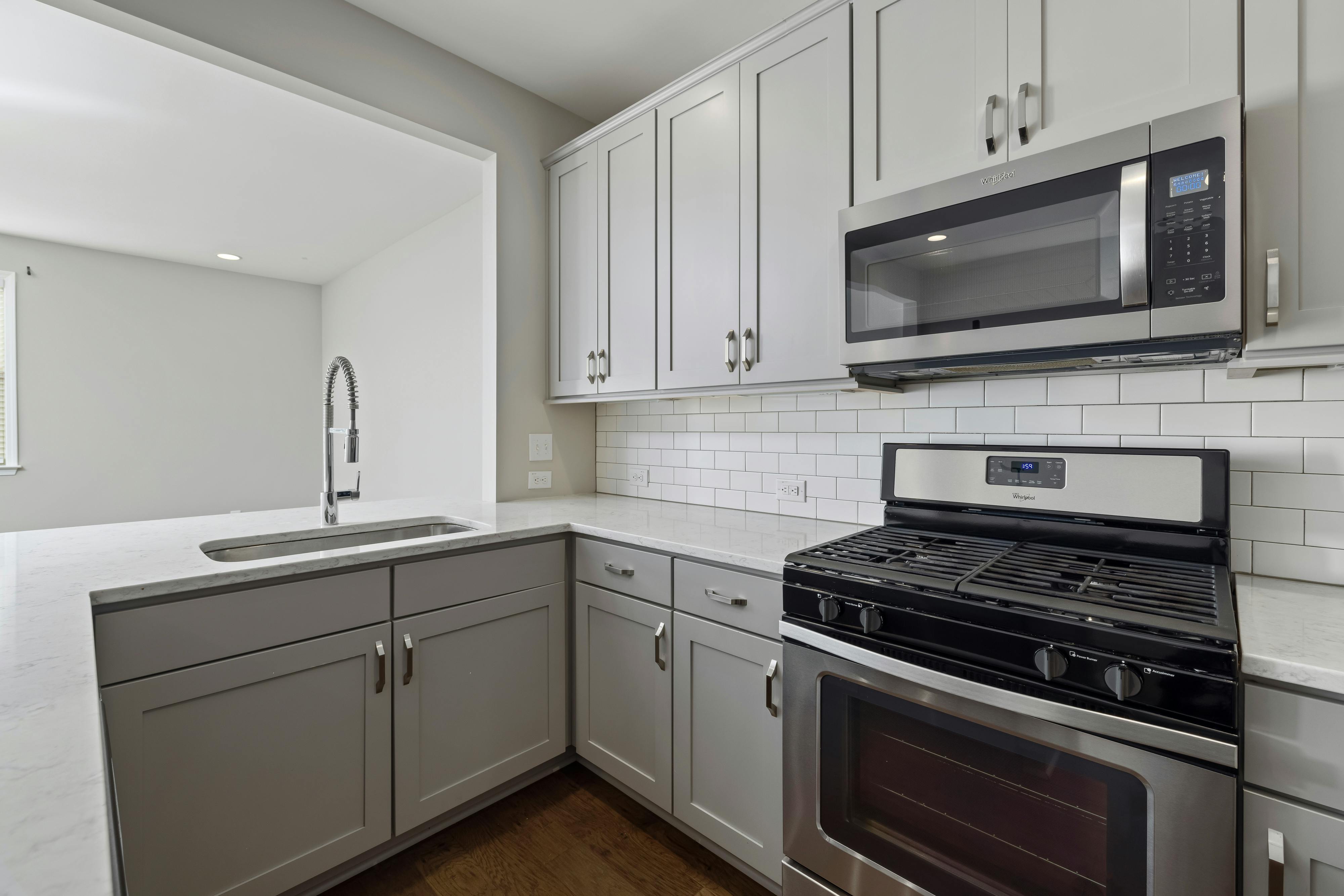 Appliances fail at the worst times. A refrigerator warms up right before guests arrive. A dishwasher stops draining on a weeknight. A dryer takes two cycles to finish a load. When that happens, you face two decisions. Repair or replace, then who to trust for the work. In the Bay Area, those decisions get tougher. Many homes have older cabinetry sizes, tight kitchens, and electrical panels built for a different era. In places like San Rafael and much of Marin County, you often find remodel layers where old and new meet. A smart plan relies on measurements, compatibility checks, and a clear service approach. What an appliance provider might cover Some businesses focus on repairs only. Others combine a showroom with repair services. The Martin & Harris Appliances report page describes both, listing appliance repairs for major household equipment and a showroom that sells items such as refrigerators, dishwashers, washers and dryers, ovens, cooktops, and small appliances. It also notes a San Rafael showroom with demonstrations in practical home environments. That combined model matters when you want continuity. A repair team that knows common failure points, plus a sales team that understands fit and installation constraints, often reduces mismatches. Start with the repair versus replace decision The goal is not to chase the newest model. The goal is a reliable appliance that fits your space and your household habits. Ask these questions first • What is the appliance age and brand. • What is the failure type, performance issue, leak, noise, heating problem, or control issue. • Has the appliance shown warning signs, such as repeated resets, poor temperature control, or frequent error codes. • Do you have any warranty coverage, including extended coverage tied to purchase. Common decision points by appliance type Refrigerator • Food safety concerns raise the urgency. • Compressor and sealed system issues often push toward replacement, yet diagnosis matters. Dishwasher • Drain and pump issues sometimes tie to clogs or a failing component. • Leaks require fast action to protect cabinets and floors. Washer and dryer • Overloads and vibration often relate to leveling and floor stability. • Dryer performance issues often relate to vent restrictions. Oven and cooktop • Heating issues vary widely by fuel type and ignition system. • Control boards and sensors require careful diagnosis. How to prepare for a repair visit A repair goes smoother when you do a little prep and documentation.Before the technician arrives • Clear access to the appliance and the shutoffs. • Take photos of the model and serial tag. • Write down error codes and when they appear. • Note recent changes, such as power outages, new detergents, or a move. For leaks • Shut off the water supply to the appliance. • Dry the area and watch where water returns. • Look for slow seepage under the unit and at hoses. For electrical issues • Note whether the breaker trips. • Avoid repeated resets if it trips again. For ventilation issues, dryers especially • Check whether the exterior vent flap opens during operation. • Note lint buildup and long dry times. What to look for when choosing a repair provider Many homeowners focus on speed. Speed matters, yet skill and parts access matter too. Comparison points • Diagnostic process: do they explain likely causes and steps. • Parts strategy: do they stock common parts or order per case. • Communication: do they give a clear update once diagnosis is complete. • Safety and protection: do they protect floors and cabinetry. • Authorization: some brands require factory authorization for warranty work. If a provider also sells appliances, ask whether service covers items purchased elsewhere and how service scheduling works. Buying new appliances, the fit matters more than features A new appliance that does not fit is a costly mistake. Fit includes dimensions, clearances, and hookups. Measurement checklist for kitchens • Width, height, and depth of the appliance opening • Door swing clearance against islands and walls • Handle depth and drawer clearance • Countertop overhang that affects door opening • Venting path for ranges and over-the-range microwaves • Water line and drain location for dishwashers Measurement checklist for laundry • Doorway and hallway clearances on the delivery path • Vent location and length for dryers • Drain standpipe location and height • Floor stability and slope for high-spin washers In older Bay Area homes, cabinetry openings often do not match today’s standard sizes. Tight corners and narrow hallways also affect delivery. Fuel, power, and ventilation compatibility Many appliance problems trace back to mismatched hookups. Electrical • Confirm circuit type and amperage for ranges, ovens, and some dryers. • Confirm outlet type, especially for older kitchens and laundry rooms. • For remodels, confirm panel capacity for added circuits. Gas • Verify shutoff access and connector condition. • Confirm venting requirements for gas ranges and gas dryers. Ventilation • For dryers, long vent runs increase lint risk and reduce performance. • For kitchen ventilation, duct routing affects noise and capture performance. A showroom that understands installation constraints helps here. The Martin & Harris report page describes its showroom and sales support alongside repairs. Delivery and installation, define scope clearly Appliance installation varies widely. Some installations are simple swaps. Others require adjustments. Ask these questions before delivery day 1. Does installation include removal and haul-away of the old unit. 2. Does installation include new connectors and hoses, or reuse of existing. 3. Who handles modifications, such as cabinet trimming, new outlets, or vent updates. 4. What happens if the unit arrives and does not fit. If cabinet modifications or electrical work is needed, plan the sequence. The appliance often arrives last, once hookups are ready. Common pitfalls homeowners face Avoiding a few common mistakes saves time and stress. Pitfall 1, buying by feature list, not by fit A door-in-door refrigerator or a wide French door unit needs clearance. Measure twice, then confirm hinge swing. Pitfall 2, ignoring ventilation A dryer with a crushed vent hose performs poorly and raises lint risk. A kitchen hood with poor duct routing underperforms even if the hood is powerful. Pitfall 3, skipping service access A built-in unit with no access panel turns small repairs into a bigger event. Pitfall 4, mixing appliance finishes without a plan Stainless steel finishes differ across brands and years. If matching matters, confirm it in person. Pitfall 5, forgetting noise and layout Open concept homes make dishwasher and fridge noise more noticeable. In smaller San Rafael-area homes, laundry noise travels through floors and walls. Consider placement and insulation.  How to compare appliance brands without chasing hype You do not need a trendy list. You need the right match for your use. Practical comparison criteria • Service network and part availability • Repair complexity, such as integrated controls and sealed systems • Real-world capacity, such as usable fridge space or oven size • Controls that fit your household, simple dials versus touch controls • Cleaning needs, such as filter access and lint traps If you prefer in-person comparison, a showroom with demonstration layouts helps you judge door swing, shelf design, and control visibility. Martin & Harris describes its showroom in practical home environments. A homeowner checklist for appliance lifespan support Routine habits reduce breakdowns. Refrigerator • Clean condenser coils on a schedule that fits your dust levels. • Keep door gaskets clean and inspect for gaps. • Avoid blocking vents inside the fridge with packed items. Dishwasher • Clean the filter and spray arms periodically. • Run hot water at the sink before starting, if your kitchen runs cold. • Watch for standing water after cycles. Washer • Level the machine and recheck after moves. • Clean the detergent drawer and gasket area. • Leave the door open between loads for ventilation. Dryer • Clean the lint screen every load. • Inspect the vent outlet and keep it clear. • Schedule vent cleaning based on usage and vent length. Cooking appliances • Keep burner ports clean on gas units. • Avoid harsh abrasives on glass tops. • Use the self-clean feature sparingly, if your unit runs hot. What to do when a repair does not solve the issue Sometimes a repair resolves one symptom and reveals another. That is common, especially with older units. Steps that help • Ask for the failed part explanation and what changed after replacement. • Keep notes about recurring error codes and conditions. • Ask whether other components show wear, such as pumps, belts, or sensors. • Decide whether the next step is a second repair or replacement planning. A calm way to make the decision When an appliance fails, the best move is a simple process: 1. Document the symptom, model, and age. 2. Schedule diagnosis and ask for a clear explanation of options. 3. If replacement makes sense, measure the space and confirm hookups. 4. Plan delivery and installation steps in the right order. 5. Set simple maintenance reminders for the new or repaired unit. That approach fits the Bay Area reality of mixed-era homes and tight spaces. It also keeps the decision grounded in fit, safety, and long-term usability. https://www.diamondcertified.org/report/martin-harris-appliances/ |
| json metadata | {"tags":["buying","and","servicing","appliances","right","products","to","fit"],"image":["https://cdn.steemitimages.com/DQmWR8f1gCGyZaRVhZVYfzmN3AmsV5tXnjZFwR1ftY81BM2/pexels-curtis-adams-1694007-10827194.jpg","https://cdn.steemitimages.com/DQmR4QF7RT9H2CpZZqcWVx697AcWKPec9rrsoYi6C89ue2x/istockphoto-600668430-612x612.jpg"],"links":["https://www.diamondcertified.org/report/martin-harris-appliances/"],"app":"steemit/0.2","format":"markdown"} |
| Transaction Info | Block #103006314/Trx 8d6496049072c2780abb2ba43d95ab3b23f1fae1 |
View Raw JSON Data
{
"trx_id": "8d6496049072c2780abb2ba43d95ab3b23f1fae1",
"block": 103006314,
"trx_in_block": 2,
"op_in_trx": 0,
"virtual_op": 0,
"timestamp": "2026-01-28T16:49:33",
"op": [
"comment",
{
"parent_author": "",
"parent_permlink": "buying",
"author": "got-media",
"permlink": "4latd1-buying-and-servicing-appliances-a-bay-area-homeowner-guide",
"title": "Buying and Servicing Appliances, A Bay Area Homeowner Guide",
"body": "\n\nAppliances fail at the worst times. A refrigerator warms up right before guests arrive. A dishwasher stops draining on a weeknight. A dryer takes two cycles to finish a load. When that happens, you face two decisions. Repair or replace, then who to trust for the work.\n\nIn the Bay Area, those decisions get tougher. Many homes have older cabinetry sizes, tight kitchens, and electrical panels built for a different era. In places like San Rafael and much of Marin County, you often find remodel layers where old and new meet. A smart plan relies on measurements, compatibility checks, and a clear service approach.\n\nWhat an appliance provider might cover\nSome businesses focus on repairs only. Others combine a showroom with repair services. The Martin & Harris Appliances report page describes both, listing appliance repairs for major household equipment and a showroom that sells items such as refrigerators, dishwashers, washers and dryers, ovens, cooktops, and small appliances. It also notes a San Rafael showroom with demonstrations in practical home environments. \n\nThat combined model matters when you want continuity. A repair team that knows common failure points, plus a sales team that understands fit and installation constraints, often reduces mismatches.\n\nStart with the repair versus replace decision\nThe goal is not to chase the newest model. The goal is a reliable appliance that fits your space and your household habits.\n\nAsk these questions first\n• What is the appliance age and brand.\n• What is the failure type, performance issue, leak, noise, heating problem, or control issue.\n• Has the appliance shown warning signs, such as repeated resets, poor temperature control, or frequent error codes.\n• Do you have any warranty coverage, including extended coverage tied to purchase.\n\nCommon decision points by appliance type\nRefrigerator\n• Food safety concerns raise the urgency.\n• Compressor and sealed system issues often push toward replacement, yet diagnosis matters.\nDishwasher\n• Drain and pump issues sometimes tie to clogs or a failing component.\n• Leaks require fast action to protect cabinets and floors.\nWasher and dryer\n• Overloads and vibration often relate to leveling and floor stability.\n• Dryer performance issues often relate to vent restrictions.\nOven and cooktop\n• Heating issues vary widely by fuel type and ignition system.\n• Control boards and sensors require careful diagnosis. \n\nHow to prepare for a repair visit\nA repair goes smoother when you do a little prep and documentation.Before the technician arrives\n• Clear access to the appliance and the shutoffs.\n• Take photos of the model and serial tag.\n• Write down error codes and when they appear.\n• Note recent changes, such as power outages, new detergents, or a move.\n\nFor leaks\n• Shut off the water supply to the appliance.\n• Dry the area and watch where water returns.\n• Look for slow seepage under the unit and at hoses.\n\nFor electrical issues\n• Note whether the breaker trips.\n• Avoid repeated resets if it trips again.\n\nFor ventilation issues, dryers especially\n• Check whether the exterior vent flap opens during operation.\n• Note lint buildup and long dry times.\n\nWhat to look for when choosing a repair provider\nMany homeowners focus on speed. Speed matters, yet skill and parts access matter too.\n\nComparison points\n• Diagnostic process: do they explain likely causes and steps.\n• Parts strategy: do they stock common parts or order per case.\n• Communication: do they give a clear update once diagnosis is complete.\n• Safety and protection: do they protect floors and cabinetry.\n• Authorization: some brands require factory authorization for warranty work.\n\nIf a provider also sells appliances, ask whether service covers items purchased elsewhere and how service scheduling works.\nBuying new appliances, the fit matters more than features\n\nA new appliance that does not fit is a costly mistake. Fit includes dimensions, clearances, and hookups.\n\nMeasurement checklist for kitchens\n• Width, height, and depth of the appliance opening\n• Door swing clearance against islands and walls\n• Handle depth and drawer clearance\n• Countertop overhang that affects door opening\n• Venting path for ranges and over-the-range microwaves\n• Water line and drain location for dishwashers\n\nMeasurement checklist for laundry\n• Doorway and hallway clearances on the delivery path\n• Vent location and length for dryers\n• Drain standpipe location and height\n• Floor stability and slope for high-spin washers\n\nIn older Bay Area homes, cabinetry openings often do not match today’s standard sizes. Tight corners and narrow hallways also affect delivery.\n\nFuel, power, and ventilation compatibility\nMany appliance problems trace back to mismatched hookups.\n\nElectrical\n• Confirm circuit type and amperage for ranges, ovens, and some dryers.\n• Confirm outlet type, especially for older kitchens and laundry rooms.\n• For remodels, confirm panel capacity for added circuits.\n\nGas\n• Verify shutoff access and connector condition.\n• Confirm venting requirements for gas ranges and gas dryers.\n\nVentilation\n• For dryers, long vent runs increase lint risk and reduce performance.\n• For kitchen ventilation, duct routing affects noise and capture performance.\n\nA showroom that understands installation constraints helps here. The Martin & Harris report page describes its showroom and sales support alongside repairs. \n\nDelivery and installation, define scope clearly\nAppliance installation varies widely. Some installations are simple swaps. Others require adjustments.\n\nAsk these questions before delivery day\n1.\tDoes installation include removal and haul-away of the old unit.\n2.\tDoes installation include new connectors and hoses, or reuse of existing.\n3.\tWho handles modifications, such as cabinet trimming, new outlets, or vent updates.\n4.\tWhat happens if the unit arrives and does not fit.\n\nIf cabinet modifications or electrical work is needed, plan the sequence. The appliance often arrives last, once hookups are ready.\n\nCommon pitfalls homeowners face\nAvoiding a few common mistakes saves time and stress.\n\nPitfall 1, buying by feature list, not by fit\nA door-in-door refrigerator or a wide French door unit needs clearance. Measure twice, then confirm hinge swing.\n\nPitfall 2, ignoring ventilation\nA dryer with a crushed vent hose performs poorly and raises lint risk. A kitchen hood with poor duct routing underperforms even if the hood is powerful.\n\nPitfall 3, skipping service access\nA built-in unit with no access panel turns small repairs into a bigger event.\n\nPitfall 4, mixing appliance finishes without a plan\nStainless steel finishes differ across brands and years. If matching matters, confirm it in person.\n\nPitfall 5, forgetting noise and layout\nOpen concept homes make dishwasher and fridge noise more noticeable. In smaller San Rafael-area homes, laundry noise travels through floors and walls. Consider placement and insulation.\n\n\n\nHow to compare appliance brands without chasing hype\nYou do not need a trendy list. You need the right match for your use.\n\nPractical comparison criteria\n• Service network and part availability\n• Repair complexity, such as integrated controls and sealed systems\n• Real-world capacity, such as usable fridge space or oven size\n• Controls that fit your household, simple dials versus touch controls\n• Cleaning needs, such as filter access and lint traps\n\nIf you prefer in-person comparison, a showroom with demonstration layouts helps you judge door swing, shelf design, and control visibility. Martin & Harris describes its showroom in practical home environments.\n\nA homeowner checklist for appliance lifespan support\nRoutine habits reduce breakdowns.\n\nRefrigerator\n• Clean condenser coils on a schedule that fits your dust levels.\n• Keep door gaskets clean and inspect for gaps.\n• Avoid blocking vents inside the fridge with packed items.\n\nDishwasher\n• Clean the filter and spray arms periodically.\n• Run hot water at the sink before starting, if your kitchen runs cold.\n• Watch for standing water after cycles.\n\nWasher\n• Level the machine and recheck after moves.\n• Clean the detergent drawer and gasket area.\n• Leave the door open between loads for ventilation.\n\nDryer\n• Clean the lint screen every load.\n• Inspect the vent outlet and keep it clear.\n• Schedule vent cleaning based on usage and vent length.\n\nCooking appliances\n• Keep burner ports clean on gas units.\n• Avoid harsh abrasives on glass tops.\n• Use the self-clean feature sparingly, if your unit runs hot.\n\nWhat to do when a repair does not solve the issue\nSometimes a repair resolves one symptom and reveals another. That is common, especially with older units.\n\nSteps that help\n• Ask for the failed part explanation and what changed after replacement.\n• Keep notes about recurring error codes and conditions.\n• Ask whether other components show wear, such as pumps, belts, or sensors.\n• Decide whether the next step is a second repair or replacement planning.\n\nA calm way to make the decision\nWhen an appliance fails, the best move is a simple process:\n1.\tDocument the symptom, model, and age.\n2.\tSchedule diagnosis and ask for a clear explanation of options.\n3.\tIf replacement makes sense, measure the space and confirm hookups.\n4.\tPlan delivery and installation steps in the right order.\n5.\tSet simple maintenance reminders for the new or repaired unit.\n\nThat approach fits the Bay Area reality of mixed-era homes and tight spaces. It also keeps the decision grounded in fit, safety, and long-term usability.\n\nhttps://www.diamondcertified.org/report/martin-harris-appliances/",
"json_metadata": "{\"tags\":[\"buying\",\"and\",\"servicing\",\"appliances\",\"right\",\"products\",\"to\",\"fit\"],\"image\":[\"https://cdn.steemitimages.com/DQmWR8f1gCGyZaRVhZVYfzmN3AmsV5tXnjZFwR1ftY81BM2/pexels-curtis-adams-1694007-10827194.jpg\",\"https://cdn.steemitimages.com/DQmR4QF7RT9H2CpZZqcWVx697AcWKPec9rrsoYi6C89ue2x/istockphoto-600668430-612x612.jpg\"],\"links\":[\"https://www.diamondcertified.org/report/martin-harris-appliances/\"],\"app\":\"steemit/0.2\",\"format\":\"markdown\"}"
}
]
}got-mediapublished a new post: buying-and-servicing-appliances-a-bay-area-homeowner-guide2026/01/28 16:08:54
got-mediapublished a new post: buying-and-servicing-appliances-a-bay-area-homeowner-guide
2026/01/28 16:08:54
| parent author | |
| parent permlink | martin |
| author | got-media |
| permlink | buying-and-servicing-appliances-a-bay-area-homeowner-guide |
| title | Buying and Servicing Appliances, A Bay Area Homeowner Guide |
| body |  Appliances fail at the worst times. A refrigerator warms up right before guests arrive. A dishwasher stops draining on a weeknight. A dryer takes two cycles to finish a load. When that happens, you face two decisions. Repair or replace, then who to trust for the work. In the Bay Area, those decisions get tougher. Many homes have older cabinetry sizes, tight kitchens, and electrical panels built for a different era. In places like San Rafael and much of Marin County, you often find remodel layers where old and new meet. A smart plan relies on measurements, compatibility checks, and a clear service approach. What an appliance provider might cover Some businesses focus on repairs only. Others combine a showroom with repair services. The Martin & Harris Appliances report page describes both, listing appliance repairs for major household equipment and a showroom that sells items such as refrigerators, dishwashers, washers and dryers, ovens, cooktops, and small appliances. It also notes a San Rafael showroom with demonstrations in practical home environments. That combined model matters when you want continuity. A repair team that knows common failure points, plus a sales team that understands fit and installation constraints, often reduces mismatches. Start with the repair versus replace decision The goal is not to chase the newest model. The goal is a reliable appliance that fits your space and your household habits. Ask these questions first • What is the appliance age and brand. • What is the failure type, performance issue, leak, noise, heating problem, or control issue. • Has the appliance shown warning signs, such as repeated resets, poor temperature control, or frequent error codes. • Do you have any warranty coverage, including extended coverage tied to purchase. Common decision points by appliance type Refrigerator • Food safety concerns raise the urgency. • Compressor and sealed system issues often push toward replacement, yet diagnosis matters. Dishwasher • Drain and pump issues sometimes tie to clogs or a failing component. • Leaks require fast action to protect cabinets and floors. Washer and dryer • Overloads and vibration often relate to leveling and floor stability. • Dryer performance issues often relate to vent restrictions. Oven and cooktop • Heating issues vary widely by fuel type and ignition system. • Control boards and sensors require careful diagnosis. How to prepare for a repair visit A repair goes smoother when you do a little prep and documentation. Before the technician arrives • Clear access to the appliance and the shutoffs. • Take photos of the model and serial tag. • Write down error codes and when they appear. • Note recent changes, such as power outages, new detergents, or a move. For leaks • Shut off the water supply to the appliance. • Dry the area and watch where water returns. • Look for slow seepage under the unit and at hoses. For electrical issues • Note whether the breaker trips. • Avoid repeated resets if it trips again. For ventilation issues, dryers especially • Check whether the exterior vent flap opens during operation. • Note lint buildup and long dry times. What to look for when choosing a repair provider Many homeowners focus on speed. Speed matters, yet skill and parts access matter too. Comparison points • Diagnostic process: do they explain likely causes and steps. • Parts strategy: do they stock common parts or order per case. • Communication: do they give a clear update once diagnosis is complete. • Safety and protection: do they protect floors and cabinetry. • Authorization: some brands require factory authorization for warranty work. If a provider also sells appliances, ask whether service covers items purchased elsewhere and how service scheduling works. Buying new appliances, the fit matters more than features A new appliance that does not fit is a costly mistake. Fit includes dimensions, clearances, and hookups. Measurement checklist for kitchens • Width, height, and depth of the appliance opening • Door swing clearance against islands and walls • Handle depth and drawer clearance • Countertop overhang that affects door opening • Venting path for ranges and over-the-range microwaves • Water line and drain location for dishwashers Measurement checklist for laundry • Doorway and hallway clearances on the delivery path • Vent location and length for dryers • Drain standpipe location and height • Floor stability and slope for high-spin washers In older Bay Area homes, cabinetry openings often do not match today’s standard sizes. Tight corners and narrow hallways also affect delivery. Fuel, power, and ventilation compatibility Many appliance problems trace back to mismatched hookups. Electrical • Confirm circuit type and amperage for ranges, ovens, and some dryers. • Confirm outlet type, especially for older kitchens and laundry rooms. • For remodels, confirm panel capacity for added circuits. Gas • Verify shutoff access and connector condition. • Confirm venting requirements for gas ranges and gas dryers. Ventilation • For dryers, long vent runs increase lint risk and reduce performance. • For kitchen ventilation, duct routing affects noise and capture performance. A showroom that understands installation constraints helps here. The Martin & Harris report page describes its showroom and sales support alongside repairs.  Delivery and installation, define scope clearly Appliance installation varies widely. Some installations are simple swaps. Others require adjustments. Ask these questions before delivery day 1. Does installation include removal and haul-away of the old unit. 2. Does installation include new connectors and hoses, or reuse of existing. 3. Who handles modifications, such as cabinet trimming, new outlets, or vent updates. 4. What happens if the unit arrives and does not fit. If cabinet modifications or electrical work is needed, plan the sequence. The appliance often arrives last, once hookups are ready. Common pitfalls homeowners face Avoiding a few common mistakes saves time and stress. Pitfall 1, buying by feature list, not by fit A door-in-door refrigerator or a wide French door unit needs clearance. Measure twice, then confirm hinge swing. Pitfall 2, ignoring ventilation A dryer with a crushed vent hose performs poorly and raises lint risk. A kitchen hood with poor duct routing underperforms even if the hood is powerful. Pitfall 3, skipping service access A built-in unit with no access panel turns small repairs into a bigger event. Pitfall 4, mixing appliance finishes without a plan Stainless steel finishes differ across brands and years. If matching matters, confirm it in person. Pitfall 5, forgetting noise and layout Open concept homes make dishwasher and fridge noise more noticeable. In smaller San Rafael-area homes, laundry noise travels through floors and walls. Consider placement and insulation. How to compare appliance brands without chasing hype You do not need a trendy list. You need the right match for your use. Practical comparison criteria • Service network and part availability • Repair complexity, such as integrated controls and sealed systems • Real-world capacity, such as usable fridge space or oven size • Controls that fit your household, simple dials versus touch controls • Cleaning needs, such as filter access and lint traps A homeowner checklist for appliance lifespan support Routine habits reduce breakdowns. Refrigerator • Clean condenser coils on a schedule that fits your dust levels. • Keep door gaskets clean and inspect for gaps. • Avoid blocking vents inside the fridge with packed items. Dishwasher • Clean the filter and spray arms periodically. • Run hot water at the sink before starting, if your kitchen runs cold. • Watch for standing water after cycles. Washer • Level the machine and recheck after moves. • Clean the detergent drawer and gasket area. • Leave the door open between loads for ventilation. Dryer • Clean the lint screen every load. • Inspect the vent outlet and keep it clear. • Schedule vent cleaning based on usage and vent length. Cooking appliances • Keep burner ports clean on gas units. • Avoid harsh abrasives on glass tops. • Use the self-clean feature sparingly, if your unit runs hot. What to do when a repair does not solve the issue Sometimes a repair resolves one symptom and reveals another. That is common, especially with older units. Steps that help • Ask for the failed part explanation and what changed after replacement. • Keep notes about recurring error codes and conditions. • Ask whether other components show wear, such as pumps, belts, or sensors. • Decide whether the next step is a second repair or replacement planning. A neutral research reference If you want a quick reference for the mix of services that some appliance providers offer, including major appliance repairs plus a showroom sales operation, the Martin & Harris Appliances report page provides a helpful overview for building your comparison checklist. A calm way to make the decision When an appliance fails, the best move is a simple process: 1. Document the symptom, model, and age. 2. Schedule diagnosis and ask for a clear explanation of options. 3. If replacement makes sense, measure the space and confirm hookups. 4. Plan delivery and installation steps in the right order. 5. Set simple maintenance reminders for the new or repaired unit. That approach fits the Bay Area reality of mixed-era homes and tight spaces. It also keeps the decision grounded in fit, safety, and long-term usability. https://www.diamondcertified.org/report/martin-harris-appliances/ |
| json metadata | {"tags":["and","harris","appliances","buying","servicing"],"image":["https://cdn.steemitimages.com/DQmf7coFso8n1tuKtZo1UFdkRbovRT4X9aqBEH2jrmkUL2K/pexels-bulat369-1243575272-34404157.jpg","https://cdn.steemitimages.com/DQmWR8f1gCGyZaRVhZVYfzmN3AmsV5tXnjZFwR1ftY81BM2/pexels-curtis-adams-1694007-10827194.jpg"],"links":["https://www.diamondcertified.org/report/martin-harris-appliances/"],"app":"steemit/0.2","format":"markdown"} |
| Transaction Info | Block #103005502/Trx 04649ae4b037216b6bae02ba59159c1f3e1ae822 |
View Raw JSON Data
{
"trx_id": "04649ae4b037216b6bae02ba59159c1f3e1ae822",
"block": 103005502,
"trx_in_block": 3,
"op_in_trx": 0,
"virtual_op": 0,
"timestamp": "2026-01-28T16:08:54",
"op": [
"comment",
{
"parent_author": "",
"parent_permlink": "martin",
"author": "got-media",
"permlink": "buying-and-servicing-appliances-a-bay-area-homeowner-guide",
"title": "Buying and Servicing Appliances, A Bay Area Homeowner Guide",
"body": "\n\nAppliances fail at the worst times. A refrigerator warms up right before guests arrive. A dishwasher stops draining on a weeknight. A dryer takes two cycles to finish a load. When that happens, you face two decisions. Repair or replace, then who to trust for the work.\n\nIn the Bay Area, those decisions get tougher. Many homes have older cabinetry sizes, tight kitchens, and electrical panels built for a different era. In places like San Rafael and much of Marin County, you often find remodel layers where old and new meet. A smart plan relies on measurements, compatibility checks, and a clear service approach.\n\nWhat an appliance provider might cover\nSome businesses focus on repairs only. Others combine a showroom with repair services. The Martin & Harris Appliances report page describes both, listing appliance repairs for major household equipment and a showroom that sells items such as refrigerators, dishwashers, washers and dryers, ovens, cooktops, and small appliances. It also notes a San Rafael showroom with demonstrations in practical home environments. \n\nThat combined model matters when you want continuity. A repair team that knows common failure points, plus a sales team that understands fit and installation constraints, often reduces mismatches.\n\nStart with the repair versus replace decision\nThe goal is not to chase the newest model. The goal is a reliable appliance that fits your space and your household habits.\n\nAsk these questions first\n• What is the appliance age and brand.\n• What is the failure type, performance issue, leak, noise, heating problem, or control issue.\n• Has the appliance shown warning signs, such as repeated resets, poor temperature control, or frequent error codes.\n• Do you have any warranty coverage, including extended coverage tied to purchase.\n\nCommon decision points by appliance type\n\nRefrigerator\n• Food safety concerns raise the urgency.\n• Compressor and sealed system issues often push toward replacement, yet diagnosis matters.\n\nDishwasher\n• Drain and pump issues sometimes tie to clogs or a failing component.\n• Leaks require fast action to protect cabinets and floors.\n\nWasher and dryer\n• Overloads and vibration often relate to leveling and floor stability.\n• Dryer performance issues often relate to vent restrictions.\n\nOven and cooktop\n• Heating issues vary widely by fuel type and ignition system.\n• Control boards and sensors require careful diagnosis.\n\nHow to prepare for a repair visit\nA repair goes smoother when you do a little prep and documentation.\n\nBefore the technician arrives\n• Clear access to the appliance and the shutoffs.\n• Take photos of the model and serial tag.\n• Write down error codes and when they appear.\n• Note recent changes, such as power outages, new detergents, or a move.\n\nFor leaks\n• Shut off the water supply to the appliance.\n• Dry the area and watch where water returns.\n• Look for slow seepage under the unit and at hoses.\n\nFor electrical issues\n• Note whether the breaker trips.\n• Avoid repeated resets if it trips again.\n\nFor ventilation issues, dryers especially\n• Check whether the exterior vent flap opens during operation.\n• Note lint buildup and long dry times.\n\nWhat to look for when choosing a repair provider\nMany homeowners focus on speed. Speed matters, yet skill and parts access matter too.\n\nComparison points\n• Diagnostic process: do they explain likely causes and steps.\n• Parts strategy: do they stock common parts or order per case.\n• Communication: do they give a clear update once diagnosis is complete.\n• Safety and protection: do they protect floors and cabinetry.\n• Authorization: some brands require factory authorization for warranty work.\n\nIf a provider also sells appliances, ask whether service covers items purchased elsewhere and how service scheduling works.\n\nBuying new appliances, the fit matters more than features\nA new appliance that does not fit is a costly mistake. Fit includes dimensions, clearances, and hookups.\n\nMeasurement checklist for kitchens\n• Width, height, and depth of the appliance opening\n• Door swing clearance against islands and walls\n• Handle depth and drawer clearance\n• Countertop overhang that affects door opening\n• Venting path for ranges and over-the-range microwaves\n• Water line and drain location for dishwashers\n\nMeasurement checklist for laundry\n• Doorway and hallway clearances on the delivery path\n• Vent location and length for dryers\n• Drain standpipe location and height\n• Floor stability and slope for high-spin washers\n\nIn older Bay Area homes, cabinetry openings often do not match today’s standard sizes. Tight corners and narrow hallways also affect delivery.\n\nFuel, power, and ventilation compatibility\nMany appliance problems trace back to mismatched hookups.\n\nElectrical\n• Confirm circuit type and amperage for ranges, ovens, and some dryers.\n• Confirm outlet type, especially for older kitchens and laundry rooms.\n• For remodels, confirm panel capacity for added circuits.\n\nGas\n• Verify shutoff access and connector condition.\n• Confirm venting requirements for gas ranges and gas dryers.\n\nVentilation\n• For dryers, long vent runs increase lint risk and reduce performance.\n• For kitchen ventilation, duct routing affects noise and capture performance.\n\nA showroom that understands installation constraints helps here. The Martin & Harris report page describes its showroom and sales support alongside repairs. \n\n\n\nDelivery and installation, define scope clearly\nAppliance installation varies widely. Some installations are simple swaps. Others require adjustments.\n\nAsk these questions before delivery day\n1.\tDoes installation include removal and haul-away of the old unit.\n2.\tDoes installation include new connectors and hoses, or reuse of existing.\n3.\tWho handles modifications, such as cabinet trimming, new outlets, or vent updates.\n4.\tWhat happens if the unit arrives and does not fit.\n\nIf cabinet modifications or electrical work is needed, plan the sequence. The appliance often arrives last, once hookups are ready.\n\nCommon pitfalls homeowners face\nAvoiding a few common mistakes saves time and stress.\n\nPitfall 1, buying by feature list, not by fit\nA door-in-door refrigerator or a wide French door unit needs clearance. Measure twice, then confirm hinge swing.\n\nPitfall 2, ignoring ventilation\nA dryer with a crushed vent hose performs poorly and raises lint risk. A kitchen hood with poor duct routing underperforms even if the hood is powerful.\n\nPitfall 3, skipping service access\nA built-in unit with no access panel turns small repairs into a bigger event.\n\nPitfall 4, mixing appliance finishes without a plan\nStainless steel finishes differ across brands and years. If matching matters, confirm it in person.\n\nPitfall 5, forgetting noise and layout\nOpen concept homes make dishwasher and fridge noise more noticeable. In smaller San Rafael-area homes, laundry noise travels through floors and walls. Consider placement and insulation.\n\nHow to compare appliance brands without chasing hype\nYou do not need a trendy list. You need the right match for your use.\n\nPractical comparison criteria\n• Service network and part availability\n• Repair complexity, such as integrated controls and sealed systems\n• Real-world capacity, such as usable fridge space or oven size\n• Controls that fit your household, simple dials versus touch controls\n• Cleaning needs, such as filter access and lint traps\n\nA homeowner checklist for appliance lifespan support\nRoutine habits reduce breakdowns.\n\nRefrigerator\n• Clean condenser coils on a schedule that fits your dust levels.\n• Keep door gaskets clean and inspect for gaps.\n• Avoid blocking vents inside the fridge with packed items.\n\nDishwasher\n• Clean the filter and spray arms periodically.\n• Run hot water at the sink before starting, if your kitchen runs cold.\n• Watch for standing water after cycles.\n\nWasher\n• Level the machine and recheck after moves.\n• Clean the detergent drawer and gasket area.\n• Leave the door open between loads for ventilation.\n\nDryer\n• Clean the lint screen every load.\n• Inspect the vent outlet and keep it clear.\n• Schedule vent cleaning based on usage and vent length.\n\nCooking appliances\n• Keep burner ports clean on gas units.\n• Avoid harsh abrasives on glass tops.\n• Use the self-clean feature sparingly, if your unit runs hot.\n\nWhat to do when a repair does not solve the issue\nSometimes a repair resolves one symptom and reveals another. That is common, especially with older units.\n\nSteps that help\n• Ask for the failed part explanation and what changed after replacement.\n• Keep notes about recurring error codes and conditions.\n• Ask whether other components show wear, such as pumps, belts, or sensors.\n• Decide whether the next step is a second repair or replacement planning.\n\nA neutral research reference\nIf you want a quick reference for the mix of services that some appliance providers offer, including major appliance repairs plus a showroom sales operation, the Martin & Harris Appliances report page provides a helpful overview for building your comparison checklist. \n\nA calm way to make the decision\nWhen an appliance fails, the best move is a simple process:\n1.\tDocument the symptom, model, and age.\n2.\tSchedule diagnosis and ask for a clear explanation of options.\n3.\tIf replacement makes sense, measure the space and confirm hookups.\n4.\tPlan delivery and installation steps in the right order.\n5.\tSet simple maintenance reminders for the new or repaired unit.\n\nThat approach fits the Bay Area reality of mixed-era homes and tight spaces. It also keeps the decision grounded in fit, safety, and long-term usability.\n\nhttps://www.diamondcertified.org/report/martin-harris-appliances/",
"json_metadata": "{\"tags\":[\"and\",\"harris\",\"appliances\",\"buying\",\"servicing\"],\"image\":[\"https://cdn.steemitimages.com/DQmf7coFso8n1tuKtZo1UFdkRbovRT4X9aqBEH2jrmkUL2K/pexels-bulat369-1243575272-34404157.jpg\",\"https://cdn.steemitimages.com/DQmWR8f1gCGyZaRVhZVYfzmN3AmsV5tXnjZFwR1ftY81BM2/pexels-curtis-adams-1694007-10827194.jpg\"],\"links\":[\"https://www.diamondcertified.org/report/martin-harris-appliances/\"],\"app\":\"steemit/0.2\",\"format\":\"markdown\"}"
}
]
}got-mediapublished a new post: buying-and-servicing-appliances-a-bay-area-homeowner-guide2026/01/28 16:08:09
got-mediapublished a new post: buying-and-servicing-appliances-a-bay-area-homeowner-guide
2026/01/28 16:08:09
| parent author | |
| parent permlink | martin |
| author | got-media |
| permlink | buying-and-servicing-appliances-a-bay-area-homeowner-guide |
| title | Buying and Servicing Appliances, A Bay Area Homeowner Guide |
| body |  Appliances fail at the worst times. A refrigerator warms up right before guests arrive. A dishwasher stops draining on a weeknight. A dryer takes two cycles to finish a load. When that happens, you face two decisions. Repair or replace, then who to trust for the work. In the Bay Area, those decisions get tougher. Many homes have older cabinetry sizes, tight kitchens, and electrical panels built for a different era. In places like San Rafael and much of Marin County, you often find remodel layers where old and new meet. A smart plan relies on measurements, compatibility checks, and a clear service approach. What an appliance provider might cover Some businesses focus on repairs only. Others combine a showroom with repair services. The Martin & Harris Appliances report page describes both, listing appliance repairs for major household equipment and a showroom that sells items such as refrigerators, dishwashers, washers and dryers, ovens, cooktops, and small appliances. It also notes a San Rafael showroom with demonstrations in practical home environments. That combined model matters when you want continuity. A repair team that knows common failure points, plus a sales team that understands fit and installation constraints, often reduces mismatches. Start with the repair versus replace decision The goal is not to chase the newest model. The goal is a reliable appliance that fits your space and your household habits. Ask these questions first • What is the appliance age and brand. • What is the failure type, performance issue, leak, noise, heating problem, or control issue. • Has the appliance shown warning signs, such as repeated resets, poor temperature control, or frequent error codes. • Do you have any warranty coverage, including extended coverage tied to purchase. Common decision points by appliance type Refrigerator • Food safety concerns raise the urgency. • Compressor and sealed system issues often push toward replacement, yet diagnosis matters. Dishwasher • Drain and pump issues sometimes tie to clogs or a failing component. • Leaks require fast action to protect cabinets and floors. Washer and dryer • Overloads and vibration often relate to leveling and floor stability. • Dryer performance issues often relate to vent restrictions. Oven and cooktop • Heating issues vary widely by fuel type and ignition system. • Control boards and sensors require careful diagnosis. How to prepare for a repair visit A repair goes smoother when you do a little prep and documentation. Before the technician arrives • Clear access to the appliance and the shutoffs. • Take photos of the model and serial tag. • Write down error codes and when they appear. • Note recent changes, such as power outages, new detergents, or a move. For leaks • Shut off the water supply to the appliance. • Dry the area and watch where water returns. • Look for slow seepage under the unit and at hoses. For electrical issues • Note whether the breaker trips. • Avoid repeated resets if it trips again. For ventilation issues, dryers especially • Check whether the exterior vent flap opens during operation. • Note lint buildup and long dry times. What to look for when choosing a repair provider Many homeowners focus on speed. Speed matters, yet skill and parts access matter too. Comparison points • Diagnostic process: do they explain likely causes and steps. • Parts strategy: do they stock common parts or order per case. • Communication: do they give a clear update once diagnosis is complete. • Safety and protection: do they protect floors and cabinetry. • Authorization: some brands require factory authorization for warranty work. If a provider also sells appliances, ask whether service covers items purchased elsewhere and how service scheduling works. Buying new appliances, the fit matters more than features A new appliance that does not fit is a costly mistake. Fit includes dimensions, clearances, and hookups. Measurement checklist for kitchens • Width, height, and depth of the appliance opening • Door swing clearance against islands and walls • Handle depth and drawer clearance • Countertop overhang that affects door opening • Venting path for ranges and over-the-range microwaves • Water line and drain location for dishwashers Measurement checklist for laundry • Doorway and hallway clearances on the delivery path • Vent location and length for dryers • Drain standpipe location and height • Floor stability and slope for high-spin washers In older Bay Area homes, cabinetry openings often do not match today’s standard sizes. Tight corners and narrow hallways also affect delivery. Fuel, power, and ventilation compatibility Many appliance problems trace back to mismatched hookups. Electrical • Confirm circuit type and amperage for ranges, ovens, and some dryers. • Confirm outlet type, especially for older kitchens and laundry rooms. • For remodels, confirm panel capacity for added circuits. Gas • Verify shutoff access and connector condition. • Confirm venting requirements for gas ranges and gas dryers. Ventilation • For dryers, long vent runs increase lint risk and reduce performance. • For kitchen ventilation, duct routing affects noise and capture performance. A showroom that understands installation constraints helps here. The Martin & Harris report page describes its showroom and sales support alongside repairs.  Delivery and installation, define scope clearly Appliance installation varies widely. Some installations are simple swaps. Others require adjustments. Ask these questions before delivery day 1. Does installation include removal and haul-away of the old unit. 2. Does installation include new connectors and hoses, or reuse of existing. 3. Who handles modifications, such as cabinet trimming, new outlets, or vent updates. 4. What happens if the unit arrives and does not fit. If cabinet modifications or electrical work is needed, plan the sequence. The appliance often arrives last, once hookups are ready. Common pitfalls homeowners face Avoiding a few common mistakes saves time and stress. Pitfall 1, buying by feature list, not by fit A door-in-door refrigerator or a wide French door unit needs clearance. Measure twice, then confirm hinge swing. Pitfall 2, ignoring ventilation A dryer with a crushed vent hose performs poorly and raises lint risk. A kitchen hood with poor duct routing underperforms even if the hood is powerful. Pitfall 3, skipping service access A built-in unit with no access panel turns small repairs into a bigger event. Pitfall 4, mixing appliance finishes without a plan Stainless steel finishes differ across brands and years. If matching matters, confirm it in person. Pitfall 5, forgetting noise and layout Open concept homes make dishwasher and fridge noise more noticeable. In smaller San Rafael-area homes, laundry noise travels through floors and walls. Consider placement and insulation. How to compare appliance brands without chasing hype You do not need a trendy list. You need the right match for your use. Practical comparison criteria • Service network and part availability • Repair complexity, such as integrated controls and sealed systems • Real-world capacity, such as usable fridge space or oven size • Controls that fit your household, simple dials versus touch controls • Cleaning needs, such as filter access and lint traps A homeowner checklist for appliance lifespan support Routine habits reduce breakdowns. Refrigerator • Clean condenser coils on a schedule that fits your dust levels. • Keep door gaskets clean and inspect for gaps. • Avoid blocking vents inside the fridge with packed items. Dishwasher • Clean the filter and spray arms periodically. • Run hot water at the sink before starting, if your kitchen runs cold. • Watch for standing water after cycles. Washer • Level the machine and recheck after moves. • Clean the detergent drawer and gasket area. • Leave the door open between loads for ventilation. Dryer • Clean the lint screen every load. • Inspect the vent outlet and keep it clear. • Schedule vent cleaning based on usage and vent length. Cooking appliances • Keep burner ports clean on gas units. • Avoid harsh abrasives on glass tops. • Use the self-clean feature sparingly, if your unit runs hot. What to do when a repair does not solve the issue Sometimes a repair resolves one symptom and reveals another. That is common, especially with older units. Steps that help • Ask for the failed part explanation and what changed after replacement. • Keep notes about recurring error codes and conditions. • Ask whether other components show wear, such as pumps, belts, or sensors. • Decide whether the next step is a second repair or replacement planning. A neutral research reference If you want a quick reference for the mix of services that some appliance providers offer, including major appliance repairs plus a showroom sales operation, the Martin & Harris Appliances report page provides a helpful overview for building your comparison checklist. A calm way to make the decision When an appliance fails, the best move is a simple process: 1. Document the symptom, model, and age. 2. Schedule diagnosis and ask for a clear explanation of options. 3. If replacement makes sense, measure the space and confirm hookups. 4. Plan delivery and installation steps in the right order. 5. Set simple maintenance reminders for the new or repaired unit. That approach fits the Bay Area reality of mixed-era homes and tight spaces. It also keeps the decision grounded in fit, safety, and long-term usability. https://www.diamondcertified.org/report/martin-harris-appliances/ |
| json metadata | {"tags":["martin","and","harris","appliances"],"image":["https://cdn.steemitimages.com/DQmf7coFso8n1tuKtZo1UFdkRbovRT4X9aqBEH2jrmkUL2K/pexels-bulat369-1243575272-34404157.jpg","https://cdn.steemitimages.com/DQmWR8f1gCGyZaRVhZVYfzmN3AmsV5tXnjZFwR1ftY81BM2/pexels-curtis-adams-1694007-10827194.jpg"],"links":["https://www.diamondcertified.org/report/martin-harris-appliances/"],"app":"steemit/0.2","format":"markdown"} |
| Transaction Info | Block #103005487/Trx bde325c26235de657480494cb21f53f2aab2780f |
View Raw JSON Data
{
"trx_id": "bde325c26235de657480494cb21f53f2aab2780f",
"block": 103005487,
"trx_in_block": 1,
"op_in_trx": 0,
"virtual_op": 0,
"timestamp": "2026-01-28T16:08:09",
"op": [
"comment",
{
"parent_author": "",
"parent_permlink": "martin",
"author": "got-media",
"permlink": "buying-and-servicing-appliances-a-bay-area-homeowner-guide",
"title": "Buying and Servicing Appliances, A Bay Area Homeowner Guide",
"body": "\n\nAppliances fail at the worst times. A refrigerator warms up right before guests arrive. A dishwasher stops draining on a weeknight. A dryer takes two cycles to finish a load. When that happens, you face two decisions. Repair or replace, then who to trust for the work.\n\nIn the Bay Area, those decisions get tougher. Many homes have older cabinetry sizes, tight kitchens, and electrical panels built for a different era. In places like San Rafael and much of Marin County, you often find remodel layers where old and new meet. A smart plan relies on measurements, compatibility checks, and a clear service approach.\n\nWhat an appliance provider might cover\nSome businesses focus on repairs only. Others combine a showroom with repair services. The Martin & Harris Appliances report page describes both, listing appliance repairs for major household equipment and a showroom that sells items such as refrigerators, dishwashers, washers and dryers, ovens, cooktops, and small appliances. It also notes a San Rafael showroom with demonstrations in practical home environments. \n\nThat combined model matters when you want continuity. A repair team that knows common failure points, plus a sales team that understands fit and installation constraints, often reduces mismatches.\n\nStart with the repair versus replace decision\nThe goal is not to chase the newest model. The goal is a reliable appliance that fits your space and your household habits.\n\nAsk these questions first\n• What is the appliance age and brand.\n• What is the failure type, performance issue, leak, noise, heating problem, or control issue.\n• Has the appliance shown warning signs, such as repeated resets, poor temperature control, or frequent error codes.\n• Do you have any warranty coverage, including extended coverage tied to purchase.\n\nCommon decision points by appliance type\n\nRefrigerator\n• Food safety concerns raise the urgency.\n• Compressor and sealed system issues often push toward replacement, yet diagnosis matters.\n\nDishwasher\n• Drain and pump issues sometimes tie to clogs or a failing component.\n• Leaks require fast action to protect cabinets and floors.\n\nWasher and dryer\n• Overloads and vibration often relate to leveling and floor stability.\n• Dryer performance issues often relate to vent restrictions.\n\nOven and cooktop\n• Heating issues vary widely by fuel type and ignition system.\n• Control boards and sensors require careful diagnosis.\n\nHow to prepare for a repair visit\nA repair goes smoother when you do a little prep and documentation.\n\nBefore the technician arrives\n• Clear access to the appliance and the shutoffs.\n• Take photos of the model and serial tag.\n• Write down error codes and when they appear.\n• Note recent changes, such as power outages, new detergents, or a move.\n\nFor leaks\n• Shut off the water supply to the appliance.\n• Dry the area and watch where water returns.\n• Look for slow seepage under the unit and at hoses.\n\nFor electrical issues\n• Note whether the breaker trips.\n• Avoid repeated resets if it trips again.\n\nFor ventilation issues, dryers especially\n• Check whether the exterior vent flap opens during operation.\n• Note lint buildup and long dry times.\n\nWhat to look for when choosing a repair provider\nMany homeowners focus on speed. Speed matters, yet skill and parts access matter too.\n\nComparison points\n• Diagnostic process: do they explain likely causes and steps.\n• Parts strategy: do they stock common parts or order per case.\n• Communication: do they give a clear update once diagnosis is complete.\n• Safety and protection: do they protect floors and cabinetry.\n• Authorization: some brands require factory authorization for warranty work.\n\nIf a provider also sells appliances, ask whether service covers items purchased elsewhere and how service scheduling works.\n\nBuying new appliances, the fit matters more than features\nA new appliance that does not fit is a costly mistake. Fit includes dimensions, clearances, and hookups.\n\nMeasurement checklist for kitchens\n• Width, height, and depth of the appliance opening\n• Door swing clearance against islands and walls\n• Handle depth and drawer clearance\n• Countertop overhang that affects door opening\n• Venting path for ranges and over-the-range microwaves\n• Water line and drain location for dishwashers\n\nMeasurement checklist for laundry\n• Doorway and hallway clearances on the delivery path\n• Vent location and length for dryers\n• Drain standpipe location and height\n• Floor stability and slope for high-spin washers\n\nIn older Bay Area homes, cabinetry openings often do not match today’s standard sizes. Tight corners and narrow hallways also affect delivery.\n\nFuel, power, and ventilation compatibility\nMany appliance problems trace back to mismatched hookups.\n\nElectrical\n• Confirm circuit type and amperage for ranges, ovens, and some dryers.\n• Confirm outlet type, especially for older kitchens and laundry rooms.\n• For remodels, confirm panel capacity for added circuits.\n\nGas\n• Verify shutoff access and connector condition.\n• Confirm venting requirements for gas ranges and gas dryers.\n\nVentilation\n• For dryers, long vent runs increase lint risk and reduce performance.\n• For kitchen ventilation, duct routing affects noise and capture performance.\n\nA showroom that understands installation constraints helps here. The Martin & Harris report page describes its showroom and sales support alongside repairs. \n\n\n\nDelivery and installation, define scope clearly\nAppliance installation varies widely. Some installations are simple swaps. Others require adjustments.\n\nAsk these questions before delivery day\n1.\tDoes installation include removal and haul-away of the old unit.\n2.\tDoes installation include new connectors and hoses, or reuse of existing.\n3.\tWho handles modifications, such as cabinet trimming, new outlets, or vent updates.\n4.\tWhat happens if the unit arrives and does not fit.\n\nIf cabinet modifications or electrical work is needed, plan the sequence. The appliance often arrives last, once hookups are ready.\n\nCommon pitfalls homeowners face\nAvoiding a few common mistakes saves time and stress.\n\nPitfall 1, buying by feature list, not by fit\nA door-in-door refrigerator or a wide French door unit needs clearance. Measure twice, then confirm hinge swing.\n\nPitfall 2, ignoring ventilation\nA dryer with a crushed vent hose performs poorly and raises lint risk. A kitchen hood with poor duct routing underperforms even if the hood is powerful.\n\nPitfall 3, skipping service access\nA built-in unit with no access panel turns small repairs into a bigger event.\n\nPitfall 4, mixing appliance finishes without a plan\nStainless steel finishes differ across brands and years. If matching matters, confirm it in person.\n\nPitfall 5, forgetting noise and layout\nOpen concept homes make dishwasher and fridge noise more noticeable. In smaller San Rafael-area homes, laundry noise travels through floors and walls. Consider placement and insulation.\n\nHow to compare appliance brands without chasing hype\nYou do not need a trendy list. You need the right match for your use.\n\nPractical comparison criteria\n• Service network and part availability\n• Repair complexity, such as integrated controls and sealed systems\n• Real-world capacity, such as usable fridge space or oven size\n• Controls that fit your household, simple dials versus touch controls\n• Cleaning needs, such as filter access and lint traps\n\nA homeowner checklist for appliance lifespan support\nRoutine habits reduce breakdowns.\n\nRefrigerator\n• Clean condenser coils on a schedule that fits your dust levels.\n• Keep door gaskets clean and inspect for gaps.\n• Avoid blocking vents inside the fridge with packed items.\n\nDishwasher\n• Clean the filter and spray arms periodically.\n• Run hot water at the sink before starting, if your kitchen runs cold.\n• Watch for standing water after cycles.\n\nWasher\n• Level the machine and recheck after moves.\n• Clean the detergent drawer and gasket area.\n• Leave the door open between loads for ventilation.\n\nDryer\n• Clean the lint screen every load.\n• Inspect the vent outlet and keep it clear.\n• Schedule vent cleaning based on usage and vent length.\n\nCooking appliances\n• Keep burner ports clean on gas units.\n• Avoid harsh abrasives on glass tops.\n• Use the self-clean feature sparingly, if your unit runs hot.\n\nWhat to do when a repair does not solve the issue\nSometimes a repair resolves one symptom and reveals another. That is common, especially with older units.\n\nSteps that help\n• Ask for the failed part explanation and what changed after replacement.\n• Keep notes about recurring error codes and conditions.\n• Ask whether other components show wear, such as pumps, belts, or sensors.\n• Decide whether the next step is a second repair or replacement planning.\n\nA neutral research reference\nIf you want a quick reference for the mix of services that some appliance providers offer, including major appliance repairs plus a showroom sales operation, the Martin & Harris Appliances report page provides a helpful overview for building your comparison checklist. \n\nA calm way to make the decision\nWhen an appliance fails, the best move is a simple process:\n1.\tDocument the symptom, model, and age.\n2.\tSchedule diagnosis and ask for a clear explanation of options.\n3.\tIf replacement makes sense, measure the space and confirm hookups.\n4.\tPlan delivery and installation steps in the right order.\n5.\tSet simple maintenance reminders for the new or repaired unit.\n\nThat approach fits the Bay Area reality of mixed-era homes and tight spaces. It also keeps the decision grounded in fit, safety, and long-term usability.\n\nhttps://www.diamondcertified.org/report/martin-harris-appliances/",
"json_metadata": "{\"tags\":[\"martin\",\"and\",\"harris\",\"appliances\"],\"image\":[\"https://cdn.steemitimages.com/DQmf7coFso8n1tuKtZo1UFdkRbovRT4X9aqBEH2jrmkUL2K/pexels-bulat369-1243575272-34404157.jpg\",\"https://cdn.steemitimages.com/DQmWR8f1gCGyZaRVhZVYfzmN3AmsV5tXnjZFwR1ftY81BM2/pexels-curtis-adams-1694007-10827194.jpg\"],\"links\":[\"https://www.diamondcertified.org/report/martin-harris-appliances/\"],\"app\":\"steemit/0.2\",\"format\":\"markdown\"}"
}
]
}got-mediapublished a new post: electrical-upgrades-to-plan-before-problems-escalate2026/01/28 15:04:06
got-mediapublished a new post: electrical-upgrades-to-plan-before-problems-escalate
2026/01/28 15:04:06
| parent author | |
| parent permlink | residential |
| author | got-media |
| permlink | electrical-upgrades-to-plan-before-problems-escalate |
| title | Electrical Upgrades to Plan Before Problems Escalate |
| body |  Electrical problems often start as annoyances. A breaker trips now and then. A light flickers. One outlet runs hot. Then a larger load, a space heater, a hot tub, or a kitchen appliance pushes the system past its limits. In the Bay Area, older homes often carry layers of electrical work from different eras. Add remodel history, garage conversions, and today’s higher plug loads, and safety planning matters. What electrical contractor work often includes A residential electrical scope often includes: • Electrical repairs and troubleshooting • Circuit breaker repair and electrical panel upgrades • Electrical inspections, especially after remodel work or before a home sale • Outlet installations and lighting repairs • Subpanel installation and whole home surge protectors • Specialty wiring such as hot tub wiring If you are in Contra Costa, Solano, or Napa County, that service mix reflects common homeowner needs in the region. Start with the risk signals Some issues call for fast attention. Do not wait on these: • Burning smell near outlets, switches, or panels • Warm outlets or discolored cover plates • Buzzing at a panel or switch • Breakers that trip repeatedly without a clear cause • Lights that dim when another device starts If any of these occur, reduce load on that circuit and plan prompt professional evaluation. Panel upgrades, understand the trigger A panel upgrade is not a cosmetic project. It is often driven by: • Lack of breaker space for new circuits • Signs of overheating or corrosion • Old panels that lack modern protection features • A remodel that adds major loads, such as kitchen circuits or HVAC A good contractor explains what they see, what code requirements apply, and what permit steps are needed. Permits and inspections, plan for them Many electrical upgrades require permits and inspection. A homeowner should ask: • Which work requires a permit • Who schedules inspections • Whether power shutoff coordination is needed In older neighborhoods, service equipment and mast locations differ house to house. That affects planning and timeline. Outlets and protection, focus on use areas Modern safety devices matter most in wet or outdoor areas and in spaces with higher risk. Ask about: • GFCI protection in kitchens, baths, garages, and outdoor outlets • AFCI protection where code applies, especially in living areas • Surge protection strategy, especially with sensitive electronics A contractor who discusses protection in plain language is easier to work with over time.  Electrical inspections, treat them as a roadmap An inspection is useful before a remodel, after a purchase, or when recurring issues appear. A thorough inspection discussion should cover: • Panel condition, labeling, and load concerns • Grounding and bonding basics • Visible wiring issues in accessible areas, such as garages and attics • Outlet and switch conditions in high use rooms Inspection findings are only useful if they lead to a priority list. Ask the contractor to rank items by safety and urgency. Wiring in attics and crawl spaces Many Bay Area homes have wiring routed through attics and crawl spaces. Those spaces also house insulation, pests, and moisture. That mix raises risk. If your attic has rodent activity or damaged insulation, mention it. The electrician might need to assess chewed wiring or junction boxes buried under insulation. Provider comparison, focus on response and clarity Electrical work often involves urgent needs. Response time and communication style matter. Homeowner feedback often highlights quick response, reliability, and professional conduct as important decision factors. Questions that lead to clearer bids Use questions that force a defined scope: What is the root cause hypothesis, and what tests confirm it What work is included inside the panel, and what work is outside it What wall or ceiling access is needed, and who repairs openings What permit and inspection steps are included What labeling and documentation will you leave behind If you want a neutral reference for common scope items when comparing providers, the [Frontline Electrical Services company report page](https://www.diamondcertified.org/report/frontline-electrical-services/) lists panel upgrades, subpanel installation, surge protectors, inspections, and outlet installations together. Bay Area realities to raise during planning Bring up: • Older homes with mixed remodel history • Hillside lots and long service runs • Coastal moisture zones that affect corrosion risk • Heat inland that stresses attic wiring and junction boxes Electrical work is safest when it is planned before failure. A clear scope, permit readiness, and good documentation help you keep control and reduce repeat issues. |
| json metadata | {"tags":["residential","electrical","services"],"image":["https://cdn.steemitimages.com/DQmXQZky27kirXYEjyxgrDsaWj3pWKHMZe8uq7r3HzTQCVg/image.png","https://cdn.steemitimages.com/DQmf8WAbgdTUKfFXW5RwVkdikHVkp8LGv8wcRea1iBuCfPM/image.png"],"links":["https://www.diamondcertified.org/report/frontline-electrical-services/"],"app":"steemit/0.2","format":"markdown"} |
| Transaction Info | Block #103004208/Trx 65476c745e02a45f79b90a6b816bbcd55631c56f |
View Raw JSON Data
{
"trx_id": "65476c745e02a45f79b90a6b816bbcd55631c56f",
"block": 103004208,
"trx_in_block": 0,
"op_in_trx": 0,
"virtual_op": 0,
"timestamp": "2026-01-28T15:04:06",
"op": [
"comment",
{
"parent_author": "",
"parent_permlink": "residential",
"author": "got-media",
"permlink": "electrical-upgrades-to-plan-before-problems-escalate",
"title": "Electrical Upgrades to Plan Before Problems Escalate",
"body": "\n\nElectrical problems often start as annoyances. A breaker trips now and then. A light flickers. One outlet runs hot. Then a larger load, a space heater, a hot tub, or a kitchen appliance pushes the system past its limits.\n\nIn the Bay Area, older homes often carry layers of electrical work from different eras. Add remodel history, garage conversions, and today’s higher plug loads, and safety planning matters.\n\nWhat electrical contractor work often includes\nA residential electrical scope often includes:\n• Electrical repairs and troubleshooting\n• Circuit breaker repair and electrical panel upgrades\n• Electrical inspections, especially after remodel work or before a home sale\n• Outlet installations and lighting repairs\n• Subpanel installation and whole home surge protectors\n• Specialty wiring such as hot tub wiring\n\nIf you are in Contra Costa, Solano, or Napa County, that service mix reflects common homeowner needs in the region.\n\nStart with the risk signals\nSome issues call for fast attention. Do not wait on these:\n• Burning smell near outlets, switches, or panels\n• Warm outlets or discolored cover plates\n• Buzzing at a panel or switch\n• Breakers that trip repeatedly without a clear cause\n• Lights that dim when another device starts\n\nIf any of these occur, reduce load on that circuit and plan prompt professional evaluation.\n\nPanel upgrades, understand the trigger\nA panel upgrade is not a cosmetic project. It is often driven by:\n• Lack of breaker space for new circuits\n• Signs of overheating or corrosion\n• Old panels that lack modern protection features\n• A remodel that adds major loads, such as kitchen circuits or HVAC\n\nA good contractor explains what they see, what code requirements apply, and what permit steps are needed.\n\nPermits and inspections, plan for them\nMany electrical upgrades require permits and inspection. A homeowner should ask:\n• Which work requires a permit\n• Who schedules inspections\n• Whether power shutoff coordination is needed\n\nIn older neighborhoods, service equipment and mast locations differ house to house. That affects planning and timeline.\n\nOutlets and protection, focus on use areas\nModern safety devices matter most in wet or outdoor areas and in spaces with higher risk.\n\nAsk about:\n• GFCI protection in kitchens, baths, garages, and outdoor outlets\n• AFCI protection where code applies, especially in living areas\n• Surge protection strategy, especially with sensitive electronics\n\nA contractor who discusses protection in plain language is easier to work with over time.\n\n\n\n\nElectrical inspections, treat them as a roadmap\nAn inspection is useful before a remodel, after a purchase, or when recurring issues appear.\n\nA thorough inspection discussion should cover:\n• Panel condition, labeling, and load concerns\n• Grounding and bonding basics\n• Visible wiring issues in accessible areas, such as garages and attics\n• Outlet and switch conditions in high use rooms\n\nInspection findings are only useful if they lead to a priority list. Ask the contractor to rank items by safety and urgency.\n\nWiring in attics and crawl spaces\nMany Bay Area homes have wiring routed through attics and crawl spaces. Those spaces also house insulation, pests, and moisture. That mix raises risk.\n\nIf your attic has rodent activity or damaged insulation, mention it. The electrician might need to assess chewed wiring or junction boxes buried under insulation.\n\nProvider comparison, focus on response and clarity\nElectrical work often involves urgent needs. Response time and communication style matter.\n\nHomeowner feedback often highlights quick response, reliability, and professional conduct as important decision factors.\n\nQuestions that lead to clearer bids\nUse questions that force a defined scope:\n\nWhat is the root cause hypothesis, and what tests confirm it\n\nWhat work is included inside the panel, and what work is outside it\n\nWhat wall or ceiling access is needed, and who repairs openings\n\nWhat permit and inspection steps are included\n\nWhat labeling and documentation will you leave behind\n\nIf you want a neutral reference for common scope items when comparing providers, the [Frontline Electrical Services company report page](https://www.diamondcertified.org/report/frontline-electrical-services/) lists panel upgrades, subpanel installation, surge protectors, inspections, and outlet installations together.\n\nBay Area realities to raise during planning\nBring up:\n• Older homes with mixed remodel history\n• Hillside lots and long service runs\n• Coastal moisture zones that affect corrosion risk\n• Heat inland that stresses attic wiring and junction boxes\n\nElectrical work is safest when it is planned before failure. A clear scope, permit readiness, and good documentation help you keep control and reduce repeat issues.",
"json_metadata": "{\"tags\":[\"residential\",\"electrical\",\"services\"],\"image\":[\"https://cdn.steemitimages.com/DQmXQZky27kirXYEjyxgrDsaWj3pWKHMZe8uq7r3HzTQCVg/image.png\",\"https://cdn.steemitimages.com/DQmf8WAbgdTUKfFXW5RwVkdikHVkp8LGv8wcRea1iBuCfPM/image.png\"],\"links\":[\"https://www.diamondcertified.org/report/frontline-electrical-services/\"],\"app\":\"steemit/0.2\",\"format\":\"markdown\"}"
}
]
}steemdelegated 10.079 SP to @got-media2026/01/28 01:07:33
steemdelegated 10.079 SP to @got-media
2026/01/28 01:07:33
| delegator | steem |
| delegatee | got-media |
| vesting shares | 16413.030323 VESTS |
| Transaction Info | Block #102987509/Trx 7275252fad3ba67bb8a98c8379e085286acafc9d |
View Raw JSON Data
{
  "trx_id": "7275252fad3ba67bb8a98c8379e085286acafc9d",
  "block": 102987509,
  "trx_in_block": 0,
  "op_in_trx": 0,
  "virtual_op": 0,
  "timestamp": "2026-01-28T01:07:33",
  "op": [
    "delegate_vesting_shares",
    {
      "delegator": "steem",
      "delegatee": "got-media",
      "vesting_shares": "16413.030323 VESTS"
    }
  ]
}got-mediapublished a new post: practical-tips-for-choosing-and-maintaining-fences-in-the-bay-area2026/01/27 18:03:30
got-mediapublished a new post: practical-tips-for-choosing-and-maintaining-fences-in-the-bay-area
2026/01/27 18:03:30
| parent author | |
| parent permlink | choosing |
| author | got-media |
| permlink | practical-tips-for-choosing-and-maintaining-fences-in-the-bay-area |
| title | Practical Tips for Choosing and Maintaining Fences in the Bay Area |
| body | @@ -1750,8 +1750,68 @@ repairs. +%0A%0Ahttps://www.diamondcertified.org/report/gonzalez-fence-co/ |
| json metadata | {"tags":["fences","maintaining","gonzales","fence","co"],"image":["https://cdn.steemitimages.com/DQmZLnWK5wdk1gbTRjvx8DqvDxnfTLQHK21WHbqYJR5DM7c/pexels-thirdman-8469948.jpg","https://cdn.steemitimages.com/DQmR8AZS9UWQSy5x1Ww2Xb8M6wg1Sk4RLHFcqHw6VpvbYRT/pexels-stephen-leonardi-587681991-35662752.jpg"],"app":"steemit/0.2","format":"markdown","links":["https://www.diamondcertified.org/report/gonzalez-fence-co/"]} |
| Transaction Info | Block #102979060/Trx 46d48351cad1984116f1c3eaeb90d2e194ddb31f |
View Raw JSON Data
{
  "trx_id": "46d48351cad1984116f1c3eaeb90d2e194ddb31f",
  "block": 102979060,
  "trx_in_block": 2,
  "op_in_trx": 0,
  "virtual_op": 0,
  "timestamp": "2026-01-27T18:03:30",
  "op": [
    "comment",
    {
      "parent_author": "",
      "parent_permlink": "choosing",
      "author": "got-media",
      "permlink": "practical-tips-for-choosing-and-maintaining-fences-in-the-bay-area",
      "title": "Practical Tips for Choosing and Maintaining Fences in the Bay Area",
      "body": "@@ -1750,8 +1750,68 @@\n repairs.\n+%0A%0Ahttps://www.diamondcertified.org/report/gonzalez-fence-co/\n",
      "json_metadata": "{\"tags\":[\"fences\",\"maintaining\",\"gonzales\",\"fence\",\"co\"],\"image\":[\"https://cdn.steemitimages.com/DQmZLnWK5wdk1gbTRjvx8DqvDxnfTLQHK21WHbqYJR5DM7c/pexels-thirdman-8469948.jpg\",\"https://cdn.steemitimages.com/DQmR8AZS9UWQSy5x1Ww2Xb8M6wg1Sk4RLHFcqHw6VpvbYRT/pexels-stephen-leonardi-587681991-35662752.jpg\"],\"app\":\"steemit/0.2\",\"format\":\"markdown\",\"links\":[\"https://www.diamondcertified.org/report/gonzalez-fence-co/\"]}"
    }
  ]
}got-mediapublished a new post: practical-tips-for-choosing-and-maintaining-fences-in-the-bay-area2026/01/27 18:01:03
got-mediapublished a new post: practical-tips-for-choosing-and-maintaining-fences-in-the-bay-area
2026/01/27 18:01:03
| parent author | |
| parent permlink | choosing |
| author | got-media |
| permlink | practical-tips-for-choosing-and-maintaining-fences-in-the-bay-area |
| title | Practical Tips for Choosing and Maintaining Fences in the Bay Area |
| body |  Homeowners often face questions about how to choose the right fence for privacy, safety, or property boundaries. In the Bay Area, fences also deal with unique challenges like coastal moisture, hillside terrain, and neighbor coordination. Understanding Fence Types Fences include wood, wire, vinyl, and composite materials. Each has strengths and weaknesses. Wood offers natural appeal but requires upkeep. Wire provides durability with less maintenance. Vinyl and composite resist rot but may look less traditional. Common Homeowner Concerns • How long will the material last in local weather? • What permits are required for height or design? • How are shared property lines handled? • Will the fence withstand hillside winds? • How is debris removed after installation? Practical Steps for Homeowners 1. Check local codes for fence height and design rules. 2. Discuss property lines with neighbors before building. 3. Ask about removal of old fences and cleanup. 4. Inspect posts for rot or rust annually. 5. Apply sealant or paint to wood for longer life.  Bay Area Realities Older neighborhoods in cities like Santa Rosa or Oakland often have mixed fence styles. Coastal salt air shortens wood lifespan. Hillside properties need reinforced posts. Permitting can vary by city. When comparing providers, review resources such as the Gonzalez Fence Co. to understand available services like wood and wire fence installation and repairs. |
| json metadata | {"tags":["choosing","fences"],"image":["https://cdn.steemitimages.com/DQmZLnWK5wdk1gbTRjvx8DqvDxnfTLQHK21WHbqYJR5DM7c/pexels-thirdman-8469948.jpg","https://cdn.steemitimages.com/DQmR8AZS9UWQSy5x1Ww2Xb8M6wg1Sk4RLHFcqHw6VpvbYRT/pexels-stephen-leonardi-587681991-35662752.jpg"],"app":"steemit/0.2","format":"markdown"} |
| Transaction Info | Block #102979011/Trx c03009811d2d007e02d5660df3b78f55f7007c9f |
View Raw JSON Data
{
"trx_id": "c03009811d2d007e02d5660df3b78f55f7007c9f",
"block": 102979011,
"trx_in_block": 4,
"op_in_trx": 0,
"virtual_op": 0,
"timestamp": "2026-01-27T18:01:03",
"op": [
"comment",
{
"parent_author": "",
"parent_permlink": "choosing",
"author": "got-media",
"permlink": "practical-tips-for-choosing-and-maintaining-fences-in-the-bay-area",
"title": "Practical Tips for Choosing and Maintaining Fences in the Bay Area",
"body": "\n\nHomeowners often face questions about how to choose the right fence for privacy, safety, or property boundaries. In the Bay Area, fences also deal with unique challenges like coastal moisture, hillside terrain, and neighbor coordination.\n\nUnderstanding Fence Types\nFences include wood, wire, vinyl, and composite materials. Each has strengths and weaknesses. Wood offers natural appeal but requires upkeep. Wire provides durability with less maintenance. Vinyl and composite resist rot but may look less traditional.\n\nCommon Homeowner Concerns\n• How long will the material last in local weather?\n• What permits are required for height or design?\n• How are shared property lines handled?\n• Will the fence withstand hillside winds?\n• How is debris removed after installation?\n\nPractical Steps for Homeowners\n1.\tCheck local codes for fence height and design rules.\n2.\tDiscuss property lines with neighbors before building.\n3.\tAsk about removal of old fences and cleanup.\n4.\tInspect posts for rot or rust annually.\n5.\tApply sealant or paint to wood for longer life.\n\n\n\nBay Area Realities\nOlder neighborhoods in cities like Santa Rosa or Oakland often have mixed fence styles. Coastal salt air shortens wood lifespan. Hillside properties need reinforced posts. Permitting can vary by city.\n\nWhen comparing providers, review resources such as the Gonzalez Fence Co. to understand available services like wood and wire fence installation and repairs.",
"json_metadata": "{\"tags\":[\"choosing\",\"fences\"],\"image\":[\"https://cdn.steemitimages.com/DQmZLnWK5wdk1gbTRjvx8DqvDxnfTLQHK21WHbqYJR5DM7c/pexels-thirdman-8469948.jpg\",\"https://cdn.steemitimages.com/DQmR8AZS9UWQSy5x1Ww2Xb8M6wg1Sk4RLHFcqHw6VpvbYRT/pexels-stephen-leonardi-587681991-35662752.jpg\"],\"app\":\"steemit/0.2\",\"format\":\"markdown\"}"
}
]
}got-mediapublished a new post: 7jnuzj-soil-repair-tips-for-bay-area-home-foundations2026/01/26 18:40:27
got-mediapublished a new post: 7jnuzj-soil-repair-tips-for-bay-area-home-foundations
2026/01/26 18:40:27
| parent author | |
| parent permlink | soil |
| author | got-media |
| permlink | 7jnuzj-soil-repair-tips-for-bay-area-home-foundations |
| title | Soil Repair Tips for Bay Area Home Foundations |
| body | 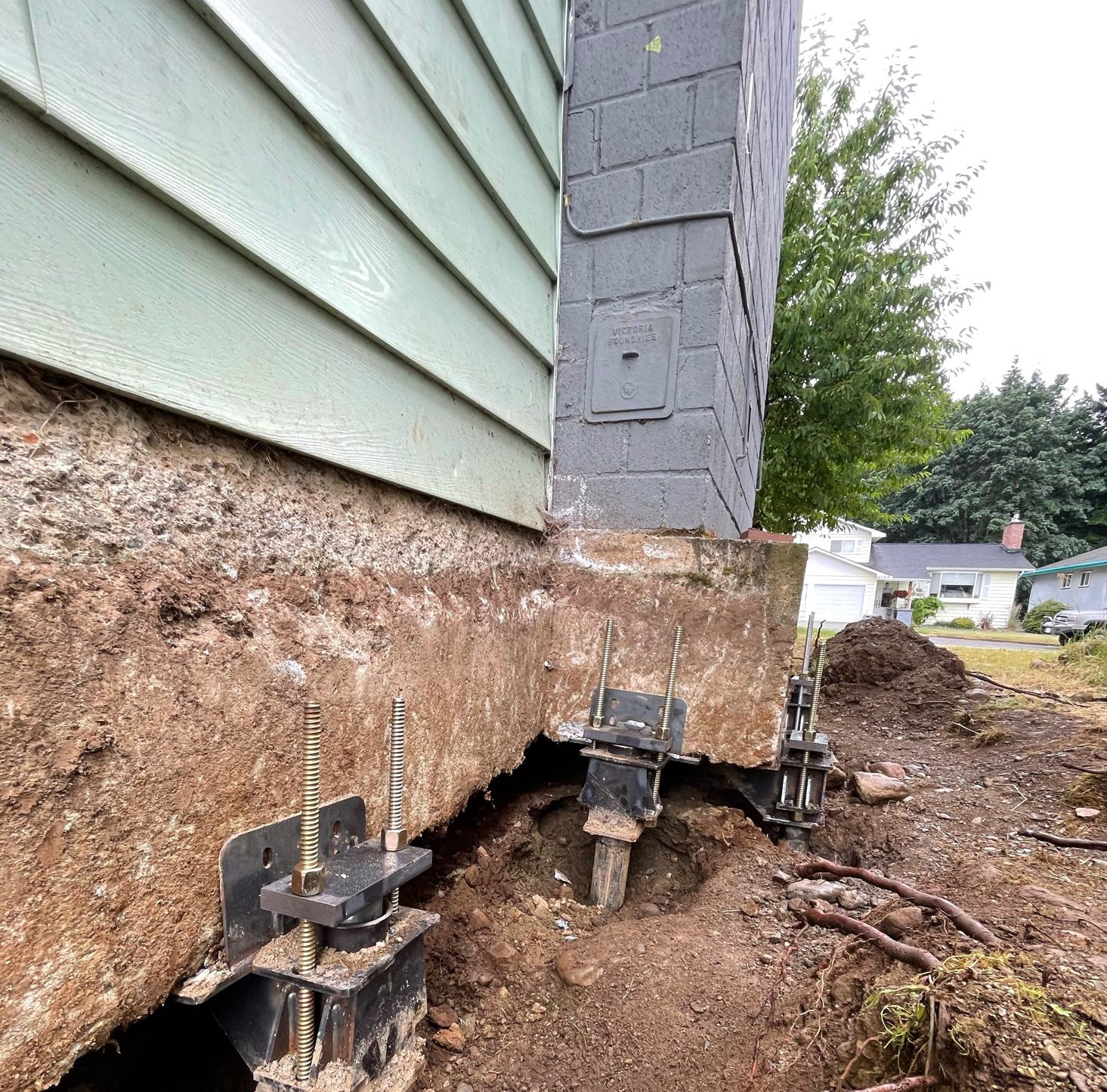 Foundation problems often start with the soil beneath your home. In the Bay Area, mixed soil types and hillside properties create risks. Expansive clay swells with moisture. Sandy soil erodes faster. Both lead to shifting foundations. Homeowners notice warning signs. Cracks in walls, uneven floors, and doors that stick are common. Patios and driveways may sink. Reviews often mention the importance of crews that explain these issues clearly. Practical steps help you monitor soil conditions: • Inspect your foundation twice a year. • Watch for cracks inside and outside. • Check doors and windows for sticking. • Look for gaps between walls and ceilings. • Monitor patios and driveways for sinking. Drainage is critical. Poor drainage worsens soil movement. Install gutters and downspouts. Direct water away from the foundation. French drains help in sloped yards.  Permits are required for foundation repairs. Inspections confirm compliance with safety codes. Neutral resources such as Engineered Soil Repairs Inc. provide insight into service scope. This helps you compare soil stabilization, underpinning, and erosion control options. Bay Area microclimates add stress. Coastal homes face salt air and moisture. Inland homes face dry summers and attic heat. Both affect soil stability. By inspecting regularly and managing drainage, you reduce risks to your foundation. https://www.diamondcertified.org/report/engineered-soil-repairs-inc/ |
| json metadata | {"tags":["soil","repair","tips","stabilization","engineered"],"image":["https://cdn.steemitimages.com/DQmYKypPV6JrECPoX4mHgTMjwgw4ka4e82H3tDfuiwEya5M/image.png","https://cdn.steemitimages.com/DQmQ4MM5PZqex1Lhqp7CrmarjRE4fGy1WWQ5GZfA7apN4Jd/image.png"],"links":["https://www.diamondcertified.org/report/engineered-soil-repairs-inc/"],"app":"steemit/0.2","format":"markdown"} |
| Transaction Info | Block #102951055/Trx 32548ee4eaecd5529a784f6d86730c17e833d213 |
View Raw JSON Data
{
"trx_id": "32548ee4eaecd5529a784f6d86730c17e833d213",
"block": 102951055,
"trx_in_block": 0,
"op_in_trx": 0,
"virtual_op": 0,
"timestamp": "2026-01-26T18:40:27",
"op": [
"comment",
{
"parent_author": "",
"parent_permlink": "soil",
"author": "got-media",
"permlink": "7jnuzj-soil-repair-tips-for-bay-area-home-foundations",
"title": "Soil Repair Tips for Bay Area Home Foundations",
"body": "\n\n\nFoundation problems often start with the soil beneath your home. In the Bay Area, mixed soil types and hillside properties create risks. Expansive clay swells with moisture. Sandy soil erodes faster. Both lead to shifting foundations.\n\nHomeowners notice warning signs. Cracks in walls, uneven floors, and doors that stick are common. Patios and driveways may sink. Reviews often mention the importance of crews that explain these issues clearly.\n\nPractical steps help you monitor soil conditions:\n• Inspect your foundation twice a year.\n• Watch for cracks inside and outside.\n• Check doors and windows for sticking.\n• Look for gaps between walls and ceilings.\n• Monitor patios and driveways for sinking.\n\nDrainage is critical. Poor drainage worsens soil movement. Install gutters and downspouts. Direct water away from the foundation. French drains help in sloped yards.\n\n\n\n\nPermits are required for foundation repairs. Inspections confirm compliance with safety codes.\nNeutral resources such as Engineered Soil Repairs Inc. provide insight into service scope. This helps you compare soil stabilization, underpinning, and erosion control options.\n\nBay Area microclimates add stress. Coastal homes face salt air and moisture. Inland homes face dry summers and attic heat. Both affect soil stability.\n\nBy inspecting regularly and managing drainage, you reduce risks to your foundation.\n\nhttps://www.diamondcertified.org/report/engineered-soil-repairs-inc/",
"json_metadata": "{\"tags\":[\"soil\",\"repair\",\"tips\",\"stabilization\",\"engineered\"],\"image\":[\"https://cdn.steemitimages.com/DQmYKypPV6JrECPoX4mHgTMjwgw4ka4e82H3tDfuiwEya5M/image.png\",\"https://cdn.steemitimages.com/DQmQ4MM5PZqex1Lhqp7CrmarjRE4fGy1WWQ5GZfA7apN4Jd/image.png\"],\"links\":[\"https://www.diamondcertified.org/report/engineered-soil-repairs-inc/\"],\"app\":\"steemit/0.2\",\"format\":\"markdown\"}"
}
]
}got-mediaupvoted (100.00%) @got-media / soil-repair-tips-for-bay-area-home-foundations2026/01/26 16:26:54
got-mediaupvoted (100.00%) @got-media / soil-repair-tips-for-bay-area-home-foundations
2026/01/26 16:26:54
| voter | got-media |
| author | got-media |
| permlink | soil-repair-tips-for-bay-area-home-foundations |
| weight | 10000 (100.00%) |
| Transaction Info | Block #102948392/Trx 4a29d1fe3c9ccfc2d797f5885f153b9727407d7a |
View Raw JSON Data
{
  "trx_id": "4a29d1fe3c9ccfc2d797f5885f153b9727407d7a",
  "block": 102948392,
  "trx_in_block": 0,
  "op_in_trx": 0,
  "virtual_op": 0,
  "timestamp": "2026-01-26T16:26:54",
  "op": [
    "vote",
    {
      "voter": "got-media",
      "author": "got-media",
      "permlink": "soil-repair-tips-for-bay-area-home-foundations",
      "weight": 10000
    }
  ]
}got-mediapublished a new post: soil-repair-tips-for-bay-area-home-foundations2026/01/26 16:26:36
got-mediapublished a new post: soil-repair-tips-for-bay-area-home-foundations
2026/01/26 16:26:36
| parent author | |
| parent permlink | engineeredsoilrepairsinc |
| author | got-media |
| permlink | soil-repair-tips-for-bay-area-home-foundations |
| title | Soil Repair Tips for Bay Area Home Foundations |
| body |  Foundation problems often start with the soil beneath your home. In the Bay Area, mixed soil types and hillside properties create risks. Expansive clay swells with moisture. Sandy soil erodes faster. Both lead to shifting foundations. Homeowners notice warning signs. Cracks in walls, uneven floors, and doors that stick are common. Patios and driveways may sink. Reviews often mention the importance of crews that explain these issues clearly. Practical steps help you monitor soil conditions: • Inspect your foundation twice a year. • Watch for cracks inside and outside. • Check doors and windows for sticking. • Look for gaps between walls and ceilings. • Monitor patios and driveways for sinking. Drainage is critical. Poor drainage worsens soil movement. Install gutters and downspouts. Direct water away from the foundation.  French drains help in sloped yards. Permits are required for foundation repairs. Inspections confirm compliance with safety codes. Neutral resources such as Engineered Soil Repairs Inc. provide insight into service scope. This helps you compare soil stabilization, underpinning, and erosion control options. Bay Area microclimates add stress. Coastal homes face salt air and moisture. Inland homes face dry summers and attic heat. Both affect soil stability. By inspecting regularly and managing drainage, you reduce risks to your foundation. https://www.diamondcertified.org/report/engineered-soil-repairs-inc/ |
| json metadata | {"tags":["engineeredsoilrepairsinc","soilstabilization","soilrepair"],"image":["https://cdn.steemitimages.com/DQmbosqv3A4KonFkpuSJASkBZ95tNPrgoqiaPqx9YVFwi47/Waterproofing-6.jpg","https://cdn.steemitimages.com/DQmNwmEAXDkXtg2Ly8SYEXNpcxpYeDtLD2ygxQVbP9KZ3m3/case-durin-e1683842507687-1024x1010.jpeg"],"links":["https://www.diamondcertified.org/report/engineered-soil-repairs-inc/"],"app":"steemit/0.2","format":"markdown"} |
| Transaction Info | Block #102948386/Trx 27f5f2d63bea05360fdd07beede6a761f9ae1e46 |
View Raw JSON Data
{
"trx_id": "27f5f2d63bea05360fdd07beede6a761f9ae1e46",
"block": 102948386,
"trx_in_block": 1,
"op_in_trx": 0,
"virtual_op": 0,
"timestamp": "2026-01-26T16:26:36",
"op": [
"comment",
{
"parent_author": "",
"parent_permlink": "engineeredsoilrepairsinc",
"author": "got-media",
"permlink": "soil-repair-tips-for-bay-area-home-foundations",
"title": "Soil Repair Tips for Bay Area Home Foundations",
"body": "\n\nFoundation problems often start with the soil beneath your home. In the Bay Area, mixed soil types and hillside properties create risks. Expansive clay swells with moisture. Sandy soil erodes faster. Both lead to shifting foundations.\n\nHomeowners notice warning signs. Cracks in walls, uneven floors, and doors that stick are common. Patios and driveways may sink. Reviews often mention the importance of crews that explain these issues clearly.\n\nPractical steps help you monitor soil conditions:\n• Inspect your foundation twice a year.\n• Watch for cracks inside and outside.\n• Check doors and windows for sticking.\n• Look for gaps between walls and ceilings.\n• Monitor patios and driveways for sinking.\n\nDrainage is critical. Poor drainage worsens soil movement. Install gutters and downspouts. Direct water away from the foundation. \n\n\n\n\nFrench drains help in sloped yards.\nPermits are required for foundation repairs. Inspections confirm compliance with safety codes.\nNeutral resources such as Engineered Soil Repairs Inc. provide insight into service scope. This helps you compare soil stabilization, underpinning, and erosion control options.\n\nBay Area microclimates add stress. Coastal homes face salt air and moisture. Inland homes face dry summers and attic heat. Both affect soil stability.\n\nBy inspecting regularly and managing drainage, you reduce risks to your foundation.\n\nhttps://www.diamondcertified.org/report/engineered-soil-repairs-inc/",
"json_metadata": "{\"tags\":[\"engineeredsoilrepairsinc\",\"soilstabilization\",\"soilrepair\"],\"image\":[\"https://cdn.steemitimages.com/DQmbosqv3A4KonFkpuSJASkBZ95tNPrgoqiaPqx9YVFwi47/Waterproofing-6.jpg\",\"https://cdn.steemitimages.com/DQmNwmEAXDkXtg2Ly8SYEXNpcxpYeDtLD2ygxQVbP9KZ3m3/case-durin-e1683842507687-1024x1010.jpeg\"],\"links\":[\"https://www.diamondcertified.org/report/engineered-soil-repairs-inc/\"],\"app\":\"steemit/0.2\",\"format\":\"markdown\"}"
}
]
}bishopgodwinupvoted (100.00%) @got-media / practical-window-tinting-advice-for-omaha-car-owners2026/01/22 20:08:03
bishopgodwinupvoted (100.00%) @got-media / practical-window-tinting-advice-for-omaha-car-owners
2026/01/22 20:08:03
| voter | bishopgodwin |
| author | got-media |
| permlink | practical-window-tinting-advice-for-omaha-car-owners |
| weight | 10000 (100.00%) |
| Transaction Info | Block #102837837/Trx 8897ce82d6614891ab054305640701ec4704d7d5 |
View Raw JSON Data
{
  "trx_id": "8897ce82d6614891ab054305640701ec4704d7d5",
  "block": 102837837,
  "trx_in_block": 1,
  "op_in_trx": 0,
  "virtual_op": 0,
  "timestamp": "2026-01-22T20:08:03",
  "op": [
    "vote",
    {
      "voter": "bishopgodwin",
      "author": "got-media",
      "permlink": "practical-window-tinting-advice-for-omaha-car-owners",
      "weight": 10000
    }
  ]
}got-mediapublished a new post: practical-window-tinting-advice-for-omaha-car-owners2026/01/22 20:05:33
got-mediapublished a new post: practical-window-tinting-advice-for-omaha-car-owners
2026/01/22 20:05:33
| parent author | |
| parent permlink | practical |
| author | got-media |
| permlink | practical-window-tinting-advice-for-omaha-car-owners |
| title | Practical Window Tinting Advice for Omaha Car Owners |
| body |  Why Tinting Is Worth It Omaha drivers deal with strong sun, winter glare, and temperature swings. Window tinting makes daily driving more comfortable. It protects your interior, reduces eye strain, and adds privacy. Everyday Benefits • Heat reduction: Your car stays cooler when parked outside. • UV protection: Seats and dashboards last longer. • Glare control: Easier driving during sunrise, sunset, and snowy days. • Privacy: Less exposure to people passing by. These benefits improve your driving experience every day. Nebraska Tint Rules Nebraska law sets limits on tint darkness. The measure is VLT, or visible light transmission. • Front windows must allow more light. • Rear windows can be darker. • Windshield tint is limited to the top strip. Stay within these limits to avoid tickets. Film Options You choose based on budget and performance. • Dyed film: Low cost, fades faster. • Metalized film: Reflects heat, may interfere with signals. • Carbon film: Strong heat rejection, no fading. • Ceramic film: Best performance, higher price. Think about your driving habits before deciding. Comparing Omaha Providers Shops differ in film selection, installation quality, and warranty. Some focus on budget films. Others specialize in ceramic. Research references like Car Window Tinting help you compare options. Questions to Ask • What film types do you carry? • How long does installation take? • What warranty do you offer? • Do you guarantee compliance with Nebraska law? Clear answers show professionalism. Maintenance Tips Protect your tint investment. • Use mild cleaners. • Avoid ammonia-based products. • Wipe with soft cloths. • Wait a few days before rolling down windows after installation. These steps extend film life. Cost Considerations Prices vary by film type and installer. Ceramic films cost more but perform better. Dyed films are cheaper but fade. Think about long-term value. Spending more upfront often saves you later.  Omaha Driving Conditions Local drivers face unique challenges. Summer heat builds fast inside parked cars. Winter glare is harsh. Tinting helps with both. It’s practical, not cosmetic. Warranty Coverage Read the fine print. Some warranties cover bubbling and peeling. Others cover only installation defects. First-Time Buyer Advice • Know the law. • Match film type to your driving habits. • Compare at least two providers. • Ask about warranty before paying. This keeps you confident. Resale Value Quality tint adds appeal when you sell. Buyers value comfort and protection. Poor tint hurts resale. Choose installers with proven results. Neutral Provider Comparison Omaha shops vary in film technology and service quality. Some highlight ceramic films. Others focus on budget options. Research references like Omaha window tinting help you compare without bias. https://kepler-dealer.com/nebraska/omaha/car-window-tinting/ |
| json metadata | {"tags":["practical","window","tinting"],"image":["https://cdn.steemitimages.com/DQmYN6ZjYb5qh42ZVP7dY4KX2HH7hPn9mhc2thRmX69NqMV/ChatGPT%20Image%20Jan%2023,%202026,%2004_00_43%20AM.png","https://cdn.steemitimages.com/DQmRdTPU4tQ7Z7JsjG2fA5XjbUxS6hoimQt6tkV2HSwcGJu/ChatGPT%20Image%20Jan%2023,%202026,%2004_00_17%20AM.png"],"links":["https://kepler-dealer.com/nebraska/omaha/car-window-tinting/"],"app":"steemit/0.2","format":"markdown"} |
| Transaction Info | Block #102837787/Trx 3fa228328bf215d8db63359d655fe83578dff5a9 |
View Raw JSON Data
{
"trx_id": "3fa228328bf215d8db63359d655fe83578dff5a9",
"block": 102837787,
"trx_in_block": 1,
"op_in_trx": 0,
"virtual_op": 0,
"timestamp": "2026-01-22T20:05:33",
"op": [
"comment",
{
"parent_author": "",
"parent_permlink": "practical",
"author": "got-media",
"permlink": "practical-window-tinting-advice-for-omaha-car-owners",
"title": "Practical Window Tinting Advice for Omaha Car Owners",
"body": "\n\nWhy Tinting Is Worth It\nOmaha drivers deal with strong sun, winter glare, and temperature swings. Window tinting makes daily driving more comfortable. It protects your interior, reduces eye strain, and adds privacy.\n\nEveryday Benefits\n•\tHeat reduction: Your car stays cooler when parked outside. \n•\tUV protection: Seats and dashboards last longer. \n•\tGlare control: Easier driving during sunrise, sunset, and snowy days. \n•\tPrivacy: Less exposure to people passing by. \n\nThese benefits improve your driving experience every day.\n\nNebraska Tint Rules\nNebraska law sets limits on tint darkness. The measure is VLT, or visible light transmission. \n•\tFront windows must allow more light. \n•\tRear windows can be darker. \n•\tWindshield tint is limited to the top strip. \n\nStay within these limits to avoid tickets.\n\nFilm Options\nYou choose based on budget and performance. \n•\tDyed film: Low cost, fades faster. \n•\tMetalized film: Reflects heat, may interfere with signals. \n•\tCarbon film: Strong heat rejection, no fading. \n•\tCeramic film: Best performance, higher price. \n\nThink about your driving habits before deciding.\n\nComparing Omaha Providers\nShops differ in film selection, installation quality, and warranty. Some focus on budget films. Others specialize in ceramic. Research references like Car Window Tinting help you compare options.\n\nQuestions to Ask\n•\tWhat film types do you carry? \n•\tHow long does installation take? \n•\tWhat warranty do you offer? \n•\tDo you guarantee compliance with Nebraska law? \n\nClear answers show professionalism.\n\nMaintenance Tips\nProtect your tint investment. \n•\tUse mild cleaners. \n•\tAvoid ammonia-based products. \n•\tWipe with soft cloths. \n•\tWait a few days before rolling down windows after installation. \n\nThese steps extend film life.\n\nCost Considerations\nPrices vary by film type and installer. Ceramic films cost more but perform better. Dyed films are cheaper but fade. Think about long-term value. Spending more upfront often saves you later.\n\n\n\nOmaha Driving Conditions\nLocal drivers face unique challenges. Summer heat builds fast inside parked cars. Winter glare is harsh. Tinting helps with both. It’s practical, not cosmetic.\n\nWarranty Coverage\nRead the fine print. Some warranties cover bubbling and peeling. Others cover only installation defects.\n\nFirst-Time Buyer Advice\n•\tKnow the law. \n•\tMatch film type to your driving habits. \n•\tCompare at least two providers. \n•\tAsk about warranty before paying. \n\nThis keeps you confident.\n\nResale Value\nQuality tint adds appeal when you sell. Buyers value comfort and protection. Poor tint hurts resale. Choose installers with proven results.\n\nNeutral Provider Comparison\nOmaha shops vary in film technology and service quality. Some highlight ceramic films. Others focus on budget options. Research references like Omaha window tinting help you compare without bias.\n\nhttps://kepler-dealer.com/nebraska/omaha/car-window-tinting/",
"json_metadata": "{\"tags\":[\"practical\",\"window\",\"tinting\"],\"image\":[\"https://cdn.steemitimages.com/DQmYN6ZjYb5qh42ZVP7dY4KX2HH7hPn9mhc2thRmX69NqMV/ChatGPT%20Image%20Jan%2023,%202026,%2004_00_43%20AM.png\",\"https://cdn.steemitimages.com/DQmRdTPU4tQ7Z7JsjG2fA5XjbUxS6hoimQt6tkV2HSwcGJu/ChatGPT%20Image%20Jan%2023,%202026,%2004_00_17%20AM.png\"],\"links\":[\"https://kepler-dealer.com/nebraska/omaha/car-window-tinting/\"],\"app\":\"steemit/0.2\",\"format\":\"markdown\"}"
}
]
}mahmud552upvoted (10.00%) @got-media / making-the-most-of-a-bay-area-fitness-club-membership2026/01/22 18:10:09
mahmud552upvoted (10.00%) @got-media / making-the-most-of-a-bay-area-fitness-club-membership
2026/01/22 18:10:09
| voter | mahmud552 |
| author | got-media |
| permlink | making-the-most-of-a-bay-area-fitness-club-membership |
| weight | 1000 (10.00%) |
| Transaction Info | Block #102835484/Trx a39ca409b143d8b34396dd8708787a4a1d28f4c2 |
View Raw JSON Data
{
  "trx_id": "a39ca409b143d8b34396dd8708787a4a1d28f4c2",
  "block": 102835484,
  "trx_in_block": 0,
  "op_in_trx": 0,
  "virtual_op": 0,
  "timestamp": "2026-01-22T18:10:09",
  "op": [
    "vote",
    {
      "voter": "mahmud552",
      "author": "got-media",
      "permlink": "making-the-most-of-a-bay-area-fitness-club-membership",
      "weight": 1000
    }
  ]
}got-mediapublished a new post: making-the-most-of-a-bay-area-fitness-club-membership2026/01/22 17:40:15
got-mediapublished a new post: making-the-most-of-a-bay-area-fitness-club-membership
2026/01/22 17:40:15
| parent author | |
| parent permlink | primetimeathleticclub |
| author | got-media |
| permlink | making-the-most-of-a-bay-area-fitness-club-membership |
| title | Making the Most of a Bay Area Fitness Club Membership |
| body |  Joining a fitness club is a commitment to your health, but it also raises practical questions. Bay Area homeowners often balance busy schedules, family responsibilities, and commuting. A fitness club membership works best when you understand the facilities, programs, and policies before signing up. Common Member Concerns • Confusion about contract terms and cancellation policies. • Overcrowded gyms during peak hours. • Limited availability of classes or trainers. • Questions about child care and family access. • Worries about equipment maintenance and cleanliness. Practical Steps Before Joining 1. Visit the club at different times of day to see crowd levels. 2. Ask about contract length, renewal, and cancellation rules. 3. Review class schedules to confirm they fit your routine. 4. Inspect locker rooms and showers for cleanliness. 5. Test equipment to ensure it is well maintained. Bay Area Realities Fitness clubs in the Bay Area often serve diverse communities. Coastal locations face humidity that affects equipment upkeep. Clubs in suburban areas like Redwood City or San Mateo may offer larger facilities with parking, while urban clubs in San Francisco often have limited space but more specialized classes. Comparing Providers Reports such as the Prime Time Athletic Club page describe services that include fitness classes, swimming pools, and racquet sports. FAQs about membership options and family access highlight what to ask when evaluating clubs. Tips for Getting Value from Membership • Schedule workouts during off-peak hours to avoid crowds. • Rotate between cardio, strength, and flexibility training. • Take advantage of group classes for motivation. • Ask about orientation sessions for new members. • Track progress to stay motivated. %20(1)_0.jpg) Managing Family and Lifestyle Needs If you have children, ask about child care services or family swim times. For couples, check if there are discounts for joint memberships. Busy professionals should look for clubs with extended hours or 24-hour access. Health and Safety Considerations • Confirm that trainers are certified. • Ask about cleaning schedules for equipment. • Review policies for pool and sauna use. • Check ventilation and air quality in workout areas. Bay Area fitness clubs often reflect the local lifestyle. Some emphasize outdoor activities, while others focus on structured classes. By asking the right questions and observing facilities firsthand, you ensure that your membership supports your health goals without unnecessary stress. https://www.diamondcertified.org/report/prime-time-athletic-club |
| json metadata | {"tags":["primetimeathleticclub","gettingvalue","gettingfit","fitnessprograms"],"image":["https://cdn.steemitimages.com/DQmRLYy3akkHwA91XEuTiDwSexVCZjMzWuXnJFAgo1RM2gP/KinetixPlus10-Large.webp","https://cdn.steemitimages.com/DQmUiEhL5TXi8aNwm8s5yC6gVfzw1AyuTsyJe8H9kEXV3Ab/Fitness%20Center%20(1)%20(1)_0.jpg"],"links":["https://www.diamondcertified.org/report/prime-time-athletic-club"],"app":"steemit/0.2","format":"markdown"} |
| Transaction Info | Block #102834888/Trx e9644799a18d160ff4a8afc2ba7cfd148367d03b |
View Raw JSON Data
{
"trx_id": "e9644799a18d160ff4a8afc2ba7cfd148367d03b",
"block": 102834888,
"trx_in_block": 2,
"op_in_trx": 0,
"virtual_op": 0,
"timestamp": "2026-01-22T17:40:15",
"op": [
"comment",
{
"parent_author": "",
"parent_permlink": "primetimeathleticclub",
"author": "got-media",
"permlink": "making-the-most-of-a-bay-area-fitness-club-membership",
"title": "Making the Most of a Bay Area Fitness Club Membership",
"body": "\n\nJoining a fitness club is a commitment to your health, but it also raises practical questions. Bay Area homeowners often balance busy schedules, family responsibilities, and commuting. A fitness club membership works best when you understand the facilities, programs, and policies before signing up.\n\nCommon Member Concerns\n• Confusion about contract terms and cancellation policies.\n• Overcrowded gyms during peak hours.\n• Limited availability of classes or trainers.\n• Questions about child care and family access.\n• Worries about equipment maintenance and cleanliness.\n\nPractical Steps Before Joining\n1.\tVisit the club at different times of day to see crowd levels.\n2.\tAsk about contract length, renewal, and cancellation rules.\n3.\tReview class schedules to confirm they fit your routine.\n4.\tInspect locker rooms and showers for cleanliness.\n5.\tTest equipment to ensure it is well maintained.\n\nBay Area Realities\nFitness clubs in the Bay Area often serve diverse communities. Coastal locations face humidity that affects equipment upkeep. Clubs in suburban areas like Redwood City or San Mateo may offer larger facilities with parking, while urban clubs in San Francisco often have limited space but more specialized classes.\n\nComparing Providers\nReports such as the Prime Time Athletic Club page describe services that include fitness classes, swimming pools, and racquet sports. FAQs about membership options and family access highlight what to ask when evaluating clubs.\n\nTips for Getting Value from Membership\n• Schedule workouts during off-peak hours to avoid crowds.\n• Rotate between cardio, strength, and flexibility training.\n• Take advantage of group classes for motivation.\n• Ask about orientation sessions for new members.\n• Track progress to stay motivated.\n\n%20(1)_0.jpg)\n\nManaging Family and Lifestyle Needs\nIf you have children, ask about child care services or family swim times. For couples, check if there are discounts for joint memberships. Busy professionals should look for clubs with extended hours or 24-hour access.\n\nHealth and Safety Considerations\n• Confirm that trainers are certified.\n• Ask about cleaning schedules for equipment.\n• Review policies for pool and sauna use.\n• Check ventilation and air quality in workout areas.\n\nBay Area fitness clubs often reflect the local lifestyle. Some emphasize outdoor activities, while others focus on structured classes. By asking the right questions and observing facilities firsthand, you ensure that your membership supports your health goals without unnecessary stress.\n\nhttps://www.diamondcertified.org/report/prime-time-athletic-club",
"json_metadata": "{\"tags\":[\"primetimeathleticclub\",\"gettingvalue\",\"gettingfit\",\"fitnessprograms\"],\"image\":[\"https://cdn.steemitimages.com/DQmRLYy3akkHwA91XEuTiDwSexVCZjMzWuXnJFAgo1RM2gP/KinetixPlus10-Large.webp\",\"https://cdn.steemitimages.com/DQmUiEhL5TXi8aNwm8s5yC6gVfzw1AyuTsyJe8H9kEXV3Ab/Fitness%20Center%20(1)%20(1)_0.jpg\"],\"links\":[\"https://www.diamondcertified.org/report/prime-time-athletic-club\"],\"app\":\"steemit/0.2\",\"format\":\"markdown\"}"
}
]
}got-mediapublished a new post: roof-inspection-reports-that-reduce-real-estate-surprises2026/01/21 17:08:51
got-mediapublished a new post: roof-inspection-reports-that-reduce-real-estate-surprises
2026/01/21 17:08:51
| parent author | |
| parent permlink | real |
| author | got-media |
| permlink | roof-inspection-reports-that-reduce-real-estate-surprises |
| title | Roof Inspection Reports That Reduce Real Estate Surprises |
| body | A roof issue changes a real estate deal fast. One leak note in a disclosure packet can shift negotiations. A buyer sees “end of life” language and worries about hidden rot. A seller hears “needs repair” and feels stuck without clear next steps. A roof inspection report brings clarity when it is specific, photo-based, and tied to repair recommendations with defined locations. In coastal and near-coastal parts of Santa Cruz County, moisture and wind add wear. In Santa Clara County, heat and UV stress underlayment and flashings. Both counties include older homes with layered remodel work, which often hides patch repairs and mismatched materials. **Roof inspection vs home inspection** A general home inspection often includes a roof overview from the ground or from limited access points. A roof inspection focuses on roof-specific details and usually includes closer evaluation of transitions and penetrations. A roof-focused inspection often covers: • Roof surface condition by slope and plane • Flashing at walls, chimneys, skylights, and vents • Valleys and drainage pathways • Gutters and downspouts, where visible • Signs of past repairs and patching • Attic observations when access exists, such as staining and ventilation clues • A written report with photos and repair notes The Daddario Roofing Company, Inc. report page lists roof inspections, roof inspection reports, and roof consultation under its real estate roof inspection services, which is helpful when you compare inspection scope and report detail expectations. **Timing: when to schedule a roof inspection during a transaction** Sellers A pre-listing roof inspection supports clearer disclosures and reduces last-minute surprises during buyer investigations. It also gives time to plan repairs and gather documentation, including permits and invoices where applicable. Buyers A roof inspection during the contingency window helps evaluate risk. It also helps separate minor repairs from major replacement scope. Buyers benefit most from a report that states: • Immediate repair items • Medium-term maintenance items • Estimated remaining service life language with clear assumptions Avoid relying on vague statements. Roof life depends on ventilation, roof geometry, and maintenance, not only material type.  **What a strong roof inspection report includes** A usable report reads like a map, not a summary paragraph. Look for: • Photos labeled by location, such as “rear valley near chimney” • A roof plan sketch or clear directional language • Condition notes by roof plane, not only “roof” • Flashing notes by penetration type • Drainage notes, including gutters and downspouts where visible • Repair recommendations tied to specific locations • A note on access limits, such as steep slopes or blocked attic areas Ask for a list of “monitor” items too. Some conditions do not require immediate repair, yet they do need tracking. **Common real estate roof issues in Santa Cruz and Santa Clara Counties** Moisture and coastal exposure In Santa Cruz County, fog and coastal moisture keep roofs damp longer. That raises moss growth, fastener corrosion, and flashing edge wear. Valleys under tree cover collect debris and stay wet. Heat and UV stress In Santa Clara County, heat stresses underlayment, sealants, and roof coatings. Attic heat also raises wear on ducting and roof deck components, which can show up in attic inspection notes. Older homes and mixed roofing eras Many homes have sections added over time, porch roofs, bay window roofs, or additions with low-slope transitions. Those joints are common leak points. Ask the inspector to focus on transitions between old and new sections. **Inspection scope beyond the roof surface** A roof inspection that ignores attic and ventilation context misses key risks. Ask for notes on: • Attic ventilation balance, intake and exhaust • Bathroom fan duct terminations, which sometimes vent into attics • Signs of past leaks that were painted over • Decking condition when visible from the attic If the home has a low-slope section, ask for details on membrane condition, seams, and drainage points.  **Repairs, replacement, and negotiation language** A report that says “repair needed” without location details offers little value for negotiation. A report that lists specific tasks supports clearer bids and clearer deal terms. Useful repair language includes: • “Replace damaged flashing at sidewall intersection on west roof plane” • “Clear valley debris and address valley lining wear at rear slope” • “Repair leak pathway at skylight curb flashing and confirm watertightness after rain” If replacement is recommended, ask what drove that recommendation: • Widespread surface failure • Underlayment breakdown • Multiple leak points • Extensive patchwork • Decking deterioration The [Daddario Roofing Company, Inc. report page](https://www.diamondcertified.org/report/daddario-roofing-company-inc/) also lists roof repair, roof leak repair, roof replacement, and roofing installation alongside roof inspection reports, which supports asking inspectors to separate inspection findings from repair scope in clear writing. **Materials and special cases: cedar shake, steel, and coatings** Older coastal homes sometimes have cedar shake or complex roof assemblies. These roofs require different inspection attention: • Shake condition and spacing • Fire and code considerations tied to material type • Underlayment condition where visible • Transition flashing and ridge details Steel roofing and roof coatings also need specific inspection notes. Coatings, for example, depend on surface prep and seam conditions. Ask the inspector to note coating wear patterns and seam vulnerability. **Permits, records, and buyer confidence** Roof work often triggers permits. Buyers and lenders sometimes ask for documentation. Sellers benefit from a folder that includes: • Permit records when applicable • Contractor invoices and scope descriptions • Warranty documents, where provided • Photos of key stages, especially flashing and underlayment, when available Do not rely on verbal history. Written records reduce disputes after close. A roof inspection report reduces uncertainty when it is specific, photo-based, and honest about access limits. In Santa Cruz and Santa Clara Counties, moisture, wind, heat, and older home complexity raise the value of a focused roof inspection that prioritizes flashings, valleys, drainage, and attic context. |
| json metadata | {"tags":["real","estate","roof","inspection","roofing","checklist"],"image":["https://cdn.steemitimages.com/DQmbsmmrwj8TyG6nLLWN3gryzVmtHTVnrvB1mZxbyHm9Tr7/adhy-setya-4FN2TwPkbDA-unsplash.jpg","https://cdn.steemitimages.com/DQmXL5mL9MVixkyoVNHhpJsLgeMha6AhXziMZn4smdVmtLo/zohair-mirza-GXITWKvgm-k-unsplash.jpg"],"links":["https://www.diamondcertified.org/report/daddario-roofing-company-inc/"],"app":"steemit/0.2","format":"markdown"} |
| Transaction Info | Block #102805519/Trx cf64c16f0484f7b1ab734145abe1bc8b617168c6 |
View Raw JSON Data
{
"trx_id": "cf64c16f0484f7b1ab734145abe1bc8b617168c6",
"block": 102805519,
"trx_in_block": 2,
"op_in_trx": 0,
"virtual_op": 0,
"timestamp": "2026-01-21T17:08:51",
"op": [
"comment",
{
"parent_author": "",
"parent_permlink": "real",
"author": "got-media",
"permlink": "roof-inspection-reports-that-reduce-real-estate-surprises",
"title": "Roof Inspection Reports That Reduce Real Estate Surprises",
"body": "A roof issue changes a real estate deal fast. One leak note in a disclosure packet can shift negotiations. A buyer sees “end of life” language and worries about hidden rot. A seller hears “needs repair” and feels stuck without clear next steps.\n\nA roof inspection report brings clarity when it is specific, photo-based, and tied to repair recommendations with defined locations. In coastal and near-coastal parts of Santa Cruz County, moisture and wind add wear. In Santa Clara County, heat and UV stress underlayment and flashings. Both counties include older homes with layered remodel work, which often hides patch repairs and mismatched materials.\n\n**Roof inspection vs home inspection**\nA general home inspection often includes a roof overview from the ground or from limited access points. A roof inspection focuses on roof-specific details and usually includes closer evaluation of transitions and penetrations.\n\nA roof-focused inspection often covers:\n• Roof surface condition by slope and plane\n• Flashing at walls, chimneys, skylights, and vents\n• Valleys and drainage pathways\n• Gutters and downspouts, where visible\n• Signs of past repairs and patching\n• Attic observations when access exists, such as staining and ventilation clues\n• A written report with photos and repair notes\n\nThe Daddario Roofing Company, Inc. report page lists roof inspections, roof inspection reports, and roof consultation under its real estate roof inspection services, which is helpful when you compare inspection scope and report detail expectations.\n\n**Timing: when to schedule a roof inspection during a transaction**\nSellers\nA pre-listing roof inspection supports clearer disclosures and reduces last-minute surprises during buyer investigations. It also gives time to plan repairs and gather documentation, including permits and invoices where applicable.\n\nBuyers\nA roof inspection during the contingency window helps evaluate risk. It also helps separate minor repairs from major replacement scope. Buyers benefit most from a report that states:\n• Immediate repair items\n• Medium-term maintenance items\n• Estimated remaining service life language with clear assumptions\n\nAvoid relying on vague statements. Roof life depends on ventilation, roof geometry, and maintenance, not only material type.\n\n\n\n\n\n**What a strong roof inspection report includes**\nA usable report reads like a map, not a summary paragraph.\n\nLook for:\n• Photos labeled by location, such as “rear valley near chimney”\n• A roof plan sketch or clear directional language\n• Condition notes by roof plane, not only “roof”\n• Flashing notes by penetration type\n• Drainage notes, including gutters and downspouts where visible\n• Repair recommendations tied to specific locations\n• A note on access limits, such as steep slopes or blocked attic areas\n\nAsk for a list of “monitor” items too. Some conditions do not require immediate repair, yet they do need tracking.\n\n**Common real estate roof issues in Santa Cruz and Santa Clara Counties**\nMoisture and coastal exposure\nIn Santa Cruz County, fog and coastal moisture keep roofs damp longer. That raises moss growth, fastener corrosion, and flashing edge wear. Valleys under tree cover collect debris and stay wet.\n\nHeat and UV stress\nIn Santa Clara County, heat stresses underlayment, sealants, and roof coatings. Attic heat also raises wear on ducting and roof deck components, which can show up in attic inspection notes.\n\nOlder homes and mixed roofing eras\nMany homes have sections added over time, porch roofs, bay window roofs, or additions with low-slope transitions. Those joints are common leak points. Ask the inspector to focus on transitions between old and new sections.\n\n**Inspection scope beyond the roof surface**\nA roof inspection that ignores attic and ventilation context misses key risks. Ask for notes on:\n• Attic ventilation balance, intake and exhaust\n• Bathroom fan duct terminations, which sometimes vent into attics\n• Signs of past leaks that were painted over\n• Decking condition when visible from the attic\n\nIf the home has a low-slope section, ask for details on membrane condition, seams, and drainage points.\n\n\n\n\n\n**Repairs, replacement, and negotiation language**\nA report that says “repair needed” without location details offers little value for negotiation. A report that lists specific tasks supports clearer bids and clearer deal terms.\n\nUseful repair language includes:\n• “Replace damaged flashing at sidewall intersection on west roof plane”\n• “Clear valley debris and address valley lining wear at rear slope”\n• “Repair leak pathway at skylight curb flashing and confirm watertightness after rain”\n\nIf replacement is recommended, ask what drove that recommendation:\n• Widespread surface failure\n• Underlayment breakdown\n• Multiple leak points\n• Extensive patchwork\n• Decking deterioration\n\nThe [Daddario Roofing Company, Inc. report page](https://www.diamondcertified.org/report/daddario-roofing-company-inc/) also lists roof repair, roof leak repair, roof replacement, and roofing installation alongside roof inspection reports, which supports asking inspectors to separate inspection findings from repair scope in clear writing.\n\n**Materials and special cases: cedar shake, steel, and coatings**\nOlder coastal homes sometimes have cedar shake or complex roof assemblies. These roofs require different inspection attention:\n• Shake condition and spacing\n• Fire and code considerations tied to material type\n• Underlayment condition where visible\n• Transition flashing and ridge details\n\nSteel roofing and roof coatings also need specific inspection notes. Coatings, for example, depend on surface prep and seam conditions. Ask the inspector to note coating wear patterns and seam vulnerability.\n\n**Permits, records, and buyer confidence**\nRoof work often triggers permits. Buyers and lenders sometimes ask for documentation. Sellers benefit from a folder that includes:\n• Permit records when applicable\n• Contractor invoices and scope descriptions\n• Warranty documents, where provided\n• Photos of key stages, especially flashing and underlayment, when available\n\nDo not rely on verbal history. Written records reduce disputes after close.\n\nA roof inspection report reduces uncertainty when it is specific, photo-based, and honest about access limits. In Santa Cruz and Santa Clara Counties, moisture, wind, heat, and older home complexity raise the value of a focused roof inspection that prioritizes flashings, valleys, drainage, and attic context.",
"json_metadata": "{\"tags\":[\"real\",\"estate\",\"roof\",\"inspection\",\"roofing\",\"checklist\"],\"image\":[\"https://cdn.steemitimages.com/DQmbsmmrwj8TyG6nLLWN3gryzVmtHTVnrvB1mZxbyHm9Tr7/adhy-setya-4FN2TwPkbDA-unsplash.jpg\",\"https://cdn.steemitimages.com/DQmXL5mL9MVixkyoVNHhpJsLgeMha6AhXziMZn4smdVmtLo/zohair-mirza-GXITWKvgm-k-unsplash.jpg\"],\"links\":[\"https://www.diamondcertified.org/report/daddario-roofing-company-inc/\"],\"app\":\"steemit/0.2\",\"format\":\"markdown\"}"
}
]
}got-mediapublished a new post: home-construction-and-remodeling-basics2026/01/21 17:02:45
got-mediapublished a new post: home-construction-and-remodeling-basics
2026/01/21 17:02:45
| parent author | |
| parent permlink | home |
| author | got-media |
| permlink | home-construction-and-remodeling-basics |
| title | Home Construction and Remodeling Basics |
| body |  Construction projects shape your home. Whether you remodel a kitchen or build an addition, planning matters. Good management keeps projects on time and within budget. Planning Steps • Define your goals. Know what you want. • Set a budget. Include a cushion for changes. • Choose materials early. Delays cost money. • Check permits. Local rules affect timelines. These steps prepare you for success. Common Remodeling Projects • Kitchen upgrades. Improve layout and storage. • Bathroom remodels. Add comfort and efficiency. • Room additions. Create more living space. • Exterior updates. Improve curb appeal. Each project requires planning. Comparing Providers Construction companies differ in services, warranties, and project styles. Some focus on remodels. Others handle new builds. Research references like Dynamite Construction Management help you compare providers. Questions to Ask • Do you provide detailed timelines? • What warranty do you offer? • How do you handle changes during projects? • Do you manage permits and inspections? Clear answers show reliability. Cost Factors Price depends on project size, materials, and labor. Kitchens cost more than bathrooms. Additions cost more than updates.  Maintenance Tips After Remodeling • Inspect new work regularly. • Fix small issues quickly. • Keep records of warranties. • Clean and maintain new materials. These steps protect your investment. Neutral Comparison Providers differ in approach. Some highlight design services. Others focus on construction speed. Research references like Dynamite Construction Management reviews give you a baseline. Long-Term Value Good construction adds comfort and resale appeal. It is worth choosing carefully. https://www.diamondcertified.org/report/dynamite-construction-management/ |
| json metadata | {"tags":["home","construction","remodeling","good"],"image":["https://cdn.steemitimages.com/DQmZx7bCVMQtctV3dmaqdBfd8RSLZ2jX7MfpgdWAok2RWSd/pexels-ian-panelo-4567374.jpg","https://cdn.steemitimages.com/DQmXTbwuppemafDps4Dz17Lkd87fNtPytYKKQQS3BGu5Zdr/pexels-monica-4756489.jpg"],"links":["https://www.diamondcertified.org/report/dynamite-construction-management/"],"app":"steemit/0.2","format":"markdown"} |
| Transaction Info | Block #102805397/Trx 90cfb1a6321ea178a31ae30713da638f20e524fe |
View Raw JSON Data
{
"trx_id": "90cfb1a6321ea178a31ae30713da638f20e524fe",
"block": 102805397,
"trx_in_block": 19,
"op_in_trx": 0,
"virtual_op": 0,
"timestamp": "2026-01-21T17:02:45",
"op": [
"comment",
{
"parent_author": "",
"parent_permlink": "home",
"author": "got-media",
"permlink": "home-construction-and-remodeling-basics",
"title": "Home Construction and Remodeling Basics",
"body": "\n\nConstruction projects shape your home. Whether you remodel a kitchen or build an addition, planning matters. Good management keeps projects on time and within budget.\n\nPlanning Steps\n•\tDefine your goals. Know what you want.\n•\tSet a budget. Include a cushion for changes.\n•\tChoose materials early. Delays cost money.\n•\tCheck permits. Local rules affect timelines.\n\nThese steps prepare you for success.\n\nCommon Remodeling Projects\n•\tKitchen upgrades. Improve layout and storage.\n•\tBathroom remodels. Add comfort and efficiency.\n•\tRoom additions. Create more living space.\n•\tExterior updates. Improve curb appeal.\n\nEach project requires planning.\n\nComparing Providers\nConstruction companies differ in services, warranties, and project styles. Some focus on remodels. Others handle new builds. Research references like Dynamite Construction Management help you compare providers.\n\nQuestions to Ask\n•\tDo you provide detailed timelines?\n•\tWhat warranty do you offer?\n•\tHow do you handle changes during projects?\n•\tDo you manage permits and inspections?\n\nClear answers show reliability.\n\nCost Factors\nPrice depends on project size, materials, and labor. Kitchens cost more than bathrooms. Additions cost more than updates.\n\n\n\nMaintenance Tips After Remodeling\n•\tInspect new work regularly.\n•\tFix small issues quickly.\n•\tKeep records of warranties.\n•\tClean and maintain new materials.\n\nThese steps protect your investment.\n\nNeutral Comparison\nProviders differ in approach. Some highlight design services. Others focus on construction speed. Research references like Dynamite Construction Management reviews give you a baseline.\n\nLong-Term Value\nGood construction adds comfort and resale appeal. It is worth choosing carefully.\n\nhttps://www.diamondcertified.org/report/dynamite-construction-management/",
"json_metadata": "{\"tags\":[\"home\",\"construction\",\"remodeling\",\"good\"],\"image\":[\"https://cdn.steemitimages.com/DQmZx7bCVMQtctV3dmaqdBfd8RSLZ2jX7MfpgdWAok2RWSd/pexels-ian-panelo-4567374.jpg\",\"https://cdn.steemitimages.com/DQmXTbwuppemafDps4Dz17Lkd87fNtPytYKKQQS3BGu5Zdr/pexels-monica-4756489.jpg\"],\"links\":[\"https://www.diamondcertified.org/report/dynamite-construction-management/\"],\"app\":\"steemit/0.2\",\"format\":\"markdown\"}"
}
]
}got-mediapublished a new post: east-bay-electrical-upgrades-without-guesswork2026/01/19 23:05:48
got-mediapublished a new post: east-bay-electrical-upgrades-without-guesswork
2026/01/19 23:05:48
| parent author | |
| parent permlink | electrical |
| author | got-media |
| permlink | east-bay-electrical-upgrades-without-guesswork |
| title | East Bay Electrical Upgrades Without Guesswork |
| body |  Electrical work feels invisible until something goes wrong. A breaker trips during dinner. A light flickers when the microwave starts. An outlet feels warm. In older East Bay homes, wiring changes over decades create surprises behind walls. A calm plan starts with safety checks, then a clear scope for repairs or upgrades. Electrical projects also connect to bigger life changes. A kitchen remodel adds circuits. A new heat pump adds load. A home office needs reliable outlets. The goal is simple, safe power where you need it, with permits and inspections handled in the right order. Common signs your electrical system needs attention Some warning signs point to immediate safety risk. Others point to an upgrade need. High-priority warning signs: • Burning smell near an outlet, switch, or panel • Warm outlets or discoloration around a wall plate • Buzzing at the panel or at a switch • Frequent breaker trips with normal use • Lights that dim across the home when one appliance starts Planning signals for upgrades: • Too few outlets, leading to heavy power strip use • Remodel plans that add lighting, appliances, or new rooms • A hot tub, workshop tools, or other high-load equipment • Outdoor wiring exposed to weather If you see heat, smell, or smoke, treat it as urgent. Turn off the circuit at the breaker and keep the area clear until a professional evaluates it. What an electrical contractor scope includes .jpg) A strong scope explains what gets tested, what gets repaired, and what gets brought up to code. Common residential scope items: • Electrical inspections and troubleshooting • Circuit breaker repair and breaker replacement where appropriate • Electrical panel upgrades and service changes • Subpanel installation for expanded capacity • New circuits for kitchens, laundry, and dedicated loads • Outlet installations, including GFCI and AFCI where required • Lighting repairs and lighting upgrades • Whole home surge protectors • Ceiling fan repair and installation details • Hot tub wiring and other specialty circuits In the East Bay, permits often apply for panel work, service changes, and many remodel-related circuit additions. Ask who pulls permits and who schedules inspections. A plan for older homes in Oakland, Berkeley, and nearby cities Older homes in Oakland, Berkeley, Alameda, and the surrounding East Bay have mixed building eras and remodel layers. That history shapes how you plan electrical work. Older wiring and patchwork changes Homes often have a blend of old and new wiring methods. Past owners sometimes added circuits without a clear plan. That leads to crowded panels, mislabeled breakers, and hard-to-trace wiring. Ask for: • A panel directory update as part of the job • A written list of circuits added or changed • Photos of panel condition before and after work Knob-and-tube and older service setups Some older homes still have wiring methods that need special planning. An electrician should explain what stays, what gets replaced, and what restrictions exist for insulation and remodel work. Plan work around access If walls are plaster or finishes are historic, access planning matters. Ask what areas need opening, what gets patched, and what gets left to other trades. Panel upgrades: the questions that prevent surprises A panel upgrade affects the whole home. It touches utility coordination, grounding, and inspection scheduling. Ask these questions before signing anything: • What problem is the panel upgrade solving, capacity, safety, or both • What size and type of panel is proposed, and why • What grounding and bonding work is included • What happens to existing circuits during the changeover • What is the outage plan, and how long the home stays without power • What corrections commonly come up during inspection, and who handles them Ask for a scope that lists included parts and tasks. “Upgrade panel” alone is not enough. The scope should include breakers, grounding work, labeling, permit tasks, and inspection coordination. Outlets, kitchens, and dedicated circuits Many electrical calls start with a simple need: more outlets, placed where people live. In kitchens and baths, outlet placement ties to safety rules and appliance loads. Outlet planning checks: • Put outlets where cords reach without stretching across sinks or ranges • Add outlets for countertop appliances, not only for the fridge and microwave • Add dedicated circuits for high-load appliances when needed • Replace worn receptacles that no longer grip plugs firmly • Use tamper-resistant receptacles where required by local rules If you are planning a kitchen remodel, integrate electrical planning early. Cabinet layout, lighting placement, and appliance specs affect circuit design. Lighting upgrades: avoid glare and overcomplication Lighting upgrades range from a single fixture repair to whole-home redesign. A good lighting scope addresses: • Fixture locations and mounting type • Switch locations and three-way switch needs • Dimming compatibility with selected fixtures • Outdoor weather-rated fixtures where needed • Load calculation when adding many fixtures Ask for a simple lighting plan sketch. It does not need to be fancy. It needs to show what goes where. Surge protection and sensitive electronics Whole home surge protection is one tool to reduce damage risk from power events. Ask how it integrates with the panel, and what it protects. Also ask what still needs point-of-use protection. Hot tub wiring and outdoor circuits Outdoor electrical work faces weather, moisture, and physical damage. A safe outdoor plan includes: • Properly rated wiring methods for wet locations • GFCI protection where required • A clear disconnect plan when applicable • Conduit routing that avoids trip hazards and yard damage If you are adding a hot tub, ask the electrician to coordinate with the installer’s requirements. Ask for the exact circuit needs in writing. Bid comparison checklist for East Bay electrical work Electrical quotes vary based on how detailed the scope is. Use this list to compare fairly: • A written diagnosis for repairs, including test results when relevant • A parts list for panels, breakers, outlets, and fixtures • Permit and inspection responsibility clearly stated • Patch and repair scope for openings, or a clear exclusion • Cleanup plan and protection for floors and furniture • A final walkthrough plan that includes labeling and homeowner orientation As a research reference, the [Roberts Electric Company, Inc. report page](https://www.diamondcertified.org/report/roberts-electric-company-inc/) lists services like electrical inspections, electrical panel upgrades, outlet installations, subpanel installation, and whole home surge protectors, which are useful scope items to confirm in writing when you compare providers in Alameda and Contra Costa Counties. Electrical work becomes stressful when the scope is vague. Ask for written diagnosis, clear parts lists, permit steps, and a practical final walkthrough. That structure supports safer outcomes and fewer surprises in an older East Bay home. |
| json metadata | {"tags":["electrical","upgrades"],"image":["https://cdn.steemitimages.com/DQmUYgjTRBaL3Fb91uLE9TriFb2tJLs8SsKj1DNGCLyNrBr/pexels-kathleen-austin-kuhn-2152973960-32497160.jpg","https://cdn.steemitimages.com/DQmZRwQ3bjy2tJXwmJ6HqXFkArKFfC9Zpe78SzR8hVw97KW/pexels-ranjeet-860714737-28950842%20(1).jpg"],"links":["https://www.diamondcertified.org/report/roberts-electric-company-inc/"],"app":"steemit/0.2","format":"markdown"} |
| Transaction Info | Block #102755164/Trx 3e82a5e9e632df3dd3ada63a75220d553784dd25 |
View Raw JSON Data
{
"trx_id": "3e82a5e9e632df3dd3ada63a75220d553784dd25",
"block": 102755164,
"trx_in_block": 1,
"op_in_trx": 0,
"virtual_op": 0,
"timestamp": "2026-01-19T23:05:48",
"op": [
"comment",
{
"parent_author": "",
"parent_permlink": "electrical",
"author": "got-media",
"permlink": "east-bay-electrical-upgrades-without-guesswork",
"title": "East Bay Electrical Upgrades Without Guesswork",
"body": "\n\nElectrical work feels invisible until something goes wrong. A breaker trips during dinner. A light flickers when the microwave starts. An outlet feels warm. In older East Bay homes, wiring changes over decades create surprises behind walls. A calm plan starts with safety checks, then a clear scope for repairs or upgrades.\n\nElectrical projects also connect to bigger life changes. A kitchen remodel adds circuits. A new heat pump adds load. A home office needs reliable outlets. The goal is simple, safe power where you need it, with permits and inspections handled in the right order.\n\nCommon signs your electrical system needs attention\nSome warning signs point to immediate safety risk. Others point to an upgrade need.\n\nHigh-priority warning signs:\n• Burning smell near an outlet, switch, or panel\n• Warm outlets or discoloration around a wall plate\n• Buzzing at the panel or at a switch\n• Frequent breaker trips with normal use\n• Lights that dim across the home when one appliance starts\n\nPlanning signals for upgrades:\n• Too few outlets, leading to heavy power strip use\n• Remodel plans that add lighting, appliances, or new rooms\n• A hot tub, workshop tools, or other high-load equipment\n• Outdoor wiring exposed to weather\n\nIf you see heat, smell, or smoke, treat it as urgent. Turn off the circuit at the breaker and keep the area clear until a professional evaluates it.\n\nWhat an electrical contractor scope includes\n\n.jpg)\n\nA strong scope explains what gets tested, what gets repaired, and what gets brought up to code.\n\nCommon residential scope items:\n• Electrical inspections and troubleshooting\n• Circuit breaker repair and breaker replacement where appropriate\n• Electrical panel upgrades and service changes\n• Subpanel installation for expanded capacity\n• New circuits for kitchens, laundry, and dedicated loads\n• Outlet installations, including GFCI and AFCI where required\n• Lighting repairs and lighting upgrades\n• Whole home surge protectors\n• Ceiling fan repair and installation details\n• Hot tub wiring and other specialty circuits\n\nIn the East Bay, permits often apply for panel work, service changes, and many remodel-related circuit additions. Ask who pulls permits and who schedules inspections.\n\nA plan for older homes in Oakland, Berkeley, and nearby cities\nOlder homes in Oakland, Berkeley, Alameda, and the surrounding East Bay have mixed building eras and remodel layers. That history shapes how you plan electrical work.\n\nOlder wiring and patchwork changes\nHomes often have a blend of old and new wiring methods. Past owners sometimes added circuits without a clear plan. That leads to crowded panels, mislabeled breakers, and hard-to-trace wiring.\n\nAsk for:\n• A panel directory update as part of the job\n• A written list of circuits added or changed\n• Photos of panel condition before and after work\n\nKnob-and-tube and older service setups\nSome older homes still have wiring methods that need special planning. An electrician should explain what stays, what gets replaced, and what restrictions exist for insulation and remodel work.\n\nPlan work around access\nIf walls are plaster or finishes are historic, access planning matters. Ask what areas need opening, what gets patched, and what gets left to other trades.\n\nPanel upgrades: the questions that prevent surprises\nA panel upgrade affects the whole home. It touches utility coordination, grounding, and inspection scheduling. Ask these questions before signing anything:\n\n• What problem is the panel upgrade solving, capacity, safety, or both\n• What size and type of panel is proposed, and why\n• What grounding and bonding work is included\n• What happens to existing circuits during the changeover\n• What is the outage plan, and how long the home stays without power\n• What corrections commonly come up during inspection, and who handles them\n\nAsk for a scope that lists included parts and tasks. “Upgrade panel” alone is not enough. The scope should include breakers, grounding work, labeling, permit tasks, and inspection coordination.\n\nOutlets, kitchens, and dedicated circuits\nMany electrical calls start with a simple need: more outlets, placed where people live. In kitchens and baths, outlet placement ties to safety rules and appliance loads.\n\nOutlet planning checks:\n• Put outlets where cords reach without stretching across sinks or ranges\n• Add outlets for countertop appliances, not only for the fridge and microwave\n• Add dedicated circuits for high-load appliances when needed\n• Replace worn receptacles that no longer grip plugs firmly\n• Use tamper-resistant receptacles where required by local rules\n\nIf you are planning a kitchen remodel, integrate electrical planning early. Cabinet layout, lighting placement, and appliance specs affect circuit design.\n\nLighting upgrades: avoid glare and overcomplication\nLighting upgrades range from a single fixture repair to whole-home redesign. A good lighting scope addresses:\n\n• Fixture locations and mounting type\n• Switch locations and three-way switch needs\n• Dimming compatibility with selected fixtures\n• Outdoor weather-rated fixtures where needed\n• Load calculation when adding many fixtures\n\nAsk for a simple lighting plan sketch. It does not need to be fancy. It needs to show what goes where.\n\nSurge protection and sensitive electronics\nWhole home surge protection is one tool to reduce damage risk from power events. Ask how it integrates with the panel, and what it protects. Also ask what still needs point-of-use protection.\n\nHot tub wiring and outdoor circuits\nOutdoor electrical work faces weather, moisture, and physical damage. A safe outdoor plan includes:\n• Properly rated wiring methods for wet locations\n• GFCI protection where required\n• A clear disconnect plan when applicable\n• Conduit routing that avoids trip hazards and yard damage\n\nIf you are adding a hot tub, ask the electrician to coordinate with the installer’s requirements. Ask for the exact circuit needs in writing.\n\nBid comparison checklist for East Bay electrical work\nElectrical quotes vary based on how detailed the scope is. Use this list to compare fairly:\n\n• A written diagnosis for repairs, including test results when relevant\n• A parts list for panels, breakers, outlets, and fixtures\n• Permit and inspection responsibility clearly stated\n• Patch and repair scope for openings, or a clear exclusion\n• Cleanup plan and protection for floors and furniture\n• A final walkthrough plan that includes labeling and homeowner orientation\n\nAs a research reference, the [Roberts Electric Company, Inc. report page](https://www.diamondcertified.org/report/roberts-electric-company-inc/) lists services like electrical inspections, electrical panel upgrades, outlet installations, subpanel installation, and whole home surge protectors, which are useful scope items to confirm in writing when you compare providers in Alameda and Contra Costa Counties.\n\nElectrical work becomes stressful when the scope is vague. Ask for written diagnosis, clear parts lists, permit steps, and a practical final walkthrough. That structure supports safer outcomes and fewer surprises in an older East Bay home.",
"json_metadata": "{\"tags\":[\"electrical\",\"upgrades\"],\"image\":[\"https://cdn.steemitimages.com/DQmUYgjTRBaL3Fb91uLE9TriFb2tJLs8SsKj1DNGCLyNrBr/pexels-kathleen-austin-kuhn-2152973960-32497160.jpg\",\"https://cdn.steemitimages.com/DQmZRwQ3bjy2tJXwmJ6HqXFkArKFfC9Zpe78SzR8hVw97KW/pexels-ranjeet-860714737-28950842%20(1).jpg\"],\"links\":[\"https://www.diamondcertified.org/report/roberts-electric-company-inc/\"],\"app\":\"steemit/0.2\",\"format\":\"markdown\"}"
}
]
}got-mediapublished a new post: automotive-window-tinting-in-charleston-wv-how-to-compare-shops2026/01/19 13:17:09
got-mediapublished a new post: automotive-window-tinting-in-charleston-wv-how-to-compare-shops
2026/01/19 13:17:09
| parent author | |
| parent permlink | comparetintshops |
| author | got-media |
| permlink | automotive-window-tinting-in-charleston-wv-how-to-compare-shops |
| title | Automotive Window Tinting in Charleston, WV, How to Compare Shops |
| body |  You notice glare first. Then you notice heat. Then you notice that the rear seat looks faded, and the steering wheel feels hot at noon. Automotive window tinting solves real comfort issues, yet the job quality lives in details you rarely see. A clean install, a legal shade, and sensible aftercare matter more than a dramatic look. Charleston, West Virginia adds its own variables. You drive through hills that flip light levels fast. You face humid summer days, winter road grime, and shaded parking near older neighborhoods with mixed building eras. Those conditions shape what film and shade will fit your daily routine. Start by defining the problem you want to fix Write down your top two goals. Keep it simple. Common goals • Reduce glare for daytime commuting • Reduce cabin heat when parked • Improve privacy for gear in the back seat • Protect interior surfaces from UV exposure One goal often conflicts with another. Deep tint increases privacy, yet deep tint also changes night visibility. Treat that tradeoff as normal. Know the legal baseline in West Virginia West Virginia law sets limits on side windows next to the driver and on windows behind the driver and the rear glass. The law also sets reflectivity limits and rules for a top windshield strip. Use this law as your starting point, not an afterthought. A simple compliance conversation Ask these questions in the first five minutes: • What VLT do you recommend for the front side windows to stay legal • What reflectivity level will the film produce • Where will you place the compliance label the state requires If a shop avoids the topic, treat that as a signal. Plan with the inspection cycle in mind West Virginia requires a vehicle safety inspection on a two year cycle, and the state issues an inspection sticker. Tint that violates windshield strip limits or looks too dark at the front windows risks extra hassle during inspection. Plan tint work when you have time to address any compliance questions. Ask for a written scope, not a one line promise Tint quotes often sound alike. Scope clarity separates them. Ask for these items in writing: • Windows included in the price • Windshield strip, yes or no • Film series or film type • Warranty terms and exclusions • Cure time guidance and cleaning rules Use a consistent comparison checklist Bring the same checklist to every quote visit. Installation quality checks • Will they remove door seals or work around them • How will they protect door panels from water • How will they keep dust and lint off the film Rear window and defroster checks • How will they apply film around defroster lines • What cleaning tools stay safe on the rear glass • What removal method reduces risk if you replace film later Edge and corner checks • How close will the film sit to the edge of the glass • How will they avoid jagged corners • How will they avoid cuts into trim Film selection checks Many shops offer multiple shade options. The report page shows a range of shade percentages and highlights that drivers ask about film choice and shade selection. Ask to view samples on glass, not on a chart. A chart looks different from a window. A neutral research step during comparisons While you gather quotes, review a provider profile page such as Automotive Window Tinting Charleston as one reference point for service categories and FAQ topics, then compare that to what each shop writes into your scope.  Questions that lead to clear answers Use short questions. Ask them out loud during the walk through. What tint shade do you recommend for safe night driving in rain What steps prevent edge lift on frameless door glass What cure time rules do you want me to follow What happens if I see bubbles after the first week How will you confirm the film meets West Virginia requirements Aftercare, treat the first two weeks as part of the job Many drivers judge tint too fast. The film needs time to dry and settle. The report page notes a waiting period before you roll down windows and before you clean the interior glass. A clear aftercare routine Day 1 • Keep windows up • Avoid touching the film edge with fingers Days 2 to 7 • Expect some haze or small water pockets • Park in sun when possible • Avoid wiping the inside glass Days 8 to 14 • Start gentle cleaning only after the film cures • Use a soft cloth and mild cleaning method Charleston driving realities that affect film choice Shade patterns change fast here. A light tint that feels fine in full sun may feel too bright in deep shade on a wooded road. A darker tint that looks fine at noon may feel too dark at dusk on a rainy day. Think about: • Your commute start time in winter • Parking in shaded lots near downtown • Highway glare when sun sits low over hills If you drive through fog or heavy rain often, keep night visibility high on your priority list. Mistakes that create regret Avoid these common errors. • Picking the darkest look without testing night vision • Tinting the windshield beyond the legal strip • Skipping the compliance label conversation • Cleaning the film during the early cure period • Accepting a vague scope that hides window count A final quality check before you leave the lot Do a calm walk around. Check these areas: • Top edges of side glass • Rear glass corners • Film around dot matrix borders • Film around seals and trim Then check function: • Roll each window down a small amount only if the shop says it fits the cure plan • Confirm door locks and switches work • Confirm rear defroster still functions later, after the film cures Automotive window tinting works best when you treat it like a planned upgrade. Define your goals, confirm the legal baseline, compare scopes with the same checklist, then follow cure rules. That approach fits Charleston, West Virginia driving conditions and keeps your decision calm. https://kepler-dealer.com/west-virginia/charleston/car-window-tinting/ |
| json metadata | {"tags":["comparetintshops","shopsmartwv","tintshoptips","windowtintguide","autocarecomparison"],"image":["https://cdn.steemitimages.com/DQmafW42SNFHqsMnomzN9KafkzNnQFbgRP9cMbbrmxgvegp/pexels-murdashots-611021625-32293565.jpg","https://cdn.steemitimages.com/DQmTaa2wZTEndqJX9GUSH7DdK9CkLFvFVTGUztzgtrfNJ1F/pexels-dawid-kochman-129685123-28192209.jpg"],"links":["https://kepler-dealer.com/west-virginia/charleston/car-window-tinting/"],"app":"steemit/0.2","format":"markdown"} |
| Transaction Info | Block #102743413/Trx b1a7ebeed7bac2624435f9dc362fda95f27c4410 |
View Raw JSON Data
{
"trx_id": "b1a7ebeed7bac2624435f9dc362fda95f27c4410",
"block": 102743413,
"trx_in_block": 0,
"op_in_trx": 0,
"virtual_op": 0,
"timestamp": "2026-01-19T13:17:09",
"op": [
"comment",
{
"parent_author": "",
"parent_permlink": "comparetintshops",
"author": "got-media",
"permlink": "automotive-window-tinting-in-charleston-wv-how-to-compare-shops",
"title": "Automotive Window Tinting in Charleston, WV, How to Compare Shops",
"body": "\n\n\nYou notice glare first. Then you notice heat. Then you notice that the rear seat looks faded, and the steering wheel feels hot at noon.\n\nAutomotive window tinting solves real comfort issues, yet the job quality lives in details you rarely see. A clean install, a legal shade, and sensible aftercare matter more than a dramatic look.\n\nCharleston, West Virginia adds its own variables. You drive through hills that flip light levels fast. You face humid summer days, winter road grime, and shaded parking near older neighborhoods with mixed building eras. Those conditions shape what film and shade will fit your daily routine.\n\nStart by defining the problem you want to fix\nWrite down your top two goals. Keep it simple.\n\nCommon goals\n• Reduce glare for daytime commuting\n• Reduce cabin heat when parked\n• Improve privacy for gear in the back seat\n• Protect interior surfaces from UV exposure\n\nOne goal often conflicts with another. Deep tint increases privacy, yet deep tint also changes night visibility. Treat that tradeoff as normal.\n\nKnow the legal baseline in West Virginia\nWest Virginia law sets limits on side windows next to the driver and on windows behind the driver and the rear glass. The law also sets reflectivity limits and rules for a top windshield strip.\n\nUse this law as your starting point, not an afterthought.\n\nA simple compliance conversation\nAsk these questions in the first five minutes:\n• What VLT do you recommend for the front side windows to stay legal\n• What reflectivity level will the film produce\n• Where will you place the compliance label the state requires\n\nIf a shop avoids the topic, treat that as a signal.\n\nPlan with the inspection cycle in mind\nWest Virginia requires a vehicle safety inspection on a two year cycle, and the state issues an inspection sticker.\n\nTint that violates windshield strip limits or looks too dark at the front windows risks extra hassle during inspection. Plan tint work when you have time to address any compliance questions.\n\nAsk for a written scope, not a one line promise\nTint quotes often sound alike. Scope clarity separates them.\n\nAsk for these items in writing:\n• Windows included in the price\n• Windshield strip, yes or no\n• Film series or film type\n• Warranty terms and exclusions\n• Cure time guidance and cleaning rules\n\nUse a consistent comparison checklist\nBring the same checklist to every quote visit.\n\nInstallation quality checks\n• Will they remove door seals or work around them\n• How will they protect door panels from water\n• How will they keep dust and lint off the film\n\nRear window and defroster checks\n• How will they apply film around defroster lines\n• What cleaning tools stay safe on the rear glass\n• What removal method reduces risk if you replace film later\n\nEdge and corner checks\n• How close will the film sit to the edge of the glass\n• How will they avoid jagged corners\n• How will they avoid cuts into trim\n\nFilm selection checks\nMany shops offer multiple shade options. The report page shows a range of shade percentages and highlights that drivers ask about film choice and shade selection.\n\nAsk to view samples on glass, not on a chart. A chart looks different from a window.\n\nA neutral research step during comparisons\nWhile you gather quotes, review a provider profile page such as Automotive Window Tinting Charleston as one reference point for service categories and FAQ topics, then compare that to what each shop writes into your scope.\n\n\n\nQuestions that lead to clear answers\nUse short questions. Ask them out loud during the walk through.\n\nWhat tint shade do you recommend for safe night driving in rain\n\nWhat steps prevent edge lift on frameless door glass\n\nWhat cure time rules do you want me to follow\n\nWhat happens if I see bubbles after the first week\n\nHow will you confirm the film meets West Virginia requirements\n\nAftercare, treat the first two weeks as part of the job\nMany drivers judge tint too fast. The film needs time to dry and settle.\n\nThe report page notes a waiting period before you roll down windows and before you clean the interior glass.\n\nA clear aftercare routine\nDay 1\n• Keep windows up\n• Avoid touching the film edge with fingers\n\nDays 2 to 7\n• Expect some haze or small water pockets\n• Park in sun when possible\n• Avoid wiping the inside glass\n\nDays 8 to 14\n• Start gentle cleaning only after the film cures\n• Use a soft cloth and mild cleaning method\n\nCharleston driving realities that affect film choice\nShade patterns change fast here. A light tint that feels fine in full sun may feel too bright in deep shade on a wooded road. A darker tint that looks fine at noon may feel too dark at dusk on a rainy day.\n\nThink about:\n• Your commute start time in winter\n• Parking in shaded lots near downtown\n• Highway glare when sun sits low over hills\n\nIf you drive through fog or heavy rain often, keep night visibility high on your priority list.\n\nMistakes that create regret\nAvoid these common errors.\n\n• Picking the darkest look without testing night vision\n• Tinting the windshield beyond the legal strip\n• Skipping the compliance label conversation\n• Cleaning the film during the early cure period\n• Accepting a vague scope that hides window count\n\nA final quality check before you leave the lot\nDo a calm walk around.\n\nCheck these areas:\n• Top edges of side glass\n• Rear glass corners\n• Film around dot matrix borders\n• Film around seals and trim\n\nThen check function:\n• Roll each window down a small amount only if the shop says it fits the cure plan\n• Confirm door locks and switches work\n• Confirm rear defroster still functions later, after the film cures\n\nAutomotive window tinting works best when you treat it like a planned upgrade. Define your goals, confirm the legal baseline, compare scopes with the same checklist, then follow cure rules. That approach fits Charleston, West Virginia driving conditions and keeps your decision calm.\n\nhttps://kepler-dealer.com/west-virginia/charleston/car-window-tinting/",
"json_metadata": "{\"tags\":[\"comparetintshops\",\"shopsmartwv\",\"tintshoptips\",\"windowtintguide\",\"autocarecomparison\"],\"image\":[\"https://cdn.steemitimages.com/DQmafW42SNFHqsMnomzN9KafkzNnQFbgRP9cMbbrmxgvegp/pexels-murdashots-611021625-32293565.jpg\",\"https://cdn.steemitimages.com/DQmTaa2wZTEndqJX9GUSH7DdK9CkLFvFVTGUztzgtrfNJ1F/pexels-dawid-kochman-129685123-28192209.jpg\"],\"links\":[\"https://kepler-dealer.com/west-virginia/charleston/car-window-tinting/\"],\"app\":\"steemit/0.2\",\"format\":\"markdown\"}"
}
]
}got-mediapublished a new post: plumbing-triage-steps-for-leaks-and-water-heater-trouble2026/01/15 15:04:21
got-mediapublished a new post: plumbing-triage-steps-for-leaks-and-water-heater-trouble
2026/01/15 15:04:21
| parent author | |
| parent permlink | plumbingtips |
| author | got-media |
| permlink | plumbing-triage-steps-for-leaks-and-water-heater-trouble |
| title | Plumbing Triage Steps for Leaks and Water Heater Trouble |
| body |  A plumbing problem interrupts a day fast. A leak under the sink soaks a cabinet. A toilet runs all night. A water heater stops delivering hot water right before school or work. In the Bay Area, plumbing systems often reflect the era of the home, plus decades of repairs layered on top. That mix creates surprises, especially in older Peninsula neighborhoods where crawlspaces, slab sections, and additions share the same supply lines. This guide focuses on practical steps for common plumbing failures, plus questions that help you compare plumbers for repair and maintenance work. Know your shutoffs before you need them The best time to find shutoffs is not during a leak. Locate and label: • Main water shutoff, often near the front of the house or at the meter • Water heater shutoff, cold water inlet valve above the tank • Fixture shutoffs, under sinks and behind toilets • Gas shutoff, if you have gas appliances or a gas water heater Test valves during calm moments. Old valves seize. A plumber might recommend replacing shutoffs during routine work, which prevents panic later. Leak clues that point to the source Not all leaks show up as dripping water. Watch for: • Swollen baseboards, peeling paint, or bubbling drywall • Musty odors near a vanity or in a closet along a bathroom wall • Warped cabinet floors under sinks • A warm spot on a floor, which often suggests a hot water leak under slab • A sudden rise in water use on a smart meter or bill In foggy coastal zones, moisture on cold lines is normal condensation. The difference is water damage patterns, pooling, or staining that keeps spreading. What to do during an active leak When water is running, speed matters. Shut off water at the nearest valve, fixture stop first, then the main if needed. Open a faucet at a low point in the home to relieve pressure. Move items off the floor and place towels or a pan to control spread. Take photos of the area before drying, especially if flooring or cabinets are affected. Avoid turning on lights or outlets near standing water. If the leak involves a ceiling stain, treat it seriously. Water travels along framing and shows up far from the source. Drain clogs, pick the right response A slow drain often points to buildup, hair, soap, grease, or scale. A full stoppage points to a larger blockage or a collapsed line. Use these clues: • One fixture slow, likely local blockage • Multiple fixtures slow, possible main line issue • Toilet gurgling when a sink drains, a venting or line capacity issue • Sewer odor, a dry trap, vent issue, or sewage backup risk Avoid harsh chemical drain cleaners. They damage piping and complicate later snaking work. Sewer pipe concerns in older Bay Area homes Many Bay Area properties still have older sewer materials and long runs to the street. Tree roots, settled joints, and old cleanouts lead to recurring backups. Ask a plumber how they decide between: • A basic snaking and clearing • A camera inspection to confirm line condition • A cleanout addition for safer access • A repair plan when the same section fails repeatedly If your home sits on a slope, common in parts of San Mateo County, line grade and soil movement matter. A plan that ignores grade often leads to repeat clogs. Gas pipe repairs, treat safety as non-negotiable Gas line issues require caution. If you smell gas: • Leave the area and avoid sparks, switches, or open flames • Shut off gas at the meter if it is safe to reach • Follow local utility guidance for emergency response For planned gas pipe repair or new appliance connections, ask about pressure testing, shutoff placement, and permit expectations. A rushed gas connection creates risk.  Water heater problems, sort symptoms first Water heaters fail in predictable ways. Your symptoms guide the next step. No hot water • Pilot out or ignition failure on gas units • Heating element or breaker issue on electric units • Thermostat settings or failure Hot water runs out fast • Sediment buildup reducing tank volume • A dip tube issue • A tank that is undersized for current use Rust-colored water or metallic odor • Corrosion inside the tank • An anode rod near end of life Popping or rumbling sounds • Sediment heating and shifting at the bottom of the tank A water heater replacement plan should include shutoff upgrades, expansion tank requirements where applicable, and venting checks for gas units. Leak detection, ask about methods, not guesses Some leaks are visible. Others hide in walls, under floors, or under slabs. Ask how a plumber approaches leak detection: • Visual inspection of fixtures and supply lines • Pressure tests to isolate the system section • Moisture readings at suspect areas • Access planning, where openings might be needed A good plan aims for the smallest access that still reveals the cause. In older homes with plaster walls or tile showers, access planning matters for restoration costs. Water lines and pressure, protect fixtures and appliances High water pressure stresses valves, water heaters, and appliance hoses. Low pressure frustrates daily use and signals restriction or leak. Ask for: • A pressure reading at a hose bib • A review of pressure regulators and their condition • Notes on galvanized piping, if present, since internal corrosion reduces flow If your home uses older mixed piping, document what you have. Copper, PEX, and galvanized often appear together in older remodels. Choosing a plumber, compare scope, diagnostics, and access When you compare providers, focus on how the work gets diagnosed and documented, not only the repair itself. Use a consistent question set: What diagnostic steps happen before any major repair How will the repair be tested, pressure test, flow test, or leak check What access is expected, crawlspace, wall opening, or roof vent work What restoration responsibilities are included or excluded What parts are replaced versus reused, such as shutoffs and supply lines For a reference point on typical plumbing scope language, review the Handy Bay Plumbing company report page while comparing providers. It lists project categories such as drain cleaning, leak detection, gas pipe repair, sewer pipe work, toilet repair, water heater installation, water heater repair, water heater replacement, and water line work. Plan small upgrades during repairs Emergency repairs are stressful. Yet a repair visit is also a chance to reduce future risk with small upgrades: • Replace old shutoff valves that seize • Add a cleanout for safer drain access • Replace brittle supply hoses under sinks • Add drip pans and drain lines for water heaters in vulnerable locations Those changes do not eliminate future repairs. They reduce damage when a failure happens. Plumbing is about control, controlling water flow, controlling access, and controlling the scope of work. When you learn your shutoffs and ask diagnostic-focused questions, a plumbing problem becomes easier to manage, even in older Bay Area homes. https://www.diamondcertified.org/report/handy-bay-plumbing/ |
| json metadata | {"tags":["plumbingtips","leakdetection","waterheaterhelp","emergencyplumbing","homemaintenance"],"image":["https://cdn.steemitimages.com/DQmeQh4fg4Ewwow7Bygdznd2Mrmmp9bZN9G17tPXm9FFTy5/different%20types%20of%20plumbing%20pipes.webp","https://cdn.steemitimages.com/DQmWJxaS59vrqnF6rZbW4zdMQErb74NGaZe7uAUCzaVpCgi/commercial-plumber-1.jpeg"],"links":["https://www.diamondcertified.org/report/handy-bay-plumbing/"],"app":"steemit/0.2","format":"markdown"} |
| Transaction Info | Block #102630835/Trx 5d2392280dfee5b389eaf0c7b9194342cfda30b9 |
View Raw JSON Data
{
"trx_id": "5d2392280dfee5b389eaf0c7b9194342cfda30b9",
"block": 102630835,
"trx_in_block": 1,
"op_in_trx": 0,
"virtual_op": 0,
"timestamp": "2026-01-15T15:04:21",
"op": [
"comment",
{
"parent_author": "",
"parent_permlink": "plumbingtips",
"author": "got-media",
"permlink": "plumbing-triage-steps-for-leaks-and-water-heater-trouble",
"title": "Plumbing Triage Steps for Leaks and Water Heater Trouble",
"body": "\n\n\nA plumbing problem interrupts a day fast. A leak under the sink soaks a cabinet. A toilet runs all night. A water heater stops delivering hot water right before school or work. In the Bay Area, plumbing systems often reflect the era of the home, plus decades of repairs layered on top. That mix creates surprises, especially in older Peninsula neighborhoods where crawlspaces, slab sections, and additions share the same supply lines.\n\nThis guide focuses on practical steps for common plumbing failures, plus questions that help you compare plumbers for repair and maintenance work.\n\nKnow your shutoffs before you need them\nThe best time to find shutoffs is not during a leak.\nLocate and label:\n• Main water shutoff, often near the front of the house or at the meter\n• Water heater shutoff, cold water inlet valve above the tank\n• Fixture shutoffs, under sinks and behind toilets\n• Gas shutoff, if you have gas appliances or a gas water heater\n\nTest valves during calm moments. Old valves seize. A plumber might recommend replacing shutoffs during routine work, which prevents panic later.\n\nLeak clues that point to the source\nNot all leaks show up as dripping water. Watch for:\n• Swollen baseboards, peeling paint, or bubbling drywall\n• Musty odors near a vanity or in a closet along a bathroom wall\n• Warped cabinet floors under sinks\n• A warm spot on a floor, which often suggests a hot water leak under slab\n• A sudden rise in water use on a smart meter or bill\n\nIn foggy coastal zones, moisture on cold lines is normal condensation. The difference is water damage patterns, pooling, or staining that keeps spreading.\n\nWhat to do during an active leak\nWhen water is running, speed matters.\n\nShut off water at the nearest valve, fixture stop first, then the main if needed.\n\nOpen a faucet at a low point in the home to relieve pressure.\n\nMove items off the floor and place towels or a pan to control spread.\n\nTake photos of the area before drying, especially if flooring or cabinets are affected.\n\nAvoid turning on lights or outlets near standing water.\n\nIf the leak involves a ceiling stain, treat it seriously. Water travels along framing and shows up far from the source.\n\nDrain clogs, pick the right response\nA slow drain often points to buildup, hair, soap, grease, or scale. A full stoppage points to a larger blockage or a collapsed line.\nUse these clues:\n• One fixture slow, likely local blockage\n• Multiple fixtures slow, possible main line issue\n• Toilet gurgling when a sink drains, a venting or line capacity issue\n• Sewer odor, a dry trap, vent issue, or sewage backup risk\n\nAvoid harsh chemical drain cleaners. They damage piping and complicate later snaking work.\n\nSewer pipe concerns in older Bay Area homes\nMany Bay Area properties still have older sewer materials and long runs to the street. Tree roots, settled joints, and old cleanouts lead to recurring backups.\nAsk a plumber how they decide between:\n• A basic snaking and clearing\n• A camera inspection to confirm line condition\n• A cleanout addition for safer access\n• A repair plan when the same section fails repeatedly\n\nIf your home sits on a slope, common in parts of San Mateo County, line grade and soil movement matter. A plan that ignores grade often leads to repeat clogs.\n\nGas pipe repairs, treat safety as non-negotiable\nGas line issues require caution. If you smell gas:\n• Leave the area and avoid sparks, switches, or open flames\n• Shut off gas at the meter if it is safe to reach\n• Follow local utility guidance for emergency response\n\nFor planned gas pipe repair or new appliance connections, ask about pressure testing, shutoff placement, and permit expectations. A rushed gas connection creates risk.\n\n\n\n\n\nWater heater problems, sort symptoms first\nWater heaters fail in predictable ways. Your symptoms guide the next step.\nNo hot water\n• Pilot out or ignition failure on gas units\n• Heating element or breaker issue on electric units\n• Thermostat settings or failure\n\nHot water runs out fast\n• Sediment buildup reducing tank volume\n• A dip tube issue\n• A tank that is undersized for current use\n\nRust-colored water or metallic odor\n• Corrosion inside the tank\n• An anode rod near end of life\n\nPopping or rumbling sounds\n• Sediment heating and shifting at the bottom of the tank\n\nA water heater replacement plan should include shutoff upgrades, expansion tank requirements where applicable, and venting checks for gas units.\n\nLeak detection, ask about methods, not guesses\nSome leaks are visible. Others hide in walls, under floors, or under slabs. Ask how a plumber approaches leak detection:\n• Visual inspection of fixtures and supply lines\n• Pressure tests to isolate the system section\n• Moisture readings at suspect areas\n• Access planning, where openings might be needed\n\nA good plan aims for the smallest access that still reveals the cause. In older homes with plaster walls or tile showers, access planning matters for restoration costs.\n\nWater lines and pressure, protect fixtures and appliances\nHigh water pressure stresses valves, water heaters, and appliance hoses. Low pressure frustrates daily use and signals restriction or leak.\nAsk for:\n• A pressure reading at a hose bib\n• A review of pressure regulators and their condition\n• Notes on galvanized piping, if present, since internal corrosion reduces flow\n\nIf your home uses older mixed piping, document what you have. Copper, PEX, and galvanized often appear together in older remodels.\n\nChoosing a plumber, compare scope, diagnostics, and access\nWhen you compare providers, focus on how the work gets diagnosed and documented, not only the repair itself.\nUse a consistent question set:\n\nWhat diagnostic steps happen before any major repair\n\nHow will the repair be tested, pressure test, flow test, or leak check\n\nWhat access is expected, crawlspace, wall opening, or roof vent work\n\nWhat restoration responsibilities are included or excluded\n\nWhat parts are replaced versus reused, such as shutoffs and supply lines\n\nFor a reference point on typical plumbing scope language, review the Handy Bay Plumbing company report page while comparing providers. It lists project categories such as drain cleaning, leak detection, gas pipe repair, sewer pipe work, toilet repair, water heater installation, water heater repair, water heater replacement, and water line work.\n\nPlan small upgrades during repairs\nEmergency repairs are stressful. Yet a repair visit is also a chance to reduce future risk with small upgrades:\n• Replace old shutoff valves that seize\n• Add a cleanout for safer drain access\n• Replace brittle supply hoses under sinks\n• Add drip pans and drain lines for water heaters in vulnerable locations\n\nThose changes do not eliminate future repairs. They reduce damage when a failure happens.\n\nPlumbing is about control, controlling water flow, controlling access, and controlling the scope of work. When you learn your shutoffs and ask diagnostic-focused questions, a plumbing problem becomes easier to manage, even in older Bay Area homes.\n\nhttps://www.diamondcertified.org/report/handy-bay-plumbing/",
"json_metadata": "{\"tags\":[\"plumbingtips\",\"leakdetection\",\"waterheaterhelp\",\"emergencyplumbing\",\"homemaintenance\"],\"image\":[\"https://cdn.steemitimages.com/DQmeQh4fg4Ewwow7Bygdznd2Mrmmp9bZN9G17tPXm9FFTy5/different%20types%20of%20plumbing%20pipes.webp\",\"https://cdn.steemitimages.com/DQmWJxaS59vrqnF6rZbW4zdMQErb74NGaZe7uAUCzaVpCgi/commercial-plumber-1.jpeg\"],\"links\":[\"https://www.diamondcertified.org/report/handy-bay-plumbing/\"],\"app\":\"steemit/0.2\",\"format\":\"markdown\"}"
}
]
}got-mediapublished a new post: ceramic-tint-checks-for-philly-heat-and-clarity2026/01/14 15:04:24
got-mediapublished a new post: ceramic-tint-checks-for-philly-heat-and-clarity
2026/01/14 15:04:24
| parent author | |
| parent permlink | ceramictint |
| author | got-media |
| permlink | ceramic-tint-checks-for-philly-heat-and-clarity |
| title | Ceramic Tint Checks for Philly Heat and Clarity |
| body |  You step into your car after it sat in the sun, and the heat hits first. In Philadelphia, Pennsylvania, that moment happens in parking lots, curbside spots, and garage ramps all summer. Ceramic heat rejection tint sits on many shortlists because people want a cooler-feeling cabin and a clear view. The choice still involves more than a label. Film type matters, yet installation quality and curing rules often decide long-term satisfaction. This guide explains what ceramic heat rejection tinting involves, what to ask before installation, and how to check the finished job with a simple routine. What ceramic heat rejection tinting includes Ceramic tint is still window tint. The installer applies a film to the interior side of glass. The work begins with cleaning and edge prep. The installer shapes film to each window, then uses controlled heat and pressure to fit it smoothly. Rear glass takes extra care because of its curve and defroster lines. A common job includes: • Front side windows • Rear side windows • Rear glass Extra complexity appears on: • Vehicles with steep rear glass curvature • Cars with older, gritty window seals • Frameless windows that shift during door open and close • Glass that holds antennas or sensors What “ceramic” means in practical terms People use ceramic tint to describe films that include a ceramic layer designed for comfort and clarity. The report page shows a layered structure that includes a UV absorber, a nano-ceramic layer, and a scratch resistant coating. Focus on outcomes you can feel and see: • Less heat feel on sunny drives • Clearer view out, especially on front windows • A neutral look without heavy reflectivity • Better cleaning durability due to a protective top layer Shade still controls privacy and glare. A lighter ceramic film still feels different than a lighter dyed film in many cases, yet you should judge it on how it looks from the driver seat. Shade selection with Pennsylvania rules in mind Pennsylvania tint limits differ by window position. The report page emphasizes checking local regulations and warns about penalties and tint removal for violations. Use a step-by-step approach: Confirm legal limits for front side windows, rear sides, and rear glass. Decide how much light you want in the cabin on cloudy days. Think about night driving in rain, glare feels stronger on wet roads. Choose a shade plan that keeps front visibility comfortable. If you drive in Center City at night, deal with reflections and bright headlights, and do frequent lane changes, keep the front shade conservative. Questions to ask a provider about ceramic heat rejection tint A quote that says “ceramic” still leaves major details unanswered. Ask questions that point to clarity, durability, and workmanship. Film questions • What film category is included, ceramic confirmed • What shade options fit Pennsylvania rules for each window position • Does the film include a scratch resistant coating • What color tone should you expect, neutral, charcoal, or a cast in certain light Installation questions • How do you prep glass edges near seals • What steps limit dust and lint during installation • How do you handle rear glass curves and defroster lines • What standards do you use for trimming at corners and top edges Curing and cleaning questions The report page states you should wait 48 hours before opening windows and cleaning interior glass while the tint cures. Ask for written instructions that cover: • Window-up period • When you can clean the interior glass • Safe cloths and cleaners • What changes look normal during curing  Common issues after ceramic tinting, and what to check Ceramic tint still shows the same workmanship defects as any film. Distortion on front windows Look at straight lines, like lane markers and building edges. Distortion feels distracting on driver and passenger windows. Debris specks A few tiny specks might appear in any install, yet you should check your main sight lines. Focus on the area you look through at mirrors and intersections. Edge gaps and lifting Look along the top edge where the window meets the seal. Poor trimming or gritty seals can start lifting. Rear defroster concerns Check the rear glass along defroster lines. Look for scratches or uneven film along the grid. A simple inspection routine at pickup Do this before you leave: • Sit in the driver seat and check clarity through front windows • Look at top edges for smooth, even trimming • Check corners for creases • Inspect rear glass for uniform shade across the curve • Look along defroster lines for scratches • Ask for written cure instructions Philadelphia area realities that affect ceramic tint results Philadelphia, Pennsylvania mixes older vehicles, tight street parking, and humid summers. These conditions shift what matters in a tint job. Older cars and mixed vehicle eras Older seals collect grit and rub on film edges. Clean edge prep and strict curing rules matter more on older vehicles. Inspections and enforcement Pennsylvania rules matter, and enforcement often focuses on front windows. A legal shade plan avoids rework later. Moisture and salt air near the coast Humidity and coastal air push grime into seals. That grime scratches film during window movement. Seal cleaning reduces that risk. Heat and sun load City heat, dark dashboards, and wide windshields add to cabin discomfort. Tint helps, yet you still need a windshield sunshade and smart parking choices. Aftercare that protects ceramic tint Once the film cures, maintenance stays simple. • Use microfiber cloths reserved for glass • Spray cleaner onto the cloth, not onto the glass edge • Wipe in straight lines, light pressure • Avoid abrasive pads, rough towels, and harsh chemicals • Wipe window seals so grit does not drag across film A neutral research reference during comparisons If you want a baseline for what to ask about film layers, curing time, and legal checks, treat Ceramic Car Window Tinting Philadelphia as one reference point, then compare Philadelphia-area providers by their prep process, defect standards, and written aftercare rules. Ceramic heat rejection tint works best when you choose a legal shade plan, verify what film category goes on your glass, and inspect the finish before you leave. Those steps fit real driving in Philadelphia, where heat, humidity, and wet weather place daily demands on window clarity. https://kepler-dealer.com/pennsylvania/philadelphia/car-window-tinting/ |
| json metadata | {"tags":["ceramictint","windowtintcheck","phillyheatprotection","tintedforclarity","uvshield","coolcarphilly","heatblockingtint","tinttech"],"image":["https://cdn.steemitimages.com/DQmSXDRy4JZ9dW5JiDNK7VyDi5uhoWZnRjGGSqKtT8ejbnC/image.png","https://cdn.steemitimages.com/DQmVnqDQ41cH9zEbT1VnbHHS4sMeSoQBmef3oFQFg8Yx9cd/image.png"],"links":["https://kepler-dealer.com/pennsylvania/philadelphia/car-window-tinting/"],"app":"steemit/0.2","format":"markdown"} |
| Transaction Info | Block #102602099/Trx c2097917abf691fbc8349192b04b819b7903fe10 |
View Raw JSON Data
{
"trx_id": "c2097917abf691fbc8349192b04b819b7903fe10",
"block": 102602099,
"trx_in_block": 2,
"op_in_trx": 0,
"virtual_op": 0,
"timestamp": "2026-01-14T15:04:24",
"op": [
"comment",
{
"parent_author": "",
"parent_permlink": "ceramictint",
"author": "got-media",
"permlink": "ceramic-tint-checks-for-philly-heat-and-clarity",
"title": "Ceramic Tint Checks for Philly Heat and Clarity",
"body": "\n\n\nYou step into your car after it sat in the sun, and the heat hits first. In Philadelphia, Pennsylvania, that moment happens in parking lots, curbside spots, and garage ramps all summer. Ceramic heat rejection tint sits on many shortlists because people want a cooler-feeling cabin and a clear view. The choice still involves more than a label. Film type matters, yet installation quality and curing rules often decide long-term satisfaction.\n\nThis guide explains what ceramic heat rejection tinting involves, what to ask before installation, and how to check the finished job with a simple routine.\n\nWhat ceramic heat rejection tinting includes\nCeramic tint is still window tint. The installer applies a film to the interior side of glass. The work begins with cleaning and edge prep. The installer shapes film to each window, then uses controlled heat and pressure to fit it smoothly. Rear glass takes extra care because of its curve and defroster lines.\n\nA common job includes:\n• Front side windows\n• Rear side windows\n• Rear glass\n\nExtra complexity appears on:\n• Vehicles with steep rear glass curvature\n• Cars with older, gritty window seals\n• Frameless windows that shift during door open and close\n• Glass that holds antennas or sensors\n\nWhat “ceramic” means in practical terms\nPeople use ceramic tint to describe films that include a ceramic layer designed for comfort and clarity. The report page shows a layered structure that includes a UV absorber, a nano-ceramic layer, and a scratch resistant coating.\n\nFocus on outcomes you can feel and see:\n• Less heat feel on sunny drives\n• Clearer view out, especially on front windows\n• A neutral look without heavy reflectivity\n• Better cleaning durability due to a protective top layer\n\nShade still controls privacy and glare. A lighter ceramic film still feels different than a lighter dyed film in many cases, yet you should judge it on how it looks from the driver seat.\n\nShade selection with Pennsylvania rules in mind\nPennsylvania tint limits differ by window position. The report page emphasizes checking local regulations and warns about penalties and tint removal for violations.\n\nUse a step-by-step approach:\n\nConfirm legal limits for front side windows, rear sides, and rear glass.\n\nDecide how much light you want in the cabin on cloudy days.\n\nThink about night driving in rain, glare feels stronger on wet roads.\n\nChoose a shade plan that keeps front visibility comfortable.\n\nIf you drive in Center City at night, deal with reflections and bright headlights, and do frequent lane changes, keep the front shade conservative.\n\nQuestions to ask a provider about ceramic heat rejection tint\nA quote that says “ceramic” still leaves major details unanswered. Ask questions that point to clarity, durability, and workmanship.\n\nFilm questions\n• What film category is included, ceramic confirmed\n• What shade options fit Pennsylvania rules for each window position\n• Does the film include a scratch resistant coating\n• What color tone should you expect, neutral, charcoal, or a cast in certain light\n\nInstallation questions\n• How do you prep glass edges near seals\n• What steps limit dust and lint during installation\n• How do you handle rear glass curves and defroster lines\n• What standards do you use for trimming at corners and top edges\n\nCuring and cleaning questions\nThe report page states you should wait 48 hours before opening windows and cleaning interior glass while the tint cures.\n\nAsk for written instructions that cover:\n• Window-up period\n• When you can clean the interior glass\n• Safe cloths and cleaners\n• What changes look normal during curing\n\n\n\nCommon issues after ceramic tinting, and what to check\nCeramic tint still shows the same workmanship defects as any film.\n\nDistortion on front windows\nLook at straight lines, like lane markers and building edges. Distortion feels distracting on driver and passenger windows.\n\nDebris specks\nA few tiny specks might appear in any install, yet you should check your main sight lines. Focus on the area you look through at mirrors and intersections.\n\nEdge gaps and lifting\nLook along the top edge where the window meets the seal. Poor trimming or gritty seals can start lifting.\n\nRear defroster concerns\nCheck the rear glass along defroster lines. Look for scratches or uneven film along the grid.\n\nA simple inspection routine at pickup\nDo this before you leave:\n\n• Sit in the driver seat and check clarity through front windows\n• Look at top edges for smooth, even trimming\n• Check corners for creases\n• Inspect rear glass for uniform shade across the curve\n• Look along defroster lines for scratches\n• Ask for written cure instructions\n\nPhiladelphia area realities that affect ceramic tint results\nPhiladelphia, Pennsylvania mixes older vehicles, tight street parking, and humid summers. These conditions shift what matters in a tint job.\n\nOlder cars and mixed vehicle eras\nOlder seals collect grit and rub on film edges. Clean edge prep and strict curing rules matter more on older vehicles.\n\nInspections and enforcement\nPennsylvania rules matter, and enforcement often focuses on front windows. A legal shade plan avoids rework later.\n\nMoisture and salt air near the coast\nHumidity and coastal air push grime into seals. That grime scratches film during window movement. Seal cleaning reduces that risk.\n\nHeat and sun load\nCity heat, dark dashboards, and wide windshields add to cabin discomfort. Tint helps, yet you still need a windshield sunshade and smart parking choices.\n\nAftercare that protects ceramic tint\nOnce the film cures, maintenance stays simple.\n\n• Use microfiber cloths reserved for glass\n• Spray cleaner onto the cloth, not onto the glass edge\n• Wipe in straight lines, light pressure\n• Avoid abrasive pads, rough towels, and harsh chemicals\n• Wipe window seals so grit does not drag across film\n\nA neutral research reference during comparisons\nIf you want a baseline for what to ask about film layers, curing time, and legal checks, treat Ceramic Car Window Tinting Philadelphia as one reference point, then compare Philadelphia-area providers by their prep process, defect standards, and written aftercare rules.\n\nCeramic heat rejection tint works best when you choose a legal shade plan, verify what film category goes on your glass, and inspect the finish before you leave. Those steps fit real driving in Philadelphia, where heat, humidity, and wet weather place daily demands on window clarity.\n\nhttps://kepler-dealer.com/pennsylvania/philadelphia/car-window-tinting/",
"json_metadata": "{\"tags\":[\"ceramictint\",\"windowtintcheck\",\"phillyheatprotection\",\"tintedforclarity\",\"uvshield\",\"coolcarphilly\",\"heatblockingtint\",\"tinttech\"],\"image\":[\"https://cdn.steemitimages.com/DQmSXDRy4JZ9dW5JiDNK7VyDi5uhoWZnRjGGSqKtT8ejbnC/image.png\",\"https://cdn.steemitimages.com/DQmVnqDQ41cH9zEbT1VnbHHS4sMeSoQBmef3oFQFg8Yx9cd/image.png\"],\"links\":[\"https://kepler-dealer.com/pennsylvania/philadelphia/car-window-tinting/\"],\"app\":\"steemit/0.2\",\"format\":\"markdown\"}"
}
]
}got-mediapublished a new post: a-homeowner-checklist-for-rooftop-solar-planning2026/01/12 22:51:30
got-mediapublished a new post: a-homeowner-checklist-for-rooftop-solar-planning
2026/01/12 22:51:30
| parent author | |
| parent permlink | rooftopsolar |
| author | got-media |
| permlink | a-homeowner-checklist-for-rooftop-solar-planning |
| title | A Homeowner Checklist for Rooftop Solar Planning |
| body |  Rooftop solar looks simple from the street. Panels go on, the meter runs backward, and the bill drops. The real work happens before any panel touches the roof. A solid plan starts with roof condition, shade patterns, electrical capacity, and the paperwork that ties it all together. If you want solar to feel straightforward, treat the project like a home system upgrade, not a gadget purchase. This checklist walks through the decisions that shape the long-term experience. Start with the roof, not the panels Solar depends on the roof’s remaining life and its layout. If the roof needs major work soon, a solar install adds complexity because panel removal and reinstallation costs money and time. Do a basic roof review before you collect bids. • Note the roof age and any past leak history • Look for curling shingles, cracked tile, or soft spots in roof decking • Check flashing at chimneys, skylights, and valleys • Look at gutters and downspouts, since overflow stains often track to roof edge issues If you already plan a reroof, coordinate the timing. Panel layout, mounting hardware, and roof materials need to match. Map shade patterns across the day and year Shade is one of the most common reasons solar production disappoints. Many homeowners underestimate how much a chimney, vent stack, or nearby tree changes output, especially in winter when the sun sits lower. Do a simple shade survey. • Stand in the yard morning, midday, and late afternoon • Look for shadows crossing the roof planes • Note trees that block the roof in winter when leaves drop or when branches shift in wind • Watch for shade from second-story walls, neighboring homes, and tall fences If you plan tree work, schedule it before final solar design. Shade changes the system layout. Understand your electric panel limits .jpg) Your main electrical panel and service size affect solar design. Older panels, crowded breaker spaces, or outdated equipment often require upgrades before interconnection. Before you accept a proposal, locate: • The main panel brand and label information • The main breaker rating • Any subpanels • Open breaker spaces • Signs of heat damage or corrosion If an upgrade is needed, ask for that work as a separate, clearly scoped item. It impacts timeline and inspections. Clarify what “system design” includes Solar proposals vary in what they include beyond panels. Some providers include monitoring, cleaning guidance, and service calls. Others treat those as add-ons. A plan should address: • Panel placement and spacing from roof edges and ridges • Mounting method and flashing details • Inverter type and placement • Conduit routing and exterior appearance • Monitoring method and who owns the data access • Shutdown requirements and safety labeling Ask for a drawing that shows panel locations and key equipment. Panels, solar roof tiles, and other options Most residential systems use traditional panels. Some homeowners prefer solar roof tiles because they blend in. Others add a generator or backup option to cover outages, especially in storm-prone regions. When you compare products, focus on these practical points: • Roof penetration count and flashing approach • Ease of future roof work • Replacement process if a module fails • Heat management and airflow under the array • Appearance from the street if that matters in your neighborhood Some providers offer solar roof tiles, solar generators, and ongoing maintenance services. When comparing providers, the [SunMade Smart Roofing, Solar & Electric report page](https://www.diamondcertified.org/report/sunmade-smart-roofing-solar-electric/) works as a neutral research reference for service categories such as solar panel installation, leasing or financing options, solar panel cleaning, maintenance, repair, and solar roof tiles. Battery storage decisions that match your goals Batteries change the project in two ways: cost and complexity. They also change what solar does for you. A battery supports backup loads during outages and reduces reliance on the grid at certain times, depending on your utility rate structure. Clarify your goal before you decide. • Backup for critical loads, such as refrigeration and internet • Backup for a larger portion of the house • Time-based rate management, shifting usage to lower-cost periods • Added resilience for medically necessary equipment Ask which circuits will run during backup. “Whole home backup” sounds appealing, yet it depends on electrical configuration and battery capacity. Permitting and utility paperwork are part of the project Solar is not only a construction step. It is also an inspection and interconnection process. Your timeline depends on permit approval, inspections, and utility coordination. Ask who handles: • Permit application and plan sets • Structural review, if required • Electrical inspection scheduling • Utility interconnection submission • Permission to operate paperwork • Homeowners association documentation, if relevant Request a written outline of those steps with responsibility assigned. Financing, leasing, and ownership clarity Payment structure affects long-term flexibility. Ownership typically provides the most control over future changes. Leasing or other third-party structures reduce upfront cost, yet they add contract terms that matter during home sale, roof work, and system changes. When reviewing financing options, focus on clarity: • Who owns the equipment • Who receives incentives, if applicable in your area • What happens if you sell the home • What happens if the roof needs work • Who pays for inverter replacement outside the initial warranty period • What monitoring and service is included Ask for a copy of the full agreement early, not at the end. Installation day planning that reduces stress Solar installation brings ladders, staging, material storage, and electrical shutoffs. A plan keeps the disruption manageable. Prepare your home: • Clear driveway space for staging • Identify a restroom plan if workers need one, or confirm off-site plans • Protect attic access paths if wiring runs through the attic • Plan for a power shutdown window, especially if you work from home • Confirm gate access and pet containment Small logistics make the day smoother. Post-install checks that protect your roof and system After install, review the project like a homeowner, not like an engineer. Your goal is to spot obvious issues early. Walk the exterior and look for: • Clean conduit routing and tidy labels • No loose flashing edges or exposed fasteners • No broken tiles or damaged shingles • No debris in gutters • Clear shutdown labels near the main panel Then review monitoring setup. Make sure you have access on your phone or computer. Confirm who to call for monitoring alerts. Maintenance planning without guesswork Solar systems need less hands-on attention than many home upgrades, yet they still need periodic checks. • Keep panels clear of heavy debris like leaves and bird buildup • Watch for shade changes as trees grow • Review monitoring for unexpected drops • Keep a record of inverter and battery warranty terms If a provider offers panel cleaning, maintenance, or repair, ask how those services are scheduled and billed. Treat it like HVAC maintenance. Clarity matters more than promises. A well-planned solar project feels boring in the best way. The roof stays watertight, the electrical work passes inspection cleanly, and monitoring stays steady month after month. That result starts with the checklist, long before you pick a panel brand. |
| json metadata | {"tags":["rooftopsolar","solarplanning","solarchecklist"],"image":["https://cdn.steemitimages.com/DQmRm8LrEcy1aSNesWaTRbNbPzdBsiAYNoKJH1EiTjeiXe6/markus-winkler-VX0ZEZSwqnY-unsplash.jpg","https://cdn.steemitimages.com/DQmRBYvZDHtdVLwpbf52BKqekroMisCqTLmChZCtXgnJDK1/pexels-pixabay-257736%20(1).jpg"],"links":["https://www.diamondcertified.org/report/sunmade-smart-roofing-solar-electric/"],"app":"steemit/0.2","format":"markdown"} |
| Transaction Info | Block #102553955/Trx 06d306bc96b64a683548ccd0e1c6bea07fa38629 |
View Raw JSON Data
{
"trx_id": "06d306bc96b64a683548ccd0e1c6bea07fa38629",
"block": 102553955,
"trx_in_block": 0,
"op_in_trx": 0,
"virtual_op": 0,
"timestamp": "2026-01-12T22:51:30",
"op": [
"comment",
{
"parent_author": "",
"parent_permlink": "rooftopsolar",
"author": "got-media",
"permlink": "a-homeowner-checklist-for-rooftop-solar-planning",
"title": "A Homeowner Checklist for Rooftop Solar Planning",
"body": "\n\nRooftop solar looks simple from the street. Panels go on, the meter runs backward, and the bill drops. The real work happens before any panel touches the roof. A solid plan starts with roof condition, shade patterns, electrical capacity, and the paperwork that ties it all together.\n\nIf you want solar to feel straightforward, treat the project like a home system upgrade, not a gadget purchase. This checklist walks through the decisions that shape the long-term experience.\n\nStart with the roof, not the panels\nSolar depends on the roof’s remaining life and its layout. If the roof needs major work soon, a solar install adds complexity because panel removal and reinstallation costs money and time.\n\nDo a basic roof review before you collect bids.\n• Note the roof age and any past leak history\n• Look for curling shingles, cracked tile, or soft spots in roof decking\n• Check flashing at chimneys, skylights, and valleys\n• Look at gutters and downspouts, since overflow stains often track to roof edge issues\n\nIf you already plan a reroof, coordinate the timing. Panel layout, mounting hardware, and roof materials need to match.\n\nMap shade patterns across the day and year\nShade is one of the most common reasons solar production disappoints. Many homeowners underestimate how much a chimney, vent stack, or nearby tree changes output, especially in winter when the sun sits lower.\n\nDo a simple shade survey.\n• Stand in the yard morning, midday, and late afternoon\n• Look for shadows crossing the roof planes\n• Note trees that block the roof in winter when leaves drop or when branches shift in wind\n• Watch for shade from second-story walls, neighboring homes, and tall fences\n\nIf you plan tree work, schedule it before final solar design. Shade changes the system layout.\n\nUnderstand your electric panel limits\n\n.jpg)\n\nYour main electrical panel and service size affect solar design. Older panels, crowded breaker spaces, or outdated equipment often require upgrades before interconnection.\n\nBefore you accept a proposal, locate:\n• The main panel brand and label information\n• The main breaker rating\n• Any subpanels\n• Open breaker spaces\n• Signs of heat damage or corrosion\n\nIf an upgrade is needed, ask for that work as a separate, clearly scoped item. It impacts timeline and inspections.\n\nClarify what “system design” includes\nSolar proposals vary in what they include beyond panels. Some providers include monitoring, cleaning guidance, and service calls. Others treat those as add-ons.\n\nA plan should address:\n• Panel placement and spacing from roof edges and ridges\n• Mounting method and flashing details\n• Inverter type and placement\n• Conduit routing and exterior appearance\n• Monitoring method and who owns the data access\n• Shutdown requirements and safety labeling\n\nAsk for a drawing that shows panel locations and key equipment.\n\nPanels, solar roof tiles, and other options\nMost residential systems use traditional panels. Some homeowners prefer solar roof tiles because they blend in. Others add a generator or backup option to cover outages, especially in storm-prone regions.\n\nWhen you compare products, focus on these practical points:\n• Roof penetration count and flashing approach\n• Ease of future roof work\n• Replacement process if a module fails\n• Heat management and airflow under the array\n• Appearance from the street if that matters in your neighborhood\n\nSome providers offer solar roof tiles, solar generators, and ongoing maintenance services. When comparing providers, the [SunMade Smart Roofing, Solar & Electric report page](https://www.diamondcertified.org/report/sunmade-smart-roofing-solar-electric/) works as a neutral research reference for service categories such as solar panel installation, leasing or financing options, solar panel cleaning, maintenance, repair, and solar roof tiles.\n\nBattery storage decisions that match your goals\nBatteries change the project in two ways: cost and complexity. They also change what solar does for you. A battery supports backup loads during outages and reduces reliance on the grid at certain times, depending on your utility rate structure.\n\nClarify your goal before you decide.\n• Backup for critical loads, such as refrigeration and internet\n• Backup for a larger portion of the house\n• Time-based rate management, shifting usage to lower-cost periods\n• Added resilience for medically necessary equipment\n\nAsk which circuits will run during backup. “Whole home backup” sounds appealing, yet it depends on electrical configuration and battery capacity.\n\nPermitting and utility paperwork are part of the project\nSolar is not only a construction step. It is also an inspection and interconnection process. Your timeline depends on permit approval, inspections, and utility coordination.\n\nAsk who handles:\n• Permit application and plan sets\n• Structural review, if required\n• Electrical inspection scheduling\n• Utility interconnection submission\n• Permission to operate paperwork\n• Homeowners association documentation, if relevant\n\nRequest a written outline of those steps with responsibility assigned.\n\nFinancing, leasing, and ownership clarity\nPayment structure affects long-term flexibility. Ownership typically provides the most control over future changes. Leasing or other third-party structures reduce upfront cost, yet they add contract terms that matter during home sale, roof work, and system changes.\n\nWhen reviewing financing options, focus on clarity:\n• Who owns the equipment\n• Who receives incentives, if applicable in your area\n• What happens if you sell the home\n• What happens if the roof needs work\n• Who pays for inverter replacement outside the initial warranty period\n• What monitoring and service is included\n\nAsk for a copy of the full agreement early, not at the end.\n\nInstallation day planning that reduces stress\nSolar installation brings ladders, staging, material storage, and electrical shutoffs. A plan keeps the disruption manageable.\n\nPrepare your home:\n• Clear driveway space for staging\n• Identify a restroom plan if workers need one, or confirm off-site plans\n• Protect attic access paths if wiring runs through the attic\n• Plan for a power shutdown window, especially if you work from home\n• Confirm gate access and pet containment\n\nSmall logistics make the day smoother.\n\nPost-install checks that protect your roof and system\nAfter install, review the project like a homeowner, not like an engineer. Your goal is to spot obvious issues early.\n\nWalk the exterior and look for:\n• Clean conduit routing and tidy labels\n• No loose flashing edges or exposed fasteners\n• No broken tiles or damaged shingles\n• No debris in gutters\n• Clear shutdown labels near the main panel\n\nThen review monitoring setup. Make sure you have access on your phone or computer. Confirm who to call for monitoring alerts.\n\nMaintenance planning without guesswork\nSolar systems need less hands-on attention than many home upgrades, yet they still need periodic checks.\n• Keep panels clear of heavy debris like leaves and bird buildup\n• Watch for shade changes as trees grow\n• Review monitoring for unexpected drops\n• Keep a record of inverter and battery warranty terms\n\nIf a provider offers panel cleaning, maintenance, or repair, ask how those services are scheduled and billed. Treat it like HVAC maintenance. Clarity matters more than promises.\n\nA well-planned solar project feels boring in the best way. The roof stays watertight, the electrical work passes inspection cleanly, and monitoring stays steady month after month. That result starts with the checklist, long before you pick a panel brand.",
"json_metadata": "{\"tags\":[\"rooftopsolar\",\"solarplanning\",\"solarchecklist\"],\"image\":[\"https://cdn.steemitimages.com/DQmRm8LrEcy1aSNesWaTRbNbPzdBsiAYNoKJH1EiTjeiXe6/markus-winkler-VX0ZEZSwqnY-unsplash.jpg\",\"https://cdn.steemitimages.com/DQmRBYvZDHtdVLwpbf52BKqekroMisCqTLmChZCtXgnJDK1/pexels-pixabay-257736%20(1).jpg\"],\"links\":[\"https://www.diamondcertified.org/report/sunmade-smart-roofing-solar-electric/\"],\"app\":\"steemit/0.2\",\"format\":\"markdown\"}"
}
]
}got-mediapublished a new post: caring-for-car-window-tint-in-desert-sun-and-dust2026/01/12 17:06:57
got-mediapublished a new post: caring-for-car-window-tint-in-desert-sun-and-dust
2026/01/12 17:06:57
| parent author | |
| parent permlink | carwindowtint |
| author | got-media |
| permlink | caring-for-car-window-tint-in-desert-sun-and-dust |
| title | Caring for Car Window Tint in Desert Sun and Dust |
| body |  Tint looks simple on day one. Real life tests it fast. A window drops into a dusty channel, then rolls up against the film edge. A dog nose smears the glass. A summer storm leaves mineral spots on the exterior. Over time, poor cleaning habits and rough window seals leave scratches and lifted edges. In Albuquerque, New Mexico, bright sun, dry air, and windblown grit add stress. Good care keeps the film clear and the edges stable. What “curing” means after tint installation Tint installation uses a slip solution during application. The film adhesive bonds as the solution evaporates. During that period, the film often looks slightly cloudy or shows small water pockets. What you might see in the first days • Mild haze that fades • Small moisture pockets that shrink • A faint edge line where moisture dries last What you should not see • A large crease that runs across the glass • An edge that curls away from the window seal • Long scratches that match the path of the rolling glass Ask the installer for a clear curing window. Albuquerque’s dry climate often speeds drying, while monsoon humidity slows it. The first 48 hours matter most Most shops set a rule that windows stay up for at least 48 hours. That rule protects the edge while the adhesive sets. During the first two days • Keep windows rolled up • Keep seat belt buckles from tapping the glass • Keep pets away from low windows • Avoid suction cups, stickers, or tape on the film If you drive a coupe or older sedan with tight door seals, treat the first week as a gentle period. Old felt channels often scrape the film edge. The right way to clean tinted glass Cleaning is simple, yet technique matters. Scratches often come from grit trapped in a cloth. What to keep on hand • Two clean microfiber cloths • Mild soap and water in a spray bottle • A dry towel for final wipe Cleaning steps Dust the glass with a dry microfiber cloth. Lightly spray the soap solution on the cloth, not directly on switches or trim. Wipe in straight lines, top to bottom. Flip to a clean side of the cloth for a final pass. Dry with the second cloth. Avoid ammonia cleaners. Avoid rough paper towels. Avoid abrasive pads. Dealing with stubborn spots and smudges Some films show fingerprints more than others. That is normal. The key is gentle pressure and a clean cloth. For oily smudges • Increase soap strength slightly • Use a fresh microfiber cloth • Wipe twice rather than scrubbing hard For interior fog film from winter breath • Use the same mild soap solution • Keep the HVAC defrost setting clean and steady • Avoid rubbing with a sleeve, which carries grit Exterior spots are different. Tint sits on the interior, yet you still see exterior minerals. For exterior cleaning, use standard automotive glass cleaning methods, and keep blades off the glass. Protecting edges on roll-down windows Edge wear starts where the glass meets the door seal. Habits that help • Roll windows down only after the cure window ends • Clean door seals and felt channels, especially after dusty wind • Avoid slamming doors with the window partly down • Avoid parking with the window cracked open during dust storms If you own an older vehicle, inspect felt channels. If the felt is missing or hard, it rubs the film on every movement.  Rear window care with defroster lines The rear window has defroster grid lines. Film sits over them. Scraping risks cutting the film and lifting a defroster line. Safer habits • Use soft microfiber cloths • Avoid scraping ice with hard tools • Avoid aggressive circular scrubbing If you plan to remove old tint from the rear glass, ask about defroster risk. Glue and film removal are the moments where defroster damage often occurs. How long tint lasts, and what shortens its life Tint life depends on film quality, install technique, and care habits. Common causes of early failure • Dirty install environment that leaves debris under film • Repeated scraping from worn window seals • Harsh cleaners that weaken the hard coat • Picking a shade that pushes night visibility limits, leading to removal after a traffic stop In Albuquerque, sunlight is intense. Heat and UV exposure stress materials. That makes film selection and care matter more than the darkest shade. Questions to ask if you notice problems Small issues are easier to address early. Document what you see. Use this checklist • Which window and which side of the vehicle • Photo in shade and photo in full sun • Date you first noticed it • Whether the issue changes after the vehicle sits in heat Then ask the shop for the next step. Avoid pressing a bubble with a finger. Avoid trimming an edge with a blade. Legal checks that affect maintenance decisions A film that violates local rules often ends in removal. Removal is harder on glass than normal cleaning. New Mexico rules list a top windshield strip only, up to 5 inches or the AS-1 line. Front side windows list 20% visible light transmission for passenger vehicles and multi-purpose vehicles. Passenger vehicles list 20% for rear side and rear window as well. Multi-purpose vehicles allow any shade on rear side and rear window. If you drive across the Albuquerque area at night, avoid shades that make lanes and cyclists hard to see. Pick a front shade that supports safe night driving and still fits the law. A comparison tip that keeps quotes and care aligned Care steps tie to the film type and the shade. When you compare providers, ask for the film family and the care rules in writing. I reviewed Car Window Tinting to note the recurring owner questions about rolling windows down, cleaning products, removal risk, and legal limits. Use those same topics when you compare quotes, then store the care sheet in your glove box. Albuquerque-specific habits that protect tint Local conditions change how you care for the film. Wind, dust, and sand • Clean door seals after windy days • Wash the vehicle before deep interior glass cleaning, so dust stays outside Sun and shade shifts • Park in shade when possible, since sun heats adhesive during the cure window • Use a windshield shade to reduce dash glare and heat soak Moisture and monsoon storms • Wipe interior fog and condensation with microfiber, not paper • Rinse exterior mineral deposits soon after storms Tint care is not complicated. It relies on clean cloths, mild cleaners, and respect for the cure period. In Albuquerque, New Mexico, dust and sun add daily wear, so small habits matter. Keep windows up early, clean gently, protect edges, and track issues with photos before they grow. https://kepler-dealer.com/new-mexico/albuquerque/car-window-tinting/ |
| json metadata | {"tags":["carwindowtint","tintcaretips","autotinting","carcareessentials","tintprotection"],"image":["https://cdn.steemitimages.com/DQmXLu3beXdNh4mfKHdMSkVhpgZe7Dm9KVa377ZyjbENLAm/pexels-alexazabache-3879065.jpg","https://cdn.steemitimages.com/DQmRrZGnzShTPWRBYTq1DXFJZp5n9DYKGdPkm3tS4zoStqD/pexels-hyundaimotorgroup-11822722.jpg"],"links":["https://kepler-dealer.com/new-mexico/albuquerque/car-window-tinting/"],"app":"steemit/0.2","format":"markdown"} |
| Transaction Info | Block #102547073/Trx b782eb9252968986a9f785cbe627c367d1872550 |
View Raw JSON Data
{
"trx_id": "b782eb9252968986a9f785cbe627c367d1872550",
"block": 102547073,
"trx_in_block": 0,
"op_in_trx": 0,
"virtual_op": 0,
"timestamp": "2026-01-12T17:06:57",
"op": [
"comment",
{
"parent_author": "",
"parent_permlink": "carwindowtint",
"author": "got-media",
"permlink": "caring-for-car-window-tint-in-desert-sun-and-dust",
"title": "Caring for Car Window Tint in Desert Sun and Dust",
"body": "\n\n\nTint looks simple on day one. Real life tests it fast. A window drops into a dusty channel, then rolls up against the film edge. A dog nose smears the glass. A summer storm leaves mineral spots on the exterior. Over time, poor cleaning habits and rough window seals leave scratches and lifted edges.\n\nIn Albuquerque, New Mexico, bright sun, dry air, and windblown grit add stress. Good care keeps the film clear and the edges stable.\n\nWhat “curing” means after tint installation\nTint installation uses a slip solution during application. The film adhesive bonds as the solution evaporates. During that period, the film often looks slightly cloudy or shows small water pockets.\n\nWhat you might see in the first days\n• Mild haze that fades\n• Small moisture pockets that shrink\n• A faint edge line where moisture dries last\n\nWhat you should not see\n• A large crease that runs across the glass\n• An edge that curls away from the window seal\n• Long scratches that match the path of the rolling glass\n\nAsk the installer for a clear curing window. Albuquerque’s dry climate often speeds drying, while monsoon humidity slows it.\n\nThe first 48 hours matter most\nMost shops set a rule that windows stay up for at least 48 hours. That rule protects the edge while the adhesive sets.\n\nDuring the first two days\n• Keep windows rolled up\n• Keep seat belt buckles from tapping the glass\n• Keep pets away from low windows\n• Avoid suction cups, stickers, or tape on the film\n\nIf you drive a coupe or older sedan with tight door seals, treat the first week as a gentle period. Old felt channels often scrape the film edge.\n\nThe right way to clean tinted glass\nCleaning is simple, yet technique matters. Scratches often come from grit trapped in a cloth.\n\nWhat to keep on hand\n• Two clean microfiber cloths\n• Mild soap and water in a spray bottle\n• A dry towel for final wipe\n\nCleaning steps\n\nDust the glass with a dry microfiber cloth.\n\nLightly spray the soap solution on the cloth, not directly on switches or trim.\n\nWipe in straight lines, top to bottom.\n\nFlip to a clean side of the cloth for a final pass.\n\nDry with the second cloth.\n\nAvoid ammonia cleaners. Avoid rough paper towels. Avoid abrasive pads.\n\nDealing with stubborn spots and smudges\nSome films show fingerprints more than others. That is normal. The key is gentle pressure and a clean cloth.\n\nFor oily smudges\n• Increase soap strength slightly\n• Use a fresh microfiber cloth\n• Wipe twice rather than scrubbing hard\n\nFor interior fog film from winter breath\n• Use the same mild soap solution\n• Keep the HVAC defrost setting clean and steady\n• Avoid rubbing with a sleeve, which carries grit\n\nExterior spots are different. Tint sits on the interior, yet you still see exterior minerals. For exterior cleaning, use standard automotive glass cleaning methods, and keep blades off the glass.\n\nProtecting edges on roll-down windows\nEdge wear starts where the glass meets the door seal.\n\nHabits that help\n• Roll windows down only after the cure window ends\n• Clean door seals and felt channels, especially after dusty wind\n• Avoid slamming doors with the window partly down\n• Avoid parking with the window cracked open during dust storms\n\nIf you own an older vehicle, inspect felt channels. If the felt is missing or hard, it rubs the film on every movement.\n\n\n\nRear window care with defroster lines\nThe rear window has defroster grid lines. Film sits over them. Scraping risks cutting the film and lifting a defroster line.\n\nSafer habits\n• Use soft microfiber cloths\n• Avoid scraping ice with hard tools\n• Avoid aggressive circular scrubbing\n\nIf you plan to remove old tint from the rear glass, ask about defroster risk. Glue and film removal are the moments where defroster damage often occurs.\n\nHow long tint lasts, and what shortens its life\nTint life depends on film quality, install technique, and care habits.\n\nCommon causes of early failure\n• Dirty install environment that leaves debris under film\n• Repeated scraping from worn window seals\n• Harsh cleaners that weaken the hard coat\n• Picking a shade that pushes night visibility limits, leading to removal after a traffic stop\n\nIn Albuquerque, sunlight is intense. Heat and UV exposure stress materials. That makes film selection and care matter more than the darkest shade.\n\nQuestions to ask if you notice problems\nSmall issues are easier to address early. Document what you see.\n\nUse this checklist\n• Which window and which side of the vehicle\n• Photo in shade and photo in full sun\n• Date you first noticed it\n• Whether the issue changes after the vehicle sits in heat\n\nThen ask the shop for the next step. Avoid pressing a bubble with a finger. Avoid trimming an edge with a blade.\n\nLegal checks that affect maintenance decisions\nA film that violates local rules often ends in removal. Removal is harder on glass than normal cleaning.\n\nNew Mexico rules list a top windshield strip only, up to 5 inches or the AS-1 line. Front side windows list 20% visible light transmission for passenger vehicles and multi-purpose vehicles. Passenger vehicles list 20% for rear side and rear window as well. Multi-purpose vehicles allow any shade on rear side and rear window.\n\nIf you drive across the Albuquerque area at night, avoid shades that make lanes and cyclists hard to see. Pick a front shade that supports safe night driving and still fits the law.\n\nA comparison tip that keeps quotes and care aligned\nCare steps tie to the film type and the shade. When you compare providers, ask for the film family and the care rules in writing.\n\nI reviewed Car Window Tinting to note the recurring owner questions about rolling windows down, cleaning products, removal risk, and legal limits. Use those same topics when you compare quotes, then store the care sheet in your glove box.\n\nAlbuquerque-specific habits that protect tint\nLocal conditions change how you care for the film.\n\nWind, dust, and sand\n• Clean door seals after windy days\n• Wash the vehicle before deep interior glass cleaning, so dust stays outside\n\nSun and shade shifts\n• Park in shade when possible, since sun heats adhesive during the cure window\n• Use a windshield shade to reduce dash glare and heat soak\n\nMoisture and monsoon storms\n• Wipe interior fog and condensation with microfiber, not paper\n• Rinse exterior mineral deposits soon after storms\n\nTint care is not complicated. It relies on clean cloths, mild cleaners, and respect for the cure period. In Albuquerque, New Mexico, dust and sun add daily wear, so small habits matter. Keep windows up early, clean gently, protect edges, and track issues with photos before they grow.\n\nhttps://kepler-dealer.com/new-mexico/albuquerque/car-window-tinting/",
"json_metadata": "{\"tags\":[\"carwindowtint\",\"tintcaretips\",\"autotinting\",\"carcareessentials\",\"tintprotection\"],\"image\":[\"https://cdn.steemitimages.com/DQmXLu3beXdNh4mfKHdMSkVhpgZe7Dm9KVa377ZyjbENLAm/pexels-alexazabache-3879065.jpg\",\"https://cdn.steemitimages.com/DQmRrZGnzShTPWRBYTq1DXFJZp5n9DYKGdPkm3tS4zoStqD/pexels-hyundaimotorgroup-11822722.jpg\"],\"links\":[\"https://kepler-dealer.com/new-mexico/albuquerque/car-window-tinting/\"],\"app\":\"steemit/0.2\",\"format\":\"markdown\"}"
}
]
}got-mediadeleted a comment or post2026/01/12 17:00:51
got-mediadeleted a comment or post
2026/01/12 17:00:51
| author | got-media |
| permlink | caring-for-car-window-tint-in-desert-sun-and-dust |
| Transaction Info | Block #102546952/Trx 19ae12ccc99e61212f7d62beff11b85735643f98 |
View Raw JSON Data
{
  "trx_id": "19ae12ccc99e61212f7d62beff11b85735643f98",
  "block": 102546952,
  "trx_in_block": 1,
  "op_in_trx": 0,
  "virtual_op": 0,
  "timestamp": "2026-01-12T17:00:51",
  "op": [
    "delete_comment",
    {
      "author": "got-media",
      "permlink": "caring-for-car-window-tint-in-desert-sun-and-dust"
    }
  ]
}got-mediapublished a new post: caring-for-car-window-tint-in-desert-sun-and-dust2026/01/12 16:59:45
got-mediapublished a new post: caring-for-car-window-tint-in-desert-sun-and-dust
2026/01/12 16:59:45
| parent author | |
| parent permlink | carwindowtint |
| author | got-media |
| permlink | caring-for-car-window-tint-in-desert-sun-and-dust |
| title | Caring for Car Window Tint in Desert Sun and Dust |
| body |  Tint looks simple on day one. Real life tests it fast. A window drops into a dusty channel, then rolls up against the film edge. A dog nose smears the glass. A summer storm leaves mineral spots on the exterior. Over time, poor cleaning habits and rough window seals leave scratches and lifted edges. In Albuquerque, New Mexico, bright sun, dry air, and windblown grit add stress. Good care keeps the film clear and the edges stable. What “curing” means after tint installation Tint installation uses a slip solution during application. The film adhesive bonds as the solution evaporates. During that period, the film often looks slightly cloudy or shows small water pockets. What you might see in the first days • Mild haze that fades • Small moisture pockets that shrink • A faint edge line where moisture dries last What you should not see • A large crease that runs across the glass • An edge that curls away from the window seal • Long scratches that match the path of the rolling glass Ask the installer for a clear curing window. Albuquerque’s dry climate often speeds drying, while monsoon humidity slows it. The first 48 hours matter most Most shops set a rule that windows stay up for at least 48 hours. That rule protects the edge while the adhesive sets. During the first two days • Keep windows rolled up • Keep seat belt buckles from tapping the glass • Keep pets away from low windows • Avoid suction cups, stickers, or tape on the film If you drive a coupe or older sedan with tight door seals, treat the first week as a gentle period. Old felt channels often scrape the film edge. The right way to clean tinted glass Cleaning is simple, yet technique matters. Scratches often come from grit trapped in a cloth. What to keep on hand • Two clean microfiber cloths • Mild soap and water in a spray bottle • A dry towel for final wipe Cleaning steps Dust the glass with a dry microfiber cloth. Lightly spray the soap solution on the cloth, not directly on switches or trim. Wipe in straight lines, top to bottom. Flip to a clean side of the cloth for a final pass. Dry with the second cloth. Avoid ammonia cleaners. Avoid rough paper towels. Avoid abrasive pads. Dealing with stubborn spots and smudges Some films show fingerprints more than others. That is normal. The key is gentle pressure and a clean cloth. For oily smudges • Increase soap strength slightly • Use a fresh microfiber cloth • Wipe twice rather than scrubbing hard For interior fog film from winter breath • Use the same mild soap solution • Keep the HVAC defrost setting clean and steady • Avoid rubbing with a sleeve, which carries grit Exterior spots are different. Tint sits on the interior, yet you still see exterior minerals. For exterior cleaning, use standard automotive glass cleaning methods, and keep blades off the glass. Protecting edges on roll-down windows Edge wear starts where the glass meets the door seal. Habits that help • Roll windows down only after the cure window ends • Clean door seals and felt channels, especially after dusty wind • Avoid slamming doors with the window partly down • Avoid parking with the window cracked open during dust storms If you own an older vehicle, inspect felt channels. If the felt is missing or hard, it rubs the film on every movement. Rear window care with defroster lines The rear window has defroster grid lines. Film sits over them. Scraping risks cutting the film and lifting a defroster line. Safer habits • Use soft microfiber cloths • Avoid scraping ice with hard tools • Avoid aggressive circular scrubbing If you plan to remove old tint from the rear glass, ask about defroster risk. Glue and film removal are the moments where defroster damage often occurs.  How long tint lasts, and what shortens its life Tint life depends on film quality, install technique, and care habits. Common causes of early failure • Dirty install environment that leaves debris under film • Repeated scraping from worn window seals • Harsh cleaners that weaken the hard coat • Picking a shade that pushes night visibility limits, leading to removal after a traffic stop In Albuquerque, sunlight is intense. Heat and UV exposure stress materials. That makes film selection and care matter more than the darkest shade. Questions to ask if you notice problems Small issues are easier to address early. Document what you see. Use this checklist • Which window and which side of the vehicle • Photo in shade and photo in full sun • Date you first noticed it • Whether the issue changes after the vehicle sits in heat Then ask the shop for the next step. Avoid pressing a bubble with a finger. Avoid trimming an edge with a blade. Legal checks that affect maintenance decisions A film that violates local rules often ends in removal. Removal is harder on glass than normal cleaning. New Mexico rules list a top windshield strip only, up to 5 inches or the AS-1 line. Front side windows list 20% visible light transmission for passenger vehicles and multi-purpose vehicles. Passenger vehicles list 20% for rear side and rear window as well. Multi-purpose vehicles allow any shade on rear side and rear window. If you drive across the Albuquerque area at night, avoid shades that make lanes and cyclists hard to see. Pick a front shade that supports safe night driving and still fits the law. A comparison tip that keeps quotes and care aligned Care steps tie to the film type and the shade. When you compare providers, ask for the film family and the care rules in writing. I reviewed Car Window Tinting to note the recurring owner questions about rolling windows down, cleaning products, removal risk, and legal limits. Use those same topics when you compare quotes, then store the care sheet in your glove box. Albuquerque-specific habits that protect tint Local conditions change how you care for the film. Wind, dust, and sand • Clean door seals after windy days • Wash the vehicle before deep interior glass cleaning, so dust stays outside Sun and shade shifts • Park in shade when possible, since sun heats adhesive during the cure window • Use a windshield shade to reduce dash glare and heat soak Moisture and monsoon storms • Wipe interior fog and condensation with microfiber, not paper • Rinse exterior mineral deposits soon after storms Tint care is not complicated. It relies on clean cloths, mild cleaners, and respect for the cure period. In Albuquerque, New Mexico, dust and sun add daily wear, so small habits matter. Keep windows up early, clean gently, protect edges, and track issues with photos before they grow. https://kepler-dealer.com/new-mexico/albuquerque/car-window-tinting/ |
| json metadata | {"tags":["carwindowtint","tintcaretips","autotinting","carcareessentials","tintprotection"],"image":["https://cdn.steemitimages.com/DQmY4a7Myz5EXKseSrTRkmUBPM8cjGgnM8JXQTEuips7aoR/pexels-julio-barrera-55956183-8335100.jpg","https://cdn.steemitimages.com/DQmTDsAkZUBCZiHUD71Eqpyay99Xn43bnF5nk1XaB2cVzeV/pexels-kaip-462867.jpg"],"links":["https://kepler-dealer.com/new-mexico/albuquerque/car-window-tinting/"],"app":"steemit/0.2","format":"markdown"} |
| Transaction Info | Block #102546930/Trx a8e3a7cbbed1b91be467953b803d863982569856 |
View Raw JSON Data
{
"trx_id": "a8e3a7cbbed1b91be467953b803d863982569856",
"block": 102546930,
"trx_in_block": 1,
"op_in_trx": 0,
"virtual_op": 0,
"timestamp": "2026-01-12T16:59:45",
"op": [
"comment",
{
"parent_author": "",
"parent_permlink": "carwindowtint",
"author": "got-media",
"permlink": "caring-for-car-window-tint-in-desert-sun-and-dust",
"title": "Caring for Car Window Tint in Desert Sun and Dust",
"body": "\n\nTint looks simple on day one. Real life tests it fast. A window drops into a dusty channel, then rolls up against the film edge. A dog nose smears the glass. A summer storm leaves mineral spots on the exterior. Over time, poor cleaning habits and rough window seals leave scratches and lifted edges.\n\nIn Albuquerque, New Mexico, bright sun, dry air, and windblown grit add stress. Good care keeps the film clear and the edges stable.\n\nWhat “curing” means after tint installation\nTint installation uses a slip solution during application. The film adhesive bonds as the solution evaporates. During that period, the film often looks slightly cloudy or shows small water pockets.\n\nWhat you might see in the first days\n• Mild haze that fades\n• Small moisture pockets that shrink\n• A faint edge line where moisture dries last\n\nWhat you should not see\n• A large crease that runs across the glass\n• An edge that curls away from the window seal\n• Long scratches that match the path of the rolling glass\n\nAsk the installer for a clear curing window. Albuquerque’s dry climate often speeds drying, while monsoon humidity slows it.\n\nThe first 48 hours matter most\nMost shops set a rule that windows stay up for at least 48 hours. That rule protects the edge while the adhesive sets.\n\nDuring the first two days\n• Keep windows rolled up\n• Keep seat belt buckles from tapping the glass\n• Keep pets away from low windows\n• Avoid suction cups, stickers, or tape on the film\n\nIf you drive a coupe or older sedan with tight door seals, treat the first week as a gentle period. Old felt channels often scrape the film edge.\n\nThe right way to clean tinted glass\nCleaning is simple, yet technique matters. Scratches often come from grit trapped in a cloth.\n\nWhat to keep on hand\n• Two clean microfiber cloths\n• Mild soap and water in a spray bottle\n• A dry towel for final wipe\n\nCleaning steps\n\nDust the glass with a dry microfiber cloth.\n\nLightly spray the soap solution on the cloth, not directly on switches or trim.\n\nWipe in straight lines, top to bottom.\n\nFlip to a clean side of the cloth for a final pass.\n\nDry with the second cloth.\n\nAvoid ammonia cleaners. Avoid rough paper towels. Avoid abrasive pads.\n\nDealing with stubborn spots and smudges\nSome films show fingerprints more than others. That is normal. The key is gentle pressure and a clean cloth.\n\nFor oily smudges\n• Increase soap strength slightly\n• Use a fresh microfiber cloth\n• Wipe twice rather than scrubbing hard\n\nFor interior fog film from winter breath\n• Use the same mild soap solution\n• Keep the HVAC defrost setting clean and steady\n• Avoid rubbing with a sleeve, which carries grit\n\nExterior spots are different. Tint sits on the interior, yet you still see exterior minerals. For exterior cleaning, use standard automotive glass cleaning methods, and keep blades off the glass.\n\nProtecting edges on roll-down windows\nEdge wear starts where the glass meets the door seal.\n\nHabits that help\n• Roll windows down only after the cure window ends\n• Clean door seals and felt channels, especially after dusty wind\n• Avoid slamming doors with the window partly down\n• Avoid parking with the window cracked open during dust storms\n\nIf you own an older vehicle, inspect felt channels. If the felt is missing or hard, it rubs the film on every movement.\n\nRear window care with defroster lines\nThe rear window has defroster grid lines. Film sits over them. Scraping risks cutting the film and lifting a defroster line.\n\nSafer habits\n• Use soft microfiber cloths\n• Avoid scraping ice with hard tools\n• Avoid aggressive circular scrubbing\n\nIf you plan to remove old tint from the rear glass, ask about defroster risk. Glue and film removal are the moments where defroster damage often occurs.\n\n\n\n\nHow long tint lasts, and what shortens its life\nTint life depends on film quality, install technique, and care habits.\n\nCommon causes of early failure\n• Dirty install environment that leaves debris under film\n• Repeated scraping from worn window seals\n• Harsh cleaners that weaken the hard coat\n• Picking a shade that pushes night visibility limits, leading to removal after a traffic stop\n\nIn Albuquerque, sunlight is intense. Heat and UV exposure stress materials. That makes film selection and care matter more than the darkest shade.\n\nQuestions to ask if you notice problems\nSmall issues are easier to address early. Document what you see.\n\nUse this checklist\n• Which window and which side of the vehicle\n• Photo in shade and photo in full sun\n• Date you first noticed it\n• Whether the issue changes after the vehicle sits in heat\n\nThen ask the shop for the next step. Avoid pressing a bubble with a finger. Avoid trimming an edge with a blade.\n\nLegal checks that affect maintenance decisions\nA film that violates local rules often ends in removal. Removal is harder on glass than normal cleaning.\n\nNew Mexico rules list a top windshield strip only, up to 5 inches or the AS-1 line. Front side windows list 20% visible light transmission for passenger vehicles and multi-purpose vehicles. Passenger vehicles list 20% for rear side and rear window as well. Multi-purpose vehicles allow any shade on rear side and rear window.\n\nIf you drive across the Albuquerque area at night, avoid shades that make lanes and cyclists hard to see. Pick a front shade that supports safe night driving and still fits the law.\n\nA comparison tip that keeps quotes and care aligned\nCare steps tie to the film type and the shade. When you compare providers, ask for the film family and the care rules in writing.\n\nI reviewed Car Window Tinting to note the recurring owner questions about rolling windows down, cleaning products, removal risk, and legal limits. Use those same topics when you compare quotes, then store the care sheet in your glove box.\n\nAlbuquerque-specific habits that protect tint\nLocal conditions change how you care for the film.\n\nWind, dust, and sand\n• Clean door seals after windy days\n• Wash the vehicle before deep interior glass cleaning, so dust stays outside\n\nSun and shade shifts\n• Park in shade when possible, since sun heats adhesive during the cure window\n• Use a windshield shade to reduce dash glare and heat soak\n\nMoisture and monsoon storms\n• Wipe interior fog and condensation with microfiber, not paper\n• Rinse exterior mineral deposits soon after storms\n\nTint care is not complicated. It relies on clean cloths, mild cleaners, and respect for the cure period. In Albuquerque, New Mexico, dust and sun add daily wear, so small habits matter. Keep windows up early, clean gently, protect edges, and track issues with photos before they grow.\n\nhttps://kepler-dealer.com/new-mexico/albuquerque/car-window-tinting/",
"json_metadata": "{\"tags\":[\"carwindowtint\",\"tintcaretips\",\"autotinting\",\"carcareessentials\",\"tintprotection\"],\"image\":[\"https://cdn.steemitimages.com/DQmY4a7Myz5EXKseSrTRkmUBPM8cjGgnM8JXQTEuips7aoR/pexels-julio-barrera-55956183-8335100.jpg\",\"https://cdn.steemitimages.com/DQmTDsAkZUBCZiHUD71Eqpyay99Xn43bnF5nk1XaB2cVzeV/pexels-kaip-462867.jpg\"],\"links\":[\"https://kepler-dealer.com/new-mexico/albuquerque/car-window-tinting/\"],\"app\":\"steemit/0.2\",\"format\":\"markdown\"}"
}
]
}got-mediapublished a new post: caring-for-tinted-car-windows-in-oklahoma-city2026/01/09 20:33:30
got-mediapublished a new post: caring-for-tinted-car-windows-in-oklahoma-city
2026/01/09 20:33:30
| parent author | |
| parent permlink | windowtint |
| author | got-media |
| permlink | caring-for-tinted-car-windows-in-oklahoma-city |
| title | Caring for Tinted Car Windows in Oklahoma City |
| body |  Tint looks clean on day one, then daily driving adds wear. Fingerprints build up, dust drifts into window seals, and summer heat bakes the glass. In Oklahoma City, Oklahoma, wind and grit add extra stress. A simple care plan keeps your tint clear and helps you spot issues early. First Days After Installation Fresh film needs curing time. Adhesive settles while moisture leaves. During this period, treat the film like a fresh paint surface. Core rules: • Keep windows up for about two days, or for the timeline your installer gives • Skip interior glass cleaning until curing ends • Avoid suction mounts, stickers, and clip-on shades on tinted glass Breaking these rules raises the risk of edge lift and scratches. Cleaning Tinted Glass Without Damage Most tint damage comes from the wrong cleaner or the wrong cloth. Use an ammonia free cleaner and a clean microfiber cloth. A safe routine: Dust the glass first with a dry microfiber cloth Spray cleaner onto the cloth, not onto the glass Wipe in straight lines with light pressure Dry with a second clean cloth to reduce streaks Avoid paper towels. Avoid rough sponges. If sticky residue shows up, ask the installer for a film safe method. Do not scrape with a blade. Seal and Channel Care, the Hidden Step Window seals collect grit. Each time the window moves, grit drags across the film edge. This is common in Oklahoma City, where wind carries dust and road grit. Seal care steps: • Vacuum the window channel with a soft brush attachment • Wipe the rubber edge with a damp microfiber cloth • Keep the channel free of sand after trips and washes • Skip oily sprays in the channel, since oil pulls in dust If you hear the window rub or squeak, treat that as a sign to clean the channel. Fog, Condensation, and Winter Defrost Tint does not cause fog. It changes how fog looks, since a darker surface shows moisture more clearly. Better habits: • Use the vehicle defrost system instead of heavy wiping • If wiping is needed, use a soft cloth with light pressure • Avoid scraping interior frost, scraping gouges film Rear defroster lines need care. Wait until curing ends before using rear defrost, then use it as usual. Normal Curing Signs Versus Defects Some visual changes are normal in the first days. Others signal an install issue. Often normal during curing: • Light haze that fades • Small water pockets that shrink over time • Mild streaking that changes day to day Defects that need attention: • Large bubbles that stay the same size • Sharp creases that look like folds • Corners that lift and curl • Dirt clusters visible from a few feet away Take photos in the same lighting each day for a short period. This shows whether the issue changes. Common Problems and What They Point To Haze that stays If haze looks unchanged after curing, ask for an inspection. Persistent haze often points to adhesive trouble or trapped contamination. Water pockets that stay If a pocket stays identical over time, it often points to trapped air or dirt. Bubbles Tiny pin bubbles often come from fine dust. Large bubbles often point to poor adhesion. Large bubbles that stay deserve a recheck. Edge lift Edge lift often starts at corners. Causes include dirty edges, early window roll down, or harsh cleaning near the edge. Stop rolling that window down and schedule a check. Scratches Scratches often come from grit in seals or from abrasive cleaning tools. Focus on seal cleaning and switch to microfiber cloths that stay sealed in a bag. Color shift Some films shift color with age. If you see blotchy, uneven areas, document with photos and ask what film type was used. When to Request an Inspection Set a simple decision rule. Request a check if: • Visibility drops • The issue grows over time • More than one window shows the same defect • Edge lift spreads from a corner Bring notes: • Date you noticed the issue • Whether you washed the car or cleaned inside glass that day • Whether windows went down during the curing period • Weather notes, since humidity affects curing time Parking and Heat Management in Oklahoma City Many cars in Oklahoma City sit in full sun. Cabin heat rises fast. Small steps reduce stress on film and interior trim. Useful habits: • Use a windshield sunshade during hot months • Park so the rear glass sits in shade when possible • Crack windows only after curing ends • Avoid harsh cleaners on hot glass, clean in the morning or in shade Automated Car Wash Notes Automated washes hit seals with high pressure water and soap. Moisture mixed with grime transfers to the interior edge over time. Safer approach: • Avoid high pressure spray aimed at window edges • Dry door frames and seals after a wash • Wipe interior edges gently with a damp microfiber cloth How to Compare Care Advice Across Installers Care advice varies by film type and shop process. Focus on consistent basics and ask for written aftercare rules. For a list of common care questions, review Car Window Tinting Oklahoma and write a short checklist before you talk with providers. Tint stays clear with a simple routine: protect the film during curing, clean with ammonia free products, and keep seals free of grit. These steps fit Oklahoma City, Oklahoma, where wind and sun add wear on glass and seals. https://kepler-dealer.com/oklahoma/oklahoma-city/car-window-tinting/  |
| json metadata | {"tags":["windowtint","carwindowtint","autotint","cartint","tintoptions","ceramictint","carbontint","tintshades"],"image":["https://cdn.steemitimages.com/DQmZukfmfAzQ7AUdposnDpETV6pP1r9RhEKfFXW2eawFDav/pexels-trav-photography-2148116650-30447027.jpg","https://cdn.steemitimages.com/DQme6wnU8gj3VuqdTdNA8WY8zLTchSJiBftTQoGJMj8kKGg/pexels-safi-erneste-165511538-18029616.jpg"],"links":["https://kepler-dealer.com/oklahoma/oklahoma-city/car-window-tinting/"],"app":"steemit/0.2","format":"markdown"} |
| Transaction Info | Block #102464974/Trx 53b246f2cde36cd386fe6aee806cf107d8c97e46 |
View Raw JSON Data
{
"trx_id": "53b246f2cde36cd386fe6aee806cf107d8c97e46",
"block": 102464974,
"trx_in_block": 0,
"op_in_trx": 0,
"virtual_op": 0,
"timestamp": "2026-01-09T20:33:30",
"op": [
"comment",
{
"parent_author": "",
"parent_permlink": "windowtint",
"author": "got-media",
"permlink": "caring-for-tinted-car-windows-in-oklahoma-city",
"title": "Caring for Tinted Car Windows in Oklahoma City",
"body": "\n\nTint looks clean on day one, then daily driving adds wear. Fingerprints build up, dust drifts into window seals, and summer heat bakes the glass. In Oklahoma City, Oklahoma, wind and grit add extra stress. A simple care plan keeps your tint clear and helps you spot issues early.\n\nFirst Days After Installation\nFresh film needs curing time. Adhesive settles while moisture leaves. During this period, treat the film like a fresh paint surface.\n\nCore rules:\n• Keep windows up for about two days, or for the timeline your installer gives\n• Skip interior glass cleaning until curing ends\n• Avoid suction mounts, stickers, and clip-on shades on tinted glass\n\nBreaking these rules raises the risk of edge lift and scratches.\n\nCleaning Tinted Glass Without Damage\nMost tint damage comes from the wrong cleaner or the wrong cloth. Use an ammonia free cleaner and a clean microfiber cloth.\n\nA safe routine:\n\nDust the glass first with a dry microfiber cloth\n\nSpray cleaner onto the cloth, not onto the glass\n\nWipe in straight lines with light pressure\n\nDry with a second clean cloth to reduce streaks\n\nAvoid paper towels. Avoid rough sponges. If sticky residue shows up, ask the installer for a film safe method. Do not scrape with a blade.\n\nSeal and Channel Care, the Hidden Step\nWindow seals collect grit. Each time the window moves, grit drags across the film edge. This is common in Oklahoma City, where wind carries dust and road grit.\n\nSeal care steps:\n• Vacuum the window channel with a soft brush attachment\n• Wipe the rubber edge with a damp microfiber cloth\n• Keep the channel free of sand after trips and washes\n• Skip oily sprays in the channel, since oil pulls in dust\n\nIf you hear the window rub or squeak, treat that as a sign to clean the channel.\n\nFog, Condensation, and Winter Defrost\nTint does not cause fog. It changes how fog looks, since a darker surface shows moisture more clearly.\n\nBetter habits:\n• Use the vehicle defrost system instead of heavy wiping\n• If wiping is needed, use a soft cloth with light pressure\n• Avoid scraping interior frost, scraping gouges film\n\nRear defroster lines need care. Wait until curing ends before using rear defrost, then use it as usual.\n\nNormal Curing Signs Versus Defects\nSome visual changes are normal in the first days. Others signal an install issue.\n\nOften normal during curing:\n• Light haze that fades\n• Small water pockets that shrink over time\n• Mild streaking that changes day to day\n\nDefects that need attention:\n• Large bubbles that stay the same size\n• Sharp creases that look like folds\n• Corners that lift and curl\n• Dirt clusters visible from a few feet away\n\nTake photos in the same lighting each day for a short period. This shows whether the issue changes.\n\nCommon Problems and What They Point To\nHaze that stays\nIf haze looks unchanged after curing, ask for an inspection. Persistent haze often points to adhesive trouble or trapped contamination.\n\nWater pockets that stay\nIf a pocket stays identical over time, it often points to trapped air or dirt.\n\nBubbles\nTiny pin bubbles often come from fine dust. Large bubbles often point to poor adhesion. Large bubbles that stay deserve a recheck.\n\nEdge lift\nEdge lift often starts at corners. Causes include dirty edges, early window roll down, or harsh cleaning near the edge. Stop rolling that window down and schedule a check.\n\nScratches\nScratches often come from grit in seals or from abrasive cleaning tools. Focus on seal cleaning and switch to microfiber cloths that stay sealed in a bag.\n\nColor shift\nSome films shift color with age. If you see blotchy, uneven areas, document with photos and ask what film type was used.\n\nWhen to Request an Inspection\nSet a simple decision rule. Request a check if:\n• Visibility drops\n• The issue grows over time\n• More than one window shows the same defect\n• Edge lift spreads from a corner\n\nBring notes:\n• Date you noticed the issue\n• Whether you washed the car or cleaned inside glass that day\n• Whether windows went down during the curing period\n• Weather notes, since humidity affects curing time\n\nParking and Heat Management in Oklahoma City\nMany cars in Oklahoma City sit in full sun. Cabin heat rises fast. Small steps reduce stress on film and interior trim.\n\nUseful habits:\n• Use a windshield sunshade during hot months\n• Park so the rear glass sits in shade when possible\n• Crack windows only after curing ends\n• Avoid harsh cleaners on hot glass, clean in the morning or in shade\n\nAutomated Car Wash Notes\nAutomated washes hit seals with high pressure water and soap. Moisture mixed with grime transfers to the interior edge over time.\n\nSafer approach:\n• Avoid high pressure spray aimed at window edges\n• Dry door frames and seals after a wash\n• Wipe interior edges gently with a damp microfiber cloth\n\nHow to Compare Care Advice Across Installers\nCare advice varies by film type and shop process. Focus on consistent basics and ask for written aftercare rules. For a list of common care questions, review Car Window Tinting Oklahoma and write a short checklist before you talk with providers.\n\nTint stays clear with a simple routine: protect the film during curing, clean with ammonia free products, and keep seals free of grit. These steps fit Oklahoma City, Oklahoma, where wind and sun add wear on glass and seals.\n\nhttps://kepler-dealer.com/oklahoma/oklahoma-city/car-window-tinting/\n\n",
"json_metadata": "{\"tags\":[\"windowtint\",\"carwindowtint\",\"autotint\",\"cartint\",\"tintoptions\",\"ceramictint\",\"carbontint\",\"tintshades\"],\"image\":[\"https://cdn.steemitimages.com/DQmZukfmfAzQ7AUdposnDpETV6pP1r9RhEKfFXW2eawFDav/pexels-trav-photography-2148116650-30447027.jpg\",\"https://cdn.steemitimages.com/DQme6wnU8gj3VuqdTdNA8WY8zLTchSJiBftTQoGJMj8kKGg/pexels-safi-erneste-165511538-18029616.jpg\"],\"links\":[\"https://kepler-dealer.com/oklahoma/oklahoma-city/car-window-tinting/\"],\"app\":\"steemit/0.2\",\"format\":\"markdown\"}"
}
]
}got-mediapublished a new post: whole-home-plumbing-planning-for-repairs-and-upgrades2026/01/09 20:22:51
got-mediapublished a new post: whole-home-plumbing-planning-for-repairs-and-upgrades
2026/01/09 20:22:51
| parent author | |
| parent permlink | plumbing |
| author | got-media |
| permlink | whole-home-plumbing-planning-for-repairs-and-upgrades |
| title | Whole Home Plumbing Planning for Repairs and Upgrades |
| body | .jpg) Most plumbing decisions happen under pressure. A sewer line backs up on a weekend. A water heater leaks overnight. A toilet keeps running and the water bill jumps. The goal is to move from reactive repairs to a home plan, where you know your weak points and you know which upgrades reduce risk. In the Bay Area, many homes sit on older piping systems and older valves. That is common in older blocks of Oakland and Berkeley, where prior remodels sometimes left a mix of old and new materials. Earthquake risk also shapes safety upgrades. Mature trees stress sewer laterals, and clay soils shift with wet and dry seasons. A whole home checklist helps you plan repairs and upgrades in a calmer way. Build a plumbing inventory Start with a simple inventory you keep in a folder. • Main water shutoff location • Water heater age, fuel type, and size • Sewer cleanout locations, if present • Fixture shutoff valves at sinks and toilets • Hose bib locations and freeze risk zones in colder pockets • Any sump pump or ejector pump location, if present Add photos. Photos speed up future service visits and help you explain issues. Know the difference between drains and sewers A clogged sink drain is not the same as a sewer backup. A drain issue affects one fixture group. A sewer issue often affects multiple fixtures and might include gurgling or backup at a shower or tub. Ask a plumber to clarify: • Which line is blocked, branch line or main • Which fixtures share that line • Whether the plan includes cleaning only or inspection plus cleaning A clear diagnosis prevents overpaying for work that does not match the problem. When a camera inspection makes sense Camera work helps when the issue repeats or when you plan a major repair. It helps answer questions about roots, offsets, cracks, and pipe material changes. Ask what the inspection includes: • A video record of the full run • Notes on pipe material and condition • Location marking for key defects • Depth estimates where possible If a plan moves toward trench work, inspection details support a more accurate scope. Trenchless work, ask the limits Trenchless sewer repairs and replacements reduce digging in many cases, yet they still require access pits and cleanouts in many situations. Ask: • Which trenchless method fits the pipe condition • Where access points are needed • Whether roots or offsets limit trenchless options • Whether permits and inspections apply for the lateral On lots with tight side yards or mature trees, reducing excavation helps, yet the method still needs a clear plan. Repipes and water service upgrades .jpg) Repiping is a big project, so the planning matters. Ask the plumber to explain: • Pipe material selection and why it fits your home • How they handle wall access and patch boundaries • Whether they replace main shutoff and fixture shutoffs • Pressure regulation review and water hammer control If your home has frequent pinhole leaks or visible corrosion on exposed piping, a larger plan might make sense. Your decision should rest on evidence, not fear. Water heater planning, standard and tankless Water heaters fail from corrosion, leaks, ignition issues, or scale buildup. Tankless units add maintenance needs tied to scale and flow. Ask for a plan that includes: • Venting and combustion air review for gas units • Seismic bracing details • Shutoff valve condition and replacement plan • Drain pan and drain line plan where water damage risk is high • Maintenance schedule based on unit type If you have a tankless unit, ask about descaling intervals based on water conditions and usage patterns. Seismic gas valves and safety steps In California, seismic safety planning often includes gas shutoff and flexible connectors where appropriate. Ask: • Whether a seismic gas valve fits your setup • Where it would be installed • Which appliances might need connector updates • How they test the line before and after work Gas work should include testing and clear scope boundaries. Sewage ejection and effluent pumps Basements, lower level baths, and some additions rely on pumps to move waste to the main line. Pumps require access and maintenance. Ask about: • Alarm systems and testing • Check valve placement and service access • Basin cover sealing and odor control • Maintenance schedule and what signs mean a problem If your home has a pump system, add it to your inventory and keep a spare parts plan. Everyday maintenance that prevents emergencies Small steps reduce surprise failures. • Test the main shutoff valve once a year • Replace weak toilet flappers before a leak runs for weeks • Keep strainers in showers and tubs • Avoid grease down kitchen drains • Flush sediment from certain water heaters based on manufacturer guidance • Clear gutter discharge away from foundations to reduce moisture under slabs If a toilet runs, fix it fast. That is one of the simplest ways to avoid a spike in the water bill. Compare providers using service scope lists and FAQs When you research plumbers, look for a scope list that matches your likely needs, plus practical FAQ topics that match homeowner concerns. The [Albert Nahman Plumbing, Heating and Cooling report page](https://www.diamondcertified.org/report/albert-nahman-plumbing-heating-and-cooling/) lists plumbing services such as drain cleaning, sewer video inspections, trenchless sewer replacements and repairs, seismic gas valves, water main replacements, copper repipes, sewage ejection and effluent pumps, and tankless water heater installation and repair. That same report page also includes homeowner style FAQs about arrival timing, warranty terms, tankless water heater maintenance, and toilet maintenance, which are useful prompts for provider interviews. Questions to ask before approving work Bring these questions to every estimate. What evidence supports the diagnosis What work is included and excluded, especially patching What permits and inspections apply What access is required, crawlspace, slab, yard, or walls What maintenance steps protect the repair after completion Write down the answers. Consistent answers make bid comparison easier. A whole home plumbing plan turns emergencies into manageable projects. When you track your system, ask for evidence, and define scope boundaries, you reduce surprise and keep repairs aligned with how your house works. |
| json metadata | {"tags":["plumbing","homemaintenance","homerepairs","wholehomeplanning","plumbingchecklist"],"image":["https://cdn.steemitimages.com/DQmUgTDb2WpwGxQrMcWDFCnVMrZQojKKqQparKJNfPjGycK/timur-shakerzianov-kxuz4YrLxSc-unsplash%20(2).jpg","https://cdn.steemitimages.com/DQmZUQDzEumBNzSPCeaupDT9peaeb3TSAcmquiXB7JpfsvT/pexels-anilkarakaya-6419128%20(5).jpg"],"links":["https://www.diamondcertified.org/report/albert-nahman-plumbing-heating-and-cooling/"],"app":"steemit/0.2","format":"markdown"} |
| Transaction Info | Block #102464762/Trx 558e4cbe060dbaed8b26b61bffeb79672a7ce600 |
View Raw JSON Data
{
"trx_id": "558e4cbe060dbaed8b26b61bffeb79672a7ce600",
"block": 102464762,
"trx_in_block": 0,
"op_in_trx": 0,
"virtual_op": 0,
"timestamp": "2026-01-09T20:22:51",
"op": [
"comment",
{
"parent_author": "",
"parent_permlink": "plumbing",
"author": "got-media",
"permlink": "whole-home-plumbing-planning-for-repairs-and-upgrades",
"title": "Whole Home Plumbing Planning for Repairs and Upgrades",
"body": ".jpg)\n\nMost plumbing decisions happen under pressure. A sewer line backs up on a weekend. A water heater leaks overnight. A toilet keeps running and the water bill jumps. The goal is to move from reactive repairs to a home plan, where you know your weak points and you know which upgrades reduce risk.\n\nIn the Bay Area, many homes sit on older piping systems and older valves. That is common in older blocks of Oakland and Berkeley, where prior remodels sometimes left a mix of old and new materials. Earthquake risk also shapes safety upgrades. Mature trees stress sewer laterals, and clay soils shift with wet and dry seasons. A whole home checklist helps you plan repairs and upgrades in a calmer way.\n\nBuild a plumbing inventory\nStart with a simple inventory you keep in a folder.\n• Main water shutoff location\n• Water heater age, fuel type, and size\n• Sewer cleanout locations, if present\n• Fixture shutoff valves at sinks and toilets\n• Hose bib locations and freeze risk zones in colder pockets\n• Any sump pump or ejector pump location, if present\n\nAdd photos. Photos speed up future service visits and help you explain issues.\n\nKnow the difference between drains and sewers\nA clogged sink drain is not the same as a sewer backup. A drain issue affects one fixture group. A sewer issue often affects multiple fixtures and might include gurgling or backup at a shower or tub.\nAsk a plumber to clarify:\n• Which line is blocked, branch line or main\n• Which fixtures share that line\n• Whether the plan includes cleaning only or inspection plus cleaning\n\nA clear diagnosis prevents overpaying for work that does not match the problem.\n\nWhen a camera inspection makes sense\nCamera work helps when the issue repeats or when you plan a major repair. It helps answer questions about roots, offsets, cracks, and pipe material changes.\nAsk what the inspection includes:\n• A video record of the full run\n• Notes on pipe material and condition\n• Location marking for key defects\n• Depth estimates where possible\n\nIf a plan moves toward trench work, inspection details support a more accurate scope.\n\nTrenchless work, ask the limits\nTrenchless sewer repairs and replacements reduce digging in many cases, yet they still require access pits and cleanouts in many situations. Ask:\n• Which trenchless method fits the pipe condition\n• Where access points are needed\n• Whether roots or offsets limit trenchless options\n• Whether permits and inspections apply for the lateral\n\nOn lots with tight side yards or mature trees, reducing excavation helps, yet the method still needs a clear plan.\n\nRepipes and water service upgrades\n\n\n.jpg)\n\n\nRepiping is a big project, so the planning matters. Ask the plumber to explain:\n• Pipe material selection and why it fits your home\n• How they handle wall access and patch boundaries\n• Whether they replace main shutoff and fixture shutoffs\n• Pressure regulation review and water hammer control\n\nIf your home has frequent pinhole leaks or visible corrosion on exposed piping, a larger plan might make sense. Your decision should rest on evidence, not fear.\n\nWater heater planning, standard and tankless\nWater heaters fail from corrosion, leaks, ignition issues, or scale buildup. Tankless units add maintenance needs tied to scale and flow.\nAsk for a plan that includes:\n• Venting and combustion air review for gas units\n• Seismic bracing details\n• Shutoff valve condition and replacement plan\n• Drain pan and drain line plan where water damage risk is high\n• Maintenance schedule based on unit type\n\nIf you have a tankless unit, ask about descaling intervals based on water conditions and usage patterns.\n\nSeismic gas valves and safety steps\nIn California, seismic safety planning often includes gas shutoff and flexible connectors where appropriate. Ask:\n• Whether a seismic gas valve fits your setup\n• Where it would be installed\n• Which appliances might need connector updates\n• How they test the line before and after work\n\nGas work should include testing and clear scope boundaries.\n\nSewage ejection and effluent pumps\nBasements, lower level baths, and some additions rely on pumps to move waste to the main line. Pumps require access and maintenance.\nAsk about:\n• Alarm systems and testing\n• Check valve placement and service access\n• Basin cover sealing and odor control\n• Maintenance schedule and what signs mean a problem\n\nIf your home has a pump system, add it to your inventory and keep a spare parts plan.\n\nEveryday maintenance that prevents emergencies\nSmall steps reduce surprise failures.\n• Test the main shutoff valve once a year\n• Replace weak toilet flappers before a leak runs for weeks\n• Keep strainers in showers and tubs\n• Avoid grease down kitchen drains\n• Flush sediment from certain water heaters based on manufacturer guidance\n• Clear gutter discharge away from foundations to reduce moisture under slabs\n\nIf a toilet runs, fix it fast. That is one of the simplest ways to avoid a spike in the water bill.\n\nCompare providers using service scope lists and FAQs\nWhen you research plumbers, look for a scope list that matches your likely needs, plus practical FAQ topics that match homeowner concerns. The [Albert Nahman Plumbing, Heating and Cooling report page](https://www.diamondcertified.org/report/albert-nahman-plumbing-heating-and-cooling/) lists plumbing services such as drain cleaning, sewer video inspections, trenchless sewer replacements and repairs, seismic gas valves, water main replacements, copper repipes, sewage ejection and effluent pumps, and tankless water heater installation and repair.\nThat same report page also includes homeowner style FAQs about arrival timing, warranty terms, tankless water heater maintenance, and toilet maintenance, which are useful prompts for provider interviews.\n\nQuestions to ask before approving work\nBring these questions to every estimate.\n\nWhat evidence supports the diagnosis\n\nWhat work is included and excluded, especially patching\n\nWhat permits and inspections apply\n\nWhat access is required, crawlspace, slab, yard, or walls\n\nWhat maintenance steps protect the repair after completion\n\nWrite down the answers. Consistent answers make bid comparison easier.\n\nA whole home plumbing plan turns emergencies into manageable projects. When you track your system, ask for evidence, and define scope boundaries, you reduce surprise and keep repairs aligned with how your house works.",
"json_metadata": "{\"tags\":[\"plumbing\",\"homemaintenance\",\"homerepairs\",\"wholehomeplanning\",\"plumbingchecklist\"],\"image\":[\"https://cdn.steemitimages.com/DQmUgTDb2WpwGxQrMcWDFCnVMrZQojKKqQparKJNfPjGycK/timur-shakerzianov-kxuz4YrLxSc-unsplash%20(2).jpg\",\"https://cdn.steemitimages.com/DQmZUQDzEumBNzSPCeaupDT9peaeb3TSAcmquiXB7JpfsvT/pexels-anilkarakaya-6419128%20(5).jpg\"],\"links\":[\"https://www.diamondcertified.org/report/albert-nahman-plumbing-heating-and-cooling/\"],\"app\":\"steemit/0.2\",\"format\":\"markdown\"}"
}
]
}got-mediapublished a new post: how-to-compare-houston-tint-shops-without-guesswork2026/01/06 18:16:03
got-mediapublished a new post: how-to-compare-houston-tint-shops-without-guesswork
2026/01/06 18:16:03
| parent author | |
| parent permlink | houston |
| author | got-media |
| permlink | how-to-compare-houston-tint-shops-without-guesswork |
| title | How to Compare Houston Tint Shops Without Guesswork |
| body |  Tint changes how your car feels in Houston. It also changes how your car looks from the outside. The hard part is not choosing a shade. The hard part is choosing a shop and a film that match your goals and stay within Texas rules. This guide gives you a calm way to compare providers. You will leave with questions that lead to clear answers. Know what you want before you collect quotes Start with your problems, not product names. Write down what bothers you most. • Hot side glass on afternoon drives • Glare that hits your eyes at sunset • Privacy for kids and cargo • Interior fading on seats and trim • Night visibility in rain Your list shapes the film type and the shade plan. It also helps you avoid a rushed decision at the counter. Ask for a quote that includes the details A tint quote that only lists a price tells you little. A useful quote names the film line and the windows included. Ask the shop to confirm these points in writing. • Vehicle year, make, model • Film category, dyed, carbon, or ceramic • Shade choice for front, rear, and back glass • Windshield strip plan, height and placement • Old film removal, if you have it • Warranty coverage and what it excludes • Estimated cure time for your season When two quotes include the same details, you compare fairly. Film type matters more than most shade debates Many drivers chase darkness to fight heat. That approach often creates legal stress and night driving strain. Heat control comes from film design. Shade controls visible light. Here is a simple way to think about it. Dyed film focuses on appearance and basic glare reduction. Carbon film improves heat control and often holds color better over time. Ceramic film targets heat rejection and clear visibility, often at lighter shades. If you drive in heavy traffic, heat rejection matters. If you drive at night, clarity matters. Ceramic often fits those priorities. Watch for reflectivity and color tone Some films look shiny from outside. That look draws attention. It also looks out of place on many vehicles. Ask to see a sample on glass in sunlight. Look for a neutral tone. Look for a low reflective finish. Skip flashy colors. Stick with gray or charcoal. Your car will look cleaner, and the film will look closer to factory glass. Texas compliance, ask how they measure it Texas rules focus on the front side windows and the windshield. A shop should talk about both without you prompting. Ask these questions. • What VLT reading do you expect on my front windows after install • Do you measure before and after with a meter • How do you handle factory tinted glass on SUVs • Where do you place the windshield strip, and do you follow the AS 1 line If a shop treats compliance as an afterthought, you risk an inspection problem later.  Modern cars bring extra details Newer vehicles include cameras, sensors, and advanced driver assistance systems. Rear defroster lines also matter. Ask about the rear window method. Some cars allow a single piece install. Some cars need seams due to shape. Both approaches work when the shop explains the choice and keeps sightlines clean. If you own a Tesla or another glass heavy vehicle, ask about large roof glass and heat management. Make sure the film choice fits the glass type. A careful shop checks compatibility before install. Warranties, focus on what the paper covers A warranty line on a flyer is not enough. Ask what the warranty covers in plain language. Look for coverage that addresses these issues. • Bubbling • Edge lifting • Peeling • Adhesive failure • Color change Also ask who handles the warranty claim. Some warranties run through the film maker. Some run through the installer. Do not accept vague answers. You want a clear process. Workmanship, learn what a clean install involves Tint work depends on preparation. The shop should describe how they keep dust down and how they protect your interior. Ask about these steps. • Cleaning and prep before film goes on • Protection for door panels and seats • Handling for defroster lines on the rear window • Final inspection steps before you pick up A shop that describes a repeatable process often delivers more consistent results. Aftercare rules tell you a lot about the shop Cure time changes with weather. Houston heat and humidity influence dry time and water evaporation under the film. A good shop gives you simple aftercare rules. • Keep windows up during the cure period they recommend • Avoid cleaning during cure • Use a soft cloth after cure • Use mild cleaner, avoid abrasive pads If a shop does not mention aftercare, treat that as a warning sign. A neutral research step that keeps you organized You will find many provider pages online. They list film options, common questions, and general services. Some homeowners start with a directory style page like Houston Car Window tinting to collect a basic checklist of comparison points, then use that checklist to evaluate local shops side by side. That approach keeps you focused on details that matter. It also reduces the chance of impulse choices. A simple way to score your options Create a one page sheet. Give each shop a score from one to five for each category. • Clarity on film type and shade plan • Comfort plan for heat and glare • Compliance approach and meter use • Sample viewing and tone match • Warranty clarity • Workmanship process and cleanliness • Aftercare instructions Do not chase the highest score. Look for red flags. If one shop fails on compliance or warranty clarity, cross it off. Pickup day checks, what to look for Film needs cure time. You might see small water pockets at first. You still want good alignment and clean edges. Check these areas. • Edges near seals on each window • Corners that lift • Rear window clarity around defroster lines • Visible debris trapped under the film Ask questions on the spot. Fixes are easier early. Bottom line You get better tint results when you compare shops like you compare any trade. Define your goals, ask for details, verify compliance steps, and choose a film type that supports heat control and clear night driving. A calm process leads to a clean install and fewer surprises later. https://kepler-dealer.com/texas/houston/car-window-tinting/ |
| json metadata | {"tags":["houston","tint"],"image":["https://cdn.steemitimages.com/DQmZukfmfAzQ7AUdposnDpETV6pP1r9RhEKfFXW2eawFDav/pexels-trav-photography-2148116650-30447027.jpg","https://cdn.steemitimages.com/DQmb4jqXm4mWjivonnm3CLED1R5CntFMJx63LMAGZ3AUA9t/pexels-dbaler-11960305.jpg"],"links":["https://kepler-dealer.com/texas/houston/car-window-tinting/"],"app":"steemit/0.2","format":"markdown"} |
| Transaction Info | Block #102376008/Trx 33f0be0e89c3c465fe58de669dda968a403c38b0 |
View Raw JSON Data
{
"trx_id": "33f0be0e89c3c465fe58de669dda968a403c38b0",
"block": 102376008,
"trx_in_block": 0,
"op_in_trx": 0,
"virtual_op": 0,
"timestamp": "2026-01-06T18:16:03",
"op": [
"comment",
{
"parent_author": "",
"parent_permlink": "houston",
"author": "got-media",
"permlink": "how-to-compare-houston-tint-shops-without-guesswork",
"title": "How to Compare Houston Tint Shops Without Guesswork",
"body": "\n\nTint changes how your car feels in Houston. It also changes how your car looks from the outside. The hard part is not choosing a shade. The hard part is choosing a shop and a film that match your goals and stay within Texas rules.\n\nThis guide gives you a calm way to compare providers. You will leave with questions that lead to clear answers.\n\nKnow what you want before you collect quotes\n\nStart with your problems, not product names.\n\nWrite down what bothers you most.\n\n• Hot side glass on afternoon drives\n• Glare that hits your eyes at sunset\n• Privacy for kids and cargo\n• Interior fading on seats and trim\n• Night visibility in rain\n\nYour list shapes the film type and the shade plan. It also helps you avoid a rushed decision at the counter.\n\nAsk for a quote that includes the details\n\nA tint quote that only lists a price tells you little. A useful quote names the film line and the windows included.\n\nAsk the shop to confirm these points in writing.\n\n• Vehicle year, make, model\n• Film category, dyed, carbon, or ceramic\n• Shade choice for front, rear, and back glass\n• Windshield strip plan, height and placement\n• Old film removal, if you have it\n• Warranty coverage and what it excludes\n• Estimated cure time for your season\n\nWhen two quotes include the same details, you compare fairly.\n\nFilm type matters more than most shade debates\n\nMany drivers chase darkness to fight heat. That approach often creates legal stress and night driving strain.\n\nHeat control comes from film design. Shade controls visible light.\n\nHere is a simple way to think about it.\n\nDyed film focuses on appearance and basic glare reduction.\nCarbon film improves heat control and often holds color better over time.\nCeramic film targets heat rejection and clear visibility, often at lighter shades.\n\nIf you drive in heavy traffic, heat rejection matters. If you drive at night, clarity matters. Ceramic often fits those priorities.\n\nWatch for reflectivity and color tone\n\nSome films look shiny from outside. That look draws attention. It also looks out of place on many vehicles.\n\nAsk to see a sample on glass in sunlight. Look for a neutral tone. Look for a low reflective finish.\n\nSkip flashy colors. Stick with gray or charcoal. Your car will look cleaner, and the film will look closer to factory glass.\n\nTexas compliance, ask how they measure it\n\nTexas rules focus on the front side windows and the windshield. A shop should talk about both without you prompting.\n\nAsk these questions.\n\n• What VLT reading do you expect on my front windows after install\n• Do you measure before and after with a meter\n• How do you handle factory tinted glass on SUVs\n• Where do you place the windshield strip, and do you follow the AS 1 line\n\nIf a shop treats compliance as an afterthought, you risk an inspection problem later.\n\n\n\n\nModern cars bring extra details\n\nNewer vehicles include cameras, sensors, and advanced driver assistance systems. Rear defroster lines also matter.\n\nAsk about the rear window method. Some cars allow a single piece install. Some cars need seams due to shape. Both approaches work when the shop explains the choice and keeps sightlines clean.\n\nIf you own a Tesla or another glass heavy vehicle, ask about large roof glass and heat management. Make sure the film choice fits the glass type. A careful shop checks compatibility before install.\n\nWarranties, focus on what the paper covers\n\nA warranty line on a flyer is not enough. Ask what the warranty covers in plain language.\n\nLook for coverage that addresses these issues.\n\n• Bubbling\n• Edge lifting\n• Peeling\n• Adhesive failure\n• Color change\n\nAlso ask who handles the warranty claim. Some warranties run through the film maker. Some run through the installer.\n\nDo not accept vague answers. You want a clear process.\n\nWorkmanship, learn what a clean install involves\n\nTint work depends on preparation. The shop should describe how they keep dust down and how they protect your interior.\n\nAsk about these steps.\n\n• Cleaning and prep before film goes on\n• Protection for door panels and seats\n• Handling for defroster lines on the rear window\n• Final inspection steps before you pick up\n\nA shop that describes a repeatable process often delivers more consistent results.\n\nAftercare rules tell you a lot about the shop\n\nCure time changes with weather. Houston heat and humidity influence dry time and water evaporation under the film.\n\nA good shop gives you simple aftercare rules.\n\n• Keep windows up during the cure period they recommend\n• Avoid cleaning during cure\n• Use a soft cloth after cure\n• Use mild cleaner, avoid abrasive pads\n\nIf a shop does not mention aftercare, treat that as a warning sign.\n\nA neutral research step that keeps you organized\n\nYou will find many provider pages online. They list film options, common questions, and general services.\n\nSome homeowners start with a directory style page like Houston Car Window tinting to collect a basic checklist of comparison points, then use that checklist to evaluate local shops side by side.\n\nThat approach keeps you focused on details that matter. It also reduces the chance of impulse choices.\n\nA simple way to score your options\n\nCreate a one page sheet. Give each shop a score from one to five for each category.\n\n• Clarity on film type and shade plan\n• Comfort plan for heat and glare\n• Compliance approach and meter use\n• Sample viewing and tone match\n• Warranty clarity\n• Workmanship process and cleanliness\n• Aftercare instructions\n\nDo not chase the highest score. Look for red flags. If one shop fails on compliance or warranty clarity, cross it off.\n\nPickup day checks, what to look for\n\nFilm needs cure time. You might see small water pockets at first. You still want good alignment and clean edges.\n\nCheck these areas.\n\n• Edges near seals on each window\n• Corners that lift\n• Rear window clarity around defroster lines\n• Visible debris trapped under the film\n\nAsk questions on the spot. Fixes are easier early.\n\nBottom line\n\nYou get better tint results when you compare shops like you compare any trade. Define your goals, ask for details, verify compliance steps, and choose a film type that supports heat control and clear night driving.\n\nA calm process leads to a clean install and fewer surprises later.\n\nhttps://kepler-dealer.com/texas/houston/car-window-tinting/",
"json_metadata": "{\"tags\":[\"houston\",\"tint\"],\"image\":[\"https://cdn.steemitimages.com/DQmZukfmfAzQ7AUdposnDpETV6pP1r9RhEKfFXW2eawFDav/pexels-trav-photography-2148116650-30447027.jpg\",\"https://cdn.steemitimages.com/DQmb4jqXm4mWjivonnm3CLED1R5CntFMJx63LMAGZ3AUA9t/pexels-dbaler-11960305.jpg\"],\"links\":[\"https://kepler-dealer.com/texas/houston/car-window-tinting/\"],\"app\":\"steemit/0.2\",\"format\":\"markdown\"}"
}
]
}rgau1985upvoted (50.00%) @got-media / auto-window-film-planning-for-houston-heat-and-rules2026/01/05 18:45:42
rgau1985upvoted (50.00%) @got-media / auto-window-film-planning-for-houston-heat-and-rules
2026/01/05 18:45:42
| voter | rgau1985 |
| author | got-media |
| permlink | auto-window-film-planning-for-houston-heat-and-rules |
| weight | 5000 (50.00%) |
| Transaction Info | Block #102347849/Trx e6da39ae054cb42321397c67a1998fed2c36bf29 |
View Raw JSON Data
{
  "trx_id": "e6da39ae054cb42321397c67a1998fed2c36bf29",
  "block": 102347849,
  "trx_in_block": 0,
  "op_in_trx": 0,
  "virtual_op": 0,
  "timestamp": "2026-01-05T18:45:42",
  "op": [
    "vote",
    {
      "voter": "rgau1985",
      "author": "got-media",
      "permlink": "auto-window-film-planning-for-houston-heat-and-rules",
      "weight": 5000
    }
  ]
}remindme.botupvoted (50.00%) @got-media / auto-window-film-planning-for-houston-heat-and-rules2026/01/05 18:45:36
remindme.botupvoted (50.00%) @got-media / auto-window-film-planning-for-houston-heat-and-rules
2026/01/05 18:45:36
| voter | remindme.bot |
| author | got-media |
| permlink | auto-window-film-planning-for-houston-heat-and-rules |
| weight | 5000 (50.00%) |
| Transaction Info | Block #102347847/Trx 9960ce99d33a2f387dfd16a383564d59f6700cc3 |
View Raw JSON Data
{
  "trx_id": "9960ce99d33a2f387dfd16a383564d59f6700cc3",
  "block": 102347847,
  "trx_in_block": 2,
  "op_in_trx": 0,
  "virtual_op": 0,
  "timestamp": "2026-01-05T18:45:36",
  "op": [
    "vote",
    {
      "voter": "remindme.bot",
      "author": "got-media",
      "permlink": "auto-window-film-planning-for-houston-heat-and-rules",
      "weight": 5000
    }
  ]
}mutuupvoted (50.00%) @got-media / auto-window-film-planning-for-houston-heat-and-rules2026/01/05 18:45:30
mutuupvoted (50.00%) @got-media / auto-window-film-planning-for-houston-heat-and-rules
2026/01/05 18:45:30
| voter | mutu |
| author | got-media |
| permlink | auto-window-film-planning-for-houston-heat-and-rules |
| weight | 5000 (50.00%) |
| Transaction Info | Block #102347845/Trx 2949646f6ea05aaf2a2204e551a18470e15688ef |
View Raw JSON Data
{
  "trx_id": "2949646f6ea05aaf2a2204e551a18470e15688ef",
  "block": 102347845,
  "trx_in_block": 0,
  "op_in_trx": 0,
  "virtual_op": 0,
  "timestamp": "2026-01-05T18:45:30",
  "op": [
    "vote",
    {
      "voter": "mutu",
      "author": "got-media",
      "permlink": "auto-window-film-planning-for-houston-heat-and-rules",
      "weight": 5000
    }
  ]
}millibotupvoted (50.00%) @got-media / auto-window-film-planning-for-houston-heat-and-rules2026/01/05 18:45:24
millibotupvoted (50.00%) @got-media / auto-window-film-planning-for-houston-heat-and-rules
2026/01/05 18:45:24
| voter | millibot |
| author | got-media |
| permlink | auto-window-film-planning-for-houston-heat-and-rules |
| weight | 5000 (50.00%) |
| Transaction Info | Block #102347843/Trx 0b0546beebaf75bce676512eb5c892cc82e51dad |
View Raw JSON Data
{
  "trx_id": "0b0546beebaf75bce676512eb5c892cc82e51dad",
  "block": 102347843,
  "trx_in_block": 0,
  "op_in_trx": 0,
  "virtual_op": 0,
  "timestamp": "2026-01-05T18:45:24",
  "op": [
    "vote",
    {
      "voter": "millibot",
      "author": "got-media",
      "permlink": "auto-window-film-planning-for-houston-heat-and-rules",
      "weight": 5000
    }
  ]
}contcoupvoted (50.00%) @got-media / auto-window-film-planning-for-houston-heat-and-rules2026/01/05 18:45:18
contcoupvoted (50.00%) @got-media / auto-window-film-planning-for-houston-heat-and-rules
2026/01/05 18:45:18
| voter | contco |
| author | got-media |
| permlink | auto-window-film-planning-for-houston-heat-and-rules |
| weight | 5000 (50.00%) |
| Transaction Info | Block #102347842/Trx 9626cc2b0748c4d7493abf0e1aa9831052dbc622 |
View Raw JSON Data
{
  "trx_id": "9626cc2b0748c4d7493abf0e1aa9831052dbc622",
  "block": 102347842,
  "trx_in_block": 1,
  "op_in_trx": 0,
  "virtual_op": 0,
  "timestamp": "2026-01-05T18:45:18",
  "op": [
    "vote",
    {
      "voter": "contco",
      "author": "got-media",
      "permlink": "auto-window-film-planning-for-houston-heat-and-rules",
      "weight": 5000
    }
  ]
}fumegiupvoted (50.00%) @got-media / auto-window-film-planning-for-houston-heat-and-rules2026/01/05 18:45:12
fumegiupvoted (50.00%) @got-media / auto-window-film-planning-for-houston-heat-and-rules
2026/01/05 18:45:12
| voter | fumegi |
| author | got-media |
| permlink | auto-window-film-planning-for-houston-heat-and-rules |
| weight | 5000 (50.00%) |
| Transaction Info | Block #102347840/Trx 103f58e2562191cd1eec7f8d04cb59cdcc28faea |
View Raw JSON Data
{
  "trx_id": "103f58e2562191cd1eec7f8d04cb59cdcc28faea",
  "block": 102347840,
  "trx_in_block": 0,
  "op_in_trx": 0,
  "virtual_op": 0,
  "timestamp": "2026-01-05T18:45:12",
  "op": [
    "vote",
    {
      "voter": "fumegi",
      "author": "got-media",
      "permlink": "auto-window-film-planning-for-houston-heat-and-rules",
      "weight": 5000
    }
  ]
}grand.strategyupvoted (50.00%) @got-media / auto-window-film-planning-for-houston-heat-and-rules2026/01/05 18:45:06
grand.strategyupvoted (50.00%) @got-media / auto-window-film-planning-for-houston-heat-and-rules
2026/01/05 18:45:06
| voter | grand.strategy |
| author | got-media |
| permlink | auto-window-film-planning-for-houston-heat-and-rules |
| weight | 5000 (50.00%) |
| Transaction Info | Block #102347838/Trx a9bd7b02ae8eec38ff17d2cb3b823483c0d85b51 |
View Raw JSON Data
{
  "trx_id": "a9bd7b02ae8eec38ff17d2cb3b823483c0d85b51",
  "block": 102347838,
  "trx_in_block": 1,
  "op_in_trx": 0,
  "virtual_op": 0,
  "timestamp": "2026-01-05T18:45:06",
  "op": [
    "vote",
    {
      "voter": "grand.strategy",
      "author": "got-media",
      "permlink": "auto-window-film-planning-for-houston-heat-and-rules",
      "weight": 5000
    }
  ]
}o2rs2015upvoted (50.00%) @got-media / auto-window-film-planning-for-houston-heat-and-rules2026/01/05 18:45:00
o2rs2015upvoted (50.00%) @got-media / auto-window-film-planning-for-houston-heat-and-rules
2026/01/05 18:45:00
| voter | o2rs2015 |
| author | got-media |
| permlink | auto-window-film-planning-for-houston-heat-and-rules |
| weight | 5000 (50.00%) |
| Transaction Info | Block #102347836/Trx 0e2c1530d70cc279eaf3923718f6e4c53eb6423e |
View Raw JSON Data
{
  "trx_id": "0e2c1530d70cc279eaf3923718f6e4c53eb6423e",
  "block": 102347836,
  "trx_in_block": 0,
  "op_in_trx": 0,
  "virtual_op": 0,
  "timestamp": "2026-01-05T18:45:00",
  "op": [
    "vote",
    {
      "voter": "o2rs2015",
      "author": "got-media",
      "permlink": "auto-window-film-planning-for-houston-heat-and-rules",
      "weight": 5000
    }
  ]
}filthywhaleupvoted (50.00%) @got-media / auto-window-film-planning-for-houston-heat-and-rules2026/01/05 18:44:54
filthywhaleupvoted (50.00%) @got-media / auto-window-film-planning-for-houston-heat-and-rules
2026/01/05 18:44:54
| voter | filthywhale |
| author | got-media |
| permlink | auto-window-film-planning-for-houston-heat-and-rules |
| weight | 5000 (50.00%) |
| Transaction Info | Block #102347834/Trx 3b19df56f30b93509c99a8bc05c9b7e1fa35a029 |
View Raw JSON Data
{
  "trx_id": "3b19df56f30b93509c99a8bc05c9b7e1fa35a029",
  "block": 102347834,
  "trx_in_block": 1,
  "op_in_trx": 0,
  "virtual_op": 0,
  "timestamp": "2026-01-05T18:44:54",
  "op": [
    "vote",
    {
      "voter": "filthywhale",
      "author": "got-media",
      "permlink": "auto-window-film-planning-for-houston-heat-and-rules",
      "weight": 5000
    }
  ]
}witnessbotupvoted (50.00%) @got-media / auto-window-film-planning-for-houston-heat-and-rules2026/01/05 18:44:48
witnessbotupvoted (50.00%) @got-media / auto-window-film-planning-for-houston-heat-and-rules
2026/01/05 18:44:48
| voter | witnessbot |
| author | got-media |
| permlink | auto-window-film-planning-for-houston-heat-and-rules |
| weight | 5000 (50.00%) |
| Transaction Info | Block #102347832/Trx 075ffa7a267def7179aaff6cd0b0d0c046b3cfa9 |
View Raw JSON Data
{
  "trx_id": "075ffa7a267def7179aaff6cd0b0d0c046b3cfa9",
  "block": 102347832,
  "trx_in_block": 0,
  "op_in_trx": 0,
  "virtual_op": 0,
  "timestamp": "2026-01-05T18:44:48",
  "op": [
    "vote",
    {
      "voter": "witnessbot",
      "author": "got-media",
      "permlink": "auto-window-film-planning-for-houston-heat-and-rules",
      "weight": 5000
    }
  ]
}wettenupvoted (50.00%) @got-media / auto-window-film-planning-for-houston-heat-and-rules2026/01/05 18:44:42
wettenupvoted (50.00%) @got-media / auto-window-film-planning-for-houston-heat-and-rules
2026/01/05 18:44:42
| voter | wetten |
| author | got-media |
| permlink | auto-window-film-planning-for-houston-heat-and-rules |
| weight | 5000 (50.00%) |
| Transaction Info | Block #102347830/Trx 7bc46011bb3739a7dfa28071a4ac2964df9eb075 |
View Raw JSON Data
{
  "trx_id": "7bc46011bb3739a7dfa28071a4ac2964df9eb075",
  "block": 102347830,
  "trx_in_block": 3,
  "op_in_trx": 0,
  "virtual_op": 0,
  "timestamp": "2026-01-05T18:44:42",
  "op": [
    "vote",
    {
      "voter": "wetten",
      "author": "got-media",
      "permlink": "auto-window-film-planning-for-houston-heat-and-rules",
      "weight": 5000
    }
  ]
}isnochysupvoted (50.00%) @got-media / auto-window-film-planning-for-houston-heat-and-rules2026/01/05 18:44:39
isnochysupvoted (50.00%) @got-media / auto-window-film-planning-for-houston-heat-and-rules
2026/01/05 18:44:39
| voter | isnochys |
| author | got-media |
| permlink | auto-window-film-planning-for-houston-heat-and-rules |
| weight | 5000 (50.00%) |
| Transaction Info | Block #102347829/Trx 5ea7fcdf41e7cf4034c40609c0ea6ab7e7f542b7 |
View Raw JSON Data
{
  "trx_id": "5ea7fcdf41e7cf4034c40609c0ea6ab7e7f542b7",
  "block": 102347829,
  "trx_in_block": 0,
  "op_in_trx": 0,
  "virtual_op": 0,
  "timestamp": "2026-01-05T18:44:39",
  "op": [
    "vote",
    {
      "voter": "isnochys",
      "author": "got-media",
      "permlink": "auto-window-film-planning-for-houston-heat-and-rules",
      "weight": 5000
    }
  ]
}vaironupvoted (50.00%) @got-media / auto-window-film-planning-for-houston-heat-and-rules2026/01/05 18:44:30
vaironupvoted (50.00%) @got-media / auto-window-film-planning-for-houston-heat-and-rules
2026/01/05 18:44:30
| voter | vairon |
| author | got-media |
| permlink | auto-window-film-planning-for-houston-heat-and-rules |
| weight | 5000 (50.00%) |
| Transaction Info | Block #102347826/Trx 4d4bba40237f83f61a37aabfa898b9bf17195bfe |
View Raw JSON Data
{
  "trx_id": "4d4bba40237f83f61a37aabfa898b9bf17195bfe",
  "block": 102347826,
  "trx_in_block": 0,
  "op_in_trx": 0,
  "virtual_op": 0,
  "timestamp": "2026-01-05T18:44:30",
  "op": [
    "vote",
    {
      "voter": "vairon",
      "author": "got-media",
      "permlink": "auto-window-film-planning-for-houston-heat-and-rules",
      "weight": 5000
    }
  ]
}minibotupvoted (50.00%) @got-media / auto-window-film-planning-for-houston-heat-and-rules2026/01/05 18:44:24
minibotupvoted (50.00%) @got-media / auto-window-film-planning-for-houston-heat-and-rules
2026/01/05 18:44:24
| voter | minibot |
| author | got-media |
| permlink | auto-window-film-planning-for-houston-heat-and-rules |
| weight | 5000 (50.00%) |
| Transaction Info | Block #102347824/Trx e48e35b9c39ef91c28bf04d83ae4de1f7b13751e |
View Raw JSON Data
{
  "trx_id": "e48e35b9c39ef91c28bf04d83ae4de1f7b13751e",
  "block": 102347824,
  "trx_in_block": 0,
  "op_in_trx": 0,
  "virtual_op": 0,
  "timestamp": "2026-01-05T18:44:24",
  "op": [
    "vote",
    {
      "voter": "minibot",
      "author": "got-media",
      "permlink": "auto-window-film-planning-for-houston-heat-and-rules",
      "weight": 5000
    }
  ]
}drowningwhaleupvoted (50.00%) @got-media / auto-window-film-planning-for-houston-heat-and-rules2026/01/05 18:44:21
drowningwhaleupvoted (50.00%) @got-media / auto-window-film-planning-for-houston-heat-and-rules
2026/01/05 18:44:21
| voter | drowningwhale |
| author | got-media |
| permlink | auto-window-film-planning-for-houston-heat-and-rules |
| weight | 5000 (50.00%) |
| Transaction Info | Block #102347823/Trx b30c5d156d66acd6660b903111564a462a237a9e |
View Raw JSON Data
{
  "trx_id": "b30c5d156d66acd6660b903111564a462a237a9e",
  "block": 102347823,
  "trx_in_block": 0,
  "op_in_trx": 0,
  "virtual_op": 0,
  "timestamp": "2026-01-05T18:44:21",
  "op": [
    "vote",
    {
      "voter": "drowningwhale",
      "author": "got-media",
      "permlink": "auto-window-film-planning-for-houston-heat-and-rules",
      "weight": 5000
    }
  ]
}yarsb21upvoted (50.00%) @got-media / auto-window-film-planning-for-houston-heat-and-rules2026/01/05 18:44:15
yarsb21upvoted (50.00%) @got-media / auto-window-film-planning-for-houston-heat-and-rules
2026/01/05 18:44:15
| voter | yarsb21 |
| author | got-media |
| permlink | auto-window-film-planning-for-houston-heat-and-rules |
| weight | 5000 (50.00%) |
| Transaction Info | Block #102347821/Trx 1565fdabb9a12011c4aa83cc661d8a811c38a103 |
View Raw JSON Data
{
  "trx_id": "1565fdabb9a12011c4aa83cc661d8a811c38a103",
  "block": 102347821,
  "trx_in_block": 0,
  "op_in_trx": 0,
  "virtual_op": 0,
  "timestamp": "2026-01-05T18:44:15",
  "op": [
    "vote",
    {
      "voter": "yarsb21",
      "author": "got-media",
      "permlink": "auto-window-film-planning-for-houston-heat-and-rules",
      "weight": 5000
    }
  ]
}elritzeupvoted (50.00%) @got-media / auto-window-film-planning-for-houston-heat-and-rules2026/01/05 18:44:09
elritzeupvoted (50.00%) @got-media / auto-window-film-planning-for-houston-heat-and-rules
2026/01/05 18:44:09
| voter | elritze |
| author | got-media |
| permlink | auto-window-film-planning-for-houston-heat-and-rules |
| weight | 5000 (50.00%) |
| Transaction Info | Block #102347819/Trx b0a0028eb9fd9050c081d786038f4922139433ba |
View Raw JSON Data
{
  "trx_id": "b0a0028eb9fd9050c081d786038f4922139433ba",
  "block": 102347819,
  "trx_in_block": 1,
  "op_in_trx": 0,
  "virtual_op": 0,
  "timestamp": "2026-01-05T18:44:09",
  "op": [
    "vote",
    {
      "voter": "elritze",
      "author": "got-media",
      "permlink": "auto-window-film-planning-for-houston-heat-and-rules",
      "weight": 5000
    }
  ]
}kehrwocheupvoted (50.00%) @got-media / auto-window-film-planning-for-houston-heat-and-rules2026/01/05 18:44:03
kehrwocheupvoted (50.00%) @got-media / auto-window-film-planning-for-houston-heat-and-rules
2026/01/05 18:44:03
| voter | kehrwoche |
| author | got-media |
| permlink | auto-window-film-planning-for-houston-heat-and-rules |
| weight | 5000 (50.00%) |
| Transaction Info | Block #102347817/Trx d1164741220f98ea2f2fbd04882cefea8ff2bccf |
View Raw JSON Data
{
  "trx_id": "d1164741220f98ea2f2fbd04882cefea8ff2bccf",
  "block": 102347817,
  "trx_in_block": 1,
  "op_in_trx": 0,
  "virtual_op": 0,
  "timestamp": "2026-01-05T18:44:03",
  "op": [
    "vote",
    {
      "voter": "kehrwoche",
      "author": "got-media",
      "permlink": "auto-window-film-planning-for-houston-heat-and-rules",
      "weight": 5000
    }
  ]
}microbotupvoted (50.00%) @got-media / auto-window-film-planning-for-houston-heat-and-rules2026/01/05 18:43:57
microbotupvoted (50.00%) @got-media / auto-window-film-planning-for-houston-heat-and-rules
2026/01/05 18:43:57
| voter | microbot |
| author | got-media |
| permlink | auto-window-film-planning-for-houston-heat-and-rules |
| weight | 5000 (50.00%) |
| Transaction Info | Block #102347815/Trx d982f3d34e1850f7517d89a76aba617a586f0bf1 |
View Raw JSON Data
{
  "trx_id": "d982f3d34e1850f7517d89a76aba617a586f0bf1",
  "block": 102347815,
  "trx_in_block": 0,
  "op_in_trx": 0,
  "virtual_op": 0,
  "timestamp": "2026-01-05T18:43:57",
  "op": [
    "vote",
    {
      "voter": "microbot",
      "author": "got-media",
      "permlink": "auto-window-film-planning-for-houston-heat-and-rules",
      "weight": 5000
    }
  ]
}pornwhaleupvoted (50.00%) @got-media / auto-window-film-planning-for-houston-heat-and-rules2026/01/05 18:43:51
pornwhaleupvoted (50.00%) @got-media / auto-window-film-planning-for-houston-heat-and-rules
2026/01/05 18:43:51
| voter | pornwhale |
| author | got-media |
| permlink | auto-window-film-planning-for-houston-heat-and-rules |
| weight | 5000 (50.00%) |
| Transaction Info | Block #102347813/Trx fce2cf3e29625515657f4c626cd3d37ab65b59c6 |
View Raw JSON Data
{
  "trx_id": "fce2cf3e29625515657f4c626cd3d37ab65b59c6",
  "block": 102347813,
  "trx_in_block": 0,
  "op_in_trx": 0,
  "virtual_op": 0,
  "timestamp": "2026-01-05T18:43:51",
  "op": [
    "vote",
    {
      "voter": "pornwhale",
      "author": "got-media",
      "permlink": "auto-window-film-planning-for-houston-heat-and-rules",
      "weight": 5000
    }
  ]
}Manabar
Voting Power100.00%
Downvote Power100.00%
Resource Credits100.00%
Reputation Progress71.39%
{
  "voting_manabar": {
    "current_mana": "16413030323",
    "last_update_time": 1769562453
  },
  "downvote_manabar": {
    "current_mana": 4103257581,
    "last_update_time": 1769562453
  },
  "rc_account": {
    "account": "got-media",
    "rc_manabar": {
      "current_mana": "17033658909",
      "last_update_time": 1779178032
    },
    "max_rc_creation_adjustment": {
      "amount": "5022931523",
      "precision": 6,
      "nai": "@@000000037"
    },
    "max_rc": "21435961846"
  }
}
Account Metadata
| POSTING JSON METADATA | |
| None | |
| JSON METADATA | |
| None |
{
  "posting_json_metadata": {},
  "json_metadata": {}
}
Auth Keys
Owner
Single Signature
Public Keys
STM8HDX9nAPzLHyjwbBh9SJuNEESGLwXfYKFgfFd1i8FzZBWHKt1C1/1
Active
Single Signature
Public Keys
STM6vfzfH6fMtZf6G7qX6bSwSDAQbqRkLxnUtwFNEd23YXYjP1wU81/1
Posting
Single Signature
Public Keys
STM6E7WGoNn6ve5MRjyP3f4J2LFy1SnXrbctnXJCGVqbx8si6yrr81/1
Memo
STM5RDTdk8N3iZzWZSSgdNN2z1RPwZaicgw6AKE1xNMQ2rc9ioMTw
{
  "owner": {
    "weight_threshold": 1,
    "account_auths": [],
    "key_auths": [
      [
        "STM8HDX9nAPzLHyjwbBh9SJuNEESGLwXfYKFgfFd1i8FzZBWHKt1C",
        1
      ]
    ]
  },
  "active": {
    "weight_threshold": 1,
    "account_auths": [],
    "key_auths": [
      [
        "STM6vfzfH6fMtZf6G7qX6bSwSDAQbqRkLxnUtwFNEd23YXYjP1wU8",
        1
      ]
    ]
  },
  "posting": {
    "weight_threshold": 1,
    "account_auths": [],
    "key_auths": [
      [
        "STM6E7WGoNn6ve5MRjyP3f4J2LFy1SnXrbctnXJCGVqbx8si6yrr8",
        1
      ]
    ]
  },
  "memo": "STM5RDTdk8N3iZzWZSSgdNN2z1RPwZaicgw6AKE1xNMQ2rc9ioMTw"
}
Witness Votes
0 / 30
No active witness votes.
[]