

VOTING POWER100.00%
DOWNVOTE POWER100.00%
RESOURCE CREDITS100.00%
REPUTATION PROGRESS0.00%
Net Worth
0.038USD
STEEM
0.000STEEM
SBD
0.008SBD
Effective Power
5.001SP
├── Own SP
0.635SP
└── Incoming DelegationsDeleg
+4.366SP
Detailed Balance
| STEEM | ||
| balance | 0.000STEEM | STEEM |
| market_balance | 0.000STEEM | STEEM |
| savings_balance | 0.000STEEM | STEEM |
| reward_steem_balance | 0.000STEEM | STEEM |
| STEEM POWER | ||
| Own SP | 0.635SP | SP |
| Delegated Out | 0.000SP | SP |
| Delegation In | 4.366SP | SP |
| Effective Power | 5.001SP | SP |
| Reward SP (pending) | 0.010SP | SP |
| SBD | ||
| sbd_balance | 0.000SBD | SBD |
| sbd_conversions | 0.000SBD | SBD |
| sbd_market_balance | 0.000SBD | SBD |
| savings_sbd_balance | 0.000SBD | SBD |
| reward_sbd_balance | 0.008SBD | SBD |
{
  "balance": "0.000 STEEM",
  "savings_balance": "0.000 STEEM",
  "reward_steem_balance": "0.000 STEEM",
  "vesting_shares": "1033.649186 VESTS",
  "delegated_vesting_shares": "0.000000 VESTS",
  "received_vesting_shares": "7110.010620 VESTS",
  "sbd_balance": "0.000 SBD",
  "savings_sbd_balance": "0.000 SBD",
  "reward_sbd_balance": "0.008 SBD",
  "conversions": []
}
Account Info
| name | thecrook |
| id | 261999 |
| rank | 973,709 |
| reputation | 465770276 |
| created | 2017-07-14T23:30:54 |
| recovery_account | steem |
| proxy | None |
| post_count | 7 |
| comment_count | 0 |
| lifetime_vote_count | 0 |
| witnesses_voted_for | 0 |
| last_post | 2018-11-03T23:46:36 |
| last_root_post | 2018-11-03T23:46:36 |
| last_vote_time | 2018-11-06T01:27:57 |
| proxied_vsf_votes | 0, 0, 0, 0 |
| can_vote | 1 |
| voting_power | 0 |
| delayed_votes | 0 |
| balance | 0.000 STEEM |
| savings_balance | 0.000 STEEM |
| sbd_balance | 0.000 SBD |
| savings_sbd_balance | 0.000 SBD |
| vesting_shares | 1033.649186 VESTS |
| delegated_vesting_shares | 0.000000 VESTS |
| received_vesting_shares | 7110.010620 VESTS |
| reward_vesting_balance | 20.164894 VESTS |
| vesting_balance | 0.000 STEEM |
| vesting_withdraw_rate | 0.000000 VESTS |
| next_vesting_withdrawal | 1969-12-31T23:59:59 |
| withdrawn | 0 |
| to_withdraw | 0 |
| withdraw_routes | 0 |
| savings_withdraw_requests | 0 |
| last_account_recovery | 1970-01-01T00:00:00 |
| reset_account | null |
| last_owner_update | 1970-01-01T00:00:00 |
| last_account_update | 2017-07-14T23:36:12 |
| mined | No |
| sbd_seconds | 0 |
| sbd_last_interest_payment | 1970-01-01T00:00:00 |
| savings_sbd_last_interest_payment | 1970-01-01T00:00:00 |
{
  "id": 261999,
  "name": "thecrook",
  "owner": {
    "weight_threshold": 1,
    "account_auths": [],
    "key_auths": [
      [
        "STM56FzfhXmAVbrX632PYZW5PFZjXcbyxVZonGV8PDaiykxtfS6yp",
        1
      ]
    ]
  },
  "active": {
    "weight_threshold": 1,
    "account_auths": [],
    "key_auths": [
      [
        "STM6EkJiSxaqbbTicsoboJ4Gy7xchbrCfRryapYxd73y8Q1gLGogZ",
        1
      ]
    ]
  },
  "posting": {
    "weight_threshold": 1,
    "account_auths": [],
    "key_auths": [
      [
        "STM8ct1PNR9XyYeKBksqBdgeJeuy8U4k7CgznBA2Xf467kEdCdDnx",
        1
      ]
    ]
  },
  "memo_key": "STM6sZZeRMsVhN8EfBwkVBoLcyS4wm228UZTFtCsdBCP5KM55EGRh",
  "json_metadata": "{\"profile\":{\"name\":\"Longcrook\",\"location\":\"South East, USA\"}}",
  "posting_json_metadata": "{\"profile\":{\"name\":\"Longcrook\",\"location\":\"South East, USA\"}}",
  "proxy": "",
  "last_owner_update": "1970-01-01T00:00:00",
  "last_account_update": "2017-07-14T23:36:12",
  "created": "2017-07-14T23:30:54",
  "mined": false,
  "recovery_account": "steem",
  "last_account_recovery": "1970-01-01T00:00:00",
  "reset_account": "null",
  "comment_count": 0,
  "lifetime_vote_count": 0,
  "post_count": 7,
  "can_vote": true,
  "voting_manabar": {
    "current_mana": "8143659806",
    "last_update_time": 1779088878
  },
  "downvote_manabar": {
    "current_mana": 2035914951,
    "last_update_time": 1779088878
  },
  "voting_power": 0,
  "balance": "0.000 STEEM",
  "savings_balance": "0.000 STEEM",
  "sbd_balance": "0.000 SBD",
  "sbd_seconds": "0",
  "sbd_seconds_last_update": "1970-01-01T00:00:00",
  "sbd_last_interest_payment": "1970-01-01T00:00:00",
  "savings_sbd_balance": "0.000 SBD",
  "savings_sbd_seconds": "0",
  "savings_sbd_seconds_last_update": "1970-01-01T00:00:00",
  "savings_sbd_last_interest_payment": "1970-01-01T00:00:00",
  "savings_withdraw_requests": 0,
  "reward_sbd_balance": "0.008 SBD",
  "reward_steem_balance": "0.000 STEEM",
  "reward_vesting_balance": "20.164894 VESTS",
  "reward_vesting_steem": "0.010 STEEM",
  "vesting_shares": "1033.649186 VESTS",
  "delegated_vesting_shares": "0.000000 VESTS",
  "received_vesting_shares": "7110.010620 VESTS",
  "vesting_withdraw_rate": "0.000000 VESTS",
  "next_vesting_withdrawal": "1969-12-31T23:59:59",
  "withdrawn": 0,
  "to_withdraw": 0,
  "withdraw_routes": 0,
  "curation_rewards": 0,
  "posting_rewards": 20,
  "proxied_vsf_votes": [
    0,
    0,
    0,
    0
  ],
  "witnesses_voted_for": 0,
  "last_post": "2018-11-03T23:46:36",
  "last_root_post": "2018-11-03T23:46:36",
  "last_vote_time": "2018-11-06T01:27:57",
  "post_bandwidth": 0,
  "pending_claimed_accounts": 0,
  "vesting_balance": "0.000 STEEM",
  "reputation": 465770276,
  "transfer_history": [],
  "market_history": [],
  "post_history": [],
  "vote_history": [],
  "other_history": [],
  "witness_votes": [],
  "tags_usage": [],
  "guest_bloggers": [],
  "rank": 973709
}
Withdraw Routes
| Incoming | Outgoing |
|---|---|
Empty | Empty |
{
  "incoming": [],
  "outgoing": []
}From Date
To Date
2026/05/18 07:21:18
2026/05/18 07:21:18
| delegator | steem |
| delegatee | thecrook |
| vesting shares | 7110.010620 VESTS |
| Transaction Info | Block #106151936/Trx 654bd9de376b1b98343cfad26f4660a6a2f10ce6 |
View Raw JSON Data
{
  "trx_id": "654bd9de376b1b98343cfad26f4660a6a2f10ce6",
  "block": 106151936,
  "trx_in_block": 2,
  "op_in_trx": 0,
  "virtual_op": 0,
  "timestamp": "2026-05-18T07:21:18",
  "op": [
    "delegate_vesting_shares",
    {
      "delegator": "steem",
      "delegatee": "thecrook",
      "vesting_shares": "7110.010620 VESTS"
    }
  ]
}2026/05/13 08:41:21
2026/05/13 08:41:21
| delegator | steem |
| delegatee | thecrook |
| vesting shares | 4397.800215 VESTS |
| Transaction Info | Block #106010249/Trx 4153968c887ec3eecb8f5f2efa79bbd8b46827dd |
View Raw JSON Data
{
  "trx_id": "4153968c887ec3eecb8f5f2efa79bbd8b46827dd",
  "block": 106010249,
  "trx_in_block": 1,
  "op_in_trx": 0,
  "virtual_op": 0,
  "timestamp": "2026-05-13T08:41:21",
  "op": [
    "delegate_vesting_shares",
    {
      "delegator": "steem",
      "delegatee": "thecrook",
      "vesting_shares": "4397.800215 VESTS"
    }
  ]
}2026/04/26 06:31:42
2026/04/26 06:31:42
| delegator | steem |
| delegatee | thecrook |
| vesting shares | 7122.526376 VESTS |
| Transaction Info | Block #105519392/Trx d495e400803c226aa4de3e9b4952a281dde1091b |
View Raw JSON Data
{
  "trx_id": "d495e400803c226aa4de3e9b4952a281dde1091b",
  "block": 105519392,
  "trx_in_block": 0,
  "op_in_trx": 0,
  "virtual_op": 0,
  "timestamp": "2026-04-26T06:31:42",
  "op": [
    "delegate_vesting_shares",
    {
      "delegator": "steem",
      "delegatee": "thecrook",
      "vesting_shares": "7122.526376 VESTS"
    }
  ]
}2026/01/24 02:55:03
2026/01/24 02:55:03
| delegator | steem |
| delegatee | thecrook |
| vesting shares | 4439.347034 VESTS |
| Transaction Info | Block #102874702/Trx baf9089ed0f45cfff47da305ec2ff6e77e09b68a |
View Raw JSON Data
{
  "trx_id": "baf9089ed0f45cfff47da305ec2ff6e77e09b68a",
  "block": 102874702,
  "trx_in_block": 3,
  "op_in_trx": 0,
  "virtual_op": 0,
  "timestamp": "2026-01-24T02:55:03",
  "op": [
    "delegate_vesting_shares",
    {
      "delegator": "steem",
      "delegatee": "thecrook",
      "vesting_shares": "4439.347034 VESTS"
    }
  ]
}2024/12/17 22:03:45
2024/12/17 22:03:45
| delegator | steem |
| delegatee | thecrook |
| vesting shares | 4603.566231 VESTS |
| Transaction Info | Block #91320897/Trx 36f937adbdf1425b2b52aa923d2daa7b1b5782fc |
View Raw JSON Data
{
  "trx_id": "36f937adbdf1425b2b52aa923d2daa7b1b5782fc",
  "block": 91320897,
  "trx_in_block": 3,
  "op_in_trx": 0,
  "virtual_op": 0,
  "timestamp": "2024-12-17T22:03:45",
  "op": [
    "delegate_vesting_shares",
    {
      "delegator": "steem",
      "delegatee": "thecrook",
      "vesting_shares": "4603.566231 VESTS"
    }
  ]
}2023/11/14 13:42:51
2023/11/14 13:42:51
| delegator | steem |
| delegatee | thecrook |
| vesting shares | 4772.699763 VESTS |
| Transaction Info | Block #79874997/Trx 9ad26e7d4be6be911c5f7cd9cd15251cedc62975 |
View Raw JSON Data
{
  "trx_id": "9ad26e7d4be6be911c5f7cd9cd15251cedc62975",
  "block": 79874997,
  "trx_in_block": 2,
  "op_in_trx": 0,
  "virtual_op": 0,
  "timestamp": "2023-11-14T13:42:51",
  "op": [
    "delegate_vesting_shares",
    {
      "delegator": "steem",
      "delegatee": "thecrook",
      "vesting_shares": "4772.699763 VESTS"
    }
  ]
}2023/09/22 11:39:18
2023/09/22 11:39:18
| delegator | steem |
| delegatee | thecrook |
| vesting shares | 7709.608549 VESTS |
| Transaction Info | Block #78364376/Trx ad47a93c3fdfc2305e2d1296c5f126f0dba88e2a |
View Raw JSON Data
{
  "trx_id": "ad47a93c3fdfc2305e2d1296c5f126f0dba88e2a",
  "block": 78364376,
  "trx_in_block": 2,
  "op_in_trx": 0,
  "virtual_op": 0,
  "timestamp": "2023-09-22T11:39:18",
  "op": [
    "delegate_vesting_shares",
    {
      "delegator": "steem",
      "delegatee": "thecrook",
      "vesting_shares": "7709.608549 VESTS"
    }
  ]
}2022/11/03 18:58:03
2022/11/03 18:58:03
| delegator | steem |
| delegatee | thecrook |
| vesting shares | 7931.659987 VESTS |
| Transaction Info | Block #69121935/Trx 9e03ac7abf246f516c916a83670929ed26f3a33e |
View Raw JSON Data
{
  "trx_id": "9e03ac7abf246f516c916a83670929ed26f3a33e",
  "block": 69121935,
  "trx_in_block": 4,
  "op_in_trx": 0,
  "virtual_op": 0,
  "timestamp": "2022-11-03T18:58:03",
  "op": [
    "delegate_vesting_shares",
    {
      "delegator": "steem",
      "delegatee": "thecrook",
      "vesting_shares": "7931.659987 VESTS"
    }
  ]
}2022/01/18 00:03:24
2022/01/18 00:03:24
| delegator | steem |
| delegatee | thecrook |
| vesting shares | 8151.767588 VESTS |
| Transaction Info | Block #60825056/Trx 9e222fefba2e4c407b8d269d13a23450f3685ed6 |
View Raw JSON Data
{
  "trx_id": "9e222fefba2e4c407b8d269d13a23450f3685ed6",
  "block": 60825056,
  "trx_in_block": 9,
  "op_in_trx": 0,
  "virtual_op": 0,
  "timestamp": "2022-01-18T00:03:24",
  "op": [
    "delegate_vesting_shares",
    {
      "delegator": "steem",
      "delegatee": "thecrook",
      "vesting_shares": "8151.767588 VESTS"
    }
  ]
}2021/06/14 07:11:36
2021/06/14 07:11:36
| delegator | steem |
| delegatee | thecrook |
| vesting shares | 8335.961876 VESTS |
| Transaction Info | Block #54615321/Trx d2d8a957922f61567bc820ead9f29940f1e21d3f |
View Raw JSON Data
{
  "trx_id": "d2d8a957922f61567bc820ead9f29940f1e21d3f",
  "block": 54615321,
  "trx_in_block": 0,
  "op_in_trx": 0,
  "virtual_op": 0,
  "timestamp": "2021-06-14T07:11:36",
  "op": [
    "delegate_vesting_shares",
    {
      "delegator": "steem",
      "delegatee": "thecrook",
      "vesting_shares": "8335.961876 VESTS"
    }
  ]
}2020/12/11 17:22:54
2020/12/11 17:22:54
| delegator | steem |
| delegatee | thecrook |
| vesting shares | 8523.383850 VESTS |
| Transaction Info | Block #49362554/Trx 105860a54d223e78073c4bbad4c9d7dd8be2a9ad |
View Raw JSON Data
{
  "trx_id": "105860a54d223e78073c4bbad4c9d7dd8be2a9ad",
  "block": 49362554,
  "trx_in_block": 0,
  "op_in_trx": 0,
  "virtual_op": 0,
  "timestamp": "2020-12-11T17:22:54",
  "op": [
    "delegate_vesting_shares",
    {
      "delegator": "steem",
      "delegatee": "thecrook",
      "vesting_shares": "8523.383850 VESTS"
    }
  ]
}2020/12/06 10:58:12
2020/12/06 10:58:12
| delegator | steem |
| delegatee | thecrook |
| vesting shares | 1912.543513 VESTS |
| Transaction Info | Block #49214066/Trx 81f078bb77685374b656569220ac016991843d92 |
View Raw JSON Data
{
  "trx_id": "81f078bb77685374b656569220ac016991843d92",
  "block": 49214066,
  "trx_in_block": 0,
  "op_in_trx": 0,
  "virtual_op": 0,
  "timestamp": "2020-12-06T10:58:12",
  "op": [
    "delegate_vesting_shares",
    {
      "delegator": "steem",
      "delegatee": "thecrook",
      "vesting_shares": "1912.543513 VESTS"
    }
  ]
}2020/12/05 21:00:42
2020/12/05 21:00:42
| delegator | steem |
| delegatee | thecrook |
| vesting shares | 8529.591704 VESTS |
| Transaction Info | Block #49197636/Trx 9d09b9dfd14d55ce6773d0909aea49a18c850537 |
View Raw JSON Data
{
  "trx_id": "9d09b9dfd14d55ce6773d0909aea49a18c850537",
  "block": 49197636,
  "trx_in_block": 3,
  "op_in_trx": 0,
  "virtual_op": 0,
  "timestamp": "2020-12-05T21:00:42",
  "op": [
    "delegate_vesting_shares",
    {
      "delegator": "steem",
      "delegatee": "thecrook",
      "vesting_shares": "8529.591704 VESTS"
    }
  ]
}2020/11/03 04:38:12
2020/11/03 04:38:12
| delegator | steem |
| delegatee | thecrook |
| vesting shares | 1920.017158 VESTS |
| Transaction Info | Block #48273103/Trx fa75b70e018d2cfb93bc71e747055f4cf08f2738 |
View Raw JSON Data
{
  "trx_id": "fa75b70e018d2cfb93bc71e747055f4cf08f2738",
  "block": 48273103,
  "trx_in_block": 4,
  "op_in_trx": 0,
  "virtual_op": 0,
  "timestamp": "2020-11-03T04:38:12",
  "op": [
    "delegate_vesting_shares",
    {
      "delegator": "steem",
      "delegatee": "thecrook",
      "vesting_shares": "1920.017158 VESTS"
    }
  ]
}2020/05/09 12:02:15
2020/05/09 12:02:15
| delegator | steem |
| delegatee | thecrook |
| vesting shares | 8732.397063 VESTS |
| Transaction Info | Block #43224413/Trx be85429e9fa9a634ddbc73b01cee7e60843dade7 |
View Raw JSON Data
{
  "trx_id": "be85429e9fa9a634ddbc73b01cee7e60843dade7",
  "block": 43224413,
  "trx_in_block": 21,
  "op_in_trx": 0,
  "virtual_op": 0,
  "timestamp": "2020-05-09T12:02:15",
  "op": [
    "delegate_vesting_shares",
    {
      "delegator": "steem",
      "delegatee": "thecrook",
      "vesting_shares": "8732.397063 VESTS"
    }
  ]
}2020/05/08 16:34:57
2020/05/08 16:34:57
| delegator | steem |
| delegatee | thecrook |
| vesting shares | 1953.311140 VESTS |
| Transaction Info | Block #43201619/Trx 0006b2c372ce6b2e3df7e0231e1f0f8b74f8dcf2 |
View Raw JSON Data
{
  "trx_id": "0006b2c372ce6b2e3df7e0231e1f0f8b74f8dcf2",
  "block": 43201619,
  "trx_in_block": 1,
  "op_in_trx": 0,
  "virtual_op": 0,
  "timestamp": "2020-05-08T16:34:57",
  "op": [
    "delegate_vesting_shares",
    {
      "delegator": "steem",
      "delegatee": "thecrook",
      "vesting_shares": "1953.311140 VESTS"
    }
  ]
}2020/01/06 15:09:15
2020/01/06 15:09:15
| delegator | steem |
| delegatee | thecrook |
| vesting shares | 8799.708319 VESTS |
| Transaction Info | Block #39694231/Trx 155d7eec06db77fdcf87e78cf05cc07cb0e72e1b |
View Raw JSON Data
{
  "trx_id": "155d7eec06db77fdcf87e78cf05cc07cb0e72e1b",
  "block": 39694231,
  "trx_in_block": 24,
  "op_in_trx": 0,
  "virtual_op": 0,
  "timestamp": "2020-01-06T15:09:15",
  "op": [
    "delegate_vesting_shares",
    {
      "delegator": "steem",
      "delegatee": "thecrook",
      "vesting_shares": "8799.708319 VESTS"
    }
  ]
}2019/07/15 00:02:57
2019/07/15 00:02:57
| parent author | thecrook |
| parent permlink | weakest-links-in-blockchain |
| author | steemitboard |
| permlink | steemitboard-notify-thecrook-20190715t000257000z |
| title | |
| body | Congratulations @thecrook! You received a personal award! <table><tr><td>https://steemitimages.com/70x70/http://steemitboard.com/@thecrook/birthday2.png</td><td>Happy Birthday! - You are on the Steem blockchain for 2 years!</td></tr></table> <sub>_You can view [your badges on your Steem Board](https://steemitboard.com/@thecrook) and compare to others on the [Steem Ranking](https://steemitboard.com/ranking/index.php?name=thecrook)_</sub> ###### [Vote for @Steemitboard as a witness](https://v2.steemconnect.com/sign/account-witness-vote?witness=steemitboard&approve=1) to get one more award and increased upvotes! |
| json metadata | {"image":["https://steemitboard.com/img/notify.png"]} |
| Transaction Info | Block #34668685/Trx e9e90f12462d7ddd3fc52e8ec6a88ec2da4dc3e5 |
View Raw JSON Data
{
  "trx_id": "e9e90f12462d7ddd3fc52e8ec6a88ec2da4dc3e5",
  "block": 34668685,
  "trx_in_block": 5,
  "op_in_trx": 0,
  "virtual_op": 0,
  "timestamp": "2019-07-15T00:02:57",
  "op": [
    "comment",
    {
      "parent_author": "thecrook",
      "parent_permlink": "weakest-links-in-blockchain",
      "author": "steemitboard",
      "permlink": "steemitboard-notify-thecrook-20190715t000257000z",
      "title": "",
      "body": "Congratulations @thecrook! You received a personal award!\n\n<table><tr><td>https://steemitimages.com/70x70/http://steemitboard.com/@thecrook/birthday2.png</td><td>Happy Birthday! - You are on the Steem blockchain for 2 years!</td></tr></table>\n\n<sub>_You can view [your badges on your Steem Board](https://steemitboard.com/@thecrook) and compare to others on the [Steem Ranking](https://steemitboard.com/ranking/index.php?name=thecrook)_</sub>\n\n\n###### [Vote for @Steemitboard as a witness](https://v2.steemconnect.com/sign/account-witness-vote?witness=steemitboard&approve=1) to get one more award and increased upvotes!",
      "json_metadata": "{\"image\":[\"https://steemitboard.com/img/notify.png\"]}"
    }
  ]
}2019/02/05 14:47:18
2019/02/05 14:47:18
| delegator | steem |
| delegatee | thecrook |
| vesting shares | 8996.414045 VESTS |
| Transaction Info | Block #30083916/Trx a4bd949d351013c066e6063ba57f943151fedad0 |
View Raw JSON Data
{
  "trx_id": "a4bd949d351013c066e6063ba57f943151fedad0",
  "block": 30083916,
  "trx_in_block": 20,
  "op_in_trx": 0,
  "virtual_op": 0,
  "timestamp": "2019-02-05T14:47:18",
  "op": [
    "delegate_vesting_shares",
    {
      "delegator": "steem",
      "delegatee": "thecrook",
      "vesting_shares": "8996.414045 VESTS"
    }
  ]
}2018/11/06 05:47:51
2018/11/06 05:47:51
| parent author | thecrook |
| parent permlink | weakest-links-in-blockchain |
| author | steemitboard |
| permlink | steemitboard-notify-thecrook-20181106t054752000z |
| title | |
| body | Congratulations @thecrook! You have completed the following achievement on the Steem blockchain and have been rewarded with new badge(s) : <table><tr><td>https://steemitimages.com/60x60/http://steemitboard.com/notifications/firstvote.png</td><td>You made your First Vote</td></tr> </table> <sub>_[Click here to view your Board of Honor](https://steemitboard.com/@thecrook)_</sub> <sub>_If you no longer want to receive notifications, reply to this comment with the word_ `STOP`</sub> **Do not miss the last post from @steemitboard:** <table><tr><td><a href="https://steemit.com/steemfest/@steemitboard/uk1parhd"><img src="https://steemitimages.com/64x128/https://cdn.steemitimages.com/DQmSz7NTFn1sazJvocuqkN7uZFHxAUTJrVYz7zqYEEExXfY/image.png"></a></td><td><a href="https://steemit.com/steemfest/@steemitboard/uk1parhd">SteemFest³ - SteemitBoard Contest Teaser</a></td></tr><tr><td><a href="https://steemit.com/steemfest/@steemitboard/the-new-steemfest-award-is-ready"><img src="https://steemitimages.com/64x128/https://cdn.steemitimages.com/DQmeEYkuDHNp3c9dC6Q5s8Wysi8DrXR89FHAFiu5XoQW8Vr/SteemitBoard_header_Krakow2018.png"></a></td><td><a href="https://steemit.com/steemfest/@steemitboard/the-new-steemfest-award-is-ready">The new Steemfest³ Award is ready!</a></td></tr></table> > Support [SteemitBoard's project](https://steemit.com/@steemitboard)! **[Vote for its witness](https://v2.steemconnect.com/sign/account-witness-vote?witness=steemitboard&approve=1)** and **get one more award**! |
| json metadata | {"image":["https://steemitboard.com/img/notify.png"]} |
| Transaction Info | Block #27454259/Trx d470fb2e56358390f36f33f516cab5450b02e00b |
View Raw JSON Data
{
  "trx_id": "d470fb2e56358390f36f33f516cab5450b02e00b",
  "block": 27454259,
  "trx_in_block": 14,
  "op_in_trx": 0,
  "virtual_op": 0,
  "timestamp": "2018-11-06T05:47:51",
  "op": [
    "comment",
    {
      "parent_author": "thecrook",
      "parent_permlink": "weakest-links-in-blockchain",
      "author": "steemitboard",
      "permlink": "steemitboard-notify-thecrook-20181106t054752000z",
      "title": "",
      "body": "Congratulations @thecrook! You have completed the following achievement on the Steem blockchain and have been rewarded with new badge(s) :\n\n<table><tr><td>https://steemitimages.com/60x60/http://steemitboard.com/notifications/firstvote.png</td><td>You made your First Vote</td></tr>\n</table>\n\n<sub>_[Click here to view your Board of Honor](https://steemitboard.com/@thecrook)_</sub>\n<sub>_If you no longer want to receive notifications, reply to this comment with the word_ `STOP`</sub>\n\n\n\n**Do not miss the last post from @steemitboard:**\n<table><tr><td><a href=\"https://steemit.com/steemfest/@steemitboard/uk1parhd\"><img src=\"https://steemitimages.com/64x128/https://cdn.steemitimages.com/DQmSz7NTFn1sazJvocuqkN7uZFHxAUTJrVYz7zqYEEExXfY/image.png\"></a></td><td><a href=\"https://steemit.com/steemfest/@steemitboard/uk1parhd\">SteemFest³ - SteemitBoard Contest Teaser</a></td></tr><tr><td><a href=\"https://steemit.com/steemfest/@steemitboard/the-new-steemfest-award-is-ready\"><img src=\"https://steemitimages.com/64x128/https://cdn.steemitimages.com/DQmeEYkuDHNp3c9dC6Q5s8Wysi8DrXR89FHAFiu5XoQW8Vr/SteemitBoard_header_Krakow2018.png\"></a></td><td><a href=\"https://steemit.com/steemfest/@steemitboard/the-new-steemfest-award-is-ready\">The new Steemfest³ Award is ready!</a></td></tr></table>\n\n> Support [SteemitBoard's project](https://steemit.com/@steemitboard)! **[Vote for its witness](https://v2.steemconnect.com/sign/account-witness-vote?witness=steemitboard&approve=1)** and **get one more award**!",
      "json_metadata": "{\"image\":[\"https://steemitboard.com/img/notify.png\"]}"
    }
  ]
}thecrookupvoted (100.00%) @thecrook / digital-asset-revolution2018/11/06 01:28:27
thecrookupvoted (100.00%) @thecrook / digital-asset-revolution
2018/11/06 01:28:27
| voter | thecrook |
| author | thecrook |
| permlink | digital-asset-revolution |
| weight | 10000 (100.00%) |
| Transaction Info | Block #27449073/Trx 6878129497b7153fa262c8d42a3c71016c36e2ea |
View Raw JSON Data
{
  "trx_id": "6878129497b7153fa262c8d42a3c71016c36e2ea",
  "block": 27449073,
  "trx_in_block": 31,
  "op_in_trx": 0,
  "virtual_op": 0,
  "timestamp": "2018-11-06T01:28:27",
  "op": [
    "vote",
    {
      "voter": "thecrook",
      "author": "thecrook",
      "permlink": "digital-asset-revolution",
      "weight": 10000
    }
  ]
}thecrookupvoted (100.00%) @thecrook / tokenized-real-estate2018/11/06 01:28:24
thecrookupvoted (100.00%) @thecrook / tokenized-real-estate
2018/11/06 01:28:24
| voter | thecrook |
| author | thecrook |
| permlink | tokenized-real-estate |
| weight | 10000 (100.00%) |
| Transaction Info | Block #27449072/Trx 239058417ac6f5c9d01d1aeb8cceea93b79ff710 |
View Raw JSON Data
{
  "trx_id": "239058417ac6f5c9d01d1aeb8cceea93b79ff710",
  "block": 27449072,
  "trx_in_block": 20,
  "op_in_trx": 0,
  "virtual_op": 0,
  "timestamp": "2018-11-06T01:28:24",
  "op": [
    "vote",
    {
      "voter": "thecrook",
      "author": "thecrook",
      "permlink": "tokenized-real-estate",
      "weight": 10000
    }
  ]
}thecrookupvoted (100.00%) @thecrook / crypto-vs-fiat-hard-money-vs-soft-money2018/11/06 01:28:21
thecrookupvoted (100.00%) @thecrook / crypto-vs-fiat-hard-money-vs-soft-money
2018/11/06 01:28:21
| voter | thecrook |
| author | thecrook |
| permlink | crypto-vs-fiat-hard-money-vs-soft-money |
| weight | 10000 (100.00%) |
| Transaction Info | Block #27449071/Trx c28c305334b30f0a3e5be242d7e4d4f2859048fa |
View Raw JSON Data
{
  "trx_id": "c28c305334b30f0a3e5be242d7e4d4f2859048fa",
  "block": 27449071,
  "trx_in_block": 1,
  "op_in_trx": 0,
  "virtual_op": 0,
  "timestamp": "2018-11-06T01:28:21",
  "op": [
    "vote",
    {
      "voter": "thecrook",
      "author": "thecrook",
      "permlink": "crypto-vs-fiat-hard-money-vs-soft-money",
      "weight": 10000
    }
  ]
}thecrookupvoted (100.00%) @thecrook / getting-started-in-crypto2018/11/06 01:28:15
thecrookupvoted (100.00%) @thecrook / getting-started-in-crypto
2018/11/06 01:28:15
| voter | thecrook |
| author | thecrook |
| permlink | getting-started-in-crypto |
| weight | 10000 (100.00%) |
| Transaction Info | Block #27449069/Trx 288e37e61cb83fe8436de46dd5a513955ccce6f1 |
View Raw JSON Data
{
  "trx_id": "288e37e61cb83fe8436de46dd5a513955ccce6f1",
  "block": 27449069,
  "trx_in_block": 39,
  "op_in_trx": 0,
  "virtual_op": 0,
  "timestamp": "2018-11-06T01:28:15",
  "op": [
    "vote",
    {
      "voter": "thecrook",
      "author": "thecrook",
      "permlink": "getting-started-in-crypto",
      "weight": 10000
    }
  ]
}thecrookupvoted (100.00%) @thecrook / blockchain-basics-ish2018/11/06 01:28:12
thecrookupvoted (100.00%) @thecrook / blockchain-basics-ish
2018/11/06 01:28:12
| voter | thecrook |
| author | thecrook |
| permlink | blockchain-basics-ish |
| weight | 10000 (100.00%) |
| Transaction Info | Block #27449068/Trx 9ca1441a12ba87964a93293d7b73701a2528bbf9 |
View Raw JSON Data
{
  "trx_id": "9ca1441a12ba87964a93293d7b73701a2528bbf9",
  "block": 27449068,
  "trx_in_block": 4,
  "op_in_trx": 0,
  "virtual_op": 0,
  "timestamp": "2018-11-06T01:28:12",
  "op": [
    "vote",
    {
      "voter": "thecrook",
      "author": "thecrook",
      "permlink": "blockchain-basics-ish",
      "weight": 10000
    }
  ]
}thecrookupvoted (100.00%) @thecrook / a-little-privacy-please2018/11/06 01:28:06
thecrookupvoted (100.00%) @thecrook / a-little-privacy-please
2018/11/06 01:28:06
| voter | thecrook |
| author | thecrook |
| permlink | a-little-privacy-please |
| weight | 10000 (100.00%) |
| Transaction Info | Block #27449066/Trx 960e99efdb7f90ceff9d5a3ef2ccd5c96eff6627 |
View Raw JSON Data
{
  "trx_id": "960e99efdb7f90ceff9d5a3ef2ccd5c96eff6627",
  "block": 27449066,
  "trx_in_block": 24,
  "op_in_trx": 0,
  "virtual_op": 0,
  "timestamp": "2018-11-06T01:28:06",
  "op": [
    "vote",
    {
      "voter": "thecrook",
      "author": "thecrook",
      "permlink": "a-little-privacy-please",
      "weight": 10000
    }
  ]
}thecrookupvoted (100.00%) @thecrook / weakest-links-in-blockchain2018/11/06 01:27:57
thecrookupvoted (100.00%) @thecrook / weakest-links-in-blockchain
2018/11/06 01:27:57
| voter | thecrook |
| author | thecrook |
| permlink | weakest-links-in-blockchain |
| weight | 10000 (100.00%) |
| Transaction Info | Block #27449063/Trx f72cbecd047f039c23558b3ea1e0f57c4d44874d |
View Raw JSON Data
{
  "trx_id": "f72cbecd047f039c23558b3ea1e0f57c4d44874d",
  "block": 27449063,
  "trx_in_block": 27,
  "op_in_trx": 0,
  "virtual_op": 0,
  "timestamp": "2018-11-06T01:27:57",
  "op": [
    "vote",
    {
      "voter": "thecrook",
      "author": "thecrook",
      "permlink": "weakest-links-in-blockchain",
      "weight": 10000
    }
  ]
}moby-dickupvoted (100.00%) @thecrook / weakest-links-in-blockchain2018/11/04 10:48:51
moby-dickupvoted (100.00%) @thecrook / weakest-links-in-blockchain
2018/11/04 10:48:51
| voter | moby-dick |
| author | thecrook |
| permlink | weakest-links-in-blockchain |
| weight | 10000 (100.00%) |
| Transaction Info | Block #27402743/Trx 31f4df747e8ba39161cfb181019b68979dcf1d8f |
View Raw JSON Data
{
  "trx_id": "31f4df747e8ba39161cfb181019b68979dcf1d8f",
  "block": 27402743,
  "trx_in_block": 26,
  "op_in_trx": 0,
  "virtual_op": 0,
  "timestamp": "2018-11-04T10:48:51",
  "op": [
    "vote",
    {
      "voter": "moby-dick",
      "author": "thecrook",
      "permlink": "weakest-links-in-blockchain",
      "weight": 10000
    }
  ]
}thecrookreceived 0.008 SBD, 0.012 SP author reward for @thecrook / blockchain-basics-ish2018/11/04 02:30:42
thecrookreceived 0.008 SBD, 0.012 SP author reward for @thecrook / blockchain-basics-ish
2018/11/04 02:30:42
| author | thecrook |
| permlink | blockchain-basics-ish |
| sbd payout | 0.008 SBD |
| steem payout | 0.000 STEEM |
| vesting payout | 20.164894 VESTS |
| Transaction Info | Block #27392781/Virtual Operation #3 |
View Raw JSON Data
{
  "trx_id": "0000000000000000000000000000000000000000",
  "block": 27392781,
  "trx_in_block": 4294967295,
  "op_in_trx": 0,
  "virtual_op": 3,
  "timestamp": "2018-11-04T02:30:42",
  "op": [
    "author_reward",
    {
      "author": "thecrook",
      "permlink": "blockchain-basics-ish",
      "sbd_payout": "0.008 SBD",
      "steem_payout": "0.000 STEEM",
      "vesting_payout": "20.164894 VESTS"
    }
  ]
}sensationupvoted (100.00%) @thecrook / weakest-links-in-blockchain2018/11/04 00:52:54
sensationupvoted (100.00%) @thecrook / weakest-links-in-blockchain
2018/11/04 00:52:54
| voter | sensation |
| author | thecrook |
| permlink | weakest-links-in-blockchain |
| weight | 10000 (100.00%) |
| Transaction Info | Block #27390826/Trx a67b75eb44f89f16b7b30d09850271da82315432 |
View Raw JSON Data
{
  "trx_id": "a67b75eb44f89f16b7b30d09850271da82315432",
  "block": 27390826,
  "trx_in_block": 1,
  "op_in_trx": 0,
  "virtual_op": 0,
  "timestamp": "2018-11-04T00:52:54",
  "op": [
    "vote",
    {
      "voter": "sensation",
      "author": "thecrook",
      "permlink": "weakest-links-in-blockchain",
      "weight": 10000
    }
  ]
}acknowledgementupvoted (10.00%) @thecrook / weakest-links-in-blockchain2018/11/04 00:10:57
acknowledgementupvoted (10.00%) @thecrook / weakest-links-in-blockchain
2018/11/04 00:10:57
| voter | acknowledgement |
| author | thecrook |
| permlink | weakest-links-in-blockchain |
| weight | 1000 (10.00%) |
| Transaction Info | Block #27389987/Trx 899bfd8e9bf5c30e4a0a96bc9da70dabb54e1020 |
View Raw JSON Data
{
  "trx_id": "899bfd8e9bf5c30e4a0a96bc9da70dabb54e1020",
  "block": 27389987,
  "trx_in_block": 24,
  "op_in_trx": 0,
  "virtual_op": 0,
  "timestamp": "2018-11-04T00:10:57",
  "op": [
    "vote",
    {
      "voter": "acknowledgement",
      "author": "thecrook",
      "permlink": "weakest-links-in-blockchain",
      "weight": 1000
    }
  ]
}pinoyupvoted (100.00%) @thecrook / weakest-links-in-blockchain2018/11/04 00:02:57
pinoyupvoted (100.00%) @thecrook / weakest-links-in-blockchain
2018/11/04 00:02:57
| voter | pinoy |
| author | thecrook |
| permlink | weakest-links-in-blockchain |
| weight | 10000 (100.00%) |
| Transaction Info | Block #27389828/Trx cafc5f82a0cb847aa76f34b8a69f2edfb3a77d33 |
View Raw JSON Data
{
  "trx_id": "cafc5f82a0cb847aa76f34b8a69f2edfb3a77d33",
  "block": 27389828,
  "trx_in_block": 9,
  "op_in_trx": 0,
  "virtual_op": 0,
  "timestamp": "2018-11-04T00:02:57",
  "op": [
    "vote",
    {
      "voter": "pinoy",
      "author": "thecrook",
      "permlink": "weakest-links-in-blockchain",
      "weight": 10000
    }
  ]
}thecrookpublished a new post: weakest-links-in-blockchain2018/11/03 23:46:36
thecrookpublished a new post: weakest-links-in-blockchain
2018/11/03 23:46:36
| parent author | |
| parent permlink | blockchain |
| author | thecrook |
| permlink | weakest-links-in-blockchain |
| title | Weakest Links in Blockchain |
| body | ...uncomfortable realities regarding the future value of crypto projects...  The world of blockchain, cryptocurrencies, and other Digital Assets is one of progress, innovation, growth, and advancement. There is no doubt to the inclusion of these platforms, technologies, and assets in our futures worldwide. There is doubt however over how these will be valued both in the near and the long term. **Blockchain Cannot Fail** The technological advances brought on through Bitcoin then other blockchain platforms has already hit levels of "success" by most standards. Albeit early stage success, there are many S & P 500 companies investing heavily and many offering enterprise blockchain systems and solutions. There are hundreds of billions of dollars invested in "public markets" of digital assets. There are multiple cryptocurrencies in use in struggling countries such as Venezuela and in Africa. Many businesses in the U.S., Canada, Japan, Europe, and other first world regions accept payment in the form of cryptocurrencies, although this currently only occurs in very low volume relative to fiat payments. There have been votes for public office (Switzerland), biometric based digital IDs for refugees (Microsoft), large scale supply chain logistics tracking (Walmart, Kroger, Unilever, IBM, etc.), and many more "mainstream" examples of successful blockchain endeavors in use today. The objective of this overall assessment is not to weigh the risks or opportunities of failure or success for blockchain technology or any of it's spawn. The one relevant question and only concern for this writing is that of value. This relates on one hand to the value, or importance and benefit, of a project or coin as to whether or not it has a purpose that shouldn't be fulfilled by other means. More importantly for many, and more generally applicable, is the question of value in the sense of comparative price, dearness, or purchasing power. Attempts will be made to remind the reader of this goal but one would be served well to endeavor to keep this distinction as a filter throughout this writing. Again, the question of value is that of which we seek, not the question of success under any other appraisal. I hereby disclose that I have some holdings in the Digital Asset space and believe that these are well placed investments for myself in my particular position. Nothing written here is financial advice or investment recommendation but is rather meant for the purposes of education, entertainment, and intellectual pondering. As a result of disclosing my holdings, I hope to encourage the reader that despite all the risks, problems, and headwinds mentioned here, I still believe that there will be crypto assets that do in fact grow in value both practically and in price. 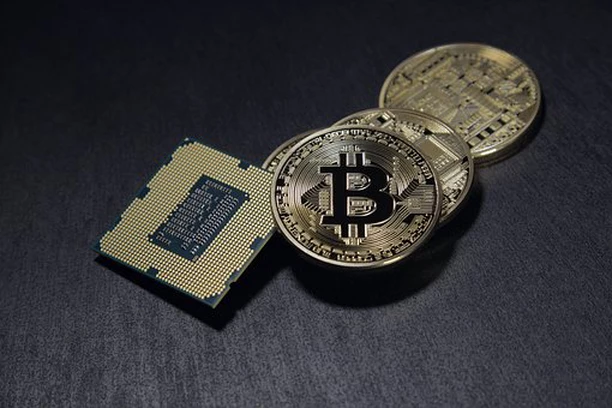 **Cryptocurrencies Should Prevail** Cryptocurrencies should by all means take the place of or at a minimum compete with fiat moneys. These new currencies have many more features available and have been created from scratch with much more history, education, and resources to build with. The weakness of not being backed directly by any nation state is also one of the biggest strengths. These currencies will succeed or fail on their own merits and by the assessment of users, not by the means of force, coercion, or lack of competition as most or all fiat currencies have. At the very least, there will be nations that simply make a digital version of their local fiat money and use this in their jurisdiction, as well as likely abroad, thus creating a successful new cryptocurrency through these means.  **Money Problems** The general adoption of an independent currency would likely cause an economic downturn or failure throughout the top world powers. Hopefully, this would be minor and isolated to the nation who's fiat is in direct competition with the new currency but this is doubtful. Most likely, there would be a chain reaction that would have far reaching results and most likely the new competitive currency would be worldwide and independent thus competing with every or nearly every fiat currency in use. Let's pretend that a new cryptocurrency, named "newcash" is gaining support and is beginning to compete on a large scale with fiat. The disruption to the flow of fiat would be the first cause of negative economic effects. As legitimacy and acception of newcash grew, more and more people would be spending and relieving themselves of the fiat money they had while holding onto the "better" currency (newcash) until they were free from their fiat holdings. This dumping of fiat would eventually meet demand for said fiat and from that point on would drive down the relative value due to the lack of demand and abundance of supply. Usage would be down since at this point some or many individuals would be using other currencies and a chain reaction would likely occur. The fiat in reference, or if this were to be a worldwide event, most fiat currencies in existence, would inevitable drop in value relative to newcash. The perception of stability or increased value of the newcash currency along with the perception of negative volatility or decreased value of fiat would incentivize even more people to exchange their fiat to newcash. Since most transactions, loans, holdings, etc. are denominated in fiat, these would inherently loose value or become more expensive during this competition. Since transactions, loans, holdings, etc. involve individuals, corporations, and governments, all of these effected parties would be negatively impacted by these changes. If newcash simply stabilizes at this point and remains a minor, but not insignificant, competitor to fiat and no other factors come into play then the impact would be negative but may not be not disastrous. If newcash began to gain more acceptance than any one or more fiat currency then the effect would be much greater. As newcash gains adoption, governments will loose control over the supply and flow of money in their territories. The government would not have the power to use monetary policy to control the economy to the same degree they did before the arrival of newcash. Free market principles would begin to battle with Keynesian economic theory and regardless of the result, the competition would increase volatility and therefore uncertainty which in turn will increase disruption in the economy. Whether this be localized to a specific country or involve the world markets, the interconnected aspect of world wide trade would spread some amount of disruption to many markets. The reaction of governments effected will be a major risk to the economy. If a government attempted to censor or shut down newcash, this would probably increase the value and demand for newcash by giving it legitimacy and stirring up anti government, pro competition, and individual freedom sentiment. On the other hand, if the government fully supported the monetary competition of newcash then this also will increase public acceptance through legitimization and friendly regulation. This will also increase scrutiny, knowledge, and comparison of the fiat in question which will increase uncertainty, fear, and doubt thus decreasing demand further and likely also increasing newcash demand further. Likely, newcash will be independent and worldwide and as such will receive many different responses from many different governments. This would likely ensure that some further legitimacy and acceptance will occur somewhere which no doubt will effect global legitimacy and acceptance worldwide as a result. Regardless of the size and scope of the effect of newcash on the world economy, just the risk of any such effect that is listed above will incentivize governments to beware of such a scenario. In the same manner, corporations will also be hesitant to such a disruption despite the long term advantages of such currency competition. Finally, individuals will, in a general sense, not respond favorably if they believe that economic downturn will be an effect of newcash adoption. With every party involved being wary of newcash, there will likely not be any swift acceptance but rather will likely be headwinds from all parties involved due to these risks.  Another major headwind to acceptance of newcash or any other independent cryptocurrency is criminal behavior. Criminal behavior not only is possible but is much easier with the availability of cryptocurrencies for transactions. Although this behavior is possible otherwise and will always find a way to occur, the rise of cryptocurrencies has given a better method of transaction in a way contrary to the law. The rise of acceptance will be linked to a rise in criminal use of the currencies of reference. Criminals use money and any rise in use of a currency will inherently raise the total accounts of criminal use but with a currency that is even more efficient and effective to use in criminal activity, the rise of criminal use will raise faster and greater than the rise of said currency use in general. This will draw government attention in a negative fashion and will bring about negative PR that will effect public perception as well. There are many solutions and strategies to help mitigate these headwinds but they will exist to some degree no matter the response, whether it be proactive or reactive. The overall point of headwinds to acceptance is again not a matter of success but rather a matter of value. The competition of a cryptocurrency with fiat would raise the relative value of the former in relation to the latter but these previously mentioned headwinds impede this form of value increase. Whether the new currency competes as a spendable currency or as a store of value, the result is the same or similar. This is not to say that cryptocurrencies can't appreciate in value but it is to say that there are some headwinds fighting this in the long run. On the flip side, let's say newcash successfully gains a large worldwide market share and is one of the most widely used currencies. According to most models and theories, when a currency is used in this way and has this level of adoption, it becomes very stable in value. This is fairly necessary for use as a spendable currency in general and could precede the rise of adoption and use as well as be a result of them. Regardless the effect is the same, that of price stability, and thus is contrary to the desire of some to have an asset that is increasing in value at an outpaced rate than that of other similar investment opportunities. 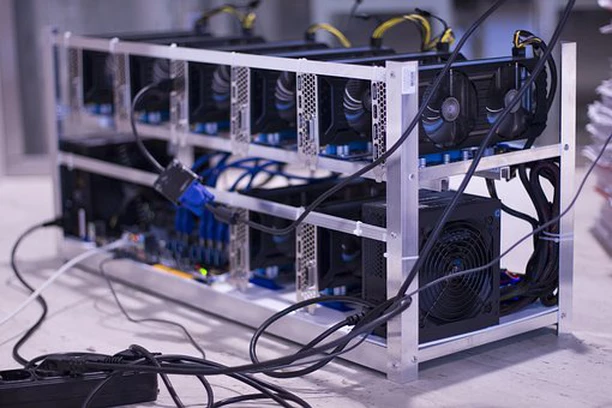 **Protocol Issues** The balance of power and the incentive structures in cryptocurrencies generally revolve around either Proof of Work (PoW) or Proof of Stake (PoS) systems. Although there are a few exceptions, most projects are purely one or the other, some hybrid of both, or a slight variation on the basic premise. Although these models are very solid and genius, there are a few questions raised in both forms over how they could affect the value of the currencies in the long run. 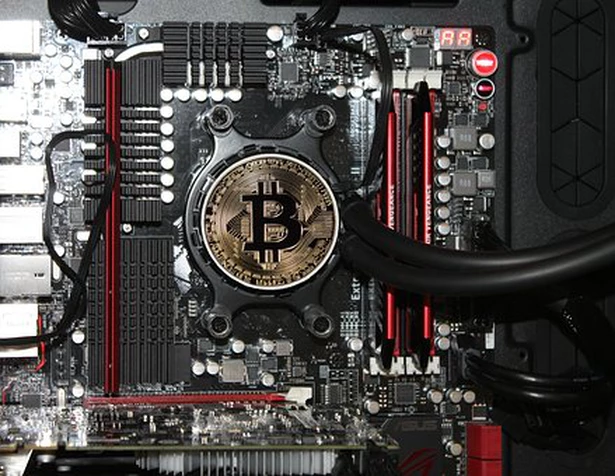 **Proof of Work** Proof of Work systems started it all and therefore will receive the first critique. These systems rely on mining to secure the network and process transactions. This security is designed to come from the decentralization of the minors such that collusion does not occur. As time goes on, there is a risk of mining companies, pools, or consortiums working together to break this security. The incentive would be for them to do so in a way that does not risk discovery but does benefit all involved. Any action of this sort will likely come to light at some point and ruin or devalue the project involved along with any other project of a similar nature and at least ones with a similar risk of collusion. Another risk comes from the most important resource required for mining... that of energy. Fluctuations in energy prices will not generally effect PoW projects in a detrimental way but the risk of free or near free energy worldwide could. With the rate of technological advancement, it is definitely possible. Another possibility is that the hardware cost to run a PoW network is drastically reduced which could also effect the value of the project.  On the positive side, free energy for all worldwide, or at least a large extent of the world, would likely have the effect of making PoW systems even more decentralized. Anyone with the hardware and an internet connection could compete for mining rewards and the advantage of local energy costs would disappear. The same is true of lower hardware costs. Anyone with an internet connection and cheap energy can compete with the "big dogs" without much up front investment. This would lower fees drastically on many networks as well which brings us to the negative aspect. Low investment costs would drive down the cost miners would charge to the point where fees would be near zero. This would also drive down the network mining rewards or increase the competition to the point that it would have the same effect of making mining so negligibly profitable as to drastically lower miner incentives. This could increase the risk of a league of miners working together to game the system. Although the greater decentralization aspect mentioned previously is likely, these new and more diverse miners are not incentavized to any great degree towards loyalty, perseverance, upgrades, etc. from which could spring security risks if a consortium took advantage of such aspects. In blockchain networks with unalterable fee and/ or reward structures, the issue of lowering the resources required to mine by eliminating an energy cost and/ or hardware costs could cause some conflicts between the intended security model and the new reality of the equation.  Continuing the issue of value, of course a breach in security of the network would lower the value of said asset. Also, lowering the mining resources required could have an effect of increasing supply without necessarily increasing demand proportionally and thus lowering the value in this way. If mining is cheap and easy, more individuals are incentavized to mine and thus create more coins through the mining rewards, thus diluting the asset supply. In addition, if the resources required to mine are very low, then there isn't a large deterrent to malicious actors against attacking the system. They wouldn't have much capital tied up in the network anyway so if their attack somehow damaged the value or structure of the network, it wouldn't be as much of a loss to them but if they succeeded, their reward could be great. A common argument on the flip side is that regardless of energy costs, the energy consumption will rise with the rise of PoW networks and could get so high as to effect energy markets, mining participation, government backlash, and/ or public participation and protest. The flip side for hardware is that hardware needed to meaningfully compete will become so specialized and/ or expensive that it lowers decentralization and increases the power and concentration of mining companies which could give them enough power to game the system. Any of these affects could negatively affect the overall value of the coin. In addition to low resource costs effecting the security model, it also lowers the inherent value of the asset. One of the benefits of a PoW model is that the coin always has a minimum intrinsic value of the cost to create and bring to market. In general the coin will never drop below this intrinsic value, or if it does it should come back to this value in a reasonable amount of time assuming a reasonable market. By lowering one of only two components that make up this intrinsic value equation without changing the other, the equation will always yield the result of a lower intrinsic value. This does not necessarily lower the market value of the coin but it is very reasonable to say that it could. If both inputs to the intrinsic value equation, energy and hardware costs, are lowered then the intrinsic value itself will be all the more lowered. For a more subjective argument, PoW systems involve a great deal of computational power and thus energy and hardware requirements. This does create the desired security for the network but may not be necessary. Other models, such as PoS, could offer the same security for the network without the need for like investments in hardware and energy. If this proves true then the incentive to use PoW models is much lower due the now arbitrary nature of the PoW system combined with the not arbitrary but now comparatively very expensive nature of the cost to secure. These realities would lower the value of PoW networks relative to the value of other more efficient models. Additionally, even if the PoW model is the only model that provides this level of security and assurance, many doubt if the overall cost is worth it given a scenario of this sort.  **Proof of Stake** Proof of Stake avoids most of the potential and real weaknesses of PoW models but has it's own unique questions over it's affect on value assessment. The model of PoS security involves relatively low costs to run the network. Energy use is low and the required hardware is much simpler and cheaper. The higher input cost in PoS systems is the invested capital. One usually must "stake" their supply, thus locking it up from free movement, in order to receive the rewards of inflation, dividends, fees, etc. This is a much more efficient model than PoW but the intrinsic value of PoS assets are much lower than PoW since their creation is much cheaper. There is no need for the asset value to be high because there is little investment cost to recoup for network participants. Participants are also incentavized to hold their coins verses trading them which can help greatly with stability but may not be very useful for value creation and appreciation. Also, why would individuals pay a large premium to hold an asset that simply acts as a savings account, giving them a small "interest" payment for locking up their coins. It could be more likely that the asset would keep a stable value which is good for the network and practical usage but not for an investor looking for better than average rewards on their investment.  **Supply and Demand** Capped supply coins are praised by many in the space for the deflationary attribute associated and the hard line that they draw over total supply. This answers the previously rhetorical question of why one would pay a premium for an asset that simply acts as a savings account. With deflationary value creation added to the original rewards, this becomes more plausible. The issue with these coins is that if they are successful, then at some point maximum supply will be reached. This will then shift mining rewards from coming from new coins being created to strictly fee based. This raises fees associated with transactions which could have a lowering effect on value. Also, with no more supply, the incentives will align more with store of value use cases than spending. This is perfect for a store of value asset but may not work well with this particular asset due to the very low intrinsic value aspect. Scarcity and ease of use become the driving factors for increased value which is a great aspect for the foundation of a store of value asset but may not be enough if lacking the intrinsic value variable to avoid high volatility or a loss of faith in the asset itself at some point. The only way to attain this store of value will be to buy it on the open market. These markets could have relatively low volume which usually increases volatility. A store of value that has volatile price swings is not ideal. There will be a risk of price manipulation as well just like there is with any low volume asset on free market exchanges. Since there is no intrinsic value and there is no way to attain more outside of markets, there will always be a risk of failure. If a sell off occurs for any reason, there could definitely be a cascading effect that crashes the value of the asset to or below it's intrinsic value. There is no real floor to stop the decline in value aside from sentiment which in this scenario would not be one to rely on. Just the slight risk of these events occurring lowers the value of a store of value asset due to the risk of the value being stored declining which is contrary to the whole point of a store of value. On the flip side, if markets had a high volume than this would signify something else is off from the intent as a store of value because in general, a store of value shouldn't be traded often if it is fulfilling it's intended purpose. There has never been an asset like this before and therefore these risks, theories, and the effect on the value of this asset is unknown. These are plausible scenarios however and therefore should be considered.  **Platforms and Utility Tokens** There are many blockchain platforms in existence currently with many more under development as well. These platforms are already successful by most assessments and will continue to be so. The value of the native token involved in these blockchain platforms however is not secure. Their main purpose is typically to secure the network and facilitate transactions within said network. In most cases, there is no need for the tokens to have any more value than a non zero amount. This will prevent spam and payments can be scaled up infinitely to fit any value desired. If $100 worth of the token is needed, there is no difference to the network whether this $100 is .001 of a token or 1000 tokens. The network and market dynamics involved will decide the needed value for the token but from the perspective of relative value, this could be very small and still facilitate a massively successful platform. Another possibility is that the native token is unecessary completely. Many projects built on the Ethereum platform for example may be able to use Ether for this purpose or another digital asset. Often many cryptocurrencies could conceivable be used for transactions within a platform or DAPP (Decentralized APPlication). Often the other functions desired for a platform such as voting and governance, permission states, proof of identity, etc. could be performed using tokens or digital assets that may not necessarily need to have monetary value or if they did, this value also could be trivial and non rising. Also, some functions such as identity could be done through using cross platform tokens already in existence. One of the largest downsides from an investment perspective with utility tokens is that they contain no equity in the project. The binary success and level of that success theoretically will have a positive impact on the utility token itself but this isn't necessary. The platform could be the largest, best, and even only platform in the world but still have a native token with a very low relative value or declining value. As long as the token performs the needed requirements within the network, value is arbitrary.  Oculus, the virtual reality headset maker is a great example. The company first raised a large amount of capital on the Kickstarter platform to the amount of around 2.5 million dollars. The company was soon after purchased by Facebook for roughly 2 billion dollars. Individuals who gave money to the Kickstarter campaign for Oculus had not actually purchased any equity in the company itself so even though the company and equity investors saw life changing gains, the supporters who gave the original 2.5 million for the company to reach their success saw no gains. They later received a free headset if they had given over $275 to the campaign which is around a 100% gain for some and a loss for others but in no case is this anywhere near the return that the company received from the capital they were given. Corporations currently control the majority of transactions, data flow, and value creation. It is doubtful they will willingly allow independent platforms to take away market share or opportunities from them without a fight. Most corporations have the funds and access to capital to compete very well with "public" platforms. They can even release their own public platforms if desired and have or can acquire top talent worldwide to do so. They also have the advantage of being able to operate at a loss so long as their other ventures or future prospects make up for that loss and the future reward seems worth the expense. Public networks don't have this luxury. Nor do they have the existing networks to leverage, the pre built infrastructure, the access to talent and capital, the longstanding reputation, the trust, or many of the other qualities that give corporations their usual leverage against upstarts. Corporations can't stop the blockchain revolution but they can dominate market share and be a strong headwind against independent networks trying to compete with them.  **The Masses** One of the biggest challenges to creating value with cryptocurrencies and tokens is the "mass effect". "The masses" referred to here are the common, average, normal individuals going about their lives with little knowledge or care about the blockchain world. They will use products enabled and improved by the technology. They will use cryptocurrencies as money if it seems convenient and useful. They will support the idea of decentralization and independent ventures. They generally will not go out of their way for any of these features however. Many people say they don't trust the government or corporations with their data and funds but take little to no action in regards to this conviction. Many support the crypto movement but have no desire to give any significant amount of time, money, or resources to tangibly support it. Let's look at Facebook who makes money by collecting all their data they can, selling portions of this data to unknown companies, targets individuals for ads and propaganda, has had multiple security breaches, etc. Say there is another social media platform with all the features Facebook has but with the security, privacy, and decentralized nature offered through blockchain technology. This second company is obviously the best choice but would inevitably fail to be more successful than Facebook because most people don't care enough about these aspects to deal with the hassle of moving their digital life to a new location with a much smaller network of others on it and the hassle of learning the differences in interacting with this new platform. The same would likely be true of a cryptocurrency. If the masses are not interested in expending effort to make crypto and blockchain projects succeed, then these projects must be so much better than all other current options as to draw the masses away from the traditional and expend the effort required to switch or implement the new. This is not to say that everyone is ignorant or the general public is unintelligent but rather to simply observe that it is rare for new technologies, products, or platforms to gain widespread adoption over incumbent actors easily or commonly. It has happened many times but has failed more times than not. Betamax is a great example of a product that was better than the competition that overtook it in the market. The best product does not always win.  Aside from other forms of value appreciation, speculation has been a dominant driver of price increases thus far. This makes sense since the technology, platforms, and currencies involved generally aren't even finished yet and thus they are in the "investment" stages of development. As stated before, however, the investment in these projects through buying the native asset is not an investment of equity in the project and therefore needs to be assessed differently as well. Another negative to speculation is it's instability and volatility. Nothing should be needed in way of explanation here. Finally, speculation does not last forever and even if value is driven up through this means, it will end. It could possibly even be wiped out. At this point, the projects must gain value and be assessed by other means such as intrinsic value, scarcity, use cases, and other means of value assessment. There is definitely great potential for crypto and blockchain projects to succeed but will the victors be decentralized? Will they be permissionless? Will they be free from censorship and control? Will they uphold the principles that started the movement? Will they be worth more in the future than they are now? Will they even be the projects being invested in today? **TLDR; Conclusion** Digital Assets, whether cryptocurrencies, utility tokens, or other blockchain enabled applications, will undoubtedly underlie the future of our societies. There will be infrastructure, governments, as well as end use applications all driven by blockchain technology. What current projects will still exist and what value will they have? Will they be practically valuable to their markets with low monetary value? Assessing these questions is necessary for anyone in the space in any capacity. The answer is already known... we don't know... and thus the questions are all the more important to analyze, prepare for, hedge against, and take advantage of. |
| json metadata | {"tags":["blockchain","weakness","crypto","wrong","bitcoin"],"image":["https://cdn.steemitimages.com/DQmRtZPFuJ8yMYngeQQJVSFBhXV8DHMLQjGby4S8uB2uqDU/image.png","https://cdn.steemitimages.com/DQmRoj8j63mGkKKmh2BMMca4wH3RB1jt9VTbdyGgiGjwADw/image.png","https://cdn.steemitimages.com/DQme9pHFwrr6tbNbCgef1aFaWkjjoFbbGNPBrPRT75R6wSf/image.png","https://cdn.steemitimages.com/DQmbwqgjFu1qd5RVsZMBEYPELRozJS6Z63CQfJzTDNCNmgY/image.png","https://cdn.steemitimages.com/DQmYoFM3X8RBJSFxptT1HEW3gcqKoqJbCMxfy5f1sYunRa5/image.png","https://cdn.steemitimages.com/DQmd69yeTjGs9fa945wUgdFadacwYdot5h8YtEj3aDu9ggX/image.png","https://cdn.steemitimages.com/DQmV8uBqkUj64i3ir3C67U9ZJBzLqQc4KWLYMNnoWRceeQi/image.png","https://cdn.steemitimages.com/DQmQy5PZgXx7ssqDUFyjRwaFF6iRQwqJB5KSvghuCz5g8PE/image.png","https://cdn.steemitimages.com/DQmeTmRaiN9CrynTevCT8ZwG4PH4N3G4t8ZG2nYcXJEu92Q/image.png","https://cdn.steemitimages.com/DQmaCj9DBdwgYtgTRMhQDE3d8VkuodfXDPrzc3iJ7KnQrgu/image.png","https://cdn.steemitimages.com/DQmQtdCuMpC7uVZtZPhV1mwNzHng6R9zMwJVva81AEiE7rj/image.png","https://cdn.steemitimages.com/DQmS69rNi3U8sb6kwCJH3PbQB3QzwGKeEz9sA865uw9xkCw/image.png","https://cdn.steemitimages.com/DQmV6HcAmQuch9GQhcv7ua5eWVsawow2zW1FAMYgFAWFVJ3/image.png","https://cdn.steemitimages.com/DQmU1ZViv2xb1pPWjGHiSzhC2khEQuETqHQnP6W6vWzLVBC/image.png"],"app":"steemit/0.1","format":"markdown"} |
| Transaction Info | Block #27389501/Trx be66ecac28bdb1c3fe94a6f9c3046400d8ab1f52 |
View Raw JSON Data
{
"trx_id": "be66ecac28bdb1c3fe94a6f9c3046400d8ab1f52",
"block": 27389501,
"trx_in_block": 10,
"op_in_trx": 0,
"virtual_op": 0,
"timestamp": "2018-11-03T23:46:36",
"op": [
"comment",
{
"parent_author": "",
"parent_permlink": "blockchain",
"author": "thecrook",
"permlink": "weakest-links-in-blockchain",
"title": "Weakest Links in Blockchain",
"body": "...uncomfortable realities regarding the future value of crypto projects...\n\n\n\nThe world of blockchain, cryptocurrencies, and other Digital Assets is one of progress, innovation, growth, and advancement. There is no doubt to the inclusion of these platforms, technologies, and assets in our futures worldwide. There is doubt however over how these will be valued both in the near and the long term.\n\n**Blockchain Cannot Fail**\n\n The technological advances brought on through Bitcoin then other blockchain platforms has already hit levels of \"success\" by most standards. Albeit early stage success, there are many S & P 500 companies investing heavily and many offering enterprise blockchain systems and solutions. There are hundreds of billions of dollars invested in \"public markets\" of digital assets. There are multiple cryptocurrencies in use in struggling countries such as Venezuela and in Africa. Many businesses in the U.S., Canada, Japan, Europe, and other first world regions accept payment in the form of cryptocurrencies, although this currently only occurs in very low volume relative to fiat payments. There have been votes for public office (Switzerland), biometric based digital IDs for refugees (Microsoft), large scale supply chain logistics tracking (Walmart, Kroger, Unilever, IBM, etc.), and many more \"mainstream\" examples of successful blockchain endeavors in use today.\n\n The objective of this overall assessment is not to weigh the risks or opportunities of failure or success for blockchain technology or any of it's spawn. The one relevant question and only concern for this writing is that of value. This relates on one hand to the value, or importance and benefit, of a project or coin as to whether or not it has a purpose that shouldn't be fulfilled by other means. More importantly for many, and more generally applicable, is the question of value in the sense of comparative price, dearness, or purchasing power. Attempts will be made to remind the reader of this goal but one would be served well to endeavor to keep this distinction as a filter throughout this writing. Again, the question of value is that of which we seek, not the question of success under any other appraisal. \n\n I hereby disclose that I have some holdings in the Digital Asset space and believe that these are well placed investments for myself in my particular position. Nothing written here is financial advice or investment recommendation but is rather meant for the purposes of education, entertainment, and intellectual pondering. As a result of disclosing my holdings, I hope to encourage the reader that despite all the risks, problems, and headwinds mentioned here, I still believe that there will be crypto assets that do in fact grow in value both practically and in price. \n\n\n\n**Cryptocurrencies Should Prevail**\n\n Cryptocurrencies should by all means take the place of or at a minimum compete with fiat moneys. These new currencies have many more features available and have been created from scratch with much more history, education, and resources to build with. The weakness of not being backed directly by any nation state is also one of the biggest strengths. These currencies will succeed or fail on their own merits and by the assessment of users, not by the means of force, coercion, or lack of competition as most or all fiat currencies have. At the very least, there will be nations that simply make a digital version of their local fiat money and use this in their jurisdiction, as well as likely abroad, thus creating a successful new cryptocurrency through these means.\n\n\n\n\n\n**Money Problems**\n\n The general adoption of an independent currency would likely cause an economic downturn or failure throughout the top world powers. Hopefully, this would be minor and isolated to the nation who's fiat is in direct competition with the new currency but this is doubtful. Most likely, there would be a chain reaction that would have far reaching results and most likely the new competitive currency would be worldwide and independent thus competing with every or nearly every fiat currency in use. Let's pretend that a new cryptocurrency, named \"newcash\" is gaining support and is beginning to compete on a large scale with fiat.\n\n The disruption to the flow of fiat would be the first cause of negative economic effects. As legitimacy and acception of newcash grew, more and more people would be spending and relieving themselves of the fiat money they had while holding onto the \"better\" currency (newcash) until they were free from their fiat holdings. This dumping of fiat would eventually meet demand for said fiat and from that point on would drive down the relative value due to the lack of demand and abundance of supply. Usage would be down since at this point some or many individuals would be using other currencies and a chain reaction would likely occur. \n\n The fiat in reference, or if this were to be a worldwide event, most fiat currencies in existence, would inevitable drop in value relative to newcash. The perception of stability or increased value of the newcash currency along with the perception of negative volatility or decreased value of fiat would incentivize even more people to exchange their fiat to newcash. Since most transactions, loans, holdings, etc. are denominated in fiat, these would inherently loose value or become more expensive during this competition. Since transactions, loans, holdings, etc. involve individuals, corporations, and governments, all of these effected parties would be negatively impacted by these changes. If newcash simply stabilizes at this point and remains a minor, but not insignificant, competitor to fiat and no other factors come into play then the impact would be negative but may not be not disastrous. If newcash began to gain more acceptance than any one or more fiat currency then the effect would be much greater.\n\n As newcash gains adoption, governments will loose control over the supply and flow of money in their territories. The government would not have the power to use monetary policy to control the economy to the same degree they did before the arrival of newcash. Free market principles would begin to battle with Keynesian economic theory and regardless of the result, the competition would increase volatility and therefore uncertainty which in turn will increase disruption in the economy. Whether this be localized to a specific country or involve the world markets, the interconnected aspect of world wide trade would spread some amount of disruption to many markets. \n\n The reaction of governments effected will be a major risk to the economy. If a government attempted to censor or shut down newcash, this would probably increase the value and demand for newcash by giving it legitimacy and stirring up anti government, pro competition, and individual freedom sentiment. On the other hand, if the government fully supported the monetary competition of newcash then this also will increase public acceptance through legitimization and friendly regulation. This will also increase scrutiny, knowledge, and comparison of the fiat in question which will increase uncertainty, fear, and doubt thus decreasing demand further and likely also increasing newcash demand further. Likely, newcash will be independent and worldwide and as such will receive many different responses from many different governments. This would likely ensure that some further legitimacy and acceptance will occur somewhere which no doubt will effect global legitimacy and acceptance worldwide as a result.\n\n Regardless of the size and scope of the effect of newcash on the world economy, just the risk of any such effect that is listed above will incentivize governments to beware of such a scenario. In the same manner, corporations will also be hesitant to such a disruption despite the long term advantages of such currency competition. Finally, individuals will, in a general sense, not respond favorably if they believe that economic downturn will be an effect of newcash adoption. With every party involved being wary of newcash, there will likely not be any swift acceptance but rather will likely be headwinds from all parties involved due to these risks.\n\n\n\n\n\n Another major headwind to acceptance of newcash or any other independent cryptocurrency is criminal behavior. Criminal behavior not only is possible but is much easier with the availability of cryptocurrencies for transactions. Although this behavior is possible otherwise and will always find a way to occur, the rise of cryptocurrencies has given a better method of transaction in a way contrary to the law. The rise of acceptance will be linked to a rise in criminal use of the currencies of reference. Criminals use money and any rise in use of a currency will inherently raise the total accounts of criminal use but with a currency that is even more efficient and effective to use in criminal activity, the rise of criminal use will raise faster and greater than the rise of said currency use in general. This will draw government attention in a negative fashion and will bring about negative PR that will effect public perception as well. There are many solutions and strategies to help mitigate these headwinds but they will exist to some degree no matter the response, whether it be proactive or reactive.\n\n The overall point of headwinds to acceptance is again not a matter of success but rather a matter of value. The competition of a cryptocurrency with fiat would raise the relative value of the former in relation to the latter but these previously mentioned headwinds impede this form of value increase. Whether the new currency competes as a spendable currency or as a store of value, the result is the same or similar. This is not to say that cryptocurrencies can't appreciate in value but it is to say that there are some headwinds fighting this in the long run. \n\n On the flip side, let's say newcash successfully gains a large worldwide market share and is one of the most widely used currencies. According to most models and theories, when a currency is used in this way and has this level of adoption, it becomes very stable in value. This is fairly necessary for use as a spendable currency in general and could precede the rise of adoption and use as well as be a result of them. Regardless the effect is the same, that of price stability, and thus is contrary to the desire of some to have an asset that is increasing in value at an outpaced rate than that of other similar investment opportunities.\n\n\n\n**Protocol Issues**\n\n The balance of power and the incentive structures in cryptocurrencies generally revolve around either Proof of Work (PoW) or Proof of Stake (PoS) systems. Although there are a few exceptions, most projects are purely one or the other, some hybrid of both, or a slight variation on the basic premise. Although these models are very solid and genius, there are a few questions raised in both forms over how they could affect the value of the currencies in the long run.\n\n\n\n\n\n**Proof of Work**\n\n Proof of Work systems started it all and therefore will receive the first critique. These systems rely on mining to secure the network and process transactions. This security is designed to come from the decentralization of the minors such that collusion does not occur. As time goes on, there is a risk of mining companies, pools, or consortiums working together to break this security. The incentive would be for them to do so in a way that does not risk discovery but does benefit all involved. Any action of this sort will likely come to light at some point and ruin or devalue the project involved along with any other project of a similar nature and at least ones with a similar risk of collusion.\n\n Another risk comes from the most important resource required for mining... that of energy. Fluctuations in energy prices will not generally effect PoW projects in a detrimental way but the risk of free or near free energy worldwide could. With the rate of technological advancement, it is definitely possible. Another possibility is that the hardware cost to run a PoW network is drastically reduced which could also effect the value of the project.\n\n\n\n\n\n On the positive side, free energy for all worldwide, or at least a large extent of the world, would likely have the effect of making PoW systems even more decentralized. Anyone with the hardware and an internet connection could compete for mining rewards and the advantage of local energy costs would disappear. The same is true of lower hardware costs. Anyone with an internet connection and cheap energy can compete with the \"big dogs\" without much up front investment. This would lower fees drastically on many networks as well which brings us to the negative aspect. \n\n Low investment costs would drive down the cost miners would charge to the point where fees would be near zero. This would also drive down the network mining rewards or increase the competition to the point that it would have the same effect of making mining so negligibly profitable as to drastically lower miner incentives. This could increase the risk of a league of miners working together to game the system. Although the greater decentralization aspect mentioned previously is likely, these new and more diverse miners are not incentavized to any great degree towards loyalty, perseverance, upgrades, etc. from which could spring security risks if a consortium took advantage of such aspects. In blockchain networks with unalterable fee and/ or reward structures, the issue of lowering the resources required to mine by eliminating an energy cost and/ or hardware costs could cause some conflicts between the intended security model and the new reality of the equation.\n\n\n\n Continuing the issue of value, of course a breach in security of the network would lower the value of said asset. Also, lowering the mining resources required could have an effect of increasing supply without necessarily increasing demand proportionally and thus lowering the value in this way. If mining is cheap and easy, more individuals are incentavized to mine and thus create more coins through the mining rewards, thus diluting the asset supply. In addition, if the resources required to mine are very low, then there isn't a large deterrent to malicious actors against attacking the system. They wouldn't have much capital tied up in the network anyway so if their attack somehow damaged the value or structure of the network, it wouldn't be as much of a loss to them but if they succeeded, their reward could be great.\n\n A common argument on the flip side is that regardless of energy costs, the energy consumption will rise with the rise of PoW networks and could get so high as to effect energy markets, mining participation, government backlash, and/ or public participation and protest. The flip side for hardware is that hardware needed to meaningfully compete will become so specialized and/ or expensive that it lowers decentralization and increases the power and concentration of mining companies which could give them enough power to game the system. Any of these affects could negatively affect the overall value of the coin.\n\n In addition to low resource costs effecting the security model, it also lowers the inherent value of the asset. One of the benefits of a PoW model is that the coin always has a minimum intrinsic value of the cost to create and bring to market. In general the coin will never drop below this intrinsic value, or if it does it should come back to this value in a reasonable amount of time assuming a reasonable market. By lowering one of only two components that make up this intrinsic value equation without changing the other, the equation will always yield the result of a lower intrinsic value. This does not necessarily lower the market value of the coin but it is very reasonable to say that it could. If both inputs to the intrinsic value equation, energy and hardware costs, are lowered then the intrinsic value itself will be all the more lowered.\n\n For a more subjective argument, PoW systems involve a great deal of computational power and thus energy and hardware requirements. This does create the desired security for the network but may not be necessary. Other models, such as PoS, could offer the same security for the network without the need for like investments in hardware and energy. If this proves true then the incentive to use PoW models is much lower due the now arbitrary nature of the PoW system combined with the not arbitrary but now comparatively very expensive nature of the cost to secure. These realities would lower the value of PoW networks relative to the value of other more efficient models. Additionally, even if the PoW model is the only model that provides this level of security and assurance, many doubt if the overall cost is worth it given a scenario of this sort. \n\n\n\n**Proof of Stake**\n\n Proof of Stake avoids most of the potential and real weaknesses of PoW models but has it's own unique questions over it's affect on value assessment. The model of PoS security involves relatively low costs to run the network. Energy use is low and the required hardware is much simpler and cheaper. The higher input cost in PoS systems is the invested capital. One usually must \"stake\" their supply, thus locking it up from free movement, in order to receive the rewards of inflation, dividends, fees, etc.\n\n This is a much more efficient model than PoW but the intrinsic value of PoS assets are much lower than PoW since their creation is much cheaper. There is no need for the asset value to be high because there is little investment cost to recoup for network participants. Participants are also incentavized to hold their coins verses trading them which can help greatly with stability but may not be very useful for value creation and appreciation. Also, why would individuals pay a large premium to hold an asset that simply acts as a savings account, giving them a small \"interest\" payment for locking up their coins. It could be more likely that the asset would keep a stable value which is good for the network and practical usage but not for an investor looking for better than average rewards on their investment.\n\n\n\n\n\n**Supply and Demand**\n\n Capped supply coins are praised by many in the space for the deflationary attribute associated and the hard line that they draw over total supply. This answers the previously rhetorical question of why one would pay a premium for an asset that simply acts as a savings account. With deflationary value creation added to the original rewards, this becomes more plausible. The issue with these coins is that if they are successful, then at some point maximum supply will be reached. This will then shift mining rewards from coming from new coins being created to strictly fee based. This raises fees associated with transactions which could have a lowering effect on value. Also, with no more supply, the incentives will align more with store of value use cases than spending. This is perfect for a store of value asset but may not work well with this particular asset due to the very low intrinsic value aspect. Scarcity and ease of use become the driving factors for increased value which is a great aspect for the foundation of a store of value asset but may not be enough if lacking the intrinsic value variable to avoid high volatility or a loss of faith in the asset itself at some point.\n\n The only way to attain this store of value will be to buy it on the open market. These markets could have relatively low volume which usually increases volatility. A store of value that has volatile price swings is not ideal. There will be a risk of price manipulation as well just like there is with any low volume asset on free market exchanges. Since there is no intrinsic value and there is no way to attain more outside of markets, there will always be a risk of failure. If a sell off occurs for any reason, there could definitely be a cascading effect that crashes the value of the asset to or below it's intrinsic value. There is no real floor to stop the decline in value aside from sentiment which in this scenario would not be one to rely on. Just the slight risk of these events occurring lowers the value of a store of value asset due to the risk of the value being stored declining which is contrary to the whole point of a store of value. On the flip side, if markets had a high volume than this would signify something else is off from the intent as a store of value because in general, a store of value shouldn't be traded often if it is fulfilling it's intended purpose. There has never been an asset like this before and therefore these risks, theories, and the effect on the value of this asset is unknown. These are plausible scenarios however and therefore should be considered.\n\n\n\n\n\n**Platforms and Utility Tokens**\n\n There are many blockchain platforms in existence currently with many more under development as well. These platforms are already successful by most assessments and will continue to be so. The value of the native token involved in these blockchain platforms however is not secure. Their main purpose is typically to secure the network and facilitate transactions within said network. \n\n In most cases, there is no need for the tokens to have any more value than a non zero amount. This will prevent spam and payments can be scaled up infinitely to fit any value desired. If $100 worth of the token is needed, there is no difference to the network whether this $100 is .001 of a token or 1000 tokens. The network and market dynamics involved will decide the needed value for the token but from the perspective of relative value, this could be very small and still facilitate a massively successful platform.\n\n Another possibility is that the native token is unecessary completely. Many projects built on the Ethereum platform for example may be able to use Ether for this purpose or another digital asset. Often many cryptocurrencies could conceivable be used for transactions within a platform or DAPP (Decentralized APPlication). Often the other functions desired for a platform such as voting and governance, permission states, proof of identity, etc. could be performed using tokens or digital assets that may not necessarily need to have monetary value or if they did, this value also could be trivial and non rising. Also, some functions such as identity could be done through using cross platform tokens already in existence.\n\n One of the largest downsides from an investment perspective with utility tokens is that they contain no equity in the project. The binary success and level of that success theoretically will have a positive impact on the utility token itself but this isn't necessary. The platform could be the largest, best, and even only platform in the world but still have a native token with a very low relative value or declining value. As long as the token performs the needed requirements within the network, value is arbitrary. \n\n\n\n\n\n Oculus, the virtual reality headset maker is a great example. The company first raised a large amount of capital on the Kickstarter platform to the amount of around 2.5 million dollars. The company was soon after purchased by Facebook for roughly 2 billion dollars. Individuals who gave money to the Kickstarter campaign for Oculus had not actually purchased any equity in the company itself so even though the company and equity investors saw life changing gains, the supporters who gave the original 2.5 million for the company to reach their success saw no gains. They later received a free headset if they had given over $275 to the campaign which is around a 100% gain for some and a loss for others but in no case is this anywhere near the return that the company received from the capital they were given. \n\n Corporations currently control the majority of transactions, data flow, and value creation. It is doubtful they will willingly allow independent platforms to take away market share or opportunities from them without a fight. Most corporations have the funds and access to capital to compete very well with \"public\" platforms. They can even release their own public platforms if desired and have or can acquire top talent worldwide to do so. They also have the advantage of being able to operate at a loss so long as their other ventures or future prospects make up for that loss and the future reward seems worth the expense. Public networks don't have this luxury. Nor do they have the existing networks to leverage, the pre built infrastructure, the access to talent and capital, the longstanding reputation, the trust, or many of the other qualities that give corporations their usual leverage against upstarts. Corporations can't stop the blockchain revolution but they can dominate market share and be a strong headwind against independent networks trying to compete with them.\n\n\n\n\n\n**The Masses**\n\n One of the biggest challenges to creating value with cryptocurrencies and tokens is the \"mass effect\". \"The masses\" referred to here are the common, average, normal individuals going about their lives with little knowledge or care about the blockchain world. They will use products enabled and improved by the technology. They will use cryptocurrencies as money if it seems convenient and useful. They will support the idea of decentralization and independent ventures. They generally will not go out of their way for any of these features however. \n\n Many people say they don't trust the government or corporations with their data and funds but take little to no action in regards to this conviction. Many support the crypto movement but have no desire to give any significant amount of time, money, or resources to tangibly support it. Let's look at Facebook who makes money by collecting all their data they can, selling portions of this data to unknown companies, targets individuals for ads and propaganda, has had multiple security breaches, etc. Say there is another social media platform with all the features Facebook has but with the security, privacy, and decentralized nature offered through blockchain technology. This second company is obviously the best choice but would inevitably fail to be more successful than Facebook because most people don't care enough about these aspects to deal with the hassle of moving their digital life to a new location with a much smaller network of others on it and the hassle of learning the differences in interacting with this new platform. The same would likely be true of a cryptocurrency. \n\n If the masses are not interested in expending effort to make crypto and blockchain projects succeed, then these projects must be so much better than all other current options as to draw the masses away from the traditional and expend the effort required to switch or implement the new. This is not to say that everyone is ignorant or the general public is unintelligent but rather to simply observe that it is rare for new technologies, products, or platforms to gain widespread adoption over incumbent actors easily or commonly. It has happened many times but has failed more times than not. Betamax is a great example of a product that was better than the competition that overtook it in the market. The best product does not always win. \n\n\n\n\n\n Aside from other forms of value appreciation, speculation has been a dominant driver of price increases thus far. This makes sense since the technology, platforms, and currencies involved generally aren't even finished yet and thus they are in the \"investment\" stages of development. As stated before, however, the investment in these projects through buying the native asset is not an investment of equity in the project and therefore needs to be assessed differently as well. Another negative to speculation is it's instability and volatility. Nothing should be needed in way of explanation here. Finally, speculation does not last forever and even if value is driven up through this means, it will end. It could possibly even be wiped out. At this point, the projects must gain value and be assessed by other means such as intrinsic value, scarcity, use cases, and other means of value assessment.\n\n There is definitely great potential for crypto and blockchain projects to succeed but will the victors be decentralized? Will they be permissionless? Will they be free from censorship and control? Will they uphold the principles that started the movement? Will they be worth more in the future than they are now? Will they even be the projects being invested in today?\n\n\n**TLDR; Conclusion**\n\nDigital Assets, whether cryptocurrencies, utility tokens, or other blockchain enabled applications, will undoubtedly underlie the future of our societies. There will be infrastructure, governments, as well as end use applications all driven by blockchain technology. What current projects will still exist and what value will they have? Will they be practically valuable to their markets with low monetary value? Assessing these questions is necessary for anyone in the space in any capacity. The answer is already known... we don't know... and thus the questions are all the more important to analyze, prepare for, hedge against, and take advantage of.",
"json_metadata": "{\"tags\":[\"blockchain\",\"weakness\",\"crypto\",\"wrong\",\"bitcoin\"],\"image\":[\"https://cdn.steemitimages.com/DQmRtZPFuJ8yMYngeQQJVSFBhXV8DHMLQjGby4S8uB2uqDU/image.png\",\"https://cdn.steemitimages.com/DQmRoj8j63mGkKKmh2BMMca4wH3RB1jt9VTbdyGgiGjwADw/image.png\",\"https://cdn.steemitimages.com/DQme9pHFwrr6tbNbCgef1aFaWkjjoFbbGNPBrPRT75R6wSf/image.png\",\"https://cdn.steemitimages.com/DQmbwqgjFu1qd5RVsZMBEYPELRozJS6Z63CQfJzTDNCNmgY/image.png\",\"https://cdn.steemitimages.com/DQmYoFM3X8RBJSFxptT1HEW3gcqKoqJbCMxfy5f1sYunRa5/image.png\",\"https://cdn.steemitimages.com/DQmd69yeTjGs9fa945wUgdFadacwYdot5h8YtEj3aDu9ggX/image.png\",\"https://cdn.steemitimages.com/DQmV8uBqkUj64i3ir3C67U9ZJBzLqQc4KWLYMNnoWRceeQi/image.png\",\"https://cdn.steemitimages.com/DQmQy5PZgXx7ssqDUFyjRwaFF6iRQwqJB5KSvghuCz5g8PE/image.png\",\"https://cdn.steemitimages.com/DQmeTmRaiN9CrynTevCT8ZwG4PH4N3G4t8ZG2nYcXJEu92Q/image.png\",\"https://cdn.steemitimages.com/DQmaCj9DBdwgYtgTRMhQDE3d8VkuodfXDPrzc3iJ7KnQrgu/image.png\",\"https://cdn.steemitimages.com/DQmQtdCuMpC7uVZtZPhV1mwNzHng6R9zMwJVva81AEiE7rj/image.png\",\"https://cdn.steemitimages.com/DQmS69rNi3U8sb6kwCJH3PbQB3QzwGKeEz9sA865uw9xkCw/image.png\",\"https://cdn.steemitimages.com/DQmV6HcAmQuch9GQhcv7ua5eWVsawow2zW1FAMYgFAWFVJ3/image.png\",\"https://cdn.steemitimages.com/DQmU1ZViv2xb1pPWjGHiSzhC2khEQuETqHQnP6W6vWzLVBC/image.png\"],\"app\":\"steemit/0.1\",\"format\":\"markdown\"}"
}
]
}2018/10/29 15:19:09
2018/10/29 15:19:09
| parent author | thecrook |
| parent permlink | a-little-privacy-please |
| author | steemitboard |
| permlink | steemitboard-notify-thecrook-20181029t151908000z |
| title | |
| body | Congratulations @thecrook! You have completed the following achievement on the Steem blockchain and have been rewarded with new badge(s) : <table><tr><td>https://steemitimages.com/60x70/http://steemitboard.com/@thecrook/voted.png?201810290250</td><td>You received more than 10 upvotes. Your next target is to reach 50 upvotes.</td></tr> </table> <sub>_[Click here to view your Board of Honor](https://steemitboard.com/@thecrook)_</sub> <sub>_If you no longer want to receive notifications, reply to this comment with the word_ `STOP`</sub> **Do not miss the last post from @steemitboard:** <table><tr><td><a href="https://steemit.com/halloween/@steemitboard/trick-or-treat-publish-your-scariest-halloweeen-story-and-win-a-new-badge"><img src="https://steemitimages.com/64x128/http://i.cubeupload.com/RUyB3u.png"></a></td><td><a href="https://steemit.com/halloween/@steemitboard/trick-or-treat-publish-your-scariest-halloweeen-story-and-win-a-new-badge">Trick or Treat - Publish your scariest halloween story and win a new badge</a></td></tr><tr><td><a href="https://steemit.com/steemitboard/@steemitboard/steemitboard-notifications-improved"><img src="https://steemitimages.com/64x128/http://i.cubeupload.com/NgygYH.png"></a></td><td><a href="https://steemit.com/steemitboard/@steemitboard/steemitboard-notifications-improved">SteemitBoard notifications improved</a></td></tr></table> > Support [SteemitBoard's project](https://steemit.com/@steemitboard)! **[Vote for its witness](https://v2.steemconnect.com/sign/account-witness-vote?witness=steemitboard&approve=1)** and **get one more award**! |
| json metadata | {"image":["https://steemitboard.com/img/notify.png"]} |
| Transaction Info | Block #27235468/Trx 9d74d120da22228a7edf45801618f375543d02d0 |
View Raw JSON Data
{
  "trx_id": "9d74d120da22228a7edf45801618f375543d02d0",
  "block": 27235468,
  "trx_in_block": 11,
  "op_in_trx": 0,
  "virtual_op": 0,
  "timestamp": "2018-10-29T15:19:09",
  "op": [
    "comment",
    {
      "parent_author": "thecrook",
      "parent_permlink": "a-little-privacy-please",
      "author": "steemitboard",
      "permlink": "steemitboard-notify-thecrook-20181029t151908000z",
      "title": "",
      "body": "Congratulations @thecrook! You have completed the following achievement on the Steem blockchain and have been rewarded with new badge(s) :\n\n<table><tr><td>https://steemitimages.com/60x70/http://steemitboard.com/@thecrook/voted.png?201810290250</td><td>You received more than 10 upvotes. Your next target is to reach 50 upvotes.</td></tr>\n</table>\n\n<sub>_[Click here to view your Board of Honor](https://steemitboard.com/@thecrook)_</sub>\n<sub>_If you no longer want to receive notifications, reply to this comment with the word_ `STOP`</sub>\n\n\n\n**Do not miss the last post from @steemitboard:**\n<table><tr><td><a href=\"https://steemit.com/halloween/@steemitboard/trick-or-treat-publish-your-scariest-halloweeen-story-and-win-a-new-badge\"><img src=\"https://steemitimages.com/64x128/http://i.cubeupload.com/RUyB3u.png\"></a></td><td><a href=\"https://steemit.com/halloween/@steemitboard/trick-or-treat-publish-your-scariest-halloweeen-story-and-win-a-new-badge\">Trick or Treat - Publish your scariest halloween story and win a new badge</a></td></tr><tr><td><a href=\"https://steemit.com/steemitboard/@steemitboard/steemitboard-notifications-improved\"><img src=\"https://steemitimages.com/64x128/http://i.cubeupload.com/NgygYH.png\"></a></td><td><a href=\"https://steemit.com/steemitboard/@steemitboard/steemitboard-notifications-improved\">SteemitBoard notifications improved</a></td></tr></table>\n\n> Support [SteemitBoard's project](https://steemit.com/@steemitboard)! **[Vote for its witness](https://v2.steemconnect.com/sign/account-witness-vote?witness=steemitboard&approve=1)** and **get one more award**!",
      "json_metadata": "{\"image\":[\"https://steemitboard.com/img/notify.png\"]}"
    }
  ]
}sensationupvoted (100.00%) @thecrook / a-little-privacy-please2018/10/29 02:57:09
sensationupvoted (100.00%) @thecrook / a-little-privacy-please
2018/10/29 02:57:09
| voter | sensation |
| author | thecrook |
| permlink | a-little-privacy-please |
| weight | 10000 (100.00%) |
| Transaction Info | Block #27220633/Trx db79b2f1ff93e2c5ed308153d8f15e3c67825e1e |
View Raw JSON Data
{
  "trx_id": "db79b2f1ff93e2c5ed308153d8f15e3c67825e1e",
  "block": 27220633,
  "trx_in_block": 1,
  "op_in_trx": 0,
  "virtual_op": 0,
  "timestamp": "2018-10-29T02:57:09",
  "op": [
    "vote",
    {
      "voter": "sensation",
      "author": "thecrook",
      "permlink": "a-little-privacy-please",
      "weight": 10000
    }
  ]
}moby-dickupvoted (100.00%) @thecrook / a-little-privacy-please2018/10/29 02:46:39
moby-dickupvoted (100.00%) @thecrook / a-little-privacy-please
2018/10/29 02:46:39
| voter | moby-dick |
| author | thecrook |
| permlink | a-little-privacy-please |
| weight | 10000 (100.00%) |
| Transaction Info | Block #27220423/Trx 87e107fed662e890cb6b1110458fda8dc8418537 |
View Raw JSON Data
{
  "trx_id": "87e107fed662e890cb6b1110458fda8dc8418537",
  "block": 27220423,
  "trx_in_block": 16,
  "op_in_trx": 0,
  "virtual_op": 0,
  "timestamp": "2018-10-29T02:46:39",
  "op": [
    "vote",
    {
      "voter": "moby-dick",
      "author": "thecrook",
      "permlink": "a-little-privacy-please",
      "weight": 10000
    }
  ]
}yizusupvoted (100.00%) @thecrook / a-little-privacy-please2018/10/29 02:30:54
yizusupvoted (100.00%) @thecrook / a-little-privacy-please
2018/10/29 02:30:54
| voter | yizus |
| author | thecrook |
| permlink | a-little-privacy-please |
| weight | 10000 (100.00%) |
| Transaction Info | Block #27220108/Trx 9f541b7242e6ecbd63ac385bbfc4e41f92f706e5 |
View Raw JSON Data
{
  "trx_id": "9f541b7242e6ecbd63ac385bbfc4e41f92f706e5",
  "block": 27220108,
  "trx_in_block": 1,
  "op_in_trx": 0,
  "virtual_op": 0,
  "timestamp": "2018-10-29T02:30:54",
  "op": [
    "vote",
    {
      "voter": "yizus",
      "author": "thecrook",
      "permlink": "a-little-privacy-please",
      "weight": 10000
    }
  ]
}devsupupvoted (0.69%) @thecrook / a-little-privacy-please2018/10/29 02:16:54
devsupupvoted (0.69%) @thecrook / a-little-privacy-please
2018/10/29 02:16:54
| voter | devsup |
| author | thecrook |
| permlink | a-little-privacy-please |
| weight | 69 (0.69%) |
| Transaction Info | Block #27219828/Trx 8edb6b4f0f2ebd3657f8dd2b2dc40026e2050397 |
View Raw JSON Data
{
  "trx_id": "8edb6b4f0f2ebd3657f8dd2b2dc40026e2050397",
  "block": 27219828,
  "trx_in_block": 0,
  "op_in_trx": 0,
  "virtual_op": 0,
  "timestamp": "2018-10-29T02:16:54",
  "op": [
    "vote",
    {
      "voter": "devsup",
      "author": "thecrook",
      "permlink": "a-little-privacy-please",
      "weight": 69
    }
  ]
}thecrookpublished a new post: a-little-privacy-please2018/10/29 02:02:00
thecrookpublished a new post: a-little-privacy-please
2018/10/29 02:02:00
| parent author | |
| parent permlink | cryptocurrencies |
| author | thecrook |
| permlink | a-little-privacy-please |
| title | A Little Privacy Please |
| body | don't reveal your data to the world  Privacy is a feature needed to some extent for most transactions in life. Whether it be to keep your bank account information from the eyes and hands of others or your authorship hidden from an oppressive government that would punish you for your words. In the world of blockchain and cryptocurrencies, these features are built into the protocols underlying the network itself but what level and type of privacy is necessary? 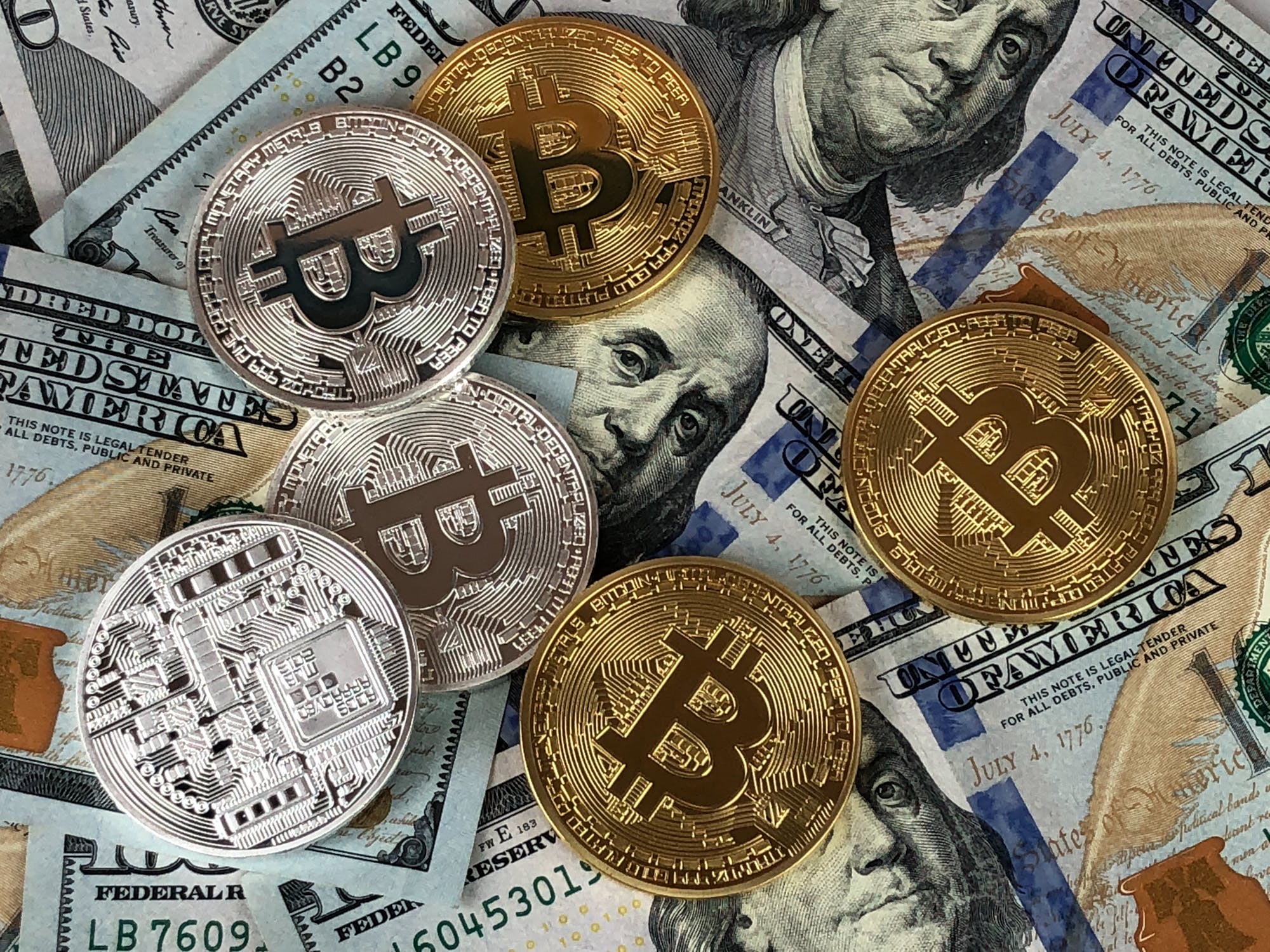 **Usable Currency** Not all coins are created equal. Not all coins have the purpose of a mainstream currency. Privacy must be a feature of any currency that is used as common spendable money. It is not safe nor is it wise to have all financial data about yourself posted to the public domain. With blockchain technology, transactions and data on the network are typically available for all to see and verify, which has it's advantages but full transparency is not acceptable for a currency. There may be certain times when certain transactions don't have any need for privacy but at no time would any individual be served well to always have their entire financial situation, history, and transactions published for all to see. **Fungibility** A usable currency must also have the characteristic of being fungible. This means that one unit always has the same value as any other unit. A certain level of privacy is required for this to be possible. If there was no privacy and a coin's history could be tracked throughout it's life cycle then any transactions it was involved in would be tied to said coin. If a criminal went to Bob's house, tortured him, and stole his funds, those funds could be tracked. Let's say the criminal immediately liquidated Bob's holdings, converted it all into bitcoin, and transferred this to his own account. He then spends the next week spending this bitcoin on many purchases while the cops track him down and finally arrest him. At this point, the remaining bitcoin can be confiscated and returned to Bob but what about the bitcoin he already spent? That bitcoin could be traced but it is now held by other individuals. Maybe the government seizes this bitcoin that rightfully belongs to Bob or put's it on a list as tainted money which limits who would accept it and if they would accept it at full value. Maybe a similar scenario occurs through a large scale hack and millions worth of coins are stolen and distributed. The same issue remains. Do you lock up said coins even though many are now in the possession of innocent individuals? Do you take them back from said individuals? Do you blacklist all coins stolen? It's a legitimate dilemma because some or most or all of the coins are in the possession of the criminal and no one wants them to get away with the stolen funds but there's no way to tell which are in their possession and which are in the possession of others. Should the government start an inquisition and trace every coin? This would become impossible as the coins would continue to change hands and split up. If transactions are private, than these situations don't exist. Criminals can be tracked down and prosecuted and punished through detective work outside of monetary omnisciency without impacting other innocent people who unknowingly were involved on the fringes of their activity.  Which Aspects Should Be Private? Privacy in a currency can take many forms. One option is to make everything related to transacting with said currency hidden. This covers all the bases from the accounts involved to transaction amounts. Even IP addresses that the transactions go through can be masked. Although this sounds extreme and borderline criminal, it's actually just good management of personal data. Most payment processing companies who deal in USD are trying to tackle these issues by creating systems, software, and hardware that work together to provide these features. Visa hides your transactions from everyone but you and the company or person you transact with. Square provides hardware to businesses that allows them to accept payments without risking or revealing the information of said transaction or allowing for interception of data. Your bank performs similar tasks to keep your money and data "safe", or in other words, to provide you with a layer of "privacy" for your own protection. A simple method of privacy with a currency would be to only mask the users involved in a transaction. Why hide the amounts, the times, and other arbitrary information if the users themselves aren't identified? This is situationally acceptable but with today's advancements in AI and analytical software, often times someone with enough resources can decipher the users involved. If they know what they are looking for and have some outside information about a user or transaction, they can leverage this information to uncover the users involved through analyzing the transaction times, amounts, repeat occurrences, etc. For a currency, this doesn't seem to be enough privacy protection. Maybe the amounts transacted should be hidden. This would solve the issue of having enough public information available to backtrack and discover user identities. If all that is seen on the public network are that transactions are occurring and the blockchain is valid, then no private information is exposed. Maybe some small connections can be made that Bob has a Monero wallet or someone on Alice's computer made a transaction with Zcash, or some other trivial piece of data. Even this wouldn't be readily available though and would be difficult to impossible to extrapolate these tiny threads into anything coherent. Maybe it would be best to give privacy as an optional option. This is a common belief and popular for good reason. There are times, as with a non profit or government agency or to keep records, that one may want transactions posted publicly. Sometimes this is a very useful and needed feature. More generally though, some layer or layers of privacy are required. Giving users an option to transact either way could give the best of both worlds. The main issue projects that have gone this route have run into is a lack of participation in the privacy option. If most transactions on the network are public then the private ones can often be unmasked by tracing all the public information that they have interacted with. For a currency to succeed with an optional privacy model, it is best, if not required, for a substantial percentage of transactions on the network to be private.  **Privacy Platforms** There are more use cases for privacy in blockchain technology than just cryptocurrency. Transactions aren't always in currency nor is all activity one participates in always clearly transactional. At times transactions with cryptocurrencies need more privacy that that provided by the coin. There are times when the network itself needs privacy features. An internet browser is a good example of a use case outside of cryptocurrencies. There are times when it is best to have your internet activity private. This can be for hiding a secret bad habit or for surprising your spouse with an anniversary gift. It is needed for those who don't trust Google and Facebook with the data on all their activity. Maybe someone doesn't want to be profiled and targeted by their oppressive government or maybe they just don't find it morally acceptable for a company to be making money off their personal information without them having control over said data in the process.  Communication is another case where privacy is very important. If someone sent a message over a public blockchain, anyone in the world with internet access could read all their messages and follow all their communications. Even within internal networks such as Microsoft, Facebook, and Verizon, control over your communication records and data is in their hands. It would be better if that information was only in the hands of the individuals communicating. This can apply to emails, calls, text messages, video messages, etc. There are times when property ownership would ideally be private. Maybe Bob owns some very valuable items with proof or "deeds" stored as digital assets on a blockchain. If it were public information that he has these items, someone may want to steal them from him or harass him. If Alice wants to give a car to single parent she knows at her church who is struggling personally and financially but doesn't want that person to know who gave them such a grandiose gift, it would be perfect to transfer ownership of that vehicle privately without Alice's information available to the new owner. Maybe Bob owns a large tract of land just outside a major city with the intentions of keeping the land from being developed. He thinks it is best to leave the large plot natural as a refuge to the local flora and fauna. Bob does not want to hassled by investors, intimidated by corporations, or known by anyone as the owner of the property but still needs to be able to own it provably. A blockchain with specific privacy features accomplishes these goals.  Corporations aren't always evil and aren't always secretive due to corrupt dealings. Sometimes they need some of their information private for legitimate business reasons. They can't have all of their proprietary information available to the public or their customer lists or the transactions they are associated with. They need privacy layers just to operate effectively. For example, a bank needs to keep the transactions of their costumers private. It needs the names of these clients private as well. They need to store costumer data privately and need internal communications and records to be shielded too. Sometimes the privacy needs for a company lead them to transact their business on a private blockchain. They trust themselves so they don't need the completely decentralized and distributed structure that public chains need. Just like companies use intranets for internal use and the internet for public interaction, so do some use private blockchains for their private transactions and storage then public blockchains to interact with the "outside world".  ***Popular Privacy Projects and Protocols*** **Bitcoin** Bitcoin is generally not considered a privacy coin although it does hold some privacy features. Most importantly, bitcoin addresses are not linked to an individual. Anyone can create an address and there is no need to attach an identity to that address. With this being the case, even though transactions are all public record, it is not readily clear who these transactions are coming from and going to. The problem is that once enough identities were linked to specific addresses, there have been successful endeavors to connect other addresses to identities through analyzing the bitcoin blockchain with this new information and any outside information available. This risk is alleviated greatly by creating a new address for each transaction but the risk of being identified through chain analysis still exists. There are options to use Coin Join privacy protocols through certain wallets but that isn't a mainstream feature. **Monero** Monero is known as the king of privacy coins. With this coin, privacy options are used as the default. Some public send options exist but aren't used by most of the network. Monero uses Ring Signatures to mask user's identities. Put simply, when Bob sends Alice 5 monero, this transaction is signed by a group of other random users with equal likeliness of any of them being the sender. In addition, a new "stealth address" is created and used for every transaction making the tracking of accounts impossible. Added to this is their RingCT or Ring Confidential Transactions protocol which hides transaction amounts by grouping the amount in a transaction with a pool of other transaction values and only posting the total. Monero is currently working on I2P implementation which would mask IP data as well. **Dash** Dash is a privacy coin with some controversy surrounding it. When it was created, as a fork of Bitcoin, a large amount of coins were "instamined" which created about 25% of the supply in a much more centralized fashion than many people in the space agree with. Private Send is optional with Dash and isn't common on the network compared to public transactions. The privacy protocol used by Dash is Coin Join which would take Bob's transaction, add an arbitrary amount of extra dash, split the total amount into many smaller units, send these to a masternode, pool these together with other transactions similarly divided, then from this joined pool send small denominations out to all parties with Bob and other senders getting back some change and the recipients receiving their due. With this method, it is nearly impossible to track the funds from Bob to anyone due to all the mixing and pooling. Some people infer that this system could still be analyzed and break the privacy barrier while other skeptics point to the instamined coins and the masternode system as questionable security points. The masternode system requires 1,000 dash to set up and is much more centralized than other cryptocurrency mining systems since there are much fewer of these masternodes than there are processing nodes in many other networks. The advantage to masternodes is the ability to have instant verified transactions even with full privacy implemented. Dash is governed as a DAO, Decentralized Autonomous Organization. **Zcash** Zcash is a cryptocurrency with optional privacy as well. It was a fork of Bitcoin as well and uses a form of zero knowledge proofs called zk SNARKs, zero-knoledge succinct non-interactive arguments of knowledge, to hide sender and receiver addresses as well as the amount and any memo message included. A zero knowledge proof allows for the transaction details to be verified without actually revealing what those details are. The problem is that most transactions on the Zcash network are public and not shielded. Currently just over 10% are shielded transactions. Even many sheilded transactions are made between a private party and a public party so it isn't impossible to fill in blanks and analyze the blockchain to break the privacy of some shielded transactions. It still isn't easy and the encryption itself wouldn't be broken but similar to Bitcoin, through analysis it is possible to discover some of the missing information when so much is public. Maybe this will change over time. Also, zk SNARKs are relatively new encryption type and haven't been tested to the same extent as some others. The final criticism of Zcash is that there were some questions with it's original creation due to the "trusted setup" required. **Pivx** Pivx is a project that forked from Dash. Pivx stands for Private Instant Verified Transactions. It has a masternode system similar to Dash but with a much lower starting cost. Pivx is the only coin mentioned here that is Proof of Stake instead of Proof of Work and currently is the only cryptocurrency with a private staking mechanic. When staking coins, users are incentavized to convert their Piv to ZPiv (their public coins to private coins) by giving larger rewards to those staking in ZPiv. Currently over 20% of the currency is in the form of the private ZPiv which is one of the best rates in optional privacy coins. Pivx also instamined a large supply at it's creation to get the network started but burned that whole supply later once the network was running well. The project is ran by a DAO like Dash. Pivx uses Zerocoin protocol which also uses zero knowledge proofs to hide sender and receiver data but also mints "zero coins" for transfers. When Bob wants to privately send Alice Piv, he converts his Piv to Zpiv (the zero coin) which creates a new set of coins with no history while burning (eliminating) the Piv he had converted from. That Zpiv is pooled and mixed with other Zpiv transactions and through zero knowledge proof cryptography is sent to Alice while masking addresses and information at all steps. Alice can then convert the Zpiv back to Piv if she wants or anyone can hold Zpiv and keep their privacy even within their own account so their account balances are private too. **Horizen** Horizen, formerly Zen Cash, was a fork of Zclassic which had split off of Zcash. It uses similar privacy structure to Zcash through Zk SNARKs. The uniqueness of Horizen is that it is built to be platform, not just a currency with a few added features. This platform includes ZENNODES, decentralized secure node infrastructure to run the network, ZEN, the cryptocurrency with Zk SNARK enabled privacy, ZENDAO, the Decentralized Autonomous Organization that functions as the governance layer, ZENHIDE, a completely private platform for web traffic, ZENCHAT, "the most secure messaging app", ZENPUB to anonymously publish data, documents, and media, ZENGRID, computational power available for rent, and INSTAZEN for zero delay payments. **Grin** The final listing for a privacy protocol is Mimble Wimble. This is the newest of all protocols mentioned and is currently only in development with one project, Grin. The beauty of this protocol is it's simplicity. Instead of having all the information about a transaction stored in the blocks of a blockchain, the Mimble Wimble protocol only verifies that the total value within the blockchain hasn't changed due to each transaction. Basically, when Bob sends Alice 10 units, the blockchain doesn't store anything about Bob or Alice or the amount but only the fact that after the transaction, the same amount of value exists in the blockchain as before and therefor the transaction simply occurred and was valid. It doesn't matter who the users are or what the amounts are, only that if some amount is transferred into an account then the same value was taken out of another account thus balancing the values. The biggest upside to this protocol is how small these proofs are and therefore how fast and cheap transactions can occur on this network. From a privacy standpoint, all transactions are inherently private and no breaches are even possible because there is no stored data to breach. originally published on https://www.thedigitalassetguide.com/ **TLDR; Conclusion** Privacy is a necessary feature for transactions of all kinds. No currency can be used wisely and freely without it. No individual can get through life unscathed without using privacy features often and in a wide variety of ways. There are many offerings in the crypto sphere for privacy solutions. Maybe all of the projects in the space will flourish, maybe only one will reign. The only clear conclusion is that privacy is necessary and it will exist in some form as the space expands and gains mass adoption. |
| json metadata | {"tags":["cryptocurrencies","privacy","coins","blockchain","crypto"],"image":["https://cdn.steemitimages.com/DQmR36Pjs11psCmA5wpubJ2c41ntHusQueV6vMFWx8xKT8T/hide.jpeg","https://cdn.steemitimages.com/DQmUNGqpj7gDWGz6JzDGK3wH4ZJBNgVJPdhKCCuQo1m6oeV/money.jpeg","https://cdn.steemitimages.com/DQmZYUubpUp59Ho123XTabz272JPugU2qUSaYfNwZ8bF5a6/locks.png","https://cdn.steemitimages.com/DQmP5vtVJqkZc9UzrNPht17E5ZMhtxmrpyszeh2VvYE1hUt/network.jpg","https://cdn.steemitimages.com/DQmNsHG4vwLmfJ2fJnmjYSf5LES357Hj8rarPf5wZVgW4x1/phone.jpg","https://cdn.steemitimages.com/DQmRGbp2x2W6Pmqnh62aNnUeXJdCtpZn1PbFiVNXNyWd38D/builkdings.jpg","https://cdn.steemitimages.com/DQmSo1NYf2PMCRkdJ6mMr7AArjLdFNJzhTmrh3hQqVdrqyw/logos2.png"],"links":["https://www.thedigitalassetguide.com/"],"app":"steemit/0.1","format":"markdown"} |
| Transaction Info | Block #27219530/Trx b9777bc40066fc81eec519b6d2d32f82d05b33cc |
View Raw JSON Data
{
"trx_id": "b9777bc40066fc81eec519b6d2d32f82d05b33cc",
"block": 27219530,
"trx_in_block": 21,
"op_in_trx": 0,
"virtual_op": 0,
"timestamp": "2018-10-29T02:02:00",
"op": [
"comment",
{
"parent_author": "",
"parent_permlink": "cryptocurrencies",
"author": "thecrook",
"permlink": "a-little-privacy-please",
"title": "A Little Privacy Please",
"body": "don't reveal your data to the world\n\n\n\n\nPrivacy is a feature needed to some extent for most transactions in life. Whether it be to keep your bank account information from the eyes and hands of others or your authorship hidden from an oppressive government that would punish you for your words. In the world of blockchain and cryptocurrencies, these features are built into the protocols underlying the network itself but what level and type of privacy is necessary?\n\n\n\n\n\n\n**Usable Currency**\n\n Not all coins are created equal. Not all coins have the purpose of a mainstream currency. Privacy must be a feature of any currency that is used as common spendable money. It is not safe nor is it wise to have all financial data about yourself posted to the public domain. With blockchain technology, transactions and data on the network are typically available for all to see and verify, which has it's advantages but full transparency is not acceptable for a currency. There may be certain times when certain transactions don't have any need for privacy but at no time would any individual be served well to always have their entire financial situation, history, and transactions published for all to see.\n\n**Fungibility**\n\n A usable currency must also have the characteristic of being fungible. This means that one unit always has the same value as any other unit. A certain level of privacy is required for this to be possible. If there was no privacy and a coin's history could be tracked throughout it's life cycle then any transactions it was involved in would be tied to said coin.\n\n If a criminal went to Bob's house, tortured him, and stole his funds, those funds could be tracked. Let's say the criminal immediately liquidated Bob's holdings, converted it all into bitcoin, and transferred this to his own account. He then spends the next week spending this bitcoin on many purchases while the cops track him down and finally arrest him. At this point, the remaining bitcoin can be confiscated and returned to Bob but what about the bitcoin he already spent? That bitcoin could be traced but it is now held by other individuals. Maybe the government seizes this bitcoin that rightfully belongs to Bob or put's it on a list as tainted money which limits who would accept it and if they would accept it at full value. \n\n Maybe a similar scenario occurs through a large scale hack and millions worth of coins are stolen and distributed. The same issue remains. Do you lock up said coins even though many are now in the possession of innocent individuals? Do you take them back from said individuals? Do you blacklist all coins stolen? It's a legitimate dilemma because some or most or all of the coins are in the possession of the criminal and no one wants them to get away with the stolen funds but there's no way to tell which are in their possession and which are in the possession of others. Should the government start an inquisition and trace every coin? This would become impossible as the coins would continue to change hands and split up. If transactions are private, than these situations don't exist. Criminals can be tracked down and prosecuted and punished through detective work outside of monetary omnisciency without impacting other innocent people who unknowingly were involved on the fringes of their activity.\n\n\n\n\n\n\nWhich Aspects Should Be Private?\n\n Privacy in a currency can take many forms. One option is to make everything related to transacting with said currency hidden. This covers all the bases from the accounts involved to transaction amounts. Even IP addresses that the transactions go through can be masked. Although this sounds extreme and borderline criminal, it's actually just good management of personal data. Most payment processing companies who deal in USD are trying to tackle these issues by creating systems, software, and hardware that work together to provide these features. Visa hides your transactions from everyone but you and the company or person you transact with. Square provides hardware to businesses that allows them to accept payments without risking or revealing the information of said transaction or allowing for interception of data. Your bank performs similar tasks to keep your money and data \"safe\", or in other words, to provide you with a layer of \"privacy\" for your own protection.\n\n A simple method of privacy with a currency would be to only mask the users involved in a transaction. Why hide the amounts, the times, and other arbitrary information if the users themselves aren't identified? This is situationally acceptable but with today's advancements in AI and analytical software, often times someone with enough resources can decipher the users involved. If they know what they are looking for and have some outside information about a user or transaction, they can leverage this information to uncover the users involved through analyzing the transaction times, amounts, repeat occurrences, etc. For a currency, this doesn't seem to be enough privacy protection.\n\n Maybe the amounts transacted should be hidden. This would solve the issue of having enough public information available to backtrack and discover user identities. If all that is seen on the public network are that transactions are occurring and the blockchain is valid, then no private information is exposed. Maybe some small connections can be made that Bob has a Monero wallet or someone on Alice's computer made a transaction with Zcash, or some other trivial piece of data. Even this wouldn't be readily available though and would be difficult to impossible to extrapolate these tiny threads into anything coherent.\n\n Maybe it would be best to give privacy as an optional option. This is a common belief and popular for good reason. There are times, as with a non profit or government agency or to keep records, that one may want transactions posted publicly. Sometimes this is a very useful and needed feature. More generally though, some layer or layers of privacy are required. Giving users an option to transact either way could give the best of both worlds. The main issue projects that have gone this route have run into is a lack of participation in the privacy option. If most transactions on the network are public then the private ones can often be unmasked by tracing all the public information that they have interacted with. For a currency to succeed with an optional privacy model, it is best, if not required, for a substantial percentage of transactions on the network to be private.\n\n\n\n\n**Privacy Platforms**\n\n There are more use cases for privacy in blockchain technology than just cryptocurrency. Transactions aren't always in currency nor is all activity one participates in always clearly transactional. At times transactions with cryptocurrencies need more privacy that that provided by the coin. There are times when the network itself needs privacy features.\n\n An internet browser is a good example of a use case outside of cryptocurrencies. There are times when it is best to have your internet activity private. This can be for hiding a secret bad habit or for surprising your spouse with an anniversary gift. It is needed for those who don't trust Google and Facebook with the data on all their activity. Maybe someone doesn't want to be profiled and targeted by their oppressive government or maybe they just don't find it morally acceptable for a company to be making money off their personal information without them having control over said data in the process.\n\n\n\n\n\n\n Communication is another case where privacy is very important. If someone sent a message over a public blockchain, anyone in the world with internet access could read all their messages and follow all their communications. Even within internal networks such as Microsoft, Facebook, and Verizon, control over your communication records and data is in their hands. It would be better if that information was only in the hands of the individuals communicating. This can apply to emails, calls, text messages, video messages, etc.\n\n There are times when property ownership would ideally be private. Maybe Bob owns some very valuable items with proof or \"deeds\" stored as digital assets on a blockchain. If it were public information that he has these items, someone may want to steal them from him or harass him. If Alice wants to give a car to single parent she knows at her church who is struggling personally and financially but doesn't want that person to know who gave them such a grandiose gift, it would be perfect to transfer ownership of that vehicle privately without Alice's information available to the new owner. Maybe Bob owns a large tract of land just outside a major city with the intentions of keeping the land from being developed. He thinks it is best to leave the large plot natural as a refuge to the local flora and fauna. Bob does not want to hassled by investors, intimidated by corporations, or known by anyone as the owner of the property but still needs to be able to own it provably. A blockchain with specific privacy features accomplishes these goals.\n\n\n\n\n\n\n Corporations aren't always evil and aren't always secretive due to corrupt dealings. Sometimes they need some of their information private for legitimate business reasons. They can't have all of their proprietary information available to the public or their customer lists or the transactions they are associated with. They need privacy layers just to operate effectively.\n\n For example, a bank needs to keep the transactions of their costumers private. It needs the names of these clients private as well. They need to store costumer data privately and need internal communications and records to be shielded too. Sometimes the privacy needs for a company lead them to transact their business on a private blockchain. They trust themselves so they don't need the completely decentralized and distributed structure that public chains need. Just like companies use intranets for internal use and the internet for public interaction, so do some use private blockchains for their private transactions and storage then public blockchains to interact with the \"outside world\".\n\n\n\n\n\n\n***Popular Privacy Projects and Protocols***\n\n**Bitcoin**\n\n Bitcoin is generally not considered a privacy coin although it does hold some privacy features. Most importantly, bitcoin addresses are not linked to an individual. Anyone can create an address and there is no need to attach an identity to that address. With this being the case, even though transactions are all public record, it is not readily clear who these transactions are coming from and going to. The problem is that once enough identities were linked to specific addresses, there have been successful endeavors to connect other addresses to identities through analyzing the bitcoin blockchain with this new information and any outside information available. This risk is alleviated greatly by creating a new address for each transaction but the risk of being identified through chain analysis still exists. There are options to use Coin Join privacy protocols through certain wallets but that isn't a mainstream feature.\n\n**Monero**\n\n Monero is known as the king of privacy coins. With this coin, privacy options are used as the default. Some public send options exist but aren't used by most of the network. Monero uses Ring Signatures to mask user's identities. Put simply, when Bob sends Alice 5 monero, this transaction is signed by a group of other random users with equal likeliness of any of them being the sender. In addition, a new \"stealth address\" is created and used for every transaction making the tracking of accounts impossible. Added to this is their RingCT or Ring Confidential Transactions protocol which hides transaction amounts by grouping the amount in a transaction with a pool of other transaction values and only posting the total. Monero is currently working on I2P implementation which would mask IP data as well.\n\n**Dash**\n\n Dash is a privacy coin with some controversy surrounding it. When it was created, as a fork of Bitcoin, a large amount of coins were \"instamined\" which created about 25% of the supply in a much more centralized fashion than many people in the space agree with. Private Send is optional with Dash and isn't common on the network compared to public transactions. The privacy protocol used by Dash is Coin Join which would take Bob's transaction, add an arbitrary amount of extra dash, split the total amount into many smaller units, send these to a masternode, pool these together with other transactions similarly divided, then from this joined pool send small denominations out to all parties with Bob and other senders getting back some change and the recipients receiving their due. With this method, it is nearly impossible to track the funds from Bob to anyone due to all the mixing and pooling. \n\n Some people infer that this system could still be analyzed and break the privacy barrier while other skeptics point to the instamined coins and the masternode system as questionable security points. The masternode system requires 1,000 dash to set up and is much more centralized than other cryptocurrency mining systems since there are much fewer of these masternodes than there are processing nodes in many other networks. The advantage to masternodes is the ability to have instant verified transactions even with full privacy implemented. Dash is governed as a DAO, Decentralized Autonomous Organization.\n\n**Zcash**\n\n Zcash is a cryptocurrency with optional privacy as well. It was a fork of Bitcoin as well and uses a form of zero knowledge proofs called zk SNARKs, zero-knoledge succinct non-interactive arguments of knowledge, to hide sender and receiver addresses as well as the amount and any memo message included. A zero knowledge proof allows for the transaction details to be verified without actually revealing what those details are. \n\n The problem is that most transactions on the Zcash network are public and not shielded. Currently just over 10% are shielded transactions. Even many sheilded transactions are made between a private party and a public party so it isn't impossible to fill in blanks and analyze the blockchain to break the privacy of some shielded transactions. It still isn't easy and the encryption itself wouldn't be broken but similar to Bitcoin, through analysis it is possible to discover some of the missing information when so much is public. Maybe this will change over time. Also, zk SNARKs are relatively new encryption type and haven't been tested to the same extent as some others. The final criticism of Zcash is that there were some questions with it's original creation due to the \"trusted setup\" required.\n\n**Pivx**\n\n Pivx is a project that forked from Dash. Pivx stands for Private Instant Verified Transactions. It has a masternode system similar to Dash but with a much lower starting cost. Pivx is the only coin mentioned here that is Proof of Stake instead of Proof of Work and currently is the only cryptocurrency with a private staking mechanic. When staking coins, users are incentavized to convert their Piv to ZPiv (their public coins to private coins) by giving larger rewards to those staking in ZPiv. Currently over 20% of the currency is in the form of the private ZPiv which is one of the best rates in optional privacy coins. Pivx also instamined a large supply at it's creation to get the network started but burned that whole supply later once the network was running well. The project is ran by a DAO like Dash. \n\n Pivx uses Zerocoin protocol which also uses zero knowledge proofs to hide sender and receiver data but also mints \"zero coins\" for transfers. When Bob wants to privately send Alice Piv, he converts his Piv to Zpiv (the zero coin) which creates a new set of coins with no history while burning (eliminating) the Piv he had converted from. That Zpiv is pooled and mixed with other Zpiv transactions and through zero knowledge proof cryptography is sent to Alice while masking addresses and information at all steps. Alice can then convert the Zpiv back to Piv if she wants or anyone can hold Zpiv and keep their privacy even within their own account so their account balances are private too.\n \n**Horizen**\n\n Horizen, formerly Zen Cash, was a fork of Zclassic which had split off of Zcash. It uses similar privacy structure to Zcash through Zk SNARKs. The uniqueness of Horizen is that it is built to be platform, not just a currency with a few added features. This platform includes ZENNODES, decentralized secure node infrastructure to run the network, ZEN, the cryptocurrency with Zk SNARK enabled privacy, ZENDAO, the Decentralized Autonomous Organization that functions as the governance layer, ZENHIDE, a completely private platform for web traffic, ZENCHAT, \"the most secure messaging app\", ZENPUB to anonymously publish data, documents, and media, ZENGRID, computational power available for rent, and INSTAZEN for zero delay payments. \n\n**Grin**\n\n The final listing for a privacy protocol is Mimble Wimble. This is the newest of all protocols mentioned and is currently only in development with one project, Grin. The beauty of this protocol is it's simplicity. Instead of having all the information about a transaction stored in the blocks of a blockchain, the Mimble Wimble protocol only verifies that the total value within the blockchain hasn't changed due to each transaction. \n\n Basically, when Bob sends Alice 10 units, the blockchain doesn't store anything about Bob or Alice or the amount but only the fact that after the transaction, the same amount of value exists in the blockchain as before and therefor the transaction simply occurred and was valid. It doesn't matter who the users are or what the amounts are, only that if some amount is transferred into an account then the same value was taken out of another account thus balancing the values. The biggest upside to this protocol is how small these proofs are and therefore how fast and cheap transactions can occur on this network. From a privacy standpoint, all transactions are inherently private and no breaches are even possible because there is no stored data to breach.\n\noriginally published on https://www.thedigitalassetguide.com/\n\n\n**TLDR; Conclusion**\n\nPrivacy is a necessary feature for transactions of all kinds. No currency can be used wisely and freely without it. No individual can get through life unscathed without using privacy features often and in a wide variety of ways. There are many offerings in the crypto sphere for privacy solutions. Maybe all of the projects in the space will flourish, maybe only one will reign. The only clear conclusion is that privacy is necessary and it will exist in some form as the space expands and gains mass adoption.",
"json_metadata": "{\"tags\":[\"cryptocurrencies\",\"privacy\",\"coins\",\"blockchain\",\"crypto\"],\"image\":[\"https://cdn.steemitimages.com/DQmR36Pjs11psCmA5wpubJ2c41ntHusQueV6vMFWx8xKT8T/hide.jpeg\",\"https://cdn.steemitimages.com/DQmUNGqpj7gDWGz6JzDGK3wH4ZJBNgVJPdhKCCuQo1m6oeV/money.jpeg\",\"https://cdn.steemitimages.com/DQmZYUubpUp59Ho123XTabz272JPugU2qUSaYfNwZ8bF5a6/locks.png\",\"https://cdn.steemitimages.com/DQmP5vtVJqkZc9UzrNPht17E5ZMhtxmrpyszeh2VvYE1hUt/network.jpg\",\"https://cdn.steemitimages.com/DQmNsHG4vwLmfJ2fJnmjYSf5LES357Hj8rarPf5wZVgW4x1/phone.jpg\",\"https://cdn.steemitimages.com/DQmRGbp2x2W6Pmqnh62aNnUeXJdCtpZn1PbFiVNXNyWd38D/builkdings.jpg\",\"https://cdn.steemitimages.com/DQmSo1NYf2PMCRkdJ6mMr7AArjLdFNJzhTmrh3hQqVdrqyw/logos2.png\"],\"links\":[\"https://www.thedigitalassetguide.com/\"],\"app\":\"steemit/0.1\",\"format\":\"markdown\"}"
}
]
}sensationupvoted (100.00%) @thecrook / blockchain-basics-ish2018/10/28 03:55:33
sensationupvoted (100.00%) @thecrook / blockchain-basics-ish
2018/10/28 03:55:33
| voter | sensation |
| author | thecrook |
| permlink | blockchain-basics-ish |
| weight | 10000 (100.00%) |
| Transaction Info | Block #27193021/Trx a61d97a16ed1f068eeba51fd68b2fb8df9348401 |
View Raw JSON Data
{
  "trx_id": "a61d97a16ed1f068eeba51fd68b2fb8df9348401",
  "block": 27193021,
  "trx_in_block": 4,
  "op_in_trx": 0,
  "virtual_op": 0,
  "timestamp": "2018-10-28T03:55:33",
  "op": [
    "vote",
    {
      "voter": "sensation",
      "author": "thecrook",
      "permlink": "blockchain-basics-ish",
      "weight": 10000
    }
  ]
}yeheyupvoted (10.00%) @thecrook / blockchain-basics-ish2018/10/28 03:02:57
yeheyupvoted (10.00%) @thecrook / blockchain-basics-ish
2018/10/28 03:02:57
| voter | yehey |
| author | thecrook |
| permlink | blockchain-basics-ish |
| weight | 1000 (10.00%) |
| Transaction Info | Block #27191969/Trx 566ecd5c0471654d4be37988fc5a731fc0e587ff |
View Raw JSON Data
{
  "trx_id": "566ecd5c0471654d4be37988fc5a731fc0e587ff",
  "block": 27191969,
  "trx_in_block": 1,
  "op_in_trx": 0,
  "virtual_op": 0,
  "timestamp": "2018-10-28T03:02:57",
  "op": [
    "vote",
    {
      "voter": "yehey",
      "author": "thecrook",
      "permlink": "blockchain-basics-ish",
      "weight": 1000
    }
  ]
}thecrookpublished a new post: blockchain-basics-ish2018/10/28 02:30:42
thecrookpublished a new post: blockchain-basics-ish
2018/10/28 02:30:42
| parent author | |
| parent permlink | blockchain |
| author | thecrook |
| permlink | blockchain-basics-ish |
| title | Blockchain Basics... ish |
| body | **the decentralized permissionless immutable ledger underlying digital assets and smart contracts**  Blockchain technology began with Bitcoin and expanded to other currencies, ID systems, platforms, smart contracts, and many more groundbreaking applications. This technology underlies the digital breakthrough that has been foretold since the dawn of the internet... Web 3.0, digitized assets, and digital money. **Predecessors** The idea of digital money and p2p (peer-to-peer) networks has been around for some time. The early versions didn't have the same structure or qualities that made today's blockchain networks such a success but many of the concepts were there. Some where actually successful in their own rights. Digicash, an internet native currency, and Egold, a crypto currency backed by physical gold reserves, were early digital currencies that allowed p2p payments and transactions. There have been and continue to be file sharing networks that operate on a peer to peer distributed architecture. The original music sharing platforms like Napster and Kazaa allowed media sharing in a peer-to-peer format. Tor, the most common access portal for the Dark Web, is essentially a P2P network. The overall idea for p2p networks is simply that instead of having central hubs to filter, manage, and distribute data, the data is simply transacted and exchanged from one user to another directly. That for digital money has always been to give access to p2p transactions with a currency outside of the traditional fiat system. **In the Beginning was Bitcoin, and it was good** In 2008, under the pseudonymous name of Satoshi Nakamoto, the Bitcoin whitepaper was released: "Bitcoin: A Peer-To-Peer Electronic Cash System". Although Bitcoin itself is a digital currency, known of now as a cryptocurrency, the underlying framework Satoshi created to facilitate Bitcoin was blockchain. In order to fulfill all the necessaries of a digital currency, an infrastructure layer was needed that was secure, immutable, permissionless, and supported transactions.  **Blockchain with Bob** Blockchain is a distributed ledger technology that allows transactions between users that are verified, secure, and permanent. The structure is such that "blocks" of data are created and sent on the network, verified by other users, posted on the public ledger, and permanently linked to all previous blocks. Once posted, blocks cannot be erased, altered, or nullified. Lets look at a transaction between Bob and Alice as we look into the structure more closely. Bob is just getting started learning about the Digital Asset space and wants to have some hands on experience by sending a small amount of bitcoin to his friend Alice. Bob has a bitcoin wallet with a small amount of bitcoin in it already and logs into this wallet. Bob goes to the "send" section of his wallet, types in Alice's address, enters .01 as the amount to send, and clicks "send". This transaction is immediately sent to the network. This blockchain network is comprised of millions of computers all over the world that use their computing power to validate the network. These validators are known as miners. This is due to the fact that as they process these transactions and validate for the network, new bitcoin are created and given to them as payment for their services. This process of creation is known as mining due to the fact that new Bitcoin can only be created through putting forth effort and resources (hardware, computational power, and energy) similar to how physically mining precious metals requires effort and resources (investment, locating, tools, extraction, bringing to market). When Bob's transaction is posted to the network, miners check to make sure Bob indeed has .1 bitcoin and once this is checked, group it along with a group of other eligible transactions for validation with this total group of transactions being called a block. This block of unverified transactions is then the subject of a competitive race among miners to provably verify and thus win the rewards of new bitcoin for their efforts. The verification process involves cryptographic hashes and I won't delve into that aspect here but suffice to say they compete to solve a complex math problem and the first to do so and publishes their proof of work wins the reward. This block is then sent to the other miners who verify that the work was correct and thus verify the block itself, allowing it to be posted to the blockchain where it is cryptographically linked to the previous block. The miners move on to the next block competition and as new blocks are added they grow the chain of blocks, each one linked on top of the one before. Every computer on the network stores a copy of this chain of blocks (hence blockchain) from the first block ever created to the most recent block verified and posted. Through these copies and records, one can always be sure that the blockchain is accurate because the network wouldn't accept transactions with different records of the blockchain than the majority version. Bitcoin was the first implementation of a blockchain network but many other implementations exist today. There are public blockchains like Bitcoin as well as private chains who use their own internal networks or only permissioned participants to process blocks. Some blockchains allow for offshoot side chains in addition to long string of the main chain. Some follow PoW (proof of work) protocols like Bitcoin while others use a PoS (proof of stake) model in which participants stake certain amounts of their digital asset in exchange for rights to process blocks instead of solving complex algorithms. Many variations exist now and many new and novel approaches are in development as well.  **Security** The security offered through blockchain networks is one of the key factors of adoption and implementation. With traditional infrastructure, there are many weakness to be exploited by malicious actors to lie, cheat, and steal. These include identity theft, hacking, government authority, company failures, etc. With blockchain, most of these attack vectors simple don't exist or at don't exist in a way that can be practically taken advantage of. To begin with, the decentralized nature of blockchain technology removes the risk of having a central source that can be infiltrated. There is no Google or Amazon or internet provider who is processing, storing, and running the network. Rather, it is a group of individuals, companies, and pools who independently run the network. If one of these sources is compromised, the network still isn't. No entity has access to the accounts, or wallets, aside from the creator of said wallet. No entity can make changes to how the blockchain is run without starting a new chain, thus not actually changing the current chain. Each block has a "cryptographic fingerprint" of sorts that proves it's correctness and link to the chain. Any alteration within the block necessarily changes the "fingerprint" and thus creates an issue where the block no longer is accepted in the chain which generally will nullify the attempt since there would not be a verified consensus of the block's status. One would have to compromise over 50% of the network just to have a chance to alter transactions since there is always a 51% or greater consensus for every block before it is added to the chain. This is nearly impossible with such a distributed network alone but if the block attempting to be compromised is "under" multiple other blocks, those higher blocks would all have to altered in order to alter the lower block since every block is linked to and further verifies the one before. Some blockchains actually have structures that even nullify the possibility of a 51% attack such as this.  With any traditional network, government interference is generally a possibility. Governments can shut down companies, networks, and pathways for anything within their jurisdiction. Since blockchain networks are decentralized and distributed among many different individuals, counties, jurisdictions, etc., there is no access point for the government to access and infringe on. They can't shut down the server because there isn't one. They can't shut down the company because there is none. They can't shut out the individual because any individual can gain access from any source connected to the internet. Governments can generally control access into and out of fiat money through regulations and direct involvement which is a weakness for cryptocurrrencies running on blockchain but only in terms of difficulties for mass adoption, not the actual ability for said blockchain to operate. Even if a government somehow stopped all connections to said blockchain, presumably by eliminating internet access throughout the entire region, the network would still operate without a hitch because whatever connections that were in that country were not the only ones running the blockchain. Technically, as long as two or more computers are running on the network, the blockchain is still intact. Even if a blockchain shuts down, as long as a copy of that blockchain existed, it could always start back up where it left off from said copy assuming there was trust enough in the authenticity. The only large security weakness of a blockchain structure such as the Bitcoin network lies in it's own strength. Access to an account is granted only to the individual with the private key. This key is generated at the creation of an account and is shown only to that individual. There is no "forgot my password" feature, no company to give you access to your funds, and no way to brute force a hack into your account. Basically, if you loose your key, you loose access to your account. People have lost millions of dollars worth of bitcoin this way which is a tragedy but with great power comes great responsibility and when an individual does not act responsibly, although unfortunate, there is no one to blame but themselves.  **Transparency** Another advantage to a blockchain network is transparency. With most public blockchains at least, blocks are posted publicly to the network and can be seen by anyone. It is hard to deny involvement in a transaction if that transaction is visible to the world. With the transaction between Bob and Alice as a reference, Alice could not come back to Bob and say she never received the bitcoin he sent her. The transaction can be checked and proven without the ability to deny. Bob also could not say he sent more than he did. The amount is listed publicly in the block. These qualities are very useful for use cases where transparency adds value to the users. A non profit organization would be served well, as would their donors, if all their funds and transactions could be seen and monitored at all times. This would bring trust to a maximum level and make reporting to government agencies or other audit situations trusted, simple, and cheap. It could be argued that certain government agencies should be auditable by those who fund it, aka tax payers. Voting systems, especially in regions clouded by corruption, fraud, and doubt, would be a perfect use case for a public blockchain network.  **Trustless** Trust in strangers and companies is overrated and in today's world can be risky and needless. The goal of a corporation is to make money and use you as a resource to do so. The goal of a stranger is typically to do what is best for themselves. Often even charitable actions are done to make the giver feel good or relieve guilt, not to truly put someone before themselves for no other reason than to help. Even within a company one works for and among friends, we can easily be deceived, cheated, and taken advantage of. This can be minor or life changing but with blockchain can be nearly non existent. One of the biggest advantages of using a blockchain network is the removal of the trust factor. Bob does not need to trust Alice in order to transact with her. He doesn't even need to know who or where she is. The blockchain network takes on the burden of trust so that as long as Bob trusts the platform he is using, he can transact with Alice without reservation. Let's say Bob does a repair at Alice's house and upon completion, hands over the invoice for his work that totals to $200. In this example, Bob doesn't know Alice and has no idea as to her financial status or trustworthiness. Bob can take a check but will be running a slight risk that the check doesn't clear. He can take cash but then has no unbiased record of the transaction and Alice says she doesn't have any cash with her anyway. Alice could pay with her credit card but Bob doesn't have the ability to accept that form of payment because he didn't want to pay the associated fees and didn't trust opening up his financial information to another company. Add the Dash blockchain network into the situation and all problems are solved. Alice sends $200 in dash to Bob or produces a QR code for Bob to scan with the same result. Bob gets his money instantly with 100% certainty and has the transaction recorded for his records. Let's switch over to Alice who is buying a new house. Alice has been very worried by all the hacks and data breaches that have occurred lately within even large and established corporations. She doesn't want to give up her private information or have it stored in a centralized database for this reason. Alice needs a loan to buy her house though and is having trouble trusting the bank with her data. Add the Ethereum blockchain network into the situation and a solution is available. The Blockchain Bank has a loan offering that works through zero knowledge proofs for loan approvals to avoid having to collect customer data, pay to have it secured, and risk a breach with all the bad PR and loss associated with such a breach. The bank has their criteria set up in a private smart contract that Alice interacts with. She proves her income, net worth, job history, credit score, etc. to this contract which simply verifies whether she meets the bank's loan requirements or not. The smart contract then only reports back to the bank Alice's verified approval status without any of her personal information, thus proving the information while passing along none of that information (zero knowledge proof) to the other party. This is not the place to describe all the details of such a structure but within the context of trust, it is obvious to see that Alice needs not to trust the bank with her info nor does the bank need to trust that Alice's information is accurate and secure. All trust is transferred to the blockchain network and contract. Bob wants to sell his truck. He is also very conservative with his trust and therefore wants to do a private transaction. He will sell his truck for 2 bitcoin to whoever is willing to buy it. Bob places this offering on a market place ran on a blockchain network. Alice sees this listing and wants to buy the truck but also doesn't want to be reliant on another person's honesty and trustworthiness. Bob has placed the deed to the truck in a smart contract along with the truck's location, the code to unlock the door with the keys inside, and the details and records of maintenance associated with the truck. Alice agrees to the terms by transferring 2 bitcoin into the smart contract at which time the contract immediately transfers the 2 bitcoin to Bob and the deed with the truck info to Alice. Bob never had to trust the buyer in any way nor did Alice have to trust the seller. They simply trusted the contract and the blockchain network. There are factors that would be involved with how the smart contract verifies the information it has, the condition of the truck, the location, etc. but that's an exploration for another time. It is important to note that trust isn't completely eliminated by using a blockchain network. It is however transferred to a source that is open, auditable, immutable, and has no personal goals, ambitions, or desires. Anyone can view and analyze a blockchain. The code is usually open source and any reputable network has had independent security audits and has been thoroughly reviewed and tested by users. Smart contracts similarly can be analyzed from a code base level and the criteria within, the parameters, the structure, and all aspects can be accessed, viewed, tested, and verified by anyone, and hopefully will be at least by the parties involved before their use. Sometimes third parties come into play for various forms of verification and they too typically exist with an open and transparent verifiable status. Trust in these networks, contracts, and independent parties is mostly verifiable and doesn't necessarily take the traditional form of true trust that traditional transactions require. Bob goes to a store to buy a knife. He finds one that he wants but it's in a package. If he has the ability to take the knife out of the package, open and close it, analyze it's properties, test it out, and make his decision to buy or not to buy after this, then is he really putting forth much trust when he makes the purchase?  **Faster and Cheaper Please** The structure of a blockchain network also allows for fast, cheap transactions. Different blockchain structures use different methods for achieving goals related to these qualities but in general, a blockchain network can be very fast and cheap. There are a few projects, such as Ripple and Stellar, that are targeting the international banking community by offering blockchain networks that are significantly cheaper and quicker than the existing SWIFT system. Anyone who has written a check or initiated a wire transfer or deposited a large sum into a bank knows that these procedures are not instant nor are they always cheap. Typically a bank handles the costs of these transactions and pass them along to customers in indirect ways but you can be sure they aren't free. Also, even many instant transfers, purchases, etc. aren't truly instant as they require a certain amount of time to clear. Typically, a user can be allowed access to funds before they officially clear but their is a delay on the back end while different entities settle up with each other or just add to the debits and credits on their internal trade balances. Having a blockchain with minuscule fees and nearly instant transaction confirmation speeds is superior in nearly every way to traditional networks. Projects such as Dash, Pivx, Litecoin, and Stellar can achieve these goals that are necessaries for a currency in modern times. Are you aware of the home buying process? Imagine having the deed to the house stored on a blockchain. It could then be transferred instantly, cheaply, and immutably through a simple transaction. Often, this would be from bank to bank or person to bank but regardless of the parties involved, it is a far superior method of transferring ownership. This applies to property, vehicles, etc. In countries ripe with government abuses and lacking in individual rights and security, having their property of all kinds stored on a blockchain as an immutable record of ownership insures that no one can take what they own without said individual being able to prove the offense.  **May I?** Blockchain technology is permissionless. You don't have to apply to participate. There is no application. It is not granted to those with and withheld from those without. Blockchain just is and anyone who wants to participate can do so in whatever way they are able and desire. Giving access to all is inherent to the structure of a decentralized network of this nature. There may be a 12 year old genius who develops a digital wallet that becomes the most popular wallet in the world. He didn't have to apply for a job or reveal who he was or have financial backing for his project. He simply used his skills to design something useful and the users of the network found value in it and used it. Hopefully he coded in a monetization system into the wallet and became independently wealthy before puberty. There are multiple DAOs, Decentralized Autonomous Organizations, that exist on blockchain networks. These generally make governance decisions and have have access to a treasury belonging to the network funded by transaction fees. The DAO is an organization who's governance is completely decentralized and the actions taken by said organization occur automatically according to preset criteria. For example, Dash is a cryptocurrency with a structure like this. Anyone with Dash can spend a certain amount of Dash for the opportunity to post a proposal to the DAO. Maybe Bob wants to go to Venezuela and get store owners to accept Dash at their establishments. He submits the proposal and it is voted on by memebers of the DAO, which in this case is anyone who runs a master node (a super-miner of sorts). If the proposal is agreed to by the DAO then Bob gets his proposed funding to do his project. Bob doesn't have to ask permission to post his idea nor are there any regulations on what idea he submits.  **Blockchain Variations** There are times when the structure of a blockchain network must align with the needs of a use case that is different from the Bitcoin model. Blockchain is a broad space and covers a variety of applications, structures, and needs. Privacy is a need that is not addressed completely by the Bitcoin model. Although the transparency offered by traditional blockchain models is perfect for many uses, it makes other uses impossible or impractical. Thus, some blockchain networks have models of privacy to hide users, transaction amounts, account information, etc. Most people don't want all of their banking data and spending records open to the public, thus some layer of privacy is necessary for cryptocurrencies that desire to fit the role of spendable money. Money must also be fungible, where each unit always has the same value of another unit. Without privacy, any money used in a crime or connected to foul play would be tainted and possibly not accepted or accepted at a discount to the base value. This is not acceptable for a currency of wide use.  For businesses, one may want to track their supply chain on a blockchain network and be able to see where different products come from and end up for general data collection or safety reasons, such as tracing the source of an e. coli outbreak from a restaurant chain. This data needs an amount of privacy as well however because some aspects of their logistics are private. Maybe only the company and it's suppliers and retail customers have access to the network (private chain). Maybe the data shown in each block is only visible to the company associated with that information (privacy features within the chain). For example, Bob's company supplies meat to fast food restaurants. Alice owns a restaurant that uses Bob's supply company. There are many other restaurants that use their blockchain network for supply chain management but Alice doesn't want all of her competitors to see exactly what she is ordering, by what amounts, and at what price. Neither does Bob as he gives differing deals and prices to different customers for various reasons and doesn't want all that information available to all customers. Therefore, the whole network can only see that a shipment went to Alice's business from Bob's supply company but only Alice and Bob can see the details of that transaction. All transactions on the network of suppliers and retailers are traceable, easy to locate, cheap to track, and auditable upon need while still not revealing information that could negatively affect their business and business relationships. This example shows the use of a private blockchain as well as privacy features within that chain. Some use cases demand speed above all else. Micropayments typically fit this model. There may need to a sacrifice to decentralization in order to speed up transaction confirmation times. Stellar uses "trusted partners" to facilitate transactions instead of relying wholly on a completely distributed network. With this set up, there are fewer participants involved, some centralized sources in existence, and it is not completely peer-to-peer. These trade offs however allow for near instant transactions with 100% confirmation which is needed in many business applications. Another common need is the ability to run Smart Contracts on a blockchain network. Ethereum is a project that was built and based on this premise. They have their own coding language, developer tools, and other features for creating, executing, and maintaining smart contracts on the network. Due to this, Ethereum has more developers and more projects building on their platform than any other. originally published on https://www.thedigitalassetguide.com/ **TLDR; Conclusion** "Blockchain" is a title that covers a wide variety of structures, use cases, and possibilities. The basic structure allows for security, decentralization, trustless transactions, transparency, cost savings, and immutability far superior to the traditional networks that came before. Blockchain technologies will power the Web 3.0 movement, cryptocurrencies, smart contracts, and the whole Digital Asset revolution. |
| json metadata | {"tags":["blockchain","crypto","overview","explain","bitcoin"],"image":["https://cdn.steemitimages.com/DQmPLLhkUXcBXHMy7fiV3u9BadkycYFvPxsbSqxbpLHX7mm/image.png","https://cdn.steemitimages.com/DQmS4gwFb3vxh32fKdQPAf5vmhCRpETPT6BfSwtZTmqWa1p/image.png","https://cdn.steemitimages.com/DQmNodr6B8zcp6dtU7nsKm9UtSHJ7GhTnFvVM2fRdGD5o4f/image.png","https://cdn.steemitimages.com/DQmNh3X9Voo2cukHG2W6owKryraQGF1cFy9kLx5DpE1Y7W9/image.png","https://cdn.steemitimages.com/DQmPLM9eMmBtkJDbpy78oLT1NQey4zEFjHfc37jmoxJ8qHy/image.png","https://cdn.steemitimages.com/DQmPDqRuvYWjna6ar8pB97NUK7U9MsbfPiBMSi926AfwL8b/image.png","https://cdn.steemitimages.com/DQmWqKgPAaaALZZ5CmHGVjryNUWxgRxrSB8sQwbWWEsyvQ2/image.png","https://cdn.steemitimages.com/DQmRQq6eqPRje23LSxp86NhAiFrHdJj3DfhpQPWPubrpmtR/image.png","https://cdn.steemitimages.com/DQmWAyMR6G5YCWR14gVssZfFqfanV8xeANq6a6ugJ8rv4ii/image.png","https://cdn.steemitimages.com/DQmUWBEi4T4BPLNxrBtxbF84A6rENYWBU9BT6pfRtDhVvqR/image.png"],"links":["https://www.thedigitalassetguide.com/"],"app":"steemit/0.1","format":"markdown"} |
| Transaction Info | Block #27191324/Trx 9deb9d38436148d8e584f6c21a24f7ea76dd975c |
View Raw JSON Data
{
"trx_id": "9deb9d38436148d8e584f6c21a24f7ea76dd975c",
"block": 27191324,
"trx_in_block": 7,
"op_in_trx": 0,
"virtual_op": 0,
"timestamp": "2018-10-28T02:30:42",
"op": [
"comment",
{
"parent_author": "",
"parent_permlink": "blockchain",
"author": "thecrook",
"permlink": "blockchain-basics-ish",
"title": "Blockchain Basics... ish",
"body": "**the decentralized permissionless immutable ledger underlying digital assets and smart contracts**\n\n\n\n\n \nBlockchain technology began with Bitcoin and expanded to other currencies, ID systems, platforms, smart contracts, and many more groundbreaking applications. This technology underlies the digital breakthrough that has been foretold since the dawn of the internet... Web 3.0, digitized assets, and digital money.\n\n**Predecessors**\n\n The idea of digital money and p2p (peer-to-peer) networks has been around for some time. The early versions didn't have the same structure or qualities that made today's blockchain networks such a success but many of the concepts were there. Some where actually successful in their own rights. Digicash, an internet native currency, and Egold, a crypto currency backed by physical gold reserves, were early digital currencies that allowed p2p payments and transactions. There have been and continue to be file sharing networks that operate on a peer to peer distributed architecture. The original music sharing platforms like Napster and Kazaa allowed media sharing in a peer-to-peer format. Tor, the most common access portal for the Dark Web, is essentially a P2P network. The overall idea for p2p networks is simply that instead of having central hubs to filter, manage, and distribute data, the data is simply transacted and exchanged from one user to another directly. That for digital money has always been to give access to p2p transactions with a currency outside of the traditional fiat system.\n\n**In the Beginning was Bitcoin, and it was good**\n\n In 2008, under the pseudonymous name of Satoshi Nakamoto, the Bitcoin whitepaper was released: \"Bitcoin: A Peer-To-Peer Electronic Cash System\". Although Bitcoin itself is a digital currency, known of now as a cryptocurrency, the underlying framework Satoshi created to facilitate Bitcoin was blockchain. In order to fulfill all the necessaries of a digital currency, an infrastructure layer was needed that was secure, immutable, permissionless, and supported transactions. \n\n\n\n\n\n**Blockchain with Bob**\n\n Blockchain is a distributed ledger technology that allows transactions between users that are verified, secure, and permanent. The structure is such that \"blocks\" of data are created and sent on the network, verified by other users, posted on the public ledger, and permanently linked to all previous blocks. Once posted, blocks cannot be erased, altered, or nullified. \n\n Lets look at a transaction between Bob and Alice as we look into the structure more closely. Bob is just getting started learning about the Digital Asset space and wants to have some hands on experience by sending a small amount of bitcoin to his friend Alice. Bob has a bitcoin wallet with a small amount of bitcoin in it already and logs into this wallet. Bob goes to the \"send\" section of his wallet, types in Alice's address, enters .01 as the amount to send, and clicks \"send\".\n\n This transaction is immediately sent to the network. This blockchain network is comprised of millions of computers all over the world that use their computing power to validate the network. These validators are known as miners. This is due to the fact that as they process these transactions and validate for the network, new bitcoin are created and given to them as payment for their services. This process of creation is known as mining due to the fact that new Bitcoin can only be created through putting forth effort and resources (hardware, computational power, and energy) similar to how physically mining precious metals requires effort and resources (investment, locating, tools, extraction, bringing to market). \n\n When Bob's transaction is posted to the network, miners check to make sure Bob indeed has .1 bitcoin and once this is checked, group it along with a group of other eligible transactions for validation with this total group of transactions being called a block. This block of unverified transactions is then the subject of a competitive race among miners to provably verify and thus win the rewards of new bitcoin for their efforts. The verification process involves cryptographic hashes and I won't delve into that aspect here but suffice to say they compete to solve a complex math problem and the first to do so and publishes their proof of work wins the reward.\n\n This block is then sent to the other miners who verify that the work was correct and thus verify the block itself, allowing it to be posted to the blockchain where it is cryptographically linked to the previous block. The miners move on to the next block competition and as new blocks are added they grow the chain of blocks, each one linked on top of the one before. Every computer on the network stores a copy of this chain of blocks (hence blockchain) from the first block ever created to the most recent block verified and posted. Through these copies and records, one can always be sure that the blockchain is accurate because the network wouldn't accept transactions with different records of the blockchain than the majority version.\n\n Bitcoin was the first implementation of a blockchain network but many other implementations exist today. There are public blockchains like Bitcoin as well as private chains who use their own internal networks or only permissioned participants to process blocks. Some blockchains allow for offshoot side chains in addition to long string of the main chain. Some follow PoW (proof of work) protocols like Bitcoin while others use a PoS (proof of stake) model in which participants stake certain amounts of their digital asset in exchange for rights to process blocks instead of solving complex algorithms. Many variations exist now and many new and novel approaches are in development as well.\n\n\n\n**Security**\n\n The security offered through blockchain networks is one of the key factors of adoption and implementation. With traditional infrastructure, there are many weakness to be exploited by malicious actors to lie, cheat, and steal. These include identity theft, hacking, government authority, company failures, etc. With blockchain, most of these attack vectors simple don't exist or at don't exist in a way that can be practically taken advantage of.\n\n To begin with, the decentralized nature of blockchain technology removes the risk of having a central source that can be infiltrated. There is no Google or Amazon or internet provider who is processing, storing, and running the network. Rather, it is a group of individuals, companies, and pools who independently run the network. If one of these sources is compromised, the network still isn't. No entity has access to the accounts, or wallets, aside from the creator of said wallet. No entity can make changes to how the blockchain is run without starting a new chain, thus not actually changing the current chain.\n\n Each block has a \"cryptographic fingerprint\" of sorts that proves it's correctness and link to the chain. Any alteration within the block necessarily changes the \"fingerprint\" and thus creates an issue where the block no longer is accepted in the chain which generally will nullify the attempt since there would not be a verified consensus of the block's status. One would have to compromise over 50% of the network just to have a chance to alter transactions since there is always a 51% or greater consensus for every block before it is added to the chain. This is nearly impossible with such a distributed network alone but if the block attempting to be compromised is \"under\" multiple other blocks, those higher blocks would all have to altered in order to alter the lower block since every block is linked to and further verifies the one before. Some blockchains actually have structures that even nullify the possibility of a 51% attack such as this.\n\n\n\n\n\n With any traditional network, government interference is generally a possibility. Governments can shut down companies, networks, and pathways for anything within their jurisdiction. Since blockchain networks are decentralized and distributed among many different individuals, counties, jurisdictions, etc., there is no access point for the government to access and infringe on. They can't shut down the server because there isn't one. They can't shut down the company because there is none. They can't shut out the individual because any individual can gain access from any source connected to the internet. Governments can generally control access into and out of fiat money through regulations and direct involvement which is a weakness for cryptocurrrencies running on blockchain but only in terms of difficulties for mass adoption, not the actual ability for said blockchain to operate.\n\n Even if a government somehow stopped all connections to said blockchain, presumably by eliminating internet access throughout the entire region, the network would still operate without a hitch because whatever connections that were in that country were not the only ones running the blockchain. Technically, as long as two or more computers are running on the network, the blockchain is still intact. Even if a blockchain shuts down, as long as a copy of that blockchain existed, it could always start back up where it left off from said copy assuming there was trust enough in the authenticity.\n\n The only large security weakness of a blockchain structure such as the Bitcoin network lies in it's own strength. Access to an account is granted only to the individual with the private key. This key is generated at the creation of an account and is shown only to that individual. There is no \"forgot my password\" feature, no company to give you access to your funds, and no way to brute force a hack into your account. Basically, if you loose your key, you loose access to your account. People have lost millions of dollars worth of bitcoin this way which is a tragedy but with great power comes great responsibility and when an individual does not act responsibly, although unfortunate, there is no one to blame but themselves.\n\n\n\n\n\n**Transparency**\n\n Another advantage to a blockchain network is transparency. With most public blockchains at least, blocks are posted publicly to the network and can be seen by anyone. It is hard to deny involvement in a transaction if that transaction is visible to the world. With the transaction between Bob and Alice as a reference, Alice could not come back to Bob and say she never received the bitcoin he sent her. The transaction can be checked and proven without the ability to deny. Bob also could not say he sent more than he did. The amount is listed publicly in the block.\n\n These qualities are very useful for use cases where transparency adds value to the users. A non profit organization would be served well, as would their donors, if all their funds and transactions could be seen and monitored at all times. This would bring trust to a maximum level and make reporting to government agencies or other audit situations trusted, simple, and cheap. It could be argued that certain government agencies should be auditable by those who fund it, aka tax payers. Voting systems, especially in regions clouded by corruption, fraud, and doubt, would be a perfect use case for a public blockchain network. \n\n\n\n\n\n**Trustless**\n\n Trust in strangers and companies is overrated and in today's world can be risky and needless. The goal of a corporation is to make money and use you as a resource to do so. The goal of a stranger is typically to do what is best for themselves. Often even charitable actions are done to make the giver feel good or relieve guilt, not to truly put someone before themselves for no other reason than to help. Even within a company one works for and among friends, we can easily be deceived, cheated, and taken advantage of. This can be minor or life changing but with blockchain can be nearly non existent.\n\n One of the biggest advantages of using a blockchain network is the removal of the trust factor. Bob does not need to trust Alice in order to transact with her. He doesn't even need to know who or where she is. The blockchain network takes on the burden of trust so that as long as Bob trusts the platform he is using, he can transact with Alice without reservation. \n\n Let's say Bob does a repair at Alice's house and upon completion, hands over the invoice for his work that totals to $200. In this example, Bob doesn't know Alice and has no idea as to her financial status or trustworthiness. Bob can take a check but will be running a slight risk that the check doesn't clear. He can take cash but then has no unbiased record of the transaction and Alice says she doesn't have any cash with her anyway. Alice could pay with her credit card but Bob doesn't have the ability to accept that form of payment because he didn't want to pay the associated fees and didn't trust opening up his financial information to another company. Add the Dash blockchain network into the situation and all problems are solved. Alice sends $200 in dash to Bob or produces a QR code for Bob to scan with the same result. Bob gets his money instantly with 100% certainty and has the transaction recorded for his records.\n\n Let's switch over to Alice who is buying a new house. Alice has been very worried by all the hacks and data breaches that have occurred lately within even large and established corporations. She doesn't want to give up her private information or have it stored in a centralized database for this reason. Alice needs a loan to buy her house though and is having trouble trusting the bank with her data. Add the Ethereum blockchain network into the situation and a solution is available. The Blockchain Bank has a loan offering that works through zero knowledge proofs for loan approvals to avoid having to collect customer data, pay to have it secured, and risk a breach with all the bad PR and loss associated with such a breach. The bank has their criteria set up in a private smart contract that Alice interacts with. She proves her income, net worth, job history, credit score, etc. to this contract which simply verifies whether she meets the bank's loan requirements or not. The smart contract then only reports back to the bank Alice's verified approval status without any of her personal information, thus proving the information while passing along none of that information (zero knowledge proof) to the other party. This is not the place to describe all the details of such a structure but within the context of trust, it is obvious to see that Alice needs not to trust the bank with her info nor does the bank need to trust that Alice's information is accurate and secure. All trust is transferred to the blockchain network and contract.\n\n Bob wants to sell his truck. He is also very conservative with his trust and therefore wants to do a private transaction. He will sell his truck for 2 bitcoin to whoever is willing to buy it. Bob places this offering on a market place ran on a blockchain network. Alice sees this listing and wants to buy the truck but also doesn't want to be reliant on another person's honesty and trustworthiness. Bob has placed the deed to the truck in a smart contract along with the truck's location, the code to unlock the door with the keys inside, and the details and records of maintenance associated with the truck. Alice agrees to the terms by transferring 2 bitcoin into the smart contract at which time the contract immediately transfers the 2 bitcoin to Bob and the deed with the truck info to Alice. Bob never had to trust the buyer in any way nor did Alice have to trust the seller. They simply trusted the contract and the blockchain network. There are factors that would be involved with how the smart contract verifies the information it has, the condition of the truck, the location, etc. but that's an exploration for another time.\n\n It is important to note that trust isn't completely eliminated by using a blockchain network. It is however transferred to a source that is open, auditable, immutable, and has no personal goals, ambitions, or desires. Anyone can view and analyze a blockchain. The code is usually open source and any reputable network has had independent security audits and has been thoroughly reviewed and tested by users. Smart contracts similarly can be analyzed from a code base level and the criteria within, the parameters, the structure, and all aspects can be accessed, viewed, tested, and verified by anyone, and hopefully will be at least by the parties involved before their use. Sometimes third parties come into play for various forms of verification and they too typically exist with an open and transparent verifiable status. Trust in these networks, contracts, and independent parties is mostly verifiable and doesn't necessarily take the traditional form of true trust that traditional transactions require. Bob goes to a store to buy a knife. He finds one that he wants but it's in a package. If he has the ability to take the knife out of the package, open and close it, analyze it's properties, test it out, and make his decision to buy or not to buy after this, then is he really putting forth much trust when he makes the purchase?\n\n\n\n\n\n**Faster and Cheaper Please**\n\n The structure of a blockchain network also allows for fast, cheap transactions. Different blockchain structures use different methods for achieving goals related to these qualities but in general, a blockchain network can be very fast and cheap. \n\n There are a few projects, such as Ripple and Stellar, that are targeting the international banking community by offering blockchain networks that are significantly cheaper and quicker than the existing SWIFT system. Anyone who has written a check or initiated a wire transfer or deposited a large sum into a bank knows that these procedures are not instant nor are they always cheap. Typically a bank handles the costs of these transactions and pass them along to customers in indirect ways but you can be sure they aren't free. Also, even many instant transfers, purchases, etc. aren't truly instant as they require a certain amount of time to clear. Typically, a user can be allowed access to funds before they officially clear but their is a delay on the back end while different entities settle up with each other or just add to the debits and credits on their internal trade balances. Having a blockchain with minuscule fees and nearly instant transaction confirmation speeds is superior in nearly every way to traditional networks. Projects such as Dash, Pivx, Litecoin, and Stellar can achieve these goals that are necessaries for a currency in modern times. \n\n Are you aware of the home buying process? Imagine having the deed to the house stored on a blockchain. It could then be transferred instantly, cheaply, and immutably through a simple transaction. Often, this would be from bank to bank or person to bank but regardless of the parties involved, it is a far superior method of transferring ownership. This applies to property, vehicles, etc. In countries ripe with government abuses and lacking in individual rights and security, having their property of all kinds stored on a blockchain as an immutable record of ownership insures that no one can take what they own without said individual being able to prove the offense.\n\n\n\n\n\n**May I?**\n\n Blockchain technology is permissionless. You don't have to apply to participate. There is no application. It is not granted to those with and withheld from those without. Blockchain just is and anyone who wants to participate can do so in whatever way they are able and desire. Giving access to all is inherent to the structure of a decentralized network of this nature. \n\n There may be a 12 year old genius who develops a digital wallet that becomes the most popular wallet in the world. He didn't have to apply for a job or reveal who he was or have financial backing for his project. He simply used his skills to design something useful and the users of the network found value in it and used it. Hopefully he coded in a monetization system into the wallet and became independently wealthy before puberty.\n\n There are multiple DAOs, Decentralized Autonomous Organizations, that exist on blockchain networks. These generally make governance decisions and have have access to a treasury belonging to the network funded by transaction fees. The DAO is an organization who's governance is completely decentralized and the actions taken by said organization occur automatically according to preset criteria. For example, Dash is a cryptocurrency with a structure like this. Anyone with Dash can spend a certain amount of Dash for the opportunity to post a proposal to the DAO. Maybe Bob wants to go to Venezuela and get store owners to accept Dash at their establishments. He submits the proposal and it is voted on by memebers of the DAO, which in this case is anyone who runs a master node (a super-miner of sorts). If the proposal is agreed to by the DAO then Bob gets his proposed funding to do his project. Bob doesn't have to ask permission to post his idea nor are there any regulations on what idea he submits. \n\n\n\n\n\n\n**Blockchain Variations**\n\n There are times when the structure of a blockchain network must align with the needs of a use case that is different from the Bitcoin model. Blockchain is a broad space and covers a variety of applications, structures, and needs.\n\n Privacy is a need that is not addressed completely by the Bitcoin model. Although the transparency offered by traditional blockchain models is perfect for many uses, it makes other uses impossible or impractical. Thus, some blockchain networks have models of privacy to hide users, transaction amounts, account information, etc. Most people don't want all of their banking data and spending records open to the public, thus some layer of privacy is necessary for cryptocurrencies that desire to fit the role of spendable money. Money must also be fungible, where each unit always has the same value of another unit. Without privacy, any money used in a crime or connected to foul play would be tainted and possibly not accepted or accepted at a discount to the base value. This is not acceptable for a currency of wide use.\n\n\n\n\n\n For businesses, one may want to track their supply chain on a blockchain network and be able to see where different products come from and end up for general data collection or safety reasons, such as tracing the source of an e. coli outbreak from a restaurant chain. This data needs an amount of privacy as well however because some aspects of their logistics are private. Maybe only the company and it's suppliers and retail customers have access to the network (private chain). Maybe the data shown in each block is only visible to the company associated with that information (privacy features within the chain). \n\n For example, Bob's company supplies meat to fast food restaurants. Alice owns a restaurant that uses Bob's supply company. There are many other restaurants that use their blockchain network for supply chain management but Alice doesn't want all of her competitors to see exactly what she is ordering, by what amounts, and at what price. Neither does Bob as he gives differing deals and prices to different customers for various reasons and doesn't want all that information available to all customers. Therefore, the whole network can only see that a shipment went to Alice's business from Bob's supply company but only Alice and Bob can see the details of that transaction. All transactions on the network of suppliers and retailers are traceable, easy to locate, cheap to track, and auditable upon need while still not revealing information that could negatively affect their business and business relationships. This example shows the use of a private blockchain as well as privacy features within that chain.\n\n Some use cases demand speed above all else. Micropayments typically fit this model. There may need to a sacrifice to decentralization in order to speed up transaction confirmation times. Stellar uses \"trusted partners\" to facilitate transactions instead of relying wholly on a completely distributed network. With this set up, there are fewer participants involved, some centralized sources in existence, and it is not completely peer-to-peer. These trade offs however allow for near instant transactions with 100% confirmation which is needed in many business applications.\n\n Another common need is the ability to run Smart Contracts on a blockchain network. Ethereum is a project that was built and based on this premise. They have their own coding language, developer tools, and other features for creating, executing, and maintaining smart contracts on the network. Due to this, Ethereum has more developers and more projects building on their platform than any other. \n\noriginally published on https://www.thedigitalassetguide.com/\n\n**TLDR; Conclusion**\n\n\"Blockchain\" is a title that covers a wide variety of structures, use cases, and possibilities. The basic structure allows for security, decentralization, trustless transactions, transparency, cost savings, and immutability far superior to the traditional networks that came before. Blockchain technologies will power the Web 3.0 movement, cryptocurrencies, smart contracts, and the whole Digital Asset revolution.",
"json_metadata": "{\"tags\":[\"blockchain\",\"crypto\",\"overview\",\"explain\",\"bitcoin\"],\"image\":[\"https://cdn.steemitimages.com/DQmPLLhkUXcBXHMy7fiV3u9BadkycYFvPxsbSqxbpLHX7mm/image.png\",\"https://cdn.steemitimages.com/DQmS4gwFb3vxh32fKdQPAf5vmhCRpETPT6BfSwtZTmqWa1p/image.png\",\"https://cdn.steemitimages.com/DQmNodr6B8zcp6dtU7nsKm9UtSHJ7GhTnFvVM2fRdGD5o4f/image.png\",\"https://cdn.steemitimages.com/DQmNh3X9Voo2cukHG2W6owKryraQGF1cFy9kLx5DpE1Y7W9/image.png\",\"https://cdn.steemitimages.com/DQmPLM9eMmBtkJDbpy78oLT1NQey4zEFjHfc37jmoxJ8qHy/image.png\",\"https://cdn.steemitimages.com/DQmPDqRuvYWjna6ar8pB97NUK7U9MsbfPiBMSi926AfwL8b/image.png\",\"https://cdn.steemitimages.com/DQmWqKgPAaaALZZ5CmHGVjryNUWxgRxrSB8sQwbWWEsyvQ2/image.png\",\"https://cdn.steemitimages.com/DQmRQq6eqPRje23LSxp86NhAiFrHdJj3DfhpQPWPubrpmtR/image.png\",\"https://cdn.steemitimages.com/DQmWAyMR6G5YCWR14gVssZfFqfanV8xeANq6a6ugJ8rv4ii/image.png\",\"https://cdn.steemitimages.com/DQmUWBEi4T4BPLNxrBtxbF84A6rENYWBU9BT6pfRtDhVvqR/image.png\"],\"links\":[\"https://www.thedigitalassetguide.com/\"],\"app\":\"steemit/0.1\",\"format\":\"markdown\"}"
}
]
}oopgamesandhobbyupvoted (100.00%) @thecrook / getting-started-in-crypto2018/10/28 02:29:15
oopgamesandhobbyupvoted (100.00%) @thecrook / getting-started-in-crypto
2018/10/28 02:29:15
| voter | oopgamesandhobby |
| author | thecrook |
| permlink | getting-started-in-crypto |
| weight | 10000 (100.00%) |
| Transaction Info | Block #27191295/Trx dc9c6a8a01c2be8718622e32c16c339371de89e7 |
View Raw JSON Data
{
  "trx_id": "dc9c6a8a01c2be8718622e32c16c339371de89e7",
  "block": 27191295,
  "trx_in_block": 8,
  "op_in_trx": 0,
  "virtual_op": 0,
  "timestamp": "2018-10-28T02:29:15",
  "op": [
    "vote",
    {
      "voter": "oopgamesandhobby",
      "author": "thecrook",
      "permlink": "getting-started-in-crypto",
      "weight": 10000
    }
  ]
}thecrookpublished a new post: getting-started-in-crypto2018/10/28 02:24:21
thecrookpublished a new post: getting-started-in-crypto
2018/10/28 02:24:21
| parent author | |
| parent permlink | cryptocurrencies |
| author | thecrook |
| permlink | getting-started-in-crypto |
| title | Getting Started in Crypto |
| body | or My First Step Off the Edge and Down the Rabbit Hole  So you've decided to buy some Digital Assets. How do you do that? Where do you buy them? Which ones do you buy? How do you trade them? Where do you store them? What can you expect in returns? Here is a guide to get you through your first step down the rabbit hole. Manditory disclaimer: I am not writing this from the role of a financial adviser or similar role. This is not financial advice. These markets have inherent risk and you are responsible for doing your own research to determine your own actions. **How Does this whole thing work?** Here are the basic steps: - Sign up with an exchange that deals in fiat - Connect a fiat source (bank account, credit card, paypal, etc.) - Purchase Digital Assets Optional: - Sign up at another exchange with a broader array of assets - Transfer purchased crypto from exchange 1 to exchange 2 - Trade for a more diversified portfolio To finish: - Set up a digital wallet ***Backup your passphrase, login info, private key, etc. in digital and physical form*** - Send all your new Digital Assets to your wallet for storage  **Where to buy** There are many exchanges to choose from currently with more popping up all the time. I will cover what I consider to be the best, specifically for a US resident. The exchanges I recommend are Coinbase, Gemini, Kraken, and Binance. Coinbase is King currently and for good reason. It is my first recommendation for anyone getting into the space for the first time and one I still use personally. Sign up is easy. Just verify who you are by giving your personal information and a copy of your ID, wait on them to review and acknowledge your ID, and connect a fiat source. You can purchase multiple Digital Assets currently and list continues to grow. At the time of this writing, or the latest update I've made to this writing, Coinbase offers: Bitcoin Ethereum Bitcoin Cash Litecoin Ethereum Classic 0x Assets stored with Coinbase are insured and they also offer the ability to buy into a basket of the currencies they offer as a market cap weighted index fund. Coinbase also has a second platform, Coinbase Pro, that offers free trading. It's a bit of a pain though because you have to deposit fiat to Coinbase, wait for it to clear, then send it to Coinbase Pro, then finally purchase your crypto but lack of fees and better trading platform is worth it. If you decide to use Coinbase, feel free to use my referal link. It will give you and I both $10 worth of Bitcoin when you do $100 worth of trading. Thank you. https://www.coinbase.com/join/594318c022ad2700c9ddcc66 My second recommendation is Kraken. Kraken is not quite as simple and polished as Coinbase but is still a very good choice. Set up is slightly more involved but not prohibitively so. Fees are very low. The strong suite for Kraken is the array of Digital Assets they offer: Bitcoin Ethereum Ripple Bitcoin Cash Eos Stellar Litecoin Tether Cardano Monero Dash Ethereum Classic Tezos Zcash Dogecoin Qtum Auger Iconomi Gnosis Melon If you don't plan on or desire to use a second non-fiat exchange for diversification or privacy, Kraken is the best choice. They offer a great selection of assets and are still expanding their offerings. Kraken also offers margin trading and shorting capabilities. I personally do not recommend using these functions but they're there if you choose. Gemini gets third on my list. This isn't because they are a poor choice in any way. They are a licensed fiduciary and custodian and regulated by the New York State Department of Financial Services. Funds are FDIC insured. Account set up is virtually the same as the others and pretty simple. Gemini has a much more limited offering of assets with only fiat pairings for: Bitcoin Ethereum Litecoin Zcash A unique quality for Gemini is that they offer use of their own stable coin, which is a dollar pegged cryptocurrecy that is backed by 100% equal reserves of USD as confirmed by independent audit and government regulation. Another nice feature for Gemini is their inclusion of Zcash which offers investors access to a privacy coin straight from fiat.  **Secondary Exchanges** If you want an extra layer of privacy or want access to a wider array of Digital assets, you will want to use a second exchange after buying in with fiat. I wont go into much detail here but I don't need to. Sign up for these simply involves clicking on "Create an Account" and maybe linking an email. Binance is by far my first choice for trading. They offer just about every common crypto asset available as well as many uncommon assets. They even have their own token that allows for discounted fees and some other nice qualities. There is a referral program with Binance and if you desire to use this exchange, here is my referral link: https://www.binance.com/?ref=21029386 or ID # 21029386 Thank you. For a decentralized exchange, my first pick is StellarX. They are a a DEX (decentralized exchange) that runs on the Stellar network. They have pairings for many top coins and many options for depositing and trading fiat such as USD, Yuan, Australian dollar, Euro, and others. With this being a DEX, there is no governing body or vetting process for listing coins. They do ensure that the offering party exists, you will get what you pay for, etc. but there is the opportunity to list a very low quality project that doesn't have much of a chance for success so, even more important than usual, don't buy coins that you haven't thoroughly researched. Idex is my second choice for a DEX. They have 2 tokens of their own, one for membership and one for fees to put it in oversimplified terms. For a Dex they probably have the best overall experience and options. They trade mainly in ERC20 tokens so in that way they are more limited than others but they still offer hundreds of trading pairs. The final mention goes to a currently unreleased exchange... Zdex. This is another Dex but has the added feature of being ran through privacy protocols that make trades and transactions completely private. This is an extension of the Pivx project (one of my favorites) and has the potential to serve it's niche very well. 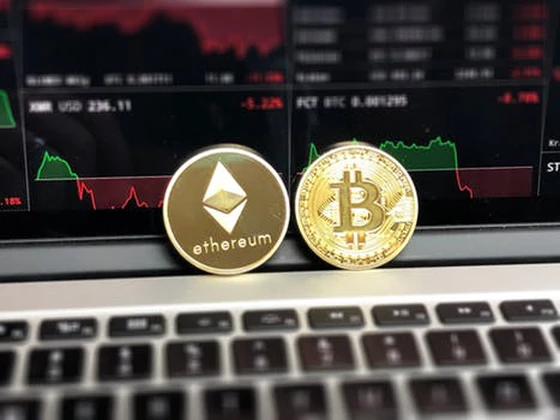 **What to Buy** Finally, the biggest question of them all. This is not financial advice nor do I pretend to know the future. With that caveat, I will give a list of my personal favorite projects. Look them up yourself and check out my individual writings that cover these assets for a view into what they are and why I've selected them here. Bitcoin- The most stable, secure, and sturdy of them all Ethereum- Smart contract platform; more developers building here than any other projects Stellar- Platform for financial transactions and token offerings Cardano- The platform to rule them all if successful; developed with solid academic research Monero- King Kong of privacy coins; private by default Pivx- Best features of all coins in one; POS, instant and cheap transactions, DAO, privacy Other projects I like - Dash - Binance Coin - Neo - Ethereum Classic - Zcash -Decred - Horizen Again, these are just my personal favorites. I explain and defend these in other writings but this should be enough to get you started on your journey.  **Storage** Rule #1 with storage is "Never leave your crypto on an exchange". Rule #2 "If you don't own your private key, you don't own your coins". Technically, some exchanges are insured and most are very secure however an exchange could potentially be hacked or shut down where as your personal wallet cannot. Most projects have their own wallets developed by their own teams but I cheat for some coins and use Jaxx. They offer a wallet that can house many different assets including Bitcoin, Ethereum, Litecoin, Dash, Zcash, and many more. Personally, I use Jaxx for the coins it supports then use the project specific wallets for the others. Daedalus for Cardano, Pivx Core for Pivx, StellarX for Stellar (this is not technically from the Stellar team but it is Stellar specific), etc. If you are using a wallet that holds your private key for you, than they own your assets. Your key, or passphrase in some cases, is ownership of assets. There are many other wallets that hold multiple coins such as My Ether Wallet, Abra, Exodus, etc. Multisig wallets are another option for very secure storage. With multisig wallets, multiple "signatures" are needed to access them. This generally take the form of multiple private keys that can be distributed among multiple parties or multiple separate storage locations for added security. This can be used for holdings that belong to a group or individuals or just as an added security layer for yourself. Some multisig wallets can be linked to hardware wallets, some are web based, and some are desktop wallets. Solid offerings for these features are Armory and Electrum. For ultimate storage, a paper wallet or hardware wallet is best. Paper wallets allow you to print or write down the information needed to access your wallet without. This allows you to store said info offline and thus free from the risk of hacks or theft through computer access. Ideally you would store multiple copies- one in a safe at home and one in a safety deposit box. Do your own research for how to create paper wallets... some can be done through a digital wallet, as can Daedalus with ADA, and some go through other platforms. These are a bit more involved so research thoroughly before going this route. Hardware wallets are exactly what you would imagine... a small piece of hardware, similar to a USB drive, that is a digital wallet itself. This can then also be stored offline and in a safe. You can connect it to a computer for transfers then when you unplug the device, you are again free from connection to the internet and the inherent risks associated with that. Ledger Nano, Trezor, and Keepkey are reputable hardware wallets. Overall digital wallets are generally very safe, whether web based, desktop, offline, etc. as long as you own your private key and you have your information backed up and stored safely and securely. *** Backup your keys in digital and physical forms*** Put a copy on a USB and print them off on paper and store it in a safe or safety deposit box. The strengths of security can also be your downfall. No one can gain access to your wallet without somehow getting your private key from you. This also means that you can't access your wallet without your private key. If you loose it, you loose your funds. Period. People have lost millions this way and it's a tragedy but it is completely preventable. *** Backup your keys in digital and physical forms*** originally published on https://www.thedigitalassetguide.com/ **TLDR; Conclusion** Welcome to the world of Crypto. You have signed up at an exchange, bought Digital Assets with fiat, and transferred them to your own personal, completely secure wallet (and backed up your private key). You may have also added a step in between exchange 1 and storage by transferring and trading on a secondary exchange for privacy or diversification. Congrats. May your journey be positive and enlightening. |
| json metadata | {"tags":["cryptocurrencies","crypto","blockchain","invest","exchange"],"image":["https://cdn.steemitimages.com/DQmRdx8yD58fzUzNqbXbEMxDLZ54ytWbU2JxS68MkqcCNsh/image.png","https://cdn.steemitimages.com/DQmc22KKJmU17Swc3i1k5AGV3GFbsbndDeZTt1irYXvuNAM/image.png","https://cdn.steemitimages.com/DQmV97YKpFbb6PCpPEix3eMY4ppDijNMLee2sEA9qZ5cGd2/image.png","https://cdn.steemitimages.com/DQmRS5VjDxBvU7rkhKjUoZh4MeUTqHq1abNFJUmeVFC3DQi/image.png","https://cdn.steemitimages.com/DQmREcUAVS2NSGDgY6QFmdg4vAtPWtnqjMpuW9ERRjfYoEe/image.png"],"links":["https://www.coinbase.com/join/594318c022ad2700c9ddcc66","https://www.binance.com/?ref=21029386","https://www.thedigitalassetguide.com/"],"app":"steemit/0.1","format":"markdown"} |
| Transaction Info | Block #27191197/Trx 908269200d28e3ed1bda6308d987772f5d143fc7 |
View Raw JSON Data
{
"trx_id": "908269200d28e3ed1bda6308d987772f5d143fc7",
"block": 27191197,
"trx_in_block": 8,
"op_in_trx": 0,
"virtual_op": 0,
"timestamp": "2018-10-28T02:24:21",
"op": [
"comment",
{
"parent_author": "",
"parent_permlink": "cryptocurrencies",
"author": "thecrook",
"permlink": "getting-started-in-crypto",
"title": "Getting Started in Crypto",
"body": "or My First Step Off the Edge and Down the Rabbit Hole\n\n\n\nSo you've decided to buy some Digital Assets. How do you do that? Where do you buy them? Which ones do you buy? How do you trade them? Where do you store them? What can you expect in returns? Here is a guide to get you through your first step down the rabbit hole.\n\nManditory disclaimer: I am not writing this from the role of a financial adviser or similar role. This is not financial advice. These markets have inherent risk and you are responsible for doing your own research to determine your own actions.\n\n**How Does this whole thing work?**\n \n Here are the basic steps: \n- Sign up with an exchange that deals in fiat\n- Connect a fiat source (bank account, credit card, paypal, etc.)\n- Purchase Digital Assets\n Optional:\n- Sign up at another exchange with a broader array of assets\n- Transfer purchased crypto from exchange 1 to exchange 2\n- Trade for a more diversified portfolio\n To finish:\n- Set up a digital wallet\n\n***Backup your passphrase, login info, private key, etc. in digital and physical form***\n\n- Send all your new Digital Assets to your wallet for storage\n\n\n\n**Where to buy**\n\n There are many exchanges to choose from currently with more popping up all the time. I will cover what I consider to be the best, specifically for a US resident. The exchanges I recommend are Coinbase, Gemini, Kraken, and Binance. \n \n Coinbase is King currently and for good reason. It is my first recommendation for anyone getting into the space for the first time and one I still use personally. Sign up is easy. Just verify who you are by giving your personal information and a copy of your ID, wait on them to review and acknowledge your ID, and connect a fiat source. You can purchase multiple Digital Assets currently and list continues to grow. At the time of this writing, or the latest update I've made to this writing, Coinbase offers:\n\n Bitcoin\n Ethereum\n Bitcoin Cash\n Litecoin\n Ethereum Classic\n 0x\n\n Assets stored with Coinbase are insured and they also offer the ability to buy into a basket of the currencies they offer as a market cap weighted index fund. Coinbase also has a second platform, Coinbase Pro, that offers free trading. It's a bit of a pain though because you have to deposit fiat to Coinbase, wait for it to clear, then send it to Coinbase Pro, then finally purchase your crypto but lack of fees and better trading platform is worth it. If you decide to use Coinbase, feel free to use my referal link. It will give you and I both $10 worth of Bitcoin when you do $100 worth of trading. Thank you.\nhttps://www.coinbase.com/join/594318c022ad2700c9ddcc66\n\n My second recommendation is Kraken. Kraken is not quite as simple and polished as Coinbase but is still a very good choice. Set up is slightly more involved but not prohibitively so. Fees are very low. The strong suite for Kraken is the array of Digital Assets they offer:\n\n Bitcoin\n Ethereum\n Ripple\n Bitcoin Cash\n Eos\n Stellar\n Litecoin\n Tether\n Cardano\n Monero\n Dash\n Ethereum Classic\n Tezos\n Zcash\n Dogecoin\n Qtum\n Auger\n Iconomi\n Gnosis\n Melon\n\n If you don't plan on or desire to use a second non-fiat exchange for diversification or privacy, Kraken is the best choice. They offer a great selection of assets and are still expanding their offerings. Kraken also offers margin trading and shorting capabilities. I personally do not recommend using these functions but they're there if you choose.\n\n Gemini gets third on my list. This isn't because they are a poor choice in any way. They are a licensed fiduciary and custodian and regulated by the New York State Department of Financial Services. Funds are FDIC insured. Account set up is virtually the same as the others and pretty simple. Gemini has a much more limited offering of assets with only fiat pairings for:\n\n Bitcoin\n Ethereum\n Litecoin\n Zcash\n\n A unique quality for Gemini is that they offer use of their own stable coin, which is a dollar pegged cryptocurrecy that is backed by 100% equal reserves of USD as confirmed by independent audit and government regulation. Another nice feature for Gemini is their inclusion of Zcash which offers investors access to a privacy coin straight from fiat.\n\n\n\n**Secondary Exchanges**\n\n If you want an extra layer of privacy or want access to a wider array of Digital assets, you will want to use a second exchange after buying in with fiat. I wont go into much detail here but I don't need to. Sign up for these simply involves clicking on \"Create an Account\" and maybe linking an email. \n\n Binance is by far my first choice for trading. They offer just about every common crypto asset available as well as many uncommon assets. They even have their own token that allows for discounted fees and some other nice qualities. There is a referral program with Binance and if you desire to use this exchange, here is my referral link:\nhttps://www.binance.com/?ref=21029386\nor ID # 21029386 Thank you.\n\n For a decentralized exchange, my first pick is StellarX. They are a a DEX (decentralized exchange) that runs on the Stellar network. They have pairings for many top coins and many options for depositing and trading fiat such as USD, Yuan, Australian dollar, Euro, and others. With this being a DEX, there is no governing body or vetting process for listing coins. They do ensure that the offering party exists, you will get what you pay for, etc. but there is the opportunity to list a very low quality project that doesn't have much of a chance for success so, even more important than usual, don't buy coins that you haven't thoroughly researched.\n\n Idex is my second choice for a DEX. They have 2 tokens of their own, one for membership and one for fees to put it in oversimplified terms. For a Dex they probably have the best overall experience and options. They trade mainly in ERC20 tokens so in that way they are more limited than others but they still offer hundreds of trading pairs.\n\n The final mention goes to a currently unreleased exchange... Zdex. This is another Dex but has the added feature of being ran through privacy protocols that make trades and transactions completely private. This is an extension of the Pivx project (one of my favorites) and has the potential to serve it's niche very well. \n\n\n\n**What to Buy**\n\n Finally, the biggest question of them all. This is not financial advice nor do I pretend to know the future. With that caveat, I will give a list of my personal favorite projects. Look them up yourself and check out my individual writings that cover these assets for a view into what they are and why I've selected them here.\n\nBitcoin- The most stable, secure, and sturdy of them all\nEthereum- Smart contract platform; more developers building here than any other projects\nStellar- Platform for financial transactions and token offerings\nCardano- The platform to rule them all if successful; developed with solid academic research\nMonero- King Kong of privacy coins; private by default\nPivx- Best features of all coins in one; POS, instant and cheap transactions, DAO, privacy\n\nOther projects I like\n- Dash\n- Binance Coin\n- Neo\n- Ethereum Classic\n- Zcash\n-Decred\n- Horizen\n\n Again, these are just my personal favorites. I explain and defend these in other writings but this should be enough to get you started on your journey.\n\n\n\n**Storage**\n\n Rule #1 with storage is \"Never leave your crypto on an exchange\". Rule #2 \"If you don't own your private key, you don't own your coins\". Technically, some exchanges are insured and most are very secure however an exchange could potentially be hacked or shut down where as your personal wallet cannot. Most projects have their own wallets developed by their own teams but I cheat for some coins and use Jaxx. They offer a wallet that can house many different assets including Bitcoin, Ethereum, Litecoin, Dash, Zcash, and many more. Personally, I use Jaxx for the coins it supports then use the project specific wallets for the others. Daedalus for Cardano, Pivx Core for Pivx, StellarX for Stellar (this is not technically from the Stellar team but it is Stellar specific), etc. If you are using a wallet that holds your private key for you, than they own your assets. Your key, or passphrase in some cases, is ownership of assets. There are many other wallets that hold multiple coins such as My Ether Wallet, Abra, Exodus, etc.\n\n Multisig wallets are another option for very secure storage. With multisig wallets, multiple \"signatures\" are needed to access them. This generally take the form of multiple private keys that can be distributed among multiple parties or multiple separate storage locations for added security. This can be used for holdings that belong to a group or individuals or just as an added security layer for yourself. Some multisig wallets can be linked to hardware wallets, some are web based, and some are desktop wallets. Solid offerings for these features are Armory and Electrum.\n\n For ultimate storage, a paper wallet or hardware wallet is best. Paper wallets allow you to print or write down the information needed to access your wallet without. This allows you to store said info offline and thus free from the risk of hacks or theft through computer access. Ideally you would store multiple copies- one in a safe at home and one in a safety deposit box. Do your own research for how to create paper wallets... some can be done through a digital wallet, as can Daedalus with ADA, and some go through other platforms. These are a bit more involved so research thoroughly before going this route. \n\n Hardware wallets are exactly what you would imagine... a small piece of hardware, similar to a USB drive, that is a digital wallet itself. This can then also be stored offline and in a safe. You can connect it to a computer for transfers then when you unplug the device, you are again free from connection to the internet and the inherent risks associated with that. Ledger Nano, Trezor, and Keepkey are reputable hardware wallets.\n\n Overall digital wallets are generally very safe, whether web based, desktop, offline, etc. as long as you own your private key and you have your information backed up and stored safely and securely. \n\n*** Backup your keys in digital and physical forms***\n\nPut a copy on a USB and print them off on paper and store it in a safe or safety deposit box. The strengths of security can also be your downfall. No one can gain access to your wallet without somehow getting your private key from you. This also means that you can't access your wallet without your private key. If you loose it, you loose your funds. Period. People have lost millions this way and it's a tragedy but it is completely preventable.\n\n*** Backup your keys in digital and physical forms***\n\noriginally published on https://www.thedigitalassetguide.com/\n\n**TLDR; Conclusion**\n\nWelcome to the world of Crypto. You have signed up at an exchange, bought Digital Assets with fiat, and transferred them to your own personal, completely secure wallet (and backed up your private key). You may have also added a step in between exchange 1 and storage by transferring and trading on a secondary exchange for privacy or diversification. Congrats. May your journey be positive and enlightening.",
"json_metadata": "{\"tags\":[\"cryptocurrencies\",\"crypto\",\"blockchain\",\"invest\",\"exchange\"],\"image\":[\"https://cdn.steemitimages.com/DQmRdx8yD58fzUzNqbXbEMxDLZ54ytWbU2JxS68MkqcCNsh/image.png\",\"https://cdn.steemitimages.com/DQmc22KKJmU17Swc3i1k5AGV3GFbsbndDeZTt1irYXvuNAM/image.png\",\"https://cdn.steemitimages.com/DQmV97YKpFbb6PCpPEix3eMY4ppDijNMLee2sEA9qZ5cGd2/image.png\",\"https://cdn.steemitimages.com/DQmRS5VjDxBvU7rkhKjUoZh4MeUTqHq1abNFJUmeVFC3DQi/image.png\",\"https://cdn.steemitimages.com/DQmREcUAVS2NSGDgY6QFmdg4vAtPWtnqjMpuW9ERRjfYoEe/image.png\"],\"links\":[\"https://www.coinbase.com/join/594318c022ad2700c9ddcc66\",\"https://www.binance.com/?ref=21029386\",\"https://www.thedigitalassetguide.com/\"],\"app\":\"steemit/0.1\",\"format\":\"markdown\"}"
}
]
}sensationupvoted (100.00%) @thecrook / crypto-vs-fiat-hard-money-vs-soft-money2018/10/22 00:55:27
sensationupvoted (100.00%) @thecrook / crypto-vs-fiat-hard-money-vs-soft-money
2018/10/22 00:55:27
| voter | sensation |
| author | thecrook |
| permlink | crypto-vs-fiat-hard-money-vs-soft-money |
| weight | 10000 (100.00%) |
| Transaction Info | Block #27016743/Trx 067b947b5087fde6ac3a6ad5b3acbb2965010ccc |
View Raw JSON Data
{
  "trx_id": "067b947b5087fde6ac3a6ad5b3acbb2965010ccc",
  "block": 27016743,
  "trx_in_block": 14,
  "op_in_trx": 0,
  "virtual_op": 0,
  "timestamp": "2018-10-22T00:55:27",
  "op": [
    "vote",
    {
      "voter": "sensation",
      "author": "thecrook",
      "permlink": "crypto-vs-fiat-hard-money-vs-soft-money",
      "weight": 10000
    }
  ]
}steffenixupvoted (100.00%) @thecrook / crypto-vs-fiat-hard-money-vs-soft-money2018/10/22 00:32:45
steffenixupvoted (100.00%) @thecrook / crypto-vs-fiat-hard-money-vs-soft-money
2018/10/22 00:32:45
| voter | steffenix |
| author | thecrook |
| permlink | crypto-vs-fiat-hard-money-vs-soft-money |
| weight | 10000 (100.00%) |
| Transaction Info | Block #27016289/Trx 6ce722e431f192595fc03ee21c10e9a3b31df470 |
View Raw JSON Data
{
  "trx_id": "6ce722e431f192595fc03ee21c10e9a3b31df470",
  "block": 27016289,
  "trx_in_block": 32,
  "op_in_trx": 0,
  "virtual_op": 0,
  "timestamp": "2018-10-22T00:32:45",
  "op": [
    "vote",
    {
      "voter": "steffenix",
      "author": "thecrook",
      "permlink": "crypto-vs-fiat-hard-money-vs-soft-money",
      "weight": 10000
    }
  ]
}thecrookpublished a new post: crypto-vs-fiat-hard-money-vs-soft-money2018/10/22 00:19:24
thecrookpublished a new post: crypto-vs-fiat-hard-money-vs-soft-money
2018/10/22 00:19:24
| parent author | |
| parent permlink | fiat |
| author | thecrook |
| permlink | crypto-vs-fiat-hard-money-vs-soft-money |
| title | Crypto vs Fiat... Hard Money vs Soft Money? |
| body |  Fiat money is how the world generally transacts these days. This involves having a currency that is back by government promises and regulations that state that said currency can be used as legal tender. Hard money by contrast is how the world generally transacted throughout history until the past century or so. Hard money involves a currency that is backed by "specie" (a physical and valuable asset), typically gold or silver. **Is Crypto Hard Money?** This is a debatable question. Cryptocurrencies are not backed by any physical asset. They are not a representation of specie of any kind. They are backed by the promise of the project behind them that they have value and can be used (in their native networks at least) as legal tender. The project begins with a monetary policy created by the founders. These aspects lean towards a "soft money" label. On the flip side, Cryptocurrencies are backed by a provable, immutable digital asset. This is not physical in the same way as gold or silver but it does have many of the same qualities. The digital asset cannot be created arbitrarily but rather must be mined or minted according to a transparent code. Even if the Digital Asset ceased to be accepted as currency in general, it still has value as a utility of the network it runs on. There is monetary policy involved but only at creation. After this, the currency continues according to the policies set at creation without tampering, changing, or regulating further. The currency is also decentralized and not controlled by one entity. These aspects lean towards the label of "hard money". **Verdict** My verdict is that Cryptocurrencies in general are hard money. Each currency has different characteristics and some, Tether for example, would not fall in the hard money camp. Most however do. The key lies in fact that each unit of currency belongs to someone and can't be changed, taken, or nullified by any other individual. These Digital Assets are similar to some gold and silver coins that have been used in the past. A gold coin that is made of 10 grams of gold has the value of that gold and is that gold. A gold coin made of 1 gram of gold but is backed by another 9 grams at the bank has the value of 10 grams of gold but that value is split between the face value and the backed value. Cryptocurrencies follow the former example with each unit having the value of 1 unit and also being that 1 unit themselves.  **Why Precious Metals?** The reason gold and silver were used as currency were threefold. To begin with, metals are durable. They don't degrade easily and don't spoil. Corn would have made a much more useful currency but it can't be stored indefinitely or transported as easily. Wood is nice but it breaks down as well. Second, metals can be divided into many parts and brought back together again. Currency necessarily needs to have this feature. Some transactions are large while some are small. I may have 1 pound of gold but want to buy a flower worth 1 gram. With metal I can do this. I can also take many grams together and combine them into a large bar for easy storage and transportation. This is not true of food, stone, wood, shells, or most other items used as currency at some point in history. The third and possible most important reason precious metals were used so commonly as currency was scarcity and attainment. People won't just find these metals lying around, therefore diluting the supply. You also won't completely run out, making your currency dwindle away to nothing. Attaining more has a tangible cost associated with it. In order to find a precious metal deposit, mine said deposit, condition and transport said metal, and finally bring it to market, one must spend valuable resources through physical labor, transportation cost, initial start up expenses, etc. This serves the purpose of keeping the metals scarce but also of giving that metal an inherent value... that of the cost to attain it and bring it to market with the addition of ordinary profits.  **How are cryptocurrencies the same as physical metal?** Cryptocurrencies fulfill the same qualities as the precious metals they are replacing. They are durable. In fact, Digital Assets never corrode, are debased, or diminish in size. They can be split into parts and rejoin. In fact, Digital Assets can be split into smaller parts than can ever be necessary. They can all be collected back together again in a digital wallet at anytime. Finally, cryptocurrencies are scarce with valuable attainment. These Digital Assets cannot be found arbitrarily nor can they be created thus. On the contrary, they are scarce by nature with the foundations of their creation stipulating their scarcity and rules for existence. More units of currency will only be created if certain criteria are accomplished, which are necessarily costly to do. In order to create a Bitcoin, one must "mine" it by using their computer to solve complex algorithms and process a block. This has a cost of hardware and energy as well as any cost associated with storage and transactions afterward. With proof of stake coins such as Ether, the cost to create a new Ether lies in an initial investment of that asset and the hardware and energy cost to process transactions on the ethereum network. With proof of work coins, the cost lies mostly in the hardware and energy usage whereas with proof of stake coins, the cost lies mostly in the original investment of that currency with cheaper hardware and energy costs. **Supply and demand** A key aspect of money is supply and demand. With fiat, more money can be created whenever demand outweighs supply and money can be taken out of the market when the opposite is true. This is all controlled by the government as is usually done through the use of bonds, interest rates, issuing debt, etc. Theoretically, the currency can continue on forever without ever being backed by anything of value so long as the government in charge handles the monetary policy skillfully and the public never tries to redeem the value of the currency in any other form in mass. The problem usually is derived from greed and short term thinking. Another misconception is the stability of fiat systems. Cryptocurrencies have been extremely volatile due to them currently being in the investment and speculation phase, not in widespread use as currencies. Fiat systems are very well established but are still not very stable in the long run. If one looks with any depth at inflation rates, both in monetary supply and in monetary value, it becomes obvious that fiat currencies aren't nearly as stable as they seem at first glance.  **USD** America is a good example of this currently. The country has a fiat system and has been using monetary policy to raise money for government expenses while giving out more money to spur economic growth. The country's debt is upwards of 21 trillion dollars. At the same time, they are issuing more money to banks to filter down to businesses and individuals to increase economic activity. In addition, the US has lowered it's tax rates thus bringing in less revenue. Even with all these aspects, the country is accruing more and more debt each year and raising government spending with it. This example is only possible under a fiat system and could potentially continue indefinitely. The problem would come if public faith in the currency diminished or if debts were called in that the country couldn't pay. For example, if Americans decided they didn't believe the dollar was worth what the government said it was worth, they could exchange those dollars for physical items, gold, cryptocurrencies, foreign currencies, etc. The affect would be that eventually, the government would have to raise even more debt or print even more money to pay the individuals pulling out of USD thus devaluing the currency further and fueling the flight from USD even more. What if other countries lost faith in USD? They would call in the USD denominated debt they are owed which would cause a similar run on the USD market and flight from the currency. Even worse, in this scenario, the government couldn't attain more debt because no other country would give it to them. Currently the global reserve currency is USD which has the affect of bringing in large amounts of foreign capitol into USD through bonds, stocks, debt, and currency stockpiles. This is very good for the stability of the currency but a horrendous situation to be in should the currency loose it's value.  **BTC** Let's look at supply and demand dynamics in regards to Bitcoin to contrast the USD example. According to my assessment, BTC (Bitcoin) is a hard money currency. BTC is also completely open to a free market system and is not controlled by any country or government. BTC can never get into a similar situation as USD because no one entity can manipulate the supply or the demand in a large enough way to make the currency risk failure. There will never be a situation of debts above and beyond what is backed by the Digital Asset because of these dynamics. If such a situation ever occurred, the market would be heavily incentavised to fork the asset and nullify any issuance that is not an actual verifiable Digital Asset. With the free market, decentralized system that Bitcoin is a part of supply and demand dynamics are free to operate without constraint or control. If individuals or entities are more uncertain about the currency. the sell and the price reflects that sentiment. If faith is strong, the number and value of buyers increases thus raising the price. The amount of currency in circulation will always hold true to a specified standard and can't be changed to accommodate outside factors. If faith and thus the value of BTC is in decline, no one can hinder that through monetary policy. If the demand spikes, so will the value and nothing can stop it. The value will always reflect the value placed on the asset according to worldwide consensus. Anytime this is not the case, the value will adjust until it is. Hopefully, the fact that the Bitcoin Network and protocols are so transparent will keep the value from ever being too far from it's natural state. If the market price is too high, more people will invest in mining the currency, thus increasing supply, lowering the value, and stabilizing the price. If the price is too low, miners will spend less resources on mining in order to keep from loosing money or opportunity costs thus decreasing supply, raising the value, and stabilizing the price. Bitcoin is unique in the fact that it has a capped supply but we won't delve into that aspect here. Even with these dynamics, Bitcoin could still fail. If the currency is not viewed as valuable, it would not have value. The key is that this is much less likely to occur with hard money. than it is with fiat currencies. **TLDR; Conclusion** Fiat money is the current standard worldwide but that could be changing. Hard money offerings in the cryptocurrency space have dynamics that could make them a much more sound option for value transfer. Once in full use, these Digital Assets are also much more stable and less likely to fail due to the use of totally free markets and complete transparency. |
| json metadata | {"tags":["fiat","crypto","currencies","economics","gold"],"image":["https://cdn.steemitimages.com/DQmc22KKJmU17Swc3i1k5AGV3GFbsbndDeZTt1irYXvuNAM/image.png","https://cdn.steemitimages.com/DQmQYFij33Fz44KZFVVKY72cqJfsM2rjMDm92AkEdPEFMWS/image.png","https://cdn.steemitimages.com/DQmepa5vRqiN3HjnFyG73khCQd14PKXigodUub1BLqPHPQm/image.png","https://cdn.steemitimages.com/DQmSCEiKKobR1RqwYtLnCjTFLTwdBr6negRwBPTzQcAtX67/image.png","https://cdn.steemitimages.com/DQmU1GCX1HSyw12AkV8qeGMLd6aVNm9oF9btRQiQzQrQcu5/image.png"],"app":"steemit/0.1","format":"markdown"} |
| Transaction Info | Block #27016023/Trx c73e49d9135bd39cc70fa79496d3988ea07e2282 |
View Raw JSON Data
{
"trx_id": "c73e49d9135bd39cc70fa79496d3988ea07e2282",
"block": 27016023,
"trx_in_block": 3,
"op_in_trx": 0,
"virtual_op": 0,
"timestamp": "2018-10-22T00:19:24",
"op": [
"comment",
{
"parent_author": "",
"parent_permlink": "fiat",
"author": "thecrook",
"permlink": "crypto-vs-fiat-hard-money-vs-soft-money",
"title": "Crypto vs Fiat... Hard Money vs Soft Money?",
"body": "\n\nFiat money is how the world generally transacts these days. This involves having a currency that is back by government promises and regulations that state that said currency can be used as legal tender. Hard money by contrast is how the world generally transacted throughout history until the past century or so. Hard money involves a currency that is backed by \"specie\" (a physical and valuable asset), typically gold or silver.\n\n**Is Crypto Hard Money?**\n\n This is a debatable question. Cryptocurrencies are not backed by any physical asset. They are not a representation of specie of any kind. They are backed by the promise of the project behind them that they have value and can be used (in their native networks at least) as legal tender. The project begins with a monetary policy created by the founders. These aspects lean towards a \"soft money\" label.\n\n On the flip side, Cryptocurrencies are backed by a provable, immutable digital asset. This is not physical in the same way as gold or silver but it does have many of the same qualities. The digital asset cannot be created arbitrarily but rather must be mined or minted according to a transparent code. Even if the Digital Asset ceased to be accepted as currency in general, it still has value as a utility of the network it runs on. There is monetary policy involved but only at creation. After this, the currency continues according to the policies set at creation without tampering, changing, or regulating further. The currency is also decentralized and not controlled by one entity. These aspects lean towards the label of \"hard money\".\n\n**Verdict**\n\n My verdict is that Cryptocurrencies in general are hard money. Each currency has different characteristics and some, Tether for example, would not fall in the hard money camp. Most however do. The key lies in fact that each unit of currency belongs to someone and can't be changed, taken, or nullified by any other individual. \n\n These Digital Assets are similar to some gold and silver coins that have been used in the past. A gold coin that is made of 10 grams of gold has the value of that gold and is that gold. A gold coin made of 1 gram of gold but is backed by another 9 grams at the bank has the value of 10 grams of gold but that value is split between the face value and the backed value. Cryptocurrencies follow the former example with each unit having the value of 1 unit and also being that 1 unit themselves. \n\n\n\n\n\n**Why Precious Metals?**\n\n The reason gold and silver were used as currency were threefold. To begin with, metals are durable. They don't degrade easily and don't spoil. Corn would have made a much more useful currency but it can't be stored indefinitely or transported as easily. Wood is nice but it breaks down as well.\n\n Second, metals can be divided into many parts and brought back together again. Currency necessarily needs to have this feature. Some transactions are large while some are small. I may have 1 pound of gold but want to buy a flower worth 1 gram. With metal I can do this. I can also take many grams together and combine them into a large bar for easy storage and transportation. This is not true of food, stone, wood, shells, or most other items used as currency at some point in history.\n\n The third and possible most important reason precious metals were used so commonly as currency was scarcity and attainment. People won't just find these metals lying around, therefore diluting the supply. You also won't completely run out, making your currency dwindle away to nothing. Attaining more has a tangible cost associated with it. In order to find a precious metal deposit, mine said deposit, condition and transport said metal, and finally bring it to market, one must spend valuable resources through physical labor, transportation cost, initial start up expenses, etc. This serves the purpose of keeping the metals scarce but also of giving that metal an inherent value... that of the cost to attain it and bring it to market with the addition of ordinary profits.\n\n\n\n\n\n**How are cryptocurrencies the same as physical metal?**\n\n Cryptocurrencies fulfill the same qualities as the precious metals they are replacing. They are durable. In fact, Digital Assets never corrode, are debased, or diminish in size. They can be split into parts and rejoin. In fact, Digital Assets can be split into smaller parts than can ever be necessary. They can all be collected back together again in a digital wallet at anytime.\n\n Finally, cryptocurrencies are scarce with valuable attainment. These Digital Assets cannot be found arbitrarily nor can they be created thus. On the contrary, they are scarce by nature with the foundations of their creation stipulating their scarcity and rules for existence. More units of currency will only be created if certain criteria are accomplished, which are necessarily costly to do. In order to create a Bitcoin, one must \"mine\" it by using their computer to solve complex algorithms and process a block. This has a cost of hardware and energy as well as any cost associated with storage and transactions afterward. With proof of stake coins such as Ether, the cost to create a new Ether lies in an initial investment of that asset and the hardware and energy cost to process transactions on the ethereum network. With proof of work coins, the cost lies mostly in the hardware and energy usage whereas with proof of stake coins, the cost lies mostly in the original investment of that currency with cheaper hardware and energy costs.\n\n**Supply and demand**\n\n A key aspect of money is supply and demand. With fiat, more money can be created whenever demand outweighs supply and money can be taken out of the market when the opposite is true. This is all controlled by the government as is usually done through the use of bonds, interest rates, issuing debt, etc. Theoretically, the currency can continue on forever without ever being backed by anything of value so long as the government in charge handles the monetary policy skillfully and the public never tries to redeem the value of the currency in any other form in mass. The problem usually is derived from greed and short term thinking. Another misconception is the stability of fiat systems. Cryptocurrencies have been extremely volatile due to them currently being in the investment and speculation phase, not in widespread use as currencies. Fiat systems are very well established but are still not very stable in the long run. If one looks with any depth at inflation rates, both in monetary supply and in monetary value, it becomes obvious that fiat currencies aren't nearly as stable as they seem at first glance.\n \n\n\n\n\n**USD**\n\n America is a good example of this currently. The country has a fiat system and has been using monetary policy to raise money for government expenses while giving out more money to spur economic growth. The country's debt is upwards of 21 trillion dollars. At the same time, they are issuing more money to banks to filter down to businesses and individuals to increase economic activity. In addition, the US has lowered it's tax rates thus bringing in less revenue. Even with all these aspects, the country is accruing more and more debt each year and raising government spending with it. \n\n This example is only possible under a fiat system and could potentially continue indefinitely. The problem would come if public faith in the currency diminished or if debts were called in that the country couldn't pay. For example, if Americans decided they didn't believe the dollar was worth what the government said it was worth, they could exchange those dollars for physical items, gold, cryptocurrencies, foreign currencies, etc. The affect would be that eventually, the government would have to raise even more debt or print even more money to pay the individuals pulling out of USD thus devaluing the currency further and fueling the flight from USD even more. \n\n What if other countries lost faith in USD? They would call in the USD denominated debt they are owed which would cause a similar run on the USD market and flight from the currency. Even worse, in this scenario, the government couldn't attain more debt because no other country would give it to them. Currently the global reserve currency is USD which has the affect of bringing in large amounts of foreign capitol into USD through bonds, stocks, debt, and currency stockpiles. This is very good for the stability of the currency but a horrendous situation to be in should the currency loose it's value. \n\n\n\n\n\n**BTC**\n\n Let's look at supply and demand dynamics in regards to Bitcoin to contrast the USD example. According to my assessment, BTC (Bitcoin) is a hard money currency. BTC is also completely open to a free market system and is not controlled by any country or government. BTC can never get into a similar situation as USD because no one entity can manipulate the supply or the demand in a large enough way to make the currency risk failure. There will never be a situation of debts above and beyond what is backed by the Digital Asset because of these dynamics. If such a situation ever occurred, the market would be heavily incentavised to fork the asset and nullify any issuance that is not an actual verifiable Digital Asset. \n\n With the free market, decentralized system that Bitcoin is a part of supply and demand dynamics are free to operate without constraint or control. If individuals or entities are more uncertain about the currency. the sell and the price reflects that sentiment. If faith is strong, the number and value of buyers increases thus raising the price. The amount of currency in circulation will always hold true to a specified standard and can't be changed to accommodate outside factors. If faith and thus the value of BTC is in decline, no one can hinder that through monetary policy. If the demand spikes, so will the value and nothing can stop it. The value will always reflect the value placed on the asset according to worldwide consensus. Anytime this is not the case, the value will adjust until it is.\n\n Hopefully, the fact that the Bitcoin Network and protocols are so transparent will keep the value from ever being too far from it's natural state. If the market price is too high, more people will invest in mining the currency, thus increasing supply, lowering the value, and stabilizing the price. If the price is too low, miners will spend less resources on mining in order to keep from loosing money or opportunity costs thus decreasing supply, raising the value, and stabilizing the price. Bitcoin is unique in the fact that it has a capped supply but we won't delve into that aspect here.\n\n Even with these dynamics, Bitcoin could still fail. If the currency is not viewed as valuable, it would not have value. The key is that this is much less likely to occur with hard money. than it is with fiat currencies. \n\n**TLDR; Conclusion**\n\nFiat money is the current standard worldwide but that could be changing. Hard money offerings in the cryptocurrency space have dynamics that could make them a much more sound option for value transfer. Once in full use, these Digital Assets are also much more stable and less likely to fail due to the use of totally free markets and complete transparency.",
"json_metadata": "{\"tags\":[\"fiat\",\"crypto\",\"currencies\",\"economics\",\"gold\"],\"image\":[\"https://cdn.steemitimages.com/DQmc22KKJmU17Swc3i1k5AGV3GFbsbndDeZTt1irYXvuNAM/image.png\",\"https://cdn.steemitimages.com/DQmQYFij33Fz44KZFVVKY72cqJfsM2rjMDm92AkEdPEFMWS/image.png\",\"https://cdn.steemitimages.com/DQmepa5vRqiN3HjnFyG73khCQd14PKXigodUub1BLqPHPQm/image.png\",\"https://cdn.steemitimages.com/DQmSCEiKKobR1RqwYtLnCjTFLTwdBr6negRwBPTzQcAtX67/image.png\",\"https://cdn.steemitimages.com/DQmU1GCX1HSyw12AkV8qeGMLd6aVNm9oF9btRQiQzQrQcu5/image.png\"],\"app\":\"steemit/0.1\",\"format\":\"markdown\"}"
}
]
}2018/10/21 14:17:57
2018/10/21 14:17:57
| parent author | thecrook |
| parent permlink | tokenized-real-estate |
| author | steemitboard |
| permlink | steemitboard-notify-thecrook-20181021t141758000z |
| title | |
| body | Congratulations @thecrook! You have received a personal award! [](http://steemitboard.com/@thecrook) 1 Year on Steemit <sub>_Click on the badge to view your Board of Honor._</sub> **Do not miss the last post from @steemitboard:** <table><tr><td><a href="https://steemit.com/steemitboard/@steemitboard/steemitboard-ranking-update-resteem-and-resteemed-added"><img src="https://steemitimages.com/64x128/https://cdn.steemitimages.com/DQmfRVpHQhLDhnjDtqck8GPv9NPvNKPfMsDaAFDE1D9Er2Z/header_ranking.png"></a></td><td><a href="https://steemit.com/steemitboard/@steemitboard/steemitboard-ranking-update-resteem-and-resteemed-added">SteemitBoard Ranking update - Resteem and Resteemed added</a></td></tr></table> > Support [SteemitBoard's project](https://steemit.com/@steemitboard)! **[Vote for its witness](https://v2.steemconnect.com/sign/account-witness-vote?witness=steemitboard&approve=1)** and **get one more award**! |
| json metadata | {"image":["https://steemitboard.com/img/notify.png"]} |
| Transaction Info | Block #27004014/Trx 2afc992c70179eb5fc131ca66a4538f4181fe846 |
View Raw JSON Data
{
"trx_id": "2afc992c70179eb5fc131ca66a4538f4181fe846",
"block": 27004014,
"trx_in_block": 18,
"op_in_trx": 0,
"virtual_op": 0,
"timestamp": "2018-10-21T14:17:57",
"op": [
"comment",
{
"parent_author": "thecrook",
"parent_permlink": "tokenized-real-estate",
"author": "steemitboard",
"permlink": "steemitboard-notify-thecrook-20181021t141758000z",
"title": "",
"body": "Congratulations @thecrook! You have received a personal award!\n\n[](http://steemitboard.com/@thecrook) 1 Year on Steemit\n<sub>_Click on the badge to view your Board of Honor._</sub>\n\n\n**Do not miss the last post from @steemitboard:**\n<table><tr><td><a href=\"https://steemit.com/steemitboard/@steemitboard/steemitboard-ranking-update-resteem-and-resteemed-added\"><img src=\"https://steemitimages.com/64x128/https://cdn.steemitimages.com/DQmfRVpHQhLDhnjDtqck8GPv9NPvNKPfMsDaAFDE1D9Er2Z/header_ranking.png\"></a></td><td><a href=\"https://steemit.com/steemitboard/@steemitboard/steemitboard-ranking-update-resteem-and-resteemed-added\">SteemitBoard Ranking update - Resteem and Resteemed added</a></td></tr></table>\n\n> Support [SteemitBoard's project](https://steemit.com/@steemitboard)! **[Vote for its witness](https://v2.steemconnect.com/sign/account-witness-vote?witness=steemitboard&approve=1)** and **get one more award**!",
"json_metadata": "{\"image\":[\"https://steemitboard.com/img/notify.png\"]}"
}
]
}2018/10/21 08:00:51
2018/10/21 08:00:51
| delegator | steem |
| delegatee | thecrook |
| vesting shares | 29235.710110 VESTS |
| Transaction Info | Block #26996480/Trx 1804430e75e109160747d51b9c11e2bd47281817 |
View Raw JSON Data
{
  "trx_id": "1804430e75e109160747d51b9c11e2bd47281817",
  "block": 26996480,
  "trx_in_block": 0,
  "op_in_trx": 0,
  "virtual_op": 0,
  "timestamp": "2018-10-21T08:00:51",
  "op": [
    "delegate_vesting_shares",
    {
      "delegator": "steem",
      "delegatee": "thecrook",
      "vesting_shares": "29235.710110 VESTS"
    }
  ]
}mikitsupvoted (100.00%) @thecrook / digital-asset-revolution2018/10/21 04:41:18
mikitsupvoted (100.00%) @thecrook / digital-asset-revolution
2018/10/21 04:41:18
| voter | mikits |
| author | thecrook |
| permlink | digital-asset-revolution |
| weight | 10000 (100.00%) |
| Transaction Info | Block #26992490/Trx 571ef92c4947852a47643ff3c5d632305aa85108 |
View Raw JSON Data
{
  "trx_id": "571ef92c4947852a47643ff3c5d632305aa85108",
  "block": 26992490,
  "trx_in_block": 23,
  "op_in_trx": 0,
  "virtual_op": 0,
  "timestamp": "2018-10-21T04:41:18",
  "op": [
    "vote",
    {
      "voter": "mikits",
      "author": "thecrook",
      "permlink": "digital-asset-revolution",
      "weight": 10000
    }
  ]
}tomask-deupvoted (100.00%) @thecrook / tokenized-real-estate2018/10/21 04:41:12
tomask-deupvoted (100.00%) @thecrook / tokenized-real-estate
2018/10/21 04:41:12
| voter | tomask-de |
| author | thecrook |
| permlink | tokenized-real-estate |
| weight | 10000 (100.00%) |
| Transaction Info | Block #26992488/Trx 6472b76b04baee582473784b2c2d9cf87d23e752 |
View Raw JSON Data
{
  "trx_id": "6472b76b04baee582473784b2c2d9cf87d23e752",
  "block": 26992488,
  "trx_in_block": 7,
  "op_in_trx": 0,
  "virtual_op": 0,
  "timestamp": "2018-10-21T04:41:12",
  "op": [
    "vote",
    {
      "voter": "tomask-de",
      "author": "thecrook",
      "permlink": "tokenized-real-estate",
      "weight": 10000
    }
  ]
}introduce.botupvoted (1.00%) @thecrook / tokenized-real-estate2018/10/21 04:33:36
introduce.botupvoted (1.00%) @thecrook / tokenized-real-estate
2018/10/21 04:33:36
| voter | introduce.bot |
| author | thecrook |
| permlink | tokenized-real-estate |
| weight | 100 (1.00%) |
| Transaction Info | Block #26992336/Trx eaf04df1dc402a766b162140cefd0cdfe4b7128e |
View Raw JSON Data
{
  "trx_id": "eaf04df1dc402a766b162140cefd0cdfe4b7128e",
  "block": 26992336,
  "trx_in_block": 19,
  "op_in_trx": 0,
  "virtual_op": 0,
  "timestamp": "2018-10-21T04:33:36",
  "op": [
    "vote",
    {
      "voter": "introduce.bot",
      "author": "thecrook",
      "permlink": "tokenized-real-estate",
      "weight": 100
    }
  ]
}introduce.botupvoted (1.00%) @thecrook / digital-asset-revolution2018/10/21 04:25:48
introduce.botupvoted (1.00%) @thecrook / digital-asset-revolution
2018/10/21 04:25:48
| voter | introduce.bot |
| author | thecrook |
| permlink | digital-asset-revolution |
| weight | 100 (1.00%) |
| Transaction Info | Block #26992180/Trx 367fb7687ea2ed5281686680c239cab181659c23 |
View Raw JSON Data
{
  "trx_id": "367fb7687ea2ed5281686680c239cab181659c23",
  "block": 26992180,
  "trx_in_block": 4,
  "op_in_trx": 0,
  "virtual_op": 0,
  "timestamp": "2018-10-21T04:25:48",
  "op": [
    "vote",
    {
      "voter": "introduce.bot",
      "author": "thecrook",
      "permlink": "digital-asset-revolution",
      "weight": 100
    }
  ]
}thecrookpublished a new post: tokenized-real-estate2018/10/21 04:18:27
thecrookpublished a new post: tokenized-real-estate
2018/10/21 04:18:27
| parent author | |
| parent permlink | real |
| author | thecrook |
| permlink | tokenized-real-estate |
| title | Tokenized Real Estate |
| body |  Property, e.g. land and buildings, is a purely physical asset. Currently, there are many aspects to representing ownership of said property. The main tangible evidence of ownership is a deed. This deed generally is a physical piece of paper, although there are records of ownership throughout the databases of local government organizations and businesses that were used to acquire said property (real estate companies, banks, etc.). Keep in mind that each person who interacts with this process adds to cost of the process. Tokenizing real estate ownership represents a whole new realm of possibility. **How** If a property deed were to be converted to a Digital Asset, then the proof of ownership would be represented as a token or contract that is stored on a blockchain. This Digital Deed would have provable ownership and complete security via the unique qualities of blockchain. Now, when ownership is transferred, the two parties need only to create terms and agree to the transfer. This would typically be done through the use of a smart contract and would involve no other parties other than whoever created said contract (assuming they don't write the contract entirely on their own). Likely, their local government would require knowledge of the transaction but that would be outside of the necessities of ownership transfer.  **Investing with Bob** This same concept could be applied to more tradable representations. For example, and investor, let's call him Bob, could buy a property then split up ownership into multiple tokens or contracts. Once the Digital Deed has been purchased by investor Bob, he could for example lock up the said deed in a smart contract that generated 100 tokens to represent the deed. The deed could only be owned or transferred if all 100 tokens were returned to the contract, thus restoring the original function of the Digital Deed. Now that Bob has 100 tokens, each representing 1% shares in the property, he could sell these shares of the property to other investors. These shares would necessarily rise or fall in value as the overall property value rose or fell. They could be transferred, traded, etc. in any way the owners desired within applicable government regulations. Bob can now take the money raised by selling these shares and begin building his real estate empire. Incentive structures can also be created with this application of Digital Deeds. For example, Bob could purchase a duplex as his investment property. He would then split the deed into 100 tokens again but this time, use a portion of these to incentivize his renters. Maybe Bob creates a rent-to-own model and with each payment of rent, or each year of rent, a token would be transferred to the renter. Eventually, the renter would own their half of the duplex. Bob could even allow the tenant to eventually own the whole duplex in this fashion or only allow for half ownership. Another strategy would be to simply award tokens to the renters as a way to build equity with their payments. The goal would not be ownership but rather building up a stake in the property they are paying to live in. When the renters leave, their tokens are bought back by Bob the owner, thus incentivizing the renters to both earn as many tokens as possible (creating stable renters) and to maintain or increase the value of the property they are renting in order to maintain or increase the value of their tokens that they will eventually be paid for (lowering maintenance and improvement costs). Investors like Bob could also just buy tokens of various properties and build a portfolio of real estate that way. Dividends could be paid to token holders or they could just be bought and traded like stocks. When and if the property were to be sold, all the token holders would be bought out and hopefully make a decent profit on their investment. This also adds another stabilizing layer to market pricing for real estate since the buyers and sellers are more diversified and numerous. One person may be willing to buy or sell at a large discount or premium but a group of buyers and/or sellers increases the size of the market pricing dynamic therefore creating a more stable and "fair" price for the agreement. Another system could be that investors "rented" stakes or tokens in a property or group of properties. In this model, investors would pay a small premium to own shares and that income would go directly to managing and improving the property. If the income were used efficiently, the increase in value would be greater than the "rent" thus increasing the net value the investment above and beyond the rental cost. Tokens of which the rents weren't paid could be eliminated, thus increasing the value of every other share, or sold. The sale would likely be open first to the other investors then second to the open market.  **Banks and Loans** The relationship between a lender and buyer would see changes as well. If Bob wants to buy a house, he can still go the bank, get a loan, and proceed through the typical process of buying his new home. However, instead of signing hundreds of pages worth of disclaimers and contracts, he would sign one smart contract with the bank. This contract would stipulate ownership and ownership transfer as the loan is paid over time. Likely the Digital Deed would either automatically be transferred to Bob once the loan is paid or the contract would transfer partial ownership in tokenized form as Bob pays the loan down with the final tokens being transferred upon completed repayment of the loan. Many options open up for the bank with this model. Instead of the home loan being between bank A and Bob alone, the contract could bring in other parties if desired. Let's say that after 10 years Bob loses his job and can't make his payments. Instead of foreclosing, the bank could sell tokens to an outside investor to make up for Bob's delinquency. As Bob gets back on his feet, he would buy back those tokens from the investor at a pre stated premium and pick back up where he left off. If Bob does not get back on track then tokens, and thus ownership, could continue to go to investors until the investors own all the tokens, and thus the property. Bob does own some tokens from his 10 years of payments and will be selling those to make up for his lack of new payments until he no longer has any ownership. At this time, he either buys the home back from whoever owns it now or leaves. The bank could either spend this time buying back ownership of the property from Bob or selling off their ownership as well to the investors depending on their desires and goals. Going back in time to when Bob wants to buy a new house..... Instead of going to the bank, Bob could also just go to investors directly. This model would look similar to the rent-to-own model described earlier. After being accepted for the "loan/ contract" Bob would make his payments to the investors. There would be no bank involved. This opens up more options for investors as well as for Bob. Risk is lower for everyone since ownership is tied directly to paid for equity instead of debt based contracts and because transfers of small amounts of ownership can be transacted so easily and in such a variety of ways. **TLDR CONCLUSION** Representing real estate in tokenized form creates a wide array of possibilities. Ownership and investing are easier, cheaper, and more extensive. Systems can be created to accommodate optionality that doesn't exist today. Incentive structures can be built into deeds and contracts. As the blockchain space matures, so will the structure of property ownership and transactions. |
| json metadata | {"tags":["real","estate","token","incentive","blockchain"],"image":["https://cdn.steemitimages.com/DQmTQmNGkQ1hxNbVaHJcbZCZkUsb3AyK5T1Fce9v1jWqawx/image.png","https://cdn.steemitimages.com/DQmR7YHUFRAKjRRM4eeVs2Btq4WMr6L2xZ39T1NdNWtp8Ze/image.png","https://cdn.steemitimages.com/DQmTpLkb3NhMmn7sxyWDFfJhZptkLzDeNM2zGEeMvzRrSEi/image.png"],"app":"steemit/0.1","format":"markdown"} |
| Transaction Info | Block #26992033/Trx 5011e39acee369337c209b24ce385d5f82d966e9 |
View Raw JSON Data
{
"trx_id": "5011e39acee369337c209b24ce385d5f82d966e9",
"block": 26992033,
"trx_in_block": 19,
"op_in_trx": 0,
"virtual_op": 0,
"timestamp": "2018-10-21T04:18:27",
"op": [
"comment",
{
"parent_author": "",
"parent_permlink": "real",
"author": "thecrook",
"permlink": "tokenized-real-estate",
"title": "Tokenized Real Estate",
"body": "\n\nProperty, e.g. land and buildings, is a purely physical asset. Currently, there are many aspects to representing ownership of said property. The main tangible evidence of ownership is a deed. This deed generally is a physical piece of paper, although there are records of ownership throughout the databases of local government organizations and businesses that were used to acquire said property (real estate companies, banks, etc.). Keep in mind that each person who interacts with this process adds to cost of the process. Tokenizing real estate ownership represents a whole new realm of possibility.\n\n**How**\n \n If a property deed were to be converted to a Digital Asset, then the proof of ownership would be represented as a token or contract that is stored on a blockchain. This Digital Deed would have provable ownership and complete security via the unique qualities of blockchain. Now, when ownership is transferred, the two parties need only to create terms and agree to the transfer. This would typically be done through the use of a smart contract and would involve no other parties other than whoever created said contract (assuming they don't write the contract entirely on their own). Likely, their local government would require knowledge of the transaction but that would be outside of the necessities of ownership transfer. \n\n\n\n**Investing with Bob** \n \n This same concept could be applied to more tradable representations. For example, and investor, let's call him Bob, could buy a property then split up ownership into multiple tokens or contracts. Once the Digital Deed has been purchased by investor Bob, he could for example lock up the said deed in a smart contract that generated 100 tokens to represent the deed. The deed could only be owned or transferred if all 100 tokens were returned to the contract, thus restoring the original function of the Digital Deed. Now that Bob has 100 tokens, each representing 1% shares in the property, he could sell these shares of the property to other investors. These shares would necessarily rise or fall in value as the overall property value rose or fell. They could be transferred, traded, etc. in any way the owners desired within applicable government regulations. Bob can now take the money raised by selling these shares and begin building his real estate empire.\n \n Incentive structures can also be created with this application of Digital Deeds. For example, Bob could purchase a duplex as his investment property. He would then split the deed into 100 tokens again but this time, use a portion of these to incentivize his renters. Maybe Bob creates a rent-to-own model and with each payment of rent, or each year of rent, a token would be transferred to the renter. Eventually, the renter would own their half of the duplex. Bob could even allow the tenant to eventually own the whole duplex in this fashion or only allow for half ownership. Another strategy would be to simply award tokens to the renters as a way to build equity with their payments. The goal would not be ownership but rather building up a stake in the property they are paying to live in. When the renters leave, their tokens are bought back by Bob the owner, thus incentivizing the renters to both earn as many tokens as possible (creating stable renters) and to maintain or increase the value of the property they are renting in order to maintain or increase the value of their tokens that they will eventually be paid for (lowering maintenance and improvement costs).\n \n Investors like Bob could also just buy tokens of various properties and build a portfolio of real estate that way. Dividends could be paid to token holders or they could just be bought and traded like stocks. When and if the property were to be sold, all the token holders would be bought out and hopefully make a decent profit on their investment. This also adds another stabilizing layer to market pricing for real estate since the buyers and sellers are more diversified and numerous. One person may be willing to buy or sell at a large discount or premium but a group of buyers and/or sellers increases the size of the market pricing dynamic therefore creating a more stable and \"fair\" price for the agreement. Another system could be that investors \"rented\" stakes or tokens in a property or group of properties. In this model, investors would pay a small premium to own shares and that income would go directly to managing and improving the property. If the income were used efficiently, the increase in value would be greater than the \"rent\" thus increasing the net value the investment above and beyond the rental cost. Tokens of which the rents weren't paid could be eliminated, thus increasing the value of every other share, or sold. The sale would likely be open first to the other investors then second to the open market. \n\n\n\n**Banks and Loans**\n\n The relationship between a lender and buyer would see changes as well. If Bob wants to buy a house, he can still go the bank, get a loan, and proceed through the typical process of buying his new home. However, instead of signing hundreds of pages worth of disclaimers and contracts, he would sign one smart contract with the bank. This contract would stipulate ownership and ownership transfer as the loan is paid over time. Likely the Digital Deed would either automatically be transferred to Bob once the loan is paid or the contract would transfer partial ownership in tokenized form as Bob pays the loan down with the final tokens being transferred upon completed repayment of the loan. \n \nMany options open up for the bank with this model. Instead of the home loan being between bank A and Bob alone, the contract could bring in other parties if desired. Let's say that after 10 years Bob loses his job and can't make his payments. Instead of foreclosing, the bank could sell tokens to an outside investor to make up for Bob's delinquency. As Bob gets back on his feet, he would buy back those tokens from the investor at a pre stated premium and pick back up where he left off. If Bob does not get back on track then tokens, and thus ownership, could continue to go to investors until the investors own all the tokens, and thus the property. Bob does own some tokens from his 10 years of payments and will be selling those to make up for his lack of new payments until he no longer has any ownership. At this time, he either buys the home back from whoever owns it now or leaves. The bank could either spend this time buying back ownership of the property from Bob or selling off their ownership as well to the investors depending on their desires and goals.\n\n Going back in time to when Bob wants to buy a new house..... Instead of going to the bank, Bob could also just go to investors directly. This model would look similar to the rent-to-own model described earlier. After being accepted for the \"loan/ contract\" Bob would make his payments to the investors. There would be no bank involved. This opens up more options for investors as well as for Bob. Risk is lower for everyone since ownership is tied directly to paid for equity instead of debt based contracts and because transfers of small amounts of ownership can be transacted so easily and in such a variety of ways.\n\n**TLDR CONCLUSION**\n\nRepresenting real estate in tokenized form creates a wide array of possibilities. Ownership and investing are easier, cheaper, and more extensive. Systems can be created to accommodate optionality that doesn't exist today. Incentive structures can be built into deeds and contracts. As the blockchain space matures, so will the structure of property ownership and transactions.",
"json_metadata": "{\"tags\":[\"real\",\"estate\",\"token\",\"incentive\",\"blockchain\"],\"image\":[\"https://cdn.steemitimages.com/DQmTQmNGkQ1hxNbVaHJcbZCZkUsb3AyK5T1Fce9v1jWqawx/image.png\",\"https://cdn.steemitimages.com/DQmR7YHUFRAKjRRM4eeVs2Btq4WMr6L2xZ39T1NdNWtp8Ze/image.png\",\"https://cdn.steemitimages.com/DQmTpLkb3NhMmn7sxyWDFfJhZptkLzDeNM2zGEeMvzRrSEi/image.png\"],\"app\":\"steemit/0.1\",\"format\":\"markdown\"}"
}
]
}thecrookpublished a new post: digital-asset-revolution2018/10/21 04:10:39
thecrookpublished a new post: digital-asset-revolution
2018/10/21 04:10:39
| parent author | |
| parent permlink | digital |
| author | thecrook |
| permlink | digital-asset-revolution |
| title | Digital Asset Revolution |
| body | **The what, why, and how of Digital Assets**  Digital Assets are an entirely new asset class that are either completely original or a recreation of an existing asset. Most assets in existence today can be "digitized". In the context of the blockchain realm, all this entails is making a digital representation of a current asset that is verifiable, immutable, and transferable. These can be based on physical assets or assets that are currently in a digital or computerized form. Other digital assets are created out of nothing and are their own new and unique assets. **Stocks, Bonds, and Currencies**  The most obvious examples for tokenizing current assets are currencies, stocks, and bonds. This is the easiest to imagine since there would likely be the least difference between their current form and the new tokenized form. Cryptocurrencies are the most well known Digital Assets in existence. The whole blockchain space began with cryptocurrencies. After the internet gained adoption, multiple companies tried to create digital payment solutions that would function as the "money of the internet". These ended up not gaining the traction desired and fizzled out in time. Bitcoin was the first "successful" cryptocurrency by most standards and was also the beginning of blockchain platforms as we know them today. Since, many other currencies have entered the market with varied use cases and trade offs. The advantages of cryptocurrencies over government issued fiat money include transparency, fungibility, speed of transfer, low transaction prices, "programmable money" functionality, security, direct control and ownership, and much more. Tokenized securities would also increase transparency, security, and use cases over the current securities markets. It additionally opens up trading to businesses in pre-IPO stages and in many cases eliminates the need to do an IPO. This process began to be used in full force around 2016-2017 with the release of many ICOs, Initial Coin Offerings. There had been many projects funded this way prior but not at the same scale or volume. These projects basically just sold tokens to fund their blockchain based projects. Most tried to avoid government interference by claiming to simply be "utility tokens", not securities. The next wave of Digital Assets for equities is the STO, Security Token Offering. These are at face value securities and represent equity in their respective projects. They comply fully with government securities regulations and are meant to represent direct investments. Multiple governments around the world have issued currencies and bonds themselves as well with varied success. **Utility Tokens**  Utility tokens are digital assets that perform a specific utility on a platform. Think Chuck E cheese tokens or tokens and tickets at a fair or arcade. These tokens can function as service fee payments to use or maintain functions on a platform. They can facilitate governance of a project and determine who can vote, how much their vote counts, what they can vote on, etc. Utility tokens sometimes underlie reputation systems, feedback, ratings, and many other uses. Typically a utility token can only be used on its native platform just like Chuck E Cheese tokens can only be used inside their establishments. Often these tokens can be traded on open markets and exchanged between themselves, fiat, and other Digital Assets with varrying optionality. **Property**  Deeds that currently are in paper form and exist digitally in government and business databases could be "tokenized" into a Digital Asset. There would not be the same need for all the middle men... lawyers, real estate companies, government bureaucracies, banks, etc. All of these entities could play a role if they were desired or needed but they wouldn't be required as they are now to represent ownership or transfer ownership of property. **Additional examples**  These same characteristics could exist for other titles such as for cars, boats, etc. Games with a digital characteristics could convert many aspects to Digital Assets and some already do. Weapons and armor in video games could be tokenized, special characters, trading cards, upgrades, magic spells, etc. could be tokenized on a blockchain. This verifiably shows who owns said item, how many exists, gives the ability to transfer ownership, and many other useful applications. Crypto kitties was the first successful large scale application of this strategy. **Personal/ unique assets**  There are other items that can be tokenized but with much different purposes. Identification documentation, licenses for business and accreditation, health records, and many other assets would be extremely useful to have in Digital Asset form but for different reasons than other examples. You wouldn't want to trade your ID on the open market nor could you sell a plumbing license to another individual. These assets are unique to you and only belong to you. They could however be interacted with in ways that aren't possible in their current form and the security provided by blockchain systems and smart contracts provide characteristics far superior to what exists now. **TLDR Conclusion** Digital Assets are an asset class that include a vast array of assets, functions, and potentials. As the space grows, many markets will change drastically, many people will make and loose fortunes, and many new ways of transacting will emerge. The key point to know is that Digital Assets exist, they are a legitimate asset class, and they are changing everything. |
| json metadata | {"tags":["digital","assets","crypto","blockchain","tokens"],"image":["https://cdn.steemitimages.com/DQmamcsPPfrcGs1UUAtCujKwyV2JDCnVb2YfPH9nnh8qLqH/image.png","https://cdn.steemitimages.com/DQmNUHFcnQZTSnhcYDPZAqJ8WBTB6QC6Rq4aFTTiGmKGM4S/image.png","https://cdn.steemitimages.com/DQmSRf2UmWy7WcBEAW9fStcKR9j5zrqsJiw6dry5rDQ1F3E/image.png","https://cdn.steemitimages.com/DQmadX8aG56F9AX3hNJ3nSN7UkXK5mKpD1wthcEDdFkro8v/image.png","https://cdn.steemitimages.com/DQmW2NRpBaYatBqn9EoTDskcCXqH2PW5BVJFtJw4ZLkECHP/image.png","https://cdn.steemitimages.com/DQmU8TyTHE8cTesWHySWGHnL3R5xCjfuM4yEk6qtZpKGgWK/image.png"],"app":"steemit/0.1","format":"markdown"} |
| Transaction Info | Block #26991877/Trx 09d3d9486d22b66676dbec2a58f22d86e892ad56 |
View Raw JSON Data
{
"trx_id": "09d3d9486d22b66676dbec2a58f22d86e892ad56",
"block": 26991877,
"trx_in_block": 31,
"op_in_trx": 0,
"virtual_op": 0,
"timestamp": "2018-10-21T04:10:39",
"op": [
"comment",
{
"parent_author": "",
"parent_permlink": "digital",
"author": "thecrook",
"permlink": "digital-asset-revolution",
"title": "Digital Asset Revolution",
"body": "**The what, why, and how of Digital Assets**\n\n\n\nDigital Assets are an entirely new asset class that are either completely original or a recreation of an existing asset. Most assets in existence today can be \"digitized\". In the context of the blockchain realm, all this entails is making a digital representation of a current asset that is verifiable, immutable, and transferable. These can be based on physical assets or assets that are currently in a digital or computerized form. Other digital assets are created out of nothing and are their own new and unique assets.\n\n\n\n**Stocks, Bonds, and Currencies**\n\n\n\n The most obvious examples for tokenizing current assets are currencies, stocks, and bonds. This is the easiest to imagine since there would likely be the least difference between their current form and the new tokenized form. \n\n Cryptocurrencies are the most well known Digital Assets in existence. The whole blockchain space began with cryptocurrencies. After the internet gained adoption, multiple companies tried to create digital payment solutions that would function as the \"money of the internet\". These ended up not gaining the traction desired and fizzled out in time. Bitcoin was the first \"successful\" cryptocurrency by most standards and was also the beginning of blockchain platforms as we know them today. Since, many other currencies have entered the market with varied use cases and trade offs. The advantages of cryptocurrencies over government issued fiat money include transparency, fungibility, speed of transfer, low transaction prices, \"programmable money\" functionality, security, direct control and ownership, and much more. \n \n Tokenized securities would also increase transparency, security, and use cases over the current securities markets. It additionally opens up trading to businesses in pre-IPO stages and in many cases eliminates the need to do an IPO. This process began to be used in full force around 2016-2017 with the release of many ICOs, Initial Coin Offerings. There had been many projects funded this way prior but not at the same scale or volume. These projects basically just sold tokens to fund their blockchain based projects. Most tried to avoid government interference by claiming to simply be \"utility tokens\", not securities. The next wave of Digital Assets for equities is the STO, Security Token Offering. These are at face value securities and represent equity in their respective projects. They comply fully with government securities regulations and are meant to represent direct investments. Multiple governments around the world have issued currencies and bonds themselves as well with varied success.\n\n**Utility Tokens**\n\n\n\n Utility tokens are digital assets that perform a specific utility on a platform. Think Chuck E cheese tokens or tokens and tickets at a fair or arcade. These tokens can function as service fee payments to use or maintain functions on a platform. They can facilitate governance of a project and determine who can vote, how much their vote counts, what they can vote on, etc. Utility tokens sometimes underlie reputation systems, feedback, ratings, and many other uses. Typically a utility token can only be used on its native platform just like Chuck E Cheese tokens can only be used inside their establishments. Often these tokens can be traded on open markets and exchanged between themselves, fiat, and other Digital Assets with varrying optionality.\n\n**Property**\n\n\n\n Deeds that currently are in paper form and exist digitally in government and business databases could be \"tokenized\" into a Digital Asset. There would not be the same need for all the middle men... lawyers, real estate companies, government bureaucracies, banks, etc. All of these entities could play a role if they were desired or needed but they wouldn't be required as they are now to represent ownership or transfer ownership of property.\n\n**Additional examples**\n\n\n\n These same characteristics could exist for other titles such as for cars, boats, etc. Games with a digital characteristics could convert many aspects to Digital Assets and some already do. Weapons and armor in video games could be tokenized, special characters, trading cards, upgrades, magic spells, etc. could be tokenized on a blockchain. This verifiably shows who owns said item, how many exists, gives the ability to transfer ownership, and many other useful applications. Crypto kitties was the first successful large scale application of this strategy. \n\n**Personal/ unique assets**\n\n\n\n There are other items that can be tokenized but with much different purposes. Identification documentation, licenses for business and accreditation, health records, and many other assets would be extremely useful to have in Digital Asset form but for different reasons than other examples. You wouldn't want to trade your ID on the open market nor could you sell a plumbing license to another individual. These assets are unique to you and only belong to you. They could however be interacted with in ways that aren't possible in their current form and the security provided by blockchain systems and smart contracts provide characteristics far superior to what exists now. \n\n**TLDR Conclusion**\n\nDigital Assets are an asset class that include a vast array of assets, functions, and potentials. As the space grows, many markets will change drastically, many people will make and loose fortunes, and many new ways of transacting will emerge. The key point to know is that Digital Assets exist, they are a legitimate asset class, and they are changing everything.",
"json_metadata": "{\"tags\":[\"digital\",\"assets\",\"crypto\",\"blockchain\",\"tokens\"],\"image\":[\"https://cdn.steemitimages.com/DQmamcsPPfrcGs1UUAtCujKwyV2JDCnVb2YfPH9nnh8qLqH/image.png\",\"https://cdn.steemitimages.com/DQmNUHFcnQZTSnhcYDPZAqJ8WBTB6QC6Rq4aFTTiGmKGM4S/image.png\",\"https://cdn.steemitimages.com/DQmSRf2UmWy7WcBEAW9fStcKR9j5zrqsJiw6dry5rDQ1F3E/image.png\",\"https://cdn.steemitimages.com/DQmadX8aG56F9AX3hNJ3nSN7UkXK5mKpD1wthcEDdFkro8v/image.png\",\"https://cdn.steemitimages.com/DQmW2NRpBaYatBqn9EoTDskcCXqH2PW5BVJFtJw4ZLkECHP/image.png\",\"https://cdn.steemitimages.com/DQmU8TyTHE8cTesWHySWGHnL3R5xCjfuM4yEk6qtZpKGgWK/image.png\"],\"app\":\"steemit/0.1\",\"format\":\"markdown\"}"
}
]
}2018/05/17 03:16:42
2018/05/17 03:16:42
| delegator | steem |
| delegatee | thecrook |
| vesting shares | 9140.416416 VESTS |
| Transaction Info | Block #22498232/Trx 0aefa36b30f9620a4ca55a573103712f419bb60a |
View Raw JSON Data
{
  "trx_id": "0aefa36b30f9620a4ca55a573103712f419bb60a",
  "block": 22498232,
  "trx_in_block": 41,
  "op_in_trx": 0,
  "virtual_op": 0,
  "timestamp": "2018-05-17T03:16:42",
  "op": [
    "delegate_vesting_shares",
    {
      "delegator": "steem",
      "delegatee": "thecrook",
      "vesting_shares": "9140.416416 VESTS"
    }
  ]
}2018/01/09 07:14:09
2018/01/09 07:14:09
| delegator | steem |
| delegatee | thecrook |
| vesting shares | 29691.504365 VESTS |
| Transaction Info | Block #18820279/Trx 8edff67ade8a9abebf181bc0a65502f4f29f78fb |
View Raw JSON Data
{
  "trx_id": "8edff67ade8a9abebf181bc0a65502f4f29f78fb",
  "block": 18820279,
  "trx_in_block": 34,
  "op_in_trx": 0,
  "virtual_op": 0,
  "timestamp": "2018-01-09T07:14:09",
  "op": [
    "delegate_vesting_shares",
    {
      "delegator": "steem",
      "delegatee": "thecrook",
      "vesting_shares": "29691.504365 VESTS"
    }
  ]
}2017/08/04 05:13:36
2017/08/04 05:13:36
| delegator | steem |
| delegatee | thecrook |
| vesting shares | 29942.350814 VESTS |
| Transaction Info | Block #14271357/Trx d2315e4db0863bef00228b968ee7f4c8856c96d0 |
View Raw JSON Data
{
  "trx_id": "d2315e4db0863bef00228b968ee7f4c8856c96d0",
  "block": 14271357,
  "trx_in_block": 0,
  "op_in_trx": 0,
  "virtual_op": 0,
  "timestamp": "2017-08-04T05:13:36",
  "op": [
    "delegate_vesting_shares",
    {
      "delegator": "steem",
      "delegatee": "thecrook",
      "vesting_shares": "29942.350814 VESTS"
    }
  ]
}thecrookupdated their account properties2017/07/14 23:36:12
thecrookupdated their account properties
2017/07/14 23:36:12
| account | thecrook |
| memo key | STM6sZZeRMsVhN8EfBwkVBoLcyS4wm228UZTFtCsdBCP5KM55EGRh |
| json metadata | {"profile":{"name":"Longcrook","location":"South East, USA"}} |
| Transaction Info | Block #13689017/Trx 68298baf2d31925a3d8a8ccf8fc52385ce6032f9 |
View Raw JSON Data
{
  "trx_id": "68298baf2d31925a3d8a8ccf8fc52385ce6032f9",
  "block": 13689017,
  "trx_in_block": 3,
  "op_in_trx": 0,
  "virtual_op": 0,
  "timestamp": "2017-07-14T23:36:12",
  "op": [
    "account_update",
    {
      "account": "thecrook",
      "memo_key": "STM6sZZeRMsVhN8EfBwkVBoLcyS4wm228UZTFtCsdBCP5KM55EGRh",
      "json_metadata": "{\"profile\":{\"name\":\"Longcrook\",\"location\":\"South East, USA\"}}"
    }
  ]
}2017/07/14 23:30:54
2017/07/14 23:30:54
| fee | 0.500 STEEM |
| delegation | 57000.000000 VESTS |
| creator | steem |
| new account name | thecrook |
| owner | {"weight_threshold":1,"account_auths":[],"key_auths":[["STM56FzfhXmAVbrX632PYZW5PFZjXcbyxVZonGV8PDaiykxtfS6yp",1]]} |
| active | {"weight_threshold":1,"account_auths":[],"key_auths":[["STM6EkJiSxaqbbTicsoboJ4Gy7xchbrCfRryapYxd73y8Q1gLGogZ",1]]} |
| posting | {"weight_threshold":1,"account_auths":[],"key_auths":[["STM8ct1PNR9XyYeKBksqBdgeJeuy8U4k7CgznBA2Xf467kEdCdDnx",1]]} |
| memo key | STM6sZZeRMsVhN8EfBwkVBoLcyS4wm228UZTFtCsdBCP5KM55EGRh |
| json metadata | |
| extensions | [] |
| Transaction Info | Block #13688911/Trx 36af873c6a33caa3213f1923b5d612f6a455b2d2 |
View Raw JSON Data
{
  "trx_id": "36af873c6a33caa3213f1923b5d612f6a455b2d2",
  "block": 13688911,
  "trx_in_block": 6,
  "op_in_trx": 0,
  "virtual_op": 0,
  "timestamp": "2017-07-14T23:30:54",
  "op": [
    "account_create_with_delegation",
    {
      "fee": "0.500 STEEM",
      "delegation": "57000.000000 VESTS",
      "creator": "steem",
      "new_account_name": "thecrook",
      "owner": {
        "weight_threshold": 1,
        "account_auths": [],
        "key_auths": [
          [
            "STM56FzfhXmAVbrX632PYZW5PFZjXcbyxVZonGV8PDaiykxtfS6yp",
            1
          ]
        ]
      },
      "active": {
        "weight_threshold": 1,
        "account_auths": [],
        "key_auths": [
          [
            "STM6EkJiSxaqbbTicsoboJ4Gy7xchbrCfRryapYxd73y8Q1gLGogZ",
            1
          ]
        ]
      },
      "posting": {
        "weight_threshold": 1,
        "account_auths": [],
        "key_auths": [
          [
            "STM8ct1PNR9XyYeKBksqBdgeJeuy8U4k7CgznBA2Xf467kEdCdDnx",
            1
          ]
        ]
      },
      "memo_key": "STM6sZZeRMsVhN8EfBwkVBoLcyS4wm228UZTFtCsdBCP5KM55EGRh",
      "json_metadata": "",
      "extensions": []
    }
  ]
}Manabar
Voting Power100.00%
Downvote Power100.00%
Resource Credits100.00%
Reputation Progress0.00%
{
  "voting_manabar": {
    "current_mana": "8143659806",
    "last_update_time": 1779088878
  },
  "downvote_manabar": {
    "current_mana": 2035914951,
    "last_update_time": 1779088878
  },
  "rc_account": {
    "account": "thecrook",
    "rc_manabar": {
      "current_mana": "10164408779",
      "last_update_time": 1779088878
    },
    "max_rc_creation_adjustment": {
      "amount": "2020748973",
      "precision": 6,
      "nai": "@@000000037"
    },
    "max_rc": "10164408779"
  }
}
Account Metadata
| POSTING JSON METADATA | |
| profile | {"name":"Longcrook","location":"South East, USA"} |
| JSON METADATA | |
| profile | {"name":"Longcrook","location":"South East, USA"} |
{
  "posting_json_metadata": {
    "profile": {
      "name": "Longcrook",
      "location": "South East, USA"
    }
  },
  "json_metadata": {
    "profile": {
      "name": "Longcrook",
      "location": "South East, USA"
    }
  }
}
Auth Keys
Owner
Single Signature
Public Keys
STM56FzfhXmAVbrX632PYZW5PFZjXcbyxVZonGV8PDaiykxtfS6yp1/1
Active
Single Signature
Public Keys
STM6EkJiSxaqbbTicsoboJ4Gy7xchbrCfRryapYxd73y8Q1gLGogZ1/1
Posting
Single Signature
Public Keys
STM8ct1PNR9XyYeKBksqBdgeJeuy8U4k7CgznBA2Xf467kEdCdDnx1/1
Memo
STM6sZZeRMsVhN8EfBwkVBoLcyS4wm228UZTFtCsdBCP5KM55EGRh
{
  "owner": {
    "weight_threshold": 1,
    "account_auths": [],
    "key_auths": [
      [
        "STM56FzfhXmAVbrX632PYZW5PFZjXcbyxVZonGV8PDaiykxtfS6yp",
        1
      ]
    ]
  },
  "active": {
    "weight_threshold": 1,
    "account_auths": [],
    "key_auths": [
      [
        "STM6EkJiSxaqbbTicsoboJ4Gy7xchbrCfRryapYxd73y8Q1gLGogZ",
        1
      ]
    ]
  },
  "posting": {
    "weight_threshold": 1,
    "account_auths": [],
    "key_auths": [
      [
        "STM8ct1PNR9XyYeKBksqBdgeJeuy8U4k7CgznBA2Xf467kEdCdDnx",
        1
      ]
    ]
  },
  "memo": "STM6sZZeRMsVhN8EfBwkVBoLcyS4wm228UZTFtCsdBCP5KM55EGRh"
}
Witness Votes
0 / 30
No active witness votes.
[]