

VOTING POWER100.00%
DOWNVOTE POWER100.00%
RESOURCE CREDITS100.00%
REPUTATION PROGRESS43.27%
Net Worth
0.018USD
STEEM
0.332STEEM
SBD
0.000SBD
Effective Power
3.140SP
├── Own SP
0.000SP
└── Incoming DelegationsDeleg
+3.140SP
Detailed Balance
| STEEM | ||
| balance | 0.332STEEM | STEEM |
| market_balance | 0.000STEEM | STEEM |
| savings_balance | 0.000STEEM | STEEM |
| reward_steem_balance | 0.000STEEM | STEEM |
| STEEM POWER | ||
| Own SP | 0.000SP | SP |
| Delegated Out | 0.000SP | SP |
| Delegation In | 3.140SP | SP |
| Effective Power | 3.140SP | SP |
| Reward SP (pending) | 0.000SP | SP |
| SBD | ||
| sbd_balance | 0.000SBD | SBD |
| sbd_conversions | 0.000SBD | SBD |
| sbd_market_balance | 0.000SBD | SBD |
| savings_sbd_balance | 0.000SBD | SBD |
| reward_sbd_balance | 0.000SBD | SBD |
{
  "balance": "0.332 STEEM",
  "savings_balance": "0.000 STEEM",
  "reward_steem_balance": "0.000 STEEM",
  "vesting_shares": "0.000000 VESTS",
  "delegated_vesting_shares": "0.000000 VESTS",
  "received_vesting_shares": "5112.776987 VESTS",
  "sbd_balance": "0.000 SBD",
  "savings_sbd_balance": "0.000 SBD",
  "reward_sbd_balance": "0.000 SBD",
  "conversions": []
}
Account Info
| name | rnandi28 |
| id | 1113857 |
| rank | 1,459,746 |
| reputation | 11170647553 |
| created | 2018-08-16T07:40:45 |
| recovery_account | steem |
| proxy | None |
| post_count | 18 |
| comment_count | 0 |
| lifetime_vote_count | 0 |
| witnesses_voted_for | 0 |
| last_post | 2019-09-20T09:46:06 |
| last_root_post | 2019-09-20T09:46:06 |
| last_vote_time | 2019-09-20T09:46:33 |
| proxied_vsf_votes | 0, 0, 0, 0 |
| can_vote | 1 |
| voting_power | 0 |
| delayed_votes | 0 |
| balance | 0.332 STEEM |
| savings_balance | 0.000 STEEM |
| sbd_balance | 0.000 SBD |
| savings_sbd_balance | 0.000 SBD |
| vesting_shares | 0.000000 VESTS |
| delegated_vesting_shares | 0.000000 VESTS |
| received_vesting_shares | 5112.776987 VESTS |
| reward_vesting_balance | 0.000000 VESTS |
| vesting_balance | 0.000 STEEM |
| vesting_withdraw_rate | 0.000000 VESTS |
| next_vesting_withdrawal | 1969-12-31T23:59:59 |
| withdrawn | 570962270 |
| to_withdraw | 570962270 |
| withdraw_routes | 0 |
| savings_withdraw_requests | 0 |
| last_account_recovery | 1970-01-01T00:00:00 |
| reset_account | null |
| last_owner_update | 1970-01-01T00:00:00 |
| last_account_update | 2019-09-01T16:40:54 |
| mined | No |
| sbd_seconds | 0 |
| sbd_last_interest_payment | 1970-01-01T00:00:00 |
| savings_sbd_last_interest_payment | 1970-01-01T00:00:00 |
{
  "id": 1113857,
  "name": "rnandi28",
  "owner": {
    "weight_threshold": 1,
    "account_auths": [],
    "key_auths": [
      [
        "STM5CcQYBBUA7gqzLYHHFTJx9wztPTpW3ttr8DrDhS15ixys8TMD4",
        1
      ]
    ]
  },
  "active": {
    "weight_threshold": 1,
    "account_auths": [],
    "key_auths": [
      [
        "STM7Chrf7mDLaVQz8SsoSxvt4SUNwbc3w23ZUy7pSQRoPvK1YeMWw",
        1
      ]
    ]
  },
  "posting": {
    "weight_threshold": 1,
    "account_auths": [
      [
        "dtube.app",
        1
      ]
    ],
    "key_auths": [
      [
        "STM546wFVGUP9ee3RX9ihfuXech6c8Y9dHVV6sFYaWB2r9yqFNr2h",
        1
      ]
    ]
  },
  "memo_key": "STM6EWbZa4f4wqhBWD1eGrY6QjyGKRUxdkK89sEoZ5kZL6rC8uNBj",
  "json_metadata": "{\"profile\":{\"name\":\"RickTopics\",\"profile_image\":\"https://cdn.steemitimages.com/DQmXjg6EHfULb3TBmMMSR4wZjrxksr1E2o3NBGqmwHryofy/19657020_1478349448918915_7746381217035592666_n.jpg\",\"about\":\"Writer, Educationist\",\"location\":\"Kolkata\",\"cover_image\":\"https://cdn.steemitimages.com/DQmVKG2phoyQTz8sTmN3mFFwW5PVSXq48MkX3WPKgFdx26G/35c7c32d-f78f-4c9c-9106-ff3772bd26e6.jpg\",\"website\":\"https://d.tube/#!/c/rnandi28\",\"dtube_pub\":\"29228w3Ye8suqdUqPcfAUn3njcFzZeDoNyqRbFNCQxZoU\"}}",
  "posting_json_metadata": "{\"profile\":{\"name\":\"RickTopics\",\"profile_image\":\"https://cdn.steemitimages.com/DQmXjg6EHfULb3TBmMMSR4wZjrxksr1E2o3NBGqmwHryofy/19657020_1478349448918915_7746381217035592666_n.jpg\",\"about\":\"Writer, Educationist\",\"location\":\"Kolkata\",\"cover_image\":\"https://cdn.steemitimages.com/DQmVKG2phoyQTz8sTmN3mFFwW5PVSXq48MkX3WPKgFdx26G/35c7c32d-f78f-4c9c-9106-ff3772bd26e6.jpg\",\"website\":\"https://d.tube/#!/c/rnandi28\"}}",
  "proxy": "",
  "last_owner_update": "1970-01-01T00:00:00",
  "last_account_update": "2019-09-01T16:40:54",
  "created": "2018-08-16T07:40:45",
  "mined": false,
  "recovery_account": "steem",
  "last_account_recovery": "1970-01-01T00:00:00",
  "reset_account": "null",
  "comment_count": 0,
  "lifetime_vote_count": 0,
  "post_count": 18,
  "can_vote": true,
  "voting_manabar": {
    "current_mana": "5540998689",
    "last_update_time": 1724598921
  },
  "downvote_manabar": {
    "current_mana": 1385249673,
    "last_update_time": 1724598921
  },
  "voting_power": 0,
  "balance": "0.332 STEEM",
  "savings_balance": "0.000 STEEM",
  "sbd_balance": "0.000 SBD",
  "sbd_seconds": "0",
  "sbd_seconds_last_update": "2024-08-25T13:35:33",
  "sbd_last_interest_payment": "1970-01-01T00:00:00",
  "savings_sbd_balance": "0.000 SBD",
  "savings_sbd_seconds": "0",
  "savings_sbd_seconds_last_update": "1970-01-01T00:00:00",
  "savings_sbd_last_interest_payment": "1970-01-01T00:00:00",
  "savings_withdraw_requests": 0,
  "reward_sbd_balance": "0.000 SBD",
  "reward_steem_balance": "0.000 STEEM",
  "reward_vesting_balance": "0.000000 VESTS",
  "reward_vesting_steem": "0.000 STEEM",
  "vesting_shares": "0.000000 VESTS",
  "delegated_vesting_shares": "0.000000 VESTS",
  "received_vesting_shares": "5112.776987 VESTS",
  "vesting_withdraw_rate": "0.000000 VESTS",
  "next_vesting_withdrawal": "1969-12-31T23:59:59",
  "withdrawn": 570962270,
  "to_withdraw": 570962270,
  "withdraw_routes": 0,
  "curation_rewards": 0,
  "posting_rewards": 371,
  "proxied_vsf_votes": [
    0,
    0,
    0,
    0
  ],
  "witnesses_voted_for": 0,
  "last_post": "2019-09-20T09:46:06",
  "last_root_post": "2019-09-20T09:46:06",
  "last_vote_time": "2019-09-20T09:46:33",
  "post_bandwidth": 0,
  "pending_claimed_accounts": 0,
  "vesting_balance": "0.000 STEEM",
  "reputation": "11170647553",
  "transfer_history": [],
  "market_history": [],
  "post_history": [],
  "vote_history": [],
  "other_history": [],
  "witness_votes": [],
  "tags_usage": [],
  "guest_bloggers": [],
  "rank": 1459746
}
Withdraw Routes
| Incoming | Outgoing |
|---|---|
Empty | Empty |
{
  "incoming": [],
  "outgoing": []
}From Date
To Date
rnandi28received 0.083 STEEM from power down installment (0.088 SP)2024/09/22 13:36:00
rnandi28received 0.083 STEEM from power down installment (0.088 SP)
2024/09/22 13:36:00
| from account | rnandi28 |
| to account | rnandi28 |
| withdrawn | 142.740566 VESTS |
| deposited | 0.083 STEEM |
| Transaction Info | Block #88842114/Virtual Operation #9 |
View Raw JSON Data
{
  "trx_id": "0000000000000000000000000000000000000000",
  "block": 88842114,
  "trx_in_block": 4294967295,
  "op_in_trx": 0,
  "virtual_op": 9,
  "timestamp": "2024-09-22T13:36:00",
  "op": [
    "fill_vesting_withdraw",
    {
      "from_account": "rnandi28",
      "to_account": "rnandi28",
      "withdrawn": "142.740566 VESTS",
      "deposited": "0.083 STEEM"
    }
  ]
}rnandi28received 0.083 STEEM from power down installment (0.088 SP)2024/09/15 13:36:00
rnandi28received 0.083 STEEM from power down installment (0.088 SP)
2024/09/15 13:36:00
| from account | rnandi28 |
| to account | rnandi28 |
| withdrawn | 142.740568 VESTS |
| deposited | 0.083 STEEM |
| Transaction Info | Block #88640946/Virtual Operation #2 |
View Raw JSON Data
{
  "trx_id": "0000000000000000000000000000000000000000",
  "block": 88640946,
  "trx_in_block": 4294967295,
  "op_in_trx": 0,
  "virtual_op": 2,
  "timestamp": "2024-09-15T13:36:00",
  "op": [
    "fill_vesting_withdraw",
    {
      "from_account": "rnandi28",
      "to_account": "rnandi28",
      "withdrawn": "142.740568 VESTS",
      "deposited": "0.083 STEEM"
    }
  ]
}rnandi28received 0.083 STEEM from power down installment (0.088 SP)2024/09/08 13:36:00
rnandi28received 0.083 STEEM from power down installment (0.088 SP)
2024/09/08 13:36:00
| from account | rnandi28 |
| to account | rnandi28 |
| withdrawn | 142.740568 VESTS |
| deposited | 0.083 STEEM |
| Transaction Info | Block #88439828/Virtual Operation #6 |
View Raw JSON Data
{
  "trx_id": "0000000000000000000000000000000000000000",
  "block": 88439828,
  "trx_in_block": 4294967295,
  "op_in_trx": 0,
  "virtual_op": 6,
  "timestamp": "2024-09-08T13:36:00",
  "op": [
    "fill_vesting_withdraw",
    {
      "from_account": "rnandi28",
      "to_account": "rnandi28",
      "withdrawn": "142.740568 VESTS",
      "deposited": "0.083 STEEM"
    }
  ]
}rnandi28received 0.083 STEEM from power down installment (0.088 SP)2024/09/01 13:36:00
rnandi28received 0.083 STEEM from power down installment (0.088 SP)
2024/09/01 13:36:00
| from account | rnandi28 |
| to account | rnandi28 |
| withdrawn | 142.740568 VESTS |
| deposited | 0.083 STEEM |
| Transaction Info | Block #88239574/Virtual Operation #2 |
View Raw JSON Data
{
  "trx_id": "0000000000000000000000000000000000000000",
  "block": 88239574,
  "trx_in_block": 4294967295,
  "op_in_trx": 0,
  "virtual_op": 2,
  "timestamp": "2024-09-01T13:36:00",
  "op": [
    "fill_vesting_withdraw",
    {
      "from_account": "rnandi28",
      "to_account": "rnandi28",
      "withdrawn": "142.740568 VESTS",
      "deposited": "0.083 STEEM"
    }
  ]
}2024/08/25 15:15:21
2024/08/25 15:15:21
| delegator | steem |
| delegatee | rnandi28 |
| vesting shares | 5112.776987 VESTS |
| Transaction Info | Block #88040404/Trx 56da5f036d5b8a97721356f3fdccdd66512170bc |
View Raw JSON Data
{
  "trx_id": "56da5f036d5b8a97721356f3fdccdd66512170bc",
  "block": 88040404,
  "trx_in_block": 1,
  "op_in_trx": 0,
  "virtual_op": 0,
  "timestamp": "2024-08-25T15:15:21",
  "op": [
    "delegate_vesting_shares",
    {
      "delegator": "steem",
      "delegatee": "rnandi28",
      "vesting_shares": "5112.776987 VESTS"
    }
  ]
}rnandi28started power down of 0.351 SP2024/08/25 13:36:00
rnandi28started power down of 0.351 SP
2024/08/25 13:36:00
| account | rnandi28 |
| vesting shares | 570.962270 VESTS |
| Transaction Info | Block #88038421/Trx df4dc19eab22179ca234de64e291ff4b1c641124 |
View Raw JSON Data
{
  "trx_id": "df4dc19eab22179ca234de64e291ff4b1c641124",
  "block": 88038421,
  "trx_in_block": 0,
  "op_in_trx": 0,
  "virtual_op": 0,
  "timestamp": "2024-08-25T13:36:00",
  "op": [
    "withdraw_vesting",
    {
      "account": "rnandi28",
      "vesting_shares": "570.962270 VESTS"
    }
  ]
}rnandi28sent 0.189 STEEM to @romanticjay2024/08/25 13:35:51
rnandi28sent 0.189 STEEM to @romanticjay
2024/08/25 13:35:51
| from | rnandi28 |
| to | romanticjay |
| amount | 0.189 STEEM |
| memo | |
| Transaction Info | Block #88038418/Trx a1e786060a09b7d8534f99885d6627db1b3c196b |
View Raw JSON Data
{
  "trx_id": "a1e786060a09b7d8534f99885d6627db1b3c196b",
  "block": 88038418,
  "trx_in_block": 1,
  "op_in_trx": 0,
  "virtual_op": 0,
  "timestamp": "2024-08-25T13:35:51",
  "op": [
    "transfer",
    {
      "from": "rnandi28",
      "to": "romanticjay",
      "amount": "0.189 STEEM",
      "memo": ""
    }
  ]
}rnandi28claimed reward balance: 0.185 STEEM, 0.226 SP2024/08/25 13:35:33
rnandi28claimed reward balance: 0.185 STEEM, 0.226 SP
2024/08/25 13:35:33
| account | rnandi28 |
| reward steem | 0.185 STEEM |
| reward sbd | 0.000 SBD |
| reward vests | 368.454431 VESTS |
| Transaction Info | Block #88038412/Trx b297c254b9cd79480cc95f50b7ab9dc9ccdff6e2 |
View Raw JSON Data
{
  "trx_id": "b297c254b9cd79480cc95f50b7ab9dc9ccdff6e2",
  "block": 88038412,
  "trx_in_block": 3,
  "op_in_trx": 0,
  "virtual_op": 0,
  "timestamp": "2024-08-25T13:35:33",
  "op": [
    "claim_reward_balance",
    {
      "account": "rnandi28",
      "reward_steem": "0.185 STEEM",
      "reward_sbd": "0.000 SBD",
      "reward_vests": "368.454431 VESTS"
    }
  ]
}2023/11/14 09:33:09
2023/11/14 09:33:09
| delegator | steem |
| delegatee | rnandi28 |
| vesting shares | 5603.841110 VESTS |
| Transaction Info | Block #79870022/Trx b7ebd62aae032f68c4f623dd03d191952b9719b2 |
View Raw JSON Data
{
  "trx_id": "b7ebd62aae032f68c4f623dd03d191952b9719b2",
  "block": 79870022,
  "trx_in_block": 3,
  "op_in_trx": 0,
  "virtual_op": 0,
  "timestamp": "2023-11-14T09:33:09",
  "op": [
    "delegate_vesting_shares",
    {
      "delegator": "steem",
      "delegatee": "rnandi28",
      "vesting_shares": "5603.841110 VESTS"
    }
  ]
}2023/09/22 09:48:09
2023/09/22 09:48:09
| delegator | steem |
| delegatee | rnandi28 |
| vesting shares | 8540.749896 VESTS |
| Transaction Info | Block #78362160/Trx 5d1143d1e2c6533b6303121da150b7253b57c485 |
View Raw JSON Data
{
  "trx_id": "5d1143d1e2c6533b6303121da150b7253b57c485",
  "block": 78362160,
  "trx_in_block": 1,
  "op_in_trx": 0,
  "virtual_op": 0,
  "timestamp": "2023-09-22T09:48:09",
  "op": [
    "delegate_vesting_shares",
    {
      "delegator": "steem",
      "delegatee": "rnandi28",
      "vesting_shares": "8540.749896 VESTS"
    }
  ]
}2022/11/03 17:20:12
2022/11/03 17:20:12
| delegator | steem |
| delegatee | rnandi28 |
| vesting shares | 8762.801334 VESTS |
| Transaction Info | Block #69119989/Trx c7ae0182f2ba42de236936cf2559ba1739b5251f |
View Raw JSON Data
{
  "trx_id": "c7ae0182f2ba42de236936cf2559ba1739b5251f",
  "block": 69119989,
  "trx_in_block": 1,
  "op_in_trx": 0,
  "virtual_op": 0,
  "timestamp": "2022-11-03T17:20:12",
  "op": [
    "delegate_vesting_shares",
    {
      "delegator": "steem",
      "delegatee": "rnandi28",
      "vesting_shares": "8762.801334 VESTS"
    }
  ]
}2022/01/17 22:35:06
2022/01/17 22:35:06
| delegator | steem |
| delegatee | rnandi28 |
| vesting shares | 8982.908935 VESTS |
| Transaction Info | Block #60823297/Trx 3b5f66e6a254be7f5ef1c26b4a64e77486afba7e |
View Raw JSON Data
{
  "trx_id": "3b5f66e6a254be7f5ef1c26b4a64e77486afba7e",
  "block": 60823297,
  "trx_in_block": 24,
  "op_in_trx": 0,
  "virtual_op": 0,
  "timestamp": "2022-01-17T22:35:06",
  "op": [
    "delegate_vesting_shares",
    {
      "delegator": "steem",
      "delegatee": "rnandi28",
      "vesting_shares": "8982.908935 VESTS"
    }
  ]
}2021/06/14 05:47:15
2021/06/14 05:47:15
| delegator | steem |
| delegatee | rnandi28 |
| vesting shares | 9167.103223 VESTS |
| Transaction Info | Block #54613648/Trx 3abce8c8c63920ccd61b1c0f2a250131aed2122f |
View Raw JSON Data
{
  "trx_id": "3abce8c8c63920ccd61b1c0f2a250131aed2122f",
  "block": 54613648,
  "trx_in_block": 7,
  "op_in_trx": 0,
  "virtual_op": 0,
  "timestamp": "2021-06-14T05:47:15",
  "op": [
    "delegate_vesting_shares",
    {
      "delegator": "steem",
      "delegatee": "rnandi28",
      "vesting_shares": "9167.103223 VESTS"
    }
  ]
}2020/12/11 15:59:54
2020/12/11 15:59:54
| delegator | steem |
| delegatee | rnandi28 |
| vesting shares | 9354.525197 VESTS |
| Transaction Info | Block #49360924/Trx d8f85be4902b52eda57e7ed15ef51d519f395b79 |
View Raw JSON Data
{
  "trx_id": "d8f85be4902b52eda57e7ed15ef51d519f395b79",
  "block": 49360924,
  "trx_in_block": 5,
  "op_in_trx": 0,
  "virtual_op": 0,
  "timestamp": "2020-12-11T15:59:54",
  "op": [
    "delegate_vesting_shares",
    {
      "delegator": "steem",
      "delegatee": "rnandi28",
      "vesting_shares": "9354.525197 VESTS"
    }
  ]
}2020/12/06 09:35:54
2020/12/06 09:35:54
| delegator | steem |
| delegatee | rnandi28 |
| vesting shares | 1912.543513 VESTS |
| Transaction Info | Block #49212455/Trx c4dde07cc54b9dcfab67a380ae0d35d22986f824 |
View Raw JSON Data
{
  "trx_id": "c4dde07cc54b9dcfab67a380ae0d35d22986f824",
  "block": 49212455,
  "trx_in_block": 3,
  "op_in_trx": 0,
  "virtual_op": 0,
  "timestamp": "2020-12-06T09:35:54",
  "op": [
    "delegate_vesting_shares",
    {
      "delegator": "steem",
      "delegatee": "rnandi28",
      "vesting_shares": "1912.543513 VESTS"
    }
  ]
}2020/12/05 19:37:57
2020/12/05 19:37:57
| delegator | steem |
| delegatee | rnandi28 |
| vesting shares | 9360.733051 VESTS |
| Transaction Info | Block #49196012/Trx 2dbcb06f187e1937b59942ed96a038075060fc82 |
View Raw JSON Data
{
  "trx_id": "2dbcb06f187e1937b59942ed96a038075060fc82",
  "block": 49196012,
  "trx_in_block": 18,
  "op_in_trx": 0,
  "virtual_op": 0,
  "timestamp": "2020-12-05T19:37:57",
  "op": [
    "delegate_vesting_shares",
    {
      "delegator": "steem",
      "delegatee": "rnandi28",
      "vesting_shares": "9360.733051 VESTS"
    }
  ]
}2020/11/03 01:48:09
2020/11/03 01:48:09
| delegator | steem |
| delegatee | rnandi28 |
| vesting shares | 1920.017158 VESTS |
| Transaction Info | Block #48269768/Trx f66e0ad119634c74e16f3debc8372684e1ba6536 |
View Raw JSON Data
{
  "trx_id": "f66e0ad119634c74e16f3debc8372684e1ba6536",
  "block": 48269768,
  "trx_in_block": 2,
  "op_in_trx": 0,
  "virtual_op": 0,
  "timestamp": "2020-11-03T01:48:09",
  "op": [
    "delegate_vesting_shares",
    {
      "delegator": "steem",
      "delegatee": "rnandi28",
      "vesting_shares": "1920.017158 VESTS"
    }
  ]
}2020/05/09 10:38:30
2020/05/09 10:38:30
| delegator | steem |
| delegatee | rnandi28 |
| vesting shares | 9563.538410 VESTS |
| Transaction Info | Block #43222776/Trx e64a9f78ff238d4aea28cff20c5540c109fb2df4 |
View Raw JSON Data
{
  "trx_id": "e64a9f78ff238d4aea28cff20c5540c109fb2df4",
  "block": 43222776,
  "trx_in_block": 11,
  "op_in_trx": 0,
  "virtual_op": 0,
  "timestamp": "2020-05-09T10:38:30",
  "op": [
    "delegate_vesting_shares",
    {
      "delegator": "steem",
      "delegatee": "rnandi28",
      "vesting_shares": "9563.538410 VESTS"
    }
  ]
}2020/05/08 14:58:45
2020/05/08 14:58:45
| delegator | steem |
| delegatee | rnandi28 |
| vesting shares | 1953.311140 VESTS |
| Transaction Info | Block #43199741/Trx b50203e74073295343fa2ea8f39c54064808ef66 |
View Raw JSON Data
{
  "trx_id": "b50203e74073295343fa2ea8f39c54064808ef66",
  "block": 43199741,
  "trx_in_block": 25,
  "op_in_trx": 0,
  "virtual_op": 0,
  "timestamp": "2020-05-08T14:58:45",
  "op": [
    "delegate_vesting_shares",
    {
      "delegator": "steem",
      "delegatee": "rnandi28",
      "vesting_shares": "1953.311140 VESTS"
    }
  ]
}2019/12/20 11:15:03
2019/12/20 11:15:03
| delegator | steem |
| delegatee | rnandi28 |
| vesting shares | 9640.930310 VESTS |
| Transaction Info | Block #39200821/Trx 5094a3eb445365f4ae7a3930b15305cb4a9ff782 |
View Raw JSON Data
{
  "trx_id": "5094a3eb445365f4ae7a3930b15305cb4a9ff782",
  "block": 39200821,
  "trx_in_block": 19,
  "op_in_trx": 0,
  "virtual_op": 0,
  "timestamp": "2019-12-20T11:15:03",
  "op": [
    "delegate_vesting_shares",
    {
      "delegator": "steem",
      "delegatee": "rnandi28",
      "vesting_shares": "9640.930310 VESTS"
    }
  ]
}2019/09/20 21:10:09
2019/09/20 21:10:09
| from | dtube |
| to | rnandi28 |
| amount | 0.001 STEEM |
| memo | DTube Coin Round #1 is live! Visit https://token.d.tube for more information |
| Transaction Info | Block #36597020/Trx 50582809e7d0da4b29508df5f725b9c8335e9f75 |
View Raw JSON Data
{
  "trx_id": "50582809e7d0da4b29508df5f725b9c8335e9f75",
  "block": 36597020,
  "trx_in_block": 20,
  "op_in_trx": 0,
  "virtual_op": 0,
  "timestamp": "2019-09-20T21:10:09",
  "op": [
    "transfer",
    {
      "from": "dtube",
      "to": "rnandi28",
      "amount": "0.001 STEEM",
      "memo": "DTube Coin Round #1 is live! Visit https://token.d.tube for more information"
    }
  ]
}2019/09/20 09:48:36
2019/09/20 09:48:36
| required auths | [] |
| required posting auths | ["rnandi28"] |
| id | follow |
| json | ["follow",{"follower":"rnandi28","following":"mehta","what":[]}] |
| Transaction Info | Block #36583418/Trx 40dc0f15ed3dbe778d164de4f04b0fe708afb2ef |
View Raw JSON Data
{
  "trx_id": "40dc0f15ed3dbe778d164de4f04b0fe708afb2ef",
  "block": 36583418,
  "trx_in_block": 28,
  "op_in_trx": 0,
  "virtual_op": 0,
  "timestamp": "2019-09-20T09:48:36",
  "op": [
    "custom_json",
    {
      "required_auths": [],
      "required_posting_auths": [
        "rnandi28"
      ],
      "id": "follow",
      "json": "[\"follow\",{\"follower\":\"rnandi28\",\"following\":\"mehta\",\"what\":[]}]"
    }
  ]
}2019/09/20 09:48:36
2019/09/20 09:48:36
| required auths | [] |
| required posting auths | ["rnandi28"] |
| id | follow |
| json | ["follow",{"follower":"rnandi28","following":"dtube","what":[]}] |
| Transaction Info | Block #36583418/Trx e7fb9f7a906adcdca73abee1275aa2a0a0668907 |
View Raw JSON Data
{
  "trx_id": "e7fb9f7a906adcdca73abee1275aa2a0a0668907",
  "block": 36583418,
  "trx_in_block": 12,
  "op_in_trx": 0,
  "virtual_op": 0,
  "timestamp": "2019-09-20T09:48:36",
  "op": [
    "custom_json",
    {
      "required_auths": [],
      "required_posting_auths": [
        "rnandi28"
      ],
      "id": "follow",
      "json": "[\"follow\",{\"follower\":\"rnandi28\",\"following\":\"dtube\",\"what\":[]}]"
    }
  ]
}2019/09/20 09:46:33
2019/09/20 09:46:33
| voter | rnandi28 |
| author | rnandi28 |
| permlink | 2wnc9e |
| weight | 10000 (100.00%) |
| Transaction Info | Block #36583377/Trx 232d47cebdf229b3cea8df790e1b89a1c023fef0 |
View Raw JSON Data
{
  "trx_id": "232d47cebdf229b3cea8df790e1b89a1c023fef0",
  "block": 36583377,
  "trx_in_block": 2,
  "op_in_trx": 0,
  "virtual_op": 0,
  "timestamp": "2019-09-20T09:46:33",
  "op": [
    "vote",
    {
      "voter": "rnandi28",
      "author": "rnandi28",
      "permlink": "2wnc9e",
      "weight": 10000
    }
  ]
}2019/09/20 09:46:06
2019/09/20 09:46:06
| parent author | |
| parent permlink | education |
| author | rnandi28 |
| permlink | 2wnc9e |
| title | भारतीय इतिहास की मध्यकाल अवधि का परिचय |
| body | 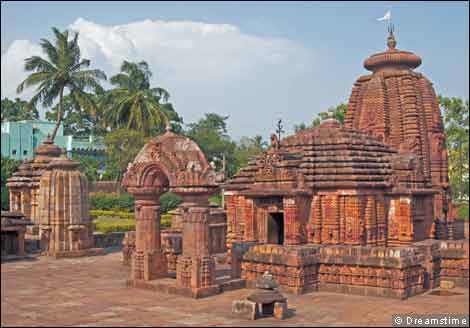 Source: https://bit.ly/2UvvgZP परिचय भारतीय इतिहास का मध्यकाल स्पष्ट रूप से परिभाषित करना कठिन है। इसे भारत के प्राचीन से तुरंत पूर्व-कालिक समय (जो कुछ इतिहासकार भारत के प्रारंभिक आधुनिक युग के रूप में मानते हैं) के संक्रमण के लंबे चरण के रूप में माना जा सकता है। बाद की अवधि स्वाभाविक रूप से 1498 में केप ऑफ गुड होप के आसपास वास्को डी गामा की यात्रा से शुरू होने की कल्पना की जाएगी, या वैकल्पिक रूप से, मुगल साम्राज्य (1526) की स्थापना। उत्तर भारत में नए सिरे से इस्लामिक उन्नति, लगभग 1000 साल बाद और दिल्ली सल्तनत (1206) के उदय की ओर अग्रसर, राजनीतिक और सांस्कृतिक दृष्टि से मध्ययुगीन काल की शुरुआत हो सकती है। कई इतिहासकारों द्वारा "भारतीय सामंतवाद" की विशेषता के बारे में बताया गया है कि यह 1000 के आसपास अपने उच्च स्तर तक पहुंच गया है, जिस समय तक उत्तर भारत के कई हिंदू रियासतों में प्रचलन में आ गया था, शासकों के वंशजों को धर्मनिरपेक्ष वंशानुगत अनुदान बनाने की प्रथा साथ ही उच्च अधिकारियों और जागीरदारों के लिए। ये मंदिरों और पुजारियों के रख-रखाव के लिए दिए गए अनुदानों के अलावा थे जो ईसाई युग के शुरुआती सदियों से जारी थे। सेकुलर ग्रांट बनाने की प्रवृत्ति को विशेष रूप से जेजाकभुक्ति, मालवा के परमारों और अजमेर के चामनलास के बीच चिह्नित किया गया था। इन शर्तों के तहत किसानों, हालांकि भूमि पर अनुदान के वंशानुगत नियंत्रण के परिणामस्वरूप तेजी से अधीन हो रहे थे, अभी भी कम होने से दूर नहीं थे। वे अनिवार्य रूप से छोटे उत्पादक बने रहे जो कृषि उत्पादों की बाजार की मांग में उतार-चढ़ाव के लिए पूरी तरह से प्रतिरक्षा नहीं थे। गुप्त साम्राज्य के पतन के बाद से सिकुड़ रहे शहरी केंद्रों ने भी पुनर्जीवित होना शुरू कर दिया, विशेष रूप से इस समय के आसपास उत्तर पश्चिमी भारत में। विदेशी वाणिज्य का एक सामान्य पुनरुद्धार भी था, जो अरब भूगोलवेत्ताओं द्वारा सत्यापित है और मार्को पोलो के साथ-साथ चोल एपिग्राफ द्वारा प्रबलित है। बदले में इस पुनरुद्धार ने गांजा और चीनी जैसी वस्तुओं के निर्यात को बढ़ावा दिया, जिससे छोटे पैमाने पर उत्पादन को बढ़ावा मिला, जिसमें किसानों द्वारा नकदी फसलों की खेती भी शामिल थी। कुल मिलाकर, 11 वीं शताब्दी की शुरुआत में, भारत के कई हिस्सों में कृषि अर्थव्यवस्था एक ऐसे बिंदु पर पहुंच गई है, जहां भूमि को नियंत्रित करने वाले स्थानीय पोटेंशियल द्वारा विनियोग के लिए काफी सामाजिक अधिशेष उपलब्ध था, जिससे वे अधिक संसाधन और मुखर हो गए। एक नए योद्धा वर्ग का उदय, जो रुतस (रावत) या राजपूत घुड़सवारों द्वारा दर्शाया गया था, इस अवधि के दूरगामी महत्व का विकास था। सातवीं शताब्दी तक, प्राचीन काल के रथों ने उत्तर भारत में हिंदू शासकों के सशस्त्र सेवकों के रूप में नए उठे हुए योद्धा कुलों से संबंधित घुड़सवार सेना को रास्ता देना शुरू कर दिया। अवतल की काठी और एक आदिम लकड़ी के रकाब के उपयोग से इस तरह के विकास को बहुत मदद मिली होगी जिसने एक घुड़सवार योद्धा को एक लांस या तलवार के साथ चार्ज करने में सक्षम बनाया। मौजूदा राज्य प्रणालियों के भीतर राजनीतिक विखंडन और राजनीतिक प्राधिकरण के विकेंद्रीकरण में महत्वपूर्ण योगदान देते हुए, भारत में ग्रामीण समाज में श्रेष्ठ अधिकार धारकों की एक नई परत जोड़ने के लिए रावत घुड़सवारों का रुझान बढ़ा। वे दिल्ली सल्तनत में अक्सर स्क्रीनशॉट्स और मुकद्दम के रूप में जीवित रहते थे, हमें ज़िया'बरानी द्वारा तारिख-ए फ़िरोज़ शाही में चबाने वाली सुपारी और घोड़ों की सवारी के रूप में वर्णित किया गया था। 11 वीं शताब्दी के प्रारंभिक वर्षों में इस्लाम और इस्लाम के बीच नए सिरे से बातचीत भी देखी गई। आठवीं शताब्दी के आरंभ में सिंध और दक्षिणी पंजाब की अरब विजय के बाद से लगभग 275 वर्षों के अंतराल के बाद हिंदू सभ्यताएं। इस नए विस्तार ने भारतीय उपमहाद्वीप के बाद के इस्लामी पैठ के पैटर्न को स्थापित किया। ११ was६ तक पंजाब में गज़नवी अधिकार की प्रकृति स्पष्ट रूप से १३ वीं शताब्दी के दौरान दिल्ली की सल्तनत से बहुत अलग नहीं थी। जैसा कि दिल्ली की सल्तनत के इकतारा तंत्र के मामले में था, एक व्यवस्था जो कृषि अधिशेष के एक बड़े हिस्से को उपयुक्त बनाती थी और एक शहर आधारित युद्ध मशीन के रखरखाव के लिए इसका इस्तेमाल पंजाब के प्रशासन में मिसाल थी और 11 वीं शताब्दी में सिंध ने गजनवीद साम्राज्य पर कब्जा कर लिया। इस व्यवस्था की एक महत्वपूर्ण विशेषता राज्य संरचना में हिंदू वंशानुगत प्रमुखों के एक बड़े निकाय का समावेश था। गजनवीद सुल्तानों ने हिंदू शासकों के क्षेत्रों में छापे के दौरान पकड़े गए सामान्य निवासियों की बड़े पैमाने पर दासता का सहारा लिया, लेकिन उन्होंने हिंदू सैनिकों और कमांडरों को भाड़े के सैनिकों के रूप में भर्ती किया। इसके कारण गजनवी सेना के भीतर सेना, घुड़सवार सेना और घुड़सवार सेना के एक बड़े संगठन का उदय हुआ, जो अपने ही नेताओं (मुकद्दम) द्वारा हिंदू थे। ये हिंदू सैनिक और अन्य राज्य कर्मी गजनी और लाहौर में अपने अलग-अलग क्वार्टरों में रहते थे, जहाँ वे अपने सामाजिक और धार्मिक अनुष्ठानों का खुलकर पालन करते थे। एक मृत हिंदू की विधवा गजनी के निवासी ने एक समकालीन द्वारा सार्वजनिक रूप से सती होने की सूचना दी है। मसूद के सैन्य कमांडर, तिलक ने हिंदू शासकों (रईस) के रिवाज का पालन करते हुए, लाहौर में अपनी हवेली के गेट पर एक केतली ड्रम स्थापित किया। अबू रेहान अलबरूनी द्वारा कनारस (कर्नाटक से आने वाले) के रूप में पहचाने जाने वाले सैनिकों की उपस्थिति से पता चलता है कि ग़ज़नाविद सेना में सभी भारतीय सैन्य कर्मियों को दासता के माध्यम से या उप-संचित शासकों द्वारा योगदान के रूप में शामिल नहीं किया गया था। जाहिर है, भारतीय उपमहाद्वीप के सुदूर क्षेत्रों के कुछ हिंदू योद्धा समूहों को भाड़े के सैनिकों के रूप में भर्ती किया गया था। महमूद द्वारा छापे, हालांकि, उत्पन्न हुआ, जैसा कि अल्बेरुनी ने गवाही दी, भारतीयों के बीच मुस्लिमों के खिलाफ जोरदार नाराजगी है, जो उत्तर-पश्चिमी भारत में उसकी बर्बरता का खामियाजा भुगतना पड़ा। गढ़वाले और चम्मन के कुछ शिलालेखों में "तुर्कशाक डांडा", मुस्लिमों पर एक कर या उनके द्वारा छापे के खिलाफ रक्षा पर खर्च को पूरा करने के लिए संदर्भ, इस धारणा का समर्थन करते हैं। लेकिन 11 वीं और 12 वीं शताब्दी के दौरान हिंदू रियासतों द्वारा नियंत्रित कई क्षेत्रों में मुस्लिम और बस्तियों की मौजूदगी के बारे में पाठ और युगीन साक्ष्य भी बताते हैं, जिससे पता चलता है कि सामान्य मुसलमानों को नुकसान नहीं पहुंचाया गया था। इसी तरह, अल्बेरुनी के मुसलमानों के लिए हिंदू शत्रुता की पुष्टि के बावजूद, वह खुद ब्रह्मणों के साथ अपने नि: शुल्क प्रवचनों को संदर्भित करता है, जो समय के साथ विज्ञान की नई खोजों के बारे में जानने के लिए उत्सुक हो गए थे जो अपनी स्वयं की पुस्तकों से परे चले गए थे। भारतीय विज्ञान और हिंदू मान्यताओं और रीति-रिवाजों का सटीक ज्ञान प्राप्त करने के लिए खुद अलबरूनी ने इस्लाम के विद्वानों की दुनिया में इच्छा का जवाब दिया। उन्होंने इस खोज को एक मजिस्ट्रियल काम, किताब अल-हिंद (अल्बर्टी का भारत, ई। सी। सच्चू द्वारा अनुवादित) में संतुष्ट करने का प्रयास किया। इसी अवधि के दौरान, प्रारंभिक इस्लामी लेखन में संरक्षित खगोल विज्ञान की यूनानी अवधारणाओं को समझने की जिज्ञासा काफी प्रकट हुई। यह न केवल अल्बेरुनी ने ब्राह्मण विद्वानों के बारे में उनके वैज्ञानिक ज्ञान और विश्वासों के बारे में उनकी जिज्ञासाओं के बारे में बताया, बल्कि इस समय के आसपास रचित ताज़िका-नीलाकंठी (अरब ज्योतिष) नामक ज्योतिषीय कार्यों के संस्कृत में प्रकट होने से भी उभरता है। उदाहरण के लिए, गजनवी टंकियों पर संस्कृत की किंवदंती, एक हिंदू दर्शकों के लिए इस्लामी अवधारणाओं की व्याख्या करने के प्रयास को दर्शाती है: वी एस अग्रवाल ने इस संदर्भ में "अल्लाह" शब्द का प्रतिपादन "अविवेक" (अदृश्य एक) के रूप में किया है। "महमूद गजनी के द्विभाषी तंखा पर संस्कृत किंवदंती" में उनका अभिवादन, यह "सुखद प्रतिपादन" गज़नाविद टटलैज के साथ लाए गए हिंदू और मुस्लिम विद्वानों की ओर से "एक दूसरे की दार्शनिक अवधारणाओं की वास्तविक समझ" को दर्शाता है। भारतीय संस्कृति और दर्शन की सहानुभूति की सराहना अमीर खुसरो के लेखन में मुस्लिम पक्ष के साथ-साथ 13 वीं और 14 वीं शताब्दी के कुछ चिश्ती सूफियों की रिकॉर्ड की गई बातचीत में हुई। दिल्ली सल्तनत की स्थापना और समेकन (१२०६-१२३६) सैन्य श्रेष्ठता से जुड़ा हुआ कोई संदेह नहीं था कि घुरिडों ने अपने हिंदू विरोधियों पर आनंद उठाया। उनके पास बेहतर गुणवत्ता वाले मध्य एशियाई युद्ध के लिए आसान पहुंच थी और पहले से ही लोहे के घोड़े की नाल का उपयोग भारत में अभी तक नहीं किया गया था। लोहे के रकाब के उपयोग में उनकी अधिक विशेषज्ञता ने उन्हें अपने विरोधियों के घुड़सवार लांसर्स के खिलाफ अच्छे प्रभाव के लिए घुड़सवार धनुर्धारियों के उपयोग का सहारा लिया। इस प्रारंभिक सैन्य लाभ को एक राज्य संरचना के निर्माण में उनकी सफलता से बढ़ाया गया था जो एक अधिशेष या इकता ‘प्रणाली के काम के माध्यम से अधिशेष का एक बहुत बड़ा हिस्सा निकालता था। दिल्ली सल्तनत की स्थापना से महत्वपूर्ण आर्थिक परिवर्तन हुए। 14 वीं शताब्दी की शुरुआत में एक बहुत बड़े क्षेत्र में इक्टा the प्रणाली और कर-किराए (उत्पादन के आधे मूल्य पर सेट) के साथ मिलकर एक नकदी सांठगांठ का विकास शायद इन परिवर्तनों के सबसे महत्वपूर्ण का प्रतिनिधित्व करता था। बदले में, आंतरिक व्यापार का काफी विस्तार हुआ, जिससे शहरों में खाद्यान्न और अन्य कृषि उत्पादों का निर्माण हुआ और शहरी विकास के नए क्षेत्र में एक साथ आगे बढ़ा। इस अवधि के संख्यात्मक प्रमाणों से यह भी पता चलता है कि ब्रिक्स वाणिज्य की व्यापकता, विदेशी व्यापार में भारत के अनुकूल संतुलन से बड़ी मात्रा में सोने और चांदी की आमद होती है। वाणिज्य के विस्तार और शहरी विकास के साथ दोनों को आंशिक रूप से नए तकनीकी उपकरणों और पेपरमेकिंग, कताई व्हील, सेरीकल्चर और विदेशों से शुरू की गई शराब आसवन जैसे कौशल के आधार पर शिल्प की शुरुआत की सुविधा थी। नया आर्किट (आर्क का उपयोग करना) बिल्डिंग तकनीक ने न केवल निर्माण गतिविधि को तेज किया, बल्कि ईंट बनाने और चूने के मोर्टार के निर्माण के सहायक शिल्प को भी जन्म दिया। इस नई निर्माण तकनीक ने असम, उड़ीसा और प्रायद्वीपीय भारत के बाहर अधिकांश स्थानों पर शहरी बस्तियों के वास्तुशिल्प दृश्य को बदल दिया। जाहिर है, बल का उपयोग कुछ-वास्तव में, कई उदाहरणों में आवश्यक था। नए शिल्पों में दास श्रम लगाया जा सकता था। युद्ध और प्राकृतिक आपदाओं के समय में बड़े पैमाने पर दासता ने दिल्ली में एक तेज दास बाजार को जन्म दिया। दिल्ली के सुल्तान, उनके अरब और ग़ज़नाविद पूर्ववर्ती सिंध और पंजाब के पूर्वजों की तरह, विजित प्रदेशों के हिंदुओं को ज़िमिस के रूप में मानते थे, जो इस्लामी राजनीतिक सिद्धांत के अनुसार, जीज़िया, एक पोल के भुगतान पर संरक्षित लोगों की स्थिति का आनंद लेंगे। कर। उसी समय, मुख्य रूप से हिंदू ग्रामीण क्षेत्र खिराज-ओ-जजिया (श्रद्धांजलि और प्रदत्त कर) से प्राप्त भू-राजस्व को बुलाकर विशाल हिंदू आबादी से जजिया की गणना करने और उसे साकार करने का असंभव कार्य किया गया था। 14 वीं शताब्दी के मध्य तक, किसी भी सुल्तान ने कस्बों के बाहर जजिया लगाने की कोशिश नहीं की। फ़िरोज़ शाह तुगलक (1351–1388) ने ब्राह्मणों सहित सभी हिंदुओं पर चुनाव कर के रूप में जज़िया लगाने की कोशिश की, इसके बाद उन्हें छूट मिली और इसके कारण दिल्ली के हिंदुओं ने कड़ा विरोध किया। सभी संभावनाओं में, यह उपाय फिरोज शाह के जीवनकाल में ही शुरू हो गया। इसके बाद, दिल्ली सल्तनत या उत्तराधिकारी राज्यों में से किसी में भी जजिया ठीक से नहीं लगाया गया था। दिल्ली के सुल्तान, उनमें से कुछ की धार्मिक कट्टरता के बावजूद, आमतौर पर सुल्तानों द्वारा नियंत्रित कस्बों और इलाकों में हिंदू संस्कारों के सार्वजनिक प्रदर्शन के लिए काफी सहिष्णु होने के लिए बाध्य थे, जिसमें राजधानी दिल्ली भी शामिल थी। सुल्तान जलाल अल-दीन फ़िरोज़ ख़लजी (1290–1296) को ज़िया 'बरानी ने तराईख-ए-फ़िरोज़ शाही में उद्धृत किया है, जिसमें शिकायत है कि हिंदू पुरुषों और महिलाओं की भीड़ रोज़ाना उनके महल की दीवारों के नीचे से गुज़रती है, "ढोल पीट रहे हैं और उड़ा रहे हैं" जमुना के लिए आगे बढ़ते हुए उनके तुरहियां, जहाँ वे मूर्तियों की पूजा करते हैं और कुफ्र (बेवफाई) के कार्य करते हैं, “बिना उनकी जाँच के उन्हें सक्षम नहीं किया गया। बरनी ने स्वयं वर्णन किया है कि 13 वीं शताब्दी में, दिल्ली के हिंदू मुल्तानियों और शाहों ने कितना संचय किया था दिल्ली के रईसों को उधार देकर धन, उनके कार्यों पर ड्राफ्ट के खिलाफ सल्तनत। इन समृद्ध हिंदुओं ने भी अपने लिए सुल्तानों द्वारा नियंत्रित क्षेत्र में बड़ी संख्या में नए मंदिरों का निर्माण किया था। फिरोज शाह तुगलक (1351–1388) ने इन मंदिरों में से कुछ को इस आधार पर हटाने की मांग की कि ये अधिकारियों की औपचारिक अनुमति के बिना बनाए गए थे। 13 वीं शताब्दी के अंत तक, दिल्ली सल्तनत में सैन्य अधिकारियों के शीर्ष क्रस्ट, शुरू में सुल्तान के तुर्की दासों और मुक्त ताजिक (फारसी बोलने वाले) अधिकारियों के वर्चस्व में शामिल थे, जिनमें शामिल हैं - घुरिद अभिजात वर्ग की संख्या के अलावा- ऐसे जातीय समूहों से संबंधित पुरुष, जैसे कि खलजिस, कुरुनास (मंगोलों के अधीन सेवारत तुर्क), और इससे भी महत्वपूर्ण बात यह है कि भारतीय इस्लाम में परिवर्तित हो गए। इन भारतीय धर्मान्तरित लोगों को अन्य लोगों द्वारा अपस्टार्ट और घुसपैठियों के रूप में देखा गया। 1253 तक, भारतीय मुसलमान एक ऐसा स्थान प्राप्त करने के लिए आए थे, जहां उनके प्रमुख प्रतिनिधियों में से एक, 'इमाद अल-दीन रेहान, आउटमैन्यूएवर में कामयाब रहे, एक संक्षिप्त अंतराल के लिए, दास नासिर अल-दीन महमूद शाह (1246) के दरबार में रईस थे। -1266)। खलजी और तुगलक सुल्तानों के अधीन, भारतीय अभी भी कुलीनता में अधिक दिखाई देते थे। 1356 के आसपास लिखते हुए, ज़िया'बरानी विभिन्न मेनिअल जातियों (बैग्बन / माली, खम्मार / डिस्टिलर, माली / माली, नड्डा / कपास-ड्रेसर, आदि) से संबंधित के रूप में उनमें से कई का जिक्र करके अपनी नाराजगी को हवा देता है। हिंदू और मुसलमान दोनों होने के नाते। कुलीनता में कई हिंदुओं को शामिल करना, जाहिरा तौर पर, हिंदू गार्डों (पाइक्स) द्वारा प्राप्त किए गए बंद से बह गया, जिसका विशेष कार्य सुल्तान के व्यक्ति की रक्षा करना था। 1301 में सिंहासन पर कब्जा करने के लिए 'अला अल-दीन खिलजी के भतीजों में से एक द्वारा पाइक्स के शीघ्र हस्तक्षेप ने हत्या के प्रयास को रोका था। यह फिर से परवारी योद्धा कबीले (उनमें से कई हिंदू) से संबंधित पाइक के कमांडरों के समर्थन के साथ था। 1320 में कुतुब अल-दीन मुबारक शाह खलजी की हत्या करने के बाद, कई महीनों तक खुसरु खान ने सुल्तान के रूप में शासन किया। भूमि राजस्व का प्रबंधन करने वाले फाइनेंसरों की श्रेणी के हिंदू अधिकारी मोहम्मद बिन तुगलक (1325-1351) के अधीन प्रमुख हो गए। उनमें से कुछ, जैसे कि 1340 में गुलबर्गा के उत्परिवर्ती (ऑडिटर) भीरन राय, मुहम्मद बिन तुगलक का विरोध करने वाले असंतुष्ट रईसों का निशाना बन गए। बड़प्पन की संरचना में परिवर्तन विभिन्न स्तरों पर दिल्ली सल्तनत की सत्ता संरचना के भीतर हिंदू स्थानीय प्रमुखों के साथ संघर्ष और आवास की प्रक्रिया के साथ हुए थे। इब्न बतूता (१३३३-१३४४) द्वारा चौधरी के रूप में पहचाने जाने वाले ग्रामीण मध्यस्थों की एक नई परत का निर्माण, जिनमें से प्रत्येक ने १०० गांवों के नाममात्र समूह पर अधिकार क्षेत्र का प्रयोग किया, इस प्रक्रिया में एक चरण को चिह्नित करने के लिए लिया जा सकता है। चौधरी, राजस्व-मुक्त भूमि अनुदानों के माध्यम से पारिश्रमिक, न केवल दिल्ली सल्तनत में बल्कि मुगल साम्राज्य में भी ग्रामीण इलाकों के राजकोषीय प्रशासन का एक हिस्सा रहा। हिंदुओं के साथ कठोर व्यवहार करने वाले सुल्तान के रूप में उनकी प्रतिष्ठा के विपरीत, फिरोज शाह तुगलक (1351–1388) ने वंशानुगत प्रमुखों के लिए अभूतपूर्व रियायतें दीं, जो ज्यादातर हिंदू थे। बंगाल (1354) के मार्च की पूर्व संध्या पर अपनी उद्घोषणा में, फिरोज शाह ने क्षेत्र के स्थानीय प्रमुखों को "कोसी से परे" (इंशा-ए-माहरू में 'ऐन अल-दीन-अब्दु-लाह बिन महरू) द्वारा एक आश्वासन दिया ) कि चालू वर्ष के लिए राजस्व की मांग को हटा दिया जाएगा। उन्होंने यह भी कहा कि बोझ वाले करों को कम करने और बस्ती से चिपके रहने का वादा किया, जो संभवतः बंगाल के तत्कालीन शासक हाजी इलियास शम्स अल-दीन भांकरा द्वारा बनाया गया था। (1341-1358)। आंशिक रूप से इस जानकारी को पुष्ट करते हुए, बरनी मुहम्मद बिन तुगलक के शासनकाल (1325-1351) के दौरान कई वर्षों तक विद्रोह करने वाले प्रमुखों के सामंजस्य के संकेत भी देते हैं। 14 वीं और 15 वीं शताब्दियों के दौरान, फारसी लेखन में नई साहित्यिक प्रवृत्तियाँ भारत में और साथ ही संस्कृत सहित भारतीय भाषाओं में भी पैदा हुईं, जो अक्सर एक अलग सांस्कृतिक और राजनीतिक इकाई के रूप में भारत की गहन जागरूकता को दर्शाती हैं जिसमें इस्लामी उपस्थिति के साथ पहचाने जाने वाले तत्व शामिल हैं। स्वीकार्य घटक के रूप में माना जाता है। अमीर ख़ुसरू के नू-सिपिह्र (नाइन हैवेंस) में लंबे देशभक्तिपूर्ण मार्ग इस प्रवृत्ति का सबसे महत्वपूर्ण उदाहरण हैं। पुरुषार्थ-परिक्षा (विद्या की परीक्षा; १४१२-१४१६) में विद्यापति ठाकुर द्वारा उजागर किए गए शिष्टाचार और सामाजिक शुद्धता के मानदंड ने शासक-वर्ग की संस्कृति को धार्मिक विद्वेष से मुक्त करने का अनुमान लगाया। विद्यापति द्वारा सुनाई गई कहानियों में से एक में, मुहम्मद बिन तुगलक की सेवा में दो राजपूत योद्धाओं के वीरतापूर्ण कारनामे पराजित होने के लिए समाप्त हो जाते हैं और एक मंगोल प्रमुख को कपारा (काफिर, काफिर) कहा जाता है। इसी अवधि में भारतीय मुसलमानों में सूफी मतों का प्रसार भी देखा गया; उनमें से सबसे प्रभावशाली चिश्ती सूफियों की शिक्षा थी। जैसा कि निजाम अल-दीन औलिया द्वारा अपने शिष्य हसन सिजजी द्वारा दर्ज की गई बातचीत से पता चला है, ये सिद्धांत न केवल अपरंपरागत दृष्टिकोण और प्रथाओं के लिए अधिक सहिष्णुता की ओर झुक गए हैं, बल्कि हिंदू योगियों की कुछ मान्यताओं और प्रथाओं के चिश्िसिसपिपरेशन की भी बात की है। बार बार। जैसा कि मुहम्मद हबीब ने शुरुआती मध्यकाल के दौरान राजनीति और समाज में विरोध किया था, "गैरसुमशीलों को परिवर्तित करना चिश्ती सूफियों के मिशन का हिस्सा नहीं था"; यह दावा करते हुए कि विशेष मुस्लिम समुदायों को शुरुआती चिश्ती संतों द्वारा परिवर्तित किया गया था, उनके अनुसार, बाद के आविष्कार हैं। हालांकि, चिश्ती शिक्षाओं के प्रभाव ने उपमहाद्वीप के प्रमुख हिस्से में लोकप्रिय इस्लामी मान्यताओं और प्रथाओं को ढालने में महत्वपूर्ण योगदान दिया। उसी अवधि के दौरान ब्राह्मणवादी हिंदू धर्म के भीतर भक्ति का उदय एक समानांतर विकास था जिसने धार्मिक सिद्धांतों के टकराव को कुंद करने में योगदान दिया। इस प्रक्रिया को 15 वीं और 16 वीं शताब्दी के दौरान कबीर, नानक और अन्य लोगों के साथ पहचाने जाने वाले गैरधर्मी निर्गुण भक्ति पंथ के उद्भव द्वारा और मजबूत किया गया। 14 वीं शताब्दी के अंत तक, दिल्ली सल्तनत हिंदुओं और मुसलमानों के बीच सौहार्दपूर्ण संबंधों के लिए एक प्रतिष्ठा हासिल करने के लिए आई थी, ताकि तैमूर के जीर्णाहार शरीफ अल-दीन 'अली यज़्दी, को उनके तिमुर का विरोध करने वाले मुसलमानों का वर्णन करने के लिए प्रेरित किया गया। अभियान (१३ ९,), "हिंदुओं," "वफादार लोगों", "विश्वासहीन हिंदुओं," पाखंडियों "के रूप में। इस तरह के मुसलमानों के नरसंहार को कथित तौर पर हिंदुओं के साथ संबंध के कारण उचित ठहराया गया था। 15 वीं शताब्दी के दौरान, दिल्ली सल्तनत को सफल बनाने वाले राज्यों द्वारा नियंत्रित अधिकांश क्षेत्रों में स्थिति बहुत भिन्न नहीं थी। 14 वीं और 15 वीं शताब्दियों का एक महत्वपूर्ण विकास, निश्चित रूप से, क्षेत्रीय हिंदू शक्तियों का उदय था, जैसे मेवाड़ के सिसोदिया, उड़ीसा के गजपति और विजयनगर साम्राज्य, जो अक्सर क्षेत्रीय विवादों पर अपने मुस्लिम पड़ोसियों के साथ लड़ते थे, जो वर्चस्व के लिए हिंदू और मुस्लिम शक्तियों के बीच चल रहे संघर्ष की गलत धारणा बनाने के लिए। 16 वीं शताब्दी की पहली तिमाही तक मेवाड़ के गुजरात और मालवा के सल्तनत के साथ संघर्ष की पुनरावृत्ति हुई। बहमनियों और विजयनगर के बीच युद्ध की एक निरंतर स्थिति, जो स्पष्ट रूप से रायचूर दोआब पर उनकी परस्पर विरोधी महत्वाकांक्षाओं में निहित थी, उस अवधि का एक और संघर्ष था, जिसके दौरान दोनों पक्षों में बहुत अधिक धार्मिक कट्टरता प्रदर्शित की गई थी। 15 वीं शताब्दी के अंतरराज्यीय संघर्षों में धार्मिक विभाजन का तत्व अक्सर एक सतही बात थी जो मेवाड़ के राणा कुंभा ने अपने एक शिलालेख में दावा किया था कि वह एक "हिंदू सुल्तान" (हिंदू सुराट्राना) था और उसका नाम था अपने विक्ट्री टॉवर की ऊपरी परतों पर अरबी अक्षरों में अल्लाह। विजयनगर सम्राटों ने लंबे समय तक "हिंदू रानियों के ऊपर सुल्तान" (हिंदू रा सुरताण) शीर्षक का इस्तेमाल किया और मुस्लिम घुड़सवारों की एक बड़ी टुकड़ी को अपने रोजगार में भी रखा, जिन्हें उनके धार्मिक संस्कार करने के लिए सभी सुविधाएं प्रदान की गईं। उनके हिस्से पर बहमनियों ने अपने शासक तंत्र हिंदू प्रमुखों को शामिल किया। दरअसल, उन्होंने अपनी केंद्र सरकार में दक्षिण भारतीय ब्राह्मणों को इस तरह से बढ़ावा दिया कि इसने एक परंपरा को जन्म दिया कि राजवंश के संस्थापक मूल रूप से एक हिंदू थे और एक ब्राह्मण द्वारा प्रशिक्षित थे। 15 वीं शताब्दी के अन्य उत्तराधिकारी राज्यों में भी, विभिन्न स्तरों पर राज्य के ढांचे में हिंदू स्थानीय प्रमुखों को समायोजित करने की प्रवृत्ति और उनकी बढ़ती शक्ति और प्रभाव 14 वीं शताब्दी के दौरान दिल्ली की सल्तनत में प्रकट हुए थे। शारकी शासन के लिए मजबूत जमींदार समर्थन को 1489 में जौनपुर के लोदी अधिग्रहण के लिए गंगा के मैदान के स्थानीय प्रमुखों द्वारा पेश किए गए व्यापक प्रतिरोध द्वारा इंगित किया गया था। अंत में इनमें से कई प्रमुखों को लोदी सेवा में समायोजित किया जाना था। मालवा के महमूद खलजी (1518) के तहत मेदिनी राय के नेतृत्व में पुरबिया राजपूत सैनिकों और उनके कप्तानों द्वारा निभाई जाने वाली प्रमुख भूमिका, प्रसिद्ध है। बंगाल में इलियास शाहिस के तहत कुछ हिंदू प्रमुखों द्वारा अधिकार, जिसके परिणामस्वरूप उनमें से एक राजा गणेश (1415-1418) ने सत्ता पर कब्जा कर लिया, फिर से एक समान स्थिति की ओर इशारा करता है। रुशब्रुक विलियम्स ने निश्चित रूप से इस स्थिति को गलत बताया है जब उन्होंने सुझाव दिया कि 16 वीं शताब्दी की शुरुआत में, भारत में हिंदू और मुस्लिम शक्तियों को एक दूसरे के खिलाफ अंतिम प्रदर्शन के लिए तैयार किया गया था। सोलहवीं शताब्दी के एक एंपायर बिल्डर में उनके अनुसार, "मेवाड़ के नेतृत्व में राजपूत संघ उस साम्राज्य को जब्त करने के लिए लगभग तैयार था, जो अपनी मुट्ठी में था।" जैसा कि चर्चा है, 15 वीं सदी का भारत क्षेत्रीय शक्तियों का नहीं बल्कि पच्चीकारी था। उनमें से कई हिंदू योद्धा कुलों द्वारा शासित थे। इन शक्तियों में से प्रत्येक ने खुद को नियंत्रित करने वाले क्षेत्र में दिल्ली सल्तनत के उत्तराधिकारी की कल्पना की और सत्ताधारी गुटों द्वारा प्रतिनिधित्व किए गए लोगों के अलावा इसकी संरचना सांस्कृतिक और धार्मिक समूहों के भीतर समायोजित करने की प्रवृत्ति थी। यह इस स्थिति का लक्षण था कि 1527 में राणा साँगा की कमान के तहत कनवा में धार्मिक विभाजन में भारतीय शक्तियों में कटौती करने वाली भारतीय शक्तियों का एक गठबंधन बाबर के खिलाफ कण्वा से लड़ने वाले 100,000 सैनिकों की कुल ताकत में से, यह याद रखना चाहिए, मुसलमानों की संख्या 22,000 (12,000 मेवाती, और 10,000 अफगान) रखी गई थी। |
| json metadata | {"tags":["education","history","medieval","india"],"image":["https://cdn.steemitimages.com/DQmX9LPxGx9RnMoRPjevsmbwumAxobsDBhW6gfaGgTPW6MW/ee580e52-2296-11df-8942-00144feab49a.jpg"],"links":["https://bit.ly/2UvvgZP"],"app":"steemit/0.1","format":"markdown"} |
| Transaction Info | Block #36583368/Trx 352586c2d7d75253b5f4a9700b5d63bcbf501033 |
View Raw JSON Data
{
"trx_id": "352586c2d7d75253b5f4a9700b5d63bcbf501033",
"block": 36583368,
"trx_in_block": 0,
"op_in_trx": 0,
"virtual_op": 0,
"timestamp": "2019-09-20T09:46:06",
"op": [
"comment",
{
"parent_author": "",
"parent_permlink": "education",
"author": "rnandi28",
"permlink": "2wnc9e",
"title": "भारतीय इतिहास की मध्यकाल अवधि का परिचय",
"body": "\nSource: https://bit.ly/2UvvgZP\n\nपरिचय\n\nभारतीय इतिहास का मध्यकाल स्पष्ट रूप से परिभाषित करना कठिन है। इसे भारत के प्राचीन से तुरंत पूर्व-कालिक समय (जो कुछ इतिहासकार भारत के प्रारंभिक आधुनिक युग के रूप में मानते हैं) के संक्रमण के लंबे चरण के रूप में माना जा सकता है। बाद की अवधि स्वाभाविक रूप से 1498 में केप ऑफ गुड होप के आसपास वास्को डी गामा की यात्रा से शुरू होने की कल्पना की जाएगी, या वैकल्पिक रूप से, मुगल साम्राज्य (1526) की स्थापना। उत्तर भारत में नए सिरे से इस्लामिक उन्नति, लगभग 1000 साल बाद और दिल्ली सल्तनत (1206) के उदय की ओर अग्रसर, राजनीतिक और सांस्कृतिक दृष्टि से मध्ययुगीन काल की शुरुआत हो सकती है। कई इतिहासकारों द्वारा \"भारतीय सामंतवाद\" की विशेषता के बारे में बताया गया है कि यह 1000 के आसपास अपने उच्च स्तर तक पहुंच गया है, जिस समय तक उत्तर भारत के कई हिंदू रियासतों में प्रचलन में आ गया था, शासकों के वंशजों को धर्मनिरपेक्ष वंशानुगत अनुदान बनाने की प्रथा साथ ही उच्च अधिकारियों और जागीरदारों के लिए। ये मंदिरों और पुजारियों के रख-रखाव के लिए दिए गए अनुदानों के अलावा थे जो ईसाई युग के शुरुआती सदियों से जारी थे। सेकुलर ग्रांट बनाने की प्रवृत्ति को विशेष रूप से जेजाकभुक्ति, मालवा के परमारों और अजमेर के चामनलास के बीच चिह्नित किया गया था। इन शर्तों के तहत किसानों, हालांकि भूमि पर अनुदान के वंशानुगत नियंत्रण के परिणामस्वरूप तेजी से अधीन हो रहे थे, अभी भी कम होने से दूर नहीं थे। वे अनिवार्य रूप से छोटे उत्पादक बने रहे जो कृषि उत्पादों की बाजार की मांग में उतार-चढ़ाव के लिए पूरी तरह से प्रतिरक्षा नहीं थे। गुप्त साम्राज्य के पतन के बाद से सिकुड़ रहे शहरी केंद्रों ने भी पुनर्जीवित होना शुरू कर दिया, विशेष रूप से इस समय के आसपास उत्तर पश्चिमी भारत में। विदेशी वाणिज्य का एक सामान्य पुनरुद्धार भी था, जो अरब भूगोलवेत्ताओं द्वारा सत्यापित है और मार्को पोलो के साथ-साथ चोल एपिग्राफ द्वारा प्रबलित है। बदले में इस पुनरुद्धार ने गांजा और चीनी जैसी वस्तुओं के निर्यात को बढ़ावा दिया, जिससे छोटे पैमाने पर उत्पादन को बढ़ावा मिला, जिसमें किसानों द्वारा नकदी फसलों की खेती भी शामिल थी। कुल मिलाकर, 11 वीं शताब्दी की शुरुआत में, भारत के कई हिस्सों में कृषि अर्थव्यवस्था एक ऐसे बिंदु पर पहुंच गई है, जहां भूमि को नियंत्रित करने वाले स्थानीय पोटेंशियल द्वारा विनियोग के लिए काफी सामाजिक अधिशेष उपलब्ध था, जिससे वे अधिक संसाधन और मुखर हो गए। एक नए योद्धा वर्ग का उदय, जो रुतस (रावत) या राजपूत घुड़सवारों द्वारा दर्शाया गया था, इस अवधि के दूरगामी महत्व का विकास था। सातवीं शताब्दी तक, प्राचीन काल के रथों ने उत्तर भारत में हिंदू शासकों के सशस्त्र सेवकों के रूप में नए उठे हुए योद्धा कुलों से संबंधित घुड़सवार सेना को रास्ता देना शुरू कर दिया। अवतल की काठी और एक आदिम लकड़ी के रकाब के उपयोग से इस तरह के विकास को बहुत मदद मिली होगी जिसने एक घुड़सवार योद्धा को एक लांस या तलवार के साथ चार्ज करने में सक्षम बनाया। मौजूदा राज्य प्रणालियों के भीतर राजनीतिक विखंडन और राजनीतिक प्राधिकरण के विकेंद्रीकरण में महत्वपूर्ण योगदान देते हुए, भारत में ग्रामीण समाज में श्रेष्ठ अधिकार धारकों की एक नई परत जोड़ने के लिए रावत घुड़सवारों का रुझान बढ़ा। वे दिल्ली सल्तनत में अक्सर स्क्रीनशॉट्स और मुकद्दम के रूप में जीवित रहते थे, हमें ज़िया'बरानी द्वारा तारिख-ए फ़िरोज़ शाही में चबाने वाली सुपारी और घोड़ों की सवारी के रूप में वर्णित किया गया था। 11 वीं शताब्दी के प्रारंभिक वर्षों में इस्लाम और इस्लाम के बीच नए सिरे से बातचीत भी देखी गई। आठवीं शताब्दी के आरंभ में सिंध और दक्षिणी पंजाब की अरब विजय के बाद से लगभग 275 वर्षों के अंतराल के बाद हिंदू सभ्यताएं। इस नए विस्तार ने भारतीय उपमहाद्वीप के बाद के इस्लामी पैठ के पैटर्न को स्थापित किया। ११ was६ तक पंजाब में गज़नवी अधिकार की प्रकृति स्पष्ट रूप से १३ वीं शताब्दी के दौरान दिल्ली की सल्तनत से बहुत अलग नहीं थी। जैसा कि दिल्ली की सल्तनत के इकतारा तंत्र के मामले में था, एक व्यवस्था जो कृषि अधिशेष के एक बड़े हिस्से को उपयुक्त बनाती थी और एक शहर आधारित युद्ध मशीन के रखरखाव के लिए इसका इस्तेमाल पंजाब के प्रशासन में मिसाल थी और 11 वीं शताब्दी में सिंध ने गजनवीद साम्राज्य पर कब्जा कर लिया। इस व्यवस्था की एक महत्वपूर्ण विशेषता राज्य संरचना में हिंदू वंशानुगत प्रमुखों के एक बड़े निकाय का समावेश था। गजनवीद सुल्तानों ने हिंदू शासकों के क्षेत्रों में छापे के दौरान पकड़े गए सामान्य निवासियों की बड़े पैमाने पर दासता का सहारा लिया, लेकिन उन्होंने हिंदू सैनिकों और कमांडरों को भाड़े के सैनिकों के रूप में भर्ती किया।\n\nइसके कारण गजनवी सेना के भीतर सेना, घुड़सवार सेना और घुड़सवार सेना के एक बड़े संगठन का उदय हुआ, जो अपने ही नेताओं (मुकद्दम) द्वारा हिंदू थे। ये हिंदू सैनिक और अन्य राज्य कर्मी गजनी और लाहौर में अपने अलग-अलग क्वार्टरों में रहते थे, जहाँ वे अपने सामाजिक और धार्मिक अनुष्ठानों का खुलकर पालन करते थे। एक मृत हिंदू की विधवा गजनी के निवासी ने एक समकालीन द्वारा सार्वजनिक रूप से सती होने की सूचना दी है। मसूद के सैन्य कमांडर, तिलक ने हिंदू शासकों (रईस) के रिवाज का पालन करते हुए, लाहौर में अपनी हवेली के गेट पर एक केतली ड्रम स्थापित किया। अबू रेहान अलबरूनी द्वारा कनारस (कर्नाटक से आने वाले) के रूप में पहचाने जाने वाले सैनिकों की उपस्थिति से पता चलता है कि ग़ज़नाविद सेना में सभी भारतीय सैन्य कर्मियों को दासता के माध्यम से या उप-संचित शासकों द्वारा योगदान के रूप में शामिल नहीं किया गया था। जाहिर है, भारतीय उपमहाद्वीप के सुदूर क्षेत्रों के कुछ हिंदू योद्धा समूहों को भाड़े के सैनिकों के रूप में भर्ती किया गया था। महमूद द्वारा छापे, हालांकि, उत्पन्न हुआ, जैसा कि अल्बेरुनी ने गवाही दी, भारतीयों के बीच मुस्लिमों के खिलाफ जोरदार नाराजगी है, जो उत्तर-पश्चिमी भारत में उसकी बर्बरता का खामियाजा भुगतना पड़ा। गढ़वाले और चम्मन के कुछ शिलालेखों में \"तुर्कशाक डांडा\", मुस्लिमों पर एक कर या उनके द्वारा छापे के खिलाफ रक्षा पर खर्च को पूरा करने के लिए संदर्भ, इस धारणा का समर्थन करते हैं। लेकिन 11 वीं और 12 वीं शताब्दी के दौरान हिंदू रियासतों द्वारा नियंत्रित कई क्षेत्रों में मुस्लिम और बस्तियों की मौजूदगी के बारे में पाठ और युगीन साक्ष्य भी बताते हैं, जिससे पता चलता है कि सामान्य मुसलमानों को नुकसान नहीं पहुंचाया गया था। इसी तरह, अल्बेरुनी के मुसलमानों के लिए हिंदू शत्रुता की पुष्टि के बावजूद, वह खुद ब्रह्मणों के साथ अपने नि: शुल्क प्रवचनों को संदर्भित करता है, जो समय के साथ विज्ञान की नई खोजों के बारे में जानने के लिए उत्सुक हो गए थे जो अपनी स्वयं की पुस्तकों से परे चले गए थे। भारतीय विज्ञान और हिंदू मान्यताओं और रीति-रिवाजों का सटीक ज्ञान प्राप्त करने के लिए खुद अलबरूनी ने इस्लाम के विद्वानों की दुनिया में इच्छा का जवाब दिया। उन्होंने इस खोज को एक मजिस्ट्रियल काम, किताब अल-हिंद (अल्बर्टी का भारत, ई। सी। सच्चू द्वारा अनुवादित) में संतुष्ट करने का प्रयास किया। इसी अवधि के दौरान, प्रारंभिक इस्लामी लेखन में संरक्षित खगोल विज्ञान की यूनानी अवधारणाओं को समझने की जिज्ञासा काफी प्रकट हुई। यह न केवल अल्बेरुनी ने ब्राह्मण विद्वानों के बारे में उनके वैज्ञानिक ज्ञान और विश्वासों के बारे में उनकी जिज्ञासाओं के बारे में बताया, बल्कि इस समय के आसपास रचित ताज़िका-नीलाकंठी (अरब ज्योतिष) नामक ज्योतिषीय कार्यों के संस्कृत में प्रकट होने से भी उभरता है। उदाहरण के लिए, गजनवी टंकियों पर संस्कृत की किंवदंती, एक हिंदू दर्शकों के लिए इस्लामी अवधारणाओं की व्याख्या करने के प्रयास को दर्शाती है: वी एस अग्रवाल ने इस संदर्भ में \"अल्लाह\" शब्द का प्रतिपादन \"अविवेक\" (अदृश्य एक) के रूप में किया है। \"महमूद गजनी के द्विभाषी तंखा पर संस्कृत किंवदंती\" में उनका अभिवादन, यह \"सुखद प्रतिपादन\" गज़नाविद टटलैज के साथ लाए गए हिंदू और मुस्लिम विद्वानों की ओर से \"एक दूसरे की दार्शनिक अवधारणाओं की वास्तविक समझ\" को दर्शाता है। भारतीय संस्कृति और दर्शन की सहानुभूति की सराहना अमीर खुसरो के लेखन में मुस्लिम पक्ष के साथ-साथ 13 वीं और 14 वीं शताब्दी के कुछ चिश्ती सूफियों की रिकॉर्ड की गई बातचीत में हुई। दिल्ली सल्तनत की स्थापना और समेकन (१२०६-१२३६) सैन्य श्रेष्ठता से जुड़ा हुआ कोई संदेह नहीं था कि घुरिडों ने अपने हिंदू विरोधियों पर आनंद उठाया। उनके पास बेहतर गुणवत्ता वाले मध्य एशियाई युद्ध के लिए आसान पहुंच थी और पहले से ही लोहे के घोड़े की नाल का उपयोग भारत में अभी तक नहीं किया गया था। लोहे के रकाब के उपयोग में उनकी अधिक विशेषज्ञता ने उन्हें अपने विरोधियों के घुड़सवार लांसर्स के खिलाफ अच्छे प्रभाव के लिए घुड़सवार धनुर्धारियों के उपयोग का सहारा लिया। इस प्रारंभिक सैन्य लाभ को एक राज्य संरचना के निर्माण में उनकी सफलता से बढ़ाया गया था जो एक अधिशेष या इकता ‘प्रणाली के काम के माध्यम से अधिशेष का एक बहुत बड़ा हिस्सा निकालता था। दिल्ली सल्तनत की स्थापना से महत्वपूर्ण आर्थिक परिवर्तन हुए। 14 वीं शताब्दी की शुरुआत में एक बहुत बड़े क्षेत्र में इक्टा the प्रणाली और कर-किराए (उत्पादन के आधे मूल्य पर सेट) के साथ मिलकर एक नकदी सांठगांठ का विकास शायद इन परिवर्तनों के सबसे महत्वपूर्ण का प्रतिनिधित्व करता था। बदले में, आंतरिक व्यापार का काफी विस्तार हुआ, जिससे शहरों में खाद्यान्न और अन्य कृषि उत्पादों का निर्माण हुआ और शहरी विकास के नए क्षेत्र में एक साथ आगे बढ़ा। इस अवधि के संख्यात्मक प्रमाणों से यह भी पता चलता है कि ब्रिक्स वाणिज्य की व्यापकता, विदेशी व्यापार में भारत के अनुकूल संतुलन से बड़ी मात्रा में सोने और चांदी की आमद होती है। वाणिज्य के विस्तार और शहरी विकास के साथ दोनों को आंशिक रूप से नए तकनीकी उपकरणों और पेपरमेकिंग, कताई व्हील, सेरीकल्चर और विदेशों से शुरू की गई शराब आसवन जैसे कौशल के आधार पर शिल्प की शुरुआत की सुविधा थी। नया आर्किट (आर्क का उपयोग करना) बिल्डिंग तकनीक ने न केवल निर्माण गतिविधि को तेज किया, बल्कि ईंट बनाने और चूने के मोर्टार के निर्माण के सहायक शिल्प को भी जन्म दिया। इस नई निर्माण तकनीक ने असम, उड़ीसा और प्रायद्वीपीय भारत के बाहर अधिकांश स्थानों पर शहरी बस्तियों के वास्तुशिल्प दृश्य को बदल दिया। जाहिर है, बल का उपयोग कुछ-वास्तव में, कई उदाहरणों में आवश्यक था। नए शिल्पों में दास श्रम लगाया जा सकता था। युद्ध और प्राकृतिक आपदाओं के समय में बड़े पैमाने पर दासता ने दिल्ली में एक तेज दास बाजार को जन्म दिया। दिल्ली के सुल्तान, उनके अरब और ग़ज़नाविद पूर्ववर्ती सिंध और पंजाब के पूर्वजों की तरह, विजित प्रदेशों के हिंदुओं को ज़िमिस के रूप में मानते थे, जो इस्लामी राजनीतिक सिद्धांत के अनुसार, जीज़िया, एक पोल के भुगतान पर संरक्षित लोगों की स्थिति का आनंद लेंगे। कर। उसी समय, मुख्य रूप से हिंदू ग्रामीण क्षेत्र खिराज-ओ-जजिया (श्रद्धांजलि और प्रदत्त कर) से प्राप्त भू-राजस्व को बुलाकर विशाल हिंदू आबादी से जजिया की गणना करने और उसे साकार करने का असंभव कार्य किया गया था। 14 वीं शताब्दी के मध्य तक, किसी भी सुल्तान ने कस्बों के बाहर जजिया लगाने की कोशिश नहीं की। फ़िरोज़ शाह तुगलक (1351–1388) ने ब्राह्मणों सहित सभी हिंदुओं पर चुनाव कर के रूप में जज़िया लगाने की कोशिश की, इसके बाद उन्हें छूट मिली और इसके कारण दिल्ली के हिंदुओं ने कड़ा विरोध किया। सभी संभावनाओं में, यह उपाय फिरोज शाह के जीवनकाल में ही शुरू हो गया। इसके बाद, दिल्ली सल्तनत या उत्तराधिकारी राज्यों में से किसी में भी जजिया ठीक से नहीं लगाया गया था। दिल्ली के सुल्तान, उनमें से कुछ की धार्मिक कट्टरता के बावजूद, आमतौर पर सुल्तानों द्वारा नियंत्रित कस्बों और इलाकों में हिंदू संस्कारों के सार्वजनिक प्रदर्शन के लिए काफी सहिष्णु होने के लिए बाध्य थे, जिसमें राजधानी दिल्ली भी शामिल थी। सुल्तान जलाल अल-दीन फ़िरोज़ ख़लजी (1290–1296) को ज़िया 'बरानी ने तराईख-ए-फ़िरोज़ शाही में उद्धृत किया है, जिसमें शिकायत है कि हिंदू पुरुषों और महिलाओं की भीड़ रोज़ाना उनके महल की दीवारों के नीचे से गुज़रती है, \"ढोल पीट रहे हैं और उड़ा रहे हैं\" जमुना के लिए आगे बढ़ते हुए उनके तुरहियां, जहाँ वे मूर्तियों की पूजा करते हैं और कुफ्र (बेवफाई) के कार्य करते हैं, “बिना उनकी जाँच के उन्हें सक्षम नहीं किया गया। बरनी ने स्वयं वर्णन किया है कि 13 वीं शताब्दी में, दिल्ली के हिंदू मुल्तानियों और शाहों ने कितना संचय किया था दिल्ली के रईसों को उधार देकर धन, उनके कार्यों पर ड्राफ्ट के खिलाफ सल्तनत। इन समृद्ध हिंदुओं ने भी अपने लिए सुल्तानों द्वारा नियंत्रित क्षेत्र में बड़ी संख्या में नए मंदिरों का निर्माण किया था। फिरोज शाह तुगलक (1351–1388) ने इन मंदिरों में से कुछ को इस आधार पर हटाने की मांग की कि ये अधिकारियों की औपचारिक अनुमति के बिना बनाए गए थे।\n\n13 वीं शताब्दी के अंत तक, दिल्ली सल्तनत में सैन्य अधिकारियों के शीर्ष क्रस्ट, शुरू में सुल्तान के तुर्की दासों और मुक्त ताजिक (फारसी बोलने वाले) अधिकारियों के वर्चस्व में शामिल थे, जिनमें शामिल हैं - घुरिद अभिजात वर्ग की संख्या के अलावा- ऐसे जातीय समूहों से संबंधित पुरुष, जैसे कि खलजिस, कुरुनास (मंगोलों के अधीन सेवारत तुर्क), और इससे भी महत्वपूर्ण बात यह है कि भारतीय इस्लाम में परिवर्तित हो गए। इन भारतीय धर्मान्तरित लोगों को अन्य लोगों द्वारा अपस्टार्ट और घुसपैठियों के रूप में देखा गया। 1253 तक, भारतीय मुसलमान एक ऐसा स्थान प्राप्त करने के लिए आए थे, जहां उनके प्रमुख प्रतिनिधियों में से एक, 'इमाद अल-दीन रेहान, आउटमैन्यूएवर में कामयाब रहे, एक संक्षिप्त अंतराल के लिए, दास नासिर अल-दीन महमूद शाह (1246) के दरबार में रईस थे। -1266)। खलजी और तुगलक सुल्तानों के अधीन, भारतीय अभी भी कुलीनता में अधिक दिखाई देते थे। 1356 के आसपास लिखते हुए, ज़िया'बरानी विभिन्न मेनिअल जातियों (बैग्बन / माली, खम्मार / डिस्टिलर, माली / माली, नड्डा / कपास-ड्रेसर, आदि) से संबंधित के रूप में उनमें से कई का जिक्र करके अपनी नाराजगी को हवा देता है। हिंदू और मुसलमान दोनों होने के नाते। कुलीनता में कई हिंदुओं को शामिल करना, जाहिरा तौर पर, हिंदू गार्डों (पाइक्स) द्वारा प्राप्त किए गए बंद से बह गया, जिसका विशेष कार्य सुल्तान के व्यक्ति की रक्षा करना था। 1301 में सिंहासन पर कब्जा करने के लिए 'अला अल-दीन खिलजी के भतीजों में से एक द्वारा पाइक्स के शीघ्र हस्तक्षेप ने हत्या के प्रयास को रोका था। यह फिर से परवारी योद्धा कबीले (उनमें से कई हिंदू) से संबंधित पाइक के कमांडरों के समर्थन के साथ था। 1320 में कुतुब अल-दीन मुबारक शाह खलजी की हत्या करने के बाद, कई महीनों तक खुसरु खान ने सुल्तान के रूप में शासन किया। भूमि राजस्व का प्रबंधन करने वाले फाइनेंसरों की श्रेणी के हिंदू अधिकारी मोहम्मद बिन तुगलक (1325-1351) के अधीन प्रमुख हो गए। उनमें से कुछ, जैसे कि 1340 में गुलबर्गा के उत्परिवर्ती (ऑडिटर) भीरन राय, मुहम्मद बिन तुगलक का विरोध करने वाले असंतुष्ट रईसों का निशाना बन गए। बड़प्पन की संरचना में परिवर्तन विभिन्न स्तरों पर दिल्ली सल्तनत की सत्ता संरचना के भीतर हिंदू स्थानीय प्रमुखों के साथ संघर्ष और आवास की प्रक्रिया के साथ हुए थे। इब्न बतूता (१३३३-१३४४) द्वारा चौधरी के रूप में पहचाने जाने वाले ग्रामीण मध्यस्थों की एक नई परत का निर्माण, जिनमें से प्रत्येक ने १०० गांवों के नाममात्र समूह पर अधिकार क्षेत्र का प्रयोग किया, इस प्रक्रिया में एक चरण को चिह्नित करने के लिए लिया जा सकता है। चौधरी, राजस्व-मुक्त भूमि अनुदानों के माध्यम से पारिश्रमिक, न केवल दिल्ली सल्तनत में बल्कि मुगल साम्राज्य में भी ग्रामीण इलाकों के राजकोषीय प्रशासन का एक हिस्सा रहा। हिंदुओं के साथ कठोर व्यवहार करने वाले सुल्तान के रूप में उनकी प्रतिष्ठा के विपरीत, फिरोज शाह तुगलक (1351–1388) ने वंशानुगत प्रमुखों के लिए अभूतपूर्व रियायतें दीं, जो ज्यादातर हिंदू थे। बंगाल (1354) के मार्च की पूर्व संध्या पर अपनी उद्घोषणा में, फिरोज शाह ने क्षेत्र के स्थानीय प्रमुखों को \"कोसी से परे\" (इंशा-ए-माहरू में 'ऐन अल-दीन-अब्दु-लाह बिन महरू) द्वारा एक आश्वासन दिया ) कि चालू वर्ष के लिए राजस्व की मांग को हटा दिया जाएगा। उन्होंने यह भी कहा कि बोझ वाले करों को कम करने और बस्ती से चिपके रहने का वादा किया, जो संभवतः बंगाल के तत्कालीन शासक हाजी इलियास शम्स अल-दीन भांकरा द्वारा बनाया गया था। (1341-1358)। आंशिक रूप से इस जानकारी को पुष्ट करते हुए, बरनी मुहम्मद बिन तुगलक के शासनकाल (1325-1351) के दौरान कई वर्षों तक विद्रोह करने वाले प्रमुखों के सामंजस्य के संकेत भी देते हैं। 14 वीं और 15 वीं शताब्दियों के दौरान, फारसी लेखन में नई साहित्यिक प्रवृत्तियाँ भारत में और साथ ही संस्कृत सहित भारतीय भाषाओं में भी पैदा हुईं, जो अक्सर एक अलग सांस्कृतिक और राजनीतिक इकाई के रूप में भारत की गहन जागरूकता को दर्शाती हैं जिसमें इस्लामी उपस्थिति के साथ पहचाने जाने वाले तत्व शामिल हैं। स्वीकार्य घटक के रूप में माना जाता है। अमीर ख़ुसरू के नू-सिपिह्र (नाइन हैवेंस) में लंबे देशभक्तिपूर्ण मार्ग इस प्रवृत्ति का सबसे महत्वपूर्ण उदाहरण हैं। पुरुषार्थ-परिक्षा (विद्या की परीक्षा; १४१२-१४१६) में विद्यापति ठाकुर द्वारा उजागर किए गए शिष्टाचार और सामाजिक शुद्धता के मानदंड ने शासक-वर्ग की संस्कृति को धार्मिक विद्वेष से मुक्त करने का अनुमान लगाया। विद्यापति द्वारा सुनाई गई कहानियों में से एक में, मुहम्मद बिन तुगलक की सेवा में दो राजपूत योद्धाओं के वीरतापूर्ण कारनामे पराजित होने के लिए समाप्त हो जाते हैं और एक मंगोल प्रमुख को कपारा (काफिर, काफिर) कहा जाता है। इसी अवधि में भारतीय मुसलमानों में सूफी मतों का प्रसार भी देखा गया; उनमें से सबसे प्रभावशाली चिश्ती सूफियों की शिक्षा थी। जैसा कि निजाम अल-दीन औलिया द्वारा अपने शिष्य हसन सिजजी द्वारा दर्ज की गई बातचीत से पता चला है, ये सिद्धांत न केवल अपरंपरागत दृष्टिकोण और प्रथाओं के लिए अधिक सहिष्णुता की ओर झुक गए हैं, बल्कि हिंदू योगियों की कुछ मान्यताओं और प्रथाओं के चिश्िसिसपिपरेशन की भी बात की है। बार बार। जैसा कि मुहम्मद हबीब ने शुरुआती मध्यकाल के दौरान राजनीति और समाज में विरोध किया था, \"गैरसुमशीलों को परिवर्तित करना चिश्ती सूफियों के मिशन का हिस्सा नहीं था\"; यह दावा करते हुए कि विशेष मुस्लिम समुदायों को शुरुआती चिश्ती संतों द्वारा परिवर्तित किया गया था, उनके अनुसार, बाद के आविष्कार हैं। हालांकि, चिश्ती शिक्षाओं के प्रभाव ने उपमहाद्वीप के प्रमुख हिस्से में लोकप्रिय इस्लामी मान्यताओं और प्रथाओं को ढालने में महत्वपूर्ण योगदान दिया। उसी अवधि के दौरान ब्राह्मणवादी हिंदू धर्म के भीतर भक्ति का उदय एक समानांतर विकास था जिसने धार्मिक सिद्धांतों के टकराव को कुंद करने में योगदान दिया। इस प्रक्रिया को 15 वीं और 16 वीं शताब्दी के दौरान कबीर, नानक और अन्य लोगों के साथ पहचाने जाने वाले गैरधर्मी निर्गुण भक्ति पंथ के उद्भव द्वारा और मजबूत किया गया। 14 वीं शताब्दी के अंत तक, दिल्ली सल्तनत हिंदुओं और मुसलमानों के बीच सौहार्दपूर्ण संबंधों के लिए एक प्रतिष्ठा हासिल करने के लिए आई थी, ताकि तैमूर के जीर्णाहार शरीफ अल-दीन 'अली यज़्दी, को उनके तिमुर का विरोध करने वाले मुसलमानों का वर्णन करने के लिए प्रेरित किया गया। अभियान (१३ ९,), \"हिंदुओं,\" \"वफादार लोगों\", \"विश्वासहीन हिंदुओं,\" पाखंडियों \"के रूप में। इस तरह के मुसलमानों के नरसंहार को कथित तौर पर हिंदुओं के साथ संबंध के कारण उचित ठहराया गया था। 15 वीं शताब्दी के दौरान, दिल्ली सल्तनत को सफल बनाने वाले राज्यों द्वारा नियंत्रित अधिकांश क्षेत्रों में स्थिति बहुत भिन्न नहीं थी। 14 वीं और 15 वीं शताब्दियों का एक महत्वपूर्ण विकास, निश्चित रूप से, क्षेत्रीय हिंदू शक्तियों का उदय था, जैसे मेवाड़ के सिसोदिया, उड़ीसा के गजपति और विजयनगर साम्राज्य, जो अक्सर क्षेत्रीय विवादों पर अपने मुस्लिम पड़ोसियों के साथ लड़ते थे, जो वर्चस्व के लिए हिंदू और मुस्लिम शक्तियों के बीच चल रहे संघर्ष की गलत धारणा बनाने के लिए। 16 वीं शताब्दी की पहली तिमाही तक मेवाड़ के गुजरात और मालवा के सल्तनत के साथ संघर्ष की पुनरावृत्ति हुई। बहमनियों और विजयनगर के बीच युद्ध की एक निरंतर स्थिति, जो स्पष्ट रूप से रायचूर दोआब पर उनकी परस्पर विरोधी महत्वाकांक्षाओं में निहित थी, उस अवधि का एक और संघर्ष था, जिसके दौरान दोनों पक्षों में बहुत अधिक धार्मिक कट्टरता प्रदर्शित की गई थी। 15 वीं शताब्दी के अंतरराज्यीय संघर्षों में धार्मिक विभाजन का तत्व अक्सर एक सतही बात थी जो मेवाड़ के राणा कुंभा ने अपने एक शिलालेख में दावा किया था कि वह एक \"हिंदू सुल्तान\" (हिंदू सुराट्राना) था और उसका नाम था अपने विक्ट्री टॉवर की ऊपरी परतों पर अरबी अक्षरों में अल्लाह। विजयनगर सम्राटों ने लंबे समय तक \"हिंदू रानियों के ऊपर सुल्तान\" (हिंदू रा सुरताण) शीर्षक का इस्तेमाल किया और मुस्लिम घुड़सवारों की एक बड़ी टुकड़ी को अपने रोजगार में भी रखा, जिन्हें उनके धार्मिक संस्कार करने के लिए सभी सुविधाएं प्रदान की गईं। उनके हिस्से पर बहमनियों ने अपने शासक तंत्र हिंदू प्रमुखों को शामिल किया। दरअसल, उन्होंने अपनी केंद्र सरकार में दक्षिण भारतीय ब्राह्मणों को इस तरह से बढ़ावा दिया कि इसने एक परंपरा को जन्म दिया कि राजवंश के संस्थापक मूल रूप से एक हिंदू थे और एक ब्राह्मण द्वारा प्रशिक्षित थे।\n\n15 वीं शताब्दी के अन्य उत्तराधिकारी राज्यों में भी, विभिन्न स्तरों पर राज्य के ढांचे में हिंदू स्थानीय प्रमुखों को समायोजित करने की प्रवृत्ति और उनकी बढ़ती शक्ति और प्रभाव 14 वीं शताब्दी के दौरान दिल्ली की सल्तनत में प्रकट हुए थे। शारकी शासन के लिए मजबूत जमींदार समर्थन को 1489 में जौनपुर के लोदी अधिग्रहण के लिए गंगा के मैदान के स्थानीय प्रमुखों द्वारा पेश किए गए व्यापक प्रतिरोध द्वारा इंगित किया गया था। अंत में इनमें से कई प्रमुखों को लोदी सेवा में समायोजित किया जाना था। मालवा के महमूद खलजी (1518) के तहत मेदिनी राय के नेतृत्व में पुरबिया राजपूत सैनिकों और उनके कप्तानों द्वारा निभाई जाने वाली प्रमुख भूमिका, प्रसिद्ध है। बंगाल में इलियास शाहिस के तहत कुछ हिंदू प्रमुखों द्वारा अधिकार, जिसके परिणामस्वरूप उनमें से एक राजा गणेश (1415-1418) ने सत्ता पर कब्जा कर लिया, फिर से एक समान स्थिति की ओर इशारा करता है। रुशब्रुक विलियम्स ने निश्चित रूप से इस स्थिति को गलत बताया है जब उन्होंने सुझाव दिया कि 16 वीं शताब्दी की शुरुआत में, भारत में हिंदू और मुस्लिम शक्तियों को एक दूसरे के खिलाफ अंतिम प्रदर्शन के लिए तैयार किया गया था। सोलहवीं शताब्दी के एक एंपायर बिल्डर में उनके अनुसार, \"मेवाड़ के नेतृत्व में राजपूत संघ उस साम्राज्य को जब्त करने के लिए लगभग तैयार था, जो अपनी मुट्ठी में था।\" जैसा कि चर्चा है, 15 वीं सदी का भारत क्षेत्रीय शक्तियों का नहीं बल्कि पच्चीकारी था। उनमें से कई हिंदू योद्धा कुलों द्वारा शासित थे। इन शक्तियों में से प्रत्येक ने खुद को नियंत्रित करने वाले क्षेत्र में दिल्ली सल्तनत के उत्तराधिकारी की कल्पना की और सत्ताधारी गुटों द्वारा प्रतिनिधित्व किए गए लोगों के अलावा इसकी संरचना सांस्कृतिक और धार्मिक समूहों के भीतर समायोजित करने की प्रवृत्ति थी। यह इस स्थिति का लक्षण था कि 1527 में राणा साँगा की कमान के तहत कनवा में धार्मिक विभाजन में भारतीय शक्तियों में कटौती करने वाली भारतीय शक्तियों का एक गठबंधन बाबर के खिलाफ कण्वा से लड़ने वाले 100,000 सैनिकों की कुल ताकत में से, यह याद रखना चाहिए, मुसलमानों की संख्या 22,000 (12,000 मेवाती, और 10,000 अफगान) रखी गई थी।",
"json_metadata": "{\"tags\":[\"education\",\"history\",\"medieval\",\"india\"],\"image\":[\"https://cdn.steemitimages.com/DQmX9LPxGx9RnMoRPjevsmbwumAxobsDBhW6gfaGgTPW6MW/ee580e52-2296-11df-8942-00144feab49a.jpg\"],\"links\":[\"https://bit.ly/2UvvgZP\"],\"app\":\"steemit/0.1\",\"format\":\"markdown\"}"
}
]
}rnandi28received 0.185 STEEM, 0.226 SP author reward for @rnandi28 / my-first-photography-click2019/09/08 16:07:57
rnandi28received 0.185 STEEM, 0.226 SP author reward for @rnandi28 / my-first-photography-click
2019/09/08 16:07:57
| author | rnandi28 |
| permlink | my-first-photography-click |
| sbd payout | 0.000 SBD |
| steem payout | 0.185 STEEM |
| vesting payout | 368.454431 VESTS |
| Transaction Info | Block #36246362/Virtual Operation #6 |
View Raw JSON Data
{
  "trx_id": "0000000000000000000000000000000000000000",
  "block": 36246362,
  "trx_in_block": 4294967295,
  "op_in_trx": 0,
  "virtual_op": 6,
  "timestamp": "2019-09-08T16:07:57",
  "op": [
    "author_reward",
    {
      "author": "rnandi28",
      "permlink": "my-first-photography-click",
      "sbd_payout": "0.000 SBD",
      "steem_payout": "0.185 STEEM",
      "vesting_payout": "368.454431 VESTS"
    }
  ]
}2019/09/03 18:08:33
2019/09/03 18:08:33
| from | dtube |
| to | rnandi28 |
| amount | 0.001 STEEM |
| memo | Final call to claim your DTube account! It takes only 5 minutes. Go now to https://d.tube |
| Transaction Info | Block #36105471/Trx d8c7f9b52d7a09ca4219bf80597e2ae53864c14d |
View Raw JSON Data
{
  "trx_id": "d8c7f9b52d7a09ca4219bf80597e2ae53864c14d",
  "block": 36105471,
  "trx_in_block": 6,
  "op_in_trx": 0,
  "virtual_op": 0,
  "timestamp": "2019-09-03T18:08:33",
  "op": [
    "transfer",
    {
      "from": "dtube",
      "to": "rnandi28",
      "amount": "0.001 STEEM",
      "memo": "Final call to claim your DTube account! It takes only 5 minutes. Go now to https://d.tube"
    }
  ]
}rnandi28updated their account properties2019/09/01 16:40:54
rnandi28updated their account properties
2019/09/01 16:40:54
| account | rnandi28 |
| memo key | STM6EWbZa4f4wqhBWD1eGrY6QjyGKRUxdkK89sEoZ5kZL6rC8uNBj |
| json metadata | {"profile":{"name":"RickTopics","profile_image":"https://cdn.steemitimages.com/DQmXjg6EHfULb3TBmMMSR4wZjrxksr1E2o3NBGqmwHryofy/19657020_1478349448918915_7746381217035592666_n.jpg","about":"Writer, Educationist","location":"Kolkata","cover_image":"https://cdn.steemitimages.com/DQmVKG2phoyQTz8sTmN3mFFwW5PVSXq48MkX3WPKgFdx26G/35c7c32d-f78f-4c9c-9106-ff3772bd26e6.jpg","website":"https://d.tube/#!/c/rnandi28","dtube_pub":"29228w3Ye8suqdUqPcfAUn3njcFzZeDoNyqRbFNCQxZoU"}} |
| Transaction Info | Block #36062161/Trx 417f1197c3f8be098a03bd42dc55ab7bea7a00ae |
View Raw JSON Data
{
  "trx_id": "417f1197c3f8be098a03bd42dc55ab7bea7a00ae",
  "block": 36062161,
  "trx_in_block": 33,
  "op_in_trx": 0,
  "virtual_op": 0,
  "timestamp": "2019-09-01T16:40:54",
  "op": [
    "account_update",
    {
      "account": "rnandi28",
      "memo_key": "STM6EWbZa4f4wqhBWD1eGrY6QjyGKRUxdkK89sEoZ5kZL6rC8uNBj",
      "json_metadata": "{\"profile\":{\"name\":\"RickTopics\",\"profile_image\":\"https://cdn.steemitimages.com/DQmXjg6EHfULb3TBmMMSR4wZjrxksr1E2o3NBGqmwHryofy/19657020_1478349448918915_7746381217035592666_n.jpg\",\"about\":\"Writer, Educationist\",\"location\":\"Kolkata\",\"cover_image\":\"https://cdn.steemitimages.com/DQmVKG2phoyQTz8sTmN3mFFwW5PVSXq48MkX3WPKgFdx26G/35c7c32d-f78f-4c9c-9106-ff3772bd26e6.jpg\",\"website\":\"https://d.tube/#!/c/rnandi28\",\"dtube_pub\":\"29228w3Ye8suqdUqPcfAUn3njcFzZeDoNyqRbFNCQxZoU\"}}"
    }
  ]
}2019/09/01 16:33:12
2019/09/01 16:33:12
| voter | rnandi28 |
| author | rnandi28 |
| permlink | 75zi7q |
| weight | 10000 (100.00%) |
| Transaction Info | Block #36062008/Trx 3fbe9555615e85f4cb0126d04f5fddf874aba5ed |
View Raw JSON Data
{
  "trx_id": "3fbe9555615e85f4cb0126d04f5fddf874aba5ed",
  "block": 36062008,
  "trx_in_block": 27,
  "op_in_trx": 0,
  "virtual_op": 0,
  "timestamp": "2019-09-01T16:33:12",
  "op": [
    "vote",
    {
      "voter": "rnandi28",
      "author": "rnandi28",
      "permlink": "75zi7q",
      "weight": 10000
    }
  ]
}rnandi28upvoted (100.00%) @rnandi28 / my-first-photography-click2019/09/01 16:32:57
rnandi28upvoted (100.00%) @rnandi28 / my-first-photography-click
2019/09/01 16:32:57
| voter | rnandi28 |
| author | rnandi28 |
| permlink | my-first-photography-click |
| weight | 10000 (100.00%) |
| Transaction Info | Block #36062003/Trx bef4340839d637b4a2d36f11c59ef310873f4627 |
View Raw JSON Data
{
  "trx_id": "bef4340839d637b4a2d36f11c59ef310873f4627",
  "block": 36062003,
  "trx_in_block": 18,
  "op_in_trx": 0,
  "virtual_op": 0,
  "timestamp": "2019-09-01T16:32:57",
  "op": [
    "vote",
    {
      "voter": "rnandi28",
      "author": "rnandi28",
      "permlink": "my-first-photography-click",
      "weight": 10000
    }
  ]
}rnandi28upvoted (100.00%) @rnandi28 / beautiful-scenery-nature-near-my-home-from-more-top-of-roof2019/09/01 16:32:42
rnandi28upvoted (100.00%) @rnandi28 / beautiful-scenery-nature-near-my-home-from-more-top-of-roof
2019/09/01 16:32:42
| voter | rnandi28 |
| author | rnandi28 |
| permlink | beautiful-scenery-nature-near-my-home-from-more-top-of-roof |
| weight | 10000 (100.00%) |
| Transaction Info | Block #36061998/Trx 1b68e0d25a02c71f446dcf1a096f172bc626f4af |
View Raw JSON Data
{
  "trx_id": "1b68e0d25a02c71f446dcf1a096f172bc626f4af",
  "block": 36061998,
  "trx_in_block": 18,
  "op_in_trx": 0,
  "virtual_op": 0,
  "timestamp": "2019-09-01T16:32:42",
  "op": [
    "vote",
    {
      "voter": "rnandi28",
      "author": "rnandi28",
      "permlink": "beautiful-scenery-nature-near-my-home-from-more-top-of-roof",
      "weight": 10000
    }
  ]
}2019/09/01 16:32:39
2019/09/01 16:32:39
| voter | rnandi28 |
| author | rnandi28 |
| permlink | 47mexz |
| weight | 10000 (100.00%) |
| Transaction Info | Block #36061997/Trx 56913e8ff86b2324a090c4f2d15e73a45114a42f |
View Raw JSON Data
{
  "trx_id": "56913e8ff86b2324a090c4f2d15e73a45114a42f",
  "block": 36061997,
  "trx_in_block": 21,
  "op_in_trx": 0,
  "virtual_op": 0,
  "timestamp": "2019-09-01T16:32:39",
  "op": [
    "vote",
    {
      "voter": "rnandi28",
      "author": "rnandi28",
      "permlink": "47mexz",
      "weight": 10000
    }
  ]
}evronmupvoted (100.00%) @rnandi28 / my-first-photography-click2019/09/01 16:29:45
evronmupvoted (100.00%) @rnandi28 / my-first-photography-click
2019/09/01 16:29:45
| voter | evronm |
| author | rnandi28 |
| permlink | my-first-photography-click |
| weight | 10000 (100.00%) |
| Transaction Info | Block #36061939/Trx 860924a37508a3ce00e90020528fa6875bbe911c |
View Raw JSON Data
{
  "trx_id": "860924a37508a3ce00e90020528fa6875bbe911c",
  "block": 36061939,
  "trx_in_block": 13,
  "op_in_trx": 0,
  "virtual_op": 0,
  "timestamp": "2019-09-01T16:29:45",
  "op": [
    "vote",
    {
      "voter": "evronm",
      "author": "rnandi28",
      "permlink": "my-first-photography-click",
      "weight": 10000
    }
  ]
}2019/09/01 16:20:12
2019/09/01 16:20:12
| parent author | |
| parent permlink | education |
| author | rnandi28 |
| permlink | 75zi7q |
| title | पूर्व-इस्लामी अरब |
| body | 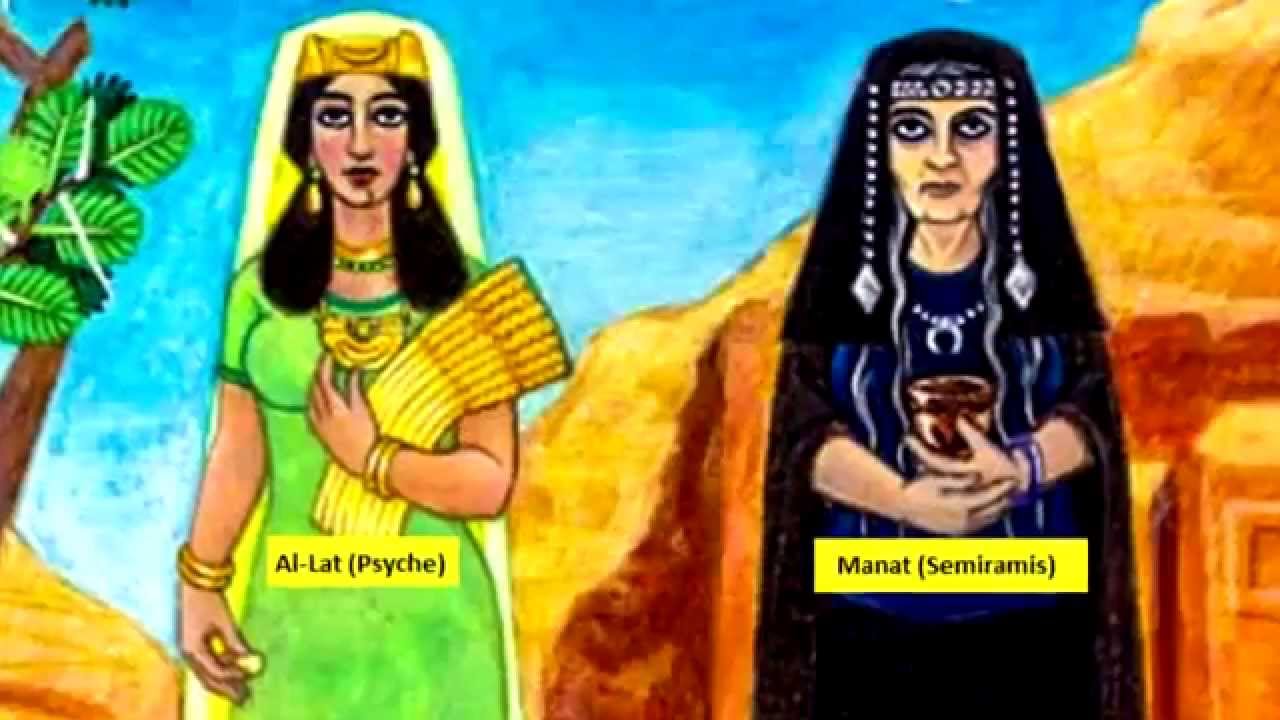 https://bit.ly/2UqNprE अरब, जो 1.25 मिलियन वर्ग मील के क्षेत्र में फैला है, एक बीहड़, शुष्क और दुर्गम इलाका है। इसमें मुख्य रूप से एक विशाल रेगिस्तान शामिल है, दक्षिण-पूर्वी सिरे पर यमन के अपवाद के साथ, एक उपजाऊ क्षेत्र जिसमें पर्याप्त वर्षा होती है और अच्छी तरह से कृषि के लिए अनुकूल है। अरब के दक्षिण-पश्चिमी क्षेत्र में भी कृषि के लिए जलवायु अनुकूल है। अरब के निवासियों का पहला उल्लेख, या "अरीबी" नौवीं शताब्दी में देखा जाता है। उत्तरी अरब के निवासी खानाबदोश थे जो ऊँटों के मालिक थे। पूर्व-इस्लामिक अरब में, कोई केंद्रीय राजनीतिक प्राधिकरण नहीं था, न ही कोई केंद्रीय शासक प्रशासनिक केंद्र था। इसके बजाय, केवल विभिन्न बेडु (बेडौइन) जनजातियाँ थीं। एक जनजाति के अलग-अलग सदस्य अपने परिवार के बजाय अपने जनजाति के प्रति वफादार थे। बेडु ने खानाबदोश जनजातियों का गठन किया जो अपने ऊंट, भेड़ और बकरियों के लिए हरी चरागाहों को खोजने के लिए एक स्थान से दूसरे स्थान पर चले गए। मरुस्थल की परिधि के साथ, कुछ पौधों को विकसित होने के लिए पानी प्रदान किया जा सकता है, विशेष रूप से सर्वव्यापी खजूर। चूँकि उनके मवेशियों को चरने के लिए हरे चरागाहों की लगातार कमी थी, इसलिए जनजातियाँ अक्सर अरब के भीतर उपलब्ध थोड़ी उपजाऊ भूमि पर एक दूसरे से लड़ती थीं, जो कभी-कभार रेगिस्तानी झरनों द्वारा संभव हो जाती थी। चूंकि युद्ध रोजमर्रा की जिंदगी का एक हिस्सा था, इसलिए जनजातियों के भीतर सभी पुरुषों को योद्धाओं के रूप में प्रशिक्षित करना पड़ता था। सातवीं शताब्दी तक ई.पू. अरब को लगभग पांच राज्यों में विभाजित किया गया था, जैसे कि माईन, सबा, क़ताबन, हद्रामौत और क़ाहटान। इन सभ्यताओं का निर्माण कृषि की प्रणाली पर किया गया था, विशेष रूप से दक्षिणी अरब में जहां गीली जलवायु और उपजाऊ मिट्टी खेती के लिए उपयुक्त थी। पाँच राज्यों में से सबा सबसे शक्तिशाली और सबसे विकसित थी। तक 300 c.e. सबा साम्राज्य के राजाओं ने बाकी राज्यों को समेकित किया। उत्तरी अरब के अभिजात वर्ग ने अरबी भाषा बोली, जबकि दक्षिण में उन लोगों ने सबाइक, एक और सेमिटिक भाषा बोली। जैसा कि यमन एक प्रमुख व्यापार मार्ग के साथ स्थित है, हिंद महासागर के कई व्यापारी इसके माध्यम से दक्षिण अरब में गए थे। सहस्राब्दी से अधिक के लिए दक्षिण अधिक प्रभावी था क्योंकि यह समग्र रूप से अरब के धन के लिए अधिक आर्थिक रूप से सफल और महत्वपूर्ण योगदान था। सातवीं शताब्दी तक ई.पू. अरब में oases आकर्षक कारवां व्यापार के लिए शहरी व्यापारिक केंद्रों में विकसित हुआ था। अरब के कृषि आधार ने अरब की अर्थव्यवस्था में योगदान दिया, जिससे निवासियों को चल रही कृषि अर्थव्यवस्था के साथ-साथ विलासिता के सामानों में आर्थिक गतिविधियों पर स्विच करने में मदद मिली। अरब में वाणिज्यिक नेटवर्क की सुविधा मुख्य रूप से यमन में कारवां व्यापार द्वारा की गई थी, जहां दक्षिण में हिंद महासागर बेसिन से माल ऊंट कारवां पर स्थानांतरित किया गया था, जो तब दमिश्क और गाजा की यात्रा करता था। अरब दिन के लाभदायक उत्पादों-सोना, लोबान, और लोहबान, और साथ ही अन्य लक्जरी वस्तुओं में निपटा। इसी तरह, बेडू की भूमिका, विकसित हुई। केवल आदिवासी प्रतिद्वंद्वियों में लगे सैन्य योद्धा होने के बजाय, वे अब कारवां व्यापार का हिस्सा थे, अभिभावक और मार्गदर्शक के रूप में सेवारत थे जबकि कारवां अरब के भीतर यात्रा करते थे। ये बेडू अन्य खानाबदोश जनजातियों से अलग थे, क्योंकि वे एक जगह बसने के लिए तैयार थे। असीरियन, उसके बाद नव-बेबीलोनियों और फारसियों ने अरब में एकता को भंग किया। तीसरी शताब्दी से सी.ई. फारसी सैसानिड्स और ईसाई बीजान्टिन अरब पर लड़े। बाद में, इस्लाम के उदय से ठीक पहले, दो ईसाई अरब आदिवासी संघों का उदय हुआ, जिन्हें घांसिड्स और लखमीद के नाम से जाना जाता है। उत्तरपश्चिम अरब में पेट्रा शहर बीजान्टिन (घासासिड्स के माध्यम से) के नियंत्रण में था, इसके बाद रोमनों ने, जबकि हिरा के उत्तरपूर्वी शहर फारसी प्रभाव (लखमीद) के तहत गिर गए। अरब की भाषा के रूप में, लखमीद और घाससानी राजवंशों की अरब पहचान विकसित हुई। खानाबदोश बेडू जनजातियों के लिए पूजा का केंद्रीय स्थान मक्का था, जो मक्का शहर में पाया जाने वाला एक घन संरचना है, जिसमें एक काले पत्थर का घर है, जिसे उल्कापिंड का एक टुकड़ा माना जाता है। काबा पूर्व-इस्लामिक अरब में वार्षिक तीर्थयात्रा का स्थल था। अब्राहम ने सबसे पहले Ka’ba की नींव रखी। एक सहस्राब्दी में काबा के कार्य में काफी बदलाव आया था और मुहम्मद के माध्यम से इस्लाम के आने से ठीक पहले, मंदिर के भीतर मूर्तियों को पाया गया था। बेडु ने विभिन्न देवताओं की मूर्तियों के भीतर प्रार्थना की। हालाँकि, विभिन्न खानाबदोश बेडू जनजातियों ने अक्सर युद्धरत गुटों का गठन किया, काएबा के पवित्र स्थान के भीतर, पूजा के स्थान के संबंध में आदिवासी प्रतिद्वंद्वियों को अक्सर अलग रखा गया था। मक्का एक धार्मिक अभयारण्य और एक तटस्थ मैदान बन गया जहां आदिवासी युद्ध को रोक दिया गया था। सातवीं शताब्दी तक, एक महत्वपूर्ण धार्मिक स्थल होने के अलावा, मक्का शहर एक व्यापारिक केंद्र के रूप में दक्षिण अरब के उदय के कारण, कारवां व्यापार का एक महत्वपूर्ण वाणिज्यिक केंद्र भी था। शहर में विभिन्न मूल के व्यापारी जुटे। इस्लाम के उदय से ठीक पहले, कुरैश जनजाति के कुलीन व्यापारियों ने मक्का को शिथिल रूप से नेतृत्व किया, हालांकि मक्का में आधिकारिक सरकार के स्पष्ट रूप को समझाना अभी भी मुश्किल था। मक्का, दक्षिणी अरब की तरह, विभिन्न धर्मों के कई अलग-अलग लोगों का घर था। लोगों के विभिन्न समूह अरब में बस गए थे, विशेष रूप से यमन के तटीय क्षेत्रों में, जहां धर्मों की एक समृद्ध विविधता सह-अस्तित्व में थी, भारत, अफ्रीका और मध्य पूर्व के बाकी हिस्सों से उत्पन्न हुई थी। यह लाल सागर और हिंद महासागर से व्यापारी व्यापार मार्ग के साथ अपने रणनीतिक स्थान के कारण है। वे यहूदी, ईसाई और पारसी थे, जो आसपास के क्षेत्र से चले गए थे। ये प्रवासी अरब के मूल निवासियों से स्पष्ट रूप से भिन्न थे कि वे केवल एक ईश्वर को पहचानने और उसकी पूजा करने के लिए एकेश्वरवादी विश्वासों का पालन करते थे। इस प्रकार, पूर्व-इस्लामिक अरब के निवासी इस्लाम के आने से पहले अन्य एकेश्वरवादी धर्मों से परिचित थे, हालांकि, बाद में मुस्लिम समाज पूर्व-इस्लामिक अरब में रहने वाले लोगों को जलीलिया, या "अज्ञानता" में रहने के रूप में संदर्भित करेगा। |
| json metadata | {"tags":["education","history","arabia"],"image":["https://cdn.steemitimages.com/DQmdvguqaXkeG4udKyJq1YTuqZigYYCgu7D4DJ2Ea3E1S9S/maxresdefault.jpg"],"links":["https://bit.ly/2UqNprE"],"app":"steemit/0.1","format":"markdown"} |
| Transaction Info | Block #36061748/Trx 63d68d957f5d42a91793df9d6c691fece87a612b |
View Raw JSON Data
{
"trx_id": "63d68d957f5d42a91793df9d6c691fece87a612b",
"block": 36061748,
"trx_in_block": 14,
"op_in_trx": 0,
"virtual_op": 0,
"timestamp": "2019-09-01T16:20:12",
"op": [
"comment",
{
"parent_author": "",
"parent_permlink": "education",
"author": "rnandi28",
"permlink": "75zi7q",
"title": "पूर्व-इस्लामी अरब",
"body": "\nhttps://bit.ly/2UqNprE\n\nअरब, जो 1.25 मिलियन वर्ग मील के क्षेत्र में फैला है, एक बीहड़, शुष्क और दुर्गम इलाका है। इसमें मुख्य रूप से एक विशाल रेगिस्तान शामिल है, दक्षिण-पूर्वी सिरे पर यमन के अपवाद के साथ, एक उपजाऊ क्षेत्र जिसमें पर्याप्त वर्षा होती है और अच्छी तरह से कृषि के लिए अनुकूल है। अरब के दक्षिण-पश्चिमी क्षेत्र में भी कृषि के लिए जलवायु अनुकूल है। अरब के निवासियों का पहला उल्लेख, या \"अरीबी\" नौवीं शताब्दी में देखा जाता है। उत्तरी अरब के निवासी खानाबदोश थे जो ऊँटों के मालिक थे। पूर्व-इस्लामिक अरब में, कोई केंद्रीय राजनीतिक प्राधिकरण नहीं था, न ही कोई केंद्रीय शासक प्रशासनिक केंद्र था। इसके बजाय, केवल विभिन्न बेडु (बेडौइन) जनजातियाँ थीं। एक जनजाति के अलग-अलग सदस्य अपने परिवार के बजाय अपने जनजाति के प्रति वफादार थे। बेडु ने खानाबदोश जनजातियों का गठन किया जो अपने ऊंट, भेड़ और बकरियों के लिए हरी चरागाहों को खोजने के लिए एक स्थान से दूसरे स्थान पर चले गए। मरुस्थल की परिधि के साथ, कुछ पौधों को विकसित होने के लिए पानी प्रदान किया जा सकता है, विशेष रूप से सर्वव्यापी खजूर। चूँकि उनके मवेशियों को चरने के लिए हरे चरागाहों की लगातार कमी थी, इसलिए जनजातियाँ अक्सर अरब के भीतर उपलब्ध थोड़ी उपजाऊ भूमि पर एक दूसरे से लड़ती थीं, जो कभी-कभार रेगिस्तानी झरनों द्वारा संभव हो जाती थी। चूंकि युद्ध रोजमर्रा की जिंदगी का एक हिस्सा था, इसलिए जनजातियों के भीतर सभी पुरुषों को योद्धाओं के रूप में प्रशिक्षित करना पड़ता था। सातवीं शताब्दी तक ई.पू. अरब को लगभग पांच राज्यों में विभाजित किया गया था, जैसे कि माईन, सबा, क़ताबन, हद्रामौत और क़ाहटान। इन सभ्यताओं का निर्माण कृषि की प्रणाली पर किया गया था, विशेष रूप से दक्षिणी अरब में जहां गीली जलवायु और उपजाऊ मिट्टी खेती के लिए उपयुक्त थी। पाँच राज्यों में से सबा सबसे शक्तिशाली और सबसे विकसित थी। तक 300 c.e. सबा साम्राज्य के राजाओं ने बाकी राज्यों को समेकित किया। उत्तरी अरब के अभिजात वर्ग ने अरबी भाषा बोली, जबकि दक्षिण में उन लोगों ने सबाइक, एक और सेमिटिक भाषा बोली। जैसा कि यमन एक प्रमुख व्यापार मार्ग के साथ स्थित है, हिंद महासागर के कई व्यापारी इसके माध्यम से दक्षिण अरब में गए थे। सहस्राब्दी से अधिक के लिए दक्षिण अधिक प्रभावी था क्योंकि यह समग्र रूप से अरब के धन के लिए अधिक आर्थिक रूप से सफल और महत्वपूर्ण योगदान था। सातवीं शताब्दी तक ई.पू. अरब में oases आकर्षक कारवां व्यापार के लिए शहरी व्यापारिक केंद्रों में विकसित हुआ था। अरब के कृषि आधार ने अरब की अर्थव्यवस्था में योगदान दिया, जिससे निवासियों को चल रही कृषि अर्थव्यवस्था के साथ-साथ विलासिता के सामानों में आर्थिक गतिविधियों पर स्विच करने में मदद मिली। अरब में वाणिज्यिक नेटवर्क की सुविधा मुख्य रूप से यमन में कारवां व्यापार द्वारा की गई थी, जहां दक्षिण में हिंद महासागर बेसिन से माल ऊंट कारवां पर स्थानांतरित किया गया था, जो तब दमिश्क और गाजा की यात्रा करता था। अरब दिन के लाभदायक उत्पादों-सोना, लोबान, और लोहबान, और साथ ही अन्य लक्जरी वस्तुओं में निपटा। इसी तरह, बेडू की भूमिका, विकसित हुई। केवल आदिवासी प्रतिद्वंद्वियों में लगे सैन्य योद्धा होने के बजाय, वे अब कारवां व्यापार का हिस्सा थे, अभिभावक और मार्गदर्शक के रूप में सेवारत थे जबकि कारवां अरब के भीतर यात्रा करते थे। ये बेडू अन्य खानाबदोश जनजातियों से अलग थे, क्योंकि वे एक जगह बसने के लिए तैयार थे।\n\nअसीरियन, उसके बाद नव-बेबीलोनियों और फारसियों ने अरब में एकता को भंग किया। तीसरी शताब्दी से सी.ई. फारसी सैसानिड्स और ईसाई बीजान्टिन अरब पर लड़े। बाद में, इस्लाम के उदय से ठीक पहले, दो ईसाई अरब आदिवासी संघों का उदय हुआ, जिन्हें घांसिड्स और लखमीद के नाम से जाना जाता है। उत्तरपश्चिम अरब में पेट्रा शहर बीजान्टिन (घासासिड्स के माध्यम से) के नियंत्रण में था, इसके बाद रोमनों ने, जबकि हिरा के उत्तरपूर्वी शहर फारसी प्रभाव (लखमीद) के तहत गिर गए। अरब की भाषा के रूप में, लखमीद और घाससानी राजवंशों की अरब पहचान विकसित हुई। खानाबदोश बेडू जनजातियों के लिए पूजा का केंद्रीय स्थान मक्का था, जो मक्का शहर में पाया जाने वाला एक घन संरचना है, जिसमें एक काले पत्थर का घर है, जिसे उल्कापिंड का एक टुकड़ा माना जाता है। काबा पूर्व-इस्लामिक अरब में वार्षिक तीर्थयात्रा का स्थल था। अब्राहम ने सबसे पहले Ka’ba की नींव रखी। एक सहस्राब्दी में काबा के कार्य में काफी बदलाव आया था और मुहम्मद के माध्यम से इस्लाम के आने से ठीक पहले, मंदिर के भीतर मूर्तियों को पाया गया था। बेडु ने विभिन्न देवताओं की मूर्तियों के भीतर प्रार्थना की। हालाँकि, विभिन्न खानाबदोश बेडू जनजातियों ने अक्सर युद्धरत गुटों का गठन किया, काएबा के पवित्र स्थान के भीतर, पूजा के स्थान के संबंध में आदिवासी प्रतिद्वंद्वियों को अक्सर अलग रखा गया था। मक्का एक धार्मिक अभयारण्य और एक तटस्थ मैदान बन गया जहां आदिवासी युद्ध को रोक दिया गया था। सातवीं शताब्दी तक, एक महत्वपूर्ण धार्मिक स्थल होने के अलावा, मक्का शहर एक व्यापारिक केंद्र के रूप में दक्षिण अरब के उदय के कारण, कारवां व्यापार का एक महत्वपूर्ण वाणिज्यिक केंद्र भी था। शहर में विभिन्न मूल के व्यापारी जुटे। इस्लाम के उदय से ठीक पहले, कुरैश जनजाति के कुलीन व्यापारियों ने मक्का को शिथिल रूप से नेतृत्व किया, हालांकि मक्का में आधिकारिक सरकार के स्पष्ट रूप को समझाना अभी भी मुश्किल था। मक्का, दक्षिणी अरब की तरह, विभिन्न धर्मों के कई अलग-अलग लोगों का घर था। लोगों के विभिन्न समूह अरब में बस गए थे, विशेष रूप से यमन के तटीय क्षेत्रों में, जहां धर्मों की एक समृद्ध विविधता सह-अस्तित्व में थी, भारत, अफ्रीका और मध्य पूर्व के बाकी हिस्सों से उत्पन्न हुई थी। यह लाल सागर और हिंद महासागर से व्यापारी व्यापार मार्ग के साथ अपने रणनीतिक स्थान के कारण है। वे यहूदी, ईसाई और पारसी थे, जो आसपास के क्षेत्र से चले गए थे। ये प्रवासी अरब के मूल निवासियों से स्पष्ट रूप से भिन्न थे कि वे केवल एक ईश्वर को पहचानने और उसकी पूजा करने के लिए एकेश्वरवादी विश्वासों का पालन करते थे। इस प्रकार, पूर्व-इस्लामिक अरब के निवासी इस्लाम के आने से पहले अन्य एकेश्वरवादी धर्मों से परिचित थे, हालांकि, बाद में मुस्लिम समाज पूर्व-इस्लामिक अरब में रहने वाले लोगों को जलीलिया, या \"अज्ञानता\" में रहने के रूप में संदर्भित करेगा।",
"json_metadata": "{\"tags\":[\"education\",\"history\",\"arabia\"],\"image\":[\"https://cdn.steemitimages.com/DQmdvguqaXkeG4udKyJq1YTuqZigYYCgu7D4DJ2Ea3E1S9S/maxresdefault.jpg\"],\"links\":[\"https://bit.ly/2UqNprE\"],\"app\":\"steemit/0.1\",\"format\":\"markdown\"}"
}
]
}rnandi28published a new post: beautiful-scenery-nature-near-my-home-from-more-top-of-roof2019/09/01 16:16:33
rnandi28published a new post: beautiful-scenery-nature-near-my-home-from-more-top-of-roof
2019/09/01 16:16:33
| parent author | |
| parent permlink | video |
| author | rnandi28 |
| permlink | beautiful-scenery-nature-near-my-home-from-more-top-of-roof |
| title | Beautiful Scenery (Nature) Near My Home From More Top Of Roof |
| body | @@ -1,8 +1,193 @@ +!%5B70066449_2545553182198531_714808632524406784_n.jpg%5D(https://cdn.steemitimages.com/DQmaTxdFV1Eohcxddg5MuZgwBRGtyRstwfRWYuRYfXZWWya/70066449_2545553182198531_714808632524406784_n.jpg)%0A%0A https:// |
| json metadata | {"tags":["video","dailymotion","nature"],"links":["https://www.dailymotion.com/video/x7il8ht"],"app":"steemit/0.1","format":"markdown","image":["https://cdn.steemitimages.com/DQmaTxdFV1Eohcxddg5MuZgwBRGtyRstwfRWYuRYfXZWWya/70066449_2545553182198531_714808632524406784_n.jpg"]} |
| Transaction Info | Block #36061675/Trx 3decdd51a4ee005e06766563021cd783d00ec0bb |
View Raw JSON Data
{
  "trx_id": "3decdd51a4ee005e06766563021cd783d00ec0bb",
  "block": 36061675,
  "trx_in_block": 10,
  "op_in_trx": 0,
  "virtual_op": 0,
  "timestamp": "2019-09-01T16:16:33",
  "op": [
    "comment",
    {
      "parent_author": "",
      "parent_permlink": "video",
      "author": "rnandi28",
      "permlink": "beautiful-scenery-nature-near-my-home-from-more-top-of-roof",
      "title": "Beautiful Scenery (Nature) Near My Home From More Top Of Roof",
      "body": "@@ -1,8 +1,193 @@\n+!%5B70066449_2545553182198531_714808632524406784_n.jpg%5D(https://cdn.steemitimages.com/DQmaTxdFV1Eohcxddg5MuZgwBRGtyRstwfRWYuRYfXZWWya/70066449_2545553182198531_714808632524406784_n.jpg)%0A%0A\n https://\n",
      "json_metadata": "{\"tags\":[\"video\",\"dailymotion\",\"nature\"],\"links\":[\"https://www.dailymotion.com/video/x7il8ht\"],\"app\":\"steemit/0.1\",\"format\":\"markdown\",\"image\":[\"https://cdn.steemitimages.com/DQmaTxdFV1Eohcxddg5MuZgwBRGtyRstwfRWYuRYfXZWWya/70066449_2545553182198531_714808632524406784_n.jpg\"]}"
    }
  ]
}rnandi28published a new post: beautiful-scenery-nature-near-my-home-from-more-top-of-roof2019/09/01 16:13:54
rnandi28published a new post: beautiful-scenery-nature-near-my-home-from-more-top-of-roof
2019/09/01 16:13:54
| parent author | |
| parent permlink | video |
| author | rnandi28 |
| permlink | beautiful-scenery-nature-near-my-home-from-more-top-of-roof |
| title | Beautiful Scenery (Nature) Near My Home From More Top Of Roof |
| body | @@ -34,8 +34,30 @@ /x7il8ht +%0A%0AVideo at dailymotion |
| json metadata | {"tags":["video","dailymotion","nature"],"links":["https://www.dailymotion.com/video/x7il8ht"],"app":"steemit/0.1","format":"markdown"} |
| Transaction Info | Block #36061622/Trx 69270326100fa455b757b375459d877279e1fa45 |
View Raw JSON Data
{
  "trx_id": "69270326100fa455b757b375459d877279e1fa45",
  "block": 36061622,
  "trx_in_block": 3,
  "op_in_trx": 0,
  "virtual_op": 0,
  "timestamp": "2019-09-01T16:13:54",
  "op": [
    "comment",
    {
      "parent_author": "",
      "parent_permlink": "video",
      "author": "rnandi28",
      "permlink": "beautiful-scenery-nature-near-my-home-from-more-top-of-roof",
      "title": "Beautiful Scenery (Nature) Near My Home From More Top Of Roof",
      "body": "@@ -34,8 +34,30 @@\n /x7il8ht\n+%0A%0AVideo at dailymotion\n",
      "json_metadata": "{\"tags\":[\"video\",\"dailymotion\",\"nature\"],\"links\":[\"https://www.dailymotion.com/video/x7il8ht\"],\"app\":\"steemit/0.1\",\"format\":\"markdown\"}"
    }
  ]
}rnandi28published a new post: beautiful-scenery-nature-near-my-home-from-more-top-of-roof2019/09/01 16:13:09
rnandi28published a new post: beautiful-scenery-nature-near-my-home-from-more-top-of-roof
2019/09/01 16:13:09
| parent author | |
| parent permlink | video |
| author | rnandi28 |
| permlink | beautiful-scenery-nature-near-my-home-from-more-top-of-roof |
| title | Beautiful Scenery (Nature) Near My Home From More Top Of Roof |
| body | https://www.dailymotion.com/video/x7il8ht |
| json metadata | {"tags":["video","dailymotion","nature"],"links":["https://www.dailymotion.com/video/x7il8ht"],"app":"steemit/0.1","format":"markdown"} |
| Transaction Info | Block #36061607/Trx a264f0013b488c4b73bde58f3e6097285c9f46e9 |
View Raw JSON Data
{
  "trx_id": "a264f0013b488c4b73bde58f3e6097285c9f46e9",
  "block": 36061607,
  "trx_in_block": 30,
  "op_in_trx": 0,
  "virtual_op": 0,
  "timestamp": "2019-09-01T16:13:09",
  "op": [
    "comment",
    {
      "parent_author": "",
      "parent_permlink": "video",
      "author": "rnandi28",
      "permlink": "beautiful-scenery-nature-near-my-home-from-more-top-of-roof",
      "title": "Beautiful Scenery (Nature) Near My Home From More Top Of Roof",
      "body": "https://www.dailymotion.com/video/x7il8ht",
      "json_metadata": "{\"tags\":[\"video\",\"dailymotion\",\"nature\"],\"links\":[\"https://www.dailymotion.com/video/x7il8ht\"],\"app\":\"steemit/0.1\",\"format\":\"markdown\"}"
    }
  ]
}rnandi28published a new post: my-first-photography-click2019/09/01 16:09:57
rnandi28published a new post: my-first-photography-click
2019/09/01 16:09:57
| parent author | |
| parent permlink | photography |
| author | rnandi28 |
| permlink | my-first-photography-click |
| title | My First Photography Click |
| body | @@ -158,16 +158,47 @@ building +. Just rotate the photograph... %0A%0AClick |
| json metadata | {"tags":["photography","natural","cloudy","evening"],"image":["https://cdn.steemitimages.com/DQmZ89kxFAhjc9CyuF2fqQaTdRtUrygYuasdDX8PKHSef22/20190828_180045.jpg"],"app":"steemit/0.1","format":"markdown"} |
| Transaction Info | Block #36061543/Trx 755c06560bef4f3b4c57d0e57d991633d454b86d |
View Raw JSON Data
{
  "trx_id": "755c06560bef4f3b4c57d0e57d991633d454b86d",
  "block": 36061543,
  "trx_in_block": 25,
  "op_in_trx": 0,
  "virtual_op": 0,
  "timestamp": "2019-09-01T16:09:57",
  "op": [
    "comment",
    {
      "parent_author": "",
      "parent_permlink": "photography",
      "author": "rnandi28",
      "permlink": "my-first-photography-click",
      "title": "My First Photography Click",
      "body": "@@ -158,16 +158,47 @@\n building\n+. Just rotate the photograph...\n %0A%0AClick \n",
      "json_metadata": "{\"tags\":[\"photography\",\"natural\",\"cloudy\",\"evening\"],\"image\":[\"https://cdn.steemitimages.com/DQmZ89kxFAhjc9CyuF2fqQaTdRtUrygYuasdDX8PKHSef22/20190828_180045.jpg\"],\"app\":\"steemit/0.1\",\"format\":\"markdown\"}"
    }
  ]
}rnandi28published a new post: my-first-photography-click2019/09/01 16:07:57
rnandi28published a new post: my-first-photography-click
2019/09/01 16:07:57
| parent author | |
| parent permlink | photography |
| author | rnandi28 |
| permlink | my-first-photography-click |
| title | My First Photography Click |
| body | 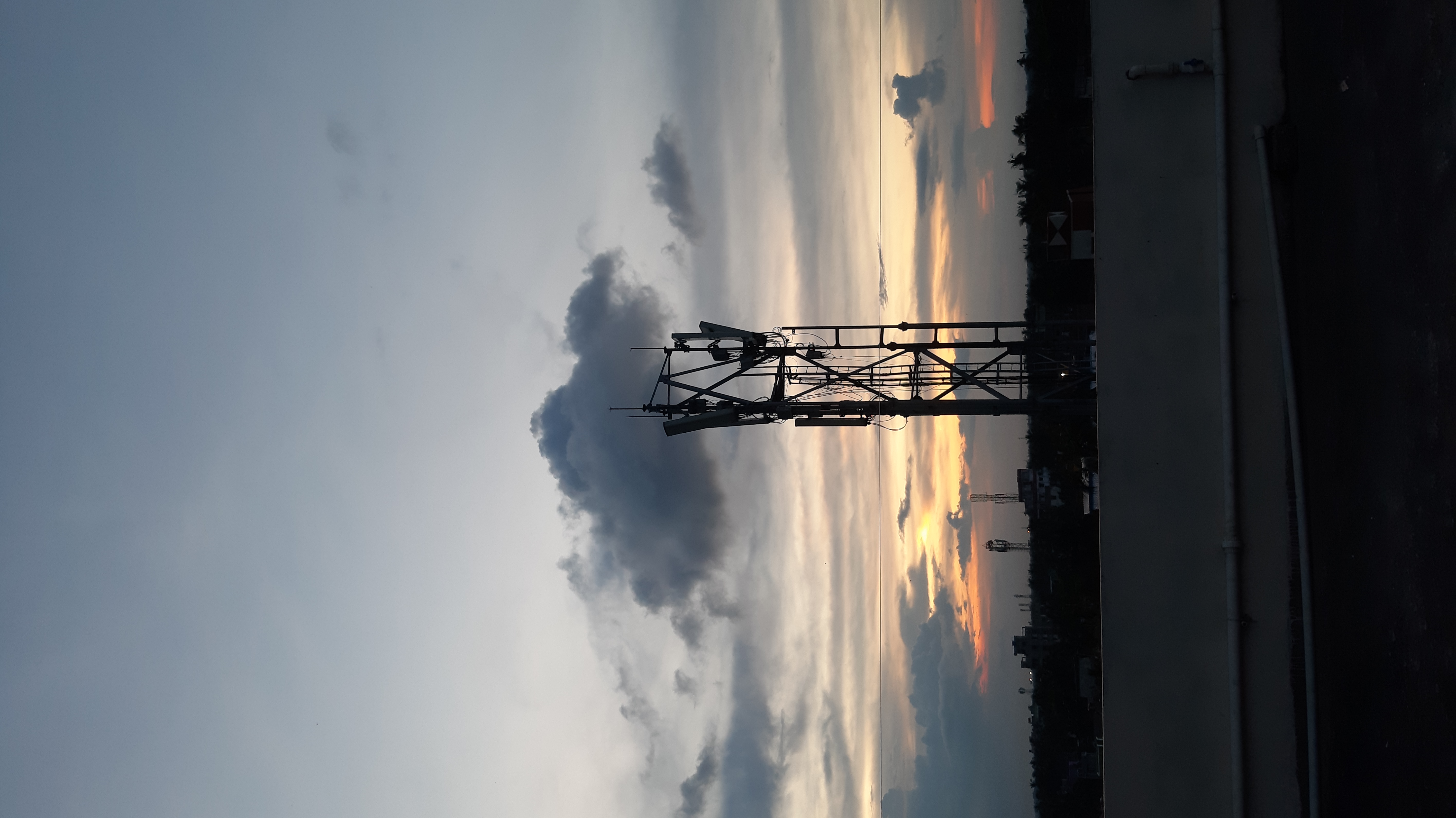 Clicked from the roof of our flat building Click through "Samsung A7" Mobile |
| json metadata | {"tags":["photography","natural","cloudy","evening"],"image":["https://cdn.steemitimages.com/DQmZ89kxFAhjc9CyuF2fqQaTdRtUrygYuasdDX8PKHSef22/20190828_180045.jpg"],"app":"steemit/0.1","format":"markdown"} |
| Transaction Info | Block #36061503/Trx 9cba79d87a45bcbfd3d18e069fc4175e22b4bfa3 |
View Raw JSON Data
{
"trx_id": "9cba79d87a45bcbfd3d18e069fc4175e22b4bfa3",
"block": 36061503,
"trx_in_block": 16,
"op_in_trx": 0,
"virtual_op": 0,
"timestamp": "2019-09-01T16:07:57",
"op": [
"comment",
{
"parent_author": "",
"parent_permlink": "photography",
"author": "rnandi28",
"permlink": "my-first-photography-click",
"title": "My First Photography Click",
"body": "\n\nClicked from the roof of our flat building\n\nClick through \"Samsung A7\" Mobile",
"json_metadata": "{\"tags\":[\"photography\",\"natural\",\"cloudy\",\"evening\"],\"image\":[\"https://cdn.steemitimages.com/DQmZ89kxFAhjc9CyuF2fqQaTdRtUrygYuasdDX8PKHSef22/20190828_180045.jpg\"],\"app\":\"steemit/0.1\",\"format\":\"markdown\"}"
}
]
}2019/09/01 16:02:15
2019/09/01 16:02:15
| parent author | |
| parent permlink | education |
| author | rnandi28 |
| permlink | 47mexz |
| title | भारत या इंडिया शब्द कहाँ से आया है? हिंदू शब्द कहां से आया है? |
| body | 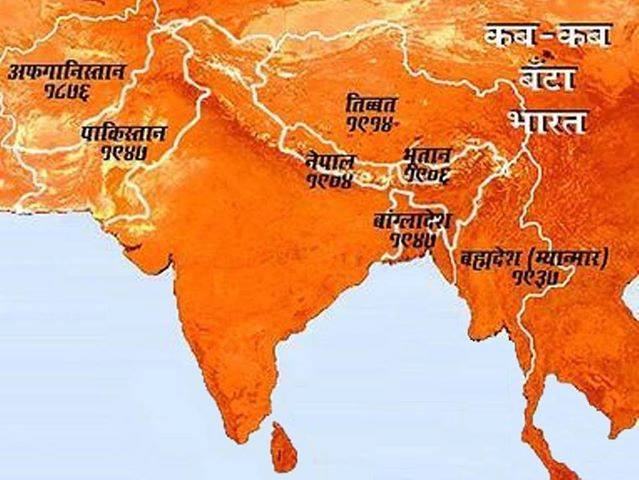 Source: https://bit.ly/30Q5bXF भारत या इंडिया? शब्द 'भारत' की व्युत्पत्ति एक संस्कृत शब्द, सिन्धु में है, जिसका अर्थ है रिवर फ्रंटियर। भारत का प्राचीनतम पवित्र ग्रन्थ ऋग्वेद, सप्त-सिन्धव नामक भूमि की बात करता है, जिसे पंजाब प्रांत के रूप में पहचाना जा सकता है, जो पहले सात नदियों की भूमि थी। आज, पाँच नदियाँ इसके माध्यम से बहती हैं - सिंधु, झेलम, चिनाब, रावी और सतलज / ब्यास - लेकिन यह माना जाता है कि लगभग 4,000 साल पहले दो अन्य नदियाँ थीं, जिन्हें सरस्वती और द्रासवती कहा जाता था, जो लंबे समय से सूख चुकी हैं। जब फारसियों ने छठी शताब्दी ई.पू. में भारतीय भूमि में घुसना शुरू किया, तो उन्होंने आधुनिक नदी सिंधु, जो सात नदियों का सबसे विशाल क्षेत्र था, और इस क्षेत्र में रहने वाले लोगों, पुरानी फारसी शब्द में हिंदुओं द्वारा, का उल्लेख किया। इंडिक सिंधु ।1 जब चौथी सदी ईसा पूर्व में अलेक्जेंडर द ग्रेट के तहत मेसीडोनियन ने उसी क्षेत्र पर आक्रमण किया, तो उन्होंने नदी का उल्लेख करने के लिए ग्रीक इंडोस का उपयोग किया, और भारत ने नदी के चारों ओर और उससे परे भूमि का उल्लेख किया। इसलिए 'भारत' वास्तव में एक ग्रीक अभिव्यक्ति है: प्राचीन भारत में किसी भी मूल निवासी ने इस शब्द का उपयोग करने के बारे में नहीं सोचा होगा। उन्होंने भरत (प्राचीन पुरु कबीले के वंशज), मध्यदेश (मध्य देश), आर्यावर्त (आर्यों की भूमि) और जम्बूद्वीप (जम्बू वृक्ष की आकृति), जैसे कि ऊपर की ओर संकरी और संकरी उचित संज्ञाओं का इस्तेमाल किया। इसका आधार, भारत के नक्शे की तरह) उस विशाल भूभाग का वर्णन करने के लिए जिसके साथ वे परिचित हुए। आज भी भारत गणराज्य का संविधान देश के आधिकारिक नाम को 'भारत यानी भारत' के रूप में मान्यता देता है। हिंदू शब्द कहां से आया है? 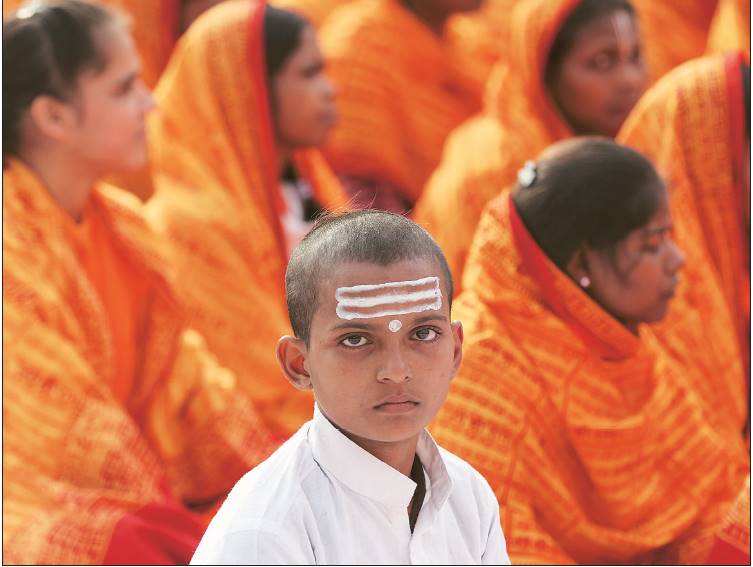 Source: https://bit.ly/2PCM4is मूल रूप से फारसियों द्वारा सिंधु नदी से परे रहने वाले लोगों को संदर्भित करने के लिए गढ़ा गया, 'हिंदू' शब्द वास्तव में अरब और तुर्क के आगमन के साथ लोकप्रिय उपयोग में आया। पहले तो उन्होंने भारत के सभी लोगों को हिंदू कहा, लेकिन बाद में, भारतीय सामाजिक संरचनाओं के बारे में उनकी बढ़ती समझ के साथ, वे समझदार हो गए कि वे हिंदुओं को गैरहिन्दू बौद्ध या जैन धार्मिक समूहों से अलग कर सकें। इतिहास में यह बाद में भी था कि हिंदुओं ने खुद को इस नाम से पुकारा। प्राचीन भारत में उन्होंने आत्म-वर्णन के लिए अपने विशेष संप्रदायों या जातियों के नामों का इस्तेमाल किया था। वे हमेशा एक अत्यधिक विविध समूह थे, हालांकि उनकी जाति व्यवस्था, कुछ धार्मिक प्रथाओं और उनके धार्मिक ग्रंथों, किंवदंतियों और महाकाव्यों की शिक्षाओं के साथ, उन्हें एक अंतर्निहित एकता के संसाधन प्रदान करती थी। उनके संख्यात्मक महत्व के बावजूद, प्राचीन काल को 'हिंदू काल' के रूप में मानना एक गलती होगी। प्राचीन भारतीय इतिहास के पहले 4,000 वर्षों के दौरान हिंदू संस्कृति के बहुत कम पुरातात्विक साक्ष्य 7000 ईसा पूर्व से 3000 ईसा पूर्व तक हैं। इस संस्कृति के कुछ अनिश्चित संकेत निम्न हजार वर्षों की कलाकृतियों के माध्यम से, उत्तर-पश्चिम में पता लगाने योग्य हैं। जिसे आमतौर पर वैदिक हिंदू संस्कृति के रूप में जाना जाता है, लगभग 2000 ईसा पूर्व से शुरू हुआ, और लगभग 1,500 वर्षों तक कुछ 1,500 वर्षों तक फला-फूला। तब, व्यापक बौद्ध और जैन प्रभाव एक हजार साल और अधिक के लिए अपना प्रभाव बनाने के लिए शुरू कर दिया, संप्रदाय के विघटन के ढेरों के बीच। लगभग ५०० के बाद से, हालांकि, हम एक पुनरुत्थान, और पुर्नजन्म के प्रमाण पाते हैं, हिंदू धर्म जिसे पुराणिक और भक्तिपूर्ण हिंदू धर्म के रूप में जाना जाता है, जो तब से स्थायी है। भारत के सबसे बड़े और बेहतरीन स्मारक फिर भी इस तथ्य की गवाही देते हैं कि भारत की शास्त्रीय सभ्यता वास्तुकारों, डिजाइनरों, शिल्पकारों, राजमिस्त्री और मजदूरों की साझेदारी का परिणाम थी जो हिंदू, बौद्ध, जैन, विघटनकारी या नास्तिक हो सकते थे। यह प्राचीन काल में भारत की बौद्धिक प्रगति के लिए भी सही है। |
| json metadata | {"tags":["education","history","hindu","ancient","india"],"image":["https://cdn.steemitimages.com/DQmNp24uUEPNbtebfWvb3nYAYy4EMaD3t3sxE6nCDHDWm9G/akhand-bharat.jpg","https://cdn.steemitimages.com/DQmarZXhcY8W1GHPZhwmkGMBygdCQymFeGQiFsmqKshHMS2/6-4.jpg"],"links":["https://bit.ly/30Q5bXF","https://bit.ly/2PCM4is"],"app":"steemit/0.1","format":"markdown"} |
| Transaction Info | Block #36061390/Trx c59b0608a58a9354362aa9593be16a60cd10391b |
View Raw JSON Data
{
"trx_id": "c59b0608a58a9354362aa9593be16a60cd10391b",
"block": 36061390,
"trx_in_block": 12,
"op_in_trx": 0,
"virtual_op": 0,
"timestamp": "2019-09-01T16:02:15",
"op": [
"comment",
{
"parent_author": "",
"parent_permlink": "education",
"author": "rnandi28",
"permlink": "47mexz",
"title": "भारत या इंडिया शब्द कहाँ से आया है? हिंदू शब्द कहां से आया है?",
"body": "\nSource: https://bit.ly/30Q5bXF\n\nभारत या इंडिया?\n\nशब्द 'भारत' की व्युत्पत्ति एक संस्कृत शब्द, सिन्धु में है, जिसका अर्थ है रिवर फ्रंटियर। भारत का प्राचीनतम पवित्र ग्रन्थ ऋग्वेद, सप्त-सिन्धव नामक भूमि की बात करता है, जिसे पंजाब प्रांत के रूप में पहचाना जा सकता है, जो पहले सात नदियों की भूमि थी। आज, पाँच नदियाँ इसके माध्यम से बहती हैं - सिंधु, झेलम, चिनाब, रावी और सतलज / ब्यास - लेकिन यह माना जाता है कि लगभग 4,000 साल पहले दो अन्य नदियाँ थीं, जिन्हें सरस्वती और द्रासवती कहा जाता था, जो लंबे समय से सूख चुकी हैं। जब फारसियों ने छठी शताब्दी ई.पू. में भारतीय भूमि में घुसना शुरू किया, तो उन्होंने आधुनिक नदी सिंधु, जो सात नदियों का सबसे विशाल क्षेत्र था, और इस क्षेत्र में रहने वाले लोगों, पुरानी फारसी शब्द में हिंदुओं द्वारा, का उल्लेख किया। इंडिक सिंधु ।1 जब चौथी सदी ईसा पूर्व में अलेक्जेंडर द ग्रेट के तहत मेसीडोनियन ने उसी क्षेत्र पर आक्रमण किया, तो उन्होंने नदी का उल्लेख करने के लिए ग्रीक इंडोस का उपयोग किया, और भारत ने नदी के चारों ओर और उससे परे भूमि का उल्लेख किया। इसलिए 'भारत' वास्तव में एक ग्रीक अभिव्यक्ति है: प्राचीन भारत में किसी भी मूल निवासी ने इस शब्द का उपयोग करने के बारे में नहीं सोचा होगा। उन्होंने भरत (प्राचीन पुरु कबीले के वंशज), मध्यदेश (मध्य देश), आर्यावर्त (आर्यों की भूमि) और जम्बूद्वीप (जम्बू वृक्ष की आकृति), जैसे कि ऊपर की ओर संकरी और संकरी उचित संज्ञाओं का इस्तेमाल किया। इसका आधार, भारत के नक्शे की तरह) उस विशाल भूभाग का वर्णन करने के लिए जिसके साथ वे परिचित हुए। आज भी भारत गणराज्य का संविधान देश के आधिकारिक नाम को 'भारत यानी भारत' के रूप में मान्यता देता है।\n\nहिंदू शब्द कहां से आया है?\n\n\nSource: https://bit.ly/2PCM4is\n\nमूल रूप से फारसियों द्वारा सिंधु नदी से परे रहने वाले लोगों को संदर्भित करने के लिए गढ़ा गया, 'हिंदू' शब्द वास्तव में अरब और तुर्क के आगमन के साथ लोकप्रिय उपयोग में आया। पहले तो उन्होंने भारत के सभी लोगों को हिंदू कहा, लेकिन बाद में, भारतीय सामाजिक संरचनाओं के बारे में उनकी बढ़ती समझ के साथ, वे समझदार हो गए कि वे हिंदुओं को गैरहिन्दू बौद्ध या जैन धार्मिक समूहों से अलग कर सकें। इतिहास में यह बाद में भी था कि हिंदुओं ने खुद को इस नाम से पुकारा। प्राचीन भारत में उन्होंने आत्म-वर्णन के लिए अपने विशेष संप्रदायों या जातियों के नामों का इस्तेमाल किया था। वे हमेशा एक अत्यधिक विविध समूह थे, हालांकि उनकी जाति व्यवस्था, कुछ धार्मिक प्रथाओं और उनके धार्मिक ग्रंथों, किंवदंतियों और महाकाव्यों की शिक्षाओं के साथ, उन्हें एक अंतर्निहित एकता के संसाधन प्रदान करती थी। उनके संख्यात्मक महत्व के बावजूद, प्राचीन काल को 'हिंदू काल' के रूप में मानना एक गलती होगी। प्राचीन भारतीय इतिहास के पहले 4,000 वर्षों के दौरान हिंदू संस्कृति के बहुत कम पुरातात्विक साक्ष्य 7000 ईसा पूर्व से 3000 ईसा पूर्व तक हैं। इस संस्कृति के कुछ अनिश्चित संकेत निम्न हजार वर्षों की कलाकृतियों के माध्यम से, उत्तर-पश्चिम में पता लगाने योग्य हैं। जिसे आमतौर पर वैदिक हिंदू संस्कृति के रूप में जाना जाता है, लगभग 2000 ईसा पूर्व से शुरू हुआ, और लगभग 1,500 वर्षों तक कुछ 1,500 वर्षों तक फला-फूला। तब, व्यापक बौद्ध और जैन प्रभाव एक हजार साल और अधिक के लिए अपना प्रभाव बनाने के लिए शुरू कर दिया, संप्रदाय के विघटन के ढेरों के बीच। लगभग ५०० के बाद से, हालांकि, हम एक पुनरुत्थान, और पुर्नजन्म के प्रमाण पाते हैं, हिंदू धर्म जिसे पुराणिक और भक्तिपूर्ण हिंदू धर्म के रूप में जाना जाता है, जो तब से स्थायी है। भारत के सबसे बड़े और बेहतरीन स्मारक फिर भी इस तथ्य की गवाही देते हैं कि भारत की शास्त्रीय सभ्यता वास्तुकारों, डिजाइनरों, शिल्पकारों, राजमिस्त्री और मजदूरों की साझेदारी का परिणाम थी जो हिंदू, बौद्ध, जैन, विघटनकारी या नास्तिक हो सकते थे। यह प्राचीन काल में भारत की बौद्धिक प्रगति के लिए भी सही है।",
"json_metadata": "{\"tags\":[\"education\",\"history\",\"hindu\",\"ancient\",\"india\"],\"image\":[\"https://cdn.steemitimages.com/DQmNp24uUEPNbtebfWvb3nYAYy4EMaD3t3sxE6nCDHDWm9G/akhand-bharat.jpg\",\"https://cdn.steemitimages.com/DQmarZXhcY8W1GHPZhwmkGMBygdCQymFeGQiFsmqKshHMS2/6-4.jpg\"],\"links\":[\"https://bit.ly/30Q5bXF\",\"https://bit.ly/2PCM4is\"],\"app\":\"steemit/0.1\",\"format\":\"markdown\"}"
}
]
}2019/09/01 15:56:30
2019/09/01 15:56:30
| voter | rnandi28 |
| author | rnandi28 |
| permlink | 7dvzsm |
| weight | 10000 (100.00%) |
| Transaction Info | Block #36061275/Trx 07af4e367b2a5520d79ae0462087aa81234d94c3 |
View Raw JSON Data
{
  "trx_id": "07af4e367b2a5520d79ae0462087aa81234d94c3",
  "block": 36061275,
  "trx_in_block": 6,
  "op_in_trx": 0,
  "virtual_op": 0,
  "timestamp": "2019-09-01T15:56:30",
  "op": [
    "vote",
    {
      "voter": "rnandi28",
      "author": "rnandi28",
      "permlink": "7dvzsm",
      "weight": 10000
    }
  ]
}2019/09/01 15:56:15
2019/09/01 15:56:15
| parent author | |
| parent permlink | education |
| author | rnandi28 |
| permlink | 7dvzsm |
| title | प्राचीन भारत का अध्ययन क्यों करें? |
| body | @@ -1,28 +1,160 @@ +!%5B3992.jpg%5D(https://cdn.steemitimages.com/DQmWV64BCKnQYHBhidKC7Ykuye6nJ9mtbRLACQceW45UTgi/3992.jpg)%0ASource: https://bit.ly/2UlcC6J%0A%0A %E0%A4%AA%E0%A5%8D%E0%A4%B0%E0%A4%BE%E0%A4%9A%E0%A5%80%E0%A4%A8 %E0%A4%AD%E0%A4%BE%E0%A4%B0%E0%A4%A4 %E0%A4%95%E0%A4%BE %E0%A4%85%E0%A4%A7%E0%A5%8D%E0%A4%AF%E0%A4%AF%E0%A4%A8 %E0%A4%95%E0%A4%B0%E0%A4%A8%E0%A5%87 |
| json metadata | {"tags":["education","history","india","ancient"],"app":"steemit/0.1","format":"markdown","image":["https://cdn.steemitimages.com/DQmWV64BCKnQYHBhidKC7Ykuye6nJ9mtbRLACQceW45UTgi/3992.jpg"],"links":["https://bit.ly/2UlcC6J"]} |
| Transaction Info | Block #36061270/Trx ab0d21ff81870dd45a49132fc1f08c8c68335fd6 |
View Raw JSON Data
{
  "trx_id": "ab0d21ff81870dd45a49132fc1f08c8c68335fd6",
  "block": 36061270,
  "trx_in_block": 29,
  "op_in_trx": 0,
  "virtual_op": 0,
  "timestamp": "2019-09-01T15:56:15",
  "op": [
    "comment",
    {
      "parent_author": "",
      "parent_permlink": "education",
      "author": "rnandi28",
      "permlink": "7dvzsm",
      "title": "प्राचीन भारत का अध्ययन क्यों करें?",
      "body": "@@ -1,28 +1,160 @@\n+!%5B3992.jpg%5D(https://cdn.steemitimages.com/DQmWV64BCKnQYHBhidKC7Ykuye6nJ9mtbRLACQceW45UTgi/3992.jpg)%0ASource: https://bit.ly/2UlcC6J%0A%0A\n %E0%A4%AA%E0%A5%8D%E0%A4%B0%E0%A4%BE%E0%A4%9A%E0%A5%80%E0%A4%A8 %E0%A4%AD%E0%A4%BE%E0%A4%B0%E0%A4%A4 %E0%A4%95%E0%A4%BE %E0%A4%85%E0%A4%A7%E0%A5%8D%E0%A4%AF%E0%A4%AF%E0%A4%A8 %E0%A4%95%E0%A4%B0%E0%A4%A8%E0%A5%87 \n",
      "json_metadata": "{\"tags\":[\"education\",\"history\",\"india\",\"ancient\"],\"app\":\"steemit/0.1\",\"format\":\"markdown\",\"image\":[\"https://cdn.steemitimages.com/DQmWV64BCKnQYHBhidKC7Ykuye6nJ9mtbRLACQceW45UTgi/3992.jpg\"],\"links\":[\"https://bit.ly/2UlcC6J\"]}"
    }
  ]
}2019/09/01 15:52:57
2019/09/01 15:52:57
| parent author | |
| parent permlink | education |
| author | rnandi28 |
| permlink | 7dvzsm |
| title | प्राचीन भारत का अध्ययन क्यों करें? |
| body | प्राचीन भारत का अध्ययन करने के लिए एक सबसे असंतोषजनक कारण भारत को गौरवान्वित करने और प्राचीन भारतीयों की काफी अप्राप्य उपलब्धियों की घोषणा करना होगा। कुछ आधुनिक भारतीयों के बीच प्रचलित यह दुर्भाग्यपूर्ण प्रवृत्ति, पिछले 200 वर्षों के दौरान पश्चिम में हुई प्रगति के सामने एक रक्षात्मक प्रतिक्रिया है। इसे कुछ विदेशी बुद्धिजीवियों और दार्शनिकों द्वारा भारत पर की गई अत्यधिक प्रशंसा से भी प्रोत्साहित किया गया है। प्राचीन भारत का अध्ययन करने का एक और संदिग्ध कारण देश में इस्लाम के आगमन के बाद भारत की तथाकथित गिरावट की ओर ध्यान आकर्षित करना और तुलना करना, प्रतिकूल रूप से, भारत में घटनाओं के पाठ्यक्रम के बाद विज्ञापन -१२०० की उपलब्धियों के साथ है। पूर्व-विज्ञापन 1200 अवधि। पश्चिम में बड़ी संख्या में लोगों के लिए यह ऐसा धर्म है जो प्राचीन भारत में उनकी रुचि को अधिक उत्साहित करता है। पश्चिम में पिछले 150 वर्षों में हिंदू और बौद्ध परंपराओं का गहन अध्ययन किया गया है और इसे लोकप्रिय बनाया गया है। सर विलियम जोन्स (1746- 94), प्रोफेसर मैक्स मुलर (1823-1900), सर एडविन अर्नोल्ड (1832-1904) और स्वामी विवेकानंद (1863-1902) जैसे विद्वानों और विचारकों ने पश्चिमी लोगों के लिए सुलभ बनाया है। गहन ज्ञान और गहरी आध्यात्मिकता दोनों धर्मों में निहित है। उनके अग्रणी काम के बिना, कई पश्चिमी लोग अपने यहूदी-ईसाई धर्म के संकीर्ण दायरे में आध्यात्मिक रूप से कमजोर बने रहते। भारत के धर्मों में जुनूनी, सीमा पर रहने वाले एक हित ने उप-महाद्वीप की अपनी धारणा में एक प्रमुख पश्चिमी पूर्वाग्रह पैदा कर दिया है। पश्चिम में बड़ी संख्या में रूढ़ियाँ पैदा हुई हैं, जिनमें से सबसे अधिक बार दोहराया गया है कि भारतीय एक उच्च आध्यात्मिक व्यक्ति हैं जो भौतिक वस्तुओं की परवाह नहीं करते हैं या उनके पास एक घातक दृष्टिकोण है जो उनके देवताओं को सब कुछ सौंपता है। प्राचीन भारत से अन्य मूल्यवान विरासतों में शामिल होकर भारत के बारे में सोच में आए इस असंतुलन को सुधारा जा सकता है। एक ऐसी धरोहर, जिसकी गहरी खोज की जरूरत है, वह है बौद्धिक बौद्धिकता। भारतीयों ने यूरोपीय लोगों से बहुत पहले सीखा ग्रंथों की रचना की; वे पहले महान व्याकरणविद थे; उनके महाकाव्य शाश्वत महत्व के मुद्दों से निपटते हैं, जो उन्हें भारत में लाखों लोगों के साथ इस दिन तक लोकप्रिय बनाता है। प्राचीन भारतीयों में महान गणितज्ञ और खगोलशास्त्री भी थे, जिनका काम अंततः मुख्यधारा के अध्ययनों में बदल गया ।6 प्राचीन भारतीयों के बिना हमारे पास अपनी संख्या प्रणाली नहीं होती, जिस पर सभी आधुनिक विज्ञान और प्रौद्योगिकियां आधारित होती हैं। कुछ प्राचीन भारतीय भी बहुत असंतुष्ट थे, और काफी विवादित थे। वे यूरोपीय सभ्यता के भीतर विकसित होने से बहुत पहले एक भावुक और एक स्पष्ट तार्किक शैली दोनों में बहस के मुद्दों के आदी थे। प्राचीन भारत की एक और प्रमुख विरासत कलात्मक और सौंदर्यपूर्ण है। शिल्पकार का भारतीय समाज में एक अलग स्थान है। भारत की पहली सभ्यता से हड़प्पा, पुरातत्वविदों ने सुंदर और शैलीगत महिलाओं के आभूषण और बच्चों के खिलौने प्राप्त किए हैं, जो इसके लोगों की परिष्कृत जीवन शैली का संकेत देते हैं। भारतीय कारीगरों के कांस्य और तांबे के काम हमेशा उम्र भर मांग में रहे हैं। प्राचीन भारतीय टेक्सटाइल डिज़ाइन अभी भी अंतरराष्ट्रीय फैशन हाउस द्वारा पसंद किए जाते हैं, और प्राचीन भारत के मंदिर अपने लाखों लोगों को आकर्षित करते हैं। भारतीय व्यापार और व्यापारिक कौशल एक व्यक्ति को किसी अन्य के रूप में भौतिक वस्तुओं से संबंधित दिखाते हैं। प्राचीन भारत की तीसरी महान विरासत एक नैतिक रूप से आदेशित समाज की दृष्टि से है, 9 अपने काम में व्यस्त हैं और आमतौर पर खुद के साथ शांति पर। बेशक उसके इतिहास के कई बिंदुओं पर हिंसा और अव्यवस्था थी; लेकिन अनिवार्य रूप से प्राचीन भारत धीरे-धीरे विकसित हुआ और, कई अन्य देशों की तुलना में, शांति से 8,200 वर्षों की लंबी अवधि में। अंतरराष्ट्रीय स्तर पर, भारत ने उग्र युद्ध या विदेशी लोगों को अपमानित करने में संलग्न नहीं किया, जैसा कि कई प्राचीन और आधुनिक देशों ने अपने, अपने पड़ोसियों और लोगों को विदेशों में किया था। भारतीय युद्ध हमेशा स्पष्ट नैतिक दिशानिर्देशों से विवश थे। 10 जल्द से जल्द भारतीयों ने अंतरराष्ट्रीय एकता और सद्भावना को बढ़ावा देने की एक मजबूत नैतिक जिम्मेदारी का वहन किया है। आधुनिक समय में, महात्मा गांधी (1869-1948), रवींद्रनाथ टैगोर (1861-1941) और पंडित जवाहरलाल नेहरू (1889-1964) जैसे प्रतिष्ठित भारतीयों ने भारत और उसके लोगों की इस विशेष रूप से सकारात्मक और आकर्षक विशेषता पर बहुत जोर दिया है। यह स्पष्ट है कि प्राचीन भारतीय इतिहास का अध्ययन करने के कई सकारात्मक कारण हैं। साथ ही हमें अपने दृष्टिकोण में आलोचनात्मक और तुलनात्मक होने की आवश्यकता है। सार्वजनिक जीवन के कुछ पहलुओं में प्राचीन भारत मेसोपोटामिया, मिस्र, चीन, ग्रीस और रोम जैसी सभ्यताओं से पिछड़ गया और इसकी कमियों को मान्यता दी जानी चाहिए। यह प्राचीन भारतीय प्रौद्योगिकी के बारे में घमंड करने के लिए आधुनिक भारतीयों के सामने नहीं आता है, जब यह प्रकट होता है कि चीन इस क्षेत्र में अन्य देशों की तुलना में कहीं अधिक उन्नत था। प्राचीन मिस्र और मेसोपोटामिया की तुलना में भारतीय भी समझदार लिपियों को विकसित करने में धीमे थे। प्रारंभिक भारतीयों ने अपने देश में घटनाओं के सटीक दस्तावेजीकरण और व्यवस्थित रिकॉर्डिंग पर बहुत ध्यान दिया, जबकि अन्य प्राचीन सभ्यताएं, विशेष रूप से चीनी और रोमन, उनकी इतिहासलेखन के साथ छानबीन कर रहे थे। प्राचीन भारतीयों ने असमानता और गरीबी के मुद्दों के लिए घृणित अवहेलना दिखाई, जिसने पूरे इतिहास में भारत का चेहरा बिगाड़ दिया है। बहुत से भारतीय ग्रंथ गरीबी और असमानता की स्थितियों का उल्लेख करते हैं, लेकिन किसी में भी हम आक्रोश या आवेश को नहीं पाते हैं। जाति व्यवस्था का इस निष्क्रियता के साथ बहुत कुछ था, और यह प्राचीन भारत के रिकॉर्ड पर शायद सबसे बड़ा नैतिक दोष है। |
| json metadata | {"tags":["education","history","india","ancient"],"app":"steemit/0.1","format":"markdown"} |
| Transaction Info | Block #36061204/Trx 6bdaf9d0399f17a0f4e0c6d6244bd4b6fbc8fcd5 |
View Raw JSON Data
{
  "trx_id": "6bdaf9d0399f17a0f4e0c6d6244bd4b6fbc8fcd5",
  "block": 36061204,
  "trx_in_block": 24,
  "op_in_trx": 0,
  "virtual_op": 0,
  "timestamp": "2019-09-01T15:52:57",
  "op": [
    "comment",
    {
      "parent_author": "",
      "parent_permlink": "education",
      "author": "rnandi28",
      "permlink": "7dvzsm",
      "title": "प्राचीन भारत का अध्ययन क्यों करें?",
      "body": "प्राचीन भारत का अध्ययन करने के लिए एक सबसे असंतोषजनक कारण भारत को गौरवान्वित करने और प्राचीन भारतीयों की काफी अप्राप्य उपलब्धियों की घोषणा करना होगा। कुछ आधुनिक भारतीयों के बीच प्रचलित यह दुर्भाग्यपूर्ण प्रवृत्ति, पिछले 200 वर्षों के दौरान पश्चिम में हुई प्रगति के सामने एक रक्षात्मक प्रतिक्रिया है। इसे कुछ विदेशी बुद्धिजीवियों और दार्शनिकों द्वारा भारत पर की गई अत्यधिक प्रशंसा से भी प्रोत्साहित किया गया है। प्राचीन भारत का अध्ययन करने का एक और संदिग्ध कारण देश में इस्लाम के आगमन के बाद भारत की तथाकथित गिरावट की ओर ध्यान आकर्षित करना और तुलना करना, प्रतिकूल रूप से, भारत में घटनाओं के पाठ्यक्रम के बाद विज्ञापन -१२०० की उपलब्धियों के साथ है। पूर्व-विज्ञापन 1200 अवधि। पश्चिम में बड़ी संख्या में लोगों के लिए यह ऐसा धर्म है जो प्राचीन भारत में उनकी रुचि को अधिक उत्साहित करता है। पश्चिम में पिछले 150 वर्षों में हिंदू और बौद्ध परंपराओं का गहन अध्ययन किया गया है और इसे लोकप्रिय बनाया गया है। सर विलियम जोन्स (1746- 94), प्रोफेसर मैक्स मुलर (1823-1900), सर एडविन अर्नोल्ड (1832-1904) और स्वामी विवेकानंद (1863-1902) जैसे विद्वानों और विचारकों ने पश्चिमी लोगों के लिए सुलभ बनाया है। गहन ज्ञान और गहरी आध्यात्मिकता दोनों धर्मों में निहित है। उनके अग्रणी काम के बिना, कई पश्चिमी लोग अपने यहूदी-ईसाई धर्म के संकीर्ण दायरे में आध्यात्मिक रूप से कमजोर बने रहते। भारत के धर्मों में जुनूनी, सीमा पर रहने वाले एक हित ने उप-महाद्वीप की अपनी धारणा में एक प्रमुख पश्चिमी पूर्वाग्रह पैदा कर दिया है। पश्चिम में बड़ी संख्या में रूढ़ियाँ पैदा हुई हैं, जिनमें से सबसे अधिक बार दोहराया गया है कि भारतीय एक उच्च आध्यात्मिक व्यक्ति हैं जो भौतिक वस्तुओं की परवाह नहीं करते हैं या उनके पास एक घातक दृष्टिकोण है जो उनके देवताओं को सब कुछ सौंपता है। प्राचीन भारत से अन्य मूल्यवान विरासतों में शामिल होकर भारत के बारे में सोच में आए इस असंतुलन को सुधारा जा सकता है। एक ऐसी धरोहर, जिसकी गहरी खोज की जरूरत है, वह है बौद्धिक बौद्धिकता। भारतीयों ने यूरोपीय लोगों से बहुत पहले सीखा ग्रंथों की रचना की; वे पहले महान व्याकरणविद थे; उनके महाकाव्य शाश्वत महत्व के मुद्दों से निपटते हैं, जो उन्हें भारत में लाखों लोगों के साथ इस दिन तक लोकप्रिय बनाता है। प्राचीन भारतीयों में महान गणितज्ञ और खगोलशास्त्री भी थे, जिनका काम अंततः मुख्यधारा के अध्ययनों में बदल गया ।6 प्राचीन भारतीयों के बिना हमारे पास अपनी संख्या प्रणाली नहीं होती, जिस पर सभी आधुनिक विज्ञान और प्रौद्योगिकियां आधारित होती हैं। कुछ प्राचीन भारतीय भी बहुत असंतुष्ट थे, और काफी विवादित थे। वे यूरोपीय सभ्यता के भीतर विकसित होने से बहुत पहले एक भावुक और एक स्पष्ट तार्किक शैली दोनों में बहस के मुद्दों के आदी थे। प्राचीन भारत की एक और प्रमुख विरासत कलात्मक और सौंदर्यपूर्ण है। शिल्पकार का भारतीय समाज में एक अलग स्थान है। भारत की पहली सभ्यता से हड़प्पा, पुरातत्वविदों ने सुंदर और शैलीगत महिलाओं के आभूषण और बच्चों के खिलौने प्राप्त किए हैं, जो इसके लोगों की परिष्कृत जीवन शैली का संकेत देते हैं। भारतीय कारीगरों के कांस्य और तांबे के काम हमेशा उम्र भर मांग में रहे हैं। प्राचीन भारतीय टेक्सटाइल डिज़ाइन अभी भी अंतरराष्ट्रीय फैशन हाउस द्वारा पसंद किए जाते हैं, और प्राचीन भारत के मंदिर अपने लाखों लोगों को आकर्षित करते हैं। भारतीय व्यापार और व्यापारिक कौशल एक व्यक्ति को किसी अन्य के रूप में भौतिक वस्तुओं से संबंधित दिखाते हैं। प्राचीन भारत की तीसरी महान विरासत एक नैतिक रूप से आदेशित समाज की दृष्टि से है, 9 अपने काम में व्यस्त हैं और आमतौर पर खुद के साथ शांति पर। बेशक उसके इतिहास के कई बिंदुओं पर हिंसा और अव्यवस्था थी; लेकिन अनिवार्य रूप से प्राचीन भारत धीरे-धीरे विकसित हुआ और, कई अन्य देशों की तुलना में, शांति से 8,200 वर्षों की लंबी अवधि में। अंतरराष्ट्रीय स्तर पर, भारत ने उग्र युद्ध या विदेशी लोगों को अपमानित करने में संलग्न नहीं किया, जैसा कि कई प्राचीन और आधुनिक देशों ने अपने, अपने पड़ोसियों और लोगों को विदेशों में किया था। भारतीय युद्ध हमेशा स्पष्ट नैतिक दिशानिर्देशों से विवश थे। 10 जल्द से जल्द भारतीयों ने अंतरराष्ट्रीय एकता और सद्भावना को बढ़ावा देने की एक मजबूत नैतिक जिम्मेदारी का वहन किया है। आधुनिक समय में, महात्मा गांधी (1869-1948), रवींद्रनाथ टैगोर (1861-1941) और पंडित जवाहरलाल नेहरू (1889-1964) जैसे प्रतिष्ठित भारतीयों ने भारत और उसके लोगों की इस विशेष रूप से सकारात्मक और आकर्षक विशेषता पर बहुत जोर दिया है।\n\nयह स्पष्ट है कि प्राचीन भारतीय इतिहास का अध्ययन करने के कई सकारात्मक कारण हैं। साथ ही हमें अपने दृष्टिकोण में आलोचनात्मक और तुलनात्मक होने की आवश्यकता है। सार्वजनिक जीवन के कुछ पहलुओं में प्राचीन भारत मेसोपोटामिया, मिस्र, चीन, ग्रीस और रोम जैसी सभ्यताओं से पिछड़ गया और इसकी कमियों को मान्यता दी जानी चाहिए। यह प्राचीन भारतीय प्रौद्योगिकी के बारे में घमंड करने के लिए आधुनिक भारतीयों के सामने नहीं आता है, जब यह प्रकट होता है कि चीन इस क्षेत्र में अन्य देशों की तुलना में कहीं अधिक उन्नत था। प्राचीन मिस्र और मेसोपोटामिया की तुलना में भारतीय भी समझदार लिपियों को विकसित करने में धीमे थे।\n\nप्रारंभिक भारतीयों ने अपने देश में घटनाओं के सटीक दस्तावेजीकरण और व्यवस्थित रिकॉर्डिंग पर बहुत ध्यान दिया, जबकि अन्य प्राचीन सभ्यताएं, विशेष रूप से चीनी और रोमन, उनकी इतिहासलेखन के साथ छानबीन कर रहे थे। प्राचीन भारतीयों ने असमानता और गरीबी के मुद्दों के लिए घृणित अवहेलना दिखाई, जिसने पूरे इतिहास में भारत का चेहरा बिगाड़ दिया है। बहुत से भारतीय ग्रंथ गरीबी और असमानता की स्थितियों का उल्लेख करते हैं, लेकिन किसी में भी हम आक्रोश या आवेश को नहीं पाते हैं। जाति व्यवस्था का इस निष्क्रियता के साथ बहुत कुछ था, और यह प्राचीन भारत के रिकॉर्ड पर शायद सबसे बड़ा नैतिक दोष है।",
      "json_metadata": "{\"tags\":[\"education\",\"history\",\"india\",\"ancient\"],\"app\":\"steemit/0.1\",\"format\":\"markdown\"}"
    }
  ]
}2019/08/27 04:16:48
2019/08/27 04:16:48
| voter | rnandi28 |
| author | rnandi28 |
| permlink | mbundu-probably-the-1st-religion-who-resisted-portuguese-power-single-handedly-hindi |
| weight | 10000 (100.00%) |
| Transaction Info | Block #35908943/Trx a6b3b517d7b1f9dcc2597e31214bc6bf066f658e |
View Raw JSON Data
{
  "trx_id": "a6b3b517d7b1f9dcc2597e31214bc6bf066f658e",
  "block": 35908943,
  "trx_in_block": 7,
  "op_in_trx": 0,
  "virtual_op": 0,
  "timestamp": "2019-08-27T04:16:48",
  "op": [
    "vote",
    {
      "voter": "rnandi28",
      "author": "rnandi28",
      "permlink": "mbundu-probably-the-1st-religion-who-resisted-portuguese-power-single-handedly-hindi",
      "weight": 10000
    }
  ]
}hiroyamagishisent 0.001 STEEM to @rnandi28- "
We give money to people who will watch and comment on our video explained by Brother Eli Soriano. Discord https://discord.gg/vzHFNd6
"2019/08/26 11:59:06
hiroyamagishisent 0.001 STEEM to @rnandi28- "
We give money to people who will watch and comment on our video explained by Brother Eli Soriano. Discord https://discord.gg/vzHFNd6
"
2019/08/26 11:59:06
| from | hiroyamagishi |
| to | rnandi28 |
| amount | 0.001 STEEM |
| memo | We give money to people who will watch and comment on our video explained by Brother Eli Soriano. Discord https://discord.gg/vzHFNd6 |
| Transaction Info | Block #35889419/Trx 843c94eab3b72a282b7555111801c1298772444e |
View Raw JSON Data
{
  "trx_id": "843c94eab3b72a282b7555111801c1298772444e",
  "block": 35889419,
  "trx_in_block": 22,
  "op_in_trx": 0,
  "virtual_op": 0,
  "timestamp": "2019-08-26T11:59:06",
  "op": [
    "transfer",
    {
      "from": "hiroyamagishi",
      "to": "rnandi28",
      "amount": "0.001 STEEM",
      "memo": "\nWe give money to people who will watch and comment on our video explained by Brother Eli Soriano.  Discord https://discord.gg/vzHFNd6\n"
    }
  ]
}2019/08/26 11:59:00
2019/08/26 11:59:00
| author | rnandi28 |
| permlink | mbundu-probably-the-1st-religion-who-resisted-portuguese-power-single-handedly-hindi |
| max accepted payout | 1000000.000 SBD |
| percent steem dollars | 0 |
| allow votes | true |
| allow curation rewards | true |
| extensions | [] |
| Transaction Info | Block #35889417/Trx 2392ca40a7453271c8a236c503cefd7b2a9ca6a5 |
View Raw JSON Data
{
  "trx_id": "2392ca40a7453271c8a236c503cefd7b2a9ca6a5",
  "block": 35889417,
  "trx_in_block": 2,
  "op_in_trx": 0,
  "virtual_op": 0,
  "timestamp": "2019-08-26T11:59:00",
  "op": [
    "comment_options",
    {
      "author": "rnandi28",
      "permlink": "mbundu-probably-the-1st-religion-who-resisted-portuguese-power-single-handedly-hindi",
      "max_accepted_payout": "1000000.000 SBD",
      "percent_steem_dollars": 0,
      "allow_votes": true,
      "allow_curation_rewards": true,
      "extensions": []
    }
  ]
}2019/08/26 11:59:00
2019/08/26 11:59:00
| parent author | |
| parent permlink | history |
| author | rnandi28 |
| permlink | mbundu-probably-the-1st-religion-who-resisted-portuguese-power-single-handedly-hindi |
| title | Mbundu, probably the 1st religion who resisted Portuguese power single-handedly (Hindi) |
| body | 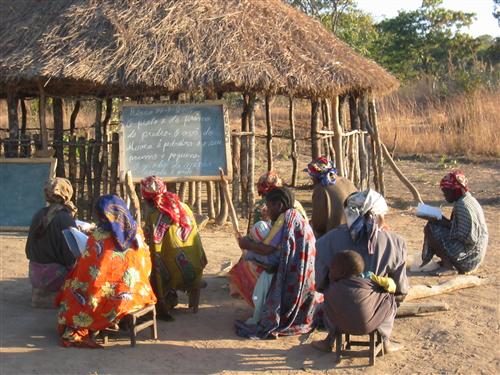 https://bit.ly/2ze8dbX Mbundu पुर्तगालियों के साथ दास व्यापार में भारी भागीदारी के बावजूद, Mbundu ने 16 वीं और 17 वीं शताब्दी में अपने क्षेत्र के उपनिवेशण में पुर्तगाली प्रयासों का विरोध किया। म्बुंडु मौखिक परंपरा बताती है कि मध्य और पूर्व मध्य अफ्रीका से 15 वीं सदी में वर्तमान अंगोला के उत्तरी तट पर तीन अलग-अलग बंटू-भाषी जातीय समूह कैसे चले गए और एक बड़े एकल जातीय समूह में शामिल हो गए। Mbundu पूर्वजों उनके साथ परिष्कृत लौह निर्माण तकनीक, एक कृषि परंपरा, और एक दिव्य राजाओं में एक एकीकृत विश्वास लेकर आए। मैगोरील उत्तराधिकार में नगोला, या वंशावली प्रतीक का निधन हो गया, इसने एमबींडु राजनीतिक संरचना का आधार बनाया। 1500 तक, न्यूंडो राजशाही के सबसे बड़े नोंगो राजशाही ने कबासा में अपनी राजधानी स्थापित की। Ndongo में कृषि, कारीगर और व्यापार पर आधारित तीन-भाग मिश्रित अर्थव्यवस्था थी। तट के निकट और प्रमुख व्यापार मार्गों पर नियंत्रण ने 16 वीं शताब्दी की शुरुआत में पुर्तगाली व्यापारियों के संपर्क में नोंगो को लाया। 1520 में पुर्तगालियों ने एक शाही फरमान जारी किया, जिसमें ईसाई धर्म के लिए Mbundu रूपांतरण की आवश्यकता थी। कैथोलिक मिशनरियों ने वर्तमान लुआंडा के पास एक मिशन की स्थापना की, लेकिन उत्तर में अपने कांगो समकक्षों के विपरीत, नोंगडू के म्बुंडू नए धर्म के प्रति उदासीन साबित हुए। नोंगो राजा को यूरोपियों के साथ व्यापार करने में दिलचस्पी थी, न कि उनके धर्म को अपनाने में, और सुसमाचार के प्रचार में। बाद में निन्दाओ जैसे नोंगो शासकों ने भी पुर्तगाली उपनिवेश का विरोध किया लेकिन यूरोपीय लोगों के साथ व्यापार संबंधों को बनाए रखने की इच्छा की। Mbundu और पुर्तगाली के बीच व्यापार का प्रमुख स्रोत ट्रांसलेटैटिक दास व्यापार के लिए बाध्य मनुष्यों में था। गुलामों के व्यापार के प्रतिरोध और भागीदारी ने नोंगडू सहित कई Mbundu राज्यों को नष्ट कर दिया, जिनकी राजधानी 1669 में पुर्तगालियों के पास गिर गई। धर्म माया धर्म के सबसे व्यापक तत्वों में से एक यह विचार था कि ब्रह्मांड समय के चक्र द्वारा शासित था जो लगातार गति में थे। इनमें से कुछ चक्र बहुत लंबे थे, जबकि अन्य संक्षिप्त थे। व्यावहारिक रूप से इसका मतलब यह था कि वास्तव में कुछ भी समाप्त नहीं हुआ, और वास्तव में कुछ भी शुरू नहीं हुआ। ब्रह्मांड बनाया गया, बाद में नष्ट हो गया, केवल नए सिरे से बनाया गया। कृषि देवताओं की मृत्यु हो गई लेकिन उनकी मृत्यु के माध्यम से नई फसलों का पुनर्जन्म सुनिश्चित हुआ। मानव स्तर पर माता-पिता की मृत्यु हो गई, लेकिन बच्चों ने पृथ्वी पर अपनी विरासत जारी रखी। मृत्यु और विनाश कभी भी स्थायी नहीं थे, न ही जीवन शाश्वत था। सभी लोग, देवता और घटनाएँ एक महान ब्रह्मांडीय चक्र पर बंधी हुई थीं जो अंतहीन रूप से बदल गईं। वर्तमान रचना, एक अंतहीन श्रृंखला में सिर्फ एक, अगस्त, 13, 3114 बीसी शुरू हुई। यह स्पष्ट नहीं है कि माया ने इस विशेष तिथि को क्यों चुना, क्योंकि पहले पहचाने जाने योग्य माया गांवों में हजारों साल बाद दिखाई नहीं दिया। फिर भी, उन्होंने इस बिंदु को सृष्टि के वर्तमान चक्र की शुरुआत माना, जो 23 दिसंबर, 2012 को समाप्त होगा। माया ने महसूस किया कि महान चक्र का अंत एक पूर्ण सर्वनाश नहीं लाएगा, लेकिन इस युग के निर्माण की मृत्यु एक नए को जन्म देने की सेवा करेगा। इन चक्रों का महत्व पोपोल वुह में स्पष्ट है, माया विचार और विश्वास का एक बड़ा संग्रह स्पेनिश विजय के तुरंत बाद लिखा गया था। इस कार्य में मनुष्यों को केवल पूर्व निहिलो नहीं बनाया गया था। पहले, देवताओं ने मिट्टी के लोगों को बनाकर प्रयोग किया। ये नमूने अपूर्ण थे और अंततः नष्ट हो गए। बाद में, देवताओं ने लकड़ी से नए मनुष्यों का फैशन बनाया। ये भी, अपर्याप्त साबित हुए और, फिर से, नष्ट होने की आवश्यकता है। अंत में, देवताओं ने अपने मांस से लोगों को बनाया। वे सबसे सफल थे, हालांकि निर्माण के कार्य ने खुद देवताओं को बहुत कमजोर कर दिया। इसलिए, देवताओं का बलिदान करना मनुष्यों का कर्तव्य बन गया, जो ब्रह्मांड का समर्थन करना जारी रखते थे। दुर्भाग्य से, माया के देवता स्वयं खराब समझे जाते हैं। माया देवताओं की भूमिकाओं और विशेषताओं को समझने में मुख्य समस्या यह रही है कि उनके संबंध में अधिकांश जानकारी उत्तर-काल की तारीखों से मिलती है और अक्सर स्पैनिश मिशनरियों के पूर्वाग्रहों से रंगी होती थी, जो स्वदेशी मुखबिरों से जानकारी दर्ज करते थे। पेंटहोन में 166 नाम वाले देवता थे, हालांकि उनके कर्तव्यों और प्रभाव के क्षेत्रों का शायद ही कभी ग्रंथों में उल्लेख किया गया हो। इसके अलावा, यह स्पष्ट है कि माया क्षेत्रों के बीच बड़े धार्मिक मतभेद थे। विजय के समय, कुकुलकुलन, पंख वाले सर्प, यूकाटान में एक महत्वपूर्ण शाही देवता थे, लेकिन यह स्पष्ट लगता है कि वह 10 वीं शताब्दी में टॉली आक्रमणकारियों द्वारा लाए गए केंद्रीय मैक्सिकन देवता क्वेटज़ालकोट का माया संस्करण थे। इसलिए, वह क्लासिक युग के दौरान माया शहरों से दक्षिण तक सभी अनजान थे। माया के कई देवताओं के भोजन और प्रजनन क्षमता के साथ कुछ संबंध थे, जो गहन कृषि पर निर्भर संस्कृति में आश्चर्य की बात नहीं है। सबसे पुराने, सबसे महत्वपूर्ण माया देवताओं में से एक चक, वर्षा देवता थे। यह संभव है कि प्रीक्लासिक अवधि के दौरान उन्हें ओल्मेक से अपनाया गया था। जो कुछ भी उनकी उत्पत्ति, चक थंडर सबसे माया देवताओं में से सबसे अधिक सम्मानित और सबसे अधिक बार चित्रित किया गया था; उनका पंथ आज तक जीवित है। माया धर्म का एक अंतिम पहलू था, अंडरवर्ल्ड जिब्बाबा के साथ उसका झुकाव। माया के लिए, Xibalba एक अंधकारमय, पानी का क्षेत्र था जहां अधिकांश जीवित चीजें मरने के बाद चली गईं। यहां तक कि सूरज और चंद्रमा भी आसमान के माध्यम से अपनी निरंतर यात्रा पर इस निराशाजनक भूमि से गुजरे। गुफाओं और पानी के कुंडों को इस अंधेरी भूमि के प्रवेश द्वार के रूप में देखा गया था और इस तरह दोनों ही आदरणीय और भयभीत हो गए। माया कला में सबसे अधिक बार दर्शाए गए देवताओं में जिबालबा के बुरे सपने थे - मृत्यु, बीमारी और गंदगी के नौ स्वामी जो मनुष्यों के निरंतर संकट थे। इन छवियों में से कई कब्रों में बची हैं, जो चीनी मिट्टी के बरतन, चित्रों और शाही नक्काशी में चित्रित हैं, या तो अकेले या हीरो जुड़वाँ के साथ मिलकर, जिन्होंने उन्हें पॉपोल वुह के सबसे यादगार वर्गों में से एक में हराया। माया लेखन प्रणाली माया लेखन प्रणाली अमेरिका में सबसे अधिक पूरी तरह से विकसित की गई थी। अन्य संस्कृतियों, जैसे जैपोटेक, मिक्सटेक और एज़्टेक ने अल्पविकसित लेखन का विकास किया, लेकिन माया के पास एक एकीकृत प्रणाली थी जो जटिल व्याकरण का उपयोग करती थी। अधिकांश लेखन धर्म के साथ निपटा। ग्रंथ पीट छाल कागज की लंबी स्ट्रिप्स से बने पुस्तकों में थे, व्यक्तिगत पृष्ठों को बनाने के लिए अकॉर्डियन-शैली को मोड़ दिया। अधिकांश भाग के लिए ये पुस्तकें धार्मिक पंचांग थीं जो सूर्य, चंद्रमा और शुक्र के चक्रों को सूचीबद्ध करती थीं, जो दिनों के लिए अनुष्ठान का महत्व बताते हुए और यह बताती थीं कि कौन से देवता विभिन्न चक्रों से जुड़े थे। इस प्रकार की केवल चार पुस्तकें माया क्षेत्र से बची हैं। कई लोग माया क्षेत्र के गर्म, उष्णकटिबंधीय जलवायु में स्वाभाविक रूप से क्षय हो जाते हैं, लेकिन ज्यादातर स्पेनिश मिशनरियों द्वारा नष्ट कर दिए गए थे, जिन्होंने महसूस किया कि वे विधर्मी थे और उन्हें जला दिया। माया ने समय के चक्र को पूरा करने के लिए लेखन का भी इस्तेमाल किया। माया शासकों ने माया कैलेंडर की महत्वपूर्ण वर्षगांठ को चिह्नित करने के लिए पत्थर के स्मारक स्थापित किए। इन स्मारकों ने माया राजाओं के शासनकाल को स्पष्ट करने में मदद की है और अस्तित्व में कुछ सबसे उल्लेखनीय माया मूर्तिकला प्रदान की है। अधिकांश माया ग्रंथ, ऐतिहासिक रूप से, पत्थर के स्मारकों, पट्टिकाओं और मकबरों की दीवारों पर उकेरे गए थे। ये ग्रंथ शासकों के जीवन की महान घटनाओं का विस्तार करते हैं, अहाज के पूर्वजों की सूची बनाते हैं, और पूर्व शासकों के महान कार्यों को भी संबंधित करते हैं। इस सामग्री ने विद्वानों को माया राजनीतिक इतिहास के पुनर्निर्माण और माया राज्यों के बीच संबंधों को समझने में मदद की है। ग्रंथों में माया दुनिया के महान अनुष्ठानों का भी वर्णन किया गया है, विशेष रूप से राज्याभिषेक और युद्ध से संबंधित। ये स्मारक कई बार विद्वानों के लिए समस्याएँ पैदा करते हैं क्योंकि वे अक्सर कुछ शासकों के शासनकाल की चर्चा करते हैं, जो ऐतिहासिक रिकॉर्ड में बड़े अंतराल को छोड़ते हैं। इसके अतिरिक्त, ये स्मारक केवल अहावन के जीवन के महत्वपूर्ण क्षणों को सूचीबद्ध करते हैं। यह लिंकन मेमोरियल के उत्कीर्ण पाठ के आधार पर अब्राहम लिंकन के जीवन को फिर से संगठित करने की कोशिश करने जैसा होगा। इसके अलावा, क्योंकि क्रांतिकारियों ने एक अनुकूल प्रकाश में अपने शासकों को चित्रित करने का प्रयास किया था, बहुत कुछ लेखन में प्रचार होता है। पाठक, जो अहावन के शासनकाल की लंबाई, उसके विजय और उसके वंश का वर्णन करते हैं, को यह सुनिश्चित करने के लिए विशेष भागों को पार करना चाहिए ताकि जानकारी सटीक हो। सभी जीवित सबूत इस बात की पुष्टि करते हैं कि माया प्राचीन मेसोअमेरिका में रहने वाले एक उच्च परिष्कृत लोग थे। उन्होंने लेखन और कैलेंड्रिक्स की एक उन्नत प्रणाली विकसित की, जिसने आधुनिक विद्वानों को माया इतिहास के रहस्यों को उजागर करने की अनुमति दी है। यद्यपि स्पैनियार्ड्स के आने के समय तक उनकी सभ्यता में बहुत गिरावट आई थी, वे स्पैनिश शासन के विरोध में और स्पेनिश शासन के तहत अपनी संस्कृति को बनाए रखने में अधिकांश मूल समूहों की तुलना में अधिक सफल थे। वे आज भी जीवित हैं, 7 मिलियन से अधिक माया मैक्सिको और मध्य अमेरिका में रहती हैं। |
| json metadata | {"tags":["history","religion","america","hindi"],"image":["https://cdn.steemitimages.com/DQmeqKRziTUhu71HPrX8jJc2yxT7k5fpBQnjRDs3bBX3k7S/literacy3.jpg"],"links":["https://bit.ly/2ze8dbX"],"app":"steemit/0.1","format":"markdown"} |
| Transaction Info | Block #35889417/Trx 2392ca40a7453271c8a236c503cefd7b2a9ca6a5 |
View Raw JSON Data
{
"trx_id": "2392ca40a7453271c8a236c503cefd7b2a9ca6a5",
"block": 35889417,
"trx_in_block": 2,
"op_in_trx": 0,
"virtual_op": 0,
"timestamp": "2019-08-26T11:59:00",
"op": [
"comment",
{
"parent_author": "",
"parent_permlink": "history",
"author": "rnandi28",
"permlink": "mbundu-probably-the-1st-religion-who-resisted-portuguese-power-single-handedly-hindi",
"title": "Mbundu, probably the 1st religion who resisted Portuguese power single-handedly (Hindi)",
"body": "\nhttps://bit.ly/2ze8dbX\n\nMbundu पुर्तगालियों के साथ दास व्यापार में भारी भागीदारी के बावजूद, Mbundu ने 16 वीं और 17 वीं शताब्दी में अपने क्षेत्र के उपनिवेशण में पुर्तगाली प्रयासों का विरोध किया। म्बुंडु मौखिक परंपरा बताती है कि मध्य और पूर्व मध्य अफ्रीका से 15 वीं सदी में वर्तमान अंगोला के उत्तरी तट पर तीन अलग-अलग बंटू-भाषी जातीय समूह कैसे चले गए और एक बड़े एकल जातीय समूह में शामिल हो गए। Mbundu पूर्वजों उनके साथ परिष्कृत लौह निर्माण तकनीक, एक कृषि परंपरा, और एक दिव्य राजाओं में एक एकीकृत विश्वास लेकर आए। मैगोरील उत्तराधिकार में नगोला, या वंशावली प्रतीक का निधन हो गया, इसने एमबींडु राजनीतिक संरचना का आधार बनाया। 1500 तक, न्यूंडो राजशाही के सबसे बड़े नोंगो राजशाही ने कबासा में अपनी राजधानी स्थापित की। Ndongo में कृषि, कारीगर और व्यापार पर आधारित तीन-भाग मिश्रित अर्थव्यवस्था थी। तट के निकट और प्रमुख व्यापार मार्गों पर नियंत्रण ने 16 वीं शताब्दी की शुरुआत में पुर्तगाली व्यापारियों के संपर्क में नोंगो को लाया। 1520 में पुर्तगालियों ने एक शाही फरमान जारी किया, जिसमें ईसाई धर्म के लिए Mbundu रूपांतरण की आवश्यकता थी। कैथोलिक मिशनरियों ने वर्तमान लुआंडा के पास एक मिशन की स्थापना की, लेकिन उत्तर में अपने कांगो समकक्षों के विपरीत, नोंगडू के म्बुंडू नए धर्म के प्रति उदासीन साबित हुए। नोंगो राजा को यूरोपियों के साथ व्यापार करने में दिलचस्पी थी, न कि उनके धर्म को अपनाने में, और सुसमाचार के प्रचार में। बाद में निन्दाओ जैसे नोंगो शासकों ने भी पुर्तगाली उपनिवेश का विरोध किया लेकिन यूरोपीय लोगों के साथ व्यापार संबंधों को बनाए रखने की इच्छा की। Mbundu और पुर्तगाली के बीच व्यापार का प्रमुख स्रोत ट्रांसलेटैटिक दास व्यापार के लिए बाध्य मनुष्यों में था। गुलामों के व्यापार के प्रतिरोध और भागीदारी ने नोंगडू सहित कई Mbundu राज्यों को नष्ट कर दिया, जिनकी राजधानी 1669 में पुर्तगालियों के पास गिर गई।\n\nधर्म\n\nमाया धर्म के सबसे व्यापक तत्वों में से एक यह विचार था कि ब्रह्मांड समय के चक्र द्वारा शासित था जो लगातार गति में थे। इनमें से कुछ चक्र बहुत लंबे थे, जबकि अन्य संक्षिप्त थे। व्यावहारिक रूप से इसका मतलब यह था कि वास्तव में कुछ भी समाप्त नहीं हुआ, और वास्तव में कुछ भी शुरू नहीं हुआ। ब्रह्मांड बनाया गया, बाद में नष्ट हो गया, केवल नए सिरे से बनाया गया। कृषि देवताओं की मृत्यु हो गई लेकिन उनकी मृत्यु के माध्यम से नई फसलों का पुनर्जन्म सुनिश्चित हुआ। मानव स्तर पर माता-पिता की मृत्यु हो गई, लेकिन बच्चों ने पृथ्वी पर अपनी विरासत जारी रखी। मृत्यु और विनाश कभी भी स्थायी नहीं थे, न ही जीवन शाश्वत था। सभी लोग, देवता और घटनाएँ एक महान ब्रह्मांडीय चक्र पर बंधी हुई थीं जो अंतहीन रूप से बदल गईं। वर्तमान रचना, एक अंतहीन श्रृंखला में सिर्फ एक, अगस्त, 13, 3114 बीसी शुरू हुई। यह स्पष्ट नहीं है कि माया ने इस विशेष तिथि को क्यों चुना, क्योंकि पहले पहचाने जाने योग्य माया गांवों में हजारों साल बाद दिखाई नहीं दिया। फिर भी, उन्होंने इस बिंदु को सृष्टि के वर्तमान चक्र की शुरुआत माना, जो 23 दिसंबर, 2012 को समाप्त होगा। माया ने महसूस किया कि महान चक्र का अंत एक पूर्ण सर्वनाश नहीं लाएगा, लेकिन इस युग के निर्माण की मृत्यु एक नए को जन्म देने की सेवा करेगा।\nइन चक्रों का महत्व पोपोल वुह में स्पष्ट है, माया विचार और विश्वास का एक बड़ा संग्रह स्पेनिश विजय के तुरंत बाद लिखा गया था। इस कार्य में मनुष्यों को केवल पूर्व निहिलो नहीं बनाया गया था। पहले, देवताओं ने मिट्टी के लोगों को बनाकर प्रयोग किया। ये नमूने अपूर्ण थे और अंततः नष्ट हो गए। बाद में, देवताओं ने लकड़ी से नए मनुष्यों का फैशन बनाया। ये भी, अपर्याप्त साबित हुए और, फिर से, नष्ट होने की आवश्यकता है। अंत में, देवताओं ने अपने मांस से लोगों को बनाया। वे सबसे सफल थे, हालांकि निर्माण के कार्य ने खुद देवताओं को बहुत कमजोर कर दिया। इसलिए, देवताओं का बलिदान करना मनुष्यों का कर्तव्य बन गया, जो ब्रह्मांड का समर्थन करना जारी रखते थे। दुर्भाग्य से, माया के देवता स्वयं खराब समझे जाते हैं। माया देवताओं की भूमिकाओं और विशेषताओं को समझने में मुख्य समस्या यह रही है कि उनके संबंध में अधिकांश जानकारी उत्तर-काल की तारीखों से मिलती है और अक्सर स्पैनिश मिशनरियों के पूर्वाग्रहों से रंगी होती थी, जो स्वदेशी मुखबिरों से जानकारी दर्ज करते थे। पेंटहोन में 166 नाम वाले देवता थे, हालांकि उनके कर्तव्यों और प्रभाव के क्षेत्रों का शायद ही कभी ग्रंथों में उल्लेख किया गया हो। इसके अलावा, यह स्पष्ट है कि माया क्षेत्रों के बीच बड़े धार्मिक मतभेद थे। विजय के समय, कुकुलकुलन, पंख वाले सर्प, यूकाटान में एक महत्वपूर्ण शाही देवता थे, लेकिन यह स्पष्ट लगता है कि वह 10 वीं शताब्दी में टॉली आक्रमणकारियों द्वारा लाए गए केंद्रीय मैक्सिकन देवता क्वेटज़ालकोट का माया संस्करण थे। इसलिए, वह क्लासिक युग के दौरान माया शहरों से दक्षिण तक सभी अनजान थे। माया के कई देवताओं के भोजन और प्रजनन क्षमता के साथ कुछ संबंध थे, जो गहन कृषि पर निर्भर संस्कृति में आश्चर्य की बात नहीं है। सबसे पुराने, सबसे महत्वपूर्ण माया देवताओं में से एक चक, वर्षा देवता थे। यह संभव है कि प्रीक्लासिक अवधि के दौरान उन्हें ओल्मेक से अपनाया गया था। जो कुछ भी उनकी उत्पत्ति, चक थंडर सबसे माया देवताओं में से सबसे अधिक सम्मानित और सबसे अधिक बार चित्रित किया गया था; उनका पंथ आज तक जीवित है। माया धर्म का एक अंतिम पहलू था, अंडरवर्ल्ड जिब्बाबा के साथ उसका झुकाव। माया के लिए, Xibalba एक अंधकारमय, पानी का क्षेत्र था जहां अधिकांश जीवित चीजें मरने के बाद चली गईं। यहां तक कि सूरज और चंद्रमा भी आसमान के माध्यम से अपनी निरंतर यात्रा पर इस निराशाजनक भूमि से गुजरे। गुफाओं और पानी के कुंडों को इस अंधेरी भूमि के प्रवेश द्वार के रूप में देखा गया था और इस तरह दोनों ही आदरणीय और भयभीत हो गए। माया कला में सबसे अधिक बार दर्शाए गए देवताओं में जिबालबा के बुरे सपने थे - मृत्यु, बीमारी और गंदगी के नौ स्वामी जो मनुष्यों के निरंतर संकट थे। इन छवियों में से कई कब्रों में बची हैं, जो चीनी मिट्टी के बरतन, चित्रों और शाही नक्काशी में चित्रित हैं, या तो अकेले या हीरो जुड़वाँ के साथ मिलकर, जिन्होंने उन्हें पॉपोल वुह के सबसे यादगार वर्गों में से एक में हराया।\n\nमाया लेखन प्रणाली माया लेखन प्रणाली अमेरिका में सबसे अधिक पूरी तरह से विकसित की गई थी। अन्य संस्कृतियों, जैसे जैपोटेक, मिक्सटेक और एज़्टेक ने अल्पविकसित लेखन का विकास किया, लेकिन माया के पास एक एकीकृत प्रणाली थी जो जटिल व्याकरण का उपयोग करती थी। अधिकांश लेखन धर्म के साथ निपटा। ग्रंथ पीट छाल कागज की लंबी स्ट्रिप्स से बने पुस्तकों में थे, व्यक्तिगत पृष्ठों को बनाने के लिए अकॉर्डियन-शैली को मोड़ दिया। अधिकांश भाग के लिए ये पुस्तकें धार्मिक पंचांग थीं जो सूर्य, चंद्रमा और शुक्र के चक्रों को सूचीबद्ध करती थीं, जो दिनों के लिए अनुष्ठान का महत्व बताते हुए और यह बताती थीं कि कौन से देवता विभिन्न चक्रों से जुड़े थे। इस प्रकार की केवल चार पुस्तकें माया क्षेत्र से बची हैं। कई लोग माया क्षेत्र के गर्म, उष्णकटिबंधीय जलवायु में स्वाभाविक रूप से क्षय हो जाते हैं, लेकिन ज्यादातर स्पेनिश मिशनरियों द्वारा नष्ट कर दिए गए थे, जिन्होंने महसूस किया कि वे विधर्मी थे और उन्हें जला दिया। माया ने समय के चक्र को पूरा करने के लिए लेखन का भी इस्तेमाल किया। माया शासकों ने माया कैलेंडर की महत्वपूर्ण वर्षगांठ को चिह्नित करने के लिए पत्थर के स्मारक स्थापित किए। इन स्मारकों ने माया राजाओं के शासनकाल को स्पष्ट करने में मदद की है और अस्तित्व में कुछ सबसे उल्लेखनीय माया मूर्तिकला प्रदान की है। अधिकांश माया ग्रंथ, ऐतिहासिक रूप से, पत्थर के स्मारकों, पट्टिकाओं और मकबरों की दीवारों पर उकेरे गए थे। ये ग्रंथ शासकों के जीवन की महान घटनाओं का विस्तार करते हैं, अहाज के पूर्वजों की सूची बनाते हैं, और पूर्व शासकों के महान कार्यों को भी संबंधित करते हैं। इस सामग्री ने विद्वानों को माया राजनीतिक इतिहास के पुनर्निर्माण और माया राज्यों के बीच संबंधों को समझने में मदद की है। ग्रंथों में माया दुनिया के महान अनुष्ठानों का भी वर्णन किया गया है, विशेष रूप से राज्याभिषेक और युद्ध से संबंधित। ये स्मारक कई बार विद्वानों के लिए समस्याएँ पैदा करते हैं क्योंकि वे अक्सर कुछ शासकों के शासनकाल की चर्चा करते हैं, जो ऐतिहासिक रिकॉर्ड में बड़े अंतराल को छोड़ते हैं। इसके अतिरिक्त, ये स्मारक केवल अहावन के जीवन के महत्वपूर्ण क्षणों को सूचीबद्ध करते हैं। यह लिंकन मेमोरियल के उत्कीर्ण पाठ के आधार पर अब्राहम लिंकन के जीवन को फिर से संगठित करने की कोशिश करने जैसा होगा। इसके अलावा, क्योंकि क्रांतिकारियों ने एक अनुकूल प्रकाश में अपने शासकों को चित्रित करने का प्रयास किया था, बहुत कुछ लेखन में प्रचार होता है। पाठक, जो अहावन के शासनकाल की लंबाई, उसके विजय और उसके वंश का वर्णन करते हैं, को यह सुनिश्चित करने के लिए विशेष भागों को पार करना चाहिए ताकि जानकारी सटीक हो। सभी जीवित सबूत इस बात की पुष्टि करते हैं कि माया प्राचीन मेसोअमेरिका में रहने वाले एक उच्च परिष्कृत लोग थे। उन्होंने लेखन और कैलेंड्रिक्स की एक उन्नत प्रणाली विकसित की, जिसने आधुनिक विद्वानों को माया इतिहास के रहस्यों को उजागर करने की अनुमति दी है। यद्यपि स्पैनियार्ड्स के आने के समय तक उनकी सभ्यता में बहुत गिरावट आई थी, वे स्पैनिश शासन के विरोध में और स्पेनिश शासन के तहत अपनी संस्कृति को बनाए रखने में अधिकांश मूल समूहों की तुलना में अधिक सफल थे। वे आज भी जीवित हैं, 7 मिलियन से अधिक माया मैक्सिको और मध्य अमेरिका में रहती हैं।",
"json_metadata": "{\"tags\":[\"history\",\"religion\",\"america\",\"hindi\"],\"image\":[\"https://cdn.steemitimages.com/DQmeqKRziTUhu71HPrX8jJc2yxT7k5fpBQnjRDs3bBX3k7S/literacy3.jpg\"],\"links\":[\"https://bit.ly/2ze8dbX\"],\"app\":\"steemit/0.1\",\"format\":\"markdown\"}"
}
]
}2019/08/22 16:28:00
2019/08/22 16:28:00
| from | dtube |
| to | rnandi28 |
| amount | 0.001 STEEM |
| memo | Time is running out, claim your DTube account now before anyone else can! Login at https://d.tube |
| Transaction Info | Block #35779769/Trx a032d0e70545d30956211a74c8a340b48e7b43cf |
View Raw JSON Data
{
  "trx_id": "a032d0e70545d30956211a74c8a340b48e7b43cf",
  "block": 35779769,
  "trx_in_block": 23,
  "op_in_trx": 0,
  "virtual_op": 0,
  "timestamp": "2019-08-22T16:28:00",
  "op": [
    "transfer",
    {
      "from": "dtube",
      "to": "rnandi28",
      "amount": "0.001 STEEM",
      "memo": "Time is running out, claim your DTube account now before anyone else can! Login at https://d.tube"
    }
  ]
}filipinoupvoted (10.00%) @rnandi28 / massachusett-tribes2019/08/22 15:32:15
filipinoupvoted (10.00%) @rnandi28 / massachusett-tribes
2019/08/22 15:32:15
| voter | filipino |
| author | rnandi28 |
| permlink | massachusett-tribes |
| weight | 1000 (10.00%) |
| Transaction Info | Block #35778656/Trx 417f8cdb3a3490513cb8f7c9788aa56421bcd73b |
View Raw JSON Data
{
  "trx_id": "417f8cdb3a3490513cb8f7c9788aa56421bcd73b",
  "block": 35778656,
  "trx_in_block": 3,
  "op_in_trx": 0,
  "virtual_op": 0,
  "timestamp": "2019-08-22T15:32:15",
  "op": [
    "vote",
    {
      "voter": "filipino",
      "author": "rnandi28",
      "permlink": "massachusett-tribes",
      "weight": 1000
    }
  ]
}rnandi28upvoted (100.00%) @steemitboard / steemitboard-notify-rnandi28-20190816t082754000z2019/08/22 14:42:12
rnandi28upvoted (100.00%) @steemitboard / steemitboard-notify-rnandi28-20190816t082754000z
2019/08/22 14:42:12
| voter | rnandi28 |
| author | steemitboard |
| permlink | steemitboard-notify-rnandi28-20190816t082754000z |
| weight | 10000 (100.00%) |
| Transaction Info | Block #35777656/Trx f0dc72b6a68595b229379f7a4ed82d8db64280c8 |
View Raw JSON Data
{
  "trx_id": "f0dc72b6a68595b229379f7a4ed82d8db64280c8",
  "block": 35777656,
  "trx_in_block": 3,
  "op_in_trx": 0,
  "virtual_op": 0,
  "timestamp": "2019-08-22T14:42:12",
  "op": [
    "vote",
    {
      "voter": "rnandi28",
      "author": "steemitboard",
      "permlink": "steemitboard-notify-rnandi28-20190816t082754000z",
      "weight": 10000
    }
  ]
}rnandi28upvoted (100.00%) @rnandi28 / history-of-maya2019/08/22 14:36:54
rnandi28upvoted (100.00%) @rnandi28 / history-of-maya
2019/08/22 14:36:54
| voter | rnandi28 |
| author | rnandi28 |
| permlink | history-of-maya |
| weight | 10000 (100.00%) |
| Transaction Info | Block #35777551/Trx 6dbd4bdd62b2bc8434b13ff6878ba0e9ce00d32e |
View Raw JSON Data
{
  "trx_id": "6dbd4bdd62b2bc8434b13ff6878ba0e9ce00d32e",
  "block": 35777551,
  "trx_in_block": 22,
  "op_in_trx": 0,
  "virtual_op": 0,
  "timestamp": "2019-08-22T14:36:54",
  "op": [
    "vote",
    {
      "voter": "rnandi28",
      "author": "rnandi28",
      "permlink": "history-of-maya",
      "weight": 10000
    }
  ]
}rnandi28published a new post: history-of-maya2019/08/22 14:34:27
rnandi28published a new post: history-of-maya
2019/08/22 14:34:27
| parent author | |
| parent permlink | history |
| author | rnandi28 |
| permlink | history-of-maya |
| title | History of Maya |
| body | 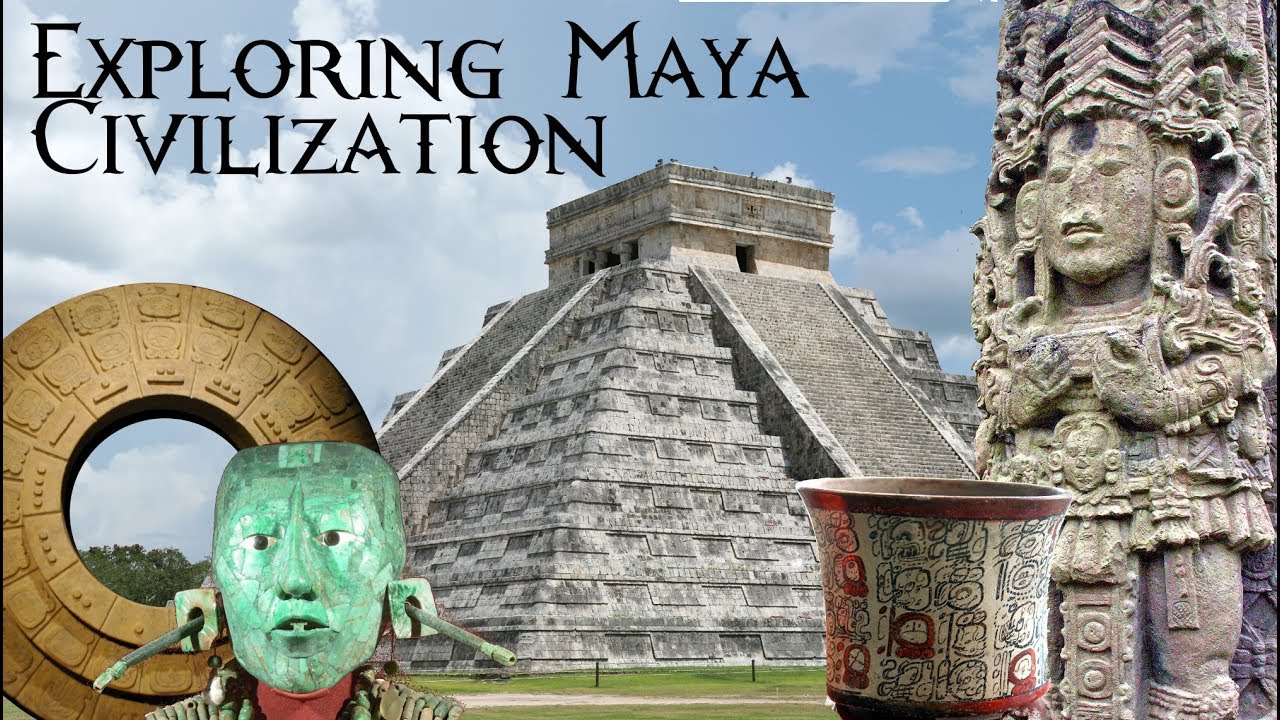.jpg) Source: https://bit.ly/33TGzPp Maya One of the most splendid, refined societies of the old New World, whose human advancement included the Yucatán Peninsula, Guatemala, Belize, and Honduras. The "revelation" of the Maya by present day researchers is an intriguing story with regards to and of itself. To the vast majority of the outside world, it was a "lost" human advancement, notwithstanding the way that just about 7 million Maya still live in their genealogical grounds. Essayist John L. Stephens visited huge numbers of the bigger destroys in 1839, for example, Copán, Chichén Itzá, Uxmal, and Palenque. His movement compositions ended up global smash hits and prompted academic enthusiasm for the Maya. Despite the fact that the Maya remnants contained many cut pictographs, archeologists were not able understand them. Sir Eric Thompson understood that a considerable lot of the glyphs contained numbers and built up a theory that the Maya were a quiet people who were concerned uniquely about the theoretical development of time, calenders, and arithmetic. This vision of the Maya made due until the 1980s, when another age of researchers started examining these individuals. In one of the twentieth century's incredible logical revelations, researchers examining the glyphs had the option to figure out the code, empowering them to decipher Maya composing. These new propels, alongside progressively complex archeological examinations, have upset our comprehension of the Maya. Rather than being an ethereal, philosophical culture, plainly the Maya were a rough, complex individuals especially intrigued by the operations of this present reality. Brief Chronology Archeologists have separated the way of life of antiquated Mexico into three noteworthy periods: the preclassic (or developmental), the work of art, and the postclassic. The way of life of the Maya traverses every one of the three of these periods, making it one of the longestl asting in the area. The preclassic (approximately 1500 b.c. to a.d. 200) was a time of incredible experimentation that prompted the advancement of a significant number of the social attributes that characterized the later Maya culture. The Maya's slice and-consume cultivating, in which network individuals cleared a field of trees and vegetation and after that consumed it to include a layer of supplement rich fiery debris, gave adequate sustenance to help a developing masses. Maya pioneers started to build up the images and customs of majesty, getting intensely from their neighbors the Olmecs. These illustrious trappings remained surprisingly stable throughout the hundreds of years, with Maya lords utilizing similar images of power until the Spanish victory. Maya religion additionally came to fruition during this time. The incomparable Maya urban communities of the preclassic were Nak'be and El Mirador. The last city was maybe the biggest Maya city at any point constructed, containing gigantic sanctuaries, raised stages, and squares. Its decay around a.d. 100 prompted the advancement of new urban communities that prospered during the exemplary period. Numerous advancements that started in the preclassic arrived at their apogee in the great period, which kept running from a.d. 200 to 900. The populace kept on developing, upheld by concentrated agrarian frameworks that changed over huge numbers of the remote locales into farmland. Moving endlessly from straightforward cut and-consume horticulture, the Maya developed expound terracing frameworks, water system, and raised field systems to transform peripheral zones into profitable farmland. Various Maya locales formed into thickly populated urban communities, including Palenque, Dos Pilas, Kalakmul, Quiriguá, Copán, and Tikal. The inhabitants of these urban areas exchanged widely among themselves and with numerous different districts of Mesoamerica. A reasonable case of this pattern is that various Maya urban areas set up contact with the incredible city of Teotihuacán in focal Mexico, which prompted social, religious, creative, and military changes over the locale. The sign of this period was the improvement of composing. While plainly numerals, illustrious names, and city images had been created numerous prior years, it was in the great time frame when genuine composition with language structure, complex signs, and punctuation showed up. Through the decipherment of these writings, epigraphers have had the option to diagram the ascent and fall of rulers, the changes of war, and the religious convictions of the Maya. Around 900 the great time frame arrived at an end. Composed records unexpectedly stop, and after some time the Maya relinquished their incredible urban areas in the marshes. A lot of academic consideration has concentrated on the "breakdown" of the great Maya. Ongoing revelations have revealed insight into this essential period. It creates the impression that as the populace developed, rivalry between the urban areas additionally increased. Fighting, which had been an exceptionally ritualized illicit relationship, turned out to be increasingly rough, dangerous, and across the board. Various urban areas occupied with what has been designated "absolute war," which prompted the discount decimation of locales. It appears that enormous scale movement away from the swamps started as of now as occupants fled from the requests of warmongering rulers and pillaging armed forces. The last period of the old Maya was the postclassic. While numerous archeologists see this as a stage in reverse as far as culture, unmistakably a considerable lot of the customary components of Maya society proceeded, albeit adjusted to meet new conditions. A large portion of the postclassic period was portrayed by militarism. Postclassic Maya culture focused on two principle zones: the Guatemalan good countries and the northern part of the Yucatán Peninsula. In the good countries two ground-breaking kingdoms rose: the Quiché (K'iche') and the Kachiquels. Both were exceptionally aggressive, containing intensely sustained urban areas and permitting a level of upward social versatility for effective warriors. The kingdoms of the Yucatán were littler yet made a progression of moving military partnerships to secure their interests. By the exclusive expectations of the old style period, workmanship and engineering were of lesser quality. This period was likewise described by increasingly broad attacks by gatherings from focal Mexico. Around 1000 the Toltecs applied significant weight on the northern Maya kingdoms, overcoming Chichén Itzá and utilizing it as their very own power base. In the mid 1500s the Aztecs started infiltrating the Maya district. Proof recommends that they caught the Putún Maya city of Xicallango in Tabasco just as Xoconusco, a district of southern Guatemala, from which they put weight on the Quiché. The postclassic finished with the Spanish triumph. With the entry of the Spaniards, the frontier time started. A prevalent confusion proposes that the Maya basically evaporated after the Spaniards moved into the district, yet the Spaniards had incredible trouble in vanquishing and holding the Maya region. Pedro de Alvarado prevailing with regards to vanquishing the Quiché and Kachiquel kingdoms, however uprisings against Spanish principle in the Guatemalan good countries were continuous to such an extent that the region ended up known as the "Place where there is War." Francisco de Montejo had no better karma in the Yucatán. In both these regions the absence of valuable metals and the tireless obstruction of the Maya constrained the Spaniards to everything except surrender the district. Basically, the Maya kept on living on their hereditary grounds following conventional traditions with generally little obstruction. The inside of the Maya region was not in any case probably vanquished until very late in the pilgrim time frame: The Itzá Maya kingdom of Tayasal (present day Flores, Guatemala) tumbled to the Spaniards in 1697, just about 200 years after the Spaniards initially arrived. Political Structure The advanced comprehension of the Maya's political frameworks has changed quickly as of late. Prior, researchers accepted that the Maya kingdoms were little, quiet elements administered by a "thinker ruler." Decipherment of the Maya's composition framework has took into account a more full, more reasonable appraisal. In contrast to the Aztecs and incas, the Maya did not have a solitary realm governed over by a solitary ruler. Maya kingdoms were littler, more along the lines of the city-conditions of Renaissance Italy. The kingdoms comprised of timberlands, farmland, and distant towns that were altogether led from a bigger capital city. The urban focuses were thickly populated, and inhabitants utilized a great part of the encompassing area for serious horticultural purposes. Most kingdoms were partitioned into areas or something to that affect, with a respectable of imperial ancestry set up as a neighborhood judge or senator. Few states turned out to be all the more dominant and ingested some of their neighbors to frame bigger "domains." The most dominant of these realms during the great period were Tikal and its adversary, Kalakmul. To accomplish more noteworthy power and position, numerous Maya kingdoms shaped collusions with far off kingdoms. This system verified fringes or exchange courses and gave a barrier against a possibly antagonistic state. Tikal and Kalakmul both attempted to utilize partnership systems to defeat one another, frequently encouraging their surrogates to battle wars for their sake. At the focal point of every kingdom was the sacred ruler, called the ahaw (or ahau). Like the pharaohs of Egypt, these ahaws were hallowed—the living epitome of the divine beings. Accordingly, they had the option to discuss legitimately with the divine beings, appealing to for the divine beings' proceeding with kindheartedness. The sacrosanct part of the ahaw guaranteed that bloodlines were carefully watched. The two people acquired this heavenly blood, and relationships were organized with the goal that beneficiaries would have however much of this hallowed component as could reasonably be expected. The ahaw held total power inside the kingdom. Now and again he would counsel with advice of older folks (who were typically rulers of the blood), however in his appearance as heavenly agent his statement was conclusive. The ahaw was required to be a skillful general and carry military magnificence to his domain. Much of the time, he praised his rising to control by assaulting an opponent kingdom so as to catch unfortunate casualties for penance. He was additionally expected to supplicate and offer forfeits in the interest of his kin. In functions of national significance or in the midst of national crises, the ahaw would play out a progression of phlebotomy services. Following quite a while of fasting, he would pierce his tongue, ears, or penis with a blade or stingray spine and pass a rope of thistles through the injury. The article was to splatter the blood onto hallowed pieces of paper, which were then singed over ceremonial flames of incense. The Maya accepted that dreams of divine beings or tribal spirits would show up in the smoke and speak with the ahaw. These phlebotomy ceremonies were the central association between the individuals, their ruler, and the divine beings. Religion One of the most unavoidable components of Maya religion was the possibility that the universe was administered by cycles of time that were always moving. A portion of these cycles were long, while others were brief. In handy terms this implied nothing really finished, and nothing genuinely started. The universe was made, later wrecked, just to be made once more. Horticultural divine beings kicked the bucket yet through their passing guaranteed resurrection of new crops. On the human level guardians kicked the bucket, however youngsters proceeded with their inheritance on earth. Passing and annihilation were never changeless, nor was life interminable. All individuals, divine beings, and occasions were bound on an extraordinary inestimable wheel that turned perpetually. The present creation, only one out of an interminable arrangement, started August, 13, 3114 b.c. It isn't clear why the Maya picked this specific date, as the principal unmistakable Maya towns did not show up for a large number of years a short time later. In any case, they considered this point the start of the present cycle of creation, which would end on December 23, 2012. The Maya felt that the part of the bargain cycle would not achieve a flat out Apocalypse, however the passing of this time of creation would serve to bring forth another one. The significance of these cycles is obvious in the Popol Vuh, an extraordinary abstract of Maya thought and conviction recorded not long after the Spanish victory. In this work people were not just made ex nihilo. To begin with, the divine beings tested by making individuals of mud. These examples were defective and at last wrecked. Afterward, the divine beings molded new people from wood. These, as well, demonstrated lacking and, once more, should have been crushed. At long last, the divine beings made individuals from their very own tissue. They were the best, in spite of the fact that the demonstration of creation significantly debilitated the divine beings themselves. In this manner, it turned into the obligation of people to make penances to the divine beings, who kept on supporting the universe. Lamentably, the Maya divine beings themselves remain inadequately comprehended. The primary issue in understanding the jobs and attributes of the Maya divine beings has been that the majority of the data with respect to them dates from the postconquest period and was regularly shaded by the preferences of the Spanish preachers who recorded data from indigenous sources. There were upwards of 166 named divine beings in the pantheon, in spite of the fact that their obligations and ranges of authority were only from time to time referenced in the writings that have endure. Besides, unmistakably there were immense religious contrasts between Maya districts. At the season of the victory, Kukulcán, the Feathered Serpent, was a significant illustrious god in the Yucatán, yet it appears to be certain that he was a Maya rendition of the focal Mexican god Quetzalcoatl brought by Toltec intruders in the tenth century. In this way, he was everything except obscure in the Maya urban areas toward the south during the exemplary period. A few of the Maya divine beings had some association with sustenance and richness, which isn't astounding in a culture that relied upon escalated farming. One of the most seasoned, most significant Maya divine beings was Chak, the downpour god. It is conceivable that he was received from the Olmecs during the preclassic period. Whatever his birthplace, Chak the Thunderer was among the most revered and most habitually delineated of Maya divine beings; his faction has made due to the present day. One last part of Maya religion was its distraction with Xibalba, the black market. For the Maya, Xibalba was a grim, watery domain where most living things followed they passed on. Indeed, even the sun and the moon went through this terrible arrive on their steady travels through the skies. Natural hollows and pools of water were viewed as doors to this dim land and consequently ended up both loved and dreaded. Among the most every now and again portrayed divine beings in Maya workmanship were the nightmarish Lords of Xibalba—nine masters of death, malady, and rottenness who were the consistent scourge of people. A considerable lot of these pictures make due in tombs, portrayed in earthenware production, works of art, and regal carvings, either alone or related to the Hero Twins, who vanquished them in one of the most critical segments of the Popol Vuh. The Maya Writing System The Maya composing framework was the most completely created in the Americas. Different societies, for example, the Zapotecs, Mixtecs, and Aztecs created simple composition, yet the Maya had a coordinated framework that utilized complex syntax. A great part of the composing managed religion. The writings were in books made of long portions of beaten bark paper, collapsed accordion-style to make individual pages. Generally these books were religious chronological registries that recorded the cycles of the sun, moon, and Venus, attributing custom importance to the days, and clarifying which divine beings were related with the different cycles. Just four books of this sort have made due from the Maya region. Many rotted normally in the hot, tropical atmosphere of the Maya district, yet most were demolished by Spanish evangelists, who felt they were blasphemous and requested them consumed. Maya additionally utilized composition to celebrate finished cycles of time. Maya rulers set up stone landmarks to stamp significant commemorations of the Maya schedule. These landmarks have explained the rules of Maya rulers and have given the absolute most outstanding Maya mold in presence. Most of Maya writings, authentic in nature, were cut on stone landmarks, plaques, and tomb dividers. These writings detail the incredible occasions of rulers' lives, list the ahaws' precursors, and relate the extraordinary deeds of previous rulers also. This material has helped researchers to reproduce Maya political history and to comprehend the connections among Maya states. The writings additionally depict the extraordinary ceremonies of the Maya world, especially those related with crowning ritual and fighting. These landmarks now and again make issues for researchers since they regularly talk about the rules of specific rulers, leaving enormous holes in the verifiable record. Moreover, these landmarks list just the significant snapshots of an ahaw's life. It would be much similar to attempting to recreate the life of Abraham Lincoln dependent on the engraved content of the Lincoln Memorial. Further, on the grounds that the recorders would in general delineate their rulers in a good light, a great part of the composition comprises of promulgation. Perusers who experience depictions of the length of an ahaw's rule, his victories, and his ancestries must cross-reference specific parts to guarantee that the data is exact. All enduring proof affirms that the Maya were an exceptionally complex individuals living in antiquated Mesoamerica. They built up a propelled arrangement of composing and calendrics, which has enabled present day researchers to unwind the riddles of Maya history. Despite the fact that their development had been in long decay when the Spaniards arrived, they were considerably more fruitful than most Native gatherings in opposing the Spanish conquistadores and keeping up their way of life under Spanish principle. They keep on enduring today, with in excess of 7 million Maya living in Mexico and Central America. |
| json metadata | {"tags":["history","maya","ancient","education"],"image":["https://cdn.steemitimages.com/DQmZtgzaNAW9bfWcXP6zMNjPCmu4Hg1oTD1NKveRWTnDDPj/maxresdefault%20(1).jpg"],"links":["https://bit.ly/33TGzPp"],"app":"steemit/0.1","format":"markdown"} |
| Transaction Info | Block #35777502/Trx 06f631fdcccd4d6a45f04027841aceac3fdad537 |
View Raw JSON Data
{
"trx_id": "06f631fdcccd4d6a45f04027841aceac3fdad537",
"block": 35777502,
"trx_in_block": 8,
"op_in_trx": 0,
"virtual_op": 0,
"timestamp": "2019-08-22T14:34:27",
"op": [
"comment",
{
"parent_author": "",
"parent_permlink": "history",
"author": "rnandi28",
"permlink": "history-of-maya",
"title": "History of Maya",
"body": ".jpg)\nSource: https://bit.ly/33TGzPp\n\nMaya One of the most splendid, refined societies of the old New World, whose human advancement included the Yucatán Peninsula, Guatemala, Belize, and Honduras. The \"revelation\" of the Maya by present day researchers is an intriguing story with regards to and of itself. To the vast majority of the outside world, it was a \"lost\" human advancement, notwithstanding the way that just about 7 million Maya still live in their genealogical grounds. Essayist John L. Stephens visited huge numbers of the bigger destroys in 1839, for example, Copán, Chichén Itzá, Uxmal, and Palenque. His movement compositions ended up global smash hits and prompted academic enthusiasm for the Maya. Despite the fact that the Maya remnants contained many cut pictographs, archeologists were not able understand them. Sir Eric Thompson understood that a considerable lot of the glyphs contained numbers and built up a theory that the Maya were a quiet people who were concerned uniquely about the theoretical development of time, calenders, and arithmetic. This vision of the Maya made due until the 1980s, when another age of researchers started examining these individuals. In one of the twentieth century's incredible logical revelations, researchers examining the glyphs had the option to figure out the code, empowering them to decipher Maya composing. These new propels, alongside progressively complex archeological examinations, have upset our comprehension of the Maya. Rather than being an ethereal, philosophical culture, plainly the Maya were a rough, complex individuals especially intrigued by the operations of this present reality. \n\nBrief Chronology \n\nArcheologists have separated the way of life of antiquated Mexico into three noteworthy periods: the preclassic (or developmental), the work of art, and the postclassic. The way of life of the Maya traverses every one of the three of these periods, making it one of the longestl asting in the area. The preclassic (approximately 1500 b.c. to a.d. 200) was a time of incredible experimentation that prompted the advancement of a significant number of the social attributes that characterized the later Maya culture. The Maya's slice and-consume cultivating, in which network individuals cleared a field of trees and vegetation and after that consumed it to include a layer of supplement rich fiery debris, gave adequate sustenance to help a developing masses. Maya pioneers started to build up the images and customs of majesty, getting intensely from their neighbors the Olmecs. These illustrious trappings remained surprisingly stable throughout the hundreds of years, with Maya lords utilizing similar images of power until the Spanish victory. Maya religion additionally came to fruition during this time. The incomparable Maya urban communities of the preclassic were Nak'be and El Mirador. The last city was maybe the biggest Maya city at any point constructed, containing gigantic sanctuaries, raised stages, and squares. Its decay around a.d. 100 prompted the advancement of new urban communities that prospered during the exemplary period. Numerous advancements that started in the preclassic arrived at their apogee in the great period, which kept running from a.d. 200 to 900. The populace kept on developing, upheld by concentrated agrarian frameworks that changed over huge numbers of the remote locales into farmland. Moving endlessly from straightforward cut and-consume horticulture, the Maya developed expound terracing frameworks, water system, and raised field systems to transform peripheral zones into profitable farmland. Various Maya locales formed into thickly populated urban communities, including Palenque, Dos Pilas, Kalakmul, Quiriguá, Copán, and Tikal. The inhabitants of these urban areas exchanged widely among themselves and with numerous different districts of Mesoamerica. A reasonable case of this pattern is that various Maya urban areas set up contact with the incredible city of Teotihuacán in focal Mexico, which prompted social, religious, creative, and military changes over the locale. The sign of this period was the improvement of composing. While plainly numerals, illustrious names, and city images had been created numerous prior years, it was in the great time frame when genuine composition with language structure, complex signs, and punctuation showed up. Through the decipherment of these writings, epigraphers have had the option to diagram the ascent and fall of rulers, the changes of war, and the religious convictions of the Maya. Around 900 the great time frame arrived at an end. Composed records unexpectedly stop, and after some time the Maya relinquished their incredible urban areas in the marshes. A lot of academic consideration has concentrated on the \"breakdown\" of the great Maya. Ongoing revelations have revealed insight into this essential period. It creates the impression that as the populace developed, rivalry between the urban areas additionally increased. Fighting, which had been an exceptionally ritualized illicit relationship, turned out to be increasingly rough, dangerous, and across the board. Various urban areas occupied with what has been designated \"absolute war,\" which prompted the discount decimation of locales. It appears that enormous scale movement away from the swamps started as of now as occupants fled from the requests of warmongering rulers and pillaging armed forces. The last period of the old Maya was the postclassic. While numerous archeologists see this as a stage in reverse as far as culture, unmistakably a considerable lot of the customary components of Maya society proceeded, albeit adjusted to meet new conditions. A large portion of the postclassic period was portrayed by militarism. Postclassic Maya culture focused on two principle zones: the Guatemalan good countries and the northern part of the Yucatán Peninsula. In the good countries two ground-breaking kingdoms rose: the Quiché (K'iche') and the Kachiquels. Both were exceptionally aggressive, containing intensely sustained urban areas and permitting a level of upward social versatility for effective warriors. The kingdoms of the Yucatán were littler yet made a progression of moving military partnerships to secure their interests. By the exclusive expectations of the old style period, workmanship and engineering were of lesser quality. This period was likewise described by increasingly broad attacks by gatherings from focal Mexico. Around 1000 the Toltecs applied significant weight on the northern Maya kingdoms, overcoming Chichén Itzá and utilizing it as their very own power base. In the mid 1500s the Aztecs started infiltrating the Maya district. Proof recommends that they caught the Putún Maya city of Xicallango in Tabasco just as Xoconusco, a district of southern Guatemala, from which they put weight on the Quiché. The postclassic finished with the Spanish triumph. With the entry of the Spaniards, the frontier time started. A prevalent confusion proposes that the Maya basically evaporated after the Spaniards moved into the district, yet the Spaniards had incredible trouble in vanquishing and holding the Maya region. Pedro de Alvarado prevailing with regards to vanquishing the Quiché and Kachiquel kingdoms, however uprisings against Spanish principle in the Guatemalan good countries were continuous to such an extent that the region ended up known as the \"Place where there is War.\" Francisco de Montejo had no better karma in the Yucatán. In both these regions the absence of valuable metals and the tireless obstruction of the Maya constrained the Spaniards to everything except surrender the district. Basically, the Maya kept on living on their hereditary grounds following conventional traditions with generally little obstruction. The inside of the Maya region was not in any case probably vanquished until very late in the pilgrim time frame: The Itzá Maya kingdom of Tayasal (present day Flores, Guatemala) tumbled to the Spaniards in 1697, just about 200 years after the Spaniards initially arrived. \n\nPolitical Structure \n\nThe advanced comprehension of the Maya's political frameworks has changed quickly as of late. Prior, researchers accepted that the Maya kingdoms were little, quiet elements administered by a \"thinker ruler.\" Decipherment of the Maya's composition framework has took into account a more full, more \n\nreasonable appraisal. In contrast to the Aztecs and incas, the Maya did not have a solitary realm governed over by a solitary ruler. Maya kingdoms were littler, more along the lines of the city-conditions of Renaissance Italy. The kingdoms comprised of timberlands, farmland, and distant towns that were altogether led from a bigger capital city. The urban focuses were thickly populated, and inhabitants utilized a great part of the encompassing area for serious horticultural purposes. Most kingdoms were partitioned into areas or something to that affect, with a respectable of imperial ancestry set up as a neighborhood judge or senator. Few states turned out to be all the more dominant and ingested some of their neighbors to frame bigger \"domains.\" The most dominant of these realms during the great period were Tikal and its adversary, Kalakmul. To accomplish more noteworthy power and position, numerous Maya kingdoms shaped collusions with far off kingdoms. This system verified fringes or exchange courses and gave a barrier against a possibly antagonistic state. Tikal and Kalakmul both attempted to utilize partnership systems to defeat one another, frequently encouraging their surrogates to battle wars for their sake.\n\nAt the focal point of every kingdom was the sacred ruler, called the ahaw (or ahau). Like the pharaohs of Egypt, these ahaws were hallowed—the living epitome of the divine beings. Accordingly, they had the option to discuss legitimately with the divine beings, appealing to for the divine beings' proceeding with kindheartedness. The sacrosanct part of the ahaw guaranteed that bloodlines were carefully watched. The two people acquired this heavenly blood, and relationships were organized with the goal that beneficiaries would have however much of this hallowed component as could reasonably be expected. The ahaw held total power inside the kingdom. Now and again he would counsel with advice of older folks (who were typically rulers of the blood), however in his appearance as heavenly agent his statement was conclusive. The ahaw was required to be a skillful general and carry military magnificence to his domain. Much of the time, he praised his rising to control by assaulting an opponent kingdom so as to catch unfortunate casualties for penance. He was additionally expected to supplicate and offer forfeits in the interest of his kin. In functions of national significance or in the midst of national crises, the ahaw would play out a progression of phlebotomy services. Following quite a while of fasting, he would pierce his tongue, ears, or penis with a blade or stingray spine and pass a rope of thistles through the injury. The article was to splatter the blood onto hallowed pieces of paper, which were then singed over ceremonial flames of incense. The Maya accepted that dreams of divine beings or tribal spirits would show up in the smoke and speak with the ahaw. These phlebotomy ceremonies were the central association between the individuals, their ruler, and the divine beings. \n\nReligion \n\nOne of the most unavoidable components of Maya religion was the possibility that the universe was administered by cycles of time that were always moving. A portion of these cycles were long, while others were brief. In handy terms this implied nothing really finished, and nothing genuinely started. The universe was made, later wrecked, just to be made once more. Horticultural divine beings kicked the bucket yet through their passing guaranteed resurrection of new crops. On the human level guardians kicked the bucket, however youngsters proceeded with their inheritance on earth. Passing and annihilation were never changeless, nor was life interminable. All individuals, divine beings, and occasions were bound on an extraordinary inestimable wheel that turned perpetually. The present creation, only one out of an interminable arrangement, started August, 13, 3114 b.c. It isn't clear why the Maya picked this specific date, as the principal unmistakable Maya towns did not show up for a large number of years a short time later. In any case, they considered this point the start of the present cycle of creation, which would end on December 23, 2012. The Maya felt that the part of the bargain cycle would not achieve a flat out Apocalypse, however the passing of this time of creation would serve to bring forth another one. \n\nThe significance of these cycles is obvious in the Popol Vuh, an extraordinary abstract of Maya thought and conviction recorded not long after the Spanish victory. In this work people were not just made ex nihilo. To begin with, the divine beings tested by making individuals of mud. These examples were defective and at last wrecked. Afterward, the divine beings molded new people from wood. These, as well, demonstrated lacking and, once more, should have been crushed. At long last, the divine beings made individuals from their very own tissue. They were the best, in spite of the fact that the demonstration of creation significantly debilitated the divine beings themselves. In this manner, it turned into the obligation of people to make penances to the divine beings, who kept on supporting the universe. Lamentably, the Maya divine beings themselves remain inadequately comprehended. The primary issue in understanding the jobs and attributes of the Maya divine beings has been that the majority of the data with respect to them dates from the postconquest period and was regularly shaded by the preferences of the Spanish preachers who recorded data from indigenous sources. There were upwards of 166 named divine beings in the pantheon, in spite of the fact that their obligations and ranges of authority were only from time to time referenced in the writings that have endure. Besides, unmistakably there were immense religious contrasts between Maya districts. At the season of the victory, Kukulcán, the Feathered Serpent, was a significant illustrious god in the Yucatán, yet it appears to be certain that he was a Maya rendition of the focal Mexican god Quetzalcoatl brought by Toltec intruders in the tenth century. In this way, he was everything except obscure in the Maya urban areas toward the south during the exemplary period. A few of the Maya divine beings had some association with sustenance and richness, which isn't astounding in a culture that relied upon escalated farming. One of the most seasoned, most significant Maya divine beings was Chak, the downpour god. It is conceivable that he was received from the Olmecs during the preclassic period. Whatever his birthplace, Chak the Thunderer was among the most revered and most habitually delineated of Maya divine beings; his faction has made due to the present day. One last part of Maya religion was its distraction with Xibalba, the black market. For the Maya, Xibalba was a grim, watery domain where most living things followed they passed on. Indeed, even the sun and the moon went through this terrible arrive on their steady travels through the skies. Natural hollows and pools of water were viewed as doors to this dim land and consequently ended up both loved and dreaded. Among the most every now and again portrayed divine beings in Maya workmanship were the nightmarish Lords of Xibalba—nine masters of death, malady, and rottenness who were the consistent scourge of people. A considerable lot of these pictures make due in tombs, portrayed in earthenware production, works of art, and regal carvings, either alone or related to the Hero Twins, who vanquished them in one of the most critical segments of the Popol Vuh. \n\nThe Maya Writing System The Maya composing framework was the most completely created in the Americas. Different societies, for example, the Zapotecs, Mixtecs, and Aztecs created simple composition, yet the Maya had a coordinated framework that utilized complex syntax. A great part of the composing managed religion. The writings were in books made of long portions of beaten bark paper, collapsed accordion-style to make individual pages. Generally these books were religious chronological registries that recorded the cycles of the sun, moon, and Venus, attributing custom importance to the days, and clarifying which divine beings were related with the different cycles. Just four books of this sort have made due from the Maya region. Many rotted normally in the hot, tropical atmosphere of the Maya district, yet most were demolished by Spanish evangelists, who felt they were blasphemous and requested them consumed. Maya additionally utilized composition to celebrate finished cycles of time. Maya rulers set up stone landmarks to stamp significant commemorations of the Maya schedule. These landmarks have explained the rules of Maya rulers and have given the absolute most outstanding Maya mold in presence. Most of Maya writings, authentic in nature, were cut on stone landmarks, plaques, and tomb dividers. These writings detail the incredible occasions of rulers' lives, list the ahaws' precursors, and relate the extraordinary deeds of previous rulers also. This material has helped researchers to reproduce Maya political history and to comprehend the connections among Maya states. The writings additionally depict the extraordinary ceremonies of the Maya world, especially those related with crowning ritual and fighting. These landmarks now and again make issues for researchers since they regularly talk about the rules of specific rulers, leaving enormous holes in the verifiable record. Moreover, these landmarks list just the significant snapshots of an ahaw's life. It would be much similar to attempting to recreate the life of Abraham Lincoln dependent on the engraved content of the Lincoln Memorial. Further, on the grounds that the recorders would in general delineate their rulers in a good light, a great part of the composition comprises of promulgation. Perusers who experience depictions of the length of an ahaw's rule, his victories, and his ancestries must cross-reference specific parts to guarantee that the data is exact. All enduring proof affirms that the Maya were an exceptionally complex individuals living in antiquated Mesoamerica. They built up a propelled arrangement of composing and calendrics, which has enabled present day researchers to unwind the riddles of Maya history. Despite the fact that their development had been in long decay when the Spaniards arrived, they were considerably more fruitful than most Native gatherings in opposing the Spanish conquistadores and keeping up their way of life under Spanish principle. They keep on enduring today, with in excess of 7 million Maya living in Mexico and Central America.",
"json_metadata": "{\"tags\":[\"history\",\"maya\",\"ancient\",\"education\"],\"image\":[\"https://cdn.steemitimages.com/DQmZtgzaNAW9bfWcXP6zMNjPCmu4Hg1oTD1NKveRWTnDDPj/maxresdefault%20(1).jpg\"],\"links\":[\"https://bit.ly/33TGzPp\"],\"app\":\"steemit/0.1\",\"format\":\"markdown\"}"
}
]
}pixelfanupvoted (0.57%) @rnandi28 / massachusett-tribes2019/08/22 14:27:51
pixelfanupvoted (0.57%) @rnandi28 / massachusett-tribes
2019/08/22 14:27:51
| voter | pixelfan |
| author | rnandi28 |
| permlink | massachusett-tribes |
| weight | 57 (0.57%) |
| Transaction Info | Block #35777370/Trx 16190d72e575da5a71d776a1654173e3edd59462 |
View Raw JSON Data
{
  "trx_id": "16190d72e575da5a71d776a1654173e3edd59462",
  "block": 35777370,
  "trx_in_block": 6,
  "op_in_trx": 0,
  "virtual_op": 0,
  "timestamp": "2019-08-22T14:27:51",
  "op": [
    "vote",
    {
      "voter": "pixelfan",
      "author": "rnandi28",
      "permlink": "massachusett-tribes",
      "weight": 57
    }
  ]
}marytierraupvoted (100.00%) @rnandi28 / massachusett-tribes2019/08/22 14:27:12
marytierraupvoted (100.00%) @rnandi28 / massachusett-tribes
2019/08/22 14:27:12
| voter | marytierra |
| author | rnandi28 |
| permlink | massachusett-tribes |
| weight | 10000 (100.00%) |
| Transaction Info | Block #35777357/Trx 4ae4be407ec9b5bebc783a35d1a9d524c352af93 |
View Raw JSON Data
{
  "trx_id": "4ae4be407ec9b5bebc783a35d1a9d524c352af93",
  "block": 35777357,
  "trx_in_block": 1,
  "op_in_trx": 0,
  "virtual_op": 0,
  "timestamp": "2019-08-22T14:27:12",
  "op": [
    "vote",
    {
      "voter": "marytierra",
      "author": "rnandi28",
      "permlink": "massachusett-tribes",
      "weight": 10000
    }
  ]
}rnandi28upvoted (100.00%) @rnandi28 / massachusett-tribes2019/08/22 14:24:42
rnandi28upvoted (100.00%) @rnandi28 / massachusett-tribes
2019/08/22 14:24:42
| voter | rnandi28 |
| author | rnandi28 |
| permlink | massachusett-tribes |
| weight | 10000 (100.00%) |
| Transaction Info | Block #35777307/Trx 88bfee28b2c203c2cec3c7f39de5a366bfa602a9 |
View Raw JSON Data
{
  "trx_id": "88bfee28b2c203c2cec3c7f39de5a366bfa602a9",
  "block": 35777307,
  "trx_in_block": 27,
  "op_in_trx": 0,
  "virtual_op": 0,
  "timestamp": "2019-08-22T14:24:42",
  "op": [
    "vote",
    {
      "voter": "rnandi28",
      "author": "rnandi28",
      "permlink": "massachusett-tribes",
      "weight": 10000
    }
  ]
}rnandi28published a new post: massachusett-tribes2019/08/22 14:24:24
rnandi28published a new post: massachusett-tribes
2019/08/22 14:24:24
| parent author | |
| parent permlink | history |
| author | rnandi28 |
| permlink | massachusett-tribes |
| title | Massachusett Tribes |
| body |  https://bit.ly/2PbLHew The Massachusett Indians, who most likely had a precontact populace of around 22,000, were among the main North American Native people groups to have supported contact with English pilgrims. The Massachusett and their neighbors, including the Pequot, Mohegan, Wampanoag, Pokanoket, and Nipmuck, communicated in related eastern Algonquian dialects. Precontact limits between Native people groups in the locale are hard to decide, yet before contact the Massachusett obviously lived on the south side of Massachusetts Bay, between the Pawtucket toward the north and the Pokanoket toward the south. Like other Indian gatherings in present-day southern New England, the Massachusett depended on a blend of cultivating, chasing, and assembling to acquire their sustenance. Ladies planted and tended fields of corn, beans, pumpkins, squash, tobacco, and sunflowers. They additionally assembled a wide assortment of palatable wild plants, including roots, strawber ries, blackberries, grapes, pecans, oak seeds, and chestnuts. Men utilized bows and bolts to chase creatures, especially deer, yet in addition bear, turkey, and other natural life. Networks likewise depended on fish, shellfish, seals, and stranded whales. The Massachusett moved occasionally inside a confined zone so as to exploit assets accessible at various occasions of the year. In the spring they planted their fields, at that point moved to the banks of waterways or to the sea to catch fish. They came back to gather their fields in the fall, and the reap was trailed by winter chases. They didn't move together as one huge "clan." Rather, gatherings of more distant families moved together, meeting up at certain seasons of the year and separating at others. The Massachusett lived in homes called wigwams. These were crescent hotels shaped by tying a hover of twisted shafts at the top and covering the subsequent system with woven tangles or sheets of bark. The normal wigwam was around 14 to 16 feet in width and could house two families. The Massachusett additionally some of the time fabricated bigger houses, which may be 100 feet long and 30 feet wide. These barkcovered longhouses could hold 40 to 50 individuals. Political specialist among the Massachusett was held by men (and once in a while ladies) known as sachems. A sachem was a town head who held office through a blend of genetic status and attractive individual characteristics, including appeal, fearlessness, and political expertise. Sachems by and large held office forever except if they lost the network's certainty. They drove basically through influence, and their coercive forces were restricted. Albeit a couple of sachems were ladies, as a rule, Massachusett life was male-ruled. Men held more prominent specialist both in legislative issues and inside the family, and habitation examples were usually patrilocal. Religious pioneers, known as powwows, were critical to the Massachusett. The Massachusett had faith in two noteworthy gods, Kiehtan (or Chepian) and Hobbamock (or Abamacho), just as other profound creatures. Networks depended on powwows to decipher dreams, foresee the future, and fix sickness. They additionally accepted that powwows could change their shape or appear as a creature. The Massachusett regarded the powwows for their capacity to impact the otherworldly world yet additionally dreaded them, for a similar power that enabled powwows to fix enabled them to cause ailment. A conference who neglected to shield the individuals from a debacle, for example, a pestilence, may be blamed for black magic. The Massachusett most likely initially experienced Europeans in the mid sixteenth century. European voyagers who saw the Massachusett or adjacent Indian gatherings incorporate Giovanni da Verrazano (1524), Bartholomew Gosnold (1602), Martin Pring (1603), and John Smith (1614). Somewhere in the range of 1600 and 1620 the Massachusett and other New England Indian countries most likely lost at any rate a large portion of their populace to European illness, which made them less ready to oppose Puritan attacks into their properties. |
| json metadata | {"tags":["history","massachusett","tribes"],"image":["https://cdn.steemitimages.com/DQmTujY2GUebjp45sPMCrh2oJ9BeVBP6B1VW8GrCs3s2BXo/images.jpg"],"links":["https://bit.ly/2PbLHew"],"app":"steemit/0.1","format":"markdown"} |
| Transaction Info | Block #35777301/Trx 2c2bfe8f877e21013043219bd2d3adde95d3b999 |
View Raw JSON Data
{
"trx_id": "2c2bfe8f877e21013043219bd2d3adde95d3b999",
"block": 35777301,
"trx_in_block": 48,
"op_in_trx": 0,
"virtual_op": 0,
"timestamp": "2019-08-22T14:24:24",
"op": [
"comment",
{
"parent_author": "",
"parent_permlink": "history",
"author": "rnandi28",
"permlink": "massachusett-tribes",
"title": "Massachusett Tribes",
"body": "\nhttps://bit.ly/2PbLHew\n\nThe Massachusett Indians, who most likely had a precontact populace of around 22,000, were among the main North American Native people groups to have supported contact with English pilgrims. The Massachusett and their neighbors, including the Pequot, Mohegan, Wampanoag, Pokanoket, and Nipmuck, communicated in related eastern Algonquian dialects. Precontact limits between Native people groups in the locale are hard to decide, yet before contact the Massachusett obviously lived on the south side of Massachusetts Bay, between the Pawtucket toward the north and the Pokanoket toward the south. Like other Indian gatherings in present-day southern New England, the Massachusett depended on a blend of cultivating, chasing, and assembling to acquire their sustenance. Ladies planted and tended fields of corn, beans, pumpkins, squash, tobacco, and sunflowers. They additionally assembled a wide assortment of palatable wild plants, including roots, strawber \n\nries, blackberries, grapes, pecans, oak seeds, and chestnuts. Men utilized bows and bolts to chase creatures, especially deer, yet in addition bear, turkey, and other natural life. Networks likewise depended on fish, shellfish, seals, and stranded whales. The Massachusett moved occasionally inside a confined zone so as to exploit assets accessible at various occasions of the year. In the spring they planted their fields, at that point moved to the banks of waterways or to the sea to catch fish. They came back to gather their fields in the fall, and the reap was trailed by winter chases. They didn't move together as one huge \"clan.\" Rather, gatherings of more distant families moved together, meeting up at certain seasons of the year and separating at others. The Massachusett lived in homes called wigwams. These were crescent hotels shaped by tying a hover of twisted shafts at the top and covering the subsequent system with woven tangles or sheets of bark. The normal wigwam was around 14 to 16 feet in width and could house two families. The Massachusett additionally some of the time fabricated bigger houses, which may be 100 feet long and 30 feet wide. These barkcovered longhouses could hold 40 to 50 individuals. Political specialist among the Massachusett was held by men (and once in a while ladies) known as sachems. A sachem was a town head who held office through a blend of genetic status and attractive individual characteristics, including appeal, fearlessness, and political expertise. Sachems by and large held office forever except if they lost the network's certainty. They drove basically through influence, and their coercive forces were restricted. Albeit a couple of sachems were ladies, as a rule, Massachusett life was male-ruled. Men held more prominent specialist both in legislative issues and inside the family, and habitation examples were usually patrilocal. Religious pioneers, known as powwows, were critical to the Massachusett. The Massachusett had faith in two noteworthy gods, Kiehtan (or Chepian) and Hobbamock (or Abamacho), just as other profound creatures. Networks depended on powwows to decipher dreams, foresee the future, and fix sickness. They additionally accepted that powwows could change their shape or appear as a creature. The Massachusett regarded the powwows for their capacity to impact the otherworldly world yet additionally dreaded them, for a similar power that enabled powwows to fix enabled them to cause ailment. A conference who neglected to shield the individuals from a debacle, for example, a pestilence, may be blamed for black magic. The Massachusett most likely initially experienced Europeans in the mid sixteenth century. European voyagers who saw the Massachusett or adjacent Indian gatherings incorporate Giovanni da Verrazano (1524), Bartholomew Gosnold (1602), Martin Pring (1603), and John Smith (1614). Somewhere in the range of 1600 and 1620 the Massachusett and other New England Indian countries most likely lost at any rate a large portion of their populace to European illness, which made them less ready to oppose Puritan attacks into their properties.",
"json_metadata": "{\"tags\":[\"history\",\"massachusett\",\"tribes\"],\"image\":[\"https://cdn.steemitimages.com/DQmTujY2GUebjp45sPMCrh2oJ9BeVBP6B1VW8GrCs3s2BXo/images.jpg\"],\"links\":[\"https://bit.ly/2PbLHew\"],\"app\":\"steemit/0.1\",\"format\":\"markdown\"}"
}
]
}rnandi28upvoted (100.00%) @rnandi28 / aataentsic2019/08/22 14:18:21
rnandi28upvoted (100.00%) @rnandi28 / aataentsic
2019/08/22 14:18:21
| voter | rnandi28 |
| author | rnandi28 |
| permlink | aataentsic |
| weight | 10000 (100.00%) |
| Transaction Info | Block #35777180/Trx 011c4ba1e7e005629a125c2e5383051523b4a2e9 |
View Raw JSON Data
{
  "trx_id": "011c4ba1e7e005629a125c2e5383051523b4a2e9",
  "block": 35777180,
  "trx_in_block": 3,
  "op_in_trx": 0,
  "virtual_op": 0,
  "timestamp": "2019-08-22T14:18:21",
  "op": [
    "vote",
    {
      "voter": "rnandi28",
      "author": "rnandi28",
      "permlink": "aataentsic",
      "weight": 10000
    }
  ]
}rnandi28published a new post: aataentsic2019/08/22 14:17:57
rnandi28published a new post: aataentsic
2019/08/22 14:17:57
| parent author | |
| parent permlink | history |
| author | rnandi28 |
| permlink | aataentsic |
| title | Aataentsic |
| body |  https://bit.ly/2ZcPT2g The Huron accepted that Aataentsic, despite the fact that "the mother of humanity" in their creation story, was a divinity who brought mischief to individuals. As indicated by the Huron, Aataentsic had initially abided in the sky with her better half, where spirits lived in a forested land much like earth. One day she tumbled to earth through a gap in the sky. As she fell toward the sea that secured the world, the tortoise saw her falling. He told the other water creatures to plunge and raise earth. As they returned, they heaped the earth on his back, framing the land. Aataentsic fell securely on this land. Not long after her fall, she gave birth to twin children, Iouskeha and Tawiscaron. Iouskeha looked for to support people. He brought great climate, made the lakes and waterways, and told people the best way to chase. He likewise instructed individuals to utilize fire and develop corn. His sibling Tawiscaron was not positively arranged to people, and when the siblings grew up they battled, and Iouskeha drove him away. His blood, which fell on the ground as he fled, turned into stone. After this time, Iouskeha and Aataentsic lived together in a bark house a long way from Huron nation. Aataentsic, who might be distinguished either as Iouskeha's mother or his maternal grandma, attempted to fix his acts of kindness and to hurt individuals. She sent infection, made individuals kick the bucket, and controlled the spirits of the dead. On the off chance that a voyaging Huron discovered her lodge, she would attempt to hurt him, however her child would attempt to support the disastrous explorer. She showed up as an elderly person, however she could make herself youthful again however she wanted. Iouskeha developed old like any individual, yet when he ended up old could restore himself and become youthful once more. The anthropologist Bruce Trigger recommended that the story of Aataentsic and Iouskeha worked to redress the two people for the constraints in their jobs in every day life. Men, who slaughtered creatures in the chase and other people in war, were aggressors in every day life. The male god Iouskeha, then again, was a real existence bearer who gave people corn and fire and attempted to support them. In Huron society, ladies raised harvests and thought about youngsters, in any case, through the account of Aataentsic they were "complimented by being magically invested with risky and forceful characteristics." The possibility that Aataentsic and her child, however altogether different in character, lived respectively in a bark lodge may have accentuated the reciprocal jobs men and ladies played in day by day life. |
| json metadata | {"tags":["history","ancient","aataentsic"],"image":["https://cdn.steemitimages.com/DQmaS4PwZUjTqQHA27t2VrvNrgkhetG8f3J4pGAxTtVhLmK/37367266062_45de8e93fe_b.jpg"],"links":["https://bit.ly/2ZcPT2g"],"app":"steemit/0.1","format":"markdown"} |
| Transaction Info | Block #35777172/Trx bcf6b0d34e827842222448bb32bcc8bb1d776bd0 |
View Raw JSON Data
{
"trx_id": "bcf6b0d34e827842222448bb32bcc8bb1d776bd0",
"block": 35777172,
"trx_in_block": 47,
"op_in_trx": 0,
"virtual_op": 0,
"timestamp": "2019-08-22T14:17:57",
"op": [
"comment",
{
"parent_author": "",
"parent_permlink": "history",
"author": "rnandi28",
"permlink": "aataentsic",
"title": "Aataentsic",
"body": "\nhttps://bit.ly/2ZcPT2g\n\nThe Huron accepted that Aataentsic, despite the fact that \"the mother \n\nof humanity\" in their creation story, was a divinity who brought \n\nmischief to individuals. \n\nAs indicated by the Huron, Aataentsic had initially \n\nabided in the sky with her better half, where spirits lived in \n\na forested land much like earth. One day she tumbled to earth \n\nthrough a gap in the sky. As she fell toward the sea that \n\nsecured the world, the tortoise saw her falling. He told the \n\nother water creatures to plunge and raise earth. As they \n\nreturned, they heaped the earth on his back, framing the land. \n\nAataentsic fell securely on this land. Not long after her fall, she gave \n\nbirth to twin children, Iouskeha and Tawiscaron. Iouskeha looked for \n\nto support people. He brought great climate, made the \n\nlakes and waterways, and told people the best way to chase. He \n\nlikewise instructed individuals to utilize fire and develop corn. His sibling \n\nTawiscaron was not positively arranged to people, and when \n\nthe siblings grew up they battled, and Iouskeha drove him \n\naway. His blood, which fell on the ground as he fled, turned \n\ninto stone. After this time, Iouskeha and Aataentsic lived \n\ntogether in a bark house a long way from Huron nation. \n\nAataentsic, who might be distinguished either as Iouskeha's \n\nmother or his maternal grandma, attempted to fix his \n\nacts of kindness and to hurt individuals. She sent infection, \n\nmade individuals kick the bucket, and controlled the spirits of the dead. On the off chance that \n\na voyaging Huron discovered her lodge, she would attempt to hurt \n\nhim, however her child would attempt to support the disastrous explorer. \n\nShe showed up as an elderly person, however she could make \n\nherself youthful again however she wanted. Iouskeha developed old like \n\nany individual, yet when he ended up old could restore \n\nhimself and become youthful once more. \n\nThe anthropologist Bruce Trigger recommended that the \n\nstory of Aataentsic and Iouskeha worked to redress \n\nthe two people for the constraints in their jobs in \n\nevery day life. Men, who slaughtered creatures in the chase and other \n\npeople in war, were aggressors in every day life. The male \n\ngod Iouskeha, then again, was a real existence bearer who \n\ngave people corn and fire and attempted to support them. In \n\nHuron society, ladies raised harvests and thought about youngsters, \n\nin any case, through the account of Aataentsic they were \"complimented by \n\nbeing magically invested with risky and forceful \n\ncharacteristics.\" The possibility that Aataentsic and her child, however \n\naltogether different in character, lived respectively in a bark lodge \n\nmay have accentuated the reciprocal jobs men and \n\nladies played in day by day life.",
"json_metadata": "{\"tags\":[\"history\",\"ancient\",\"aataentsic\"],\"image\":[\"https://cdn.steemitimages.com/DQmaS4PwZUjTqQHA27t2VrvNrgkhetG8f3J4pGAxTtVhLmK/37367266062_45de8e93fe_b.jpg\"],\"links\":[\"https://bit.ly/2ZcPT2g\"],\"app\":\"steemit/0.1\",\"format\":\"markdown\"}"
}
]
}rnandi28published a new post: introduction-to-the-civilization-of-ancient-egypt2019/08/22 14:13:06
rnandi28published a new post: introduction-to-the-civilization-of-ancient-egypt
2019/08/22 14:13:06
| parent author | |
| parent permlink | history |
| author | rnandi28 |
| permlink | introduction-to-the-civilization-of-ancient-egypt |
| title | Introduction to the Civilization of Ancient Egypt |
| body | @@ -1,12 +1,280 @@ +!%5BAncient-Egypt-pyramids-builders-conspiracy-theory-pyramids-lay-lines-1113516.jpg%5D(https://cdn.steemitimages.com/DQmbop2DkA2cqtmLLf53q6UTaUuWKvx48ernUHKKA3yXwU6/Ancient-Egypt-pyramids-builders-conspiracy-theory-pyramids-lay-lines-1113516.jpg)%0Ahttps://bit.ly/2zfDQBT%0A%0A The sands of |
| json metadata | {"tags":["history","ancient","egypt","civilizations"],"app":"steemit/0.1","format":"markdown","image":["https://cdn.steemitimages.com/DQmbop2DkA2cqtmLLf53q6UTaUuWKvx48ernUHKKA3yXwU6/Ancient-Egypt-pyramids-builders-conspiracy-theory-pyramids-lay-lines-1113516.jpg"],"links":["https://bit.ly/2zfDQBT"]} |
| Transaction Info | Block #35777076/Trx 55c18e8601c1aba096bf64551af96e924918f5ab |
View Raw JSON Data
{
  "trx_id": "55c18e8601c1aba096bf64551af96e924918f5ab",
  "block": 35777076,
  "trx_in_block": 0,
  "op_in_trx": 0,
  "virtual_op": 0,
  "timestamp": "2019-08-22T14:13:06",
  "op": [
    "comment",
    {
      "parent_author": "",
      "parent_permlink": "history",
      "author": "rnandi28",
      "permlink": "introduction-to-the-civilization-of-ancient-egypt",
      "title": "Introduction to the Civilization of Ancient Egypt",
      "body": "@@ -1,12 +1,280 @@\n+!%5BAncient-Egypt-pyramids-builders-conspiracy-theory-pyramids-lay-lines-1113516.jpg%5D(https://cdn.steemitimages.com/DQmbop2DkA2cqtmLLf53q6UTaUuWKvx48ernUHKKA3yXwU6/Ancient-Egypt-pyramids-builders-conspiracy-theory-pyramids-lay-lines-1113516.jpg)%0Ahttps://bit.ly/2zfDQBT%0A%0A\n The sands of\n",
      "json_metadata": "{\"tags\":[\"history\",\"ancient\",\"egypt\",\"civilizations\"],\"app\":\"steemit/0.1\",\"format\":\"markdown\",\"image\":[\"https://cdn.steemitimages.com/DQmbop2DkA2cqtmLLf53q6UTaUuWKvx48ernUHKKA3yXwU6/Ancient-Egypt-pyramids-builders-conspiracy-theory-pyramids-lay-lines-1113516.jpg\"],\"links\":[\"https://bit.ly/2zfDQBT\"]}"
    }
  ]
}rnandi28upvoted (100.00%) @rnandi28 / introduction-to-the-civilization-of-ancient-egypt2019/08/22 14:10:39
rnandi28upvoted (100.00%) @rnandi28 / introduction-to-the-civilization-of-ancient-egypt
2019/08/22 14:10:39
| voter | rnandi28 |
| author | rnandi28 |
| permlink | introduction-to-the-civilization-of-ancient-egypt |
| weight | 10000 (100.00%) |
| Transaction Info | Block #35777027/Trx f353149842d7cfd32836f4d5883cad8c90b29f6c |
View Raw JSON Data
{
  "trx_id": "f353149842d7cfd32836f4d5883cad8c90b29f6c",
  "block": 35777027,
  "trx_in_block": 9,
  "op_in_trx": 0,
  "virtual_op": 0,
  "timestamp": "2019-08-22T14:10:39",
  "op": [
    "vote",
    {
      "voter": "rnandi28",
      "author": "rnandi28",
      "permlink": "introduction-to-the-civilization-of-ancient-egypt",
      "weight": 10000
    }
  ]
}rnandi28published a new post: introduction-to-the-civilization-of-ancient-egypt2019/08/22 14:10:15
rnandi28published a new post: introduction-to-the-civilization-of-ancient-egypt
2019/08/22 14:10:15
| parent author | |
| parent permlink | history |
| author | rnandi28 |
| permlink | introduction-to-the-civilization-of-ancient-egypt |
| title | Introduction to the Civilization of Ancient Egypt |
| body | The sands of the Sahara Desert may not appear to be a conceivable home for one of the world's most prominent realms. However, the Nile River made the Egyptian domain conceivable. The Nile is a life saver twisting north from Ethiopia's good country through Egypt to deplete into the Mediterranean Sea. The Egyptians could develop abundant yields on the grounds that every year the waterway overflowed, bringing dull, silty soil. Figuring out how to deal with the flooding and at that point to recover and flood the land made a difference the Egyptians form into an intelligible society. As the antiquated Greek antiquarian Herodotus stated, "Egypt is the endowment of the Nile." The Nile—and its area—made a difference Egyptian development to last, in a generally unaltered structure, for over 3,000 years. During that equivalent time, compelling domains had risen and fallen in Mesopotamia and other less secured spots. Be that as it may, fixed in by the denying desert, Egypt was, beside the exchange it continued, for the most part a world separated. In this volume you will figure out how, in ancient times, the Egyptians changed from being trackers and gatherers to ranchers and experts. As the atmosphere continuously progressed toward becoming drier, collaboration helped the early Egyptians to frame towns, at that point urban communities. In around 3000 bc—when composed records began being kept—the unbelievable King Menes brought Upper (southern) and Lower (northern) Egypt together to frame a solitary country. Egypt's three most dominant times of the recorded period are called the Old Kingdom, Middle Kingdom, furthermore, New Kingdom. It was during the Old Kingdom that the extraordinary pyramids were constructed. After some time, Egypt slowly debilitated furthermore, ended up powerless against remote intruders, for example, the Assyrians, the Kushites, and the Greeks. At last, regardless of the endeavors of Egypt's last ruler, the wily Cleopatra, the ground-breaking Roman Empire took over in 31 bc. Privileged Egyptians had exquisite lives. They wore straightforward material sheaths, yet for uncommon events, the two people wore gems, utilized aroma and cosmetics, and wore expound wigs. They had close to nothing furniture, however what they had was modern furthermore, made of fine materials. Ranchers had a harder time. They were not just burdened vigorously, yet they could likewise be called upon to take a shot at mammoth open work ventures. A few of these were stupendous stone sanctuaries to respect their divine beings. Other indulgent structures were colossal tombs for the pharaohs. The Egyptians cherished life and were cheerful that their spirits would be brought together with their bodies after death. This cheerfulness, joined with the way that bodies could remain well-saved in the dry climate, drove to the act of embalmment. Not just were people given this detailed protection treatment, yet so were sure creatures, counting felines, which were viewed as sacrosanct by the Egyptians. From contemplating their tombs and other antiquated structures, we have adapted much about Egypt's way of life. Their specialty spoke to thoughts of Egyptian culture—for instance, a worker may seem littler than a master. Pictures, frequently painted on tomb dividers as fresco, demonstrated a wide range of scenes of Egyptian life—from rulers communing with goddesses to ranchers cutting grain or waterbirds flying over bogs. We have additionally learned about their three unique kinds of composing, counting hieroglyphics, the wonderful, adapted picture language. They composed on paper produced using the papyrus plant. Old Egypt is a distant memory, yet the human progress stays a wellspring of interest. Its long, stable history, refined workmanship, and tremendous building achievements allude to a way of life that is both natural and altogether different from our very own and keeps on rousing inventiveness today. |
| json metadata | {"tags":["history","ancient","egypt","civilizations"],"app":"steemit/0.1","format":"markdown"} |
| Transaction Info | Block #35777019/Trx a1cdfad91b6a5296c47bfb95250649d949169b4d |
View Raw JSON Data
{
  "trx_id": "a1cdfad91b6a5296c47bfb95250649d949169b4d",
  "block": 35777019,
  "trx_in_block": 14,
  "op_in_trx": 0,
  "virtual_op": 0,
  "timestamp": "2019-08-22T14:10:15",
  "op": [
    "comment",
    {
      "parent_author": "",
      "parent_permlink": "history",
      "author": "rnandi28",
      "permlink": "introduction-to-the-civilization-of-ancient-egypt",
      "title": "Introduction to the Civilization of Ancient Egypt",
      "body": "The sands of the Sahara Desert may \n\nnot appear to be a conceivable home for one of \n\nthe world's most prominent realms. However, the \n\nNile River made the Egyptian domain conceivable. \n\nThe Nile is a life saver twisting north from \n\nEthiopia's good country through Egypt to deplete \n\ninto the Mediterranean Sea. The Egyptians \n\ncould develop abundant yields on the grounds that every year \n\nthe waterway overflowed, bringing dull, silty soil. \n\nFiguring out how to deal with the flooding and \n\nat that point to recover and flood the land made a difference \n\nthe Egyptians form into an intelligible society. \n\nAs the antiquated Greek antiquarian Herodotus \n\nstated, \"Egypt is the endowment of the Nile.\" \n\nThe Nile—and its area—made a difference \n\nEgyptian development to last, in a generally \n\nunaltered structure, for over 3,000 years. \n\nDuring that equivalent time, compelling domains had \n\nrisen and fallen in Mesopotamia and other \n\nless secured spots. Be that as it may, fixed in by the \n\ndenying desert, Egypt was, beside the \n\nexchange it continued, for the most part a world separated. \n\nIn this volume you will figure out how, in ancient \n\ntimes, the Egyptians changed from \n\nbeing trackers and gatherers to ranchers and \n\nexperts. As the atmosphere continuously progressed toward becoming \n\ndrier, collaboration helped the early Egyptians \n\nto frame towns, at that point urban communities. In around \n\n3000 bc—when composed records began being \n\nkept—the unbelievable King Menes brought \n\nUpper (southern) and Lower (northern) Egypt \n\ntogether to frame a solitary country. Egypt's three \n\nmost dominant times of the recorded period are \n\ncalled the Old Kingdom, Middle Kingdom, \n\nfurthermore, New Kingdom. It was during the Old \n\nKingdom that the extraordinary pyramids were constructed. \n\nAfter some time, Egypt slowly debilitated \n\nfurthermore, ended up powerless against remote intruders, \n\nfor example, the Assyrians, the Kushites, and the \n\nGreeks. At last, regardless of the endeavors of Egypt's \n\nlast ruler, the wily Cleopatra, the ground-breaking \n\nRoman Empire took over in 31 bc. \n\nPrivileged Egyptians had exquisite lives. \n\nThey wore straightforward material sheaths, yet for uncommon \n\nevents, the two people wore \n\ngems, utilized aroma and cosmetics, and wore \n\nexpound wigs. They had close to nothing \n\nfurniture, however what they had was modern \n\nfurthermore, made of fine materials. Ranchers \n\nhad a harder time. They were not just burdened \n\nvigorously, yet they could likewise be called upon to \n\ntake a shot at mammoth open work ventures. A few \n\nof these were stupendous stone sanctuaries to respect \n\ntheir divine beings. Other indulgent structures \n\nwere colossal tombs for the pharaohs. \n\nThe Egyptians cherished life and were cheerful \n\nthat their spirits would be brought together with \n\ntheir bodies after death. This cheerfulness, \n\njoined with the way that bodies could remain \n\nwell-saved in the dry climate, drove \n\nto the act of embalmment. Not just \n\nwere people given this detailed protection \n\ntreatment, yet so were sure creatures, \n\ncounting felines, which were viewed as sacrosanct \n\nby the Egyptians. \n\nFrom contemplating their tombs and other \n\nantiquated structures, we have adapted much \n\nabout Egypt's way of life. Their specialty spoke to \n\nthoughts of Egyptian culture—for instance, a \n\nworker may seem littler than a master. \n\nPictures, frequently painted on tomb dividers as \n\nfresco, demonstrated a wide range of scenes of Egyptian \n\nlife—from rulers communing with goddesses \n\nto ranchers cutting grain or waterbirds \n\nflying over bogs. We have additionally learned \n\nabout their three unique kinds of composing, \n\ncounting hieroglyphics, the wonderful, adapted \n\npicture language. They composed on paper \n\nproduced using the papyrus plant. \n\nOld Egypt is a distant memory, yet the human progress \n\nstays a wellspring of interest. Its \n\nlong, stable history, refined workmanship, and tremendous \n\nbuilding achievements allude to a way \n\nof life that is both natural and altogether different \n\nfrom our very own and keeps on rousing \n\ninventiveness today.",
      "json_metadata": "{\"tags\":[\"history\",\"ancient\",\"egypt\",\"civilizations\"],\"app\":\"steemit/0.1\",\"format\":\"markdown\"}"
    }
  ]
}2019/08/22 14:08:54
2019/08/22 14:08:54
| delegator | steem |
| delegatee | rnandi28 |
| vesting shares | 29540.543635 VESTS |
| Transaction Info | Block #35776992/Trx b6a4c285cad2b430b9e863d0a2693347d30e166c |
View Raw JSON Data
{
  "trx_id": "b6a4c285cad2b430b9e863d0a2693347d30e166c",
  "block": 35776992,
  "trx_in_block": 24,
  "op_in_trx": 0,
  "virtual_op": 0,
  "timestamp": "2019-08-22T14:08:54",
  "op": [
    "delegate_vesting_shares",
    {
      "delegator": "steem",
      "delegatee": "rnandi28",
      "vesting_shares": "29540.543635 VESTS"
    }
  ]
}rnandi28published a new post: ambrose-c-340-397-c-e-bishop-and-theologian2019/08/22 13:57:15
rnandi28published a new post: ambrose-c-340-397-c-e-bishop-and-theologian
2019/08/22 13:57:15
| parent author | |
| parent permlink | ambrose |
| author | rnandi28 |
| permlink | ambrose-c-340-397-c-e-bishop-and-theologian |
| title | Ambrose (c. 340–397 c.e.) bishop and theologian |
| body | @@ -1,12 +1,162 @@ +!%5Bmaxresdefault.jpg%5D(https://cdn.steemitimages.com/DQmRA86RfbhwtfP7V9mx7GZLWkwawV6XXxdxumjNbvNg6RJ/maxresdefault.jpg)%0ASource: https://bit.ly/2P9kZU4%0A%0A Ambrose, bis |
| json metadata | {"tags":["history","ambrose","bishop","education"],"app":"steemit/0.1","format":"markdown","image":["https://cdn.steemitimages.com/DQmRA86RfbhwtfP7V9mx7GZLWkwawV6XXxdxumjNbvNg6RJ/maxresdefault.jpg"],"links":["https://bit.ly/2P9kZU4"]} |
| Transaction Info | Block #35776760/Trx a4cfc1e313f8815c77fbe1e8623b4fda7aa2d2e9 |
View Raw JSON Data
{
  "trx_id": "a4cfc1e313f8815c77fbe1e8623b4fda7aa2d2e9",
  "block": 35776760,
  "trx_in_block": 16,
  "op_in_trx": 0,
  "virtual_op": 0,
  "timestamp": "2019-08-22T13:57:15",
  "op": [
    "comment",
    {
      "parent_author": "",
      "parent_permlink": "ambrose",
      "author": "rnandi28",
      "permlink": "ambrose-c-340-397-c-e-bishop-and-theologian",
      "title": "Ambrose (c. 340–397 c.e.) bishop and theologian",
      "body": "@@ -1,12 +1,162 @@\n+!%5Bmaxresdefault.jpg%5D(https://cdn.steemitimages.com/DQmRA86RfbhwtfP7V9mx7GZLWkwawV6XXxdxumjNbvNg6RJ/maxresdefault.jpg)%0ASource: https://bit.ly/2P9kZU4%0A%0A\n Ambrose, bis\n",
      "json_metadata": "{\"tags\":[\"history\",\"ambrose\",\"bishop\",\"education\"],\"app\":\"steemit/0.1\",\"format\":\"markdown\",\"image\":[\"https://cdn.steemitimages.com/DQmRA86RfbhwtfP7V9mx7GZLWkwawV6XXxdxumjNbvNg6RJ/maxresdefault.jpg\"],\"links\":[\"https://bit.ly/2P9kZU4\"]}"
    }
  ]
}rnandi28upvoted (100.00%) @rnandi28 / ambrose-c-340-397-c-e-bishop-and-theologian2019/08/22 13:54:18
rnandi28upvoted (100.00%) @rnandi28 / ambrose-c-340-397-c-e-bishop-and-theologian
2019/08/22 13:54:18
| voter | rnandi28 |
| author | rnandi28 |
| permlink | ambrose-c-340-397-c-e-bishop-and-theologian |
| weight | 10000 (100.00%) |
| Transaction Info | Block #35776701/Trx bb8ecad331038facbbfc686ae5938e3964a508c1 |
View Raw JSON Data
{
  "trx_id": "bb8ecad331038facbbfc686ae5938e3964a508c1",
  "block": 35776701,
  "trx_in_block": 23,
  "op_in_trx": 0,
  "virtual_op": 0,
  "timestamp": "2019-08-22T13:54:18",
  "op": [
    "vote",
    {
      "voter": "rnandi28",
      "author": "rnandi28",
      "permlink": "ambrose-c-340-397-c-e-bishop-and-theologian",
      "weight": 10000
    }
  ]
}2019/08/22 13:53:30
2019/08/22 13:53:30
| parent author | rnandi28 |
| parent permlink | ambrose-c-340-397-c-e-bishop-and-theologian |
| author | guruvaj |
| permlink | guruvaj-re-rnandi28-ambrose-c-340-397-c-e-bishop-and-theologian-20190822t135330631z |
| title | |
| body | Welcome to the Steem blockchain. Here your content is king! Follow 👉🏼 @guruvaj Hi, I’m using Partiko to make friends and have fun on the Steem blockchain. You should as well! Here’s my invite link: https://partiko.app/referral/guruvaj, you will get 3000 Partiko Points for sign up bonus, and you can exchange them into steem! Posted using [Partiko iOS](https://partiko.app/referral/guruvaj) |
| json metadata | {"app":"partiko","client":"ios"} |
| Transaction Info | Block #35776685/Trx 7a5398e41aebac30be385172936a91f634733525 |
View Raw JSON Data
{
  "trx_id": "7a5398e41aebac30be385172936a91f634733525",
  "block": 35776685,
  "trx_in_block": 24,
  "op_in_trx": 0,
  "virtual_op": 0,
  "timestamp": "2019-08-22T13:53:30",
  "op": [
    "comment",
    {
      "parent_author": "rnandi28",
      "parent_permlink": "ambrose-c-340-397-c-e-bishop-and-theologian",
      "author": "guruvaj",
      "permlink": "guruvaj-re-rnandi28-ambrose-c-340-397-c-e-bishop-and-theologian-20190822t135330631z",
      "title": "",
      "body": "Welcome to the Steem blockchain.\nHere your content is king!\n\nFollow 👉🏼 @guruvaj\n\nHi, I’m using Partiko to make friends and have fun on the Steem blockchain. You should as well! Here’s my invite link: https://partiko.app/referral/guruvaj, you will get 3000 Partiko Points for sign up bonus, and you can exchange them into steem!\n\nPosted using [Partiko iOS](https://partiko.app/referral/guruvaj)",
      "json_metadata": "{\"app\":\"partiko\",\"client\":\"ios\"}"
    }
  ]
}rnandi28published a new post: ambrose-c-340-397-c-e-bishop-and-theologian2019/08/22 13:46:54
rnandi28published a new post: ambrose-c-340-397-c-e-bishop-and-theologian
2019/08/22 13:46:54
| parent author | |
| parent permlink | ambrose |
| author | rnandi28 |
| permlink | ambrose-c-340-397-c-e-bishop-and-theologian |
| title | Ambrose (c. 340–397 c.e.) bishop and theologian |
| body | Ambrose, bishop of Milan, was born in Trier of the noble Aurelian family. His mother moved the family to Rome after the death of his father. Educated in rhetoric and law, Ambrose was first employed in Sirmium and then in c. 370 c.e. as governor of Milan. After the death of the Arian bishop of Milan, a violent conflict broke out in the city over whether the next bishop would be a Catholic or an Arian. Ambrose intervened to restore peace and was so admired by all that both sides accepted him as a candidate for bishop, although 14 Andes: Neolithic he was not even baptized at the time. He was baptized and consecrated a bishop within a week. He immediately gave his wealth to the poor and devoted himself to the study of scripture and the Greek fathers of the church. As a bishop, he was famous for his preaching, which was partly responsible for the conversion of the great theologian Augustine of Hippo, whom Ambrose baptized at Easter in 387. Ambrose’s career was heavily involved with politics. He was continually defending the position of the Catholic Church against the power of the various Roman emperors during his episcopate: Gratian, Maximus, Justina (pro-Arian mother of Valentinian II), and Theodosius I. He was able to maintain the independence of the church against the civil power in his conflicts with paganism and Arianism. Regarding the former, Ambrose battled with Symmachus, magistrate of Rome, over the Altar of Victory in the Senate: The emperor Gratian had removed the altar in 382, and after Gratian’s death Symmachus petitioned Valentinian II for its restoration. Under Ambrose’s influence, the request was denied. Arianism received a blow when Ambrose refused to surrender a church for the use of the Arians. His decision was taken as sanctioned by heaven when—in the midst of the controversy—the bodies of the martyrs Gervasius and Protasius were discovered in the church. Ambrose further strengthened the church’s authority before the state in two incidents in which he took a firm stand against the emperor Theodosius I. One incident involved the rebuilding of the synagogue at Callinicum in 388; the other had to do with the emperor’s rash order that resulted in the massacre of thousands of innocent people at Thessalonica in the summer of 390. Ambrose refused to allow Theodosius to receive the sacraments until he had performed public penance for this atrocity. The reconciliation took place at Christmas 390. One reason for Ambrose’s influence over Theodosius was that, unlike most Christian emperors who delayed their reception into the church until their deathbed, he had been baptized and so fell under the authority of the church in his private life. Ambrose’s knowledge of Greek enabled him to introduce much Eastern theology into the West. His works include hymns, letters, sermons, treatises on the moral life, and commentaries on scripture and on the sacraments. He was also a strong supporter of the monastic life in northern Italy. |
| json metadata | {"tags":["ambrose","bishop","history","education"],"app":"steemit/0.1","format":"markdown"} |
| Transaction Info | Block #35776553/Trx 02ef760cc4960a8b1e03ef97287f2676f8ec2a8f |
View Raw JSON Data
{
  "trx_id": "02ef760cc4960a8b1e03ef97287f2676f8ec2a8f",
  "block": 35776553,
  "trx_in_block": 5,
  "op_in_trx": 0,
  "virtual_op": 0,
  "timestamp": "2019-08-22T13:46:54",
  "op": [
    "comment",
    {
      "parent_author": "",
      "parent_permlink": "ambrose",
      "author": "rnandi28",
      "permlink": "ambrose-c-340-397-c-e-bishop-and-theologian",
      "title": "Ambrose (c. 340–397 c.e.) bishop and theologian",
      "body": "Ambrose, bishop of Milan, was born in Trier of the\nnoble Aurelian family. His mother moved the family to\nRome after the death of his father. Educated in rhetoric\nand law, Ambrose was first employed in Sirmium\nand then in c. 370 c.e. as governor of Milan. After\nthe death of the Arian bishop of Milan, a violent conflict\nbroke out in the city over whether the next bishop\nwould be a Catholic or an Arian. Ambrose intervened\nto restore peace and was so admired by all that both\nsides accepted him as a candidate for bishop, although\n14 Andes: Neolithic\nhe was not even baptized at the time. He was baptized\nand consecrated a bishop within a week. He immediately\ngave his wealth to the poor and devoted himself\nto the study of scripture and the Greek fathers of the\nchurch. As a bishop, he was famous for his preaching,\nwhich was partly responsible for the conversion\nof the great theologian Augustine of Hippo, whom\nAmbrose baptized at Easter in 387.\nAmbrose’s career was heavily involved with politics.\nHe was continually defending the position of the\nCatholic Church against the power of the various Roman\nemperors during his episcopate: Gratian, Maximus,\nJustina (pro-Arian mother of Valentinian II), and\nTheodosius I.\nHe was able to maintain the independence of the\nchurch against the civil power in his conflicts with\npaganism and Arianism. Regarding the former, Ambrose\nbattled with Symmachus, magistrate of Rome,\nover the Altar of Victory in the Senate: The emperor\nGratian had removed the altar in 382, and after Gratian’s\ndeath Symmachus petitioned Valentinian II for\nits restoration. Under Ambrose’s influence, the request\nwas denied.\nArianism received a blow when Ambrose refused to\nsurrender a church for the use of the Arians. His decision\nwas taken as sanctioned by heaven when—in the\nmidst of the controversy—the bodies of the martyrs\nGervasius and Protasius were discovered in the church.\nAmbrose further strengthened the church’s authority\nbefore the state in two incidents in which he took a firm\nstand against the emperor Theodosius I.\nOne incident involved the rebuilding of the synagogue\nat Callinicum in 388; the other had to do with\nthe emperor’s rash order that resulted in the massacre\nof thousands of innocent people at Thessalonica in the\nsummer of 390. Ambrose refused to allow Theodosius\nto receive the sacraments until he had performed public\npenance for this atrocity. The reconciliation took place\nat Christmas 390. One reason for Ambrose’s influence\nover Theodosius was that, unlike most Christian emperors\nwho delayed their reception into the church until\ntheir deathbed, he had been baptized and so fell under\nthe authority of the church in his private life.\nAmbrose’s knowledge of Greek enabled him to\nintroduce much Eastern theology into the West. His\nworks include hymns, letters, sermons, treatises on the\nmoral life, and commentaries on scripture and on the\nsacraments. He was also a strong supporter of the monastic\nlife in northern Italy.",
      "json_metadata": "{\"tags\":[\"ambrose\",\"bishop\",\"history\",\"education\"],\"app\":\"steemit/0.1\",\"format\":\"markdown\"}"
    }
  ]
}2019/08/16 08:27:54
2019/08/16 08:27:54
| parent author | rnandi28 |
| parent permlink | what-happened-in-sepoy-mutiny-indian-mutiny-1857-part-1 |
| author | steemitboard |
| permlink | steemitboard-notify-rnandi28-20190816t082754000z |
| title | |
| body | Congratulations @rnandi28! You received a personal award! <table><tr><td>https://steemitimages.com/70x70/http://steemitboard.com/@rnandi28/birthday1.png</td><td>Happy Birthday! - You are on the Steem blockchain for 1 year!</td></tr></table> <sub>_You can view [your badges on your Steem Board](https://steemitboard.com/@rnandi28) and compare to others on the [Steem Ranking](https://steemitboard.com/ranking/index.php?name=rnandi28)_</sub> ###### [Vote for @Steemitboard as a witness](https://v2.steemconnect.com/sign/account-witness-vote?witness=steemitboard&approve=1) to get one more award and increased upvotes! |
| json metadata | {"image":["https://steemitboard.com/img/notify.png"]} |
| Transaction Info | Block #35597684/Trx 9968771412af05bed6ac49dd0ae4eb63c15b8782 |
View Raw JSON Data
{
  "trx_id": "9968771412af05bed6ac49dd0ae4eb63c15b8782",
  "block": 35597684,
  "trx_in_block": 45,
  "op_in_trx": 0,
  "virtual_op": 0,
  "timestamp": "2019-08-16T08:27:54",
  "op": [
    "comment",
    {
      "parent_author": "rnandi28",
      "parent_permlink": "what-happened-in-sepoy-mutiny-indian-mutiny-1857-part-1",
      "author": "steemitboard",
      "permlink": "steemitboard-notify-rnandi28-20190816t082754000z",
      "title": "",
      "body": "Congratulations @rnandi28! You received a personal award!\n\n<table><tr><td>https://steemitimages.com/70x70/http://steemitboard.com/@rnandi28/birthday1.png</td><td>Happy Birthday! - You are on the Steem blockchain for 1 year!</td></tr></table>\n\n<sub>_You can view [your badges on your Steem Board](https://steemitboard.com/@rnandi28) and compare to others on the [Steem Ranking](https://steemitboard.com/ranking/index.php?name=rnandi28)_</sub>\n\n\n###### [Vote for @Steemitboard as a witness](https://v2.steemconnect.com/sign/account-witness-vote?witness=steemitboard&approve=1) to get one more award and increased upvotes!",
      "json_metadata": "{\"image\":[\"https://steemitboard.com/img/notify.png\"]}"
    }
  ]
}2019/02/09 12:04:15
2019/02/09 12:04:15
| delegator | steem |
| delegatee | rnandi28 |
| vesting shares | 9825.274655 VESTS |
| Transaction Info | Block #30195754/Trx 8c8976c5e7d916f18ba4f15a4b46bce2cd64d385 |
View Raw JSON Data
{
  "trx_id": "8c8976c5e7d916f18ba4f15a4b46bce2cd64d385",
  "block": 30195754,
  "trx_in_block": 13,
  "op_in_trx": 0,
  "virtual_op": 0,
  "timestamp": "2019-02-09T12:04:15",
  "op": [
    "delegate_vesting_shares",
    {
      "delegator": "steem",
      "delegatee": "rnandi28",
      "vesting_shares": "9825.274655 VESTS"
    }
  ]
}2018/12/17 13:31:36
2018/12/17 13:31:36
| delegator | steem |
| delegatee | rnandi28 |
| vesting shares | 29972.133065 VESTS |
| Transaction Info | Block #28643662/Trx 7b53518fb1d5a84b372b805c47deae601e2a6b2c |
View Raw JSON Data
{
  "trx_id": "7b53518fb1d5a84b372b805c47deae601e2a6b2c",
  "block": 28643662,
  "trx_in_block": 14,
  "op_in_trx": 0,
  "virtual_op": 0,
  "timestamp": "2018-12-17T13:31:36",
  "op": [
    "delegate_vesting_shares",
    {
      "delegator": "steem",
      "delegatee": "rnandi28",
      "vesting_shares": "29972.133065 VESTS"
    }
  ]
}2018/11/10 09:41:45
2018/11/10 09:41:45
| voter | rnandi28 |
| author | maffs |
| permlink | re-rnandi28-college-street-a-natural-love-for-book-worms-part-1-20180817t084101950z |
| weight | 10000 (100.00%) |
| Transaction Info | Block #27574056/Trx d71d35711b5f26569f23b68e1b114eaa391bc2a9 |
View Raw JSON Data
{
  "trx_id": "d71d35711b5f26569f23b68e1b114eaa391bc2a9",
  "block": 27574056,
  "trx_in_block": 11,
  "op_in_trx": 0,
  "virtual_op": 0,
  "timestamp": "2018-11-10T09:41:45",
  "op": [
    "vote",
    {
      "voter": "rnandi28",
      "author": "maffs",
      "permlink": "re-rnandi28-college-street-a-natural-love-for-book-worms-part-1-20180817t084101950z",
      "weight": 10000
    }
  ]
}rnandi28upvoted (100.00%) @thelonelypost / re-thelonelypost-re-rnandi28-college-str-20180831t110002z2018/11/10 09:40:36
rnandi28upvoted (100.00%) @thelonelypost / re-thelonelypost-re-rnandi28-college-str-20180831t110002z
2018/11/10 09:40:36
| voter | rnandi28 |
| author | thelonelypost |
| permlink | re-thelonelypost-re-rnandi28-college-str-20180831t110002z |
| weight | 10000 (100.00%) |
| Transaction Info | Block #27574033/Trx 46ba36380ce587221602bef43a9ae9cee3abbab9 |
View Raw JSON Data
{
  "trx_id": "46ba36380ce587221602bef43a9ae9cee3abbab9",
  "block": 27574033,
  "trx_in_block": 29,
  "op_in_trx": 0,
  "virtual_op": 0,
  "timestamp": "2018-11-10T09:40:36",
  "op": [
    "vote",
    {
      "voter": "rnandi28",
      "author": "thelonelypost",
      "permlink": "re-thelonelypost-re-rnandi28-college-str-20180831t110002z",
      "weight": 10000
    }
  ]
}2018/11/10 09:40:21
2018/11/10 09:40:21
| parent author | thelonelypost |
| parent permlink | re-thelonelypost-re-rnandi28-college-str-20180831t110002z |
| author | rnandi28 |
| permlink | re-thelonelypost-re-thelonelypost-re-rnandi28-college-str-20180831t110002z-20181110t094010996z |
| title | |
| body | Its better to start with cultural and natural places like the states West Bengal, Meghalaya, Assam and north-eastern states . If you wanna visit Historical places, you can start with Rajasthan, one of the most visited historical places in the World. If you like to travel by railways, start with Maharaja Expresss. Its costly, but you fell you are living in your home. |
| json metadata | {"tags":["story"],"app":"steemit/0.1"} |
| Transaction Info | Block #27574028/Trx 7c48a2671b93918fecc8eebc6e2871bfc269b506 |
View Raw JSON Data
{
  "trx_id": "7c48a2671b93918fecc8eebc6e2871bfc269b506",
  "block": 27574028,
  "trx_in_block": 0,
  "op_in_trx": 0,
  "virtual_op": 0,
  "timestamp": "2018-11-10T09:40:21",
  "op": [
    "comment",
    {
      "parent_author": "thelonelypost",
      "parent_permlink": "re-thelonelypost-re-rnandi28-college-str-20180831t110002z",
      "author": "rnandi28",
      "permlink": "re-thelonelypost-re-thelonelypost-re-rnandi28-college-str-20180831t110002z-20181110t094010996z",
      "title": "",
      "body": "Its better to start with cultural and natural places like the states West Bengal, Meghalaya, Assam and north-eastern states . If you wanna visit Historical places, you can start with Rajasthan, one of the most visited historical places in the World. If you like to travel by railways, start with Maharaja Expresss. Its costly, but you fell you are living in your home.",
      "json_metadata": "{\"tags\":[\"story\"],\"app\":\"steemit/0.1\"}"
    }
  ]
}sbanerjee0017upvoted (30.00%) @rnandi28 / college-street-a-natural-love-for-book-worms-final-part2018/09/19 21:21:45
sbanerjee0017upvoted (30.00%) @rnandi28 / college-street-a-natural-love-for-book-worms-final-part
2018/09/19 21:21:45
| voter | sbanerjee0017 |
| author | rnandi28 |
| permlink | college-street-a-natural-love-for-book-worms-final-part |
| weight | 3000 (30.00%) |
| Transaction Info | Block #26091735/Trx f04c1028cc327e03b150eb44cf8b10e8a79fab3e |
View Raw JSON Data
{
  "trx_id": "f04c1028cc327e03b150eb44cf8b10e8a79fab3e",
  "block": 26091735,
  "trx_in_block": 0,
  "op_in_trx": 0,
  "virtual_op": 0,
  "timestamp": "2018-09-19T21:21:45",
  "op": [
    "vote",
    {
      "voter": "sbanerjee0017",
      "author": "rnandi28",
      "permlink": "college-street-a-natural-love-for-book-worms-final-part",
      "weight": 3000
    }
  ]
}2018/08/31 11:03:12
2018/08/31 11:03:12
| parent author | rnandi28 |
| parent permlink | college-street-a-natural-love-for-book-worms-final-part |
| author | thelonelypost |
| permlink | re-thelonelypost-re-rnandi28-college-str-20180831t110002z |
| title | |
| body | Seems like a good place to go. In India I assume? I would never know where to go if I visited India. It's just too big of a place. To many cities, towns, and parks... how would you ever choose? |
| json metadata | |
| Transaction Info | Block #25547968/Trx a5f4862094419409999833acfa878876a397cfac |
View Raw JSON Data
{
  "trx_id": "a5f4862094419409999833acfa878876a397cfac",
  "block": 25547968,
  "trx_in_block": 5,
  "op_in_trx": 0,
  "virtual_op": 0,
  "timestamp": "2018-08-31T11:03:12",
  "op": [
    "comment",
    {
      "parent_author": "rnandi28",
      "parent_permlink": "college-street-a-natural-love-for-book-worms-final-part",
      "author": "thelonelypost",
      "permlink": "re-thelonelypost-re-rnandi28-college-str-20180831t110002z",
      "title": "",
      "body": "Seems like a good place to go. In India I assume? I would never know where to go if I visited India. It's just too big of a place. To many cities, towns, and parks... how would you ever choose?",
      "json_metadata": ""
    }
  ]
}rnandi28upvoted (100.00%) @rnandi28 / what-happened-in-sepoy-mutiny-indian-mutiny-1857-part-12018/08/17 12:10:27
rnandi28upvoted (100.00%) @rnandi28 / what-happened-in-sepoy-mutiny-indian-mutiny-1857-part-1
2018/08/17 12:10:27
| voter | rnandi28 |
| author | rnandi28 |
| permlink | what-happened-in-sepoy-mutiny-indian-mutiny-1857-part-1 |
| weight | 10000 (100.00%) |
| Transaction Info | Block #25146302/Trx bb95ac8cfbd33ad9a5a52a5fb46695cbecaa266f |
View Raw JSON Data
{
  "trx_id": "bb95ac8cfbd33ad9a5a52a5fb46695cbecaa266f",
  "block": 25146302,
  "trx_in_block": 11,
  "op_in_trx": 0,
  "virtual_op": 0,
  "timestamp": "2018-08-17T12:10:27",
  "op": [
    "vote",
    {
      "voter": "rnandi28",
      "author": "rnandi28",
      "permlink": "what-happened-in-sepoy-mutiny-indian-mutiny-1857-part-1",
      "weight": 10000
    }
  ]
}Manabar
Voting Power100.00%
Downvote Power100.00%
Resource Credits100.00%
Reputation Progress43.27%
{
  "voting_manabar": {
    "current_mana": "5540998689",
    "last_update_time": 1724598921
  },
  "downvote_manabar": {
    "current_mana": 1385249673,
    "last_update_time": 1724598921
  },
  "rc_account": {
    "account": "rnandi28",
    "rc_manabar": {
      "current_mana": "7133525960",
      "last_update_time": 1727012160
    },
    "max_rc_creation_adjustment": {
      "amount": "2020748973",
      "precision": 6,
      "nai": "@@000000037"
    },
    "max_rc": "7133525960"
  }
}
Account Metadata
| POSTING JSON METADATA | |
| profile | {"name":"RickTopics","profile_image":"https://cdn.steemitimages.com/DQmXjg6EHfULb3TBmMMSR4wZjrxksr1E2o3NBGqmwHryofy/19657020_1478349448918915_7746381217035592666_n.jpg","about":"Writer, Educationist","location":"Kolkata","cover_image":"https://cdn.steemitimages.com/DQmVKG2phoyQTz8sTmN3mFFwW5PVSXq48MkX3WPKgFdx26G/35c7c32d-f78f-4c9c-9106-ff3772bd26e6.jpg","website":"https://d.tube/#!/c/rnandi28"} |
| JSON METADATA | |
| profile | {"name":"RickTopics","profile_image":"https://cdn.steemitimages.com/DQmXjg6EHfULb3TBmMMSR4wZjrxksr1E2o3NBGqmwHryofy/19657020_1478349448918915_7746381217035592666_n.jpg","about":"Writer, Educationist","location":"Kolkata","cover_image":"https://cdn.steemitimages.com/DQmVKG2phoyQTz8sTmN3mFFwW5PVSXq48MkX3WPKgFdx26G/35c7c32d-f78f-4c9c-9106-ff3772bd26e6.jpg","website":"https://d.tube/#!/c/rnandi28","dtube_pub":"29228w3Ye8suqdUqPcfAUn3njcFzZeDoNyqRbFNCQxZoU"} |
{
  "posting_json_metadata": {
    "profile": {
      "name": "RickTopics",
      "profile_image": "https://cdn.steemitimages.com/DQmXjg6EHfULb3TBmMMSR4wZjrxksr1E2o3NBGqmwHryofy/19657020_1478349448918915_7746381217035592666_n.jpg",
      "about": "Writer, Educationist",
      "location": "Kolkata",
      "cover_image": "https://cdn.steemitimages.com/DQmVKG2phoyQTz8sTmN3mFFwW5PVSXq48MkX3WPKgFdx26G/35c7c32d-f78f-4c9c-9106-ff3772bd26e6.jpg",
      "website": "https://d.tube/#!/c/rnandi28"
    }
  },
  "json_metadata": {
    "profile": {
      "name": "RickTopics",
      "profile_image": "https://cdn.steemitimages.com/DQmXjg6EHfULb3TBmMMSR4wZjrxksr1E2o3NBGqmwHryofy/19657020_1478349448918915_7746381217035592666_n.jpg",
      "about": "Writer, Educationist",
      "location": "Kolkata",
      "cover_image": "https://cdn.steemitimages.com/DQmVKG2phoyQTz8sTmN3mFFwW5PVSXq48MkX3WPKgFdx26G/35c7c32d-f78f-4c9c-9106-ff3772bd26e6.jpg",
      "website": "https://d.tube/#!/c/rnandi28",
      "dtube_pub": "29228w3Ye8suqdUqPcfAUn3njcFzZeDoNyqRbFNCQxZoU"
    }
  }
}
Auth Keys
Owner
Single Signature
Public Keys
STM5CcQYBBUA7gqzLYHHFTJx9wztPTpW3ttr8DrDhS15ixys8TMD41/1
Active
Single Signature
Public Keys
STM7Chrf7mDLaVQz8SsoSxvt4SUNwbc3w23ZUy7pSQRoPvK1YeMWw1/1
Posting
Single Signature
Public Keys
STM546wFVGUP9ee3RX9ihfuXech6c8Y9dHVV6sFYaWB2r9yqFNr2h1/1
App Permissions
@dtube.app1/1
Memo
STM6EWbZa4f4wqhBWD1eGrY6QjyGKRUxdkK89sEoZ5kZL6rC8uNBj
{
  "owner": {
    "weight_threshold": 1,
    "account_auths": [],
    "key_auths": [
      [
        "STM5CcQYBBUA7gqzLYHHFTJx9wztPTpW3ttr8DrDhS15ixys8TMD4",
        1
      ]
    ]
  },
  "active": {
    "weight_threshold": 1,
    "account_auths": [],
    "key_auths": [
      [
        "STM7Chrf7mDLaVQz8SsoSxvt4SUNwbc3w23ZUy7pSQRoPvK1YeMWw",
        1
      ]
    ]
  },
  "posting": {
    "weight_threshold": 1,
    "account_auths": [
      [
        "dtube.app",
        1
      ]
    ],
    "key_auths": [
      [
        "STM546wFVGUP9ee3RX9ihfuXech6c8Y9dHVV6sFYaWB2r9yqFNr2h",
        1
      ]
    ]
  },
  "memo": "STM6EWbZa4f4wqhBWD1eGrY6QjyGKRUxdkK89sEoZ5kZL6rC8uNBj"
}
Witness Votes
0 / 30
No active witness votes.
[]