

VOTING POWER100.00%
DOWNVOTE POWER100.00%
RESOURCE CREDITS100.00%
REPUTATION PROGRESS0.00%
Net Worth
0.044USD
STEEM
0.000STEEM
SBD
0.021SBD
Effective Power
5.001SP
├── Own SP
0.631SP
└── Incoming DelegationsDeleg
+4.370SP
Detailed Balance
| STEEM | ||
| balance | 0.000STEEM | STEEM |
| market_balance | 0.000STEEM | STEEM |
| savings_balance | 0.000STEEM | STEEM |
| reward_steem_balance | 0.000STEEM | STEEM |
| STEEM POWER | ||
| Own SP | 0.631SP | SP |
| Delegated Out | 0.000SP | SP |
| Delegation In | 4.370SP | SP |
| Effective Power | 5.001SP | SP |
| Reward SP (pending) | 0.025SP | SP |
| SBD | ||
| sbd_balance | 0.000SBD | SBD |
| sbd_conversions | 0.000SBD | SBD |
| sbd_market_balance | 0.000SBD | SBD |
| savings_sbd_balance | 0.000SBD | SBD |
| reward_sbd_balance | 0.021SBD | SBD |
{
  "balance": "0.000 STEEM",
  "savings_balance": "0.000 STEEM",
  "reward_steem_balance": "0.000 STEEM",
  "vesting_shares": "1027.033356 VESTS",
  "delegated_vesting_shares": "0.000000 VESTS",
  "received_vesting_shares": "7116.626450 VESTS",
  "sbd_balance": "0.000 SBD",
  "savings_sbd_balance": "0.000 SBD",
  "reward_sbd_balance": "0.021 SBD",
  "conversions": []
}
Account Info
| name | kt08 |
| id | 448392 |
| rank | 476,108 |
| reputation | 418967671 |
| created | 2017-11-14T18:58:27 |
| recovery_account | steem |
| proxy | None |
| post_count | 3 |
| comment_count | 0 |
| lifetime_vote_count | 0 |
| witnesses_voted_for | 0 |
| last_post | 2018-07-26T23:36:21 |
| last_root_post | 2018-07-26T23:36:21 |
| last_vote_time | 2018-01-10T14:52:18 |
| proxied_vsf_votes | 0, 0, 0, 0 |
| can_vote | 1 |
| voting_power | 0 |
| delayed_votes | 0 |
| balance | 0.000 STEEM |
| savings_balance | 0.000 STEEM |
| sbd_balance | 0.000 SBD |
| savings_sbd_balance | 0.000 SBD |
| vesting_shares | 1027.033356 VESTS |
| delegated_vesting_shares | 0.000000 VESTS |
| received_vesting_shares | 7116.626450 VESTS |
| reward_vesting_balance | 51.333271 VESTS |
| vesting_balance | 0.000 STEEM |
| vesting_withdraw_rate | 0.000000 VESTS |
| next_vesting_withdrawal | 1969-12-31T23:59:59 |
| withdrawn | 0 |
| to_withdraw | 0 |
| withdraw_routes | 0 |
| savings_withdraw_requests | 0 |
| last_account_recovery | 1970-01-01T00:00:00 |
| reset_account | null |
| last_owner_update | 1970-01-01T00:00:00 |
| last_account_update | 2018-06-04T21:12:09 |
| mined | No |
| sbd_seconds | 0 |
| sbd_last_interest_payment | 1970-01-01T00:00:00 |
| savings_sbd_last_interest_payment | 1970-01-01T00:00:00 |
{
  "id": 448392,
  "name": "kt08",
  "owner": {
    "weight_threshold": 1,
    "account_auths": [],
    "key_auths": [
      [
        "STM66mn75JVuQ8HS7cW9sa9YvLgwfVsdRrio4uFfdZcQjnRyrR2XY",
        1
      ]
    ]
  },
  "active": {
    "weight_threshold": 1,
    "account_auths": [],
    "key_auths": [
      [
        "STM58V6TWhJEKq8TuVuP9cLTVJaADnVQY1DbwGGUg7VkG3ouJkrZH",
        1
      ]
    ]
  },
  "posting": {
    "weight_threshold": 1,
    "account_auths": [],
    "key_auths": [
      [
        "STM8ejfceTZR38vXX3DMzdB8ZfTtiqHQDPq74Y4CkULH8u7w8NKUQ",
        1
      ]
    ]
  },
  "memo_key": "STM7WpWraRezNkDPRfqDKcCCNM5Fx9U2nWmvRugc6V9AaUDVyMJ7Y",
  "json_metadata": "{\"profile\":{\"name\":\"logik\"}}",
  "posting_json_metadata": "{\"profile\":{\"name\":\"logik\"}}",
  "proxy": "",
  "last_owner_update": "1970-01-01T00:00:00",
  "last_account_update": "2018-06-04T21:12:09",
  "created": "2017-11-14T18:58:27",
  "mined": false,
  "recovery_account": "steem",
  "last_account_recovery": "1970-01-01T00:00:00",
  "reset_account": "null",
  "comment_count": 0,
  "lifetime_vote_count": 0,
  "post_count": 3,
  "can_vote": true,
  "voting_manabar": {
    "current_mana": "8143659806",
    "last_update_time": 1779072099
  },
  "downvote_manabar": {
    "current_mana": 2035914951,
    "last_update_time": 1779072099
  },
  "voting_power": 0,
  "balance": "0.000 STEEM",
  "savings_balance": "0.000 STEEM",
  "sbd_balance": "0.000 SBD",
  "sbd_seconds": "0",
  "sbd_seconds_last_update": "1970-01-01T00:00:00",
  "sbd_last_interest_payment": "1970-01-01T00:00:00",
  "savings_sbd_balance": "0.000 SBD",
  "savings_sbd_seconds": "0",
  "savings_sbd_seconds_last_update": "1970-01-01T00:00:00",
  "savings_sbd_last_interest_payment": "1970-01-01T00:00:00",
  "savings_withdraw_requests": 0,
  "reward_sbd_balance": "0.021 SBD",
  "reward_steem_balance": "0.000 STEEM",
  "reward_vesting_balance": "51.333271 VESTS",
  "reward_vesting_steem": "0.025 STEEM",
  "vesting_shares": "1027.033356 VESTS",
  "delegated_vesting_shares": "0.000000 VESTS",
  "received_vesting_shares": "7116.626450 VESTS",
  "vesting_withdraw_rate": "0.000000 VESTS",
  "next_vesting_withdrawal": "1969-12-31T23:59:59",
  "withdrawn": 0,
  "to_withdraw": 0,
  "withdraw_routes": 0,
  "curation_rewards": 0,
  "posting_rewards": 49,
  "proxied_vsf_votes": [
    0,
    0,
    0,
    0
  ],
  "witnesses_voted_for": 0,
  "last_post": "2018-07-26T23:36:21",
  "last_root_post": "2018-07-26T23:36:21",
  "last_vote_time": "2018-01-10T14:52:18",
  "post_bandwidth": 0,
  "pending_claimed_accounts": 0,
  "vesting_balance": "0.000 STEEM",
  "reputation": 418967671,
  "transfer_history": [],
  "market_history": [],
  "post_history": [],
  "vote_history": [],
  "other_history": [],
  "witness_votes": [],
  "tags_usage": [],
  "guest_bloggers": [],
  "rank": 476108
}
Withdraw Routes
| Incoming | Outgoing |
|---|---|
Empty | Empty |
{
  "incoming": [],
  "outgoing": []
}From Date
To Date
2026/05/18 02:41:39
2026/05/18 02:41:39
| delegator | steem |
| delegatee | kt08 |
| vesting shares | 7116.626450 VESTS |
| Transaction Info | Block #106146363/Trx 73cb3f3453230071ec4c6ee82bfbcd397dd22d15 |
View Raw JSON Data
{
  "trx_id": "73cb3f3453230071ec4c6ee82bfbcd397dd22d15",
  "block": 106146363,
  "trx_in_block": 2,
  "op_in_trx": 0,
  "virtual_op": 0,
  "timestamp": "2026-05-18T02:41:39",
  "op": [
    "delegate_vesting_shares",
    {
      "delegator": "steem",
      "delegatee": "kt08",
      "vesting_shares": "7116.626450 VESTS"
    }
  ]
}2026/05/12 13:42:24
2026/05/12 13:42:24
| delegator | steem |
| delegatee | kt08 |
| vesting shares | 4404.416045 VESTS |
| Transaction Info | Block #105987527/Trx e9847c7cd7b422209a9833837c72b0cc46b5d4e3 |
View Raw JSON Data
{
  "trx_id": "e9847c7cd7b422209a9833837c72b0cc46b5d4e3",
  "block": 105987527,
  "trx_in_block": 1,
  "op_in_trx": 0,
  "virtual_op": 0,
  "timestamp": "2026-05-12T13:42:24",
  "op": [
    "delegate_vesting_shares",
    {
      "delegator": "steem",
      "delegatee": "kt08",
      "vesting_shares": "4404.416045 VESTS"
    }
  ]
}2026/04/26 01:58:39
2026/04/26 01:58:39
| delegator | steem |
| delegatee | kt08 |
| vesting shares | 7129.142206 VESTS |
| Transaction Info | Block #105513944/Trx 2e3f560f35d94610d89e0348f440178fc3234f94 |
View Raw JSON Data
{
  "trx_id": "2e3f560f35d94610d89e0348f440178fc3234f94",
  "block": 105513944,
  "trx_in_block": 3,
  "op_in_trx": 0,
  "virtual_op": 0,
  "timestamp": "2026-04-26T01:58:39",
  "op": [
    "delegate_vesting_shares",
    {
      "delegator": "steem",
      "delegatee": "kt08",
      "vesting_shares": "7129.142206 VESTS"
    }
  ]
}2026/01/23 14:20:12
2026/01/23 14:20:12
| delegator | steem |
| delegatee | kt08 |
| vesting shares | 4445.962864 VESTS |
| Transaction Info | Block #102859642/Trx b39f9c7dd16b7b0679bb102214258c5ff0290d77 |
View Raw JSON Data
{
  "trx_id": "b39f9c7dd16b7b0679bb102214258c5ff0290d77",
  "block": 102859642,
  "trx_in_block": 1,
  "op_in_trx": 0,
  "virtual_op": 0,
  "timestamp": "2026-01-23T14:20:12",
  "op": [
    "delegate_vesting_shares",
    {
      "delegator": "steem",
      "delegatee": "kt08",
      "vesting_shares": "4445.962864 VESTS"
    }
  ]
}2024/12/17 09:34:54
2024/12/17 09:34:54
| delegator | steem |
| delegatee | kt08 |
| vesting shares | 4610.182061 VESTS |
| Transaction Info | Block #91305948/Trx 26c1ea26be7107422483da3bf74cd40795ccfd64 |
View Raw JSON Data
{
  "trx_id": "26c1ea26be7107422483da3bf74cd40795ccfd64",
  "block": 91305948,
  "trx_in_block": 4,
  "op_in_trx": 0,
  "virtual_op": 0,
  "timestamp": "2024-12-17T09:34:54",
  "op": [
    "delegate_vesting_shares",
    {
      "delegator": "steem",
      "delegatee": "kt08",
      "vesting_shares": "4610.182061 VESTS"
    }
  ]
}2023/11/14 01:16:45
2023/11/14 01:16:45
| delegator | steem |
| delegatee | kt08 |
| vesting shares | 4779.315593 VESTS |
| Transaction Info | Block #79860128/Trx 0514412d72c6a5addc278530687056f7777616cf |
View Raw JSON Data
{
  "trx_id": "0514412d72c6a5addc278530687056f7777616cf",
  "block": 79860128,
  "trx_in_block": 8,
  "op_in_trx": 0,
  "virtual_op": 0,
  "timestamp": "2023-11-14T01:16:45",
  "op": [
    "delegate_vesting_shares",
    {
      "delegator": "steem",
      "delegatee": "kt08",
      "vesting_shares": "4779.315593 VESTS"
    }
  ]
}2023/09/22 00:41:54
2023/09/22 00:41:54
| delegator | steem |
| delegatee | kt08 |
| vesting shares | 7716.594379 VESTS |
| Transaction Info | Block #78351261/Trx 0579e2beb7162985ee61d3a038e3528801769521 |
View Raw JSON Data
{
  "trx_id": "0579e2beb7162985ee61d3a038e3528801769521",
  "block": 78351261,
  "trx_in_block": 3,
  "op_in_trx": 0,
  "virtual_op": 0,
  "timestamp": "2023-09-22T00:41:54",
  "op": [
    "delegate_vesting_shares",
    {
      "delegator": "steem",
      "delegatee": "kt08",
      "vesting_shares": "7716.594379 VESTS"
    }
  ]
}2022/11/03 14:08:12
2022/11/03 14:08:12
| delegator | steem |
| delegatee | kt08 |
| vesting shares | 7938.275817 VESTS |
| Transaction Info | Block #69116165/Trx 113dfe114900742757691e968bfe81f7459bb693 |
View Raw JSON Data
{
  "trx_id": "113dfe114900742757691e968bfe81f7459bb693",
  "block": 69116165,
  "trx_in_block": 1,
  "op_in_trx": 0,
  "virtual_op": 0,
  "timestamp": "2022-11-03T14:08:12",
  "op": [
    "delegate_vesting_shares",
    {
      "delegator": "steem",
      "delegatee": "kt08",
      "vesting_shares": "7938.275817 VESTS"
    }
  ]
}2022/01/17 17:27:30
2022/01/17 17:27:30
| delegator | steem |
| delegatee | kt08 |
| vesting shares | 8158.510953 VESTS |
| Transaction Info | Block #60817178/Trx f5dcdcfca50b840b9fd44d9af994927d7c113cff |
View Raw JSON Data
{
  "trx_id": "f5dcdcfca50b840b9fd44d9af994927d7c113cff",
  "block": 60817178,
  "trx_in_block": 7,
  "op_in_trx": 0,
  "virtual_op": 0,
  "timestamp": "2022-01-17T17:27:30",
  "op": [
    "delegate_vesting_shares",
    {
      "delegator": "steem",
      "delegatee": "kt08",
      "vesting_shares": "8158.510953 VESTS"
    }
  ]
}2021/06/14 03:01:00
2021/06/14 03:01:00
| delegator | steem |
| delegatee | kt08 |
| vesting shares | 8342.577706 VESTS |
| Transaction Info | Block #54610350/Trx 3871907d4e6199b53fa2209de82bf52647dd8308 |
View Raw JSON Data
{
  "trx_id": "3871907d4e6199b53fa2209de82bf52647dd8308",
  "block": 54610350,
  "trx_in_block": 4,
  "op_in_trx": 0,
  "virtual_op": 0,
  "timestamp": "2021-06-14T03:01:00",
  "op": [
    "delegate_vesting_shares",
    {
      "delegator": "steem",
      "delegatee": "kt08",
      "vesting_shares": "8342.577706 VESTS"
    }
  ]
}2020/12/11 13:17:00
2020/12/11 13:17:00
| delegator | steem |
| delegatee | kt08 |
| vesting shares | 8529.999680 VESTS |
| Transaction Info | Block #49357725/Trx 2c9087e3fb4bd5368e91e17a45ef79e7d8a02c86 |
View Raw JSON Data
{
  "trx_id": "2c9087e3fb4bd5368e91e17a45ef79e7d8a02c86",
  "block": 49357725,
  "trx_in_block": 6,
  "op_in_trx": 0,
  "virtual_op": 0,
  "timestamp": "2020-12-11T13:17:00",
  "op": [
    "delegate_vesting_shares",
    {
      "delegator": "steem",
      "delegatee": "kt08",
      "vesting_shares": "8529.999680 VESTS"
    }
  ]
}2020/12/06 06:53:36
2020/12/06 06:53:36
| delegator | steem |
| delegatee | kt08 |
| vesting shares | 1912.543513 VESTS |
| Transaction Info | Block #49209273/Trx f1ff47db11a935cd2b9bf0dfc7d35501f857c615 |
View Raw JSON Data
{
  "trx_id": "f1ff47db11a935cd2b9bf0dfc7d35501f857c615",
  "block": 49209273,
  "trx_in_block": 0,
  "op_in_trx": 0,
  "virtual_op": 0,
  "timestamp": "2020-12-06T06:53:36",
  "op": [
    "delegate_vesting_shares",
    {
      "delegator": "steem",
      "delegatee": "kt08",
      "vesting_shares": "1912.543513 VESTS"
    }
  ]
}2020/12/05 16:54:57
2020/12/05 16:54:57
| delegator | steem |
| delegatee | kt08 |
| vesting shares | 8536.207534 VESTS |
| Transaction Info | Block #49192815/Trx 1b56267e69c3ec25b0b71fcddc6d34bcf6afd8b5 |
View Raw JSON Data
{
  "trx_id": "1b56267e69c3ec25b0b71fcddc6d34bcf6afd8b5",
  "block": 49192815,
  "trx_in_block": 18,
  "op_in_trx": 0,
  "virtual_op": 0,
  "timestamp": "2020-12-05T16:54:57",
  "op": [
    "delegate_vesting_shares",
    {
      "delegator": "steem",
      "delegatee": "kt08",
      "vesting_shares": "8536.207534 VESTS"
    }
  ]
}2020/11/02 20:08:00
2020/11/02 20:08:00
| delegator | steem |
| delegatee | kt08 |
| vesting shares | 1920.017158 VESTS |
| Transaction Info | Block #48263096/Trx 42d9823e239dc42841a1a17cc55de202781fc901 |
View Raw JSON Data
{
  "trx_id": "42d9823e239dc42841a1a17cc55de202781fc901",
  "block": 48263096,
  "trx_in_block": 0,
  "op_in_trx": 0,
  "virtual_op": 0,
  "timestamp": "2020-11-02T20:08:00",
  "op": [
    "delegate_vesting_shares",
    {
      "delegator": "steem",
      "delegatee": "kt08",
      "vesting_shares": "1920.017158 VESTS"
    }
  ]
}2020/05/09 07:53:21
2020/05/09 07:53:21
| delegator | steem |
| delegatee | kt08 |
| vesting shares | 8739.012893 VESTS |
| Transaction Info | Block #43219554/Trx c61869e93f968ffde00811fa576590fed4946056 |
View Raw JSON Data
{
  "trx_id": "c61869e93f968ffde00811fa576590fed4946056",
  "block": 43219554,
  "trx_in_block": 8,
  "op_in_trx": 0,
  "virtual_op": 0,
  "timestamp": "2020-05-09T07:53:21",
  "op": [
    "delegate_vesting_shares",
    {
      "delegator": "steem",
      "delegatee": "kt08",
      "vesting_shares": "8739.012893 VESTS"
    }
  ]
}2020/05/08 11:48:48
2020/05/08 11:48:48
| delegator | steem |
| delegatee | kt08 |
| vesting shares | 1953.311140 VESTS |
| Transaction Info | Block #43196029/Trx 2a8bbcc41889273983d285095c634293281f4375 |
View Raw JSON Data
{
  "trx_id": "2a8bbcc41889273983d285095c634293281f4375",
  "block": 43196029,
  "trx_in_block": 1,
  "op_in_trx": 0,
  "virtual_op": 0,
  "timestamp": "2020-05-08T11:48:48",
  "op": [
    "delegate_vesting_shares",
    {
      "delegator": "steem",
      "delegatee": "kt08",
      "vesting_shares": "1953.311140 VESTS"
    }
  ]
}2019/11/14 20:45:33
2019/11/14 20:45:33
| parent author | kt08 |
| parent permlink | bgogo-an-upcoming-digital-asset-exchange-with-super-node-listing-authority-and-trade-mining |
| author | steemitboard |
| permlink | steemitboard-notify-kt08-20191114t204532000z |
| title | |
| body | Congratulations @kt08! You received a personal award! <table><tr><td>https://steemitimages.com/70x70/http://steemitboard.com/@kt08/birthday2.png</td><td>Happy Birthday! - You are on the Steem blockchain for 2 years!</td></tr></table> <sub>_You can view [your badges on your Steem Board](https://steemitboard.com/@kt08) and compare to others on the [Steem Ranking](https://steemitboard.com/ranking/index.php?name=kt08)_</sub> ###### [Vote for @Steemitboard as a witness](https://v2.steemconnect.com/sign/account-witness-vote?witness=steemitboard&approve=1) to get one more award and increased upvotes! |
| json metadata | {"image":["https://steemitboard.com/img/notify.png"]} |
| Transaction Info | Block #38177334/Trx dcd9504b5b3b30455f09c029ba08d06f9a18f253 |
View Raw JSON Data
{
  "trx_id": "dcd9504b5b3b30455f09c029ba08d06f9a18f253",
  "block": 38177334,
  "trx_in_block": 13,
  "op_in_trx": 0,
  "virtual_op": 0,
  "timestamp": "2019-11-14T20:45:33",
  "op": [
    "comment",
    {
      "parent_author": "kt08",
      "parent_permlink": "bgogo-an-upcoming-digital-asset-exchange-with-super-node-listing-authority-and-trade-mining",
      "author": "steemitboard",
      "permlink": "steemitboard-notify-kt08-20191114t204532000z",
      "title": "",
      "body": "Congratulations @kt08! You received a personal award!\n\n<table><tr><td>https://steemitimages.com/70x70/http://steemitboard.com/@kt08/birthday2.png</td><td>Happy Birthday! - You are on the Steem blockchain for 2 years!</td></tr></table>\n\n<sub>_You can view [your badges on your Steem Board](https://steemitboard.com/@kt08) and compare to others on the [Steem Ranking](https://steemitboard.com/ranking/index.php?name=kt08)_</sub>\n\n\n###### [Vote for @Steemitboard as a witness](https://v2.steemconnect.com/sign/account-witness-vote?witness=steemitboard&approve=1) to get one more award and increased upvotes!",
      "json_metadata": "{\"image\":[\"https://steemitboard.com/img/notify.png\"]}"
    }
  ]
}2019/11/01 08:22:27
2019/11/01 08:22:27
| delegator | steem |
| delegatee | kt08 |
| vesting shares | 8845.411976 VESTS |
| Transaction Info | Block #37788830/Trx f58fbb92881ac236542fe0d5a8c48ee4cf6df599 |
View Raw JSON Data
{
  "trx_id": "f58fbb92881ac236542fe0d5a8c48ee4cf6df599",
  "block": 37788830,
  "trx_in_block": 11,
  "op_in_trx": 0,
  "virtual_op": 0,
  "timestamp": "2019-11-01T08:22:27",
  "op": [
    "delegate_vesting_shares",
    {
      "delegator": "steem",
      "delegatee": "kt08",
      "vesting_shares": "8845.411976 VESTS"
    }
  ]
}2018/11/26 18:15:57
2018/11/26 18:15:57
| delegator | steem |
| delegatee | kt08 |
| vesting shares | 9042.887353 VESTS |
| Transaction Info | Block #28044860/Trx b26446aace2475c41c2ed1ac004db8199f5e89ab |
View Raw JSON Data
{
  "trx_id": "b26446aace2475c41c2ed1ac004db8199f5e89ab",
  "block": 28044860,
  "trx_in_block": 0,
  "op_in_trx": 0,
  "virtual_op": 0,
  "timestamp": "2018-11-26T18:15:57",
  "op": [
    "delegate_vesting_shares",
    {
      "delegator": "steem",
      "delegatee": "kt08",
      "vesting_shares": "9042.887353 VESTS"
    }
  ]
}2018/11/14 21:01:45
2018/11/14 21:01:45
| parent author | kt08 |
| parent permlink | bgogo-an-upcoming-digital-asset-exchange-with-super-node-listing-authority-and-trade-mining |
| author | steemitboard |
| permlink | steemitboard-notify-kt08-20181114t210145000z |
| title | |
| body | Congratulations @kt08! You have received a personal award! [](http://steemitboard.com/@kt08) 1 Year on Steemit <sub>_Click on the badge to view your Board of Honor._</sub> **Do not miss the last post from @steemitboard:** <table><tr><td><a href="https://steemit.com/steemfest/@steemitboard/the-meet-the-steemians-contest-is-over-results-are-coming-soon"><img src="https://steemitimages.com/64x128/https://cdn.steemitimages.com/DQmeLukvNFRsa7RURqsFpiLGEZZD49MiU52JtWmjS5S2wtW/image.png"></a></td><td><a href="https://steemit.com/steemfest/@steemitboard/the-meet-the-steemians-contest-is-over-results-are-coming-soon">The Meet the Steemians Contest is over - Results are coming soon ...</a></td></tr></table> > Support [SteemitBoard's project](https://steemit.com/@steemitboard)! **[Vote for its witness](https://v2.steemconnect.com/sign/account-witness-vote?witness=steemitboard&approve=1)** and **get one more award**! |
| json metadata | {"image":["https://steemitboard.com/img/notify.png"]} |
| Transaction Info | Block #27702762/Trx 37be24ed3f8c48d1f13e122f8cac46394bebc1f9 |
View Raw JSON Data
{
"trx_id": "37be24ed3f8c48d1f13e122f8cac46394bebc1f9",
"block": 27702762,
"trx_in_block": 10,
"op_in_trx": 0,
"virtual_op": 0,
"timestamp": "2018-11-14T21:01:45",
"op": [
"comment",
{
"parent_author": "kt08",
"parent_permlink": "bgogo-an-upcoming-digital-asset-exchange-with-super-node-listing-authority-and-trade-mining",
"author": "steemitboard",
"permlink": "steemitboard-notify-kt08-20181114t210145000z",
"title": "",
"body": "Congratulations @kt08! You have received a personal award!\n\n[](http://steemitboard.com/@kt08) 1 Year on Steemit\n<sub>_Click on the badge to view your Board of Honor._</sub>\n\n\n**Do not miss the last post from @steemitboard:**\n<table><tr><td><a href=\"https://steemit.com/steemfest/@steemitboard/the-meet-the-steemians-contest-is-over-results-are-coming-soon\"><img src=\"https://steemitimages.com/64x128/https://cdn.steemitimages.com/DQmeLukvNFRsa7RURqsFpiLGEZZD49MiU52JtWmjS5S2wtW/image.png\"></a></td><td><a href=\"https://steemit.com/steemfest/@steemitboard/the-meet-the-steemians-contest-is-over-results-are-coming-soon\">The Meet the Steemians Contest is over - Results are coming soon ...</a></td></tr></table>\n\n> Support [SteemitBoard's project](https://steemit.com/@steemitboard)! **[Vote for its witness](https://v2.steemconnect.com/sign/account-witness-vote?witness=steemitboard&approve=1)** and **get one more award**!",
"json_metadata": "{\"image\":[\"https://steemitboard.com/img/notify.png\"]}"
}
]
}2018/08/26 09:51:48
2018/08/26 09:51:48
| delegator | steem |
| delegatee | kt08 |
| vesting shares | 29332.619368 VESTS |
| Transaction Info | Block #25402611/Trx a569c5a5cbffce6ed856490ee71819274e3c9da9 |
View Raw JSON Data
{
  "trx_id": "a569c5a5cbffce6ed856490ee71819274e3c9da9",
  "block": 25402611,
  "trx_in_block": 24,
  "op_in_trx": 0,
  "virtual_op": 0,
  "timestamp": "2018-08-26T09:51:48",
  "op": [
    "delegate_vesting_shares",
    {
      "delegator": "steem",
      "delegatee": "kt08",
      "vesting_shares": "29332.619368 VESTS"
    }
  ]
}2018/07/26 23:36:21
2018/07/26 23:36:21
| parent author | |
| parent permlink | blockchain |
| author | kt08 |
| permlink | bgogo-an-upcoming-digital-asset-exchange-with-super-node-listing-authority-and-trade-mining |
| title | Bgogo - An Upcoming Digital asset Exchange with super-node listing authority and trade Mining |
| body | .jpg) Bgogo is the first digital asset exchange with supernode listing authority, designed to list the most high quality and promising digital assets. Bgogo Exchange founding members have huge experience in major companies such as Facebook, Twitter, IBM, Alibaba, etc. and its aim is to offer a transparent and affordable alternative to the contemporary digital exchanges that are dominating the market with high fees. Founded by its CEO Ms. Amber Cheung, this alternative exchange platform is backed by her 12 years of experience in asset management, private equity and investment management. Amber has held senior management positions in several well-known financial institutions and public companies in both Hong Kong and mainland China. **How is Bgogo Different from all the other exchanges ?** Bgogo is the first digital asset exchange platform featuring supernodes as a listing authority. Each supernode is granted the "One Vote, One Listing" privilege, which gives status holders the right to pick a cryptocurrency to list on the Bgogo trading platform during its tenure. In addition, each supernode is entitled to the benefit of "20% Per-Trade Commission Share", where 20% of the commission generated over a lifetime from trading the cryptocurrency the supernode nominates will be paid to it. Bgogo will also provide a high-frequency trading fee rebate (also known as mining through trading). A number of BGG tokens equivalent to 105% of the trading fee will be rebated to the user in only 30 minutes after the trade. This implies that user will be effectively paying a negative trading fee using the platform. Bgogo will also use 100 percent of the trading commision to repurchase BGG daily, which provides a constant price support. The buyback tokens will be sent to a burn address made public to ensure transparency. **BGG Token** Bgogo is about to launch their own platform token named as BGG. With the launch of this game-changing token, traders who carry out exchanges on Bgogo's platform will be rewarded even for smallest actions. Unlike other trading platforms that hardly reward their traders for anything, Bgogo will reward their traders with three things: The first reward that is a complete game changer is the negative fee on every transaction. The traders will get BGG tokens for the equivalent of their transaction fee within 30 minutes. The Second Reward is that the BGG Supernodes will be granted Sole Listing Authority (voting rights for new token listing) and Share 20% of the trading fees. Every 24 hours Bgogo will use all of the trading fees accumulated from a trader to repurchase BGG tokens. There is a total fixed number of 10,000,000,000 BGG that will ever be created. **Token Distribution Breakdown** 50% (5 billion) will be mineable by users through trading 20% (2 billion) will be reserved for ecosystem developments and Bgogo daily operations 20% (2 billion) will be reserved for the team 10% (1 billion) will be allocated among the first generation of supernodes and strategic investors. **Token Sale** 10% of the total supply (1 billion BGG tokens) will be sold for 15,000 ETH to the founding generation of supernodes as well as strategic partners during the private sale. The private sale price is 1 BGG = 0.000015 ETH. Each supernode is granted an allocation of 500 ETH, totalling 10,500 ETH for all 21 supernodes. The rest 4,500 ETH is raised from strategic investors as well as ecosystem partners. **Mining through Trading** Mineable BGG tokens (50% of total supply) will be reversed to users in the form of trading fee rebates, commonly known as mining through trading. A number of BGG tokens equivalent to 105% of the trading fee will be returned to user in only 30 minutes after the trade. Bgogo reserves the right to make adjustments to the rebate rate as we grow, but we promise to maintain a minimum rebate of 100%. The price of BGG will be determined by the market price at the time when a trade is finalized. **BGG Token Buyback** Every 24 hours, Bgogo will use 100% of the trading commision accumulated to repurchase BGG. The buyback tokens will be sent to a burn address made public. Bgogo supernodes There are 21 BGG supernodes. The founding generation of supernodes are selected from leading cryptocurrency institutions across the globe. These entities will participate in the BGG token private sale. Playing a key role in the Bgogo ecosystem, each supernode is granted the "One Vote, One Listing" right as well as the benefit of "20% Per-Trade Commission" over lifetime. The privileges that supernodes have are as follow: Have the "One Vote, One Listing": Each supernode owns the authority to nominate a cryptocurrency which is legally qualified and agreed by the team to be listed on Bgogo exchange. In case more than one supernode choose the same cryptocurrency, the project team will decide which supernode can nominate them. This means during each tenure of a quarter, 21 coins picked by supernodes are listed. 20% per trade commission: When the nominated cryptocurrency is traded on the platform, 20% of the trading fee that users paid to trade it is given to the supernode who has picked the coin to be listed on BGG exchange. The first-generation of supernodes includes 21 top-tier blockchain organizations around the world that invested in Bgogo exchange. **Investors** Bgogo has recently completed it's seed round. Investors include Top Tier venture capitals such as DHVC , BlockWater Capital, Pantera Capital etc **Competition** Yes, you're right there are so many exchanges out there working on similar model of trade mining so how will Bgogo stand out. I'll answer this with the following quote. 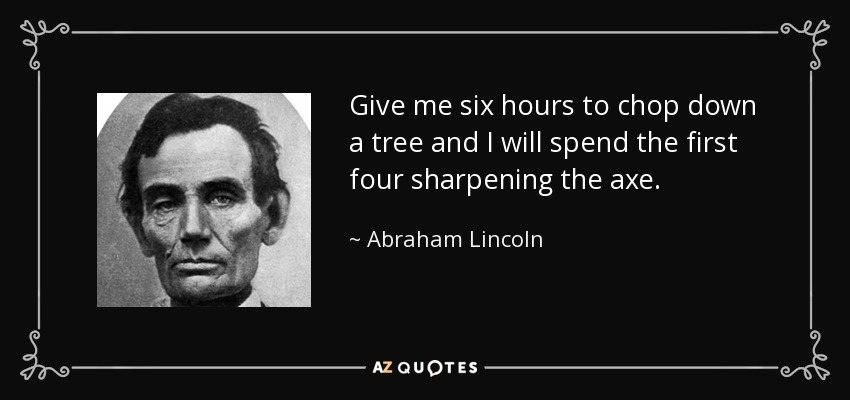 If you look at the team you'll know what I'm trying to say.The team is working hard for there Genesis mining Event and my best wishes are with them. Hope they do very well in this competitive market. Website:https://bgogo.com/ Whitepaper: Official BGG Token Whitepaper Twitter:https://twitter.com/BgogoExchange Reddit: https://www.reddit.com/r/Bgogo Facebook: https://www.facebook.com/BgogoExchange Telegram: https://t.me/Bgogo |
| json metadata | {"tags":["blockchain","ico","exchange","binance"],"image":["https://cdn.steemitimages.com/DQmRbSb66mMXbycEJs4DqvLWPad24JfC497ziexZZ4Hwv53/Abraham_Lincoln_Hero_Chair-H%20(1).jpg","https://cdn.steemitimages.com/DQmVZBBWSq9p1hLBC6WXu4cxTnH9xBA4EgJb1Wg8aJ4N5oU/quote-give-me-six-hours-to-chop-down-a-tree-and-i-will-spend-the-first-four-sharpening-the-abraham-lincoln-17-60-81.jpg"],"links":["https://bgogo.com/","https://twitter.com/BgogoExchange","https://www.reddit.com/r/Bgogo","https://www.facebook.com/BgogoExchange","https://t.me/Bgogo"],"app":"steemit/0.1","format":"markdown"} |
| Transaction Info | Block #24527088/Trx 2d9fb9f29b087ea0e1bc60e3e1415d4174f0c6f9 |
View Raw JSON Data
{
"trx_id": "2d9fb9f29b087ea0e1bc60e3e1415d4174f0c6f9",
"block": 24527088,
"trx_in_block": 21,
"op_in_trx": 0,
"virtual_op": 0,
"timestamp": "2018-07-26T23:36:21",
"op": [
"comment",
{
"parent_author": "",
"parent_permlink": "blockchain",
"author": "kt08",
"permlink": "bgogo-an-upcoming-digital-asset-exchange-with-super-node-listing-authority-and-trade-mining",
"title": "Bgogo - An Upcoming Digital asset Exchange with super-node listing authority and trade Mining",
"body": ".jpg)\nBgogo is the first digital asset exchange with supernode listing authority, designed to list the most high quality and promising digital assets. Bgogo Exchange founding members have huge experience in major companies such as Facebook, Twitter, IBM, Alibaba, etc. and its aim is to offer a transparent and affordable alternative to the contemporary digital exchanges that are dominating the market with high fees. Founded by its CEO Ms. Amber Cheung, this alternative exchange platform is backed by her 12 years of experience in asset management, private equity and investment management. Amber has held senior management positions in several well-known financial institutions and public companies in both Hong Kong and mainland China.\n**How is Bgogo Different from all the other exchanges ?**\nBgogo is the first digital asset exchange platform featuring supernodes as a listing authority. Each supernode is granted the \"One Vote, One Listing\" privilege, which gives status holders the right to pick a cryptocurrency to list on the Bgogo trading platform during its tenure. In addition, each supernode is entitled to the benefit of \"20% Per-Trade Commission Share\", where 20% of the commission generated over a lifetime from trading the cryptocurrency the supernode nominates will be paid to it.\nBgogo will also provide a high-frequency trading fee rebate (also known as mining through trading). A number of BGG tokens equivalent to 105% of the trading fee will be rebated to the user in only 30 minutes after the trade. This implies that user will be effectively paying a negative trading fee using the platform.\nBgogo will also use 100 percent of the trading commision to repurchase BGG daily, which provides a constant price support. The buyback tokens will be sent to a burn address made public to ensure transparency.\n**BGG Token**\nBgogo is about to launch their own platform token named as BGG. With the launch of this game-changing token, traders who carry out exchanges on Bgogo's platform will be rewarded even for smallest actions.\nUnlike other trading platforms that hardly reward their traders for anything, Bgogo will reward their traders with three things:\nThe first reward that is a complete game changer is the negative fee on every transaction. The traders will get BGG tokens for the equivalent of their transaction fee within 30 minutes.\nThe Second Reward is that the BGG Supernodes will be granted Sole Listing Authority (voting rights for new token listing) and Share 20% of the trading fees.\nEvery 24 hours Bgogo will use all of the trading fees accumulated from a trader to repurchase BGG tokens.\n\nThere is a total fixed number of 10,000,000,000 BGG that will ever be created.\n\n**Token Distribution Breakdown**\n50% (5 billion) will be mineable by users through trading\n20% (2 billion) will be reserved for ecosystem developments and Bgogo daily operations\n20% (2 billion) will be reserved for the team\n10% (1 billion) will be allocated among the first generation of supernodes and strategic investors.\n\n**Token Sale**\n10% of the total supply (1 billion BGG tokens) will be sold for 15,000 ETH to the founding generation of supernodes as well as strategic partners during the private sale. The private sale price is 1 BGG = 0.000015 ETH. Each supernode is granted an allocation of 500 ETH, totalling 10,500 ETH for all 21 supernodes. The rest 4,500 ETH is raised from strategic investors as well as ecosystem partners.\n\n**Mining through Trading**\nMineable BGG tokens (50% of total supply) will be reversed to users in the form of trading fee rebates, commonly known as mining through trading. A number of BGG tokens equivalent to 105% of the trading fee will be returned to user in only 30 minutes after the trade. Bgogo reserves the right to make adjustments to the rebate rate as we grow, but we promise to maintain a minimum rebate of 100%. The price of BGG will be determined by the market price at the time when a trade is finalized.\n\n**BGG Token Buyback**\nEvery 24 hours, Bgogo will use 100% of the trading commision accumulated to repurchase BGG. The buyback tokens will be sent to a burn address made public.\nBgogo supernodes\nThere are 21 BGG supernodes. The founding generation of supernodes are selected from leading cryptocurrency institutions across the globe. These entities will participate in the BGG token private sale. Playing a key role in the Bgogo ecosystem, each supernode is granted the \"One Vote, One Listing\" right as well as the benefit of \"20% Per-Trade Commission\" over lifetime.\nThe privileges that supernodes have are as follow:\nHave the \"One Vote, One Listing\": Each supernode owns the authority to nominate a cryptocurrency which is legally qualified and agreed by the team to be listed on Bgogo exchange. In case more than one supernode choose the same cryptocurrency, the project team will decide which supernode can nominate them. This means during each tenure of a quarter, 21 coins picked by supernodes are listed.\n20% per trade commission: When the nominated cryptocurrency is traded on the platform, 20% of the trading fee that users paid to trade it is given to the supernode who has picked the coin to be listed on BGG exchange.\n\nThe first-generation of supernodes includes 21 top-tier blockchain organizations around the world that invested in Bgogo exchange.\n\n**Investors**\nBgogo has recently completed it's seed round. Investors include Top Tier venture capitals such as DHVC , BlockWater Capital, Pantera Capital etc\n\n**Competition**\nYes, you're right there are so many exchanges out there working on similar model of trade mining so how will Bgogo stand out. I'll answer this with the following quote.\n\nIf you look at the team you'll know what I'm trying to say.The team is working hard for there Genesis mining Event and my best wishes are with them. Hope they do very well in this competitive market.\n\n\nWebsite:https://bgogo.com/\nWhitepaper: Official BGG Token Whitepaper\nTwitter:https://twitter.com/BgogoExchange\nReddit: https://www.reddit.com/r/Bgogo\nFacebook: https://www.facebook.com/BgogoExchange\nTelegram: https://t.me/Bgogo",
"json_metadata": "{\"tags\":[\"blockchain\",\"ico\",\"exchange\",\"binance\"],\"image\":[\"https://cdn.steemitimages.com/DQmRbSb66mMXbycEJs4DqvLWPad24JfC497ziexZZ4Hwv53/Abraham_Lincoln_Hero_Chair-H%20(1).jpg\",\"https://cdn.steemitimages.com/DQmVZBBWSq9p1hLBC6WXu4cxTnH9xBA4EgJb1Wg8aJ4N5oU/quote-give-me-six-hours-to-chop-down-a-tree-and-i-will-spend-the-first-four-sharpening-the-abraham-lincoln-17-60-81.jpg\"],\"links\":[\"https://bgogo.com/\",\"https://twitter.com/BgogoExchange\",\"https://www.reddit.com/r/Bgogo\",\"https://www.facebook.com/BgogoExchange\",\"https://t.me/Bgogo\"],\"app\":\"steemit/0.1\",\"format\":\"markdown\"}"
}
]
}2018/06/06 03:38:54
2018/06/06 03:38:54
| voter | coin.info |
| author | kt08 |
| permlink | oneledger-a-scalable-and-universal-cross-ledger-protocol-designed-for-business |
| weight | 694 (6.94%) |
| Transaction Info | Block #23074173/Trx a56961865f26bc5660bc8d29a8471857af9cd92a |
View Raw JSON Data
{
  "trx_id": "a56961865f26bc5660bc8d29a8471857af9cd92a",
  "block": 23074173,
  "trx_in_block": 41,
  "op_in_trx": 0,
  "virtual_op": 0,
  "timestamp": "2018-06-06T03:38:54",
  "op": [
    "vote",
    {
      "voter": "coin.info",
      "author": "kt08",
      "permlink": "oneledger-a-scalable-and-universal-cross-ledger-protocol-designed-for-business",
      "weight": 694
    }
  ]
}2018/06/06 03:38:51
2018/06/06 03:38:51
| parent author | kt08 |
| parent permlink | oneledger-a-scalable-and-universal-cross-ledger-protocol-designed-for-business |
| author | coin.info |
| permlink | re-kt08-oneledger-a-scalable-and-universal-cross-ledger-protocol-designed-for-business-20180606t033849714z |
| title | |
| body | **Coins mentioned in post:** Coin | | Price (USD) | 📉 24h | 📉 7d - | - | - | - | - **BTC** | Bitcoin | 7620.470$ | _2.39%_ | _1.52%_ **CAS** | Cashaa | 0.063$ | _-10.56%_ | _-5.11%_ **ETH** | Ethereum | 608.228$ | _3.79%_ | _6.69%_ **POLY** | Polymath | 0.681$ | _2.48%_ | _-13.26%_ |
| json metadata | {"app":"coininfo/1.0.0","format":"markdown"} |
| Transaction Info | Block #23074172/Trx 555c3bb423fbedb7a993e2759357fb49b5d0cf35 |
View Raw JSON Data
{
  "trx_id": "555c3bb423fbedb7a993e2759357fb49b5d0cf35",
  "block": 23074172,
  "trx_in_block": 7,
  "op_in_trx": 0,
  "virtual_op": 0,
  "timestamp": "2018-06-06T03:38:51",
  "op": [
    "comment",
    {
      "parent_author": "kt08",
      "parent_permlink": "oneledger-a-scalable-and-universal-cross-ledger-protocol-designed-for-business",
      "author": "coin.info",
      "permlink": "re-kt08-oneledger-a-scalable-and-universal-cross-ledger-protocol-designed-for-business-20180606t033849714z",
      "title": "",
      "body": "**Coins mentioned in post:**\n\nCoin | | Price (USD) | 📉 24h | 📉 7d\n- | - | - | - | -\n**BTC** | Bitcoin | 7620.470$ | _2.39%_ | _1.52%_\n**CAS** | Cashaa | 0.063$ | _-10.56%_ | _-5.11%_\n**ETH** | Ethereum | 608.228$ | _3.79%_ | _6.69%_\n**POLY** | Polymath | 0.681$ | _2.48%_ | _-13.26%_",
      "json_metadata": "{\"app\":\"coininfo/1.0.0\",\"format\":\"markdown\"}"
    }
  ]
}kt08updated their account properties2018/06/04 21:12:09
kt08updated their account properties
2018/06/04 21:12:09
| account | kt08 |
| memo key | STM7WpWraRezNkDPRfqDKcCCNM5Fx9U2nWmvRugc6V9AaUDVyMJ7Y |
| json metadata | {"profile":{"name":"logik"}} |
| Transaction Info | Block #23037648/Trx 11ec6edc7adb32ad2b84c1ae9a6da976db94d865 |
View Raw JSON Data
{
  "trx_id": "11ec6edc7adb32ad2b84c1ae9a6da976db94d865",
  "block": 23037648,
  "trx_in_block": 39,
  "op_in_trx": 0,
  "virtual_op": 0,
  "timestamp": "2018-06-04T21:12:09",
  "op": [
    "account_update",
    {
      "account": "kt08",
      "memo_key": "STM7WpWraRezNkDPRfqDKcCCNM5Fx9U2nWmvRugc6V9AaUDVyMJ7Y",
      "json_metadata": "{\"profile\":{\"name\":\"logik\"}}"
    }
  ]
}2018/06/04 21:10:57
2018/06/04 21:10:57
| voter | ax3 |
| author | kt08 |
| permlink | oneledger-a-scalable-and-universal-cross-ledger-protocol-designed-for-business |
| weight | 100 (1.00%) |
| Transaction Info | Block #23037624/Trx a591bf74604b4e15686ff3af1516dc884672b742 |
View Raw JSON Data
{
  "trx_id": "a591bf74604b4e15686ff3af1516dc884672b742",
  "block": 23037624,
  "trx_in_block": 33,
  "op_in_trx": 0,
  "virtual_op": 0,
  "timestamp": "2018-06-04T21:10:57",
  "op": [
    "vote",
    {
      "voter": "ax3",
      "author": "kt08",
      "permlink": "oneledger-a-scalable-and-universal-cross-ledger-protocol-designed-for-business",
      "weight": 100
    }
  ]
}kt08published a new post: oneledger-a-scalable-and-universal-cross-ledger-protocol-designed-for-business2018/06/04 21:10:45
kt08published a new post: oneledger-a-scalable-and-universal-cross-ledger-protocol-designed-for-business
2018/06/04 21:10:45
| parent author | |
| parent permlink | blockchain |
| author | kt08 |
| permlink | oneledger-a-scalable-and-universal-cross-ledger-protocol-designed-for-business |
| title | OneLedger A Scalable and Universal Cross-ledger Protocol Designed for Business. |
| body | What is Oneledger? Oneledger is a universal blockchain protocol enabling cross-ledger access through Business Modularization. Let’s have a look at the fundamental of this project. **Team** David Cao (Linkedin) He is the founder & CEO of the project, he has three years of blockchain experience and over ten years of enterprise architect experience. He used to be the chairman of the Canada China Blockchain Professional Association before he started Oneledger. CTO: Akex Todd(Linkedin) Alex Todd is the Chief Technology Advisor for oneledger, he is also the founder and CEO of the Trust 2 Pay, It seems that he is working on both project at the same time. He has good experience of FinTech and trust enablement area. However, he might can’t focus on one leger 100% since he is not working for it full time. Lead Engineer: Stephen Li(Linkedin) Stephen Li is a Javascript expert and very experienced full stack web developer. He had worked for Nex-CAS software as a developer/SWQC leader, as an engineer for Tekever, SDE lead for Microsoft, Staff Software Engineer for IBM etc. **Advisors** Oneledger has strong advisors from several industry. Such as Trevor Koverko, Ceo of Polymath. **Idea** OneLedger is a cross-ledger agnostic protocol that enables high-performance scaling using a sharded and modified practical Byzantine Fault Tolerant consensus scheme — which allows for either a permission-less or permission-ed setting. For a business that willing to using blockchain technology, oneledger helps its integration into their specific business applications and products. Through Oneleger, both business and individuals can leverage the platform to create both public an private blockchains with their uniquely-identified network consensus. A real word application that solved the problem through blockchain technology and it is realistic. **Supply** Fundraising Goal: 15,000,000 USD Sold on pre-sale: 10,000,000 USD Total Tokens: 1,000,000,000 Available for Token Sale: 35% **Token Price** 1 OLT = $0.052 **ICO Cap** Hard cap: $15 Million total, with $5 million available for the public crowd sale **Community** Telegram: 25 400 Twitter: 500 **Roadmap** Well planed and realistic roadmap Q3–Q4 2017 Final whitepaper Theoretical Proof of Concept Q1-Q2 2018 Launch Ethereum sidechain testnet Synchronize Ethereum sidechain with OneLedger protocol engine Implement and optimize cross-chain consensus Add more public chain support. Launch MVP with crosschain consensus Q3-Q4 2018 Enable Bitcoin sidechain to allow for cross-chain support Complete decentralized cross-chain exchange protocol Complete implementation of modularization tools and compilers Implement OneLedger’s Identity Management System and Smart Contract Authorization System Launch API gateway Launch Alpha version of the OneLedger platform 2019+ Release first version of the OneLedger platform Integrate with more blockchain protocols Expand business network Token utility Users Users, including businesses, need to pay a network fee to nodes to use any services on the OneLedger platform. They can either acquire OLT tokens from other token holders, or they can run a node themselves to start acquiring tokens to reuse for business use cases. Users might need to pay OLT tokens to access services sold in the marketplace based on the distribution smart contract set by the developers. Network Supporters (Nodes) Network supporters (nodes) will receive OLT tokens as network fees. In the early phase, OneLedger’s software will allow everyone to run a node. After a period of time, a staking amount may be established to ensure commitment and quality of the network. Developers Developers will range from individual contributors, to enterprise teams, to consulting firms. Developers need OLT tokens to deploy their modules to OneLedger platform. They can submit modules and code to OneLedger Marketplace with a smart contract that defines the terms of sale. For instance, these services can be free, or users need to pay developers a one-time fee to unlock the service, or developers can even implement the smart contract as a subscription business model so users will need to pay OLT tokens monthly to keep accessing the services. Additionally, OneLedger will give a development grant to the best developers and most qualified projects by leveraging the 25% of tokens reserved for the community Concern: (1): lots of blockchain projects that aim to solve interoperability problem such as Quarkchain. (2): Oneledeger doesn’t have an MVP yet, so we can’t analysis whether the team can achieve the goals. Useful link: Website: https://oneledger.io/#home White paper:https://oneledger.io/wp-content/uploads/2018/06/oneledger-whitepaper-06.01.18.pdf Twitter:: https://twitter.com/oneledgertech?lang=en Telegram: https://t.me/oneledger |
| json metadata | {"tags":["blockchain","ico","oneledger","binance"],"links":["https://oneledger.io/#home","https://oneledger.io/wp-content/uploads/2018/06/oneledger-whitepaper-06.01.18.pdf","https://twitter.com/oneledgertech?lang=en","https://t.me/oneledger"],"app":"steemit/0.1","format":"markdown"} |
| Transaction Info | Block #23037620/Trx 16cc16d308dc9e944569844fac5c34160fe79bce |
View Raw JSON Data
{
  "trx_id": "16cc16d308dc9e944569844fac5c34160fe79bce",
  "block": 23037620,
  "trx_in_block": 33,
  "op_in_trx": 0,
  "virtual_op": 0,
  "timestamp": "2018-06-04T21:10:45",
  "op": [
    "comment",
    {
      "parent_author": "",
      "parent_permlink": "blockchain",
      "author": "kt08",
      "permlink": "oneledger-a-scalable-and-universal-cross-ledger-protocol-designed-for-business",
      "title": "OneLedger A Scalable and Universal Cross-ledger Protocol Designed for Business.",
      "body": "What is Oneledger?\n\nOneledger is a universal blockchain protocol enabling cross-ledger access through Business Modularization. Let’s have a look at the fundamental of this project.\n\n**Team**\n\nDavid Cao (Linkedin)\n\nHe is the founder & CEO of the project, he has three years of blockchain experience and over ten years of enterprise architect experience. He used to be the chairman of the Canada China Blockchain Professional Association before he started Oneledger.\n\nCTO: Akex Todd(Linkedin)\n\nAlex Todd is the Chief Technology Advisor for oneledger, he is also the founder and CEO of the Trust 2 Pay, It seems that he is working on both project at the same time. He has good experience of FinTech and trust enablement area. However, he might can’t focus on one leger 100% since he is not working for it full time.\n\nLead Engineer: Stephen Li(Linkedin)\n\nStephen Li is a Javascript expert and very experienced full stack web developer. He had worked for Nex-CAS software as a developer/SWQC leader, as an engineer for Tekever, SDE lead for Microsoft, Staff Software Engineer for IBM etc.\n\n**Advisors**\nOneledger has strong advisors from several industry. Such as Trevor Koverko, Ceo of Polymath.\n\n**Idea**\nOneLedger is a cross-ledger agnostic protocol that enables high-performance scaling using a sharded and modified practical Byzantine Fault Tolerant consensus scheme — which allows for either a permission-less or permission-ed setting.\n\nFor a business that willing to using blockchain technology, oneledger helps its integration into their specific business applications and products. Through Oneleger, both business and individuals can leverage the platform to create both public an private blockchains with their uniquely-identified network consensus.\n\nA real word application that solved the problem through blockchain technology and it is realistic.\n\n**Supply**\n\nFundraising Goal: 15,000,000 USD\nSold on pre-sale: 10,000,000 USD\nTotal Tokens: 1,000,000,000\nAvailable for Token Sale: 35%\n\n**Token Price**\n1 OLT = $0.052\n\n**ICO Cap**\nHard cap: $15 Million total, with $5 million available for the public crowd sale\n\n**Community**\nTelegram: 25 400\nTwitter: 500\n\n**Roadmap**\nWell planed and realistic roadmap\n\nQ3–Q4 2017\n\nFinal whitepaper\nTheoretical Proof of Concept\nQ1-Q2 2018\n\nLaunch Ethereum sidechain testnet\nSynchronize Ethereum sidechain with OneLedger protocol engine\nImplement and optimize cross-chain consensus\nAdd more public chain support.\nLaunch MVP with crosschain consensus\nQ3-Q4 2018\n\nEnable Bitcoin sidechain to allow for cross-chain support\nComplete decentralized cross-chain exchange protocol\nComplete implementation of modularization tools and compilers\nImplement OneLedger’s Identity Management System and Smart Contract Authorization System\nLaunch API gateway\nLaunch Alpha version of the OneLedger platform\n2019+\n\nRelease first version of the OneLedger platform\nIntegrate with more blockchain protocols\nExpand business network\nToken utility\n\nUsers\nUsers, including businesses, need to pay a network fee to nodes to use any services on the OneLedger platform. They can either acquire OLT tokens from other token holders, or they can run a node themselves to start acquiring tokens to reuse for business use cases. Users might need to pay OLT tokens to access services sold in the marketplace based on the distribution smart contract set by the developers.\n\nNetwork Supporters (Nodes)\nNetwork supporters (nodes) will receive OLT tokens as network fees. In the early phase, OneLedger’s software will allow everyone to run a node. After a period of time, a staking amount may be established to ensure commitment and quality of the network.\n\nDevelopers\nDevelopers will range from individual contributors, to enterprise teams, to consulting firms. Developers need OLT tokens to deploy their modules to OneLedger platform. They can submit modules and code to OneLedger Marketplace with a smart contract that defines the terms of sale. For instance, these services can be free, or users need to pay developers a one-time fee to unlock the service, or developers can even implement the smart contract as a subscription business model so users will need to pay OLT tokens monthly to keep accessing the services. Additionally, OneLedger will give a development grant to the best developers and most qualified projects by leveraging the 25% of tokens reserved for the community\n\nConcern:\n(1): lots of blockchain projects that aim to solve interoperability problem such as Quarkchain.\n(2): Oneledeger doesn’t have an MVP yet, so we can’t analysis whether the team can achieve the goals.\n\nUseful link:\nWebsite: https://oneledger.io/#home\nWhite paper:https://oneledger.io/wp-content/uploads/2018/06/oneledger-whitepaper-06.01.18.pdf\nTwitter:: https://twitter.com/oneledgertech?lang=en\nTelegram: https://t.me/oneledger",
      "json_metadata": "{\"tags\":[\"blockchain\",\"ico\",\"oneledger\",\"binance\"],\"links\":[\"https://oneledger.io/#home\",\"https://oneledger.io/wp-content/uploads/2018/06/oneledger-whitepaper-06.01.18.pdf\",\"https://twitter.com/oneledgertech?lang=en\",\"https://t.me/oneledger\"],\"app\":\"steemit/0.1\",\"format\":\"markdown\"}"
    }
  ]
}2018/04/21 20:46:39
2018/04/21 20:46:39
| delegator | steem |
| delegatee | kt08 |
| vesting shares | 29535.134592 VESTS |
| Transaction Info | Block #21771221/Trx 4b79fdf70f1c28afff7d23609594d6a9e757f318 |
View Raw JSON Data
{
  "trx_id": "4b79fdf70f1c28afff7d23609594d6a9e757f318",
  "block": 21771221,
  "trx_in_block": 13,
  "op_in_trx": 0,
  "virtual_op": 0,
  "timestamp": "2018-04-21T20:46:39",
  "op": [
    "delegate_vesting_shares",
    {
      "delegator": "steem",
      "delegatee": "kt08",
      "vesting_shares": "29535.134592 VESTS"
    }
  ]
}kt08upvoted (100.00%) @czbinance / securing-your-trading-account2018/03/07 20:55:03
kt08upvoted (100.00%) @czbinance / securing-your-trading-account
2018/03/07 20:55:03
| voter | kt08 |
| author | czbinance |
| permlink | securing-your-trading-account |
| weight | 10000 (100.00%) |
| Transaction Info | Block #20476745/Trx 889b9921d02e0344c283f9d3a797e9a4ab21d229 |
View Raw JSON Data
{
  "trx_id": "889b9921d02e0344c283f9d3a797e9a4ab21d229",
  "block": 20476745,
  "trx_in_block": 6,
  "op_in_trx": 0,
  "virtual_op": 0,
  "timestamp": "2018-03-07T20:55:03",
  "op": [
    "vote",
    {
      "voter": "kt08",
      "author": "czbinance",
      "permlink": "securing-your-trading-account",
      "weight": 10000
    }
  ]
}kt08upvoted (100.00%) @kt08 / dating-problem2018/01/10 14:53:06
kt08upvoted (100.00%) @kt08 / dating-problem
2018/01/10 14:53:06
| voter | kt08 |
| author | kt08 |
| permlink | dating-problem |
| weight | 10000 (100.00%) |
| Transaction Info | Block #18858241/Trx 7a872c800ac7aedf5ab894a4fa817900472662ed |
View Raw JSON Data
{
  "trx_id": "7a872c800ac7aedf5ab894a4fa817900472662ed",
  "block": 18858241,
  "trx_in_block": 15,
  "op_in_trx": 0,
  "virtual_op": 0,
  "timestamp": "2018-01-10T14:53:06",
  "op": [
    "vote",
    {
      "voter": "kt08",
      "author": "kt08",
      "permlink": "dating-problem",
      "weight": 10000
    }
  ]
}2018/01/10 14:52:18
2018/01/10 14:52:18
| voter | kt08 |
| author | haejin |
| permlink | enigma-eng-nothing-mysterious-about-attaining-0-001128-btc-140-profit-potential |
| weight | 10000 (100.00%) |
| Transaction Info | Block #18858225/Trx e99ae6026eaa7b34ed21c8ad8b5d0da8c899459e |
View Raw JSON Data
{
  "trx_id": "e99ae6026eaa7b34ed21c8ad8b5d0da8c899459e",
  "block": 18858225,
  "trx_in_block": 43,
  "op_in_trx": 0,
  "virtual_op": 0,
  "timestamp": "2018-01-10T14:52:18",
  "op": [
    "vote",
    {
      "voter": "kt08",
      "author": "haejin",
      "permlink": "enigma-eng-nothing-mysterious-about-attaining-0-001128-btc-140-profit-potential",
      "weight": 10000
    }
  ]
}2017/12/12 22:21:48
2017/12/12 22:21:48
| delegator | steem |
| delegatee | kt08 |
| vesting shares | 29738.966644 VESTS |
| Transaction Info | Block #18032619/Trx f999ce9970567664328d5d9c20716109f9c41ca1 |
View Raw JSON Data
{
  "trx_id": "f999ce9970567664328d5d9c20716109f9c41ca1",
  "block": 18032619,
  "trx_in_block": 3,
  "op_in_trx": 0,
  "virtual_op": 0,
  "timestamp": "2017-12-12T22:21:48",
  "op": [
    "delegate_vesting_shares",
    {
      "delegator": "steem",
      "delegatee": "kt08",
      "vesting_shares": "29738.966644 VESTS"
    }
  ]
}2017/11/22 11:27:21
2017/11/22 11:27:21
| parent author | kt08 |
| parent permlink | dating-problem |
| author | cryptogod1337 |
| permlink | re-kt08-dating-problem-20171122t112722020z |
| title | |
| body | Haha I like your approach from a dating perspective! Well writen :) |
| json metadata | {"tags":["blockchain"],"app":"steemit/0.1"} |
| Transaction Info | Block #17443812/Trx 5857b4857d3dd38620e501d9b03ef1c3f56c43bf |
View Raw JSON Data
{
  "trx_id": "5857b4857d3dd38620e501d9b03ef1c3f56c43bf",
  "block": 17443812,
  "trx_in_block": 2,
  "op_in_trx": 0,
  "virtual_op": 0,
  "timestamp": "2017-11-22T11:27:21",
  "op": [
    "comment",
    {
      "parent_author": "kt08",
      "parent_permlink": "dating-problem",
      "author": "cryptogod1337",
      "permlink": "re-kt08-dating-problem-20171122t112722020z",
      "title": "",
      "body": "Haha I like your approach from a dating perspective! Well writen :)",
      "json_metadata": "{\"tags\":[\"blockchain\"],\"app\":\"steemit/0.1\"}"
    }
  ]
}cryptogod1337upvoted (100.00%) @kt08 / dating-problem2017/11/22 11:26:30
cryptogod1337upvoted (100.00%) @kt08 / dating-problem
2017/11/22 11:26:30
| voter | cryptogod1337 |
| author | kt08 |
| permlink | dating-problem |
| weight | 10000 (100.00%) |
| Transaction Info | Block #17443795/Trx 627088941b5c9f0a511d2bb1803f34f4789a3338 |
View Raw JSON Data
{
  "trx_id": "627088941b5c9f0a511d2bb1803f34f4789a3338",
  "block": 17443795,
  "trx_in_block": 23,
  "op_in_trx": 0,
  "virtual_op": 0,
  "timestamp": "2017-11-22T11:26:30",
  "op": [
    "vote",
    {
      "voter": "cryptogod1337",
      "author": "kt08",
      "permlink": "dating-problem",
      "weight": 10000
    }
  ]
}kt08received 0.021 SBD, 0.032 SP author reward for @kt08 / dating-problem2017/11/21 20:58:00
kt08received 0.021 SBD, 0.032 SP author reward for @kt08 / dating-problem
2017/11/21 20:58:00
| author | kt08 |
| permlink | dating-problem |
| sbd payout | 0.021 SBD |
| steem payout | 0.000 STEEM |
| vesting payout | 51.333271 VESTS |
| Transaction Info | Block #17426431/Virtual Operation #4 |
View Raw JSON Data
{
  "trx_id": "0000000000000000000000000000000000000000",
  "block": 17426431,
  "trx_in_block": 4294967295,
  "op_in_trx": 0,
  "virtual_op": 4,
  "timestamp": "2017-11-21T20:58:00",
  "op": [
    "author_reward",
    {
      "author": "kt08",
      "permlink": "dating-problem",
      "sbd_payout": "0.021 SBD",
      "steem_payout": "0.000 STEEM",
      "vesting_payout": "51.333271 VESTS"
    }
  ]
}solitonupvoted (100.00%) @kt08 / dating-problem2017/11/16 12:01:51
solitonupvoted (100.00%) @kt08 / dating-problem
2017/11/16 12:01:51
| voter | soliton |
| author | kt08 |
| permlink | dating-problem |
| weight | 10000 (100.00%) |
| Transaction Info | Block #17271767/Trx 426b8fdfd527cfecba93d7dd6e946de11c29c735 |
View Raw JSON Data
{
  "trx_id": "426b8fdfd527cfecba93d7dd6e946de11c29c735",
  "block": 17271767,
  "trx_in_block": 10,
  "op_in_trx": 0,
  "virtual_op": 0,
  "timestamp": "2017-11-16T12:01:51",
  "op": [
    "vote",
    {
      "voter": "soliton",
      "author": "kt08",
      "permlink": "dating-problem",
      "weight": 10000
    }
  ]
}imagin8orrupvoted (100.00%) @kt08 / dating-problem2017/11/15 05:19:18
imagin8orrupvoted (100.00%) @kt08 / dating-problem
2017/11/15 05:19:18
| voter | imagin8orr |
| author | kt08 |
| permlink | dating-problem |
| weight | 10000 (100.00%) |
| Transaction Info | Block #17234919/Trx c95c073129b40c469810f67fa79b473b06e9de4a |
View Raw JSON Data
{
  "trx_id": "c95c073129b40c469810f67fa79b473b06e9de4a",
  "block": 17234919,
  "trx_in_block": 15,
  "op_in_trx": 0,
  "virtual_op": 0,
  "timestamp": "2017-11-15T05:19:18",
  "op": [
    "vote",
    {
      "voter": "imagin8orr",
      "author": "kt08",
      "permlink": "dating-problem",
      "weight": 10000
    }
  ]
}coinstarxreplied to @kt08 / re-kt08-dating-problem-20171114t212851090z2017/11/14 21:28:51
coinstarxreplied to @kt08 / re-kt08-dating-problem-20171114t212851090z
2017/11/14 21:28:51
| parent author | kt08 |
| parent permlink | dating-problem |
| author | coinstarx |
| permlink | re-kt08-dating-problem-20171114t212851090z |
| title | |
| body | Thanks for the layman's explanation of what Enigma is trying to solve. I have a lot of faith in the team and their vision, but it'd good to hear it from other's perspectives. |
| json metadata | {"tags":["blockchain"],"app":"steemit/0.1"} |
| Transaction Info | Block #17225514/Trx 15e3eb42868bde9918f10f9edbd2952e5446aca4 |
View Raw JSON Data
{
  "trx_id": "15e3eb42868bde9918f10f9edbd2952e5446aca4",
  "block": 17225514,
  "trx_in_block": 8,
  "op_in_trx": 0,
  "virtual_op": 0,
  "timestamp": "2017-11-14T21:28:51",
  "op": [
    "comment",
    {
      "parent_author": "kt08",
      "parent_permlink": "dating-problem",
      "author": "coinstarx",
      "permlink": "re-kt08-dating-problem-20171114t212851090z",
      "title": "",
      "body": "Thanks for the layman's explanation of what Enigma is trying to solve. I have a lot of faith in the team and their vision, but it'd good to hear it from other's perspectives.",
      "json_metadata": "{\"tags\":[\"blockchain\"],\"app\":\"steemit/0.1\"}"
    }
  ]
}coinstarxupvoted (100.00%) @kt08 / dating-problem2017/11/14 21:27:45
coinstarxupvoted (100.00%) @kt08 / dating-problem
2017/11/14 21:27:45
| voter | coinstarx |
| author | kt08 |
| permlink | dating-problem |
| weight | 10000 (100.00%) |
| Transaction Info | Block #17225492/Trx 78597a28bb4f3f5ab9d48587a15fa9b2140c0a9d |
View Raw JSON Data
{
  "trx_id": "78597a28bb4f3f5ab9d48587a15fa9b2140c0a9d",
  "block": 17225492,
  "trx_in_block": 8,
  "op_in_trx": 0,
  "virtual_op": 0,
  "timestamp": "2017-11-14T21:27:45",
  "op": [
    "vote",
    {
      "voter": "coinstarx",
      "author": "kt08",
      "permlink": "dating-problem",
      "weight": 10000
    }
  ]
}primetimesportsupvoted (0.02%) @kt08 / dating-problem2017/11/14 21:25:06
primetimesportsupvoted (0.02%) @kt08 / dating-problem
2017/11/14 21:25:06
| voter | primetimesports |
| author | kt08 |
| permlink | dating-problem |
| weight | 2 (0.02%) |
| Transaction Info | Block #17225439/Trx 6ec6ac2e100ada049f94b56991a434e7283bd372 |
View Raw JSON Data
{
  "trx_id": "6ec6ac2e100ada049f94b56991a434e7283bd372",
  "block": 17225439,
  "trx_in_block": 23,
  "op_in_trx": 0,
  "virtual_op": 0,
  "timestamp": "2017-11-14T21:25:06",
  "op": [
    "vote",
    {
      "voter": "primetimesports",
      "author": "kt08",
      "permlink": "dating-problem",
      "weight": 2
    }
  ]
}fivestargroupupvoted (0.02%) @kt08 / dating-problem2017/11/14 21:25:03
fivestargroupupvoted (0.02%) @kt08 / dating-problem
2017/11/14 21:25:03
| voter | fivestargroup |
| author | kt08 |
| permlink | dating-problem |
| weight | 2 (0.02%) |
| Transaction Info | Block #17225438/Trx 90c10e3faeeecbec152e995df828567558c4be45 |
View Raw JSON Data
{
  "trx_id": "90c10e3faeeecbec152e995df828567558c4be45",
  "block": 17225438,
  "trx_in_block": 1,
  "op_in_trx": 0,
  "virtual_op": 0,
  "timestamp": "2017-11-14T21:25:03",
  "op": [
    "vote",
    {
      "voter": "fivestargroup",
      "author": "kt08",
      "permlink": "dating-problem",
      "weight": 2
    }
  ]
}kt08published a new post: dating-problem2017/11/14 21:04:15
kt08published a new post: dating-problem
2017/11/14 21:04:15
| parent author | |
| parent permlink | blockchain |
| author | kt08 |
| permlink | dating-problem |
| title | DATING PROBLEM |
| body |  Dating Problem *Santa Catalina, in the Lovers Cove. Emma and Michael meet accidentally. Both don’t know Catalina . Both are tourists. Michael is lost. He would like to ask Emma for the way to his hotel, Hamilton Cove. And maybe whether she would like to drink a hot chocolate with him. But he doesn’t know her. And if she says no? “I would ask her, if only I knew that she would accept”, he thinks. But he is shy. Too shy. Emma is lost as well. She would like to ask Michael for the way to her hotel. And maybe whether Michael would be willing to accompany her or not. It’s already getting dark. She would of course then invite him for a cup of hot milk with honey. And some coffee cake. In order to thank him. And maybe … who knows. But what if he says no? Should she dare to ask? “If I knew that he would not laugh at me, I would ask”. But Emma is shy. Too shy. They cross each other. Watching each other. Not asking each other. Finally, they both find their way. Michael to his hotel, Emma to hers. The wrong way. They will never meet again.* >**If only they would know the techniques of secure multi-party computation.** One of the famous problems in the area of distributed protocols is the so-called “dating problem”: Emma and Michael want to find out whether they both want to date each other, but each of them does not want to tell whether he/she wants to date or not. A bit more formally, Emma and Michael both hold a bit INPUTa and INPUTb, respectively, and they want to compute the AND of the two bits. And of course, if one of them inputs 0, then he/she should not learn the bit of the other one. 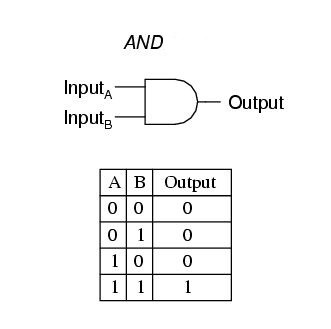 AND LOGIC **This problem is a very simple instance of a general problem:** How can a set of players (e.g. Emma and Michael ) compute an arbitrary function (e.g. the AND) of their private inputs (e.g. INPUTa and INPUTb) in such a way that all they learn is the result, but they all learn nothing additional about the other player’s inputs? Surprisingly, this problem can be solved. The technique to solve is called secure function evaluation (SFE) **There are many other attractive problems that are falls in these criteria:** In *Yao’s millionaires problem*, two millionaires want to find out which of them is richer, without revealing their actual wealth. In *Chaum’s spymaster problem*, a set of spymasters want to find all double-spies without revoking the anonymity of “honest” spies. An even more powerful concept than SFE is multi-party computation (MPC). Here, the participants cannot “only” evaluate functions of their inputs, but they can get the help of a (virtual) trusted party. This trusted party assists the players in every possible aspect (where securely evaluating functions of the players’ inputs is just one possibility). MPC has many practical applications. Using MPC, any system involving a trusted party can be realized without need for such a party. As an example, stock markets heavily depend on the honesty and independence of some central service, which every investor must trust. >**But what if the functionality of this central service can be distributed among a set of players (e.g., among the investors themselves), and thereby creating a trustless environment ? This is where Enigma fits. Enigma is a decentralized computation platform with guaranteed privacy. It’s goal is to enable developers to build ’privacy by design’, end-to-end decentralized applications, without a trusted third party.** Now wouldn’t it be amazing to have a trustless third party, rather than having to rely on a centralized one Enigma uses secure multi-party computation (sMPC), in which data queries are computed in a distributed way, without a trusted third party. Data is split between different nodes, and they compute functions together without leaking information to other nodes. Specifically, no single party ever has access to data in its entirety; instead, every party has a meaningless piece of it. >“It is scarcely possible to read the news without seeing yet another reason to be able to perform computation on encrypted data.” Unlike blockchains, computations and data storage are not replicated by every node in the network. Only a small subset perform each computation over different parts of the data. The decreased redundancy in storage and computations increases efficiency. >**Everyone loves to say this or that thing is the next ETH, next BTC , next Google(Some say Enigma is) etc. I won’t, because this is cryptoland. It’s all about creating a new way of doing things, new technologies that are alternative to the existing structure. I won’t comment on price(or Mcap) because you wouldn’t believe me anyway If I say that this is worth billions. Now Why do I think ENIGMA will be big? It’ll be a data marketplace(“Data is the new oil”) where you can buy, sell and compute on encrypted data. You can read about various applications of ENIGMA in the whitepaper. If you still can’t imagine how big ENIGMA will be I’ll try to explain by giving some more examples:** 1. Take two **drug companies**. Each has a database of molecules and toxicology test results. They want to combine their results without revealing what molecules are in the databases. What can they do? If they decide to use the Enigma Platform, they can synergistically share their results without giving away their proprietary data. 2. A common problem in **Supply chain collaboration** is that partners are not willing to exchange the necessary data, such as costs and capacities, for security reasons. They fear disadvantages in future collaborations, e.g. price negotiations, due to the insight into their price calculation. This is even often true for simple data exchanges, such as in vendor managed inventory. Secure computation can implement these planning techniques provably without disclosing the input data. 3. Using secure computation to **avoid satellite collisions**. The growing number of satellites orbiting the planet is increasing the danger of collisions. This is not only a theoretical scenario, and two satellites actually crashed in 2009. This could be avoided by sharing (exact) information about the satellites orbits. However, satellite owners are not willing to make the orbits of their satellites public. But using MPC, the parties can cooperate and learn whether a collision is going to happen and nothing else! 4. **Credit rating** for small banks. A farmer runs into a bank…He need loans to support their companies, and the banks want to assess how well the farmers are doing to find out what is the probability that the farmers will go bankrupt and not pay the loan back. Big banks have many clients, so they have a big sample to compare with. But small banks do not, and they would like to have access to more data to jointly credit-rate farmers. This is a classic MPC scenario, where each bank inputs his database of clients, and the new farmer can input his data and figure out his ranking and nothing else. 5. E commerce websites like **Ebay**… I don’t think this one needs explanation. 6. **Secret-ballot voting** is one of the most attractive applications of multiparty computation. A secure voting scheme guarantees the correctness of the tally while preserving the privacy (and independence) of the votes. The function to be securely computed is the sum of the votes. 7. Hospitals generate large amount of **patient data**. Combining data could be of help in developing better diagnosis and treatment tools. Govt. policies protect patient privacy. It would be easier if everyone could work on encrypted data and compute some desired function of the data. >**So if there’s a set of mutually distrustful parties in a distributed network to compute a joint function of their private inputs without disclosing anything beyond what is already revealed by the function output, Enigma protocol can be used there** The concept is so broad that it can’t be covered in one post. Make sure to read the whitepaper and generally about MPCs. If you have any questions regarding Enigma or it’s token ENG you can ask the team on one of their community channels Telegram- https://t.me/enigmacatalyst Discord- https://discord.gg/8VGM8k8 References https://enigma.co/enigma_full.pdf https://enigma.co/ https://scholar.google.com/ https://en.wikipedia.org/ |
| json metadata | {"tags":["cryptocurrency","ico","blockchain","bitcoin","eth"],"image":["https://steemitimages.com/DQmTj3NbGHArayZVd2C5u9TTgLTJDXUNV2gHeZ1Adwejou3/1-KsiC5yZU0x262qBe791rPA.jpeg","https://steemitimages.com/DQmVx1Cy598UaJo8UTjfd8xPH6qnJL25fd7mqyUJPs22zcy/1-3aRTl1ZvZiGiWiFmjIzxsw.jpeg"],"links":["https://t.me/enigmacatalyst","https://discord.gg/8VGM8k8","https://enigma.co/enigma_full.pdf","https://enigma.co/","https://scholar.google.com/","https://en.wikipedia.org/"],"app":"steemit/0.1","format":"markdown"} |
| Transaction Info | Block #17225022/Trx cfc1f4c6a2ab2726cdddc2a55975cff7f3e75d55 |
View Raw JSON Data
{
"trx_id": "cfc1f4c6a2ab2726cdddc2a55975cff7f3e75d55",
"block": 17225022,
"trx_in_block": 18,
"op_in_trx": 0,
"virtual_op": 0,
"timestamp": "2017-11-14T21:04:15",
"op": [
"comment",
{
"parent_author": "",
"parent_permlink": "blockchain",
"author": "kt08",
"permlink": "dating-problem",
"title": "DATING PROBLEM",
"body": "\n\n Dating Problem\n*Santa Catalina, in the Lovers Cove. Emma and Michael meet accidentally. Both don’t know Catalina . Both are tourists. Michael is lost. He would like to ask Emma for the way to his hotel, Hamilton Cove. And maybe whether she would like to drink a hot chocolate with him. But he doesn’t know her. And if she says no? “I would ask her, if only I knew that she would accept”, he thinks. But he is shy. Too shy.\nEmma is lost as well. She would like to ask Michael for the way to her hotel. And maybe whether Michael would be willing to accompany her or not. It’s already getting dark. She would of course then invite him for a cup of hot milk with honey. And some coffee cake. In order to thank him. And maybe … who knows. But what if he says no? Should she dare to ask? “If I knew that he would not laugh at me, I would ask”. But Emma is shy. Too shy.\nThey cross each other. Watching each other. Not asking each other. Finally, they both find their way. Michael to his hotel, Emma to hers. The wrong way. They will never meet again.*\n\n>**If only they would know the techniques of secure multi-party computation.**\n\nOne of the famous problems in the area of distributed protocols is the so-called “dating problem”: Emma and Michael want to find out whether they both want to date each other, but each of them does not want to tell whether he/she wants to date or not. A bit more formally, Emma and Michael both hold a bit INPUTa and INPUTb, respectively, and they want to compute the AND of the two bits. And of course, if one of them inputs 0, then he/she should not learn the bit of the other one.\n\n\n\n\n\n AND LOGIC\n\n**This problem is a very simple instance of a general problem:**\n\nHow can a set of players (e.g. Emma and Michael ) compute an arbitrary function (e.g. the AND) of their private inputs (e.g. INPUTa and INPUTb) in such a way that all they learn is the result, but they all learn nothing additional about the other player’s inputs? Surprisingly, this problem can be solved. The technique to solve is called secure function evaluation (SFE)\n\n**There are many other attractive problems that are falls in these criteria:**\n\nIn *Yao’s millionaires problem*, two millionaires want to find out which of them is richer, without revealing their actual wealth. In *Chaum’s spymaster problem*, a set of spymasters want to find all double-spies without revoking the anonymity of “honest” spies.\n\nAn even more powerful concept than SFE is multi-party computation (MPC). Here, the participants cannot “only” evaluate functions of their inputs, but they can get the help of a (virtual) trusted party. This trusted party assists the players in every possible aspect (where securely evaluating functions of the players’ inputs is just one possibility).\n\nMPC has many practical applications. Using MPC, any system involving a trusted party can be realized without need for such a party. As an example, stock markets heavily depend on the honesty and independence of some central service, which every investor must trust.\n\n>**But what if the functionality of this central service can be distributed among a set of players (e.g., among the investors themselves), and thereby creating a trustless environment ?\nThis is where Enigma fits.\nEnigma is a decentralized computation platform with guaranteed privacy. It’s goal is to enable developers to build ’privacy by design’, end-to-end decentralized applications, without a trusted third party.**\n\nNow wouldn’t it be amazing to have a trustless third party, rather than having to rely on a centralized one Enigma uses secure multi-party computation (sMPC), in which data queries are computed in a distributed way, without a trusted third party. Data is split between different nodes, and they compute functions together without leaking information to other nodes. Specifically, no single party ever has access to data in its entirety; instead, every party has a meaningless piece of it.\n\n>“It is scarcely possible to read the news without seeing yet another reason to be able to perform computation on encrypted data.”\n\nUnlike blockchains, computations and data storage are not replicated by every node in the network. Only a small subset perform each computation over different parts of the data. The decreased redundancy in storage and computations increases efficiency.\n\n>**Everyone loves to say this or that thing is the next ETH, next BTC , next Google(Some say Enigma is) etc. I won’t, because this is cryptoland. It’s all about creating a new way of doing things, new technologies that are alternative to the existing structure. I won’t comment on price(or Mcap) because you wouldn’t believe me anyway If I say that this is worth billions.\nNow Why do I think ENIGMA will be big?\nIt’ll be a data marketplace(“Data is the new oil”) where you can buy, sell and compute on encrypted data. You can read about various applications of ENIGMA in the whitepaper. If you still can’t imagine how big ENIGMA will be I’ll try to explain by giving some more examples:**\n\n1. Take two **drug companies**. Each has a database of molecules and toxicology test results. They want to combine their results without revealing what molecules are in the databases. What can they do? If they decide to use the Enigma Platform, they can synergistically share their results without giving away their proprietary data.\n\n2. A common problem in **Supply chain collaboration** is that partners are not willing to exchange the necessary data, such as costs and capacities, for security reasons. They fear disadvantages in future collaborations, e.g. price negotiations, due to the insight into their price calculation. This is even often true for simple data exchanges, such as in vendor managed inventory. Secure computation can implement these planning techniques provably without disclosing the input data.\n\n3. Using secure computation to **avoid satellite collisions**. The growing number of satellites orbiting the planet is increasing the danger of collisions. This is not only a theoretical scenario, and two satellites actually crashed in 2009. This could be avoided by sharing (exact) information about the satellites orbits. However, satellite owners are not willing to make the orbits of their satellites public. But using MPC, the parties can cooperate and learn whether a collision is going to happen and nothing else!\n\n4. **Credit rating** for small banks. A farmer runs into a bank…He need loans to support their companies, and the banks want to assess how well the farmers are doing to find out what is the probability that the farmers will go bankrupt and not pay the loan back. Big banks have many clients, so they have a big sample to compare with. But small banks do not, and they would like to have access to more data to jointly credit-rate farmers. This is a classic MPC scenario, where each bank inputs his database of clients, and the new farmer can input his data and figure out his ranking and nothing else.\n\n5. E commerce websites like **Ebay**… I don’t think this one needs explanation.\n\n6. **Secret-ballot voting** is one of the most attractive applications of multiparty computation. A secure voting scheme guarantees the correctness of the tally while preserving the privacy (and independence) of the votes. The function to be securely computed is the sum of the votes.\n\n7. Hospitals generate large amount of **patient data**. Combining data could be of help in developing better diagnosis and treatment tools. Govt. policies protect patient privacy. It would be easier if everyone could work on encrypted data and compute some desired function of the data.\n\n>**So if there’s a set of mutually distrustful parties in a distributed network to compute a joint function of their private inputs without disclosing anything beyond what is already revealed by the function output, Enigma protocol can be used there**\n\nThe concept is so broad that it can’t be covered in one post. Make sure to read the whitepaper and generally about MPCs. If you have any questions regarding Enigma or it’s token ENG you can ask the team on one of their community channels\n\nTelegram- https://t.me/enigmacatalyst\nDiscord- https://discord.gg/8VGM8k8\n\nReferences\nhttps://enigma.co/enigma_full.pdf\nhttps://enigma.co/\nhttps://scholar.google.com/\nhttps://en.wikipedia.org/",
"json_metadata": "{\"tags\":[\"cryptocurrency\",\"ico\",\"blockchain\",\"bitcoin\",\"eth\"],\"image\":[\"https://steemitimages.com/DQmTj3NbGHArayZVd2C5u9TTgLTJDXUNV2gHeZ1Adwejou3/1-KsiC5yZU0x262qBe791rPA.jpeg\",\"https://steemitimages.com/DQmVx1Cy598UaJo8UTjfd8xPH6qnJL25fd7mqyUJPs22zcy/1-3aRTl1ZvZiGiWiFmjIzxsw.jpeg\"],\"links\":[\"https://t.me/enigmacatalyst\",\"https://discord.gg/8VGM8k8\",\"https://enigma.co/enigma_full.pdf\",\"https://enigma.co/\",\"https://scholar.google.com/\",\"https://en.wikipedia.org/\"],\"app\":\"steemit/0.1\",\"format\":\"markdown\"}"
}
]
}kt08published a new post: dating-problem2017/11/14 21:04:06
kt08published a new post: dating-problem
2017/11/14 21:04:06
| parent author | |
| parent permlink | blockchain |
| author | kt08 |
| permlink | dating-problem |
| title | DATING PROBLEM |
| body |  Dating Problem *Santa Catalina, in the Lovers Cove. Emma and Michael meet accidentally. Both don’t know Catalina . Both are tourists. Michael is lost. He would like to ask Emma for the way to his hotel, Hamilton Cove. And maybe whether she would like to drink a hot chocolate with him. But he doesn’t know her. And if she says no? “I would ask her, if only I knew that she would accept”, he thinks. But he is shy. Too shy. Emma is lost as well. She would like to ask Michael for the way to her hotel. And maybe whether Michael would be willing to accompany her or not. It’s already getting dark. She would of course then invite him for a cup of hot milk with honey. And some coffee cake. In order to thank him. And maybe … who knows. But what if he says no? Should she dare to ask? “If I knew that he would not laugh at me, I would ask”. But Emma is shy. Too shy. They cross each other. Watching each other. Not asking each other. Finally, they both find their way. Michael to his hotel, Emma to hers. The wrong way. They will never meet again.* >**If only they would know the techniques of secure multi-party computation.** One of the famous problems in the area of distributed protocols is the so-called “dating problem”: Emma and Michael want to find out whether they both want to date each other, but each of them does not want to tell whether he/she wants to date or not. A bit more formally, Emma and Michael both hold a bit INPUTa and INPUTb, respectively, and they want to compute the AND of the two bits. And of course, if one of them inputs 0, then he/she should not learn the bit of the other one.  AND LOGIC **This problem is a very simple instance of a general problem:** How can a set of players (e.g. Emma and Michael ) compute an arbitrary function (e.g. the AND) of their private inputs (e.g. INPUTa and INPUTb) in such a way that all they learn is the result, but they all learn nothing additional about the other player’s inputs? Surprisingly, this problem can be solved. The technique to solve is called secure function evaluation (SFE) **There are many other attractive problems that are falls in these criteria:** In *Yao’s millionaires problem*, two millionaires want to find out which of them is richer, without revealing their actual wealth. In *Chaum’s spymaster problem*, a set of spymasters want to find all double-spies without revoking the anonymity of “honest” spies. An even more powerful concept than SFE is multi-party computation (MPC). Here, the participants cannot “only” evaluate functions of their inputs, but they can get the help of a (virtual) trusted party. This trusted party assists the players in every possible aspect (where securely evaluating functions of the players’ inputs is just one possibility). MPC has many practical applications. Using MPC, any system involving a trusted party can be realized without need for such a party. As an example, stock markets heavily depend on the honesty and independence of some central service, which every investor must trust. >**But what if the functionality of this central service can be distributed among a set of players (e.g., among the investors themselves), and thereby creating a trustless environment ? This is where Enigma fits. Enigma is a decentralized computation platform with guaranteed privacy. It’s goal is to enable developers to build ’privacy by design’, end-to-end decentralized applications, without a trusted third party.** Now wouldn’t it be amazing to have a trustless third party, rather than having to rely on a centralized one Enigma uses secure multi-party computation (sMPC), in which data queries are computed in a distributed way, without a trusted third party. Data is split between different nodes, and they compute functions together without leaking information to other nodes. Specifically, no single party ever has access to data in its entirety; instead, every party has a meaningless piece of it. >“It is scarcely possible to read the news without seeing yet another reason to be able to perform computation on encrypted data.” Unlike blockchains, computations and data storage are not replicated by every node in the network. Only a small subset perform each computation over different parts of the data. The decreased redundancy in storage and computations increases efficiency. >**Everyone loves to say this or that thing is the next ETH, next BTC , next Google(Some say Enigma is) etc. I won’t, because this is cryptoland. It’s all about creating a new way of doing things, new technologies that are alternative to the existing structure. I won’t comment on price(or Mcap) because you wouldn’t believe me anyway If I say that this is worth billions. Now Why do I think ENIGMA will be big? It’ll be a data marketplace(“Data is the new oil”) where you can buy, sell and compute on encrypted data. You can read about various applications of ENIGMA in the whitepaper. If you still can’t imagine how big ENIGMA will be I’ll try to explain by giving some more examples:** 1. Take two **drug companies**. Each has a database of molecules and toxicology test results. They want to combine their results without revealing what molecules are in the databases. What can they do? If they decide to use the Enigma Platform, they can synergistically share their results without giving away their proprietary data. 2. A common problem in **Supply chain collaboration** is that partners are not willing to exchange the necessary data, such as costs and capacities, for security reasons. They fear disadvantages in future collaborations, e.g. price negotiations, due to the insight into their price calculation. This is even often true for simple data exchanges, such as in vendor managed inventory. Secure computation can implement these planning techniques provably without disclosing the input data. 3. Using secure computation to **avoid satellite collisions**. The growing number of satellites orbiting the planet is increasing the danger of collisions. This is not only a theoretical scenario, and two satellites actually crashed in 2009. This could be avoided by sharing (exact) information about the satellites orbits. However, satellite owners are not willing to make the orbits of their satellites public. But using MPC, the parties can cooperate and learn whether a collision is going to happen and nothing else! 4. **Credit rating** for small banks. A farmer runs into a bank…He need loans to support their companies, and the banks want to assess how well the farmers are doing to find out what is the probability that the farmers will go bankrupt and not pay the loan back. Big banks have many clients, so they have a big sample to compare with. But small banks do not, and they would like to have access to more data to jointly credit-rate farmers. This is a classic MPC scenario, where each bank inputs his database of clients, and the new farmer can input his data and figure out his ranking and nothing else. 5. E commerce websites like **Ebay**… I don’t think this one needs explanation. 6. **Secret-ballot voting** is one of the most attractive applications of multiparty computation. A secure voting scheme guarantees the correctness of the tally while preserving the privacy (and independence) of the votes. The function to be securely computed is the sum of the votes. 7. Hospitals generate large amount of **patient data**. Combining data could be of help in developing better diagnosis and treatment tools. Govt. policies protect patient privacy. It would be easier if everyone could work on encrypted data and compute some desired function of the data. >**So if there’s a set of mutually distrustful parties in a distributed network to compute a joint function of their private inputs without disclosing anything beyond what is already revealed by the function output, Enigma protocol can be used there** The concept is so broad that it can’t be covered in one post. Make sure to read the whitepaper and generally about MPCs. If you have any questions regarding Enigma or it’s token ENG you can ask the team on one of their community channels Telegram- https://t.me/enigmacatalyst Discord- https://discord.gg/8VGM8k8 References https://enigma.co/enigma_full.pdf https://enigma.co/ https://scholar.google.com/ https://en.wikipedia.org/ |
| json metadata | {"tags":["cryptocurrency","ico","blockchain","bitcoin","eth"],"image":["https://steemitimages.com/DQmTj3NbGHArayZVd2C5u9TTgLTJDXUNV2gHeZ1Adwejou3/1-KsiC5yZU0x262qBe791rPA.jpeg","https://steemitimages.com/DQmVx1Cy598UaJo8UTjfd8xPH6qnJL25fd7mqyUJPs22zcy/1-3aRTl1ZvZiGiWiFmjIzxsw.jpeg"],"links":["https://t.me/enigmacatalyst","https://discord.gg/8VGM8k8","https://enigma.co/enigma_full.pdf","https://enigma.co/","https://scholar.google.com/","https://en.wikipedia.org/"],"app":"steemit/0.1","format":"markdown"} |
| Transaction Info | Block #17225019/Trx 96dc66323c786f2ffed0ecf1433c4396e61a4005 |
View Raw JSON Data
{
"trx_id": "96dc66323c786f2ffed0ecf1433c4396e61a4005",
"block": 17225019,
"trx_in_block": 7,
"op_in_trx": 0,
"virtual_op": 0,
"timestamp": "2017-11-14T21:04:06",
"op": [
"comment",
{
"parent_author": "",
"parent_permlink": "blockchain",
"author": "kt08",
"permlink": "dating-problem",
"title": "DATING PROBLEM",
"body": "\n\n Dating Problem\n*Santa Catalina, in the Lovers Cove. Emma and Michael meet accidentally. Both don’t know Catalina . Both are tourists. Michael is lost. He would like to ask Emma for the way to his hotel, Hamilton Cove. And maybe whether she would like to drink a hot chocolate with him. But he doesn’t know her. And if she says no? “I would ask her, if only I knew that she would accept”, he thinks. But he is shy. Too shy.\nEmma is lost as well. She would like to ask Michael for the way to her hotel. And maybe whether Michael would be willing to accompany her or not. It’s already getting dark. She would of course then invite him for a cup of hot milk with honey. And some coffee cake. In order to thank him. And maybe … who knows. But what if he says no? Should she dare to ask? “If I knew that he would not laugh at me, I would ask”. But Emma is shy. Too shy.\nThey cross each other. Watching each other. Not asking each other. Finally, they both find their way. Michael to his hotel, Emma to hers. The wrong way. They will never meet again.*\n\n>**If only they would know the techniques of secure multi-party computation.**\n\nOne of the famous problems in the area of distributed protocols is the so-called “dating problem”: Emma and Michael want to find out whether they both want to date each other, but each of them does not want to tell whether he/she wants to date or not. A bit more formally, Emma and Michael both hold a bit INPUTa and INPUTb, respectively, and they want to compute the AND of the two bits. And of course, if one of them inputs 0, then he/she should not learn the bit of the other one.\n\n\n\n\n\n AND LOGIC\n\n**This problem is a very simple instance of a general problem:**\n\nHow can a set of players (e.g. Emma and Michael ) compute an arbitrary function (e.g. the AND) of their private inputs (e.g. INPUTa and INPUTb) in such a way that all they learn is the result, but they all learn nothing additional about the other player’s inputs? Surprisingly, this problem can be solved. The technique to solve is called secure function evaluation (SFE)\n\n**There are many other attractive problems that are falls in these criteria:**\n\nIn *Yao’s millionaires problem*, two millionaires want to find out which of them is richer, without revealing their actual wealth. In *Chaum’s spymaster problem*, a set of spymasters want to find all double-spies without revoking the anonymity of “honest” spies.\n\nAn even more powerful concept than SFE is multi-party computation (MPC). Here, the participants cannot “only” evaluate functions of their inputs, but they can get the help of a (virtual) trusted party. This trusted party assists the players in every possible aspect (where securely evaluating functions of the players’ inputs is just one possibility).\n\nMPC has many practical applications. Using MPC, any system involving a trusted party can be realized without need for such a party. As an example, stock markets heavily depend on the honesty and independence of some central service, which every investor must trust.\n\n>**But what if the functionality of this central service can be distributed among a set of players (e.g., among the investors themselves), and thereby creating a trustless environment ?\nThis is where Enigma fits.\nEnigma is a decentralized computation platform with guaranteed privacy. It’s goal is to enable developers to build ’privacy by design’, end-to-end decentralized applications, without a trusted third party.**\n\nNow wouldn’t it be amazing to have a trustless third party, rather than having to rely on a centralized one Enigma uses secure multi-party computation (sMPC), in which data queries are computed in a distributed way, without a trusted third party. Data is split between different nodes, and they compute functions together without leaking information to other nodes. Specifically, no single party ever has access to data in its entirety; instead, every party has a meaningless piece of it.\n\n>“It is scarcely possible to read the news without seeing yet another reason to be able to perform computation on encrypted data.”\n\nUnlike blockchains, computations and data storage are not replicated by every node in the network. Only a small subset perform each computation over different parts of the data. The decreased redundancy in storage and computations increases efficiency.\n\n>**Everyone loves to say this or that thing is the next ETH, next BTC , next Google(Some say Enigma is) etc. I won’t, because this is cryptoland. It’s all about creating a new way of doing things, new technologies that are alternative to the existing structure. I won’t comment on price(or Mcap) because you wouldn’t believe me anyway If I say that this is worth billions.\nNow Why do I think ENIGMA will be big?\nIt’ll be a data marketplace(“Data is the new oil”) where you can buy, sell and compute on encrypted data. You can read about various applications of ENIGMA in the whitepaper. If you still can’t imagine how big ENIGMA will be I’ll try to explain by giving some more examples:**\n\n1. Take two **drug companies**. Each has a database of molecules and toxicology test results. They want to combine their results without revealing what molecules are in the databases. What can they do? If they decide to use the Enigma Platform, they can synergistically share their results without giving away their proprietary data.\n\n2. A common problem in **Supply chain collaboration** is that partners are not willing to exchange the necessary data, such as costs and capacities, for security reasons. They fear disadvantages in future collaborations, e.g. price negotiations, due to the insight into their price calculation. This is even often true for simple data exchanges, such as in vendor managed inventory. Secure computation can implement these planning techniques provably without disclosing the input data.\n\n3. Using secure computation to **avoid satellite collisions**. The growing number of satellites orbiting the planet is increasing the danger of collisions. This is not only a theoretical scenario, and two satellites actually crashed in 2009. This could be avoided by sharing (exact) information about the satellites orbits. However, satellite owners are not willing to make the orbits of their satellites public. But using MPC, the parties can cooperate and learn whether a collision is going to happen and nothing else!\n\n4. **Credit rating** for small banks. A farmer runs into a bank…He need loans to support their companies, and the banks want to assess how well the farmers are doing to find out what is the probability that the farmers will go bankrupt and not pay the loan back. Big banks have many clients, so they have a big sample to compare with. But small banks do not, and they would like to have access to more data to jointly credit-rate farmers. This is a classic MPC scenario, where each bank inputs his database of clients, and the new farmer can input his data and figure out his ranking and nothing else.\n\n5. E commerce websites like **Ebay**… I don’t think this one needs explanation.\n\n6. **Secret-ballot voting** is one of the most attractive applications of multiparty computation. A secure voting scheme guarantees the correctness of the tally while preserving the privacy (and independence) of the votes. The function to be securely computed is the sum of the votes.\n\n7. Hospitals generate large amount of **patient data**. Combining data could be of help in developing better diagnosis and treatment tools. Govt. policies protect patient privacy. It would be easier if everyone could work on encrypted data and compute some desired function of the data.\n\n>**So if there’s a set of mutually distrustful parties in a distributed network to compute a joint function of their private inputs without disclosing anything beyond what is already revealed by the function output, Enigma protocol can be used there**\n\nThe concept is so broad that it can’t be covered in one post. Make sure to read the whitepaper and generally about MPCs. If you have any questions regarding Enigma or it’s token ENG you can ask the team on one of their community channels\n\nTelegram- https://t.me/enigmacatalyst\nDiscord- https://discord.gg/8VGM8k8\n\nReferences\nhttps://enigma.co/enigma_full.pdf\nhttps://enigma.co/\nhttps://scholar.google.com/\nhttps://en.wikipedia.org/",
"json_metadata": "{\"tags\":[\"cryptocurrency\",\"ico\",\"blockchain\",\"bitcoin\",\"eth\"],\"image\":[\"https://steemitimages.com/DQmTj3NbGHArayZVd2C5u9TTgLTJDXUNV2gHeZ1Adwejou3/1-KsiC5yZU0x262qBe791rPA.jpeg\",\"https://steemitimages.com/DQmVx1Cy598UaJo8UTjfd8xPH6qnJL25fd7mqyUJPs22zcy/1-3aRTl1ZvZiGiWiFmjIzxsw.jpeg\"],\"links\":[\"https://t.me/enigmacatalyst\",\"https://discord.gg/8VGM8k8\",\"https://enigma.co/enigma_full.pdf\",\"https://enigma.co/\",\"https://scholar.google.com/\",\"https://en.wikipedia.org/\"],\"app\":\"steemit/0.1\",\"format\":\"markdown\"}"
}
]
}kt08published a new post: dating-problem2017/11/14 21:03:03
kt08published a new post: dating-problem
2017/11/14 21:03:03
| parent author | |
| parent permlink | blockchain |
| author | kt08 |
| permlink | dating-problem |
| title | DATING PROBLEM |
| body |  Dating Problem *Santa Catalina, in the Lovers Cove. Emma and Michael meet accidentally. Both don’t know Catalina . Both are tourists. Michael is lost. He would like to ask Emma for the way to his hotel, Hamilton Cove. And maybe whether she would like to drink a hot chocolate with him. But he doesn’t know her. And if she says no? “I would ask her, if only I knew that she would accept”, he thinks. But he is shy. Too shy. Emma is lost as well. She would like to ask Michael for the way to her hotel. And maybe whether Michael would be willing to accompany her or not. It’s already getting dark. She would of course then invite him for a cup of hot milk with honey. And some coffee cake. In order to thank him. And maybe … who knows. But what if he says no? Should she dare to ask? “If I knew that he would not laugh at me, I would ask”. But Emma is shy. Too shy. They cross each other. Watching each other. Not asking each other. Finally, they both find their way. Michael to his hotel, Emma to hers. The wrong way. They will never meet again.* >**If only they would know the techniques of secure multi-party computation.** One of the famous problems in the area of distributed protocols is the so-called “dating problem”: Emma and Michael want to find out whether they both want to date each other, but each of them does not want to tell whether he/she wants to date or not. A bit more formally, Emma and Michael both hold a bit INPUTa and INPUTb, respectively, and they want to compute the AND of the two bits. And of course, if one of them inputs 0, then he/she should not learn the bit of the other one.  AND LOGIC **This problem is a very simple instance of a general problem:** How can a set of players (e.g. Emma and Michael ) compute an arbitrary function (e.g. the AND) of their private inputs (e.g. INPUTa and INPUTb) in such a way that all they learn is the result, but they all learn nothing additional about the other player’s inputs? Surprisingly, this problem can be solved. The technique to solve is called secure function evaluation (SFE) **There are many other attractive problems that are falls in these criteria:** In *Yao’s millionaires problem*, two millionaires want to find out which of them is richer, without revealing their actual wealth. In *Chaum’s spymaster problem*, a set of spymasters want to find all double-spies without revoking the anonymity of “honest” spies. An even more powerful concept than SFE is multi-party computation (MPC). Here, the participants cannot “only” evaluate functions of their inputs, but they can get the help of a (virtual) trusted party. This trusted party assists the players in every possible aspect (where securely evaluating functions of the players’ inputs is just one possibility). MPC has many practical applications. Using MPC, any system involving a trusted party can be realized without need for such a party. As an example, stock markets heavily depend on the honesty and independence of some central service, which every investor must trust. >**But what if the functionality of this central service can be distributed among a set of players (e.g., among the investors themselves), and thereby creating a trustless environment ? This is where Enigma fits. Enigma is a decentralized computation platform with guaranteed privacy. It’s goal is to enable developers to build ’privacy by design’, end-to-end decentralized applications, without a trusted third party.** Now wouldn’t it be amazing to have a trustless third party, rather than having to rely on a centralized one Enigma uses secure multi-party computation (sMPC), in which data queries are computed in a distributed way, without a trusted third party. Data is split between different nodes, and they compute functions together without leaking information to other nodes. Specifically, no single party ever has access to data in its entirety; instead, every party has a meaningless piece of it. >“It is scarcely possible to read the news without seeing yet another reason to be able to perform computation on encrypted data.” Unlike blockchains, computations and data storage are not replicated by every node in the network. Only a small subset perform each computation over different parts of the data. The decreased redundancy in storage and computations increases efficiency. >**Everyone loves to say this or that thing is the next ETH, next BTC , next Google(Some say Enigma is) etc. I won’t, because this is cryptoland. It’s all about creating a new way of doing things, new technologies that are alternative to the existing structure. I won’t comment on price(or Mcap) because you wouldn’t believe me anyway If I say that this is worth billions. Now Why do I think ENIGMA will be big? It’ll be a data marketplace(“Data is the new oil”) where you can buy, sell and compute on encrypted data. You can read about various applications of ENIGMA in the whitepaper. If you still can’t imagine how big ENIGMA will be I’ll try to explain by giving some more examples:** 1. Take two **drug companies**. Each has a database of molecules and toxicology test results. They want to combine their results without revealing what molecules are in the databases. What can they do? If they decide to use the Enigma Platform, they can synergistically share their results without giving away their proprietary data. 2. A common problem in **Supply chain collaboration** is that partners are not willing to exchange the necessary data, such as costs and capacities, for security reasons. They fear disadvantages in future collaborations, e.g. price negotiations, due to the insight into their price calculation. This is even often true for simple data exchanges, such as in vendor managed inventory. Secure computation can implement these planning techniques provably without disclosing the input data. 3. Using secure computation to **avoid satellite collisions**. The growing number of satellites orbiting the planet is increasing the danger of collisions. This is not only a theoretical scenario, and two satellites actually crashed in 2009. This could be avoided by sharing (exact) information about the satellites orbits. However, satellite owners are not willing to make the orbits of their satellites public. But using MPC, the parties can cooperate and learn whether a collision is going to happen and nothing else! 4. **Credit rating** for small banks. A farmer runs into a bank…He need loans to support their companies, and the banks want to assess how well the farmers are doing to find out what is the probability that the farmers will go bankrupt and not pay the loan back. Big banks have many clients, so they have a big sample to compare with. But small banks do not, and they would like to have access to more data to jointly credit-rate farmers. This is a classic MPC scenario, where each bank inputs his database of clients, and the new farmer can input his data and figure out his ranking and nothing else. 5. E commerce websites like **Ebay**… I don’t think this one needs explanation. 6. **Secret-ballot voting** is one of the most attractive applications of multiparty computation. A secure voting scheme guarantees the correctness of the tally while preserving the privacy (and independence) of the votes. The function to be securely computed is the sum of the votes. 7. Hospitals generate large amount of **patient data**. Combining data could be of help in developing better diagnosis and treatment tools. Govt. policies protect patient privacy. It would be easier if everyone could work on encrypted data and compute some desired function of the data. >**So if there’s a set of mutually distrustful parties in a distributed network to compute a joint function of their private inputs without disclosing anything beyond what is already revealed by the function output, Enigma protocol can be used there** The concept is so broad that it can’t be covered in one post. Make sure to read the whitepaper and generally about MPCs. If you have any questions regarding Enigma or it’s token ENG you can ask the team on one of their community channels Telegram- https://t.me/enigmacatalyst Discord- https://discord.gg/8VGM8k8 References https://enigma.co/enigma_full.pdf https://enigma.co/ https://scholar.google.com/ https://en.wikipedia.org/ |
| json metadata | {"tags":["cryptocurrency","ico","blockchain","bitcoin","eth"],"image":["https://steemitimages.com/DQmTj3NbGHArayZVd2C5u9TTgLTJDXUNV2gHeZ1Adwejou3/1-KsiC5yZU0x262qBe791rPA.jpeg","https://steemitimages.com/DQmVx1Cy598UaJo8UTjfd8xPH6qnJL25fd7mqyUJPs22zcy/1-3aRTl1ZvZiGiWiFmjIzxsw.jpeg"],"links":["https://t.me/enigmacatalyst","https://discord.gg/8VGM8k8","https://enigma.co/enigma_full.pdf","https://enigma.co/","https://scholar.google.com/","https://en.wikipedia.org/"],"app":"steemit/0.1","format":"markdown"} |
| Transaction Info | Block #17224998/Trx c5eba65bdc9eb3207b31812c7c34411155ce1271 |
View Raw JSON Data
{
"trx_id": "c5eba65bdc9eb3207b31812c7c34411155ce1271",
"block": 17224998,
"trx_in_block": 23,
"op_in_trx": 0,
"virtual_op": 0,
"timestamp": "2017-11-14T21:03:03",
"op": [
"comment",
{
"parent_author": "",
"parent_permlink": "blockchain",
"author": "kt08",
"permlink": "dating-problem",
"title": "DATING PROBLEM",
"body": "\n\n Dating Problem\n*Santa Catalina, in the Lovers Cove. Emma and Michael meet accidentally. Both don’t know Catalina . Both are tourists. Michael is lost. He would like to ask Emma for the way to his hotel, Hamilton Cove. And maybe whether she would like to drink a hot chocolate with him. But he doesn’t know her. And if she says no? “I would ask her, if only I knew that she would accept”, he thinks. But he is shy. Too shy.\nEmma is lost as well. She would like to ask Michael for the way to her hotel. And maybe whether Michael would be willing to accompany her or not. It’s already getting dark. She would of course then invite him for a cup of hot milk with honey. And some coffee cake. In order to thank him. And maybe … who knows. But what if he says no? Should she dare to ask? “If I knew that he would not laugh at me, I would ask”. But Emma is shy. Too shy.\nThey cross each other. Watching each other. Not asking each other. Finally, they both find their way. Michael to his hotel, Emma to hers. The wrong way. They will never meet again.*\n\n>**If only they would know the techniques of secure multi-party computation.**\n\nOne of the famous problems in the area of distributed protocols is the so-called “dating problem”: Emma and Michael want to find out whether they both want to date each other, but each of them does not want to tell whether he/she wants to date or not. A bit more formally, Emma and Michael both hold a bit INPUTa and INPUTb, respectively, and they want to compute the AND of the two bits. And of course, if one of them inputs 0, then he/she should not learn the bit of the other one.\n\n\n\n\n\n AND LOGIC\n\n**This problem is a very simple instance of a general problem:**\n\nHow can a set of players (e.g. Emma and Michael ) compute an arbitrary function (e.g. the AND) of their private inputs (e.g. INPUTa and INPUTb) in such a way that all they learn is the result, but they all learn nothing additional about the other player’s inputs? Surprisingly, this problem can be solved. The technique to solve is called secure function evaluation (SFE)\n\n**There are many other attractive problems that are falls in these criteria:**\n\nIn *Yao’s millionaires problem*, two millionaires want to find out which of them is richer, without revealing their actual wealth. In *Chaum’s spymaster problem*, a set of spymasters want to find all double-spies without revoking the anonymity of “honest” spies.\n\nAn even more powerful concept than SFE is multi-party computation (MPC). Here, the participants cannot “only” evaluate functions of their inputs, but they can get the help of a (virtual) trusted party. This trusted party assists the players in every possible aspect (where securely evaluating functions of the players’ inputs is just one possibility).\n\nMPC has many practical applications. Using MPC, any system involving a trusted party can be realized without need for such a party. As an example, stock markets heavily depend on the honesty and independence of some central service, which every investor must trust.\n\n>**But what if the functionality of this central service can be distributed among a set of players (e.g., among the investors themselves), and thereby creating a trustless environment ?\nThis is where Enigma fits.\nEnigma is a decentralized computation platform with guaranteed privacy. It’s goal is to enable developers to build ’privacy by design’, end-to-end decentralized applications, without a trusted third party.**\n\nNow wouldn’t it be amazing to have a trustless third party, rather than having to rely on a centralized one Enigma uses secure multi-party computation (sMPC), in which data queries are computed in a distributed way, without a trusted third party. Data is split between different nodes, and they compute functions together without leaking information to other nodes. Specifically, no single party ever has access to data in its entirety; instead, every party has a meaningless piece of it.\n\n>“It is scarcely possible to read the news without seeing yet another reason to be able to perform computation on encrypted data.”\n\nUnlike blockchains, computations and data storage are not replicated by every node in the network. Only a small subset perform each computation over different parts of the data. The decreased redundancy in storage and computations increases efficiency.\n\n>**Everyone loves to say this or that thing is the next ETH, next BTC , next Google(Some say Enigma is) etc. I won’t, because this is cryptoland. It’s all about creating a new way of doing things, new technologies that are alternative to the existing structure. I won’t comment on price(or Mcap) because you wouldn’t believe me anyway If I say that this is worth billions.\nNow Why do I think ENIGMA will be big?\nIt’ll be a data marketplace(“Data is the new oil”) where you can buy, sell and compute on encrypted data. You can read about various applications of ENIGMA in the whitepaper. If you still can’t imagine how big ENIGMA will be I’ll try to explain by giving some more examples:**\n\n1. Take two **drug companies**. Each has a database of molecules and toxicology test results. They want to combine their results without revealing what molecules are in the databases. What can they do? If they decide to use the Enigma Platform, they can synergistically share their results without giving away their proprietary data.\n\n2. A common problem in **Supply chain collaboration** is that partners are not willing to exchange the necessary data, such as costs and capacities, for security reasons. They fear disadvantages in future collaborations, e.g. price negotiations, due to the insight into their price calculation. This is even often true for simple data exchanges, such as in vendor managed inventory. Secure computation can implement these planning techniques provably without disclosing the input data.\n\n3. Using secure computation to **avoid satellite collisions**. The growing number of satellites orbiting the planet is increasing the danger of collisions. This is not only a theoretical scenario, and two satellites actually crashed in 2009. This could be avoided by sharing (exact) information about the satellites orbits. However, satellite owners are not willing to make the orbits of their satellites public. But using MPC, the parties can cooperate and learn whether a collision is going to happen and nothing else!\n\n4. **Credit rating** for small banks. A farmer runs into a bank…He need loans to support their companies, and the banks want to assess how well the farmers are doing to find out what is the probability that the farmers will go bankrupt and not pay the loan back. Big banks have many clients, so they have a big sample to compare with. But small banks do not, and they would like to have access to more data to jointly credit-rate farmers. This is a classic MPC scenario, where each bank inputs his database of clients, and the new farmer can input his data and figure out his ranking and nothing else.\n\n5. E commerce websites like **Ebay**… I don’t think this one needs explanation.\n\n6. **Secret-ballot voting** is one of the most attractive applications of multiparty computation. A secure voting scheme guarantees the correctness of the tally while preserving the privacy (and independence) of the votes. The function to be securely computed is the sum of the votes.\n\n7. Hospitals generate large amount of **patient data**. Combining data could be of help in developing better diagnosis and treatment tools. Govt. policies protect patient privacy. It would be easier if everyone could work on encrypted data and compute some desired function of the data.\n\n>**So if there’s a set of mutually distrustful parties in a distributed network to compute a joint function of their private inputs without disclosing anything beyond what is already revealed by the function output, Enigma protocol can be used there**\n\nThe concept is so broad that it can’t be covered in one post. Make sure to read the whitepaper and generally about MPCs. If you have any questions regarding Enigma or it’s token ENG you can ask the team on one of their community channels\n\nTelegram- https://t.me/enigmacatalyst\nDiscord- https://discord.gg/8VGM8k8\n\nReferences\nhttps://enigma.co/enigma_full.pdf\nhttps://enigma.co/\nhttps://scholar.google.com/\nhttps://en.wikipedia.org/",
"json_metadata": "{\"tags\":[\"cryptocurrency\",\"ico\",\"blockchain\",\"bitcoin\",\"eth\"],\"image\":[\"https://steemitimages.com/DQmTj3NbGHArayZVd2C5u9TTgLTJDXUNV2gHeZ1Adwejou3/1-KsiC5yZU0x262qBe791rPA.jpeg\",\"https://steemitimages.com/DQmVx1Cy598UaJo8UTjfd8xPH6qnJL25fd7mqyUJPs22zcy/1-3aRTl1ZvZiGiWiFmjIzxsw.jpeg\"],\"links\":[\"https://t.me/enigmacatalyst\",\"https://discord.gg/8VGM8k8\",\"https://enigma.co/enigma_full.pdf\",\"https://enigma.co/\",\"https://scholar.google.com/\",\"https://en.wikipedia.org/\"],\"app\":\"steemit/0.1\",\"format\":\"markdown\"}"
}
]
}kt08published a new post: dating-problem2017/11/14 21:02:54
kt08published a new post: dating-problem
2017/11/14 21:02:54
| parent author | |
| parent permlink | blockchain |
| author | kt08 |
| permlink | dating-problem |
| title | DATING PROBLEM |
| body |  Dating Problem *Santa Catalina, in the Lovers Cove. Emma and Michael meet accidentally. Both don’t know Catalina . Both are tourists. Michael is lost. He would like to ask Emma for the way to his hotel, Hamilton Cove. And maybe whether she would like to drink a hot chocolate with him. But he doesn’t know her. And if she says no? “I would ask her, if only I knew that she would accept”, he thinks. But he is shy. Too shy. Emma is lost as well. She would like to ask Michael for the way to her hotel. And maybe whether Michael would be willing to accompany her or not. It’s already getting dark. She would of course then invite him for a cup of hot milk with honey. And some coffee cake. In order to thank him. And maybe … who knows. But what if he says no? Should she dare to ask? “If I knew that he would not laugh at me, I would ask”. But Emma is shy. Too shy. They cross each other. Watching each other. Not asking each other. Finally, they both find their way. Michael to his hotel, Emma to hers. The wrong way. They will never meet again.* >**If only they would know the techniques of secure multi-party computation.** One of the famous problems in the area of distributed protocols is the so-called “dating problem”: Emma and Michael want to find out whether they both want to date each other, but each of them does not want to tell whether he/she wants to date or not. A bit more formally, Emma and Michael both hold a bit INPUTa and INPUTb, respectively, and they want to compute the AND of the two bits. And of course, if one of them inputs 0, then he/she should not learn the bit of the other one.  AND LOGIC **This problem is a very simple instance of a general problem:** How can a set of players (e.g. Emma and Michael ) compute an arbitrary function (e.g. the AND) of their private inputs (e.g. INPUTa and INPUTb) in such a way that all they learn is the result, but they all learn nothing additional about the other player’s inputs? Surprisingly, this problem can be solved. The technique to solve is called secure function evaluation (SFE) **There are many other attractive problems that are falls in these criteria:** In *Yao’s millionaires problem*, two millionaires want to find out which of them is richer, without revealing their actual wealth. In *Chaum’s spymaster problem*, a set of spymasters want to find all double-spies without revoking the anonymity of “honest” spies. An even more powerful concept than SFE is multi-party computation (MPC). Here, the participants cannot “only” evaluate functions of their inputs, but they can get the help of a (virtual) trusted party. This trusted party assists the players in every possible aspect (where securely evaluating functions of the players’ inputs is just one possibility). MPC has many practical applications. Using MPC, any system involving a trusted party can be realized without need for such a party. As an example, stock markets heavily depend on the honesty and independence of some central service, which every investor must trust. >**But what if the functionality of this central service can be distributed among a set of players (e.g., among the investors themselves), and thereby creating a trustless environment ? This is where Enigma fits. Enigma is a decentralized computation platform with guaranteed privacy. It’s goal is to enable developers to build ’privacy by design’, end-to-end decentralized applications, without a trusted third party.** Now wouldn’t it be amazing to have a trustless third party, rather than having to rely on a centralized one Enigma uses secure multi-party computation (sMPC), in which data queries are computed in a distributed way, without a trusted third party. Data is split between different nodes, and they compute functions together without leaking information to other nodes. Specifically, no single party ever has access to data in its entirety; instead, every party has a meaningless piece of it. >“It is scarcely possible to read the news without seeing yet another reason to be able to perform computation on encrypted data.” Unlike blockchains, computations and data storage are not replicated by every node in the network. Only a small subset perform each computation over different parts of the data. The decreased redundancy in storage and computations increases efficiency. >**Everyone loves to say this or that thing is the next ETH, next BTC , next Google(Some say Enigma is) etc. I won’t, because this is cryptoland. It’s all about creating a new way of doing things, new technologies that are alternative to the existing structure. I won’t comment on price(or Mcap) because you wouldn’t believe me anyway If I say that this is worth billions. Now Why do I think ENIGMA will be big? It’ll be a data marketplace(“Data is the new oil”) where you can buy, sell and compute on encrypted data. You can read about various applications of ENIGMA in the whitepaper. If you still can’t imagine how big ENIGMA will be I’ll try to explain by giving some more examples:** 1. Take two **drug companies**. Each has a database of molecules and toxicology test results. They want to combine their results without revealing what molecules are in the databases. What can they do? If they decide to use the Enigma Platform, they can synergistically share their results without giving away their proprietary data. 2. A common problem in **Supply chain collaboration** is that partners are not willing to exchange the necessary data, such as costs and capacities, for security reasons. They fear disadvantages in future collaborations, e.g. price negotiations, due to the insight into their price calculation. This is even often true for simple data exchanges, such as in vendor managed inventory. Secure computation can implement these planning techniques provably without disclosing the input data. 3. Using secure computation to **avoid satellite collisions**. The growing number of satellites orbiting the planet is increasing the danger of collisions. This is not only a theoretical scenario, and two satellites actually crashed in 2009. This could be avoided by sharing (exact) information about the satellites orbits. However, satellite owners are not willing to make the orbits of their satellites public. But using MPC, the parties can cooperate and learn whether a collision is going to happen and nothing else! 4. **Credit rating** for small banks. A farmer runs into a bank…He need loans to support their companies, and the banks want to assess how well the farmers are doing to find out what is the probability that the farmers will go bankrupt and not pay the loan back. Big banks have many clients, so they have a big sample to compare with. But small banks do not, and they would like to have access to more data to jointly credit-rate farmers. This is a classic MPC scenario, where each bank inputs his database of clients, and the new farmer can input his data and figure out his ranking and nothing else. 5. E commerce websites like **Ebay**… I don’t think this one needs explanation. 6. **Secret-ballot voting** is one of the most attractive applications of multiparty computation. A secure voting scheme guarantees the correctness of the tally while preserving the privacy (and independence) of the votes. The function to be securely computed is the sum of the votes. 7. Hospitals generate large amount of **patient data**. Combining data could be of help in developing better diagnosis and treatment tools. Govt. policies protect patient privacy. It would be easier if everyone could work on encrypted data and compute some desired function of the data. >**So if there’s a set of mutually distrustful parties in a distributed network to compute a joint function of their private inputs without disclosing anything beyond what is already revealed by the function output, Enigma protocol can be used there** The concept is so broad that it can’t be covered in one post. Make sure to read the whitepaper and generally about MPCs. If you have any questions regarding Enigma or it’s token ENG you can ask the team on one of their community channels Telegram- https://t.me/enigmacatalyst Discord- https://discord.gg/8VGM8k8 References https://enigma.co/enigma_full.pdf https://enigma.co/ https://scholar.google.com/ https://en.wikipedia.org/ |
| json metadata | {"tags":["cryptocurrency","ico","blockchain","bitcoin","eth"],"image":["https://steemitimages.com/DQmTj3NbGHArayZVd2C5u9TTgLTJDXUNV2gHeZ1Adwejou3/1-KsiC5yZU0x262qBe791rPA.jpeg","https://steemitimages.com/DQmVx1Cy598UaJo8UTjfd8xPH6qnJL25fd7mqyUJPs22zcy/1-3aRTl1ZvZiGiWiFmjIzxsw.jpeg"],"links":["https://t.me/enigmacatalyst","https://discord.gg/8VGM8k8","https://enigma.co/enigma_full.pdf","https://enigma.co/","https://scholar.google.com/","https://en.wikipedia.org/"],"app":"steemit/0.1","format":"markdown"} |
| Transaction Info | Block #17224995/Trx 9ac98d47444445e1d7f6e9f444682080f457bedb |
View Raw JSON Data
{
"trx_id": "9ac98d47444445e1d7f6e9f444682080f457bedb",
"block": 17224995,
"trx_in_block": 9,
"op_in_trx": 0,
"virtual_op": 0,
"timestamp": "2017-11-14T21:02:54",
"op": [
"comment",
{
"parent_author": "",
"parent_permlink": "blockchain",
"author": "kt08",
"permlink": "dating-problem",
"title": "DATING PROBLEM",
"body": "\n\n Dating Problem\n*Santa Catalina, in the Lovers Cove. Emma and Michael meet accidentally. Both don’t know Catalina . Both are tourists. Michael is lost. He would like to ask Emma for the way to his hotel, Hamilton Cove. And maybe whether she would like to drink a hot chocolate with him. But he doesn’t know her. And if she says no? “I would ask her, if only I knew that she would accept”, he thinks. But he is shy. Too shy.\nEmma is lost as well. She would like to ask Michael for the way to her hotel. And maybe whether Michael would be willing to accompany her or not. It’s already getting dark. She would of course then invite him for a cup of hot milk with honey. And some coffee cake. In order to thank him. And maybe … who knows. But what if he says no? Should she dare to ask? “If I knew that he would not laugh at me, I would ask”. But Emma is shy. Too shy.\nThey cross each other. Watching each other. Not asking each other. Finally, they both find their way. Michael to his hotel, Emma to hers. The wrong way. They will never meet again.*\n\n>**If only they would know the techniques of secure multi-party computation.**\n\nOne of the famous problems in the area of distributed protocols is the so-called “dating problem”: Emma and Michael want to find out whether they both want to date each other, but each of them does not want to tell whether he/she wants to date or not. A bit more formally, Emma and Michael both hold a bit INPUTa and INPUTb, respectively, and they want to compute the AND of the two bits. And of course, if one of them inputs 0, then he/she should not learn the bit of the other one.\n\n\n\n\n\n AND LOGIC\n\n**This problem is a very simple instance of a general problem:**\n\nHow can a set of players (e.g. Emma and Michael ) compute an arbitrary function (e.g. the AND) of their private inputs (e.g. INPUTa and INPUTb) in such a way that all they learn is the result, but they all learn nothing additional about the other player’s inputs? Surprisingly, this problem can be solved. The technique to solve is called secure function evaluation (SFE)\n\n**There are many other attractive problems that are falls in these criteria:**\n\nIn *Yao’s millionaires problem*, two millionaires want to find out which of them is richer, without revealing their actual wealth. In *Chaum’s spymaster problem*, a set of spymasters want to find all double-spies without revoking the anonymity of “honest” spies.\n\nAn even more powerful concept than SFE is multi-party computation (MPC). Here, the participants cannot “only” evaluate functions of their inputs, but they can get the help of a (virtual) trusted party. This trusted party assists the players in every possible aspect (where securely evaluating functions of the players’ inputs is just one possibility).\n\nMPC has many practical applications. Using MPC, any system involving a trusted party can be realized without need for such a party. As an example, stock markets heavily depend on the honesty and independence of some central service, which every investor must trust.\n\n>**But what if the functionality of this central service can be distributed among a set of players (e.g., among the investors themselves), and thereby creating a trustless environment ?\nThis is where Enigma fits.\nEnigma is a decentralized computation platform with guaranteed privacy. It’s goal is to enable developers to build ’privacy by design’, end-to-end decentralized applications, without a trusted third party.**\n\nNow wouldn’t it be amazing to have a trustless third party, rather than having to rely on a centralized one Enigma uses secure multi-party computation (sMPC), in which data queries are computed in a distributed way, without a trusted third party. Data is split between different nodes, and they compute functions together without leaking information to other nodes. Specifically, no single party ever has access to data in its entirety; instead, every party has a meaningless piece of it.\n\n>“It is scarcely possible to read the news without seeing yet another reason to be able to perform computation on encrypted data.”\n\nUnlike blockchains, computations and data storage are not replicated by every node in the network. Only a small subset perform each computation over different parts of the data. The decreased redundancy in storage and computations increases efficiency.\n\n>**Everyone loves to say this or that thing is the next ETH, next BTC , next Google(Some say Enigma is) etc. I won’t, because this is cryptoland. It’s all about creating a new way of doing things, new technologies that are alternative to the existing structure. I won’t comment on price(or Mcap) because you wouldn’t believe me anyway If I say that this is worth billions.\nNow Why do I think ENIGMA will be big?\nIt’ll be a data marketplace(“Data is the new oil”) where you can buy, sell and compute on encrypted data. You can read about various applications of ENIGMA in the whitepaper. If you still can’t imagine how big ENIGMA will be I’ll try to explain by giving some more examples:**\n\n1. Take two **drug companies**. Each has a database of molecules and toxicology test results. They want to combine their results without revealing what molecules are in the databases. What can they do? If they decide to use the Enigma Platform, they can synergistically share their results without giving away their proprietary data.\n\n2. A common problem in **Supply chain collaboration** is that partners are not willing to exchange the necessary data, such as costs and capacities, for security reasons. They fear disadvantages in future collaborations, e.g. price negotiations, due to the insight into their price calculation. This is even often true for simple data exchanges, such as in vendor managed inventory. Secure computation can implement these planning techniques provably without disclosing the input data.\n\n3. Using secure computation to **avoid satellite collisions**. The growing number of satellites orbiting the planet is increasing the danger of collisions. This is not only a theoretical scenario, and two satellites actually crashed in 2009. This could be avoided by sharing (exact) information about the satellites orbits. However, satellite owners are not willing to make the orbits of their satellites public. But using MPC, the parties can cooperate and learn whether a collision is going to happen and nothing else!\n\n4. **Credit rating** for small banks. A farmer runs into a bank…He need loans to support their companies, and the banks want to assess how well the farmers are doing to find out what is the probability that the farmers will go bankrupt and not pay the loan back. Big banks have many clients, so they have a big sample to compare with. But small banks do not, and they would like to have access to more data to jointly credit-rate farmers. This is a classic MPC scenario, where each bank inputs his database of clients, and the new farmer can input his data and figure out his ranking and nothing else.\n\n5. E commerce websites like **Ebay**… I don’t think this one needs explanation.\n\n6. **Secret-ballot voting** is one of the most attractive applications of multiparty computation. A secure voting scheme guarantees the correctness of the tally while preserving the privacy (and independence) of the votes. The function to be securely computed is the sum of the votes.\n\n7. Hospitals generate large amount of **patient data**. Combining data could be of help in developing better diagnosis and treatment tools. Govt. policies protect patient privacy. It would be easier if everyone could work on encrypted data and compute some desired function of the data.\n\n>**So if there’s a set of mutually distrustful parties in a distributed network to compute a joint function of their private inputs without disclosing anything beyond what is already revealed by the function output, Enigma protocol can be used there**\n\nThe concept is so broad that it can’t be covered in one post. Make sure to read the whitepaper and generally about MPCs. If you have any questions regarding Enigma or it’s token ENG you can ask the team on one of their community channels\n\nTelegram- https://t.me/enigmacatalyst\nDiscord- https://discord.gg/8VGM8k8\n\nReferences\nhttps://enigma.co/enigma_full.pdf\nhttps://enigma.co/\nhttps://scholar.google.com/\nhttps://en.wikipedia.org/",
"json_metadata": "{\"tags\":[\"cryptocurrency\",\"ico\",\"blockchain\",\"bitcoin\",\"eth\"],\"image\":[\"https://steemitimages.com/DQmTj3NbGHArayZVd2C5u9TTgLTJDXUNV2gHeZ1Adwejou3/1-KsiC5yZU0x262qBe791rPA.jpeg\",\"https://steemitimages.com/DQmVx1Cy598UaJo8UTjfd8xPH6qnJL25fd7mqyUJPs22zcy/1-3aRTl1ZvZiGiWiFmjIzxsw.jpeg\"],\"links\":[\"https://t.me/enigmacatalyst\",\"https://discord.gg/8VGM8k8\",\"https://enigma.co/enigma_full.pdf\",\"https://enigma.co/\",\"https://scholar.google.com/\",\"https://en.wikipedia.org/\"],\"app\":\"steemit/0.1\",\"format\":\"markdown\"}"
}
]
}kt08published a new post: dating-problem2017/11/14 21:02:33
kt08published a new post: dating-problem
2017/11/14 21:02:33
| parent author | |
| parent permlink | blockchain |
| author | kt08 |
| permlink | dating-problem |
| title | DATING PROBLEM |
| body |  Dating Problem *Santa Catalina, in the Lovers Cove. Emma and Michael meet accidentally. Both don’t know Catalina . Both are tourists. Michael is lost. He would like to ask Emma for the way to his hotel, Hamilton Cove. And maybe whether she would like to drink a hot chocolate with him. But he doesn’t know her. And if she says no? “I would ask her, if only I knew that she would accept”, he thinks. But he is shy. Too shy. Emma is lost as well. She would like to ask Michael for the way to her hotel. And maybe whether Michael would be willing to accompany her or not. It’s already getting dark. She would of course then invite him for a cup of hot milk with honey. And some coffee cake. In order to thank him. And maybe … who knows. But what if he says no? Should she dare to ask? “If I knew that he would not laugh at me, I would ask”. But Emma is shy. Too shy. They cross each other. Watching each other. Not asking each other. Finally, they both find their way. Michael to his hotel, Emma to hers. The wrong way. They will never meet again.* >**If only they would know the techniques of secure multi-party computation.** One of the famous problems in the area of distributed protocols is the so-called “dating problem”: Emma and Michael want to find out whether they both want to date each other, but each of them does not want to tell whether he/she wants to date or not. A bit more formally, Emma and Michael both hold a bit INPUTa and INPUTb, respectively, and they want to compute the AND of the two bits. And of course, if one of them inputs 0, then he/she should not learn the bit of the other one.  AND LOGIC **This problem is a very simple instance of a general problem:** How can a set of players (e.g. Emma and Michael ) compute an arbitrary function (e.g. the AND) of their private inputs (e.g. INPUTa and INPUTb) in such a way that all they learn is the result, but they all learn nothing additional about the other player’s inputs? Surprisingly, this problem can be solved. The technique to solve is called secure function evaluation (SFE) **There are many other attractive problems that are falls in these criteria:** In *Yao’s millionaires problem*, two millionaires want to find out which of them is richer, without revealing their actual wealth. In *Chaum’s spymaster problem*, a set of spymasters want to find all double-spies without revoking the anonymity of “honest” spies. An even more powerful concept than SFE is multi-party computation (MPC). Here, the participants cannot “only” evaluate functions of their inputs, but they can get the help of a (virtual) trusted party. This trusted party assists the players in every possible aspect (where securely evaluating functions of the players’ inputs is just one possibility). MPC has many practical applications. Using MPC, any system involving a trusted party can be realized without need for such a party. As an example, stock markets heavily depend on the honesty and independence of some central service, which every investor must trust. >**But what if the functionality of this central service can be distributed among a set of players (e.g., among the investors themselves), and thereby creating a trustless environment ? This is where Enigma fits. Enigma is a decentralized computation platform with guaranteed privacy. It’s goal is to enable developers to build ’privacy by design’, end-to-end decentralized applications, without a trusted third party.** Now wouldn’t it be amazing to have a trustless third party, rather than having to rely on a centralized one Enigma uses secure multi-party computation (sMPC), in which data queries are computed in a distributed way, without a trusted third party. Data is split between different nodes, and they compute functions together without leaking information to other nodes. Specifically, no single party ever has access to data in its entirety; instead, every party has a meaningless piece of it. >“It is scarcely possible to read the news without seeing yet another reason to be able to perform computation on encrypted data.” Unlike blockchains, computations and data storage are not replicated by every node in the network. Only a small subset perform each computation over different parts of the data. The decreased redundancy in storage and computations increases efficiency. >**Everyone loves to say this or that thing is the next ETH, next BTC , next Google(Some say Enigma is) etc. I won’t, because this is cryptoland. It’s all about creating a new way of doing things, new technologies that are alternative to the existing structure. I won’t comment on price(or Mcap) because you wouldn’t believe me anyway If I say that this is worth billions. Now Why do I think ENIGMA will be big? It’ll be a data marketplace(“Data is the new oil”) where you can buy, sell and compute on encrypted data. You can read about various applications of ENIGMA in the whitepaper. If you still can’t imagine how big ENIGMA will be I’ll try to explain by giving some more examples:** 1. Take two **drug companies**. Each has a database of molecules and toxicology test results. They want to combine their results without revealing what molecules are in the databases. What can they do? If they decide to use the Enigma Platform, they can synergistically share their results without giving away their proprietary data. 2. A common problem in **Supply chain collaboration** is that partners are not willing to exchange the necessary data, such as costs and capacities, for security reasons. They fear disadvantages in future collaborations, e.g. price negotiations, due to the insight into their price calculation. This is even often true for simple data exchanges, such as in vendor managed inventory. Secure computation can implement these planning techniques provably without disclosing the input data. 3. Using secure computation to **avoid satellite collisions**. The growing number of satellites orbiting the planet is increasing the danger of collisions. This is not only a theoretical scenario, and two satellites actually crashed in 2009. This could be avoided by sharing (exact) information about the satellites orbits. However, satellite owners are not willing to make the orbits of their satellites public. But using MPC, the parties can cooperate and learn whether a collision is going to happen and nothing else! 4. **Credit rating** for small banks. A farmer runs into a bank…He need loans to support their companies, and the banks want to assess how well the farmers are doing to find out what is the probability that the farmers will go bankrupt and not pay the loan back. Big banks have many clients, so they have a big sample to compare with. But small banks do not, and they would like to have access to more data to jointly credit-rate farmers. This is a classic MPC scenario, where each bank inputs his database of clients, and the new farmer can input his data and figure out his ranking and nothing else. 5. E commerce websites like **Ebay**… I don’t think this one needs explanation. 6. **Secret-ballot voting** is one of the most attractive applications of multiparty computation. A secure voting scheme guarantees the correctness of the tally while preserving the privacy (and independence) of the votes. The function to be securely computed is the sum of the votes. 7. Hospitals generate large amount of **patient data**. Combining data could be of help in developing better diagnosis and treatment tools. Govt. policies protect patient privacy. It would be easier if everyone could work on encrypted data and compute some desired function of the data. >**So if there’s a set of mutually distrustful parties in a distributed network to compute a joint function of their private inputs without disclosing anything beyond what is already revealed by the function output, Enigma protocol can be used there** The concept is so broad that it can’t be covered in one post. Make sure to read the whitepaper and generally about MPCs. If you have any questions regarding Enigma or it’s token ENG you can ask the team on one of their community channels Telegram- https://t.me/enigmacatalyst Discord- https://discord.gg/8VGM8k8 References https://enigma.co/enigma_full.pdf https://enigma.co/ https://scholar.google.com/ https://en.wikipedia.org/ |
| json metadata | {"tags":["cryptocurrency","ico","blockchain","bitcoin","eth"],"image":["https://steemitimages.com/DQmTj3NbGHArayZVd2C5u9TTgLTJDXUNV2gHeZ1Adwejou3/1-KsiC5yZU0x262qBe791rPA.jpeg","https://steemitimages.com/DQmVx1Cy598UaJo8UTjfd8xPH6qnJL25fd7mqyUJPs22zcy/1-3aRTl1ZvZiGiWiFmjIzxsw.jpeg"],"links":["https://t.me/enigmacatalyst","https://discord.gg/8VGM8k8","https://enigma.co/enigma_full.pdf","https://enigma.co/","https://scholar.google.com/","https://en.wikipedia.org/"],"app":"steemit/0.1","format":"markdown"} |
| Transaction Info | Block #17224988/Trx 7a29a3ec466b49c4801cb3d2c8a942da77f0b2c1 |
View Raw JSON Data
{
"trx_id": "7a29a3ec466b49c4801cb3d2c8a942da77f0b2c1",
"block": 17224988,
"trx_in_block": 17,
"op_in_trx": 0,
"virtual_op": 0,
"timestamp": "2017-11-14T21:02:33",
"op": [
"comment",
{
"parent_author": "",
"parent_permlink": "blockchain",
"author": "kt08",
"permlink": "dating-problem",
"title": "DATING PROBLEM",
"body": "\n\n Dating Problem\n*Santa Catalina, in the Lovers Cove. Emma and Michael meet accidentally. Both don’t know Catalina . Both are tourists. Michael is lost. He would like to ask Emma for the way to his hotel, Hamilton Cove. And maybe whether she would like to drink a hot chocolate with him. But he doesn’t know her. And if she says no? “I would ask her, if only I knew that she would accept”, he thinks. But he is shy. Too shy.\nEmma is lost as well. She would like to ask Michael for the way to her hotel. And maybe whether Michael would be willing to accompany her or not. It’s already getting dark. She would of course then invite him for a cup of hot milk with honey. And some coffee cake. In order to thank him. And maybe … who knows. But what if he says no? Should she dare to ask? “If I knew that he would not laugh at me, I would ask”. But Emma is shy. Too shy.\nThey cross each other. Watching each other. Not asking each other. Finally, they both find their way. Michael to his hotel, Emma to hers. The wrong way. They will never meet again.*\n\n>**If only they would know the techniques of secure multi-party computation.**\n\nOne of the famous problems in the area of distributed protocols is the so-called “dating problem”: Emma and Michael want to find out whether they both want to date each other, but each of them does not want to tell whether he/she wants to date or not. A bit more formally, Emma and Michael both hold a bit INPUTa and INPUTb, respectively, and they want to compute the AND of the two bits. And of course, if one of them inputs 0, then he/she should not learn the bit of the other one.\n\n\n\n\n\n AND LOGIC\n\n**This problem is a very simple instance of a general problem:**\n\nHow can a set of players (e.g. Emma and Michael ) compute an arbitrary function (e.g. the AND) of their private inputs (e.g. INPUTa and INPUTb) in such a way that all they learn is the result, but they all learn nothing additional about the other player’s inputs? Surprisingly, this problem can be solved. The technique to solve is called secure function evaluation (SFE)\n\n**There are many other attractive problems that are falls in these criteria:**\n\nIn *Yao’s millionaires problem*, two millionaires want to find out which of them is richer, without revealing their actual wealth. In *Chaum’s spymaster problem*, a set of spymasters want to find all double-spies without revoking the anonymity of “honest” spies.\n\nAn even more powerful concept than SFE is multi-party computation (MPC). Here, the participants cannot “only” evaluate functions of their inputs, but they can get the help of a (virtual) trusted party. This trusted party assists the players in every possible aspect (where securely evaluating functions of the players’ inputs is just one possibility).\n\nMPC has many practical applications. Using MPC, any system involving a trusted party can be realized without need for such a party. As an example, stock markets heavily depend on the honesty and independence of some central service, which every investor must trust.\n\n>**But what if the functionality of this central service can be distributed among a set of players (e.g., among the investors themselves), and thereby creating a trustless environment ?\nThis is where Enigma fits.\nEnigma is a decentralized computation platform with guaranteed privacy. It’s goal is to enable developers to build ’privacy by design’, end-to-end decentralized applications, without a trusted third party.**\n\nNow wouldn’t it be amazing to have a trustless third party, rather than having to rely on a centralized one Enigma uses secure multi-party computation (sMPC), in which data queries are computed in a distributed way, without a trusted third party. Data is split between different nodes, and they compute functions together without leaking information to other nodes. Specifically, no single party ever has access to data in its entirety; instead, every party has a meaningless piece of it.\n\n>“It is scarcely possible to read the news without seeing yet another reason to be able to perform computation on encrypted data.”\n\nUnlike blockchains, computations and data storage are not replicated by every node in the network. Only a small subset perform each computation over different parts of the data. The decreased redundancy in storage and computations increases efficiency.\n\n>**Everyone loves to say this or that thing is the next ETH, next BTC , next Google(Some say Enigma is) etc. I won’t, because this is cryptoland. It’s all about creating a new way of doing things, new technologies that are alternative to the existing structure. I won’t comment on price(or Mcap) because you wouldn’t believe me anyway If I say that this is worth billions.\nNow Why do I think ENIGMA will be big?\nIt’ll be a data marketplace(“Data is the new oil”) where you can buy, sell and compute on encrypted data. You can read about various applications of ENIGMA in the whitepaper. If you still can’t imagine how big ENIGMA will be I’ll try to explain by giving some more examples:**\n\n1. Take two **drug companies**. Each has a database of molecules and toxicology test results. They want to combine their results without revealing what molecules are in the databases. What can they do? If they decide to use the Enigma Platform, they can synergistically share their results without giving away their proprietary data.\n\n2. A common problem in **Supply chain collaboration** is that partners are not willing to exchange the necessary data, such as costs and capacities, for security reasons. They fear disadvantages in future collaborations, e.g. price negotiations, due to the insight into their price calculation. This is even often true for simple data exchanges, such as in vendor managed inventory. Secure computation can implement these planning techniques provably without disclosing the input data.\n\n3. Using secure computation to **avoid satellite collisions**. The growing number of satellites orbiting the planet is increasing the danger of collisions. This is not only a theoretical scenario, and two satellites actually crashed in 2009. This could be avoided by sharing (exact) information about the satellites orbits. However, satellite owners are not willing to make the orbits of their satellites public. But using MPC, the parties can cooperate and learn whether a collision is going to happen and nothing else!\n\n4. **Credit rating** for small banks. A farmer runs into a bank…He need loans to support their companies, and the banks want to assess how well the farmers are doing to find out what is the probability that the farmers will go bankrupt and not pay the loan back. Big banks have many clients, so they have a big sample to compare with. But small banks do not, and they would like to have access to more data to jointly credit-rate farmers. This is a classic MPC scenario, where each bank inputs his database of clients, and the new farmer can input his data and figure out his ranking and nothing else.\n\n5. E commerce websites like **Ebay**… I don’t think this one needs explanation.\n\n6. **Secret-ballot voting** is one of the most attractive applications of multiparty computation. A secure voting scheme guarantees the correctness of the tally while preserving the privacy (and independence) of the votes. The function to be securely computed is the sum of the votes.\n\n7. Hospitals generate large amount of **patient data**. Combining data could be of help in developing better diagnosis and treatment tools. Govt. policies protect patient privacy. It would be easier if everyone could work on encrypted data and compute some desired function of the data.\n\n>**So if there’s a set of mutually distrustful parties in a distributed network to compute a joint function of their private inputs without disclosing anything beyond what is already revealed by the function output, Enigma protocol can be used there**\n\nThe concept is so broad that it can’t be covered in one post. Make sure to read the whitepaper and generally about MPCs. If you have any questions regarding Enigma or it’s token ENG you can ask the team on one of their community channels\n\nTelegram- https://t.me/enigmacatalyst\nDiscord- https://discord.gg/8VGM8k8\n\nReferences\nhttps://enigma.co/enigma_full.pdf\nhttps://enigma.co/\nhttps://scholar.google.com/\nhttps://en.wikipedia.org/",
"json_metadata": "{\"tags\":[\"cryptocurrency\",\"ico\",\"blockchain\",\"bitcoin\",\"eth\"],\"image\":[\"https://steemitimages.com/DQmTj3NbGHArayZVd2C5u9TTgLTJDXUNV2gHeZ1Adwejou3/1-KsiC5yZU0x262qBe791rPA.jpeg\",\"https://steemitimages.com/DQmVx1Cy598UaJo8UTjfd8xPH6qnJL25fd7mqyUJPs22zcy/1-3aRTl1ZvZiGiWiFmjIzxsw.jpeg\"],\"links\":[\"https://t.me/enigmacatalyst\",\"https://discord.gg/8VGM8k8\",\"https://enigma.co/enigma_full.pdf\",\"https://enigma.co/\",\"https://scholar.google.com/\",\"https://en.wikipedia.org/\"],\"app\":\"steemit/0.1\",\"format\":\"markdown\"}"
}
]
}cheetahreplied to @kt08 / cheetah-re-kt08dating-problem2017/11/14 20:58:42
cheetahreplied to @kt08 / cheetah-re-kt08dating-problem
2017/11/14 20:58:42
| parent author | kt08 |
| parent permlink | dating-problem |
| author | cheetah |
| permlink | cheetah-re-kt08dating-problem |
| title | |
| body | Hi! I am a robot. I just upvoted you! I found similar content that readers might be interested in: https://medium.com/@kt008/solving-the-so-called-dating-problem-with-enigma-protocol-278262b455ff |
| json metadata | |
| Transaction Info | Block #17224911/Trx 1f5fb2fe90c2e861c0a8158a60eb21617314e0f7 |
View Raw JSON Data
{
  "trx_id": "1f5fb2fe90c2e861c0a8158a60eb21617314e0f7",
  "block": 17224911,
  "trx_in_block": 8,
  "op_in_trx": 0,
  "virtual_op": 0,
  "timestamp": "2017-11-14T20:58:42",
  "op": [
    "comment",
    {
      "parent_author": "kt08",
      "parent_permlink": "dating-problem",
      "author": "cheetah",
      "permlink": "cheetah-re-kt08dating-problem",
      "title": "",
      "body": "Hi! I am a robot. I just upvoted you! I found similar content that readers might be interested in:\nhttps://medium.com/@kt008/solving-the-so-called-dating-problem-with-enigma-protocol-278262b455ff",
      "json_metadata": ""
    }
  ]
}cheetahupvoted (0.50%) @kt08 / dating-problem2017/11/14 20:58:39
cheetahupvoted (0.50%) @kt08 / dating-problem
2017/11/14 20:58:39
| voter | cheetah |
| author | kt08 |
| permlink | dating-problem |
| weight | 50 (0.50%) |
| Transaction Info | Block #17224910/Trx 65d99a1e415608f99ff8da97b3ef280b03dce3c5 |
View Raw JSON Data
{
  "trx_id": "65d99a1e415608f99ff8da97b3ef280b03dce3c5",
  "block": 17224910,
  "trx_in_block": 0,
  "op_in_trx": 0,
  "virtual_op": 0,
  "timestamp": "2017-11-14T20:58:39",
  "op": [
    "vote",
    {
      "voter": "cheetah",
      "author": "kt08",
      "permlink": "dating-problem",
      "weight": 50
    }
  ]
}kt08published a new post: dating-problem2017/11/14 20:58:00
kt08published a new post: dating-problem
2017/11/14 20:58:00
| parent author | |
| parent permlink | blockchain |
| author | kt08 |
| permlink | dating-problem |
| title | DATING PROBLEM |
| body |  Dating Problem *Santa Catalina, in the Lovers Cove. Emma and Michael meet accidentally. Both don’t know Catalina . Both are tourists. Michael is lost. He would like to ask Emma for the way to his hotel, Hamilton Cove. And maybe whether she would like to drink a hot chocolate with him. But he doesn’t know her. And if she says no? “I would ask her, if only I knew that she would accept”, he thinks. But he is shy. Too shy. Emma is lost as well. She would like to ask Michael for the way to her hotel. And maybe whether Michael would be willing to accompany her or not. It’s already getting dark. She would of course then invite him for a cup of hot milk with honey. And some coffee cake. In order to thank him. And maybe … who knows. But what if he says no? Should she dare to ask? “If I knew that he would not laugh at me, I would ask”. But Emma is shy. Too shy. They cross each other. Watching each other. Not asking each other. Finally, they both find their way. Michael to his hotel, Emma to hers. The wrong way. They will never meet again.* >**If only they would know the techniques of secure multi-party computation.** One of the famous problems in the area of distributed protocols is the so-called “dating problem”: Emma and Michael want to find out whether they both want to date each other, but each of them does not want to tell whether he/she wants to date or not. A bit more formally, Emma and Michael both hold a bit INPUTa and INPUTb, respectively, and they want to compute the AND of the two bits. And of course, if one of them inputs 0, then he/she should not learn the bit of the other one.  AND LOGIC **This problem is a very simple instance of a general problem:** How can a set of players (e.g. Emma and Michael ) compute an arbitrary function (e.g. the AND) of their private inputs (e.g. INPUTa and INPUTb) in such a way that all they learn is the result, but they all learn nothing additional about the other player’s inputs? Surprisingly, this problem can be solved. The technique to solve is called secure function evaluation (SFE) **There are many other attractive problems that are falls in these criteria:** In *Yao’s millionaires problem*, two millionaires want to find out which of them is richer, without revealing their actual wealth. In *Chaum’s spymaster problem*, a set of spymasters want to find all double-spies without revoking the anonymity of “honest” spies. An even more powerful concept than SFE is multi-party computation (MPC). Here, the participants cannot “only” evaluate functions of their inputs, but they can get the help of a (virtual) trusted party. This trusted party assists the players in every possible aspect (where securely evaluating functions of the players’ inputs is just one possibility). MPC has many practical applications. Using MPC, any system involving a trusted party can be realized without need for such a party. As an example, stock markets heavily depend on the honesty and independence of some central service, which every investor must trust. >**But what if the functionality of this central service can be distributed among a set of players (e.g., among the investors themselves), and thereby creating a trustless environment ? This is where Enigma fits. Enigma is a decentralized computation platform with guaranteed privacy. It’s goal is to enable developers to build ’privacy by design’, end-to-end decentralized applications, without a trusted third party.** Now wouldn’t it be amazing to have a trustless third party, rather than having to rely on a centralized one Enigma uses secure multi-party computation (sMPC), in which data queries are computed in a distributed way, without a trusted third party. Data is split between different nodes, and they compute functions together without leaking information to other nodes. Specifically, no single party ever has access to data in its entirety; instead, every party has a meaningless piece of it. >“It is scarcely possible to read the news without seeing yet another reason to be able to perform computation on encrypted data.” Unlike blockchains, computations and data storage are not replicated by every node in the network. Only a small subset perform each computation over different parts of the data. The decreased redundancy in storage and computations increases efficiency. >**Everyone loves to say this or that thing is the next ETH, next BTC , next Google(Some say Enigma is) etc. I won’t, because this is cryptoland. It’s all about creating a new way of doing things, new technologies that are alternative to the existing structure. I won’t comment on price(or Mcap) because you wouldn’t believe me anyway If I say that this is worth billions. Now Why do I think ENIGMA will be big? It’ll be a data marketplace(“Data is the new oil”) where you can buy, sell and compute on encrypted data. You can read about various applications of ENIGMA in the whitepaper. If you still can’t imagine how big ENIGMA will be I’ll try to explain by giving some more examples:** 1. Take two **drug companies**. Each has a database of molecules and toxicology test results. They want to combine their results without revealing what molecules are in the databases. What can they do? If they decide to use the Enigma Platform, they can synergistically share their results without giving away their proprietary data. 2. A common problem in **Supply chain collaboration** is that partners are not willing to exchange the necessary data, such as costs and capacities, for security reasons. They fear disadvantages in future collaborations, e.g. price negotiations, due to the insight into their price calculation. This is even often true for simple data exchanges, such as in vendor managed inventory. Secure computation can implement these planning techniques provably without disclosing the input data. 3. Using secure computation to **avoid satellite collisions**. The growing number of satellites orbiting the planet is increasing the danger of collisions. This is not only a theoretical scenario, and two satellites actually crashed in 2009. This could be avoided by sharing (exact) information about the satellites orbits. However, satellite owners are not willing to make the orbits of their satellites public. But using MPC, the parties can cooperate and learn whether a collision is going to happen and nothing else! 4. **Credit rating** for small banks. A farmer runs into a bank…He need loans to support their companies, and the banks want to assess how well the farmers are doing to find out what is the probability that the farmers will go bankrupt and not pay the loan back. Big banks have many clients, so they have a big sample to compare with. But small banks do not, and they would like to have access to more data to jointly credit-rate farmers. This is a classic MPC scenario, where each bank inputs his database of clients, and the new farmer can input his data and figure out his ranking and nothing else. 5. E commerce websites like **Ebay**… I don’t think this one needs explanation. 6. **Secret-ballot voting** is one of the most attractive applications of multiparty computation. A secure voting scheme guarantees the correctness of the tally while preserving the privacy (and independence) of the votes. The function to be securely computed is the sum of the votes. 7. Hospitals generate large amount of **patient data**. Combining data could be of help in developing better diagnosis and treatment tools. Govt. policies protect patient privacy. It would be easier if everyone could work on encrypted data and compute some desired function of the data. >**So if there’s a set of mutually distrustful parties in a distributed network to compute a joint function of their private inputs without disclosing anything beyond what is already revealed by the function output, Enigma protocol can be used there** The concept is so broad that it can’t be covered in one post. Make sure to read the whitepaper and generally about MPCs. If you have any questions regarding Enigma or it’s token ENG you can ask the team on one of their community channels Telegram- https://t.me/enigmacatalyst Discord- https://discord.gg/8VGM8k8 References https://enigma.co/enigma_full.pdf https://enigma.co/ https://scholar.google.com/ https://en.wikipedia.org/ |
| json metadata | {"tags":["blockchain","ico"],"image":["https://steemitimages.com/DQmTj3NbGHArayZVd2C5u9TTgLTJDXUNV2gHeZ1Adwejou3/1-KsiC5yZU0x262qBe791rPA.jpeg","https://steemitimages.com/DQmVx1Cy598UaJo8UTjfd8xPH6qnJL25fd7mqyUJPs22zcy/1-3aRTl1ZvZiGiWiFmjIzxsw.jpeg"],"links":["https://t.me/enigmacatalyst","https://discord.gg/8VGM8k8","https://enigma.co/enigma_full.pdf","https://enigma.co/","https://scholar.google.com/","https://en.wikipedia.org/"],"app":"steemit/0.1","format":"markdown"} |
| Transaction Info | Block #17224897/Trx 903a1297a8fa20992555c2afafa187d1a1450d9b |
View Raw JSON Data
{
"trx_id": "903a1297a8fa20992555c2afafa187d1a1450d9b",
"block": 17224897,
"trx_in_block": 9,
"op_in_trx": 0,
"virtual_op": 0,
"timestamp": "2017-11-14T20:58:00",
"op": [
"comment",
{
"parent_author": "",
"parent_permlink": "blockchain",
"author": "kt08",
"permlink": "dating-problem",
"title": "DATING PROBLEM",
"body": "\n\n Dating Problem\n*Santa Catalina, in the Lovers Cove. Emma and Michael meet accidentally. Both don’t know Catalina . Both are tourists. Michael is lost. He would like to ask Emma for the way to his hotel, Hamilton Cove. And maybe whether she would like to drink a hot chocolate with him. But he doesn’t know her. And if she says no? “I would ask her, if only I knew that she would accept”, he thinks. But he is shy. Too shy.\nEmma is lost as well. She would like to ask Michael for the way to her hotel. And maybe whether Michael would be willing to accompany her or not. It’s already getting dark. She would of course then invite him for a cup of hot milk with honey. And some coffee cake. In order to thank him. And maybe … who knows. But what if he says no? Should she dare to ask? “If I knew that he would not laugh at me, I would ask”. But Emma is shy. Too shy.\nThey cross each other. Watching each other. Not asking each other. Finally, they both find their way. Michael to his hotel, Emma to hers. The wrong way. They will never meet again.*\n\n>**If only they would know the techniques of secure multi-party computation.**\n\nOne of the famous problems in the area of distributed protocols is the so-called “dating problem”: Emma and Michael want to find out whether they both want to date each other, but each of them does not want to tell whether he/she wants to date or not. A bit more formally, Emma and Michael both hold a bit INPUTa and INPUTb, respectively, and they want to compute the AND of the two bits. And of course, if one of them inputs 0, then he/she should not learn the bit of the other one.\n\n\n\n\n\n AND LOGIC\n\n**This problem is a very simple instance of a general problem:**\n\nHow can a set of players (e.g. Emma and Michael ) compute an arbitrary function (e.g. the AND) of their private inputs (e.g. INPUTa and INPUTb) in such a way that all they learn is the result, but they all learn nothing additional about the other player’s inputs? Surprisingly, this problem can be solved. The technique to solve is called secure function evaluation (SFE)\n\n**There are many other attractive problems that are falls in these criteria:**\n\nIn *Yao’s millionaires problem*, two millionaires want to find out which of them is richer, without revealing their actual wealth. In *Chaum’s spymaster problem*, a set of spymasters want to find all double-spies without revoking the anonymity of “honest” spies.\n\nAn even more powerful concept than SFE is multi-party computation (MPC). Here, the participants cannot “only” evaluate functions of their inputs, but they can get the help of a (virtual) trusted party. This trusted party assists the players in every possible aspect (where securely evaluating functions of the players’ inputs is just one possibility).\n\nMPC has many practical applications. Using MPC, any system involving a trusted party can be realized without need for such a party. As an example, stock markets heavily depend on the honesty and independence of some central service, which every investor must trust.\n\n>**But what if the functionality of this central service can be distributed among a set of players (e.g., among the investors themselves), and thereby creating a trustless environment ?\nThis is where Enigma fits.\nEnigma is a decentralized computation platform with guaranteed privacy. It’s goal is to enable developers to build ’privacy by design’, end-to-end decentralized applications, without a trusted third party.**\n\nNow wouldn’t it be amazing to have a trustless third party, rather than having to rely on a centralized one Enigma uses secure multi-party computation (sMPC), in which data queries are computed in a distributed way, without a trusted third party. Data is split between different nodes, and they compute functions together without leaking information to other nodes. Specifically, no single party ever has access to data in its entirety; instead, every party has a meaningless piece of it.\n\n>“It is scarcely possible to read the news without seeing yet another reason to be able to perform computation on encrypted data.”\n\nUnlike blockchains, computations and data storage are not replicated by every node in the network. Only a small subset perform each computation over different parts of the data. The decreased redundancy in storage and computations increases efficiency.\n\n>**Everyone loves to say this or that thing is the next ETH, next BTC , next Google(Some say Enigma is) etc. I won’t, because this is cryptoland. It’s all about creating a new way of doing things, new technologies that are alternative to the existing structure. I won’t comment on price(or Mcap) because you wouldn’t believe me anyway If I say that this is worth billions.\nNow Why do I think ENIGMA will be big?\nIt’ll be a data marketplace(“Data is the new oil”) where you can buy, sell and compute on encrypted data. You can read about various applications of ENIGMA in the whitepaper. If you still can’t imagine how big ENIGMA will be I’ll try to explain by giving some more examples:**\n\n1. Take two **drug companies**. Each has a database of molecules and toxicology test results. They want to combine their results without revealing what molecules are in the databases. What can they do? If they decide to use the Enigma Platform, they can synergistically share their results without giving away their proprietary data.\n\n2. A common problem in **Supply chain collaboration** is that partners are not willing to exchange the necessary data, such as costs and capacities, for security reasons. They fear disadvantages in future collaborations, e.g. price negotiations, due to the insight into their price calculation. This is even often true for simple data exchanges, such as in vendor managed inventory. Secure computation can implement these planning techniques provably without disclosing the input data.\n\n3. Using secure computation to **avoid satellite collisions**. The growing number of satellites orbiting the planet is increasing the danger of collisions. This is not only a theoretical scenario, and two satellites actually crashed in 2009. This could be avoided by sharing (exact) information about the satellites orbits. However, satellite owners are not willing to make the orbits of their satellites public. But using MPC, the parties can cooperate and learn whether a collision is going to happen and nothing else!\n\n4. **Credit rating** for small banks. A farmer runs into a bank…He need loans to support their companies, and the banks want to assess how well the farmers are doing to find out what is the probability that the farmers will go bankrupt and not pay the loan back. Big banks have many clients, so they have a big sample to compare with. But small banks do not, and they would like to have access to more data to jointly credit-rate farmers. This is a classic MPC scenario, where each bank inputs his database of clients, and the new farmer can input his data and figure out his ranking and nothing else.\n\n5. E commerce websites like **Ebay**… I don’t think this one needs explanation.\n\n6. **Secret-ballot voting** is one of the most attractive applications of multiparty computation. A secure voting scheme guarantees the correctness of the tally while preserving the privacy (and independence) of the votes. The function to be securely computed is the sum of the votes.\n\n7. Hospitals generate large amount of **patient data**. Combining data could be of help in developing better diagnosis and treatment tools. Govt. policies protect patient privacy. It would be easier if everyone could work on encrypted data and compute some desired function of the data.\n\n>**So if there’s a set of mutually distrustful parties in a distributed network to compute a joint function of their private inputs without disclosing anything beyond what is already revealed by the function output, Enigma protocol can be used there**\n\nThe concept is so broad that it can’t be covered in one post. Make sure to read the whitepaper and generally about MPCs. If you have any questions regarding Enigma or it’s token ENG you can ask the team on one of their community channels\n\nTelegram- https://t.me/enigmacatalyst\nDiscord- https://discord.gg/8VGM8k8\n\nReferences\nhttps://enigma.co/enigma_full.pdf\nhttps://enigma.co/\nhttps://scholar.google.com/\nhttps://en.wikipedia.org/",
"json_metadata": "{\"tags\":[\"blockchain\",\"ico\"],\"image\":[\"https://steemitimages.com/DQmTj3NbGHArayZVd2C5u9TTgLTJDXUNV2gHeZ1Adwejou3/1-KsiC5yZU0x262qBe791rPA.jpeg\",\"https://steemitimages.com/DQmVx1Cy598UaJo8UTjfd8xPH6qnJL25fd7mqyUJPs22zcy/1-3aRTl1ZvZiGiWiFmjIzxsw.jpeg\"],\"links\":[\"https://t.me/enigmacatalyst\",\"https://discord.gg/8VGM8k8\",\"https://enigma.co/enigma_full.pdf\",\"https://enigma.co/\",\"https://scholar.google.com/\",\"https://en.wikipedia.org/\"],\"app\":\"steemit/0.1\",\"format\":\"markdown\"}"
}
]
}2017/11/14 18:58:27
2017/11/14 18:58:27
| fee | 0.500 STEEM |
| delegation | 57000.000000 VESTS |
| creator | steem |
| new account name | kt08 |
| owner | {"weight_threshold":1,"account_auths":[],"key_auths":[["STM66mn75JVuQ8HS7cW9sa9YvLgwfVsdRrio4uFfdZcQjnRyrR2XY",1]]} |
| active | {"weight_threshold":1,"account_auths":[],"key_auths":[["STM58V6TWhJEKq8TuVuP9cLTVJaADnVQY1DbwGGUg7VkG3ouJkrZH",1]]} |
| posting | {"weight_threshold":1,"account_auths":[],"key_auths":[["STM8ejfceTZR38vXX3DMzdB8ZfTtiqHQDPq74Y4CkULH8u7w8NKUQ",1]]} |
| memo key | STM7WpWraRezNkDPRfqDKcCCNM5Fx9U2nWmvRugc6V9AaUDVyMJ7Y |
| json metadata | |
| extensions | [] |
| Transaction Info | Block #17222507/Trx 4a94f776389d75999aa4b628f210311a618ae950 |
View Raw JSON Data
{
  "trx_id": "4a94f776389d75999aa4b628f210311a618ae950",
  "block": 17222507,
  "trx_in_block": 22,
  "op_in_trx": 0,
  "virtual_op": 0,
  "timestamp": "2017-11-14T18:58:27",
  "op": [
    "account_create_with_delegation",
    {
      "fee": "0.500 STEEM",
      "delegation": "57000.000000 VESTS",
      "creator": "steem",
      "new_account_name": "kt08",
      "owner": {
        "weight_threshold": 1,
        "account_auths": [],
        "key_auths": [
          [
            "STM66mn75JVuQ8HS7cW9sa9YvLgwfVsdRrio4uFfdZcQjnRyrR2XY",
            1
          ]
        ]
      },
      "active": {
        "weight_threshold": 1,
        "account_auths": [],
        "key_auths": [
          [
            "STM58V6TWhJEKq8TuVuP9cLTVJaADnVQY1DbwGGUg7VkG3ouJkrZH",
            1
          ]
        ]
      },
      "posting": {
        "weight_threshold": 1,
        "account_auths": [],
        "key_auths": [
          [
            "STM8ejfceTZR38vXX3DMzdB8ZfTtiqHQDPq74Y4CkULH8u7w8NKUQ",
            1
          ]
        ]
      },
      "memo_key": "STM7WpWraRezNkDPRfqDKcCCNM5Fx9U2nWmvRugc6V9AaUDVyMJ7Y",
      "json_metadata": "",
      "extensions": []
    }
  ]
}Manabar
Voting Power100.00%
Downvote Power100.00%
Resource Credits100.00%
Reputation Progress0.00%
{
  "voting_manabar": {
    "current_mana": "8143659806",
    "last_update_time": 1779072099
  },
  "downvote_manabar": {
    "current_mana": 2035914951,
    "last_update_time": 1779072099
  },
  "rc_account": {
    "account": "kt08",
    "rc_manabar": {
      "current_mana": "10164408779",
      "last_update_time": 1779072099
    },
    "max_rc_creation_adjustment": {
      "amount": "2020748973",
      "precision": 6,
      "nai": "@@000000037"
    },
    "max_rc": "10164408779"
  }
}
Account Metadata
| POSTING JSON METADATA | |
| profile | {"name":"logik"} |
| JSON METADATA | |
| profile | {"name":"logik"} |
{
  "posting_json_metadata": {
    "profile": {
      "name": "logik"
    }
  },
  "json_metadata": {
    "profile": {
      "name": "logik"
    }
  }
}
Auth Keys
Owner
Single Signature
Public Keys
STM66mn75JVuQ8HS7cW9sa9YvLgwfVsdRrio4uFfdZcQjnRyrR2XY1/1
Active
Single Signature
Public Keys
STM58V6TWhJEKq8TuVuP9cLTVJaADnVQY1DbwGGUg7VkG3ouJkrZH1/1
Posting
Single Signature
Public Keys
STM8ejfceTZR38vXX3DMzdB8ZfTtiqHQDPq74Y4CkULH8u7w8NKUQ1/1
Memo
STM7WpWraRezNkDPRfqDKcCCNM5Fx9U2nWmvRugc6V9AaUDVyMJ7Y
{
  "owner": {
    "weight_threshold": 1,
    "account_auths": [],
    "key_auths": [
      [
        "STM66mn75JVuQ8HS7cW9sa9YvLgwfVsdRrio4uFfdZcQjnRyrR2XY",
        1
      ]
    ]
  },
  "active": {
    "weight_threshold": 1,
    "account_auths": [],
    "key_auths": [
      [
        "STM58V6TWhJEKq8TuVuP9cLTVJaADnVQY1DbwGGUg7VkG3ouJkrZH",
        1
      ]
    ]
  },
  "posting": {
    "weight_threshold": 1,
    "account_auths": [],
    "key_auths": [
      [
        "STM8ejfceTZR38vXX3DMzdB8ZfTtiqHQDPq74Y4CkULH8u7w8NKUQ",
        1
      ]
    ]
  },
  "memo": "STM7WpWraRezNkDPRfqDKcCCNM5Fx9U2nWmvRugc6V9AaUDVyMJ7Y"
}
Witness Votes
0 / 30
No active witness votes.
[]