

VOTING POWER100.00%
DOWNVOTE POWER100.00%
RESOURCE CREDITS100.00%
REPUTATION PROGRESS19.77%
Net Worth
0.056USD
STEEM
0.002STEEM
SBD
0.100SBD
Effective Power
5.001SP
├── Own SP
0.125SP
└── Incoming DelegationsDeleg
+4.876SP
Detailed Balance
| STEEM | ||
| balance | 0.000STEEM | STEEM |
| market_balance | 0.000STEEM | STEEM |
| savings_balance | 0.000STEEM | STEEM |
| reward_steem_balance | 0.002STEEM | STEEM |
| STEEM POWER | ||
| Own SP | 0.125SP | SP |
| Delegated Out | 0.000SP | SP |
| Delegation In | 4.876SP | SP |
| Effective Power | 5.001SP | SP |
| Reward SP (pending) | 0.062SP | SP |
| SBD | ||
| sbd_balance | 0.002SBD | SBD |
| sbd_conversions | 0.000SBD | SBD |
| sbd_market_balance | 0.000SBD | SBD |
| savings_sbd_balance | 0.000SBD | SBD |
| reward_sbd_balance | 0.098SBD | SBD |
{
  "balance": "0.000 STEEM",
  "savings_balance": "0.000 STEEM",
  "reward_steem_balance": "0.002 STEEM",
  "vesting_shares": "204.276774 VESTS",
  "delegated_vesting_shares": "0.000000 VESTS",
  "received_vesting_shares": "7939.383032 VESTS",
  "sbd_balance": "0.002 SBD",
  "savings_sbd_balance": "0.000 SBD",
  "reward_sbd_balance": "0.098 SBD",
  "conversions": []
}
Account Info
| name | indvstrvs |
| id | 804628 |
| rank | 519,496 |
| reputation | 2266200692 |
| created | 2018-03-03T13:00:42 |
| recovery_account | steem |
| proxy | None |
| post_count | 81 |
| comment_count | 0 |
| lifetime_vote_count | 0 |
| witnesses_voted_for | 0 |
| last_post | 2018-11-12T07:14:24 |
| last_root_post | 2018-11-12T07:14:24 |
| last_vote_time | 2018-03-07T02:59:51 |
| proxied_vsf_votes | 0, 0, 0, 0 |
| can_vote | 1 |
| voting_power | 0 |
| delayed_votes | 0 |
| balance | 0.000 STEEM |
| savings_balance | 0.000 STEEM |
| sbd_balance | 0.002 SBD |
| savings_sbd_balance | 0.000 SBD |
| vesting_shares | 204.276774 VESTS |
| delegated_vesting_shares | 0.000000 VESTS |
| received_vesting_shares | 7939.383032 VESTS |
| reward_vesting_balance | 125.920903 VESTS |
| vesting_balance | 0.000 STEEM |
| vesting_withdraw_rate | 0.000000 VESTS |
| next_vesting_withdrawal | 1969-12-31T23:59:59 |
| withdrawn | 0 |
| to_withdraw | 0 |
| withdraw_routes | 0 |
| savings_withdraw_requests | 0 |
| last_account_recovery | 1970-01-01T00:00:00 |
| reset_account | null |
| last_owner_update | 1970-01-01T00:00:00 |
| last_account_update | 2018-03-03T13:34:42 |
| mined | No |
| sbd_seconds | 0 |
| sbd_last_interest_payment | 2018-11-05T06:25:33 |
| savings_sbd_last_interest_payment | 1970-01-01T00:00:00 |
{
  "id": 804628,
  "name": "indvstrvs",
  "owner": {
    "weight_threshold": 1,
    "account_auths": [],
    "key_auths": [
      [
        "STM7pDHAE7wGoSU5Qz97PMEH26c3nh1T2S1UFMmHWv82shGx4Ecx8",
        1
      ]
    ]
  },
  "active": {
    "weight_threshold": 1,
    "account_auths": [],
    "key_auths": [
      [
        "STM5Uzhr29xZJGwgdEWz3UtWyxNejjkuf3BS1k3g8PWffDuckjs9t",
        1
      ]
    ]
  },
  "posting": {
    "weight_threshold": 1,
    "account_auths": [],
    "key_auths": [
      [
        "STM87BRGLTch7R76LCHDfQJ9Se6PLuP78YAHatWZDxLh4YcYHQZjN",
        1
      ]
    ]
  },
  "memo_key": "STM747Qg9huABbf5XpbGACz1UKW1aEEigEKawxCnp13NsGpsV4YtH",
  "json_metadata": "{\"profile\":{\"profile_image\":\"https://indvstrvs.com/\",\"cover_image\":\"https://indvstrvs.com/\",\"name\":\"INDVSTRVS\",\"about\":\"No Gossip. No Click-bait. Just Business. #FreelContentJournalism\",\"location\":\"Singapore\",\"website\":\"https://indvstrvs.com/\"}}",
  "posting_json_metadata": "{\"profile\":{\"profile_image\":\"https://indvstrvs.com/\",\"cover_image\":\"https://indvstrvs.com/\",\"name\":\"INDVSTRVS\",\"about\":\"No Gossip. No Click-bait. Just Business. #FreelContentJournalism\",\"location\":\"Singapore\",\"website\":\"https://indvstrvs.com/\"}}",
  "proxy": "",
  "last_owner_update": "1970-01-01T00:00:00",
  "last_account_update": "2018-03-03T13:34:42",
  "created": "2018-03-03T13:00:42",
  "mined": false,
  "recovery_account": "steem",
  "last_account_recovery": "1970-01-01T00:00:00",
  "reset_account": "null",
  "comment_count": 0,
  "lifetime_vote_count": 0,
  "post_count": 81,
  "can_vote": true,
  "voting_manabar": {
    "current_mana": "8143659806",
    "last_update_time": 1779067602
  },
  "downvote_manabar": {
    "current_mana": 2035914951,
    "last_update_time": 1779067602
  },
  "voting_power": 0,
  "balance": "0.000 STEEM",
  "savings_balance": "0.000 STEEM",
  "sbd_balance": "0.002 SBD",
  "sbd_seconds": "0",
  "sbd_seconds_last_update": "2018-11-05T06:25:33",
  "sbd_last_interest_payment": "2018-11-05T06:25:33",
  "savings_sbd_balance": "0.000 SBD",
  "savings_sbd_seconds": "0",
  "savings_sbd_seconds_last_update": "1970-01-01T00:00:00",
  "savings_sbd_last_interest_payment": "1970-01-01T00:00:00",
  "savings_withdraw_requests": 0,
  "reward_sbd_balance": "0.098 SBD",
  "reward_steem_balance": "0.002 STEEM",
  "reward_vesting_balance": "125.920903 VESTS",
  "reward_vesting_steem": "0.062 STEEM",
  "vesting_shares": "204.276774 VESTS",
  "delegated_vesting_shares": "0.000000 VESTS",
  "received_vesting_shares": "7939.383032 VESTS",
  "vesting_withdraw_rate": "0.000000 VESTS",
  "next_vesting_withdrawal": "1969-12-31T23:59:59",
  "withdrawn": 0,
  "to_withdraw": 0,
  "withdraw_routes": 0,
  "curation_rewards": 0,
  "posting_rewards": 123,
  "proxied_vsf_votes": [
    0,
    0,
    0,
    0
  ],
  "witnesses_voted_for": 0,
  "last_post": "2018-11-12T07:14:24",
  "last_root_post": "2018-11-12T07:14:24",
  "last_vote_time": "2018-03-07T02:59:51",
  "post_bandwidth": 0,
  "pending_claimed_accounts": 0,
  "vesting_balance": "0.000 STEEM",
  "reputation": 2266200692,
  "transfer_history": [],
  "market_history": [],
  "post_history": [],
  "vote_history": [],
  "other_history": [],
  "witness_votes": [],
  "tags_usage": [],
  "guest_bloggers": [],
  "rank": 519496
}
Withdraw Routes
| Incoming | Outgoing |
|---|---|
Empty | Empty |
{
  "incoming": [],
  "outgoing": []
}From Date
To Date
steemdelegated 4.876 SP to @indvstrvs2026/05/18 01:26:42
steemdelegated 4.876 SP to @indvstrvs
2026/05/18 01:26:42
| delegatee | indvstrvs |
| delegator | steem |
| vesting shares | 7939.383032 VESTS |
| Transaction Info | Block #106144870/Trx a2c4646b2274c11a836f1f3cf15e36692001a16d |
View Raw JSON Data
{
  "block": 106144870,
  "op": [
    "delegate_vesting_shares",
    {
      "delegatee": "indvstrvs",
      "delegator": "steem",
      "vesting_shares": "7939.383032 VESTS"
    }
  ],
  "op_in_trx": 0,
  "timestamp": "2026-05-18T01:26:42",
  "trx_id": "a2c4646b2274c11a836f1f3cf15e36692001a16d",
  "trx_in_block": 1,
  "virtual_op": 0
}steemdelegated 3.210 SP to @indvstrvs2026/05/12 08:40:51
steemdelegated 3.210 SP to @indvstrvs
2026/05/12 08:40:51
| delegatee | indvstrvs |
| delegator | steem |
| vesting shares | 5227.172627 VESTS |
| Transaction Info | Block #105981507/Trx 7c7fadc7dd4472e35fa12bd8baa2eb0391d884a7 |
View Raw JSON Data
{
  "block": 105981507,
  "op": [
    "delegate_vesting_shares",
    {
      "delegatee": "indvstrvs",
      "delegator": "steem",
      "vesting_shares": "5227.172627 VESTS"
    }
  ],
  "op_in_trx": 0,
  "timestamp": "2026-05-12T08:40:51",
  "trx_id": "7c7fadc7dd4472e35fa12bd8baa2eb0391d884a7",
  "trx_in_block": 0,
  "virtual_op": 0
}steemdelegated 4.883 SP to @indvstrvs2026/04/26 00:45:39
steemdelegated 4.883 SP to @indvstrvs
2026/04/26 00:45:39
| delegatee | indvstrvs |
| delegator | steem |
| vesting shares | 7951.898788 VESTS |
| Transaction Info | Block #105512489/Trx 8464208aabaf0a22aa42f4616f08354f777f93cb |
View Raw JSON Data
{
  "block": 105512489,
  "op": [
    "delegate_vesting_shares",
    {
      "delegatee": "indvstrvs",
      "delegator": "steem",
      "vesting_shares": "7951.898788 VESTS"
    }
  ],
  "op_in_trx": 0,
  "timestamp": "2026-04-26T00:45:39",
  "trx_id": "8464208aabaf0a22aa42f4616f08354f777f93cb",
  "trx_in_block": 2,
  "virtual_op": 0
}steemdelegated 3.236 SP to @indvstrvs2026/01/23 11:00:42
steemdelegated 3.236 SP to @indvstrvs
2026/01/23 11:00:42
| delegatee | indvstrvs |
| delegator | steem |
| vesting shares | 5268.719446 VESTS |
| Transaction Info | Block #102855659/Trx e90f4f391116cecfe181171603dd3be6c7485d74 |
View Raw JSON Data
{
  "block": 102855659,
  "op": [
    "delegate_vesting_shares",
    {
      "delegatee": "indvstrvs",
      "delegator": "steem",
      "vesting_shares": "5268.719446 VESTS"
    }
  ],
  "op_in_trx": 0,
  "timestamp": "2026-01-23T11:00:42",
  "trx_id": "e90f4f391116cecfe181171603dd3be6c7485d74",
  "trx_in_block": 3,
  "virtual_op": 0
}steemdelegated 3.336 SP to @indvstrvs2024/12/17 06:17:48
steemdelegated 3.336 SP to @indvstrvs
2024/12/17 06:17:48
| delegatee | indvstrvs |
| delegator | steem |
| vesting shares | 5432.938643 VESTS |
| Transaction Info | Block #91302016/Trx d5330caf48470c71a8b4d2d75e073b8c5af612e9 |
View Raw JSON Data
{
  "block": 91302016,
  "op": [
    "delegate_vesting_shares",
    {
      "delegatee": "indvstrvs",
      "delegator": "steem",
      "vesting_shares": "5432.938643 VESTS"
    }
  ],
  "op_in_trx": 0,
  "timestamp": "2024-12-17T06:17:48",
  "trx_id": "d5330caf48470c71a8b4d2d75e073b8c5af612e9",
  "trx_in_block": 3,
  "virtual_op": 0
}steemdelegated 3.440 SP to @indvstrvs2023/11/13 21:59:54
steemdelegated 3.440 SP to @indvstrvs
2023/11/13 21:59:54
| delegatee | indvstrvs |
| delegator | steem |
| vesting shares | 5602.072175 VESTS |
| Transaction Info | Block #79856203/Trx 49644b9a398853bb2153a730a7320c37600f390b |
View Raw JSON Data
{
  "block": 79856203,
  "op": [
    "delegate_vesting_shares",
    {
      "delegatee": "indvstrvs",
      "delegator": "steem",
      "vesting_shares": "5602.072175 VESTS"
    }
  ],
  "op_in_trx": 0,
  "timestamp": "2023-11-13T21:59:54",
  "trx_id": "49644b9a398853bb2153a730a7320c37600f390b",
  "trx_in_block": 2,
  "virtual_op": 0
}steemdelegated 5.244 SP to @indvstrvs2023/09/21 23:14:27
steemdelegated 5.244 SP to @indvstrvs
2023/09/21 23:14:27
| delegatee | indvstrvs |
| delegator | steem |
| vesting shares | 8539.350961 VESTS |
| Transaction Info | Block #78349518/Trx 01722500b2367f874ad04dd8512ffe6ae02efee1 |
View Raw JSON Data
{
  "block": 78349518,
  "op": [
    "delegate_vesting_shares",
    {
      "delegatee": "indvstrvs",
      "delegator": "steem",
      "vesting_shares": "8539.350961 VESTS"
    }
  ],
  "op_in_trx": 0,
  "timestamp": "2023-09-21T23:14:27",
  "trx_id": "01722500b2367f874ad04dd8512ffe6ae02efee1",
  "trx_in_block": 2,
  "virtual_op": 0
}steemdelegated 5.380 SP to @indvstrvs2022/11/03 12:50:51
steemdelegated 5.380 SP to @indvstrvs
2022/11/03 12:50:51
| delegatee | indvstrvs |
| delegator | steem |
| vesting shares | 8761.032399 VESTS |
| Transaction Info | Block #69114627/Trx c42c8b67df58a4697e9af86f558dcfde94d0f2f4 |
View Raw JSON Data
{
  "block": 69114627,
  "op": [
    "delegate_vesting_shares",
    {
      "delegatee": "indvstrvs",
      "delegator": "steem",
      "vesting_shares": "8761.032399 VESTS"
    }
  ],
  "op_in_trx": 0,
  "timestamp": "2022-11-03T12:50:51",
  "trx_id": "c42c8b67df58a4697e9af86f558dcfde94d0f2f4",
  "trx_in_block": 3,
  "virtual_op": 0
}steemdelegated 5.516 SP to @indvstrvs2022/01/17 12:01:00
steemdelegated 5.516 SP to @indvstrvs
2022/01/17 12:01:00
| delegatee | indvstrvs |
| delegator | steem |
| vesting shares | 8981.565630 VESTS |
| Transaction Info | Block #60810681/Trx 05313f7e9db47a71bd1b9971c0a3eb809e9ea777 |
View Raw JSON Data
{
  "block": 60810681,
  "op": [
    "delegate_vesting_shares",
    {
      "delegatee": "indvstrvs",
      "delegator": "steem",
      "vesting_shares": "8981.565630 VESTS"
    }
  ],
  "op_in_trx": 0,
  "timestamp": "2022-01-17T12:01:00",
  "trx_id": "05313f7e9db47a71bd1b9971c0a3eb809e9ea777",
  "trx_in_block": 36,
  "virtual_op": 0
}steemdelegated 5.628 SP to @indvstrvs2021/06/14 01:53:24
steemdelegated 5.628 SP to @indvstrvs
2021/06/14 01:53:24
| delegatee | indvstrvs |
| delegator | steem |
| vesting shares | 9165.334288 VESTS |
| Transaction Info | Block #54609006/Trx f93676ff1c7e55c3e8976d93a31c1465a602968c |
View Raw JSON Data
{
  "block": 54609006,
  "op": [
    "delegate_vesting_shares",
    {
      "delegatee": "indvstrvs",
      "delegator": "steem",
      "vesting_shares": "9165.334288 VESTS"
    }
  ],
  "op_in_trx": 0,
  "timestamp": "2021-06-14T01:53:24",
  "trx_id": "f93676ff1c7e55c3e8976d93a31c1465a602968c",
  "trx_in_block": 3,
  "virtual_op": 0
}steemdelegated 5.743 SP to @indvstrvs2020/12/11 12:10:36
steemdelegated 5.743 SP to @indvstrvs
2020/12/11 12:10:36
| delegatee | indvstrvs |
| delegator | steem |
| vesting shares | 9352.756262 VESTS |
| Transaction Info | Block #49356417/Trx 93ea6cf8059087270fd1173fac0fe1a61042a382 |
View Raw JSON Data
{
  "block": 49356417,
  "op": [
    "delegate_vesting_shares",
    {
      "delegatee": "indvstrvs",
      "delegator": "steem",
      "vesting_shares": "9352.756262 VESTS"
    }
  ],
  "op_in_trx": 0,
  "timestamp": "2020-12-11T12:10:36",
  "trx_id": "93ea6cf8059087270fd1173fac0fe1a61042a382",
  "trx_in_block": 3,
  "virtual_op": 0
}steemdelegated 1.174 SP to @indvstrvs2020/12/06 05:47:33
steemdelegated 1.174 SP to @indvstrvs
2020/12/06 05:47:33
| delegatee | indvstrvs |
| delegator | steem |
| vesting shares | 1912.543513 VESTS |
| Transaction Info | Block #49207977/Trx 6d2017c28ddd4acbf511683173d76ba82e7d1df9 |
View Raw JSON Data
{
  "block": 49207977,
  "op": [
    "delegate_vesting_shares",
    {
      "delegatee": "indvstrvs",
      "delegator": "steem",
      "vesting_shares": "1912.543513 VESTS"
    }
  ],
  "op_in_trx": 0,
  "timestamp": "2020-12-06T05:47:33",
  "trx_id": "6d2017c28ddd4acbf511683173d76ba82e7d1df9",
  "trx_in_block": 7,
  "virtual_op": 0
}steemdelegated 5.747 SP to @indvstrvs2020/12/05 15:48:27
steemdelegated 5.747 SP to @indvstrvs
2020/12/05 15:48:27
| delegatee | indvstrvs |
| delegator | steem |
| vesting shares | 9358.964116 VESTS |
| Transaction Info | Block #49191511/Trx 520933e7f230e1b303fd407f566de3cd73619ecb |
View Raw JSON Data
{
  "block": 49191511,
  "op": [
    "delegate_vesting_shares",
    {
      "delegatee": "indvstrvs",
      "delegator": "steem",
      "vesting_shares": "9358.964116 VESTS"
    }
  ],
  "op_in_trx": 0,
  "timestamp": "2020-12-05T15:48:27",
  "trx_id": "520933e7f230e1b303fd407f566de3cd73619ecb",
  "trx_in_block": 0,
  "virtual_op": 0
}steemdelegated 1.179 SP to @indvstrvs2020/11/02 17:50:30
steemdelegated 1.179 SP to @indvstrvs
2020/11/02 17:50:30
| delegatee | indvstrvs |
| delegator | steem |
| vesting shares | 1920.017158 VESTS |
| Transaction Info | Block #48260396/Trx 1f0573ecd16c0e858d60ea7507becd7d50b3d184 |
View Raw JSON Data
{
  "block": 48260396,
  "op": [
    "delegate_vesting_shares",
    {
      "delegatee": "indvstrvs",
      "delegator": "steem",
      "vesting_shares": "1920.017158 VESTS"
    }
  ],
  "op_in_trx": 0,
  "timestamp": "2020-11-02T17:50:30",
  "trx_id": "1f0573ecd16c0e858d60ea7507becd7d50b3d184",
  "trx_in_block": 0,
  "virtual_op": 0
}steemdelegated 5.872 SP to @indvstrvs2020/05/09 06:45:54
steemdelegated 5.872 SP to @indvstrvs
2020/05/09 06:45:54
| delegatee | indvstrvs |
| delegator | steem |
| vesting shares | 9561.769475 VESTS |
| Transaction Info | Block #43218239/Trx 758e1abb2c1b1e89ec88e49b742be5fd139d26d3 |
View Raw JSON Data
{
  "block": 43218239,
  "op": [
    "delegate_vesting_shares",
    {
      "delegatee": "indvstrvs",
      "delegator": "steem",
      "vesting_shares": "9561.769475 VESTS"
    }
  ],
  "op_in_trx": 0,
  "timestamp": "2020-05-09T06:45:54",
  "trx_id": "758e1abb2c1b1e89ec88e49b742be5fd139d26d3",
  "trx_in_block": 15,
  "virtual_op": 0
}steemdelegated 1.200 SP to @indvstrvs2020/05/08 10:31:33
steemdelegated 1.200 SP to @indvstrvs
2020/05/08 10:31:33
| delegatee | indvstrvs |
| delegator | steem |
| vesting shares | 1953.311140 VESTS |
| Transaction Info | Block #43194520/Trx 42ec39683eb0c3b9772e85d19e4b857e8a129a69 |
View Raw JSON Data
{
  "block": 43194520,
  "op": [
    "delegate_vesting_shares",
    {
      "delegatee": "indvstrvs",
      "delegator": "steem",
      "vesting_shares": "1953.311140 VESTS"
    }
  ],
  "op_in_trx": 0,
  "timestamp": "2020-05-08T10:31:33",
  "trx_id": "42ec39683eb0c3b9772e85d19e4b857e8a129a69",
  "trx_in_block": 5,
  "virtual_op": 0
}2020/03/05 05:59:12
2020/03/05 05:59:12
| author | steemitboard |
| body | Congratulations @indvstrvs! You received a personal award! <table><tr><td>https://steemitimages.com/70x70/http://steemitboard.com/@indvstrvs/birthday2.png</td><td>Happy Birthday! - You are on the Steem blockchain for 2 years!</td></tr></table> <sub>_You can view [your badges on your Steem Board](https://steemitboard.com/@indvstrvs) and compare to others on the [Steem Ranking](https://steemitboard.com/ranking/index.php?name=indvstrvs)_</sub> **Do not miss the last post from @steemitboard:** <table><tr><td><a href="https://steemit.com/steemitboard/@steemitboard/use-your-witness-votes-and-get-the-community-badge"><img src="https://steemitimages.com/64x128/https://cdn.steemitimages.com/DQmTugCUsoXX762vg1CuHRrpnPbfnjPogp8iCGv7F2kSVuj/image.png"></a></td><td><a href="https://steemit.com/steemitboard/@steemitboard/use-your-witness-votes-and-get-the-community-badge">Use your witness votes and get the Community Badge</a></td></tr></table> ###### [Vote for @Steemitboard as a witness](https://v2.steemconnect.com/sign/account-witness-vote?witness=steemitboard&approve=1) to get one more award and increased upvotes! |
| json metadata | {"image":["https://steemitboard.com/img/notify.png"]} |
| parent author | indvstrvs |
| parent permlink | india-s-bad-debt-conundrum-in-the-banking-sector |
| permlink | steemitboard-notify-indvstrvs-20200305t055912000z |
| title | |
| Transaction Info | Block #41378029/Trx c93eedcfb0ccbac4835fb91de440a44b8b1f409f |
View Raw JSON Data
{
  "block": 41378029,
  "op": [
    "comment",
    {
      "author": "steemitboard",
      "body": "Congratulations @indvstrvs! You received a personal award!\n\n<table><tr><td>https://steemitimages.com/70x70/http://steemitboard.com/@indvstrvs/birthday2.png</td><td>Happy Birthday! - You are on the Steem blockchain for 2 years!</td></tr></table>\n\n<sub>_You can view [your badges on your Steem Board](https://steemitboard.com/@indvstrvs) and compare to others on the [Steem Ranking](https://steemitboard.com/ranking/index.php?name=indvstrvs)_</sub>\n\n\n**Do not miss the last post from @steemitboard:**\n<table><tr><td><a href=\"https://steemit.com/steemitboard/@steemitboard/use-your-witness-votes-and-get-the-community-badge\"><img src=\"https://steemitimages.com/64x128/https://cdn.steemitimages.com/DQmTugCUsoXX762vg1CuHRrpnPbfnjPogp8iCGv7F2kSVuj/image.png\"></a></td><td><a href=\"https://steemit.com/steemitboard/@steemitboard/use-your-witness-votes-and-get-the-community-badge\">Use your witness votes and get the Community Badge</a></td></tr></table>\n\n###### [Vote for @Steemitboard as a witness](https://v2.steemconnect.com/sign/account-witness-vote?witness=steemitboard&approve=1) to get one more award and increased upvotes!",
      "json_metadata": "{\"image\":[\"https://steemitboard.com/img/notify.png\"]}",
      "parent_author": "indvstrvs",
      "parent_permlink": "india-s-bad-debt-conundrum-in-the-banking-sector",
      "permlink": "steemitboard-notify-indvstrvs-20200305t055912000z",
      "title": ""
    }
  ],
  "op_in_trx": 0,
  "timestamp": "2020-03-05T05:59:12",
  "trx_id": "c93eedcfb0ccbac4835fb91de440a44b8b1f409f",
  "trx_in_block": 4,
  "virtual_op": 0
}steemdelegated 5.911 SP to @indvstrvs2020/01/12 05:26:15
steemdelegated 5.911 SP to @indvstrvs
2020/01/12 05:26:15
| delegatee | indvstrvs |
| delegator | steem |
| vesting shares | 9625.791286 VESTS |
| Transaction Info | Block #39855045/Trx 311d6749e4d7f6ac815133aec5a693cb9b4794c6 |
View Raw JSON Data
{
  "block": 39855045,
  "op": [
    "delegate_vesting_shares",
    {
      "delegatee": "indvstrvs",
      "delegator": "steem",
      "vesting_shares": "9625.791286 VESTS"
    }
  ],
  "op_in_trx": 0,
  "timestamp": "2020-01-12T05:26:15",
  "trx_id": "311d6749e4d7f6ac815133aec5a693cb9b4794c6",
  "trx_in_block": 17,
  "virtual_op": 0
}2019/03/03 14:20:06
2019/03/03 14:20:06
| author | steemitboard |
| body | Congratulations @indvstrvs! You received a personal award! <table><tr><td>https://steemitimages.com/70x70/http://steemitboard.com/@indvstrvs/birthday1.png</td><td>Happy Birthday! - You are on the Steem blockchain for 1 year!</td></tr></table> <sub>_[Click here to view your Board](https://steemitboard.com/@indvstrvs)_</sub> **Do not miss the last post from @steemitboard:** <table><tr><td><a href="https://steemit.com/carnival/@steemitboard/carnival-2019"><img src="https://steemitimages.com/64x128/http://i.cubeupload.com/rltzHT.png"></a></td><td><a href="https://steemit.com/carnival/@steemitboard/carnival-2019">Carnival Challenge - Collect badge and win 5 STEEM</a></td></tr></table> ###### [Vote for @Steemitboard as a witness](https://v2.steemconnect.com/sign/account-witness-vote?witness=steemitboard&approve=1) and get one more award and increased upvotes! |
| json metadata | {"image":["https://steemitboard.com/img/notify.png"]} |
| parent author | indvstrvs |
| parent permlink | india-s-bad-debt-conundrum-in-the-banking-sector |
| permlink | steemitboard-notify-indvstrvs-20190303t142006000z |
| title | |
| Transaction Info | Block #30831619/Trx 624f78fca843f3431b865c197a08d10f5de608c1 |
View Raw JSON Data
{
  "block": 30831619,
  "op": [
    "comment",
    {
      "author": "steemitboard",
      "body": "Congratulations @indvstrvs! You received a personal award!\n\n<table><tr><td>https://steemitimages.com/70x70/http://steemitboard.com/@indvstrvs/birthday1.png</td><td>Happy Birthday! - You are on the Steem blockchain for 1 year!</td></tr></table>\n\n<sub>_[Click here to view your Board](https://steemitboard.com/@indvstrvs)_</sub>\n\n\n**Do not miss the last post from @steemitboard:**\n<table><tr><td><a href=\"https://steemit.com/carnival/@steemitboard/carnival-2019\"><img src=\"https://steemitimages.com/64x128/http://i.cubeupload.com/rltzHT.png\"></a></td><td><a href=\"https://steemit.com/carnival/@steemitboard/carnival-2019\">Carnival Challenge - Collect badge and win 5 STEEM</a></td></tr></table>\n\n###### [Vote for @Steemitboard as a witness](https://v2.steemconnect.com/sign/account-witness-vote?witness=steemitboard&approve=1) and get one more award and increased upvotes!",
      "json_metadata": "{\"image\":[\"https://steemitboard.com/img/notify.png\"]}",
      "parent_author": "indvstrvs",
      "parent_permlink": "india-s-bad-debt-conundrum-in-the-banking-sector",
      "permlink": "steemitboard-notify-indvstrvs-20190303t142006000z",
      "title": ""
    }
  ],
  "op_in_trx": 0,
  "timestamp": "2019-03-03T14:20:06",
  "trx_id": "624f78fca843f3431b865c197a08d10f5de608c1",
  "trx_in_block": 5,
  "virtual_op": 0
}steemdelegated 6.032 SP to @indvstrvs2019/02/11 08:48:09
steemdelegated 6.032 SP to @indvstrvs
2019/02/11 08:48:09
| delegatee | indvstrvs |
| delegator | steem |
| vesting shares | 9822.412041 VESTS |
| Transaction Info | Block #30249405/Trx 5c031a18bb724b3f6c51786281a6917bd1adc51c |
View Raw JSON Data
{
  "block": 30249405,
  "op": [
    "delegate_vesting_shares",
    {
      "delegatee": "indvstrvs",
      "delegator": "steem",
      "vesting_shares": "9822.412041 VESTS"
    }
  ],
  "op_in_trx": 0,
  "timestamp": "2019-02-11T08:48:09",
  "trx_id": "5c031a18bb724b3f6c51786281a6917bd1adc51c",
  "trx_in_block": 13,
  "virtual_op": 0
}steemdelegated 18.426 SP to @indvstrvs2018/11/26 17:52:18
steemdelegated 18.426 SP to @indvstrvs
2018/11/26 17:52:18
| delegatee | indvstrvs |
| delegator | steem |
| vesting shares | 30005.485354 VESTS |
| Transaction Info | Block #28044387/Trx 78f1fa2694b70fac3d360f3ffb727bff359613dc |
View Raw JSON Data
{
  "block": 28044387,
  "op": [
    "delegate_vesting_shares",
    {
      "delegatee": "indvstrvs",
      "delegator": "steem",
      "vesting_shares": "30005.485354 VESTS"
    }
  ],
  "op_in_trx": 0,
  "timestamp": "2018-11-26T17:52:18",
  "trx_id": "78f1fa2694b70fac3d360f3ffb727bff359613dc",
  "trx_in_block": 28,
  "virtual_op": 0
}raise-me-upupvoted (0.01%) @indvstrvs / india-s-bad-debt-conundrum-in-the-banking-sector2018/11/12 07:27:03
raise-me-upupvoted (0.01%) @indvstrvs / india-s-bad-debt-conundrum-in-the-banking-sector
2018/11/12 07:27:03
| author | indvstrvs |
| permlink | india-s-bad-debt-conundrum-in-the-banking-sector |
| voter | raise-me-up |
| weight | 1 (0.01%) |
| Transaction Info | Block #27628926/Trx e4c568f97caf862ecd358ed84cdaa2fbbb8ea283 |
View Raw JSON Data
{
  "block": 27628926,
  "op": [
    "vote",
    {
      "author": "indvstrvs",
      "permlink": "india-s-bad-debt-conundrum-in-the-banking-sector",
      "voter": "raise-me-up",
      "weight": 1
    }
  ],
  "op_in_trx": 0,
  "timestamp": "2018-11-12T07:27:03",
  "trx_id": "e4c568f97caf862ecd358ed84cdaa2fbbb8ea283",
  "trx_in_block": 18,
  "virtual_op": 0
}indvstrvspublished a new post: india-s-bad-debt-conundrum-in-the-banking-sector2018/11/12 07:14:24
indvstrvspublished a new post: india-s-bad-debt-conundrum-in-the-banking-sector
2018/11/12 07:14:24
| author | indvstrvs |
| body |  The Indian Banking System is in a deep crisis with non-performing assets (NPA) shooting through the roof. If the recent financial stability report published by the Indian banking regulator – the Reserve Bank of India is any indicator of the current situation – the path to recovery may prove to be a Herculean task. By Kumar S The gross non-performing advances (GNPA) climbed to USD 143.45 billion by end of March from USD 115.33 billion during December end. The situation is only worsening with more NPA’s coming to the fore. The RBI estimates gross non-performing advances (GNPA) ratio to go up to 12.2% in March 2019 from 11.6% in March 2018. Indian credit rating agency CARE has placed around 38 listed banks in the red, on account of the snowballing of the NPAs which are likely to go up to USD 143.45 billion by March 2019. According to a media report by the Times of India the scheduled commercial banks or SCBs had cumulatively written-off as much as USD 30.85 billion through the five-year period that ended in March 2016. The SCBs which comprise of private lenders, public sector banks (PSB), foreign banks, regional rural banks and some co-operative banks – account for more than 95% of the total loans credited in the country. Gross NPAs of PSBs account for USD 123 billion. The country’s largest public lender State Bank of India’s gross NPAs during this period have risen four times—from USD 7.78 billion in September 2015 to USD 30.58 billion in March 2018. IDBI Bank, too, has seen almost a fourfold rise in bad assets during this period, from USD 2 billion to USD 8 billion. Even the profitable ones like the Indian Bank and Vijaya Bank have doubled their gross NPAs during this period. IDBI Bank Ltd, Indian Overseas Bank, Uco Bank and United Bank of India now have at least one-fourth of their loan books spoiled while Dena Bank, Central Bank of India and Bank of Maharashtra have one-fifth of their loan books turning bad. One way of containing percentage growth in bad assets is by expanding the loan portfolio. This resulted in a write-off of bad assets after failing to secure fresh lending. Even after provisioning, net NPAs were to the tune of USD 71 billion, up 32% from the figure in March 2017. PSBs have a lion’s share of with USD 62 billion. Three state-lenders have more than 15% as net NPAs and 11 have single-digit NPAs. Another media report explains the rut in private sector banks. The NPAs in the last five years reported by private sector banks have jumped by a mind boggling 450% from USD 2.71 billion in FY 2013-2014 to USD 15 billion in March 2018. ICICI bank leads the pack of private lenders followed by Axis Bank, HDFC Bank, Kotak Mahindra Bank, Federal Bank and Yes Bank. ICICI Bank’s bad loans were around USD 7.41 billion, a 514% rise during this period. Axis Bank saw almost a 1000% jump in its bad debts to USD 4.7 billion by year ending March 31, 2018. There is a significant gap between the bad debt amounts for other private banks vis-a-vis the ICICI and Axis. HDFC’s bad loans by Mar 31, 2018 was USD 1.18 billion in the last five financial years while for Kotak Mahindra Bank it was USD 524 million during the same period... ...to read more, visit https://indvstrvs.com/indias-bad-debt-conundrum-in-the-banking-sector/ |
| json metadata | {"tags":["banking","finance","india","business","news"],"image":["https://cdn.steemitimages.com/DQmdePEUSvkEe3iDdX4P91gNkUaqLHEDxiPAXpynxPcNUgr/reserve%20bank%20of%20india.jpg"],"links":["https://indvstrvs.com/indias-bad-debt-conundrum-in-the-banking-sector/"],"app":"steemit/0.1","format":"markdown"} |
| parent author | |
| parent permlink | banking |
| permlink | india-s-bad-debt-conundrum-in-the-banking-sector |
| title | India’s Bad-Debt Conundrum in the Banking Sector |
| Transaction Info | Block #27628674/Trx f23032d6604179a154f9c5b4521b818f731c0abf |
View Raw JSON Data
{
"block": 27628674,
"op": [
"comment",
{
"author": "indvstrvs",
"body": "\n\nThe Indian Banking System is in a deep crisis with non-performing assets (NPA) shooting through the roof. If the recent financial stability report published by the Indian banking regulator – the Reserve Bank of India is any indicator of the current situation – the path to recovery may prove to be a Herculean task. \n\nBy Kumar S\n\nThe gross non-performing advances (GNPA) climbed to USD 143.45 billion by end of March from USD 115.33 billion during December end. The situation is only worsening with more NPA’s coming to the fore. The RBI estimates gross non-performing advances (GNPA) ratio to go up to 12.2% in March 2019 from 11.6% in March 2018.\n\nIndian credit rating agency CARE has placed around 38 listed banks in the red, on account of the snowballing of the NPAs which are likely to go up to USD 143.45 billion by March 2019.\n\nAccording to a media report by the Times of India the scheduled commercial banks or SCBs had cumulatively written-off as much as USD 30.85 billion through the five-year period that ended in March 2016. The SCBs which comprise of private lenders, public sector banks (PSB), foreign banks, regional rural banks and some co-operative banks – account for more than 95% of the total loans credited in the country.\n\nGross NPAs of PSBs account for USD 123 billion. The country’s largest public lender State Bank of India’s gross NPAs during this period have risen four times—from USD 7.78 billion in September 2015 to USD 30.58 billion in March 2018. IDBI Bank, too, has seen almost a fourfold rise in bad assets during this period, from USD 2 billion to USD 8 billion. Even the profitable ones like the Indian Bank and Vijaya Bank have doubled their gross NPAs during this period.\n\nIDBI Bank Ltd, Indian Overseas Bank, Uco Bank and United Bank of India now have at least one-fourth of their loan books spoiled while Dena Bank, Central Bank of India and Bank of Maharashtra have one-fifth of their loan books turning bad.\n\nOne way of containing percentage growth in bad assets is by expanding the loan portfolio. This resulted in a write-off of bad assets after failing to secure fresh lending.\n\nEven after provisioning, net NPAs were to the tune of USD 71 billion, up 32% from the figure in March 2017. PSBs have a lion’s share of with USD 62 billion. Three state-lenders have more than 15% as net NPAs and 11 have single-digit NPAs.\n\nAnother media report explains the rut in private sector banks. The NPAs in the last five years reported by private sector banks have jumped by a mind boggling 450% from USD 2.71 billion in FY 2013-2014 to USD 15 billion in March 2018. ICICI bank leads the pack of private lenders followed by Axis Bank, HDFC Bank, Kotak Mahindra Bank, Federal Bank and Yes Bank.\n\nICICI Bank’s bad loans were around USD 7.41 billion, a 514% rise during this period. Axis Bank saw almost a 1000% jump in its bad debts to USD 4.7 billion by year ending March 31, 2018. There is a significant gap between the bad debt amounts for other private banks vis-a-vis the ICICI and Axis. HDFC’s bad loans by Mar 31, 2018 was USD 1.18 billion in the last five financial years while for Kotak Mahindra Bank it was USD 524 million during the same period...\n\n...to read more, visit https://indvstrvs.com/indias-bad-debt-conundrum-in-the-banking-sector/",
"json_metadata": "{\"tags\":[\"banking\",\"finance\",\"india\",\"business\",\"news\"],\"image\":[\"https://cdn.steemitimages.com/DQmdePEUSvkEe3iDdX4P91gNkUaqLHEDxiPAXpynxPcNUgr/reserve%20bank%20of%20india.jpg\"],\"links\":[\"https://indvstrvs.com/indias-bad-debt-conundrum-in-the-banking-sector/\"],\"app\":\"steemit/0.1\",\"format\":\"markdown\"}",
"parent_author": "",
"parent_permlink": "banking",
"permlink": "india-s-bad-debt-conundrum-in-the-banking-sector",
"title": "India’s Bad-Debt Conundrum in the Banking Sector"
}
],
"op_in_trx": 0,
"timestamp": "2018-11-12T07:14:24",
"trx_id": "f23032d6604179a154f9c5b4521b818f731c0abf",
"trx_in_block": 20,
"virtual_op": 0
}allazsent 0.001 SBD to @indvstrvs- "Promote your post. Your post will be min. 10 resteemed with over 13000 followers and min. 25 Upvote Different account (5000 STEEM POWER). Your post will be more popular and you will find new frien..."2018/11/05 06:25:33
allazsent 0.001 SBD to @indvstrvs- "Promote your post. Your post will be min. 10 resteemed with over 13000 followers and min. 25 Upvote Different account (5000 STEEM POWER). Your post will be more popular and you will find new frien..."
2018/11/05 06:25:33
| amount | 0.001 SBD |
| from | allaz |
| memo | Promote your post. Your post will be min. 10 resteemed with over 13000 followers and min. 25 Upvote Different account (5000 STEEM POWER). Your post will be more popular and you will find new friends. Send 0.5 SBD or STEEM to @allaz (post URL as memo ) Service Active. |
| to | indvstrvs |
| Transaction Info | Block #27426238/Trx b941aa867ef6679a929ff114be6be6671f839712 |
View Raw JSON Data
{
  "block": 27426238,
  "op": [
    "transfer",
    {
      "amount": "0.001 SBD",
      "from": "allaz",
      "memo": "Promote your post. Your post will be min. 10  resteemed with over 13000  followers and min. 25  Upvote Different account (5000  STEEM POWER). Your post will be more popular and you will find new friends. Send 0.5 SBD or STEEM to @allaz (post URL as memo ) Service Active.",
      "to": "indvstrvs"
    }
  ],
  "op_in_trx": 0,
  "timestamp": "2018-11-05T06:25:33",
  "trx_id": "b941aa867ef6679a929ff114be6be6671f839712",
  "trx_in_block": 0,
  "virtual_op": 0
}indvstrvspublished a new post: beer-markets-shows-no-sign-of-ailing2018/11/05 06:23:30
indvstrvspublished a new post: beer-markets-shows-no-sign-of-ailing
2018/11/05 06:23:30
| author | indvstrvs |
| body |  A rising middle class and globalization is boosting beer consumption globally, with the beer market expected to touch over USD 730 billion by 2022, according to a recent Deloitte report; promising brewers a robust growth rate of 6 per cent annually. By Viraj Desai The world’s four largest brewers, Belgium-based Anheuser-Busch InBev (AB-InBev), London based SABMiller, Dutch brewer Heineken and Denmark’s Carlsberg account for over half the global market for beer. According to a JP Morgan report, the top three markets accounting for over 75% of the global beer consumption include China, US and Brazil, while consumption is on the decline in traditional markets such as Germany and Australia. This is largely attributed to the change in consumer preferences towards local-made craft beers and spirits. Interestingly, beer consumption is growing in emerging economies such as India, Thailand, Vietnam and South Africa, driven by demographics and surge in per capita income. India, Vietnam, Thailand, Spain and Mexico have also seen substantial growth over the past five years. Anheuser-Busch InBev is a global leader with almost one-third market share while Heineken and Carlsberg are among other leading brewers globally. Canadian brewery firm Molson Coors and Chinese company China Resources make it to the top five, having seen consistent growth over the past half-decade. Asian Dominance Asia is projected to have a beer market size of USD 202 billion by 2020, according to market research company ApacMarket. India and China are adopting a more ‘Western palette’ with the brewery market witnessing a growth of over 7% per annum. Japanese drinks manufacturer Asahi Group Holdings acquired ABI’s beer businesses in five European countries for USD7.6 billion last year, including the Czech Republic, Poland, Hungary, Slovakia and Romania. With annual sales of USD1.7 billion and an operating profit USD 367 million in the 2016 fiscal year, it’s an investment that may boost the Japanese beer maker’s growth. Asahi also acquired Italian brewery Peroni and three other European beer companies, all from SAB, for USD2.9 billion. Its rival, Kirin, is eyeing the Asia Pacific market growth; it bought a stake in San Miguel Brewery, an affiliate of leading Philippine conglomerate San Miguel in 2009, followed by Myanmar Brewery for USD 560 million. China Resources Beer, the leading brewery in the country, is looking at inorganic growth opportunities. Most top Chinese brands have some arrangement with other leading global brewers like Chongqing beer, which has an affiliation with Carlsberg. Thailand, the second-largest beer market in the region, have Boon Rawd Brewery and Thai Beverage as its dominant players. Despite the presence of foreign brands, local companies control 90 percent of the market. The largest beer market in Southeast Asia, Vietnam’s leading company Saigon Beer Alcohol Beverage, or Sabeco, was listed with a 20% premium. Thai Beverage acquired a 53.6% stake in the company, after the Vietnamese Government – which had a holding of 90% – decided to sell its stake. With revenues of over USD 1 billion, it is helping Thai Beverage expand its footprint in Southeast Asia with a quarter of the total market share. It is anticipated that Hanoi Beer Alcohol and Habeco will also be sold by the Vietnamese Government, which is currently holding over an 80% stake. India has seen an exceptional growth of over 1,000% in the past five years, with volumes of nearly 470 billion litres consumed in 2017. The number of breweries have surged to 85 and microbreweries are fast emerging as popular options for beer lovers across the country... To read more, visit https://indvstrvs.com/beer-markets-shows-no-sign-of-ailing/ |
| json metadata | {"tags":["beer","news","trends","exports","business"],"image":["https://cdn.steemitimages.com/DQmamzNgz2AX6V6iRRCYgr8MtSBDnwbBPNya9nB8zs6VCyN/asahi.jpg"],"links":["https://indvstrvs.com/beer-markets-shows-no-sign-of-ailing/"],"app":"steemit/0.1","format":"markdown"} |
| parent author | |
| parent permlink | beer |
| permlink | beer-markets-shows-no-sign-of-ailing |
| title | Beer Markets Shows No Sign of Ailing |
| Transaction Info | Block #27426197/Trx bd766c691e16caca64bc6aab50d3dd52bcd4e9f6 |
View Raw JSON Data
{
"block": 27426197,
"op": [
"comment",
{
"author": "indvstrvs",
"body": "\n\nA rising middle class and globalization is boosting beer consumption globally, with the beer market expected to touch over USD 730 billion by 2022, according to a recent Deloitte report; promising brewers a robust growth rate of 6 per cent annually.\n\nBy Viraj Desai\n\nThe world’s four largest brewers, Belgium-based Anheuser-Busch InBev (AB-InBev), London based SABMiller, Dutch brewer Heineken and Denmark’s Carlsberg account for over half the global market for beer.\n\nAccording to a JP Morgan report, the top three markets accounting for over 75% of the global beer consumption include China, US and Brazil, while consumption is on the decline in traditional markets such as Germany and Australia. This is largely attributed to the change in consumer preferences towards local-made craft beers and spirits.\n\nInterestingly, beer consumption is growing in emerging economies such as India, Thailand, Vietnam and South Africa, driven by demographics and surge in per capita income. India, Vietnam, Thailand, Spain and Mexico have also seen substantial growth over the past five years.\n\nAnheuser-Busch InBev is a global leader with almost one-third market share while Heineken and Carlsberg are among other leading brewers globally. Canadian brewery firm Molson Coors and Chinese company China Resources make it to the top five, having seen consistent growth over the past half-decade.\n\nAsian Dominance\n\nAsia is projected to have a beer market size of USD 202 billion by 2020, according to market research company ApacMarket.\n\nIndia and China are adopting a more ‘Western palette’ with the brewery market witnessing a growth of over 7% per annum.\n\nJapanese drinks manufacturer Asahi Group Holdings acquired ABI’s beer businesses in five European countries for USD7.6 billion last year, including the Czech Republic, Poland, Hungary, Slovakia and Romania. With annual sales of USD1.7 billion and an operating profit USD 367 million in the 2016 fiscal year, it’s an investment that may boost the Japanese beer maker’s growth.\n\nAsahi also acquired Italian brewery Peroni and three other European beer companies, all from SAB, for USD2.9 billion. Its rival, Kirin, is eyeing the Asia Pacific market growth; it bought a stake in San Miguel Brewery, an affiliate of leading Philippine conglomerate San Miguel in 2009, followed by Myanmar Brewery for USD 560 million.\n\nChina Resources Beer, the leading brewery in the country, is looking at inorganic growth opportunities. Most top Chinese brands have some arrangement with other leading global brewers like Chongqing beer, which has an affiliation with Carlsberg.\n\nThailand, the second-largest beer market in the region, have Boon Rawd Brewery and Thai Beverage as its dominant players. Despite the presence of foreign brands, local companies control 90 percent of the market. The largest beer market in Southeast Asia, Vietnam’s leading company Saigon Beer Alcohol Beverage, or Sabeco, was listed with a 20% premium. Thai Beverage acquired a 53.6% stake in the company, after the Vietnamese Government – which had a holding of 90% – decided to sell its stake. With revenues of over USD 1 billion, it is helping Thai Beverage expand its footprint in Southeast Asia with a quarter of the total market share. It is anticipated that Hanoi Beer Alcohol and Habeco will also be sold by the Vietnamese Government, which is currently holding over an 80% stake.\n\nIndia has seen an exceptional growth of over 1,000% in the past five years, with volumes of nearly 470 billion litres consumed in 2017. The number of breweries have surged to 85 and microbreweries are fast emerging as popular options for beer lovers across the country...\n\nTo read more, visit https://indvstrvs.com/beer-markets-shows-no-sign-of-ailing/",
"json_metadata": "{\"tags\":[\"beer\",\"news\",\"trends\",\"exports\",\"business\"],\"image\":[\"https://cdn.steemitimages.com/DQmamzNgz2AX6V6iRRCYgr8MtSBDnwbBPNya9nB8zs6VCyN/asahi.jpg\"],\"links\":[\"https://indvstrvs.com/beer-markets-shows-no-sign-of-ailing/\"],\"app\":\"steemit/0.1\",\"format\":\"markdown\"}",
"parent_author": "",
"parent_permlink": "beer",
"permlink": "beer-markets-shows-no-sign-of-ailing",
"title": "Beer Markets Shows No Sign of Ailing"
}
],
"op_in_trx": 0,
"timestamp": "2018-11-05T06:23:30",
"trx_id": "bd766c691e16caca64bc6aab50d3dd52bcd4e9f6",
"trx_in_block": 9,
"virtual_op": 0
}2018/10/29 07:30:30
2018/10/29 07:30:30
| author | privatemx |
| body | 👍👍👍 Posted using [Partiko Android](https://steemit.com/@partiko-android) |
| json metadata | {"app":"partiko"} |
| parent author | indvstrvs |
| parent permlink | re-invest-2018-expo-spreads-a-message-of-positivity-and-power-to-the-people |
| permlink | privatemx-re-indvstrvs-re-invest-2018-expo-spreads-a-message-of-positivity-and-power-to-the-people-20181029t073030165z |
| title | |
| Transaction Info | Block #27226099/Trx 098e0df318c9ee8f04b8e73c18f9bac88be5cbba |
View Raw JSON Data
{
  "block": 27226099,
  "op": [
    "comment",
    {
      "author": "privatemx",
      "body": "👍👍👍\n\nPosted using [Partiko Android](https://steemit.com/@partiko-android)",
      "json_metadata": "{\"app\":\"partiko\"}",
      "parent_author": "indvstrvs",
      "parent_permlink": "re-invest-2018-expo-spreads-a-message-of-positivity-and-power-to-the-people",
      "permlink": "privatemx-re-indvstrvs-re-invest-2018-expo-spreads-a-message-of-positivity-and-power-to-the-people-20181029t073030165z",
      "title": ""
    }
  ],
  "op_in_trx": 0,
  "timestamp": "2018-10-29T07:30:30",
  "trx_id": "098e0df318c9ee8f04b8e73c18f9bac88be5cbba",
  "trx_in_block": 8,
  "virtual_op": 0
}2018/10/29 07:30:21
2018/10/29 07:30:21
| author | indvstrvs |
| permlink | re-invest-2018-expo-spreads-a-message-of-positivity-and-power-to-the-people |
| voter | privatemx |
| weight | 500 (5.00%) |
| Transaction Info | Block #27226096/Trx 87ef1c093ec68adf7492083fec6a521d0c4c7fda |
View Raw JSON Data
{
  "block": 27226096,
  "op": [
    "vote",
    {
      "author": "indvstrvs",
      "permlink": "re-invest-2018-expo-spreads-a-message-of-positivity-and-power-to-the-people",
      "voter": "privatemx",
      "weight": 500
    }
  ],
  "op_in_trx": 0,
  "timestamp": "2018-10-29T07:30:21",
  "trx_id": "87ef1c093ec68adf7492083fec6a521d0c4c7fda",
  "trx_in_block": 21,
  "virtual_op": 0
}indvstrvspublished a new post: re-invest-2018-expo-spreads-a-message-of-positivity-and-power-to-the-people2018/10/29 07:06:12
indvstrvspublished a new post: re-invest-2018-expo-spreads-a-message-of-positivity-and-power-to-the-people
2018/10/29 07:06:12
| author | indvstrvs |
| body | 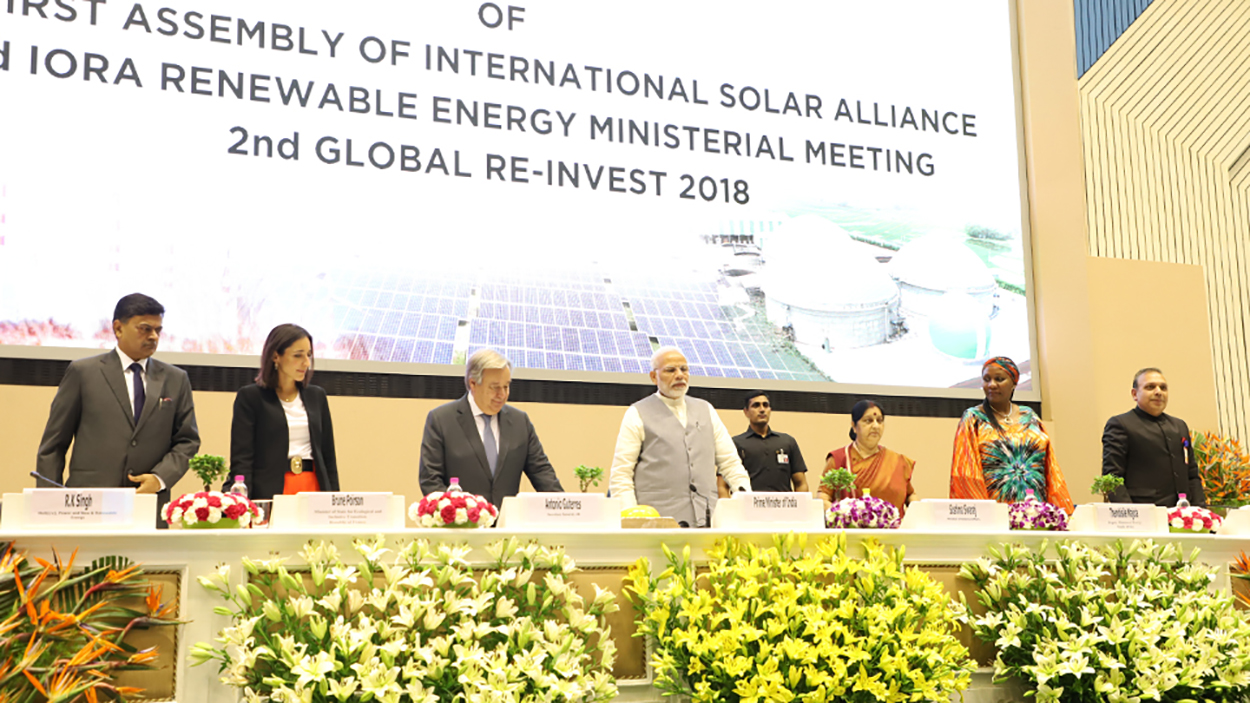 Global RE-INVEST India-ISA Partnership Renewable Energy Investors Expo held its second meet in Greater Noida, India in early October, with the CEO of Softbank Masayoshi Son pledging free solar power after 25 years of PPA to children, mothers, and communities across all ISA member countries. By Viraj Desai The world is moving towards renewables, as demonstrated by the recently concluded Re-Invest 2018 in Greater Noida, New Delhi, which saw over 20,000 delegates participate from 77 countries gather to hear the opening address by Indian Prime Minister Narendra Modi and UN Secretary General, Antonio Guterres. The event saw over 50 plenary and technical sessions, with 150 speakers including 55 international ones, hosted by India’s Ministry of New and Renewable Energy. The forums focused largely on strategies to expedite renewable installations across countries and pledges from the private sector to increase renewables’ investments as part of Prime Minister Modi’s Vision 2020. Detailed discussions on offshore wind projects in India also took place. India, with the second longest coastline in the world, is currently among the top five wind power installations’ destination globally. Indian state representatives from Uttar Pradesh, Himachal Pradesh and Andaman and Nicobar Islands made commitments on providing a conducive environment for making renewable installations in their respective locations. A grand statement was also made by CEO of Softbank Group Masayoshi Son, who suggested that the company may offer free solar power after 25 years, by declaring that this proposition can be a reality today. “ISA has been a very important part of Prime Minister Modi’s leadership. PM Modi wants 100% electrification, it’s a great mission, with great vision, for villages and for households. We are no more one nation in this mission, but 121 nations involved in bringing a change. I get involved as the chairman of task force, sharing three outcomes- solar innovation platforms, solar technology centres and finally connecting people with power. We fully support the vision 2020 set by PM Modi. Cost of Solar power generation is much cheaper in India compared to rest of the world. I will give free power from solar power projects after 25 years of PPA to all ISA member countries. We’re investing in tech and innovation so that we can harness solar energy efficiently to provide free power to children, mothers, communities across the world. It’s not a dream, we now have the resources to make this happen” Power developers normally sign a Power Purchase Agreement with the state or Central Government, after winning contracts or bids. 21 countries of IORA adopted the Delhi Declaration on Renewable Energy, which aims collaboration with the ISA member nations for knowledge sharing and vetting potential interests in the renewable sector, with a focus on joint capacity-building programs, research and development activities in solar energy and the exchange of best practices... ...to read more, visit https://indvstrvs.com/re-invest-2018-expo-spreads-a-message-of-positivity-and-power-to-the-people/ |
| json metadata | {"tags":["news","india","energy","power","renewables"],"image":["https://cdn.steemitimages.com/DQmXfFkHPa6ZDVXpkLgtzu3ek86MC6Yy9aGnuxUM8iu64Zo/reinvest%202018%20PM%20India.jpg"],"links":["https://indvstrvs.com/re-invest-2018-expo-spreads-a-message-of-positivity-and-power-to-the-people/"],"app":"steemit/0.1","format":"markdown"} |
| parent author | |
| parent permlink | news |
| permlink | re-invest-2018-expo-spreads-a-message-of-positivity-and-power-to-the-people |
| title | RE-INVEST 2018 Expo Spreads a Message of Positivity and Power to the People |
| Transaction Info | Block #27225613/Trx fd5527bf5046a48b08ef9b1b1edf20885344a859 |
View Raw JSON Data
{
"block": 27225613,
"op": [
"comment",
{
"author": "indvstrvs",
"body": "\n\nGlobal RE-INVEST India-ISA Partnership Renewable Energy Investors Expo held its second meet in Greater Noida, India in early October, with the CEO of Softbank Masayoshi Son pledging free solar power after 25 years of PPA to children, mothers, and communities across all ISA member countries.\n\nBy Viraj Desai\n\nThe world is moving towards renewables, as demonstrated by the recently concluded Re-Invest 2018 in Greater Noida, New Delhi, which saw over 20,000 delegates participate from 77 countries gather to hear the opening address by Indian Prime Minister Narendra Modi and UN Secretary General, Antonio Guterres.\n\nThe event saw over 50 plenary and technical sessions, with 150 speakers including 55 international ones, hosted by India’s Ministry of New and Renewable Energy.\n\nThe forums focused largely on strategies to expedite renewable installations across countries and pledges from the private sector to increase renewables’ investments as part of Prime Minister Modi’s Vision 2020. Detailed discussions on offshore wind projects in India also took place. India, with the second longest coastline in the world, is currently among the top five wind power installations’ destination globally.\n\nIndian state representatives from Uttar Pradesh, Himachal Pradesh and Andaman and Nicobar Islands made commitments on providing a conducive environment for making renewable installations in their respective locations.\n\nA grand statement was also made by CEO of Softbank Group Masayoshi Son, who suggested that the company may offer free solar power after 25 years, by declaring that this proposition can be a reality today.\n\n“ISA has been a very important part of Prime Minister Modi’s leadership. PM Modi wants 100% electrification, it’s a great mission, with great vision, for villages and for households. We are no more one nation in this mission, but 121 nations involved in bringing a change. I get involved as the chairman of task force, sharing three outcomes- solar innovation platforms, solar technology centres and finally connecting people with power. We fully support the vision 2020 set by PM Modi. Cost of Solar power generation is much cheaper in India compared to rest of the world. I will give free power from solar power projects after 25 years of PPA to all ISA member countries. We’re investing in tech and innovation so that we can harness solar energy efficiently to provide free power to children, mothers, communities across the world. It’s not a dream, we now have the resources to make this happen”\n\nPower developers normally sign a Power Purchase Agreement with the state or Central Government, after winning contracts or bids. 21 countries of IORA adopted the Delhi Declaration on Renewable Energy, which aims collaboration with the ISA member nations for knowledge sharing and vetting potential interests in the renewable sector, with a focus on joint capacity-building programs, research and development activities in solar energy and the exchange of best practices...\n\n...to read more, visit https://indvstrvs.com/re-invest-2018-expo-spreads-a-message-of-positivity-and-power-to-the-people/",
"json_metadata": "{\"tags\":[\"news\",\"india\",\"energy\",\"power\",\"renewables\"],\"image\":[\"https://cdn.steemitimages.com/DQmXfFkHPa6ZDVXpkLgtzu3ek86MC6Yy9aGnuxUM8iu64Zo/reinvest%202018%20PM%20India.jpg\"],\"links\":[\"https://indvstrvs.com/re-invest-2018-expo-spreads-a-message-of-positivity-and-power-to-the-people/\"],\"app\":\"steemit/0.1\",\"format\":\"markdown\"}",
"parent_author": "",
"parent_permlink": "news",
"permlink": "re-invest-2018-expo-spreads-a-message-of-positivity-and-power-to-the-people",
"title": "RE-INVEST 2018 Expo Spreads a Message of Positivity and Power to the People"
}
],
"op_in_trx": 0,
"timestamp": "2018-10-29T07:06:12",
"trx_id": "fd5527bf5046a48b08ef9b1b1edf20885344a859",
"trx_in_block": 3,
"virtual_op": 0
}indvstrvspublished a new post: bicycle-sales-surge-world-wide2018/10/22 04:49:09
indvstrvspublished a new post: bicycle-sales-surge-world-wide
2018/10/22 04:49:09
| author | indvstrvs |
| body |  Folding Bicycles and increased safety features to meet the demand of urban commuters has seen sales in the bicycle industry surge across major metropolises worldwide. By Viraj Desai Cycles have been an integral form of transportation since time immemorial. While motor bikes are popular among commuters to combat peak traffic, the increasing awareness of health benefits and environmentally-conscious consumers are signaling a comeback of the bicycle industry. Intensifying traffic congestion and surging fuel costs as well as greater Government support for the adoption of bicycles as a primary mode of transport with development of dedicated cycling infrastructure is all helping to boost the bicycle industry. Growth from the Asia Pacific region is projected to drive higher sales of bicycles while North America and Europe may continue to contribute significantly in terms of global revenue. According to Research firm Technavio, it is estimated that the total available market of bicycles will surge to USD 44 billion, registering a CAGR of 4 percent. Some of the major bicycle brands that appear to be performing well globally include: Hero Cycles Limited, Derby Cycle Corporation, Fuji Corporation, Shimano Giant Manufacturing Co. Ltd, Cannondale Corp, Atlas Group, BSA Limited, Hercules Cycles, Accell Group N.V, Dorel Industries Inc and Merida Industry Co. Ltd. Trends The introduction of high-tech accessories as well as greater demand for safety gear by urban consumers has spiked as the number of vehicles on the roads have increased. Sales in bicycle lights have increased too. For example, manufacturer Helios Bars launched smart bicycle handlebars with built-in LED headlights that can be retro-fitted to any bicycle. The introduction of laser front lights can project light up to 15 metres ahead, making it ideal for night-time riding. The advent of the folding bicycle has also seen a major uptake in sales across Europe and North America, as working professionals commute to offices without parking spaces. It is estimated that global Folding Electric Bicycle market was USD 120 million in 2017. It may double to USD 210 million by 2025, registering a CAGR of 7.5 percent in the next seven years. Leading consumers are projected to be from the US, Canada and Mexico in North America while Europe will see greater interest from France, Germany, UK, Italy, Russia and Turkey. The Asia-Pacific region has also seen substantial growth, with foldable bike sales increasing in China, India, Indonesia, Thailand, Malaysia, Vietnam, Korea and Japan. Some major brands who are doing it well include Brompton, SUNRA, XDS, BODO, Slane, U-WINFLY and Birdie Electric... ...to read more, visit https://indvstrvs.com/bicycle-sales-surge-world-wide/ |
| json metadata | {"tags":["bicycle","trends","news","trade","export"],"image":["https://cdn.steemitimages.com/DQmaQYL8146pGm7kS3uMMrjkojyyGL4Hd5hQoepwqRVHZ33/foldable%20bicycle.jpg"],"links":["https://indvstrvs.com/bicycle-sales-surge-world-wide/"],"app":"steemit/0.1","format":"markdown"} |
| parent author | |
| parent permlink | bicycle |
| permlink | bicycle-sales-surge-world-wide |
| title | Bicycle Sales Surge World-Wide |
| Transaction Info | Block #27021417/Trx 94151c02cd964d9feb47185d519ea28cf93bae75 |
View Raw JSON Data
{
"block": 27021417,
"op": [
"comment",
{
"author": "indvstrvs",
"body": "\n\nFolding Bicycles and increased safety features to meet the demand of urban commuters has seen sales in the bicycle industry surge across major metropolises worldwide.\n\nBy Viraj Desai\n\nCycles have been an integral form of transportation since time immemorial. While motor bikes are popular among commuters to combat peak traffic, the increasing awareness of health benefits and environmentally-conscious consumers are signaling a comeback of the bicycle industry.\n\nIntensifying traffic congestion and surging fuel costs as well as greater Government support for the adoption of bicycles as a primary mode of transport with development of dedicated cycling infrastructure is all helping to boost the bicycle industry.\n\nGrowth from the Asia Pacific region is projected to drive higher sales of bicycles while North America and Europe may continue to contribute significantly in terms of global revenue. According to Research firm Technavio, it is estimated that the total available market of bicycles will surge to USD 44 billion, registering a CAGR of 4 percent.\n\nSome of the major bicycle brands that appear to be performing well globally include: Hero Cycles Limited, Derby Cycle Corporation, Fuji Corporation, Shimano Giant Manufacturing Co. Ltd, Cannondale Corp, Atlas Group, BSA Limited, Hercules Cycles, Accell Group N.V, Dorel Industries Inc and Merida Industry Co. Ltd.\n\nTrends\n\nThe introduction of high-tech accessories as well as greater demand for safety gear by urban consumers has spiked as the number of vehicles on the roads have increased. Sales in bicycle lights have increased too. For example, manufacturer Helios Bars launched smart bicycle handlebars with built-in LED headlights that can be retro-fitted to any bicycle. The introduction of laser front lights can project light up to 15 metres ahead, making it ideal for night-time riding.\n\nThe advent of the folding bicycle has also seen a major uptake in sales across Europe and North America, as working professionals commute to offices without parking spaces.\n\nIt is estimated that global Folding Electric Bicycle market was USD 120 million in 2017. It may double to USD 210 million by 2025, registering a CAGR of 7.5 percent in the next seven years. Leading consumers are projected to be from the US, Canada and Mexico in North America while Europe will see greater interest from France, Germany, UK, Italy, Russia and Turkey. The Asia-Pacific region has also seen substantial growth, with foldable bike sales increasing in China, India, Indonesia, Thailand, Malaysia, Vietnam, Korea and Japan. Some major brands who are doing it well include Brompton, SUNRA, XDS, BODO, Slane, U-WINFLY and Birdie Electric...\n\n...to read more, visit https://indvstrvs.com/bicycle-sales-surge-world-wide/",
"json_metadata": "{\"tags\":[\"bicycle\",\"trends\",\"news\",\"trade\",\"export\"],\"image\":[\"https://cdn.steemitimages.com/DQmaQYL8146pGm7kS3uMMrjkojyyGL4Hd5hQoepwqRVHZ33/foldable%20bicycle.jpg\"],\"links\":[\"https://indvstrvs.com/bicycle-sales-surge-world-wide/\"],\"app\":\"steemit/0.1\",\"format\":\"markdown\"}",
"parent_author": "",
"parent_permlink": "bicycle",
"permlink": "bicycle-sales-surge-world-wide",
"title": "Bicycle Sales Surge World-Wide"
}
],
"op_in_trx": 0,
"timestamp": "2018-10-22T04:49:09",
"trx_id": "94151c02cd964d9feb47185d519ea28cf93bae75",
"trx_in_block": 13,
"virtual_op": 0
}indvstrvspublished a new post: bob-salomon-beyond-the-laces-puts-kids-first2018/10/16 00:56:57
indvstrvspublished a new post: bob-salomon-beyond-the-laces-puts-kids-first
2018/10/16 00:56:57
| author | indvstrvs |
| body |  In the midst of increasing corporatization and politicization of sports in the US, declining participation in youth sports and increased bullying and violence in US schools, New-Jersey-based founder and co-author Bob Salomon is side-stepping all the noise by taking his hit children’s book Beyond The Laces’ simple but powerful message of kindness and perseverance on and off the sports field to the future’s best source of hope – the hearts of kids. By Joanne Leila Smith The World Health Organisation claims violence among youths is a global public health problem. Every day, an estimated 227 children and youths (age 0–19 years) die worldwide as a result of interpersonal violence. For each death, many more are hospitalized with injuries. Poor social skills, low academic achievement, impulsiveness, truancy and poverty are among contributing factors to this violence. If we shift our focus to the United States, according to multiple reports, by May 2018, there were 23 school shootings where someone was hurt or killed. This is an average of more than one shooting per week. The US National Center for Education Statistics reported that out of an estimated total students of 24.5 million aged between 12-18 years old, 20.8 million kids reported being bullied at school in the 2014-15 school year. A 2017 report by Diliberti et al ‘Crime, Violence, Discipline, and Safety in U.S. Public Schools’ sponsored by the US Department of Education, claims that among factors that were reported to limit schools’ efforts to reduce or prevent crime “in a major way,” three factors were more likely to be reported than others: lack of alternative placements or programs for disruptive students (30 percent); inadequate funding (28 percent); and federal, state, or district policies on disciplining special education students (17 percent). Higher percentages of schools located in suburbs (74 percent) and cities (73 percent) reported they had a formal program intended to prevent or reduce violence that included social emotional learning training for students than did schools located in towns (62 percent) and rural areas (51 percent). Interestingly, the highest percentage of school shootings were in regional areas. Aside from enrichment and/or formal social programs being rolled out across schools as a perfunctory way to tackle youth violence, there appears to be plenty of data that suggests a definitive correlation between regular youth participation in sports and the reduction of childhood aggression and increased emotional self-control. While youth sports are proven to help combat youth violence, according to the US Aspen Institute Report ‘State of Play Trends and Developments 2017’, the number of kids playing sports keeps decreasing. The Aspen Institute’s Sports & Society Program claims only 36.9 percent of children ages 6-12 played team sports on a regular basis in 2016 – down from 38.6 in 2015 and 44.5 in 2008. In addition, only 24.8 percent of kids aged 6-12 years old were considered active to a healthy level in 2016, marking the steepest one-year decline on record dating to 2008. The Aspen Report also highlighted that household income continues to be a major inhibitor to sports participation. In 2016, 29.9 percent of kids from homes in the lowest income bracket ($25,000 or less) were physically inactive. Only 11.5 percent of children in the wealthiest households ($100,000 or more) were physically inactive. It appears that neighborhood sports died with Generation X too. The extent of kids playing with kids down the street has shifted. According to a household survey of 22 counties in Western New York (Greater Buffalo, Rochester and the Finger Lakes) and Southeast Michigan (Detroit and surrounding areas) the Aspen Report found that fewer than one in five kids now play football near their home, one in 10 for basketball and less than one in 20 for baseball and soccer. In September 2017, Time Magazine ran an op-ed ‘How Kids’ Sports Became a $15 Billion Industry’ by Sports Journalist Sean Gregory who argued that the corporatization of youth sports makes participation virtually impossible for low-income families and with the added pressure to compete in a privatized model rather than community-mindedness or ‘for the love of it’ has resulted in a substantial drop in local league participation: “Neighborhood Little Leagues, town soccer associations and church basketball squads that bonded kids in a community–and didn’t cost as much as a rent check–have largely lost their luster. Little League participation, for example, is down 20% from its turn-of-the-century peak. These local leagues have been nudged aside by private club teams, a loosely governed constellation that includes everything from development academies affiliated with professional sports franchises to regional squads run by moonlighting coaches with little experience…But as community-based teams give way to a more mercenary approach, it’s worth asking what’s lost in the process. Already, there are worrying signs. A growing body of research shows that intense early specialization in a single sport increases the risk of injury, burnout and depression. Fees and travel costs are pricing out lower-income families. Some kids who don’t show talent at a young age are discouraged from ever participating in organized sports,” says Gregory. While the problem of youth violence and declining sports participation as a way to combat it appear to be trapped in a downward spiral of discouragement, we were fortunate to stumble across a group of New-Jersey guys from diverse backgrounds, who have managed to “sidestep the politics and play-to-profit mentality” as the large-than-life founder of Beyond The Laces Movement Bob Salomon puts it, by going straight to the kids with a children’s book that started it all, Beyond the Laces... ...to read more, visit https://indvstrvs.com/bob-salomon-beyond-the-laces-puts-kids-first/ |
| json metadata | {"tags":["football","news","kindness","education","sport"],"image":["https://cdn.steemitimages.com/DQmX6sVCiRTXBTqDwvsTSjqGCrA4H47HJRdmfMkrmEiD1YB/bob%20and%20james.jpg"],"links":["https://indvstrvs.com/bob-salomon-beyond-the-laces-puts-kids-first/"],"app":"steemit/0.1","format":"markdown"} |
| parent author | |
| parent permlink | football |
| permlink | bob-salomon-beyond-the-laces-puts-kids-first |
| title | Bob Salomon – Beyond The Laces Puts Kids First |
| Transaction Info | Block #26844098/Trx afb25e33e529c7760d119bc0d599017b3ff6fc2d |
View Raw JSON Data
{
"block": 26844098,
"op": [
"comment",
{
"author": "indvstrvs",
"body": "\n\nIn the midst of increasing corporatization and politicization of sports in the US, declining participation in youth sports and increased bullying and violence in US schools, New-Jersey-based founder and co-author Bob Salomon is side-stepping all the noise by taking his hit children’s book Beyond The Laces’ simple but powerful message of kindness and perseverance on and off the sports field to the future’s best source of hope – the hearts of kids.\n\nBy Joanne Leila Smith\n\nThe World Health Organisation claims violence among youths is a global public health problem. Every day, an estimated 227 children and youths (age 0–19 years) die worldwide as a result of interpersonal violence. For each death, many more are hospitalized with injuries. Poor social skills, low academic achievement, impulsiveness, truancy and poverty are among contributing factors to this violence.\n\nIf we shift our focus to the United States, according to multiple reports, by May 2018, there were 23 school shootings where someone was hurt or killed. This is an average of more than one shooting per week.\n\nThe US National Center for Education Statistics reported that out of an estimated total students of 24.5 million aged between 12-18 years old, 20.8 million kids reported being bullied at school in the 2014-15 school year.\n\nA 2017 report by Diliberti et al ‘Crime, Violence, Discipline, and Safety in U.S. Public Schools’ sponsored by the US Department of Education, claims that among factors that were reported to limit schools’ efforts to reduce or prevent crime “in a major way,” three factors were more likely to be reported than others: lack of alternative placements or programs for disruptive students (30 percent); inadequate funding (28 percent); and federal, state, or district policies on disciplining special education students (17 percent).\n\nHigher percentages of schools located in suburbs (74 percent) and cities (73 percent) reported they had a formal program intended to prevent or reduce violence that included social emotional learning training for students than did schools located in towns (62 percent) and rural areas (51 percent). Interestingly, the highest percentage of school shootings were in regional areas.\n\nAside from enrichment and/or formal social programs being rolled out across schools as a perfunctory way to tackle youth violence, there appears to be plenty of data that suggests a definitive correlation between regular youth participation in sports and the reduction of childhood aggression and increased emotional self-control.\n\nWhile youth sports are proven to help combat youth violence, according to the US Aspen Institute Report ‘State of Play Trends and Developments 2017’, the number of kids playing sports keeps decreasing. The Aspen Institute’s Sports & Society Program claims only 36.9 percent of children ages 6-12 played team sports on a regular basis in 2016 – down from 38.6 in 2015 and 44.5 in 2008. In addition, only 24.8 percent of kids aged 6-12 years old were considered active to a healthy level in 2016, marking the steepest one-year decline on record dating to 2008.\n\nThe Aspen Report also highlighted that household income continues to be a major inhibitor to sports participation. In 2016, 29.9 percent of kids from homes in the lowest income bracket ($25,000 or less) were physically inactive. Only 11.5 percent of children in the wealthiest households ($100,000 or more) were physically inactive.\n\nIt appears that neighborhood sports died with Generation X too. The extent of kids playing with kids down the street has shifted. According to a household survey of 22 counties in Western New York (Greater Buffalo, Rochester and the Finger Lakes) and Southeast Michigan (Detroit and surrounding areas) the Aspen Report found that fewer than one in five kids now play football near their home, one in 10 for basketball and less than one in 20 for baseball and soccer.\n\nIn September 2017, Time Magazine ran an op-ed ‘How Kids’ Sports Became a $15 Billion Industry’ by Sports Journalist Sean Gregory who argued that the corporatization of youth sports makes participation virtually impossible for low-income families and with the added pressure to compete in a privatized model rather than community-mindedness or ‘for the love of it’ has resulted in a substantial drop in local league participation:\n\n“Neighborhood Little Leagues, town soccer associations and church basketball squads that bonded kids in a community–and didn’t cost as much as a rent check–have largely lost their luster. Little League participation, for example, is down 20% from its turn-of-the-century peak. These local leagues have been nudged aside by private club teams, a loosely governed constellation that includes everything from development academies affiliated with professional sports franchises to regional squads run by moonlighting coaches with little experience…But as community-based teams give way to a more mercenary approach, it’s worth asking what’s lost in the process. Already, there are worrying signs. A growing body of research shows that intense early specialization in a single sport increases the risk of injury, burnout and depression. Fees and travel costs are pricing out lower-income families. Some kids who don’t show talent at a young age are discouraged from ever participating in organized sports,” says Gregory.\n\nWhile the problem of youth violence and declining sports participation as a way to combat it appear to be trapped in a downward spiral of discouragement, we were fortunate to stumble across a group of New-Jersey guys from diverse backgrounds, who have managed to “sidestep the politics and play-to-profit mentality” as the large-than-life founder of Beyond The Laces Movement Bob Salomon puts it, by going straight to the kids with a children’s book that started it all, Beyond the Laces...\n\n...to read more, visit https://indvstrvs.com/bob-salomon-beyond-the-laces-puts-kids-first/",
"json_metadata": "{\"tags\":[\"football\",\"news\",\"kindness\",\"education\",\"sport\"],\"image\":[\"https://cdn.steemitimages.com/DQmX6sVCiRTXBTqDwvsTSjqGCrA4H47HJRdmfMkrmEiD1YB/bob%20and%20james.jpg\"],\"links\":[\"https://indvstrvs.com/bob-salomon-beyond-the-laces-puts-kids-first/\"],\"app\":\"steemit/0.1\",\"format\":\"markdown\"}",
"parent_author": "",
"parent_permlink": "football",
"permlink": "bob-salomon-beyond-the-laces-puts-kids-first",
"title": "Bob Salomon – Beyond The Laces Puts Kids First"
}
],
"op_in_trx": 0,
"timestamp": "2018-10-16T00:56:57",
"trx_id": "afb25e33e529c7760d119bc0d599017b3ff6fc2d",
"trx_in_block": 10,
"virtual_op": 0
}2018/10/12 11:20:45
2018/10/12 11:20:45
| author | indvstrvs |
| permlink | china-conference-2018-human-ingenuity-not-capital-will-drive-value-creation |
| voter | clumsysilverdad |
| weight | 700 (7.00%) |
| Transaction Info | Block #26741455/Trx 6a589d5da3905d9b39aa658a7e94e826c3501046 |
View Raw JSON Data
{
  "block": 26741455,
  "op": [
    "vote",
    {
      "author": "indvstrvs",
      "permlink": "china-conference-2018-human-ingenuity-not-capital-will-drive-value-creation",
      "voter": "clumsysilverdad",
      "weight": 700
    }
  ],
  "op_in_trx": 0,
  "timestamp": "2018-10-12T11:20:45",
  "trx_id": "6a589d5da3905d9b39aa658a7e94e826c3501046",
  "trx_in_block": 7,
  "virtual_op": 0
}indvstrvspublished a new post: china-conference-2018-human-ingenuity-not-capital-will-drive-value-creation2018/10/12 11:14:57
indvstrvspublished a new post: china-conference-2018-human-ingenuity-not-capital-will-drive-value-creation
2018/10/12 11:14:57
| author | indvstrvs |
| body |  The two-day China Conference: Building Co-operation, Managing Complexities wrapped up in Kuala Lumpur, Malaysia this week after an impressive line-up of South East Asia’s thousand most influential leaders in business and Government came together – with tech, tariffs and taxes being the talk of the town. By Joanne Leila Smith With global concerns rising over the US-China trade war, China has been on a high-profile roadshow over the past 12 months strengthening political-economic relationships with Europe, Africa and Southeast Asia. The world’s second largest economy has become a key partner for Southeast Asia in trade, investment, and infrastructure development. China’s Belt and Road Initiative OBOR is expected to further trade opportunities in the region over the coming decade – with major implications for Asia. In his opening remarks, SCMP CEO Gary Liu says, “China can’t be truly examined without looking at Southeast Asia. Holding the China Conference in Kuala Lumpur reflects the central importance of Malaysia and the rise of ASEAN.” Touching on the US-China Trade War and economic ties between China and South East Asia region, Vice Chairman, National Committee of the Chinese People’s Political Consultative Conference C Y Leung says, “Economic integration or globalisation may have been put in reverse gear, and no vehicle in reverse gear can go far or fast. Protectionism for whatever purpose is misguided and will be short lived. Integration offers a better economic future. No man is an island. No one can produce everything that is needed – no matter how big or powerful a country may be”. In view of the potential economic and security implications of the US-China trade war, Senior Foreign Affairs Correspondent for POLITICO Michael Crowley says “We are at the most uncertain and risky moment in U.S. China relations in perhaps 30 years. As a trade war emerges and top U.S. officials call for a stronger strategic response to China, it is crucial to have public conversations to discuss potential consequences.” Perhaps alluding to the tensions over the militarization of South China Sea whereby China has reclaimed 3,200 acres of land in the Spratly archipelago and constructed ports, airfields and military equipment, Minister of Economic Affairs, Malaysia Yang Berhormat Dato’ Seri Mohamed Azmin Ali says, “China’s commitment to peaceful development is absolutely crucial for the continued prosperity of the region. The region must remain a zone of peace, freedom and neutrality and must not be allowed to be militarised”. The other major topic that dominated discussion was enabling tech; allowing entrepreneurship to flourish through tax incentive. Alibaba’s CEO Jack Ma says “Entrepreneurs should have long-term vision, patience, and a willingness to learn. If you’re not optimistic, don’t be an entrepreneur.” ...to read more visit https://indvstrvs.com/human-ingenuity-not-capital-will-drive-value-creation-china-conference/ |
| json metadata | {"tags":["news","business","trade","china","tech"],"image":["https://cdn.steemitimages.com/DQmQEQD8BwbEXdehGPE7NRkhdmAo1bQxLFrXh3ihX3EdC2E/Press%20Release%20KL%20conference%202018.jpg"],"links":["https://indvstrvs.com/human-ingenuity-not-capital-will-drive-value-creation-china-conference/"],"app":"steemit/0.1","format":"markdown"} |
| parent author | |
| parent permlink | news |
| permlink | china-conference-2018-human-ingenuity-not-capital-will-drive-value-creation |
| title | China Conference 2018: Human Ingenuity, Not Capital, Will Drive Value Creation |
| Transaction Info | Block #26741339/Trx fea7efcfbcc11737836df9f845b9727d9375cb1d |
View Raw JSON Data
{
"block": 26741339,
"op": [
"comment",
{
"author": "indvstrvs",
"body": "\n\nThe two-day China Conference: Building Co-operation, Managing Complexities wrapped up in Kuala Lumpur, Malaysia this week after an impressive line-up of South East Asia’s thousand most influential leaders in business and Government came together – with tech, tariffs and taxes being the talk of the town.\n\nBy Joanne Leila Smith\n\nWith global concerns rising over the US-China trade war, China has been on a high-profile roadshow over the past 12 months strengthening political-economic relationships with Europe, Africa and Southeast Asia.\n\nThe world’s second largest economy has become a key partner for Southeast Asia in trade, investment, and infrastructure development. China’s Belt and Road Initiative OBOR is expected to further trade opportunities in the region over the coming decade – with major implications for Asia.\n\nIn his opening remarks, SCMP CEO Gary Liu says, “China can’t be truly examined without looking at Southeast Asia. Holding the China Conference in Kuala Lumpur reflects the central importance of Malaysia and the rise of ASEAN.”\n\nTouching on the US-China Trade War and economic ties between China and South East Asia region, Vice Chairman, National Committee of the Chinese People’s Political Consultative Conference C Y Leung says, “Economic integration or globalisation may have been put in reverse gear, and no vehicle in reverse gear can go far or fast. Protectionism for whatever purpose is misguided and will be short lived. Integration offers a better economic future. No man is an island. No one can produce everything that is needed – no matter how big or powerful a country may be”.\n\nIn view of the potential economic and security implications of the US-China trade war, Senior Foreign Affairs Correspondent for POLITICO Michael Crowley says “We are at the most uncertain and risky moment in U.S. China relations in perhaps 30 years. As a trade war emerges and top U.S. officials call for a stronger strategic response to China, it is crucial to have public conversations to discuss potential consequences.”\n\nPerhaps alluding to the tensions over the militarization of South China Sea whereby China has reclaimed 3,200 acres of land in the Spratly archipelago and constructed ports, airfields and military equipment, Minister of Economic Affairs, Malaysia Yang Berhormat Dato’ Seri Mohamed Azmin Ali says, “China’s commitment to peaceful development is absolutely crucial for the continued prosperity of the region. The region must remain a zone of peace, freedom and neutrality and must not be allowed to be militarised”.\n\nThe other major topic that dominated discussion was enabling tech; allowing entrepreneurship to flourish through tax incentive. Alibaba’s CEO Jack Ma says “Entrepreneurs should have long-term vision, patience, and a willingness to learn. If you’re not optimistic, don’t be an entrepreneur.”\n\n...to read more visit https://indvstrvs.com/human-ingenuity-not-capital-will-drive-value-creation-china-conference/",
"json_metadata": "{\"tags\":[\"news\",\"business\",\"trade\",\"china\",\"tech\"],\"image\":[\"https://cdn.steemitimages.com/DQmQEQD8BwbEXdehGPE7NRkhdmAo1bQxLFrXh3ihX3EdC2E/Press%20Release%20KL%20conference%202018.jpg\"],\"links\":[\"https://indvstrvs.com/human-ingenuity-not-capital-will-drive-value-creation-china-conference/\"],\"app\":\"steemit/0.1\",\"format\":\"markdown\"}",
"parent_author": "",
"parent_permlink": "news",
"permlink": "china-conference-2018-human-ingenuity-not-capital-will-drive-value-creation",
"title": "China Conference 2018: Human Ingenuity, Not Capital, Will Drive Value Creation"
}
],
"op_in_trx": 0,
"timestamp": "2018-10-12T11:14:57",
"trx_id": "fea7efcfbcc11737836df9f845b9727d9375cb1d",
"trx_in_block": 17,
"virtual_op": 0
}indvstrvsreceived 0.021 SBD, 0.032 SP author reward for @indvstrvs / the-economic-cost-and-opportunity-of-conflict-in-israel2018/10/09 00:25:00
indvstrvsreceived 0.021 SBD, 0.032 SP author reward for @indvstrvs / the-economic-cost-and-opportunity-of-conflict-in-israel
2018/10/09 00:25:00
| author | indvstrvs |
| permlink | the-economic-cost-and-opportunity-of-conflict-in-israel |
| sbd payout | 0.021 SBD |
| steem payout | 0.000 STEEM |
| vesting payout | 52.502305 VESTS |
| Transaction Info | Block #26642017/Virtual Operation #4 |
View Raw JSON Data
{
  "block": 26642017,
  "op": [
    "author_reward",
    {
      "author": "indvstrvs",
      "permlink": "the-economic-cost-and-opportunity-of-conflict-in-israel",
      "sbd_payout": "0.021 SBD",
      "steem_payout": "0.000 STEEM",
      "vesting_payout": "52.502305 VESTS"
    }
  ],
  "op_in_trx": 0,
  "timestamp": "2018-10-09T00:25:00",
  "trx_id": "0000000000000000000000000000000000000000",
  "trx_in_block": 4294967295,
  "virtual_op": 4
}2018/10/03 13:51:09
2018/10/03 13:51:09
| author | indvstrvs |
| permlink | the-economic-cost-and-opportunity-of-conflict-in-israel |
| voter | lyndsaybowes |
| weight | 600 (6.00%) |
| Transaction Info | Block #26485444/Trx 62f33ca906358f706894e5c5bad04302a7c9bd19 |
View Raw JSON Data
{
  "block": 26485444,
  "op": [
    "vote",
    {
      "author": "indvstrvs",
      "permlink": "the-economic-cost-and-opportunity-of-conflict-in-israel",
      "voter": "lyndsaybowes",
      "weight": 600
    }
  ],
  "op_in_trx": 0,
  "timestamp": "2018-10-03T13:51:09",
  "trx_id": "62f33ca906358f706894e5c5bad04302a7c9bd19",
  "trx_in_block": 36,
  "virtual_op": 0
}coriantumrupvoted (100.00%) @indvstrvs / the-economic-cost-and-opportunity-of-conflict-in-israel2018/10/02 00:49:24
coriantumrupvoted (100.00%) @indvstrvs / the-economic-cost-and-opportunity-of-conflict-in-israel
2018/10/02 00:49:24
| author | indvstrvs |
| permlink | the-economic-cost-and-opportunity-of-conflict-in-israel |
| voter | coriantumr |
| weight | 10000 (100.00%) |
| Transaction Info | Block #26441028/Trx ba5e171be9d2109abf279cd7d967935c89c9508a |
View Raw JSON Data
{
  "block": 26441028,
  "op": [
    "vote",
    {
      "author": "indvstrvs",
      "permlink": "the-economic-cost-and-opportunity-of-conflict-in-israel",
      "voter": "coriantumr",
      "weight": 10000
    }
  ],
  "op_in_trx": 0,
  "timestamp": "2018-10-02T00:49:24",
  "trx_id": "ba5e171be9d2109abf279cd7d967935c89c9508a",
  "trx_in_block": 3,
  "virtual_op": 0
}indvstrvspublished a new post: the-economic-cost-and-opportunity-of-conflict-in-israel2018/10/02 00:25:00
indvstrvspublished a new post: the-economic-cost-and-opportunity-of-conflict-in-israel
2018/10/02 00:25:00
| author | indvstrvs |
| body |  The Right to Work, while enshrined in international human rights law, is a privilege that many in the West take for granted. We were fortunate to sit down with Muslim Public Affairs Council (MPAC) Program Fellow Ilhan Cagri based in Washington D.C. on the working and living conditions of all peoples living under the current Netanyahu Administration in Israel. By Joanne Leila Smith and Shivendra Singh The conflict in Israel is often portrayed as a religious war between Muslims and Jewish peoples. The reality is quite different. Acquisition of lands without restitution and the required infrastructure development as a result of settlement expansion is big business. We asked MPAC Program Fellow Ilhan Cagri to share her experiences on the working conditions, economic impact and public infrastructure of peoples living in both the Settlements and Gaza after visiting Israel in November 2017 and February 2018 and the human cost of living under the bifurcation between Jews and Non-Jews. “The propaganda machine is interesting in Israel. The Netanyahu Government has to create apartheid not because it is afraid of non-Jews, but because, they are afraid of the Jewish people actually discovering the enormity of the crimes the Israeli Government is doing. The lives of Jewish peoples are circumscribed by this notion of being surrounded by the Palestinian as a bogey man. Just imagine how the Jewish people are living under that kind of trauma. It’s very important that the Government calls the citizens that they want to expel Arabs and not call them Palestinians. The Government calls them Arabs and makes the living and working conditions so unbearable because it wants them to migrate to Arab nations. Only Jewish Arabs are absorbed. The bifurcation is between Jews and Non-Jews only, it is not between Israelis and Arabs. For example, Palestinian Christians suffer the same apartheid conditions as Muslim Palestinians. So the rules for Non-Jews is very different to the rules for Jews in Israel. Only if you are Jewish do you get citizenship and the rights that go with it,” says Cagri. The economic and human costs of the decades-long conflict have been substantial. The malnutrition rates of peoples living in the Gaza Strip and parts of West Bank is now at a level not dissimilar to those living in Sub-Saharan Africa, according to a report submitted by the Members of Parliament of the UK House of Commons under the ‘Commons International Development Committee’. The report claims that the Palestinian economy is nearly collapsed. The Committee attributed the ‘fenced occupied territories’ as being a major contributor to destroying the Palestinian economy and creating widespread poverty in the region. The Netanyahu Government has blocked all foreign humanitarian and development work in the Gaza and West Bank. Gaza is significantly poorer than it was in the 1990s. Its economy has grown only 0.5 percent in 2017, according to The World Bank report. The annual income per person fell from USD 2,659 in 1994 to USD 1,826 in 2018. In 2017 the Gaza Strip had the highest unemployment rate in the World Bank’s development database. The Gaza’s poverty rate stands at 39 percent. The World Bank claims this percentage would be higher if it were not for foreign aid funded by the United Nations Relief and Works Agency (UNRWA). According to the report, over 80 percent of the population is on some form of social assistance. Unemployment rates in the region is as high as 60 to 70 percent. According to Cagri, the Right to Work for non-Jews under the Netanyahu Administration is non-existent. “I went to the refugee camps, where the men were lining up from 3am. The checkpoint gate is only open between 6am to 7am. If they don’t get through, they miss a day’s work. The work is day labour for Palestinians. Work permits in Israel are free, but you have to apply for them and they come at a premium – which creates corruption, this is, bribes for permits. The workers have to work 15-20 days to pay off the work permit, and the remaining 10 days is your take-home income. There are frequent, unannounced gate closures. If a kid throws a stone, the checkpoints may close for up to five days. The permits are only valid for six months. Despite all this hardship to earn a day’s wage, the people were smiling and laughing. I expected tension and anger. Conversely, when I went into the Settlements, the people seemed sad and the mood was palpably aggressive. I thought, these citizens have grass, flowers and beautiful streets and community centres in comparison, but there was no joy. I thought that was very sad,” says Cagri. According to Cagri, all Palestinian school children and workers must go through the checkpoints. The gates are open for one hour in the morning, 45 minutes at noon and only 1.5 hours in the evening. “Watching these school kids have to push through the gates to get home at night is heartbreaking. Palestinian workers can work inside the Settlements – usually as domestic helpers. Buses from the settlements will pick up Palestinian workers and take them to work as they are prohibited from living inside the settlements. There is total segregation. They come in and they go home. They must carry their ID papers at all times. If you don’t have your papers you can’t get in and out and if you don’t have them on your person it is a crime,” says Cagri. The impact of segregation on the domestic markets as well as opportunities for import/export have been far-reaching. In response to worsening conditions, The European Union coordinated an initiative called the Boycott, Divestments and Sanctions (BDS) of Israeli owned products and services. According to some experts, this move added to the economic woes of Palestinians. The initiative has pushed businesses out of the West Bank; disrupted film festivals, concerts and exhibitions from around the world where Palestinians and Israelis previously coordinated work with each other. Israeli-owned enterprises are suffering under BDS too. While the companies lose trade, the working population is largely made up of cheap Palestinian labour, which reduces working opportunities in already constrained job market. There has been string of exoduses in the region because of lack of employment opportunities. Jewish settlements in the West Bank are considered illegal by many in the international community. Different reports claim the Jewish population in West Bank is between 500,000 to 700,000. According to Cagri, moving goods and trade between the villages are nearly impossible for local businesses as the Settlements consistent of walled ‘tentacles’ that run between the towns and the villages so the Palestinians cannot cross over them... ...to read more, visit https://indvstrvs.com/the-economic-cost-and-opportunity-of-conflict-in-israel/ |
| json metadata | {"tags":["israel","palestine","business","news","trade"],"image":["https://cdn.steemitimages.com/DQmSDz1VQ31XvbPod9gyjDaCpxAswr6437kRjcKQayP5aya/shutterstock_1060083896%20Israel%20occupied%20territories.jpg"],"links":["https://indvstrvs.com/the-economic-cost-and-opportunity-of-conflict-in-israel/"],"app":"steemit/0.1","format":"markdown"} |
| parent author | |
| parent permlink | israel |
| permlink | the-economic-cost-and-opportunity-of-conflict-in-israel |
| title | The Economic Cost and Opportunity of Conflict in Israel |
| Transaction Info | Block #26440541/Trx 259a2d7b516ba2d3be1f499a40e1d4a3e63a8ae8 |
View Raw JSON Data
{
"block": 26440541,
"op": [
"comment",
{
"author": "indvstrvs",
"body": "\n\nThe Right to Work, while enshrined in international human rights law, is a privilege that many in the West take for granted. We were fortunate to sit down with Muslim Public Affairs Council (MPAC) Program Fellow Ilhan Cagri based in Washington D.C. on the working and living conditions of all peoples living under the current Netanyahu Administration in Israel.\n\nBy Joanne Leila Smith and Shivendra Singh\n\nThe conflict in Israel is often portrayed as a religious war between Muslims and Jewish peoples. The reality is quite different. Acquisition of lands without restitution and the required infrastructure development as a result of settlement expansion is big business.\n\nWe asked MPAC Program Fellow Ilhan Cagri to share her experiences on the working conditions, economic impact and public infrastructure of peoples living in both the Settlements and Gaza after visiting Israel in November 2017 and February 2018 and the human cost of living under the bifurcation between Jews and Non-Jews.\n\n“The propaganda machine is interesting in Israel. The Netanyahu Government has to create apartheid not because it is afraid of non-Jews, but because, they are afraid of the Jewish people actually discovering the enormity of the crimes the Israeli Government is doing. The lives of Jewish peoples are circumscribed by this notion of being surrounded by the Palestinian as a bogey man. Just imagine how the Jewish people are living under that kind of trauma. It’s very important that the Government calls the citizens that they want to expel Arabs and not call them Palestinians. The Government calls them Arabs and makes the living and working conditions so unbearable because it wants them to migrate to Arab nations. Only Jewish Arabs are absorbed. The bifurcation is between Jews and Non-Jews only, it is not between Israelis and Arabs. For example, Palestinian Christians suffer the same apartheid conditions as Muslim Palestinians. So the rules for Non-Jews is very different to the rules for Jews in Israel. Only if you are Jewish do you get citizenship and the rights that go with it,” says Cagri.\n\nThe economic and human costs of the decades-long conflict have been substantial.\n\nThe malnutrition rates of peoples living in the Gaza Strip and parts of West Bank is now at a level not dissimilar to those living in Sub-Saharan Africa, according to a report submitted by the Members of Parliament of the UK House of Commons under the ‘Commons International Development Committee’. The report claims that the Palestinian economy is nearly collapsed.\n\nThe Committee attributed the ‘fenced occupied territories’ as being a major contributor to destroying the Palestinian economy and creating widespread poverty in the region. The Netanyahu Government has blocked all foreign humanitarian and development work in the Gaza and West Bank.\n\nGaza is significantly poorer than it was in the 1990s. Its economy has grown only 0.5 percent in 2017, according to The World Bank report. The annual income per person fell from USD 2,659 in 1994 to USD 1,826 in 2018.\n\nIn 2017 the Gaza Strip had the highest unemployment rate in the World Bank’s development database. The Gaza’s poverty rate stands at 39 percent. The World Bank claims this percentage would be higher if it were not for foreign aid funded by the United Nations Relief and Works Agency (UNRWA). According to the report, over 80 percent of the population is on some form of social assistance. Unemployment rates in the region is as high as 60 to 70 percent.\n\nAccording to Cagri, the Right to Work for non-Jews under the Netanyahu Administration is non-existent.\n\n“I went to the refugee camps, where the men were lining up from 3am. The checkpoint gate is only open between 6am to 7am. If they don’t get through, they miss a day’s work. The work is day labour for Palestinians. Work permits in Israel are free, but you have to apply for them and they come at a premium – which creates corruption, this is, bribes for permits. The workers have to work 15-20 days to pay off the work permit, and the remaining 10 days is your take-home income. There are frequent, unannounced gate closures. If a kid throws a stone, the checkpoints may close for up to five days. The permits are only valid for six months. Despite all this hardship to earn a day’s wage, the people were smiling and laughing. I expected tension and anger. Conversely, when I went into the Settlements, the people seemed sad and the mood was palpably aggressive. I thought, these citizens have grass, flowers and beautiful streets and community centres in comparison, but there was no joy. I thought that was very sad,” says Cagri.\n\nAccording to Cagri, all Palestinian school children and workers must go through the checkpoints. The gates are open for one hour in the morning, 45 minutes at noon and only 1.5 hours in the evening.\n\n“Watching these school kids have to push through the gates to get home at night is heartbreaking. Palestinian workers can work inside the Settlements – usually as domestic helpers. Buses from the settlements will pick up Palestinian workers and take them to work as they are prohibited from living inside the settlements. There is total segregation. They come in and they go home. They must carry their ID papers at all times. If you don’t have your papers you can’t get in and out and if you don’t have them on your person it is a crime,” says Cagri.\n\nThe impact of segregation on the domestic markets as well as opportunities for import/export have been far-reaching.\n\nIn response to worsening conditions, The European Union coordinated an initiative called the Boycott, Divestments and Sanctions (BDS) of Israeli owned products and services. According to some experts, this move added to the economic woes of Palestinians. The initiative has pushed businesses out of the West Bank; disrupted film festivals, concerts and exhibitions from around the world where Palestinians and Israelis previously coordinated work with each other.\n\nIsraeli-owned enterprises are suffering under BDS too. While the companies lose trade, the working population is largely made up of cheap Palestinian labour, which reduces working opportunities in already constrained job market. There has been string of exoduses in the region because of lack of employment opportunities.\n\nJewish settlements in the West Bank are considered illegal by many in the international community. Different reports claim the Jewish population in West Bank is between 500,000 to 700,000. According to Cagri, moving goods and trade between the villages are nearly impossible for local businesses as the Settlements consistent of walled ‘tentacles’ that run between the towns and the villages so the Palestinians cannot cross over them...\n\n...to read more, visit https://indvstrvs.com/the-economic-cost-and-opportunity-of-conflict-in-israel/",
"json_metadata": "{\"tags\":[\"israel\",\"palestine\",\"business\",\"news\",\"trade\"],\"image\":[\"https://cdn.steemitimages.com/DQmSDz1VQ31XvbPod9gyjDaCpxAswr6437kRjcKQayP5aya/shutterstock_1060083896%20Israel%20occupied%20territories.jpg\"],\"links\":[\"https://indvstrvs.com/the-economic-cost-and-opportunity-of-conflict-in-israel/\"],\"app\":\"steemit/0.1\",\"format\":\"markdown\"}",
"parent_author": "",
"parent_permlink": "israel",
"permlink": "the-economic-cost-and-opportunity-of-conflict-in-israel",
"title": "The Economic Cost and Opportunity of Conflict in Israel"
}
],
"op_in_trx": 0,
"timestamp": "2018-10-02T00:25:00",
"trx_id": "259a2d7b516ba2d3be1f499a40e1d4a3e63a8ae8",
"trx_in_block": 4,
"virtual_op": 0
}steeming-hotupvoted (0.75%) @indvstrvs / sentient-cities-o-snap2018/10/01 04:44:54
steeming-hotupvoted (0.75%) @indvstrvs / sentient-cities-o-snap
2018/10/01 04:44:54
| author | indvstrvs |
| permlink | sentient-cities-o-snap |
| voter | steeming-hot |
| weight | 75 (0.75%) |
| Transaction Info | Block #26416949/Trx 34d7bc0e40cff176579a0c4f7677433222aa8b83 |
View Raw JSON Data
{
  "block": 26416949,
  "op": [
    "vote",
    {
      "author": "indvstrvs",
      "permlink": "sentient-cities-o-snap",
      "voter": "steeming-hot",
      "weight": 75
    }
  ],
  "op_in_trx": 0,
  "timestamp": "2018-10-01T04:44:54",
  "trx_id": "34d7bc0e40cff176579a0c4f7677433222aa8b83",
  "trx_in_block": 16,
  "virtual_op": 0
}indvstrvspublished a new post: sentient-cities-o-snap2018/10/01 04:40:30
indvstrvspublished a new post: sentient-cities-o-snap
2018/10/01 04:40:30
| author | indvstrvs |
| body |  Sentient Cities have arrived. Problems are noted, intelligent solutions are proposed and the outcome is better quality of life for people living in urban environments…and yes, capital outlay is huge, but it is O! So worth it. By Archana Khatri Das High-speed communication networks gather data in real-time and at a granular level, which is processed and analysed with the help of specific apps to arrive at actionable insights. Cities that have adopted smart city tech are already trying to resolve concerns that its citizens would like to address at the community level, like street parking and managing vehicular traffic, creating smart buildings, improving quality of breathable air, managing street lights, and waste management. Installations like temperature sensors, water quality sensors, chemical or smoke and gas sensors to gauge the air quality, sound pressure sensors, street light controllers, flood sensors, smart bins etc have proven how optimisation of resources has a transformational impact on quality of life. Sentient tech has also aided Governments in monitoring the progress of citizens-centric schemes in healthcare, education, public transport, e-governance etc. Cities become sentient when technology enables them to focus on improving any part of the city’s ecosystem at an optimum cost. A sentient city is determined by the number of digital interfaces installed, the quality of outcomes achieved and the extent to which the quality of life is improved. It also means how the data gathered and analysed helps in optimum utilization of available resources by government agencies, businesses and individuals, contains cost and creates an ongoing communication channel to engage actively and effectively with its citizens. A sentient city is 24/7 and real-time gathering of data is a continuous process. There are specific embedded devices or mobile sensors which remain connected to the central command and control station and are led by a high-level technology team. According to a McKinsey Global Institute (MGI) report ‘Smart Cities: Digital Solutions for a More Liveable Future’ published in June 2018, cities that install smart tech reduces crime, increases quality of air, and aids in better transport management by 10 to 30 per cent. Adoption According to an ABI Research whitepaper ‘Roles of Smart Cities for Economic Development’ published in 2017, smart city tech may add more than USD 20 trillion in additional economic benefits over the coming decade. Some major cities who are steaming ahead with smart tech include Singapore, San Francisco, Montreal, Copenhagen, Barcelona, Amsterdam, Madrid, Stockholm, London, New York, San Francisco, Dubai, Singapore, Hamburg, Nice, San Jose, New York, Vienna, Melbourne, Ecuador, Colombia and Kuala Lumpur. Barcelona has installed parking sensors in streets that keep the car drivers informed on the parking spaces available. Similarly, San Francisco city has apps that enable drivers to find parking spaces in garages throughout the city. The move has resulted in reduced carbon dioxide emissions and wastage of fuel. Hamburg in Germany aims to make all its cities car-free by 2034. Copenhagen in Denmark has embarked on the plan to become the first carbon-neutral capital in the world by 2025. Boston has undertaken a pilot project to create ‘smart streets’ and eliminate traffic fatalities citywide by 2030. If the project is successful, other cities could adopt similar smart streets technologies. According to the Intelligent Transportation Society of America, 30 percent of all traffic congestion in cities is the result of drivers looking for a parking space. Chicago uses technology to manage civic problems, like controlling rats by up to 20 percent more efficiently... ...to read more, visit https://indvstrvs.com/sentient-cities/ |
| json metadata | {"tags":["news","trends","urban","tech","development"],"image":["https://cdn.steemitimages.com/DQmNmerxy9ccbU8fbDzu4pPPqvHLrNYGXZ7C6XRYfxCKFr9/shutterstock_1156026700%20marina%20bay%20sands.jpg"],"links":["https://indvstrvs.com/sentient-cities/"],"app":"steemit/0.1","format":"markdown"} |
| parent author | |
| parent permlink | news |
| permlink | sentient-cities-o-snap |
| title | Sentient Cities! O Snap! |
| Transaction Info | Block #26416861/Trx a4e6aaae83284488ad084cb48d54ea8a1df07a19 |
View Raw JSON Data
{
"block": 26416861,
"op": [
"comment",
{
"author": "indvstrvs",
"body": "\n\nSentient Cities have arrived. Problems are noted, intelligent solutions are proposed and the outcome is better quality of life for people living in urban environments…and yes, capital outlay is huge, but it is O! So worth it.\n\nBy Archana Khatri Das\n\nHigh-speed communication networks gather data in real-time and at a granular level, which is processed and analysed with the help of specific apps to arrive at actionable insights.\n\nCities that have adopted smart city tech are already trying to resolve concerns that its citizens would like to address at the community level, like street parking and managing vehicular traffic, creating smart buildings, improving quality of breathable air, managing street lights, and waste management.\n\nInstallations like temperature sensors, water quality sensors, chemical or smoke and gas sensors to gauge the air quality, sound pressure sensors, street light controllers, flood sensors, smart bins etc have proven how optimisation of resources has a transformational impact on quality of life.\n\nSentient tech has also aided Governments in monitoring the progress of citizens-centric schemes in healthcare, education, public transport, e-governance etc. Cities become sentient when technology enables them to focus on improving any part of the city’s ecosystem at an optimum cost.\n\nA sentient city is determined by the number of digital interfaces installed, the quality of outcomes achieved and the extent to which the quality of life is improved. It also means how the data gathered and analysed helps in optimum utilization of available resources by government agencies, businesses and individuals, contains cost and creates an ongoing communication channel to engage actively and effectively with its citizens.\n\nA sentient city is 24/7 and real-time gathering of data is a continuous process. There are specific embedded devices or mobile sensors which remain connected to the central command and control station and are led by a high-level technology team.\n\nAccording to a McKinsey Global Institute (MGI) report ‘Smart Cities: Digital Solutions for a More Liveable Future’ published in June 2018, cities that install smart tech reduces crime, increases quality of air, and aids in better transport management by 10 to 30 per cent.\n\nAdoption\n\nAccording to an ABI Research whitepaper ‘Roles of Smart Cities for Economic Development’ published in 2017, smart city tech may add more than USD 20 trillion in additional economic benefits over the coming decade.\n\nSome major cities who are steaming ahead with smart tech include Singapore, San Francisco, Montreal, Copenhagen, Barcelona, Amsterdam, Madrid, Stockholm, London, New York, San Francisco, Dubai, Singapore, Hamburg, Nice, San Jose, New York, Vienna, Melbourne, Ecuador, Colombia and Kuala Lumpur.\n\nBarcelona has installed parking sensors in streets that keep the car drivers informed on the parking spaces available.\n\nSimilarly, San Francisco city has apps that enable drivers to find parking spaces in garages throughout the city. The move has resulted in reduced carbon dioxide emissions and wastage of fuel.\n\nHamburg in Germany aims to make all its cities car-free by 2034.\n\nCopenhagen in Denmark has embarked on the plan to become the first carbon-neutral capital in the world by 2025.\n\nBoston has undertaken a pilot project to create ‘smart streets’ and eliminate traffic fatalities citywide by 2030.\n\nIf the project is successful, other cities could adopt similar smart streets technologies.\n\nAccording to the Intelligent Transportation Society of America, 30 percent of all traffic congestion in cities is the result of drivers looking for a parking space.\n\nChicago uses technology to manage civic problems, like controlling rats by up to 20 percent more efficiently...\n\n...to read more, visit https://indvstrvs.com/sentient-cities/",
"json_metadata": "{\"tags\":[\"news\",\"trends\",\"urban\",\"tech\",\"development\"],\"image\":[\"https://cdn.steemitimages.com/DQmNmerxy9ccbU8fbDzu4pPPqvHLrNYGXZ7C6XRYfxCKFr9/shutterstock_1156026700%20marina%20bay%20sands.jpg\"],\"links\":[\"https://indvstrvs.com/sentient-cities/\"],\"app\":\"steemit/0.1\",\"format\":\"markdown\"}",
"parent_author": "",
"parent_permlink": "news",
"permlink": "sentient-cities-o-snap",
"title": "Sentient Cities! O Snap!"
}
],
"op_in_trx": 0,
"timestamp": "2018-10-01T04:40:30",
"trx_id": "a4e6aaae83284488ad084cb48d54ea8a1df07a19",
"trx_in_block": 10,
"virtual_op": 0
}darksideofmoonupvoted (10.00%) @indvstrvs / africa-looks-east-and-west-for-foreign-direct-investment2018/09/29 05:45:42
darksideofmoonupvoted (10.00%) @indvstrvs / africa-looks-east-and-west-for-foreign-direct-investment
2018/09/29 05:45:42
| author | indvstrvs |
| permlink | africa-looks-east-and-west-for-foreign-direct-investment |
| voter | darksideofmoon |
| weight | 1000 (10.00%) |
| Transaction Info | Block #26360623/Trx 95d2370d2c53235707f90ea9d4c94c4fcd2ecd4f |
View Raw JSON Data
{
  "block": 26360623,
  "op": [
    "vote",
    {
      "author": "indvstrvs",
      "permlink": "africa-looks-east-and-west-for-foreign-direct-investment",
      "voter": "darksideofmoon",
      "weight": 1000
    }
  ],
  "op_in_trx": 0,
  "timestamp": "2018-09-29T05:45:42",
  "trx_id": "95d2370d2c53235707f90ea9d4c94c4fcd2ecd4f",
  "trx_in_block": 8,
  "virtual_op": 0
}darksideofmoonupvoted (10.00%) @indvstrvs / rwanda-rises-as-central-africa-s-leading-growth-engine2018/09/29 05:37:42
darksideofmoonupvoted (10.00%) @indvstrvs / rwanda-rises-as-central-africa-s-leading-growth-engine
2018/09/29 05:37:42
| author | indvstrvs |
| permlink | rwanda-rises-as-central-africa-s-leading-growth-engine |
| voter | darksideofmoon |
| weight | 1000 (10.00%) |
| Transaction Info | Block #26360463/Trx c13978c5513ca27089ceb0612acd76d263c4b13f |
View Raw JSON Data
{
  "block": 26360463,
  "op": [
    "vote",
    {
      "author": "indvstrvs",
      "permlink": "rwanda-rises-as-central-africa-s-leading-growth-engine",
      "voter": "darksideofmoon",
      "weight": 1000
    }
  ],
  "op_in_trx": 0,
  "timestamp": "2018-09-29T05:37:42",
  "trx_id": "c13978c5513ca27089ceb0612acd76d263c4b13f",
  "trx_in_block": 1,
  "virtual_op": 0
}bbbbtt55upvoted (100.00%) @indvstrvs / uzbekistan-economy-thrives-under-new-leadership2018/09/25 08:41:24
bbbbtt55upvoted (100.00%) @indvstrvs / uzbekistan-economy-thrives-under-new-leadership
2018/09/25 08:41:24
| author | indvstrvs |
| permlink | uzbekistan-economy-thrives-under-new-leadership |
| voter | bbbbtt55 |
| weight | 10000 (100.00%) |
| Transaction Info | Block #26249176/Trx ef87665a5dbec6a8f89222c246c9ccd8f167d087 |
View Raw JSON Data
{
  "block": 26249176,
  "op": [
    "vote",
    {
      "author": "indvstrvs",
      "permlink": "uzbekistan-economy-thrives-under-new-leadership",
      "voter": "bbbbtt55",
      "weight": 10000
    }
  ],
  "op_in_trx": 0,
  "timestamp": "2018-09-25T08:41:24",
  "trx_id": "ef87665a5dbec6a8f89222c246c9ccd8f167d087",
  "trx_in_block": 27,
  "virtual_op": 0
}2018/09/25 02:41:57
2018/09/25 02:41:57
| author | introduce.bot |
| body | @indvstrvs, I gave you a vote!<br>If you follow me, I will also follow you in return! |
| json metadata | |
| parent author | indvstrvs |
| parent permlink | uzbekistan-economy-thrives-under-new-leadership |
| permlink | introduce-bot-re-indvstrvsuzbekistan-economy-thrives-under-new-leadership |
| title | |
| Transaction Info | Block #26241996/Trx 10df3cd08daf05a26aac42a3955496cb370b75fd |
View Raw JSON Data
{
  "block": 26241996,
  "op": [
    "comment",
    {
      "author": "introduce.bot",
      "body": " @indvstrvs, I gave you a vote!<br>If you follow me, I will also follow you in return!",
      "json_metadata": "",
      "parent_author": "indvstrvs",
      "parent_permlink": "uzbekistan-economy-thrives-under-new-leadership",
      "permlink": "introduce-bot-re-indvstrvsuzbekistan-economy-thrives-under-new-leadership",
      "title": ""
    }
  ],
  "op_in_trx": 0,
  "timestamp": "2018-09-25T02:41:57",
  "trx_id": "10df3cd08daf05a26aac42a3955496cb370b75fd",
  "trx_in_block": 0,
  "virtual_op": 0
}introduce.botupvoted (1.00%) @indvstrvs / uzbekistan-economy-thrives-under-new-leadership2018/09/25 02:41:33
introduce.botupvoted (1.00%) @indvstrvs / uzbekistan-economy-thrives-under-new-leadership
2018/09/25 02:41:33
| author | indvstrvs |
| permlink | uzbekistan-economy-thrives-under-new-leadership |
| voter | introduce.bot |
| weight | 100 (1.00%) |
| Transaction Info | Block #26241988/Trx 11b20268260c470494f143bd00b659f02f54eafa |
View Raw JSON Data
{
  "block": 26241988,
  "op": [
    "vote",
    {
      "author": "indvstrvs",
      "permlink": "uzbekistan-economy-thrives-under-new-leadership",
      "voter": "introduce.bot",
      "weight": 100
    }
  ],
  "op_in_trx": 0,
  "timestamp": "2018-09-25T02:41:33",
  "trx_id": "11b20268260c470494f143bd00b659f02f54eafa",
  "trx_in_block": 29,
  "virtual_op": 0
}largeadultsonupvoted (10.00%) @indvstrvs / uzbekistan-economy-thrives-under-new-leadership2018/09/25 02:31:54
largeadultsonupvoted (10.00%) @indvstrvs / uzbekistan-economy-thrives-under-new-leadership
2018/09/25 02:31:54
| author | indvstrvs |
| permlink | uzbekistan-economy-thrives-under-new-leadership |
| voter | largeadultson |
| weight | 1000 (10.00%) |
| Transaction Info | Block #26241795/Trx 93a1a3a5f4317ac00c967ca6533fb3eec85c855d |
View Raw JSON Data
{
  "block": 26241795,
  "op": [
    "vote",
    {
      "author": "indvstrvs",
      "permlink": "uzbekistan-economy-thrives-under-new-leadership",
      "voter": "largeadultson",
      "weight": 1000
    }
  ],
  "op_in_trx": 0,
  "timestamp": "2018-09-25T02:31:54",
  "trx_id": "93a1a3a5f4317ac00c967ca6533fb3eec85c855d",
  "trx_in_block": 5,
  "virtual_op": 0
}indvstrvspublished a new post: uzbekistan-economy-thrives-under-new-leadership2018/09/25 02:25:57
indvstrvspublished a new post: uzbekistan-economy-thrives-under-new-leadership
2018/09/25 02:25:57
| author | indvstrvs |
| body |  According to global rating agencies, Uzbekistan’s economy is set to bloom in Central Asia which may be partly attributed to President Shavkat Mirziyoev’s nation building policies since his appointment in 2016. By Viraj Desai The ushering of changes by President Mirziyoev is providing a much needed boost to the country, which for many years stagnated under the tenure of former President Islam Karimov, whom was President since independence in 1991 until 2016. Uzbekistan has also improved ties with its neighbours, increased broader human rights for citizens and loosened state control over media agencies. The Government has embraced a series of measures including currency convertibility and privatizing various industries, which may help the country become more competitive and dynamic, which may improve its standing with the International Monetary Fund. Transformation in foreign policy and building good relations with neighbours is opening up more doors for trade. The surge in trade between Tashkent and its neighbours increased more than 10 percent since 2016. There are talks of potential flight links between Tashkent and Tajikistan on the south and a rail network to Kazakhstan in the north will be transformative in the coming decade. The country’s road connectivity is also improving leading to better connections with Kyrgyzstan and China. Additionally, Turkmenistan can now export electricity to Tajikistan through Uzbekistan’s territory. These shifts over the past two years has been seen on the country join forces global financial institutions to obtain requisite support. To-date, seven special economic zones have been created, offering tax breaks for foreign investors. Multilateral lender, The European Bank for Reconstruction and Development, restarted operations in Tashkent in November 2017, almost after a decade of absence. The country is also likely to resume talks for joining the World Trade Organisation too. Ratings agency Moody’s recently affirmed that it expects the country to maintain a high growth rate, faster than other Commonwealth of Independent States. Moody’s suggested a healthy banking system would give confidence to foreign investors to invest in domestic markets. With a population of 32 million, Uzbekistan enjoys a the strategic location bordering five Central Asian countries, which is home to over 100 million people. Historically it has fallen short of growth levels seen in other parts of Asia and the Middle East. These latest changes however, means Uzbekistan may become an influential player in the US, Russia and European markets over the next decade. Uzbekistan is home to a population with over 50 percent aged below 30 and almost half a million entering the workforce every year. This demography will be a major mover in driving fast economic growth. The country’s immediate neighbour, Kazakhstan, has a population of just 18 million, yet attracts USD 152 billion of FDI within 25 years vis-à-vis less than USD10 billion by Uzbekistan. Uzbekistan’s per capita income was USD 6,000 in 2016 as compared to USD 25,000 of Kazakhstan, demonstrating the former’s need to move rapidly; and investors are taking notice... ...to read more, please visit https://indvstrvs.com/uzbekistan-economy-thrives-under-new-leadership/ |
| json metadata | {"tags":["news","business","investment","asia","finance"],"image":["https://cdn.steemitimages.com/DQmWsxsaYPyty8983zVipSKQm49NJi8YQX6zTxiD4MPgacN/Uzbekistan.jpg"],"links":["https://indvstrvs.com/uzbekistan-economy-thrives-under-new-leadership/"],"app":"steemit/0.1","format":"markdown"} |
| parent author | |
| parent permlink | news |
| permlink | uzbekistan-economy-thrives-under-new-leadership |
| title | Uzbekistan Economy Thrives Under New Leadership |
| Transaction Info | Block #26241676/Trx aa42c209c7664c116175aec8c3bfad4e3b48cae8 |
View Raw JSON Data
{
"block": 26241676,
"op": [
"comment",
{
"author": "indvstrvs",
"body": "\n\nAccording to global rating agencies, Uzbekistan’s economy is set to bloom in Central Asia which may be partly attributed to President Shavkat Mirziyoev’s nation building policies since his appointment in 2016.\n\nBy Viraj Desai\n\nThe ushering of changes by President Mirziyoev is providing a much needed boost to the country, which for many years stagnated under the tenure of former President Islam Karimov, whom was President since independence in 1991 until 2016. Uzbekistan has also improved ties with its neighbours, increased broader human rights for citizens and loosened state control over media agencies.\n\nThe Government has embraced a series of measures including currency convertibility and privatizing various industries, which may help the country become more competitive and dynamic, which may improve its standing with the International Monetary Fund.\n\nTransformation in foreign policy and building good relations with neighbours is opening up more doors for trade. The surge in trade between Tashkent and its neighbours increased more than 10 percent since 2016.\n\nThere are talks of potential flight links between Tashkent and Tajikistan on the south and a rail network to Kazakhstan in the north will be transformative in the coming decade. The country’s road connectivity is also improving leading to better connections with Kyrgyzstan and China. Additionally, Turkmenistan can now export electricity to Tajikistan through Uzbekistan’s territory.\n\nThese shifts over the past two years has been seen on the country join forces global financial institutions to obtain requisite support. To-date, seven special economic zones have been created, offering tax breaks for foreign investors. Multilateral lender, The European Bank for Reconstruction and Development, restarted operations in Tashkent in November 2017, almost after a decade of absence. The country is also likely to resume talks for joining the World Trade Organisation too.\n\nRatings agency Moody’s recently affirmed that it expects the country to maintain a high growth rate, faster than other Commonwealth of Independent States. Moody’s suggested a healthy banking system would give confidence to foreign investors to invest in domestic markets.\n\nWith a population of 32 million, Uzbekistan enjoys a the strategic location bordering five Central Asian countries, which is home to over 100 million people. Historically it has fallen short of growth levels seen in other parts of Asia and the Middle East. These latest changes however, means Uzbekistan may become an influential player in the US, Russia and European markets over the next decade.\n\nUzbekistan is home to a population with over 50 percent aged below 30 and almost half a million entering the workforce every year. This demography will be a major mover in driving fast economic growth.\n\nThe country’s immediate neighbour, Kazakhstan, has a population of just 18 million, yet attracts USD 152 billion of FDI within 25 years vis-à-vis less than USD10 billion by Uzbekistan.\n\nUzbekistan’s per capita income was USD 6,000 in 2016 as compared to USD 25,000 of Kazakhstan, demonstrating the former’s need to move rapidly; and investors are taking notice...\n\n...to read more, please visit https://indvstrvs.com/uzbekistan-economy-thrives-under-new-leadership/",
"json_metadata": "{\"tags\":[\"news\",\"business\",\"investment\",\"asia\",\"finance\"],\"image\":[\"https://cdn.steemitimages.com/DQmWsxsaYPyty8983zVipSKQm49NJi8YQX6zTxiD4MPgacN/Uzbekistan.jpg\"],\"links\":[\"https://indvstrvs.com/uzbekistan-economy-thrives-under-new-leadership/\"],\"app\":\"steemit/0.1\",\"format\":\"markdown\"}",
"parent_author": "",
"parent_permlink": "news",
"permlink": "uzbekistan-economy-thrives-under-new-leadership",
"title": "Uzbekistan Economy Thrives Under New Leadership"
}
],
"op_in_trx": 0,
"timestamp": "2018-09-25T02:25:57",
"trx_id": "aa42c209c7664c116175aec8c3bfad4e3b48cae8",
"trx_in_block": 15,
"virtual_op": 0
}2018/09/18 04:01:51
2018/09/18 04:01:51
| author | pinoy |
| body | I upvoted your post. Cheers to you. @Pinoy Posted using https://Steeming.com condenser site. |
| json metadata | {} |
| parent author | indvstrvs |
| parent permlink | dato-joel-low-asia-s-agri-tech-hothouse |
| permlink | re-indvstrvs-dato-joel-low-asia-s-agri-tech-hothouse-20180918t040150224z |
| title | fossbot voter comment |
| Transaction Info | Block #26042608/Trx 31e34cdb0b43bebba399b3f8ba8d3bc96da47eec |
View Raw JSON Data
{
  "block": 26042608,
  "op": [
    "comment",
    {
      "author": "pinoy",
      "body": "I upvoted your post.\r\n\r\nCheers to you.\r\n@Pinoy\r\n\r\nPosted using https://Steeming.com condenser site.",
      "json_metadata": "{}",
      "parent_author": "indvstrvs",
      "parent_permlink": "dato-joel-low-asia-s-agri-tech-hothouse",
      "permlink": "re-indvstrvs-dato-joel-low-asia-s-agri-tech-hothouse-20180918t040150224z",
      "title": "fossbot voter comment"
    }
  ],
  "op_in_trx": 0,
  "timestamp": "2018-09-18T04:01:51",
  "trx_id": "31e34cdb0b43bebba399b3f8ba8d3bc96da47eec",
  "trx_in_block": 0,
  "virtual_op": 0
}pinoyupvoted (100.00%) @indvstrvs / dato-joel-low-asia-s-agri-tech-hothouse2018/09/18 04:01:42
pinoyupvoted (100.00%) @indvstrvs / dato-joel-low-asia-s-agri-tech-hothouse
2018/09/18 04:01:42
| author | indvstrvs |
| permlink | dato-joel-low-asia-s-agri-tech-hothouse |
| voter | pinoy |
| weight | 10000 (100.00%) |
| Transaction Info | Block #26042605/Trx 385a806e71736e970f0495e4a1fbd99a45677697 |
View Raw JSON Data
{
  "block": 26042605,
  "op": [
    "vote",
    {
      "author": "indvstrvs",
      "permlink": "dato-joel-low-asia-s-agri-tech-hothouse",
      "voter": "pinoy",
      "weight": 10000
    }
  ],
  "op_in_trx": 0,
  "timestamp": "2018-09-18T04:01:42",
  "trx_id": "385a806e71736e970f0495e4a1fbd99a45677697",
  "trx_in_block": 11,
  "virtual_op": 0
}indvstrvspublished a new post: dato-joel-low-asia-s-agri-tech-hothouse2018/09/18 03:30:48
indvstrvspublished a new post: dato-joel-low-asia-s-agri-tech-hothouse
2018/09/18 03:30:48
| author | indvstrvs |
| body |  Singapore is not known for its agriculture, but Agrivo International CEO Dato’ Joel Low is about to change that, with the launch of the largest agri-tech farm in Asia and a world-first Global Agricultural Exchange in 2019. By Joanne Leila Smith According to the World Government Summit report released in February 2018, the UN Agenda for Sustainable Development included a commitment to end world hunger by 2030. As of 2018, approximately 800 million people worldwide go hungry, and based on current projections, 650 million people will suffer from malnutrition by 2030. As population growth is projected to reach 11.2 billion by 2050, The UN Food and Agriculture Organisation claims 70 percent more food will need to be produced to feed the global population by this time. The report claims that the agricultural market share of global GDP continues to decline – indicating traditional farming methods will not meet worldwide demand due to scarcity of natural resources, food waste and demographics. On the demographic front, consumer behaviour trends towards a higher demand for animal protein, driven by increasing urbanization and rising middle-class incomes. The effects of increased meat production on the environment has been widely documented; according to the report, raising livestock accounts for nearly one-fourth of all global water use in agriculture. As food demand increases, the rural population continues to decline – and those that remain, reflect an ageing population lumped with increasingly degraded farmlands. According to the World Summit report, 25 percent of all farmland is already rated as highly degraded and water resources are stressed with more than 40 percent of the world’s rural population living in water-scarce areas. Traditional agriculture methods is a primary cause of farmland degradation, caused by deforestation, improper fallow periods, reduced crop rotations, livestock overgrazing and excessive fertilizer use to increase yields lead to soil nutrient imbalances. While irrigation systems maximise usage efficiency, growing populations make water scarcity a genuine threat. Investment for water management in developing countries to meet the 2050 mark is USD 1 trillion. Current food waste wastage is estimated to account for 25 percent of all fresh water consumption globally, with up to 50 percent of all foods produced globally never eaten. Food wastage is a massive market inefficiency, with hunger not just reflected in developing nations. In the UK, over 1 million people accessed a food bank in 2017, and the US, 40 million Americans live in food poverty. Faced with the impending challenge of sustainably feeding everyone, the market is witnessing a rise in Agri-tech start-ups and innovation, including 3D printing of foods, cultured meat, seawater agriculture, and high-tech vertical farming including the use of AI, sensors, automation and IoT systems to increase efficiencies, reduce food and resources wastage and pesticides usage, while increasing yields across the entire value chain. According to Agfunder News, investment in Agri-tech has grown more than 80 percent since 2012. Japanese billionaire Masayoshi Son launched SoftBank Vision Fund, invested USD 200 million into US-based vertical farming startup Plenty; which also received funding from US billionaires Jeff Bezos and Eric Schmidt. Hot agri-tech start-ups are also making a splash in Dubai, Israel, Brazil and India. Across the Pacific in Singapore, Agrivo International CEO Dato’ Joel Low is leading the charge in agri-tech in Asia, with ambitious plans to expand into a three-stories, 210,000 sq feet high-tech vertical farm in Singapore which will make it the largest of its kind in Asia by the end of Q1 2019. After completing his degree in Hospitality, Dato’ Low started his career as a Sommelier. In early 2010, Dato’ Low’s early entrepreneurial ventures were in restaurant acquisitions before venturing into property development in Cambodia through Agrivo International, an agriculture investment and management company. As a co-founder, Dato’ Low is responsible for managing Agrivo’s subsidiaries ranging from established SME’s to new start-ups. “I have always loved the food industry, and as I began to understand more about agriculture, what goes into the growing process and sustainable farming practices, we started investing in pepper plantations in Kampot, Cambodia. Kampot Pepper is currently double the world pepper price because it is highly aromatic with intense flavour profiles. As a trained Sommelier I take aroma seriously,” laughs Dato’ Low. According to Dato’ Low, pepper takes three years to harvest, so to ensure income between yields, his company diversified by purchasing organic mushroom farms in Malaysia; the harvest is two weeks from seed. They also diversified into traditional farming fruit plantations in Indonesia, including papaya, watermelon and Calamansi. “There is a huge demand in Asia for mushrooms. Besides fresh produce, we recently launched our Mushroom Kingdom Shrooms Bites [dehydrated mushroom chips] and we also have Mushroom Growth Kits which we give to educate students as well as corporates on how mushrooms grow, which everyone loves. The younger Singaporeans do not know where our food comes from, so we partnered with the Ministry of Education to go into schools and teach kids how fresh produce is grown,” says Dato’ Low... ...to read more, visit https://indvstrvs.com/dato-joel-low/ |
| json metadata | {"tags":["agriculture","farming","tech","investment","asia"],"image":["https://cdn.steemitimages.com/DQmPXZ28rThsGjiHvBv9vbBKg37bYRz25FepCaRaDTXZ2jt/AFTERJoel14Nov-155.jpg"],"links":["https://indvstrvs.com/dato-joel-low/"],"app":"steemit/0.1","format":"markdown"} |
| parent author | |
| parent permlink | agriculture |
| permlink | dato-joel-low-asia-s-agri-tech-hothouse |
| title | Dato’ Joel Low – Asia’s Agri-tech Hothouse |
| Transaction Info | Block #26042041/Trx 30d0f8c2138f4f1554e42e0d64e4e4d98d5614db |
View Raw JSON Data
{
"block": 26042041,
"op": [
"comment",
{
"author": "indvstrvs",
"body": "\n\nSingapore is not known for its agriculture, but Agrivo International CEO Dato’ Joel Low is about to change that, with the launch of the largest agri-tech farm in Asia and a world-first Global Agricultural Exchange in 2019.\n\nBy Joanne Leila Smith\n\nAccording to the World Government Summit report released in February 2018, the UN Agenda for Sustainable Development included a commitment to end world hunger by 2030. As of 2018, approximately 800 million people worldwide go hungry, and based on current projections, 650 million people will suffer from malnutrition by 2030. As population growth is projected to reach 11.2 billion by 2050, The UN Food and Agriculture Organisation claims 70 percent more food will need to be produced to feed the global population by this time.\n\nThe report claims that the agricultural market share of global GDP continues to decline – indicating traditional farming methods will not meet worldwide demand due to scarcity of natural resources, food waste and demographics.\n\nOn the demographic front, consumer behaviour trends towards a higher demand for animal protein, driven by increasing urbanization and rising middle-class incomes. The effects of increased meat production on the environment has been widely documented; according to the report, raising livestock accounts for nearly one-fourth of all global water use in agriculture.\n\nAs food demand increases, the rural population continues to decline – and those that remain, reflect an ageing population lumped with increasingly degraded farmlands. According to the World Summit report, 25 percent of all farmland is already rated as highly degraded and water resources are stressed with more than 40 percent of the world’s rural population living in water-scarce areas. Traditional agriculture methods is a primary cause of farmland degradation, caused by deforestation, improper fallow periods, reduced crop rotations, livestock overgrazing and excessive fertilizer use to increase yields lead to soil nutrient imbalances.\n\nWhile irrigation systems maximise usage efficiency, growing populations make water scarcity a genuine threat. Investment for water management in developing countries to meet the 2050 mark is USD 1 trillion.\n\nCurrent food waste wastage is estimated to account for 25 percent of all fresh water consumption globally, with up to 50 percent of all foods produced globally never eaten. Food wastage is a massive market inefficiency, with hunger not just reflected in developing nations. In the UK, over 1 million people accessed a food bank in 2017, and the US, 40 million Americans live in food poverty.\n\nFaced with the impending challenge of sustainably feeding everyone, the market is witnessing a rise in Agri-tech start-ups and innovation, including 3D printing of foods, cultured meat, seawater agriculture, and high-tech vertical farming including the use of AI, sensors, automation and IoT systems to increase efficiencies, reduce food and resources wastage and pesticides usage, while increasing yields across the entire value chain.\n\nAccording to Agfunder News, investment in Agri-tech has grown more than 80 percent since 2012. Japanese billionaire Masayoshi Son launched SoftBank Vision Fund, invested USD 200 million into US-based vertical farming startup Plenty; which also received funding from US billionaires Jeff Bezos and Eric Schmidt. Hot agri-tech start-ups are also making a splash in Dubai, Israel, Brazil and India.\n\nAcross the Pacific in Singapore, Agrivo International CEO Dato’ Joel Low is leading the charge in agri-tech in Asia, with ambitious plans to expand into a three-stories, 210,000 sq feet high-tech vertical farm in Singapore which will make it the largest of its kind in Asia by the end of Q1 2019.\n\nAfter completing his degree in Hospitality, Dato’ Low started his career as a Sommelier. In early 2010, Dato’ Low’s early entrepreneurial ventures were in restaurant acquisitions before venturing into property development in Cambodia through Agrivo International, an agriculture investment and management company. As a co-founder, Dato’ Low is responsible for managing Agrivo’s subsidiaries ranging from established SME’s to new start-ups.\n\n“I have always loved the food industry, and as I began to understand more about agriculture, what goes into the growing process and sustainable farming practices, we started investing in pepper plantations in Kampot, Cambodia. Kampot Pepper is currently double the world pepper price because it is highly aromatic with intense flavour profiles. As a trained Sommelier I take aroma seriously,” laughs Dato’ Low.\n\nAccording to Dato’ Low, pepper takes three years to harvest, so to ensure income between yields, his company diversified by purchasing organic mushroom farms in Malaysia; the harvest is two weeks from seed. They also diversified into traditional farming fruit plantations in Indonesia, including papaya, watermelon and Calamansi.\n\n“There is a huge demand in Asia for mushrooms. Besides fresh produce, we recently launched our Mushroom Kingdom Shrooms Bites [dehydrated mushroom chips] and we also have Mushroom Growth Kits which we give to educate students as well as corporates on how mushrooms grow, which everyone loves. The younger Singaporeans do not know where our food comes from, so we partnered with the Ministry of Education to go into schools and teach kids how fresh produce is grown,” says Dato’ Low...\n\n...to read more, visit https://indvstrvs.com/dato-joel-low/",
"json_metadata": "{\"tags\":[\"agriculture\",\"farming\",\"tech\",\"investment\",\"asia\"],\"image\":[\"https://cdn.steemitimages.com/DQmPXZ28rThsGjiHvBv9vbBKg37bYRz25FepCaRaDTXZ2jt/AFTERJoel14Nov-155.jpg\"],\"links\":[\"https://indvstrvs.com/dato-joel-low/\"],\"app\":\"steemit/0.1\",\"format\":\"markdown\"}",
"parent_author": "",
"parent_permlink": "agriculture",
"permlink": "dato-joel-low-asia-s-agri-tech-hothouse",
"title": "Dato’ Joel Low – Asia’s Agri-tech Hothouse"
}
],
"op_in_trx": 0,
"timestamp": "2018-09-18T03:30:48",
"trx_id": "30d0f8c2138f4f1554e42e0d64e4e4d98d5614db",
"trx_in_block": 7,
"virtual_op": 0
}obakuupvoted (0.60%) @indvstrvs / rwanda-rises-as-central-africa-s-leading-growth-engine2018/09/17 02:48:06
obakuupvoted (0.60%) @indvstrvs / rwanda-rises-as-central-africa-s-leading-growth-engine
2018/09/17 02:48:06
| author | indvstrvs |
| permlink | rwanda-rises-as-central-africa-s-leading-growth-engine |
| voter | obaku |
| weight | 60 (0.60%) |
| Transaction Info | Block #26027460/Trx e04b30d7990563c71d1821b13624d12dd7e94d39 |
View Raw JSON Data
{
  "block": 26027460,
  "op": [
    "vote",
    {
      "author": "indvstrvs",
      "permlink": "rwanda-rises-as-central-africa-s-leading-growth-engine",
      "voter": "obaku",
      "weight": 60
    }
  ],
  "op_in_trx": 0,
  "timestamp": "2018-09-17T02:48:06",
  "trx_id": "e04b30d7990563c71d1821b13624d12dd7e94d39",
  "trx_in_block": 26,
  "virtual_op": 0
}indvstrvspublished a new post: rwanda-rises-as-central-africa-s-leading-growth-engine2018/09/17 02:38:30
indvstrvspublished a new post: rwanda-rises-as-central-africa-s-leading-growth-engine
2018/09/17 02:38:30
| author | indvstrvs |
| body | 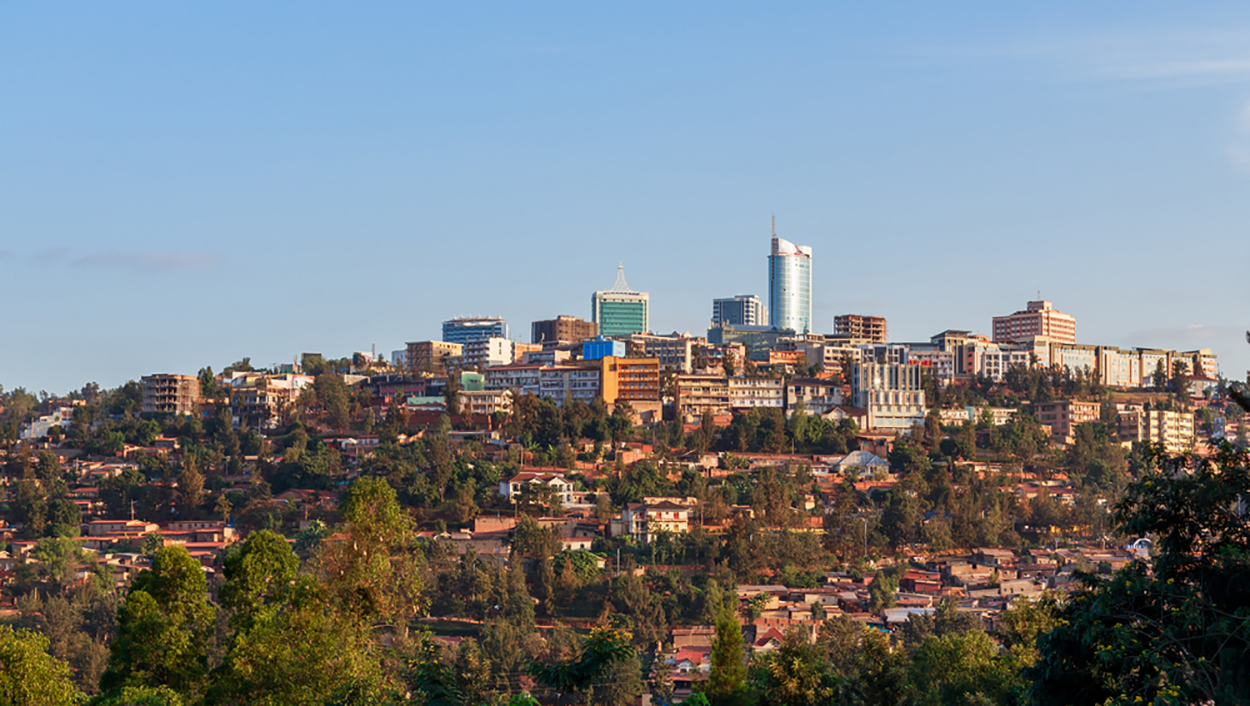 Rwanda has emerged as one of the fastest growing economies in less than two decades; an extraordinary feat since its genocide in the 1990s where an estimated two million people died in the civil war against Tutsi refugees. By Viraj Desai Rwanda is entering a growth phase under the stewardship of Rwandan President Kagame, emerging as one of the fastest developing countries across all sectors in Central Africa. It has clocked a GDP growth of around 8 percent per year between 2001 to 2015. Its Healthcare sector has steadily improved and citizens now have access to a national health insurance plan, making healthcare services, including cancer diagnosis, more affordable for lower-income citizens; the Rwandan healthcare sector is founded on the ‘precision medicine’ model in delivering patient care. Rwanda’s 11.8 million citizens now have access to eye care and vision treatment – the first developing country in Central Africa that provides affordable eye care to citizens. The construction, mining and energy sectors in Rwanda received the highest Foreign Direct Investment in 2017, while most jobs were committed in the agricultural, energy and manufacturing sectors. Some of the key transformative investments in 2017 include: USD35 million dry port in its capital Kigali, USD400 million investment for Bugasera airport, south of Kigali; USD25 million in upgrading King Faisal Hospital infrastructure; USD23 million by Unilever Tea Estate over five years and USD12 million by PRG Plc towards the first titanium refinery, now entering its first phase of construction. Some of the biggest investments by countries include: USD 400 million from Portugal, USD 203 million from the UK, USD83 billion from India and almost USD81 billion by the UAE. Germany and China also invested over USD 60 billion during the same period. Kigali, Rwanda’s capital, is the most densely populated city with over 1,500 people per sqm while the country is the most densely populated in Africa with over 400 persons per sqm. This has led to the Ministry of Infrastructure developing secondary cities and spearheading a hierarchical network of urban centres, providing services and attracting economic activities nationwide. In education, the recent foray of Chinese multinational conglomerate Alibaba launched its Global E-commerce Talent (GET) program for university teachers in Rwanda; the first of its kind in Africa. This investment indicates that Rwanda is on the radar of ecommerce companies looking for opportunities in this growing region... …to read more, visit https://indvstrvs.com/rwanda-rises-as-central-africas-leading-growth-engine/ |
| json metadata | {"tags":["news","africa","business","trends","investment"],"image":["https://cdn.steemitimages.com/DQmW4PUJGRWDJNE7uWdk4FCa2U5EDGdxnd7MhyNS1VoE5Ah/shutterstock_628137668%20rwanda%20kigali.jpg"],"links":["https://indvstrvs.com/rwanda-rises-as-central-africas-leading-growth-engine/"],"app":"steemit/0.1","format":"markdown"} |
| parent author | |
| parent permlink | news |
| permlink | rwanda-rises-as-central-africa-s-leading-growth-engine |
| title | Rwanda Rises as Central Africa’s Leading Growth Engine |
| Transaction Info | Block #26027270/Trx 219a0a419d1d5cbbfb7e17fbd3e492223e47c29f |
View Raw JSON Data
{
"block": 26027270,
"op": [
"comment",
{
"author": "indvstrvs",
"body": "\n\nRwanda has emerged as one of the fastest growing economies in less than two decades; an extraordinary feat since its genocide in the 1990s where an estimated two million people died in the civil war against Tutsi refugees.\n\nBy Viraj Desai\n\nRwanda is entering a growth phase under the stewardship of Rwandan President Kagame, emerging as one of the fastest developing countries across all sectors in Central Africa. It has clocked a GDP growth of around 8 percent per year between 2001 to 2015.\n\nIts Healthcare sector has steadily improved and citizens now have access to a national health insurance plan, making healthcare services, including cancer diagnosis, more affordable for lower-income citizens; the Rwandan healthcare sector is founded on the ‘precision medicine’ model in delivering patient care. Rwanda’s 11.8 million citizens now have access to eye care and vision treatment – the first developing country in Central Africa that provides affordable eye care to citizens.\n\nThe construction, mining and energy sectors in Rwanda received the highest Foreign Direct Investment in 2017, while most jobs were committed in the agricultural, energy and manufacturing sectors.\n\nSome of the key transformative investments in 2017 include: USD35 million dry port in its capital Kigali, USD400 million investment for Bugasera airport, south of Kigali; USD25 million in upgrading King Faisal Hospital infrastructure; USD23 million by Unilever Tea Estate over five years and USD12 million by PRG Plc towards the first titanium refinery, now entering its first phase of construction.\n\nSome of the biggest investments by countries include: USD 400 million from Portugal, USD 203 million from the UK, USD83 billion from India and almost USD81 billion by the UAE. Germany and China also invested over USD 60 billion during the same period.\n\nKigali, Rwanda’s capital, is the most densely populated city with over 1,500 people per sqm while the country is the most densely populated in Africa with over 400 persons per sqm. This has led to the Ministry of Infrastructure developing secondary cities and spearheading a hierarchical network of urban centres, providing services and attracting economic activities nationwide.\n\nIn education, the recent foray of Chinese multinational conglomerate Alibaba launched its Global E-commerce Talent (GET) program for university teachers in Rwanda; the first of its kind in Africa. This investment indicates that Rwanda is on the radar of ecommerce companies looking for opportunities in this growing region...\n\n…to read more, visit https://indvstrvs.com/rwanda-rises-as-central-africas-leading-growth-engine/",
"json_metadata": "{\"tags\":[\"news\",\"africa\",\"business\",\"trends\",\"investment\"],\"image\":[\"https://cdn.steemitimages.com/DQmW4PUJGRWDJNE7uWdk4FCa2U5EDGdxnd7MhyNS1VoE5Ah/shutterstock_628137668%20rwanda%20kigali.jpg\"],\"links\":[\"https://indvstrvs.com/rwanda-rises-as-central-africas-leading-growth-engine/\"],\"app\":\"steemit/0.1\",\"format\":\"markdown\"}",
"parent_author": "",
"parent_permlink": "news",
"permlink": "rwanda-rises-as-central-africa-s-leading-growth-engine",
"title": "Rwanda Rises as Central Africa’s Leading Growth Engine"
}
],
"op_in_trx": 0,
"timestamp": "2018-09-17T02:38:30",
"trx_id": "219a0a419d1d5cbbfb7e17fbd3e492223e47c29f",
"trx_in_block": 10,
"virtual_op": 0
}cronupvoted (0.02%) @indvstrvs / africa-looks-east-and-west-for-foreign-direct-investment2018/09/10 02:18:51
cronupvoted (0.02%) @indvstrvs / africa-looks-east-and-west-for-foreign-direct-investment
2018/09/10 02:18:51
| author | indvstrvs |
| permlink | africa-looks-east-and-west-for-foreign-direct-investment |
| voter | cron |
| weight | 2 (0.02%) |
| Transaction Info | Block #25825338/Trx 691facf74c697264dc1dbf2dc8e462ba91fee470 |
View Raw JSON Data
{
  "block": 25825338,
  "op": [
    "vote",
    {
      "author": "indvstrvs",
      "permlink": "africa-looks-east-and-west-for-foreign-direct-investment",
      "voter": "cron",
      "weight": 2
    }
  ],
  "op_in_trx": 0,
  "timestamp": "2018-09-10T02:18:51",
  "trx_id": "691facf74c697264dc1dbf2dc8e462ba91fee470",
  "trx_in_block": 24,
  "virtual_op": 0
}indvstrvspublished a new post: africa-looks-east-and-west-for-foreign-direct-investment2018/09/10 02:18:45
indvstrvspublished a new post: africa-looks-east-and-west-for-foreign-direct-investment
2018/09/10 02:18:45
| author | indvstrvs |
| body | 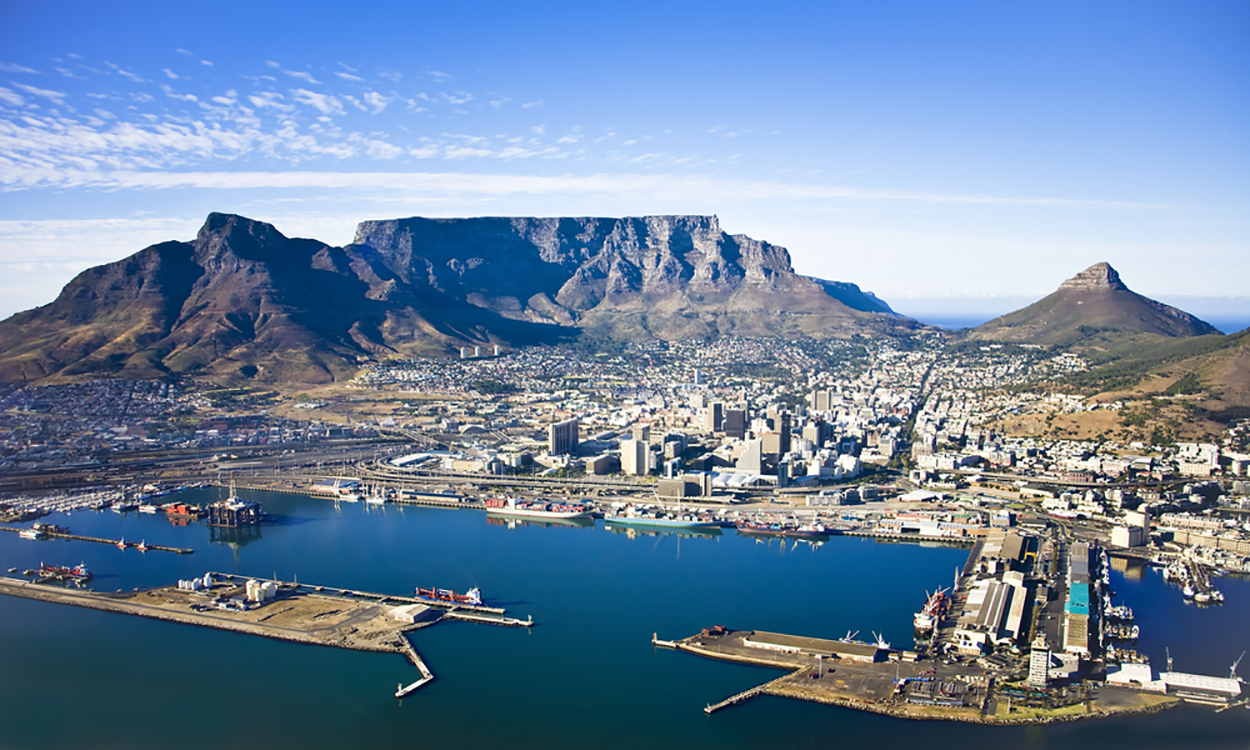 As Africa strives to pull itself out of extreme poverty – 28 of the poorest countries in the world are in Africa – the continent is opening its doors to foreign direct investment across major industries. By Kumar S The demography will play a crucial role in the way investments are made in the continent and how countries grow over a period. Consider this – the continent is expected to grow at an average of 5 percent annually for the next 20 years according to a recent report by Franklin Templeton. The continent which is currently home to one billion people will account for 3.2 billion people by 2100. The working population is expected to reach 2.1 billion by that time. Africa offers a large consumer base to manufacturing and services sectors. Tourism itself is a major investment opportunity which will have a cascading effect across most sectors. Many countries are on the cusp of a banking and financial services revolution as mobile banking become more commonplace with an ever-expanding growing subscriber base and ease of transactions leading the boom. The report further says users of the mobile banking system have grown exponentially to 28.6 million registered customers since its founding in 2007. The mobile revolution has also created avenues for investors in sectors such as retail, education and health care, leapfrogging the need for traditional brick-and-mortar assets and linking to the burgeoning population in emerging markets. The continent is replete with natural resources which remains untapped and offers 60 percent of the uncultivated arable land. Almost all of Africa could play a key role as global demand for hard and soft commodities grow. Shifting focus Anti-colonial activist-politician and former Kenyan Prime Minister Jomo Kenyatta once said, “Our children may learn about the heroes of the past. Our task is to make ourselves the architects of the future”. Over the years, several African nations have shown a considerable willingness and risk appetite to reduce reliance on commodity-based revenue streams. They have opened their economies to investments and not shied away from making policy changes to enable ease of doing business and building the infrastructure needed to support the same. This is yielding results leading to a more diversified income stream backed by business friendly and predictable policies. Many African countries have traditionally depended upon oil exports to run their economies until they faced challenges from a significant drop in crude oil prices in the past couple of years. Not to say this came without hard lessons learnt. The crude oil prices plummeted for a sustained period since 2014 before showing signs of recovery only this year. This led to distress in an already ailing African economy. Some nations have since adopted prudent fiscal discipline measures, budget cuts and multiple currency devaluations. Investment Destinations A report by eturbonews.com in December published findings of Rand Merchant Bank’s (RMB) seventh edition of ‘Where to Invest in Africa’. The report based its findings on the market opportunities, government policies and ease of doing business and country’s own willingness to shift from just a commodity-based economy to a more diversified one. The report puts Egypt ahead of South Africa at the first place. Morocco occupies a third position while Ethiopia and Ghana are placed at fourth and fifth spots respectively. Kenya, Tanzania, Rwanda, Tunisia and Uganda follow suit in decreasing priority... ...to read more, visit https://indvstrvs.com/africa-looks-east-and-west-for-foreign-direct-investment/ |
| json metadata | {"tags":["news","investment","africa","finance","business"],"image":["https://cdn.steemitimages.com/DQmThU5fKwZu1gpeA6rLdFFuZXeM7K1KeEBqR2dPgQDWwBm/shutterstock_156351665%20capetown%20sa.jpg"],"links":["https://indvstrvs.com/africa-looks-east-and-west-for-foreign-direct-investment/"],"app":"steemit/0.1","format":"markdown"} |
| parent author | |
| parent permlink | news |
| permlink | africa-looks-east-and-west-for-foreign-direct-investment |
| title | Africa Looks East and West for Foreign Direct Investment |
| Transaction Info | Block #25825336/Trx 9fee1f84166971db8bc36ab364ad31c07aaa8b28 |
View Raw JSON Data
{
"block": 25825336,
"op": [
"comment",
{
"author": "indvstrvs",
"body": "\n\nAs Africa strives to pull itself out of extreme poverty – 28 of the poorest countries in the world are in Africa – the continent is opening its doors to foreign direct investment across major industries.\n\nBy Kumar S\n\nThe demography will play a crucial role in the way investments are made in the continent and how countries grow over a period. Consider this – the continent is expected to grow at an average of 5 percent annually for the next 20 years according to a recent report by Franklin Templeton. The continent which is currently home to one billion people will account for 3.2 billion people by 2100. The working population is expected to reach 2.1 billion by that time.\n\nAfrica offers a large consumer base to manufacturing and services sectors.\n\nTourism itself is a major investment opportunity which will have a cascading effect across most sectors. Many countries are on the cusp of a banking and financial services revolution as mobile banking become more commonplace with an ever-expanding growing subscriber base and ease of transactions leading the boom.\n\nThe report further says users of the mobile banking system have grown exponentially to 28.6 million registered customers since its founding in 2007.\n\nThe mobile revolution has also created avenues for investors in sectors such as retail, education and health care, leapfrogging the need for traditional brick-and-mortar assets and linking to the burgeoning population in emerging markets.\n\nThe continent is replete with natural resources which remains untapped and offers 60 percent of the uncultivated arable land. Almost all of Africa could play a key role as global demand for hard and soft commodities grow.\n\nShifting focus\n\nAnti-colonial activist-politician and former Kenyan Prime Minister Jomo Kenyatta once said, “Our children may learn about the heroes of the past. Our task is to make ourselves the architects of the future”. Over the years, several African nations have shown a considerable willingness and risk appetite to reduce reliance on commodity-based revenue streams. They have opened their economies to investments and not shied away from making policy changes to enable ease of doing business and building the infrastructure needed to support the same.\n\nThis is yielding results leading to a more diversified income stream backed by business friendly and predictable policies.\n\nMany African countries have traditionally depended upon oil exports to run their economies until they faced challenges from a significant drop in crude oil prices in the past couple of years. Not to say this came without hard lessons learnt. The crude oil prices plummeted for a sustained period since 2014 before showing signs of recovery only this year. This led to distress in an already ailing African economy. Some nations have since adopted prudent fiscal discipline measures, budget cuts and multiple currency devaluations.\n\nInvestment Destinations\n\nA report by eturbonews.com in December published findings of Rand Merchant Bank’s (RMB) seventh edition of ‘Where to Invest in Africa’.\n\nThe report based its findings on the market opportunities, government policies and ease of doing business and country’s own willingness to shift from just a commodity-based economy to a more diversified one.\n\nThe report puts Egypt ahead of South Africa at the first place. Morocco occupies a third position while Ethiopia and Ghana are placed at fourth and fifth spots respectively. Kenya, Tanzania, Rwanda, Tunisia and Uganda follow suit in decreasing priority...\n\n...to read more, visit https://indvstrvs.com/africa-looks-east-and-west-for-foreign-direct-investment/",
"json_metadata": "{\"tags\":[\"news\",\"investment\",\"africa\",\"finance\",\"business\"],\"image\":[\"https://cdn.steemitimages.com/DQmThU5fKwZu1gpeA6rLdFFuZXeM7K1KeEBqR2dPgQDWwBm/shutterstock_156351665%20capetown%20sa.jpg\"],\"links\":[\"https://indvstrvs.com/africa-looks-east-and-west-for-foreign-direct-investment/\"],\"app\":\"steemit/0.1\",\"format\":\"markdown\"}",
"parent_author": "",
"parent_permlink": "news",
"permlink": "africa-looks-east-and-west-for-foreign-direct-investment",
"title": "Africa Looks East and West for Foreign Direct Investment"
}
],
"op_in_trx": 0,
"timestamp": "2018-09-10T02:18:45",
"trx_id": "9fee1f84166971db8bc36ab364ad31c07aaa8b28",
"trx_in_block": 11,
"virtual_op": 0
}raise-me-upupvoted (0.02%) @indvstrvs / modern-day-slavery-a-private-sector-challenge2018/09/04 10:40:27
raise-me-upupvoted (0.02%) @indvstrvs / modern-day-slavery-a-private-sector-challenge
2018/09/04 10:40:27
| author | indvstrvs |
| permlink | modern-day-slavery-a-private-sector-challenge |
| voter | raise-me-up |
| weight | 2 (0.02%) |
| Transaction Info | Block #25662639/Trx 5996b0f98abd6c0ccbf936cc82ef06c001178599 |
View Raw JSON Data
{
  "block": 25662639,
  "op": [
    "vote",
    {
      "author": "indvstrvs",
      "permlink": "modern-day-slavery-a-private-sector-challenge",
      "voter": "raise-me-up",
      "weight": 2
    }
  ],
  "op_in_trx": 0,
  "timestamp": "2018-09-04T10:40:27",
  "trx_id": "5996b0f98abd6c0ccbf936cc82ef06c001178599",
  "trx_in_block": 2,
  "virtual_op": 0
}obakuupvoted (0.60%) @indvstrvs / modern-day-slavery-a-private-sector-challenge2018/09/04 10:40:24
obakuupvoted (0.60%) @indvstrvs / modern-day-slavery-a-private-sector-challenge
2018/09/04 10:40:24
| author | indvstrvs |
| permlink | modern-day-slavery-a-private-sector-challenge |
| voter | obaku |
| weight | 60 (0.60%) |
| Transaction Info | Block #25662638/Trx a19ffccbb66b2e1c05d242c2145761099eec986c |
View Raw JSON Data
{
  "block": 25662638,
  "op": [
    "vote",
    {
      "author": "indvstrvs",
      "permlink": "modern-day-slavery-a-private-sector-challenge",
      "voter": "obaku",
      "weight": 60
    }
  ],
  "op_in_trx": 0,
  "timestamp": "2018-09-04T10:40:24",
  "trx_id": "a19ffccbb66b2e1c05d242c2145761099eec986c",
  "trx_in_block": 33,
  "virtual_op": 0
}steeming-hotupvoted (0.50%) @indvstrvs / modern-day-slavery-a-private-sector-challenge2018/09/04 10:34:54
steeming-hotupvoted (0.50%) @indvstrvs / modern-day-slavery-a-private-sector-challenge
2018/09/04 10:34:54
| author | indvstrvs |
| permlink | modern-day-slavery-a-private-sector-challenge |
| voter | steeming-hot |
| weight | 50 (0.50%) |
| Transaction Info | Block #25662528/Trx f61dd3bc5c1d4e36c0461f0dee9691f7f811de72 |
View Raw JSON Data
{
  "block": 25662528,
  "op": [
    "vote",
    {
      "author": "indvstrvs",
      "permlink": "modern-day-slavery-a-private-sector-challenge",
      "voter": "steeming-hot",
      "weight": 50
    }
  ],
  "op_in_trx": 0,
  "timestamp": "2018-09-04T10:34:54",
  "trx_id": "f61dd3bc5c1d4e36c0461f0dee9691f7f811de72",
  "trx_in_block": 0,
  "virtual_op": 0
}indvstrvspublished a new post: modern-day-slavery-a-private-sector-challenge2018/09/04 10:34:24
indvstrvspublished a new post: modern-day-slavery-a-private-sector-challenge
2018/09/04 10:34:24
| author | indvstrvs |
| body | 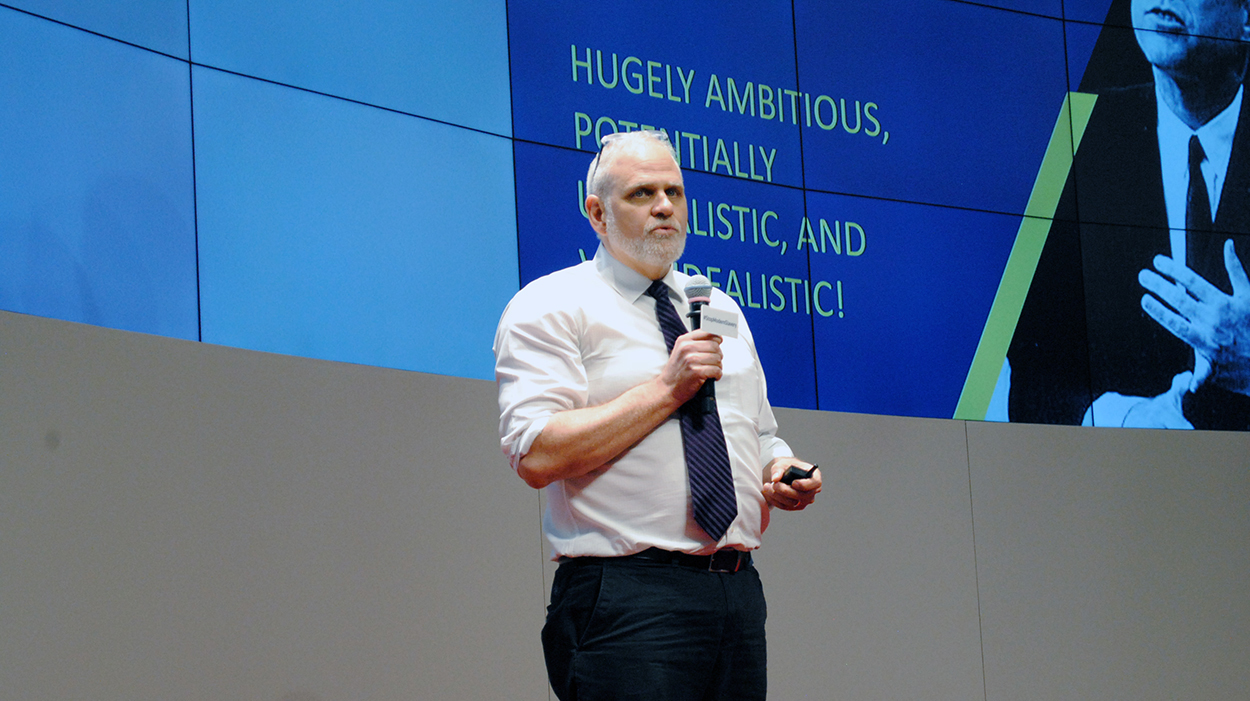 With prosecutions on the rise, multi-national businesses can no longer cry ignorant when it comes to weak, supply chain governance. According to Hong Kong-based Mekong Club CEO Matthew Friedman, Modern Day Slavery is a global issue that requires a collective goal – and if the abolishers of slavery from the 1800s could mobilise to effect change, so too can big business. By Joanne Leila Smith Of the three Palermo Protocols adopted by the United Nations to supplement the 2000 Convention against Transnational Organized Crime, the ‘Protocol to Prevent, Suppress and Punish Trafficking in Persons, Especially Women and Children’ informs key indicators of modern slavery across jurisdictions. According to Enodo Rights and Liberty Global | Liberty Asia’s Report ‘Modern Slavery Governance: Basics for Boards’ (2018) a specific part of this protocol accurately represents the kind of Modern Day Slavery we are seeing today, specifically – “The recruitment, transportation, transfer, harbouring or receipt of persons, by means of the threat or use of force or other forms of coercion, of abduction, of fraud, of deception, of the abuse of power or of a position of vulnerability or of the giving or receiving of payments or benefits to achieve the consent of a person having control over another person, for the purpose of exploitation.” According to the 2018 Global Slavery Index, an estimated 40.3 million men, women, and children were victims of modern slavery on any given day in 2016. Of these, 24.9 million people were in forced labour and 15.4 million people were living in a forced marriage. Women and girls account for 71 percent of victims. Modern slavery is most prevalent in Africa, followed by the Asia-Pacific region. The total at-risk products imported by G20 countries represents USD 354 billion in trade; the top five products at risk of modern slavery imported into the G20 include: fish (USD12 billion), cocoa (USD3.6 billion), sugar cane (USD2.1 billion), garments (USD127.7 billion) and electronics (mobile phones, laptops and PCs) which represents a staggering USD 200.1 billion. After attending the Modern-Day Slavery Summit in Hong Kong in August 2018, we asked one of the key-note speakers, an internationally esteemed expert whom has dedicated the past thirty years to combat Modern Day Slavery, Mekong Club co-founder and CEO Matthew Friedman to explain why Modern-Day Slavery is only starting to get the attention it deserves in the global community and how slavery became big business. “Modern slavery has always co-existed alongside what was once legal slavery around the world. Once legal slavery was outlawed, no one paid attention to the category that we call modern slavery because the people involved are at the lowest end of the socio-spectrum. Modern Day Slavery was initially called Human Trafficking. The only reason human trafficking became a thing was because of HIV aids. During my eight years working as a reproductive-health adviser in Nepal under USAid [United States Agency for International Development] in the early 1990s, we would go into brothels to discuss condom use and the women would tell us their stories. We were hearing accounts of excessive exploitation where girls as young as 11, were being tricked or forced into prostitution. Gradually over time, as the paradigm of human trafficking was being developed, Aid workers who tracked forced labour victims thought this was similar to what they were witnessing, so both branches combined into the category of human trafficking. Trafficking was the initial terminology because movement was associated with it. But gradually it was understood that it’s not the movement that is the issue but what the victims move into, the exploitation. The closest English word to describe excessive exploitation where a person can’t leave and has no pay is slavery, however, when people hear that word they think of the master/slave relationship of 200 years ago, so we call it Modern Day Slavery,” says Friedman... ...to read more, visit https://indvstrvs.com/modern-day-slavery-a-private-sector-challenge/ |
| json metadata | {"tags":["trends","news","business","logistics","slavery"],"image":["https://cdn.steemitimages.com/DQmYaKvFQ8ZWrpW1j68JLBcfFPrhkk9TRti3LAYrx7DUiaa/matthew%20friedman.jpg"],"links":["https://indvstrvs.com/modern-day-slavery-a-private-sector-challenge/"],"app":"steemit/0.1","format":"markdown"} |
| parent author | |
| parent permlink | trends |
| permlink | modern-day-slavery-a-private-sector-challenge |
| title | Modern Day Slavery – A Private Sector Challenge |
| Transaction Info | Block #25662518/Trx cc622743293a67226795d25ae35a100e4b3d4ced |
View Raw JSON Data
{
"block": 25662518,
"op": [
"comment",
{
"author": "indvstrvs",
"body": "\n\nWith prosecutions on the rise, multi-national businesses can no longer cry ignorant when it comes to weak, supply chain governance. According to Hong Kong-based Mekong Club CEO Matthew Friedman, Modern Day Slavery is a global issue that requires a collective goal – and if the abolishers of slavery from the 1800s could mobilise to effect change, so too can big business.\n\nBy Joanne Leila Smith\n\nOf the three Palermo Protocols adopted by the United Nations to supplement the 2000 Convention against Transnational Organized Crime, the ‘Protocol to Prevent, Suppress and Punish Trafficking in Persons, Especially Women and Children’ informs key indicators of modern slavery across jurisdictions.\n\nAccording to Enodo Rights and Liberty Global | Liberty Asia’s Report ‘Modern Slavery Governance: Basics for Boards’ (2018) a specific part of this protocol accurately represents the kind of Modern Day Slavery we are seeing today, specifically –\n\n“The recruitment, transportation, transfer, harbouring or receipt of persons, by means of the threat or use of force or other forms of coercion, of abduction, of fraud, of deception, of the abuse of power or of a position of vulnerability or of the giving or receiving of payments or benefits to achieve the consent of a person having control over another person, for the purpose of exploitation.”\n\nAccording to the 2018 Global Slavery Index, an estimated 40.3 million men, women, and children were victims of modern slavery on any given day in 2016. Of these, 24.9 million people were in forced labour and 15.4 million people were living in a forced marriage. Women and girls account for 71 percent of victims. Modern slavery is most prevalent in Africa, followed by the Asia-Pacific region.\n\nThe total at-risk products imported by G20 countries represents USD 354 billion in trade; the top five products at risk of modern slavery imported into the G20 include: fish (USD12 billion), cocoa (USD3.6 billion), sugar cane (USD2.1 billion), garments (USD127.7 billion) and electronics (mobile phones, laptops and PCs) which represents a staggering USD 200.1 billion.\n\nAfter attending the Modern-Day Slavery Summit in Hong Kong in August 2018, we asked one of the key-note speakers, an internationally esteemed expert whom has dedicated the past thirty years to combat Modern Day Slavery, Mekong Club co-founder and CEO Matthew Friedman to explain why Modern-Day Slavery is only starting to get the attention it deserves in the global community and how slavery became big business.\n\n“Modern slavery has always co-existed alongside what was once legal slavery around the world. Once legal slavery was outlawed, no one paid attention to the category that we call modern slavery because the people involved are at the lowest end of the socio-spectrum. Modern Day Slavery was initially called Human Trafficking. The only reason human trafficking became a thing was because of HIV aids. During my eight years working as a reproductive-health adviser in Nepal under USAid [United States Agency for International Development] in the early 1990s, we would go into brothels to discuss condom use and the women would tell us their stories. We were hearing accounts of excessive exploitation where girls as young as 11, were being tricked or forced into prostitution. Gradually over time, as the paradigm of human trafficking was being developed, Aid workers who tracked forced labour victims thought this was similar to what they were witnessing, so both branches combined into the category of human trafficking. Trafficking was the initial terminology because movement was associated with it. But gradually it was understood that it’s not the movement that is the issue but what the victims move into, the exploitation. The closest English word to describe excessive exploitation where a person can’t leave and has no pay is slavery, however, when people hear that word they think of the master/slave relationship of 200 years ago, so we call it Modern Day Slavery,” says Friedman...\n\n...to read more, visit https://indvstrvs.com/modern-day-slavery-a-private-sector-challenge/",
"json_metadata": "{\"tags\":[\"trends\",\"news\",\"business\",\"logistics\",\"slavery\"],\"image\":[\"https://cdn.steemitimages.com/DQmYaKvFQ8ZWrpW1j68JLBcfFPrhkk9TRti3LAYrx7DUiaa/matthew%20friedman.jpg\"],\"links\":[\"https://indvstrvs.com/modern-day-slavery-a-private-sector-challenge/\"],\"app\":\"steemit/0.1\",\"format\":\"markdown\"}",
"parent_author": "",
"parent_permlink": "trends",
"permlink": "modern-day-slavery-a-private-sector-challenge",
"title": "Modern Day Slavery – A Private Sector Challenge"
}
],
"op_in_trx": 0,
"timestamp": "2018-09-04T10:34:24",
"trx_id": "cc622743293a67226795d25ae35a100e4b3d4ced",
"trx_in_block": 7,
"virtual_op": 0
}sixoneninetimesupvoted (10.00%) @indvstrvs / electric-vehicles-now-last-the-distance2018/08/27 04:26:45
sixoneninetimesupvoted (10.00%) @indvstrvs / electric-vehicles-now-last-the-distance
2018/08/27 04:26:45
| author | indvstrvs |
| permlink | electric-vehicles-now-last-the-distance |
| voter | sixoneninetimes |
| weight | 1000 (10.00%) |
| Transaction Info | Block #25424908/Trx 58b57edd54ff79250e62c2b3183cc49118eda1c5 |
View Raw JSON Data
{
  "block": 25424908,
  "op": [
    "vote",
    {
      "author": "indvstrvs",
      "permlink": "electric-vehicles-now-last-the-distance",
      "voter": "sixoneninetimes",
      "weight": 1000
    }
  ],
  "op_in_trx": 0,
  "timestamp": "2018-08-27T04:26:45",
  "trx_id": "58b57edd54ff79250e62c2b3183cc49118eda1c5",
  "trx_in_block": 15,
  "virtual_op": 0
}indvstrvspublished a new post: electric-vehicles-now-last-the-distance2018/08/27 03:59:36
indvstrvspublished a new post: electric-vehicles-now-last-the-distance
2018/08/27 03:59:36
| author | indvstrvs |
| body |  Thanks to improving technology and more cost effective battery production, manufacturers are improving the long-distance capabilities for electric vehicles – making EV more attractive and affordable, for both commercial and private use. By Viraj Desai The biggest inhibitor to growth in the electric vehicle sector has been the endurance issue – covering large distances between charging stations, particularly for heavy load vehicles – is now set to be a non-issue with the German-based bus company Flixbus deploying the world-first all-electric e-bus designed for long-distance routes. The buses, supplied by Chinese manufacturer Zhengzhou Yutong Bus Co, will have the capacity to cover up to 200 kilometres before its next charge requirement. Access to charging stations will be a major growth opportunity as more electric vehicles are being used for public transport are set to hit the roads in the next decade. Flixbus has operations across Europe, and is one of the most popular bus services in the continent. It has expressed an interest in more EV deployments worldwide, as manufacturing costs for batteries fall and negative public sentiment on fossil-based fuels is on the rise. In 2017, the long-distance bus operator carried 40 million passengers. The first route between Paris and Amiens, France has already begun, and plans are in place to add a new route between Hessen and Baden-Wurttemberg, Germany by the end of Q 2018. This second route will be over 300 kilometres, with EV buses supplied by another Chinese manufacturing giant, BYD. China’s BYD buses have also deployed on various routes through London, including Nottingham and Liverpool. Currently, three routes run on electric buses and will be deployed on more routes in the near future. It is estimated that over 14,000 electric buses were sold in 2017 worldwide, with some UK drivers giving anecdotal evidence that EV buses are cleaner, with less noise and no fumes. CEO of Flixbus Andre Schwammlein says they are excited by Chinese technology, categorizing it as state-of-the-art in the e-mobility market. “This is a turning point for the mobility industry as it will encourage other bus operators to drive innovation and switch to alternative fuels,” says Schwammlein… ...to read more visit https://indvstrvs.com/electric-vehicles-now-last-the-distance/ |
| json metadata | {"tags":["business","environment","tech","transport","trends"],"image":["https://cdn.steemitimages.com/DQmW95fLnftLo9JSt14xECb8xBmHAqS7ZugQ3Js5Cq7KQCY/EV%20Foton%20buses.jpg"],"links":["https://indvstrvs.com/electric-vehicles-now-last-the-distance/"],"app":"steemit/0.1","format":"markdown"} |
| parent author | |
| parent permlink | business |
| permlink | electric-vehicles-now-last-the-distance |
| title | Electric Vehicles Now Last the Distance |
| Transaction Info | Block #25424365/Trx 56356795a57dc7fcb6bb9bfb5c54e42b1afbc17d |
View Raw JSON Data
{
"block": 25424365,
"op": [
"comment",
{
"author": "indvstrvs",
"body": "\n\nThanks to improving technology and more cost effective battery production, manufacturers are improving the long-distance capabilities for electric vehicles – making EV more attractive and affordable, for both commercial and private use.\n\nBy Viraj Desai\n\nThe biggest inhibitor to growth in the electric vehicle sector has been the endurance issue – covering large distances between charging stations, particularly for heavy load vehicles – is now set to be a non-issue with the German-based bus company Flixbus deploying the world-first all-electric e-bus designed for long-distance routes. The buses, supplied by Chinese manufacturer Zhengzhou Yutong Bus Co, will have the capacity to cover up to 200 kilometres before its next charge requirement.\n\nAccess to charging stations will be a major growth opportunity as more electric vehicles are being used for public transport are set to hit the roads in the next decade.\n\nFlixbus has operations across Europe, and is one of the most popular bus services in the continent. It has expressed an interest in more EV deployments worldwide, as manufacturing costs for batteries fall and negative public sentiment on fossil-based fuels is on the rise. In 2017, the long-distance bus operator carried 40 million passengers.\n\nThe first route between Paris and Amiens, France has already begun, and plans are in place to add a new route between Hessen and Baden-Wurttemberg, Germany by the end of Q 2018. This second route will be over 300 kilometres, with EV buses supplied by another Chinese manufacturing giant, BYD.\n\nChina’s BYD buses have also deployed on various routes through London, including Nottingham and Liverpool. Currently, three routes run on electric buses and will be deployed on more routes in the near future. It is estimated that over 14,000 electric buses were sold in 2017 worldwide, with some UK drivers giving anecdotal evidence that EV buses are cleaner, with less noise and no fumes.\n\nCEO of Flixbus Andre Schwammlein says they are excited by Chinese technology, categorizing it as state-of-the-art in the e-mobility market.\n\n“This is a turning point for the mobility industry as it will encourage other bus operators to drive innovation and switch to alternative fuels,” says Schwammlein…\n\n...to read more visit https://indvstrvs.com/electric-vehicles-now-last-the-distance/",
"json_metadata": "{\"tags\":[\"business\",\"environment\",\"tech\",\"transport\",\"trends\"],\"image\":[\"https://cdn.steemitimages.com/DQmW95fLnftLo9JSt14xECb8xBmHAqS7ZugQ3Js5Cq7KQCY/EV%20Foton%20buses.jpg\"],\"links\":[\"https://indvstrvs.com/electric-vehicles-now-last-the-distance/\"],\"app\":\"steemit/0.1\",\"format\":\"markdown\"}",
"parent_author": "",
"parent_permlink": "business",
"permlink": "electric-vehicles-now-last-the-distance",
"title": "Electric Vehicles Now Last the Distance"
}
],
"op_in_trx": 0,
"timestamp": "2018-08-27T03:59:36",
"trx_id": "56356795a57dc7fcb6bb9bfb5c54e42b1afbc17d",
"trx_in_block": 1,
"virtual_op": 0
}councilupvoted (10.00%) @indvstrvs / taimoor-iqbal-know-your-customer2018/08/23 15:12:00
councilupvoted (10.00%) @indvstrvs / taimoor-iqbal-know-your-customer
2018/08/23 15:12:00
| author | indvstrvs |
| permlink | taimoor-iqbal-know-your-customer |
| voter | council |
| weight | 1000 (10.00%) |
| Transaction Info | Block #25322675/Trx 1b0a213ab13b466b6e774e1caad67c5ad12f85be |
View Raw JSON Data
{
  "block": 25322675,
  "op": [
    "vote",
    {
      "author": "indvstrvs",
      "permlink": "taimoor-iqbal-know-your-customer",
      "voter": "council",
      "weight": 1000
    }
  ],
  "op_in_trx": 0,
  "timestamp": "2018-08-23T15:12:00",
  "trx_id": "1b0a213ab13b466b6e774e1caad67c5ad12f85be",
  "trx_in_block": 6,
  "virtual_op": 0
}luckybetupvoted (10.00%) @indvstrvs / taimoor-iqbal-know-your-customer2018/08/23 14:36:48
luckybetupvoted (10.00%) @indvstrvs / taimoor-iqbal-know-your-customer
2018/08/23 14:36:48
| author | indvstrvs |
| permlink | taimoor-iqbal-know-your-customer |
| voter | luckybet |
| weight | 1000 (10.00%) |
| Transaction Info | Block #25321972/Trx 4e52a5306d4649801f4295f1d8c3ad63226aea4b |
View Raw JSON Data
{
  "block": 25321972,
  "op": [
    "vote",
    {
      "author": "indvstrvs",
      "permlink": "taimoor-iqbal-know-your-customer",
      "voter": "luckybet",
      "weight": 1000
    }
  ],
  "op_in_trx": 0,
  "timestamp": "2018-08-23T14:36:48",
  "trx_id": "4e52a5306d4649801f4295f1d8c3ad63226aea4b",
  "trx_in_block": 3,
  "virtual_op": 0
}indvstrvspublished a new post: taimoor-iqbal-know-your-customer2018/08/23 14:31:42
indvstrvspublished a new post: taimoor-iqbal-know-your-customer
2018/08/23 14:31:42
| author | indvstrvs |
| body |  Like his namesake from the 14th Century Conqueror in Asia, Co-CEO of Route Trading Taimoor Iqbal shares a story of perseverance in the face of giants. Iqbal discusses his 12-year long journey to make the ‘Know Your Customers’ Customer’ in the Home Remittances Sector a force for high street bankers to reckon with… By Joanne Leila Smith According to the World Bank Senior Financial Sector Specialist Marco Nicolì, for the past decade, the home remittance industry has been under increasing scrutiny, with major banks undergoing ‘de-risking’ practices to counter money laundering and the financing of terrorism. As of result of regulatory changes, a number of Money Transfer Operators (MTO) or sometimes referred to as Money Service Banks (MSB) have suffered major setbacks and in some cases, closures, due to burdensome legal constraints and tarnished reputations in the market. Nicolì argues that for banks, the profits from serving MTOs are not enough to justify the level of effort required to manage real, or perceived, risks. The primary ‘risk’ associated with MTO transactions is the lack of transparency between transactions – as the banks are unable to accurately identify the receiver of funds in another country. Tightening regulatory constraints in the home remittances sector can be devastating as migration continues to flow between emerging and advanced economies. According to Knomad’s Migration and Development Brief and the 2018 Migration and Remittances data, remittances to low and middle-income countries rebounded to a record level in 2017 after two consecutive years of decline. The World Bank estimates that remittances to low and middle-income countries reached USD 466 billion in 2017, an increase of 8.5 percent over USD 429 billion in 2016. Global remittances, which include flows to high-income countries, grew 7 percent to USD 613 billion in 2017, from USD 573 billion in 2016. According to the World Bank, home remittances is driven by migration growth through Europe, Russia and the US. Remittance inflows improved in all regions with the highest remittance recipients being India (USD69 billion), China (USD64 billion), Philippines (USD33 billion), Mexico (USD31 billion), Nigeria (USD22 billion) and Egypt (USD20 billion). Global remittances are expected to grow 4.6 percent to USD642 billion by the end of 2018. The UN Sustainable Development Goal target of 3 percent transfer fee to home countries is currently more than double the target, with Africa costing an average of 9.4 percent; a sustainable fee for low income migrants. With the entrance of biometrics, banking apps, cryptocurrency and blockchain, it is widely expected that these technologies are set to shake up the home remittance sector in the coming decade. One guy who is set to make a major technological impact in this space is Founder and Co-CEO of Route Trading Taimoor Iqbal, who is getting ready to launch a world-first Money Service Bank that is KYCC compliant – through biometric technology in September 2018. Based in the UK, Taimoor entered the Remittances Sector in 2006 prior to the introduction of licensing requirements for MSBs and for the past decade has faced numerous challenges on his quest for change. “Shortly after entering the industry, I realised that there was no robust system to track money exchanges. There were excel spreadsheets and the banks asked no questions about transactions. In 2007, I decided to start my own MSB but I was told by the Bank Manager that being 25 years old meant I was too young to open an account, but I should work as an agent of Western Union. I realised I needed a system to give confidence to the bank, to show that I could track senders and receivers with absolute transparency. In 2008, I became an agent of a large money exchange in the UK and opened branches in the US, Dubai, Hong Kong and the UK. In 2009, the Government regulator passed a new rule (PSDI) whereby if you were a Money Transfer Operator, you could act like a bank and offer services but no lending. As the industry had major compliance issues, it made it very difficult for new entrants like me to sustain my license. Regulations were so cost-prohibitive, I had to shut down operations for two years. But in 2012, I realised that I didn’t want to do anything else, so I flew to Pakistan in 2013 to put together a Development team to build MoneyRouter, a software platform that could stabilise and provide full transparency of the money exchange process,” says Iqbal. As all the banks were saying no to MSB entrants, Iqbal says that his original plan was to develop the software to sell B2B to banks. He called his Accountant, an ex-banker and now Co-founder of Route Trading Musa Jemmeh to join him. “Musa came on board in 2014. He liked the idea but felt the compliance component was not robust enough, so I had to take my product through a second iteration, which was challenging because I had spent all my savings to build the first iteration. I felt like Musa was sent from God, because without him and his financial contributions, my dream could not have been accomplished,” says Iqbal. When they were ready to go to market, Iqbal and Jemmeh pitched their product to small and large banks in London. “We met with Head of Compliance and we just kept getting the same answer. Even though no one had what we were offering in the market. They just weren’t interested. So I made the decision to sell my home so I could invest more into the product development in 2014. I knew there was a big demand it but no one was listening. One bank told me that their strategy was to simply hire more compliance officers and to visit all MSBs on a regular basis. I replied that they are not hiring compliance officers, they are hiring auditors as the former takes action prior to the transaction while auditors do it post transaction. Needless to say, they didn’t return my call,” laughs Iqbal. In the face of fierce opposition, Iqbal says Route Trading decided to launch MoneyRouter at the end of 2016, making them an official, fintech company... ...to read more, visit https://indvstrvs.com/taimoor-iqbal-know-your-customer/ |
| json metadata | {"tags":["trade","banking","finance","money","fintech"],"image":["https://cdn.steemitimages.com/DQmXLFGk8LhcWQEqyXL8iwGqEJGCcUZcVtix88a33ceXa8d/DSC_0602%20web.jpg"],"links":["https://indvstrvs.com/taimoor-iqbal-know-your-customer/"],"app":"steemit/0.1","format":"markdown"} |
| parent author | |
| parent permlink | trade |
| permlink | taimoor-iqbal-know-your-customer |
| title | Taimoor Iqbal – Know Your Customer |
| Transaction Info | Block #25321870/Trx 1bc07b3b4e0a2d76a883805aee12c455d75a73d4 |
View Raw JSON Data
{
"block": 25321870,
"op": [
"comment",
{
"author": "indvstrvs",
"body": "\n\nLike his namesake from the 14th Century Conqueror in Asia, Co-CEO of Route Trading Taimoor Iqbal shares a story of perseverance in the face of giants. Iqbal discusses his 12-year long journey to make the ‘Know Your Customers’ Customer’ in the Home Remittances Sector a force for high street bankers to reckon with…\n\nBy Joanne Leila Smith\n\nAccording to the World Bank Senior Financial Sector Specialist Marco Nicolì, for the past decade, the home remittance industry has been under increasing scrutiny, with major banks undergoing ‘de-risking’ practices to counter money laundering and the financing of terrorism.\n\nAs of result of regulatory changes, a number of Money Transfer Operators (MTO) or sometimes referred to as Money Service Banks (MSB) have suffered major setbacks and in some cases, closures, due to burdensome legal constraints and tarnished reputations in the market. Nicolì argues that for banks, the profits from serving MTOs are not enough to justify the level of effort required to manage real, or perceived, risks.\n\nThe primary ‘risk’ associated with MTO transactions is the lack of transparency between transactions – as the banks are unable to accurately identify the receiver of funds in another country. Tightening regulatory constraints in the home remittances sector can be devastating as migration continues to flow between emerging and advanced economies. According to Knomad’s Migration and Development Brief and the 2018 Migration and Remittances data, remittances to low and middle-income countries rebounded to a record level in 2017 after two consecutive years of decline.\n\nThe World Bank estimates that remittances to low and middle-income countries reached USD 466 billion in 2017, an increase of 8.5 percent over USD 429 billion in 2016. Global remittances, which include flows to high-income countries, grew 7 percent to USD 613 billion in 2017, from USD 573 billion in 2016.\n\nAccording to the World Bank, home remittances is driven by migration growth through Europe, Russia and the US. Remittance inflows improved in all regions with the highest remittance recipients being India (USD69 billion), China (USD64 billion), Philippines (USD33 billion), Mexico (USD31 billion), Nigeria (USD22 billion) and Egypt (USD20 billion).\n\nGlobal remittances are expected to grow 4.6 percent to USD642 billion by the end of 2018.\n\nThe UN Sustainable Development Goal target of 3 percent transfer fee to home countries is currently more than double the target, with Africa costing an average of 9.4 percent; a sustainable fee for low income migrants.\n\nWith the entrance of biometrics, banking apps, cryptocurrency and blockchain, it is widely expected that these technologies are set to shake up the home remittance sector in the coming decade. One guy who is set to make a major technological impact in this space is Founder and Co-CEO of Route Trading Taimoor Iqbal, who is getting ready to launch a world-first Money Service Bank that is KYCC compliant – through biometric technology in September 2018.\n\nBased in the UK, Taimoor entered the Remittances Sector in 2006 prior to the introduction of licensing requirements for MSBs and for the past decade has faced numerous challenges on his quest for change.\n\n“Shortly after entering the industry, I realised that there was no robust system to track money exchanges. There were excel spreadsheets and the banks asked no questions about transactions. In 2007, I decided to start my own MSB but I was told by the Bank Manager that being 25 years old meant I was too young to open an account, but I should work as an agent of Western Union. I realised I needed a system to give confidence to the bank, to show that I could track senders and receivers with absolute transparency. In 2008, I became an agent of a large money exchange in the UK and opened branches in the US, Dubai, Hong Kong and the UK. In 2009, the Government regulator passed a new rule (PSDI) whereby if you were a Money Transfer Operator, you could act like a bank and offer services but no lending. As the industry had major compliance issues, it made it very difficult for new entrants like me to sustain my license. Regulations were so cost-prohibitive, I had to shut down operations for two years. But in 2012, I realised that I didn’t want to do anything else, so I flew to Pakistan in 2013 to put together a Development team to build MoneyRouter, a software platform that could stabilise and provide full transparency of the money exchange process,” says Iqbal.\n\nAs all the banks were saying no to MSB entrants, Iqbal says that his original plan was to develop the software to sell B2B to banks. He called his Accountant, an ex-banker and now Co-founder of Route Trading Musa Jemmeh to join him.\n\n“Musa came on board in 2014. He liked the idea but felt the compliance component was not robust enough, so I had to take my product through a second iteration, which was challenging because I had spent all my savings to build the first iteration. I felt like Musa was sent from God, because without him and his financial contributions, my dream could not have been accomplished,” says Iqbal.\n\nWhen they were ready to go to market, Iqbal and Jemmeh pitched their product to small and large banks in London.\n\n“We met with Head of Compliance and we just kept getting the same answer. Even though no one had what we were offering in the market. They just weren’t interested. So I made the decision to sell my home so I could invest more into the product development in 2014. I knew there was a big demand it but no one was listening. One bank told me that their strategy was to simply hire more compliance officers and to visit all MSBs on a regular basis. I replied that they are not hiring compliance officers, they are hiring auditors as the former takes action prior to the transaction while auditors do it post transaction. Needless to say, they didn’t return my call,” laughs Iqbal.\n\nIn the face of fierce opposition, Iqbal says Route Trading decided to launch MoneyRouter at the end of 2016, making them an official, fintech company...\n\n...to read more, visit https://indvstrvs.com/taimoor-iqbal-know-your-customer/",
"json_metadata": "{\"tags\":[\"trade\",\"banking\",\"finance\",\"money\",\"fintech\"],\"image\":[\"https://cdn.steemitimages.com/DQmXLFGk8LhcWQEqyXL8iwGqEJGCcUZcVtix88a33ceXa8d/DSC_0602%20web.jpg\"],\"links\":[\"https://indvstrvs.com/taimoor-iqbal-know-your-customer/\"],\"app\":\"steemit/0.1\",\"format\":\"markdown\"}",
"parent_author": "",
"parent_permlink": "trade",
"permlink": "taimoor-iqbal-know-your-customer",
"title": "Taimoor Iqbal – Know Your Customer"
}
],
"op_in_trx": 0,
"timestamp": "2018-08-23T14:31:42",
"trx_id": "1bc07b3b4e0a2d76a883805aee12c455d75a73d4",
"trx_in_block": 2,
"virtual_op": 0
}indvstrvspublished a new post: blockchain-goes-legit-with-masters-degree-programs-on-offer-worldwide2018/08/21 10:23:15
indvstrvspublished a new post: blockchain-goes-legit-with-masters-degree-programs-on-offer-worldwide
2018/08/21 10:23:15
| author | indvstrvs |
| body |  Leading universities globally are stepping up efforts to cater for the growing demand to professionalise blockchain certification through standard Masters’ Programs. By Viraj Desai The first Master’s Degree in Crypto-finance was launched in Sao Paulo’s prestigious university Fundacao Getulio Vargas (FGV) earlier this year. While Blockchain tech is over ten years old, being a new technology, it lacks legitimization. According to FGVs Program Coordinator Ricardo Rochman, FGVs Crypto-finance Program offers students economic and financial fundamentals, as well as a holistic perspective on cryptocurrency markets, which until now, has only been understood from speculative perspectives. Brazil, a BRICS nation, has a small, but very active crypto-currency market, with most Brazilian universities now including crypto-finance as a module in economics studies. University of Sao Paulo Professor Alan de Genaro says that their integrated cryptocurrency studies in the Faculty of Economics and Administration Derivatives unit is important for finance students to have the skills to evaluate which assets are suitable for crypto-markets. Crypto-based startups are on the rise in Brazil too. Interestingly, while consumer demand indicates a rising interest in the Brazilian crypto-space, the Government has taken a cautionary approach towards the new sector, with its Central Bank Governor publicly stating Bitcoin is a bubble. Income by Crypto-currency traders is currently taxed at a high 15 percent. Blockchain entered mainstream discourse in 2017 and with the peak of Bitcoin reaching USD20,000, educational institutions are taking note. US-based Stanford Computer Security Lab Professor Dan Boneh says that the current shortage of high-level blockchain and cryptocurrency courses represents a great opportunity for experts to raise their profiles in the education sector. The George Mason University in Virginia, US, offers a Computer Science Masters’ Program that introduces candidates to blockchain technology. The Northeastern University College of Engineering in Boston also offers a Masters in Information Systems, giving students electives in studies that includes Crypto-currency and Smart Contracts, Advanced Topics in Crypto-currencies and Regulatory Aspects of Smart Contract Automation. Another university based in Nicosia, Cyprus, also offers a Masters’ Program. It’s course Digital Currency, claims to provide an in-depth literacy on the technical aspects of digital currency and its interaction with financial market systems. Some of the course modules include; Money and Banking, International Currency Markets, Regulation and Digital Currency and Principles of Disruptive Innovation. The University of Stirling in the UK, as part of its Financial Technology (FinTech) Masters’ Program, also offers students a primer to blockchain technology and a deep-dive into cyber-security elements of the blockchain. According to a recent report by Toptal, a tech-talent marketplace, it witnessed a surge in demand for blockchain developers by over 700 percent since January 2017. It is estimated that highly-competent blockchain developers are currently commanding an annual salary of USD250,000... ...to read more, visit https://indvstrvs.com/blockchain-goes-legit-with-masters-degree-programs-on-offer-worldwide/ |
| json metadata | {"tags":["news","trends","business","tech","crypto"],"image":["https://cdn.steemitimages.com/DQmbogGr9AKGPYddHJs1RpnUija4zgtZ6cSzjMCe2VcsYss/students%20studying.jpg"],"links":["https://indvstrvs.com/blockchain-goes-legit-with-masters-degree-programs-on-offer-worldwide/"],"app":"steemit/0.1","format":"markdown"} |
| parent author | |
| parent permlink | news |
| permlink | blockchain-goes-legit-with-masters-degree-programs-on-offer-worldwide |
| title | Blockchain Goes Legit with Masters’ Degree Programs on Offer Worldwide |
| Transaction Info | Block #25259319/Trx 4ee9e5bdb2826a71ce44a021a96f46f10d5a4bca |
View Raw JSON Data
{
"block": 25259319,
"op": [
"comment",
{
"author": "indvstrvs",
"body": "\n\nLeading universities globally are stepping up efforts to cater for the growing demand to professionalise blockchain certification through standard Masters’ Programs.\n\nBy Viraj Desai\n\nThe first Master’s Degree in Crypto-finance was launched in Sao Paulo’s prestigious university Fundacao Getulio Vargas (FGV) earlier this year. While Blockchain tech is over ten years old, being a new technology, it lacks legitimization.\n\nAccording to FGVs Program Coordinator Ricardo Rochman, FGVs Crypto-finance Program offers students economic and financial fundamentals, as well as a holistic perspective on cryptocurrency markets, which until now, has only been understood from speculative perspectives.\n\nBrazil, a BRICS nation, has a small, but very active crypto-currency market, with most Brazilian universities now including crypto-finance as a module in economics studies. University of Sao Paulo Professor Alan de Genaro says that their integrated cryptocurrency studies in the Faculty of Economics and Administration Derivatives unit is important for finance students to have the skills to evaluate which assets are suitable for crypto-markets.\n\nCrypto-based startups are on the rise in Brazil too. Interestingly, while consumer demand indicates a rising interest in the Brazilian crypto-space, the Government has taken a cautionary approach towards the new sector, with its Central Bank Governor publicly stating Bitcoin is a bubble. Income by Crypto-currency traders is currently taxed at a high 15 percent.\n\nBlockchain entered mainstream discourse in 2017 and with the peak of Bitcoin reaching USD20,000, educational institutions are taking note. US-based Stanford Computer Security Lab Professor Dan Boneh says that the current shortage of high-level blockchain and cryptocurrency courses represents a great opportunity for experts to raise their profiles in the education sector.\n\nThe George Mason University in Virginia, US, offers a Computer Science Masters’ Program that introduces candidates to blockchain technology. The Northeastern University College of Engineering in Boston also offers a Masters in Information Systems, giving students electives in studies that includes Crypto-currency and Smart Contracts, Advanced Topics in Crypto-currencies and Regulatory Aspects of Smart Contract Automation.\n\nAnother university based in Nicosia, Cyprus, also offers a Masters’ Program. It’s course Digital Currency, claims to provide an in-depth literacy on the technical aspects of digital currency and its interaction with financial market systems. Some of the course modules include; Money and Banking, International Currency Markets, Regulation and Digital Currency and Principles of Disruptive Innovation.\n\nThe University of Stirling in the UK, as part of its Financial Technology (FinTech) Masters’ Program, also offers students a primer to blockchain technology and a deep-dive into cyber-security elements of the blockchain.\n\nAccording to a recent report by Toptal, a tech-talent marketplace, it witnessed a surge in demand for blockchain developers by over 700 percent since January 2017. It is estimated that highly-competent blockchain developers are currently commanding an annual salary of USD250,000...\n\n...to read more, visit https://indvstrvs.com/blockchain-goes-legit-with-masters-degree-programs-on-offer-worldwide/",
"json_metadata": "{\"tags\":[\"news\",\"trends\",\"business\",\"tech\",\"crypto\"],\"image\":[\"https://cdn.steemitimages.com/DQmbogGr9AKGPYddHJs1RpnUija4zgtZ6cSzjMCe2VcsYss/students%20studying.jpg\"],\"links\":[\"https://indvstrvs.com/blockchain-goes-legit-with-masters-degree-programs-on-offer-worldwide/\"],\"app\":\"steemit/0.1\",\"format\":\"markdown\"}",
"parent_author": "",
"parent_permlink": "news",
"permlink": "blockchain-goes-legit-with-masters-degree-programs-on-offer-worldwide",
"title": "Blockchain Goes Legit with Masters’ Degree Programs on Offer Worldwide"
}
],
"op_in_trx": 0,
"timestamp": "2018-08-21T10:23:15",
"trx_id": "4ee9e5bdb2826a71ce44a021a96f46f10d5a4bca",
"trx_in_block": 23,
"virtual_op": 0
}2018/08/14 13:45:51
2018/08/14 13:45:51
| author | steemitboard |
| body | Congratulations @indvstrvs! You have completed the following achievement on Steemit and have been rewarded with new badge(s) : [](http://steemitboard.com/@indvstrvs) Award for the number of posts published <sub>_Click on the badge to view your Board of Honor._</sub> <sub>_If you no longer want to receive notifications, reply to this comment with the word_ `STOP`</sub> > Do you like [SteemitBoard's project](https://steemit.com/@steemitboard)? Then **[Vote for its witness](https://v2.steemconnect.com/sign/account-witness-vote?witness=steemitboard&approve=1)** and **get one more award**! |
| json metadata | {"image":["https://steemitboard.com/img/notify.png"]} |
| parent author | indvstrvs |
| parent permlink | content-marketing-is-killing-journalism |
| permlink | steemitboard-notify-indvstrvs-20180814t134553000z |
| title | |
| Transaction Info | Block #25061836/Trx 4dfabf4ad1d89a78ed5ff23a65e5ff2933017e55 |
View Raw JSON Data
{
"block": 25061836,
"op": [
"comment",
{
"author": "steemitboard",
"body": "Congratulations @indvstrvs! You have completed the following achievement on Steemit and have been rewarded with new badge(s) :\n\n[](http://steemitboard.com/@indvstrvs) Award for the number of posts published\n\n<sub>_Click on the badge to view your Board of Honor._</sub>\n<sub>_If you no longer want to receive notifications, reply to this comment with the word_ `STOP`</sub>\n\n\n\n> Do you like [SteemitBoard's project](https://steemit.com/@steemitboard)? Then **[Vote for its witness](https://v2.steemconnect.com/sign/account-witness-vote?witness=steemitboard&approve=1)** and **get one more award**!",
"json_metadata": "{\"image\":[\"https://steemitboard.com/img/notify.png\"]}",
"parent_author": "indvstrvs",
"parent_permlink": "content-marketing-is-killing-journalism",
"permlink": "steemitboard-notify-indvstrvs-20180814t134553000z",
"title": ""
}
],
"op_in_trx": 0,
"timestamp": "2018-08-14T13:45:51",
"trx_id": "4dfabf4ad1d89a78ed5ff23a65e5ff2933017e55",
"trx_in_block": 29,
"virtual_op": 0
}councilupvoted (10.00%) @indvstrvs / content-marketing-is-killing-journalism2018/08/14 04:11:21
councilupvoted (10.00%) @indvstrvs / content-marketing-is-killing-journalism
2018/08/14 04:11:21
| author | indvstrvs |
| permlink | content-marketing-is-killing-journalism |
| voter | council |
| weight | 1000 (10.00%) |
| Transaction Info | Block #25050350/Trx 72ff963fad8facba62b8a46288de80a5a1d43da7 |
View Raw JSON Data
{
  "block": 25050350,
  "op": [
    "vote",
    {
      "author": "indvstrvs",
      "permlink": "content-marketing-is-killing-journalism",
      "voter": "council",
      "weight": 1000
    }
  ],
  "op_in_trx": 0,
  "timestamp": "2018-08-14T04:11:21",
  "trx_id": "72ff963fad8facba62b8a46288de80a5a1d43da7",
  "trx_in_block": 7,
  "virtual_op": 0
}pathinupvoted (100.00%) @indvstrvs / content-marketing-is-killing-journalism2018/08/14 04:02:42
pathinupvoted (100.00%) @indvstrvs / content-marketing-is-killing-journalism
2018/08/14 04:02:42
| author | indvstrvs |
| permlink | content-marketing-is-killing-journalism |
| voter | pathin |
| weight | 10000 (100.00%) |
| Transaction Info | Block #25050177/Trx 35c609cf94e2eac19e337923fc8a6b871bc471cb |
View Raw JSON Data
{
  "block": 25050177,
  "op": [
    "vote",
    {
      "author": "indvstrvs",
      "permlink": "content-marketing-is-killing-journalism",
      "voter": "pathin",
      "weight": 10000
    }
  ],
  "op_in_trx": 0,
  "timestamp": "2018-08-14T04:02:42",
  "trx_id": "35c609cf94e2eac19e337923fc8a6b871bc471cb",
  "trx_in_block": 7,
  "virtual_op": 0
}obakuupvoted (0.60%) @indvstrvs / content-marketing-is-killing-journalism2018/08/14 03:36:45
obakuupvoted (0.60%) @indvstrvs / content-marketing-is-killing-journalism
2018/08/14 03:36:45
| author | indvstrvs |
| permlink | content-marketing-is-killing-journalism |
| voter | obaku |
| weight | 60 (0.60%) |
| Transaction Info | Block #25049658/Trx 799164261fe9691bf17fffb85bf48b2ef1960d29 |
View Raw JSON Data
{
  "block": 25049658,
  "op": [
    "vote",
    {
      "author": "indvstrvs",
      "permlink": "content-marketing-is-killing-journalism",
      "voter": "obaku",
      "weight": 60
    }
  ],
  "op_in_trx": 0,
  "timestamp": "2018-08-14T03:36:45",
  "trx_id": "799164261fe9691bf17fffb85bf48b2ef1960d29",
  "trx_in_block": 7,
  "virtual_op": 0
}indvstrvspublished a new post: content-marketing-is-killing-journalism2018/08/14 03:32:06
indvstrvspublished a new post: content-marketing-is-killing-journalism
2018/08/14 03:32:06
| author | indvstrvs |
| body |  Co-Founder and Managing Editor of INDVSTRVS Joanne Leila Smith discusses why Content Marketing is highly lucrative for digital news brands yet damaging for ethical standards in Journalism – and why we all have a stake in the fall-out. By Joanne Leila Smith The digital publishing revolution gave unknown voices a platform to ‘speak back’ to propaganda in mainstream news. News aggregators like Facebook and Twitter have been powerful tools for independent news to reach larger audiences with minimal capital expenditure. Under Government pressure, organisations like Facebook are pushing back on independent media citing fake news and redirecting traffic back to legacy news brands. The reality is legacy news brands sustained significant losses due to the rise of independent digital media, which fragmented the market. Competing for eyeballs has become a major challenge in an already hotly contested space. The digital revolution in publishing cannot be understated. It’s important to understand why legacy news brands are increasingly viewing content marketing as the means for their survival in a digital landscape. Here’s some context: Global newspaper advertising revenue is declining at 2.9% compounded annually Changes in consumer expectation means readers favour free content from both digital first and traditional print publishers In the United States alone, newspaper newsroom employees dropped by 45% within a decade Legacy news brands invested heavily in digital, but ad revenue has not yielded corresponding growth Content marketing is increasingly becoming the key source of revenue for many publishers, with major legacy news publishers investing heavily in content marketing businesses globally to leverage trust equity in their brands If we want to see where Content Marketing ends – watch TV news. This is where written Journalism is headed. Why we should care Written journalism is the last bastion of ethical news reporting. It is the beginning and end of the entire daily news cycle, informing all channels. This is why written Journalism must be held to the highest ethical standard. The increase in Content Marketing in Journalism has created a fall in ethical standards because publishers are now being paid to publish content or are given it free by content marketers, which creates a conflict of interest. It is not in the publisher’s interest to fact check third party sponsored content, so we are seeing a rise in publishing disclaimers. If we visit any news brand landing page, it is self-evident how much clickbait is juxtaposed with real news, making it hard to distinguish between editorial and advertorial. We are increasingly seeing bloggers write outrage content – to attract a social media following – some of which are then elevated as columnists by news brands which add to the clickbait phenomenon. This legitimizes poor standards in journalism because these writers are often unqualified or are simply unaware of professional industry standards. As digital publishing steadily erodes margins, we are seeing an increase in gated news communities which compounds partisanship, as news brands increasingly align content to targeted market segments in order to attract greater content marketing opportunities! This practice alone, makes the claim by legacy news brands to be ‘trusted’, ‘independent’ ‘balanced’ news sources clearly disingenuous. What the public ends up buying therefore, is less transparency of sources. Less accountability of publishers. Less exposure to meaningful content and less qualified journalists. But don’t worry, we get more pay-walls. More mis-information. More advertising content and more propaganda through ‘trusted news brands’... ...to read more, visit https://indvstrvs.com/content-marketing-is-killing-journalism/ |
| json metadata | {"tags":["trends","news","business","ethics","journalism"],"image":["https://cdn.steemitimages.com/DQmUStRQyJ4Zs2o4t4RHvnysBt7EPKzYctQaswCQJya3d2b/shutterstock_639092032%20paper%20fire.jpg"],"links":["https://indvstrvs.com/content-marketing-is-killing-journalism/"],"app":"steemit/0.1","format":"markdown"} |
| parent author | |
| parent permlink | trends |
| permlink | content-marketing-is-killing-journalism |
| title | Content Marketing is Killing Journalism |
| Transaction Info | Block #25049565/Trx ede540ca19daadf655776f1c40050375ad8e6f56 |
View Raw JSON Data
{
"block": 25049565,
"op": [
"comment",
{
"author": "indvstrvs",
"body": "\n\nCo-Founder and Managing Editor of INDVSTRVS Joanne Leila Smith discusses why Content Marketing is highly lucrative for digital news brands yet damaging for ethical standards in Journalism – and why we all have a stake in the fall-out.\n\n\nBy Joanne Leila Smith\n\nThe digital publishing revolution gave unknown voices a platform to ‘speak back’ to propaganda in mainstream news.\n\nNews aggregators like Facebook and Twitter have been powerful tools for independent news to reach larger audiences with minimal capital expenditure.\n\nUnder Government pressure, organisations like Facebook are pushing back on independent media citing fake news and redirecting traffic back to legacy news brands.\n\nThe reality is legacy news brands sustained significant losses due to the rise of independent digital media, which fragmented the market. Competing for eyeballs has become a major challenge in an already hotly contested space.\n\nThe digital revolution in publishing cannot be understated. It’s important to understand why legacy news brands are increasingly viewing content marketing as the means for their survival in a digital landscape. Here’s some context:\n\nGlobal newspaper advertising revenue is declining at 2.9% compounded annually\nChanges in consumer expectation means readers favour free content from both digital first and traditional print publishers\nIn the United States alone, newspaper newsroom employees dropped by 45% within a decade\nLegacy news brands invested heavily in digital, but ad revenue has not yielded corresponding growth\nContent marketing is increasingly becoming the key source of revenue for many publishers, with major legacy news publishers investing heavily in content marketing businesses globally to leverage trust equity in their brands\nIf we want to see where Content Marketing ends – watch TV news. This is where written Journalism is headed.\n\nWhy we should care\n\nWritten journalism is the last bastion of ethical news reporting. It is the beginning and end of the entire daily news cycle, informing all channels. This is why written Journalism must be held to the highest ethical standard.\n\nThe increase in Content Marketing in Journalism has created a fall in ethical standards because publishers are now being paid to publish content or are given it free by content marketers, which creates a conflict of interest.\n\nIt is not in the publisher’s interest to fact check third party sponsored content, so we are seeing a rise in publishing disclaimers.\n\nIf we visit any news brand landing page, it is self-evident how much clickbait is juxtaposed with real news, making it hard to distinguish between editorial and advertorial.\n\nWe are increasingly seeing bloggers write outrage content – to attract a social media following – some of which are then elevated as columnists by news brands which add to the clickbait phenomenon. This legitimizes poor standards in journalism because these writers are often unqualified or are simply unaware of professional industry standards.\n\nAs digital publishing steadily erodes margins, we are seeing an increase in gated news communities which compounds partisanship, as news brands increasingly align content to targeted market segments in order to attract greater content marketing opportunities! This practice alone, makes the claim by legacy news brands to be ‘trusted’, ‘independent’ ‘balanced’ news sources clearly disingenuous.\n\nWhat the public ends up buying therefore, is less transparency of sources. Less accountability of publishers. Less exposure to meaningful content and less qualified journalists. But don’t worry, we get more pay-walls. More mis-information. More advertising content and more propaganda through ‘trusted news brands’...\n\n...to read more, visit https://indvstrvs.com/content-marketing-is-killing-journalism/",
"json_metadata": "{\"tags\":[\"trends\",\"news\",\"business\",\"ethics\",\"journalism\"],\"image\":[\"https://cdn.steemitimages.com/DQmUStRQyJ4Zs2o4t4RHvnysBt7EPKzYctQaswCQJya3d2b/shutterstock_639092032%20paper%20fire.jpg\"],\"links\":[\"https://indvstrvs.com/content-marketing-is-killing-journalism/\"],\"app\":\"steemit/0.1\",\"format\":\"markdown\"}",
"parent_author": "",
"parent_permlink": "trends",
"permlink": "content-marketing-is-killing-journalism",
"title": "Content Marketing is Killing Journalism"
}
],
"op_in_trx": 0,
"timestamp": "2018-08-14T03:32:06",
"trx_id": "ede540ca19daadf655776f1c40050375ad8e6f56",
"trx_in_block": 8,
"virtual_op": 0
}2018/08/13 04:16:15
2018/08/13 04:16:15
| author | indvstrvs |
| permlink | demand-for-multi-lingual-talent-and-tightening-job-markets-make-competition-tough-in-se-asia |
| voter | obaku |
| weight | 60 (0.60%) |
| Transaction Info | Block #25021661/Trx d179f87fd565d7b4b34b8b4e8d491948424dd5e2 |
View Raw JSON Data
{
  "block": 25021661,
  "op": [
    "vote",
    {
      "author": "indvstrvs",
      "permlink": "demand-for-multi-lingual-talent-and-tightening-job-markets-make-competition-tough-in-se-asia",
      "voter": "obaku",
      "weight": 60
    }
  ],
  "op_in_trx": 0,
  "timestamp": "2018-08-13T04:16:15",
  "trx_id": "d179f87fd565d7b4b34b8b4e8d491948424dd5e2",
  "trx_in_block": 28,
  "virtual_op": 0
}2018/08/13 04:08:42
2018/08/13 04:08:42
| author | indvstrvs |
| body |  The job market in Asia is looking stagnant in the near term with most major economies including China, Japan, India and Singapore struggling to maintain job growth in a highly competitive environment… By Kumar S According to China’s Ministry of Human Resources and Social Security data, the job offer ratio to college graduates seeking employment in China’s 100 biggest cities for the March-June period is 1.05. However, some media reports estimated the unemployment rate among young college graduates range from 4% to over 30%. However, recruitment experts expect the Chinese job market situation to improve on the back of Chinese companies looking to expand their businesses domestically and overseas. Landing employment is becoming more competitive in China too. According to a recent Nikkei Asian Review report, Chinese companies are actively recruiting people who hold postgraduate degrees. The trend is to hire people with more experience and accomplished resumes creating an entry barrier for new graduates. Likewise, recruitment challenges in the Singaporean job market remain too. According to Singapore Business Federation CEO Ho Meng Ki, growth is expected to remain lacklustre due to high operating costs and onerous foreign-worker policies which impede business growth. Economic activity in Singapore appears to be uneven across various sectors. Total employment fell for the second quarter in a row in the April to June period, with 8,400 fewer workers according to a recently released Government data report. The manufacturing sector saw employment fall for the 11th consecutive quarter, by 2,500. In construction, employment fell for the fourth straight quarter by 9,500, while the service sector added 3,400 workers, excluding maids. In India, the debate on job creation refuses to die down with conflicting reports. There is no comprehensive government data to give a clear picture. While one report published in August dubbed the Indian job market optimistic in comparison to its other Asian peers another report suggests otherwise. A recent report by Quartz says the number of formally employed Indians may have fallen by 0.1% from 406.7 million the previous year to 406.2 million financial year 2017-18 (April-March). The report quoted findings from the Centre for Monitoring Indian Economy (CMIE), a think tank tracking business and economic data. The CMIE report says no jobs were added in this financial year. This report contradicts government claims on jobs numbers of 3.11 million jobs added between September 2017 and February 2018 based on employee payroll data. CMIE had disputed that with its own 1.8 million number, for 2017. Challenging times in the Indian job market may be attributed to demonetization and the new Goods and Service Tax (GST). The twin shocks did not only result in huge job losses but affected the investment environment cycle as a whole. CMIE data shows investments in projects plummeting by 38.4% in 2018. The completion of new ones fell 26.8% over the previous year and foreign direct investments (FDI) falling by 15%. The current financial year is set to create more problems with an erratic monsoon, rising crude oil prices and a sliding rupee. Another major economy, South Korea has also cut its outlook on the job market lowering the forecast to 180,000 jobs creation this year from the 320,000 jobs it forecast in December 2017. In South Korea, the unrest in the global trade and financial instability may make matters worse. The Korean Government expressed concerns over the situation of low income groups and seniors, who have been hit the hardest. The job market has suffered significant blows more owing to the decline of domestic labour-intensive industries such as auto manufacturing and shipbuilding. Among the top Asian economies, Japan is a standout however, with a recent Government report suggesting availability of jobs rising to its highest level in 44 years in 2017. While the unemployment rate saw a seventh straight fall in the previous year to 2.8 percent, the lowest since 1993, raising the job-to-applicant ratio to 1.50 in 2017, the situation points to a growing short supply in the Japanese labour market... ...to read more, visit https://indvstrvs.com/demand-for-multi-lingual-talent-and-tightening-job-markets-make-competition-tough-in-se-asia/ |
| json metadata | {"tags":["asia","news","business","trends","employment"],"image":["https://cdn.steemitimages.com/DQmbbpwNgzwBFexsT2BPJyg3b1HxA3BYhv5K3N32mb1RhNu/shutterstock_130734605%20hong%20kong.jpg"],"links":["https://indvstrvs.com/demand-for-multi-lingual-talent-and-tightening-job-markets-make-competition-tough-in-se-asia/"],"app":"steemit/0.1","format":"markdown"} |
| parent author | |
| parent permlink | asia |
| permlink | demand-for-multi-lingual-talent-and-tightening-job-markets-make-competition-tough-in-se-asia |
| title | Demand for Multi-Lingual Talent and Tightening Job Markets Make Competition Tough in SE Asia |
| Transaction Info | Block #25021510/Trx cd28859ac94d23c6cd66aa0b9d15248b95712564 |
View Raw JSON Data
{
"block": 25021510,
"op": [
"comment",
{
"author": "indvstrvs",
"body": "\n\nThe job market in Asia is looking stagnant in the near term with most major economies including China, Japan, India and Singapore struggling to maintain job growth in a highly competitive environment…\n\nBy Kumar S\n\nAccording to China’s Ministry of Human Resources and Social Security data, the job offer ratio to college graduates seeking employment in China’s 100 biggest cities for the March-June period is 1.05. However, some media reports estimated the unemployment rate among young college graduates range from 4% to over 30%.\n\nHowever, recruitment experts expect the Chinese job market situation to improve on the back of Chinese companies looking to expand their businesses domestically and overseas.\n\nLanding employment is becoming more competitive in China too. According to a recent Nikkei Asian Review report, Chinese companies are actively recruiting people who hold postgraduate degrees. The trend is to hire people with more experience and accomplished resumes creating an entry barrier for new graduates.\n\nLikewise, recruitment challenges in the Singaporean job market remain too. According to Singapore Business Federation CEO Ho Meng Ki, growth is expected to remain lacklustre due to high operating costs and onerous foreign-worker policies which impede business growth.\n\nEconomic activity in Singapore appears to be uneven across various sectors. Total employment fell for the second quarter in a row in the April to June period, with 8,400 fewer workers according to a recently released Government data report. The manufacturing sector saw employment fall for the 11th consecutive quarter, by 2,500. In construction, employment fell for the fourth straight quarter by 9,500, while the service sector added 3,400 workers, excluding maids.\n\nIn India, the debate on job creation refuses to die down with conflicting reports. There is no comprehensive government data to give a clear picture. While one report published in August dubbed the Indian job market optimistic in comparison to its other Asian peers another report suggests otherwise.\n\nA recent report by Quartz says the number of formally employed Indians may have fallen by 0.1% from 406.7 million the previous year to 406.2 million financial year 2017-18 (April-March). The report quoted findings from the Centre for Monitoring Indian Economy (CMIE), a think tank tracking business and economic data.\n\nThe CMIE report says no jobs were added in this financial year. This report contradicts government claims on jobs numbers of 3.11 million jobs added between September 2017 and February 2018 based on employee payroll data. CMIE had disputed that with its own 1.8 million number, for 2017.\n\nChallenging times in the Indian job market may be attributed to demonetization and the new Goods and Service Tax (GST). The twin shocks did not only result in huge job losses but affected the investment environment cycle as a whole.\n\nCMIE data shows investments in projects plummeting by 38.4% in 2018. The completion of new ones fell 26.8% over the previous year and foreign direct investments (FDI) falling by 15%. The current financial year is set to create more problems with an erratic monsoon, rising crude oil prices and a sliding rupee.\n\nAnother major economy, South Korea has also cut its outlook on the job market lowering the forecast to 180,000 jobs creation this year from the 320,000 jobs it forecast in December 2017.\n\nIn South Korea, the unrest in the global trade and financial instability may make matters worse. The Korean Government expressed concerns over the situation of low income groups and seniors, who have been hit the hardest. The job market has suffered significant blows more owing to the decline of domestic labour-intensive industries such as auto manufacturing and shipbuilding.\n\nAmong the top Asian economies, Japan is a standout however, with a recent Government report suggesting availability of jobs rising to its highest level in 44 years in 2017.\n\nWhile the unemployment rate saw a seventh straight fall in the previous year to 2.8 percent, the lowest since 1993, raising the job-to-applicant ratio to 1.50 in 2017, the situation points to a growing short supply in the Japanese labour market...\n\n...to read more, visit https://indvstrvs.com/demand-for-multi-lingual-talent-and-tightening-job-markets-make-competition-tough-in-se-asia/",
"json_metadata": "{\"tags\":[\"asia\",\"news\",\"business\",\"trends\",\"employment\"],\"image\":[\"https://cdn.steemitimages.com/DQmbbpwNgzwBFexsT2BPJyg3b1HxA3BYhv5K3N32mb1RhNu/shutterstock_130734605%20hong%20kong.jpg\"],\"links\":[\"https://indvstrvs.com/demand-for-multi-lingual-talent-and-tightening-job-markets-make-competition-tough-in-se-asia/\"],\"app\":\"steemit/0.1\",\"format\":\"markdown\"}",
"parent_author": "",
"parent_permlink": "asia",
"permlink": "demand-for-multi-lingual-talent-and-tightening-job-markets-make-competition-tough-in-se-asia",
"title": "Demand for Multi-Lingual Talent and Tightening Job Markets Make Competition Tough in SE Asia"
}
],
"op_in_trx": 0,
"timestamp": "2018-08-13T04:08:42",
"trx_id": "cd28859ac94d23c6cd66aa0b9d15248b95712564",
"trx_in_block": 31,
"virtual_op": 0
}indvstrvspublished a new post: fy2018-market-wrap-solid-returns-but-a-year-of-two-halves2018/08/08 02:25:48
indvstrvspublished a new post: fy2018-market-wrap-solid-returns-but-a-year-of-two-halves
2018/08/08 02:25:48
| author | indvstrvs |
| body |  We were fortunate enough to have one of Australia’s most qualified financial adviser’s CEO of Supersolve Financial Services Nick Sheather, share his FY2018 market wrap of Australian and Global Share Markets. According to Sheather, the global market offered another year of double digit returns despite being a year of two halves. With the Reserve Bank of Australia Cash Rate staying at a record low of 1.5 percent, this continued to impact returns from interest bearing investments… By Nick Sheather The past financial year saw solid returns for diversified investors, but it was a story of two halves. Strong first half returns were evident as the global economy continued to strengthen on the back of improved corporate earnings and a strong US economy where substantial tax cuts became law. In the past 6 months however markets became more circumspect following the release of positive US employment numbers which led to concerns the Federal Reserve would be forced to be more aggressive in raising interest rates. Markets were further unsettled by global trade tensions after the Trump Administration imposed tariffs on a range of products and explicitly targeted Chinese imports. On balance however, key share markets achieved positive double-digit returns including Australia’s where high returns by the resources, energy and healthcare sectors helped offset subdued bank and telecommunication performances. United States The US economy continued to perform strongly throughout 2017/18. Economic activity grew at a solid rate and strong jobs growth was evidenced by a reduction in the unemployment rate to just 3.75%10, a 48-year low. Household spending grew due to wages growth and income tax cuts. Business investment also grew strongly. In expectation of sustained economic expansion, the US Federal Reserve (the Fed) raised interest rates on three occasions over the course of our financial year. UK / Europe Despite the Eurozone’s economic upturn, growth in employment and improved consumer and business confidence during 2017/18, European markets delivered more modest share market returns compared to its global peers. Predictably in a region as diverse as the Eurozone, country specific economic conditions differed. Italy’s weak economy and the new Italian government’s expenditure plans created market concerns late in our financial year. Germany ‘s market (DAX) was also spooked by the US threat to impose tariffs on car imports with their market falling 0.2%10 over our financial year. Continuing uncertainty about Britain’s withdrawal from the European Union (EU) and its impact on the economy failed to adversely impact the performance of the FTlOO index , which increased by 8.7%. Asia Growth in China’s economy stabilised at a 6.8%8 annual rate over the past year. China continues to manage a complicated transition in economic growth drivers from industrial activity and exports towards domestic consumption. Industrial production has slowed and settled at a 6% pa growth pace while retail sales are growing at 9% pa. After performing strongly in the first half of the year, China’s SSE Composite index lost considerable ground and closed 10.8% lower for the year. The imposition of tariffs and fears of a trade war between China and the US were clearly adverse for the market . However, larger cap Chinese companies listed on the Hong Kong exchange performed better. Japan’s economy continued to grow over 2017/18 and Japan’s Nikkei index rose in response to the economy’s improvement. Japan’s declining population has a negative impact on growth however this has been more than offset by other factors such as employment reforms that have increased participation in the labour market and the general health of Japanese companies... ...to read more, visit https://indvstrvs.com/fy2018-delivered-solid-returns-but-was-a-year-of-two-halves/ |
| json metadata | {"tags":["news","business","shares","finance","economy"],"image":["https://cdn.steemitimages.com/DQmSd53acdT8Ux1pctcHF1G6qCCfApAJpYPpiSFoEyHFK3F/shutterstock_297104294%20bull%20and%20bear%20market.jpg"],"links":["https://indvstrvs.com/fy2018-delivered-solid-returns-but-was-a-year-of-two-halves/"],"app":"steemit/0.1","format":"markdown"} |
| parent author | |
| parent permlink | news |
| permlink | fy2018-market-wrap-solid-returns-but-a-year-of-two-halves |
| title | FY2018 Market Wrap: Solid Returns but a Year of Two Halves |
| Transaction Info | Block #24875514/Trx 70363a0a695e46ed7f9160559851fbbcd4b7a1b4 |
View Raw JSON Data
{
"block": 24875514,
"op": [
"comment",
{
"author": "indvstrvs",
"body": "\n\nWe were fortunate enough to have one of Australia’s most qualified financial adviser’s CEO of Supersolve Financial Services Nick Sheather, share his FY2018 market wrap of Australian and Global Share Markets. According to Sheather, the global market offered another year of double digit returns despite being a year of two halves. With the Reserve Bank of Australia Cash Rate staying at a record low of 1.5 percent, this continued to impact returns from interest bearing investments…\n\nBy Nick Sheather \n\nThe past financial year saw solid returns for diversified investors, but it was a story of two halves. Strong first half returns were evident as the global economy continued to strengthen on the back of improved corporate earnings and a strong US economy where substantial tax cuts became law. In the past 6 months however markets became more circumspect following the release of positive US employment numbers which led to concerns the Federal Reserve would be forced to be more aggressive in raising interest rates.\n\nMarkets were further unsettled by global trade tensions after the Trump Administration imposed tariffs on a range of products and explicitly targeted Chinese imports. On balance however, key share markets achieved positive double-digit returns including Australia’s where high returns by the resources, energy and healthcare sectors helped offset subdued bank and telecommunication performances.\n\nUnited States\n\nThe US economy continued to perform strongly throughout 2017/18. Economic activity grew at a solid rate and strong jobs growth was evidenced by a reduction in the unemployment rate to just 3.75%10, a 48-year low.\n\nHousehold spending grew due to wages growth and income tax cuts. Business investment also grew strongly. In expectation of sustained economic expansion, the US Federal Reserve (the Fed) raised interest rates on three occasions over the course of our financial year.\n\nUK / Europe\n\nDespite the Eurozone’s economic upturn, growth in employment and improved consumer and business confidence during 2017/18, European markets delivered more modest share market returns compared to its global peers. Predictably in a region as diverse as the Eurozone, country specific economic conditions differed.\n\nItaly’s weak economy and the new Italian government’s expenditure plans created market concerns late in our financial year.\n\nGermany ‘s market (DAX) was also spooked by the US threat to impose tariffs on car imports with their market falling 0.2%10 over our financial year.\n\nContinuing uncertainty about Britain’s withdrawal from the European Union (EU) and its impact on the economy failed to adversely impact the performance of the FTlOO index , which increased by 8.7%.\n\nAsia\n\nGrowth in China’s economy stabilised at a 6.8%8 annual rate over the past year. China continues to manage a complicated transition in economic growth drivers from industrial activity and exports towards domestic consumption. Industrial production has slowed and settled at a 6% pa growth pace while retail sales are growing at 9% pa. After performing strongly in the first half of the year, China’s SSE Composite index lost considerable ground and closed 10.8% lower for the year.\n\nThe imposition of tariffs and fears of a trade war between China and the US were clearly adverse for the market . However, larger cap Chinese companies listed on the Hong Kong exchange performed better.\n\nJapan’s economy continued to grow over 2017/18 and Japan’s Nikkei index rose in response to the economy’s improvement.\n\nJapan’s declining population has a negative impact on growth however this has been more than offset by other factors such as employment reforms that have increased participation in the labour market and the general health of Japanese companies...\n\n...to read more, visit https://indvstrvs.com/fy2018-delivered-solid-returns-but-was-a-year-of-two-halves/",
"json_metadata": "{\"tags\":[\"news\",\"business\",\"shares\",\"finance\",\"economy\"],\"image\":[\"https://cdn.steemitimages.com/DQmSd53acdT8Ux1pctcHF1G6qCCfApAJpYPpiSFoEyHFK3F/shutterstock_297104294%20bull%20and%20bear%20market.jpg\"],\"links\":[\"https://indvstrvs.com/fy2018-delivered-solid-returns-but-was-a-year-of-two-halves/\"],\"app\":\"steemit/0.1\",\"format\":\"markdown\"}",
"parent_author": "",
"parent_permlink": "news",
"permlink": "fy2018-market-wrap-solid-returns-but-a-year-of-two-halves",
"title": "FY2018 Market Wrap: Solid Returns but a Year of Two Halves"
}
],
"op_in_trx": 0,
"timestamp": "2018-08-08T02:25:48",
"trx_id": "70363a0a695e46ed7f9160559851fbbcd4b7a1b4",
"trx_in_block": 2,
"virtual_op": 0
}youngogmarqsupvoted (0.02%) @indvstrvs / telematics-revolutionises-the-transport-sector2018/08/07 02:34:30
youngogmarqsupvoted (0.02%) @indvstrvs / telematics-revolutionises-the-transport-sector
2018/08/07 02:34:30
| author | indvstrvs |
| permlink | telematics-revolutionises-the-transport-sector |
| voter | youngogmarqs |
| weight | 2 (0.02%) |
| Transaction Info | Block #24846894/Trx ce336a7835cf4bc2c77bbb192776ece8c86e99d1 |
View Raw JSON Data
{
  "block": 24846894,
  "op": [
    "vote",
    {
      "author": "indvstrvs",
      "permlink": "telematics-revolutionises-the-transport-sector",
      "voter": "youngogmarqs",
      "weight": 2
    }
  ],
  "op_in_trx": 0,
  "timestamp": "2018-08-07T02:34:30",
  "trx_id": "ce336a7835cf4bc2c77bbb192776ece8c86e99d1",
  "trx_in_block": 6,
  "virtual_op": 0
}indvstrvspublished a new post: telematics-revolutionises-the-transport-sector2018/08/07 02:09:27
indvstrvspublished a new post: telematics-revolutionises-the-transport-sector
2018/08/07 02:09:27
| author | indvstrvs |
| body |  Transport industries are witnessing unprecedented interest by investors, particularly with organisations adopting Telematics world-wide. By Viraj Desai While the origin of Telematics goes back three decades when the United States released the world’s first geographical positioning system for civilian use, its use remained limited to GPS features like route mapping and time of arrival estimations. However, time has evolved the tech as telematic devices (i.e. telecommunications and informatics that are transmitted, stored and can receive information to remote objects over a network) are increasingly providing intelligent tracking solutions to gauge driver behavior, vehicular health and pattern analysis to improve road safety. It is estimated that Research on car-data-monetisation trends may help telematics and related insurance become a USD 750 billion market by 2030, despite the current low penetration level. GSM Association, an organization comprised of mobile-network operators, cites two reasons for same, including a willingness of Governments to mandate specific telematics services, such as emergency-call capabilities – which is taking place in the European Union and Russia. Another reason is the growing appetite for greater connectivity and intelligence in vehicles. The United States has a current telematics adoption rate at 20 percent, Italy and South Africa have penetration levels of 17 & 12 percent respectively. Among Asian countries, Singapore has 9 percent and China 5 percent, according to the McKinsey Centre for Future Mobility. Telematics and Road Safety According to the World Health Organisation ‘The Global Status Report on Road Safety 2015’, there were over 1.25 million deaths in 180 countries, with highest fatalities in low-income nations. While legislation and stringent measures have been taken in various countries, the rate of widespread changes have been slow. In light of the increasing number of vehicles on roads and lifestyle changes in developing countries, the United Nations acknowledges that urgent steps are needed to achieve road safety initiatives as outlined in its 2030 Agenda for Sustainable Development – halving the global number of deaths and injuries from road traffic crashes by 2020... ...to read more, visit https://indvstrvs.com/telematics-revolutionises-the-transport-sector/ |
| json metadata | {"tags":["news","business","safety","transport","tech"],"image":["https://cdn.steemitimages.com/DQmTMR5zjaxcLGUfdQ91AWu1q1i4Ho5D8Nud5FFCs4fEtJ6/shutterstock_172856663%20traffic%20jam%20telematics.jpg"],"links":["https://indvstrvs.com/telematics-revolutionises-the-transport-sector/"],"app":"steemit/0.1","format":"markdown"} |
| parent author | |
| parent permlink | news |
| permlink | telematics-revolutionises-the-transport-sector |
| title | Telematics Revolutionises The Transport Sector |
| Transaction Info | Block #24846393/Trx a76583946a7f723db77b441a28c0cc890da19ec6 |
View Raw JSON Data
{
"block": 24846393,
"op": [
"comment",
{
"author": "indvstrvs",
"body": "\n\nTransport industries are witnessing unprecedented interest by investors, particularly with organisations adopting Telematics world-wide.\n\nBy Viraj Desai\n\nWhile the origin of Telematics goes back three decades when the United States released the world’s first geographical positioning system for civilian use, its use remained limited to GPS features like route mapping and time of arrival estimations. However, time has evolved the tech as telematic devices (i.e. telecommunications and informatics that are transmitted, stored and can receive information to remote objects over a network) are increasingly providing intelligent tracking solutions to gauge driver behavior, vehicular health and pattern analysis to improve road safety.\n\nIt is estimated that Research on car-data-monetisation trends may help telematics and related insurance become a USD 750 billion market by 2030, despite the current low penetration level. GSM Association, an organization comprised of mobile-network operators, cites two reasons for same, including a willingness of Governments to mandate specific telematics services, such as emergency-call capabilities – which is taking place in the European Union and Russia. Another reason is the growing appetite for greater connectivity and intelligence in vehicles.\n\nThe United States has a current telematics adoption rate at 20 percent, Italy and South Africa have penetration levels of 17 & 12 percent respectively. Among Asian countries, Singapore has 9 percent and China 5 percent, according to the McKinsey Centre for Future Mobility.\n\nTelematics and Road Safety\n\nAccording to the World Health Organisation ‘The Global Status Report on Road Safety 2015’, there were over 1.25 million deaths in 180 countries, with highest fatalities in low-income nations. While legislation and stringent measures have been taken in various countries, the rate of widespread changes have been slow. In light of the increasing number of vehicles on roads and lifestyle changes in developing countries, the United Nations acknowledges that urgent steps are needed to achieve road safety initiatives as outlined in its 2030 Agenda for Sustainable Development – halving the global number of deaths and injuries from road traffic crashes by 2020...\n\n...to read more, visit https://indvstrvs.com/telematics-revolutionises-the-transport-sector/",
"json_metadata": "{\"tags\":[\"news\",\"business\",\"safety\",\"transport\",\"tech\"],\"image\":[\"https://cdn.steemitimages.com/DQmTMR5zjaxcLGUfdQ91AWu1q1i4Ho5D8Nud5FFCs4fEtJ6/shutterstock_172856663%20traffic%20jam%20telematics.jpg\"],\"links\":[\"https://indvstrvs.com/telematics-revolutionises-the-transport-sector/\"],\"app\":\"steemit/0.1\",\"format\":\"markdown\"}",
"parent_author": "",
"parent_permlink": "news",
"permlink": "telematics-revolutionises-the-transport-sector",
"title": "Telematics Revolutionises The Transport Sector"
}
],
"op_in_trx": 0,
"timestamp": "2018-08-07T02:09:27",
"trx_id": "a76583946a7f723db77b441a28c0cc890da19ec6",
"trx_in_block": 79,
"virtual_op": 0
}2018/08/01 07:06:39
2018/08/01 07:06:39
| author | indvstrvs |
| body | @@ -227,18 +227,16 @@ a deepe -ne r econom |
| json metadata | {"tags":["news","business","trade","development","china"],"image":["https://cdn.steemitimages.com/DQmRSU3Jndf99yjFa6kU9dT3N11CZPK573jbskWaVMtZeQL/BRICS%20Summit.jpg"],"links":["https://indvstrvs.com/brics-summit-rallies-against-protectionism-calls-for-deepening-trade-ties-with-emerging-economies/"],"app":"steemit/0.1","format":"markdown"} |
| parent author | |
| parent permlink | news |
| permlink | brics-summit-rallies-against-protectionism-calls-for-deepening-trade-with-emerging-economies |
| title | BRICS Summit Rallies Against Protectionism; Calls for Deepening Trade with Emerging Economies |
| Transaction Info | Block #24679600/Trx 40a7e658c06ed09967de98d5c861d6f142734626 |
View Raw JSON Data
{
  "block": 24679600,
  "op": [
    "comment",
    {
      "author": "indvstrvs",
      "body": "@@ -227,18 +227,16 @@\n  a deepe\n-ne\n r econom\n",
      "json_metadata": "{\"tags\":[\"news\",\"business\",\"trade\",\"development\",\"china\"],\"image\":[\"https://cdn.steemitimages.com/DQmRSU3Jndf99yjFa6kU9dT3N11CZPK573jbskWaVMtZeQL/BRICS%20Summit.jpg\"],\"links\":[\"https://indvstrvs.com/brics-summit-rallies-against-protectionism-calls-for-deepening-trade-ties-with-emerging-economies/\"],\"app\":\"steemit/0.1\",\"format\":\"markdown\"}",
      "parent_author": "",
      "parent_permlink": "news",
      "permlink": "brics-summit-rallies-against-protectionism-calls-for-deepening-trade-with-emerging-economies",
      "title": "BRICS Summit Rallies Against Protectionism; Calls for Deepening Trade with Emerging Economies"
    }
  ],
  "op_in_trx": 0,
  "timestamp": "2018-08-01T07:06:39",
  "trx_id": "40a7e658c06ed09967de98d5c861d6f142734626",
  "trx_in_block": 0,
  "virtual_op": 0
}2018/08/01 06:21:45
2018/08/01 06:21:45
| author | indvstrvs |
| body |  Chinese President Xi Jinping rallied BRICS nations (Brazil, Russia, India, China and South Africa) to forge a deepener economic and strategic partnership in the areas of trade, investment, finance and interconnectivity, which set an unprecedented tone for the 10th BRICS summit in Johannesburg South Africa in July 2018. By Kumar S The Chinese leader pushed for enhanced free trade and investment and urged attendees to do away with following the protectionist tendencies of the West, particularly in view of the recent US-led trade war initiated by US President Donald Trump. During the 3-day summit, President Xi says BRICS countries must make efforts to protect the multilateral trading system under the framework of the United Nations, the G20 and the World Trade Organization. The summit’s main agenda for this year was to re-iterate that such protectionist tendencies cannot be imposed on a block (BRICS) which collectively accounts for 40 percent of the world’s population and almost a quarter of its trade output. President Xi raised issues posed by the ongoing trade war with the US imposing high tariffs on Asian exports. His view is protectionist tendencies will weaken the already fragile global economic situation and halt momentum in world trade. “BRICS countries should deepen people-to-people exchanges and enhance cooperation in areas including culture, education, health, sports and tourism,” says Xi. “The collective rise of emerging markets and developing countries is unstoppable, and it will make global development more balanced and global peace more firmly-based”. Dragon Roars At the summit, China showcased its future roadmap and declared an agenda that appeared set for aggressive growth. Xi pledged that China is working towards a more investor-friendly environment that is aligned with international standards. This conviction may be seen in the way China recently opened its financial markets to foreign investors. The country is also set out to make a more transparent and law-based competition environment to reduce monopolistic practices, says Xi. China is also planning to enforce tougher law enforcement to strengthen protection of intellectual property rights and make IPR infringement even more costly. China is also moving full-steam ahead on its ambitious Belt and Road Initiative, a project which has invited serious reservations from India. China sees the initiative as a means to assert itself in the Asian continent and to realise the UN 2030 Agenda to create new opportunities of social and economic development for participating countries. In November 2018, China is hosting its first International Import Expo in Shanghai, which appears to have already sold out. The event will help the country to further its trade liberalization agenda and make its markets more open. Over 130 countries and more than 2,800 companies have already confirmed their participation according to a recent media report. Over 150,000 domestic and international buyers are expected to attend this fair. China has a reputation for seizing initiatives – to further its own economic and strategic interests – well before its peers and capitalize on the first mover advantage. While the country is investing heavily in Africa, it showed tremendous alacrity in announcing recent investments worth USD 15 billion in South Africa’s cash strapped energy sector. Many pundits dub it as a smart strategy employed by China to counter losses in case of a full-blown trade war with the US. President Xi has publicly declared Africa to have more development potential than any other region currently in the world... ...to read more, visit https://indvstrvs.com/brics-summit-rallies-against-protectionism-calls-for-deepening-trade-ties-with-emerging-economies/ |
| json metadata | {"tags":["news","business","trade","development","china"],"image":["https://cdn.steemitimages.com/DQmRSU3Jndf99yjFa6kU9dT3N11CZPK573jbskWaVMtZeQL/BRICS%20Summit.jpg"],"links":["https://indvstrvs.com/brics-summit-rallies-against-protectionism-calls-for-deepening-trade-ties-with-emerging-economies/"],"app":"steemit/0.1","format":"markdown"} |
| parent author | |
| parent permlink | news |
| permlink | brics-summit-rallies-against-protectionism-calls-for-deepening-trade-with-emerging-economies |
| title | BRICS Summit Rallies Against Protectionism; Calls for Deepening Trade with Emerging Economies |
| Transaction Info | Block #24678703/Trx 063ac7324cc7a0c683c5c0725592eb7922a4c7b8 |
View Raw JSON Data
{
"block": 24678703,
"op": [
"comment",
{
"author": "indvstrvs",
"body": "\n\nChinese President Xi Jinping rallied BRICS nations (Brazil, Russia, India, China and South Africa) to forge a deepener economic and strategic partnership in the areas of trade, investment, finance and interconnectivity, which set an unprecedented tone for the 10th BRICS summit in Johannesburg South Africa in July 2018.\n\nBy Kumar S\n\nThe Chinese leader pushed for enhanced free trade and investment and urged attendees to do away with following the protectionist tendencies of the West, particularly in view of the recent US-led trade war initiated by US President Donald Trump.\n\nDuring the 3-day summit, President Xi says BRICS countries must make efforts to protect the multilateral trading system under the framework of the United Nations, the G20 and the World Trade Organization.\n\nThe summit’s main agenda for this year was to re-iterate that such protectionist tendencies cannot be imposed on a block (BRICS) which collectively accounts for 40 percent of the world’s population and almost a quarter of its trade output.\n\nPresident Xi raised issues posed by the ongoing trade war with the US imposing high tariffs on Asian exports. His view is protectionist tendencies will weaken the already fragile global economic situation and halt momentum in world trade.\n\n“BRICS countries should deepen people-to-people exchanges and enhance cooperation in areas including culture, education, health, sports and tourism,” says Xi. “The collective rise of emerging markets and developing countries is unstoppable, and it will make global development more balanced and global peace more firmly-based”.\n\nDragon Roars\n\nAt the summit, China showcased its future roadmap and declared an agenda that appeared set for aggressive growth. Xi pledged that China is working towards a more investor-friendly environment that is aligned with international standards. This conviction may be seen in the way China recently opened its financial markets to foreign investors.\n\nThe country is also set out to make a more transparent and law-based competition environment to reduce monopolistic practices, says Xi. China is also planning to enforce tougher law enforcement to strengthen protection of intellectual property rights and make IPR infringement even more costly.\n\nChina is also moving full-steam ahead on its ambitious Belt and Road Initiative, a project which has invited serious reservations from India.\n\nChina sees the initiative as a means to assert itself in the Asian continent and to realise the UN 2030 Agenda to create new opportunities of social and economic development for participating countries.\n\nIn November 2018, China is hosting its first International Import Expo in Shanghai, which appears to have already sold out. The event will help the country to further its trade liberalization agenda and make its markets more open. Over 130 countries and more than 2,800 companies have already confirmed their participation according to a recent media report. Over 150,000 domestic and international buyers are expected to attend this fair.\n\nChina has a reputation for seizing initiatives – to further its own economic and strategic interests – well before its peers and capitalize on the first mover advantage. While the country is investing heavily in Africa, it showed tremendous alacrity in announcing recent investments worth USD 15 billion in South Africa’s cash strapped energy sector.\n\nMany pundits dub it as a smart strategy employed by China to counter losses in case of a full-blown trade war with the US.\n\nPresident Xi has publicly declared Africa to have more development potential than any other region currently in the world...\n\n...to read more, visit https://indvstrvs.com/brics-summit-rallies-against-protectionism-calls-for-deepening-trade-ties-with-emerging-economies/",
"json_metadata": "{\"tags\":[\"news\",\"business\",\"trade\",\"development\",\"china\"],\"image\":[\"https://cdn.steemitimages.com/DQmRSU3Jndf99yjFa6kU9dT3N11CZPK573jbskWaVMtZeQL/BRICS%20Summit.jpg\"],\"links\":[\"https://indvstrvs.com/brics-summit-rallies-against-protectionism-calls-for-deepening-trade-ties-with-emerging-economies/\"],\"app\":\"steemit/0.1\",\"format\":\"markdown\"}",
"parent_author": "",
"parent_permlink": "news",
"permlink": "brics-summit-rallies-against-protectionism-calls-for-deepening-trade-with-emerging-economies",
"title": "BRICS Summit Rallies Against Protectionism; Calls for Deepening Trade with Emerging Economies"
}
],
"op_in_trx": 0,
"timestamp": "2018-08-01T06:21:45",
"trx_id": "063ac7324cc7a0c683c5c0725592eb7922a4c7b8",
"trx_in_block": 12,
"virtual_op": 0
}indvstrvspublished a new post: from-the-editor-s-desk-or-july-in-review2018/07/27 05:44:24
indvstrvspublished a new post: from-the-editor-s-desk-or-july-in-review
2018/07/27 05:44:24
| author | indvstrvs |
| body |  July in Review | Major Events in Global Trade For those of our readers who have not joined our subscribers list through our news-site https://indvstrvs.com/ we provide a free monthly market wrap of major events that impact global trade straight into your inbox at the end of each month! For those who prefer news through your feed, you can click on the link below for same. https://mailchi.mp/1786120123d3/july-in-review?e=9382f9cadf Thanks to our readers for supporting our #FreelContentJournalism Movement! Yours, Joanne Leila Smith |
| json metadata | {"tags":["news","trade","business","finance","politics"],"image":["https://cdn.steemitimages.com/DQmZcryvvmyJgXc2QGVSwcPCAh7tzkMA3gWBAenp21FmtT3/shutterstock_117243370%20MONTHLY%20TRADE%20WRAP.jpg"],"links":["https://indvstrvs.com/","https://mailchi.mp/1786120123d3/july-in-review?e=9382f9cadf"],"app":"steemit/0.1","format":"markdown"} |
| parent author | |
| parent permlink | news |
| permlink | from-the-editor-s-desk-or-july-in-review |
| title | From the Editor's Desk | July in Review |
| Transaction Info | Block #24534433/Trx c3b15c9b9ef7796bc4214df2d03274703cafd203 |
View Raw JSON Data
{
"block": 24534433,
"op": [
"comment",
{
"author": "indvstrvs",
"body": "\n\nJuly in Review | Major Events in Global Trade\n\nFor those of our readers who have not joined our subscribers list through our news-site https://indvstrvs.com/ we provide a free monthly market wrap of major events that impact global trade straight into your inbox at the end of each month! For those who prefer news through your feed, you can click on the link below for same.\n\nhttps://mailchi.mp/1786120123d3/july-in-review?e=9382f9cadf\n\nThanks to our readers for supporting our #FreelContentJournalism Movement!\n\nYours,\nJoanne Leila Smith",
"json_metadata": "{\"tags\":[\"news\",\"trade\",\"business\",\"finance\",\"politics\"],\"image\":[\"https://cdn.steemitimages.com/DQmZcryvvmyJgXc2QGVSwcPCAh7tzkMA3gWBAenp21FmtT3/shutterstock_117243370%20MONTHLY%20TRADE%20WRAP.jpg\"],\"links\":[\"https://indvstrvs.com/\",\"https://mailchi.mp/1786120123d3/july-in-review?e=9382f9cadf\"],\"app\":\"steemit/0.1\",\"format\":\"markdown\"}",
"parent_author": "",
"parent_permlink": "news",
"permlink": "from-the-editor-s-desk-or-july-in-review",
"title": "From the Editor's Desk | July in Review"
}
],
"op_in_trx": 0,
"timestamp": "2018-07-27T05:44:24",
"trx_id": "c3b15c9b9ef7796bc4214df2d03274703cafd203",
"trx_in_block": 5,
"virtual_op": 0
}Manabar
Voting Power100.00%
Downvote Power100.00%
Resource Credits100.00%
Reputation Progress19.77%
{
  "voting_manabar": {
    "current_mana": "8143659806",
    "last_update_time": 1779067602
  },
  "downvote_manabar": {
    "current_mana": 2035914951,
    "last_update_time": 1779067602
  },
  "rc_account": {
    "account": "indvstrvs",
    "rc_manabar": {
      "current_mana": "10164408779",
      "last_update_time": 1779067602
    },
    "max_rc_creation_adjustment": {
      "amount": "2020748973",
      "precision": 6,
      "nai": "@@000000037"
    },
    "max_rc": "10164408779"
  }
}
Account Metadata
| POSTING JSON METADATA | |
| profile | {"profile_image":"https://indvstrvs.com/","cover_image":"https://indvstrvs.com/","name":"INDVSTRVS","about":"No Gossip. No Click-bait. Just Business. #FreelContentJournalism","location":"Singapore","website":"https://indvstrvs.com/"} |
| JSON METADATA | |
| profile | {"profile_image":"https://indvstrvs.com/","cover_image":"https://indvstrvs.com/","name":"INDVSTRVS","about":"No Gossip. No Click-bait. Just Business. #FreelContentJournalism","location":"Singapore","website":"https://indvstrvs.com/"} |
{
  "posting_json_metadata": {
    "profile": {
      "profile_image": "https://indvstrvs.com/",
      "cover_image": "https://indvstrvs.com/",
      "name": "INDVSTRVS",
      "about": "No Gossip. No Click-bait. Just Business. #FreelContentJournalism",
      "location": "Singapore",
      "website": "https://indvstrvs.com/"
    }
  },
  "json_metadata": {
    "profile": {
      "profile_image": "https://indvstrvs.com/",
      "cover_image": "https://indvstrvs.com/",
      "name": "INDVSTRVS",
      "about": "No Gossip. No Click-bait. Just Business. #FreelContentJournalism",
      "location": "Singapore",
      "website": "https://indvstrvs.com/"
    }
  }
}
Auth Keys
Owner
Single Signature
Public Keys
STM7pDHAE7wGoSU5Qz97PMEH26c3nh1T2S1UFMmHWv82shGx4Ecx81/1
Active
Single Signature
Public Keys
STM5Uzhr29xZJGwgdEWz3UtWyxNejjkuf3BS1k3g8PWffDuckjs9t1/1
Posting
Single Signature
Public Keys
STM87BRGLTch7R76LCHDfQJ9Se6PLuP78YAHatWZDxLh4YcYHQZjN1/1
Memo
STM747Qg9huABbf5XpbGACz1UKW1aEEigEKawxCnp13NsGpsV4YtH
{
  "owner": {
    "weight_threshold": 1,
    "account_auths": [],
    "key_auths": [
      [
        "STM7pDHAE7wGoSU5Qz97PMEH26c3nh1T2S1UFMmHWv82shGx4Ecx8",
        1
      ]
    ]
  },
  "active": {
    "weight_threshold": 1,
    "account_auths": [],
    "key_auths": [
      [
        "STM5Uzhr29xZJGwgdEWz3UtWyxNejjkuf3BS1k3g8PWffDuckjs9t",
        1
      ]
    ]
  },
  "posting": {
    "weight_threshold": 1,
    "account_auths": [],
    "key_auths": [
      [
        "STM87BRGLTch7R76LCHDfQJ9Se6PLuP78YAHatWZDxLh4YcYHQZjN",
        1
      ]
    ]
  },
  "memo": "STM747Qg9huABbf5XpbGACz1UKW1aEEigEKawxCnp13NsGpsV4YtH"
}
Witness Votes
0 / 30
No active witness votes.
[]