

VOTING POWER100.00%
DOWNVOTE POWER100.00%
RESOURCE CREDITS100.00%
REPUTATION PROGRESS97.54%
Net Worth
739.188USD
STEEM
1.265STEEM
SBD
1,539.745SBD
Effective Power
5.007SP
├── Own SP
0.645SP
└── Incoming DelegationsDeleg
+4.362SP
Detailed Balance
| STEEM | ||
| balance | 0.000STEEM | STEEM |
| market_balance | 0.000STEEM | STEEM |
| savings_balance | 0.000STEEM | STEEM |
| reward_steem_balance | 1.265STEEM | STEEM |
| STEEM POWER | ||
| Own SP | 0.645SP | SP |
| Delegated Out | 0.000SP | SP |
| Delegation In | 4.362SP | SP |
| Effective Power | 5.007SP | SP |
| Reward SP (pending) | 1.277SP | SP |
| SBD | ||
| sbd_balance | 0.001SBD | SBD |
| sbd_conversions | 0.000SBD | SBD |
| sbd_market_balance | 0.000SBD | SBD |
| savings_sbd_balance | 1,539.740SBD | SBD |
| reward_sbd_balance | 0.004SBD | SBD |
{
  "balance": "0.000 STEEM",
  "savings_balance": "0.000 STEEM",
  "reward_steem_balance": "1.265 STEEM",
  "vesting_shares": "1049.226868 VESTS",
  "delegated_vesting_shares": "0.000000 VESTS",
  "received_vesting_shares": "7094.432938 VESTS",
  "sbd_balance": "0.001 SBD",
  "savings_sbd_balance": "1539.740 SBD",
  "reward_sbd_balance": "0.004 SBD",
  "conversions": []
}
Account Info
| name | dlrusinek |
| id | 289795 |
| rank | 221,897 |
| reputation | 35712256643 |
| created | 2017-07-31T20:03:54 |
| recovery_account | steem |
| proxy | None |
| post_count | 12 |
| comment_count | 0 |
| lifetime_vote_count | 0 |
| witnesses_voted_for | 1 |
| last_post | 2018-12-16T20:56:00 |
| last_root_post | 2018-12-16T20:56:00 |
| last_vote_time | 2018-05-26T21:25:09 |
| proxied_vsf_votes | 0, 0, 0, 0 |
| can_vote | 1 |
| voting_power | 0 |
| delayed_votes | 0 |
| balance | 0.000 STEEM |
| savings_balance | 0.000 STEEM |
| sbd_balance | 0.001 SBD |
| savings_sbd_balance | 1539.740 SBD |
| vesting_shares | 1049.226868 VESTS |
| delegated_vesting_shares | 0.000000 VESTS |
| received_vesting_shares | 7094.432938 VESTS |
| reward_vesting_balance | 2568.705635 VESTS |
| vesting_balance | 0.000 STEEM |
| vesting_withdraw_rate | 0.000000 VESTS |
| next_vesting_withdrawal | 1969-12-31T23:59:59 |
| withdrawn | 0 |
| to_withdraw | 0 |
| withdraw_routes | 0 |
| savings_withdraw_requests | 0 |
| last_account_recovery | 1970-01-01T00:00:00 |
| reset_account | null |
| last_owner_update | 1970-01-01T00:00:00 |
| last_account_update | 2018-05-28T15:10:30 |
| mined | No |
| sbd_seconds | 0 |
| sbd_last_interest_payment | 2018-12-11T11:28:51 |
| savings_sbd_last_interest_payment | 1970-01-01T00:00:00 |
{
  "id": 289795,
  "name": "dlrusinek",
  "owner": {
    "weight_threshold": 1,
    "account_auths": [],
    "key_auths": [
      [
        "STM65doWgeg4DVLnofZ7EJreTP7cegXAdu2JYMezzi8f4XseGfT6F",
        1
      ]
    ]
  },
  "active": {
    "weight_threshold": 1,
    "account_auths": [],
    "key_auths": [
      [
        "STM8YWoKwpiteBM7ykrdbBeXBRqpeZgBRgqK6A1t3obWcoCbKTzWG",
        1
      ]
    ]
  },
  "posting": {
    "weight_threshold": 1,
    "account_auths": [
      [
        "busy.app",
        1
      ]
    ],
    "key_auths": [
      [
        "STM5chWnnterKVYkUgxBDTXxi7ZTtULE11t3HkiLxrkLJCMcH2Yne",
        1
      ]
    ]
  },
  "memo_key": "STM64BkSQAUrBzjKAajT7eFkBiiUgALeobcojqaMXjSRAoqJ745yd",
  "json_metadata": "{\"profile\":{\"profile_image\":\"https://imgsafe.org/image/6137092517\",\"name\":\"dlrusinek\",\"about\":\"DLT Sales | Android & Blockchain Developer (in process)\",\"location\":\"Buffalo, NY\",\"cover_image\":\"https://cdn.steemitimages.com/DQmWRAGp998F7H4EgaWjmsqUSH8E52VdDobuWBgKvLXyDDU/Steemit-cover1.jpg\"}}",
  "posting_json_metadata": "{\"profile\":{\"profile_image\":\"https://imgsafe.org/image/6137092517\",\"name\":\"dlrusinek\",\"about\":\"DLT Sales | Android & Blockchain Developer (in process)\",\"location\":\"Buffalo, NY\",\"cover_image\":\"https://cdn.steemitimages.com/DQmWRAGp998F7H4EgaWjmsqUSH8E52VdDobuWBgKvLXyDDU/Steemit-cover1.jpg\"}}",
  "proxy": "",
  "last_owner_update": "1970-01-01T00:00:00",
  "last_account_update": "2018-05-28T15:10:30",
  "created": "2017-07-31T20:03:54",
  "mined": false,
  "recovery_account": "steem",
  "last_account_recovery": "1970-01-01T00:00:00",
  "reset_account": "null",
  "comment_count": 0,
  "lifetime_vote_count": 0,
  "post_count": 12,
  "can_vote": true,
  "voting_manabar": {
    "current_mana": "8143659806",
    "last_update_time": 1779060873
  },
  "downvote_manabar": {
    "current_mana": 2035914951,
    "last_update_time": 1779060873
  },
  "voting_power": 0,
  "balance": "0.000 STEEM",
  "savings_balance": "0.000 STEEM",
  "sbd_balance": "0.001 SBD",
  "sbd_seconds": "0",
  "sbd_seconds_last_update": "2018-12-11T11:28:51",
  "sbd_last_interest_payment": "2018-12-11T11:28:51",
  "savings_sbd_balance": "1539.740 SBD",
  "savings_sbd_seconds": "0",
  "savings_sbd_seconds_last_update": "2018-05-27T21:50:30",
  "savings_sbd_last_interest_payment": "1970-01-01T00:00:00",
  "savings_withdraw_requests": 0,
  "reward_sbd_balance": "0.004 SBD",
  "reward_steem_balance": "1.265 STEEM",
  "reward_vesting_balance": "2568.705635 VESTS",
  "reward_vesting_steem": "1.277 STEEM",
  "vesting_shares": "1049.226868 VESTS",
  "delegated_vesting_shares": "0.000000 VESTS",
  "received_vesting_shares": "7094.432938 VESTS",
  "vesting_withdraw_rate": "0.000000 VESTS",
  "next_vesting_withdrawal": "1969-12-31T23:59:59",
  "withdrawn": 0,
  "to_withdraw": 0,
  "withdraw_routes": 0,
  "curation_rewards": 0,
  "posting_rewards": 2570,
  "proxied_vsf_votes": [
    0,
    0,
    0,
    0
  ],
  "witnesses_voted_for": 1,
  "last_post": "2018-12-16T20:56:00",
  "last_root_post": "2018-12-16T20:56:00",
  "last_vote_time": "2018-05-26T21:25:09",
  "post_bandwidth": 0,
  "pending_claimed_accounts": 0,
  "vesting_balance": "0.000 STEEM",
  "reputation": "35712256643",
  "transfer_history": [],
  "market_history": [],
  "post_history": [],
  "vote_history": [],
  "other_history": [],
  "witness_votes": [
    "block-buster"
  ],
  "tags_usage": [],
  "guest_bloggers": [],
  "rank": 221897
}
Withdraw Routes
| Incoming | Outgoing |
|---|---|
Empty | Empty |
{
  "incoming": [],
  "outgoing": []
}From Date
To Date
steemdelegated 4.362 SP to @dlrusinek2026/05/17 23:34:33
steemdelegated 4.362 SP to @dlrusinek
2026/05/17 23:34:33
| delegator | steem |
| delegatee | dlrusinek |
| vesting shares | 7094.432938 VESTS |
| Transaction Info | Block #106142639/Trx a5e05af63699c6ba464f1f55ed669f7f19c15a0b |
View Raw JSON Data
{
  "trx_id": "a5e05af63699c6ba464f1f55ed669f7f19c15a0b",
  "block": 106142639,
  "trx_in_block": 1,
  "op_in_trx": 0,
  "virtual_op": 0,
  "timestamp": "2026-05-17T23:34:33",
  "op": [
    "delegate_vesting_shares",
    {
      "delegator": "steem",
      "delegatee": "dlrusinek",
      "vesting_shares": "7094.432938 VESTS"
    }
  ]
}steemdelegated 2.694 SP to @dlrusinek2026/05/12 01:06:36
steemdelegated 2.694 SP to @dlrusinek
2026/05/12 01:06:36
| delegator | steem |
| delegatee | dlrusinek |
| vesting shares | 4382.222533 VESTS |
| Transaction Info | Block #105972441/Trx 01931e6683f87f7d472c998cca1c2266ba2bceda |
View Raw JSON Data
{
  "trx_id": "01931e6683f87f7d472c998cca1c2266ba2bceda",
  "block": 105972441,
  "trx_in_block": 0,
  "op_in_trx": 0,
  "virtual_op": 0,
  "timestamp": "2026-05-12T01:06:36",
  "op": [
    "delegate_vesting_shares",
    {
      "delegator": "steem",
      "delegatee": "dlrusinek",
      "vesting_shares": "4382.222533 VESTS"
    }
  ]
}steemdelegated 4.369 SP to @dlrusinek2026/04/25 22:56:36
steemdelegated 4.369 SP to @dlrusinek
2026/04/25 22:56:36
| delegator | steem |
| delegatee | dlrusinek |
| vesting shares | 7106.948694 VESTS |
| Transaction Info | Block #105510311/Trx 138befefd40725268a1c26a36828caf980bc708f |
View Raw JSON Data
{
  "trx_id": "138befefd40725268a1c26a36828caf980bc708f",
  "block": 105510311,
  "trx_in_block": 0,
  "op_in_trx": 0,
  "virtual_op": 0,
  "timestamp": "2026-04-25T22:56:36",
  "op": [
    "delegate_vesting_shares",
    {
      "delegator": "steem",
      "delegatee": "dlrusinek",
      "vesting_shares": "7106.948694 VESTS"
    }
  ]
}steemdelegated 2.720 SP to @dlrusinek2026/01/23 05:59:21
steemdelegated 2.720 SP to @dlrusinek
2026/01/23 05:59:21
| delegator | steem |
| delegatee | dlrusinek |
| vesting shares | 4423.769352 VESTS |
| Transaction Info | Block #102849637/Trx ea678724dda6bd3d9759d3d5d0f57798435e7944 |
View Raw JSON Data
{
  "trx_id": "ea678724dda6bd3d9759d3d5d0f57798435e7944",
  "block": 102849637,
  "trx_in_block": 0,
  "op_in_trx": 0,
  "virtual_op": 0,
  "timestamp": "2026-01-23T05:59:21",
  "op": [
    "delegate_vesting_shares",
    {
      "delegator": "steem",
      "delegatee": "dlrusinek",
      "vesting_shares": "4423.769352 VESTS"
    }
  ]
}steemdelegated 2.821 SP to @dlrusinek2024/12/17 01:19:15
steemdelegated 2.821 SP to @dlrusinek
2024/12/17 01:19:15
| delegator | steem |
| delegatee | dlrusinek |
| vesting shares | 4587.988549 VESTS |
| Transaction Info | Block #91296063/Trx 68ae753cf2150a824ed1dea8a62d857e968c1495 |
View Raw JSON Data
{
  "trx_id": "68ae753cf2150a824ed1dea8a62d857e968c1495",
  "block": 91296063,
  "trx_in_block": 3,
  "op_in_trx": 0,
  "virtual_op": 0,
  "timestamp": "2024-12-17T01:19:15",
  "op": [
    "delegate_vesting_shares",
    {
      "delegator": "steem",
      "delegatee": "dlrusinek",
      "vesting_shares": "4587.988549 VESTS"
    }
  ]
}steemdelegated 2.925 SP to @dlrusinek2023/11/13 17:02:18
steemdelegated 2.925 SP to @dlrusinek
2023/11/13 17:02:18
| delegator | steem |
| delegatee | dlrusinek |
| vesting shares | 4757.122081 VESTS |
| Transaction Info | Block #79850279/Trx e7fb7b68666f70fe71dbed47802a0be15dc9259d |
View Raw JSON Data
{
  "trx_id": "e7fb7b68666f70fe71dbed47802a0be15dc9259d",
  "block": 79850279,
  "trx_in_block": 2,
  "op_in_trx": 0,
  "virtual_op": 0,
  "timestamp": "2023-11-13T17:02:18",
  "op": [
    "delegate_vesting_shares",
    {
      "delegator": "steem",
      "delegatee": "dlrusinek",
      "vesting_shares": "4757.122081 VESTS"
    }
  ]
}steemdelegated 4.730 SP to @dlrusinek2023/09/21 21:02:03
steemdelegated 4.730 SP to @dlrusinek
2023/09/21 21:02:03
| delegator | steem |
| delegatee | dlrusinek |
| vesting shares | 7694.400867 VESTS |
| Transaction Info | Block #78346875/Trx bb6f7258323bf9afdccb3e007b511e045973ba0a |
View Raw JSON Data
{
  "trx_id": "bb6f7258323bf9afdccb3e007b511e045973ba0a",
  "block": 78346875,
  "trx_in_block": 4,
  "op_in_trx": 0,
  "virtual_op": 0,
  "timestamp": "2023-09-21T21:02:03",
  "op": [
    "delegate_vesting_shares",
    {
      "delegator": "steem",
      "delegatee": "dlrusinek",
      "vesting_shares": "7694.400867 VESTS"
    }
  ]
}steemdelegated 4.867 SP to @dlrusinek2022/11/03 10:55:51
steemdelegated 4.867 SP to @dlrusinek
2022/11/03 10:55:51
| delegator | steem |
| delegatee | dlrusinek |
| vesting shares | 7916.082305 VESTS |
| Transaction Info | Block #69112340/Trx ea71c1ce67232f8680bd347dee82aead099ee597 |
View Raw JSON Data
{
  "trx_id": "ea71c1ce67232f8680bd347dee82aead099ee597",
  "block": 69112340,
  "trx_in_block": 2,
  "op_in_trx": 0,
  "virtual_op": 0,
  "timestamp": "2022-11-03T10:55:51",
  "op": [
    "delegate_vesting_shares",
    {
      "delegator": "steem",
      "delegatee": "dlrusinek",
      "vesting_shares": "7916.082305 VESTS"
    }
  ]
}steemdelegated 5.002 SP to @dlrusinek2022/01/17 10:15:27
steemdelegated 5.002 SP to @dlrusinek
2022/01/17 10:15:27
| delegator | steem |
| delegatee | dlrusinek |
| vesting shares | 8136.615536 VESTS |
| Transaction Info | Block #60808579/Trx 41837b291ba7b282de4486a7f4c95c581143448a |
View Raw JSON Data
{
  "trx_id": "41837b291ba7b282de4486a7f4c95c581143448a",
  "block": 60808579,
  "trx_in_block": 18,
  "op_in_trx": 0,
  "virtual_op": 0,
  "timestamp": "2022-01-17T10:15:27",
  "op": [
    "delegate_vesting_shares",
    {
      "delegator": "steem",
      "delegatee": "dlrusinek",
      "vesting_shares": "8136.615536 VESTS"
    }
  ]
}steemdelegated 5.115 SP to @dlrusinek2021/06/14 00:12:15
steemdelegated 5.115 SP to @dlrusinek
2021/06/14 00:12:15
| delegator | steem |
| delegatee | dlrusinek |
| vesting shares | 8320.384194 VESTS |
| Transaction Info | Block #54606997/Trx 2e337013d52340a6bba0a9e27ad0eeabe19701c2 |
View Raw JSON Data
{
  "trx_id": "2e337013d52340a6bba0a9e27ad0eeabe19701c2",
  "block": 54606997,
  "trx_in_block": 1,
  "op_in_trx": 0,
  "virtual_op": 0,
  "timestamp": "2021-06-14T00:12:15",
  "op": [
    "delegate_vesting_shares",
    {
      "delegator": "steem",
      "delegatee": "dlrusinek",
      "vesting_shares": "8320.384194 VESTS"
    }
  ]
}steemdelegated 5.231 SP to @dlrusinek2020/12/11 10:32:21
steemdelegated 5.231 SP to @dlrusinek
2020/12/11 10:32:21
| delegator | steem |
| delegatee | dlrusinek |
| vesting shares | 8507.806168 VESTS |
| Transaction Info | Block #49354490/Trx c03061015440b08d2c74c2d59d3991d8868e4ded |
View Raw JSON Data
{
  "trx_id": "c03061015440b08d2c74c2d59d3991d8868e4ded",
  "block": 49354490,
  "trx_in_block": 9,
  "op_in_trx": 0,
  "virtual_op": 0,
  "timestamp": "2020-12-11T10:32:21",
  "op": [
    "delegate_vesting_shares",
    {
      "delegator": "steem",
      "delegatee": "dlrusinek",
      "vesting_shares": "8507.806168 VESTS"
    }
  ]
}steemdelegated 1.176 SP to @dlrusinek2020/12/06 04:09:36
steemdelegated 1.176 SP to @dlrusinek
2020/12/06 04:09:36
| delegator | steem |
| delegatee | dlrusinek |
| vesting shares | 1912.543513 VESTS |
| Transaction Info | Block #49206053/Trx c1b85497c68ea793d181579f098b72e01cd8ace1 |
View Raw JSON Data
{
  "trx_id": "c1b85497c68ea793d181579f098b72e01cd8ace1",
  "block": 49206053,
  "trx_in_block": 6,
  "op_in_trx": 0,
  "virtual_op": 0,
  "timestamp": "2020-12-06T04:09:36",
  "op": [
    "delegate_vesting_shares",
    {
      "delegator": "steem",
      "delegatee": "dlrusinek",
      "vesting_shares": "1912.543513 VESTS"
    }
  ]
}steemdelegated 5.234 SP to @dlrusinek2020/12/05 14:10:36
steemdelegated 5.234 SP to @dlrusinek
2020/12/05 14:10:36
| delegator | steem |
| delegatee | dlrusinek |
| vesting shares | 8514.014022 VESTS |
| Transaction Info | Block #49189587/Trx 8409e36aea645e0e00115283e7f312b3f4f859c7 |
View Raw JSON Data
{
  "trx_id": "8409e36aea645e0e00115283e7f312b3f4f859c7",
  "block": 49189587,
  "trx_in_block": 2,
  "op_in_trx": 0,
  "virtual_op": 0,
  "timestamp": "2020-12-05T14:10:36",
  "op": [
    "delegate_vesting_shares",
    {
      "delegator": "steem",
      "delegatee": "dlrusinek",
      "vesting_shares": "8514.014022 VESTS"
    }
  ]
}steemdelegated 1.180 SP to @dlrusinek2020/11/02 14:21:00
steemdelegated 1.180 SP to @dlrusinek
2020/11/02 14:21:00
| delegator | steem |
| delegatee | dlrusinek |
| vesting shares | 1920.017158 VESTS |
| Transaction Info | Block #48256280/Trx 3579b6b76b7f524071620eaad54e08fc9a3e465f |
View Raw JSON Data
{
  "trx_id": "3579b6b76b7f524071620eaad54e08fc9a3e465f",
  "block": 48256280,
  "trx_in_block": 8,
  "op_in_trx": 0,
  "virtual_op": 0,
  "timestamp": "2020-11-02T14:21:00",
  "op": [
    "delegate_vesting_shares",
    {
      "delegator": "steem",
      "delegatee": "dlrusinek",
      "vesting_shares": "1920.017158 VESTS"
    }
  ]
}steemdelegated 5.359 SP to @dlrusinek2020/05/09 05:06:03
steemdelegated 5.359 SP to @dlrusinek
2020/05/09 05:06:03
| delegator | steem |
| delegatee | dlrusinek |
| vesting shares | 8716.819381 VESTS |
| Transaction Info | Block #43216289/Trx 159eb721256a04ccc1d022b2eef31bf6b2309fff |
View Raw JSON Data
{
  "trx_id": "159eb721256a04ccc1d022b2eef31bf6b2309fff",
  "block": 43216289,
  "trx_in_block": 4,
  "op_in_trx": 0,
  "virtual_op": 0,
  "timestamp": "2020-05-09T05:06:03",
  "op": [
    "delegate_vesting_shares",
    {
      "delegator": "steem",
      "delegatee": "dlrusinek",
      "vesting_shares": "8716.819381 VESTS"
    }
  ]
}steemdelegated 1.201 SP to @dlrusinek2020/05/08 08:36:33
steemdelegated 1.201 SP to @dlrusinek
2020/05/08 08:36:33
| delegator | steem |
| delegatee | dlrusinek |
| vesting shares | 1953.311140 VESTS |
| Transaction Info | Block #43192275/Trx 98182992855e8022367cde3c59dd4a7434ab3729 |
View Raw JSON Data
{
  "trx_id": "98182992855e8022367cde3c59dd4a7434ab3729",
  "block": 43192275,
  "trx_in_block": 19,
  "op_in_trx": 0,
  "virtual_op": 0,
  "timestamp": "2020-05-08T08:36:33",
  "op": [
    "delegate_vesting_shares",
    {
      "delegator": "steem",
      "delegatee": "dlrusinek",
      "vesting_shares": "1953.311140 VESTS"
    }
  ]
}steemdelegated 5.386 SP to @dlrusinek2020/02/14 14:56:45
steemdelegated 5.386 SP to @dlrusinek
2020/02/14 14:56:45
| delegator | steem |
| delegatee | dlrusinek |
| vesting shares | 8761.325656 VESTS |
| Transaction Info | Block #40814882/Trx 31e026b22fee13a9fa19fb7359baeee1675a9ba2 |
View Raw JSON Data
{
  "trx_id": "31e026b22fee13a9fa19fb7359baeee1675a9ba2",
  "block": 40814882,
  "trx_in_block": 34,
  "op_in_trx": 0,
  "virtual_op": 0,
  "timestamp": "2020-02-14T14:56:45",
  "op": [
    "delegate_vesting_shares",
    {
      "delegator": "steem",
      "delegatee": "dlrusinek",
      "vesting_shares": "8761.325656 VESTS"
    }
  ]
}2019/07/31 21:19:30
2019/07/31 21:19:30
| parent author | dlrusinek |
| parent permlink | a-stab-at-a-hopefully-not-dystopian-vision-for-multi-national-personal-tokenized-identities |
| author | steemitboard |
| permlink | steemitboard-notify-dlrusinek-20190731t211929000z |
| title | |
| body | Congratulations @dlrusinek! You received a personal award! <table><tr><td>https://steemitimages.com/70x70/http://steemitboard.com/@dlrusinek/birthday2.png</td><td>Happy Birthday! - You are on the Steem blockchain for 2 years!</td></tr></table> <sub>_You can view [your badges on your Steem Board](https://steemitboard.com/@dlrusinek) and compare to others on the [Steem Ranking](https://steemitboard.com/ranking/index.php?name=dlrusinek)_</sub> ###### [Vote for @Steemitboard as a witness](https://v2.steemconnect.com/sign/account-witness-vote?witness=steemitboard&approve=1) to get one more award and increased upvotes! |
| json metadata | {"image":["https://steemitboard.com/img/notify.png"]} |
| Transaction Info | Block #35154018/Trx 904a9d992fe3f882bf5cc1249588a26fc0e5db22 |
View Raw JSON Data
{
  "trx_id": "904a9d992fe3f882bf5cc1249588a26fc0e5db22",
  "block": 35154018,
  "trx_in_block": 4,
  "op_in_trx": 0,
  "virtual_op": 0,
  "timestamp": "2019-07-31T21:19:30",
  "op": [
    "comment",
    {
      "parent_author": "dlrusinek",
      "parent_permlink": "a-stab-at-a-hopefully-not-dystopian-vision-for-multi-national-personal-tokenized-identities",
      "author": "steemitboard",
      "permlink": "steemitboard-notify-dlrusinek-20190731t211929000z",
      "title": "",
      "body": "Congratulations @dlrusinek! You received a personal award!\n\n<table><tr><td>https://steemitimages.com/70x70/http://steemitboard.com/@dlrusinek/birthday2.png</td><td>Happy Birthday! - You are on the Steem blockchain for 2 years!</td></tr></table>\n\n<sub>_You can view [your badges on your Steem Board](https://steemitboard.com/@dlrusinek) and compare to others on the [Steem Ranking](https://steemitboard.com/ranking/index.php?name=dlrusinek)_</sub>\n\n\n###### [Vote for @Steemitboard as a witness](https://v2.steemconnect.com/sign/account-witness-vote?witness=steemitboard&approve=1) to get one more award and increased upvotes!",
      "json_metadata": "{\"image\":[\"https://steemitboard.com/img/notify.png\"]}"
    }
  ]
}steemdelegated 5.507 SP to @dlrusinek2019/03/17 21:56:12
steemdelegated 5.507 SP to @dlrusinek
2019/03/17 21:56:12
| delegator | steem |
| delegatee | dlrusinek |
| vesting shares | 8957.550073 VESTS |
| Transaction Info | Block #31243627/Trx b5f6064ec9f672bce53daecac94225438977f8d1 |
View Raw JSON Data
{
  "trx_id": "b5f6064ec9f672bce53daecac94225438977f8d1",
  "block": 31243627,
  "trx_in_block": 0,
  "op_in_trx": 0,
  "virtual_op": 0,
  "timestamp": "2019-03-17T21:56:12",
  "op": [
    "delegate_vesting_shares",
    {
      "delegator": "steem",
      "delegatee": "dlrusinek",
      "vesting_shares": "8957.550073 VESTS"
    }
  ]
}2019/01/18 07:02:57
2019/01/18 07:02:57
| parent author | dlrusinek |
| parent permlink | a-stab-at-a-hopefully-not-dystopian-vision-for-multi-national-personal-tokenized-identities |
| author | partiko |
| permlink | partiko-re-dlrusinek-a-stab-at-a-hopefully-not-dystopian-vision-for-multi-national-personal-tokenized-identities-20190118t070257839z |
| title | |
| body | [](https://partiko-io.app.link/A27hLeUkgT) |
| json metadata | {"app":"partiko"} |
| Transaction Info | Block #29556764/Trx da7f7bc230854457c7f21a8d825b102e49d140ff |
View Raw JSON Data
{
"trx_id": "da7f7bc230854457c7f21a8d825b102e49d140ff",
"block": 29556764,
"trx_in_block": 15,
"op_in_trx": 0,
"virtual_op": 0,
"timestamp": "2019-01-18T07:02:57",
"op": [
"comment",
{
"parent_author": "dlrusinek",
"parent_permlink": "a-stab-at-a-hopefully-not-dystopian-vision-for-multi-national-personal-tokenized-identities",
"author": "partiko",
"permlink": "partiko-re-dlrusinek-a-stab-at-a-hopefully-not-dystopian-vision-for-multi-national-personal-tokenized-identities-20190118t070257839z",
"title": "",
"body": "[](https://partiko-io.app.link/A27hLeUkgT)",
"json_metadata": "{\"app\":\"partiko\"}"
}
]
}2018/12/20 21:34:57
2018/12/20 21:34:57
| parent author | dlrusinek |
| parent permlink | the-three-types-of-tokenization-in-the-long-run |
| author | steemcleaner |
| permlink | re-dlrusinek-the-three-types-of-tokenization-in-the-long-run-20181220t213457026z |
| title | |
| body | !cheetah ban Failed ID Verification. |
| json metadata | {"app":"steemcleaners/0.3","format":"markdown+html","community":"steemcleaners"} |
| Transaction Info | Block #28739637/Trx 5a3e30d4c348ad6beaace9bdf0a06f745f715278 |
View Raw JSON Data
{
  "trx_id": "5a3e30d4c348ad6beaace9bdf0a06f745f715278",
  "block": 28739637,
  "trx_in_block": 19,
  "op_in_trx": 0,
  "virtual_op": 0,
  "timestamp": "2018-12-20T21:34:57",
  "op": [
    "comment",
    {
      "parent_author": "dlrusinek",
      "parent_permlink": "the-three-types-of-tokenization-in-the-long-run",
      "author": "steemcleaner",
      "permlink": "re-dlrusinek-the-three-types-of-tokenization-in-the-long-run-20181220t213457026z",
      "title": "",
      "body": "!cheetah ban\nFailed ID Verification.",
      "json_metadata": "{\"app\":\"steemcleaners/0.3\",\"format\":\"markdown+html\",\"community\":\"steemcleaners\"}"
    }
  ]
}2018/12/19 02:09:33
2018/12/19 02:09:33
| parent author | dlrusinek |
| parent permlink | a-stab-at-a-hopefully-not-dystopian-vision-for-multi-national-personal-tokenized-identities |
| author | steemitboard |
| permlink | steemitboard-notify-dlrusinek-20181219t020935000z |
| title | |
| body | Congratulations @dlrusinek! You have completed the following achievement on the Steem blockchain and have been rewarded with new badge(s) : <table><tr><td>https://steemitimages.com/60x60/http://steemitboard.com/notifications/firstpayout.png</td><td>You got your First payout</td></tr> </table> <sub>_[Click here to view your Board of Honor](https://steemitboard.com/@dlrusinek)_</sub> <sub>_If you no longer want to receive notifications, reply to this comment with the word_ `STOP`</sub> > Support [SteemitBoard's project](https://steemit.com/@steemitboard)! **[Vote for its witness](https://v2.steemconnect.com/sign/account-witness-vote?witness=steemitboard&approve=1)** and **get one more award**! |
| json metadata | {"image":["https://steemitboard.com/img/notify.png"]} |
| Transaction Info | Block #28687571/Trx 7eeec1071f6b2cf0c5360c937462156cfaf2a6d7 |
View Raw JSON Data
{
  "trx_id": "7eeec1071f6b2cf0c5360c937462156cfaf2a6d7",
  "block": 28687571,
  "trx_in_block": 27,
  "op_in_trx": 0,
  "virtual_op": 0,
  "timestamp": "2018-12-19T02:09:33",
  "op": [
    "comment",
    {
      "parent_author": "dlrusinek",
      "parent_permlink": "a-stab-at-a-hopefully-not-dystopian-vision-for-multi-national-personal-tokenized-identities",
      "author": "steemitboard",
      "permlink": "steemitboard-notify-dlrusinek-20181219t020935000z",
      "title": "",
      "body": "Congratulations @dlrusinek! You have completed the following achievement on the Steem blockchain and have been rewarded with new badge(s) :\n\n<table><tr><td>https://steemitimages.com/60x60/http://steemitboard.com/notifications/firstpayout.png</td><td>You got your First payout</td></tr>\n</table>\n\n<sub>_[Click here to view your Board of Honor](https://steemitboard.com/@dlrusinek)_</sub>\n<sub>_If you no longer want to receive notifications, reply to this comment with the word_ `STOP`</sub>\n\n\n\n> Support [SteemitBoard's project](https://steemit.com/@steemitboard)! **[Vote for its witness](https://v2.steemconnect.com/sign/account-witness-vote?witness=steemitboard&approve=1)** and **get one more award**!",
      "json_metadata": "{\"image\":[\"https://steemitboard.com/img/notify.png\"]}"
    }
  ]
}dlrusinekreceived 1.239 STEEM, 0.004 SBD, 1.547 SP author reward for @dlrusinek / collusion-the-unholy-trinity-of-institutional-cryptocurrency-market-actors2018/12/18 23:09:39
dlrusinekreceived 1.239 STEEM, 0.004 SBD, 1.547 SP author reward for @dlrusinek / collusion-the-unholy-trinity-of-institutional-cryptocurrency-market-actors
2018/12/18 23:09:39
| author | dlrusinek |
| permlink | collusion-the-unholy-trinity-of-institutional-cryptocurrency-market-actors |
| sbd payout | 0.004 SBD |
| steem payout | 1.239 STEEM |
| vesting payout | 2516.404937 VESTS |
| Transaction Info | Block #28683978/Virtual Operation #3 |
View Raw JSON Data
{
  "trx_id": "0000000000000000000000000000000000000000",
  "block": 28683978,
  "trx_in_block": 4294967295,
  "op_in_trx": 0,
  "virtual_op": 3,
  "timestamp": "2018-12-18T23:09:39",
  "op": [
    "author_reward",
    {
      "author": "dlrusinek",
      "permlink": "collusion-the-unholy-trinity-of-institutional-cryptocurrency-market-actors",
      "sbd_payout": "0.004 SBD",
      "steem_payout": "1.239 STEEM",
      "vesting_payout": "2516.404937 VESTS"
    }
  ]
}dlrusinekreceived 0.026 STEEM, 0.032 SP author reward for @dlrusinek / is-the-world-headed-for-frexit2018/12/18 12:15:15
dlrusinekreceived 0.026 STEEM, 0.032 SP author reward for @dlrusinek / is-the-world-headed-for-frexit
2018/12/18 12:15:15
| author | dlrusinek |
| permlink | is-the-world-headed-for-frexit |
| sbd payout | 0.000 SBD |
| steem payout | 0.026 STEEM |
| vesting payout | 52.300698 VESTS |
| Transaction Info | Block #28670914/Virtual Operation #6 |
View Raw JSON Data
{
  "trx_id": "0000000000000000000000000000000000000000",
  "block": 28670914,
  "trx_in_block": 4294967295,
  "op_in_trx": 0,
  "virtual_op": 6,
  "timestamp": "2018-12-18T12:15:15",
  "op": [
    "author_reward",
    {
      "author": "dlrusinek",
      "permlink": "is-the-world-headed-for-frexit",
      "sbd_payout": "0.000 SBD",
      "steem_payout": "0.026 STEEM",
      "vesting_payout": "52.300698 VESTS"
    }
  ]
}2018/12/16 22:02:30
2018/12/16 22:02:30
| voter | smartcoins |
| author | dlrusinek |
| permlink | a-stab-at-a-hopefully-not-dystopian-vision-for-multi-national-personal-tokenized-identities |
| weight | 1000 (10.00%) |
| Transaction Info | Block #28625092/Trx acdb52155e5bbed8eeebad917f43a5238006a7cd |
View Raw JSON Data
{
  "trx_id": "acdb52155e5bbed8eeebad917f43a5238006a7cd",
  "block": 28625092,
  "trx_in_block": 35,
  "op_in_trx": 0,
  "virtual_op": 0,
  "timestamp": "2018-12-16T22:02:30",
  "op": [
    "vote",
    {
      "voter": "smartcoins",
      "author": "dlrusinek",
      "permlink": "a-stab-at-a-hopefully-not-dystopian-vision-for-multi-national-personal-tokenized-identities",
      "weight": 1000
    }
  ]
}2018/12/16 21:55:54
2018/12/16 21:55:54
| voter | sensation |
| author | dlrusinek |
| permlink | a-stab-at-a-hopefully-not-dystopian-vision-for-multi-national-personal-tokenized-identities |
| weight | 10000 (100.00%) |
| Transaction Info | Block #28624960/Trx 56a0ac18e3ce3b7a27505632e682f82c79dccac9 |
View Raw JSON Data
{
  "trx_id": "56a0ac18e3ce3b7a27505632e682f82c79dccac9",
  "block": 28624960,
  "trx_in_block": 6,
  "op_in_trx": 0,
  "virtual_op": 0,
  "timestamp": "2018-12-16T21:55:54",
  "op": [
    "vote",
    {
      "voter": "sensation",
      "author": "dlrusinek",
      "permlink": "a-stab-at-a-hopefully-not-dystopian-vision-for-multi-national-personal-tokenized-identities",
      "weight": 10000
    }
  ]
}2018/12/16 21:47:42
2018/12/16 21:47:42
| voter | moby-dick |
| author | dlrusinek |
| permlink | a-stab-at-a-hopefully-not-dystopian-vision-for-multi-national-personal-tokenized-identities |
| weight | 10000 (100.00%) |
| Transaction Info | Block #28624796/Trx 52df02823406258c43ea75a2653707308e5b12b0 |
View Raw JSON Data
{
  "trx_id": "52df02823406258c43ea75a2653707308e5b12b0",
  "block": 28624796,
  "trx_in_block": 4,
  "op_in_trx": 0,
  "virtual_op": 0,
  "timestamp": "2018-12-16T21:47:42",
  "op": [
    "vote",
    {
      "voter": "moby-dick",
      "author": "dlrusinek",
      "permlink": "a-stab-at-a-hopefully-not-dystopian-vision-for-multi-national-personal-tokenized-identities",
      "weight": 10000
    }
  ]
}2018/12/16 21:31:57
2018/12/16 21:31:57
| voter | magpielover |
| author | dlrusinek |
| permlink | a-stab-at-a-hopefully-not-dystopian-vision-for-multi-national-personal-tokenized-identities |
| weight | 10000 (100.00%) |
| Transaction Info | Block #28624481/Trx d9222df6f106448453181b581151395b4eea43da |
View Raw JSON Data
{
  "trx_id": "d9222df6f106448453181b581151395b4eea43da",
  "block": 28624481,
  "trx_in_block": 28,
  "op_in_trx": 0,
  "virtual_op": 0,
  "timestamp": "2018-12-16T21:31:57",
  "op": [
    "vote",
    {
      "voter": "magpielover",
      "author": "dlrusinek",
      "permlink": "a-stab-at-a-hopefully-not-dystopian-vision-for-multi-national-personal-tokenized-identities",
      "weight": 10000
    }
  ]
}2018/12/16 20:56:00
2018/12/16 20:56:00
| parent author | |
| parent permlink | blockchain |
| author | dlrusinek |
| permlink | a-stab-at-a-hopefully-not-dystopian-vision-for-multi-national-personal-tokenized-identities |
| title | A Stab at a (Hopefully Not Dystopian) Vision for (Multi-)National Personal Tokenized Identities |
| body | ![[10].jpg](https://cdn.steemitimages.com/DQmXRSq3XDp6Uuq2VEKvNv42qnA2AP3YebwvX8G4GBRZJGy/[10].jpg) As the concept of money-transmitting continues to attract attention within the distributed ledger ecosystem when pertaining to digital currencies & assets, a global understanding becomes assumed about the necessity of know-your-customer controls. Know-your-customer, abbreviated and commonly known as KYC, is the process by which a business verifies the identity of its clients and assesses the potential risks of illegal intentions within the business relationship. While that serves as the “official” definition, the term has taken a new form since the formation of cryptocurrency discussions to also include the role of government in validating the identity of individuals for regulatory purposes. In response to recent world events, some large incumbent players have galvanized the charge for digital identities on the distributed ledger. As this initiative gains momentum, we have to ask ourselves, “What are the advantages and hazards of universal digital identities?” **The Breakdown** While I imagine that there are many benefits to having a system of tokenized identities, where individuals can be assured of the authenticity of identities of one another, I have narrowed down some major use cases with regards to three categories: immigration processing, homelessness & statelessness reduction, and increased citizen consolidated data. **Immigration Processing Streamlined** Thesis: Currently, immigration has been a political topic all around the world, from the US to Europe to China to Japan and beyond. Many governments of countries face hardship in processing large amounts of immigrants coming from another country, let alone facilitating the integration of these individuals into native society. If each individual had a digital identity attached to them, it would be much simpler to process them through customs and set them up with government-subsidized housing & social programs. Hazard: If we set up a system where individuals must get a digital identity set up, what’s stopping governments from putting laws in place that restrict ebbs and flows of individuals based on ethnicity, race, gender, age, social class, genetic makeup etc? What’s stopping governments from using this data to provide internal checks that give certain groups institutionalized advantages over other groups, and potentially even restrict exit or purge certain groups? Diversity is a tense issue across the globe, as different countries have different histories and, therefore, different schools of thought behind population heterogeneity. At the root of it all is economics, because people are pragmatists when the light is shone on them. It’s no secret that even the most fervent ideologues act with economic incentives in mind, even at the expense of native conservative conception, if the payout is deemed greater than potential long-run detrimental consequences. For these reasons, people have pioneered the frontier and have entered into trade agreements with foreign countries unlike their own. Sometimes these ventures provided great wealth, sometimes these ventures provided great death. It’s a roll of the dice. With this in mind: for creating a new system involving national tokenized, digital identities — strung together by a global network of interconnectivity functioning under a single system — there would need to be certain assurances (ie MAD agreements) between countries to ensure the safety of transpatriating and transitory nationals. While I don’t believe that launch of such a system as this should try to coerce countries into establishing “open borders”, I do believe that all of the national laws of each nation surrounding inherent discrimination should be made front and center (in a global database) to allow immigrants to know first-hand what they would be getting themselves into before entering a country. While some might be against the idea of inherent discrimination within a nation’s borders, I am of the greater belief that there is a reason that the society has set itself up in such a fashion — and so long as human decency is respected and there remains opportunity for providing more human rights safety nets — then people can coexist peacefully under a certain regime. As well, there would need to be checks in place to ensure that law changes pushing for discriminatory abuses of human rights cannot enter into effect (and especially not instantaneously). Another big concern would be surrounding a countries’ ability to keep people in, as well as deporting unwanted visitors. Regarding keeping people locked into countries, I’m hoping that this becomes less of an issue as time goes on. In today’s geopolitics, North Korea comes to mind as a country that has gone down this road. While I imagine diplomacy will come into play to prevent this, I would hope that tokenized identities would allow for more of the free movement of people, and the rise of a trend in multi-citizenship. I imagine that war would be more difficult to begin if a bunch of people had multi-citizenship of both the native and rival nationalities but, on the flip side, if war did break out, then those individuals would be in greater danger than they would be under our current system. Looking at it from the deportations angle, while the ability for governments to act accordingly on deporting non-nationals to their native country would be made easier, political tensions and the moral hazard to deport on a discriminatory basis would increase given greater access to citizen profile data. Moving into what we can see as potential solutions, I present the central theme: what if the government only has access to certain data, at certain times, and only through regulatory or third-party agencies. Suppose that each individual was the only one who had direct access to his/her own data (surrounding race, age, genetic makeup) via their own private wallet storing their token containing all of this data. This individual could then give up certain data voluntarily (ie setting up a bank account) or when mandated (ie signing up for public school). Given the sensitivity of certain data, there may be the opportunity to utilize zero-knowledge proofs, which verify the data but do not expose the data. Additionally, third-party auditors or watchdog agencies may be employed to verify data without giving the government direct access to it. **Statelessness and Homelessness Resolution** Thesis: With the prevalence of statelessness and homelessness across the world, the construction of digital identities would allow individuals under these circumstances to be best routed to proper government-subsidized resources that will get them back on track to continue to thrive within society. Hazard: Given the potential negative perception of homelessness and statelessness within certain societies, individuals in these situations may be at risk of life (and with a large target on their back) due to politically- or economically-charged sentiment of a brutal regime. I was watching a Vox documentary recently which discussed a Haiti-DR dispute that resulted in leaving a large number of Haitians homeless and stateless. These two issues are more common than we might imagine, even to the degree that both exist within domestic borders. Given that many face difficulty in “getting their bearings” in both statelessness and homelessness situations, often both sets of circumstances result in a downward spiral feedback loop that fuels the underground black market economies of illegal substances and activities. While some governments may want to fix this with increased funding to help struggling individuals in such situations, other governments may want to exterminate the problem in a more Draconian fashion. The solutions to these problems through a digital identity, in large part, follow the same script as previously mentioned with immigrant processing & integration. Individuals afflicted with homelessness or statelessness need certain protections and certain accesses to government resources. I believe that government-subisidized rehabilitation programs (complete with educational & vocational aid), with supervised part-time employment, are a good step toward reducing this institutionalized blight of society. In many ways, this system could resemble the Sweden prison rehabilitation reform, although it would certainly require some serious funding. Given that there isn’t an infinite supply of free dollars, continued recidivism by bad actors within both unfortunate circumstances would require that they be put in jails/prisons. With digital identities, it will be easier for law enforcement to track offenders and escort them to the necessary facilities. In danger of becoming too Black Mirror-esque, we could start tying individuals’ societal performance to credit scores (in a much friendlier way than China has done), so that repeat criminal offenders have limitations on certain societal privileges. While I’m supportive of the idea of having “social welfare” programs to allow individuals to repent for misdeeds by volunteering their time and resources for public good, I don’t know to what extent we would want to go with this. In a nutshell, there could be major advantages to providing these social outcasts government resources through not-for-profit charities and watchdog agencies that maintain certain custodial privileges over the tokenized identity digital rights of individuals as they assimilate into society. The agencies can validate or have visibility into the data of the individual, and can provide the audit link to governments who fund them without actually revealing the data of the individuals that they are helping. **Consolidated Data Repositories** Thesis: Many citizens, of even first-world countries, have difficulty record-keeping of their own personal data relating to government and financial resources due to data silos that exist between different government departments and the private sector. If individuals had a central portal where they could access all of this information from one location, citizen convenience and productivity would increase. Hazard: If there is one location where individuals can access their entire profile about their state of being relating to the government and private sector, such a system could potentially be abused by governments and hackers seeking to infiltrate this data store. As a citizen of the United States, I find it onerous to have to contact and submit data to different departments of governmental organizations and private entities in order to maintain certain benefits as a citizen. For instance, I need to prepare my tax form for the IRS, I need to go to the DMV to handle anything relating to my motor vehicle, I need to contact my financial institution if I need to make changes to my checking account, and I need to go to a Passport Office to renew my passport. These are just a few of the more regular operations, but even as it is, it’s a very disjointed way of handling affairs, given that I then need to track of all of this information manually. What might prove to be a more consolidated solution is if there was a digital portal, that only I could get into, where I could renew my passport, file my taxes, work with my financial institution, and update my driver’s license all from one location. This would usher in the similar conversation as previous, about the personal-identity-linked token that provides secure storage of your data to which outside entities have limited default permissions. With many governmental agencies beginning with no permissions, until you allow them access, there would be a system of privacy that ensures that your rights are maintained. For government-mandated data retrievals, through the use of zero-knowledge-proofs, third party auditors, and watchdog agencies, particularly sensitive information could be filtered out to provide governments only the direct access to certain PII data. Going a step further with this, your digital identity token can serve as your entire repository for your life (if you so choose). You can house digital assets in your portal (or just the replicated “ghosts” of your digital access, essentially showing others that you own an item (if you want to give them permission to view it) without actually housing that item in your centralized digital token repository. As well, an individual could grant relatives or successors certain custodial accesses to your own digital token profile and assets while placing conditional and non-conditional restrictions on certain permissions. Through the use of mirrored “ghost” tokens that represent digital assets and the use of off-chain cold storage repositories for certain data and assets, government visibility and hacker influence will be limited to what you have in your on-chain central repository. **Conclusion** While time will tell whether the ID2020 initiative will be successful, the idea of universal identities is a concept that requires more attention from the distributed ledger community at large. There are considerable ethical discussions that need to be had, and I’m not sure the ecosystem overall is ready to have those conversations yet. … While this article is posted here, it’s posted elsewhere as well. In an effort to create a cross-platform discussion, I invite you to expand on any thoughts you have here in the comments as well as over on treadie, which is very much a microcommunity twitter. The reason I use treadie is because (1) it’s free, signup only with Facebook or Twitter; (2) you don’t get the walled garden of only one platform comment section, instead combining everyone for discussion. Link: https://asaahndvfmnpti.treadie.com/ |
| json metadata | {"tags":["blockchain","compliance","cryptocurrency","token","identity"],"image":["https://cdn.steemitimages.com/DQmXRSq3XDp6Uuq2VEKvNv42qnA2AP3YebwvX8G4GBRZJGy/[10].jpg"],"links":["https://asaahndvfmnpti.treadie.com/"],"app":"steemit/0.1","format":"markdown"} |
| Transaction Info | Block #28623762/Trx d816caed273e7695dac7332163a7ee7b35152379 |
View Raw JSON Data
{
  "trx_id": "d816caed273e7695dac7332163a7ee7b35152379",
  "block": 28623762,
  "trx_in_block": 11,
  "op_in_trx": 0,
  "virtual_op": 0,
  "timestamp": "2018-12-16T20:56:00",
  "op": [
    "comment",
    {
      "parent_author": "",
      "parent_permlink": "blockchain",
      "author": "dlrusinek",
      "permlink": "a-stab-at-a-hopefully-not-dystopian-vision-for-multi-national-personal-tokenized-identities",
      "title": "A Stab at a (Hopefully Not Dystopian) Vision for (Multi-)National Personal Tokenized Identities",
      "body": "![[10].jpg](https://cdn.steemitimages.com/DQmXRSq3XDp6Uuq2VEKvNv42qnA2AP3YebwvX8G4GBRZJGy/[10].jpg)\nAs the concept of money-transmitting continues to attract attention within the distributed ledger ecosystem when pertaining to digital currencies & assets, a global understanding becomes assumed about the necessity of know-your-customer controls. Know-your-customer, abbreviated and commonly known as KYC, is the process by which a business verifies the identity of its clients and assesses the potential risks of illegal intentions within the business relationship. While that serves as the “official” definition, the term has taken a new form since the formation of cryptocurrency discussions to also include the role of government in validating the identity of individuals for regulatory purposes.\n\nIn response to recent world events, some large incumbent players have galvanized the charge for digital identities on the distributed ledger. As this initiative gains momentum, we have to ask ourselves, “What are the advantages and hazards of universal digital identities?”\n\n**The Breakdown**\n\nWhile I imagine that there are many benefits to having a system of tokenized identities, where individuals can be assured of the authenticity of identities of one another, I have narrowed down some major use cases with regards to three categories: immigration processing, homelessness & statelessness reduction, and increased citizen consolidated data.\n\n**Immigration Processing Streamlined**\n\nThesis: Currently, immigration has been a political topic all around the world, from the US to Europe to China to Japan and beyond. Many governments of countries face hardship in processing large amounts of immigrants coming from another country, let alone facilitating the integration of these individuals into native society. If each individual had a digital identity attached to them, it would be much simpler to process them through customs and set them up with government-subsidized housing & social programs.\n\nHazard: If we set up a system where individuals must get a digital identity set up, what’s stopping governments from putting laws in place that restrict ebbs and flows of individuals based on ethnicity, race, gender, age, social class, genetic makeup etc? What’s stopping governments from using this data to provide internal checks that give certain groups institutionalized advantages over other groups, and potentially even restrict exit or purge certain groups?\n\nDiversity is a tense issue across the globe, as different countries have different histories and, therefore, different schools of thought behind population heterogeneity. At the root of it all is economics, because people are pragmatists when the light is shone on them. It’s no secret that even the most fervent ideologues act with economic incentives in mind, even at the expense of native conservative conception, if the payout is deemed greater than potential long-run detrimental consequences. For these reasons, people have pioneered the frontier and have entered into trade agreements with foreign countries unlike their own. Sometimes these ventures provided great wealth, sometimes these ventures provided great death. It’s a roll of the dice.\n\nWith this in mind: for creating a new system involving national tokenized, digital identities — strung together by a global network of interconnectivity functioning under a single system — there would need to be certain assurances (ie MAD agreements) between countries to ensure the safety of transpatriating and transitory nationals. While I don’t believe that launch of such a system as this should try to coerce countries into establishing “open borders”, I do believe that all of the national laws of each nation surrounding inherent discrimination should be made front and center (in a global database) to allow immigrants to know first-hand what they would be getting themselves into before entering a country. While some might be against the idea of inherent discrimination within a nation’s borders, I am of the greater belief that there is a reason that the society has set itself up in such a fashion — and so long as human decency is respected and there remains opportunity for providing more human rights safety nets — then people can coexist peacefully under a certain regime. As well, there would need to be checks in place to ensure that law changes pushing for discriminatory abuses of human rights cannot enter into effect (and especially not instantaneously).\n\nAnother big concern would be surrounding a countries’ ability to keep people in, as well as deporting unwanted visitors. Regarding keeping people locked into countries, I’m hoping that this becomes less of an issue as time goes on. In today’s geopolitics, North Korea comes to mind as a country that has gone down this road. While I imagine diplomacy will come into play to prevent this, I would hope that tokenized identities would allow for more of the free movement of people, and the rise of a trend in multi-citizenship. I imagine that war would be more difficult to begin if a bunch of people had multi-citizenship of both the native and rival nationalities but, on the flip side, if war did break out, then those individuals would be in greater danger than they would be under our current system. Looking at it from the deportations angle, while the ability for governments to act accordingly on deporting non-nationals to their native country would be made easier, political tensions and the moral hazard to deport on a discriminatory basis would increase given greater access to citizen profile data.\n\nMoving into what we can see as potential solutions, I present the central theme: what if the government only has access to certain data, at certain times, and only through regulatory or third-party agencies. Suppose that each individual was the only one who had direct access to his/her own data (surrounding race, age, genetic makeup) via their own private wallet storing their token containing all of this data. This individual could then give up certain data voluntarily (ie setting up a bank account) or when mandated (ie signing up for public school). Given the sensitivity of certain data, there may be the opportunity to utilize zero-knowledge proofs, which verify the data but do not expose the data. Additionally, third-party auditors or watchdog agencies may be employed to verify data without giving the government direct access to it.\n\n**Statelessness and Homelessness Resolution**\n\nThesis: With the prevalence of statelessness and homelessness across the world, the construction of digital identities would allow individuals under these circumstances to be best routed to proper government-subsidized resources that will get them back on track to continue to thrive within society.\n\nHazard: Given the potential negative perception of homelessness and statelessness within certain societies, individuals in these situations may be at risk of life (and with a large target on their back) due to politically- or economically-charged sentiment of a brutal regime.\n\nI was watching a Vox documentary recently which discussed a Haiti-DR dispute that resulted in leaving a large number of Haitians homeless and stateless. These two issues are more common than we might imagine, even to the degree that both exist within domestic borders. Given that many face difficulty in “getting their bearings” in both statelessness and homelessness situations, often both sets of circumstances result in a downward spiral feedback loop that fuels the underground black market economies of illegal substances and activities. While some governments may want to fix this with increased funding to help struggling individuals in such situations, other governments may want to exterminate the problem in a more Draconian fashion.\n\nThe solutions to these problems through a digital identity, in large part, follow the same script as previously mentioned with immigrant processing & integration. Individuals afflicted with homelessness or statelessness need certain protections and certain accesses to government resources. I believe that government-subisidized rehabilitation programs (complete with educational & vocational aid), with supervised part-time employment, are a good step toward reducing this institutionalized blight of society. In many ways, this system could resemble the Sweden prison rehabilitation reform, although it would certainly require some serious funding. Given that there isn’t an infinite supply of free dollars, continued recidivism by bad actors within both unfortunate circumstances would require that they be put in jails/prisons. With digital identities, it will be easier for law enforcement to track offenders and escort them to the necessary facilities. In danger of becoming too Black Mirror-esque, we could start tying individuals’ societal performance to credit scores (in a much friendlier way than China has done), so that repeat criminal offenders have limitations on certain societal privileges. While I’m supportive of the idea of having “social welfare” programs to allow individuals to repent for misdeeds by volunteering their time and resources for public good, I don’t know to what extent we would want to go with this.\n\nIn a nutshell, there could be major advantages to providing these social outcasts government resources through not-for-profit charities and watchdog agencies that maintain certain custodial privileges over the tokenized identity digital rights of individuals as they assimilate into society. The agencies can validate or have visibility into the data of the individual, and can provide the audit link to governments who fund them without actually revealing the data of the individuals that they are helping.\n\n**Consolidated Data Repositories**\n\nThesis: Many citizens, of even first-world countries, have difficulty record-keeping of their own personal data relating to government and financial resources due to data silos that exist between different government departments and the private sector. If individuals had a central portal where they could access all of this information from one location, citizen convenience and productivity would increase.\n\nHazard: If there is one location where individuals can access their entire profile about their state of being relating to the government and private sector, such a system could potentially be abused by governments and hackers seeking to infiltrate this data store.\n\nAs a citizen of the United States, I find it onerous to have to contact and submit data to different departments of governmental organizations and private entities in order to maintain certain benefits as a citizen. For instance, I need to prepare my tax form for the IRS, I need to go to the DMV to handle anything relating to my motor vehicle, I need to contact my financial institution if I need to make changes to my checking account, and I need to go to a Passport Office to renew my passport. These are just a few of the more regular operations, but even as it is, it’s a very disjointed way of handling affairs, given that I then need to track of all of this information manually.\n\nWhat might prove to be a more consolidated solution is if there was a digital portal, that only I could get into, where I could renew my passport, file my taxes, work with my financial institution, and update my driver’s license all from one location. This would usher in the similar conversation as previous, about the personal-identity-linked token that provides secure storage of your data to which outside entities have limited default permissions. With many governmental agencies beginning with no permissions, until you allow them access, there would be a system of privacy that ensures that your rights are maintained. For government-mandated data retrievals, through the use of zero-knowledge-proofs, third party auditors, and watchdog agencies, particularly sensitive information could be filtered out to provide governments only the direct access to certain PII data.\n\nGoing a step further with this, your digital identity token can serve as your entire repository for your life (if you so choose). You can house digital assets in your portal (or just the replicated “ghosts” of your digital access, essentially showing others that you own an item (if you want to give them permission to view it) without actually housing that item in your centralized digital token repository. As well, an individual could grant relatives or successors certain custodial accesses to your own digital token profile and assets while placing conditional and non-conditional restrictions on certain permissions.\n\nThrough the use of mirrored “ghost” tokens that represent digital assets and the use of off-chain cold storage repositories for certain data and assets, government visibility and hacker influence will be limited to what you have in your on-chain central repository.\n\n**Conclusion**\n\nWhile time will tell whether the ID2020 initiative will be successful, the idea of universal identities is a concept that requires more attention from the distributed ledger community at large. There are considerable ethical discussions that need to be had, and I’m not sure the ecosystem overall is ready to have those conversations yet.\n\n…\n\nWhile this article is posted here, it’s posted elsewhere as well. In an effort to create a cross-platform discussion, I invite you to expand on any thoughts you have here in the comments as well as over on treadie, which is very much a microcommunity twitter. The reason I use treadie is because (1) it’s free, signup only with Facebook or Twitter; (2) you don’t get the walled garden of only one platform comment section, instead combining everyone for discussion. Link: https://asaahndvfmnpti.treadie.com/",
      "json_metadata": "{\"tags\":[\"blockchain\",\"compliance\",\"cryptocurrency\",\"token\",\"identity\"],\"image\":[\"https://cdn.steemitimages.com/DQmXRSq3XDp6Uuq2VEKvNv42qnA2AP3YebwvX8G4GBRZJGy/[10].jpg\"],\"links\":[\"https://asaahndvfmnpti.treadie.com/\"],\"app\":\"steemit/0.1\",\"format\":\"markdown\"}"
    }
  ]
}mrakodrapupvoted (10.00%) @dlrusinek / stablecoin-soft-power2018/12/16 06:44:09
mrakodrapupvoted (10.00%) @dlrusinek / stablecoin-soft-power
2018/12/16 06:44:09
| voter | mrakodrap |
| author | dlrusinek |
| permlink | stablecoin-soft-power |
| weight | 1000 (10.00%) |
| Transaction Info | Block #28606729/Trx b961ef596f33c24655e0fb56f1a54bb895ccc331 |
View Raw JSON Data
{
  "trx_id": "b961ef596f33c24655e0fb56f1a54bb895ccc331",
  "block": 28606729,
  "trx_in_block": 9,
  "op_in_trx": 0,
  "virtual_op": 0,
  "timestamp": "2018-12-16T06:44:09",
  "op": [
    "vote",
    {
      "voter": "mrakodrap",
      "author": "dlrusinek",
      "permlink": "stablecoin-soft-power",
      "weight": 1000
    }
  ]
}smartcoinsupvoted (10.00%) @dlrusinek / stablecoin-soft-power2018/12/16 03:02:18
smartcoinsupvoted (10.00%) @dlrusinek / stablecoin-soft-power
2018/12/16 03:02:18
| voter | smartcoins |
| author | dlrusinek |
| permlink | stablecoin-soft-power |
| weight | 1000 (10.00%) |
| Transaction Info | Block #28602294/Trx 844c337b6847a757d7c20ac994939ae6ed06985c |
View Raw JSON Data
{
  "trx_id": "844c337b6847a757d7c20ac994939ae6ed06985c",
  "block": 28602294,
  "trx_in_block": 21,
  "op_in_trx": 0,
  "virtual_op": 0,
  "timestamp": "2018-12-16T03:02:18",
  "op": [
    "vote",
    {
      "voter": "smartcoins",
      "author": "dlrusinek",
      "permlink": "stablecoin-soft-power",
      "weight": 1000
    }
  ]
}sensationupvoted (100.00%) @dlrusinek / stablecoin-soft-power2018/12/16 02:52:39
sensationupvoted (100.00%) @dlrusinek / stablecoin-soft-power
2018/12/16 02:52:39
| voter | sensation |
| author | dlrusinek |
| permlink | stablecoin-soft-power |
| weight | 10000 (100.00%) |
| Transaction Info | Block #28602101/Trx 776eb1a2dad3653b490f5190b180e4a1a8f5b4cc |
View Raw JSON Data
{
  "trx_id": "776eb1a2dad3653b490f5190b180e4a1a8f5b4cc",
  "block": 28602101,
  "trx_in_block": 0,
  "op_in_trx": 0,
  "virtual_op": 0,
  "timestamp": "2018-12-16T02:52:39",
  "op": [
    "vote",
    {
      "voter": "sensation",
      "author": "dlrusinek",
      "permlink": "stablecoin-soft-power",
      "weight": 10000
    }
  ]
}magpieloverupvoted (100.00%) @dlrusinek / stablecoin-soft-power2018/12/16 02:31:30
magpieloverupvoted (100.00%) @dlrusinek / stablecoin-soft-power
2018/12/16 02:31:30
| voter | magpielover |
| author | dlrusinek |
| permlink | stablecoin-soft-power |
| weight | 10000 (100.00%) |
| Transaction Info | Block #28601678/Trx 09277f4e17859b87cc9ecdb0a104aec14cf01c62 |
View Raw JSON Data
{
  "trx_id": "09277f4e17859b87cc9ecdb0a104aec14cf01c62",
  "block": 28601678,
  "trx_in_block": 1,
  "op_in_trx": 0,
  "virtual_op": 0,
  "timestamp": "2018-12-16T02:31:30",
  "op": [
    "vote",
    {
      "voter": "magpielover",
      "author": "dlrusinek",
      "permlink": "stablecoin-soft-power",
      "weight": 10000
    }
  ]
}acknowledgementupvoted (10.00%) @dlrusinek / stablecoin-soft-power2018/12/16 02:11:27
acknowledgementupvoted (10.00%) @dlrusinek / stablecoin-soft-power
2018/12/16 02:11:27
| voter | acknowledgement |
| author | dlrusinek |
| permlink | stablecoin-soft-power |
| weight | 1000 (10.00%) |
| Transaction Info | Block #28601277/Trx 5c99c24879bcf6a0d759d00bb785c193f3c553df |
View Raw JSON Data
{
  "trx_id": "5c99c24879bcf6a0d759d00bb785c193f3c553df",
  "block": 28601277,
  "trx_in_block": 4,
  "op_in_trx": 0,
  "virtual_op": 0,
  "timestamp": "2018-12-16T02:11:27",
  "op": [
    "vote",
    {
      "voter": "acknowledgement",
      "author": "dlrusinek",
      "permlink": "stablecoin-soft-power",
      "weight": 1000
    }
  ]
}raise-me-upupvoted (0.01%) @dlrusinek / stablecoin-soft-power2018/12/16 02:07:06
raise-me-upupvoted (0.01%) @dlrusinek / stablecoin-soft-power
2018/12/16 02:07:06
| voter | raise-me-up |
| author | dlrusinek |
| permlink | stablecoin-soft-power |
| weight | 1 (0.01%) |
| Transaction Info | Block #28601190/Trx 59ab4b661f390bba63d054c9ce7bd2922f62be82 |
View Raw JSON Data
{
  "trx_id": "59ab4b661f390bba63d054c9ce7bd2922f62be82",
  "block": 28601190,
  "trx_in_block": 48,
  "op_in_trx": 0,
  "virtual_op": 0,
  "timestamp": "2018-12-16T02:07:06",
  "op": [
    "vote",
    {
      "voter": "raise-me-up",
      "author": "dlrusinek",
      "permlink": "stablecoin-soft-power",
      "weight": 1
    }
  ]
}dlrusinekpublished a new post: stablecoin-soft-power2018/12/16 01:43:42
dlrusinekpublished a new post: stablecoin-soft-power
2018/12/16 01:43:42
| parent author | |
| parent permlink | blockchain |
| author | dlrusinek |
| permlink | stablecoin-soft-power |
| title | Stablecoin Soft Power |
| body |  Stablecoins have emerged as one of the larger distributed ledger conversation topics since late 2017 and into 2018. Over the course of the year, the conversation has put to question whether stablecoins are a viable model and, if so, which type of stablecoin model? It was pure ignorance, derived from the distaste of the Tether fiasco, that up until a few minutes ago, I was about to write something resembling a hit piece on the viability of stablecoins. But before I decided to go further with the piece, I wanted to look into the article I had glanced at recently, that detailed the different stablecoins that Huobi had recently brought onto their exchange. It was at this point that I realized that “the” conversation is changing (evolving) to focus on cryptoassets rather than currencies. Nobody wants to transact on a volatile currency, although I believe there are models for speculative currency & assets (as I’ve addressed in the speculative token section of a previous piece). I see parallels within the real world today to the forecasted long-run world within an article that I drew up a few days ago, where the cryptoassets are becoming some of the first foundational tokens and stablecoins are becoming the transactional tokens. What I had originally imagined was that transactional tokens would emerge in a hard-power fashion, with regulators facilitating the implementation of rules behind digital currencies from top-down, but now I’m starting to see things differently. The origination of historic currencies in the beginnings of days was very much a grass-roots effort, so there’s a very real possibility that the US government — understanding that they may want to maintain a policy of non-intervention so as to not stymie innovation — may be willing to overlook the quasi-multicurrency violation of US law, in favor of creating ubiquity in trading digital assets. In this way, digital currencies will rise in a “soft power” fashion rather than the hard power way that I had initially imagined (ie top-down legislation & enforcement). Based on this article, there are three models behind stablecoins: (1) Fiat-collateralized (centralized) Backed by fiat currencies, these centralized stablecoins rely on a single actor to issue IOUs redeemable at a 1:1 ratio for the underlying asset, with reliable convertibility of the IOU helping to maintain the 1:1 peg. (2) Crypto-collateralized (decentralized) Backed by crypto assets, these decentralized stablecoins rely on trustless issuance, also referred to as on-chain issuance, and maintain their 1:1 peg against assets via overcollateralization, incentives, and other methods (3) Non-collateralized (algorithmic) Algorithmic stablecoins, also referred to as Seigniorage Shares and Future Growth-Backed stablecoins, are algorithmically-backed with expansion and reduction of coin supply mathematically determined. There is NO collateral backing issuance. Ironically, central banks typically maintain the stability and supply of their fiat currencies through similar mechanics. Based on the author’s line of reasoning and some thought of my own, the only model that seems to work would be the first one (ie fiat-collateralized tokens). The difference between the fiat collateralized model and the other two models is that the risk can be mitigated for the fiat-collateralized model while the other two have no checks in place. Let’s run through the worst case scenarios for each. For fiat-collateralized, the risk is counterparty risk (ie that the central institution won’t pay). Suppose I spend $100 at an exchange and get 100 X coins that trade at $1/pc. In an unregulated arrangement without laws, there’s nothing stopping the exchange from hyperinflating the currency by mass-producing the supply, and then when I go to exchange one of my tokens for $1, I am told that my currency is only worth $0.13. In this situation, the exchange is effectively a liar, and made off with the $0.87 from each dollar that I deposited. For crypto-collateralized, the risk is underlying volatility of the value of the collateral. Suppose Y coins are tied to a number of digital assets across industries: real estate-backed tokens, vehicles, machinery etc. These assets can then be staked for coins. However, if misreporting on the assets occur or one of the markets backing the coin plummets, then the debt holder may decide not to pay back the loan. For non-collateralized, the risk is lack of growth. This currency functions by creating a new stablecoin whenever there is increased demand, and by issuing shares when there is a decreased demand (which you can only get through 1:1 exchange of your stablecoin for a share). Assuming that the currency has a poor outlook, speculators likely would have no interest in buying shares (where they are promised a small amount of interest when the coin market price increases supply). As a result, the price of the coin maintains a low price and people will soon rush to offload their coins into assets to retain value. In the first type of stablecoin arrangement (ie fiat-collateralized), if there is a money supply which is validated and secured by regulatory checks, watchdog agencies, and 3rd party auditors (as well as visibility available to the world at large), then the risk is mitigated. The Fed will release reports every quarter about interest rates and quantity supplies, while a circle of auditors corroborate that information. The second type of stablecoin arrangement (ie crypto-collateralized) doesn’t make sense. Essentially, the currency is based on debt, and nobody in their right mind would be willing to give up an equivalent amount of currency for a staked house, if there is no information about the house or that that future outlooks for the housing market look grim. As well, we’re brought back to the barter system in the event of default (eg someone wanted to buy groceries, couldn’t pay me back, and now I have a piece of furniture). I feel that the third type of stablecoin arrangement (ie non-collateralized) needs to be explored further, but my gut reaction tells me that this doesn’t sound good in practice. I have to wonder if the algorithmic arrangement propels economic downturns and is susceptible to foreign manipulation tactics. In effect, while there may be value in taking another stab at the third model at some point in the future, I say why don’t we take things slow for the moment and keep economics in a way that everyone can understand: transparency, accountability, and government regulation. For this reason, the first model (ie fiat-collateralized) seems to make the most sense. **The Contenders** Huobi’s recent addition of four stablecoins to its market is significant in that — should one or multiple of the stablecoins acquire a trusted reputation over time — companies may decide to build tokenized assets off of these stablecoins. Let’s go through these coins, but first refer to this article that covers them well. Gemini Dollar (GUSD) Created by Winklevoss brothers Regulated by New York State Department of Financial Services The equivalent amount of circulating GUSD tokens will be deposited into the official Gemini Dollar bank account at the State Street Bank and Trust Company A monthly audit by BPM, LLP will take place to guarantee its 1:1 peg ERC-20 token that can be transferred on the Ethereum network Gemini dollars are created at the time of withdrawal, and burned at the time of deposit Ensuring their technical design encompasses the ability to “Pause, block, or reverse token transfers in response to a security incident or if legally obligated or compelled to do so by a court of law or other governmental body.” Paxos Standard Token (PAX) Created by the team at PAXOS Approved and regulated by the New York State Department of Financial Services The entire supply of PAX is collateralized by USD in dedicated omnibus cash accounts at FDIC-insured banks Monthly audits performed by Withum accounting firm Always able to redeem PAX for USD within one business day Support team included for larger accounts Company established as a trust company rather than a bank (ie fiduciary that custodies customer deposits and therefore will always keep customer funds completely segregated) Smart contract code audited by Nomic Labs TrueUSD Created by the team at Trust Token First stablecoin regulated by the US Government Audits performed by Cohen & Co ERC20 stablecoin that is fully collateralized, legally protected, and transparently verified by third-party attestations The token uses multiple escrow accounts to reduce counterparty risk, and to provide token-holders with legal protections against misappropriation The team has a code of ethics The token dovetails with Trust Token, which is the parent platform that allows for the creation of asset-backed tokens USD Coins Created by the team at Circle, Coinbase Coins are issued by regulated and licensed financial institutions Audited by Grant Thorton, LLP Contracts manage the minting and the redemption/burning of stablecoins ERC-20 token creating possibilities in payments, lending, investment, trading, and trade finance Circle team was the first team to receive a BitLicense, and is a registered money services business (MSB) in US and has an E-Money Issuer license from the Financial Conduct Authority in the UK Forging the Path Ahead There are some considerations that need to be had before we get too far ahead in the stablecoin realm. The first is about the legal fiduciary duties of the companies hosting the token ecosystem. What are the legal responsibilities that these stablecoin providers have to guarantee your funds? Do you have the law on your side for when you want to withdraw your money at a 1:1 ratio, or can these stablecoin providers theoretically change-up the ratio at which you get your money back? In the event of a company shutdown, are you protected under law to withdraw your money? The second consideration is around individual privacy rights. What are the legal responsibilities for these stablecoin providers to provide coin metadata to the government? What knowledge about chain-of-custody is kept private? How do the laws behind forced transfers & account-freezing come into play with stablecoins? The third consideration is around the longevity of the Ethereum platform. What will happen if the Ethereum platform can no longer function organically? If newer, better decentralized networks emerge, is there a transition plan to take the token over to another network? If such a move were in order, do investors in the stablecoin have the ability to remove their funds prior? The final consideration is around digital asset viability. What is necessary in order for digital assets to be linked to the stablecoin? Is it at the discretion of the stablecoin providers to accept or deny applications for digital asset tokens to be tethered to the stablecoins? Will the stablecoin providers vet the companies of the digital assets? Will the stablecoin providers produce and release regular reports on the quality grade of the different assets tied to the stablecoin? While this is new, exciting territory for all of us, I have reservations over how the coin being married to the Ethereum network will weigh in on regulatory oversight and economic behavior. I look forward to seeing how this area of the ecosystem develops in the coming months. … While this article is posted here, it’s posted elsewhere as well. In an effort to create a cross-platform discussion, I invite you to expand on any thoughts you have here in the comments as well as over on treadie, which is very much a microcommunity twitter. The reason I use treadie is because (1) it’s free, signup only with Facebook or Twitter; (2) you don’t get the walled garden of only one platform comment section, instead combining everyone for discussion. Link: https://ssp.treadie.com/ |
| json metadata | {"tags":["blockchain","compliance","cryptocurrency","token","stablecoins"],"image":["https://cdn.steemitimages.com/DQmX6kAHzsH3fD13qhDj92PxtWuad6AJZG7mDdp8s8HfBe7/black-and-white-business-chart-241544.jpg"],"links":["https://ssp.treadie.com/"],"app":"steemit/0.1","format":"markdown"} |
| Transaction Info | Block #28600722/Trx d931e42396282c3f596abffecd1e2325dd5c4c70 |
View Raw JSON Data
{
"trx_id": "d931e42396282c3f596abffecd1e2325dd5c4c70",
"block": 28600722,
"trx_in_block": 15,
"op_in_trx": 0,
"virtual_op": 0,
"timestamp": "2018-12-16T01:43:42",
"op": [
"comment",
{
"parent_author": "",
"parent_permlink": "blockchain",
"author": "dlrusinek",
"permlink": "stablecoin-soft-power",
"title": "Stablecoin Soft Power",
"body": "\nStablecoins have emerged as one of the larger distributed ledger conversation topics since late 2017 and into 2018. Over the course of the year, the conversation has put to question whether stablecoins are a viable model and, if so, which type of stablecoin model?\n\nIt was pure ignorance, derived from the distaste of the Tether fiasco, that up until a few minutes ago, I was about to write something resembling a hit piece on the viability of stablecoins. But before I decided to go further with the piece, I wanted to look into the article I had glanced at recently, that detailed the different stablecoins that Huobi had recently brought onto their exchange. It was at this point that I realized that “the” conversation is changing (evolving) to focus on cryptoassets rather than currencies. Nobody wants to transact on a volatile currency, although I believe there are models for speculative currency & assets (as I’ve addressed in the speculative token section of a previous piece).\n\nI see parallels within the real world today to the forecasted long-run world within an article that I drew up a few days ago, where the cryptoassets are becoming some of the first foundational tokens and stablecoins are becoming the transactional tokens.\n\nWhat I had originally imagined was that transactional tokens would emerge in a hard-power fashion, with regulators facilitating the implementation of rules behind digital currencies from top-down, but now I’m starting to see things differently. The origination of historic currencies in the beginnings of days was very much a grass-roots effort, so there’s a very real possibility that the US government — understanding that they may want to maintain a policy of non-intervention so as to not stymie innovation — may be willing to overlook the quasi-multicurrency violation of US law, in favor of creating ubiquity in trading digital assets. In this way, digital currencies will rise in a “soft power” fashion rather than the hard power way that I had initially imagined (ie top-down legislation & enforcement).\n\nBased on this article, there are three models behind stablecoins:\n\n(1) Fiat-collateralized (centralized)\n\nBacked by fiat currencies, these centralized stablecoins rely on a single actor to issue IOUs redeemable at a 1:1 ratio for the underlying asset, with reliable convertibility of the IOU helping to maintain the 1:1 peg.\n\n(2) Crypto-collateralized (decentralized)\n\nBacked by crypto assets, these decentralized stablecoins rely on trustless issuance, also referred to as on-chain issuance, and maintain their 1:1 peg against assets via overcollateralization, incentives, and other methods\n\n(3) Non-collateralized (algorithmic)\n\nAlgorithmic stablecoins, also referred to as Seigniorage Shares and Future Growth-Backed stablecoins, are algorithmically-backed with expansion and reduction of coin supply mathematically determined. There is NO collateral backing issuance. Ironically, central banks typically maintain the stability and supply of their fiat currencies through similar mechanics.\n\nBased on the author’s line of reasoning and some thought of my own, the only model that seems to work would be the first one (ie fiat-collateralized tokens). The difference between the fiat collateralized model and the other two models is that the risk can be mitigated for the fiat-collateralized model while the other two have no checks in place. Let’s run through the worst case scenarios for each.\n\nFor fiat-collateralized, the risk is counterparty risk (ie that the central institution won’t pay). Suppose I spend $100 at an exchange and get 100 X coins that trade at $1/pc. In an unregulated arrangement without laws, there’s nothing stopping the exchange from hyperinflating the currency by mass-producing the supply, and then when I go to exchange one of my tokens for $1, I am told that my currency is only worth $0.13. In this situation, the exchange is effectively a liar, and made off with the $0.87 from each dollar that I deposited.\n\nFor crypto-collateralized, the risk is underlying volatility of the value of the collateral. Suppose Y coins are tied to a number of digital assets across industries: real estate-backed tokens, vehicles, machinery etc. These assets can then be staked for coins. However, if misreporting on the assets occur or one of the markets backing the coin plummets, then the debt holder may decide not to pay back the loan.\n\nFor non-collateralized, the risk is lack of growth. This currency functions by creating a new stablecoin whenever there is increased demand, and by issuing shares when there is a decreased demand (which you can only get through 1:1 exchange of your stablecoin for a share). Assuming that the currency has a poor outlook, speculators likely would have no interest in buying shares (where they are promised a small amount of interest when the coin market price increases supply). As a result, the price of the coin maintains a low price and people will soon rush to offload their coins into assets to retain value.\n\nIn the first type of stablecoin arrangement (ie fiat-collateralized), if there is a money supply which is validated and secured by regulatory checks, watchdog agencies, and 3rd party auditors (as well as visibility available to the world at large), then the risk is mitigated. The Fed will release reports every quarter about interest rates and quantity supplies, while a circle of auditors corroborate that information. The second type of stablecoin arrangement (ie crypto-collateralized) doesn’t make sense. Essentially, the currency is based on debt, and nobody in their right mind would be willing to give up an equivalent amount of currency for a staked house, if there is no information about the house or that that future outlooks for the housing market look grim. As well, we’re brought back to the barter system in the event of default (eg someone wanted to buy groceries, couldn’t pay me back, and now I have a piece of furniture). I feel that the third type of stablecoin arrangement (ie non-collateralized) needs to be explored further, but my gut reaction tells me that this doesn’t sound good in practice. I have to wonder if the algorithmic arrangement propels economic downturns and is susceptible to foreign manipulation tactics.\n\nIn effect, while there may be value in taking another stab at the third model at some point in the future, I say why don’t we take things slow for the moment and keep economics in a way that everyone can understand: transparency, accountability, and government regulation. For this reason, the first model (ie fiat-collateralized) seems to make the most sense.\n\n**The Contenders**\n\nHuobi’s recent addition of four stablecoins to its market is significant in that — should one or multiple of the stablecoins acquire a trusted reputation over time — companies may decide to build tokenized assets off of these stablecoins. Let’s go through these coins, but first refer to this article that covers them well.\n\nGemini Dollar (GUSD)\n\nCreated by Winklevoss brothers\nRegulated by New York State Department of Financial Services\nThe equivalent amount of circulating GUSD tokens will be deposited into the official Gemini Dollar bank account at the State Street Bank and Trust Company\nA monthly audit by BPM, LLP will take place to guarantee its 1:1 peg\nERC-20 token that can be transferred on the Ethereum network\nGemini dollars are created at the time of withdrawal, and burned at the time of deposit\nEnsuring their technical design encompasses the ability to “Pause, block, or reverse token transfers in response to a security incident or if legally obligated or compelled to do so by a court of law or other governmental body.”\n\nPaxos Standard Token (PAX)\n\nCreated by the team at PAXOS\nApproved and regulated by the New York State Department of Financial Services\nThe entire supply of PAX is collateralized by USD in dedicated omnibus cash accounts at FDIC-insured banks\nMonthly audits performed by Withum accounting firm\nAlways able to redeem PAX for USD within one business day\nSupport team included for larger accounts\nCompany established as a trust company rather than a bank (ie fiduciary that custodies customer deposits and therefore will always keep customer funds completely segregated)\nSmart contract code audited by Nomic Labs\n\nTrueUSD\n\nCreated by the team at Trust Token\nFirst stablecoin regulated by the US Government\nAudits performed by Cohen & Co\nERC20 stablecoin that is fully collateralized, legally protected, and transparently verified by third-party attestations\nThe token uses multiple escrow accounts to reduce counterparty risk, and to provide token-holders with legal protections against misappropriation\nThe team has a code of ethics\nThe token dovetails with Trust Token, which is the parent platform that allows for the creation of asset-backed tokens\n\nUSD Coins\n\nCreated by the team at Circle, Coinbase\nCoins are issued by regulated and licensed financial institutions\nAudited by Grant Thorton, LLP\nContracts manage the minting and the redemption/burning of stablecoins\nERC-20 token creating possibilities in payments, lending, investment, trading, and trade finance\nCircle team was the first team to receive a BitLicense, and is a registered money services business (MSB) in US and has an E-Money Issuer license from the Financial Conduct Authority in the UK\nForging the Path Ahead\nThere are some considerations that need to be had before we get too far ahead in the stablecoin realm.\n\nThe first is about the legal fiduciary duties of the companies hosting the token ecosystem. What are the legal responsibilities that these stablecoin providers have to guarantee your funds? Do you have the law on your side for when you want to withdraw your money at a 1:1 ratio, or can these stablecoin providers theoretically change-up the ratio at which you get your money back? In the event of a company shutdown, are you protected under law to withdraw your money?\n\nThe second consideration is around individual privacy rights. What are the legal responsibilities for these stablecoin providers to provide coin metadata to the government? What knowledge about chain-of-custody is kept private? How do the laws behind forced transfers & account-freezing come into play with stablecoins?\n\nThe third consideration is around the longevity of the Ethereum platform. What will happen if the Ethereum platform can no longer function organically? If newer, better decentralized networks emerge, is there a transition plan to take the token over to another network? If such a move were in order, do investors in the stablecoin have the ability to remove their funds prior?\n\nThe final consideration is around digital asset viability. What is necessary in order for digital assets to be linked to the stablecoin? Is it at the discretion of the stablecoin providers to accept or deny applications for digital asset tokens to be tethered to the stablecoins? Will the stablecoin providers vet the companies of the digital assets? Will the stablecoin providers produce and release regular reports on the quality grade of the different assets tied to the stablecoin?\n\nWhile this is new, exciting territory for all of us, I have reservations over how the coin being married to the Ethereum network will weigh in on regulatory oversight and economic behavior. I look forward to seeing how this area of the ecosystem develops in the coming months.\n\n…\n\nWhile this article is posted here, it’s posted elsewhere as well. In an effort to create a cross-platform discussion, I invite you to expand on any thoughts you have here in the comments as well as over on treadie, which is very much a microcommunity twitter. The reason I use treadie is because (1) it’s free, signup only with Facebook or Twitter; (2) you don’t get the walled garden of only one platform comment section, instead combining everyone for discussion. Link: https://ssp.treadie.com/",
"json_metadata": "{\"tags\":[\"blockchain\",\"compliance\",\"cryptocurrency\",\"token\",\"stablecoins\"],\"image\":[\"https://cdn.steemitimages.com/DQmX6kAHzsH3fD13qhDj92PxtWuad6AJZG7mDdp8s8HfBe7/black-and-white-business-chart-241544.jpg\"],\"links\":[\"https://ssp.treadie.com/\"],\"app\":\"steemit/0.1\",\"format\":\"markdown\"}"
}
]
}sensationupvoted (100.00%) @dlrusinek / pow-as-a-service-the-solution-to-token-default2018/12/15 04:56:09
sensationupvoted (100.00%) @dlrusinek / pow-as-a-service-the-solution-to-token-default
2018/12/15 04:56:09
| voter | sensation |
| author | dlrusinek |
| permlink | pow-as-a-service-the-solution-to-token-default |
| weight | 10000 (100.00%) |
| Transaction Info | Block #28575788/Trx b817680ee0ab1c9914ce693a7dca617585d19ac2 |
View Raw JSON Data
{
  "trx_id": "b817680ee0ab1c9914ce693a7dca617585d19ac2",
  "block": 28575788,
  "trx_in_block": 2,
  "op_in_trx": 0,
  "virtual_op": 0,
  "timestamp": "2018-12-15T04:56:09",
  "op": [
    "vote",
    {
      "voter": "sensation",
      "author": "dlrusinek",
      "permlink": "pow-as-a-service-the-solution-to-token-default",
      "weight": 10000
    }
  ]
}raise-me-upupvoted (0.01%) @dlrusinek / pow-as-a-service-the-solution-to-token-default2018/12/15 03:51:12
raise-me-upupvoted (0.01%) @dlrusinek / pow-as-a-service-the-solution-to-token-default
2018/12/15 03:51:12
| voter | raise-me-up |
| author | dlrusinek |
| permlink | pow-as-a-service-the-solution-to-token-default |
| weight | 1 (0.01%) |
| Transaction Info | Block #28574489/Trx a848462f02d8257d6bb5b8428313e98e7f65437f |
View Raw JSON Data
{
  "trx_id": "a848462f02d8257d6bb5b8428313e98e7f65437f",
  "block": 28574489,
  "trx_in_block": 24,
  "op_in_trx": 0,
  "virtual_op": 0,
  "timestamp": "2018-12-15T03:51:12",
  "op": [
    "vote",
    {
      "voter": "raise-me-up",
      "author": "dlrusinek",
      "permlink": "pow-as-a-service-the-solution-to-token-default",
      "weight": 1
    }
  ]
}steeming-hotupvoted (0.25%) @dlrusinek / pow-as-a-service-the-solution-to-token-default2018/12/15 03:34:18
steeming-hotupvoted (0.25%) @dlrusinek / pow-as-a-service-the-solution-to-token-default
2018/12/15 03:34:18
| voter | steeming-hot |
| author | dlrusinek |
| permlink | pow-as-a-service-the-solution-to-token-default |
| weight | 25 (0.25%) |
| Transaction Info | Block #28574151/Trx 65b3aba87f28c80163d7b37335da068e8c83d4d3 |
View Raw JSON Data
{
  "trx_id": "65b3aba87f28c80163d7b37335da068e8c83d4d3",
  "block": 28574151,
  "trx_in_block": 9,
  "op_in_trx": 0,
  "virtual_op": 0,
  "timestamp": "2018-12-15T03:34:18",
  "op": [
    "vote",
    {
      "voter": "steeming-hot",
      "author": "dlrusinek",
      "permlink": "pow-as-a-service-the-solution-to-token-default",
      "weight": 25
    }
  ]
}dlrusinekpublished a new post: pow-as-a-service-the-solution-to-token-default2018/12/15 03:31:57
dlrusinekpublished a new post: pow-as-a-service-the-solution-to-token-default
2018/12/15 03:31:57
| parent author | |
| parent permlink | cryptocurrency |
| author | dlrusinek |
| permlink | pow-as-a-service-the-solution-to-token-default |
| title | PoW-as-a-Service: the Solution to Token Default? |
| body | ![[8]4.png](https://cdn.steemitimages.com/DQmWXFX1pCwTrc69HW44NFzDvpEAvdoKrp5DPDX39Esi1Xf/[8]4.png) With the ICO chaos beginning to get itself resolved, the ecosystem is finding new direction with the rise of the security token. Startups are moving in that direction. Standards are underway, with some of them having direct focus on the regulatory component. Market factors are knocking out those who can’t adapt. When the smoke clears, there will be a much more tight-knit competitive landscape that bodes greater promise for regulators, investors, and users. The juxtaposition of the space’s technoeconomic complexity and its “gold rush” zealotry has provided some interesting results with no clear-cut answer as to whether the first-mover or wait-and-see approach harbors a better go-to market model. Currently, a few major issues being worked out include the viability of the proof-of-work consensus mechanism (whether centralized or decentralized), the balanced incentivization of market participants, and the ability for tokenized debt arrangements. I believe that there may be solutions. **The Incentivized “Break-Even”** I feel that much of the cryptocommunity’s popular sentiment, to this day, has reflected on Bitcoin’s incentive program the wrong way. Whereas on face value both users and miners want the same thing — platform stability — there is fundamental asymmetry in the degree to which both groups of market actors want this. Users — wanting to transact cheaply on a fast, reliable network — are incentivized to keep the network as stable as possible without exerting an inconvenient amount of work. Users are limited by what they can do on platform, but understand that working with a helpful system in the short-term benefits them in the long-run as well. Miners, on the other hand, have different priorities in mind. Because the network has been set up in a competitive, capitalist fashion where the sky is the limit on monetary incentives, miners can often decide to act in ways that benefit themselves but do not benefit the rest of the network (eg only choosing certain blocks that maximize profits; artificially making “data-light” blocks that they can then validate). In contrast, the users using the platform are not driven in this fashion because they are just trying to use the platform for its efficiency, to mitigate risk, and to secure their funds. And there we have it: mitigate risk. What if instead of trying to reward miners with Montezuma’s gold, we instead establish a system where the miners mine so that they can manage their own risk….or even debts. **Taking Debt Models in a Different Direction** Looking at the security token side of things, one of the biggest challenges for creating a debt token model is in the lack of assurance that a debt holder will pay back the debt issuer. While some of this challenge is rooted in the perception surrounding the ability for smart contracts to hold up in a court of law as legally-binding, more legal precedence is being determined by the day to establish the litigative legitimacy of smart contracts. I’d argue that the lack of ability in decentralized networks and the earliness of mature solutions in centralized networks, haven’t really presented a need for the conversation to include debt tokens. Now that systems and norms are evolving, the ecosystem may be ready to consider debt-based tokens as alternatives. I think the general consensus is that certain components will be commonly found in implementations utilizing debt token models. These include collateral staked by the debt holder, KYC/AML assurance, and regulatory oversight. One of the pitfalls for debt tokens in these early days of mainstream adoption is that there are limited options in digital assets that can serve as collateral. The go-to forms of collateral are either cryptocurrency (which face volatile price fluctuations, and therefore aren’t ideal) or tokenized representations of high valued assets, like real estate for instance. While these can work in loan origination through institutions, it is not ideal in a decentralized system. Also presenting limitations, for those that don’t have the collateral to stake, there doesn’t seem to be a tenable debt arrangement. Now suppose there was an alternative method where individuals (and companies semi-autonomously acting on their behalf) could issue and receive loans with a sort of “insurance policy” allotted for the loan originator party that doesn’t involve collateral from the counterparty? **Workflow** Suppose we take a second to change focus from how we can prevent bad actors from taking advantage of the system to providing a way for debt issuers to make back the money they lent out to the loan that currently stands in default. What if there were a lending schema in place that would allow the loan issuer to use their computational resources & time as a means of guaranteeing the money that they lent out for the loan. In this scenario, if the debt holder is unable or unwilling to pay their debt, the debt issuer has the option to temporarily sacrifice their time and computer’s internal memory, processors, and storage to perform proof-of-work algorithms for payment equivalent to the amount of debt issued. In effect, the loan issuer would break even by performing work. This would serve as the cost for the risk that they incur for giving out the loan. The workflow would follow this fashion: DebtIssuerA issues debt to DebtHolderB, via a smart contract, with a high interest rate because DebIssuerA didn’t necessarily trust DebtHolderA and because DebtHolderB had a poor credit score. Because DebtIssuerA didn’t trust DebtHolderB, in addition to having a high interest rate for loan repayment, DebtIssuerA inserted a provision into the initial smart contract agreement that, in the event of default by DebtHolderB, would allow DebtIssuerA the opportunity to issue his computer’s resources for computing advanced proof-of-work algorithms to a 3rd party (ServiceProviderC). This provision was already solidified between DebtIssuerA and ServiceProviderC prior to the agreement being seen by DebtHolderB, as ServiceProviderC already signed off on it. While ServiceProviderC, a SaaS service provider of large secure networks, represents a number of clients that require high amounts of computational resources (and distributed across many different computers), in this instance ServiceProviderC represents InstitutionD. InstitutionD is a research facility doing rigorous, technical analysis of nuclear anatomy and require as much computing power as possible. Because InstitutionD is doing very mission-critical work which they are trying to keep clear from interference, they are mindful of having a lot of computational resources to reinforce the network, as well as have as many different nodes as possible to keep the network power distributed. Fortunately, ServiceProviderC provides this service by matching numerous contractors with clients to maintain and power the network. Going back to DebtIssuerA and DebtHolderB, time elapses and sure enough DebtHolderB doesn’t repay the loan or interest. Because DebtIssuerA had the provision in the contract that involved ServiceProviderC, DebtIssuerA is able to be a contractor of ServiceProviderC on behalf of InstitutionD in order to repay the amount on the bad debt (but nothing more). DebtIssuerA then provides his desktop computer for the 8 hour time period required to recoup DebtHolderB’s bad debt loss to which he had lended. As another example: suppose instead of DebtIssuerA being a free agent for the most part, imagine he is using a platform that autogenerates smart contracts with boilerplate text including the provision that DebtIssuerA included in the previous example. The only thing that DebtIssuerA has to decide for (ie negotiate with DebtHolderB) in this instance are the parameters. However, suppose that this platform that DebtIssuerA is using is run by a company (let’s call it Company1) which limits the range on the parameters but lets negotiating parties (like DebtIssuerA and DebtHolderB) decide their own terms within the parameter ranges and regardless of credit scores. However, what Company1 has provided for in the boilerplate text in the contract is that same contingency provision as seen in the previous example. However, in this example, it was a firm (Company1) speaking for the users of the platform (DebtIssuerA, DebtHolderB), that if DebtHolderB didn’t pay, then DebtIssuerA would have the option to provide computational resources to ServiceProviderC if DebtIssuerA wanted as much as to recoup his bad debt loss in the event that DebtHolderB didn’t pay. **TL;DR** An individual would have the ability to enter into a contract in which he could offer another money with the best case scenario being getting repaid in full (including interest) and the worst case scenario being that he is guaranteed but has to contract out his computing resources to receive the guarantee. The same as above, but instead of an individual dictating all of the terms and individually tracking down the service provider, the company behind the platform acts on the users’ behalf whilst still allowing the users autonomy in negotiation and repayment stages. **Conclusion** As token debt increasingly becomes a hot topic within regtech circles of the distributed ledger community, we need outside of the box thinking to compensate for the “trustlessness” that blockchain purports. While I am very much of the belief that, as the ecosystem evolves, regulators will stick to conventional methods within the distributed ledger industry for the majority of tokenized debt use cases surrounding highly-valued assets, in situations involving smaller sums of money to be repaid this model may serve as a nimble alternative. It goes without saying that the viability of this idea would need to be explored at a finer grain, as one of my biggest considerations would be whether the price someone would pay for “secured computational power” would correspond with what someone would be willing to allocate their resources for in order to recoup a loss. Supposing the financials and technological/regulatory capacity work out, we would need to see the rise of two entities in order for success of this model. The first would be institutions seeking large amounts of persistent, computational power. These institutions may need to solve rather computationally-intensive problems, run an incredible amount of processes concurrently, or want an extra backbone of security to their network. The second entity needed would be proof-of-work service providers. The role of these institutions would be to collect individuals willing to enlist their computational-resources-for-hire in the event of default on the loan held by the counterparty. This idea is an incomplete one, and may be discussed further in future articles. … While this article is posted here, it’s posted elsewhere as well. In an effort to create a cross-platform discussion, I invite you to expand on any thoughts you have here in the comments as well as over on treadie, which is very much a microcommunity twitter. The reason I use treadie is because (1) it’s free, signup only with Facebook or Twitter; (2) you don’t get the walled garden of only one platform comment section, instead combining everyone for discussion. Link: https://powaaststtd.treadie.com/ |
| json metadata | {"tags":["cryptocurrency","blockchain","ico","sto","compliance"],"image":["https://cdn.steemitimages.com/DQmWXFX1pCwTrc69HW44NFzDvpEAvdoKrp5DPDX39Esi1Xf/[8]4.png"],"links":["https://powaaststtd.treadie.com/"],"app":"steemit/0.1","format":"markdown"} |
| Transaction Info | Block #28574104/Trx f2720e7440115551e4be74175e95cd8e178d1dd0 |
View Raw JSON Data
{
  "trx_id": "f2720e7440115551e4be74175e95cd8e178d1dd0",
  "block": 28574104,
  "trx_in_block": 14,
  "op_in_trx": 0,
  "virtual_op": 0,
  "timestamp": "2018-12-15T03:31:57",
  "op": [
    "comment",
    {
      "parent_author": "",
      "parent_permlink": "cryptocurrency",
      "author": "dlrusinek",
      "permlink": "pow-as-a-service-the-solution-to-token-default",
      "title": "PoW-as-a-Service: the Solution to Token Default?",
      "body": "![[8]4.png](https://cdn.steemitimages.com/DQmWXFX1pCwTrc69HW44NFzDvpEAvdoKrp5DPDX39Esi1Xf/[8]4.png)\nWith the ICO chaos beginning to get itself resolved, the ecosystem is finding new direction with the rise of the security token. Startups are moving in that direction. Standards are underway, with some of them having direct focus on the regulatory component. Market factors are knocking out those who can’t adapt. When the smoke clears, there will be a much more tight-knit competitive landscape that bodes greater promise for regulators, investors, and users.\n\nThe juxtaposition of the space’s technoeconomic complexity and its “gold rush” zealotry has provided some interesting results with no clear-cut answer as to whether the first-mover or wait-and-see approach harbors a better go-to market model. Currently, a few major issues being worked out include the viability of the proof-of-work consensus mechanism (whether centralized or decentralized), the balanced incentivization of market participants, and the ability for tokenized debt arrangements. I believe that there may be solutions.\n\n**The Incentivized “Break-Even”**\n\nI feel that much of the cryptocommunity’s popular sentiment, to this day, has reflected on Bitcoin’s incentive program the wrong way. Whereas on face value both users and miners want the same thing — platform stability — there is fundamental asymmetry in the degree to which both groups of market actors want this.\n\nUsers — wanting to transact cheaply on a fast, reliable network — are incentivized to keep the network as stable as possible without exerting an inconvenient amount of work. Users are limited by what they can do on platform, but understand that working with a helpful system in the short-term benefits them in the long-run as well.\n\nMiners, on the other hand, have different priorities in mind. Because the network has been set up in a competitive, capitalist fashion where the sky is the limit on monetary incentives, miners can often decide to act in ways that benefit themselves but do not benefit the rest of the network (eg only choosing certain blocks that maximize profits; artificially making “data-light” blocks that they can then validate). In contrast, the users using the platform are not driven in this fashion because they are just trying to use the platform for its efficiency, to mitigate risk, and to secure their funds.\n\nAnd there we have it: mitigate risk. What if instead of trying to reward miners with Montezuma’s gold, we instead establish a system where the miners mine so that they can manage their own risk….or even debts.\n\n**Taking Debt Models in a Different Direction**\n\nLooking at the security token side of things, one of the biggest challenges for creating a debt token model is in the lack of assurance that a debt holder will pay back the debt issuer. While some of this challenge is rooted in the perception surrounding the ability for smart contracts to hold up in a court of law as legally-binding, more legal precedence is being determined by the day to establish the litigative legitimacy of smart contracts. I’d argue that the lack of ability in decentralized networks and the earliness of mature solutions in centralized networks, haven’t really presented a need for the conversation to include debt tokens. Now that systems and norms are evolving, the ecosystem may be ready to consider debt-based tokens as alternatives.\n\nI think the general consensus is that certain components will be commonly found in implementations utilizing debt token models. These include collateral staked by the debt holder, KYC/AML assurance, and regulatory oversight. One of the pitfalls for debt tokens in these early days of mainstream adoption is that there are limited options in digital assets that can serve as collateral. The go-to forms of collateral are either cryptocurrency (which face volatile price fluctuations, and therefore aren’t ideal) or tokenized representations of high valued assets, like real estate for instance. While these can work in loan origination through institutions, it is not ideal in a decentralized system. Also presenting limitations, for those that don’t have the collateral to stake, there doesn’t seem to be a tenable debt arrangement.\n\nNow suppose there was an alternative method where individuals (and companies semi-autonomously acting on their behalf) could issue and receive loans with a sort of “insurance policy” allotted for the loan originator party that doesn’t involve collateral from the counterparty?\n\n**Workflow**\n\nSuppose we take a second to change focus from how we can prevent bad actors from taking advantage of the system to providing a way for debt issuers to make back the money they lent out to the loan that currently stands in default. What if there were a lending schema in place that would allow the loan issuer to use their computational resources & time as a means of guaranteeing the money that they lent out for the loan. In this scenario, if the debt holder is unable or unwilling to pay their debt, the debt issuer has the option to temporarily sacrifice their time and computer’s internal memory, processors, and storage to perform proof-of-work algorithms for payment equivalent to the amount of debt issued. In effect, the loan issuer would break even by performing work. This would serve as the cost for the risk that they incur for giving out the loan.\n\nThe workflow would follow this fashion:\n\nDebtIssuerA issues debt to DebtHolderB, via a smart contract, with a high interest rate because DebIssuerA didn’t necessarily trust DebtHolderA and because DebtHolderB had a poor credit score.\n\nBecause DebtIssuerA didn’t trust DebtHolderB, in addition to having a high interest rate for loan repayment, DebtIssuerA inserted a provision into the initial smart contract agreement that, in the event of default by DebtHolderB, would allow DebtIssuerA the opportunity to issue his computer’s resources for computing advanced proof-of-work algorithms to a 3rd party (ServiceProviderC). This provision was already solidified between DebtIssuerA and ServiceProviderC prior to the agreement being seen by DebtHolderB, as ServiceProviderC already signed off on it.\n\nWhile ServiceProviderC, a SaaS service provider of large secure networks, represents a number of clients that require high amounts of computational resources (and distributed across many different computers), in this instance ServiceProviderC represents InstitutionD.\n\nInstitutionD is a research facility doing rigorous, technical analysis of nuclear anatomy and require as much computing power as possible. Because InstitutionD is doing very mission-critical work which they are trying to keep clear from interference, they are mindful of having a lot of computational resources to reinforce the network, as well as have as many different nodes as possible to keep the network power distributed. Fortunately, ServiceProviderC provides this service by matching numerous contractors with clients to maintain and power the network.\n\nGoing back to DebtIssuerA and DebtHolderB, time elapses and sure enough DebtHolderB doesn’t repay the loan or interest. Because DebtIssuerA had the provision in the contract that involved ServiceProviderC, DebtIssuerA is able to be a contractor of ServiceProviderC on behalf of InstitutionD in order to repay the amount on the bad debt (but nothing more). DebtIssuerA then provides his desktop computer for the 8 hour time period required to recoup DebtHolderB’s bad debt loss to which he had lended.\n\n\nAs another example: suppose instead of DebtIssuerA being a free agent for the most part, imagine he is using a platform that autogenerates smart contracts with boilerplate text including the provision that DebtIssuerA included in the previous example. The only thing that DebtIssuerA has to decide for (ie negotiate with DebtHolderB) in this instance are the parameters. However, suppose that this platform that DebtIssuerA is using is run by a company (let’s call it Company1) which limits the range on the parameters but lets negotiating parties (like DebtIssuerA and DebtHolderB) decide their own terms within the parameter ranges and regardless of credit scores. However, what Company1 has provided for in the boilerplate text in the contract is that same contingency provision as seen in the previous example. However, in this example, it was a firm (Company1) speaking for the users of the platform (DebtIssuerA, DebtHolderB), that if DebtHolderB didn’t pay, then DebtIssuerA would have the option to provide computational resources to ServiceProviderC if DebtIssuerA wanted as much as to recoup his bad debt loss in the event that DebtHolderB didn’t pay.\n\n**TL;DR**\n\nAn individual would have the ability to enter into a contract in which he could offer another money with the best case scenario being getting repaid in full (including interest) and the worst case scenario being that he is guaranteed but has to contract out his computing resources to receive the guarantee.\n\nThe same as above, but instead of an individual dictating all of the terms and individually tracking down the service provider, the company behind the platform acts on the users’ behalf whilst still allowing the users autonomy in negotiation and repayment stages.\n\n**Conclusion**\n\nAs token debt increasingly becomes a hot topic within regtech circles of the distributed ledger community, we need outside of the box thinking to compensate for the “trustlessness” that blockchain purports. While I am very much of the belief that, as the ecosystem evolves, regulators will stick to conventional methods within the distributed ledger industry for the majority of tokenized debt use cases surrounding highly-valued assets, in situations involving smaller sums of money to be repaid this model may serve as a nimble alternative. It goes without saying that the viability of this idea would need to be explored at a finer grain, as one of my biggest considerations would be whether the price someone would pay for “secured computational power” would correspond with what someone would be willing to allocate their resources for in order to recoup a loss.\n\nSupposing the financials and technological/regulatory capacity work out, we would need to see the rise of two entities in order for success of this model. The first would be institutions seeking large amounts of persistent, computational power. These institutions may need to solve rather computationally-intensive problems, run an incredible amount of processes concurrently, or want an extra backbone of security to their network. The second entity needed would be proof-of-work service providers. The role of these institutions would be to collect individuals willing to enlist their computational-resources-for-hire in the event of default on the loan held by the counterparty.\n\nThis idea is an incomplete one, and may be discussed further in future articles.\n\n…\n\nWhile this article is posted here, it’s posted elsewhere as well. In an effort to create a cross-platform discussion, I invite you to expand on any thoughts you have here in the comments as well as over on treadie, which is very much a microcommunity twitter. The reason I use treadie is because (1) it’s free, signup only with Facebook or Twitter; (2) you don’t get the walled garden of only one platform comment section, instead combining everyone for discussion. Link: https://powaaststtd.treadie.com/",
      "json_metadata": "{\"tags\":[\"cryptocurrency\",\"blockchain\",\"ico\",\"sto\",\"compliance\"],\"image\":[\"https://cdn.steemitimages.com/DQmWXFX1pCwTrc69HW44NFzDvpEAvdoKrp5DPDX39Esi1Xf/[8]4.png\"],\"links\":[\"https://powaaststtd.treadie.com/\"],\"app\":\"steemit/0.1\",\"format\":\"markdown\"}"
    }
  ]
}2018/12/14 16:42:12
2018/12/14 16:42:12
| parent author | dlrusinek |
| parent permlink | the-three-types-of-tokenization-in-the-long-run |
| author | steemcleaners |
| permlink | re-dlrusinek-the-three-types-of-tokenization-in-the-long-run-20181214t164210520z |
| title | |
| body | Hello, We have contacted you on your Twitter to verify the authorship of your Steemit blog but we have received no response yet. We would be grateful if you could, please, respond to us via Twitter. https://twitter.com/steemcleaners/status/1072964794188251136 Please note I am a volunteer that works to ensure that plagiarised content does not get rewarded. I have no way to remove any content from steemit.com. Thank you |
| json metadata | {"tags":["blockchain"],"links":["https://twitter.com/steemcleaners/status/1072964794188251136"],"app":"steemit/0.1"} |
| Transaction Info | Block #28561113/Trx d03aabb66c1b35a71d67c31d42214860e2c8dfbe |
View Raw JSON Data
{
  "trx_id": "d03aabb66c1b35a71d67c31d42214860e2c8dfbe",
  "block": 28561113,
  "trx_in_block": 3,
  "op_in_trx": 0,
  "virtual_op": 0,
  "timestamp": "2018-12-14T16:42:12",
  "op": [
    "comment",
    {
      "parent_author": "dlrusinek",
      "parent_permlink": "the-three-types-of-tokenization-in-the-long-run",
      "author": "steemcleaners",
      "permlink": "re-dlrusinek-the-three-types-of-tokenization-in-the-long-run-20181214t164210520z",
      "title": "",
      "body": "Hello, \n\nWe have contacted you on your Twitter to verify the authorship of your Steemit blog but we have received no response yet. We would be grateful if you could, please, respond to us via Twitter. \n\nhttps://twitter.com/steemcleaners/status/1072964794188251136\n\nPlease note I am a volunteer that works to ensure that plagiarised content does not get rewarded. I have no way to remove any content from steemit.com.\n\nThank you",
      "json_metadata": "{\"tags\":[\"blockchain\"],\"links\":[\"https://twitter.com/steemcleaners/status/1072964794188251136\"],\"app\":\"steemit/0.1\"}"
    }
  ]
}zeroexupvoted (100.00%) @dlrusinek / the-three-types-of-tokenization-in-the-long-run2018/12/13 18:22:36
zeroexupvoted (100.00%) @dlrusinek / the-three-types-of-tokenization-in-the-long-run
2018/12/13 18:22:36
| voter | zeroex |
| author | dlrusinek |
| permlink | the-three-types-of-tokenization-in-the-long-run |
| weight | 10000 (100.00%) |
| Transaction Info | Block #28534337/Trx 9350e64efac6d0b121b5245814f6a8f83b4a7361 |
View Raw JSON Data
{
  "trx_id": "9350e64efac6d0b121b5245814f6a8f83b4a7361",
  "block": 28534337,
  "trx_in_block": 34,
  "op_in_trx": 0,
  "virtual_op": 0,
  "timestamp": "2018-12-13T18:22:36",
  "op": [
    "vote",
    {
      "voter": "zeroex",
      "author": "dlrusinek",
      "permlink": "the-three-types-of-tokenization-in-the-long-run",
      "weight": 10000
    }
  ]
}sensationupvoted (100.00%) @dlrusinek / the-three-types-of-tokenization-in-the-long-run2018/12/13 14:53:21
sensationupvoted (100.00%) @dlrusinek / the-three-types-of-tokenization-in-the-long-run
2018/12/13 14:53:21
| voter | sensation |
| author | dlrusinek |
| permlink | the-three-types-of-tokenization-in-the-long-run |
| weight | 10000 (100.00%) |
| Transaction Info | Block #28530157/Trx 5f060f63fc38e56ccc22e1a0b3f9e3cca439dfee |
View Raw JSON Data
{
  "trx_id": "5f060f63fc38e56ccc22e1a0b3f9e3cca439dfee",
  "block": 28530157,
  "trx_in_block": 24,
  "op_in_trx": 0,
  "virtual_op": 0,
  "timestamp": "2018-12-13T14:53:21",
  "op": [
    "vote",
    {
      "voter": "sensation",
      "author": "dlrusinek",
      "permlink": "the-three-types-of-tokenization-in-the-long-run",
      "weight": 10000
    }
  ]
}craigswrightupvoted (100.00%) @dlrusinek / the-three-types-of-tokenization-in-the-long-run2018/12/13 14:18:51
craigswrightupvoted (100.00%) @dlrusinek / the-three-types-of-tokenization-in-the-long-run
2018/12/13 14:18:51
| voter | craigswright |
| author | dlrusinek |
| permlink | the-three-types-of-tokenization-in-the-long-run |
| weight | 10000 (100.00%) |
| Transaction Info | Block #28529467/Trx 873cc5fa8d2833e9ef6afc707f6c77b78a5eda22 |
View Raw JSON Data
{
  "trx_id": "873cc5fa8d2833e9ef6afc707f6c77b78a5eda22",
  "block": 28529467,
  "trx_in_block": 7,
  "op_in_trx": 0,
  "virtual_op": 0,
  "timestamp": "2018-12-13T14:18:51",
  "op": [
    "vote",
    {
      "voter": "craigswright",
      "author": "dlrusinek",
      "permlink": "the-three-types-of-tokenization-in-the-long-run",
      "weight": 10000
    }
  ]
}yifeiliuupvoted (100.00%) @dlrusinek / the-three-types-of-tokenization-in-the-long-run2018/12/13 13:39:36
yifeiliuupvoted (100.00%) @dlrusinek / the-three-types-of-tokenization-in-the-long-run
2018/12/13 13:39:36
| voter | yifeiliu |
| author | dlrusinek |
| permlink | the-three-types-of-tokenization-in-the-long-run |
| weight | 10000 (100.00%) |
| Transaction Info | Block #28528682/Trx 8660dcde8d4a7cfbeffb54f1354d72537f39539f |
View Raw JSON Data
{
  "trx_id": "8660dcde8d4a7cfbeffb54f1354d72537f39539f",
  "block": 28528682,
  "trx_in_block": 12,
  "op_in_trx": 0,
  "virtual_op": 0,
  "timestamp": "2018-12-13T13:39:36",
  "op": [
    "vote",
    {
      "voter": "yifeiliu",
      "author": "dlrusinek",
      "permlink": "the-three-types-of-tokenization-in-the-long-run",
      "weight": 10000
    }
  ]
}raise-me-upupvoted (0.01%) @dlrusinek / the-three-types-of-tokenization-in-the-long-run2018/12/13 13:36:42
raise-me-upupvoted (0.01%) @dlrusinek / the-three-types-of-tokenization-in-the-long-run
2018/12/13 13:36:42
| voter | raise-me-up |
| author | dlrusinek |
| permlink | the-three-types-of-tokenization-in-the-long-run |
| weight | 1 (0.01%) |
| Transaction Info | Block #28528624/Trx 390c7007a7a9310781be9108c580a134cf12b672 |
View Raw JSON Data
{
  "trx_id": "390c7007a7a9310781be9108c580a134cf12b672",
  "block": 28528624,
  "trx_in_block": 30,
  "op_in_trx": 0,
  "virtual_op": 0,
  "timestamp": "2018-12-13T13:36:42",
  "op": [
    "vote",
    {
      "voter": "raise-me-up",
      "author": "dlrusinek",
      "permlink": "the-three-types-of-tokenization-in-the-long-run",
      "weight": 1
    }
  ]
}philabsurdupvoted (100.00%) @dlrusinek / the-three-types-of-tokenization-in-the-long-run2018/12/13 13:35:54
philabsurdupvoted (100.00%) @dlrusinek / the-three-types-of-tokenization-in-the-long-run
2018/12/13 13:35:54
| voter | philabsurd |
| author | dlrusinek |
| permlink | the-three-types-of-tokenization-in-the-long-run |
| weight | 10000 (100.00%) |
| Transaction Info | Block #28528608/Trx d65ffd41fcf28d478a8de4b22f5ca7585cfd4244 |
View Raw JSON Data
{
  "trx_id": "d65ffd41fcf28d478a8de4b22f5ca7585cfd4244",
  "block": 28528608,
  "trx_in_block": 16,
  "op_in_trx": 0,
  "virtual_op": 0,
  "timestamp": "2018-12-13T13:35:54",
  "op": [
    "vote",
    {
      "voter": "philabsurd",
      "author": "dlrusinek",
      "permlink": "the-three-types-of-tokenization-in-the-long-run",
      "weight": 10000
    }
  ]
}rich.art.deluxeupvoted (100.00%) @dlrusinek / the-three-types-of-tokenization-in-the-long-run2018/12/13 13:34:18
rich.art.deluxeupvoted (100.00%) @dlrusinek / the-three-types-of-tokenization-in-the-long-run
2018/12/13 13:34:18
| voter | rich.art.deluxe |
| author | dlrusinek |
| permlink | the-three-types-of-tokenization-in-the-long-run |
| weight | 10000 (100.00%) |
| Transaction Info | Block #28528576/Trx df93f2ed5369b9ed290e103766b2a339bf98bfca |
View Raw JSON Data
{
  "trx_id": "df93f2ed5369b9ed290e103766b2a339bf98bfca",
  "block": 28528576,
  "trx_in_block": 12,
  "op_in_trx": 0,
  "virtual_op": 0,
  "timestamp": "2018-12-13T13:34:18",
  "op": [
    "vote",
    {
      "voter": "rich.art.deluxe",
      "author": "dlrusinek",
      "permlink": "the-three-types-of-tokenization-in-the-long-run",
      "weight": 10000
    }
  ]
}dlrusinekpublished a new post: the-three-types-of-tokenization-in-the-long-run2018/12/13 13:27:06
dlrusinekpublished a new post: the-three-types-of-tokenization-in-the-long-run
2018/12/13 13:27:06
| parent author | |
| parent permlink | blockchain |
| author | dlrusinek |
| permlink | the-three-types-of-tokenization-in-the-long-run |
| title | The Three Types of Tokenization in the Long-Run |
| body |  As we move toward the end of 2018, we have a lot to reflect on for the year within the world of cryptocurrency. In the beginning of the year, the SEC began issuing subpoenas to many of the non-compliant ICOs that sprang up before and during the ICO Mania of 2017. Throughout the year, the SEC has been going after a lot of the low hanging fruit to establish litigative precedence for the future. They also seem to have taken a deliberative approach to assessing where cryptocurrency futures lie. The CFTC, meanwhile, has warmed up to a lot of potential that the cryptocurrency ecosystem offers, though they still have some figuring out to do as well. ICO launches seem to have been at a low this year, as law obscurity and proactive litigation by regulators, have disincentivized the “rush to market” mindset. For similar reasons, recent startup companies with token offerings centered around cryptocurrency-based offerings have been meticulous about prioritizing compliance over innovation during this “Year of the Security Token” in an effort to avoid massive fines or jail time. On the corporate front, blockchain incumbents like IBM Blockchain and Consensys continue to make strides, while enterprise giant after enterprise giant after enterprise giant make their way into the fold. The ecosystem overall has consolidated further with consortiums joining forces and market factors culling the weak. Sufficed to say, this year has seen a few big players get involved, and the next few years will see who can really stand the test of time. With this in mind, I think it would be prudent to really give a thoughtful evaluation of where we are now and where we are headed. The way I see it, right now we still have a divided ecosystem that has certain misconceptions about the way the world works. Although that’s a bit of an arrogant thing to say and something where I can theoretically be disproven, when the day comes where everyone signs on to use Bitcoin or Ethereum as a currency, I’ll concede. It is my belief now that the sands of time will render public ledger, decentralized cryptocurrency to be valued in (virtually) only four fashions: (1) as a novelty token with sentimental value to those who were members of the ecosystem in its heyday; (2) as a gambling and illegal-purchase-based currency, circling back to its roots in Silk Road; (3) as a form of currency for B-grade markets that legally can be used, but is discouraged to be used due to a lack of controls; and (4) as an alternative currency for the people of authoritarian, abusive regimes. While we’d still be (many) years out, I believe that centralized, regulated cryptocurrency models will come in to replace the decentralized models for the majority of economic activity and value storage. To be clear, I do believe that tokenization will transform the vast majority of societal infrastructure in the long-term. However, the road to get there will be a long one, and will probably exist outside of our lifetimes. There will be very contentious conversations over time about placement of the line between individual privacy vs government oversight accesses. I think there are some “Option C” choices which I’ll get to in later sections. It is my belief that there will be three types of tokenization pervading daily operations of the future. They are as follows: **Transactional** Transactional tokens are what people will use for commercial activity in the future. Each token will be constructed as a fungible token, and will serve as a unit of currency. This sort of token will be used to buy and sell goods and services between individuals, companies, and institutions. It will need to be nationalized in order for this transformation to take place, with each nation having their own nationalized token, and having its token currency supply & controls overseen by regulators of that nation. Depending on the future of the single-currency policy, the transactional token will displace or complement the nationalized one-fiat currency model that we have in place today. The monetary and fiscal policy will mirror that which we have in place today. Price will be held artificially stable by inflationary/deflationary measures every quarter, just in the same way we have currently. Anybody from any country that has Internet freedom will be able to query the currency supply of each nation, ensuring no currency manipulation. In addition to having the backing of the nation’s monetary authority, different agencies within the nation’s government will have direct or indirect access to certain metadata regarding each token. Depending on the legislation surrounding privacy rights, watchdog agencies and 3rd party auditors may serve to validate citizen data rather allow governments direct access to it. This data will largely include the identities of parties transacting on both sides of the token, the date/time of the transactions, and the quantity transacted. With controls embedded directly into the metadata of the token, the government will have access to freeze token supplies and do forced transfers of tokens. This will be done only with proper authorization through the court system, and only for the purposes of stopping criminal or terrorist activity. **Speculative** Speculative tokens are what people will use for speculating on commodities or securities. Speculative tokens will be non-fungible tokens, but function largely as fungible tokens. Speculative tokens, unlike transactional tokens, will be volatile, unpredictable, and have multiple different kinds within a national jurisdiction. Each exchange will likely have its own speculative tokens, and the only way to get speculative tokens is by exchanging transactional tokens. Within commodity exchanges, there will be sub-speculative (ie commodity) tokens representing a unit of the commodity. These commodities can have different quality grade seals-of-approval highly correlated with the quality grade seal-of-approval of the exchange. These quality grade seals-of-approval will be determined by the exchanges’ legitimacy, liquidity size, reputation, and openness to government regulation/oversight. For these reasons, there will be a hierarchy of different exchange grades, with exchanges like the CME gaining A status, while cryptocurrency markets gain B or C status. Regarding the sub-speculative tokens representing each commodity: they can be transferred off-exchange, but will carry its quality seal with it. The exchange token and the commodity token valuations are left to the free market, but have certain checks in place by the regulatory agencies. It is in the exchanges’ best interest to maintain a high token value, and they can do so by vetting their broker-dealers, providing transparency to customers, and by playing ball with the commodity-trading regulatory agencies. Within securities exchanges, there will be securities tokens. Following the similar template of commodity tokens, individuals buying security tokens must first buy the individual security exchange token. Companies looking to list their securities tokens on an exchange can do so by making an agreement with the exchange, and the listing fee will largely be based on the current valuation of the exchange token. Like commodity exchange tokens, each security exchange token will be determined by similar factors. For all exchanges, regulatory agencies will monitor all activities, and exchanges that self-regulate the most effectively will be better positioned to have a higher exchange token value. Watchdog agencies and 3rd party auditors may be needed at times to provide objective investigation and arbitration. Down the line, future models may see international investment rules, and even international exchanges, but that is only a possibility and would require evolution of this multiple-within-a-nation model first. **Foundational** Foundational tokens are the tokenized identities of people, property, and institutions. Foundational tokens are non-fungible tokens, and will have varying levels of government oversight when it comes to distribution, data changes, and visibility. These tokens largely function to identify certain things and people, and to contain certain data about them. Certain foundational tokens will have the ability to issue sub-foundational tokens (also NFTs), while others will be constricted by regulation and so will remain as a singular token. **People** Tokens will serve to represent an individual’s identity. Individuals will be given identities at birth, the same way they are now, except now there will be a token that reveals the history of the individual. The personal identity token will show all of the transactions that the person has ever made using transactional tokens, and will show all of the speculative or foundational token assets that the individual owns. It goes without saying that there will need to be checks in place so that governmental regulatory agencies don’t go full ‘Minority Report’. A few options to maintaining privacy would be to have most government access restricted, and only allowable through the opt-in of the individual. Additionally, there may need to be 3rd party auditors and watchdog agencies that oversee the investigations of individuals when it comes to judicial arbitration, rather than providing direct government surveillance carte blanche. As well, zero-knowledge proofs, zk-STARKs and other data structures provide interesting possibilities for confirming user data, without being able to view or otherwise discover what that data actually is. For these user identity tokens, externally-obtained or internally-split regular tokens and sub-tokens would be shown as data of the user identity token that the individual could then view within the portal. This data could be all of the licenses that person has gotten, all of the purchases made, all of the insurance coverage that person currently has, tax status etc. The ability for an individual to issue his own subtokens on this profile token is still yet to be determined in my mind, but I do see that different tokens generated from institutions can enter into the individual’s token profile (eg NYS Driver’s License). **Property** Tokens will serve to represent the identity of some sort of commercial asset. In the beginning, high valuation assets like real estate, vehicles, and technology will be tokenized. As regulation becomes more ubiquitous and technology advances allow for it, regular consumer goods will become tokenized as well. The process of effectively managing tokenized assets at all touchpoints along the supply chain will require regulatory oversight. Tokens and subtokens will need to be able to be interchanged by a higher authority in the event of a material change of the asset (eg a tornado destroying a house). Certain tokenized assets can be given authorization by the servicer and regulating bodies to further subdivide into more granular tokenized assets. An example of a highly-regulated asset with an identity, represented by an NFT that could break down into further NFTs, would be a piece of real estate property. This piece of real estate could be broken down into subassets including the house, the land, and the environmental factors on the land. These subtokens would then hold all of the data surrounding the individual subassets (eg the blueprints for the house, the geomap for the land, and the fuel and electricity line placements for the environmental factors). Supposing there was a tax on all three components, the municipal housing authority could easily collect the tax on each component by setting up smart contracts with each subtoken. Additionally, if there are changes to any of the three components (eg renovations, changing landscape, new environmental considerations), there could be mandates in place for the individual to go directly to the municipal housing authority to have them swap out the subtoken (perhaps after an audit of the house, land etc). Probing deeper into the possibilities, with proper oversight in place individuals could theoretically go as far as to utilize their digital rights management with the subcomponent tokens. With the house subcomponent, for instance, if a housing developer is passing by and decides he likes the look of your house and wants to take advantage of it, you could duplicate your ‘house’ token (with only certain rights and accesses available) so that the housing developer could take advantage of the blueprints to your house. This could all be done with a smart contract, where in turn for selling or leasing your blueprints, and potentially other rights (eg like being able to sublicense the blueprints to other housing developers), you will receive some amount of money in return. An example of a consumer-facing asset with an identity, represented by an NFT that could break down into further NFTs, would be a computer. Imagine that your specific personal computer has a digital identity represented by an NFT where you can go online to a portal and see all of the subcomponents of the computer. The different components surrounding the computer token would be represented by drop-down categorization. Maybe, for example, if you aren’t a computer technician or software engineer the hardware and software components wouldn’t interest you and so you wouldn’t look at the ‘hardware’ or ‘software’ categories of that product’s token listing; but if you are a consumer, the ‘warranty’ category might interest you, where you can view the warranty information directly from your product’s token profile. From here, you could see the content of the warranty, the time remaining on the warranty, and even go as far as to set up to extend the warranty directly with the manufacturer through a smart contract. For some firms, commodities purchases will no longer remain commodities and will become instead raw materials for a manufactured item (eg palladium in a catalytic converter). Taking into account both classes of tokens, there would need to be a regulatory body in place to oversee the transition of commodities (and commodity tokens) to property (and foundational tokens). **Institutions** Tokens will serve to represent the identity of governmental, non-governmental, and business entities. Much in the same vein as personal identities, corporate and governmental institution identities will give the ability for the entirety of the organization’s profile to be viewable within the token (to the extent than internal and regulatory controls will allow). Through use of this token as a representation, bureaucratic, municipal, and business interests become more easily met through enhanced traceability, commercial viability, and internal management. It would draw similar parallels to the personal identities in that there would need to be 3rd party auditors and watchdog agencies to ensure data rights can be maintained whilst enabling certain data to be released as needed by the regulators. Depending on the classification of the institution, the ability to create NFT to represent various departments and organizational components will be overseen by the pertinent regulatory body. One example could be a manufacturing firm that makes widgets. Provided supportive legislation, the manufacturing firm could have the autonomy to subdivide its profile token into various departments, and then further subdivide those departments into process cohorts. From those process cohorts, individual tokens could be subdivided further by client, process etc. These tokens would then host and secure the data obtained from other departments and outside entities, and would require execution of a smart contract in order to reveal such information. With certain regulatory agencies having certain visibility and data withdraw access, some processes can be streamlined, such as delivering taxes to the IRS directly at point-of-sale. **Conclusion** I imagine that some may disagree with certain assumptions made in this estimation of the future of tokenization, and so I implore feedback on this. I recognize this to be incomplete in thought, and some of that boils down to not hashing out each specificity for the sake of time, space, and granularity (there will be follow-up articles). The core function of this piece was just to outline my perspective of where the world is headed down when it comes to tokenization. In a nutshell, a lot of the assumptions made above are rooted in the belief that regulatory oversight and regulatory backing are what will maintain economic stability and identity issuance. While not a perfect metric, human history has shown that the government has always had a role in establishing order and maintaining economic prosperity (ie show me a prosperous nation without a government). I don’t believe this will change. I believe that the government will always serve as a sort of safety net when economic swings set the economy back, and that the government is the only force for ensuring that internal and external bad actors are punished and realigned. While I believe that national, state, and local governments always need to be kept in check to avoid rent-seeking and corruption, I believe they are a force of societal functionality. Looking at it from the other side, I don’t see a model where decentralization will provide stability (at least any time within the foreseeable future). With a common psychological understanding of economic strategies surrounding supply and demand, the idea of an economy left in the hands of the people will see it gamed from the beginning, and society failing as a result of short-sightedness. What we trust in our dollars currently is that the government believes and legislates in fairness, and I believe this to continue onwards as new technology opens the door to more efficient and consolidated commercial activity. … While this article is posted here, it’s posted elsewhere as well. In an effort to create a cross-platform discussion, I invite you to expand on any thoughts you have here in the comments as well as over on treadie, which is very much a microcommunity twitter. The reason I use treadie is because (1) it’s free, signup only with Facebook or Twitter; (2) you don’t get the walled garden of only one platform comment section, instead combining everyone for discussion. Link: https://tttotitlr.treadie.com/ |
| json metadata | {"tags":["blockchain","cryptocurrency","compliance","regulatory","ico"],"image":["https://cdn.steemitimages.com/DQmS65jUDtEpQCUVrpZSQxmwj44TocUhsiU95e93yXbQYnL/token2.png"],"links":["https://tttotitlr.treadie.com/"],"app":"steemit/0.1","format":"markdown"} |
| Transaction Info | Block #28528432/Trx 1e2c813aa6c420411ac16df6cbc9c5ea6ba016e7 |
View Raw JSON Data
{
"trx_id": "1e2c813aa6c420411ac16df6cbc9c5ea6ba016e7",
"block": 28528432,
"trx_in_block": 8,
"op_in_trx": 0,
"virtual_op": 0,
"timestamp": "2018-12-13T13:27:06",
"op": [
"comment",
{
"parent_author": "",
"parent_permlink": "blockchain",
"author": "dlrusinek",
"permlink": "the-three-types-of-tokenization-in-the-long-run",
"title": "The Three Types of Tokenization in the Long-Run",
"body": "\n\nAs we move toward the end of 2018, we have a lot to reflect on for the year within the world of cryptocurrency.\n\nIn the beginning of the year, the SEC began issuing subpoenas to many of the non-compliant ICOs that sprang up before and during the ICO Mania of 2017. Throughout the year, the SEC has been going after a lot of the low hanging fruit to establish litigative precedence for the future. They also seem to have taken a deliberative approach to assessing where cryptocurrency futures lie.\n\nThe CFTC, meanwhile, has warmed up to a lot of potential that the cryptocurrency ecosystem offers, though they still have some figuring out to do as well. ICO launches seem to have been at a low this year, as law obscurity and proactive litigation by regulators, have disincentivized the “rush to market” mindset. For similar reasons, recent startup companies with token offerings centered around cryptocurrency-based offerings have been meticulous about prioritizing compliance over innovation during this “Year of the Security Token” in an effort to avoid massive fines or jail time.\n\nOn the corporate front, blockchain incumbents like IBM Blockchain and Consensys continue to make strides, while enterprise giant after enterprise giant after enterprise giant make their way into the fold. The ecosystem overall has consolidated further with consortiums joining forces and market factors culling the weak. Sufficed to say, this year has seen a few big players get involved, and the next few years will see who can really stand the test of time.\n\nWith this in mind, I think it would be prudent to really give a thoughtful evaluation of where we are now and where we are headed. The way I see it, right now we still have a divided ecosystem that has certain misconceptions about the way the world works. Although that’s a bit of an arrogant thing to say and something where I can theoretically be disproven, when the day comes where everyone signs on to use Bitcoin or Ethereum as a currency, I’ll concede.\n\nIt is my belief now that the sands of time will render public ledger, decentralized cryptocurrency to be valued in (virtually) only four fashions:\n\n(1) as a novelty token with sentimental value to those who were members of the ecosystem in its heyday;\n\n(2) as a gambling and illegal-purchase-based currency, circling back to its roots in Silk Road;\n\n(3) as a form of currency for B-grade markets that legally can be used, but is discouraged to be used due to a lack of controls;\n\nand (4) as an alternative currency for the people of authoritarian, abusive regimes.\n\nWhile we’d still be (many) years out, I believe that centralized, regulated cryptocurrency models will come in to replace the decentralized models for the majority of economic activity and value storage. To be clear, I do believe that tokenization will transform the vast majority of societal infrastructure in the long-term. However, the road to get there will be a long one, and will probably exist outside of our lifetimes. There will be very contentious conversations over time about placement of the line between individual privacy vs government oversight accesses. I think there are some “Option C” choices which I’ll get to in later sections.\n\nIt is my belief that there will be three types of tokenization pervading daily operations of the future. They are as follows:\n\n**Transactional**\n\nTransactional tokens are what people will use for commercial activity in the future. Each token will be constructed as a fungible token, and will serve as a unit of currency. This sort of token will be used to buy and sell goods and services between individuals, companies, and institutions. It will need to be nationalized in order for this transformation to take place, with each nation having their own nationalized token, and having its token currency supply & controls overseen by regulators of that nation. Depending on the future of the single-currency policy, the transactional token will displace or complement the nationalized one-fiat currency model that we have in place today. The monetary and fiscal policy will mirror that which we have in place today. Price will be held artificially stable by inflationary/deflationary measures every quarter, just in the same way we have currently. Anybody from any country that has Internet freedom will be able to query the currency supply of each nation, ensuring no currency manipulation.\n\nIn addition to having the backing of the nation’s monetary authority, different agencies within the nation’s government will have direct or indirect access to certain metadata regarding each token. Depending on the legislation surrounding privacy rights, watchdog agencies and 3rd party auditors may serve to validate citizen data rather allow governments direct access to it. This data will largely include the identities of parties transacting on both sides of the token, the date/time of the transactions, and the quantity transacted. With controls embedded directly into the metadata of the token, the government will have access to freeze token supplies and do forced transfers of tokens. This will be done only with proper authorization through the court system, and only for the purposes of stopping criminal or terrorist activity.\n\n**Speculative**\n\nSpeculative tokens are what people will use for speculating on commodities or securities. Speculative tokens will be non-fungible tokens, but function largely as fungible tokens. Speculative tokens, unlike transactional tokens, will be volatile, unpredictable, and have multiple different kinds within a national jurisdiction. Each exchange will likely have its own speculative tokens, and the only way to get speculative tokens is by exchanging transactional tokens.\n\nWithin commodity exchanges, there will be sub-speculative (ie commodity) tokens representing a unit of the commodity. These commodities can have different quality grade seals-of-approval highly correlated with the quality grade seal-of-approval of the exchange. These quality grade seals-of-approval will be determined by the exchanges’ legitimacy, liquidity size, reputation, and openness to government regulation/oversight. For these reasons, there will be a hierarchy of different exchange grades, with exchanges like the CME gaining A status, while cryptocurrency markets gain B or C status. Regarding the sub-speculative tokens representing each commodity: they can be transferred off-exchange, but will carry its quality seal with it. The exchange token and the commodity token valuations are left to the free market, but have certain checks in place by the regulatory agencies. It is in the exchanges’ best interest to maintain a high token value, and they can do so by vetting their broker-dealers, providing transparency to customers, and by playing ball with the commodity-trading regulatory agencies.\n\nWithin securities exchanges, there will be securities tokens. Following the similar template of commodity tokens, individuals buying security tokens must first buy the individual security exchange token. Companies looking to list their securities tokens on an exchange can do so by making an agreement with the exchange, and the listing fee will largely be based on the current valuation of the exchange token. Like commodity exchange tokens, each security exchange token will be determined by similar factors.\n\nFor all exchanges, regulatory agencies will monitor all activities, and exchanges that self-regulate the most effectively will be better positioned to have a higher exchange token value. Watchdog agencies and 3rd party auditors may be needed at times to provide objective investigation and arbitration. Down the line, future models may see international investment rules, and even international exchanges, but that is only a possibility and would require evolution of this multiple-within-a-nation model first.\n\n**Foundational**\n\nFoundational tokens are the tokenized identities of people, property, and institutions. Foundational tokens are non-fungible tokens, and will have varying levels of government oversight when it comes to distribution, data changes, and visibility. These tokens largely function to identify certain things and people, and to contain certain data about them. Certain foundational tokens will have the ability to issue sub-foundational tokens (also NFTs), while others will be constricted by regulation and so will remain as a singular token.\n\n**People**\n\nTokens will serve to represent an individual’s identity. Individuals will be given identities at birth, the same way they are now, except now there will be a token that reveals the history of the individual. The personal identity token will show all of the transactions that the person has ever made using transactional tokens, and will show all of the speculative or foundational token assets that the individual owns. It goes without saying that there will need to be checks in place so that governmental regulatory agencies don’t go full ‘Minority Report’. A few options to maintaining privacy would be to have most government access restricted, and only allowable through the opt-in of the individual. Additionally, there may need to be 3rd party auditors and watchdog agencies that oversee the investigations of individuals when it comes to judicial arbitration, rather than providing direct government surveillance carte blanche. As well, zero-knowledge proofs, zk-STARKs and other data structures provide interesting possibilities for confirming user data, without being able to view or otherwise discover what that data actually is. For these user identity tokens, externally-obtained or internally-split regular tokens and sub-tokens would be shown as data of the user identity token that the individual could then view within the portal. This data could be all of the licenses that person has gotten, all of the purchases made, all of the insurance coverage that person currently has, tax status etc. The ability for an individual to issue his own subtokens on this profile token is still yet to be determined in my mind, but I do see that different tokens generated from institutions can enter into the individual’s token profile (eg NYS Driver’s License).\n\n**Property**\n\nTokens will serve to represent the identity of some sort of commercial asset. In the beginning, high valuation assets like real estate, vehicles, and technology will be tokenized. As regulation becomes more ubiquitous and technology advances allow for it, regular consumer goods will become tokenized as well. The process of effectively managing tokenized assets at all touchpoints along the supply chain will require regulatory oversight. Tokens and subtokens will need to be able to be interchanged by a higher authority in the event of a material change of the asset (eg a tornado destroying a house). Certain tokenized assets can be given authorization by the servicer and regulating bodies to further subdivide into more granular tokenized assets.\n\nAn example of a highly-regulated asset with an identity, represented by an NFT that could break down into further NFTs, would be a piece of real estate property. This piece of real estate could be broken down into subassets including the house, the land, and the environmental factors on the land. These subtokens would then hold all of the data surrounding the individual subassets (eg the blueprints for the house, the geomap for the land, and the fuel and electricity line placements for the environmental factors). Supposing there was a tax on all three components, the municipal housing authority could easily collect the tax on each component by setting up smart contracts with each subtoken. Additionally, if there are changes to any of the three components (eg renovations, changing landscape, new environmental considerations), there could be mandates in place for the individual to go directly to the municipal housing authority to have them swap out the subtoken (perhaps after an audit of the house, land etc).\n\nProbing deeper into the possibilities, with proper oversight in place individuals could theoretically go as far as to utilize their digital rights management with the subcomponent tokens. With the house subcomponent, for instance, if a housing developer is passing by and decides he likes the look of your house and wants to take advantage of it, you could duplicate your ‘house’ token (with only certain rights and accesses available) so that the housing developer could take advantage of the blueprints to your house. This could all be done with a smart contract, where in turn for selling or leasing your blueprints, and potentially other rights (eg like being able to sublicense the blueprints to other housing developers), you will receive some amount of money in return.\n\nAn example of a consumer-facing asset with an identity, represented by an NFT that could break down into further NFTs, would be a computer. Imagine that your specific personal computer has a digital identity represented by an NFT where you can go online to a portal and see all of the subcomponents of the computer. The different components surrounding the computer token would be represented by drop-down categorization. Maybe, for example, if you aren’t a computer technician or software engineer the hardware and software components wouldn’t interest you and so you wouldn’t look at the ‘hardware’ or ‘software’ categories of that product’s token listing; but if you are a consumer, the ‘warranty’ category might interest you, where you can view the warranty information directly from your product’s token profile. From here, you could see the content of the warranty, the time remaining on the warranty, and even go as far as to set up to extend the warranty directly with the manufacturer through a smart contract.\n\nFor some firms, commodities purchases will no longer remain commodities and will become instead raw materials for a manufactured item (eg palladium in a catalytic converter). Taking into account both classes of tokens, there would need to be a regulatory body in place to oversee the transition of commodities (and commodity tokens) to property (and foundational tokens).\n\n**Institutions**\n\nTokens will serve to represent the identity of governmental, non-governmental, and business entities. Much in the same vein as personal identities, corporate and governmental institution identities will give the ability for the entirety of the organization’s profile to be viewable within the token (to the extent than internal and regulatory controls will allow). Through use of this token as a representation, bureaucratic, municipal, and business interests become more easily met through enhanced traceability, commercial viability, and internal management. It would draw similar parallels to the personal identities in that there would need to be 3rd party auditors and watchdog agencies to ensure data rights can be maintained whilst enabling certain data to be released as needed by the regulators. Depending on the classification of the institution, the ability to create NFT to represent various departments and organizational components will be overseen by the pertinent regulatory body.\n\nOne example could be a manufacturing firm that makes widgets. Provided supportive legislation, the manufacturing firm could have the autonomy to subdivide its profile token into various departments, and then further subdivide those departments into process cohorts. From those process cohorts, individual tokens could be subdivided further by client, process etc. These tokens would then host and secure the data obtained from other departments and outside entities, and would require execution of a smart contract in order to reveal such information. With certain regulatory agencies having certain visibility and data withdraw access, some processes can be streamlined, such as delivering taxes to the IRS directly at point-of-sale.\n\n**Conclusion**\n\nI imagine that some may disagree with certain assumptions made in this estimation of the future of tokenization, and so I implore feedback on this. I recognize this to be incomplete in thought, and some of that boils down to not hashing out each specificity for the sake of time, space, and granularity (there will be follow-up articles). The core function of this piece was just to outline my perspective of where the world is headed down when it comes to tokenization.\n\nIn a nutshell, a lot of the assumptions made above are rooted in the belief that regulatory oversight and regulatory backing are what will maintain economic stability and identity issuance. While not a perfect metric, human history has shown that the government has always had a role in establishing order and maintaining economic prosperity (ie show me a prosperous nation without a government). I don’t believe this will change. I believe that the government will always serve as a sort of safety net when economic swings set the economy back, and that the government is the only force for ensuring that internal and external bad actors are punished and realigned. While I believe that national, state, and local governments always need to be kept in check to avoid rent-seeking and corruption, I believe they are a force of societal functionality.\n\nLooking at it from the other side, I don’t see a model where decentralization will provide stability (at least any time within the foreseeable future). With a common psychological understanding of economic strategies surrounding supply and demand, the idea of an economy left in the hands of the people will see it gamed from the beginning, and society failing as a result of short-sightedness. What we trust in our dollars currently is that the government believes and legislates in fairness, and I believe this to continue onwards as new technology opens the door to more efficient and consolidated commercial activity.\n\n…\n\nWhile this article is posted here, it’s posted elsewhere as well. In an effort to create a cross-platform discussion, I invite you to expand on any thoughts you have here in the comments as well as over on treadie, which is very much a microcommunity twitter. The reason I use treadie is because (1) it’s free, signup only with Facebook or Twitter; (2) you don’t get the walled garden of only one platform comment section, instead combining everyone for discussion. Link: https://tttotitlr.treadie.com/",
"json_metadata": "{\"tags\":[\"blockchain\",\"cryptocurrency\",\"compliance\",\"regulatory\",\"ico\"],\"image\":[\"https://cdn.steemitimages.com/DQmS65jUDtEpQCUVrpZSQxmwj44TocUhsiU95e93yXbQYnL/token2.png\"],\"links\":[\"https://tttotitlr.treadie.com/\"],\"app\":\"steemit/0.1\",\"format\":\"markdown\"}"
}
]
}2018/12/12 21:31:18
2018/12/12 21:31:18
| voter | magpielover |
| author | dlrusinek |
| permlink | us-congressional-legislature-attending-to-cryptocurrency-market-manipulation |
| weight | 10000 (100.00%) |
| Transaction Info | Block #28509347/Trx bb54a56ddde5507c8cc6a3c8fd472171c28c524a |
View Raw JSON Data
{
  "trx_id": "bb54a56ddde5507c8cc6a3c8fd472171c28c524a",
  "block": 28509347,
  "trx_in_block": 5,
  "op_in_trx": 0,
  "virtual_op": 0,
  "timestamp": "2018-12-12T21:31:18",
  "op": [
    "vote",
    {
      "voter": "magpielover",
      "author": "dlrusinek",
      "permlink": "us-congressional-legislature-attending-to-cryptocurrency-market-manipulation",
      "weight": 10000
    }
  ]
}2018/12/12 21:18:45
2018/12/12 21:18:45
| voter | kennybobs |
| author | dlrusinek |
| permlink | us-congressional-legislature-attending-to-cryptocurrency-market-manipulation |
| weight | 10000 (100.00%) |
| Transaction Info | Block #28509096/Trx 4085b0f1683e874620249df15abbe86995ee0131 |
View Raw JSON Data
{
  "trx_id": "4085b0f1683e874620249df15abbe86995ee0131",
  "block": 28509096,
  "trx_in_block": 32,
  "op_in_trx": 0,
  "virtual_op": 0,
  "timestamp": "2018-12-12T21:18:45",
  "op": [
    "vote",
    {
      "voter": "kennybobs",
      "author": "dlrusinek",
      "permlink": "us-congressional-legislature-attending-to-cryptocurrency-market-manipulation",
      "weight": 10000
    }
  ]
}2018/12/12 21:13:33
2018/12/12 21:13:33
| voter | devsup |
| author | dlrusinek |
| permlink | us-congressional-legislature-attending-to-cryptocurrency-market-manipulation |
| weight | 69 (0.69%) |
| Transaction Info | Block #28508992/Trx 954374df9dd1fd917d0d15614220d73a757a0640 |
View Raw JSON Data
{
  "trx_id": "954374df9dd1fd917d0d15614220d73a757a0640",
  "block": 28508992,
  "trx_in_block": 21,
  "op_in_trx": 0,
  "virtual_op": 0,
  "timestamp": "2018-12-12T21:13:33",
  "op": [
    "vote",
    {
      "voter": "devsup",
      "author": "dlrusinek",
      "permlink": "us-congressional-legislature-attending-to-cryptocurrency-market-manipulation",
      "weight": 69
    }
  ]
}2018/12/12 21:01:36
2018/12/12 21:01:36
| voter | raise-me-up |
| author | dlrusinek |
| permlink | us-congressional-legislature-attending-to-cryptocurrency-market-manipulation |
| weight | 1 (0.01%) |
| Transaction Info | Block #28508753/Trx dfbe8b07f9a2cb8c2ab579b71d15287790a444bd |
View Raw JSON Data
{
  "trx_id": "dfbe8b07f9a2cb8c2ab579b71d15287790a444bd",
  "block": 28508753,
  "trx_in_block": 3,
  "op_in_trx": 0,
  "virtual_op": 0,
  "timestamp": "2018-12-12T21:01:36",
  "op": [
    "vote",
    {
      "voter": "raise-me-up",
      "author": "dlrusinek",
      "permlink": "us-congressional-legislature-attending-to-cryptocurrency-market-manipulation",
      "weight": 1
    }
  ]
}dlrusinekpublished a new post: us-congressional-legislature-attending-to-cryptocurrency-market-manipulation2018/12/12 20:58:36
dlrusinekpublished a new post: us-congressional-legislature-attending-to-cryptocurrency-market-manipulation
2018/12/12 20:58:36
| parent author | |
| parent permlink | blockchain |
| author | dlrusinek |
| permlink | us-congressional-legislature-attending-to-cryptocurrency-market-manipulation |
| title | US Congressional Legislature Attending to Cryptocurrency Market Manipulation |
| body |  Recently, two bipartisan bills have been drawn up by United States Congress Representatives Darren Soto (D-FL) and Ted Budd (R-NC) that serve to incite Congressional involvement in cleaning up virtual currency markets. The Medium article by Tim Cotten provided a solid summary on the broad strokes behind what these bills would cover. Looking into the content of the bills, it becomes clear that Congress is not yet ready to provide definitive rulings on market manipulation, as the bills point toward gaining research. Both bills are fairly simple, neglecting specificities (maybe this is generally how it is with bringing in new topics for congressional bills, I’m not sure), and serve to provide exploratory reports into cryptocurrency market implications. The report within the Virtual Consumer Protection Act of 2018 bill will serve to describe the impact that cryptocurrency markets may have on the domestic economy, and provide opportunities to remedy current market manipulation. The report within the US Virtual Currency Market and Regulatory Competitiveness Act of 2018 bill will serve to describe the different ways that foreign countries have managed to deal with cryptocurrency market manipulation. **Cryptocurrency as a Focus in Investment Speculation** Interestingly, the majority of discussion relating to distributed ledger technology within the political realm continues to focus on the speculative trading dynamic. I imagine that there are a few reasons for this being the key driver. (1) This is where the money is situated, as well as domestic sentiment of fear-of-missing-out (FOMO). Big, domestic multinational corporations have been arduously crafting solutions for incorporating cryptocurrency products into financial trading. This effort, with what one might speculate, is driven in large part by the opportunity of lofty margins and the rise of international competitive influence. (2) Cryptocurrencies are what everyone knows best (even politicians). They have served as the “gateway drug” for many individuals to get involved with the overarching distributed ledger ecosystem, and so most individuals’ knowledge on cryptocurrencies far outweighs their knowledge on other components of community findings/innovations. (3) Declawing the black market economy. While regulators have been doing this in the crypto space for nearly a decade now, the rise in sophistication of market players and platforms have added complexity into the crackdown on criminal activity within the cryptosphere. (4) Starting point for precedents later passed onto for B2B, B2C commerce. With high-frequency trading requiring the highest standards of fluidity, security, and regulatory oversight, many of the rulings achieved here can carry over into other sectors of society. **Looking Onward** While I’m happy that Congress could be taking progressive action should the bills be passed, we’re still years away from establishing solutions that toe the line between public advances, development innovation & implementation, and regulatory security & accountability. My thoughts reflect that a standardized & proactive approach to oversight will be needed to ensure that accountability is assured, but done so in a way that doesn’t compromise privacy or security. As the Federal and State governments continue the iterative push for practical implementation of distributed ledger technology, we know that we are headed in the right direction. … While this article is posted here, it’s posted elsewhere as well. In an effort to create a cross-platform discussion, I invite you to expand on any thoughts you have here in the comments as well as over on treadie, which is very much a microcommunity twitter. The reason I use treadie is because (1) it’s free, signup only with Facebook or Twitter; (2) you don’t get the walled garden of only one platform comment section, instead combining everyone for discussion. Link: https://uclatcmm.treadie.com/ |
| json metadata | {"tags":["blockchain","cryptocurrency","compliance","regulatory","ico"],"image":["https://cdn.steemitimages.com/DQmQx9351Ga2MJNqV5Hr59DciaPY5ar2tbcTR2C3Vi5zCHV/0905%20Congress_Returns.2.jpg"],"links":["https://uclatcmm.treadie.com/"],"app":"steemit/0.1","format":"markdown"} |
| Transaction Info | Block #28508693/Trx 7960b7d3c7f94dfc2b575253f35af4560da67536 |
View Raw JSON Data
{
"trx_id": "7960b7d3c7f94dfc2b575253f35af4560da67536",
"block": 28508693,
"trx_in_block": 9,
"op_in_trx": 0,
"virtual_op": 0,
"timestamp": "2018-12-12T20:58:36",
"op": [
"comment",
{
"parent_author": "",
"parent_permlink": "blockchain",
"author": "dlrusinek",
"permlink": "us-congressional-legislature-attending-to-cryptocurrency-market-manipulation",
"title": "US Congressional Legislature Attending to Cryptocurrency Market Manipulation",
"body": "\n\nRecently, two bipartisan bills have been drawn up by United States Congress Representatives Darren Soto (D-FL) and Ted Budd (R-NC) that serve to incite Congressional involvement in cleaning up virtual currency markets. The Medium article by Tim Cotten provided a solid summary on the broad strokes behind what these bills would cover.\n\nLooking into the content of the bills, it becomes clear that Congress is not yet ready to provide definitive rulings on market manipulation, as the bills point toward gaining research. Both bills are fairly simple, neglecting specificities (maybe this is generally how it is with bringing in new topics for congressional bills, I’m not sure), and serve to provide exploratory reports into cryptocurrency market implications. The report within the Virtual Consumer Protection Act of 2018 bill will serve to describe the impact that cryptocurrency markets may have on the domestic economy, and provide opportunities to remedy current market manipulation. The report within the US Virtual Currency Market and Regulatory Competitiveness Act of 2018 bill will serve to describe the different ways that foreign countries have managed to deal with cryptocurrency market manipulation.\n\n**Cryptocurrency as a Focus in Investment Speculation**\n\nInterestingly, the majority of discussion relating to distributed ledger technology within the political realm continues to focus on the speculative trading dynamic. I imagine that there are a few reasons for this being the key driver.\n\n(1) This is where the money is situated, as well as domestic sentiment of fear-of-missing-out (FOMO). Big, domestic multinational corporations have been arduously crafting solutions for incorporating cryptocurrency products into financial trading. This effort, with what one might speculate, is driven in large part by the opportunity of lofty margins and the rise of international competitive influence.\n\n(2) Cryptocurrencies are what everyone knows best (even politicians). They have served as the “gateway drug” for many individuals to get involved with the overarching distributed ledger ecosystem, and so most individuals’ knowledge on cryptocurrencies far outweighs their knowledge on other components of community findings/innovations.\n\n(3) Declawing the black market economy. While regulators have been doing this in the crypto space for nearly a decade now, the rise in sophistication of market players and platforms have added complexity into the crackdown on criminal activity within the cryptosphere.\n\n(4) Starting point for precedents later passed onto for B2B, B2C commerce. With high-frequency trading requiring the highest standards of fluidity, security, and regulatory oversight, many of the rulings achieved here can carry over into other sectors of society.\n\n**Looking Onward**\n\nWhile I’m happy that Congress could be taking progressive action should the bills be passed, we’re still years away from establishing solutions that toe the line between public advances, development innovation & implementation, and regulatory security & accountability. My thoughts reflect that a standardized & proactive approach to oversight will be needed to ensure that accountability is assured, but done so in a way that doesn’t compromise privacy or security. As the Federal and State governments continue the iterative push for practical implementation of distributed ledger technology, we know that we are headed in the right direction.\n\n…\n\nWhile this article is posted here, it’s posted elsewhere as well. In an effort to create a cross-platform discussion, I invite you to expand on any thoughts you have here in the comments as well as over on treadie, which is very much a microcommunity twitter. The reason I use treadie is because (1) it’s free, signup only with Facebook or Twitter; (2) you don’t get the walled garden of only one platform comment section, instead combining everyone for discussion. Link: https://uclatcmm.treadie.com/",
"json_metadata": "{\"tags\":[\"blockchain\",\"cryptocurrency\",\"compliance\",\"regulatory\",\"ico\"],\"image\":[\"https://cdn.steemitimages.com/DQmQx9351Ga2MJNqV5Hr59DciaPY5ar2tbcTR2C3Vi5zCHV/0905%20Congress_Returns.2.jpg\"],\"links\":[\"https://uclatcmm.treadie.com/\"],\"app\":\"steemit/0.1\",\"format\":\"markdown\"}"
}
]
}2018/12/12 07:25:27
2018/12/12 07:25:27
| parent author | dlrusinek |
| parent permlink | collusion-the-unholy-trinity-of-institutional-cryptocurrency-market-actors |
| author | steemitboard |
| permlink | steemitboard-notify-dlrusinek-20181212t072526000z |
| title | |
| body | Congratulations @dlrusinek! You have completed the following achievement on the Steem blockchain and have been rewarded with new badge(s) : <table><tr><td>https://steemitimages.com/60x70/http://steemitboard.com/@dlrusinek/voted.png?201812120623</td><td>You received more than 10 upvotes. Your next target is to reach 50 upvotes.</td></tr> </table> <sub>_[Click here to view your Board of Honor](https://steemitboard.com/@dlrusinek)_</sub> <sub>_If you no longer want to receive notifications, reply to this comment with the word_ `STOP`</sub> > Support [SteemitBoard's project](https://steemit.com/@steemitboard)! **[Vote for its witness](https://v2.steemconnect.com/sign/account-witness-vote?witness=steemitboard&approve=1)** and **get one more award**! |
| json metadata | {"image":["https://steemitboard.com/img/notify.png"]} |
| Transaction Info | Block #28492435/Trx f9a2319db123298bf1c324aa1b03776d16b98054 |
View Raw JSON Data
{
  "trx_id": "f9a2319db123298bf1c324aa1b03776d16b98054",
  "block": 28492435,
  "trx_in_block": 0,
  "op_in_trx": 0,
  "virtual_op": 0,
  "timestamp": "2018-12-12T07:25:27",
  "op": [
    "comment",
    {
      "parent_author": "dlrusinek",
      "parent_permlink": "collusion-the-unholy-trinity-of-institutional-cryptocurrency-market-actors",
      "author": "steemitboard",
      "permlink": "steemitboard-notify-dlrusinek-20181212t072526000z",
      "title": "",
      "body": "Congratulations @dlrusinek! You have completed the following achievement on the Steem blockchain and have been rewarded with new badge(s) :\n\n<table><tr><td>https://steemitimages.com/60x70/http://steemitboard.com/@dlrusinek/voted.png?201812120623</td><td>You received more than 10 upvotes. Your next target is to reach 50 upvotes.</td></tr>\n</table>\n\n<sub>_[Click here to view your Board of Honor](https://steemitboard.com/@dlrusinek)_</sub>\n<sub>_If you no longer want to receive notifications, reply to this comment with the word_ `STOP`</sub>\n\n\n\n> Support [SteemitBoard's project](https://steemit.com/@steemitboard)! **[Vote for its witness](https://v2.steemconnect.com/sign/account-witness-vote?witness=steemitboard&approve=1)** and **get one more award**!",
      "json_metadata": "{\"image\":[\"https://steemitboard.com/img/notify.png\"]}"
    }
  ]
}2018/12/12 03:01:51
2018/12/12 03:01:51
| voter | glitterfart |
| author | dlrusinek |
| permlink | collusion-the-unholy-trinity-of-institutional-cryptocurrency-market-actors |
| weight | 1000 (10.00%) |
| Transaction Info | Block #28487168/Trx b3e41a13faaa340f5f82aa5e4b0ff91a1df785cc |
View Raw JSON Data
{
  "trx_id": "b3e41a13faaa340f5f82aa5e4b0ff91a1df785cc",
  "block": 28487168,
  "trx_in_block": 25,
  "op_in_trx": 0,
  "virtual_op": 0,
  "timestamp": "2018-12-12T03:01:51",
  "op": [
    "vote",
    {
      "voter": "glitterfart",
      "author": "dlrusinek",
      "permlink": "collusion-the-unholy-trinity-of-institutional-cryptocurrency-market-actors",
      "weight": 1000
    }
  ]
}dlrusinekpublished a new post: collusion-the-unholy-trinity-of-institutional-cryptocurrency-market-actors2018/12/11 23:09:39
dlrusinekpublished a new post: collusion-the-unholy-trinity-of-institutional-cryptocurrency-market-actors
2018/12/11 23:09:39
| parent author | |
| parent permlink | blockchain |
| author | dlrusinek |
| permlink | collusion-the-unholy-trinity-of-institutional-cryptocurrency-market-actors |
| title | Collusion! The Unholy Trinity of “Institutional” Cryptocurrency Market Actors |
| body | 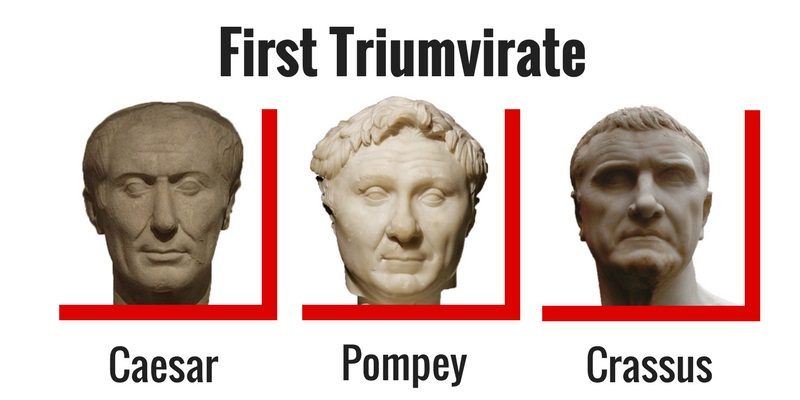 I recently had the chance to read the Medium Post by Nic Carter titled The Dark Underbelly of Cryptocurrency Markets, where Nic provided a tell-all about the crony conflict-of-interest that exists between coin creators, coin rating sites, and coin exchanges. If you haven’t checked out the article yet, I recommend you do so now, as I’ll be touching up on only a few of the points delivered in the article (although the entire thing is well-done). In the article, Nic discusses that retail investors get the short end of the stick when it comes to making informed decisions about coin legitimacy in a similar fashion to betting against the house at a casino. Understanding that the community has already written off exchanges and coin creators as potentially dubious actors that must be properly investigated, he discussed that coin ranking sites still have yet to be attract attention from regulatory bodies and financially investigative enthusiasts despite the same lack of legitimacy as the other two. Between listing fees, adsense, referral links, and wash trading, economic incentives point these three market actors toward quantity-based rather than quality-based decisions regarding onboarding coins (at the expense of retail investor ability to properly assess the market). **Regulatory Oversight Lacking** The article opened my mind to new considerations regarding regulatory involvement required for cryptocurrency trading be deemed relatively “safe” from bad actors. With regard to the creation of new altcoins, the incentivization of this for all market actors (coin creators, coin rating sites, and coin exchanges) certainly raises red flags. While the controversy around ICO creation has been the hot topic of the past two years, one equally compelling dynamic that doesn’t receive the same press is that of coin hard forks. With the recent slew of Bitcoin and Ethereum hard forks, who’s to say that there wasn’t blatant bribery going on with exchanges convincing prospective new strains of coins to fork so that there would be listing fees paid and higher coin volume on the exchange, not to mention potential exchange exclusivity and insider trading (see: Coinbase-BCH hard fork controversy). One point Nic had brought up was the ability for these coin ranking sites to sell blended price APIs to more sophisticated investors providing them faster access to price fluctuation changes. While I’m no expert on market trading, this doesn’t feel to me that it would be legal in a conventional market, given that at any point in time some investors would be viewing the incorrect price while other investors would be viewing the correct price. He had also mentioned that there was big money to be made by putting scam coin banner ads on the coin ranking sites (and just the same this needs to be done away with). Exchanges outside of the national jurisdiction, helmed by anonymous individuals, is just a recipe for disaster. The amount of potential opportunity for legal infringement and lack of transparency to retail investors overall is perhaps one of the greatest inhibitors for mainstream adoption of cryptocurrencies, even moreso than coin exploits. Who’s to say which of these supposed exchange hacks weren’t staged? It’s certainly not a new theory (see: MtGox). That’s just one of the many ways that exchanges have the power to defraud investors (not to mention the tax authorities). **CryptoMarkets 2.0** Ok so what do we need to make the system reliable? To start, know-your-customer protocol on every front: retailer investor, coin governance, developers, miners, coin ranking sites, exchanges, 3rd party broker-dealers, everyone interested in being a part of the ecosystem. This policy would stand in stark contrast to what we have now (as well as GDPR, privacy laws etc…), which would bode serious problems for those who want to contain their information. Perhaps then we could get into discussion over the merits of zero-knowledge proofs, ZK-STARKs and other data structures that serve to validate data but not release it. But I believe KYC to be the most critical component needed for this ecosystem nonetheless (time to hold people accountable!). Next we have coin issuance. ICO regulation still has a way to go and I’m not going to get into thoughts on that at the moment, but I know for forks there needs to be some serious overhaul in the way that these are done for public ledger PoW coins. There’s too much reliance on the forkers’ capability of assessing the merits of creating a new brand of coin with the detriment of unforeseen market impact. By the way, whose job is it to keep track of a cryptocurrency’s supply anyways? I’ve always wondered how to determine the quantity of coin (especially for pre-mine coins), and that there could be serious technocrati conflict-of-interest for the developers to hyperinflate the coin unbeknownst to the current and prospective investors. Sufficed to say that all of this needs to be under lock-and-key by the regulators. Figuring out how to distribute regulatory control to countries across the globe is another day’s assignment. Onto coin ranking sites. If the owners are KYC’ed, and there are (multiple) coin ranking sites per national jurisdiction, I don’t see too much of a hang-up. Laws can vary on the coin ranking sites by country, but I’d recommend something to the effect of decoupling allegiances between exchanges & coin issuers, establishing a system of fines for punitive action, delisting/deadvertising scam projects, and providing equal mission-critical data to all retail investors simultaneously. For exchanges, if we have consistently updated KYC in place for all of the exchange owners and traceable deposits/withdrawals, we should be able to have sufficient checks in place for exchanges to operate outside the exchange geopgraphical jurisdiction assuming the proper extradition laws are in place for that country. In addition, throw a bunch of regulators at each exchange to regularly manage it in case a “glitch” happens to leave some investors empty-handed. **Bunch of Different Directions Ahead** All in all, I think the coin uses are going to be decoupled over time, and models will need to be custom-fitted for each one. A universal cryptocurrency standard for cross-border transactions will for instance not want to have erratic price or quantity fluctuations and will need coin governance and development upkeep to be overseen by a global authority of representatives from every country. For speculative cryptocurrency standards, we need to snuff out the biggest chokepoints of potential corruption, and while KYC will aid considerably in that effort, regulatory systems will need overhaul to best foster global cooperation. As well tokenized assets, tokenized securities, and (alleged) utility tokens will need systems surrounding them. … While this article is posted here, it’s posted elsewhere as well. In an effort to create a cross-platform discussion, I invite you to expand on any thoughts you have here in the comments as well as over on treadie, which is very much a microcommunity twitter. The reason I use treadie is because (1) it’s free, signup only with Facebook or Twitter; (2) you don’t get the walled garden of only one platform comment section, instead combining everyone for discussion. Link: https://ctutoicma.treadie.com/. |
| json metadata | {"tags":["blockchain","ico","compliance","cryptocurrency","conspiracy"],"image":["https://cdn.steemitimages.com/DQmT7Be4xGZfKt7tJK7U6ubXR1GEma2Xd6JkkYooJPxoHvy/FirstTriumvirate800x400.jpg"],"links":["https://ctutoicma.treadie.com/"],"app":"steemit/0.1","format":"markdown"} |
| Transaction Info | Block #28482529/Trx 1375d14e8ba4ae6553aead5c600d1ad5bb2a4865 |
View Raw JSON Data
{
"trx_id": "1375d14e8ba4ae6553aead5c600d1ad5bb2a4865",
"block": 28482529,
"trx_in_block": 1,
"op_in_trx": 0,
"virtual_op": 0,
"timestamp": "2018-12-11T23:09:39",
"op": [
"comment",
{
"parent_author": "",
"parent_permlink": "blockchain",
"author": "dlrusinek",
"permlink": "collusion-the-unholy-trinity-of-institutional-cryptocurrency-market-actors",
"title": "Collusion! The Unholy Trinity of “Institutional” Cryptocurrency Market Actors",
"body": "\n\nI recently had the chance to read the Medium Post by Nic Carter titled The Dark Underbelly of Cryptocurrency Markets, where Nic provided a tell-all about the crony conflict-of-interest that exists between coin creators, coin rating sites, and coin exchanges. If you haven’t checked out the article yet, I recommend you do so now, as I’ll be touching up on only a few of the points delivered in the article (although the entire thing is well-done).\n\nIn the article, Nic discusses that retail investors get the short end of the stick when it comes to making informed decisions about coin legitimacy in a similar fashion to betting against the house at a casino. Understanding that the community has already written off exchanges and coin creators as potentially dubious actors that must be properly investigated, he discussed that coin ranking sites still have yet to be attract attention from regulatory bodies and financially investigative enthusiasts despite the same lack of legitimacy as the other two. Between listing fees, adsense, referral links, and wash trading, economic incentives point these three market actors toward quantity-based rather than quality-based decisions regarding onboarding coins (at the expense of retail investor ability to properly assess the market).\n\n**Regulatory Oversight Lacking**\n\nThe article opened my mind to new considerations regarding regulatory involvement required for cryptocurrency trading be deemed relatively “safe” from bad actors.\n\nWith regard to the creation of new altcoins, the incentivization of this for all market actors (coin creators, coin rating sites, and coin exchanges) certainly raises red flags. While the controversy around ICO creation has been the hot topic of the past two years, one equally compelling dynamic that doesn’t receive the same press is that of coin hard forks. With the recent slew of Bitcoin and Ethereum hard forks, who’s to say that there wasn’t blatant bribery going on with exchanges convincing prospective new strains of coins to fork so that there would be listing fees paid and higher coin volume on the exchange, not to mention potential exchange exclusivity and insider trading (see: Coinbase-BCH hard fork controversy).\n\nOne point Nic had brought up was the ability for these coin ranking sites to sell blended price APIs to more sophisticated investors providing them faster access to price fluctuation changes. While I’m no expert on market trading, this doesn’t feel to me that it would be legal in a conventional market, given that at any point in time some investors would be viewing the incorrect price while other investors would be viewing the correct price. He had also mentioned that there was big money to be made by putting scam coin banner ads on the coin ranking sites (and just the same this needs to be done away with).\n\nExchanges outside of the national jurisdiction, helmed by anonymous individuals, is just a recipe for disaster. The amount of potential opportunity for legal infringement and lack of transparency to retail investors overall is perhaps one of the greatest inhibitors for mainstream adoption of cryptocurrencies, even moreso than coin exploits. Who’s to say which of these supposed exchange hacks weren’t staged? It’s certainly not a new theory (see: MtGox). That’s just one of the many ways that exchanges have the power to defraud investors (not to mention the tax authorities).\n\n**CryptoMarkets 2.0**\n\nOk so what do we need to make the system reliable?\n\nTo start, know-your-customer protocol on every front: retailer investor, coin governance, developers, miners, coin ranking sites, exchanges, 3rd party broker-dealers, everyone interested in being a part of the ecosystem. This policy would stand in stark contrast to what we have now (as well as GDPR, privacy laws etc…), which would bode serious problems for those who want to contain their information. Perhaps then we could get into discussion over the merits of zero-knowledge proofs, ZK-STARKs and other data structures that serve to validate data but not release it. But I believe KYC to be the most critical component needed for this ecosystem nonetheless (time to hold people accountable!).\n\nNext we have coin issuance. ICO regulation still has a way to go and I’m not going to get into thoughts on that at the moment, but I know for forks there needs to be some serious overhaul in the way that these are done for public ledger PoW coins. There’s too much reliance on the forkers’ capability of assessing the merits of creating a new brand of coin with the detriment of unforeseen market impact. By the way, whose job is it to keep track of a cryptocurrency’s supply anyways? I’ve always wondered how to determine the quantity of coin (especially for pre-mine coins), and that there could be serious technocrati conflict-of-interest for the developers to hyperinflate the coin unbeknownst to the current and prospective investors. Sufficed to say that all of this needs to be under lock-and-key by the regulators. Figuring out how to distribute regulatory control to countries across the globe is another day’s assignment.\n\nOnto coin ranking sites. If the owners are KYC’ed, and there are (multiple) coin ranking sites per national jurisdiction, I don’t see too much of a hang-up. Laws can vary on the coin ranking sites by country, but I’d recommend something to the effect of decoupling allegiances between exchanges & coin issuers, establishing a system of fines for punitive action, delisting/deadvertising scam projects, and providing equal mission-critical data to all retail investors simultaneously.\n\nFor exchanges, if we have consistently updated KYC in place for all of the exchange owners and traceable deposits/withdrawals, we should be able to have sufficient checks in place for exchanges to operate outside the exchange geopgraphical jurisdiction assuming the proper extradition laws are in place for that country. In addition, throw a bunch of regulators at each exchange to regularly manage it in case a “glitch” happens to leave some investors empty-handed.\n\n**Bunch of Different Directions Ahead**\n\nAll in all, I think the coin uses are going to be decoupled over time, and models will need to be custom-fitted for each one. A universal cryptocurrency standard for cross-border transactions will for instance not want to have erratic price or quantity fluctuations and will need coin governance and development upkeep to be overseen by a global authority of representatives from every country. For speculative cryptocurrency standards, we need to snuff out the biggest chokepoints of potential corruption, and while KYC will aid considerably in that effort, regulatory systems will need overhaul to best foster global cooperation. As well tokenized assets, tokenized securities, and (alleged) utility tokens will need systems surrounding them.\n\n…\n\nWhile this article is posted here, it’s posted elsewhere as well. In an effort to create a cross-platform discussion, I invite you to expand on any thoughts you have here in the comments as well as over on treadie, which is very much a microcommunity twitter. The reason I use treadie is because (1) it’s free, signup only with Facebook or Twitter; (2) you don’t get the walled garden of only one platform comment section, instead combining everyone for discussion. Link: https://ctutoicma.treadie.com/.",
"json_metadata": "{\"tags\":[\"blockchain\",\"ico\",\"compliance\",\"cryptocurrency\",\"conspiracy\"],\"image\":[\"https://cdn.steemitimages.com/DQmT7Be4xGZfKt7tJK7U6ubXR1GEma2Xd6JkkYooJPxoHvy/FirstTriumvirate800x400.jpg\"],\"links\":[\"https://ctutoicma.treadie.com/\"],\"app\":\"steemit/0.1\",\"format\":\"markdown\"}"
}
]
}mrviquezupvoted (100.00%) @dlrusinek / is-the-world-headed-for-frexit2018/12/11 17:06:57
mrviquezupvoted (100.00%) @dlrusinek / is-the-world-headed-for-frexit
2018/12/11 17:06:57
| voter | mrviquez |
| author | dlrusinek |
| permlink | is-the-world-headed-for-frexit |
| weight | 10000 (100.00%) |
| Transaction Info | Block #28475278/Trx 93310ecf55230be521801e968774b751410b0996 |
View Raw JSON Data
{
  "trx_id": "93310ecf55230be521801e968774b751410b0996",
  "block": 28475278,
  "trx_in_block": 11,
  "op_in_trx": 0,
  "virtual_op": 0,
  "timestamp": "2018-12-11T17:06:57",
  "op": [
    "vote",
    {
      "voter": "mrviquez",
      "author": "dlrusinek",
      "permlink": "is-the-world-headed-for-frexit",
      "weight": 10000
    }
  ]
}steemdelegated 17.912 SP to @dlrusinek2018/12/11 12:58:57
steemdelegated 17.912 SP to @dlrusinek
2018/12/11 12:58:57
| delegator | steem |
| delegatee | dlrusinek |
| vesting shares | 29135.501872 VESTS |
| Transaction Info | Block #28470320/Trx f0c0e209bdcdc8f4439adb4bbcdb8908685ea65c |
View Raw JSON Data
{
  "trx_id": "f0c0e209bdcdc8f4439adb4bbcdb8908685ea65c",
  "block": 28470320,
  "trx_in_block": 13,
  "op_in_trx": 0,
  "virtual_op": 0,
  "timestamp": "2018-12-11T12:58:57",
  "op": [
    "delegate_vesting_shares",
    {
      "delegator": "steem",
      "delegatee": "dlrusinek",
      "vesting_shares": "29135.501872 VESTS"
    }
  ]
}thetroublenotesupvoted (2.00%) @dlrusinek / is-the-world-headed-for-frexit2018/12/11 12:34:15
thetroublenotesupvoted (2.00%) @dlrusinek / is-the-world-headed-for-frexit
2018/12/11 12:34:15
| voter | thetroublenotes |
| author | dlrusinek |
| permlink | is-the-world-headed-for-frexit |
| weight | 200 (2.00%) |
| Transaction Info | Block #28469828/Trx f342b60dd652c50a94882d1b1e2c9fdfc9be26b1 |
View Raw JSON Data
{
  "trx_id": "f342b60dd652c50a94882d1b1e2c9fdfc9be26b1",
  "block": 28469828,
  "trx_in_block": 15,
  "op_in_trx": 0,
  "virtual_op": 0,
  "timestamp": "2018-12-11T12:34:15",
  "op": [
    "vote",
    {
      "voter": "thetroublenotes",
      "author": "dlrusinek",
      "permlink": "is-the-world-headed-for-frexit",
      "weight": 200
    }
  ]
}dlrusinekpublished a new post: is-the-world-headed-for-frexit2018/12/11 12:15:15
dlrusinekpublished a new post: is-the-world-headed-for-frexit
2018/12/11 12:15:15
| parent author | |
| parent permlink | frexit |
| author | dlrusinek |
| permlink | is-the-world-headed-for-frexit |
| title | Is the World Headed for Frexit? |
| body |  Over the course of the past four weeks, serious protests have been mounting in France that have lead to destruction of property, desecration of monuments, and even violence. These protests have had drastic consequences on the French economy, and have kept political action in France in a deadlocked state. What ultimately brought about this chaos was French President Macron’s proposal to raise the fuel tax, which proved to be the straw that broke the camel’s back, unveiling a slew of other issues within French society. Deemed the “Yellow Vest protests” (gilets jaunes), the demonstrators stand united on both sides of the political spectrum, united under a shared agenda for an oust of Macron. While the protests have grown immensely in size over the course of the past few weeks, attaining estimated numbers reflecting 280,000+ demonstrators, the core group that is representative of the movement come from lower class, rural backgrounds that are highly dependent on their vehicle for work. While the aggregate of Europe is known to have higher turnout and greater organization in civil unrest than their US counterparts in recent history, this batch of protests by the French maintain unique kindling that puts to question whether this is just another instance of civil disobedience in an effort to maintain certain European liberties, or if there are deeper implications at play here. For starters, many French citizens no longer feel that Macron reflects their interests. Sentiment has developed over the past few months among more than a few French that identify Macron as a rent-seeking elitist that seeks to profit at the expense of his own people. With French citizens recently polling Macron at a 23% approval rating, people feel distrust in his ability to lead the nation. In addition to a lack of Macron’s ability to relate to his citizens, the fervor behind the demonstrations have given rise to a laundry list of additional demands that many protestors are looking to see met by the government. These include improved standards of living, rise in minimum wage, an end to unpopular austerity measures, and government accountability to the working and middle classes. Despite recent concessions on a few counts by Macron in an effort to pacify the protests, the demonstrations still roar on uninhibited. With the movement having originated and gained/maintained traction on social media, there’s no telling when the resolution might be sought, given the decentralization of the movement. With these protests bleeding into neighboring countries and with certain groups looking at the possibility of a French exit from the European Union, there’s no telling what future developments have in store. What I do know is that if government administrators want to refrain from continually hemorrhaging money from economic standstill, they had better cover all of their bases and act according to the nation’s best interests. … While this article is posted here, it’s posted elsewhere as well. In an effort to create a cross-platform discussion, I invite you to expand on any thoughts you have here in the comments as well as over on treadie, which is very much a microcommunity twitter. The reason I use treadie is because (1) it’s free, signup only with Facebook or Twitter; (2) you don’t get the walled garden of only one platform comment section, instead combining everyone for discussion. Link: https://itwhff.treadie.com/ |
| json metadata | {"tags":["frexit","france","protests","decentralization","taxes"],"image":["https://cdn.steemitimages.com/DQmWr5EBZgCvaZP5xRppLSV2wfwtYchYfRACJJYnQ4dEH9b/yellow-vests.jpg"],"links":["https://itwhff.treadie.com/"],"app":"steemit/0.1","format":"markdown"} |
| Transaction Info | Block #28469448/Trx ccef51cd33c2f52200d1b30f350baa333e66b2c4 |
View Raw JSON Data
{
"trx_id": "ccef51cd33c2f52200d1b30f350baa333e66b2c4",
"block": 28469448,
"trx_in_block": 10,
"op_in_trx": 0,
"virtual_op": 0,
"timestamp": "2018-12-11T12:15:15",
"op": [
"comment",
{
"parent_author": "",
"parent_permlink": "frexit",
"author": "dlrusinek",
"permlink": "is-the-world-headed-for-frexit",
"title": "Is the World Headed for Frexit?",
"body": "\n\nOver the course of the past four weeks, serious protests have been mounting in France that have lead to destruction of property, desecration of monuments, and even violence. These protests have had drastic consequences on the French economy, and have kept political action in France in a deadlocked state. What ultimately brought about this chaos was French President Macron’s proposal to raise the fuel tax, which proved to be the straw that broke the camel’s back, unveiling a slew of other issues within French society. Deemed the “Yellow Vest protests” (gilets jaunes), the demonstrators stand united on both sides of the political spectrum, united under a shared agenda for an oust of Macron. While the protests have grown immensely in size over the course of the past few weeks, attaining estimated numbers reflecting 280,000+ demonstrators, the core group that is representative of the movement come from lower class, rural backgrounds that are highly dependent on their vehicle for work.\n\nWhile the aggregate of Europe is known to have higher turnout and greater organization in civil unrest than their US counterparts in recent history, this batch of protests by the French maintain unique kindling that puts to question whether this is just another instance of civil disobedience in an effort to maintain certain European liberties, or if there are deeper implications at play here.\n\nFor starters, many French citizens no longer feel that Macron reflects their interests. Sentiment has developed over the past few months among more than a few French that identify Macron as a rent-seeking elitist that seeks to profit at the expense of his own people. With French citizens recently polling Macron at a 23% approval rating, people feel distrust in his ability to lead the nation.\n\nIn addition to a lack of Macron’s ability to relate to his citizens, the fervor behind the demonstrations have given rise to a laundry list of additional demands that many protestors are looking to see met by the government. These include improved standards of living, rise in minimum wage, an end to unpopular austerity measures, and government accountability to the working and middle classes. Despite recent concessions on a few counts by Macron in an effort to pacify the protests, the demonstrations still roar on uninhibited.\n\nWith the movement having originated and gained/maintained traction on social media, there’s no telling when the resolution might be sought, given the decentralization of the movement. With these protests bleeding into neighboring countries and with certain groups looking at the possibility of a French exit from the European Union, there’s no telling what future developments have in store. What I do know is that if government administrators want to refrain from continually hemorrhaging money from economic standstill, they had better cover all of their bases and act according to the nation’s best interests.\n\n…\n\nWhile this article is posted here, it’s posted elsewhere as well. In an effort to create a cross-platform discussion, I invite you to expand on any thoughts you have here in the comments as well as over on treadie, which is very much a microcommunity twitter. The reason I use treadie is because (1) it’s free, signup only with Facebook or Twitter; (2) you don’t get the walled garden of only one platform comment section, instead combining everyone for discussion. Link: https://itwhff.treadie.com/",
"json_metadata": "{\"tags\":[\"frexit\",\"france\",\"protests\",\"decentralization\",\"taxes\"],\"image\":[\"https://cdn.steemitimages.com/DQmWr5EBZgCvaZP5xRppLSV2wfwtYchYfRACJJYnQ4dEH9b/yellow-vests.jpg\"],\"links\":[\"https://itwhff.treadie.com/\"],\"app\":\"steemit/0.1\",\"format\":\"markdown\"}"
}
]
}thetroublenotesupvoted (2.00%) @dlrusinek / the-real-value-of-a-token2018/12/11 12:02:39
thetroublenotesupvoted (2.00%) @dlrusinek / the-real-value-of-a-token
2018/12/11 12:02:39
| voter | thetroublenotes |
| author | dlrusinek |
| permlink | the-real-value-of-a-token |
| weight | 200 (2.00%) |
| Transaction Info | Block #28469196/Trx a34706c09a74d31711c21b5586a87e5e5611cb7e |
View Raw JSON Data
{
  "trx_id": "a34706c09a74d31711c21b5586a87e5e5611cb7e",
  "block": 28469196,
  "trx_in_block": 0,
  "op_in_trx": 0,
  "virtual_op": 0,
  "timestamp": "2018-12-11T12:02:39",
  "op": [
    "vote",
    {
      "voter": "thetroublenotes",
      "author": "dlrusinek",
      "permlink": "the-real-value-of-a-token",
      "weight": 200
    }
  ]
}2018/12/11 11:52:36
2018/12/11 11:52:36
| voter | thetroublenotes |
| author | dlrusinek |
| permlink | sec-continues-taking-aim-at-non-compliance-december-2018-edition |
| weight | 200 (2.00%) |
| Transaction Info | Block #28468995/Trx 73ef70b45baf56ef67a01c844c7c1b930bf43170 |
View Raw JSON Data
{
  "trx_id": "73ef70b45baf56ef67a01c844c7c1b930bf43170",
  "block": 28468995,
  "trx_in_block": 20,
  "op_in_trx": 0,
  "virtual_op": 0,
  "timestamp": "2018-12-11T11:52:36",
  "op": [
    "vote",
    {
      "voter": "thetroublenotes",
      "author": "dlrusinek",
      "permlink": "sec-continues-taking-aim-at-non-compliance-december-2018-edition",
      "weight": 200
    }
  ]
}dlrusinekpublished a new post: the-real-value-of-a-token2018/12/11 11:33:24
dlrusinekpublished a new post: the-real-value-of-a-token
2018/12/11 11:33:24
| parent author | |
| parent permlink | blockchain |
| author | dlrusinek |
| permlink | the-real-value-of-a-token |
| title | The Real Value of a Token |
| body |  **Oh, How Things Have Evolved** As we begin toward closing out 2018, we find the cryptocurrency niche of the distributed ledger ecosystem in a very different place than the same time last year. Where December 2017 proved to be an all-time high for cryptocurrency since the dawn of its existence, 2018 has seen monthly successive degradation of currency value and investor hopes given the sustained devaluation from its former glory. Capitulation is the buzzword to describe the sentiment among many investors. Accompanying this monthly loss of value are the rise of enterprise entrants, celebrity profiles, and, of course, regulatory action. The overarching community of interested individuals and enthusiasts, previously gung-ho on the future expectations of public ledger cryptocurrency, have taken a step back from zealotry to re-evaluate where we stand now and what the future will hold. Having myself been a part of this zealotry for some time, I can sympathize with many of the expectations. Decentralization sounds great on paper, and may exist in a future decades ahead in ways that will dramatically consolidate disparate daily functions and societal sectors. But the elephant in the room for the time being is that the only concrete usability happening in the space at the moment are the models which have public adoption stemming from (centralized) businesses taking responsibility for hosting a (centralized) platform on a centralized or federated blockchain network. While I’d like to discuss this in greater depth at some other point in time, the short of it is that we’re at the point in time now where individuals (with money) are willing to get on board with centralized blockchain solutions where market actors don’t determine one’s feasibility to transact seamlessly (see: CryptoKitties) and that the customers of blockchain solutions can still call up customer support and hold someone accountable for lack of meeting expectations (see: ICO scams, capital flight). So this brings us to the crux of the article- what is the real value of a token? Let’s make it easy and just stick to the things that will affect virtually all of the people here and now (we can play around with DRM, Intellectual Property, fungibility, divisibility, M2M micropayments another day). Credit card fees replaced by fractional micropayments Currency standardization and transaction ubiquity Metadata for legal restrictability, accountability, and transparency **Credit Card Fees Replaced by Fractional Micropayments** In the current state of world B2B & B2C commerce, we use credit cards to buy things. Upon each purchase using a credit card, a 3% fee is incurred by the retailer which surely gets passed onto consumers in the price of the product. With a digital currency that uses computing power to uphold the network, incurring only the costs of servers (which are pennies on the dollar), the original fee is replaced by something exponentially more economical. The 3% paid for by the retailer/customer that had previously gone toward the parties’ trust in the infrastructure and security of credit card company, could now be instead saved by both parties that now have the infrastructure and security they need at a fraction of the cost. Absent viable current legitimate players in the space that have been able to convince retailers and consumers to transition to digital currency, and the likelihood that credit card companies will rain fire on anyone who infringes on their hegemony, we may be a few years out. But in theory, massive savings can be made for both consumers and retailers. **Currency Standardization and Transaction Ubiquity** International commerce is an interesting concept, and while I’m not going to pretend to know all of the ins-and-outs, I can speculate at what currencies underpin the majority of bulk orders. I imagine that mainly US Dollars are used to conduct trades, with Australian Dollars, Canadian Dollars, British Pounds, European Euros, Chinese Yuan, Japanese Yen, Russian Rubles, and Indian Rupees in the mix (probably some others as well). I imagine that it can be a chore for individuals involved in international commerce to constantly have to manually evaluate different national inflationary policies and pay the broker-dealer fees for transacting on the Forex markets when needing to obtain different currencies. In fact, even just for consumers heading to another country, there is a manual process (enshrouded with a fee) for going to exchange some of your currency for the national currency of the country that you are visiting. So yet again while we’ll be a few years out, what if there were a method where anyone could see the immutable data stating the indisputable quantity of current national “dollars” in existence, rather than speculating and being subject to potential monetary supply manipulation deviously kept under wraps (looking at you Venezuela, Zimbabwe, China)? In proliferation of such a system, people could purchase dollar tokens directly from the Federal Reserve (or its 3rd party affiliates) of a designated country straight from their computer and in a fashion where fees are minimized. As well, inflationary policy would be VERY above board, with anyone able to query how many dollars are in existence in South Africa, and knowing it to be indisputably true, while also being able to find press releases discussing South Africa’s push to inflate/deflate tokens for the quarter at a set rate that they have embedded in an algorithm underpinned by openly-reviewable code. **Metadata for Legal Restrictability, Accountability, and Transparency** One of biggest differentiators for those in favor of tokens over dollars, is that there is the ability to embed infrastructure in tokens that capture metadata over the course of the token’s chain-of-custody history in a way that does not exist with tangible dollars. With the ability to attach metadata to tokens as they change hands, consumers and the government have greater access to more information about how dollars are being used. For consumers, it could be helpful to know that the dollars they receive are not ‘blood money’ or counterfeit dollars. On the governmental front, administrators may want know that the dollars spent are not laundered by criminal organizations or foreign spies. In addition to just watching the flow of dollars, with proper KYC and code backdoors, the government will be able to better identify bad actors and burn tokens/do force transfers away from criminal accounts. On top of all this, different municipalities, states, provinces, and federal governments can install their own rules in their own token in a way that benefits regional interest, standards, and laws (eg hold periods). There are some ethical implications here to all of this, but I’m not in the place where I’d like to tackle these at the moment. **In Sum** Despite what your snobby friend, neighbor, or acquaintance says, there are some long-term implications for tokens in the modern and futuristic society. Costs can be saved, oversight can be had, and discrepancies can be minimized. While the end of the “Year of the Regulatory Token” draws near and Crypto Winter continues its year-long stride, 2019 will provide another opportunity for legislatures and developers to play around with the ethical and practical challenges that exist in pervasive token utility and adoption. … While this article is posted here, it’s posted elsewhere as well. In an effort to create a cross-platform discussion, I invite you to expand on any thoughts you have here in the comments as well as over on treadie, which is very much a microcommunity twitter. The reason I use treadie is because (1) it’s free, signup only with Facebook or Twitter; (2) you don’t get the walled garden of only one platform comment section, instead combining everyone for discussion. Link: https://trvoat.treadie.com/ |
| json metadata | {"tags":["blockchain","compliance","cryptocurrency","token","markets"],"image":["https://cdn.steemitimages.com/DQmd4PiDxEuNNFjDShd2RAhir9PtGRdgPztriVhgC5GqFo2/DQsx2wGVwAAszCf.jpg"],"links":["https://trvoat.treadie.com/"],"app":"steemit/0.1","format":"markdown"} |
| Transaction Info | Block #28468612/Trx 4429b6b77a0a1b8b1457d3bf704030dbd053882f |
View Raw JSON Data
{
"trx_id": "4429b6b77a0a1b8b1457d3bf704030dbd053882f",
"block": 28468612,
"trx_in_block": 44,
"op_in_trx": 0,
"virtual_op": 0,
"timestamp": "2018-12-11T11:33:24",
"op": [
"comment",
{
"parent_author": "",
"parent_permlink": "blockchain",
"author": "dlrusinek",
"permlink": "the-real-value-of-a-token",
"title": "The Real Value of a Token",
"body": "\n\n**Oh, How Things Have Evolved**\n\nAs we begin toward closing out 2018, we find the cryptocurrency niche of the distributed ledger ecosystem in a very different place than the same time last year. Where December 2017 proved to be an all-time high for cryptocurrency since the dawn of its existence, 2018 has seen monthly successive degradation of currency value and investor hopes given the sustained devaluation from its former glory. Capitulation is the buzzword to describe the sentiment among many investors. Accompanying this monthly loss of value are the rise of enterprise entrants, celebrity profiles, and, of course, regulatory action. The overarching community of interested individuals and enthusiasts, previously gung-ho on the future expectations of public ledger cryptocurrency, have taken a step back from zealotry to re-evaluate where we stand now and what the future will hold.\n\nHaving myself been a part of this zealotry for some time, I can sympathize with many of the expectations. Decentralization sounds great on paper, and may exist in a future decades ahead in ways that will dramatically consolidate disparate daily functions and societal sectors. But the elephant in the room for the time being is that the only concrete usability happening in the space at the moment are the models which have public adoption stemming from (centralized) businesses taking responsibility for hosting a (centralized) platform on a centralized or federated blockchain network. While I’d like to discuss this in greater depth at some other point in time, the short of it is that we’re at the point in time now where individuals (with money) are willing to get on board with centralized blockchain solutions where market actors don’t determine one’s feasibility to transact seamlessly (see: CryptoKitties) and that the customers of blockchain solutions can still call up customer support and hold someone accountable for lack of meeting expectations (see: ICO scams, capital flight).\n\nSo this brings us to the crux of the article- what is the real value of a token?\n\nLet’s make it easy and just stick to the things that will affect virtually all of the people here and now (we can play around with DRM, Intellectual Property, fungibility, divisibility, M2M micropayments another day).\n\nCredit card fees replaced by fractional micropayments\nCurrency standardization and transaction ubiquity\nMetadata for legal restrictability, accountability, and transparency\n\n**Credit Card Fees Replaced by Fractional Micropayments**\n\nIn the current state of world B2B & B2C commerce, we use credit cards to buy things. Upon each purchase using a credit card, a 3% fee is incurred by the retailer which surely gets passed onto consumers in the price of the product. With a digital currency that uses computing power to uphold the network, incurring only the costs of servers (which are pennies on the dollar), the original fee is replaced by something exponentially more economical. The 3% paid for by the retailer/customer that had previously gone toward the parties’ trust in the infrastructure and security of credit card company, could now be instead saved by both parties that now have the infrastructure and security they need at a fraction of the cost. Absent viable current legitimate players in the space that have been able to convince retailers and consumers to transition to digital currency, and the likelihood that credit card companies will rain fire on anyone who infringes on their hegemony, we may be a few years out. But in theory, massive savings can be made for both consumers and retailers.\n\n**Currency Standardization and Transaction Ubiquity**\n\nInternational commerce is an interesting concept, and while I’m not going to pretend to know all of the ins-and-outs, I can speculate at what currencies underpin the majority of bulk orders. I imagine that mainly US Dollars are used to conduct trades, with Australian Dollars, Canadian Dollars, British Pounds, European Euros, Chinese Yuan, Japanese Yen, Russian Rubles, and Indian Rupees in the mix (probably some others as well). I imagine that it can be a chore for individuals involved in international commerce to constantly have to manually evaluate different national inflationary policies and pay the broker-dealer fees for transacting on the Forex markets when needing to obtain different currencies. In fact, even just for consumers heading to another country, there is a manual process (enshrouded with a fee) for going to exchange some of your currency for the national currency of the country that you are visiting.\n\nSo yet again while we’ll be a few years out, what if there were a method where anyone could see the immutable data stating the indisputable quantity of current national “dollars” in existence, rather than speculating and being subject to potential monetary supply manipulation deviously kept under wraps (looking at you Venezuela, Zimbabwe, China)?\n\nIn proliferation of such a system, people could purchase dollar tokens directly from the Federal Reserve (or its 3rd party affiliates) of a designated country straight from their computer and in a fashion where fees are minimized. As well, inflationary policy would be VERY above board, with anyone able to query how many dollars are in existence in South Africa, and knowing it to be indisputably true, while also being able to find press releases discussing South Africa’s push to inflate/deflate tokens for the quarter at a set rate that they have embedded in an algorithm underpinned by openly-reviewable code.\n\n**Metadata for Legal Restrictability, Accountability, and Transparency**\n\nOne of biggest differentiators for those in favor of tokens over dollars, is that there is the ability to embed infrastructure in tokens that capture metadata over the course of the token’s chain-of-custody history in a way that does not exist with tangible dollars.\n\nWith the ability to attach metadata to tokens as they change hands, consumers and the government have greater access to more information about how dollars are being used. For consumers, it could be helpful to know that the dollars they receive are not ‘blood money’ or counterfeit dollars. On the governmental front, administrators may want know that the dollars spent are not laundered by criminal organizations or foreign spies. In addition to just watching the flow of dollars, with proper KYC and code backdoors, the government will be able to better identify bad actors and burn tokens/do force transfers away from criminal accounts. On top of all this, different municipalities, states, provinces, and federal governments can install their own rules in their own token in a way that benefits regional interest, standards, and laws (eg hold periods). There are some ethical implications here to all of this, but I’m not in the place where I’d like to tackle these at the moment.\n\n**In Sum**\n\nDespite what your snobby friend, neighbor, or acquaintance says, there are some long-term implications for tokens in the modern and futuristic society. Costs can be saved, oversight can be had, and discrepancies can be minimized. While the end of the “Year of the Regulatory Token” draws near and Crypto Winter continues its year-long stride, 2019 will provide another opportunity for legislatures and developers to play around with the ethical and practical challenges that exist in pervasive token utility and adoption.\n\n…\n\nWhile this article is posted here, it’s posted elsewhere as well. In an effort to create a cross-platform discussion, I invite you to expand on any thoughts you have here in the comments as well as over on treadie, which is very much a microcommunity twitter. The reason I use treadie is because (1) it’s free, signup only with Facebook or Twitter; (2) you don’t get the walled garden of only one platform comment section, instead combining everyone for discussion. Link: https://trvoat.treadie.com/",
"json_metadata": "{\"tags\":[\"blockchain\",\"compliance\",\"cryptocurrency\",\"token\",\"markets\"],\"image\":[\"https://cdn.steemitimages.com/DQmd4PiDxEuNNFjDShd2RAhir9PtGRdgPztriVhgC5GqFo2/DQsx2wGVwAAszCf.jpg\"],\"links\":[\"https://trvoat.treadie.com/\"],\"app\":\"steemit/0.1\",\"format\":\"markdown\"}"
}
]
}allazsent 0.001 SBD to @dlrusinek- "Promote your post. Your post will be min. 10 resteemed with over 13000 followers and min. 25 Upvote Different account (5000 STEEM POWER). Your post will be more popular and you will find new frien..."2018/12/11 11:28:51
allazsent 0.001 SBD to @dlrusinek- "Promote your post. Your post will be min. 10 resteemed with over 13000 followers and min. 25 Upvote Different account (5000 STEEM POWER). Your post will be more popular and you will find new frien..."
2018/12/11 11:28:51
| from | allaz |
| to | dlrusinek |
| amount | 0.001 SBD |
| memo | Promote your post. Your post will be min. 10 resteemed with over 13000 followers and min. 25 Upvote Different account (5000 STEEM POWER). Your post will be more popular and you will find new friends. Send 0.5 SBD or STEEM to @allaz (post URL as memo ) Service Active. |
| Transaction Info | Block #28468521/Trx 5ccb8f633a540fe1538ad86058e65bb0d5fb445e |
View Raw JSON Data
{
  "trx_id": "5ccb8f633a540fe1538ad86058e65bb0d5fb445e",
  "block": 28468521,
  "trx_in_block": 7,
  "op_in_trx": 0,
  "virtual_op": 0,
  "timestamp": "2018-12-11T11:28:51",
  "op": [
    "transfer",
    {
      "from": "allaz",
      "to": "dlrusinek",
      "amount": "0.001 SBD",
      "memo": "Promote your post. Your post will be min. 10  resteemed with over 13000  followers and min. 25  Upvote Different account (5000  STEEM POWER). Your post will be more popular and you will find new friends. Send 0.5 SBD or STEEM to @allaz (post URL as memo ) Service Active."
    }
  ]
}dlrusinekpublished a new post: sec-continues-taking-aim-at-non-compliance-december-2018-edition2018/12/11 11:26:36
dlrusinekpublished a new post: sec-continues-taking-aim-at-non-compliance-december-2018-edition
2018/12/11 11:26:36
| parent author | |
| parent permlink | blockchain |
| author | dlrusinek |
| permlink | sec-continues-taking-aim-at-non-compliance-december-2018-edition |
| title | SEC Continues Taking Aim at Non-Compliance: December 2018 Edition |
| body |  The latest SEC crackdown in a recent string of company and celebrity takedowns has provided yet another reminder that the SEC does not play around. 2018 as a whole was rather light on tokenized platform launches following the fallout from the ICO Mania of 2017. Some even herald 2018 as the “year of the security token” based upon the sentiment change following the brutal justice that the SEC has brought down on some large long-time cryptocurrency incumbents and pioneers. On this latest crackdown, the story goes that the company CoinAlpha formed a fund in October 2017 with the goal of investing in digital assets. Acquiring a few investors, the firm raised over $600,000. The company had filed — but had not received — an exemption when they decided to do go about and fundraise anyway. What transpired was what anyone might have anticipated: the SEC took action. They forced the fund to return the money and doled out a $50,000 fine to the firm. The reasons that were presented were that the firm effectively solicited securities investors in breach of law, as well as initially failing to ensure that the investors were accredited. In this instance, the firm was able to settle, allowing a truce with the SEC with the stipulation that the fine is paid and that the Securities Act isn’t violated in the future. What we seem to be seeing, more often than not, with a lot of the SEC’s activity is a very calculated strategy toward custom-fitting the technology for the law. No longer are we at the point where the SEC remains naive to the innerworkings of the cryptocurrency harbingers or the enterprise blockchain ecosystem. The SEC is showing their cards as very open, but very strict in determining what we need for a functional, compliant ecosystem. Recently, the SEC opened their FinTech Hub as way for potential and current startups, as well as other intrigued parties, to open the dialogue with the commission over the legal viability of their platform. Moreover, the SEC has spoken on a number of occasions directly to the public in a very Q&A format about pertinent topics. All in all, there is still a considerable amount to figure out and the SEC is hard at work trying to keep up on the variety of different angles people are coming to them with regard to blockchain use cases. With spurious discussion around standards happening on the development front, there should be a time soon where compliance and token development intertwine. |
| json metadata | {"tags":["blockchain","compliance","cryptocurrency","sec","regulation"],"image":["https://cdn.steemitimages.com/DQmegizmC2Tf3RNFbnUghFYTcCy9RN8FKSgE63mVkdxYbhb/1_s91FMb9zJTv7VrHJzUglDw.png"],"app":"steemit/0.1","format":"markdown"} |
| Transaction Info | Block #28468476/Trx 0db974bec72e23fd3922f84319fada676c2310d7 |
View Raw JSON Data
{
"trx_id": "0db974bec72e23fd3922f84319fada676c2310d7",
"block": 28468476,
"trx_in_block": 2,
"op_in_trx": 0,
"virtual_op": 0,
"timestamp": "2018-12-11T11:26:36",
"op": [
"comment",
{
"parent_author": "",
"parent_permlink": "blockchain",
"author": "dlrusinek",
"permlink": "sec-continues-taking-aim-at-non-compliance-december-2018-edition",
"title": "SEC Continues Taking Aim at Non-Compliance: December 2018 Edition",
"body": "\n\nThe latest SEC crackdown in a recent string of company and celebrity takedowns has provided yet another reminder that the SEC does not play around.\n\n2018 as a whole was rather light on tokenized platform launches following the fallout from the ICO Mania of 2017. Some even herald 2018 as the “year of the security token” based upon the sentiment change following the brutal justice that the SEC has brought down on some large long-time cryptocurrency incumbents and pioneers.\n\nOn this latest crackdown, the story goes that the company CoinAlpha formed a fund in October 2017 with the goal of investing in digital assets. Acquiring a few investors, the firm raised over $600,000. The company had filed — but had not received — an exemption when they decided to do go about and fundraise anyway.\n\nWhat transpired was what anyone might have anticipated: the SEC took action. They forced the fund to return the money and doled out a $50,000 fine to the firm. The reasons that were presented were that the firm effectively solicited securities investors in breach of law, as well as initially failing to ensure that the investors were accredited. In this instance, the firm was able to settle, allowing a truce with the SEC with the stipulation that the fine is paid and that the Securities Act isn’t violated in the future.\n\nWhat we seem to be seeing, more often than not, with a lot of the SEC’s activity is a very calculated strategy toward custom-fitting the technology for the law. No longer are we at the point where the SEC remains naive to the innerworkings of the cryptocurrency harbingers or the enterprise blockchain ecosystem. The SEC is showing their cards as very open, but very strict in determining what we need for a functional, compliant ecosystem. Recently, the SEC opened their FinTech Hub as way for potential and current startups, as well as other intrigued parties, to open the dialogue with the commission over the legal viability of their platform. Moreover, the SEC has spoken on a number of occasions directly to the public in a very Q&A format about pertinent topics.\n\nAll in all, there is still a considerable amount to figure out and the SEC is hard at work trying to keep up on the variety of different angles people are coming to them with regard to blockchain use cases. With spurious discussion around standards happening on the development front, there should be a time soon where compliance and token development intertwine.",
"json_metadata": "{\"tags\":[\"blockchain\",\"compliance\",\"cryptocurrency\",\"sec\",\"regulation\"],\"image\":[\"https://cdn.steemitimages.com/DQmegizmC2Tf3RNFbnUghFYTcCy9RN8FKSgE63mVkdxYbhb/1_s91FMb9zJTv7VrHJzUglDw.png\"],\"app\":\"steemit/0.1\",\"format\":\"markdown\"}"
}
]
}steemdelegated 5.576 SP to @dlrusinek2018/08/27 16:03:09
steemdelegated 5.576 SP to @dlrusinek
2018/08/27 16:03:09
| delegator | steem |
| delegatee | dlrusinek |
| vesting shares | 9069.963807 VESTS |
| Transaction Info | Block #25438836/Trx adfdd2a7b1c74b4004b3af874e4dd96a6153d15e |
View Raw JSON Data
{
  "trx_id": "adfdd2a7b1c74b4004b3af874e4dd96a6153d15e",
  "block": 25438836,
  "trx_in_block": 24,
  "op_in_trx": 0,
  "virtual_op": 0,
  "timestamp": "2018-08-27T16:03:09",
  "op": [
    "delegate_vesting_shares",
    {
      "delegator": "steem",
      "delegatee": "dlrusinek",
      "vesting_shares": "9069.963807 VESTS"
    }
  ]
}2018/07/31 20:47:33
2018/07/31 20:47:33
| parent author | dlrusinek |
| parent permlink | introduction-to-cryptocurrencies |
| author | steemitboard |
| permlink | steemitboard-notify-dlrusinek-20180731t204734000z |
| title | |
| body | Congratulations @dlrusinek! You have received a personal award! [](http://steemitboard.com/@dlrusinek) 1 Year on Steemit <sub>_Click on the badge to view your Board of Honor._</sub> > Do you like [SteemitBoard's project](https://steemit.com/@steemitboard)? Then **[Vote for its witness](https://v2.steemconnect.com/sign/account-witness-vote?witness=steemitboard&approve=1)** and **get one more award**! |
| json metadata | {"image":["https://steemitboard.com/img/notify.png"]} |
| Transaction Info | Block #24667228/Trx 3b6f57c2a88a97fb821564fbaede3db48c7208d0 |
View Raw JSON Data
{
"trx_id": "3b6f57c2a88a97fb821564fbaede3db48c7208d0",
"block": 24667228,
"trx_in_block": 23,
"op_in_trx": 0,
"virtual_op": 0,
"timestamp": "2018-07-31T20:47:33",
"op": [
"comment",
{
"parent_author": "dlrusinek",
"parent_permlink": "introduction-to-cryptocurrencies",
"author": "steemitboard",
"permlink": "steemitboard-notify-dlrusinek-20180731t204734000z",
"title": "",
"body": "Congratulations @dlrusinek! You have received a personal award!\n\n[](http://steemitboard.com/@dlrusinek) 1 Year on Steemit\n<sub>_Click on the badge to view your Board of Honor._</sub>\n\n\n> Do you like [SteemitBoard's project](https://steemit.com/@steemitboard)? Then **[Vote for its witness](https://v2.steemconnect.com/sign/account-witness-vote?witness=steemitboard&approve=1)** and **get one more award**!",
"json_metadata": "{\"image\":[\"https://steemitboard.com/img/notify.png\"]}"
}
]
}sucemabiteflagged (-100.00%) @dlrusinek / introduction-to-cryptocurrencies2018/07/19 21:34:00
sucemabiteflagged (-100.00%) @dlrusinek / introduction-to-cryptocurrencies
2018/07/19 21:34:00
| voter | sucemabite |
| author | dlrusinek |
| permlink | introduction-to-cryptocurrencies |
| weight | -10000 (-100.00%) |
| Transaction Info | Block #24323213/Trx 82f0a82327942fbc8a5c8f6fd604ea06e0af334e |
View Raw JSON Data
{
  "trx_id": "82f0a82327942fbc8a5c8f6fd604ea06e0af334e",
  "block": 24323213,
  "trx_in_block": 8,
  "op_in_trx": 0,
  "virtual_op": 0,
  "timestamp": "2018-07-19T21:34:00",
  "op": [
    "vote",
    {
      "voter": "sucemabite",
      "author": "dlrusinek",
      "permlink": "introduction-to-cryptocurrencies",
      "weight": -10000
    }
  ]
}treedainflagged (-100.00%) @dlrusinek / introduction-to-cryptocurrencies2018/07/16 19:02:21
treedainflagged (-100.00%) @dlrusinek / introduction-to-cryptocurrencies
2018/07/16 19:02:21
| voter | treedain |
| author | dlrusinek |
| permlink | introduction-to-cryptocurrencies |
| weight | -10000 (-100.00%) |
| Transaction Info | Block #24233869/Trx 48e245941add581c9502570fec548c6d6bf6fc6e |
View Raw JSON Data
{
  "trx_id": "48e245941add581c9502570fec548c6d6bf6fc6e",
  "block": 24233869,
  "trx_in_block": 29,
  "op_in_trx": 0,
  "virtual_op": 0,
  "timestamp": "2018-07-16T19:02:21",
  "op": [
    "vote",
    {
      "voter": "treedain",
      "author": "dlrusinek",
      "permlink": "introduction-to-cryptocurrencies",
      "weight": -10000
    }
  ]
}kissmylipsflagged (-100.00%) @dlrusinek / introduction-to-cryptocurrencies2018/07/15 14:55:39
kissmylipsflagged (-100.00%) @dlrusinek / introduction-to-cryptocurrencies
2018/07/15 14:55:39
| voter | kissmylips |
| author | dlrusinek |
| permlink | introduction-to-cryptocurrencies |
| weight | -10000 (-100.00%) |
| Transaction Info | Block #24200141/Trx 2641ab00e5b15ae185cb2f2091dc907b2325adaf |
View Raw JSON Data
{
  "trx_id": "2641ab00e5b15ae185cb2f2091dc907b2325adaf",
  "block": 24200141,
  "trx_in_block": 38,
  "op_in_trx": 0,
  "virtual_op": 0,
  "timestamp": "2018-07-15T14:55:39",
  "op": [
    "vote",
    {
      "voter": "kissmylips",
      "author": "dlrusinek",
      "permlink": "introduction-to-cryptocurrencies",
      "weight": -10000
    }
  ]
}fertipoflagged (-100.00%) @dlrusinek / introduction-to-cryptocurrencies2018/07/14 16:10:09
fertipoflagged (-100.00%) @dlrusinek / introduction-to-cryptocurrencies
2018/07/14 16:10:09
| voter | fertipo |
| author | dlrusinek |
| permlink | introduction-to-cryptocurrencies |
| weight | -10000 (-100.00%) |
| Transaction Info | Block #24172833/Trx 983f9038c2d3a4e3a718cd11f70d44d8dc097288 |
View Raw JSON Data
{
  "trx_id": "983f9038c2d3a4e3a718cd11f70d44d8dc097288",
  "block": 24172833,
  "trx_in_block": 29,
  "op_in_trx": 0,
  "virtual_op": 0,
  "timestamp": "2018-07-14T16:10:09",
  "op": [
    "vote",
    {
      "voter": "fertipo",
      "author": "dlrusinek",
      "permlink": "introduction-to-cryptocurrencies",
      "weight": -10000
    }
  ]
}dlrusinekupdated their account properties2018/05/28 15:10:30
dlrusinekupdated their account properties
2018/05/28 15:10:30
| account | dlrusinek |
| memo key | STM64BkSQAUrBzjKAajT7eFkBiiUgALeobcojqaMXjSRAoqJ745yd |
| json metadata | {"profile":{"profile_image":"https://imgsafe.org/image/6137092517","name":"dlrusinek","about":"DLT Sales | Android & Blockchain Developer (in process)","location":"Buffalo, NY","cover_image":"https://cdn.steemitimages.com/DQmWRAGp998F7H4EgaWjmsqUSH8E52VdDobuWBgKvLXyDDU/Steemit-cover1.jpg"}} |
| Transaction Info | Block #22828881/Trx 72c377ed98d30dec57bb72968550dd0b01f04067 |
View Raw JSON Data
{
  "trx_id": "72c377ed98d30dec57bb72968550dd0b01f04067",
  "block": 22828881,
  "trx_in_block": 89,
  "op_in_trx": 0,
  "virtual_op": 0,
  "timestamp": "2018-05-28T15:10:30",
  "op": [
    "account_update",
    {
      "account": "dlrusinek",
      "memo_key": "STM64BkSQAUrBzjKAajT7eFkBiiUgALeobcojqaMXjSRAoqJ745yd",
      "json_metadata": "{\"profile\":{\"profile_image\":\"https://imgsafe.org/image/6137092517\",\"name\":\"dlrusinek\",\"about\":\"DLT Sales | Android & Blockchain Developer (in process)\",\"location\":\"Buffalo, NY\",\"cover_image\":\"https://cdn.steemitimages.com/DQmWRAGp998F7H4EgaWjmsqUSH8E52VdDobuWBgKvLXyDDU/Steemit-cover1.jpg\"}}"
    }
  ]
}dlrusinekupdated their account properties2018/05/28 15:08:36
dlrusinekupdated their account properties
2018/05/28 15:08:36
| account | dlrusinek |
| memo key | STM64BkSQAUrBzjKAajT7eFkBiiUgALeobcojqaMXjSRAoqJ745yd |
| json metadata | {"profile":{"profile_image":"https://imgsafe.org/image/6137092517","name":"dlrusinek","about":"DLT Sales | Android & Blockchain Developer (in process)","location":"Buffalo, NY","cover_image":"https://cdn.steemitimages.com/DQmPNuBKfYHhWNtA3d3h4u5xdrBCPHtxPR5gdp9BTHJaKuh/Steemit-cover2.jpg"}} |
| Transaction Info | Block #22828843/Trx f18d4c17f0f99e36e822b68ee7a2cb1cb7b3a9e5 |
View Raw JSON Data
{
  "trx_id": "f18d4c17f0f99e36e822b68ee7a2cb1cb7b3a9e5",
  "block": 22828843,
  "trx_in_block": 28,
  "op_in_trx": 0,
  "virtual_op": 0,
  "timestamp": "2018-05-28T15:08:36",
  "op": [
    "account_update",
    {
      "account": "dlrusinek",
      "memo_key": "STM64BkSQAUrBzjKAajT7eFkBiiUgALeobcojqaMXjSRAoqJ745yd",
      "json_metadata": "{\"profile\":{\"profile_image\":\"https://imgsafe.org/image/6137092517\",\"name\":\"dlrusinek\",\"about\":\"DLT Sales | Android & Blockchain Developer (in process)\",\"location\":\"Buffalo, NY\",\"cover_image\":\"https://cdn.steemitimages.com/DQmPNuBKfYHhWNtA3d3h4u5xdrBCPHtxPR5gdp9BTHJaKuh/Steemit-cover2.jpg\"}}"
    }
  ]
}dlrusinekupdated their account properties2018/05/28 15:04:57
dlrusinekupdated their account properties
2018/05/28 15:04:57
| account | dlrusinek |
| memo key | STM64BkSQAUrBzjKAajT7eFkBiiUgALeobcojqaMXjSRAoqJ745yd |
| json metadata | {"profile":{"profile_image":"https://imgsafe.org/image/6137092517","name":"dlrusinek","about":"DLT Sales | Android & Blockchain Developer (in process)","location":"Buffalo, NY","cover_image":"https://cdn.steemitimages.com/DQmWRAGp998F7H4EgaWjmsqUSH8E52VdDobuWBgKvLXyDDU/Steemit-cover1.jpg"}} |
| Transaction Info | Block #22828770/Trx 09e9588a80531e584ec98104b3060941ecffb2e2 |
View Raw JSON Data
{
  "trx_id": "09e9588a80531e584ec98104b3060941ecffb2e2",
  "block": 22828770,
  "trx_in_block": 31,
  "op_in_trx": 0,
  "virtual_op": 0,
  "timestamp": "2018-05-28T15:04:57",
  "op": [
    "account_update",
    {
      "account": "dlrusinek",
      "memo_key": "STM64BkSQAUrBzjKAajT7eFkBiiUgALeobcojqaMXjSRAoqJ745yd",
      "json_metadata": "{\"profile\":{\"profile_image\":\"https://imgsafe.org/image/6137092517\",\"name\":\"dlrusinek\",\"about\":\"DLT Sales | Android & Blockchain Developer (in process)\",\"location\":\"Buffalo, NY\",\"cover_image\":\"https://cdn.steemitimages.com/DQmWRAGp998F7H4EgaWjmsqUSH8E52VdDobuWBgKvLXyDDU/Steemit-cover1.jpg\"}}"
    }
  ]
}Manabar
Voting Power100.00%
Downvote Power100.00%
Resource Credits100.00%
Reputation Progress97.54%
{
  "voting_manabar": {
    "current_mana": "8143659806",
    "last_update_time": 1779060873
  },
  "downvote_manabar": {
    "current_mana": 2035914951,
    "last_update_time": 1779060873
  },
  "rc_account": {
    "account": "dlrusinek",
    "rc_manabar": {
      "current_mana": "10164408779",
      "last_update_time": 1779060873
    },
    "max_rc_creation_adjustment": {
      "amount": "2020748973",
      "precision": 6,
      "nai": "@@000000037"
    },
    "max_rc": "10164408779"
  }
}
Account Metadata
| POSTING JSON METADATA | |
| profile | {"profile_image":"https://imgsafe.org/image/6137092517","name":"dlrusinek","about":"DLT Sales | Android & Blockchain Developer (in process)","location":"Buffalo, NY","cover_image":"https://cdn.steemitimages.com/DQmWRAGp998F7H4EgaWjmsqUSH8E52VdDobuWBgKvLXyDDU/Steemit-cover1.jpg"} |
| JSON METADATA | |
| profile | {"profile_image":"https://imgsafe.org/image/6137092517","name":"dlrusinek","about":"DLT Sales | Android & Blockchain Developer (in process)","location":"Buffalo, NY","cover_image":"https://cdn.steemitimages.com/DQmWRAGp998F7H4EgaWjmsqUSH8E52VdDobuWBgKvLXyDDU/Steemit-cover1.jpg"} |
{
  "posting_json_metadata": {
    "profile": {
      "profile_image": "https://imgsafe.org/image/6137092517",
      "name": "dlrusinek",
      "about": "DLT Sales | Android & Blockchain Developer (in process)",
      "location": "Buffalo, NY",
      "cover_image": "https://cdn.steemitimages.com/DQmWRAGp998F7H4EgaWjmsqUSH8E52VdDobuWBgKvLXyDDU/Steemit-cover1.jpg"
    }
  },
  "json_metadata": {
    "profile": {
      "profile_image": "https://imgsafe.org/image/6137092517",
      "name": "dlrusinek",
      "about": "DLT Sales | Android & Blockchain Developer (in process)",
      "location": "Buffalo, NY",
      "cover_image": "https://cdn.steemitimages.com/DQmWRAGp998F7H4EgaWjmsqUSH8E52VdDobuWBgKvLXyDDU/Steemit-cover1.jpg"
    }
  }
}
Auth Keys
Owner
Single Signature
Public Keys
STM65doWgeg4DVLnofZ7EJreTP7cegXAdu2JYMezzi8f4XseGfT6F1/1
Active
Single Signature
Public Keys
STM8YWoKwpiteBM7ykrdbBeXBRqpeZgBRgqK6A1t3obWcoCbKTzWG1/1
Posting
Single Signature
Public Keys
STM5chWnnterKVYkUgxBDTXxi7ZTtULE11t3HkiLxrkLJCMcH2Yne1/1
App Permissions
@busy.app1/1
Memo
STM64BkSQAUrBzjKAajT7eFkBiiUgALeobcojqaMXjSRAoqJ745yd
{
  "owner": {
    "weight_threshold": 1,
    "account_auths": [],
    "key_auths": [
      [
        "STM65doWgeg4DVLnofZ7EJreTP7cegXAdu2JYMezzi8f4XseGfT6F",
        1
      ]
    ]
  },
  "active": {
    "weight_threshold": 1,
    "account_auths": [],
    "key_auths": [
      [
        "STM8YWoKwpiteBM7ykrdbBeXBRqpeZgBRgqK6A1t3obWcoCbKTzWG",
        1
      ]
    ]
  },
  "posting": {
    "weight_threshold": 1,
    "account_auths": [
      [
        "busy.app",
        1
      ]
    ],
    "key_auths": [
      [
        "STM5chWnnterKVYkUgxBDTXxi7ZTtULE11t3HkiLxrkLJCMcH2Yne",
        1
      ]
    ]
  },
  "memo": "STM64BkSQAUrBzjKAajT7eFkBiiUgALeobcojqaMXjSRAoqJ745yd"
}
Witness Votes
1 / 30
01.block-buster |
[
  "block-buster"
]