

VOTING POWER100.00%
DOWNVOTE POWER100.00%
RESOURCE CREDITS100.00%
REPUTATION PROGRESS0.00%
Net Worth
0.071USD
STEEM
0.000STEEM
SBD
0.072SBD
Effective Power
5.007SP
├── Own SP
0.629SP
└── Incoming DelegationsDeleg
+4.377SP
Detailed Balance
| STEEM | ||
| balance | 0.000STEEM | STEEM |
| market_balance | 0.000STEEM | STEEM |
| savings_balance | 0.000STEEM | STEEM |
| reward_steem_balance | 0.000STEEM | STEEM |
| STEEM POWER | ||
| Own SP | 0.629SP | SP |
| Delegated Out | 0.000SP | SP |
| Delegation In | 4.377SP | SP |
| Effective Power | 5.007SP | SP |
| Reward SP (pending) | 0.022SP | SP |
| SBD | ||
| sbd_balance | 0.000SBD | SBD |
| sbd_conversions | 0.000SBD | SBD |
| sbd_market_balance | 0.000SBD | SBD |
| savings_sbd_balance | 0.000SBD | SBD |
| reward_sbd_balance | 0.072SBD | SBD |
{
  "balance": "0.000 STEEM",
  "savings_balance": "0.000 STEEM",
  "reward_steem_balance": "0.000 STEEM",
  "vesting_shares": "1023.334998 VESTS",
  "delegated_vesting_shares": "0.000000 VESTS",
  "received_vesting_shares": "7120.324808 VESTS",
  "sbd_balance": "0.000 SBD",
  "savings_sbd_balance": "0.000 SBD",
  "reward_sbd_balance": "0.072 SBD",
  "conversions": []
}
Account Info
| name | danielangelov |
| id | 666334 |
| rank | 278,032 |
| reputation | 681301223 |
| created | 2018-01-25T19:11:39 |
| recovery_account | steem |
| proxy | None |
| post_count | 20 |
| comment_count | 0 |
| lifetime_vote_count | 0 |
| witnesses_voted_for | 0 |
| last_post | 2018-03-12T22:12:03 |
| last_root_post | 2018-03-12T22:12:03 |
| last_vote_time | 2018-02-18T21:30:57 |
| proxied_vsf_votes | 0, 0, 0, 0 |
| can_vote | 1 |
| voting_power | 0 |
| delayed_votes | 0 |
| balance | 0.000 STEEM |
| savings_balance | 0.000 STEEM |
| sbd_balance | 0.000 SBD |
| savings_sbd_balance | 0.000 SBD |
| vesting_shares | 1023.334998 VESTS |
| delegated_vesting_shares | 0.000000 VESTS |
| received_vesting_shares | 7120.324808 VESTS |
| reward_vesting_balance | 44.957176 VESTS |
| vesting_balance | 0.000 STEEM |
| vesting_withdraw_rate | 0.000000 VESTS |
| next_vesting_withdrawal | 1969-12-31T23:59:59 |
| withdrawn | 0 |
| to_withdraw | 0 |
| withdraw_routes | 0 |
| savings_withdraw_requests | 0 |
| last_account_recovery | 1970-01-01T00:00:00 |
| reset_account | null |
| last_owner_update | 1970-01-01T00:00:00 |
| last_account_update | 2018-02-17T17:44:48 |
| mined | No |
| sbd_seconds | 0 |
| sbd_last_interest_payment | 1970-01-01T00:00:00 |
| savings_sbd_last_interest_payment | 1970-01-01T00:00:00 |
{
  "id": 666334,
  "name": "danielangelov",
  "owner": {
    "weight_threshold": 1,
    "account_auths": [],
    "key_auths": [
      [
        "STM8H57KAriV75pvhHDvz5Rk2QdLQ2DnGkZ44DM1QFvnZBCRk7knv",
        1
      ]
    ]
  },
  "active": {
    "weight_threshold": 1,
    "account_auths": [],
    "key_auths": [
      [
        "STM8E4aDhRtRpqFdG2CibNLz4GnvJj3LoHeEdL1KnkRzDjs5z1w33",
        1
      ]
    ]
  },
  "posting": {
    "weight_threshold": 1,
    "account_auths": [],
    "key_auths": [
      [
        "STM85aJTtMeVN1Ee7Xz4c26Bj154Mmc8UCn6NrLBtPMcaFD6nFc6o",
        1
      ]
    ]
  },
  "memo_key": "STM6yCACZ6QkYQGu5LA2FDsKUMsncG1Ca1c4qQticHLJufGaTBjqV",
  "json_metadata": "{\"profile\":{\"name\":\"Daniel\",\"about\":\"Austrian economics, libertarianism\",\"location\":\"Bulgaria\",\"website\":\"https://danielangelow.wordpress.com/\",\"cover_image\":\"http://wp.production.patheos.com/blogs/pickledpencil/files/2017/07/austrians-statists.jpg\",\"profile_image\":\"https://danielangelow.files.wordpress.com/2018/02/austrian_economics.jpg\"}}",
  "posting_json_metadata": "{\"profile\":{\"name\":\"Daniel\",\"about\":\"Austrian economics, libertarianism\",\"location\":\"Bulgaria\",\"website\":\"https://danielangelow.wordpress.com/\",\"cover_image\":\"http://wp.production.patheos.com/blogs/pickledpencil/files/2017/07/austrians-statists.jpg\",\"profile_image\":\"https://danielangelow.files.wordpress.com/2018/02/austrian_economics.jpg\"}}",
  "proxy": "",
  "last_owner_update": "1970-01-01T00:00:00",
  "last_account_update": "2018-02-17T17:44:48",
  "created": "2018-01-25T19:11:39",
  "mined": false,
  "recovery_account": "steem",
  "last_account_recovery": "1970-01-01T00:00:00",
  "reset_account": "null",
  "comment_count": 0,
  "lifetime_vote_count": 0,
  "post_count": 20,
  "can_vote": true,
  "voting_manabar": {
    "current_mana": "8143659806",
    "last_update_time": 1779059484
  },
  "downvote_manabar": {
    "current_mana": 2035914951,
    "last_update_time": 1779059484
  },
  "voting_power": 0,
  "balance": "0.000 STEEM",
  "savings_balance": "0.000 STEEM",
  "sbd_balance": "0.000 SBD",
  "sbd_seconds": "0",
  "sbd_seconds_last_update": "1970-01-01T00:00:00",
  "sbd_last_interest_payment": "1970-01-01T00:00:00",
  "savings_sbd_balance": "0.000 SBD",
  "savings_sbd_seconds": "0",
  "savings_sbd_seconds_last_update": "1970-01-01T00:00:00",
  "savings_sbd_last_interest_payment": "1970-01-01T00:00:00",
  "savings_withdraw_requests": 0,
  "reward_sbd_balance": "0.072 SBD",
  "reward_steem_balance": "0.000 STEEM",
  "reward_vesting_balance": "44.957176 VESTS",
  "reward_vesting_steem": "0.022 STEEM",
  "vesting_shares": "1023.334998 VESTS",
  "delegated_vesting_shares": "0.000000 VESTS",
  "received_vesting_shares": "7120.324808 VESTS",
  "vesting_withdraw_rate": "0.000000 VESTS",
  "next_vesting_withdrawal": "1969-12-31T23:59:59",
  "withdrawn": 0,
  "to_withdraw": 0,
  "withdraw_routes": 0,
  "curation_rewards": 1,
  "posting_rewards": 42,
  "proxied_vsf_votes": [
    0,
    0,
    0,
    0
  ],
  "witnesses_voted_for": 0,
  "last_post": "2018-03-12T22:12:03",
  "last_root_post": "2018-03-12T22:12:03",
  "last_vote_time": "2018-02-18T21:30:57",
  "post_bandwidth": 0,
  "pending_claimed_accounts": 0,
  "vesting_balance": "0.000 STEEM",
  "reputation": 681301223,
  "transfer_history": [],
  "market_history": [],
  "post_history": [],
  "vote_history": [],
  "other_history": [],
  "witness_votes": [],
  "tags_usage": [],
  "guest_bloggers": [],
  "rank": 278032
}
Withdraw Routes
| Incoming | Outgoing |
|---|---|
Empty | Empty |
{
  "incoming": [],
  "outgoing": []
}From Date
To Date
steemdelegated 4.377 SP to @danielangelov2026/05/17 23:11:24
steemdelegated 4.377 SP to @danielangelov
2026/05/17 23:11:24
| delegatee | danielangelov |
| delegator | steem |
| vesting shares | 7120.324808 VESTS |
| Transaction Info | Block #106142178/Trx 41cda5b90b4103df2b04f368c7c2f4b6cc19e13f |
View Raw JSON Data
{
  "block": 106142178,
  "op": [
    "delegate_vesting_shares",
    {
      "delegatee": "danielangelov",
      "delegator": "steem",
      "vesting_shares": "7120.324808 VESTS"
    }
  ],
  "op_in_trx": 0,
  "timestamp": "2026-05-17T23:11:24",
  "trx_id": "41cda5b90b4103df2b04f368c7c2f4b6cc19e13f",
  "trx_in_block": 1,
  "virtual_op": 0
}steemdelegated 2.710 SP to @danielangelov2026/05/11 23:33:48
steemdelegated 2.710 SP to @danielangelov
2026/05/11 23:33:48
| delegatee | danielangelov |
| delegator | steem |
| vesting shares | 4408.114403 VESTS |
| Transaction Info | Block #105970591/Trx a0934844259af79852e4996c9efdba92e55ffe59 |
View Raw JSON Data
{
  "block": 105970591,
  "op": [
    "delegate_vesting_shares",
    {
      "delegatee": "danielangelov",
      "delegator": "steem",
      "vesting_shares": "4408.114403 VESTS"
    }
  ],
  "op_in_trx": 0,
  "timestamp": "2026-05-11T23:33:48",
  "trx_id": "a0934844259af79852e4996c9efdba92e55ffe59",
  "trx_in_block": 0,
  "virtual_op": 0
}steemdelegated 4.385 SP to @danielangelov2026/04/25 22:34:03
steemdelegated 4.385 SP to @danielangelov
2026/04/25 22:34:03
| delegatee | danielangelov |
| delegator | steem |
| vesting shares | 7132.840564 VESTS |
| Transaction Info | Block #105509861/Trx de8b4855e3f4d186e46fc3afb1f7561ce2f78765 |
View Raw JSON Data
{
  "block": 105509861,
  "op": [
    "delegate_vesting_shares",
    {
      "delegatee": "danielangelov",
      "delegator": "steem",
      "vesting_shares": "7132.840564 VESTS"
    }
  ],
  "op_in_trx": 0,
  "timestamp": "2026-04-25T22:34:03",
  "trx_id": "de8b4855e3f4d186e46fc3afb1f7561ce2f78765",
  "trx_in_block": 2,
  "virtual_op": 0
}steemdelegated 2.736 SP to @danielangelov2026/01/23 04:57:18
steemdelegated 2.736 SP to @danielangelov
2026/01/23 04:57:18
| delegatee | danielangelov |
| delegator | steem |
| vesting shares | 4449.661222 VESTS |
| Transaction Info | Block #102848401/Trx f7ec69c6aef9a7ff46c742b3af3bb7164361beb3 |
View Raw JSON Data
{
  "block": 102848401,
  "op": [
    "delegate_vesting_shares",
    {
      "delegatee": "danielangelov",
      "delegator": "steem",
      "vesting_shares": "4449.661222 VESTS"
    }
  ],
  "op_in_trx": 0,
  "timestamp": "2026-01-23T04:57:18",
  "trx_id": "f7ec69c6aef9a7ff46c742b3af3bb7164361beb3",
  "trx_in_block": 1,
  "virtual_op": 0
}steemdelegated 2.837 SP to @danielangelov2024/12/17 00:17:06
steemdelegated 2.837 SP to @danielangelov
2024/12/17 00:17:06
| delegatee | danielangelov |
| delegator | steem |
| vesting shares | 4613.880419 VESTS |
| Transaction Info | Block #91294822/Trx 277ce7a93701287cee9f0b5b37aaa53a64b94a66 |
View Raw JSON Data
{
  "block": 91294822,
  "op": [
    "delegate_vesting_shares",
    {
      "delegatee": "danielangelov",
      "delegator": "steem",
      "vesting_shares": "4613.880419 VESTS"
    }
  ],
  "op_in_trx": 0,
  "timestamp": "2024-12-17T00:17:06",
  "trx_id": "277ce7a93701287cee9f0b5b37aaa53a64b94a66",
  "trx_in_block": 10,
  "virtual_op": 0
}steemdelegated 2.940 SP to @danielangelov2023/11/13 16:00:57
steemdelegated 2.940 SP to @danielangelov
2023/11/13 16:00:57
| delegatee | danielangelov |
| delegator | steem |
| vesting shares | 4783.013951 VESTS |
| Transaction Info | Block #79849055/Trx 6e68b8dca30028b257c150acc3542ff275f6dbc9 |
View Raw JSON Data
{
  "block": 79849055,
  "op": [
    "delegate_vesting_shares",
    {
      "delegatee": "danielangelov",
      "delegator": "steem",
      "vesting_shares": "4783.013951 VESTS"
    }
  ],
  "op_in_trx": 0,
  "timestamp": "2023-11-13T16:00:57",
  "trx_id": "6e68b8dca30028b257c150acc3542ff275f6dbc9",
  "trx_in_block": 10,
  "virtual_op": 0
}steemdelegated 4.746 SP to @danielangelov2023/09/21 20:34:57
steemdelegated 4.746 SP to @danielangelov
2023/09/21 20:34:57
| delegatee | danielangelov |
| delegator | steem |
| vesting shares | 7720.292737 VESTS |
| Transaction Info | Block #78346338/Trx d5d8e8ae578b788493d21212fe7bd18e0f534883 |
View Raw JSON Data
{
  "block": 78346338,
  "op": [
    "delegate_vesting_shares",
    {
      "delegatee": "danielangelov",
      "delegator": "steem",
      "vesting_shares": "7720.292737 VESTS"
    }
  ],
  "op_in_trx": 0,
  "timestamp": "2023-09-21T20:34:57",
  "trx_id": "d5d8e8ae578b788493d21212fe7bd18e0f534883",
  "trx_in_block": 1,
  "virtual_op": 0
}steemdelegated 4.883 SP to @danielangelov2022/11/03 10:32:06
steemdelegated 4.883 SP to @danielangelov
2022/11/03 10:32:06
| delegatee | danielangelov |
| delegator | steem |
| vesting shares | 7941.974175 VESTS |
| Transaction Info | Block #69111866/Trx 445fe82ac819c241a6b5c0ee3c119515b8d23f2c |
View Raw JSON Data
{
  "block": 69111866,
  "op": [
    "delegate_vesting_shares",
    {
      "delegatee": "danielangelov",
      "delegator": "steem",
      "vesting_shares": "7941.974175 VESTS"
    }
  ],
  "op_in_trx": 0,
  "timestamp": "2022-11-03T10:32:06",
  "trx_id": "445fe82ac819c241a6b5c0ee3c119515b8d23f2c",
  "trx_in_block": 2,
  "virtual_op": 0
}steemdelegated 5.018 SP to @danielangelov2022/01/17 09:53:48
steemdelegated 5.018 SP to @danielangelov
2022/01/17 09:53:48
| delegatee | danielangelov |
| delegator | steem |
| vesting shares | 8162.507406 VESTS |
| Transaction Info | Block #60808149/Trx 17ffa8ead72b8d7995133feaac0c6725bf633c1e |
View Raw JSON Data
{
  "block": 60808149,
  "op": [
    "delegate_vesting_shares",
    {
      "delegatee": "danielangelov",
      "delegator": "steem",
      "vesting_shares": "8162.507406 VESTS"
    }
  ],
  "op_in_trx": 0,
  "timestamp": "2022-01-17T09:53:48",
  "trx_id": "17ffa8ead72b8d7995133feaac0c6725bf633c1e",
  "trx_in_block": 25,
  "virtual_op": 0
}steemdelegated 5.131 SP to @danielangelov2021/06/13 23:51:27
steemdelegated 5.131 SP to @danielangelov
2021/06/13 23:51:27
| delegatee | danielangelov |
| delegator | steem |
| vesting shares | 8346.276064 VESTS |
| Transaction Info | Block #54606586/Trx cf736c6602735f5195a1fa305f61cce71dcdc15d |
View Raw JSON Data
{
  "block": 54606586,
  "op": [
    "delegate_vesting_shares",
    {
      "delegatee": "danielangelov",
      "delegator": "steem",
      "vesting_shares": "8346.276064 VESTS"
    }
  ],
  "op_in_trx": 0,
  "timestamp": "2021-06-13T23:51:27",
  "trx_id": "cf736c6602735f5195a1fa305f61cce71dcdc15d",
  "trx_in_block": 4,
  "virtual_op": 0
}steemdelegated 5.246 SP to @danielangelov2020/12/11 10:12:00
steemdelegated 5.246 SP to @danielangelov
2020/12/11 10:12:00
| delegatee | danielangelov |
| delegator | steem |
| vesting shares | 8533.698038 VESTS |
| Transaction Info | Block #49354089/Trx c2f4db305cf1f7831ae1391f95c77f1ecfa38e12 |
View Raw JSON Data
{
  "block": 49354089,
  "op": [
    "delegate_vesting_shares",
    {
      "delegatee": "danielangelov",
      "delegator": "steem",
      "vesting_shares": "8533.698038 VESTS"
    }
  ],
  "op_in_trx": 0,
  "timestamp": "2020-12-11T10:12:00",
  "trx_id": "c2f4db305cf1f7831ae1391f95c77f1ecfa38e12",
  "trx_in_block": 1,
  "virtual_op": 0
}steemdelegated 1.176 SP to @danielangelov2020/12/06 03:49:03
steemdelegated 1.176 SP to @danielangelov
2020/12/06 03:49:03
| delegatee | danielangelov |
| delegator | steem |
| vesting shares | 1912.543513 VESTS |
| Transaction Info | Block #49205649/Trx dc6c7d5547d225939103baa02ff3cfb5a6228100 |
View Raw JSON Data
{
  "block": 49205649,
  "op": [
    "delegate_vesting_shares",
    {
      "delegatee": "danielangelov",
      "delegator": "steem",
      "vesting_shares": "1912.543513 VESTS"
    }
  ],
  "op_in_trx": 0,
  "timestamp": "2020-12-06T03:49:03",
  "trx_id": "dc6c7d5547d225939103baa02ff3cfb5a6228100",
  "trx_in_block": 8,
  "virtual_op": 0
}steemdelegated 5.250 SP to @danielangelov2020/12/05 11:46:21
steemdelegated 5.250 SP to @danielangelov
2020/12/05 11:46:21
| delegatee | danielangelov |
| delegator | steem |
| vesting shares | 8540.064677 VESTS |
| Transaction Info | Block #49186758/Trx 1fb8067e205d0135aa2ea956776143eb6d019421 |
View Raw JSON Data
{
  "block": 49186758,
  "op": [
    "delegate_vesting_shares",
    {
      "delegatee": "danielangelov",
      "delegator": "steem",
      "vesting_shares": "8540.064677 VESTS"
    }
  ],
  "op_in_trx": 0,
  "timestamp": "2020-12-05T11:46:21",
  "trx_id": "1fb8067e205d0135aa2ea956776143eb6d019421",
  "trx_in_block": 4,
  "virtual_op": 0
}steemdelegated 1.180 SP to @danielangelov2020/11/02 13:40:09
steemdelegated 1.180 SP to @danielangelov
2020/11/02 13:40:09
| delegatee | danielangelov |
| delegator | steem |
| vesting shares | 1920.017158 VESTS |
| Transaction Info | Block #48255484/Trx 346ae21350204d0b8cda35d6cec2faa18f261966 |
View Raw JSON Data
{
  "block": 48255484,
  "op": [
    "delegate_vesting_shares",
    {
      "delegatee": "danielangelov",
      "delegator": "steem",
      "vesting_shares": "1920.017158 VESTS"
    }
  ],
  "op_in_trx": 0,
  "timestamp": "2020-11-02T13:40:09",
  "trx_id": "346ae21350204d0b8cda35d6cec2faa18f261966",
  "trx_in_block": 0,
  "virtual_op": 0
}steemdelegated 5.375 SP to @danielangelov2020/05/09 04:45:30
steemdelegated 5.375 SP to @danielangelov
2020/05/09 04:45:30
| delegatee | danielangelov |
| delegator | steem |
| vesting shares | 8742.711251 VESTS |
| Transaction Info | Block #43215890/Trx df55377fa976bd0d8c44071529d13ce1eb58a47e |
View Raw JSON Data
{
  "block": 43215890,
  "op": [
    "delegate_vesting_shares",
    {
      "delegatee": "danielangelov",
      "delegator": "steem",
      "vesting_shares": "8742.711251 VESTS"
    }
  ],
  "op_in_trx": 0,
  "timestamp": "2020-05-09T04:45:30",
  "trx_id": "df55377fa976bd0d8c44071529d13ce1eb58a47e",
  "trx_in_block": 20,
  "virtual_op": 0
}steemdelegated 1.201 SP to @danielangelov2020/05/08 08:12:57
steemdelegated 1.201 SP to @danielangelov
2020/05/08 08:12:57
| delegatee | danielangelov |
| delegator | steem |
| vesting shares | 1953.311140 VESTS |
| Transaction Info | Block #43191813/Trx 13054830fbafb6752c10d6703325253ca9311962 |
View Raw JSON Data
{
  "block": 43191813,
  "op": [
    "delegate_vesting_shares",
    {
      "delegatee": "danielangelov",
      "delegator": "steem",
      "vesting_shares": "1953.311140 VESTS"
    }
  ],
  "op_in_trx": 0,
  "timestamp": "2020-05-08T08:12:57",
  "trx_id": "13054830fbafb6752c10d6703325253ca9311962",
  "trx_in_block": 6,
  "virtual_op": 0
}2020/01/25 19:25:27
2020/01/25 19:25:27
| author | steemitboard |
| body | Congratulations @danielangelov! You received a personal award! <table><tr><td>https://steemitimages.com/70x70/http://steemitboard.com/@danielangelov/birthday2.png</td><td>Happy Birthday! - You are on the Steem blockchain for 2 years!</td></tr></table> <sub>_You can view [your badges on your Steem Board](https://steemitboard.com/@danielangelov) and compare to others on the [Steem Ranking](https://steemitboard.com/ranking/index.php?name=danielangelov)_</sub> ###### [Vote for @Steemitboard as a witness](https://v2.steemconnect.com/sign/account-witness-vote?witness=steemitboard&approve=1) to get one more award and increased upvotes! |
| json metadata | {"image":["https://steemitboard.com/img/notify.png"]} |
| parent author | danielangelov |
| parent permlink | what-is-entrepreneurship |
| permlink | steemitboard-notify-danielangelov-20200125t192526000z |
| title | |
| Transaction Info | Block #40245453/Trx 69f89d309eb89ddcc77c9ec470cf401d944ccfa2 |
View Raw JSON Data
{
  "block": 40245453,
  "op": [
    "comment",
    {
      "author": "steemitboard",
      "body": "Congratulations @danielangelov! You received a personal award!\n\n<table><tr><td>https://steemitimages.com/70x70/http://steemitboard.com/@danielangelov/birthday2.png</td><td>Happy Birthday! - You are on the Steem blockchain for 2 years!</td></tr></table>\n\n<sub>_You can view [your badges on your Steem Board](https://steemitboard.com/@danielangelov) and compare to others on the [Steem Ranking](https://steemitboard.com/ranking/index.php?name=danielangelov)_</sub>\n\n\n###### [Vote for @Steemitboard as a witness](https://v2.steemconnect.com/sign/account-witness-vote?witness=steemitboard&approve=1) to get one more award and increased upvotes!",
      "json_metadata": "{\"image\":[\"https://steemitboard.com/img/notify.png\"]}",
      "parent_author": "danielangelov",
      "parent_permlink": "what-is-entrepreneurship",
      "permlink": "steemitboard-notify-danielangelov-20200125t192526000z",
      "title": ""
    }
  ],
  "op_in_trx": 0,
  "timestamp": "2020-01-25T19:25:27",
  "trx_id": "69f89d309eb89ddcc77c9ec470cf401d944ccfa2",
  "trx_in_block": 6,
  "virtual_op": 0
}steemdelegated 5.495 SP to @danielangelov2019/06/04 21:36:03
steemdelegated 5.495 SP to @danielangelov
2019/06/04 21:36:03
| delegatee | danielangelov |
| delegator | steem |
| vesting shares | 8937.743911 VESTS |
| Transaction Info | Block #33515383/Trx 8c2a7e0988d9ce36d39b8cd3fb8c17979a39d367 |
View Raw JSON Data
{
  "block": 33515383,
  "op": [
    "delegate_vesting_shares",
    {
      "delegatee": "danielangelov",
      "delegator": "steem",
      "vesting_shares": "8937.743911 VESTS"
    }
  ],
  "op_in_trx": 0,
  "timestamp": "2019-06-04T21:36:03",
  "trx_id": "8c2a7e0988d9ce36d39b8cd3fb8c17979a39d367",
  "trx_in_block": 6,
  "virtual_op": 0
}2019/01/25 20:48:39
2019/01/25 20:48:39
| author | steemitboard |
| body | Congratulations @danielangelov! You received a personal award! <table><tr><td>https://steemitimages.com/70x70/http://steemitboard.com/@danielangelov/birthday1.png</td><td>Happy Birthday! - You are on the Steem blockchain for 1 year!</td></tr></table> <sub>_[Click here to view your Board](https://steemitboard.com/@danielangelov)_</sub> > Support [SteemitBoard's project](https://steemit.com/@steemitboard)! **[Vote for its witness](https://v2.steemconnect.com/sign/account-witness-vote?witness=steemitboard&approve=1)** and **get one more award**! |
| json metadata | {"image":["https://steemitboard.com/img/notify.png"]} |
| parent author | danielangelov |
| parent permlink | what-is-entrepreneurship |
| permlink | steemitboard-notify-danielangelov-20190125t204838000z |
| title | |
| Transaction Info | Block #29774632/Trx 07e1f4ae62a3311c1903df08f248c920aa7905d2 |
View Raw JSON Data
{
  "block": 29774632,
  "op": [
    "comment",
    {
      "author": "steemitboard",
      "body": "Congratulations @danielangelov! You received a personal award!\n\n<table><tr><td>https://steemitimages.com/70x70/http://steemitboard.com/@danielangelov/birthday1.png</td><td>Happy Birthday! - You are on the Steem blockchain for 1 year!</td></tr></table>\n\n<sub>_[Click here to view your Board](https://steemitboard.com/@danielangelov)_</sub>\n\n\n> Support [SteemitBoard's project](https://steemit.com/@steemitboard)! **[Vote for its witness](https://v2.steemconnect.com/sign/account-witness-vote?witness=steemitboard&approve=1)** and **get one more award**!",
      "json_metadata": "{\"image\":[\"https://steemitboard.com/img/notify.png\"]}",
      "parent_author": "danielangelov",
      "parent_permlink": "what-is-entrepreneurship",
      "permlink": "steemitboard-notify-danielangelov-20190125t204838000z",
      "title": ""
    }
  ],
  "op_in_trx": 0,
  "timestamp": "2019-01-25T20:48:39",
  "trx_id": "07e1f4ae62a3311c1903df08f248c920aa7905d2",
  "trx_in_block": 6,
  "virtual_op": 0
}steemdelegated 5.617 SP to @danielangelov2018/06/12 00:29:27
steemdelegated 5.617 SP to @danielangelov
2018/06/12 00:29:27
| delegatee | danielangelov |
| delegator | steem |
| vesting shares | 9136.986067 VESTS |
| Transaction Info | Block #23242571/Trx 25720068f23266dfa775cb1910eb50a336ed5eb4 |
View Raw JSON Data
{
  "block": 23242571,
  "op": [
    "delegate_vesting_shares",
    {
      "delegatee": "danielangelov",
      "delegator": "steem",
      "vesting_shares": "9136.986067 VESTS"
    }
  ],
  "op_in_trx": 0,
  "timestamp": "2018-06-12T00:29:27",
  "trx_id": "25720068f23266dfa775cb1910eb50a336ed5eb4",
  "trx_in_block": 2,
  "virtual_op": 0
}steemdelegated 18.134 SP to @danielangelov2018/05/18 19:07:21
steemdelegated 18.134 SP to @danielangelov
2018/05/18 19:07:21
| delegatee | danielangelov |
| delegator | steem |
| vesting shares | 29496.184927 VESTS |
| Transaction Info | Block #22546039/Trx 806a1952852db1357152e73a4bcb95e8685f22cc |
View Raw JSON Data
{
  "block": 22546039,
  "op": [
    "delegate_vesting_shares",
    {
      "delegatee": "danielangelov",
      "delegator": "steem",
      "vesting_shares": "29496.184927 VESTS"
    }
  ],
  "op_in_trx": 0,
  "timestamp": "2018-05-18T19:07:21",
  "trx_id": "806a1952852db1357152e73a4bcb95e8685f22cc",
  "trx_in_block": 34,
  "virtual_op": 0
}danielangelovpublished a new post: what-is-entrepreneurship2018/03/12 22:12:03
danielangelovpublished a new post: what-is-entrepreneurship
2018/03/12 22:12:03
| author | danielangelov |
| body | The competitive market is a process of entrepreneurial discovery. Many economists see competition as a state of affairs. But the term “competition” invokes an activity. If competition were a state of affairs, the entrepreneur would have no role. But because competition is an activity, the entrepreneur has a huge role as the agent of change who prods and pulls markets in new directions. The entrepreneur is alert to unrecognized opportunities for mutual gain. By recognizing opportunities, the entrepreneur earns a profit. The mutual learning from the discovery of gains from exchange moves the market system to a more efficient allocation of resources. Entrepreneurial discovery ensures that a free market moves toward the most efficient use of resources. In addition, the lure of profit continually prods entrepreneurs to seek innovations that increase productive capacity. For the entrepreneur who recognizes the opportunity, today’s imperfections represent tomorrow’s profit.1 The price system and the market economy are learning devices that guide individuals to discover mutual gains and use scarce resources efficiently. |
| json metadata | {"tags":["economics","entrepreneurship","market"],"app":"steemit/0.1","format":"markdown"} |
| parent author | |
| parent permlink | economics |
| permlink | what-is-entrepreneurship |
| title | What is entrepreneurship |
| Transaction Info | Block #20622076/Trx ecc4bdb4887b2d7776b614e790a2ae695f8f5047 |
View Raw JSON Data
{
  "block": 20622076,
  "op": [
    "comment",
    {
      "author": "danielangelov",
      "body": "The competitive market is a process of entrepreneurial discovery.\n\nMany economists see competition as a state of affairs. But the term “competition” invokes an activity. If competition were a state of affairs, the entrepreneur would have no role. But because competition is an activity, the entrepreneur has a huge role as the agent of change who prods and pulls markets in new directions.\n\nThe entrepreneur is alert to unrecognized opportunities for mutual gain. By recognizing opportunities, the entrepreneur earns a profit. The mutual learning from the discovery of gains from exchange moves the market system to a more efficient allocation of resources. Entrepreneurial discovery ensures that a free market moves toward the most efficient use of resources. In addition, the lure of profit continually prods entrepreneurs to seek innovations that increase productive capacity. For the entrepreneur who recognizes the opportunity, today’s imperfections represent tomorrow’s profit.1 The price system and the market economy are learning devices that guide individuals to discover mutual gains and use scarce resources efficiently.",
      "json_metadata": "{\"tags\":[\"economics\",\"entrepreneurship\",\"market\"],\"app\":\"steemit/0.1\",\"format\":\"markdown\"}",
      "parent_author": "",
      "parent_permlink": "economics",
      "permlink": "what-is-entrepreneurship",
      "title": "What is entrepreneurship"
    }
  ],
  "op_in_trx": 0,
  "timestamp": "2018-03-12T22:12:03",
  "trx_id": "ecc4bdb4887b2d7776b614e790a2ae695f8f5047",
  "trx_in_block": 6,
  "virtual_op": 0
}leroevupvoted (100.00%) @danielangelov / snowy-ruse-bulgaria2018/02/26 08:23:09
leroevupvoted (100.00%) @danielangelov / snowy-ruse-bulgaria
2018/02/26 08:23:09
| author | danielangelov |
| permlink | snowy-ruse-bulgaria |
| voter | leroev |
| weight | 10000 (100.00%) |
| Transaction Info | Block #20202865/Trx eb64ebc4228f2874423b10d077a1dffe06f7fe61 |
View Raw JSON Data
{
  "block": 20202865,
  "op": [
    "vote",
    {
      "author": "danielangelov",
      "permlink": "snowy-ruse-bulgaria",
      "voter": "leroev",
      "weight": 10000
    }
  ],
  "op_in_trx": 0,
  "timestamp": "2018-02-26T08:23:09",
  "trx_id": "eb64ebc4228f2874423b10d077a1dffe06f7fe61",
  "trx_in_block": 32,
  "virtual_op": 0
}vkarav76upvoted (7.00%) @danielangelov / snowy-ruse-bulgaria2018/02/25 22:21:21
vkarav76upvoted (7.00%) @danielangelov / snowy-ruse-bulgaria
2018/02/25 22:21:21
| author | danielangelov |
| permlink | snowy-ruse-bulgaria |
| voter | vkarav76 |
| weight | 700 (7.00%) |
| Transaction Info | Block #20190836/Trx 00e06e03eea6449e2a8e6d5837973cb9b0e14459 |
View Raw JSON Data
{
  "block": 20190836,
  "op": [
    "vote",
    {
      "author": "danielangelov",
      "permlink": "snowy-ruse-bulgaria",
      "voter": "vkarav76",
      "weight": 700
    }
  ],
  "op_in_trx": 0,
  "timestamp": "2018-02-25T22:21:21",
  "trx_id": "00e06e03eea6449e2a8e6d5837973cb9b0e14459",
  "trx_in_block": 32,
  "virtual_op": 0
}danielangelovpublished a new post: snowy-ruse-bulgaria2018/02/25 21:50:21
danielangelovpublished a new post: snowy-ruse-bulgaria
2018/02/25 21:50:21
| author | danielangelov |
| body | 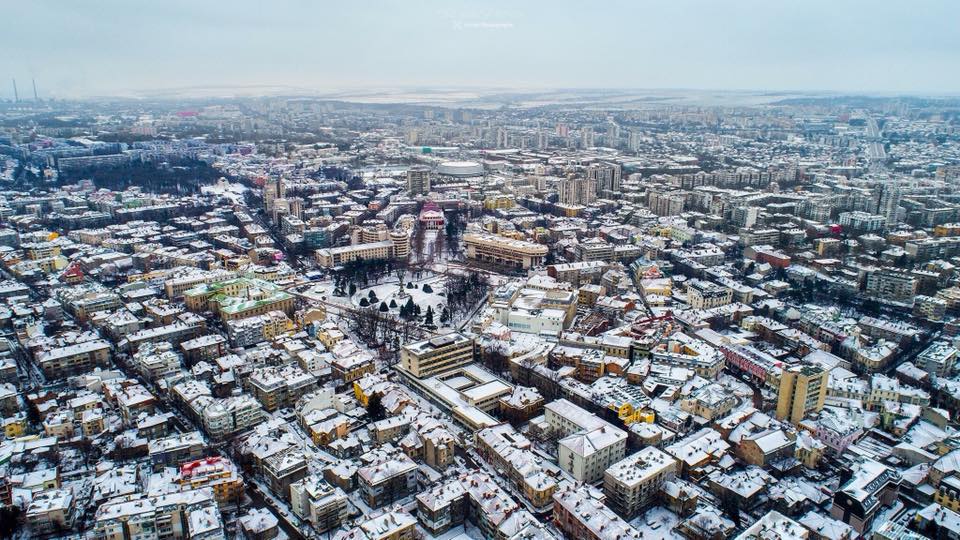 |
| json metadata | {"tags":["photography","winter","ruse","bulgaria"],"image":["https://steemitimages.com/DQmRhp9TxqH5TdWckQXPxrEFytUi67eAtyCwZpCohV4PM83/28280072_1620929657942241_4629762457750972620_n.jpg"],"app":"steemit/0.1","format":"markdown"} |
| parent author | |
| parent permlink | photography |
| permlink | snowy-ruse-bulgaria |
| title | Snowy Ruse, Bulgaria |
| Transaction Info | Block #20190216/Trx 8adc16913cce1c27578d072c3ef183d9396acd84 |
View Raw JSON Data
{
"block": 20190216,
"op": [
"comment",
{
"author": "danielangelov",
"body": "",
"json_metadata": "{\"tags\":[\"photography\",\"winter\",\"ruse\",\"bulgaria\"],\"image\":[\"https://steemitimages.com/DQmRhp9TxqH5TdWckQXPxrEFytUi67eAtyCwZpCohV4PM83/28280072_1620929657942241_4629762457750972620_n.jpg\"],\"app\":\"steemit/0.1\",\"format\":\"markdown\"}",
"parent_author": "",
"parent_permlink": "photography",
"permlink": "snowy-ruse-bulgaria",
"title": "Snowy Ruse, Bulgaria"
}
],
"op_in_trx": 0,
"timestamp": "2018-02-25T21:50:21",
"trx_id": "8adc16913cce1c27578d072c3ef183d9396acd84",
"trx_in_block": 6,
"virtual_op": 0
}danielangelovreceived 0.001 SP curation reward for @brentssanders / four-words-that-americans-mispronounce-because-of-phonetics2018/02/25 21:23:24
danielangelovreceived 0.001 SP curation reward for @brentssanders / four-words-that-americans-mispronounce-because-of-phonetics
2018/02/25 21:23:24
| comment author | brentssanders |
| comment permlink | four-words-that-americans-mispronounce-because-of-phonetics |
| curator | danielangelov |
| reward | 2.043386 VESTS |
| Transaction Info | Block #20189676/Virtual Operation #19 |
View Raw JSON Data
{
  "block": 20189676,
  "op": [
    "curation_reward",
    {
      "comment_author": "brentssanders",
      "comment_permlink": "four-words-that-americans-mispronounce-because-of-phonetics",
      "curator": "danielangelov",
      "reward": "2.043386 VESTS"
    }
  ],
  "op_in_trx": 0,
  "timestamp": "2018-02-25T21:23:24",
  "trx_id": "0000000000000000000000000000000000000000",
  "trx_in_block": 4294967295,
  "virtual_op": 19
}danielangelovreceived 0.072 SBD, 0.026 SP author reward for @danielangelov / introduce-myself2018/02/24 17:04:54
danielangelovreceived 0.072 SBD, 0.026 SP author reward for @danielangelov / introduce-myself
2018/02/24 17:04:54
| author | danielangelov |
| permlink | introduce-myself |
| sbd payout | 0.072 SBD |
| steem payout | 0.000 STEEM |
| vesting payout | 42.913790 VESTS |
| Transaction Info | Block #20155717/Virtual Operation #4 |
View Raw JSON Data
{
  "block": 20155717,
  "op": [
    "author_reward",
    {
      "author": "danielangelov",
      "permlink": "introduce-myself",
      "sbd_payout": "0.072 SBD",
      "steem_payout": "0.000 STEEM",
      "vesting_payout": "42.913790 VESTS"
    }
  ],
  "op_in_trx": 0,
  "timestamp": "2018-02-24T17:04:54",
  "trx_id": "0000000000000000000000000000000000000000",
  "trx_in_block": 4294967295,
  "virtual_op": 4
}2018/02/24 16:42:27
2018/02/24 16:42:27
| author | avant |
| body | Yosemite National Park is so beautiful; I've been multiple times before and I've always left pleased. |
| json metadata | {"tags":["photography"],"app":"steemit/0.1"} |
| parent author | danielangelov |
| parent permlink | eagle-park-yosemite-national-park-sunset |
| permlink | re-danielangelov-eagle-park-yosemite-national-park-sunset-20180224t164232269z |
| title | |
| Transaction Info | Block #20155269/Trx 3ca0ebe87e0fe78fb6cbfba501983297bbf4fe6e |
View Raw JSON Data
{
  "block": 20155269,
  "op": [
    "comment",
    {
      "author": "avant",
      "body": "Yosemite National Park is so beautiful; I've been multiple times before and I've always left pleased.",
      "json_metadata": "{\"tags\":[\"photography\"],\"app\":\"steemit/0.1\"}",
      "parent_author": "danielangelov",
      "parent_permlink": "eagle-park-yosemite-national-park-sunset",
      "permlink": "re-danielangelov-eagle-park-yosemite-national-park-sunset-20180224t164232269z",
      "title": ""
    }
  ],
  "op_in_trx": 0,
  "timestamp": "2018-02-24T16:42:27",
  "trx_id": "3ca0ebe87e0fe78fb6cbfba501983297bbf4fe6e",
  "trx_in_block": 46,
  "virtual_op": 0
}danielangelovpublished a new post: mariana-kotzeva-appointed-director-general-of-eurostat2018/02/24 16:34:09
danielangelovpublished a new post: mariana-kotzeva-appointed-director-general-of-eurostat
2018/02/24 16:34:09
| author | danielangelov |
| body | Mariana Kotzeva was appointed Director General of Eurostat by the European Commission. The decision will come into effect on 1 March this year. She is not only the first Bulgarian Director-General in the European Commission but also the first woman at the helm of Eurostat. Ms Kotzeva held the post of Acting Director-General of Eurostat from 1 January 2017. She joined Eurostat as a special adviser in 2012, becoming its Deputy Director-General in 2014. Prior to joining the European Commission, Ms Kotzeva was the Head of Bulgaria’s National Statistical Institute. She also held a number of high-level consulting posts in the Bulgarian and foreign administrations, and led international projects for the United Nations and the World Bank. Ms Kotzeva has a Master's degree in economics and a PhD in statistics and econometrics. She is an Associate Professor of Statistics at the University of National and World Economy in Sofia. |
| json metadata | {"tags":["bulgaria","eurostat","commission"],"app":"steemit/0.1","format":"markdown"} |
| parent author | |
| parent permlink | bulgaria |
| permlink | mariana-kotzeva-appointed-director-general-of-eurostat |
| title | Mariana Kotzeva appointed Director General of Eurostat |
| Transaction Info | Block #20155103/Trx 2ebf5e1d0bbee7bcb9bcd89da7868bd1ae603f08 |
View Raw JSON Data
{
  "block": 20155103,
  "op": [
    "comment",
    {
      "author": "danielangelov",
      "body": "Mariana Kotzeva was appointed Director General of Eurostat by the European Commission. The decision will come into effect on 1 March this year. She is not only the first Bulgarian Director-General in the European Commission but also the first woman at the helm of Eurostat.\n\nMs Kotzeva held the post of Acting Director-General of Eurostat from 1 January 2017. She joined Eurostat as a special adviser in 2012, becoming its Deputy Director-General in 2014.\n\nPrior to joining the European Commission, Ms Kotzeva was the Head of Bulgaria’s National Statistical Institute. She also held a number of high-level consulting posts in the Bulgarian and foreign administrations, and led international projects for the United Nations and the World Bank.\n\nMs Kotzeva has a Master's degree in economics and a PhD in statistics and econometrics. She is an Associate Professor of Statistics at the University of National and World Economy in Sofia.",
      "json_metadata": "{\"tags\":[\"bulgaria\",\"eurostat\",\"commission\"],\"app\":\"steemit/0.1\",\"format\":\"markdown\"}",
      "parent_author": "",
      "parent_permlink": "bulgaria",
      "permlink": "mariana-kotzeva-appointed-director-general-of-eurostat",
      "title": "Mariana Kotzeva appointed Director General of Eurostat"
    }
  ],
  "op_in_trx": 0,
  "timestamp": "2018-02-24T16:34:09",
  "trx_id": "2ebf5e1d0bbee7bcb9bcd89da7868bd1ae603f08",
  "trx_in_block": 53,
  "virtual_op": 0
}danielangelovpublished a new post: eagle-park-yosemite-national-park-sunset2018/02/24 16:27:06
danielangelovpublished a new post: eagle-park-yosemite-national-park-sunset
2018/02/24 16:27:06
| author | danielangelov |
| body |  |
| json metadata | {"tags":["photography","nature","beautifil","yosemite","park"],"image":["https://steemitimages.com/DQmU3AWwzVgdXKp12U5ZcRExA1Wfsc7FcEPT5aKULTjnncE/e6b60e9.jpg"],"app":"steemit/0.1","format":"markdown"} |
| parent author | |
| parent permlink | photography |
| permlink | eagle-park-yosemite-national-park-sunset |
| title | Eagle Park, Yosemite National Park sunset |
| Transaction Info | Block #20154962/Trx aa278f4286df55135db2e8148a11c976cd84cec0 |
View Raw JSON Data
{
"block": 20154962,
"op": [
"comment",
{
"author": "danielangelov",
"body": "",
"json_metadata": "{\"tags\":[\"photography\",\"nature\",\"beautifil\",\"yosemite\",\"park\"],\"image\":[\"https://steemitimages.com/DQmU3AWwzVgdXKp12U5ZcRExA1Wfsc7FcEPT5aKULTjnncE/e6b60e9.jpg\"],\"app\":\"steemit/0.1\",\"format\":\"markdown\"}",
"parent_author": "",
"parent_permlink": "photography",
"permlink": "eagle-park-yosemite-national-park-sunset",
"title": "Eagle Park, Yosemite National Park sunset"
}
],
"op_in_trx": 0,
"timestamp": "2018-02-24T16:27:06",
"trx_id": "aa278f4286df55135db2e8148a11c976cd84cec0",
"trx_in_block": 31,
"virtual_op": 0
}masterfxupvoted (100.00%) @danielangelov / sofia2018/02/24 16:23:42
masterfxupvoted (100.00%) @danielangelov / sofia
2018/02/24 16:23:42
| author | danielangelov |
| permlink | sofia |
| voter | masterfx |
| weight | 10000 (100.00%) |
| Transaction Info | Block #20154894/Trx 6bba9110bbf52e8641e80a16cd4210c5575ee80d |
View Raw JSON Data
{
  "block": 20154894,
  "op": [
    "vote",
    {
      "author": "danielangelov",
      "permlink": "sofia",
      "voter": "masterfx",
      "weight": 10000
    }
  ],
  "op_in_trx": 0,
  "timestamp": "2018-02-24T16:23:42",
  "trx_id": "6bba9110bbf52e8641e80a16cd4210c5575ee80d",
  "trx_in_block": 51,
  "virtual_op": 0
}danielangelovpublished a new post: sofia2018/02/24 16:21:24
danielangelovpublished a new post: sofia
2018/02/24 16:21:24
| author | danielangelov |
| body | 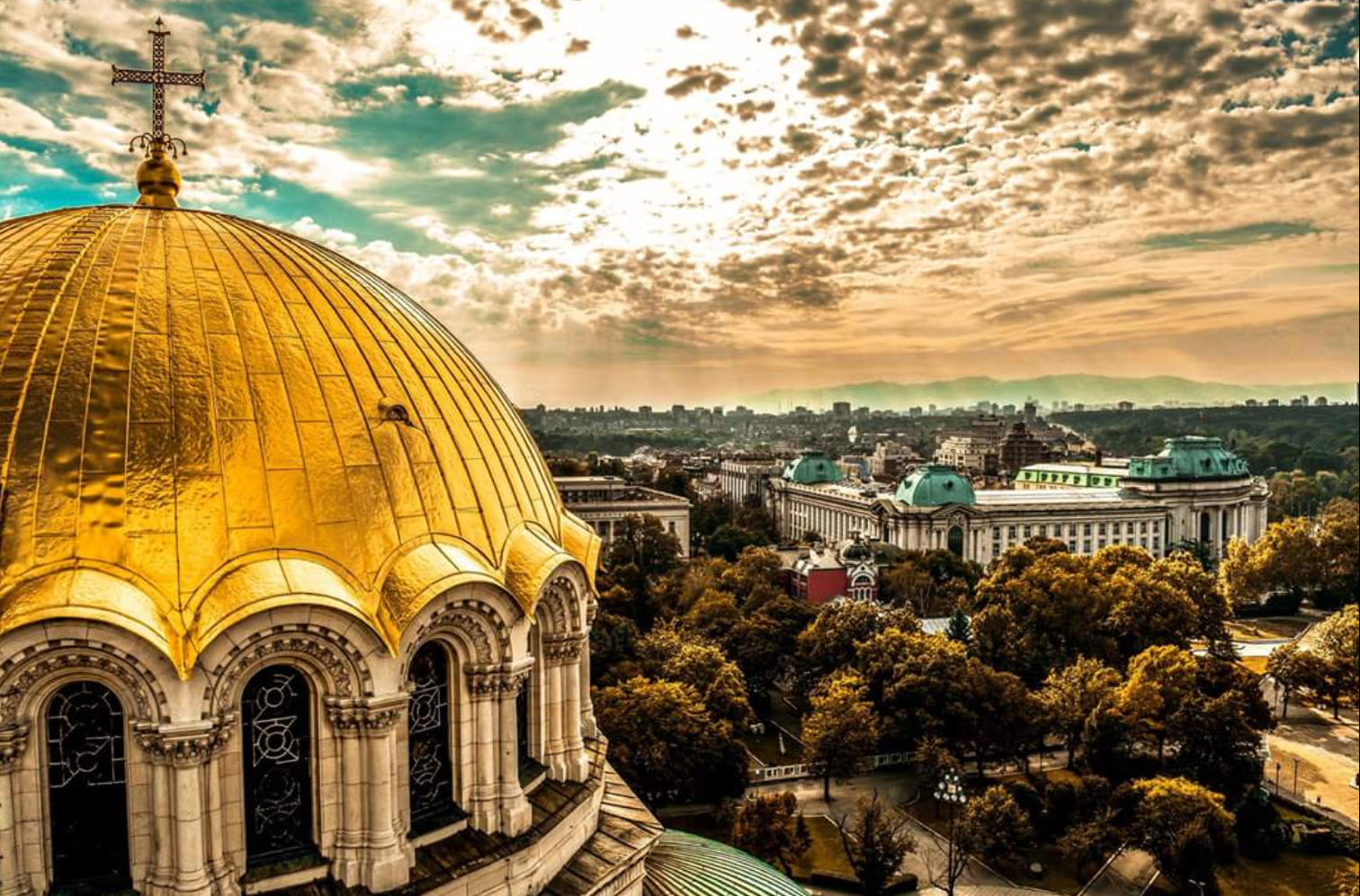 |
| json metadata | {"tags":["photography","sofia","bulgaria","beautiful"],"image":["https://steemitimages.com/DQmPG94vpzNwMmvjJvXh3JSViwDrUtv5Ekv4wVe9P1mpAsw/Screenshot_20180218-234200.png"],"app":"steemit/0.1","format":"markdown"} |
| parent author | |
| parent permlink | photography |
| permlink | sofia |
| title | Sofia |
| Transaction Info | Block #20154848/Trx ac0cd82f7e81d17757b18b79d9c56a0021e1b980 |
View Raw JSON Data
{
"block": 20154848,
"op": [
"comment",
{
"author": "danielangelov",
"body": "",
"json_metadata": "{\"tags\":[\"photography\",\"sofia\",\"bulgaria\",\"beautiful\"],\"image\":[\"https://steemitimages.com/DQmPG94vpzNwMmvjJvXh3JSViwDrUtv5Ekv4wVe9P1mpAsw/Screenshot_20180218-234200.png\"],\"app\":\"steemit/0.1\",\"format\":\"markdown\"}",
"parent_author": "",
"parent_permlink": "photography",
"permlink": "sofia",
"title": "Sofia"
}
],
"op_in_trx": 0,
"timestamp": "2018-02-24T16:21:24",
"trx_id": "ac0cd82f7e81d17757b18b79d9c56a0021e1b980",
"trx_in_block": 14,
"virtual_op": 0
}danielangelovfollowed @ilianvassilev2018/02/20 17:31:39
danielangelovfollowed @ilianvassilev
2018/02/20 17:31:39
| id | follow |
| json | ["follow",{"follower":"danielangelov","following":"ilianvassilev","what":["blog"]}] |
| required auths | [] |
| required posting auths | ["danielangelov"] |
| Transaction Info | Block #20041071/Trx 7c842a5cda6f7abc0aa75f7cc135c0e08af9582b |
View Raw JSON Data
{
  "block": 20041071,
  "op": [
    "custom_json",
    {
      "id": "follow",
      "json": "[\"follow\",{\"follower\":\"danielangelov\",\"following\":\"ilianvassilev\",\"what\":[\"blog\"]}]",
      "required_auths": [],
      "required_posting_auths": [
        "danielangelov"
      ]
    }
  ],
  "op_in_trx": 0,
  "timestamp": "2018-02-20T17:31:39",
  "trx_id": "7c842a5cda6f7abc0aa75f7cc135c0e08af9582b",
  "trx_in_block": 6,
  "virtual_op": 0
}danielangelovfollowed @ilianvassilev2018/02/20 17:31:03
danielangelovfollowed @ilianvassilev
2018/02/20 17:31:03
| id | follow |
| json | ["follow",{"follower":"danielangelov","following":"ilianvassilev","what":["blog"]}] |
| required auths | [] |
| required posting auths | ["danielangelov"] |
| Transaction Info | Block #20041059/Trx 2377b60f7c7d4c6ad86e60acd13bb733623e8d86 |
View Raw JSON Data
{
  "block": 20041059,
  "op": [
    "custom_json",
    {
      "id": "follow",
      "json": "[\"follow\",{\"follower\":\"danielangelov\",\"following\":\"ilianvassilev\",\"what\":[\"blog\"]}]",
      "required_auths": [],
      "required_posting_auths": [
        "danielangelov"
      ]
    }
  ],
  "op_in_trx": 0,
  "timestamp": "2018-02-20T17:31:03",
  "trx_id": "2377b60f7c7d4c6ad86e60acd13bb733623e8d86",
  "trx_in_block": 16,
  "virtual_op": 0
}bedsfiltioreupvoted (100.00%) @danielangelov / danube-river2018/02/19 05:36:33
bedsfiltioreupvoted (100.00%) @danielangelov / danube-river
2018/02/19 05:36:33
| author | danielangelov |
| permlink | danube-river |
| voter | bedsfiltiore |
| weight | 10000 (100.00%) |
| Transaction Info | Block #19997994/Trx d27e94009d2bdf34bb9e1f86599cf5126a1ebcea |
View Raw JSON Data
{
  "block": 19997994,
  "op": [
    "vote",
    {
      "author": "danielangelov",
      "permlink": "danube-river",
      "voter": "bedsfiltiore",
      "weight": 10000
    }
  ],
  "op_in_trx": 0,
  "timestamp": "2018-02-19T05:36:33",
  "trx_id": "d27e94009d2bdf34bb9e1f86599cf5126a1ebcea",
  "trx_in_block": 51,
  "virtual_op": 0
}2018/02/18 21:30:57
2018/02/18 21:30:57
| author | brentssanders |
| permlink | four-words-that-americans-mispronounce-because-of-phonetics |
| voter | danielangelov |
| weight | 10000 (100.00%) |
| Transaction Info | Block #19988282/Trx a997f5140dfeeb3d7a43a71484b7bdce1c4420dc |
View Raw JSON Data
{
  "block": 19988282,
  "op": [
    "vote",
    {
      "author": "brentssanders",
      "permlink": "four-words-that-americans-mispronounce-because-of-phonetics",
      "voter": "danielangelov",
      "weight": 10000
    }
  ],
  "op_in_trx": 0,
  "timestamp": "2018-02-18T21:30:57",
  "trx_id": "a997f5140dfeeb3d7a43a71484b7bdce1c4420dc",
  "trx_in_block": 28,
  "virtual_op": 0
}angeloliverosupvoted (100.00%) @danielangelov / sunset-in-bulgaria2018/02/18 19:15:18
angeloliverosupvoted (100.00%) @danielangelov / sunset-in-bulgaria
2018/02/18 19:15:18
| author | danielangelov |
| permlink | sunset-in-bulgaria |
| voter | angeloliveros |
| weight | 10000 (100.00%) |
| Transaction Info | Block #19985569/Trx c2932c4430b808cef778ca8992d41522598e7a93 |
View Raw JSON Data
{
  "block": 19985569,
  "op": [
    "vote",
    {
      "author": "danielangelov",
      "permlink": "sunset-in-bulgaria",
      "voter": "angeloliveros",
      "weight": 10000
    }
  ],
  "op_in_trx": 0,
  "timestamp": "2018-02-18T19:15:18",
  "trx_id": "c2932c4430b808cef778ca8992d41522598e7a93",
  "trx_in_block": 33,
  "virtual_op": 0
}stephdeupvoted (100.00%) @danielangelov / sunset-in-bulgaria2018/02/18 19:14:18
stephdeupvoted (100.00%) @danielangelov / sunset-in-bulgaria
2018/02/18 19:14:18
| author | danielangelov |
| permlink | sunset-in-bulgaria |
| voter | stephde |
| weight | 10000 (100.00%) |
| Transaction Info | Block #19985549/Trx b532e920e6bb6cc582bfba85f2fc25430a32f59b |
View Raw JSON Data
{
  "block": 19985549,
  "op": [
    "vote",
    {
      "author": "danielangelov",
      "permlink": "sunset-in-bulgaria",
      "voter": "stephde",
      "weight": 10000
    }
  ],
  "op_in_trx": 0,
  "timestamp": "2018-02-18T19:14:18",
  "trx_id": "b532e920e6bb6cc582bfba85f2fc25430a32f59b",
  "trx_in_block": 37,
  "virtual_op": 0
}danielangelovpublished a new post: sunset-in-bulgaria2018/02/18 19:13:00
danielangelovpublished a new post: sunset-in-bulgaria
2018/02/18 19:13:00
| author | danielangelov |
| body |  Sunset in Sofia |
| json metadata | {"tags":["photography","sofia","sunset","bulgaria"],"image":["https://steemitimages.com/DQmXizSLHCVPxGdjVdP3wKVi54umCjonWNPboag7SDW2Do1/22861607_1648549765189030_761600261970919623_o.jpg"],"app":"steemit/0.1","format":"markdown"} |
| parent author | |
| parent permlink | photography |
| permlink | sunset-in-bulgaria |
| title | Sunset in Bulgaria |
| Transaction Info | Block #19985523/Trx 242c148c1a2a8ac247ac7aeed50882b024fca74b |
View Raw JSON Data
{
"block": 19985523,
"op": [
"comment",
{
"author": "danielangelov",
"body": "\nSunset in Sofia",
"json_metadata": "{\"tags\":[\"photography\",\"sofia\",\"sunset\",\"bulgaria\"],\"image\":[\"https://steemitimages.com/DQmXizSLHCVPxGdjVdP3wKVi54umCjonWNPboag7SDW2Do1/22861607_1648549765189030_761600261970919623_o.jpg\"],\"app\":\"steemit/0.1\",\"format\":\"markdown\"}",
"parent_author": "",
"parent_permlink": "photography",
"permlink": "sunset-in-bulgaria",
"title": "Sunset in Bulgaria"
}
],
"op_in_trx": 0,
"timestamp": "2018-02-18T19:13:00",
"trx_id": "242c148c1a2a8ac247ac7aeed50882b024fca74b",
"trx_in_block": 50,
"virtual_op": 0
}danielangelovpublished a new post: danube-river2018/02/18 19:03:57
danielangelovpublished a new post: danube-river
2018/02/18 19:03:57
| author | danielangelov |
| body |  Danube river near Nikopol, Bulgaria |
| json metadata | {"tags":["photography","danube","bulgaria","river","nature"],"image":["https://steemitimages.com/DQmZbUWYdPdfTm6na32Arvnu9Djq4zHKgiv6dazKcSsAZFL/22906272_1700594596667388_589588501_o.jpg"],"app":"steemit/0.1","format":"markdown"} |
| parent author | |
| parent permlink | photography |
| permlink | danube-river |
| title | Danube river |
| Transaction Info | Block #19985342/Trx 8bfffb6e3c2cbaef20ec72c2e99bfafb839f8d62 |
View Raw JSON Data
{
"block": 19985342,
"op": [
"comment",
{
"author": "danielangelov",
"body": "\nDanube river near Nikopol, Bulgaria",
"json_metadata": "{\"tags\":[\"photography\",\"danube\",\"bulgaria\",\"river\",\"nature\"],\"image\":[\"https://steemitimages.com/DQmZbUWYdPdfTm6na32Arvnu9Djq4zHKgiv6dazKcSsAZFL/22906272_1700594596667388_589588501_o.jpg\"],\"app\":\"steemit/0.1\",\"format\":\"markdown\"}",
"parent_author": "",
"parent_permlink": "photography",
"permlink": "danube-river",
"title": "Danube river"
}
],
"op_in_trx": 0,
"timestamp": "2018-02-18T19:03:57",
"trx_id": "8bfffb6e3c2cbaef20ec72c2e99bfafb839f8d62",
"trx_in_block": 36,
"virtual_op": 0
}ran.koreeupvoted (24.00%) @danielangelov / beautiful-sofia2018/02/18 16:00:33
ran.koreeupvoted (24.00%) @danielangelov / beautiful-sofia
2018/02/18 16:00:33
| author | danielangelov |
| permlink | beautiful-sofia |
| voter | ran.koree |
| weight | 2400 (24.00%) |
| Transaction Info | Block #19981675/Trx 9336f4f594e3eb93e26e37c3636bd1b2130adc5b |
View Raw JSON Data
{
  "block": 19981675,
  "op": [
    "vote",
    {
      "author": "danielangelov",
      "permlink": "beautiful-sofia",
      "voter": "ran.koree",
      "weight": 2400
    }
  ],
  "op_in_trx": 0,
  "timestamp": "2018-02-18T16:00:33",
  "trx_id": "9336f4f594e3eb93e26e37c3636bd1b2130adc5b",
  "trx_in_block": 178,
  "virtual_op": 0
}danielangelovpublished a new post: beautiful-sofia2018/02/18 15:53:09
danielangelovpublished a new post: beautiful-sofia
2018/02/18 15:53:09
| author | danielangelov |
| body | 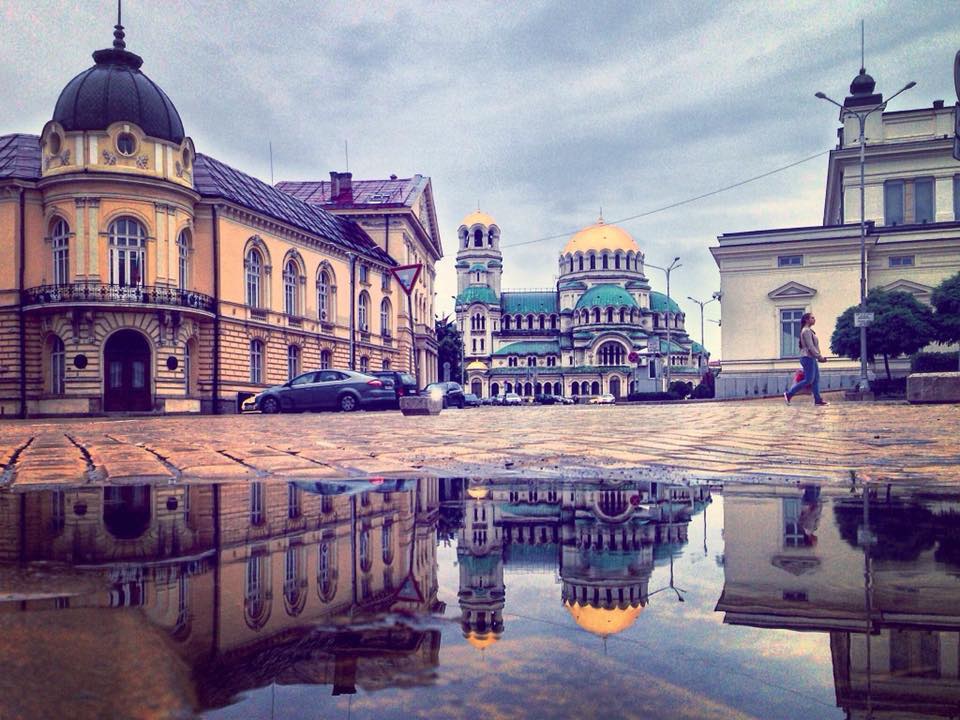 |
| json metadata | {"tags":["photography","sofia"],"image":["https://steemitimages.com/DQmWfvHcB8zZtW2rRmL9hcvgqgTAj29AUeYEs58Cpzgy4Y8/27750435_166029937363294_1918882967198528619_n.jpg"],"app":"steemit/0.1","format":"markdown"} |
| parent author | |
| parent permlink | photography |
| permlink | beautiful-sofia |
| title | beautiful Sofia |
| Transaction Info | Block #19981527/Trx b0d621808d97920599c6917a7152b2b5eb298470 |
View Raw JSON Data
{
"block": 19981527,
"op": [
"comment",
{
"author": "danielangelov",
"body": "",
"json_metadata": "{\"tags\":[\"photography\",\"sofia\"],\"image\":[\"https://steemitimages.com/DQmWfvHcB8zZtW2rRmL9hcvgqgTAj29AUeYEs58Cpzgy4Y8/27750435_166029937363294_1918882967198528619_n.jpg\"],\"app\":\"steemit/0.1\",\"format\":\"markdown\"}",
"parent_author": "",
"parent_permlink": "photography",
"permlink": "beautiful-sofia",
"title": "beautiful Sofia"
}
],
"op_in_trx": 0,
"timestamp": "2018-02-18T15:53:09",
"trx_id": "b0d621808d97920599c6917a7152b2b5eb298470",
"trx_in_block": 28,
"virtual_op": 0
}2018/02/18 09:06:12
2018/02/18 09:06:12
| author | annie.kutelova |
| permlink | things-i-wish-i-knew-when-before-starting-a-blog-on-steemit |
| voter | danielangelov |
| weight | 10000 (100.00%) |
| Transaction Info | Block #19973389/Trx faa9a7e80f16b5874d2e898d3701f873fad2b6b5 |
View Raw JSON Data
{
  "block": 19973389,
  "op": [
    "vote",
    {
      "author": "annie.kutelova",
      "permlink": "things-i-wish-i-knew-when-before-starting-a-blog-on-steemit",
      "voter": "danielangelov",
      "weight": 10000
    }
  ],
  "op_in_trx": 0,
  "timestamp": "2018-02-18T09:06:12",
  "trx_id": "faa9a7e80f16b5874d2e898d3701f873fad2b6b5",
  "trx_in_block": 45,
  "virtual_op": 0
}zoretkoupvoted (100.00%) @danielangelov / the-intellectual-yet-idiot-nassim-n-taleb2018/02/18 04:27:09
zoretkoupvoted (100.00%) @danielangelov / the-intellectual-yet-idiot-nassim-n-taleb
2018/02/18 04:27:09
| author | danielangelov |
| permlink | the-intellectual-yet-idiot-nassim-n-taleb |
| voter | zoretko |
| weight | 10000 (100.00%) |
| Transaction Info | Block #19967808/Trx f9fc39ee0549d7648c29627a8c91f256cfe97034 |
View Raw JSON Data
{
  "block": 19967808,
  "op": [
    "vote",
    {
      "author": "danielangelov",
      "permlink": "the-intellectual-yet-idiot-nassim-n-taleb",
      "voter": "zoretko",
      "weight": 10000
    }
  ],
  "op_in_trx": 0,
  "timestamp": "2018-02-18T04:27:09",
  "trx_id": "f9fc39ee0549d7648c29627a8c91f256cfe97034",
  "trx_in_block": 22,
  "virtual_op": 0
}yura1985upvoted (100.00%) @danielangelov / the-intellectual-yet-idiot-nassim-n-taleb2018/02/18 04:27:03
yura1985upvoted (100.00%) @danielangelov / the-intellectual-yet-idiot-nassim-n-taleb
2018/02/18 04:27:03
| author | danielangelov |
| permlink | the-intellectual-yet-idiot-nassim-n-taleb |
| voter | yura1985 |
| weight | 10000 (100.00%) |
| Transaction Info | Block #19967806/Trx 6b816115790467a3326cd3fbdb7939767be31f4e |
View Raw JSON Data
{
  "block": 19967806,
  "op": [
    "vote",
    {
      "author": "danielangelov",
      "permlink": "the-intellectual-yet-idiot-nassim-n-taleb",
      "voter": "yura1985",
      "weight": 10000
    }
  ],
  "op_in_trx": 0,
  "timestamp": "2018-02-18T04:27:03",
  "trx_id": "6b816115790467a3326cd3fbdb7939767be31f4e",
  "trx_in_block": 13,
  "virtual_op": 0
}sakelazonupvoted (100.00%) @danielangelov / introduce-myself2018/02/18 03:37:27
sakelazonupvoted (100.00%) @danielangelov / introduce-myself
2018/02/18 03:37:27
| author | danielangelov |
| permlink | introduce-myself |
| voter | sakelazon |
| weight | 10000 (100.00%) |
| Transaction Info | Block #19966814/Trx f271c8be85db16cd3e022425f4fe27c573a97751 |
View Raw JSON Data
{
  "block": 19966814,
  "op": [
    "vote",
    {
      "author": "danielangelov",
      "permlink": "introduce-myself",
      "voter": "sakelazon",
      "weight": 10000
    }
  ],
  "op_in_trx": 0,
  "timestamp": "2018-02-18T03:37:27",
  "trx_id": "f271c8be85db16cd3e022425f4fe27c573a97751",
  "trx_in_block": 31,
  "virtual_op": 0
}2018/02/18 02:30:15
2018/02/18 02:30:15
| author | steemitboard |
| body | Congratulations @danielangelov! You have completed some achievement on Steemit and have been rewarded with new badge(s) : [](http://steemitboard.com/@danielangelov) You published your First Post [](http://steemitboard.com/@danielangelov) You made your First Comment [](http://steemitboard.com/@danielangelov) You got a First Vote [](http://steemitboard.com/@danielangelov) Award for the number of posts published [](http://steemitboard.com/@danielangelov) Award for the number of upvotes received Click on any badge to view your own Board of Honor on SteemitBoard. For more information about SteemitBoard, click [here](https://steemit.com/@steemitboard) If you no longer want to receive notifications, reply to this comment with the word `STOP` > By upvoting this notification, you can help all Steemit users. Learn how [here](https://steemit.com/steemitboard/@steemitboard/http-i-cubeupload-com-7ciqeo-png)! |
| json metadata | {"image":["https://steemitboard.com/img/notifications.png"]} |
| parent author | danielangelov |
| parent permlink | economic-sophisms |
| permlink | steemitboard-notify-danielangelov-20180218t023015000z |
| title | |
| Transaction Info | Block #19965470/Trx 54f0e407209f64c5e9a1f179b32eec3aed06864c |
View Raw JSON Data
{
"block": 19965470,
"op": [
"comment",
{
"author": "steemitboard",
"body": "Congratulations @danielangelov! You have completed some achievement on Steemit and have been rewarded with new badge(s) :\n\n[](http://steemitboard.com/@danielangelov) You published your First Post\n[](http://steemitboard.com/@danielangelov) You made your First Comment\n[](http://steemitboard.com/@danielangelov) You got a First Vote\n[](http://steemitboard.com/@danielangelov) Award for the number of posts published\n[](http://steemitboard.com/@danielangelov) Award for the number of upvotes received\n\nClick on any badge to view your own Board of Honor on SteemitBoard.\nFor more information about SteemitBoard, click [here](https://steemit.com/@steemitboard)\n\nIf you no longer want to receive notifications, reply to this comment with the word `STOP`\n\n> By upvoting this notification, you can help all Steemit users. Learn how [here](https://steemit.com/steemitboard/@steemitboard/http-i-cubeupload-com-7ciqeo-png)!",
"json_metadata": "{\"image\":[\"https://steemitboard.com/img/notifications.png\"]}",
"parent_author": "danielangelov",
"parent_permlink": "economic-sophisms",
"permlink": "steemitboard-notify-danielangelov-20180218t023015000z",
"title": ""
}
],
"op_in_trx": 0,
"timestamp": "2018-02-18T02:30:15",
"trx_id": "54f0e407209f64c5e9a1f179b32eec3aed06864c",
"trx_in_block": 12,
"virtual_op": 0
}sensationupvoted (100.00%) @danielangelov / economic-sophisms2018/02/17 23:54:15
sensationupvoted (100.00%) @danielangelov / economic-sophisms
2018/02/17 23:54:15
| author | danielangelov |
| permlink | economic-sophisms |
| voter | sensation |
| weight | 10000 (100.00%) |
| Transaction Info | Block #19962350/Trx 9dcc6205d50b0a981567e864b758b4f6bdfb52ef |
View Raw JSON Data
{
  "block": 19962350,
  "op": [
    "vote",
    {
      "author": "danielangelov",
      "permlink": "economic-sophisms",
      "voter": "sensation",
      "weight": 10000
    }
  ],
  "op_in_trx": 0,
  "timestamp": "2018-02-17T23:54:15",
  "trx_id": "9dcc6205d50b0a981567e864b758b4f6bdfb52ef",
  "trx_in_block": 14,
  "virtual_op": 0
}2018/02/17 22:56:39
2018/02/17 22:56:39
| author | iqbal-pase |
| body | Selamat bergabung di steemit kawan, semoga di steemit ini kita bisa saling mendukung, salam dari saya @iqbal-pase, berasal dari lhokseumawe, Aceh. Saya juga pemula disini, mohon dukunganya di postingan pertama saya ini https://steemit.com/introduceyourself/@iqbal-pase/introduction-hi-stemians-i-m-iqbal-pase-a-new-comer-bilingual ## <a>ENGLISH</a> Congratulations to join in steemit friend, hopefully in this steemit we can support each other, greetings from me @ iqbal-pase, coming from lhokseumawe, Aceh. I am also a beginner here, please support it in my first post https://steemit.com/introduceyourself/@iqbal-pase/introduction-hi-stemians-i-m-iqbal-pase-a-new-comer-bilingual |
| json metadata | {"tags":["introduceyourself","introducemyself","steemit","blog","reason"],"app":"esteem/1.5.1","format":"markdown+html","community":"esteem"} |
| parent author | danielangelov |
| parent permlink | introduce-myself |
| permlink | re-danielangelov-2018218t55637188z |
| title | |
| Transaction Info | Block #19961198/Trx 5ddba8e2805e286282d62fe8bec271e7da61f8e5 |
View Raw JSON Data
{
  "block": 19961198,
  "op": [
    "comment",
    {
      "author": "iqbal-pase",
      "body": "Selamat bergabung di steemit kawan, semoga di steemit ini kita bisa saling mendukung, salam dari saya @iqbal-pase, berasal dari lhokseumawe, Aceh. Saya juga pemula disini, mohon dukunganya di postingan pertama saya ini\n\nhttps://steemit.com/introduceyourself/@iqbal-pase/introduction-hi-stemians-i-m-iqbal-pase-a-new-comer-bilingual\n\n## <a>ENGLISH</a>\n\nCongratulations to join in steemit friend, hopefully in this steemit we can support each other, greetings from me @ iqbal-pase, coming from lhokseumawe, Aceh. I am also a beginner here, please support it in my first post\n\nhttps://steemit.com/introduceyourself/@iqbal-pase/introduction-hi-stemians-i-m-iqbal-pase-a-new-comer-bilingual",
      "json_metadata": "{\"tags\":[\"introduceyourself\",\"introducemyself\",\"steemit\",\"blog\",\"reason\"],\"app\":\"esteem/1.5.1\",\"format\":\"markdown+html\",\"community\":\"esteem\"}",
      "parent_author": "danielangelov",
      "parent_permlink": "introduce-myself",
      "permlink": "re-danielangelov-2018218t55637188z",
      "title": ""
    }
  ],
  "op_in_trx": 0,
  "timestamp": "2018-02-17T22:56:39",
  "trx_id": "5ddba8e2805e286282d62fe8bec271e7da61f8e5",
  "trx_in_block": 22,
  "virtual_op": 0
}iqbal-paseupvoted (100.00%) @danielangelov / introduce-myself2018/02/17 22:56:30
iqbal-paseupvoted (100.00%) @danielangelov / introduce-myself
2018/02/17 22:56:30
| author | danielangelov |
| permlink | introduce-myself |
| voter | iqbal-pase |
| weight | 10000 (100.00%) |
| Transaction Info | Block #19961195/Trx fbd179045f4d819b3411dd2c1c652e86d08a475b |
View Raw JSON Data
{
  "block": 19961195,
  "op": [
    "vote",
    {
      "author": "danielangelov",
      "permlink": "introduce-myself",
      "voter": "iqbal-pase",
      "weight": 10000
    }
  ],
  "op_in_trx": 0,
  "timestamp": "2018-02-17T22:56:30",
  "trx_id": "fbd179045f4d819b3411dd2c1c652e86d08a475b",
  "trx_in_block": 22,
  "virtual_op": 0
}2018/02/17 22:03:15
2018/02/17 22:03:15
| author | cheetah |
| body | Hi! I am a robot. I just upvoted you! I found similar content that readers might be interested in: https://mises.org/library/bastiat-great |
| json metadata | |
| parent author | danielangelov |
| parent permlink | economic-sophisms |
| permlink | cheetah-re-danielangeloveconomic-sophisms |
| title | |
| Transaction Info | Block #19960130/Trx cdce24adeebb55a40c9fa34e0967cf0ac279c72f |
View Raw JSON Data
{
  "block": 19960130,
  "op": [
    "comment",
    {
      "author": "cheetah",
      "body": "Hi! I am a robot. I just upvoted you! I found similar content that readers might be interested in:\nhttps://mises.org/library/bastiat-great",
      "json_metadata": "",
      "parent_author": "danielangelov",
      "parent_permlink": "economic-sophisms",
      "permlink": "cheetah-re-danielangeloveconomic-sophisms",
      "title": ""
    }
  ],
  "op_in_trx": 0,
  "timestamp": "2018-02-17T22:03:15",
  "trx_id": "cdce24adeebb55a40c9fa34e0967cf0ac279c72f",
  "trx_in_block": 74,
  "virtual_op": 0
}cheetahupvoted (0.08%) @danielangelov / economic-sophisms2018/02/17 22:03:03
cheetahupvoted (0.08%) @danielangelov / economic-sophisms
2018/02/17 22:03:03
| author | danielangelov |
| permlink | economic-sophisms |
| voter | cheetah |
| weight | 8 (0.08%) |
| Transaction Info | Block #19960126/Trx be915e572593a630963b45d4fc13599655b4d61c |
View Raw JSON Data
{
  "block": 19960126,
  "op": [
    "vote",
    {
      "author": "danielangelov",
      "permlink": "economic-sophisms",
      "voter": "cheetah",
      "weight": 8
    }
  ],
  "op_in_trx": 0,
  "timestamp": "2018-02-17T22:03:03",
  "trx_id": "be915e572593a630963b45d4fc13599655b4d61c",
  "trx_in_block": 34,
  "virtual_op": 0
}danielangelovpublished a new post: economic-sophisms2018/02/17 22:02:30
danielangelovpublished a new post: economic-sophisms
2018/02/17 22:02:30
| author | danielangelov |
| body | Henry Hazlitt served as a founding board member of the Mises Institute. This article originally appeared as the introduction to Bastiat's Economic Sophisms (FEE, 1962). Frédéric Bastiat was born at Bayonne, France, on June 29, 1801. His father was a wholesale merchant, but Frédéric was orphaned at the age of nine and was brought up by his grandfather and his aunt. He seems to have had a good, though not an extraordinary education, which included languages, music, and literature. He began the study of political economy at nineteen and read principally Adam Smith and Jean-Baptiste Say. Bastiat's early life, however, was not primarily that of a scholar. At the age of seventeen he went to work in his uncle's counting-house and spent about six years there. Then he inherited his grandfather's farm at Mugron and became a farmer. He was locally active politically, becoming a juge de paix in 1831 and a member of the conseil genéral of the Landes in 1832. Bastiat lived in a revolutionary period. He was fourteen when Napoleon was defeated at Waterloo and exiled to St. Helena. He lived through the Revolution of 1830. But what first inspired his pamphleteering activity was his interest in the work of Cobden and the English Anti-Corn-Law League against protection. In 1844 he rose to immediate prominence with the publication of his article on "The Influence of French and English Tariffs on the Future of the Two Peoples" in the Journal des économistes. Then began the outpouring of a brilliant series of articles, pamphlets, and books that did not cease till his premature death in 1850. There came first of all the first series of Sophismes économiques, then the various essays and the second series of Sophismes, and finally, in the last year of his life, the Harmonies économiques. But the list of Bastiat's writings in this short span of six years does not begin to measure his activities. He was one of the chief organizers of the first French Free Trade Association at Bordeaux; he became secretary of a similar organization formed in Paris; he collected funds, edited a weekly journal, addressed meetings, gave lecture courses — in brief, he poured out his limited energies unsparingly in all directions. He contracted a lung infection. He could breathe and nourish himself only with difficulty. Finally, too late, his ill-health forced him to Italy, and he died at Rome, at the age of forty-nine, on Christmas Eve, 1850. It is ironic that the work which Bastiat considered his masterpiece, the Harmonies économiques that cost him so much to write, did far more to hurt his posthumous reputation than to help it. It has even become a fashion for some economists to write about Bastiat patronizingly or derisively. This fashion reaches a high point in an almost contemptuous one-page notice of Bastiat in the late Joseph A. Schumpeter's History of Economic Analysis. "It is simply the case," writes the latter, "of the bather who enjoys himself in the shallows and then goes beyond his depth and drowns…. I do not hold that Bastiat was a bad theorist. I hold that he was no theorist." It is not my purpose here to discuss the theories of the Economic Harmonies. That is done very competently by Dean Russell in the introduction to the new translation of the Harmonies published simultaneously with this new translation of the Sophisms. But there is a germ of truth in Schumpeter's comment, and we can acknowledge this candidly and still see the much greater truth about Bastiat that Schumpeter missed. It is true that Bastiat, even in the Sophisms, made no great original contribution to abstract economic theory. His analysis of errors rested in the main on the theory he had acquired from Smith, Say, and Ricardo. The shortcomings of this theory often made his exposures of fallacies less cogent and convincing than they otherwise might have been. The discerning reader of the Sophisms will notice, for example, that Bastiat never shook off the classic cost-of-production theory of value, or even the labor theory of value, though his total argument is often inconsistent with these theories. But, then, no other economist of Bastiat's time (with the exception of the neglected German, von Thünen) had yet discovered marginal or subjective value theory. That was not to be expounded until some twenty years after Bastiat's death. Schumpeter's judgment of Bastiat is not only ungenerous but unintelligent, and for the same reason that it is unintelligent to deride an apple tree for not bearing bananas. Bastiat was not primarily an original economic theorist. What he was, beyond all other men, was an economic pamphleteer, the greatest exposer of economic fallacies, the most powerful champion of free trade on the European Continent. Even Schumpeter (almost in a slip of the pen) concedes that if Bastiat had not written the Economic Harmonies, "his name might have gone down to posterity as the most brilliant economic journalist who ever lived." What the "might have" is doing here I do not know. It has so gone down. And this is no mean achievement, nothing to be treated patronizingly. Economics is pre-eminently a practical science. It does no good for its fundamental principles to be discovered unless they are applied, and they will not be applied unless they are widely understood. In spite of the hundreds of economists who have pointed out the advantages of free markets and free trade, the persistence of protectionist illusions has kept protectionist and price-fixing policies alive and flourishing even today in most countries of the world. But anyone who has ever read and understood Bastiat must be immune to the protectionist disease, or the illusions of the Welfare State, except in a very attenuated form. Bastiat killed protectionism and socialism with ridicule. His chief method of argument was the method of exaggeration. He was the master of the reductio ad absurdum. Someone suggests that the proposed new railroad from Paris to Madrid should have a break at Bordeaux. The argument is that if goods and passengers are forced to stop at that city, it will be profitable for boatmen, porters, hotelkeepers and others there. Good, says Bastiat. But then why not break it also at Angouléme, Poitiers, Tours, Orleans, and, in fact, at all intermediate points? The more breaks there are, the greater the amount paid for storage, porters, extra cartage. We could have a railroad consisting of nothing but such gaps — a negative railroad! Are there various other proposals to discourage efficiency, in order to create more jobs? Good, says Bastiat. Let's petition the king to forbid people from using their right hands, or maybe even have them chopped off. Then it will require more than twice as many people, and twice as many jobs, to get the same work done (assuming consumption is the same). But Bastiat's supreme jest was the petition of the candlemakers and their allied industries for protection against the unfair competition of the sun. The Chamber of Deputies is asked to pass a law requiring the closing of all windows, dormers, skylights, outside shutters, inside shutters, and all openings, holes, chinks, and fissures by which the light of the sun can enter houses. The blessings that will result from this, in an increased business for the candlemakers and their associates, are then all solemnly itemized, and the argument conducted according to the recognized principles of all protectionist arguments. The petition of the candlemakers is devastating. It is a flash of pure genius, a reductio ad absurdum that can never be exceeded, sufficient in itself to assure Bastiat immortal fame among economists. But Bastiat had more than scintillating wit and felicity of expression. His logic, too, was powerful. Once he had grasped and explained a principle, he could put the argument in so many lights and forms as to leave no one an excuse for missing or evading it. Again and again he shows the fallacies that grow out of exclusive concern with the problems of individual producers. He keeps pointing out that consumption is the end of all economic activity, and production merely the means, and that the sacrifice of the consumer's interest to that of the producer is "the sacrifice of the end to the means." If at least some of us see some of these truths more clearly today, we owe a large part of our clear-sightedness to Frédéric Bastiat. He was one of the earliest economists to attack the fallacies not only of protection but of socialism. He was answering socialist fallacies, in fact, long before most of his contemporaries or successors thought them even worthy of attention. I have not said much here about his refutations of socialist arguments, because these refutations occur rather in the Essays and in the Harmonies than in the Sophisms; but they constitute a very important part of his contribution. Bastiat is accused of being a propagandist and a pleader, and he was. It was unfortunate that for so long he stood alone, while other "orthodox" economists refrained from criticizing socialism or defending capitalism for fear of losing their reputations for "scientific impartiality," and so left the field entirely to the socialist and communist agitators who were less timorous in this respect. We could use more Bastiats today. We have, in fact, desperate need of them. But we have, thank Heaven, Bastiat himself, in a new translation; and the reader of these pages will not only still find them, as Cobden did, "as amusing as a novel," but astonishingly modern, for the sophisms he answers are still making their appearance, in the same form and almost in the same words, in nearly every issue of today's newspapers. |
| json metadata | {"tags":["economics","bastiat","hazlitt","austrianschool"],"app":"steemit/0.1","format":"markdown"} |
| parent author | |
| parent permlink | economics |
| permlink | economic-sophisms |
| title | Economic Sophisms |
| Transaction Info | Block #19960115/Trx 42694bf32d8409ca6f3976875423dc7180ca4b2e |
View Raw JSON Data
{
  "block": 19960115,
  "op": [
    "comment",
    {
      "author": "danielangelov",
      "body": "Henry Hazlitt served as a founding board member of the Mises Institute. This article originally appeared as the introduction to Bastiat's Economic Sophisms (FEE, 1962).\n\nFrédéric Bastiat was born at Bayonne, France, on June 29, 1801. His father was a wholesale merchant, but Frédéric was orphaned at the age of nine and was brought up by his grandfather and his aunt.\n\nHe seems to have had a good, though not an extraordinary education, which included languages, music, and literature. He began the study of political economy at nineteen and read principally Adam Smith and Jean-Baptiste Say.\n\nBastiat's early life, however, was not primarily that of a scholar. At the age of seventeen he went to work in his uncle's counting-house and spent about six years there. Then he inherited his grandfather's farm at Mugron and became a farmer. He was locally active politically, becoming a juge de paix in 1831 and a member of the conseil genéral of the Landes in 1832.\n\nBastiat lived in a revolutionary period. He was fourteen when Napoleon was defeated at Waterloo and exiled to St. Helena. He lived through the Revolution of 1830. But what first inspired his pamphleteering activity was his interest in the work of Cobden and the English Anti-Corn-Law League against protection. In 1844 he rose to immediate prominence with the publication of his article on \"The Influence of French and English Tariffs on the Future of the Two Peoples\" in the Journal des économistes.\n\nThen began the outpouring of a brilliant series of articles, pamphlets, and books that did not cease till his premature death in 1850. There came first of all the first series of Sophismes économiques, then the various essays and the second series of Sophismes, and finally, in the last year of his life, the Harmonies économiques.\n\nBut the list of Bastiat's writings in this short span of six years does not begin to measure his activities. He was one of the chief organizers of the first French Free Trade Association at Bordeaux; he became secretary of a similar organization formed in Paris; he collected funds, edited a weekly journal, addressed meetings, gave lecture courses — in brief, he poured out his limited energies unsparingly in all directions. He contracted a lung infection. He could breathe and nourish himself only with difficulty. Finally, too late, his ill-health forced him to Italy, and he died at Rome, at the age of forty-nine, on Christmas Eve, 1850.\n\nIt is ironic that the work which Bastiat considered his masterpiece, the Harmonies économiques that cost him so much to write, did far more to hurt his posthumous reputation than to help it. It has even become a fashion for some economists to write about Bastiat patronizingly or derisively. This fashion reaches a high point in an almost contemptuous one-page notice of Bastiat in the late Joseph A. Schumpeter's History of Economic Analysis. \"It is simply the case,\" writes the latter, \"of the bather who enjoys himself in the shallows and then goes beyond his depth and drowns…. I do not hold that Bastiat was a bad theorist. I hold that he was no theorist.\"\n\nIt is not my purpose here to discuss the theories of the Economic Harmonies. That is done very competently by Dean Russell in the introduction to the new translation of the Harmonies published simultaneously with this new translation of the Sophisms. But there is a germ of truth in Schumpeter's comment, and we can acknowledge this candidly and still see the much greater truth about Bastiat that Schumpeter missed. It is true that Bastiat, even in the Sophisms, made no great original contribution to abstract economic theory. His analysis of errors rested in the main on the theory he had acquired from Smith, Say, and Ricardo. The shortcomings of this theory often made his exposures of fallacies less cogent and convincing than they otherwise might have been. The discerning reader of the Sophisms will notice, for example, that Bastiat never shook off the classic cost-of-production theory of value, or even the labor theory of value, though his total argument is often inconsistent with these theories. But, then, no other economist of Bastiat's time (with the exception of the neglected German, von Thünen) had yet discovered marginal or subjective value theory. That was not to be expounded until some twenty years after Bastiat's death.\n\nSchumpeter's judgment of Bastiat is not only ungenerous but unintelligent, and for the same reason that it is unintelligent to deride an apple tree for not bearing bananas. Bastiat was not primarily an original economic theorist. What he was, beyond all other men, was an economic pamphleteer, the greatest exposer of economic fallacies, the most powerful champion of free trade on the European Continent. Even Schumpeter (almost in a slip of the pen) concedes that if Bastiat had not written the Economic Harmonies, \"his name might have gone down to posterity as the most brilliant economic journalist who ever lived.\" What the \"might have\" is doing here I do not know. It has so gone down.\n\nAnd this is no mean achievement, nothing to be treated patronizingly. Economics is pre-eminently a practical science. It does no good for its fundamental principles to be discovered unless they are applied, and they will not be applied unless they are widely understood. In spite of the hundreds of economists who have pointed out the advantages of free markets and free trade, the persistence of protectionist illusions has kept protectionist and price-fixing policies alive and flourishing even today in most countries of the world. But anyone who has ever read and understood Bastiat must be immune to the protectionist disease, or the illusions of the Welfare State, except in a very attenuated form. Bastiat killed protectionism and socialism with ridicule.\n\nHis chief method of argument was the method of exaggeration. He was the master of the reductio ad absurdum. Someone suggests that the proposed new railroad from Paris to Madrid should have a break at Bordeaux. The argument is that if goods and passengers are forced to stop at that city, it will be profitable for boatmen, porters, hotelkeepers and others there. Good, says Bastiat. But then why not break it also at Angouléme, Poitiers, Tours, Orleans, and, in fact, at all intermediate points? The more breaks there are, the greater the amount paid for storage, porters, extra cartage. We could have a railroad consisting of nothing but such gaps — a negative railroad!\n\nAre there various other proposals to discourage efficiency, in order to create more jobs? Good, says Bastiat. Let's petition the king to forbid people from using their right hands, or maybe even have them chopped off. Then it will require more than twice as many people, and twice as many jobs, to get the same work done (assuming consumption is the same).\n\nBut Bastiat's supreme jest was the petition of the candlemakers and their allied industries for protection against the unfair competition of the sun. The Chamber of Deputies is asked to pass a law requiring the closing of all windows, dormers, skylights, outside shutters, inside shutters, and all openings, holes, chinks, and fissures by which the light of the sun can enter houses. The blessings that will result from this, in an increased business for the candlemakers and their associates, are then all solemnly itemized, and the argument conducted according to the recognized principles of all protectionist arguments.\n\nThe petition of the candlemakers is devastating. It is a flash of pure genius, a reductio ad absurdum that can never be exceeded, sufficient in itself to assure Bastiat immortal fame among economists.\n\nBut Bastiat had more than scintillating wit and felicity of expression. His logic, too, was powerful. Once he had grasped and explained a principle, he could put the argument in so many lights and forms as to leave no one an excuse for missing or evading it. Again and again he shows the fallacies that grow out of exclusive concern with the problems of individual producers. He keeps pointing out that consumption is the end of all economic activity, and production merely the means, and that the sacrifice of the consumer's interest to that of the producer is \"the sacrifice of the end to the means.\"\n\nIf at least some of us see some of these truths more clearly today, we owe a large part of our clear-sightedness to Frédéric Bastiat. He was one of the earliest economists to attack the fallacies not only of protection but of socialism. He was answering socialist fallacies, in fact, long before most of his contemporaries or successors thought them even worthy of attention. I have not said much here about his refutations of socialist arguments, because these refutations occur rather in the Essays and in the Harmonies than in the Sophisms; but they constitute a very important part of his contribution.\n\nBastiat is accused of being a propagandist and a pleader, and he was. It was unfortunate that for so long he stood alone, while other \"orthodox\" economists refrained from criticizing socialism or defending capitalism for fear of losing their reputations for \"scientific impartiality,\" and so left the field entirely to the socialist and communist agitators who were less timorous in this respect.\n\nWe could use more Bastiats today. We have, in fact, desperate need of them. But we have, thank Heaven, Bastiat himself, in a new translation; and the reader of these pages will not only still find them, as Cobden did, \"as amusing as a novel,\" but astonishingly modern, for the sophisms he answers are still making their appearance, in the same form and almost in the same words, in nearly every issue of today's newspapers.",
      "json_metadata": "{\"tags\":[\"economics\",\"bastiat\",\"hazlitt\",\"austrianschool\"],\"app\":\"steemit/0.1\",\"format\":\"markdown\"}",
      "parent_author": "",
      "parent_permlink": "economics",
      "permlink": "economic-sophisms",
      "title": "Economic Sophisms"
    }
  ],
  "op_in_trx": 0,
  "timestamp": "2018-02-17T22:02:30",
  "trx_id": "42694bf32d8409ca6f3976875423dc7180ca4b2e",
  "trx_in_block": 7,
  "virtual_op": 0
}zapperupvoted (1.00%) @danielangelov / alexander-nevsky-cathedral-sofia2018/02/17 21:39:57
zapperupvoted (1.00%) @danielangelov / alexander-nevsky-cathedral-sofia
2018/02/17 21:39:57
| author | danielangelov |
| permlink | alexander-nevsky-cathedral-sofia |
| voter | zapper |
| weight | 100 (1.00%) |
| Transaction Info | Block #19959664/Trx f88bb02a575fd174f437745120c7c0fce8bf93cb |
View Raw JSON Data
{
  "block": 19959664,
  "op": [
    "vote",
    {
      "author": "danielangelov",
      "permlink": "alexander-nevsky-cathedral-sofia",
      "voter": "zapper",
      "weight": 100
    }
  ],
  "op_in_trx": 0,
  "timestamp": "2018-02-17T21:39:57",
  "trx_id": "f88bb02a575fd174f437745120c7c0fce8bf93cb",
  "trx_in_block": 17,
  "virtual_op": 0
}zapperupvoted (1.00%) @danielangelov / sofia-during-winter2018/02/17 21:27:30
zapperupvoted (1.00%) @danielangelov / sofia-during-winter
2018/02/17 21:27:30
| author | danielangelov |
| permlink | sofia-during-winter |
| voter | zapper |
| weight | 100 (1.00%) |
| Transaction Info | Block #19959415/Trx 64a6448f4669184659b33e871494835a14df1d01 |
View Raw JSON Data
{
  "block": 19959415,
  "op": [
    "vote",
    {
      "author": "danielangelov",
      "permlink": "sofia-during-winter",
      "voter": "zapper",
      "weight": 100
    }
  ],
  "op_in_trx": 0,
  "timestamp": "2018-02-17T21:27:30",
  "trx_id": "64a6448f4669184659b33e871494835a14df1d01",
  "trx_in_block": 0,
  "virtual_op": 0
}erikkartmenupvoted (100.00%) @danielangelov / sofia-during-winter2018/02/17 21:06:27
erikkartmenupvoted (100.00%) @danielangelov / sofia-during-winter
2018/02/17 21:06:27
| author | danielangelov |
| permlink | sofia-during-winter |
| voter | erikkartmen |
| weight | 10000 (100.00%) |
| Transaction Info | Block #19958994/Trx c1afa7b646e4501198b8e3077d9b8cdc99c83e39 |
View Raw JSON Data
{
  "block": 19958994,
  "op": [
    "vote",
    {
      "author": "danielangelov",
      "permlink": "sofia-during-winter",
      "voter": "erikkartmen",
      "weight": 10000
    }
  ],
  "op_in_trx": 0,
  "timestamp": "2018-02-17T21:06:27",
  "trx_id": "c1afa7b646e4501198b8e3077d9b8cdc99c83e39",
  "trx_in_block": 9,
  "virtual_op": 0
}danielangelovpublished a new post: alexander-nevsky-cathedral-sofia2018/02/17 20:58:57
danielangelovpublished a new post: alexander-nevsky-cathedral-sofia
2018/02/17 20:58:57
| author | danielangelov |
| body | 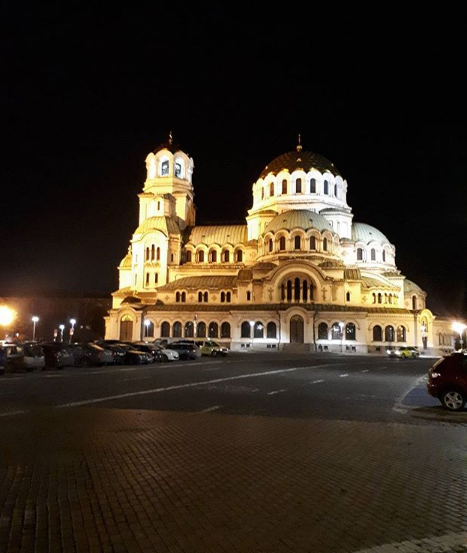 |
| json metadata | {"tags":["photography","sofia"],"image":["https://steemitimages.com/DQmdnxoBopC7UN12WeAwkNzrLsFdZSHkT9FXUgPMYXvhtJv/asddd.png"],"app":"steemit/0.1","format":"markdown"} |
| parent author | |
| parent permlink | photography |
| permlink | alexander-nevsky-cathedral-sofia |
| title | Alexander Nevsky Cathedral, Sofia |
| Transaction Info | Block #19958844/Trx edf5084bb14d68b03eeb262568921edca91c039f |
View Raw JSON Data
{
"block": 19958844,
"op": [
"comment",
{
"author": "danielangelov",
"body": "",
"json_metadata": "{\"tags\":[\"photography\",\"sofia\"],\"image\":[\"https://steemitimages.com/DQmdnxoBopC7UN12WeAwkNzrLsFdZSHkT9FXUgPMYXvhtJv/asddd.png\"],\"app\":\"steemit/0.1\",\"format\":\"markdown\"}",
"parent_author": "",
"parent_permlink": "photography",
"permlink": "alexander-nevsky-cathedral-sofia",
"title": "Alexander Nevsky Cathedral, Sofia"
}
],
"op_in_trx": 0,
"timestamp": "2018-02-17T20:58:57",
"trx_id": "edf5084bb14d68b03eeb262568921edca91c039f",
"trx_in_block": 78,
"virtual_op": 0
}stephdeupvoted (100.00%) @danielangelov / sofia-during-winter2018/02/17 20:57:54
stephdeupvoted (100.00%) @danielangelov / sofia-during-winter
2018/02/17 20:57:54
| author | danielangelov |
| permlink | sofia-during-winter |
| voter | stephde |
| weight | 10000 (100.00%) |
| Transaction Info | Block #19958823/Trx 21103bb88d21ea9ba8d416d70de0350532e70d86 |
View Raw JSON Data
{
  "block": 19958823,
  "op": [
    "vote",
    {
      "author": "danielangelov",
      "permlink": "sofia-during-winter",
      "voter": "stephde",
      "weight": 10000
    }
  ],
  "op_in_trx": 0,
  "timestamp": "2018-02-17T20:57:54",
  "trx_id": "21103bb88d21ea9ba8d416d70de0350532e70d86",
  "trx_in_block": 45,
  "virtual_op": 0
}danielangelovpublished a new post: sofia-during-winter2018/02/17 20:53:36
danielangelovpublished a new post: sofia-during-winter
2018/02/17 20:53:36
| author | danielangelov |
| body | 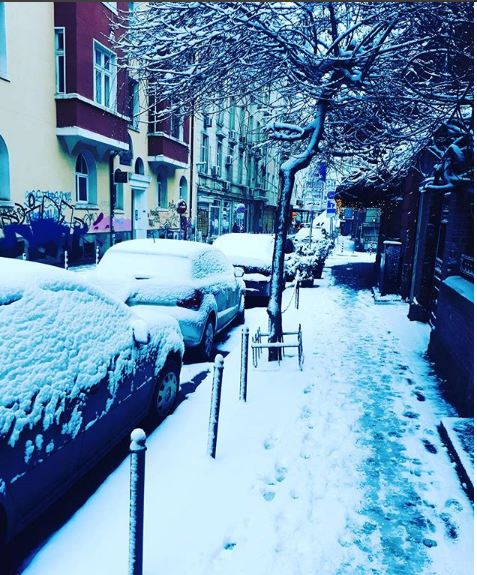 |
| json metadata | {"tags":["photography","winter"],"image":["https://steemitimages.com/DQmQLQSHJ9Z1yBJ5gcAPRh2kZYSsD4qHfTucQjXEcjanxTh/asddd.png"],"app":"steemit/0.1","format":"markdown"} |
| parent author | |
| parent permlink | photography |
| permlink | sofia-during-winter |
| title | Sofia during winter |
| Transaction Info | Block #19958737/Trx 15a7c80d983ebaf117ec23c20305e928f549c507 |
View Raw JSON Data
{
"block": 19958737,
"op": [
"comment",
{
"author": "danielangelov",
"body": "",
"json_metadata": "{\"tags\":[\"photography\",\"winter\"],\"image\":[\"https://steemitimages.com/DQmQLQSHJ9Z1yBJ5gcAPRh2kZYSsD4qHfTucQjXEcjanxTh/asddd.png\"],\"app\":\"steemit/0.1\",\"format\":\"markdown\"}",
"parent_author": "",
"parent_permlink": "photography",
"permlink": "sofia-during-winter",
"title": "Sofia during winter"
}
],
"op_in_trx": 0,
"timestamp": "2018-02-17T20:53:36",
"trx_id": "15a7c80d983ebaf117ec23c20305e928f549c507",
"trx_in_block": 18,
"virtual_op": 0
}2018/02/17 20:53:21
2018/02/17 20:53:21
| author | danielangelov |
| permlink | the-rise-fall-and-renaissance-of-classical-liberalism-part-3-ralph-raico |
| voter | sensation |
| weight | 10000 (100.00%) |
| Transaction Info | Block #19958732/Trx c6324d22834bacaab6c8348e86238c401dff42ec |
View Raw JSON Data
{
  "block": 19958732,
  "op": [
    "vote",
    {
      "author": "danielangelov",
      "permlink": "the-rise-fall-and-renaissance-of-classical-liberalism-part-3-ralph-raico",
      "voter": "sensation",
      "weight": 10000
    }
  ],
  "op_in_trx": 0,
  "timestamp": "2018-02-17T20:53:21",
  "trx_id": "c6324d22834bacaab6c8348e86238c401dff42ec",
  "trx_in_block": 51,
  "virtual_op": 0
}2018/02/17 20:14:54
2018/02/17 20:14:54
| author | cryptkeeper17 |
| body | @danielangelov you aren't that one guy in Sofia that missed out on the last Metallica concert? Just kidding, if you're not aware they are an American heavy metal rock band that has adopted Sofia as their new "home away from home." I wanted to invite you to my contest for new members https://steemit.com/earthnation/@cryptkeeper17/contest-winner-gets-free-membership-into-steembasic-income-contestants-get-many-upvote-chances-must-do-for-newbies It's free to join and you can a steembasicincome membership for life. Just follow the contest directions. I also posted a link of another contest that is giving out two memberships in the same thing. So if you joined both contests you could have a chance at winning one in three memberships! Let me know if you have any questions, it would be a great chance for you to meet fellow new members as well! Good luck! |
| json metadata | {"tags":["introduceyourself"],"users":["danielangelov"],"links":["https://steemit.com/earthnation/@cryptkeeper17/contest-winner-gets-free-membership-into-steembasic-income-contestants-get-many-upvote-chances-must-do-for-newbies"],"app":"steemit/0.1"} |
| parent author | danielangelov |
| parent permlink | introduce-myself |
| permlink | re-danielangelov-introduce-myself-20180217t201454366z |
| title | |
| Transaction Info | Block #19957964/Trx a374ad3e46ab141415ebd14e3ecdfb67f583b043 |
View Raw JSON Data
{
  "block": 19957964,
  "op": [
    "comment",
    {
      "author": "cryptkeeper17",
      "body": "@danielangelov you aren't that one guy in Sofia that missed out on the last Metallica concert?  Just kidding, if you're not aware they are an American heavy metal rock band that has adopted Sofia as their new \"home away from home.\"   I wanted to invite you to my contest for new members https://steemit.com/earthnation/@cryptkeeper17/contest-winner-gets-free-membership-into-steembasic-income-contestants-get-many-upvote-chances-must-do-for-newbies It's free to join and you can a steembasicincome membership for life. Just follow the contest directions. I also posted a link of another contest that is giving out two memberships in the same thing. So if you joined both contests you could have a chance at winning one in three memberships! Let me know if you have any questions, it would be a great chance for you to meet fellow new members as well! Good luck!",
      "json_metadata": "{\"tags\":[\"introduceyourself\"],\"users\":[\"danielangelov\"],\"links\":[\"https://steemit.com/earthnation/@cryptkeeper17/contest-winner-gets-free-membership-into-steembasic-income-contestants-get-many-upvote-chances-must-do-for-newbies\"],\"app\":\"steemit/0.1\"}",
      "parent_author": "danielangelov",
      "parent_permlink": "introduce-myself",
      "permlink": "re-danielangelov-introduce-myself-20180217t201454366z",
      "title": ""
    }
  ],
  "op_in_trx": 0,
  "timestamp": "2018-02-17T20:14:54",
  "trx_id": "a374ad3e46ab141415ebd14e3ecdfb67f583b043",
  "trx_in_block": 37,
  "virtual_op": 0
}2018/02/17 19:52:30
2018/02/17 19:52:30
| author | danielangelov |
| permlink | the-rise-fall-and-renaissance-of-classical-liberalism-part-2-ralph-raico |
| voter | sensation |
| weight | 10000 (100.00%) |
| Transaction Info | Block #19957516/Trx a7a64faba9c81d25288194f2a38701de064ad872 |
View Raw JSON Data
{
  "block": 19957516,
  "op": [
    "vote",
    {
      "author": "danielangelov",
      "permlink": "the-rise-fall-and-renaissance-of-classical-liberalism-part-2-ralph-raico",
      "voter": "sensation",
      "weight": 10000
    }
  ],
  "op_in_trx": 0,
  "timestamp": "2018-02-17T19:52:30",
  "trx_id": "a7a64faba9c81d25288194f2a38701de064ad872",
  "trx_in_block": 59,
  "virtual_op": 0
}danielangelovpublished a new post: barrack-obama-and-the-us-debt2018/02/17 19:34:09
danielangelovpublished a new post: barrack-obama-and-the-us-debt
2018/02/17 19:34:09
| author | danielangelov |
| body | On July 3, 2008 – the day before Independence Day – Barack Obama said that adding $4 trillion in debt was „irresponsible“ and „unpatriotic“. „This has been the fiscally most irresponsible administration that we have seen. I mean we have increased the national debt..almost doubled it since George Bush took office. It is now over 9 trillion dollars and that is money that we are all going to have to pay back“ „The problem is, is that the way Bush has done it over the last eight years is to take out a credit card from the Bank of China in the name of our children, driving up our national debt from $5 trillion for the first 42 presidents – #43 added $4 trillion by his lonesome, so that we now have over $9 trillion of debt that we are going to have to pay back – $30,000 for every man, woman and child. That’s irresponsible. It’s unpatriotic.“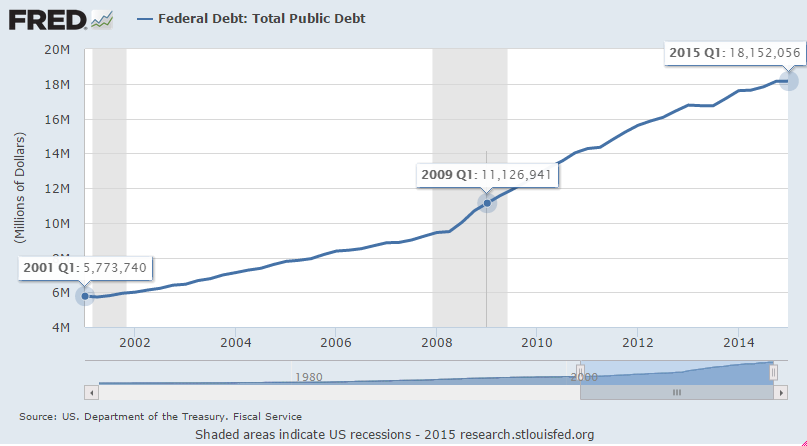 |
| json metadata | {"tags":["economics","debt","obama","government"],"image":["https://steemitimages.com/DQmNaPpBw3cLdtaKvRtHsCZGJKB13tM1BTn7wJmEQoynDRj/us-debt-g-w-bush-vs-obama.png"],"app":"steemit/0.1","format":"markdown"} |
| parent author | |
| parent permlink | economics |
| permlink | barrack-obama-and-the-us-debt |
| title | Barrack Obama and the US debt |
| Transaction Info | Block #19957149/Trx 80be1ac92cc29d01e002ce4ba6d28d2431bf64aa |
View Raw JSON Data
{
"block": 19957149,
"op": [
"comment",
{
"author": "danielangelov",
"body": "On July 3, 2008 – the day before Independence Day – Barack Obama said that adding $4 trillion in debt was „irresponsible“ and „unpatriotic“.\n\n„This has been the fiscally most irresponsible administration that we have seen. I mean we have increased the national debt..almost doubled it since George Bush took office. It is now over 9 trillion dollars and that is money that we are all going to have to pay back“\n\n„The problem is, is that the way Bush has done it over the last eight years is to take out a credit card from the Bank of China in the name of our children, driving up our national debt from $5 trillion for the first 42 presidents – #43 added $4 trillion by his lonesome, so that we now have over $9 trillion of debt that we are going to have to pay back – $30,000 for every man, woman and child. That’s irresponsible. It’s unpatriotic.“",
"json_metadata": "{\"tags\":[\"economics\",\"debt\",\"obama\",\"government\"],\"image\":[\"https://steemitimages.com/DQmNaPpBw3cLdtaKvRtHsCZGJKB13tM1BTn7wJmEQoynDRj/us-debt-g-w-bush-vs-obama.png\"],\"app\":\"steemit/0.1\",\"format\":\"markdown\"}",
"parent_author": "",
"parent_permlink": "economics",
"permlink": "barrack-obama-and-the-us-debt",
"title": "Barrack Obama and the US debt"
}
],
"op_in_trx": 0,
"timestamp": "2018-02-17T19:34:09",
"trx_id": "80be1ac92cc29d01e002ce4ba6d28d2431bf64aa",
"trx_in_block": 41,
"virtual_op": 0
}2018/02/17 19:21:33
2018/02/17 19:21:33
| author | danielangelov |
| permlink | the-rise-fall-and-renaissance-of-classical-liberalism-part-2-ralph-raico |
| voter | social |
| weight | 10000 (100.00%) |
| Transaction Info | Block #19956897/Trx 5505548238289d2b88ca325749ef79f094dc06ff |
View Raw JSON Data
{
  "block": 19956897,
  "op": [
    "vote",
    {
      "author": "danielangelov",
      "permlink": "the-rise-fall-and-renaissance-of-classical-liberalism-part-2-ralph-raico",
      "voter": "social",
      "weight": 10000
    }
  ],
  "op_in_trx": 0,
  "timestamp": "2018-02-17T19:21:33",
  "trx_id": "5505548238289d2b88ca325749ef79f094dc06ff",
  "trx_in_block": 14,
  "virtual_op": 0
}2018/02/17 19:15:45
2018/02/17 19:15:45
| author | cheetah |
| body | Hi! I am a robot. I just upvoted you! I found similar content that readers might be interested in: https://mises.org/library/rise-fall-and-renaissance-classical-liberalism |
| json metadata | |
| parent author | danielangelov |
| parent permlink | the-rise-fall-and-renaissance-of-classical-liberalism-part-3-ralph-raico |
| permlink | cheetah-re-danielangelovthe-rise-fall-and-renaissance-of-classical-liberalism-part-3-ralph-raico |
| title | |
| Transaction Info | Block #19956781/Trx 2936c5dea14e6c2130e9a478c235c5a5863d924c |
View Raw JSON Data
{
  "block": 19956781,
  "op": [
    "comment",
    {
      "author": "cheetah",
      "body": "Hi! I am a robot. I just upvoted you! I found similar content that readers might be interested in:\nhttps://mises.org/library/rise-fall-and-renaissance-classical-liberalism",
      "json_metadata": "",
      "parent_author": "danielangelov",
      "parent_permlink": "the-rise-fall-and-renaissance-of-classical-liberalism-part-3-ralph-raico",
      "permlink": "cheetah-re-danielangelovthe-rise-fall-and-renaissance-of-classical-liberalism-part-3-ralph-raico",
      "title": ""
    }
  ],
  "op_in_trx": 0,
  "timestamp": "2018-02-17T19:15:45",
  "trx_id": "2936c5dea14e6c2130e9a478c235c5a5863d924c",
  "trx_in_block": 6,
  "virtual_op": 0
}2018/02/17 19:15:39
2018/02/17 19:15:39
| author | danielangelov |
| permlink | the-rise-fall-and-renaissance-of-classical-liberalism-part-3-ralph-raico |
| voter | cheetah |
| weight | 8 (0.08%) |
| Transaction Info | Block #19956779/Trx e3c1dd466053425cbad95c40ae76ef47a3c04006 |
View Raw JSON Data
{
  "block": 19956779,
  "op": [
    "vote",
    {
      "author": "danielangelov",
      "permlink": "the-rise-fall-and-renaissance-of-classical-liberalism-part-3-ralph-raico",
      "voter": "cheetah",
      "weight": 8
    }
  ],
  "op_in_trx": 0,
  "timestamp": "2018-02-17T19:15:39",
  "trx_id": "e3c1dd466053425cbad95c40ae76ef47a3c04006",
  "trx_in_block": 33,
  "virtual_op": 0
}danielangelovpublished a new post: the-rise-fall-and-renaissance-of-classical-liberalism-part-3-ralph-raico2018/02/17 19:15:24
danielangelovpublished a new post: the-rise-fall-and-renaissance-of-classical-liberalism-part-3-ralph-raico
2018/02/17 19:15:24
| author | danielangelov |
| body | Part 3: The 20th Century The First World War was the watershed of the twentieth century. Itself the product of antiliberal ideas and policies, such as militarism and protectionism, the Great War fostered statism in every form. In Europe and America, the trend towards state intervention accelerated, as governments conscripted, censored, inflated, ran up mountains of debts, co-opted business and labor, and seized control of the economy. Everywhere “progressive” intellectuals saw their dreams coming true. Thee old laissez-faire liberalism was dead, they gloated, and the future belonged to collectivism. The only question seemed to be: which kind of collectivism? In Russia, the chaos of the war permitted a small group of Marxist revolutionaries to grab power and establish a field headquarters for world revolution. In the nineteenth century, Karl Marx had concocted a secular religion with a potent appeal. It held out the promise of the final liberation of man through replacing the complex, often baffling world of the market economy by conscious, “scientific” control. Put into practice by Lenin and Trotsky in Russia, the Marxist economic experiment resulted in catastrophe. For the next seventy years, Red rulers lurched from one patchwork expedient to another. But terror kept them firmly in charge, and the most colossal propaganda effort in history convinced intellectuals both in the West and in the emerging Third World that communism was, indeed, “the radiant future of all mankind.” The peace treaties cobbled together by President Woodrow Wilson and the other Allied leaders left Europe a seething cauldron of resentment and hate. Seduced by nationalist demagogues and terrified of the Communist threat, millions of Europeans turned to the forms of state worship called Fascism and National Socialism, or Nazism. Though riddled with economic error, these doctrines promised prosperity and national power through integral state control of society, while fomenting more and greater wars. In the democratic countries, milder forms of statism were the rule. Most insidious of all was the form that had been invented in the 1880s, in Germany. There Otto von Bismarck, the Iron Chancellor, devised a series of old-age, disability, accident, and sickness insurance schemes, run by the state. The German liberals of the time argued that such plans were simply a reversion to the paternalism of the absolutist monarchies. Bismarck won out, and his invention — the welfare state — was eventually copied everywhere in Europe, including the totalitarian countries. With the New Deal, the welfare state came to America. Still, private property and free exchange continued as the basic organizing principles of Western economies. Competition, the profit motive, the steady accumulation of capital (including human capital), free trade, the perfecting of markets, increased specialization — all worked to promote efficiency and technical progress and with them higher living standards for the people. So powerful and resilient did this capitalist engine of productivity prove to be that widespread state intervention, coercive labor-unionism, even government-generated depressions and wars could not check economic growth in the long run. The 1920s and ’30s represent the nadir of the classical-liberal movement in this century. Especially after government meddling with the monetary system led to the crash of 1929 and the Great Depression, dominant opinion held that history had closed the books on competitive capitalism, and with it the liberal philosophy. If a date were to be put on the rebirth of classical liberalism, it would be 1922, the year of the publication of Socialism, by the Austrian economist Ludwig von Mises. One of the most remarkable thinkers of the century, Mises was also a man of unflinching courage. In Socialism, he threw down the gauntlet to the enemies of capitalism. In effect, he said: “You accuse the system of private property of causing all social evils, which only socialism can cure. Fine. But would you now kindly do something you have never deigned to do before: would you explain how a complex economic system will be able to operate in the absence of markets, and hence prices, for capital goods?” Mises demonstrated that economic calculation without private property was impossible, and exposed socialism for the passionate illusion it was. Mises’s challenge to the prevailing orthodoxy opened the minds of thinkers in Europe and America. F.A. Hayek, Wilhelm Roepke, and Lionel Robbins were among those whom Mises converted to the free market. And, throughout his very long career, Mises elaborated and reformed his economic theory and social philosophy, becoming the acknowledged premier classical-liberal thinker of the twentieth century. In Europe and particularly in the United States, scattered individuals and groups kept something of the old liberalism alive. At the London School of Economics and the University of Chicago, academics could be found, even in the 1930s and ’40s, who defended at least the basic validity of the free-enterprise idea. In America, an embattled brigade of brilliant writers, mainly journalists, survived. Now known as the “Old Right,” they included Albert Jay Nock, Frank Chodorov, H. L. Mencken, Felix Morley, and John T. Flynn. Spurred to action by the totalitarian implications of Franklin Roosevelt’s New Deal, these writers reiterated the traditional American creed of individual freedom and scornful distrust of government. They were equally opposed to Roosevelt’s policy of global meddling as subversive of the American Republic. Supported by a few courageous publishers and businessmen, the “Old Right” nursed the flame of Jeffersonian ideals through the darkest days of the New Deal and the Second World War. With the end of that war, what can be called a movement came into being. Small at first, it was fed by multiplying streams. Hayek’s Road to Serfdom, published in 1944, alerted many thousands to the reality that, in pursuing socialist policies, the West was risking the loss of its traditional free civilization. In 1946, Leonard Read established The Foundation for Economic Education, in Irvington, New York, publishing the works of Henry Hazlitt and other champions of the free market. Mises and Hayek, now both in the United States, continued their work. Hayek led in founding the Mont Pelerin Society, a group of classical-liberal scholars, activists, and businessmen from all over the world. Mises, unsurpassed as a teacher, set up a seminar at New York University, attracting such students as Murray Rothbard and Israel Kirzner. Rothbard went on to wed the insights of Austrian economics to the teachings of natural law to produce a powerful synthesis that appealed to many of the young. At the University of Chicago, Milton Friedman, George Stigler, and Aaron Director led a group of classical-liberal economists whose specialty was exposing the defects of government action. The gifted novelist Ayn Rand incorporated emphatically libertarian themes in her well-crafted best-sellers, and even founded a school of philosophy. The reaction to the renewal of authentic liberalism on the part of the left — “liberal” — more accurately, social-democrat-establishment was predictable, and ferocious. In 1954, for instance, Hayek edited a volume entitled Capitalism and the Historians, a collection of essays by distinguished scholars arguing against the prevailing socialist interpretation of the Industrial Revolution. A scholarly journal permitted Arthur Schlesinger, Jr., Harvard professor and New Deal hack, to savage the book in these terms: “Americans have enough trouble with home-grown McCarthys without importing Viennese professors to add academic luster to the process.” Other works the establishment tried to kill by silence. As late as 1962, not a single prominent magazine or newspaper chose to review Friedman’s Capitalism and Freedom. Still, the writers and activists who led the revival of classical liberalism found a growing resonance among the public. Millions of Americans in all walks of life had all along quietly cherished the values of the free market, and private property. The growing presence of a solid corps of intellectual leaders now gave many of these citizens the heart to stand up for the ideas they had held dear for so long. In the 1970s and ’80s, with the evident failure of socialist planning and interventionist programs, classical liberalism became a world-wide movement. In Western countries, and then, incredibly, in the nations of the former Warsaw Pact, political leaders even declared themselves disciples of Hayek and Friedman. As the end of the century approached, the old, authentic liberalism was alive and well, stronger than it had been for a hundred years. And yet, in Western countries, the state keeps on relentlessly expanding, colonizing one area of social life after the other. In America, the Republic is fast becoming a fading memory, as federal bureaucrats and global planners divert more and more power to the center. So the struggle continues, as it must. Two centuries ago, when liberalism was young, Jefferson had already informed us of the price of liberty. |
| json metadata | {"tags":["liberalism","renaissance","classicalliberalism"],"app":"steemit/0.1","format":"markdown"} |
| parent author | |
| parent permlink | liberalism |
| permlink | the-rise-fall-and-renaissance-of-classical-liberalism-part-3-ralph-raico |
| title | The Rise, Fall, and Renaissance of Classical Liberalism, part 3 – Ralph Raico |
| Transaction Info | Block #19956774/Trx b6cbeba7d3818312ec211cf520f386530d9e8b95 |
View Raw JSON Data
{
  "block": 19956774,
  "op": [
    "comment",
    {
      "author": "danielangelov",
      "body": "Part 3: The 20th Century\nThe First World War was the watershed of the twentieth century. Itself the product of antiliberal ideas and policies, such as militarism and protectionism, the Great War fostered statism in every form. In Europe and America, the trend towards state intervention accelerated, as governments conscripted, censored, inflated, ran up mountains of debts, co-opted business and labor, and seized control of the economy. Everywhere “progressive” intellectuals saw their dreams coming true. Thee old laissez-faire liberalism was dead, they gloated, and the future belonged to collectivism. The only question seemed to be: which kind of collectivism?\n\nIn Russia, the chaos of the war permitted a small group of Marxist revolutionaries to grab power and establish a field headquarters for world revolution. In the nineteenth century, Karl Marx had concocted a secular religion with a potent appeal. It held out the promise of the final liberation of man through replacing the complex, often baffling world of the market economy by conscious, “scientific” control. Put into practice by Lenin and Trotsky in Russia, the Marxist economic experiment resulted in catastrophe. For the next seventy years, Red rulers lurched from one patchwork expedient to another. But terror kept them firmly in charge, and the most colossal propaganda effort in history convinced intellectuals both in the West and in the emerging Third World that communism was, indeed, “the radiant future of all mankind.”\n\nThe peace treaties cobbled together by President Woodrow Wilson and the other Allied leaders left Europe a seething cauldron of resentment and hate. Seduced by nationalist demagogues and terrified of the Communist threat, millions of Europeans turned to the forms of state worship called Fascism and National Socialism, or Nazism. Though riddled with economic error, these doctrines promised prosperity and national power through integral state control of society, while fomenting more and greater wars.\n\nIn the democratic countries, milder forms of statism were the rule. Most insidious of all was the form that had been invented in the 1880s, in Germany. There Otto von Bismarck, the Iron Chancellor, devised a series of old-age, disability, accident, and sickness insurance schemes, run by the state. The German liberals of the time argued that such plans were simply a reversion to the paternalism of the absolutist monarchies. Bismarck won out, and his invention — the welfare state — was eventually copied everywhere in Europe, including the totalitarian countries. With the New Deal, the welfare state came to America.\n\nStill, private property and free exchange continued as the basic organizing principles of Western economies. Competition, the profit motive, the steady accumulation of capital (including human capital), free trade, the perfecting of markets, increased specialization — all worked to promote efficiency and technical progress and with them higher living standards for the people. So powerful and resilient did this capitalist engine of productivity prove to be that widespread state intervention, coercive labor-unionism, even government-generated depressions and wars could not check economic growth in the long run.\n\nThe 1920s and ’30s represent the nadir of the classical-liberal movement in this century. Especially after government meddling with the monetary system led to the crash of 1929 and the Great Depression, dominant opinion held that history had closed the books on competitive capitalism, and with it the liberal philosophy.\n\nIf a date were to be put on the rebirth of classical liberalism, it would be 1922, the year of the publication of Socialism, by the Austrian economist Ludwig von Mises. One of the most remarkable thinkers of the century, Mises was also a man of unflinching courage. In Socialism, he threw down the gauntlet to the enemies of capitalism. In effect, he said: “You accuse the system of private property of causing all social evils, which only socialism can cure. Fine. But would you now kindly do something you have never deigned to do before: would you explain how a complex economic system will be able to operate in the absence of markets, and hence prices, for capital goods?” Mises demonstrated that economic calculation without private property was impossible, and exposed socialism for the passionate illusion it was.\n\nMises’s challenge to the prevailing orthodoxy opened the minds of thinkers in Europe and America. F.A. Hayek, Wilhelm Roepke, and Lionel Robbins were among those whom Mises converted to the free market. And, throughout his very long career, Mises elaborated and reformed his economic theory and social philosophy, becoming the acknowledged premier classical-liberal thinker of the twentieth century.\n\nIn Europe and particularly in the United States, scattered individuals and groups kept something of the old liberalism alive. At the London School of Economics and the University of Chicago, academics could be found, even in the 1930s and ’40s, who defended at least the basic validity of the free-enterprise idea. In America, an embattled brigade of brilliant writers, mainly journalists, survived. Now known as the “Old Right,” they included Albert Jay Nock, Frank Chodorov, H. L. Mencken, Felix Morley, and John T. Flynn. Spurred to action by the totalitarian implications of Franklin Roosevelt’s New Deal, these writers reiterated the traditional American creed of individual freedom and scornful distrust of government. They were equally opposed to Roosevelt’s policy of global meddling as subversive of the American Republic. Supported by a few courageous publishers and businessmen, the “Old Right” nursed the flame of Jeffersonian ideals through the darkest days of the New Deal and the Second World War.\n\nWith the end of that war, what can be called a movement came into being. Small at first, it was fed by multiplying streams. Hayek’s Road to Serfdom, published in 1944, alerted many thousands to the reality that, in pursuing socialist policies, the West was risking the loss of its traditional free civilization. In 1946, Leonard Read established The Foundation for Economic Education, in Irvington, New York, publishing the works of Henry Hazlitt and other champions of the free market. Mises and Hayek, now both in the United States, continued their work. Hayek led in founding the Mont Pelerin Society, a group of classical-liberal scholars, activists, and businessmen from all over the world. Mises, unsurpassed as a teacher, set up a seminar at New York University, attracting such students as Murray Rothbard and Israel Kirzner. Rothbard went on to wed the insights of Austrian economics to the teachings of natural law to produce a powerful synthesis that appealed to many of the young. At the University of Chicago, Milton Friedman, George Stigler, and Aaron Director led a group of classical-liberal economists whose specialty was exposing the defects of government action. The gifted novelist Ayn Rand incorporated emphatically libertarian themes in her well-crafted best-sellers, and even founded a school of philosophy.\n\nThe reaction to the renewal of authentic liberalism on the part of the left — “liberal” — more accurately, social-democrat-establishment was predictable, and ferocious. In 1954, for instance, Hayek edited a volume entitled Capitalism and the Historians, a collection of essays by distinguished scholars arguing against the prevailing socialist interpretation of the Industrial Revolution. A scholarly journal permitted Arthur Schlesinger, Jr., Harvard professor and New Deal hack, to savage the book in these terms: “Americans have enough trouble with home-grown McCarthys without importing Viennese professors to add academic luster to the process.” Other works the establishment tried to kill by silence. As late as 1962, not a single prominent magazine or newspaper chose to review Friedman’s Capitalism and Freedom. Still, the writers and activists who led the revival of classical liberalism found a growing resonance among the public. Millions of Americans in all walks of life had all along quietly cherished the values of the free market, and private property. The growing presence of a solid corps of intellectual leaders now gave many of these citizens the heart to stand up for the ideas they had held dear for so long.\n\nIn the 1970s and ’80s, with the evident failure of socialist planning and interventionist programs, classical liberalism became a world-wide movement. In Western countries, and then, incredibly, in the nations of the former Warsaw Pact, political leaders even declared themselves disciples of Hayek and Friedman. As the end of the century approached, the old, authentic liberalism was alive and well, stronger than it had been for a hundred years.\n\nAnd yet, in Western countries, the state keeps on relentlessly expanding, colonizing one area of social life after the other. In America, the Republic is fast becoming a fading memory, as federal bureaucrats and global planners divert more and more power to the center. So the struggle continues, as it must. Two centuries ago, when liberalism was young, Jefferson had already informed us of the price of liberty.",
      "json_metadata": "{\"tags\":[\"liberalism\",\"renaissance\",\"classicalliberalism\"],\"app\":\"steemit/0.1\",\"format\":\"markdown\"}",
      "parent_author": "",
      "parent_permlink": "liberalism",
      "permlink": "the-rise-fall-and-renaissance-of-classical-liberalism-part-3-ralph-raico",
      "title": "The Rise, Fall, and Renaissance of Classical Liberalism, part 3 – Ralph Raico"
    }
  ],
  "op_in_trx": 0,
  "timestamp": "2018-02-17T19:15:24",
  "trx_id": "b6cbeba7d3818312ec211cf520f386530d9e8b95",
  "trx_in_block": 32,
  "virtual_op": 0
}2018/02/17 18:37:33
2018/02/17 18:37:33
| author | cheetah |
| body | Hi! I am a robot. I just upvoted you! I found similar content that readers might be interested in: https://mises.org/library/rise-fall-and-renaissance-classical-liberalism |
| json metadata | |
| parent author | danielangelov |
| parent permlink | the-rise-fall-and-renaissance-of-classical-liberalism-part-2-ralph-raico |
| permlink | cheetah-re-danielangelovthe-rise-fall-and-renaissance-of-classical-liberalism-part-2-ralph-raico |
| title | |
| Transaction Info | Block #19956017/Trx 9e323dbb398734b2d0590dc759a7875097e56fb6 |
View Raw JSON Data
{
  "block": 19956017,
  "op": [
    "comment",
    {
      "author": "cheetah",
      "body": "Hi! I am a robot. I just upvoted you! I found similar content that readers might be interested in:\nhttps://mises.org/library/rise-fall-and-renaissance-classical-liberalism",
      "json_metadata": "",
      "parent_author": "danielangelov",
      "parent_permlink": "the-rise-fall-and-renaissance-of-classical-liberalism-part-2-ralph-raico",
      "permlink": "cheetah-re-danielangelovthe-rise-fall-and-renaissance-of-classical-liberalism-part-2-ralph-raico",
      "title": ""
    }
  ],
  "op_in_trx": 0,
  "timestamp": "2018-02-17T18:37:33",
  "trx_id": "9e323dbb398734b2d0590dc759a7875097e56fb6",
  "trx_in_block": 46,
  "virtual_op": 0
}2018/02/17 18:37:30
2018/02/17 18:37:30
| author | danielangelov |
| permlink | the-rise-fall-and-renaissance-of-classical-liberalism-part-2-ralph-raico |
| voter | cheetah |
| weight | 8 (0.08%) |
| Transaction Info | Block #19956016/Trx 108c49e404e806638e4830c8ed617c35c0590a0d |
View Raw JSON Data
{
  "block": 19956016,
  "op": [
    "vote",
    {
      "author": "danielangelov",
      "permlink": "the-rise-fall-and-renaissance-of-classical-liberalism-part-2-ralph-raico",
      "voter": "cheetah",
      "weight": 8
    }
  ],
  "op_in_trx": 0,
  "timestamp": "2018-02-17T18:37:30",
  "trx_id": "108c49e404e806638e4830c8ed617c35c0590a0d",
  "trx_in_block": 16,
  "virtual_op": 0
}danielangelovpublished a new post: the-rise-fall-and-renaissance-of-classical-liberalism-part-2-ralph-raico2018/02/17 18:37:03
danielangelovpublished a new post: the-rise-fall-and-renaissance-of-classical-liberalism-part-2-ralph-raico
2018/02/17 18:37:03
| author | danielangelov |
| body | Part 2: Triumphs and Challenges As the nineteenth century began, classical liberalism — or just liberalism as the philosophy of freedom was then known — was the specter haunting Europe — and the world. In every advanced country the liberal movement was active. Drawn mainly from the middle classes, it included people from widely contrasting religious and philosophical backgrounds. Christians, Jews, deists, agnostics, utilitarians, believers in natural rights, freethinkers, and traditionalists all found it possible to work towards one fundamental goal: expanding the area of the free functioning of society and diminishing the area of coercion and the state. Emphases varied with the circumstances of different countries. Sometimes, as in Central and Eastern Europe, the liberals demanded the rollback of the absolutist state and even the residues of feudalism. Accordingly, the struggle centered around full private property rights in land, religious liberty, and the abolition of serfdom. In Western Europe, the liberals often had to fight for free trade, full freedom of the press, and the rule of law as sovereign over state functionaries. In America, the liberal country par excellence, the chief aim was to fend off incursions of government power pushed by Alexander Hamilton and his centralizing successors, and, eventually, somehow, to deal with the great stain on American freedom — Negro slavery. From the standpoint of liberalism, the United States was remarkably lucky from the start. Its founding document, the Declaration of Independence, was composed by Thomas Jefferson, one of the leading liberal thinkers of his time. The Declaration radiated the vision of society as consisting of individuals enjoying their natural rights and pursuing their self-determined goals. In the Constitution and the Bill of Rights, the Founders created a system where power would be divided, limited, and hemmed in by multiple constraints, while individuals went about the quest for fulfillment through work, family, friends, self-cultivation, and the dense network of voluntary associations. In this new land, government — as European travelers noted with awe — could hardly be said to exist at all. This was the America that became a model to the world. One perpetuator of the Jeffersonian tradition in the early 19th century was William Leggett, a New York journalist and antislavery Jacksonian Democrat. Leggett declared: “All governments are instituted for the protection of person and property; and the people only delegate to their rulers such powers as are indispensable to these objects. The people want no government to regulate their private concerns, or to prescribe the course and mete out the profits of their industry. Protect their persons and property, and all the rest they can do for themselves.” This laissez-faire philosophy became the bedrock creed of countless Americans of all classes. In the generations to come, it found an echo in the work of liberal writers like R L. Godkin, Albert Jay Nock, H. L. Mencken, Frank Chodorov, and Leonard Read. To the rest of the world, this was the distinctively, characteristically American outlook. Meanwhile, the economic advance that had been slowly gaining momentum in the Western world burst out in a great leap forward. First in Britain, then in America and Western Europe, the Industrial Revolution transformed the life of man as nothing had since the neolithic age. Now it became possible for the vast majority of mankind to escape the immemorial misery they had grown to accept as their unalterable lot. Now tens of millions who would have perished in the inefficient economy of the old order were able to survive. As the populations of Europe and America swelled to unprecedented levels, the new masses gradually achieved living standards unimaginable for working people before. The birth of the industrial order was accompanied by economic dislocations. How could it have been otherwise? The free-market economists preached the solution: security of property and hard money to encourage capital formation, free trade to maximize efficiency in production, and a clear field for entrepreneurs eager to innovate. But conservatives, threatened in their age-old status, initiated a literary assault on the new system, giving the Industrial Revolution a bad name from which it never fully recovered. Soon the attack was gleefully taken up by groups of socialist intellectuals that began to emerge. Still, by mid-century the liberals went from one victory to another. Constitutions with guarantees of basic rights were adopted, legal systems firmly anchoring the rule of law and property rights were put in place, and free trade was spreading, giving birth to a world economy based on the gold standard. There were advances on the intellectual front as well. After spearheading the campaign to abolish the English Corn Laws, Richard Cobden developed the theory of nonintervention in the affairs of other countries as a foundation for peace. Frederic Bastiat put the case for free trade, non intervention, and peace in a classic form. Liberal historians like Thomas Macaulay and Augustin Thierry uncovered the roots of freedom in the West. Later in the century, the economic theory of the free market was placed on a secure scientific footing with the rise of the Austrian School, inaugurated by Carl Menger. The relation of liberalism and religion presented a special problem. In continental Europe and Latin America, freethinking liberals sometimes used the state power to curtail the influence of the Catholic Church, while some Catholic leaders clung to obsolete ideas of theocratic control. But liberal thinkers like Benjamin Constant, Alexis de Tocqueville, and Lord Acton saw beyond such futile disputes. They stressed the crucial role that religion, separated from government power, could play in stemming the growth of the centralized state. In this way, they prepared the ground for the reconciliation of liberty and religious faith. Then, for reasons still unclear, the tide began to turn against the liberals. Part of the reason is surely the rise of the new class of intellectuals that proliferated everywhere. That they owed their very existence to the wealth generated by the capitalist system did not prevent most of them from incessantly gnawing away at capitalism, indicting it for every problem they could point to in modern society. At the same time, voluntary solutions to these problems were preempted by state functionaries anxious to expand their domain. The rise of democracy may well have contributed to liberalism’s decline by aggravating an age-old feature of politics: the scramble for special privilege. Businesses, labor unions, farmers, bureaucrats, and other interest groups vied for state privileges — and found intellectual demagogues to rationalize their depredations. The area of state control grew, at the expense, as William Graham Sumner pointed out, of “the forgotten man” — the quiet, productive individual who asks no favor of government and, through his work, keeps the whole system going. By the end of the century, liberalism was being battered on all sides. Nationalists and imperialists condemned it for promoting an insipid peace instead of a virile and bracing belligerency among the nations. Socialists attacked it for upholding the “anarchical” free-market system instead of “scientific” central planning. Even church leaders disparaged liberalism for its alleged egotism and materialism. In America and Britain, social reformers around the dawn of the century conceived a particularly clever gambit. Anywhere else the supporters of state intervention and coercive labor-unionism would have been called “socialists” or “social democrats.” But since the English-speaking peoples appeared for some reason to have an aversion to those labels, they hijacked the term “liberal.” Though they fought on to the end, a mood of despondency settled on the last of the great authentic liberals. When Herbert Spencer began writing in the 1840s, he had looked forward to an age of universal progress in which the coercive state apparatus would practically disappear. By 1884, Spencer could pen an essay entitled, “The Coming Slavery.” In 1898, William Graham Sumner, American Spencerian, free-trader, and gold-standard advocate, looked with dismay as America started on the road to imperialism and global entanglement in the Spanish-American War: he titled his response to that war, grimly, “The Conquest of the United States by Spain.” Everywhere in Europe there was a reversion to the policies of the absolutist state, as government bureaucracies expanded. At the same time, jealous rivalries among the Great Powers led to a frenzied arms race and sharpened the threat of war. In 1914, a Serb assassin threw a spark onto the heaped-up animosity and suspicion, and the result was the most destructive war in history to that point. In 1917, an American president keen to create a New World Order led his country into the murderous conflict “War is the health of the state,” warned the radical writer Randolph Bourne. And so it proved to be. By the time the butchery ended, many believed that liberalism in its classical sense was dead. |
| json metadata | {"tags":["liberalism","renaissance","classicalliberalism"],"app":"steemit/0.1","format":"markdown"} |
| parent author | |
| parent permlink | liberalism |
| permlink | the-rise-fall-and-renaissance-of-classical-liberalism-part-2-ralph-raico |
| title | The Rise, Fall, and Renaissance of Classical Liberalism, part 2 – Ralph Raico |
| Transaction Info | Block #19956007/Trx 94630b86efc954ab0bab49f217a3005f09a7cb04 |
View Raw JSON Data
{
  "block": 19956007,
  "op": [
    "comment",
    {
      "author": "danielangelov",
      "body": "Part 2: Triumphs and Challenges\nAs the nineteenth century began, classical liberalism — or just liberalism as the philosophy of freedom was then known — was the specter haunting Europe — and the world. In every advanced country the liberal movement was active.\n\nDrawn mainly from the middle classes, it included people from widely contrasting religious and philosophical backgrounds. Christians, Jews, deists, agnostics, utilitarians, believers in natural rights, freethinkers, and traditionalists all found it possible to work towards one fundamental goal: expanding the area of the free functioning of society and diminishing the area of coercion and the state.\n\nEmphases varied with the circumstances of different countries. Sometimes, as in Central and Eastern Europe, the liberals demanded the rollback of the absolutist state and even the residues of feudalism. Accordingly, the struggle centered around full private property rights in land, religious liberty, and the abolition of serfdom. In Western Europe, the liberals often had to fight for free trade, full freedom of the press, and the rule of law as sovereign over state functionaries.\n\nIn America, the liberal country par excellence, the chief aim was to fend off incursions of government power pushed by Alexander Hamilton and his centralizing successors, and, eventually, somehow, to deal with the great stain on American freedom — Negro slavery.\n\nFrom the standpoint of liberalism, the United States was remarkably lucky from the start. Its founding document, the Declaration of Independence, was composed by Thomas Jefferson, one of the leading liberal thinkers of his time. The Declaration radiated the vision of society as consisting of individuals enjoying their natural rights and pursuing their self-determined goals. In the Constitution and the Bill of Rights, the Founders created a system where power would be divided, limited, and hemmed in by multiple constraints, while individuals went about the quest for fulfillment through work, family, friends, self-cultivation, and the dense network of voluntary associations. In this new land, government — as European travelers noted with awe — could hardly be said to exist at all. This was the America that became a model to the world.\n\nOne perpetuator of the Jeffersonian tradition in the early 19th century was William Leggett, a New York journalist and antislavery Jacksonian Democrat. Leggett declared:\n\n“All governments are instituted for the protection of person and property; and the people only delegate to their rulers such powers as are indispensable to these objects. The people want no government to regulate their private concerns, or to prescribe the course and mete out the profits of their industry. Protect their persons and property, and all the rest they can do for themselves.”\n\nThis laissez-faire philosophy became the bedrock creed of countless Americans of all classes. In the generations to come, it found an echo in the work of liberal writers like R L. Godkin, Albert Jay Nock, H. L. Mencken, Frank Chodorov, and Leonard Read. To the rest of the world, this was the distinctively, characteristically American outlook.\n\nMeanwhile, the economic advance that had been slowly gaining momentum in the Western world burst out in a great leap forward. First in Britain, then in America and Western Europe, the Industrial Revolution transformed the life of man as nothing had since the neolithic age. Now it became possible for the vast majority of mankind to escape the immemorial misery they had grown to accept as their unalterable lot. Now tens of millions who would have perished in the inefficient economy of the old order were able to survive. As the populations of Europe and America swelled to unprecedented levels, the new masses gradually achieved living standards unimaginable for working people before.\n\nThe birth of the industrial order was accompanied by economic dislocations. How could it have been otherwise? The free-market economists preached the solution: security of property and hard money to encourage capital formation, free trade to maximize efficiency in production, and a clear field for entrepreneurs eager to innovate. But conservatives, threatened in their age-old status, initiated a literary assault on the new system, giving the Industrial Revolution a bad name from which it never fully recovered. Soon the attack was gleefully taken up by groups of socialist intellectuals that began to emerge.\n\nStill, by mid-century the liberals went from one victory to another. Constitutions with guarantees of basic rights were adopted, legal systems firmly anchoring the rule of law and property rights were put in place, and free trade was spreading, giving birth to a world economy based on the gold standard.\n\nThere were advances on the intellectual front as well. After spearheading the campaign to abolish the English Corn Laws, Richard Cobden developed the theory of nonintervention in the affairs of other countries as a foundation for peace. Frederic Bastiat put the case for free trade, non intervention, and peace in a classic form. Liberal historians like Thomas Macaulay and Augustin Thierry uncovered the roots of freedom in the West. Later in the century, the economic theory of the free market was placed on a secure scientific footing with the rise of the Austrian School, inaugurated by Carl Menger.\n\nThe relation of liberalism and religion presented a special problem. In continental Europe and Latin America, freethinking liberals sometimes used the state power to curtail the influence of the Catholic Church, while some Catholic leaders clung to obsolete ideas of theocratic control. But liberal thinkers like Benjamin Constant, Alexis de Tocqueville, and Lord Acton saw beyond such futile disputes. They stressed the crucial role that religion, separated from government power, could play in stemming the growth of the centralized state. In this way, they prepared the ground for the reconciliation of liberty and religious faith.\n\nThen, for reasons still unclear, the tide began to turn against the liberals. Part of the reason is surely the rise of the new class of intellectuals that proliferated everywhere. That they owed their very existence to the wealth generated by the capitalist system did not prevent most of them from incessantly gnawing away at capitalism, indicting it for every problem they could point to in modern society.\n\nAt the same time, voluntary solutions to these problems were preempted by state functionaries anxious to expand their domain. The rise of democracy may well have contributed to liberalism’s decline by aggravating an age-old feature of politics: the scramble for special privilege. Businesses, labor unions, farmers, bureaucrats, and other interest groups vied for state privileges — and found intellectual demagogues to rationalize their depredations. The area of state control grew, at the expense, as William Graham Sumner pointed out, of “the forgotten man” — the quiet, productive individual who asks no favor of government and, through his work, keeps the whole system going.\n\nBy the end of the century, liberalism was being battered on all sides. Nationalists and imperialists condemned it for promoting an insipid peace instead of a virile and bracing belligerency among the nations. Socialists attacked it for upholding the “anarchical” free-market system instead of “scientific” central planning. Even church leaders disparaged liberalism for its alleged egotism and materialism. In America and Britain, social reformers around the dawn of the century conceived a particularly clever gambit. Anywhere else the supporters of state intervention and coercive labor-unionism would have been called “socialists” or “social democrats.” But since the English-speaking peoples appeared for some reason to have an aversion to those labels, they hijacked the term “liberal.”\n\nThough they fought on to the end, a mood of despondency settled on the last of the great authentic liberals. When Herbert Spencer began writing in the 1840s, he had looked forward to an age of universal progress in which the coercive state apparatus would practically disappear. By 1884, Spencer could pen an essay entitled, “The Coming Slavery.” In 1898, William Graham Sumner, American Spencerian, free-trader, and gold-standard advocate, looked with dismay as America started on the road to imperialism and global entanglement in the Spanish-American War: he titled his response to that war, grimly, “The Conquest of the United States by Spain.”\n\nEverywhere in Europe there was a reversion to the policies of the absolutist state, as government bureaucracies expanded. At the same time, jealous rivalries among the Great Powers led to a frenzied arms race and sharpened the threat of war. In 1914, a Serb assassin threw a spark onto the heaped-up animosity and suspicion, and the result was the most destructive war in history to that point. In 1917, an American president keen to create a New World Order led his country into the murderous conflict “War is the health of the state,” warned the radical writer Randolph Bourne. And so it proved to be. By the time the butchery ended, many believed that liberalism in its classical sense was dead.",
      "json_metadata": "{\"tags\":[\"liberalism\",\"renaissance\",\"classicalliberalism\"],\"app\":\"steemit/0.1\",\"format\":\"markdown\"}",
      "parent_author": "",
      "parent_permlink": "liberalism",
      "permlink": "the-rise-fall-and-renaissance-of-classical-liberalism-part-2-ralph-raico",
      "title": "The Rise, Fall, and Renaissance of Classical Liberalism, part 2 – Ralph Raico"
    }
  ],
  "op_in_trx": 0,
  "timestamp": "2018-02-17T18:37:03",
  "trx_id": "94630b86efc954ab0bab49f217a3005f09a7cb04",
  "trx_in_block": 28,
  "virtual_op": 0
}2018/02/17 18:01:48
2018/02/17 18:01:48
| author | cheetah |
| body | Hi! I am a robot. I just upvoted you! I found similar content that readers might be interested in: https://mises.org/library/rise-fall-and-renaissance-classical-liberalism |
| json metadata | |
| parent author | danielangelov |
| parent permlink | the-rise-fall-and-renaissance-of-classical-liberalism-part1-ralph-raico |
| permlink | cheetah-re-danielangelovthe-rise-fall-and-renaissance-of-classical-liberalism-part1-ralph-raico |
| title | |
| Transaction Info | Block #19955302/Trx cdee991038f9663a84da200dff0d3ddc94c554ac |
View Raw JSON Data
{
  "block": 19955302,
  "op": [
    "comment",
    {
      "author": "cheetah",
      "body": "Hi! I am a robot. I just upvoted you! I found similar content that readers might be interested in:\nhttps://mises.org/library/rise-fall-and-renaissance-classical-liberalism",
      "json_metadata": "",
      "parent_author": "danielangelov",
      "parent_permlink": "the-rise-fall-and-renaissance-of-classical-liberalism-part1-ralph-raico",
      "permlink": "cheetah-re-danielangelovthe-rise-fall-and-renaissance-of-classical-liberalism-part1-ralph-raico",
      "title": ""
    }
  ],
  "op_in_trx": 0,
  "timestamp": "2018-02-17T18:01:48",
  "trx_id": "cdee991038f9663a84da200dff0d3ddc94c554ac",
  "trx_in_block": 0,
  "virtual_op": 0
}2018/02/17 18:01:42
2018/02/17 18:01:42
| author | danielangelov |
| permlink | the-rise-fall-and-renaissance-of-classical-liberalism-part1-ralph-raico |
| voter | cheetah |
| weight | 8 (0.08%) |
| Transaction Info | Block #19955300/Trx a6aadeaf60a7e5c70f4af8c7b1ecb23f0b1a36ee |
View Raw JSON Data
{
  "block": 19955300,
  "op": [
    "vote",
    {
      "author": "danielangelov",
      "permlink": "the-rise-fall-and-renaissance-of-classical-liberalism-part1-ralph-raico",
      "voter": "cheetah",
      "weight": 8
    }
  ],
  "op_in_trx": 0,
  "timestamp": "2018-02-17T18:01:42",
  "trx_id": "a6aadeaf60a7e5c70f4af8c7b1ecb23f0b1a36ee",
  "trx_in_block": 24,
  "virtual_op": 0
}2018/02/17 18:01:09
2018/02/17 18:01:09
| author | danielangelov |
| permlink | the-rise-fall-and-renaissance-of-classical-liberalism-part1-ralph-raico |
| voter | loker-aceh |
| weight | 10000 (100.00%) |
| Transaction Info | Block #19955289/Trx 0627c12378a86c9fd5efd9348f860a05124597cb |
View Raw JSON Data
{
  "block": 19955289,
  "op": [
    "vote",
    {
      "author": "danielangelov",
      "permlink": "the-rise-fall-and-renaissance-of-classical-liberalism-part1-ralph-raico",
      "voter": "loker-aceh",
      "weight": 10000
    }
  ],
  "op_in_trx": 0,
  "timestamp": "2018-02-17T18:01:09",
  "trx_id": "0627c12378a86c9fd5efd9348f860a05124597cb",
  "trx_in_block": 27,
  "virtual_op": 0
}danielangelovpublished a new post: the-rise-fall-and-renaissance-of-classical-liberalism-part1-ralph-raico2018/02/17 18:00:30
danielangelovpublished a new post: the-rise-fall-and-renaissance-of-classical-liberalism-part1-ralph-raico
2018/02/17 18:00:30
| author | danielangelov |
| body | Originally published over several months in 1992, Raico’s brief history of classical liberalism was written in memory of Roy A. Childs, Jr. You can read the original here in three installments http://fff.org/explore-freedom/article/rise-fall-renaissance-classical-liberalism-part-1/ Part 1 Classical liberalism — or simply liberalism, as it was called until around the turn of the century — is the signature political philosophy of Western civilization. Hints and suggestions of the liberal idea can be found in other great cultures. But it was the distinctive society produced in Europe — and in the outposts of Europe, above all, America — that served as the seedbed of liberalism. In turn, that society was decisively shaped by the liberal movement. Decentralization and the division of power have been the hallmarks of the history of Europe. After the fall of Rome, no empire was ever able to dominate the continent. Instead, Europe, became a complex mosaic of competing nations, principalities, and city-states. The various rulers found themselves in competition with each other. If one of them indulged in predatory taxation or arbitrary confiscations of property, he might well lose his most productive citizens, who could “exit,” together with their capital. The kings also found powerful rivals in ambitious barons and in religious authorities who were backed by an international Church. Parliaments emerged that limited the taxing power of the king, and free cities arose with special charters that put the merchant elite in charge. By the Middle Ages, many parts of Europe, especially in the west, had developed a culture friendly to property rights and trade. On the philosophical level, the doctrine of natural law — deriving from the Stoic philosophers of Greece and Rome — taught that the natural order was independent of human design and that rulers were subordinate to the eternal laws of justice. Natural-law doctrine was upheld by the Church and promulgated in the great universities, from Oxford and Salamanca to Prague and Krakow. As the modern age began, rulers started to shake free of age-old customary constraints on their power. Royal absolutism became the main tendency of the time. The kings of Europe raised a novel claim: they declared that they were appointed by God to be the fountainhead of all life and activity in society. Accordingly, they sought to direct religion, culture, politics, and, especially, the economic life of the people. To support their burgeoning bureaucracies and constant wars, the rulers required ever-increasing quantities of taxes, which they tried to squeeze out of their subjects in ways that were contrary to precedent and custom. The first people to revolt against this system were the Dutch. After a struggle that lasted for decades, they won their independence from Spain and proceeded to set up a unique polity. The United Provinces, as the radically decentralized state was called, had no king and little power at the federal level. Making money was the passion of these busy manufacturers and traders: they had no time for hunting heretics or suppressing new ideas. Thus, de facto religious toleration and a wide-ranging freedom of the press came to prevail. Devoted to industry and trade, the Dutch established a legal system based solidly on the rule of law and the sanctity of property and contract. Taxes were low, and everyone worked. The Dutch “economic miracle” was the wonder of the age. Thoughtful observers throughout Europe noted the Dutch success with great interest. A society in many ways similar to Holland had developed across the North Sea. In the 17th century, England, too, was threatened by royal absolutism, in the form of the House of Stuart. The response was revolution, civil war, the beheading of one king and the booting out of another. In the course of this tumultuous century, the first movements and thinkers appeared who can be unequivocally identified as liberal. With the king gone, a group of middle-class radicals emerged called the Levellers. They protested that not even Parliament had any authority to usurp the natural, God-given rights of the people. Religion, they declared, was a matter of individual conscience: it should have no connection with the state. State-granted monopolies were likewise an infringement of natural liberty. A generation later, John Locke, drawing on the tradition of natural law that had been kept alive and elaborated by the Scholastic theologians, set forth a powerful liberal model of man, society, and state. Every man, he held, is innately endowed with certain natural rights. These consist in his fundamental right to what is his property — that is, his life, liberty, and “estates” (or material goods). Government is formed simply the better to preserve the right to property. When, instead of protecting the natural rights of the people, a government makes war upon them, the people may alter or abolish it. The Lockean philosophy continued to exert influence in England for generations to come. In time, its greatest impact would be in the English-speaking colonies in North America. The society that emerged in England after the victory over absolutism began to score astonishing successes in economic and cultural life. Thinkers from the continent, especially in France, grew interested. Some, like Voltaire and Montesquieu, came to see for themselves. Just as Holland had acted as a model before, now the example of England began to influence foreign philosophers and statesmen. The decentralization that has always marked Europe allowed the English “experiment” to take place and its success to act as a spur to other nations. In the 18th century, thinkers were discovering a momentous fact about social life: given a situation where men enjoyed their natural rights, society more or less runs itself. In Scotland, a succession of brilliant writers that included David Hume and Adam Smith outlined the theory of the spontaneous evolution of social institutions. They demonstrated how immensely complex and vitally useful institutions — language. morality, the common law, above all, the market — originate and develop not as the product of the designing minds of social engineers, but as the result of the interactions of all the members of society pursuing their individual goals. In France, economists were coming to similar conclusions. The greatest of them, Turgot, set forth the rationale for the free market: “The policy to pursue, therefore, is to follow the course of nature, without pretending to direct it For, in order to direct trade and commerce it would be necessary to be able to have knowledge of all of the variations of needs, interests, and human industry in such detail as is physically impossible to obtain even by the most able, active, and circumstantial government. And even if a government did possess such a multitude of detailed knowledge, the result would be to let things go precisely as they do of themselves, by the sole action of the interests of men prompted by free competition.” The French economists coined a term for the policy of freedom in economic life: they called it laissez-faire. Meanwhile, starting in the early 17th century, colonists coming mainly from England had established a new society on the eastern shores of North America. Under the influence of the ideas the colonists brought with them and the institutions they developed, a unique way of life came into being. There was no aristocracy and very little government of any kind. Instead of aspiring to political power, the colonists worked to carve out a decent existence for themselves and their families. Fiercely independent, they were equally committed to the peaceful — and profitable — exchange of goods. A complex network of trade sprang up, and by the mid-18th century, the colonists were already more affluent than any other commoners in the world. Self-help was the guiding star in the realm of spiritual values as well. Churches, colleges, lending-libraries, newspapers, lecture-institutes, and cultural societies flourished through the voluntary cooperation of the citizens. When events led to a war for independence, the prevailing view of society was that it basically ran itself. As Tom Paine declared: “Formal government makes but a small part of civilized life. It is to the great and fundamental principles of society and civilization — to the unceasing circulation of interest, which passing through its million channels, invigorates the whole mass of civilized man — it is to these, infinitely more than to anything which even the best instituted government can perform that the safety and prosperity of the individual and the whole depend. In fine, society performs for itself almost everything which is ascribed to government. Government is no further necessary than to supply the few cases to which society and civilization are not conveniently competent.” In time, the new society formed on the philosophy of natural rights would serve as an even more luminous exemplar of liberalism to the world than had Holland and England before it. |
| json metadata | {"tags":["liberalism","renaissance","classicalliberalism"],"links":["http://fff.org/explore-freedom/article/rise-fall-renaissance-classical-liberalism-part-1/"],"app":"steemit/0.1","format":"markdown"} |
| parent author | |
| parent permlink | liberalism |
| permlink | the-rise-fall-and-renaissance-of-classical-liberalism-part1-ralph-raico |
| title | The Rise, Fall, and Renaissance of Classical Liberalism, part1 – Ralph Raico |
| Transaction Info | Block #19955276/Trx db4247e68712e5ab27b18e3924fab5dee78d0a45 |
View Raw JSON Data
{
  "block": 19955276,
  "op": [
    "comment",
    {
      "author": "danielangelov",
      "body": "Originally published over several months in 1992, Raico’s brief history of classical liberalism was written in memory of Roy A. Childs, Jr. You can read the original here in three installments \nhttp://fff.org/explore-freedom/article/rise-fall-renaissance-classical-liberalism-part-1/\n\nPart 1\nClassical liberalism — or simply liberalism, as it was called until around the turn of the century — is the signature political philosophy of Western civilization. Hints and suggestions of the liberal idea can be found in other great cultures. But it was the distinctive society produced in Europe — and in the outposts of Europe, above all, America — that served as the seedbed of liberalism. In turn, that society was decisively shaped by the liberal movement.\n\nDecentralization and the division of power have been the hallmarks of the history of Europe. After the fall of Rome, no empire was ever able to dominate the continent. Instead, Europe, became a complex mosaic of competing nations, principalities, and city-states. The various rulers found themselves in competition with each other. If one of them indulged in predatory taxation or arbitrary confiscations of property, he might well lose his most productive citizens, who could “exit,” together with their capital. The kings also found powerful rivals in ambitious barons and in religious authorities who were backed by an international Church. Parliaments emerged that limited the taxing power of the king, and free cities arose with special charters that put the merchant elite in charge.\n\nBy the Middle Ages, many parts of Europe, especially in the west, had developed a culture friendly to property rights and trade. On the philosophical level, the doctrine of natural law — deriving from the Stoic philosophers of Greece and Rome — taught that the natural order was independent of human design and that rulers were subordinate to the eternal laws of justice. Natural-law doctrine was upheld by the Church and promulgated in the great universities, from Oxford and Salamanca to Prague and Krakow.\n\nAs the modern age began, rulers started to shake free of age-old customary constraints on their power. Royal absolutism became the main tendency of the time. The kings of Europe raised a novel claim: they declared that they were appointed by God to be the fountainhead of all life and activity in society. Accordingly, they sought to direct religion, culture, politics, and, especially, the economic life of the people. To support their burgeoning bureaucracies and constant wars, the rulers required ever-increasing quantities of taxes, which they tried to squeeze out of their subjects in ways that were contrary to precedent and custom.\n\nThe first people to revolt against this system were the Dutch. After a struggle that lasted for decades, they won their independence from Spain and proceeded to set up a unique polity. The United Provinces, as the radically decentralized state was called, had no king and little power at the federal level. Making money was the passion of these busy manufacturers and traders: they had no time for hunting heretics or suppressing new ideas. Thus, de facto religious toleration and a wide-ranging freedom of the press came to prevail. Devoted to industry and trade, the Dutch established a legal system based solidly on the rule of law and the sanctity of property and contract. Taxes were low, and everyone worked. The Dutch “economic miracle” was the wonder of the age. Thoughtful observers throughout Europe noted the Dutch success with great interest.\n\nA society in many ways similar to Holland had developed across the North Sea. In the 17th century, England, too, was threatened by royal absolutism, in the form of the House of Stuart. The response was revolution, civil war, the beheading of one king and the booting out of another. In the course of this tumultuous century, the first movements and thinkers appeared who can be unequivocally identified as liberal.\n\nWith the king gone, a group of middle-class radicals emerged called the Levellers. They protested that not even Parliament had any authority to usurp the natural, God-given rights of the people. Religion, they declared, was a matter of individual conscience: it should have no connection with the state. State-granted monopolies were likewise an infringement of natural liberty. A generation later, John Locke, drawing on the tradition of natural law that had been kept alive and elaborated by the Scholastic theologians, set forth a powerful liberal model of man, society, and state. Every man, he held, is innately endowed with certain natural rights. These consist in his fundamental right to what is his property — that is, his life, liberty, and “estates” (or material goods). Government is formed simply the better to preserve the right to property. When, instead of protecting the natural rights of the people, a government makes war upon them, the people may alter or abolish it. The Lockean philosophy continued to exert influence in England for generations to come. In time, its greatest impact would be in the English-speaking colonies in North America.\n\nThe society that emerged in England after the victory over absolutism began to score astonishing successes in economic and cultural life. Thinkers from the continent, especially in France, grew interested. Some, like Voltaire and Montesquieu, came to see for themselves. Just as Holland had acted as a model before, now the example of England began to influence foreign philosophers and statesmen. The decentralization that has always marked Europe allowed the English “experiment” to take place and its success to act as a spur to other nations.\n\nIn the 18th century, thinkers were discovering a momentous fact about social life: given a situation where men enjoyed their natural rights, society more or less runs itself. In Scotland, a succession of brilliant writers that included David Hume and Adam Smith outlined the theory of the spontaneous evolution of social institutions. They demonstrated how immensely complex and vitally useful institutions — language. morality, the common law, above all, the market — originate and develop not as the product of the designing minds of social engineers, but as the result of the interactions of all the members of society pursuing their individual goals.\n\nIn France, economists were coming to similar conclusions. The greatest of them, Turgot, set forth the rationale for the free market:\n\n“The policy to pursue, therefore, is to follow the course of nature, without pretending to direct it For, in order to direct trade and commerce it would be necessary to be able to have knowledge of all of the variations of needs, interests, and human industry in such detail as is physically impossible to obtain even by the most able, active, and circumstantial government. And even if a government did possess such a multitude of detailed knowledge, the result would be to let things go precisely as they do of themselves, by the sole action of the interests of men prompted by free competition.”\n\nThe French economists coined a term for the policy of freedom in economic life: they called it laissez-faire. Meanwhile, starting in the early 17th century, colonists coming mainly from England had established a new society on the eastern shores of North America. Under the influence of the ideas the colonists brought with them and the institutions they developed, a unique way of life came into being. There was no aristocracy and very little government of any kind. Instead of aspiring to political power, the colonists worked to carve out a decent existence for themselves and their families.\n\nFiercely independent, they were equally committed to the peaceful — and profitable — exchange of goods. A complex network of trade sprang up, and by the mid-18th century, the colonists were already more affluent than any other commoners in the world. Self-help was the guiding star in the realm of spiritual values as well. Churches, colleges, lending-libraries, newspapers, lecture-institutes, and cultural societies flourished through the voluntary cooperation of the citizens.\n\nWhen events led to a war for independence, the prevailing view of society was that it basically ran itself. As Tom Paine declared:\n\n“Formal government makes but a small part of civilized life. It is to the great and fundamental principles of society and civilization — to the unceasing circulation of interest, which passing through its million channels, invigorates the whole mass of civilized man — it is to these, infinitely more than to anything which even the best instituted government can perform that the safety and prosperity of the individual and the whole depend. In fine, society performs for itself almost everything which is ascribed to government. Government is no further necessary than to supply the few cases to which society and civilization are not conveniently competent.”\n\nIn time, the new society formed on the philosophy of natural rights would serve as an even more luminous exemplar of liberalism to the world than had Holland and England before it.",
      "json_metadata": "{\"tags\":[\"liberalism\",\"renaissance\",\"classicalliberalism\"],\"links\":[\"http://fff.org/explore-freedom/article/rise-fall-renaissance-classical-liberalism-part-1/\"],\"app\":\"steemit/0.1\",\"format\":\"markdown\"}",
      "parent_author": "",
      "parent_permlink": "liberalism",
      "permlink": "the-rise-fall-and-renaissance-of-classical-liberalism-part1-ralph-raico",
      "title": "The Rise, Fall, and Renaissance of Classical Liberalism, part1 – Ralph Raico"
    }
  ],
  "op_in_trx": 0,
  "timestamp": "2018-02-17T18:00:30",
  "trx_id": "db4247e68712e5ab27b18e3924fab5dee78d0a45",
  "trx_in_block": 12,
  "virtual_op": 0
}2018/02/17 17:55:33
2018/02/17 17:55:33
| author | cheetah |
| body | Hi! I am a robot. I just upvoted you! I found similar content that readers might be interested in: https://medium.com/incerto/the-intellectual-yet-idiot-13211e2d0577 |
| json metadata | |
| parent author | danielangelov |
| parent permlink | the-intellectual-yet-idiot-nassim-n-taleb |
| permlink | cheetah-re-danielangelovthe-intellectual-yet-idiot-nassim-n-taleb |
| title | |
| Transaction Info | Block #19955177/Trx 5251149bba57bd3fe0136517c6b05459cbdc9505 |
View Raw JSON Data
{
  "block": 19955177,
  "op": [
    "comment",
    {
      "author": "cheetah",
      "body": "Hi! I am a robot. I just upvoted you! I found similar content that readers might be interested in:\nhttps://medium.com/incerto/the-intellectual-yet-idiot-13211e2d0577",
      "json_metadata": "",
      "parent_author": "danielangelov",
      "parent_permlink": "the-intellectual-yet-idiot-nassim-n-taleb",
      "permlink": "cheetah-re-danielangelovthe-intellectual-yet-idiot-nassim-n-taleb",
      "title": ""
    }
  ],
  "op_in_trx": 0,
  "timestamp": "2018-02-17T17:55:33",
  "trx_id": "5251149bba57bd3fe0136517c6b05459cbdc9505",
  "trx_in_block": 24,
  "virtual_op": 0
}Manabar
Voting Power100.00%
Downvote Power100.00%
Resource Credits100.00%
Reputation Progress0.00%
{
  "voting_manabar": {
    "current_mana": "8143659806",
    "last_update_time": 1779059484
  },
  "downvote_manabar": {
    "current_mana": 2035914951,
    "last_update_time": 1779059484
  },
  "rc_account": {
    "account": "danielangelov",
    "rc_manabar": {
      "current_mana": "10164408779",
      "last_update_time": 1779059484
    },
    "max_rc_creation_adjustment": {
      "amount": "2020748973",
      "precision": 6,
      "nai": "@@000000037"
    },
    "max_rc": "10164408779"
  }
}
Account Metadata
| POSTING JSON METADATA | |
| profile | {"name":"Daniel","about":"Austrian economics, libertarianism","location":"Bulgaria","website":"https://danielangelow.wordpress.com/","cover_image":"http://wp.production.patheos.com/blogs/pickledpencil/files/2017/07/austrians-statists.jpg","profile_image":"https://danielangelow.files.wordpress.com/2018/02/austrian_economics.jpg"} |
| JSON METADATA | |
| profile | {"name":"Daniel","about":"Austrian economics, libertarianism","location":"Bulgaria","website":"https://danielangelow.wordpress.com/","cover_image":"http://wp.production.patheos.com/blogs/pickledpencil/files/2017/07/austrians-statists.jpg","profile_image":"https://danielangelow.files.wordpress.com/2018/02/austrian_economics.jpg"} |
{
  "posting_json_metadata": {
    "profile": {
      "name": "Daniel",
      "about": "Austrian economics, libertarianism",
      "location": "Bulgaria",
      "website": "https://danielangelow.wordpress.com/",
      "cover_image": "http://wp.production.patheos.com/blogs/pickledpencil/files/2017/07/austrians-statists.jpg",
      "profile_image": "https://danielangelow.files.wordpress.com/2018/02/austrian_economics.jpg"
    }
  },
  "json_metadata": {
    "profile": {
      "name": "Daniel",
      "about": "Austrian economics, libertarianism",
      "location": "Bulgaria",
      "website": "https://danielangelow.wordpress.com/",
      "cover_image": "http://wp.production.patheos.com/blogs/pickledpencil/files/2017/07/austrians-statists.jpg",
      "profile_image": "https://danielangelow.files.wordpress.com/2018/02/austrian_economics.jpg"
    }
  }
}
Auth Keys
Owner
Single Signature
Public Keys
STM8H57KAriV75pvhHDvz5Rk2QdLQ2DnGkZ44DM1QFvnZBCRk7knv1/1
Active
Single Signature
Public Keys
STM8E4aDhRtRpqFdG2CibNLz4GnvJj3LoHeEdL1KnkRzDjs5z1w331/1
Posting
Single Signature
Public Keys
STM85aJTtMeVN1Ee7Xz4c26Bj154Mmc8UCn6NrLBtPMcaFD6nFc6o1/1
Memo
STM6yCACZ6QkYQGu5LA2FDsKUMsncG1Ca1c4qQticHLJufGaTBjqV
{
  "owner": {
    "weight_threshold": 1,
    "account_auths": [],
    "key_auths": [
      [
        "STM8H57KAriV75pvhHDvz5Rk2QdLQ2DnGkZ44DM1QFvnZBCRk7knv",
        1
      ]
    ]
  },
  "active": {
    "weight_threshold": 1,
    "account_auths": [],
    "key_auths": [
      [
        "STM8E4aDhRtRpqFdG2CibNLz4GnvJj3LoHeEdL1KnkRzDjs5z1w33",
        1
      ]
    ]
  },
  "posting": {
    "weight_threshold": 1,
    "account_auths": [],
    "key_auths": [
      [
        "STM85aJTtMeVN1Ee7Xz4c26Bj154Mmc8UCn6NrLBtPMcaFD6nFc6o",
        1
      ]
    ]
  },
  "memo": "STM6yCACZ6QkYQGu5LA2FDsKUMsncG1Ca1c4qQticHLJufGaTBjqV"
}
Witness Votes
0 / 30
No active witness votes.
[]