

@hospital419
35Надёжный медицинский портал о здоровье: свежие новости, научные разборы, мнения врачей и полезные материалы для читателей.
steemit.com/@hospital419VOTING POWER100.00%
DOWNVOTE POWER100.00%
RESOURCE CREDITS100.00%
REPUTATION PROGRESS93.74%
Net Worth
0.007USD
STEEM
0.145STEEM
SBD
0.000SBD
Effective Power
3.354SP
├── Own SP
0.000SP
└── Incoming DelegationsDeleg
+3.354SP
Detailed Balance
| STEEM | ||
| balance | 0.000STEEM | STEEM |
| market_balance | 0.000STEEM | STEEM |
| savings_balance | 0.000STEEM | STEEM |
| reward_steem_balance | 0.145STEEM | STEEM |
| STEEM POWER | ||
| Own SP | 0.000SP | SP |
| Delegated Out | 0.000SP | SP |
| Delegation In | 3.354SP | SP |
| Effective Power | 3.354SP | SP |
| Reward SP (pending) | 0.145SP | SP |
| SBD | ||
| sbd_balance | 0.000SBD | SBD |
| sbd_conversions | 0.000SBD | SBD |
| sbd_market_balance | 0.000SBD | SBD |
| savings_sbd_balance | 0.000SBD | SBD |
| reward_sbd_balance | 0.000SBD | SBD |
{
  "balance": "0.000 STEEM",
  "savings_balance": "0.000 STEEM",
  "reward_steem_balance": "0.145 STEEM",
  "vesting_shares": "0.000000 VESTS",
  "delegated_vesting_shares": "0.000000 VESTS",
  "received_vesting_shares": "5453.820017 VESTS",
  "sbd_balance": "0.000 SBD",
  "savings_sbd_balance": "0.000 SBD",
  "reward_sbd_balance": "0.000 SBD",
  "conversions": []
}
Account Info
| name | hospital419 |
| id | 1938759 |
| rank | 1,439,064 |
| reputation | 12710321529 |
| created | 2025-08-08T16:50:12 |
| recovery_account | steemcurator01 |
| proxy | None |
| post_count | 23 |
| comment_count | 0 |
| lifetime_vote_count | 0 |
| witnesses_voted_for | 0 |
| last_post | 2026-05-17T19:54:15 |
| last_root_post | 2026-05-17T19:54:15 |
| last_vote_time | 2025-08-10T16:36:48 |
| proxied_vsf_votes | 0, 0, 0, 0 |
| can_vote | 1 |
| voting_power | 0 |
| delayed_votes | 0 |
| balance | 0.000 STEEM |
| savings_balance | 0.000 STEEM |
| sbd_balance | 0.000 SBD |
| savings_sbd_balance | 0.000 SBD |
| vesting_shares | 0.000000 VESTS |
| delegated_vesting_shares | 0.000000 VESTS |
| received_vesting_shares | 5453.820017 VESTS |
| reward_vesting_balance | 240.881310 VESTS |
| vesting_balance | 0.000 STEEM |
| vesting_withdraw_rate | 0.000000 VESTS |
| next_vesting_withdrawal | 1969-12-31T23:59:59 |
| withdrawn | 0 |
| to_withdraw | 0 |
| withdraw_routes | 0 |
| savings_withdraw_requests | 0 |
| last_account_recovery | 1970-01-01T00:00:00 |
| reset_account | null |
| last_owner_update | 2025-08-08T16:56:54 |
| last_account_update | 2025-12-01T19:17:45 |
| mined | No |
| sbd_seconds | 0 |
| sbd_last_interest_payment | 1970-01-01T00:00:00 |
| savings_sbd_last_interest_payment | 1970-01-01T00:00:00 |
{
  "active": {
    "account_auths": [],
    "key_auths": [
      [
        "STM4xQXQ8MsqxrtTSijfoSMJMvAG66GzkvMZobXvb93rzZvZy1Wt9",
        1
      ]
    ],
    "weight_threshold": 1
  },
  "balance": "0.000 STEEM",
  "can_vote": true,
  "comment_count": 0,
  "created": "2025-08-08T16:50:12",
  "curation_rewards": 0,
  "delegated_vesting_shares": "0.000000 VESTS",
  "downvote_manabar": {
    "current_mana": 1363455004,
    "last_update_time": 1773432747
  },
  "guest_bloggers": [],
  "id": 1938759,
  "json_metadata": "{}",
  "last_account_recovery": "1970-01-01T00:00:00",
  "last_account_update": "2025-12-01T19:17:45",
  "last_owner_update": "2025-08-08T16:56:54",
  "last_post": "2026-05-17T19:54:15",
  "last_root_post": "2026-05-17T19:54:15",
  "last_vote_time": "2025-08-10T16:36:48",
  "lifetime_vote_count": 0,
  "market_history": [],
  "memo_key": "STM5JmVR6bA3NQ6e5gUCgCP62DFDD82dVdoMj1p1WmUwsdt4BhfVD",
  "mined": false,
  "name": "hospital419",
  "next_vesting_withdrawal": "1969-12-31T23:59:59",
  "other_history": [],
  "owner": {
    "account_auths": [],
    "key_auths": [
      [
        "STM61n5GnqNrRHDz615CfWDfA1xiYNPLNaXH1UJsoLjgEWCZ844Bg",
        1
      ]
    ],
    "weight_threshold": 1
  },
  "pending_claimed_accounts": 0,
  "post_bandwidth": 0,
  "post_count": 23,
  "post_history": [],
  "posting": {
    "account_auths": [],
    "key_auths": [
      [
        "STM6yexQ1tjJcdDADbt62jfbpAvio4Tq9Z1cTJf3sjQssSvGxrPnP",
        1
      ]
    ],
    "weight_threshold": 1
  },
  "posting_json_metadata": "{\"profile\":{\"name\":\"Medpedia\",\"about\":\"Надёжный медицинский портал о здоровье: свежие новости, научные разборы, мнения врачей и полезные материалы для читателей.\",\"website\":\"https://medpedia.ru/\",\"version\":2,\"profile_image\":\"https://cdn.steemitimages.com/DQmfGkDt2ssGKaQA5nyvkyNBG9zqbJu1L6H2mrCcisZMiXc/photo_2025-12-01_21-08-37.jpg\",\"cover_image\":\"https://cdn.steemitimages.com/DQmUMs8m5vmL1sGGkrKhyMQ8WvWUDCpXSUEDz52dzWCQQ51/20251125_0415_medical-knowledge-interface_simple_compose_01kaw2b84hfh6b4cxv75hzbx21-1.png\"}}",
  "posting_rewards": 290,
  "proxied_vsf_votes": [
    0,
    0,
    0,
    0
  ],
  "proxy": "",
  "received_vesting_shares": "5453.820017 VESTS",
  "recovery_account": "steemcurator01",
  "reputation": "12710321529",
  "reset_account": "null",
  "reward_sbd_balance": "0.000 SBD",
  "reward_steem_balance": "0.145 STEEM",
  "reward_vesting_balance": "240.881310 VESTS",
  "reward_vesting_steem": "0.145 STEEM",
  "savings_balance": "0.000 STEEM",
  "savings_sbd_balance": "0.000 SBD",
  "savings_sbd_last_interest_payment": "1970-01-01T00:00:00",
  "savings_sbd_seconds": "0",
  "savings_sbd_seconds_last_update": "1970-01-01T00:00:00",
  "savings_withdraw_requests": 0,
  "sbd_balance": "0.000 SBD",
  "sbd_last_interest_payment": "1970-01-01T00:00:00",
  "sbd_seconds": "0",
  "sbd_seconds_last_update": "1970-01-01T00:00:00",
  "tags_usage": [],
  "to_withdraw": 0,
  "transfer_history": [],
  "vesting_balance": "0.000 STEEM",
  "vesting_shares": "0.000000 VESTS",
  "vesting_withdraw_rate": "0.000000 VESTS",
  "vote_history": [],
  "voting_manabar": {
    "current_mana": "5453820017",
    "last_update_time": 1773432747
  },
  "voting_power": 0,
  "withdraw_routes": 0,
  "withdrawn": 0,
  "witness_votes": [],
  "witnesses_voted_for": 0,
  "rank": 1439064
}
Withdraw Routes
| Incoming | Outgoing |
|---|---|
Empty | Empty |
{
  "incoming": [],
  "outgoing": []
}From Date
To Date
hospital419published a new post: brisk-walking-once-a-week-helps-reduce-belly-fat2026/05/17 19:54:15
hospital419published a new post: brisk-walking-once-a-week-helps-reduce-belly-fat
2026/05/17 19:54:15
| author | hospital419 |
| body | 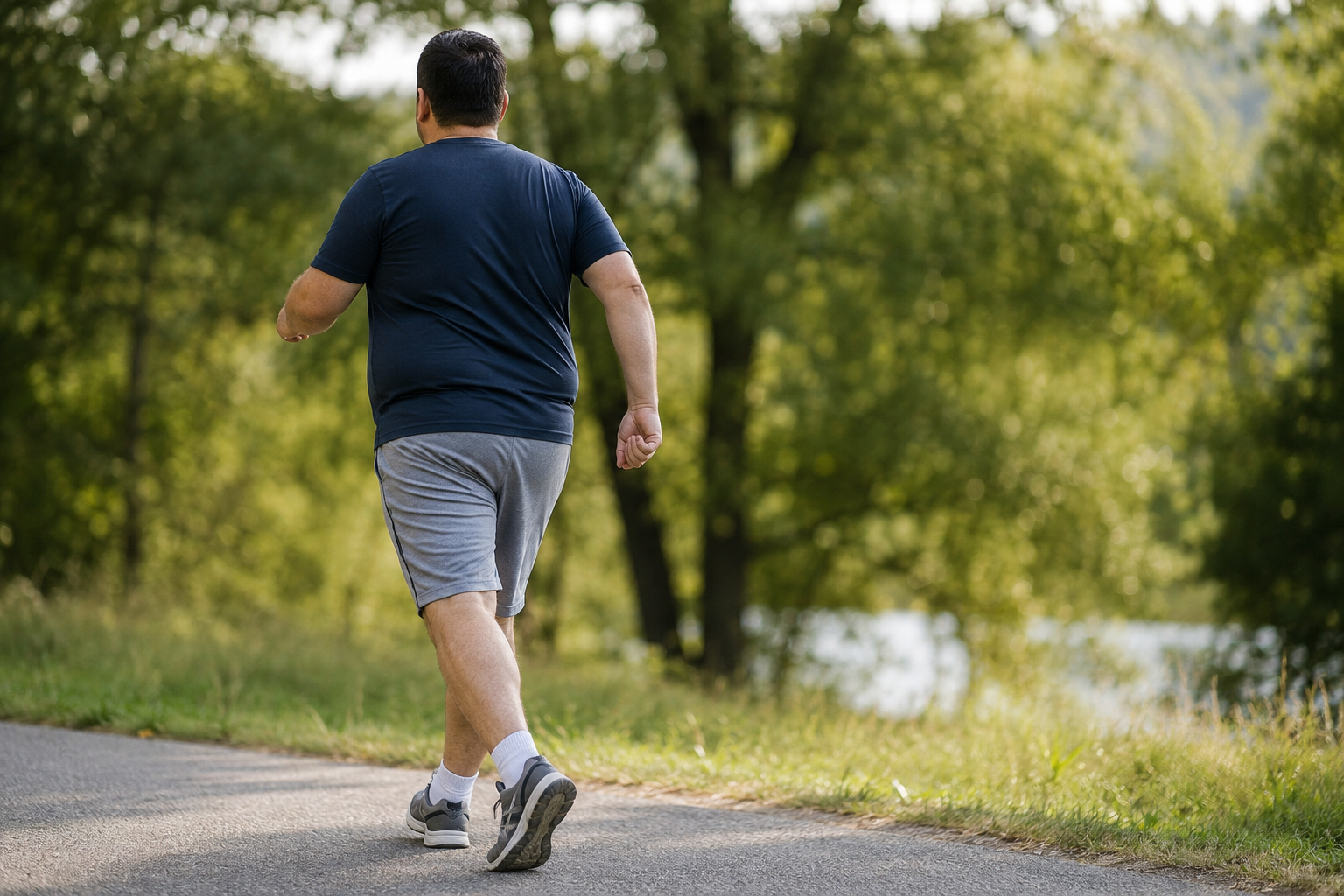 Fast walking once a week sounds almost too modest to matter. We are used to hearing a very different message: if you want to lose abdominal fat, you need to train three, four, five times a week, reorganize your schedule, buy proper sportswear, count every calorie, and behave like a person preparing for a race. And then real life enters the room. Work runs late, children need attention, the weather is bad, the knees ache a little, and by Wednesday the beautiful plan from Monday already looks like a moral failure. That is why the idea of one serious walking session per week is so interesting. Not because it is magic, and not because it cancels the value of daily movement, but because it gives many people a door they can actually walk through. The study that brought attention to this approach looked at adults with central obesity, meaning fat concentrated around the waist and abdomen. This is not just a cosmetic detail. Belly fat, especially the deeper visceral fat around internal organs, behaves almost like an active metabolic organ. It is linked with insulin resistance, chronic low-grade inflammation, higher cardiovascular risk, fatty liver disease, and type 2 diabetes. In other words, the waistline often tells us something that body weight alone may hide. Two people can have the same number on the scale, yet very different health risks depending on where the fat is stored and how active their metabolism is. The research described adults with abdominal obesity who performed interval brisk walking either once a week or three times a week, with both groups reaching the same total weekly load of 75 minutes. After 16 weeks, both walking groups reduced fat mass, body fat percentage, and waist circumference, while also improving cardiorespiratory fitness. That last detail is the key. The once-weekly group was not simply strolling for ten minutes and hoping for a miracle. They accumulated a meaningful amount of exercise in one session. The body still had to work. The heart rate rose, breathing became more active, muscles consumed energy, and the cardiovascular system received a training signal. The difference was not whether the load existed, but how it was distributed across the week. For some people, three shorter sessions are easier. For others, one planned session on a weekend is far more realistic. Medicine often gives people correct advice that fails because it does not fit into their lives. A plan can be scientifically beautiful and practically useless at the same time. Brisk interval walking is also clever because it sits in a comfortable middle zone. It is more purposeful than an ordinary walk to the shop, but less intimidating than running or gym training. During the faster segments, you walk with enough speed to feel that the body has noticed the demand. Breathing becomes deeper, conversation is still possible but less effortless, and the legs begin to work with intention. Then comes a slower segment, where breathing settles and the body prepares for the next push. This alternation is simple, almost primitive, but physiologically meaningful. It lets people spend time at a higher intensity without feeling trapped in continuous strain. For abdominal fat, this matters because the body responds not only to how many calories are burned during the session, but also to repeated metabolic signals. Exercise improves how muscles use glucose, helps insulin work more effectively, influences fat oxidation, and can gradually shift the balance between storing and mobilizing energy. Of course, no walking program can outpace constant overeating, poor sleep, and heavy alcohol intake. But it can push the system in the right direction. Think of it less like “melting fat” and more like changing the internal conditions under which fat is stored. The body becomes a little better at handling fuel. There is also a psychological advantage here that should not be underestimated. Many people fail not because they are lazy, but because the entry point is too steep. When someone hears “exercise three to five times per week,” they may already feel defeated. One missed session turns into guilt, guilt turns into avoidance, and avoidance quietly becomes another month of doing nothing. A once-weekly brisk walking routine can lower that barrier. It tells a person: start with one appointment with your own body. Put it in the calendar. Protect it. Do it properly. Then build from there if you can. This does not mean that once-a-week training is the best possible plan for everyone. More frequent movement is still valuable. Short walks after meals, using stairs, standing up during long sitting periods, light strength work, gardening, housework, cycling, swimming — all of these help. The point is different: one concentrated, well-structured walking session may be much better than waiting forever for the perfect fitness routine. Health often improves not from heroic gestures, but from habits that survive contact with Monday morning. A practical version of this approach could begin with a simple 75-minute session once a week, assuming the person is generally able to walk safely. The first 10 minutes should be easy and unhurried. Let the joints warm up, let breathing settle, let the body understand that this is not a sudden emergency. Then begin intervals. For example, walk briskly for 3 minutes, then slow down for 2 minutes. Repeat this pattern for 45–55 minutes, and finish with 10 minutes of gentle walking. The fast part should feel like effort, not punishment. A useful test is this: you can say a short sentence, but you would not want to deliver a long speech. If you are gasping, dizzy, or feeling chest discomfort, the pace is too high and you should stop. For beginners, it is better to start smaller. A person who has not exercised for years does not need to prove anything in the first week. Forty minutes may be enough at first: 10 minutes easy, 20 minutes of mild intervals, 10 minutes easy. After two or three weeks, the duration can gradually increase. The body adapts better to progressive demands than to sudden enthusiasm. Sudden enthusiasm is responsible for many sore knees, irritated heels, and abandoned plans. Shoes matter more than people think. Brisk walking is repetitive: step after step, hundreds and then thousands of times. Comfortable shoes with decent cushioning and a stable heel can make the difference between a habit and a painful experiment. The route matters too. A flat park path, a quiet embankment, a safe neighborhood loop, or even a treadmill are all reasonable options. Uneven surfaces may be pleasant, but for someone with excess weight or joint problems, they can add unnecessary stress. People with heart disease, uncontrolled high blood pressure, diabetes complications, severe obesity, chest pain, fainting episodes, or significant joint disease should speak with a clinician before starting a more intense walking routine. This is not because walking is dangerous in general; it is because the safest exercise plan is the one matched to the person in front of us. A 35-year-old office worker and a 68-year-old man with coronary disease should not begin at the same intensity just because the word “walking” sounds harmless. In the second half of the week, do not treat the once-weekly session as permission to become completely sedentary. That would be a common trap. The main walking session can be the anchor, but the small movements between it and the next session are the threads that hold the habit together. A 10-minute walk after dinner two or three times a week, standing up every hour during desk work, taking stairs for one or two floors, walking while making phone calls — these actions are not glamorous, but they reduce the long silent blocks of sitting that modern life creates. Food should support the walking, not compensate for it with a reward feast. A brisk 75-minute walk is useful, but it does not give the body immunity from sweet drinks, large portions, and late-night snacking. For reducing abdominal fat, a realistic eating pattern usually works better than a dramatic diet. Protein at breakfast, vegetables at lunch and dinner, fewer liquid calories, less refined flour and sugar, and a calmer evening meal can already change the direction. You do not need to turn the kitchen into a laboratory. You need fewer situations where the body receives more energy than it can reasonably use. Track progress with more than the scale. Waist circumference once every two weeks is often more informative. Measure at the same time of day, under similar conditions, without pulling the tape tight like a suitcase strap. Also notice breathing, walking speed, sleep quality, energy, and how clothes fit. Fat loss is not always linear. Water retention, salt, hormonal changes, constipation, and muscle adaptation can blur the picture on the scale. The waist and physical endurance often tell a more honest story. The best recommendation is to make the session almost boringly repeatable. Same day, similar time, familiar route, clear plan. When a habit requires too many decisions, it becomes fragile. When Saturday morning means walking shoes by the door and a known route ahead, the brain has less room to negotiate. And after a few weeks, something pleasant may happen: the session stops feeling like a medical obligation and starts feeling like personal territory. One hour when the phone can be quiet, the body can work, and the week can reset. So yes, brisk walking once a week can be a meaningful tool for reducing belly fat, especially when it is structured, consistent, and paired with sensible everyday choices. It is not a loophole in biology. It is a realistic strategy. For many people, that is exactly what health advice has been missing: not another perfect plan, but a plan that can actually be lived. Source of the material: https://medpedia.ru/news/bystraya-khodba-raz-v-nedelyu-umenshayet-zhir-na-zhivote/ |
| json metadata | {"tags":["medicine","science","walking","briskwalking","sport"],"image":["https://cdn.steemitimages.com/DQmZCnSgC34df61rZx1W9eLnt8Y4EaVeZxUDx6wnL9dBXw5/image.png"],"links":["https://medpedia.ru/news/bystraya-khodba-raz-v-nedelyu-umenshayet-zhir-na-zhivote/"],"app":"steemit/0.2","format":"markdown"} |
| parent author | |
| parent permlink | medicine |
| permlink | brisk-walking-once-a-week-helps-reduce-belly-fat |
| title | Brisk walking once a week helps reduce belly fat |
| Transaction Info | Block #106138252/Trx 90b6cc58eea641f1ff7734bf0c435b6c95833da1 |
View Raw JSON Data
{
"block": 106138252,
"op": [
"comment",
{
"author": "hospital419",
"body": "\n\nFast walking once a week sounds almost too modest to matter. We are used to hearing a very different message: if you want to lose abdominal fat, you need to train three, four, five times a week, reorganize your schedule, buy proper sportswear, count every calorie, and behave like a person preparing for a race. And then real life enters the room. Work runs late, children need attention, the weather is bad, the knees ache a little, and by Wednesday the beautiful plan from Monday already looks like a moral failure. That is why the idea of one serious walking session per week is so interesting. Not because it is magic, and not because it cancels the value of daily movement, but because it gives many people a door they can actually walk through.\n\nThe study that brought attention to this approach looked at adults with central obesity, meaning fat concentrated around the waist and abdomen. This is not just a cosmetic detail. Belly fat, especially the deeper visceral fat around internal organs, behaves almost like an active metabolic organ. It is linked with insulin resistance, chronic low-grade inflammation, higher cardiovascular risk, fatty liver disease, and type 2 diabetes. In other words, the waistline often tells us something that body weight alone may hide. Two people can have the same number on the scale, yet very different health risks depending on where the fat is stored and how active their metabolism is. The research described adults with abdominal obesity who performed interval brisk walking either once a week or three times a week, with both groups reaching the same total weekly load of 75 minutes. After 16 weeks, both walking groups reduced fat mass, body fat percentage, and waist circumference, while also improving cardiorespiratory fitness. \n\nThat last detail is the key. The once-weekly group was not simply strolling for ten minutes and hoping for a miracle. They accumulated a meaningful amount of exercise in one session. The body still had to work. The heart rate rose, breathing became more active, muscles consumed energy, and the cardiovascular system received a training signal. The difference was not whether the load existed, but how it was distributed across the week. For some people, three shorter sessions are easier. For others, one planned session on a weekend is far more realistic. Medicine often gives people correct advice that fails because it does not fit into their lives. A plan can be scientifically beautiful and practically useless at the same time.\n\nBrisk interval walking is also clever because it sits in a comfortable middle zone. It is more purposeful than an ordinary walk to the shop, but less intimidating than running or gym training. During the faster segments, you walk with enough speed to feel that the body has noticed the demand. Breathing becomes deeper, conversation is still possible but less effortless, and the legs begin to work with intention. Then comes a slower segment, where breathing settles and the body prepares for the next push. This alternation is simple, almost primitive, but physiologically meaningful. It lets people spend time at a higher intensity without feeling trapped in continuous strain.\n\nFor abdominal fat, this matters because the body responds not only to how many calories are burned during the session, but also to repeated metabolic signals. Exercise improves how muscles use glucose, helps insulin work more effectively, influences fat oxidation, and can gradually shift the balance between storing and mobilizing energy. Of course, no walking program can outpace constant overeating, poor sleep, and heavy alcohol intake. But it can push the system in the right direction. Think of it less like “melting fat” and more like changing the internal conditions under which fat is stored. The body becomes a little better at handling fuel.\n\nThere is also a psychological advantage here that should not be underestimated. Many people fail not because they are lazy, but because the entry point is too steep. When someone hears “exercise three to five times per week,” they may already feel defeated. One missed session turns into guilt, guilt turns into avoidance, and avoidance quietly becomes another month of doing nothing. A once-weekly brisk walking routine can lower that barrier. It tells a person: start with one appointment with your own body. Put it in the calendar. Protect it. Do it properly. Then build from there if you can.\n\nThis does not mean that once-a-week training is the best possible plan for everyone. More frequent movement is still valuable. Short walks after meals, using stairs, standing up during long sitting periods, light strength work, gardening, housework, cycling, swimming — all of these help. The point is different: one concentrated, well-structured walking session may be much better than waiting forever for the perfect fitness routine. Health often improves not from heroic gestures, but from habits that survive contact with Monday morning.\n\nA practical version of this approach could begin with a simple 75-minute session once a week, assuming the person is generally able to walk safely. The first 10 minutes should be easy and unhurried. Let the joints warm up, let breathing settle, let the body understand that this is not a sudden emergency. Then begin intervals. For example, walk briskly for 3 minutes, then slow down for 2 minutes. Repeat this pattern for 45–55 minutes, and finish with 10 minutes of gentle walking. The fast part should feel like effort, not punishment. A useful test is this: you can say a short sentence, but you would not want to deliver a long speech. If you are gasping, dizzy, or feeling chest discomfort, the pace is too high and you should stop.\n\nFor beginners, it is better to start smaller. A person who has not exercised for years does not need to prove anything in the first week. Forty minutes may be enough at first: 10 minutes easy, 20 minutes of mild intervals, 10 minutes easy. After two or three weeks, the duration can gradually increase. The body adapts better to progressive demands than to sudden enthusiasm. Sudden enthusiasm is responsible for many sore knees, irritated heels, and abandoned plans.\n\nShoes matter more than people think. Brisk walking is repetitive: step after step, hundreds and then thousands of times. Comfortable shoes with decent cushioning and a stable heel can make the difference between a habit and a painful experiment. The route matters too. A flat park path, a quiet embankment, a safe neighborhood loop, or even a treadmill are all reasonable options. Uneven surfaces may be pleasant, but for someone with excess weight or joint problems, they can add unnecessary stress.\n\nPeople with heart disease, uncontrolled high blood pressure, diabetes complications, severe obesity, chest pain, fainting episodes, or significant joint disease should speak with a clinician before starting a more intense walking routine. This is not because walking is dangerous in general; it is because the safest exercise plan is the one matched to the person in front of us. A 35-year-old office worker and a 68-year-old man with coronary disease should not begin at the same intensity just because the word “walking” sounds harmless.\n\nIn the second half of the week, do not treat the once-weekly session as permission to become completely sedentary. That would be a common trap. The main walking session can be the anchor, but the small movements between it and the next session are the threads that hold the habit together. A 10-minute walk after dinner two or three times a week, standing up every hour during desk work, taking stairs for one or two floors, walking while making phone calls — these actions are not glamorous, but they reduce the long silent blocks of sitting that modern life creates.\n\nFood should support the walking, not compensate for it with a reward feast. A brisk 75-minute walk is useful, but it does not give the body immunity from sweet drinks, large portions, and late-night snacking. For reducing abdominal fat, a realistic eating pattern usually works better than a dramatic diet. Protein at breakfast, vegetables at lunch and dinner, fewer liquid calories, less refined flour and sugar, and a calmer evening meal can already change the direction. You do not need to turn the kitchen into a laboratory. You need fewer situations where the body receives more energy than it can reasonably use.\n\nTrack progress with more than the scale. Waist circumference once every two weeks is often more informative. Measure at the same time of day, under similar conditions, without pulling the tape tight like a suitcase strap. Also notice breathing, walking speed, sleep quality, energy, and how clothes fit. Fat loss is not always linear. Water retention, salt, hormonal changes, constipation, and muscle adaptation can blur the picture on the scale. The waist and physical endurance often tell a more honest story.\n\nThe best recommendation is to make the session almost boringly repeatable. Same day, similar time, familiar route, clear plan. When a habit requires too many decisions, it becomes fragile. When Saturday morning means walking shoes by the door and a known route ahead, the brain has less room to negotiate. And after a few weeks, something pleasant may happen: the session stops feeling like a medical obligation and starts feeling like personal territory. One hour when the phone can be quiet, the body can work, and the week can reset.\n\nSo yes, brisk walking once a week can be a meaningful tool for reducing belly fat, especially when it is structured, consistent, and paired with sensible everyday choices. It is not a loophole in biology. It is a realistic strategy. For many people, that is exactly what health advice has been missing: not another perfect plan, but a plan that can actually be lived.\n\nSource of the material: https://medpedia.ru/news/bystraya-khodba-raz-v-nedelyu-umenshayet-zhir-na-zhivote/",
"json_metadata": "{\"tags\":[\"medicine\",\"science\",\"walking\",\"briskwalking\",\"sport\"],\"image\":[\"https://cdn.steemitimages.com/DQmZCnSgC34df61rZx1W9eLnt8Y4EaVeZxUDx6wnL9dBXw5/image.png\"],\"links\":[\"https://medpedia.ru/news/bystraya-khodba-raz-v-nedelyu-umenshayet-zhir-na-zhivote/\"],\"app\":\"steemit/0.2\",\"format\":\"markdown\"}",
"parent_author": "",
"parent_permlink": "medicine",
"permlink": "brisk-walking-once-a-week-helps-reduce-belly-fat",
"title": "Brisk walking once a week helps reduce belly fat"
}
],
"op_in_trx": 0,
"timestamp": "2026-05-17T19:54:15",
"trx_id": "90b6cc58eea641f1ff7734bf0c435b6c95833da1",
"trx_in_block": 1,
"virtual_op": 0
}hospital419published a new post: ultra-processed-foods-in-kids-diet-linked-to-higher-asthma-risk2026/05/16 09:45:39
hospital419published a new post: ultra-processed-foods-in-kids-diet-linked-to-higher-asthma-risk
2026/05/16 09:45:39
| author | hospital419 |
| body | @@ -1539,21 +1539,8 @@ em. -(%5BPubMed%5D%5B1%5D) %0A%0ATo |
| json metadata | {"tags":["asthma","ultraprocessedfood","science"],"image":["https://cdn.steemitimages.com/DQmQXRgfdHYXA1at1vQpa6VRprfnrA92eCpsXDfbu6S7HR9/758f3f42-3790-47fa-93d1-794cdf55ae20.png"],"links":["https://medpedia.ru/news/ultrapererabotannaya-eda-u-detey-povyshayet-risk-astmy/"],"app":"steemit/0.2","format":"markdown"} |
| parent author | |
| parent permlink | medicine |
| permlink | ultra-processed-foods-in-kids-diet-linked-to-higher-asthma-risk |
| title | Ultra processed foods in kids diet linked to higher asthma risk |
| Transaction Info | Block #106097746/Trx 3e553bd91f9e1d8e4e3841988641eddb46f7988b |
View Raw JSON Data
{
  "block": 106097746,
  "op": [
    "comment",
    {
      "author": "hospital419",
      "body": "@@ -1539,21 +1539,8 @@\n em. \n-(%5BPubMed%5D%5B1%5D)\n %0A%0ATo\n",
      "json_metadata": "{\"tags\":[\"asthma\",\"ultraprocessedfood\",\"science\"],\"image\":[\"https://cdn.steemitimages.com/DQmQXRgfdHYXA1at1vQpa6VRprfnrA92eCpsXDfbu6S7HR9/758f3f42-3790-47fa-93d1-794cdf55ae20.png\"],\"links\":[\"https://medpedia.ru/news/ultrapererabotannaya-eda-u-detey-povyshayet-risk-astmy/\"],\"app\":\"steemit/0.2\",\"format\":\"markdown\"}",
      "parent_author": "",
      "parent_permlink": "medicine",
      "permlink": "ultra-processed-foods-in-kids-diet-linked-to-higher-asthma-risk",
      "title": "Ultra processed foods in kids diet linked to higher asthma risk"
    }
  ],
  "op_in_trx": 0,
  "timestamp": "2026-05-16T09:45:39",
  "trx_id": "3e553bd91f9e1d8e4e3841988641eddb46f7988b",
  "trx_in_block": 1,
  "virtual_op": 0
}hospital419published a new post: ultra-processed-foods-in-kids-diet-linked-to-higher-asthma-risk2026/05/16 09:44:18
hospital419published a new post: ultra-processed-foods-in-kids-diet-linked-to-higher-asthma-risk
2026/05/16 09:44:18
| author | hospital419 |
| body | 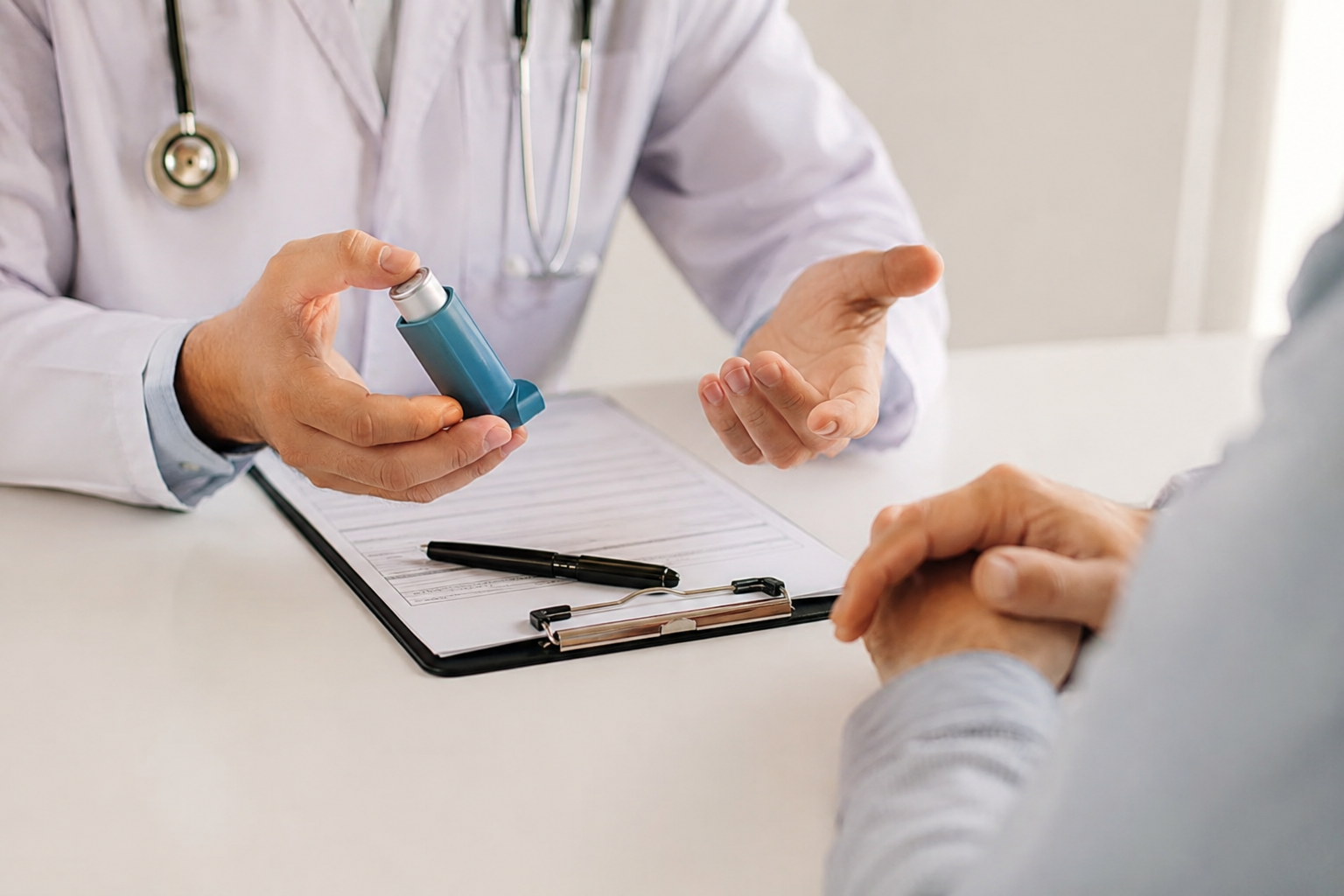 Ultra-processed foods in a child’s diet can look harmless at first glance. A sweet yogurt in a bright tube, a packaged muffin after school, chicken nuggets from the freezer, cereal that promises vitamins on the front of the box, a fruit drink that seems “almost like juice” — none of this feels dramatic. Parents are busy, children are picky, mornings are rushed, and food companies are very good at making these products look like a normal part of childhood. But the more we learn about ultra-processed foods, the harder it becomes to treat them as just convenient calories. A recent prospective study from the SENDO Project linked higher consumption of ultra-processed foods in school-age children with a higher risk of developing asthma over several years. The association was not proof that these foods directly cause asthma, but it was strong enough to make researchers pay attention: children with higher intake had a markedly increased risk compared with children who ate less ultra-processed food. The same study did not find the same clear association with every allergic condition, which is actually interesting. It suggests we may not be looking only at classic “allergy” mechanisms, but also at broader processes such as inflammation, oxidative stress, changes in the gut microbiome, and the way modern diets interact with a child’s immune and respiratory system. ([PubMed][1]) To understand why this matters, we first need to be honest about what ultra-processed food is. It is not simply “food that was cooked in a factory.” Bread, cheese, yogurt, frozen vegetables, canned beans — these can all be processed to some degree and still fit into a healthy diet. Ultra-processed foods are different. They are usually industrial formulations made from refined starches, added sugars, cheap fats, flavorings, emulsifiers, colors, preservatives, and ingredients most of us would not use in a home kitchen. Think of soft drinks, packaged cakes, sweet breakfast cereals, chips, instant noodles, processed meats, many ready-to-eat snacks, fast food products, and some “children’s” foods that are marketed as fun, colorful, and easy. The problem is not one cookie at a birthday party. Childhood should not become a sterile medical project where every snack is treated like a hazard. The concern is the daily pattern — when ultra-processed foods quietly become the default background of a child’s diet. A sugary cereal in the morning, packaged crackers at school, a sweet drink in the afternoon, nuggets or pizza for dinner, a dessert from a wrapper before bed. Each item alone may seem small. Together, they can crowd out the foods that actually help the body build resilient tissues: vegetables, fruit, legumes, fish, eggs, whole grains, nuts where age-appropriate, fermented dairy, and simple home-cooked meals. Asthma is a complicated disease, of course. No serious doctor would say that asthma appears because a child ate too many snacks. Genetics matter. Air pollution matters. Tobacco smoke, viral infections, indoor mold, obesity, allergens, early-life antibiotic exposure, physical activity, and socioeconomic factors all play a role. Some children grow up eating very carefully and still develop asthma; others eat a poor diet and never wheeze. Biology is rarely neat. But that is exactly why diet deserves attention: it is one of the factors families can actually influence, not perfectly, but meaningfully. One possible pathway is inflammation. Ultra-processed foods are often high in added sugar, refined carbohydrates, salt, and unhealthy fats, while being low in fiber and protective micronutrients. A diet built around these foods can keep the body in a low-grade inflammatory state. In a child whose airways are already sensitive, that background inflammation may make the respiratory system more reactive. Imagine the airways like a narrow, easily irritated road. Pollen, viruses, cold air, or pollution may be the traffic jams, but chronic inflammation is like making the road even narrower before the traffic begins. Another pathway runs through the gut. This may sound far from the lungs, but the gut and immune system are in constant conversation. A fiber-rich diet feeds beneficial bacteria, and these bacteria produce short-chain fatty acids that help regulate immune responses. When children eat mostly refined, low-fiber, ultra-processed foods, the microbiome may become less diverse and less supportive of immune balance. We cannot yet translate this into a simple rule like “one food prevents asthma,” but the direction is plausible: a child’s gut ecosystem may shape how aggressively the immune system reacts elsewhere in the body, including the airways. There is also the issue of additives and food structure. Emulsifiers, flavor enhancers, artificial colors, preservatives, and industrially modified ingredients are not all equally harmful, and it would be lazy to put them into one frightening basket. Still, ultra-processed foods expose children to combinations of substances and textures that differ sharply from traditional diets. These foods are often engineered to be eaten quickly, to bypass normal satiety signals, and to encourage “just one more bite.” That can promote excess calorie intake and weight gain. Since childhood obesity itself is associated with a higher risk and greater severity of asthma, part of the UPF-asthma link may pass through body weight and metabolic health. But even here, we should avoid reducing the issue to weight. A thin child can still have a poor-quality diet. A child in a larger body can eat well and be active. The lungs do not read a bathroom scale alone; they respond to inflammation, infections, immune tone, sleep, movement, pollutants, and nutrition. That is why the conversation should not be “make children thinner.” It should be “make children better nourished and less exposed to dietary patterns that keep the body irritated.” For parents, the practical question is not whether they should ban every packaged food. That usually backfires. Children live in the real world — school parties, grandparents, trips, friends’ houses, sports practices, vending machines. The better approach is to change the default at home. If the everyday pattern is solid, occasional ultra-processed foods lose much of their power. The body can handle exceptions; it struggles with repetition. A useful first step is to identify the top three ultra-processed foods that appear most often in the child’s routine. Not the most “shameful” foods, not the ones that make parents feel guilty — just the most frequent ones. Maybe it is sweet cereal, packaged cookies, and fruit drinks. Maybe it is processed meat, chips, and instant noodles. Replace one at a time. Swap sweet cereal for oatmeal with fruit, yogurt, or eggs and toast. Replace fruit drinks with water plus actual fruit. Replace packaged cookies in the school bag with a banana, cheese, nuts if allowed and safe, or a simple homemade sandwich. Small replacements repeated every week matter more than a heroic “clean eating” plan that lasts four days. The second recommendation is to build meals around “real anchors.” A real anchor is a food that gives the meal structure: beans, lentils, eggs, fish, chicken, plain yogurt, potatoes, brown rice, whole-grain bread, vegetables, fruit. Once the anchor is there, the meal becomes less dependent on packaged extras. A child who eats eggs and tomatoes for breakfast is less likely to need a sugary bar an hour later. A child who has lentil soup or chicken with rice and vegetables for dinner is less likely to graze through the evening. Fiber deserves special attention. If I had to choose one quiet hero in this story, it would probably be fiber. It supports the gut microbiome, slows glucose spikes, improves satiety, and usually comes packaged by nature with vitamins, minerals, and plant compounds. Children do not need exotic “superfoods.” They need ordinary foods more often: apples, pears, berries, carrots, peas, beans, lentils, oats, buckwheat, whole-grain bread, and vegetables in forms they will actually eat. If a child refuses salads, try soup, roasted vegetables, vegetable sauces, or grated vegetables mixed into familiar dishes. The goal is not Instagram-level perfection; it is repeated exposure without turning the table into a battlefield. For children who already have asthma or frequent wheezing, diet should sit alongside medical care, not replace it. Inhalers, written asthma action plans, allergy evaluation, vaccination where appropriate, and trigger control remain essential. No parent should stop prescribed therapy because they improved the child’s diet. Food is not a rescue inhaler. But a better diet may support the terrain in which the disease develops and behaves. It is the difference between mopping the floor during a leak and also checking the pipes. It also helps to read labels in a simple, non-obsessive way. A long ingredient list is not automatically dangerous, but it is a signal to pause. If the product contains several types of sugar, refined starches, hydrogenated or repeatedly processed fats, flavorings, colors, emulsifiers, and very little recognizable food, it probably belongs in the “sometimes” category. Marketing words like “natural,” “with vitamins,” “high protein,” or “made for kids” do not change the basic structure of the product. The front of the package is advertising; the ingredient list is closer to the truth. Schools and pediatric clinics should be part of this conversation too. It is unfair to place the whole burden on parents while children are surrounded by cheap, colorful, aggressively marketed foods. A family can do many things right and still feel outnumbered by the food environment. Better school meals, limits on sugary drinks, clearer food labeling, and practical nutrition education would probably do more than another lecture telling parents to “make healthy choices.” Choice is easier when the environment is not constantly pushing children in the opposite direction. The most reasonable conclusion is this: ultra-processed foods are unlikely to be the only cause of childhood asthma, but they may be one avoidable contributor to a child’s respiratory risk. The emerging evidence is not a reason for panic; it is a reason to pay attention. Childhood lungs are still developing. The immune system is learning how to respond to the world. During that window, diet is not just fuel — it is information. It tells the body whether it is being supported with fiber, minerals, healthy fats, and diverse nutrients, or repeatedly exposed to sweet, salty, low-fiber industrial products that are easy to overeat and poor at nourishing. So the practical message is calm but firm. Do not demonize food. Do not scare children. Do not turn every meal into a medical lesson. Just move the family diet, step by step, away from packages that imitate food and toward foods that actually behave like food inside the body. For a child’s lungs, gut, immune system, and long-term health, that shift may matter more than it seems when you are standing in a supermarket aisle choosing between two bright boxes. Source: https://medpedia.ru/news/ultrapererabotannaya-eda-u-detey-povyshayet-risk-astmy/ |
| json metadata | {"tags":["medicine","asthma","ultraprocessedfood","science"],"image":["https://cdn.steemitimages.com/DQmQXRgfdHYXA1at1vQpa6VRprfnrA92eCpsXDfbu6S7HR9/758f3f42-3790-47fa-93d1-794cdf55ae20.png"],"links":["https://medpedia.ru/news/ultrapererabotannaya-eda-u-detey-povyshayet-risk-astmy/"],"app":"steemit/0.2","format":"markdown"} |
| parent author | |
| parent permlink | medicine |
| permlink | ultra-processed-foods-in-kids-diet-linked-to-higher-asthma-risk |
| title | Ultra processed foods in kids diet linked to higher asthma risk |
| Transaction Info | Block #106097719/Trx 9b13552181e4c22185d79947e5d4058d42948659 |
View Raw JSON Data
{
"block": 106097719,
"op": [
"comment",
{
"author": "hospital419",
"body": "\n\nUltra-processed foods in a child’s diet can look harmless at first glance. A sweet yogurt in a bright tube, a packaged muffin after school, chicken nuggets from the freezer, cereal that promises vitamins on the front of the box, a fruit drink that seems “almost like juice” — none of this feels dramatic. Parents are busy, children are picky, mornings are rushed, and food companies are very good at making these products look like a normal part of childhood. But the more we learn about ultra-processed foods, the harder it becomes to treat them as just convenient calories.\n\nA recent prospective study from the SENDO Project linked higher consumption of ultra-processed foods in school-age children with a higher risk of developing asthma over several years. The association was not proof that these foods directly cause asthma, but it was strong enough to make researchers pay attention: children with higher intake had a markedly increased risk compared with children who ate less ultra-processed food. The same study did not find the same clear association with every allergic condition, which is actually interesting. It suggests we may not be looking only at classic “allergy” mechanisms, but also at broader processes such as inflammation, oxidative stress, changes in the gut microbiome, and the way modern diets interact with a child’s immune and respiratory system. ([PubMed][1])\n\nTo understand why this matters, we first need to be honest about what ultra-processed food is. It is not simply “food that was cooked in a factory.” Bread, cheese, yogurt, frozen vegetables, canned beans — these can all be processed to some degree and still fit into a healthy diet. Ultra-processed foods are different. They are usually industrial formulations made from refined starches, added sugars, cheap fats, flavorings, emulsifiers, colors, preservatives, and ingredients most of us would not use in a home kitchen. Think of soft drinks, packaged cakes, sweet breakfast cereals, chips, instant noodles, processed meats, many ready-to-eat snacks, fast food products, and some “children’s” foods that are marketed as fun, colorful, and easy.\n\nThe problem is not one cookie at a birthday party. Childhood should not become a sterile medical project where every snack is treated like a hazard. The concern is the daily pattern — when ultra-processed foods quietly become the default background of a child’s diet. A sugary cereal in the morning, packaged crackers at school, a sweet drink in the afternoon, nuggets or pizza for dinner, a dessert from a wrapper before bed. Each item alone may seem small. Together, they can crowd out the foods that actually help the body build resilient tissues: vegetables, fruit, legumes, fish, eggs, whole grains, nuts where age-appropriate, fermented dairy, and simple home-cooked meals.\n\nAsthma is a complicated disease, of course. No serious doctor would say that asthma appears because a child ate too many snacks. Genetics matter. Air pollution matters. Tobacco smoke, viral infections, indoor mold, obesity, allergens, early-life antibiotic exposure, physical activity, and socioeconomic factors all play a role. Some children grow up eating very carefully and still develop asthma; others eat a poor diet and never wheeze. Biology is rarely neat. But that is exactly why diet deserves attention: it is one of the factors families can actually influence, not perfectly, but meaningfully.\n\nOne possible pathway is inflammation. Ultra-processed foods are often high in added sugar, refined carbohydrates, salt, and unhealthy fats, while being low in fiber and protective micronutrients. A diet built around these foods can keep the body in a low-grade inflammatory state. In a child whose airways are already sensitive, that background inflammation may make the respiratory system more reactive. Imagine the airways like a narrow, easily irritated road. Pollen, viruses, cold air, or pollution may be the traffic jams, but chronic inflammation is like making the road even narrower before the traffic begins.\n\nAnother pathway runs through the gut. This may sound far from the lungs, but the gut and immune system are in constant conversation. A fiber-rich diet feeds beneficial bacteria, and these bacteria produce short-chain fatty acids that help regulate immune responses. When children eat mostly refined, low-fiber, ultra-processed foods, the microbiome may become less diverse and less supportive of immune balance. We cannot yet translate this into a simple rule like “one food prevents asthma,” but the direction is plausible: a child’s gut ecosystem may shape how aggressively the immune system reacts elsewhere in the body, including the airways.\n\nThere is also the issue of additives and food structure. Emulsifiers, flavor enhancers, artificial colors, preservatives, and industrially modified ingredients are not all equally harmful, and it would be lazy to put them into one frightening basket. Still, ultra-processed foods expose children to combinations of substances and textures that differ sharply from traditional diets. These foods are often engineered to be eaten quickly, to bypass normal satiety signals, and to encourage “just one more bite.” That can promote excess calorie intake and weight gain. Since childhood obesity itself is associated with a higher risk and greater severity of asthma, part of the UPF-asthma link may pass through body weight and metabolic health.\n\nBut even here, we should avoid reducing the issue to weight. A thin child can still have a poor-quality diet. A child in a larger body can eat well and be active. The lungs do not read a bathroom scale alone; they respond to inflammation, infections, immune tone, sleep, movement, pollutants, and nutrition. That is why the conversation should not be “make children thinner.” It should be “make children better nourished and less exposed to dietary patterns that keep the body irritated.”\n\nFor parents, the practical question is not whether they should ban every packaged food. That usually backfires. Children live in the real world — school parties, grandparents, trips, friends’ houses, sports practices, vending machines. The better approach is to change the default at home. If the everyday pattern is solid, occasional ultra-processed foods lose much of their power. The body can handle exceptions; it struggles with repetition.\n\nA useful first step is to identify the top three ultra-processed foods that appear most often in the child’s routine. Not the most “shameful” foods, not the ones that make parents feel guilty — just the most frequent ones. Maybe it is sweet cereal, packaged cookies, and fruit drinks. Maybe it is processed meat, chips, and instant noodles. Replace one at a time. Swap sweet cereal for oatmeal with fruit, yogurt, or eggs and toast. Replace fruit drinks with water plus actual fruit. Replace packaged cookies in the school bag with a banana, cheese, nuts if allowed and safe, or a simple homemade sandwich. Small replacements repeated every week matter more than a heroic “clean eating” plan that lasts four days.\n\nThe second recommendation is to build meals around “real anchors.” A real anchor is a food that gives the meal structure: beans, lentils, eggs, fish, chicken, plain yogurt, potatoes, brown rice, whole-grain bread, vegetables, fruit. Once the anchor is there, the meal becomes less dependent on packaged extras. A child who eats eggs and tomatoes for breakfast is less likely to need a sugary bar an hour later. A child who has lentil soup or chicken with rice and vegetables for dinner is less likely to graze through the evening.\n\nFiber deserves special attention. If I had to choose one quiet hero in this story, it would probably be fiber. It supports the gut microbiome, slows glucose spikes, improves satiety, and usually comes packaged by nature with vitamins, minerals, and plant compounds. Children do not need exotic “superfoods.” They need ordinary foods more often: apples, pears, berries, carrots, peas, beans, lentils, oats, buckwheat, whole-grain bread, and vegetables in forms they will actually eat. If a child refuses salads, try soup, roasted vegetables, vegetable sauces, or grated vegetables mixed into familiar dishes. The goal is not Instagram-level perfection; it is repeated exposure without turning the table into a battlefield.\n\nFor children who already have asthma or frequent wheezing, diet should sit alongside medical care, not replace it. Inhalers, written asthma action plans, allergy evaluation, vaccination where appropriate, and trigger control remain essential. No parent should stop prescribed therapy because they improved the child’s diet. Food is not a rescue inhaler. But a better diet may support the terrain in which the disease develops and behaves. It is the difference between mopping the floor during a leak and also checking the pipes.\n\nIt also helps to read labels in a simple, non-obsessive way. A long ingredient list is not automatically dangerous, but it is a signal to pause. If the product contains several types of sugar, refined starches, hydrogenated or repeatedly processed fats, flavorings, colors, emulsifiers, and very little recognizable food, it probably belongs in the “sometimes” category. Marketing words like “natural,” “with vitamins,” “high protein,” or “made for kids” do not change the basic structure of the product. The front of the package is advertising; the ingredient list is closer to the truth.\n\nSchools and pediatric clinics should be part of this conversation too. It is unfair to place the whole burden on parents while children are surrounded by cheap, colorful, aggressively marketed foods. A family can do many things right and still feel outnumbered by the food environment. Better school meals, limits on sugary drinks, clearer food labeling, and practical nutrition education would probably do more than another lecture telling parents to “make healthy choices.” Choice is easier when the environment is not constantly pushing children in the opposite direction.\n\nThe most reasonable conclusion is this: ultra-processed foods are unlikely to be the only cause of childhood asthma, but they may be one avoidable contributor to a child’s respiratory risk. The emerging evidence is not a reason for panic; it is a reason to pay attention. Childhood lungs are still developing. The immune system is learning how to respond to the world. During that window, diet is not just fuel — it is information. It tells the body whether it is being supported with fiber, minerals, healthy fats, and diverse nutrients, or repeatedly exposed to sweet, salty, low-fiber industrial products that are easy to overeat and poor at nourishing.\n\nSo the practical message is calm but firm. Do not demonize food. Do not scare children. Do not turn every meal into a medical lesson. Just move the family diet, step by step, away from packages that imitate food and toward foods that actually behave like food inside the body. For a child’s lungs, gut, immune system, and long-term health, that shift may matter more than it seems when you are standing in a supermarket aisle choosing between two bright boxes.\n\nSource: https://medpedia.ru/news/ultrapererabotannaya-eda-u-detey-povyshayet-risk-astmy/",
"json_metadata": "{\"tags\":[\"medicine\",\"asthma\",\"ultraprocessedfood\",\"science\"],\"image\":[\"https://cdn.steemitimages.com/DQmQXRgfdHYXA1at1vQpa6VRprfnrA92eCpsXDfbu6S7HR9/758f3f42-3790-47fa-93d1-794cdf55ae20.png\"],\"links\":[\"https://medpedia.ru/news/ultrapererabotannaya-eda-u-detey-povyshayet-risk-astmy/\"],\"app\":\"steemit/0.2\",\"format\":\"markdown\"}",
"parent_author": "",
"parent_permlink": "medicine",
"permlink": "ultra-processed-foods-in-kids-diet-linked-to-higher-asthma-risk",
"title": "Ultra processed foods in kids diet linked to higher asthma risk"
}
],
"op_in_trx": 0,
"timestamp": "2026-05-16T09:44:18",
"trx_id": "9b13552181e4c22185d79947e5d4058d42948659",
"trx_in_block": 1,
"virtual_op": 0
}steemdelegated 3.354 SP to @hospital4192026/03/13 20:12:27
steemdelegated 3.354 SP to @hospital419
2026/03/13 20:12:27
| delegatee | hospital419 |
| delegator | steem |
| vesting shares | 5453.820017 VESTS |
| Transaction Info | Block #104274462/Trx e2176f3a066641329969a113aa69501f0eb1cadf |
View Raw JSON Data
{
  "block": 104274462,
  "op": [
    "delegate_vesting_shares",
    {
      "delegatee": "hospital419",
      "delegator": "steem",
      "vesting_shares": "5453.820017 VESTS"
    }
  ],
  "op_in_trx": 0,
  "timestamp": "2026-03-13T20:12:27",
  "trx_id": "e2176f3a066641329969a113aa69501f0eb1cadf",
  "trx_in_block": 4,
  "virtual_op": 0
}steemdelegated 10.118 SP to @hospital4192025/12/24 03:29:06
steemdelegated 10.118 SP to @hospital419
2025/12/24 03:29:06
| delegatee | hospital419 |
| delegator | steem |
| vesting shares | 16454.017342 VESTS |
| Transaction Info | Block #101984756/Trx 04fcf6cecdb9690cd698dcab9329bf0c725d8f44 |
View Raw JSON Data
{
  "block": 101984756,
  "op": [
    "delegate_vesting_shares",
    {
      "delegatee": "hospital419",
      "delegator": "steem",
      "vesting_shares": "16454.017342 VESTS"
    }
  ],
  "op_in_trx": 0,
  "timestamp": "2025-12-24T03:29:06",
  "trx_id": "04fcf6cecdb9690cd698dcab9329bf0c725d8f44",
  "trx_in_block": 1,
  "virtual_op": 0
}hospital419published a new post: kak-spravitsya-so-stressom-v-prazdniki-i-sokhranit-psikhicheskoe-zdorove2025/12/12 19:03:45
hospital419published a new post: kak-spravitsya-so-stressom-v-prazdniki-i-sokhranit-psikhicheskoe-zdorove
2025/12/12 19:03:45
| author | hospital419 |
| body | 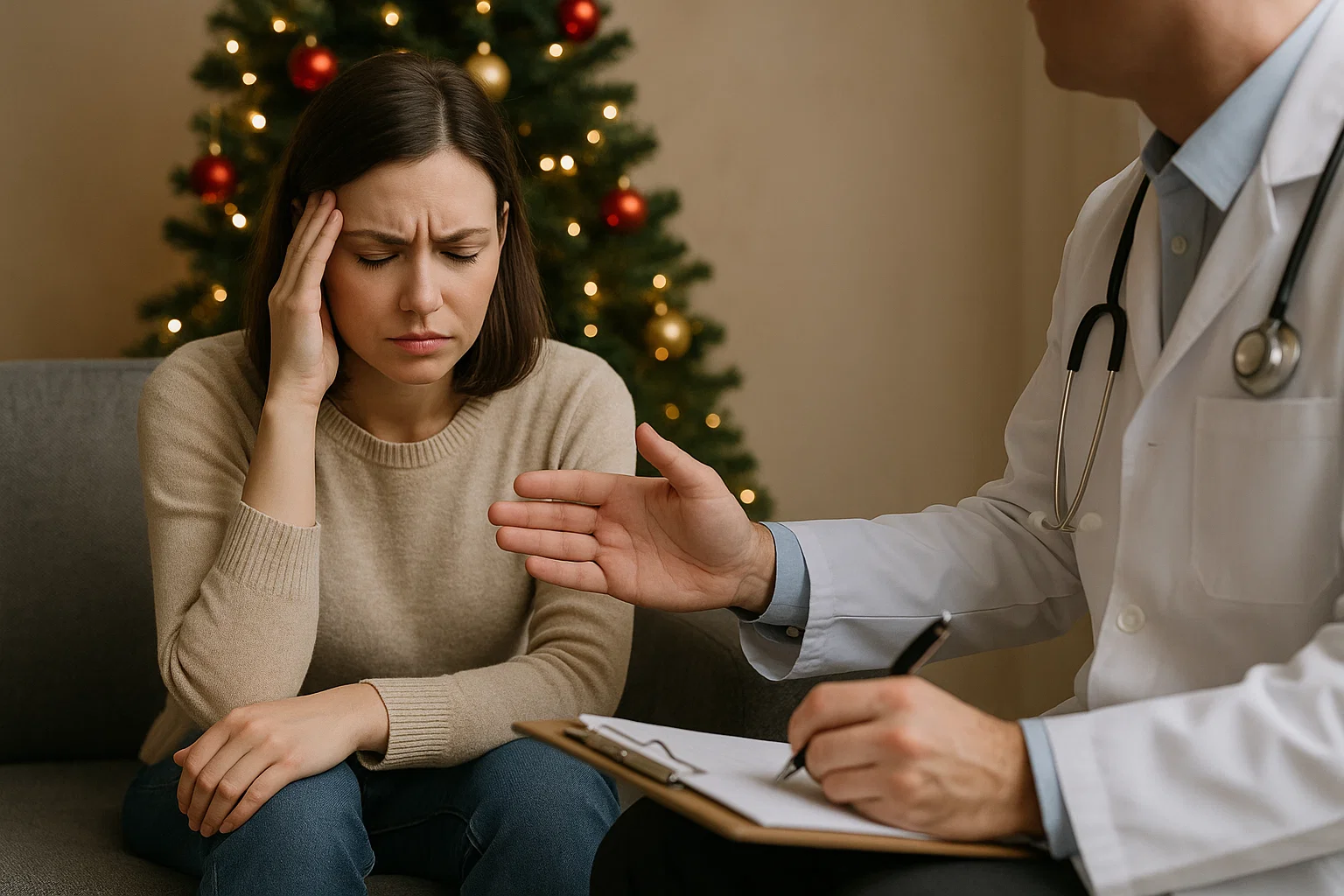 Праздники принято рисовать как идеальное время — огоньки, семейный стол, ощущение, что наконец-то можно выдохнуть. Но если честно, для огромного количества людей это вовсе не передышка, а марафон на износ. Опрос Американской психиатрической ассоциации за 2025 год показывает: 41 % людей заранее ждут, что в праздничный период им будет тяжелее, чем обычно. Это рекорд за последние годы. Деньги, родственники, с которыми не хотелось бы общаться, утраты близких, ожидание идеального праздника — всё это складывается в довольно коварную эмоциональную ловушку. И в этой статье речь не о том, как взять себя в руки, а о том, что именно происходит с психикой в праздники и какие реально работающие, научно подтверждённые способы помогают пройти этот период без выгорания и внутренних взрывов. Праздничный стресс настолько массовое явление, что у исследователей для него есть отдельное название. Период между Рождеством и Новым годом специалисты по зависимостям даже называют бермудским треугольником выздоровления — временем, когда защитные механизмы психики испытывают максимальную нагрузку. По данным исследования Sleepopolis за 2024 год, 81 % людей чувствуют рост стресса именно в праздники. Каждый пятый признаётся, что этот год оказался тяжелее предыдущего. Треть жалуется на проблемы со сном, почти 38 % — на ухудшение психического состояния. А если у человека уже есть диагностированное психическое расстройство, вероятность ухудшения подскакивает до 64 %. Особенно уязвима молодёжь: почти половина людей от 18 до 34 лет заранее ждут усиления стресса. Для сравнения, среди тех, кому за 65, таких всего около четверти. Если копнуть глубже, становится понятно, что дело не только в эмоциях, но и в нашей биологии. Центральную роль здесь играет кортизол — гормон стресса. В норме он живёт по расписанию: резко подскакивает утром (примерно через полчаса после пробуждения), помогая нам включиться в день, а затем постепенно снижается, освобождая место мелатонину и нормальному сну. Праздники же нарушают этот ритм. Исследования показывают, что сильный стресс может увеличивать выброс кортизола в девять раз по сравнению с состоянием покоя. Постоянные поездки, списки дел, деньги, семейные встречи — всё это держит организм в режиме боевой готовности. Итог вполне предсказуем: тянет на сладкое и жирное, решения становятся импульсивными, сон поверхностным. Префронтальная кора — та часть мозга, которая отвечает за здравый смысл и контроль, — под действием кортизола работает хуже. Поэтому именно в праздники мы чаще делаем импульсивные покупки, говорим лишнее и потом долго прокручиваем это в голове. К этому добавляется ещё и сезонный фактор. Короткий световой день влияет на серотонин и мелатонин, а у некоторых людей запускает сезонное аффективное расстройство. Гипоталамус, получая сигналы о наступлении зимы, запускает древние программы накопления энергии — те самые, которые у животных помогают пережить холод. В современных условиях это легко превращается в бесконтрольные застолья и ощущение, что остановиться есть невозможно. Самый частый источник напряжения в праздники — деньги. Почти половина людей переживает, хватит ли средств на подарки, больше трети — на праздничный стол. Молодые здесь страдают сильнее всех: более половины из них тревожатся из-за расходов. И парадокс в том, что при всей этой тревоге многие всё равно тратят больше, чем планировали. Лишь около трети людей вообще придерживаются бюджета. Давит не реальная необходимость, а социальные ожидания — страх показаться не таким, разочаровать близких, выглядеть хуже других. На втором месте — семья. Около 35 % людей прямо говорят, что именно отношения с родственниками делают праздники тяжёлыми. Чаще всего триггером становятся не сами близкие, а расширенная семья: тёти, дяди, двоюродные родственники. Возвращение в родительский дом часто запускает регрессию — взрослый человек вдруг снова чувствует себя ребёнком. Старые роли, обиды, конкуренция между братьями и сёстрами всплывают почти автоматически. Добавьте к этому усталость, недосып и идеализированную картинку того, как должно быть, и конфликт становится почти неизбежным. Отдельная головная боль — разговоры о политике и острых социальных темах. Почти 60 % людей опасаются, что именно они испортят праздник. Для тех, кто пережил утрату близких, праздники часто становятся особенно болезненным временем. Почти половина людей отмечают, что именно в этот период горе ощущается острее. Первые праздники после потери — отдельное испытание, но и спустя годы даты могут возвращать волны тоски. С этим перекликается и феномен праздничного одиночества. До 20 % людей чувствуют подавленность в новогодние дни. Социальные сети здесь только подливают масла в огонь: чужие идеальные праздники легко превращаются в ощущение собственной неполноценности. На этом фоне личные границы становятся не абстрактной психологической модой, а реальным инструментом выживания. Психологи определяют границу как обещание, которое человек даёт себе — о том, что для него допустимо, а что нет. И проблема в том, что устанавливать их умеют далеко не все. Большинство людей боятся чувства вины, разочаровать близких или выглядеть эгоистами. При этом исследования показывают: гибкие, но чёткие границы напрямую связаны с лучшим психическим состоянием и лучшей устойчивостью к стрессу. Не случайно четверть людей в одном из опросов честно признались, что ограничили общение с семьёй ради собственного благополучия. Это не про разрыв отношений, а про осознанный выбор их формата. На практике праздничные границы выглядят очень приземлённо. Ограничить время визита. Заранее решить, какие темы вы не обсуждаете. Выбирать мероприятия, исходя из своих сил, а не чужих ожиданий. И главное — говорить об этом спокойно. Фраза «Я понимаю, что тебе это важно, но сейчас я не готов это обсуждать» почти всегда работает лучше, чем резкий запрет. А техника серого камня — нейтральная, эмоционально ровная реакция — помогает не втягиваться в привычные сценарии манипуляций. Хорошим противоядием от праздничной гонки становится осознанность. Это не про эзотерику, а про навык возвращать внимание в настоящий момент без самокритики. Исследования мозга показывают, что даже короткие регулярные практики меняют активность нейронных сетей, связанных со стрессом. Для реальной жизни это означает простую вещь: не нужны часы медитаций. Иногда достаточно пары минут осознанного дыхания в день. Техника 5-4-3-2-1 при тревоге, короткие списки благодарности — всё это снижает уровень напряжения и возвращает ощущение опоры. Праздничные встречи тоже можно переживать более спокойно, если готовиться к ним заранее. Техника Cope Ahead из диалектической терапии предлагает буквально проиграть в голове сложные моменты и свои реакции. Подумать, какие вопросы могут вам задать, какие неприятные темы всплывут, и какие нейтральные ответы у вас есть. Алкоголь здесь отдельная тема: он снижает самоконтроль и делает границы размытыми. Полезно иметь план отхода — свой транспорт, кодовое слово с партнёром, чёткое понимание, что вы вправе уйти, если становится плохо. Нельзя забывать и про физиологическую базу. Недосып усиливает раздражительность и делает нас уязвимыми. Простые вещи — режим сна, вечерние ритуалы, прогулки на свежем воздухе — реально работают. Даже 15 минут ходьбы снижают уровень тревоги и помогают разгрузить голову. Осознанное питание тоже играет роль: внимание к вкусу и насыщению снижает риск переедания, которое часто становится реакцией на стресс, а не на голод. Праздничная грусть чаще всего проходит после каникул. Но если апатия, проблемы со сном и ощущение пустоты тянутся дольше двух недель, это повод обратиться к специалисту. Врачи давно заметили, что сразу после длинных выходных количество обращений за психологической помощью растёт примерно на 15 %. Это не слабость и не излишняя чувствительность, а нормальная реакция психики на перегрузку. Праздники — не повод отменять терапию, а скорее время, когда поддержка особенно нужна. Источник - https://medpedia.ru/articles/general/kak-spravitsya-so-stressom-v-prazdniki-i-izbezhat-konfliktov/?article=kak-spravitsya-so-stressom-v-prazdniki-i-izbezhat-konfliktov |
| json metadata | {"tags":["health","healthcare","science","holidays","christmas","newyear"],"image":["https://cdn.steemitimages.com/DQmV1R3XZq735hDHVG3AXDpWfp9AsaLkAj72FwpZLo5MkTW/image.png"],"links":["https://medpedia.ru/articles/general/kak-spravitsya-so-stressom-v-prazdniki-i-izbezhat-konfliktov/?article=kak-spravitsya-so-stressom-v-prazdniki-i-izbezhat-konfliktov"],"app":"steemit/0.2","format":"markdown"} |
| parent author | |
| parent permlink | health |
| permlink | kak-spravitsya-so-stressom-v-prazdniki-i-sokhranit-psikhicheskoe-zdorove |
| title | Как справиться со стрессом в праздники и сохранить психическое здоровье |
| Transaction Info | Block #101658817/Trx f0b9b31f8d4e82937efd762fb8eae58d92762b83 |
View Raw JSON Data
{
"block": 101658817,
"op": [
"comment",
{
"author": "hospital419",
"body": "\n\nПраздники принято рисовать как идеальное время — огоньки, семейный стол, ощущение, что наконец-то можно выдохнуть. Но если честно, для огромного количества людей это вовсе не передышка, а марафон на износ. Опрос Американской психиатрической ассоциации за 2025 год показывает: 41 % людей заранее ждут, что в праздничный период им будет тяжелее, чем обычно. Это рекорд за последние годы. Деньги, родственники, с которыми не хотелось бы общаться, утраты близких, ожидание идеального праздника — всё это складывается в довольно коварную эмоциональную ловушку. И в этой статье речь не о том, как взять себя в руки, а о том, что именно происходит с психикой в праздники и какие реально работающие, научно подтверждённые способы помогают пройти этот период без выгорания и внутренних взрывов.\n\nПраздничный стресс настолько массовое явление, что у исследователей для него есть отдельное название. Период между Рождеством и Новым годом специалисты по зависимостям даже называют бермудским треугольником выздоровления — временем, когда защитные механизмы психики испытывают максимальную нагрузку. По данным исследования Sleepopolis за 2024 год, 81 % людей чувствуют рост стресса именно в праздники. Каждый пятый признаётся, что этот год оказался тяжелее предыдущего. Треть жалуется на проблемы со сном, почти 38 % — на ухудшение психического состояния. А если у человека уже есть диагностированное психическое расстройство, вероятность ухудшения подскакивает до 64 %. Особенно уязвима молодёжь: почти половина людей от 18 до 34 лет заранее ждут усиления стресса. Для сравнения, среди тех, кому за 65, таких всего около четверти.\n\nЕсли копнуть глубже, становится понятно, что дело не только в эмоциях, но и в нашей биологии. Центральную роль здесь играет кортизол — гормон стресса. В норме он живёт по расписанию: резко подскакивает утром (примерно через полчаса после пробуждения), помогая нам включиться в день, а затем постепенно снижается, освобождая место мелатонину и нормальному сну. Праздники же нарушают этот ритм. Исследования показывают, что сильный стресс может увеличивать выброс кортизола в девять раз по сравнению с состоянием покоя. Постоянные поездки, списки дел, деньги, семейные встречи — всё это держит организм в режиме боевой готовности. Итог вполне предсказуем: тянет на сладкое и жирное, решения становятся импульсивными, сон поверхностным. Префронтальная кора — та часть мозга, которая отвечает за здравый смысл и контроль, — под действием кортизола работает хуже. Поэтому именно в праздники мы чаще делаем импульсивные покупки, говорим лишнее и потом долго прокручиваем это в голове.\n\nК этому добавляется ещё и сезонный фактор. Короткий световой день влияет на серотонин и мелатонин, а у некоторых людей запускает сезонное аффективное расстройство. Гипоталамус, получая сигналы о наступлении зимы, запускает древние программы накопления энергии — те самые, которые у животных помогают пережить холод. В современных условиях это легко превращается в бесконтрольные застолья и ощущение, что остановиться есть невозможно.\n\nСамый частый источник напряжения в праздники — деньги. Почти половина людей переживает, хватит ли средств на подарки, больше трети — на праздничный стол. Молодые здесь страдают сильнее всех: более половины из них тревожатся из-за расходов. И парадокс в том, что при всей этой тревоге многие всё равно тратят больше, чем планировали. Лишь около трети людей вообще придерживаются бюджета. Давит не реальная необходимость, а социальные ожидания — страх показаться не таким, разочаровать близких, выглядеть хуже других.\n\nНа втором месте — семья. Около 35 % людей прямо говорят, что именно отношения с родственниками делают праздники тяжёлыми. Чаще всего триггером становятся не сами близкие, а расширенная семья: тёти, дяди, двоюродные родственники. Возвращение в родительский дом часто запускает регрессию — взрослый человек вдруг снова чувствует себя ребёнком. Старые роли, обиды, конкуренция между братьями и сёстрами всплывают почти автоматически. Добавьте к этому усталость, недосып и идеализированную картинку того, как должно быть, и конфликт становится почти неизбежным. Отдельная головная боль — разговоры о политике и острых социальных темах. Почти 60 % людей опасаются, что именно они испортят праздник.\n\nДля тех, кто пережил утрату близких, праздники часто становятся особенно болезненным временем. Почти половина людей отмечают, что именно в этот период горе ощущается острее. Первые праздники после потери — отдельное испытание, но и спустя годы даты могут возвращать волны тоски. С этим перекликается и феномен праздничного одиночества. До 20 % людей чувствуют подавленность в новогодние дни. Социальные сети здесь только подливают масла в огонь: чужие идеальные праздники легко превращаются в ощущение собственной неполноценности.\n\nНа этом фоне личные границы становятся не абстрактной психологической модой, а реальным инструментом выживания. Психологи определяют границу как обещание, которое человек даёт себе — о том, что для него допустимо, а что нет. И проблема в том, что устанавливать их умеют далеко не все. Большинство людей боятся чувства вины, разочаровать близких или выглядеть эгоистами. При этом исследования показывают: гибкие, но чёткие границы напрямую связаны с лучшим психическим состоянием и лучшей устойчивостью к стрессу. Не случайно четверть людей в одном из опросов честно признались, что ограничили общение с семьёй ради собственного благополучия. Это не про разрыв отношений, а про осознанный выбор их формата.\n\nНа практике праздничные границы выглядят очень приземлённо. Ограничить время визита. Заранее решить, какие темы вы не обсуждаете. Выбирать мероприятия, исходя из своих сил, а не чужих ожиданий. И главное — говорить об этом спокойно. Фраза «Я понимаю, что тебе это важно, но сейчас я не готов это обсуждать» почти всегда работает лучше, чем резкий запрет. А техника серого камня — нейтральная, эмоционально ровная реакция — помогает не втягиваться в привычные сценарии манипуляций. Хорошим противоядием от праздничной гонки становится осознанность. Это не про эзотерику, а про навык возвращать внимание в настоящий момент без самокритики. Исследования мозга показывают, что даже короткие регулярные практики меняют активность нейронных сетей, связанных со стрессом. Для реальной жизни это означает простую вещь: не нужны часы медитаций. Иногда достаточно пары минут осознанного дыхания в день. Техника 5-4-3-2-1 при тревоге, короткие списки благодарности — всё это снижает уровень напряжения и возвращает ощущение опоры.\n\nПраздничные встречи тоже можно переживать более спокойно, если готовиться к ним заранее. Техника Cope Ahead из диалектической терапии предлагает буквально проиграть в голове сложные моменты и свои реакции. Подумать, какие вопросы могут вам задать, какие неприятные темы всплывут, и какие нейтральные ответы у вас есть. Алкоголь здесь отдельная тема: он снижает самоконтроль и делает границы размытыми. Полезно иметь план отхода — свой транспорт, кодовое слово с партнёром, чёткое понимание, что вы вправе уйти, если становится плохо.\n\nНельзя забывать и про физиологическую базу. Недосып усиливает раздражительность и делает нас уязвимыми. Простые вещи — режим сна, вечерние ритуалы, прогулки на свежем воздухе — реально работают. Даже 15 минут ходьбы снижают уровень тревоги и помогают разгрузить голову. Осознанное питание тоже играет роль: внимание к вкусу и насыщению снижает риск переедания, которое часто становится реакцией на стресс, а не на голод.\n\nПраздничная грусть чаще всего проходит после каникул. Но если апатия, проблемы со сном и ощущение пустоты тянутся дольше двух недель, это повод обратиться к специалисту. Врачи давно заметили, что сразу после длинных выходных количество обращений за психологической помощью растёт примерно на 15 %. Это не слабость и не излишняя чувствительность, а нормальная реакция психики на перегрузку. Праздники — не повод отменять терапию, а скорее время, когда поддержка особенно нужна.\n\nИсточник - https://medpedia.ru/articles/general/kak-spravitsya-so-stressom-v-prazdniki-i-izbezhat-konfliktov/?article=kak-spravitsya-so-stressom-v-prazdniki-i-izbezhat-konfliktov",
"json_metadata": "{\"tags\":[\"health\",\"healthcare\",\"science\",\"holidays\",\"christmas\",\"newyear\"],\"image\":[\"https://cdn.steemitimages.com/DQmV1R3XZq735hDHVG3AXDpWfp9AsaLkAj72FwpZLo5MkTW/image.png\"],\"links\":[\"https://medpedia.ru/articles/general/kak-spravitsya-so-stressom-v-prazdniki-i-izbezhat-konfliktov/?article=kak-spravitsya-so-stressom-v-prazdniki-i-izbezhat-konfliktov\"],\"app\":\"steemit/0.2\",\"format\":\"markdown\"}",
"parent_author": "",
"parent_permlink": "health",
"permlink": "kak-spravitsya-so-stressom-v-prazdniki-i-sokhranit-psikhicheskoe-zdorove",
"title": "Как справиться со стрессом в праздники и сохранить психическое здоровье"
}
],
"op_in_trx": 0,
"timestamp": "2025-12-12T19:03:45",
"trx_id": "f0b9b31f8d4e82937efd762fb8eae58d92762b83",
"trx_in_block": 1,
"virtual_op": 0
}2025/12/05 20:20:09
2025/12/05 20:20:09
| author | hospital419 |
| permlink | kak-rabotayut-svetyashiesya-v-temnote-predmety-i-mozhno-li-doveryat-ikh-detyam |
| voter | galca |
| weight | 10000 (100.00%) |
| Transaction Info | Block #101459169/Trx 1f46d6fe8cd485160edbb8f5170d16041f72c4a4 |
View Raw JSON Data
{
  "block": 101459169,
  "op": [
    "vote",
    {
      "author": "hospital419",
      "permlink": "kak-rabotayut-svetyashiesya-v-temnote-predmety-i-mozhno-li-doveryat-ikh-detyam",
      "voter": "galca",
      "weight": 10000
    }
  ],
  "op_in_trx": 0,
  "timestamp": "2025-12-05T20:20:09",
  "trx_id": "1f46d6fe8cd485160edbb8f5170d16041f72c4a4",
  "trx_in_block": 0,
  "virtual_op": 0
}galcareplied to @hospital419 / t6tcgr2025/12/05 20:19:39
galcareplied to @hospital419 / t6tcgr
2025/12/05 20:19:39
| author | galca |
| body | Спасибо за ссылку. Да, беспородные собачки умные, закалённые жизнью тяжелой. |
| json metadata | {"app":"steemit/0.2"} |
| parent author | hospital419 |
| parent permlink | t6t8uc |
| permlink | t6tcgr |
| title | |
| Transaction Info | Block #101459159/Trx 75ef9cded09169a4c3ab2aa18a517fbb33c24f8e |
View Raw JSON Data
{
  "block": 101459159,
  "op": [
    "comment",
    {
      "author": "galca",
      "body": "Спасибо за ссылку.\nДа, беспородные собачки умные, закалённые жизнью тяжелой.",
      "json_metadata": "{\"app\":\"steemit/0.2\"}",
      "parent_author": "hospital419",
      "parent_permlink": "t6t8uc",
      "permlink": "t6tcgr",
      "title": ""
    }
  ],
  "op_in_trx": 0,
  "timestamp": "2025-12-05T20:19:39",
  "trx_id": "75ef9cded09169a4c3ab2aa18a517fbb33c24f8e",
  "trx_in_block": 3,
  "virtual_op": 0
}2025/12/05 19:16:27
2025/12/05 19:16:27
| author | hospital419 |
| body | 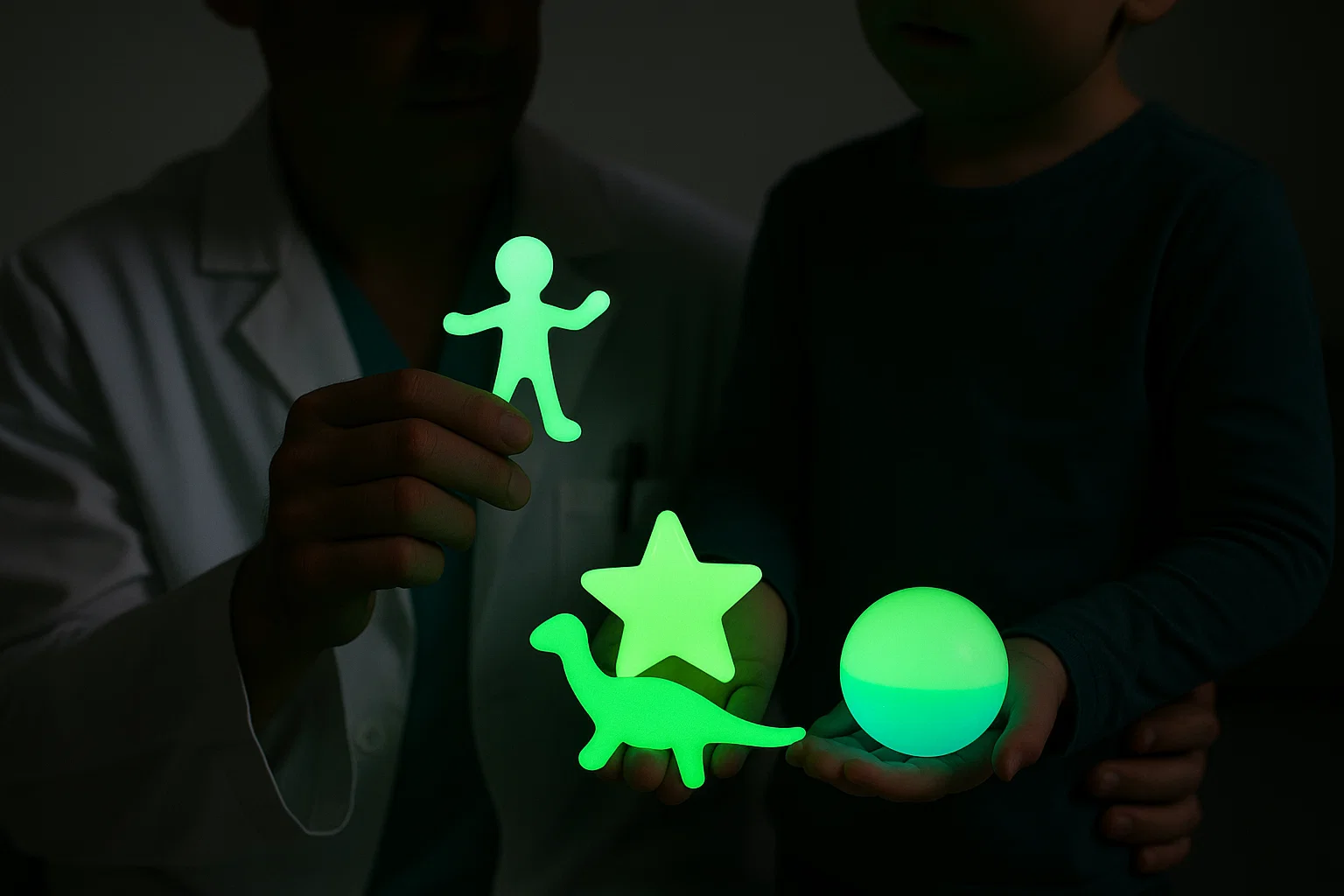 Светящиеся в темноте игрушки, часы с мерцающими стрелками, дорожная разметка, которую видно ночью даже без фар, — у этих вещей есть что-то общее, почти магическое: способность впитывать свет, а потом медленно возвращать его обратно, когда вокруг сгущается темнота. И чем больше вникаешь в механизм этого явления, тем отчётливее понимаешь, что никакой магии тут нет — только квантовая механика, немного истории и вполне земные вопросы безопасности. О последнем родители обычно спрашивают в первую очередь: можно ли доверить ребёнку такую игрушку? Давайте разбираться подробно, без страхов и мифов. Чтобы понять, почему материалы вдруг начинают светиться сами по себе, нужно на минуту представить атом как маленькую солнечную систему. У него есть ядро и электроны, которые живут на определённых энергетических орбитах. Когда электрон получает энергию — от тепла, света или других источников, — он перепрыгивает выше, на уровень с большей энергией. Но, как и любой из нас после бессонной ночи, он не может долго оставаться в состоянии возбуждения. Рано или поздно электрон возвращается на своё привычное место и отдаёт энергию обратно. Если отдаёт её в виде фотона — мы видим свет. Вот тут и появляется различие между двумя типами свечения, которые часто путают. Флуоресценция — реакция быстрая, почти мгновенная: пока есть ультрафиолет, есть свечение; выключили лампу — всё исчезло. Вспомните, как в стиральном порошке отбеливатели подсвечивают белую футболку на солнце — ровно тот же принцип. Фосфоресценция — другая история. Электрон на секунду как будто зависает в промежуточном состоянии, словно пассажир, который не может выйти из лифта из-за застрявших дверей. В итоге энергия возвращается не сразу, а постепенно, иногда очень долго. Так и получается мягкое свечение звёздочек на потолке в детской — тихое, неторопливое, тёплое. Основу большинства светящихся материалов сегодня составляют люминофоры — кристаллы с небольшими чужеродными атомами внутри. Именно эти примеси создают ловушки, где электроны сидят до тех пор, пока не решат вернуться в нормальное состояние. Первым массовым люминофором был сульфид цинка, активированный медью. Материал симпатичный, но недолговечный: через полчаса после зарядки он уже заметно блекнет, и к ночи от него остаются лишь воспоминания. Всё изменилось в 1993 году, когда японцы вывели на рынок алюминат стронция с европием и диспрозием. Скажем прямо: это был прорыв. Яркость выросла в разы, длительность свечения — тоже. Современные светящиеся наклейки — те, что сияют всю ночь, — обязаны своим темпераментом именно этому материалу. Есть ещё один способ добыть свечение — не ждать солнечного света, а заставить внутреннюю химию работать на нас. Светящиеся палочки для праздников устроены удивительно просто: внутри пластикового цилиндра скрывается маленькая стеклянная капсула с раствором. Ломаем палочку — растворы смешиваются, запускается реакция, и краситель начинает светиться. И вот уже в руках — самодельная световая сабля. Температура здесь играет роль дирижёра: в горячей воде реакция ускоряется, и палочка горит ярче, но недолго; в холоде она станет скромнее по яркости, зато будет держаться часами. Этот эффект использовали даже военные — особенно под водой, где обычные фонари ненадёжны. Кстати, природа освоила искусство свечения задолго до нас. Светлячки, грибы, морские существа — все они используют разные вариации реакции между люциферином и люциферазой. Отсюда получается свет, и почти без тепла — эффективность мечты. Учёные даже экспериментируют с растениями, которые могли бы освещать улицы сами, без ламп. Фантастика? Пока да, но уже с вполне реальными прототипами. Не всё в истории свечения было безоблачно. Радий, открытый супругами Кюри, казался в начале XX века чудом. Его смешивали с красками, наносили на часы, украшения, медицинские изделия. Люди всерьёз верили, что он наполняет энергией. Но когда работницы фабрик, которые подтачивали кисточки губами, начали массово болеть, стало понятно: это не игрушка. Радий накапливается в костях и разрушает их изнутри. История «радиевых девушек» до сих пор служит острым напоминанием, что наука требует не только открытий, но и ответственности. После радия перешли на тритий — более мягкий, ленивый источник радиоактивности. Внутрь часов его заключают в крошечные стеклянные трубочки, так что наружу фактически ничего не попадает. Такие изделия безопасны, пока герметичность не нарушена, но разбирать старые тритиевые циферблаты лучше не стоит. Сегодня в часах и игрушках используются материалы вроде Super-LumiNova и LumiBrite — всё те же алюминаты стронция с редкоземельными активаторами. Они химически инертны, не токсичны, не радиоактивны и прошли через целую библиотеку стандартов: EN 71, ASTM, российский ТР ТС 008/2011. Проще говоря: современные светящиеся игрушки и наклейки полностью безопасны при обычном использовании. Если выбираете светящуюся игрушку, смотрите на маркировку ЕАС или CE — это не просто формальность. Такие товары проходят проверки на миграцию химических веществ, прочность, отсутствие токсичных примесей. В дешёвых ноунейм игрушках могут оказаться растворители или пигменты, которые давно должны были уйти в прошлое. Светящиеся палочки обычно безопасны, но жидкость внутри раздражает кожу и глаза. Если палочка сломалась — промойте водой и выбросьте, без паники. А вот с антиквариатом осторожнее. Старые часы, которые продолжают светиться без подзарядки, почти наверняка содержат радий. Даже если они уже не сияют, радиоактивность никуда не делась — просто краска разрушилась. Такие вещи лучше не открывать и хранить подальше от детей. Если ребёнок случайно проглотил крошку современной люминофорной игрушки, ничего страшного не произойдёт. Материал инертен, не растворяется и выйдет естественным путём. Куда важнее следить, чтобы маленькие детали не стали причиной удушья. Источник - https://medpedia.ru/articles/general/vredni-li-svetyashhiesya-v-temnote-predmety-i-igrushki/ |
| json metadata | {"tags":["health","healthcare","medicine","science"],"image":["https://cdn.steemitimages.com/DQmT1sH2DmBMdYTjdU5V81q9gAeKmAzdjAR3Vr59DC7Zv7T/image.png"],"links":["https://medpedia.ru/articles/general/vredni-li-svetyashhiesya-v-temnote-predmety-i-igrushki/"],"app":"steemit/0.2","format":"markdown"} |
| parent author | |
| parent permlink | health |
| permlink | kak-rabotayut-svetyashiesya-v-temnote-predmety-i-mozhno-li-doveryat-ikh-detyam |
| title | Как работают светящиеся в темноте предметы и можно ли доверять их детям |
| Transaction Info | Block #101457896/Trx d7e39814575c26643bd58e8e015e907272b9f19e |
View Raw JSON Data
{
"block": 101457896,
"op": [
"comment",
{
"author": "hospital419",
"body": "\n\n\nСветящиеся в темноте игрушки, часы с мерцающими стрелками, дорожная разметка, которую видно ночью даже без фар, — у этих вещей есть что-то общее, почти магическое: способность впитывать свет, а потом медленно возвращать его обратно, когда вокруг сгущается темнота. И чем больше вникаешь в механизм этого явления, тем отчётливее понимаешь, что никакой магии тут нет — только квантовая механика, немного истории и вполне земные вопросы безопасности. О последнем родители обычно спрашивают в первую очередь: можно ли доверить ребёнку такую игрушку? Давайте разбираться подробно, без страхов и мифов.\n\nЧтобы понять, почему материалы вдруг начинают светиться сами по себе, нужно на минуту представить атом как маленькую солнечную систему. У него есть ядро и электроны, которые живут на определённых энергетических орбитах. Когда электрон получает энергию — от тепла, света или других источников, — он перепрыгивает выше, на уровень с большей энергией. Но, как и любой из нас после бессонной ночи, он не может долго оставаться в состоянии возбуждения. Рано или поздно электрон возвращается на своё привычное место и отдаёт энергию обратно. Если отдаёт её в виде фотона — мы видим свет.\n\nВот тут и появляется различие между двумя типами свечения, которые часто путают. Флуоресценция — реакция быстрая, почти мгновенная: пока есть ультрафиолет, есть свечение; выключили лампу — всё исчезло. Вспомните, как в стиральном порошке отбеливатели подсвечивают белую футболку на солнце — ровно тот же принцип.\n\nФосфоресценция — другая история. Электрон на секунду как будто зависает в промежуточном состоянии, словно пассажир, который не может выйти из лифта из-за застрявших дверей. В итоге энергия возвращается не сразу, а постепенно, иногда очень долго. Так и получается мягкое свечение звёздочек на потолке в детской — тихое, неторопливое, тёплое.\n\nОснову большинства светящихся материалов сегодня составляют люминофоры — кристаллы с небольшими чужеродными атомами внутри. Именно эти примеси создают ловушки, где электроны сидят до тех пор, пока не решат вернуться в нормальное состояние.\n\nПервым массовым люминофором был сульфид цинка, активированный медью. Материал симпатичный, но недолговечный: через полчаса после зарядки он уже заметно блекнет, и к ночи от него остаются лишь воспоминания. Всё изменилось в 1993 году, когда японцы вывели на рынок алюминат стронция с европием и диспрозием. Скажем прямо: это был прорыв. Яркость выросла в разы, длительность свечения — тоже. Современные светящиеся наклейки — те, что сияют всю ночь, — обязаны своим темпераментом именно этому материалу.\n\nЕсть ещё один способ добыть свечение — не ждать солнечного света, а заставить внутреннюю химию работать на нас. Светящиеся палочки для праздников устроены удивительно просто: внутри пластикового цилиндра скрывается маленькая стеклянная капсула с раствором. Ломаем палочку — растворы смешиваются, запускается реакция, и краситель начинает светиться. И вот уже в руках — самодельная световая сабля. Температура здесь играет роль дирижёра: в горячей воде реакция ускоряется, и палочка горит ярче, но недолго; в холоде она станет скромнее по яркости, зато будет держаться часами. Этот эффект использовали даже военные — особенно под водой, где обычные фонари ненадёжны.\n\nКстати, природа освоила искусство свечения задолго до нас. Светлячки, грибы, морские существа — все они используют разные вариации реакции между люциферином и люциферазой. Отсюда получается свет, и почти без тепла — эффективность мечты. Учёные даже экспериментируют с растениями, которые могли бы освещать улицы сами, без ламп. Фантастика? Пока да, но уже с вполне реальными прототипами.\n\nНе всё в истории свечения было безоблачно. Радий, открытый супругами Кюри, казался в начале XX века чудом. Его смешивали с красками, наносили на часы, украшения, медицинские изделия. Люди всерьёз верили, что он наполняет энергией. Но когда работницы фабрик, которые подтачивали кисточки губами, начали массово болеть, стало понятно: это не игрушка. Радий накапливается в костях и разрушает их изнутри. История «радиевых девушек» до сих пор служит острым напоминанием, что наука требует не только открытий, но и ответственности.\n\nПосле радия перешли на тритий — более мягкий, ленивый источник радиоактивности. Внутрь часов его заключают в крошечные стеклянные трубочки, так что наружу фактически ничего не попадает. Такие изделия безопасны, пока герметичность не нарушена, но разбирать старые тритиевые циферблаты лучше не стоит.\n\nСегодня в часах и игрушках используются материалы вроде Super-LumiNova и LumiBrite — всё те же алюминаты стронция с редкоземельными активаторами. Они химически инертны, не токсичны, не радиоактивны и прошли через целую библиотеку стандартов: EN 71, ASTM, российский ТР ТС 008/2011. Проще говоря: современные светящиеся игрушки и наклейки полностью безопасны при обычном использовании.\n\nЕсли выбираете светящуюся игрушку, смотрите на маркировку ЕАС или CE — это не просто формальность. Такие товары проходят проверки на миграцию химических веществ, прочность, отсутствие токсичных примесей. В дешёвых ноунейм игрушках могут оказаться растворители или пигменты, которые давно должны были уйти в прошлое.\n\nСветящиеся палочки обычно безопасны, но жидкость внутри раздражает кожу и глаза. Если палочка сломалась — промойте водой и выбросьте, без паники.\n\nА вот с антиквариатом осторожнее. Старые часы, которые продолжают светиться без подзарядки, почти наверняка содержат радий. Даже если они уже не сияют, радиоактивность никуда не делась — просто краска разрушилась. Такие вещи лучше не открывать и хранить подальше от детей.\n\nЕсли ребёнок случайно проглотил крошку современной люминофорной игрушки, ничего страшного не произойдёт. Материал инертен, не растворяется и выйдет естественным путём. Куда важнее следить, чтобы маленькие детали не стали причиной удушья.\n\nИсточник - https://medpedia.ru/articles/general/vredni-li-svetyashhiesya-v-temnote-predmety-i-igrushki/",
"json_metadata": "{\"tags\":[\"health\",\"healthcare\",\"medicine\",\"science\"],\"image\":[\"https://cdn.steemitimages.com/DQmT1sH2DmBMdYTjdU5V81q9gAeKmAzdjAR3Vr59DC7Zv7T/image.png\"],\"links\":[\"https://medpedia.ru/articles/general/vredni-li-svetyashhiesya-v-temnote-predmety-i-igrushki/\"],\"app\":\"steemit/0.2\",\"format\":\"markdown\"}",
"parent_author": "",
"parent_permlink": "health",
"permlink": "kak-rabotayut-svetyashiesya-v-temnote-predmety-i-mozhno-li-doveryat-ikh-detyam",
"title": "Как работают светящиеся в темноте предметы и можно ли доверять их детям"
}
],
"op_in_trx": 0,
"timestamp": "2025-12-05T19:16:27",
"trx_id": "d7e39814575c26643bd58e8e015e907272b9f19e",
"trx_in_block": 2,
"virtual_op": 0
}hospital419replied to @filinpaul / t6t90s2025/12/05 19:05:18
hospital419replied to @filinpaul / t6t90s
2025/12/05 19:05:18
| author | hospital419 |
| body | Очень живо представил себе эту малую сцену — такие камерные пространства всегда создают особую атмосферу, будто ты не просто зритель, а участник действия. И правда, хорошо, что виски был бутафорским — иначе каждое выступление становилось бы экстремальным спортом. А мысль, которую ты вынес из пьесы, очень откликается: мы часто живём ожиданием «когда-нибудь», забывая про то, что жизнь идёт прямо сейчас. Иногда один камерный спектакль напоминает об этом лучше любого громкого шоу. |
| json metadata | {"app":"steemit/0.2"} |
| parent author | filinpaul |
| parent permlink | poslednyaya-lenta-kreppa |
| permlink | t6t90s |
| title | |
| Transaction Info | Block #101457673/Trx 16f0ddd2618b6d8a685e2a6033e5fac70de2b686 |
View Raw JSON Data
{
  "block": 101457673,
  "op": [
    "comment",
    {
      "author": "hospital419",
      "body": "Очень живо представил себе эту малую сцену — такие камерные пространства всегда создают особую атмосферу, будто ты не просто зритель, а участник действия. И правда, хорошо, что виски был бутафорским — иначе каждое выступление становилось бы экстремальным спортом. А мысль, которую ты вынес из пьесы, очень откликается: мы часто живём ожиданием «когда-нибудь», забывая про то, что жизнь идёт прямо сейчас. Иногда один камерный спектакль напоминает об этом лучше любого громкого шоу.",
      "json_metadata": "{\"app\":\"steemit/0.2\"}",
      "parent_author": "filinpaul",
      "parent_permlink": "poslednyaya-lenta-kreppa",
      "permlink": "t6t90s",
      "title": ""
    }
  ],
  "op_in_trx": 0,
  "timestamp": "2025-12-05T19:05:18",
  "trx_id": "16f0ddd2618b6d8a685e2a6033e5fac70de2b686",
  "trx_in_block": 10,
  "virtual_op": 0
}hospital419replied to @filinpaul / t6t8yf2025/12/05 19:03:51
hospital419replied to @filinpaul / t6t8yf
2025/12/05 19:03:51
| author | hospital419 |
| body | Получилось очень тёплое описание, будто сам стоял рядом у этого стекла. Иногда такие маленькие импульсы — провести пальцем по запотевшему окну — дают больше настроения, чем любая прогулка, особенно когда дождь всё перемешал и планы, и воздух за окном. Забавно, как дом напротив тоже стал участником процесса, будто подмигнул своими огоньками. А рисунки на стекле — они же как мгновенные фотографии: живут недолго, но именно в этом и прелесть. Может, исчезнет уже к утру, а может, продержится до следующего дождя. Но настроение ты точно поймал надолго. |
| json metadata | {"app":"steemit/0.2"} |
| parent author | filinpaul |
| parent permlink | risunok |
| permlink | t6t8yf |
| title | |
| Transaction Info | Block #101457644/Trx f5a21003e8ba7ca1305359efaa3b9cdc8d7a3038 |
View Raw JSON Data
{
  "block": 101457644,
  "op": [
    "comment",
    {
      "author": "hospital419",
      "body": "Получилось очень тёплое описание, будто сам стоял рядом у этого стекла. Иногда такие маленькие импульсы — провести пальцем по запотевшему окну — дают больше настроения, чем любая прогулка, особенно когда дождь всё перемешал и планы, и воздух за окном. Забавно, как дом напротив тоже стал участником процесса, будто подмигнул своими огоньками. А рисунки на стекле — они же как мгновенные фотографии: живут недолго, но именно в этом и прелесть. Может, исчезнет уже к утру, а может, продержится до следующего дождя. Но настроение ты точно поймал надолго.",
      "json_metadata": "{\"app\":\"steemit/0.2\"}",
      "parent_author": "filinpaul",
      "parent_permlink": "risunok",
      "permlink": "t6t8yf",
      "title": ""
    }
  ],
  "op_in_trx": 0,
  "timestamp": "2025-12-05T19:03:51",
  "trx_id": "f5a21003e8ba7ca1305359efaa3b9cdc8d7a3038",
  "trx_in_block": 0,
  "virtual_op": 0
}hospital419replied to @galca / t6t8uc2025/12/05 19:01:27
hospital419replied to @galca / t6t8uc
2025/12/05 19:01:27
| author | hospital419 |
| body | Читаю эту историю и прямо вижу перед глазами эту собачку, которая делает вид, что просто греется на траве, хотя весь её мир сейчас — утки в нескольких метрах. Ну классика: «я не смотрю, я просто тут сижу», хотя уши и взгляд выдают всё с головой. Забавно, как она быстро переключилась на человека, будто решила: ладно, маскировку снимаем, пошла работать по другой задаче. И каждый раз удивляешься, насколько эти дворовые собаки бывают умными и послушными, будто понимают и наше настроение, и ситуацию вокруг. Кстати, есть хорошая статья про то, как животные помогают справляться со стрессом — https://medpedia.ru/news/sobaki-protiv-stressa-kak-pushistye-terapevty-pomogayut-studentam-spravlyatsya-s-depressiej/ очень в тему таких наблюдений. |
| json metadata | {"links":["https://medpedia.ru/news/sobaki-protiv-stressa-kak-pushistye-terapevty-pomogayut-studentam-spravlyatsya-s-depressiej/"],"app":"steemit/0.2"} |
| parent author | galca |
| parent permlink | sobachka-nablyudaet-za-utkami |
| permlink | t6t8uc |
| title | |
| Transaction Info | Block #101457597/Trx 3805c0530f4be6eb92ce9a298e29fa3ac48aa1f6 |
View Raw JSON Data
{
  "block": 101457597,
  "op": [
    "comment",
    {
      "author": "hospital419",
      "body": "Читаю эту историю и прямо вижу перед глазами эту собачку, которая делает вид, что просто греется на траве, хотя весь её мир сейчас — утки в нескольких метрах. Ну классика: «я не смотрю, я просто тут сижу», хотя уши и взгляд выдают всё с головой. Забавно, как она быстро переключилась на человека, будто решила: ладно, маскировку снимаем, пошла работать по другой задаче. И каждый раз удивляешься, насколько эти дворовые собаки бывают умными и послушными, будто понимают и наше настроение, и ситуацию вокруг. Кстати, есть хорошая статья про то, как животные помогают справляться со стрессом —  https://medpedia.ru/news/sobaki-protiv-stressa-kak-pushistye-terapevty-pomogayut-studentam-spravlyatsya-s-depressiej/ очень в тему таких наблюдений.",
      "json_metadata": "{\"links\":[\"https://medpedia.ru/news/sobaki-protiv-stressa-kak-pushistye-terapevty-pomogayut-studentam-spravlyatsya-s-depressiej/\"],\"app\":\"steemit/0.2\"}",
      "parent_author": "galca",
      "parent_permlink": "sobachka-nablyudaet-za-utkami",
      "permlink": "t6t8uc",
      "title": ""
    }
  ],
  "op_in_trx": 0,
  "timestamp": "2025-12-05T19:01:27",
  "trx_id": "3805c0530f4be6eb92ce9a298e29fa3ac48aa1f6",
  "trx_in_block": 0,
  "virtual_op": 0
}hospital419updated their account properties2025/12/01 19:17:45
hospital419updated their account properties
2025/12/01 19:17:45
| account | hospital419 |
| extensions | [] |
| json metadata | |
| posting json metadata | {"profile":{"name":"Medpedia","about":"Надёжный медицинский портал о здоровье: свежие новости, научные разборы, мнения врачей и полезные материалы для читателей.","website":"https://medpedia.ru/","version":2,"profile_image":"https://cdn.steemitimages.com/DQmfGkDt2ssGKaQA5nyvkyNBG9zqbJu1L6H2mrCcisZMiXc/photo_2025-12-01_21-08-37.jpg","cover_image":"https://cdn.steemitimages.com/DQmUMs8m5vmL1sGGkrKhyMQ8WvWUDCpXSUEDz52dzWCQQ51/20251125_0415_medical-knowledge-interface_simple_compose_01kaw2b84hfh6b4cxv75hzbx21-1.png"}} |
| Transaction Info | Block #101342955/Trx 55832cc7a532dc599f83bb2375f2f0e7084e894a |
View Raw JSON Data
{
  "block": 101342955,
  "op": [
    "account_update2",
    {
      "account": "hospital419",
      "extensions": [],
      "json_metadata": "",
      "posting_json_metadata": "{\"profile\":{\"name\":\"Medpedia\",\"about\":\"Надёжный медицинский портал о здоровье: свежие новости, научные разборы, мнения врачей и полезные материалы для читателей.\",\"website\":\"https://medpedia.ru/\",\"version\":2,\"profile_image\":\"https://cdn.steemitimages.com/DQmfGkDt2ssGKaQA5nyvkyNBG9zqbJu1L6H2mrCcisZMiXc/photo_2025-12-01_21-08-37.jpg\",\"cover_image\":\"https://cdn.steemitimages.com/DQmUMs8m5vmL1sGGkrKhyMQ8WvWUDCpXSUEDz52dzWCQQ51/20251125_0415_medical-knowledge-interface_simple_compose_01kaw2b84hfh6b4cxv75hzbx21-1.png\"}}"
    }
  ],
  "op_in_trx": 0,
  "timestamp": "2025-12-01T19:17:45",
  "trx_id": "55832cc7a532dc599f83bb2375f2f0e7084e894a",
  "trx_in_block": 3,
  "virtual_op": 0
}hospital419updated their account properties2025/12/01 19:16:21
hospital419updated their account properties
2025/12/01 19:16:21
| account | hospital419 |
| extensions | [] |
| json metadata | |
| posting json metadata | {"profile":{"name":"Medpedia","about":"Надёжный медицинский портал о здоровье: свежие новости, научные разборы, мнения врачей и полезные материалы для читателей.","website":"https://medpedia.ru/","version":2}} |
| Transaction Info | Block #101342927/Trx 34763cd7d06578233ea2bebf8f84adeacba9be2c |
View Raw JSON Data
{
  "block": 101342927,
  "op": [
    "account_update2",
    {
      "account": "hospital419",
      "extensions": [],
      "json_metadata": "",
      "posting_json_metadata": "{\"profile\":{\"name\":\"Medpedia\",\"about\":\"Надёжный медицинский портал о здоровье: свежие новости, научные разборы, мнения врачей и полезные материалы для читателей.\",\"website\":\"https://medpedia.ru/\",\"version\":2}}"
    }
  ],
  "op_in_trx": 0,
  "timestamp": "2025-12-01T19:16:21",
  "trx_id": "34763cd7d06578233ea2bebf8f84adeacba9be2c",
  "trx_in_block": 1,
  "virtual_op": 0
}hospital419updated their account properties2025/12/01 19:16:15
hospital419updated their account properties
2025/12/01 19:16:15
| account | hospital419 |
| extensions | [] |
| json metadata | |
| posting json metadata | {"profile":{"name":"Medpedia","about":"Надёжный медицинский портал о здоровье: свежие новости, научные разборы, мнения врачей и полезные материалы для читателей.","website":"https://medpedia.ru/","version":2,"cover_image":"https://cdn.steemitimages.com/DQmXGwu83yBB3zTvzeMmfvGDmZjrLQkFKGVMZyTFdMNDh8T/main.jpeg"}} |
| Transaction Info | Block #101342925/Trx 70fb5b307a87c0cd477ccadc6b0fcdb8c628710d |
View Raw JSON Data
{
  "block": 101342925,
  "op": [
    "account_update2",
    {
      "account": "hospital419",
      "extensions": [],
      "json_metadata": "",
      "posting_json_metadata": "{\"profile\":{\"name\":\"Medpedia\",\"about\":\"Надёжный медицинский портал о здоровье: свежие новости, научные разборы, мнения врачей и полезные материалы для читателей.\",\"website\":\"https://medpedia.ru/\",\"version\":2,\"cover_image\":\"https://cdn.steemitimages.com/DQmXGwu83yBB3zTvzeMmfvGDmZjrLQkFKGVMZyTFdMNDh8T/main.jpeg\"}}"
    }
  ],
  "op_in_trx": 0,
  "timestamp": "2025-12-01T19:16:15",
  "trx_id": "70fb5b307a87c0cd477ccadc6b0fcdb8c628710d",
  "trx_in_block": 2,
  "virtual_op": 0
}galcareplied to @hospital419 / t673x32025/11/23 20:07:51
galcareplied to @hospital419 / t673x3
2025/11/23 20:07:51
| author | galca |
| body | Да, галок у нас очень много, а такая одна встретилась, и я сразу её заметила. |
| json metadata | {"app":"steemit/0.2"} |
| parent author | hospital419 |
| parent permlink | t639xw |
| permlink | t673x3 |
| title | |
| Transaction Info | Block #101114032/Trx 013716e26bf7623177cd15cf0abb186c645d9f2e |
View Raw JSON Data
{
  "block": 101114032,
  "op": [
    "comment",
    {
      "author": "galca",
      "body": "Да, галок у нас очень много, а такая одна встретилась, и я сразу её заметила.",
      "json_metadata": "{\"app\":\"steemit/0.2\"}",
      "parent_author": "hospital419",
      "parent_permlink": "t639xw",
      "permlink": "t673x3",
      "title": ""
    }
  ],
  "op_in_trx": 0,
  "timestamp": "2025-11-23T20:07:51",
  "trx_id": "013716e26bf7623177cd15cf0abb186c645d9f2e",
  "trx_in_block": 3,
  "virtual_op": 0
}filinpaulreplied to @hospital419 / t64vmf2025/11/22 15:13:27
filinpaulreplied to @hospital419 / t64vmf
2025/11/22 15:13:27
| author | filinpaul |
| body | Главное, чтобы в таблице умножения они были уверены больше )) |
| json metadata | {"app":"steemit/0.2"} |
| parent author | hospital419 |
| parent permlink | t63a0n |
| permlink | t64vmf |
| title | |
| Transaction Info | Block #101079415/Trx ea3c3075abe2d91f48f6b3926638048ac0f3f993 |
View Raw JSON Data
{
  "block": 101079415,
  "op": [
    "comment",
    {
      "author": "filinpaul",
      "body": "Главное, чтобы в таблице умножения они были уверены больше ))",
      "json_metadata": "{\"app\":\"steemit/0.2\"}",
      "parent_author": "hospital419",
      "parent_permlink": "t63a0n",
      "permlink": "t64vmf",
      "title": ""
    }
  ],
  "op_in_trx": 0,
  "timestamp": "2025-11-22T15:13:27",
  "trx_id": "ea3c3075abe2d91f48f6b3926638048ac0f3f993",
  "trx_in_block": 6,
  "virtual_op": 0
}filinpaulreplied to @hospital419 / t64vkf2025/11/22 15:12:15
filinpaulreplied to @hospital419 / t64vkf
2025/11/22 15:12:15
| author | filinpaul |
| body | Через пару дней, к сожалению, я обнаружил его трупик на полу... |
| json metadata | {"app":"steemit/0.2"} |
| parent author | hospital419 |
| parent permlink | t64d3w |
| permlink | t64vkf |
| title | |
| Transaction Info | Block #101079391/Trx 6cf1d26adb24921000de432b455cb57ea7b3a2b4 |
View Raw JSON Data
{
  "block": 101079391,
  "op": [
    "comment",
    {
      "author": "filinpaul",
      "body": "Через пару дней, к сожалению, я обнаружил его трупик на полу...",
      "json_metadata": "{\"app\":\"steemit/0.2\"}",
      "parent_author": "hospital419",
      "parent_permlink": "t64d3w",
      "permlink": "t64vkf",
      "title": ""
    }
  ],
  "op_in_trx": 0,
  "timestamp": "2025-11-22T15:12:15",
  "trx_id": "6cf1d26adb24921000de432b455cb57ea7b3a2b4",
  "trx_in_block": 2,
  "virtual_op": 0
}hospital419replied to @filinpaul / t64d3w2025/11/22 08:33:33
hospital419replied to @filinpaul / t64d3w
2025/11/22 08:33:33
| author | hospital419 |
| body | Забавно наблюдать, как такие гости появляются в самый неподходящий момент, будто вылезли из какого-то межсезонного портала. Этот твой комар явно уже не в форме — поздняя осень делает их почти безобидными, словно батарейка на нуле. Я бы тоже не стал его трогать: пусть уже сам определяет свою дальнейшую судьбу. Кстати, многие удивляются, могут ли комары пережить холод и что вообще с ними происходит после укуса — я недавно наткнулся на любопытную статью на эту тему, вот здесь можно почитать: https://www.phag-rostov.ru/articles/skolko-zhivut-komary-posle-ukusa-ili-srazu-umirayut/ Иногда такие мелочи раскрывают целый маленький мир рядом с нами. |
| json metadata | {"links":["https://www.phag-rostov.ru/articles/skolko-zhivut-komary-posle-ukusa-ili-srazu-umirayut/"],"app":"steemit/0.2"} |
| parent author | filinpaul |
| parent permlink | amnistiya |
| permlink | t64d3w |
| title | |
| Transaction Info | Block #101071439/Trx b69a3c9f20434537cc1426550eabd3afe546b59c |
View Raw JSON Data
{
  "block": 101071439,
  "op": [
    "comment",
    {
      "author": "hospital419",
      "body": "Забавно наблюдать, как такие гости появляются в самый неподходящий момент, будто вылезли из какого-то межсезонного портала. Этот твой комар явно уже не в форме — поздняя осень делает их почти безобидными, словно батарейка на нуле. Я бы тоже не стал его трогать: пусть уже сам определяет свою дальнейшую судьбу. Кстати, многие удивляются, могут ли комары пережить холод и что вообще с ними происходит после укуса — я недавно наткнулся на любопытную статью на эту тему, вот здесь можно почитать: https://www.phag-rostov.ru/articles/skolko-zhivut-komary-posle-ukusa-ili-srazu-umirayut/ Иногда такие мелочи раскрывают целый маленький мир рядом с нами.",
      "json_metadata": "{\"links\":[\"https://www.phag-rostov.ru/articles/skolko-zhivut-komary-posle-ukusa-ili-srazu-umirayut/\"],\"app\":\"steemit/0.2\"}",
      "parent_author": "filinpaul",
      "parent_permlink": "amnistiya",
      "permlink": "t64d3w",
      "title": ""
    }
  ],
  "op_in_trx": 0,
  "timestamp": "2025-11-22T08:33:33",
  "trx_id": "b69a3c9f20434537cc1426550eabd3afe546b59c",
  "trx_in_block": 2,
  "virtual_op": 0
}galcareplied to @hospital419 / t63eej2025/11/21 20:03:54
galcareplied to @hospital419 / t63eej
2025/11/21 20:03:54
| author | galca |
| body | Гирлянды, подсветки отличное дополнение к украшениям, пока постепенно монтируют. Думаю, что недели через две город преобразится в новогоднем наряде. |
| json metadata | {"app":"steemit/0.2"} |
| parent author | hospital419 |
| parent permlink | t639z2 |
| permlink | t63eej |
| title | |
| Transaction Info | Block #101056474/Trx 841e67eeaf7cc615662e9ba6a12125f23ca09807 |
View Raw JSON Data
{
  "block": 101056474,
  "op": [
    "comment",
    {
      "author": "galca",
      "body": "Гирлянды, подсветки отличное дополнение к украшениям, пока постепенно монтируют. Думаю, что недели через две город преобразится в новогоднем наряде.",
      "json_metadata": "{\"app\":\"steemit/0.2\"}",
      "parent_author": "hospital419",
      "parent_permlink": "t639z2",
      "permlink": "t63eej",
      "title": ""
    }
  ],
  "op_in_trx": 0,
  "timestamp": "2025-11-21T20:03:54",
  "trx_id": "841e67eeaf7cc615662e9ba6a12125f23ca09807",
  "trx_in_block": 1,
  "virtual_op": 0
}hospital419replied to @galca / t63a2w2025/11/21 18:30:39
hospital419replied to @galca / t63a2w
2025/11/21 18:30:39
| author | hospital419 |
| body | Прям видно, что он у вас как живой характерный товарищ. Интересно, как один год два кактуса мирно уживались и даже цвели вместе, а потом вдруг один начал сдавать позиции, хотя казалось бы — места полно. Такое иногда бывает: растения внешне похожи, а внутри у них свои слабости и капризы. Ваш декабрист, похоже, из тех стойких бойцов, что и осенью радуют, и зимой не подводят. В серые дни такие цветы будто специально напоминают, что жизнь в деталях, и даже маленький цветок может сделать настроение лучше. |
| json metadata | {"app":"steemit/0.2"} |
| parent author | galca |
| parent permlink | kapriznyi-dekabrist |
| permlink | t63a2w |
| title | |
| Transaction Info | Block #101054612/Trx 8b95eb1e1d57dd3b7bab56614548fb04a564c75e |
View Raw JSON Data
{
  "block": 101054612,
  "op": [
    "comment",
    {
      "author": "hospital419",
      "body": "Прям видно, что он у вас как живой характерный товарищ. Интересно, как один год два кактуса мирно уживались и даже цвели вместе, а потом вдруг один начал сдавать позиции, хотя казалось бы — места полно. Такое иногда бывает: растения внешне похожи, а внутри у них свои слабости и капризы. Ваш декабрист, похоже, из тех стойких бойцов, что и осенью радуют, и зимой не подводят. В серые дни такие цветы будто специально напоминают, что жизнь в деталях, и даже маленький цветок может сделать настроение лучше.",
      "json_metadata": "{\"app\":\"steemit/0.2\"}",
      "parent_author": "galca",
      "parent_permlink": "kapriznyi-dekabrist",
      "permlink": "t63a2w",
      "title": ""
    }
  ],
  "op_in_trx": 0,
  "timestamp": "2025-11-21T18:30:39",
  "trx_id": "8b95eb1e1d57dd3b7bab56614548fb04a564c75e",
  "trx_in_block": 1,
  "virtual_op": 0
}hospital419replied to @filinpaul / t63a0n2025/11/21 18:29:24
hospital419replied to @filinpaul / t63a0n
2025/11/21 18:29:24
| author | hospital419 |
| body | Вот честно, я даже не удивился бы таким разбросам ответов — дети сейчас живут в мире, где «ё» то есть, то нет, а алфавит у каждого свой, в зависимости от того, сколько букв в учебнике встретилось. Понятно, что 7А попался классический, книжный — 33 и никаких сомнений. А вот дальше начинается творчество: кто-то съел букву мысленно, кто-то запутался между «й» и «и», а кто-то просто ответил первое, что пришло в голову. Про английский вообще молчу — там уже зона полной неопределённости. Но на самом деле это не про незнание, а про то, как по-разному устроено мышление у детей. Один уверен без проверки, другой боится ошибиться, третий считает, что правильный ответ можно угадать. |
| json metadata | {"app":"steemit/0.2"} |
| parent author | filinpaul |
| parent permlink | slozhnyi-vopros |
| permlink | t63a0n |
| title | |
| Transaction Info | Block #101054587/Trx 4b3a22b9331c95b05c1f3a7aca5e867137339ebb |
View Raw JSON Data
{
  "block": 101054587,
  "op": [
    "comment",
    {
      "author": "hospital419",
      "body": "Вот честно, я даже не удивился бы таким разбросам ответов — дети сейчас живут в мире, где «ё» то есть, то нет, а алфавит у каждого свой, в зависимости от того, сколько букв в учебнике встретилось. Понятно, что 7А попался классический, книжный — 33 и никаких сомнений. А вот дальше начинается творчество: кто-то съел букву мысленно, кто-то запутался между «й» и «и», а кто-то просто ответил первое, что пришло в голову. Про английский вообще молчу — там уже зона полной неопределённости. Но на самом деле это не про незнание, а про то, как по-разному устроено мышление у детей. Один уверен без проверки, другой боится ошибиться, третий считает, что правильный ответ можно угадать.",
      "json_metadata": "{\"app\":\"steemit/0.2\"}",
      "parent_author": "filinpaul",
      "parent_permlink": "slozhnyi-vopros",
      "permlink": "t63a0n",
      "title": ""
    }
  ],
  "op_in_trx": 0,
  "timestamp": "2025-11-21T18:29:24",
  "trx_id": "4b3a22b9331c95b05c1f3a7aca5e867137339ebb",
  "trx_in_block": 0,
  "virtual_op": 0
}hospital419replied to @galca / t639z22025/11/21 18:28:15
hospital419replied to @galca / t639z2
2025/11/21 18:28:15
| author | hospital419 |
| body | Как быстро всё меняется — только недавно лето было, а уже город начинает потихоньку наряжаться к Новому году. Фотографии прям передают это ощущение, когда ещё вроде обычная площадь, но уже ставят ёлку, и в воздухе появляется то самое предновогоднее настроение. Плитка действительно выглядит так, будто там гололёд, но после дождя она всегда такая блестящая. Интересно будет посмотреть, как всё преобразится, когда добавят гирлянды и остальное украшение) |
| json metadata | {"app":"steemit/0.2"} |
| parent author | galca |
| parent permlink | nezametno-podkradyvaetsya-novyi-god |
| permlink | t639z2 |
| title | |
| Transaction Info | Block #101054564/Trx 079e3c2ef90f2642bde82baaf3687623b9ac08b4 |
View Raw JSON Data
{
  "block": 101054564,
  "op": [
    "comment",
    {
      "author": "hospital419",
      "body": "Как быстро всё меняется — только недавно лето было, а уже город начинает потихоньку наряжаться к Новому году. Фотографии прям передают это ощущение, когда ещё вроде обычная площадь, но уже ставят ёлку, и в воздухе появляется то самое предновогоднее настроение. Плитка действительно выглядит так, будто там гололёд, но после дождя она всегда такая блестящая. Интересно будет посмотреть, как всё преобразится, когда добавят гирлянды и остальное украшение)",
      "json_metadata": "{\"app\":\"steemit/0.2\"}",
      "parent_author": "galca",
      "parent_permlink": "nezametno-podkradyvaetsya-novyi-god",
      "permlink": "t639z2",
      "title": ""
    }
  ],
  "op_in_trx": 0,
  "timestamp": "2025-11-21T18:28:15",
  "trx_id": "079e3c2ef90f2642bde82baaf3687623b9ac08b4",
  "trx_in_block": 2,
  "virtual_op": 0
}hospital419replied to @galca / t639xw2025/11/21 18:27:33
hospital419replied to @galca / t639xw
2025/11/21 18:27:33
| author | hospital419 |
| body | Какая интересная находка! Такие пёстрые галки действительно встречаются редко, и каждый раз кажется, будто увидел новую породу. Частичный альбинизм — вполне возможное объяснение, хотя однозначно связать это только с городским питанием сложно, ведь тысячи других галок живут в тех же условиях и не меняют окраску. Скорее всего, это просто редкая мутация, которая иногда проявляется, но не передаётся стабильно дальше. Но именно такие необычные пернатые и добавляют жизни вокруг немного удивления: идёшь себе по парку, а перед тобой вдруг маленькая орнитологическая загадка. |
| json metadata | {"app":"steemit/0.2"} |
| parent author | galca |
| parent permlink | vstretila-neobychnuyu-galku-pestrushku |
| permlink | t639xw |
| title | |
| Transaction Info | Block #101054550/Trx d86773baf6a62744168558e2eb21de538b97624c |
View Raw JSON Data
{
  "block": 101054550,
  "op": [
    "comment",
    {
      "author": "hospital419",
      "body": "Какая интересная находка! Такие пёстрые галки действительно встречаются редко, и каждый раз кажется, будто увидел новую породу. Частичный альбинизм — вполне возможное объяснение, хотя однозначно связать это только с городским питанием сложно, ведь тысячи других галок живут в тех же условиях и не меняют окраску. Скорее всего, это просто редкая мутация, которая иногда проявляется, но не передаётся стабильно дальше. Но именно такие необычные пернатые и добавляют жизни вокруг немного удивления: идёшь себе по парку, а перед тобой вдруг маленькая орнитологическая загадка.",
      "json_metadata": "{\"app\":\"steemit/0.2\"}",
      "parent_author": "galca",
      "parent_permlink": "vstretila-neobychnuyu-galku-pestrushku",
      "permlink": "t639xw",
      "title": ""
    }
  ],
  "op_in_trx": 0,
  "timestamp": "2025-11-21T18:27:33",
  "trx_id": "d86773baf6a62744168558e2eb21de538b97624c",
  "trx_in_block": 1,
  "virtual_op": 0
}hospital419published a new post: blokchein-revolyuciya-v-medicine-pozvolit-zarabatyvat-na-sobstvennom-zdorove2025/09/14 08:33:24
hospital419published a new post: blokchein-revolyuciya-v-medicine-pozvolit-zarabatyvat-na-sobstvennom-zdorove
2025/09/14 08:33:24
| author | hospital419 |
| body |  Медицинские карты больше не лежат в пыльных шкафах больничных архивов. Сегодня врачи открывают историю болезни одним кликом мыши, но парадокс в том, что пациенты до сих пор не могут свободно распоряжаться собственной медицинской информацией. Больницы хранят данные в своих системах, страховые компании — в своих, а человек, чье здоровье описывают эти записи, остается за бортом. Представьте ситуацию: вы переезжаете в другой город и идете к новому врачу. Казалось бы, в эпоху цифровых технологий передать вашу медицинскую историю должно быть проще простого. Но нет. Врач не может получить доступ к вашим анализам из предыдущей клиники, потому что их компьютерные системы не умеют общаться друг с другом. Приходится заново сдавать анализы, проходить обследования, тратить время и деньги. В Америке из-за таких проблем с обменом медицинской информацией между больницами каждый год погибает около 150 тысяч человек. Врачи просто не знают о критически важных деталях истории болезни пациента. Технология блокчейн предлагает радикально новый подход. Вместо того чтобы хранить все медицинские записи в одном месте, система распределяет информацию между множеством участников. Это как если бы ваша медкарта существовала одновременно в тысячах копий, и никто не может подделать или удалить информацию без согласия всех участников сети. Исследователи из Массачусетского технологического института создали систему MedRec, которая работает примерно так: когда врач делает запись о вашем визите, информация шифруется и сохраняется в распределенной сети. Вы получаете специальный цифровой ключ, с помощью которого можете разрешить доступ к своим данным любому врачу в любой точке мира. При этом вы всегда видите, кто и когда просматривал вашу медицинскую информацию. Но самое интересное начинается, когда в игру вступают криптовалютные стимулы. Некоторые проекты предлагают платить людям за их медицинские данные. Звучит фантастически? Компания Lympo уже делает это. Они выплачивают пользователям токены за физическую активность — пробежки, тренировки, достижение целей по количеству шагов. Эти токены можно потратить на спортивные товары или услуги тренера. Другая платформа, MintHealth, работает со страховыми компаниями: пациенты получают криптовалюту за то, что вовремя принимают лекарства и следуют рекомендациям врача. Эстония пошла дальше всех и внедрила блокчейн на государственном уровне. Каждый житель страны может зайти в систему и увидеть полную историю обращений к его медкарте — кто смотрел, когда и зачем. Если участковый врач из соседнего района вдруг решит из любопытства посмотреть вашу историю болезни, вы об этом узнаете. Это создает прозрачность и защищает приватность одновременно. В России тоже экспериментируют с этой технологией. Министерство здравоохранения еще в 2017 году заявило о планах перевести электронные медицинские карты на блокчейн. Министр здравоохранения Вероника Скворцова тогда отметила, что новая система будет максимально защищена от несанкционированного доступа, а у каждого пациента появятся индивидуальные ключи для управления своими данными. Конечно, не все так радужно. Блокчейн-системы потребляют огромное количество электроэнергии. Для работы той же системы MedRec нужно столько энергии, что проще добыть эквивалентное количество золота. Скорость работы тоже вызывает вопросы — в экспериментальных сетях информация может распространяться до 25 минут, что критично для экстренной медицины, где счет идет на секунды. Врачи тоже не спешат принимать новые технологии. Многие из них только недавно освоили электронные системы и не готовы учиться работать с блокчейном и криптовалютами. К тому же существующие законы о защите медицинских данных писались задолго до появления распределенных систем и часто противоречат принципам работы блокчейна. Несмотря на трудности, движение в сторону децентрализованных медицинских систем набирает обороты. В Нидерландах компания Prescrypt создала приложение для людей с хроническими заболеваниями, которое автоматически передает информацию между разными специалистами. Пациенту больше не нужно носить с собой пачку бумаг и результатов анализов — все доступно врачу по запросу. Переход к новой системе займет годы, а может и десятилетия. Но направление уже определено. Мы движемся к миру, где человек станет полноправным владельцем своей медицинской информации. Где за предоставление данных для исследований будут платить. Где каждый сможет проследить, кто и зачем интересовался его здоровьем. Это не просто смена технологий — это изменение самой философии медицины, переход от системы, где пациент является объектом, к системе, где он становится партнером. И хотя путь предстоит долгий и сложный, первые шаги уже сделаны. Спасибо, что дочитали! Источник материала - https://hospital419.ru/articles/budushhee-mediczinskih-dannyh/ |
| json metadata | {"tags":["cryptocurrency","medicine","blockchain","health","healthcare"],"image":["https://cdn.steemitimages.com/DQmdCyiRAzQPU6VnsWWfC3bfrRbKSxQJVJMLTS3gPHcekvn/image.png"],"links":["https://hospital419.ru/articles/budushhee-mediczinskih-dannyh/"],"app":"steemit/0.2","format":"markdown"} |
| parent author | |
| parent permlink | cryptocurrency |
| permlink | blokchein-revolyuciya-v-medicine-pozvolit-zarabatyvat-na-sobstvennom-zdorove |
| title | Блокчейн революция в медицине позволит зарабатывать на собственном здоровье |
| Transaction Info | Block #99089375/Trx 2753d06b96c317011376ab36e47cf288e4badef5 |
View Raw JSON Data
{
"block": 99089375,
"op": [
"comment",
{
"author": "hospital419",
"body": "\nМедицинские карты больше не лежат в пыльных шкафах больничных архивов. Сегодня врачи открывают историю болезни одним кликом мыши, но парадокс в том, что пациенты до сих пор не могут свободно распоряжаться собственной медицинской информацией. Больницы хранят данные в своих системах, страховые компании — в своих, а человек, чье здоровье описывают эти записи, остается за бортом.\n\nПредставьте ситуацию: вы переезжаете в другой город и идете к новому врачу. Казалось бы, в эпоху цифровых технологий передать вашу медицинскую историю должно быть проще простого. Но нет. Врач не может получить доступ к вашим анализам из предыдущей клиники, потому что их компьютерные системы не умеют общаться друг с другом. Приходится заново сдавать анализы, проходить обследования, тратить время и деньги. В Америке из-за таких проблем с обменом медицинской информацией между больницами каждый год погибает около 150 тысяч человек. Врачи просто не знают о критически важных деталях истории болезни пациента.\n\nТехнология блокчейн предлагает радикально новый подход. Вместо того чтобы хранить все медицинские записи в одном месте, система распределяет информацию между множеством участников. Это как если бы ваша медкарта существовала одновременно в тысячах копий, и никто не может подделать или удалить информацию без согласия всех участников сети.\n\nИсследователи из Массачусетского технологического института создали систему MedRec, которая работает примерно так: когда врач делает запись о вашем визите, информация шифруется и сохраняется в распределенной сети. Вы получаете специальный цифровой ключ, с помощью которого можете разрешить доступ к своим данным любому врачу в любой точке мира. При этом вы всегда видите, кто и когда просматривал вашу медицинскую информацию. Но самое интересное начинается, когда в игру вступают криптовалютные стимулы. Некоторые проекты предлагают платить людям за их медицинские данные. Звучит фантастически? Компания Lympo уже делает это. Они выплачивают пользователям токены за физическую активность — пробежки, тренировки, достижение целей по количеству шагов. Эти токены можно потратить на спортивные товары или услуги тренера. Другая платформа, MintHealth, работает со страховыми компаниями: пациенты получают криптовалюту за то, что вовремя принимают лекарства и следуют рекомендациям врача.\n\nЭстония пошла дальше всех и внедрила блокчейн на государственном уровне. Каждый житель страны может зайти в систему и увидеть полную историю обращений к его медкарте — кто смотрел, когда и зачем. Если участковый врач из соседнего района вдруг решит из любопытства посмотреть вашу историю болезни, вы об этом узнаете. Это создает прозрачность и защищает приватность одновременно.\n\nВ России тоже экспериментируют с этой технологией. Министерство здравоохранения еще в 2017 году заявило о планах перевести электронные медицинские карты на блокчейн. Министр здравоохранения Вероника Скворцова тогда отметила, что новая система будет максимально защищена от несанкционированного доступа, а у каждого пациента появятся индивидуальные ключи для управления своими данными.\n\nКонечно, не все так радужно. Блокчейн-системы потребляют огромное количество электроэнергии. Для работы той же системы MedRec нужно столько энергии, что проще добыть эквивалентное количество золота. Скорость работы тоже вызывает вопросы — в экспериментальных сетях информация может распространяться до 25 минут, что критично для экстренной медицины, где счет идет на секунды. Врачи тоже не спешат принимать новые технологии. Многие из них только недавно освоили электронные системы и не готовы учиться работать с блокчейном и криптовалютами. К тому же существующие законы о защите медицинских данных писались задолго до появления распределенных систем и часто противоречат принципам работы блокчейна.\n\nНесмотря на трудности, движение в сторону децентрализованных медицинских систем набирает обороты. В Нидерландах компания Prescrypt создала приложение для людей с хроническими заболеваниями, которое автоматически передает информацию между разными специалистами. Пациенту больше не нужно носить с собой пачку бумаг и результатов анализов — все доступно врачу по запросу.\n\nПереход к новой системе займет годы, а может и десятилетия. Но направление уже определено. Мы движемся к миру, где человек станет полноправным владельцем своей медицинской информации. Где за предоставление данных для исследований будут платить. Где каждый сможет проследить, кто и зачем интересовался его здоровьем. Это не просто смена технологий — это изменение самой философии медицины, переход от системы, где пациент является объектом, к системе, где он становится партнером. И хотя путь предстоит долгий и сложный, первые шаги уже сделаны.\n\nСпасибо, что дочитали! Источник материала - https://hospital419.ru/articles/budushhee-mediczinskih-dannyh/",
"json_metadata": "{\"tags\":[\"cryptocurrency\",\"medicine\",\"blockchain\",\"health\",\"healthcare\"],\"image\":[\"https://cdn.steemitimages.com/DQmdCyiRAzQPU6VnsWWfC3bfrRbKSxQJVJMLTS3gPHcekvn/image.png\"],\"links\":[\"https://hospital419.ru/articles/budushhee-mediczinskih-dannyh/\"],\"app\":\"steemit/0.2\",\"format\":\"markdown\"}",
"parent_author": "",
"parent_permlink": "cryptocurrency",
"permlink": "blokchein-revolyuciya-v-medicine-pozvolit-zarabatyvat-na-sobstvennom-zdorove",
"title": "Блокчейн революция в медицине позволит зарабатывать на собственном здоровье"
}
],
"op_in_trx": 0,
"timestamp": "2025-09-14T08:33:24",
"trx_id": "2753d06b96c317011376ab36e47cf288e4badef5",
"trx_in_block": 0,
"virtual_op": 0
}2025/09/10 09:17:18
2025/09/10 09:17:18
| author | hospital419 |
| body |  Представьте такую картину. Молодая женщина из небольшого города узнает, что у ее ребенка редкое генетическое заболевание. Врачи разводят руками – лекарств нет, исследования не ведутся, слишком мало больных для интереса фармацевтических гигантов. Раньше на этом история заканчивалась. Но сегодня эта мама может войти в интернет, найти сообщество таких же отчаявшихся родителей и вместе профинансировать разработку лекарств. Фантастика? Уже нет. В медицинской науке происходит тихая революция. Ученые устали годами ждать гранты, писать бесконечные заявки и зависеть от чиновников. Они создали параллельную систему финансирования через блокчейн. Называется это умным словом – децентрализованные автономные организации. Но суть проста как дважды два. Люди скидываются на исследования напрямую, без посредников. И сами решают, на что тратить деньги. Вот конкретный пример. Существует организация VitaDAO, которая занимается исследованиями старения. За три года они собрали больше двадцати миллионов долларов. Профинансировали два десятка научных проектов. Один из них – работа британских ученых из Университета Ньюкасла. Им дали почти триста тысяч долларов на поиск веществ, замедляющих старение клеток. Раньше такие деньги можно было получить только от государства или корпораций. Теперь их дают обычные люди. Как это работает технически? Через специальные цифровые токены. Купил токен – стал совладельцем будущего лекарства. Появилось право голоса в важных решениях. Можешь предлагать, какие болезни исследовать в первую очередь. Интересно, что многие покупатели – это сами больные или их родственники. Им не все равно, куда пойдут деньги. Самое интересное – это новый подход к патентам. Обычно компания разрабатывает лекарство, патентует и продает втридорога. Окупает вложения. В новой системе права на лекарство принадлежат всем участникам. Это как если бы жители района скинулись на строительство больницы и потом все стали ее совладельцами. Только здесь речь о лекарствах и научных открытиях. Конечно, не все гладко. Главная проблема – законы. Правительства не понимают, как регулировать такие организации. Это не компания, не фонд, не университет. Что-то совершенно новое. Приходится изворачиваться, создавать гибридные структуры. В одной стране регистрируют юридическое лицо, в другой – проводят исследования, в третьей – хранят деньги. Еще одна сложность – научная экспертиза. Как понять, стоит ли финансировать проект, если ты не ученый? Решение нашли. Создают научные советы из настоящих экспертов. Они проверяют заявки, дают рекомендации. А уже потом все голосуют. Получается двойной фильтр. И профессиональная оценка есть, и демократия работает. Традиционные ученые поначалу скептически относились к этим экспериментам. Многие до сих пор считают, что серьезная наука и криптовалюты несовместимы. Но факты упрямая вещь. В обычной системе молодой исследователь может годами ждать финансирования. В новой – получает деньги за две недели. В старой системе решение принимают несколько чиновников. В новой – тысячи независимых людей. Особенно это важно для ученых из бедных стран. Раньше если ты не из Гарварда или Оксфорда, шансы получить грант стремились к нулю. Теперь неважно, где ты работаешь. Важна только идея. Талантливый исследователь из Африки или Азии может получить такое же финансирование, как его коллега из Америки. К началу 2025 года общая стоимость всех научных токенов превысила миллиард долларов. Крупные криптобиржи начали их продавать наравне с биткоином. Это уже не маргинальное движение энтузиастов. Это новая индустрия. Появился даже специальный протокол BIO, который объединяет разные медицинские организации в единую сеть. Как интернет когда-то объединил компьютеры, так этот протокол объединяет исследовательские группы. Они могут обмениваться данными, совместно финансировать проекты, делиться результатами. Искусственный интеллект тоже подключился к процессу. Создали специальную языковую модель MIRA. Она помогает ориентироваться в мире децентрализованной науки. Объясняет сложные концепции простым языком. Подсказывает, какие проекты перспективные. Анализирует научные статьи. Меняется и роль пациентов. Раньше больной был пассивным получателем лечения. Врач сказал пить таблетки – пьешь. Теперь пациенты становятся участниками процесса. Они предлагают, какие симптомы изучать в первую очередь. Делятся своими медицинскими данными для исследований. Получают долю в будущих лекарствах. Удивительно наблюдать, как быстро все меняется. Еще пять лет назад об этом никто не слышал. Сегодня тысячи людей вкладывают деньги в медицинские исследования через блокчейн. Ученые из разных стран объединяются в виртуальные лаборатории. Пациенты с редкими болезнями находят друг друга и вместе ищут лечение. Возможно, мы живем в эпоху рождения новой модели развития медицины. Где власть распределена между всеми участниками. Где решения принимаются коллективно. Где результаты принадлежат обществу, а не корпорациям. Время покажет, приживется ли эта модель. Но уже сейчас ясно – монополия традиционной системы финансирования науки подходит к концу. И это, пожалуй, хорошая новость для всех нас. Информация взята из источника - https://hospital419.ru/articles/cryptocurrency-medicine/dao-v-zdravoohranenii/ |
| json metadata | {"tags":["cryptocurrency","medicine","healthcare","health","dao"],"image":["https://cdn.steemitimages.com/DQmTcuiurSES8ARemHSzeU6g7BiAvH23ZPzXaAVGttkqFsc/image.png"],"links":["https://hospital419.ru/articles/cryptocurrency-medicine/dao-v-zdravoohranenii/"],"app":"steemit/0.2","format":"markdown"} |
| parent author | |
| parent permlink | cryptocurrency |
| permlink | pacienty-berut-medicinu-v-svoi-ruki-i-finansiruyut-razrabotku-lekarstv-cherez-dao-bez-farmgigantov-i-chinovnikov |
| title | Пациенты берут медицину в свои руки и финансируют разработку лекарств через DAO без фармгигантов и чиновников |
| Transaction Info | Block #98975314/Trx ac36077e137e89129137384137971e25acf47ffa |
View Raw JSON Data
{
"block": 98975314,
"op": [
"comment",
{
"author": "hospital419",
"body": "\n\nПредставьте такую картину. Молодая женщина из небольшого города узнает, что у ее ребенка редкое генетическое заболевание. Врачи разводят руками – лекарств нет, исследования не ведутся, слишком мало больных для интереса фармацевтических гигантов. Раньше на этом история заканчивалась. Но сегодня эта мама может войти в интернет, найти сообщество таких же отчаявшихся родителей и вместе профинансировать разработку лекарств. Фантастика? Уже нет.\n\nВ медицинской науке происходит тихая революция. Ученые устали годами ждать гранты, писать бесконечные заявки и зависеть от чиновников. Они создали параллельную систему финансирования через блокчейн. Называется это умным словом – децентрализованные автономные организации. Но суть проста как дважды два. Люди скидываются на исследования напрямую, без посредников. И сами решают, на что тратить деньги. Вот конкретный пример. Существует организация VitaDAO, которая занимается исследованиями старения. За три года они собрали больше двадцати миллионов долларов. Профинансировали два десятка научных проектов. Один из них – работа британских ученых из Университета Ньюкасла. Им дали почти триста тысяч долларов на поиск веществ, замедляющих старение клеток. Раньше такие деньги можно было получить только от государства или корпораций. Теперь их дают обычные люди.\n\nКак это работает технически? Через специальные цифровые токены. Купил токен – стал совладельцем будущего лекарства. Появилось право голоса в важных решениях. Можешь предлагать, какие болезни исследовать в первую очередь. Интересно, что многие покупатели – это сами больные или их родственники. Им не все равно, куда пойдут деньги.\n\nСамое интересное – это новый подход к патентам. Обычно компания разрабатывает лекарство, патентует и продает втридорога. Окупает вложения. В новой системе права на лекарство принадлежат всем участникам. Это как если бы жители района скинулись на строительство больницы и потом все стали ее совладельцами. Только здесь речь о лекарствах и научных открытиях.\n\nКонечно, не все гладко. Главная проблема – законы. Правительства не понимают, как регулировать такие организации. Это не компания, не фонд, не университет. Что-то совершенно новое. Приходится изворачиваться, создавать гибридные структуры. В одной стране регистрируют юридическое лицо, в другой – проводят исследования, в третьей – хранят деньги. Еще одна сложность – научная экспертиза. Как понять, стоит ли финансировать проект, если ты не ученый? Решение нашли. Создают научные советы из настоящих экспертов. Они проверяют заявки, дают рекомендации. А уже потом все голосуют. Получается двойной фильтр. И профессиональная оценка есть, и демократия работает.\n\nТрадиционные ученые поначалу скептически относились к этим экспериментам. Многие до сих пор считают, что серьезная наука и криптовалюты несовместимы. Но факты упрямая вещь. В обычной системе молодой исследователь может годами ждать финансирования. В новой – получает деньги за две недели. В старой системе решение принимают несколько чиновников. В новой – тысячи независимых людей. Особенно это важно для ученых из бедных стран. Раньше если ты не из Гарварда или Оксфорда, шансы получить грант стремились к нулю. Теперь неважно, где ты работаешь. Важна только идея. Талантливый исследователь из Африки или Азии может получить такое же финансирование, как его коллега из Америки.\n\nК началу 2025 года общая стоимость всех научных токенов превысила миллиард долларов. Крупные криптобиржи начали их продавать наравне с биткоином. Это уже не маргинальное движение энтузиастов. Это новая индустрия. Появился даже специальный протокол BIO, который объединяет разные медицинские организации в единую сеть. Как интернет когда-то объединил компьютеры, так этот протокол объединяет исследовательские группы. Они могут обмениваться данными, совместно финансировать проекты, делиться результатами.\n\nИскусственный интеллект тоже подключился к процессу. Создали специальную языковую модель MIRA. Она помогает ориентироваться в мире децентрализованной науки. Объясняет сложные концепции простым языком. Подсказывает, какие проекты перспективные. Анализирует научные статьи.\n\nМеняется и роль пациентов. Раньше больной был пассивным получателем лечения. Врач сказал пить таблетки – пьешь. Теперь пациенты становятся участниками процесса. Они предлагают, какие симптомы изучать в первую очередь. Делятся своими медицинскими данными для исследований. Получают долю в будущих лекарствах. Удивительно наблюдать, как быстро все меняется. Еще пять лет назад об этом никто не слышал. Сегодня тысячи людей вкладывают деньги в медицинские исследования через блокчейн. Ученые из разных стран объединяются в виртуальные лаборатории. Пациенты с редкими болезнями находят друг друга и вместе ищут лечение.\n\nВозможно, мы живем в эпоху рождения новой модели развития медицины. Где власть распределена между всеми участниками. Где решения принимаются коллективно. Где результаты принадлежат обществу, а не корпорациям. Время покажет, приживется ли эта модель. Но уже сейчас ясно – монополия традиционной системы финансирования науки подходит к концу. И это, пожалуй, хорошая новость для всех нас.\n\nИнформация взята из источника - https://hospital419.ru/articles/cryptocurrency-medicine/dao-v-zdravoohranenii/",
"json_metadata": "{\"tags\":[\"cryptocurrency\",\"medicine\",\"healthcare\",\"health\",\"dao\"],\"image\":[\"https://cdn.steemitimages.com/DQmTcuiurSES8ARemHSzeU6g7BiAvH23ZPzXaAVGttkqFsc/image.png\"],\"links\":[\"https://hospital419.ru/articles/cryptocurrency-medicine/dao-v-zdravoohranenii/\"],\"app\":\"steemit/0.2\",\"format\":\"markdown\"}",
"parent_author": "",
"parent_permlink": "cryptocurrency",
"permlink": "pacienty-berut-medicinu-v-svoi-ruki-i-finansiruyut-razrabotku-lekarstv-cherez-dao-bez-farmgigantov-i-chinovnikov",
"title": "Пациенты берут медицину в свои руки и финансируют разработку лекарств через DAO без фармгигантов и чиновников"
}
],
"op_in_trx": 0,
"timestamp": "2025-09-10T09:17:18",
"trx_id": "ac36077e137e89129137384137971e25acf47ffa",
"trx_in_block": 0,
"virtual_op": 0
}2025/09/06 18:21:45
2025/09/06 18:21:45
| author | hospital419 |
| permlink | kriptovalyuty-otkryvayut-dveri-v-mirovuyu-telemedicinu-i-delayut-konsultacii-luchshikh-vrachei-dostupnymi-kazhdomu |
| voter | mahmud552 |
| weight | 2500 (25.00%) |
| Transaction Info | Block #98871274/Trx 0003d257410e43eeb7e4e7b110590aec56cc8ccf |
View Raw JSON Data
{
  "block": 98871274,
  "op": [
    "vote",
    {
      "author": "hospital419",
      "permlink": "kriptovalyuty-otkryvayut-dveri-v-mirovuyu-telemedicinu-i-delayut-konsultacii-luchshikh-vrachei-dostupnymi-kazhdomu",
      "voter": "mahmud552",
      "weight": 2500
    }
  ],
  "op_in_trx": 0,
  "timestamp": "2025-09-06T18:21:45",
  "trx_id": "0003d257410e43eeb7e4e7b110590aec56cc8ccf",
  "trx_in_block": 1,
  "virtual_op": 0
}2025/09/06 18:16:09
2025/09/06 18:16:09
| author | hospital419 |
| body |  Врач из Сеула консультирует пациента из Алматы через экран компьютера. Американский кардиолог помогает жителю Каракаса разобраться с результатами анализов. Все это происходит прямо сейчас, в реальном времени, благодаря телемедицине. Но есть проблема. Как заплатить за консультацию, если врач и пациент находятся в разных странах? Банковский перевод идет неделю, комиссия съедает приличную часть суммы, а в некоторых странах международные переводы вообще под запретом. Тут на помощь приходят криптовалюты. Да, те самые биткоины и прочие цифровые деньги, о которых так много говорят. Только в медицине используют не биткоин с его скачущим курсом, а стейблкоины – цифровые валюты, привязанные к доллару. Самый популярный – Tether, его капитализация уже перевалила за 143 миллиарда долларов. Второй по популярности – USDC с капиталом в 58 миллиардов. Эти валюты не прыгают как сумасшедшие, их курс стабилен. В прошлом году общий объем операций со стейблкоинами достиг невероятных 27,6 триллионов долларов. Это больше, чем все платежи по картам Visa и Mastercard вместе взятые. Цифры впечатляют, правда? Интересный момент – платформа Solve.Care запустила глобальную биржу телемедицины. Врачи там создают профили, указывают свои расценки, а пациенты из любой точки мира могут записаться на консультацию и оплатить ее токенами. Никаких посредников. Консультация закончилась – деньги автоматически переводятся врачу через смарт-контракт. Быстро, прозрачно, без лишней волокиты. Есть еще платформа MedicalChain. Там придумали хитрую систему. Пациенты делятся своими медицинскими данными для исследований (конечно, анонимно) и получают за это токены. Потом этими же токенами расплачиваются за консультации врачей. Получается такой круговорот цифровых денег в медицине. С лекарствами тоже интересная история. Каждой партии препаратов присваивают цифровой токен, который отслеживает путь от завода до аптеки. Покупатель платит криптовалютой и точно знает, что получает настоящее лекарство, а не подделку. В странах, где с контрафактом большие проблемы, это настоящее спасение. Россия тоже не отстает. С первого сентября 2024 года официально разрешили использовать криптовалюты для международных платежей. Теперь российские клиники могут принимать пациентов из-за рубежа и получать оплату в цифровой валюте. Сбербанк уже заявил о поддержке этой инициативы. В Европе приняли свои правила для стейблкоинов, в Сингапуре и Гонконге тоже создали законодательную базу. Но главное преимущество даже не в скорости переводов. Житель нигерийской деревни, у которого нет банковского счета (а таких людей в мире миллиарды), может через обычный смартфон получить консультацию американского онколога. Раньше это было невозможно. Сейчас – пожалуйста. Комиссия минимальная, перевод мгновенный, никаких бюрократических препон. Врачи тоже в выигрыше. Не нужно открывать счета в иностранных банках, разбираться с налоговым законодательством разных стран, ждать поступления денег неделями. Принял пациента из Бразилии, получил оплату в стейблкоинах, конвертировал в свою местную валюту. Все. Страховые компании внедряют блокчейн для борьбы с мошенничеством. Каждая транзакция записывается в распределенный реестр, подделать или удалить запись невозможно. Смарт-контракты автоматически обрабатывают страховые случаи. Раньше на рассмотрение заявки уходили недели, теперь – минуты. Конечно, есть и сложности. Нужна надежная техническая инфраструктура, защита персональных данных, соответствие медицинским стандартам конфиденциальности. Но технологии развиваются быстро. Уже существуют приватные блокчейн-сети для медучреждений, которые соответствуют всем требованиям по защите данных. Используются криптографические методы, которые позволяют подтвердить платеж, не раскрывая медицинскую информацию. По прогнозам экспертов, к 2031 году рынок блокчейна в здравоохранении вырастет до 17,6 миллиардов долларов. Темпы роста просто космические – почти 50 процентов в год. Это не просто модный тренд, а реальная трансформация отрасли. Забавно представить, как через пару лет фермер из африканской глуши будет консультироваться с швейцарским кардиологом, расплачиваясь токенизированной частью урожая. Звучит как фантастика? Но ведь еще 20 лет назад идея видеозвонка через смартфон тоже казалась чем-то невероятным. Мир меняется быстрее, чем мы успеваем к этому привыкнуть. И криптовалюты в медицине – это не будущее, а настоящее, которое разворачивается прямо сейчас. Наш материал - https://hospital419.ru/articles/cryptocurrency-medicine/kriptovalyuty-v-telemediczine/ |
| json metadata | {"tags":["medicine","cryptocurrency","health","healthcare"],"image":["https://cdn.steemitimages.com/DQmcGUhZQackBPxXbdGYBV2xAJpU8aTKcbkWVjzgATdKyS6/image.png"],"links":["https://hospital419.ru/articles/cryptocurrency-medicine/kriptovalyuty-v-telemediczine/"],"app":"steemit/0.2","format":"markdown"} |
| parent author | |
| parent permlink | medicine |
| permlink | kriptovalyuty-otkryvayut-dveri-v-mirovuyu-telemedicinu-i-delayut-konsultacii-luchshikh-vrachei-dostupnymi-kazhdomu |
| title | Криптовалюты открывают двери в мировую телемедицину и делают консультации лучших врачей доступными каждому |
| Transaction Info | Block #98871162/Trx b302b791251ae1656fd9266a5016e0c0789c1ab7 |
View Raw JSON Data
{
"block": 98871162,
"op": [
"comment",
{
"author": "hospital419",
"body": "\n\n\nВрач из Сеула консультирует пациента из Алматы через экран компьютера. Американский кардиолог помогает жителю Каракаса разобраться с результатами анализов. Все это происходит прямо сейчас, в реальном времени, благодаря телемедицине. Но есть проблема. Как заплатить за консультацию, если врач и пациент находятся в разных странах? Банковский перевод идет неделю, комиссия съедает приличную часть суммы, а в некоторых странах международные переводы вообще под запретом. Тут на помощь приходят криптовалюты. Да, те самые биткоины и прочие цифровые деньги, о которых так много говорят. Только в медицине используют не биткоин с его скачущим курсом, а стейблкоины – цифровые валюты, привязанные к доллару. Самый популярный – Tether, его капитализация уже перевалила за 143 миллиарда долларов. Второй по популярности – USDC с капиталом в 58 миллиардов. Эти валюты не прыгают как сумасшедшие, их курс стабилен.\n\nВ прошлом году общий объем операций со стейблкоинами достиг невероятных 27,6 триллионов долларов. Это больше, чем все платежи по картам Visa и Mastercard вместе взятые. Цифры впечатляют, правда?\n\nИнтересный момент – платформа Solve.Care запустила глобальную биржу телемедицины. Врачи там создают профили, указывают свои расценки, а пациенты из любой точки мира могут записаться на консультацию и оплатить ее токенами. Никаких посредников. Консультация закончилась – деньги автоматически переводятся врачу через смарт-контракт. Быстро, прозрачно, без лишней волокиты.\n\nЕсть еще платформа MedicalChain. Там придумали хитрую систему. Пациенты делятся своими медицинскими данными для исследований (конечно, анонимно) и получают за это токены. Потом этими же токенами расплачиваются за консультации врачей. Получается такой круговорот цифровых денег в медицине.\n\nС лекарствами тоже интересная история. Каждой партии препаратов присваивают цифровой токен, который отслеживает путь от завода до аптеки. Покупатель платит криптовалютой и точно знает, что получает настоящее лекарство, а не подделку. В странах, где с контрафактом большие проблемы, это настоящее спасение. Россия тоже не отстает. С первого сентября 2024 года официально разрешили использовать криптовалюты для международных платежей. Теперь российские клиники могут принимать пациентов из-за рубежа и получать оплату в цифровой валюте. Сбербанк уже заявил о поддержке этой инициативы. В Европе приняли свои правила для стейблкоинов, в Сингапуре и Гонконге тоже создали законодательную базу.\n\nНо главное преимущество даже не в скорости переводов. Житель нигерийской деревни, у которого нет банковского счета (а таких людей в мире миллиарды), может через обычный смартфон получить консультацию американского онколога. Раньше это было невозможно. Сейчас – пожалуйста. Комиссия минимальная, перевод мгновенный, никаких бюрократических препон.\n\nВрачи тоже в выигрыше. Не нужно открывать счета в иностранных банках, разбираться с налоговым законодательством разных стран, ждать поступления денег неделями. Принял пациента из Бразилии, получил оплату в стейблкоинах, конвертировал в свою местную валюту. Все.\n\nСтраховые компании внедряют блокчейн для борьбы с мошенничеством. Каждая транзакция записывается в распределенный реестр, подделать или удалить запись невозможно. Смарт-контракты автоматически обрабатывают страховые случаи. Раньше на рассмотрение заявки уходили недели, теперь – минуты.\n\nКонечно, есть и сложности. Нужна надежная техническая инфраструктура, защита персональных данных, соответствие медицинским стандартам конфиденциальности. Но технологии развиваются быстро. Уже существуют приватные блокчейн-сети для медучреждений, которые соответствуют всем требованиям по защите данных. Используются криптографические методы, которые позволяют подтвердить платеж, не раскрывая медицинскую информацию.\n\nПо прогнозам экспертов, к 2031 году рынок блокчейна в здравоохранении вырастет до 17,6 миллиардов долларов. Темпы роста просто космические – почти 50 процентов в год. Это не просто модный тренд, а реальная трансформация отрасли.\n\nЗабавно представить, как через пару лет фермер из африканской глуши будет консультироваться с швейцарским кардиологом, расплачиваясь токенизированной частью урожая. Звучит как фантастика? Но ведь еще 20 лет назад идея видеозвонка через смартфон тоже казалась чем-то невероятным. Мир меняется быстрее, чем мы успеваем к этому привыкнуть. И криптовалюты в медицине – это не будущее, а настоящее, которое разворачивается прямо сейчас.\n\nНаш материал - https://hospital419.ru/articles/cryptocurrency-medicine/kriptovalyuty-v-telemediczine/",
"json_metadata": "{\"tags\":[\"medicine\",\"cryptocurrency\",\"health\",\"healthcare\"],\"image\":[\"https://cdn.steemitimages.com/DQmcGUhZQackBPxXbdGYBV2xAJpU8aTKcbkWVjzgATdKyS6/image.png\"],\"links\":[\"https://hospital419.ru/articles/cryptocurrency-medicine/kriptovalyuty-v-telemediczine/\"],\"app\":\"steemit/0.2\",\"format\":\"markdown\"}",
"parent_author": "",
"parent_permlink": "medicine",
"permlink": "kriptovalyuty-otkryvayut-dveri-v-mirovuyu-telemedicinu-i-delayut-konsultacii-luchshikh-vrachei-dostupnymi-kazhdomu",
"title": "Криптовалюты открывают двери в мировую телемедицину и делают консультации лучших врачей доступными каждому"
}
],
"op_in_trx": 0,
"timestamp": "2025-09-06T18:16:09",
"trx_id": "b302b791251ae1656fd9266a5016e0c0789c1ab7",
"trx_in_block": 0,
"virtual_op": 0
}2025/09/02 17:49:54
2025/09/02 17:49:54
| author | hospital419 |
| body |  Представьте региональную больницу где-нибудь в российской глубинке. Главврач мечтает о современном томографе, который стоит как несколько квартир в Москве — около двух миллионов долларов. У больницы есть только пятьсот тысяч. Остальное взять негде. Такая история повторяется в тысячах клиник по всему миру. Но сейчас появилось неожиданное решение — технология, которая позволяет нескольким больницам или инвесторам совместно владеть одним дорогим аппаратом. Называется это токенизацией медицинского оборудования, и работает примерно как покупка квартиры в складчину, только намного умнее. Суть в том, что право собственности на томограф или другое оборудование делится на множество цифровых долей — токенов. Каждый — это маленький кусочек владения аппаратом. Купил десять — владеешь одной двухсотой частью томографа. Купил сто — уже одной двадцатой. И когда пациенты платят за обследование на этом томографе, все владельцы токенов автоматически получают свою долю дохода. Интересно, что рынок блокчейн-технологий в медицине растёт с невероятной скоростью. В прошлом году он оценивался примерно в четыре миллиарда долларов. К 2033 году эксперты из компании Market.us прогнозируют рост до семисот пятидесяти миллиардов. Это почти семьдесят процентов роста каждый год! Цифры кажутся фантастическими, но за ними стоят реальные проблемы и их решения. Возьмём конкретные цифры. Аппарат магнитно-резонансной томографии стоит от одного до трёх миллионов долларов. Компьютерный томограф обойдётся примерно в два миллиона. А ведь это ещё не всё — каждый год на обслуживание такого оборудования уходит больше ста тысяч долларов. Для небольшой клиники это неподъёмные суммы. Компания Lumia недавно показала, как это может работать на практике. Они взяли томограф за два миллиона и разделили его стоимость на две тысячи токенов. Каждый токен стоил тысячу долларов. Любой желающий мог купить столько токенов, сколько позволял бюджет. Маленькая клиника купила двести токенов и получила право на десять процентов времени работы аппарата. Частный инвестор приобрёл пятьдесят токенов просто как вложение денег — он получает свою долю от каждого платного обследования. Вся эта система работает на умных контрактах — это такие компьютерные программы, которые автоматически выполняют заложенные в них условия. Никаких посредников не нужно. Пациент заплатил за томографию — программа сама распределила деньги между всеми владельцами токенов, вычла расходы на обслуживание и электричество. Всё происходит мгновенно и прозрачно. Для маленьких клиник это настоящее спасение. Раньше они годами копили на оборудование или брали кредиты под огромные проценты. Теперь можно купить ровно столько токенов, сколько нужно для их потока пациентов. Не нужно переплачивать за простаивающее оборудование. Крупные медицинские центры тоже в выигрыше. У них часто есть дорогое оборудование, которое используется не на полную мощность. Токенизировав его, они могут привлечь дополнительные деньги на развитие. Исследователи из DC Web Makers отмечают, что это решает извечную проблему больниц — страховые компании платят с задержками, а счета за электричество и зарплаты приходится платить вовремя. Токенизация даёт мгновенную ликвидность. Для инвесторов открывается совершенно новый рынок. Медицинское оборудование — это предсказуемый источник дохода. Люди всегда будут болеть, а значит, томографы и другие аппараты всегда будут востребованы. При этом токены дают право на конкретный физический актив, а не просто на акции какой-то компании. Это понятнее и надёжнее. Страховщики тоже находят свои плюсы. Все операции записываются в блокчейн — это такая база данных, которую невозможно подделать. Каждое использование оборудования фиксируется. Эксперты из McKinsey подсчитали, что только в Америке внедрение блокчейна в обработку страховых случаев может сэкономить десять миллиардов долларов в год за счёт снижения мошенничества. В Сингапуре компания REIDAO помогла пятнадцати небольшим клиникам совместно купить три томографа через токенизацию. Время использования распределяется автоматически через те же умные контракты. Никто не ссорится, кому в какой день работать — всё решает программа на основе заранее оговорённых правил. В Германии пошли ещё дальше. Несколько больниц при поддержке Fundament Group токенизировали целый парк хирургических роботов. Каждый такой робот стоит два с половиной миллиона евро. После токенизации стоимость роботизированной операции снизилась на тридцать процентов по сравнению с обычной арендой такого оборудования. Выгода очевидна и для пациентов, и для клиник. Конечно, есть и сложности. Главная — это законодательство. В Америке такие токены могут считаться ценными бумагами, а значит, нужно соблюдать кучу правил комиссии по ценным бумагам. В Европе недавно приняли новые правила для криптоактивов, которые делают ситуацию понятнее. В России тоже работают над законами — Минфин готовит документы, которые позволят легально токенизировать разные активы, включая медицинское оборудование. Многие врачи и администраторы больниц относятся к новшеству с опаской. Они боятся, что внешние совладельцы будут вмешиваться в медицинские решения. На самом деле это необоснованные страхи — владельцы токенов получают только долю дохода, но не право указывать врачам, как лечить пациентов. Это как владеть акциями авиакомпании — ты получаешь дивиденды, но не указываешь пилотам, как управлять самолётом. Ещё одна проблема — техническая сложность. Не все медработники понимают, как работает блокчейн и криптовалюты. Нужно обучение и простые интерфейсы. Плюс вопросы безопасности — если потеряешь ключи от кошелька с токенами на сотни тысяч долларов, вернуть их будет практически невозможно. Boston Consulting Group считает, что к 2027 году объём токенизированных активов в мире достигнет десяти триллионов долларов. Учитывая, что мировой рынок медицинского оборудования — это четыреста пятьдесят миллиардов долларов, даже если токенизируют хотя бы десятую часть, это будет огромный рынок. Крупные производители медтехники уже присматриваются к этой технологии. Siemens Healthineers и General Electric Healthcare изучают возможности блокчейна для создания новых финансовых продуктов. Особенно это интересно для развивающихся стран, где современное оборудование остаётся недоступной роскошью. Искусственный интеллект добавляет новые возможности. Он может анализировать, как используется токенизированное оборудование, предсказывать поломки и оптимизировать расписание. Представьте: система сама видит, что томограф в одной клинике простаивает, а в другой очередь на месяц вперёд, и автоматически предлагает перераспределить время использования. Через несколько лет мы, возможно, будем удивляться, как раньше жили без этого. Зачем было годами копить на томограф, если точно такой же аппарат в соседнем городе стоял без дела? Токенизация делает систему здравоохранения эффективнее. Дорогое оборудование перестаёт быть привилегией богатых клиник. Маленькие больницы получают доступ к современным технологиям. Инвесторы находят новые возможности для вложений. Пациенты получают более доступную высокотехнологичную медицину. Выигрывают все, кроме тех, кто привык зарабатывать на неэффективности старой системы. Спасибо, что дочитали! Информация взята из источника - https://hospital419.ru/articles/cryptocurrency-medicine/tokenizacziya-mediczinskih-aktivov/ |
| json metadata | {"tags":["cryptocurrency","medicine","tokenization","health","healthcare"],"image":["https://cdn.steemitimages.com/DQmPCmWnzSsG6jt3bam1JQHH5X8qVzvSA5KSf52icSA6sbB/image.png"],"links":["https://hospital419.ru/articles/cryptocurrency-medicine/tokenizacziya-mediczinskih-aktivov/"],"app":"steemit/0.2","format":"markdown"} |
| parent author | |
| parent permlink | cryptocurrency |
| permlink | tokenizaciya-medoborudovaniya-pozvolyaet-bolnicam-kupit-ego-cherez-cifrovye-doli-i-izmenit-budushee-zdravookhraneniya |
| title | Токенизация медоборудования позволяет больницам купить его через цифровые доли и изменить будущее здравоохранения |
| Transaction Info | Block #98755796/Trx 2a32657cfbd5266285d9ea17a9eab40ccd3f50ec |
View Raw JSON Data
{
"block": 98755796,
"op": [
"comment",
{
"author": "hospital419",
"body": "\n\nПредставьте региональную больницу где-нибудь в российской глубинке. Главврач мечтает о современном томографе, который стоит как несколько квартир в Москве — около двух миллионов долларов. У больницы есть только пятьсот тысяч. Остальное взять негде. Такая история повторяется в тысячах клиник по всему миру. Но сейчас появилось неожиданное решение — технология, которая позволяет нескольким больницам или инвесторам совместно владеть одним дорогим аппаратом. Называется это токенизацией медицинского оборудования, и работает примерно как покупка квартиры в складчину, только намного умнее.\n\nСуть в том, что право собственности на томограф или другое оборудование делится на множество цифровых долей — токенов. Каждый — это маленький кусочек владения аппаратом. Купил десять — владеешь одной двухсотой частью томографа. Купил сто — уже одной двадцатой. И когда пациенты платят за обследование на этом томографе, все владельцы токенов автоматически получают свою долю дохода.\n\nИнтересно, что рынок блокчейн-технологий в медицине растёт с невероятной скоростью. В прошлом году он оценивался примерно в четыре миллиарда долларов. К 2033 году эксперты из компании Market.us прогнозируют рост до семисот пятидесяти миллиардов. Это почти семьдесят процентов роста каждый год! Цифры кажутся фантастическими, но за ними стоят реальные проблемы и их решения.\n\nВозьмём конкретные цифры. Аппарат магнитно-резонансной томографии стоит от одного до трёх миллионов долларов. Компьютерный томограф обойдётся примерно в два миллиона. А ведь это ещё не всё — каждый год на обслуживание такого оборудования уходит больше ста тысяч долларов. Для небольшой клиники это неподъёмные суммы.\n\nКомпания Lumia недавно показала, как это может работать на практике. Они взяли томограф за два миллиона и разделили его стоимость на две тысячи токенов. Каждый токен стоил тысячу долларов. Любой желающий мог купить столько токенов, сколько позволял бюджет. Маленькая клиника купила двести токенов и получила право на десять процентов времени работы аппарата. Частный инвестор приобрёл пятьдесят токенов просто как вложение денег — он получает свою долю от каждого платного обследования.\n\nВся эта система работает на умных контрактах — это такие компьютерные программы, которые автоматически выполняют заложенные в них условия. Никаких посредников не нужно. Пациент заплатил за томографию — программа сама распределила деньги между всеми владельцами токенов, вычла расходы на обслуживание и электричество. Всё происходит мгновенно и прозрачно. Для маленьких клиник это настоящее спасение. Раньше они годами копили на оборудование или брали кредиты под огромные проценты. Теперь можно купить ровно столько токенов, сколько нужно для их потока пациентов. Не нужно переплачивать за простаивающее оборудование. Крупные медицинские центры тоже в выигрыше. У них часто есть дорогое оборудование, которое используется не на полную мощность. Токенизировав его, они могут привлечь дополнительные деньги на развитие. Исследователи из DC Web Makers отмечают, что это решает извечную проблему больниц — страховые компании платят с задержками, а счета за электричество и зарплаты приходится платить вовремя. Токенизация даёт мгновенную ликвидность.\n\nДля инвесторов открывается совершенно новый рынок. Медицинское оборудование — это предсказуемый источник дохода. Люди всегда будут болеть, а значит, томографы и другие аппараты всегда будут востребованы. При этом токены дают право на конкретный физический актив, а не просто на акции какой-то компании. Это понятнее и надёжнее.\n\nСтраховщики тоже находят свои плюсы. Все операции записываются в блокчейн — это такая база данных, которую невозможно подделать. Каждое использование оборудования фиксируется. Эксперты из McKinsey подсчитали, что только в Америке внедрение блокчейна в обработку страховых случаев может сэкономить десять миллиардов долларов в год за счёт снижения мошенничества.\n\nВ Сингапуре компания REIDAO помогла пятнадцати небольшим клиникам совместно купить три томографа через токенизацию. Время использования распределяется автоматически через те же умные контракты. Никто не ссорится, кому в какой день работать — всё решает программа на основе заранее оговорённых правил. В Германии пошли ещё дальше. Несколько больниц при поддержке Fundament Group токенизировали целый парк хирургических роботов. Каждый такой робот стоит два с половиной миллиона евро. После токенизации стоимость роботизированной операции снизилась на тридцать процентов по сравнению с обычной арендой такого оборудования. Выгода очевидна и для пациентов, и для клиник.\n\nКонечно, есть и сложности. Главная — это законодательство. В Америке такие токены могут считаться ценными бумагами, а значит, нужно соблюдать кучу правил комиссии по ценным бумагам. В Европе недавно приняли новые правила для криптоактивов, которые делают ситуацию понятнее. В России тоже работают над законами — Минфин готовит документы, которые позволят легально токенизировать разные активы, включая медицинское оборудование.\n\nМногие врачи и администраторы больниц относятся к новшеству с опаской. Они боятся, что внешние совладельцы будут вмешиваться в медицинские решения. На самом деле это необоснованные страхи — владельцы токенов получают только долю дохода, но не право указывать врачам, как лечить пациентов. Это как владеть акциями авиакомпании — ты получаешь дивиденды, но не указываешь пилотам, как управлять самолётом. Ещё одна проблема — техническая сложность. Не все медработники понимают, как работает блокчейн и криптовалюты. Нужно обучение и простые интерфейсы. Плюс вопросы безопасности — если потеряешь ключи от кошелька с токенами на сотни тысяч долларов, вернуть их будет практически невозможно.\n\nBoston Consulting Group считает, что к 2027 году объём токенизированных активов в мире достигнет десяти триллионов долларов. Учитывая, что мировой рынок медицинского оборудования — это четыреста пятьдесят миллиардов долларов, даже если токенизируют хотя бы десятую часть, это будет огромный рынок.\n\nКрупные производители медтехники уже присматриваются к этой технологии. Siemens Healthineers и General Electric Healthcare изучают возможности блокчейна для создания новых финансовых продуктов. Особенно это интересно для развивающихся стран, где современное оборудование остаётся недоступной роскошью.\n\nИскусственный интеллект добавляет новые возможности. Он может анализировать, как используется токенизированное оборудование, предсказывать поломки и оптимизировать расписание. Представьте: система сама видит, что томограф в одной клинике простаивает, а в другой очередь на месяц вперёд, и автоматически предлагает перераспределить время использования.\n\nЧерез несколько лет мы, возможно, будем удивляться, как раньше жили без этого. Зачем было годами копить на томограф, если точно такой же аппарат в соседнем городе стоял без дела? Токенизация делает систему здравоохранения эффективнее. Дорогое оборудование перестаёт быть привилегией богатых клиник. Маленькие больницы получают доступ к современным технологиям. Инвесторы находят новые возможности для вложений. Пациенты получают более доступную высокотехнологичную медицину. Выигрывают все, кроме тех, кто привык зарабатывать на неэффективности старой системы.\n\nСпасибо, что дочитали! Информация взята из источника - https://hospital419.ru/articles/cryptocurrency-medicine/tokenizacziya-mediczinskih-aktivov/",
"json_metadata": "{\"tags\":[\"cryptocurrency\",\"medicine\",\"tokenization\",\"health\",\"healthcare\"],\"image\":[\"https://cdn.steemitimages.com/DQmPCmWnzSsG6jt3bam1JQHH5X8qVzvSA5KSf52icSA6sbB/image.png\"],\"links\":[\"https://hospital419.ru/articles/cryptocurrency-medicine/tokenizacziya-mediczinskih-aktivov/\"],\"app\":\"steemit/0.2\",\"format\":\"markdown\"}",
"parent_author": "",
"parent_permlink": "cryptocurrency",
"permlink": "tokenizaciya-medoborudovaniya-pozvolyaet-bolnicam-kupit-ego-cherez-cifrovye-doli-i-izmenit-budushee-zdravookhraneniya",
"title": "Токенизация медоборудования позволяет больницам купить его через цифровые доли и изменить будущее здравоохранения"
}
],
"op_in_trx": 0,
"timestamp": "2025-09-02T17:49:54",
"trx_id": "2a32657cfbd5266285d9ea17a9eab40ccd3f50ec",
"trx_in_block": 3,
"virtual_op": 0
}2025/08/29 06:53:06
2025/08/29 06:53:06
| author | hospital419 |
| body |  Clinical trials are changing fast. Really fast. The old way of running medical studies costs too much money and takes forever. Now there's something new that could fix these problems – smart contracts built on blockchain technology. Think about this for a second. When pharmaceutical companies run clinical trials, they spend nearly a third of their budget just on paperwork and paying participants. That's millions of dollars going to administrative tasks instead of actual research. Smart contracts promise to change all that by automating these tedious processes. The current system is broken in so many ways. Patients wait weeks or even months to get paid for participating in trials. Some never get paid at all. Documentation gets lost, consent forms pile up in storage rooms, and regulatory inspections regularly find problems with how informed consent is handled. Between two and eleven percent of all regulatory warnings from major health authorities relate to consent violations. That's a huge problem when you consider how many trials are running worldwide at any given moment. Here's where blockchain technology enters the picture. Most of these new systems run on Ethereum, creating a digital ledger that everyone can trust but no one can manipulate. Every person involved in a trial – the drug company sponsoring it, the regulatory bodies watching over it, the doctors running it, and the patients participating in it – gets their own unique digital address. They all interact through smart contracts that automatically execute predetermined actions when certain conditions are met. The beauty of this system lies in its simplicity and transparency. When a patient completes a study visit, the smart contract automatically triggers their payment. No waiting, no paperwork, no middlemen taking their cut. One pilot project using Hyperledger Fabric technology reduced the time needed for monitoring visits from nearly eight hours to just seven minutes. The cost dropped from over seven hundred euros per participant to just ten euros. Those numbers are mind-blowing when you multiply them across thousands of participants in multiple trials. But it's not just about money. Patient consent becomes something completely different with this technology. Instead of signing a paper form once at the beginning of a study, participants can control their data throughout the entire trial. They decide what information to share, who gets to see it, and for what purposes. Want to withdraw certain types of data while staying in the study? You can do that with a few clicks. Every change gets recorded permanently in the blockchain, creating an unchangeable record that satisfies even the strictest privacy regulations. The results speak for themselves. In studies testing these systems, ninety-one percent of participants said they trusted the process more. Over eighty percent felt the whole thing was more transparent. Nearly two-thirds said they felt more involved in managing their own medical data. That's a complete transformation in how people experience clinical research. International trials benefit even more from this technology. Imagine running a study across twenty countries with different currencies, tax laws, and payment regulations. Smart contracts handle all these variations automatically. They convert currencies, calculate taxes, and ensure compliance with local laws without any human intervention. A patient in Brazil gets paid in reais while someone in Japan receives yen, all triggered by the same smart contract. The technology also solves a persistent problem in clinical research – verifying that participants meet study criteria without compromising their privacy. Using something called zero-knowledge proofs, the system can confirm that someone qualifies for a trial without revealing their actual medical information. It's like proving you're over eighteen without showing your exact birthdate. Regulatory compliance, usually a nightmare of checklists and documentation, becomes automatic. Before enrolling anyone, the smart contract verifies that all necessary approvals are in place. It checks that the institutional review board has given permission, confirms the participant meets all inclusion criteria, and ensures proper consent documentation exists. Only then does it allow enrollment and set up the payment schedule. The economic impact could be enormous. Global spending on clinical trials reaches into the tens of billions of dollars annually. Even modest efficiency improvements translate to millions in savings. More importantly, faster and more efficient trials mean new treatments reach patients sooner. When you're dealing with serious diseases, those extra months or years matter tremendously. Of course, challenges remain. Current blockchain platforms can only process a limited number of transactions per second, which could become a bottleneck for large-scale adoption. Medical institutions use dozens of different computer systems that don't talk to each other easily. Adding blockchain to this mix requires significant technical work and investment. Legal uncertainty creates another obstacle. While some countries recognize smart contracts as legally binding, most haven't figured out how to regulate them yet. Healthcare providers worry about liability if something goes wrong with an automated system. Patients and medical staff need training to use these new tools effectively. Despite these hurdles, the momentum seems unstoppable. Artificial intelligence is already being integrated with smart contracts to predict enrollment patterns and optimize trial designs. Internet-connected medical devices could feed data directly into smart contracts, enabling completely remote participation in some studies. This would open clinical research to people who can't travel to traditional research sites. The pharmaceutical industry, often slow to adopt new technologies, is paying attention. Several major companies are running pilot programs. Smaller biotech firms see this as a way to compete with larger rivals by running more efficient trials. Even regulatory agencies are exploring how blockchain could improve their oversight capabilities. What we're witnessing isn't just technological evolution – it's a fundamental shift in how medical research operates. Patients transform from passive subjects into active partners with real control over their participation and data. Researchers spend less time on paperwork and more time on science. Drug companies can run trials faster and cheaper, potentially lowering the cost of new medications. The road ahead won't be smooth. Technical problems will arise, regulations will need updating, and people will resist change. But the potential benefits are too significant to ignore. As more successful implementations prove the concept, adoption will accelerate. Within a decade, smart contracts could become the standard way of running clinical trials, making the current paper-based system seem as outdated as using typewriters in a modern office. This transformation matters to everyone. Faster, more efficient clinical trials mean new treatments reach patients sooner. Greater transparency builds public trust in medical research. Better participant experiences could increase enrollment in studies, addressing one of the biggest bottlenecks in drug development. Smart contracts in clinical trials represent more than just technological progress – they offer hope for a future where medical innovation moves at the speed of human need rather than bureaucratic process. Thank you for reading this! The source of the material - https://hospital419.ru/articles/cryptocurrency-medicine/smart-kontrakty-v-klinicheskih-issledovaniyah/ |
| json metadata | {"tags":["medicine","cryptocurrency","blockchain","smartcontracts","health"],"image":["https://cdn.steemitimages.com/DQmT6nxJZ6CPBTg6qKmVacWStYCWKKpy1gean43j5ReoobH/image.png"],"links":["https://hospital419.ru/articles/cryptocurrency-medicine/smart-kontrakty-v-klinicheskih-issledovaniyah/"],"app":"steemit/0.2","format":"markdown"} |
| parent author | |
| parent permlink | medicine |
| permlink | smart-contracts-in-clinical-trials-how-blockchain-technology-is-revolutionizing-medical-research |
| title | Smart contracts in clinical trials: how blockchain technology is revolutionizing medical research |
| Transaction Info | Block #98627782/Trx 655a85f107442b8e8b35677283d82dec821ab9b6 |
View Raw JSON Data
{
"block": 98627782,
"op": [
"comment",
{
"author": "hospital419",
"body": "\n\nClinical trials are changing fast. Really fast. The old way of running medical studies costs too much money and takes forever. Now there's something new that could fix these problems – smart contracts built on blockchain technology. Think about this for a second. When pharmaceutical companies run clinical trials, they spend nearly a third of their budget just on paperwork and paying participants. That's millions of dollars going to administrative tasks instead of actual research. Smart contracts promise to change all that by automating these tedious processes.\n\nThe current system is broken in so many ways. Patients wait weeks or even months to get paid for participating in trials. Some never get paid at all. Documentation gets lost, consent forms pile up in storage rooms, and regulatory inspections regularly find problems with how informed consent is handled. Between two and eleven percent of all regulatory warnings from major health authorities relate to consent violations. That's a huge problem when you consider how many trials are running worldwide at any given moment.\n\nHere's where blockchain technology enters the picture. Most of these new systems run on Ethereum, creating a digital ledger that everyone can trust but no one can manipulate. Every person involved in a trial – the drug company sponsoring it, the regulatory bodies watching over it, the doctors running it, and the patients participating in it – gets their own unique digital address. They all interact through smart contracts that automatically execute predetermined actions when certain conditions are met.\n\nThe beauty of this system lies in its simplicity and transparency. When a patient completes a study visit, the smart contract automatically triggers their payment. No waiting, no paperwork, no middlemen taking their cut. One pilot project using Hyperledger Fabric technology reduced the time needed for monitoring visits from nearly eight hours to just seven minutes. The cost dropped from over seven hundred euros per participant to just ten euros. Those numbers are mind-blowing when you multiply them across thousands of participants in multiple trials.\n\nBut it's not just about money. Patient consent becomes something completely different with this technology. Instead of signing a paper form once at the beginning of a study, participants can control their data throughout the entire trial. They decide what information to share, who gets to see it, and for what purposes. Want to withdraw certain types of data while staying in the study? You can do that with a few clicks. Every change gets recorded permanently in the blockchain, creating an unchangeable record that satisfies even the strictest privacy regulations.\n\nThe results speak for themselves. In studies testing these systems, ninety-one percent of participants said they trusted the process more. Over eighty percent felt the whole thing was more transparent. Nearly two-thirds said they felt more involved in managing their own medical data. That's a complete transformation in how people experience clinical research. International trials benefit even more from this technology. Imagine running a study across twenty countries with different currencies, tax laws, and payment regulations. Smart contracts handle all these variations automatically. They convert currencies, calculate taxes, and ensure compliance with local laws without any human intervention. A patient in Brazil gets paid in reais while someone in Japan receives yen, all triggered by the same smart contract.\n\nThe technology also solves a persistent problem in clinical research – verifying that participants meet study criteria without compromising their privacy. Using something called zero-knowledge proofs, the system can confirm that someone qualifies for a trial without revealing their actual medical information. It's like proving you're over eighteen without showing your exact birthdate.\n\nRegulatory compliance, usually a nightmare of checklists and documentation, becomes automatic. Before enrolling anyone, the smart contract verifies that all necessary approvals are in place. It checks that the institutional review board has given permission, confirms the participant meets all inclusion criteria, and ensures proper consent documentation exists. Only then does it allow enrollment and set up the payment schedule.\n\nThe economic impact could be enormous. Global spending on clinical trials reaches into the tens of billions of dollars annually. Even modest efficiency improvements translate to millions in savings. More importantly, faster and more efficient trials mean new treatments reach patients sooner. When you're dealing with serious diseases, those extra months or years matter tremendously. Of course, challenges remain. Current blockchain platforms can only process a limited number of transactions per second, which could become a bottleneck for large-scale adoption. Medical institutions use dozens of different computer systems that don't talk to each other easily. Adding blockchain to this mix requires significant technical work and investment.\n\nLegal uncertainty creates another obstacle. While some countries recognize smart contracts as legally binding, most haven't figured out how to regulate them yet. Healthcare providers worry about liability if something goes wrong with an automated system. Patients and medical staff need training to use these new tools effectively.\n\nDespite these hurdles, the momentum seems unstoppable. Artificial intelligence is already being integrated with smart contracts to predict enrollment patterns and optimize trial designs. Internet-connected medical devices could feed data directly into smart contracts, enabling completely remote participation in some studies. This would open clinical research to people who can't travel to traditional research sites.\n\nThe pharmaceutical industry, often slow to adopt new technologies, is paying attention. Several major companies are running pilot programs. Smaller biotech firms see this as a way to compete with larger rivals by running more efficient trials. Even regulatory agencies are exploring how blockchain could improve their oversight capabilities.\n\nWhat we're witnessing isn't just technological evolution – it's a fundamental shift in how medical research operates. Patients transform from passive subjects into active partners with real control over their participation and data. Researchers spend less time on paperwork and more time on science. Drug companies can run trials faster and cheaper, potentially lowering the cost of new medications.\n\nThe road ahead won't be smooth. Technical problems will arise, regulations will need updating, and people will resist change. But the potential benefits are too significant to ignore. As more successful implementations prove the concept, adoption will accelerate. Within a decade, smart contracts could become the standard way of running clinical trials, making the current paper-based system seem as outdated as using typewriters in a modern office. This transformation matters to everyone. Faster, more efficient clinical trials mean new treatments reach patients sooner. Greater transparency builds public trust in medical research. Better participant experiences could increase enrollment in studies, addressing one of the biggest bottlenecks in drug development. Smart contracts in clinical trials represent more than just technological progress – they offer hope for a future where medical innovation moves at the speed of human need rather than bureaucratic process.\n\nThank you for reading this! The source of the material - https://hospital419.ru/articles/cryptocurrency-medicine/smart-kontrakty-v-klinicheskih-issledovaniyah/",
"json_metadata": "{\"tags\":[\"medicine\",\"cryptocurrency\",\"blockchain\",\"smartcontracts\",\"health\"],\"image\":[\"https://cdn.steemitimages.com/DQmT6nxJZ6CPBTg6qKmVacWStYCWKKpy1gean43j5ReoobH/image.png\"],\"links\":[\"https://hospital419.ru/articles/cryptocurrency-medicine/smart-kontrakty-v-klinicheskih-issledovaniyah/\"],\"app\":\"steemit/0.2\",\"format\":\"markdown\"}",
"parent_author": "",
"parent_permlink": "medicine",
"permlink": "smart-contracts-in-clinical-trials-how-blockchain-technology-is-revolutionizing-medical-research",
"title": "Smart contracts in clinical trials: how blockchain technology is revolutionizing medical research"
}
],
"op_in_trx": 0,
"timestamp": "2025-08-29T06:53:06",
"trx_id": "655a85f107442b8e8b35677283d82dec821ab9b6",
"trx_in_block": 0,
"virtual_op": 0
}hospital419published a new post: bitcoin-healthcare-payments-how-crypto-is-reshaping-medical-insurance2025/08/25 05:57:33
hospital419published a new post: bitcoin-healthcare-payments-how-crypto-is-reshaping-medical-insurance
2025/08/25 05:57:33
| author | hospital419 |
| body |  Picture this. You walk into a doctor's office and pay with Bitcoin. Sounds futuristic? Not really. It's happening right now, though not as often as you might think. Back in 2013, a small clinic in San Francisco called My Doctor Medical Group became one of the first medical facilities to accept Bitcoin payments. The founder, Doctor Paul Abramson, noticed something interesting about his patients. Many were tech entrepreneurs who had invested in Bitcoin early on. They wanted to use their digital currency for everything, including healthcare. But here's the reality check - only about two percent of the clinic's patients actually pay with Bitcoin today. Why so few? Well, Bitcoin transfers can take hours to complete. Sometimes the transaction fees cost more than a simple doctor's visit. That's a problem. The numbers tell an interesting story. According to data from coinmap.org, only about 200 medical facilities worldwide accept Bitcoin out of roughly 10,000 businesses that take the cryptocurrency. That's a tiny fraction. Yet something fascinating is brewing beneath these modest numbers. Medical tourism has emerged as an unexpected champion of Bitcoin in healthcare. Think about it. A patient from Brazil needs surgery in Switzerland. Traditional banking makes this complicated. Currency exchange rates, international wire transfers, paperwork that seems endless. Bitcoin cuts through all that red tape. One digital transfer and it's done. No banks asking questions. No conversion fees eating into your medical budget. The real revolution isn't just about payments though. It's about completely reimagining how medical insurance works. Take CrowdHealth, for instance. This platform ditches traditional insurance companies entirely. Instead, it creates a community of Bitcoin users who help each other pay medical bills. Members pay fifty dollars monthly for access to healthcare management tools and personal care advocates. Then they contribute additional funds each month to help cover other members' medical expenses. Singles might pay around 140 dollars, while families of four or more contribute about 405 dollars. It's like crowdfunding meets healthcare, powered by Bitcoin's Lightning Network. Switzerland's insurance giant AXA started accepting Bitcoin for all their non-life insurance products. They partnered with Bitcoin Suisse to handle the conversions, charging a modest 1.75 percent fee. Meanwhile, in America, Metromile announced plans to not only accept Bitcoin for insurance premiums but also pay out claims in cryptocurrency. That's a game-changer. Estonia took things even further. They integrated blockchain technology into their national healthcare system through a platform called Guardtime. Over a million citizens now have their medical records secured on the blockchain. Once something is recorded, it can't be altered or deleted. That creates an incredible level of trust and transparency. But let's be honest about the challenges. Bitcoin's value swings wildly. One day your medical payment might be worth a thousand dollars, the next day eight hundred. That volatility scares both patients and hospitals. Then there's the technical stuff. Most people struggle to understand how cryptocurrency works. Asking them to manage digital wallets and private keys for their healthcare? That's a tough sell. The regulatory maze doesn't help either. Healthcare in the United States faces strict regulations like HIPAA. Adding cryptocurrency to this mix creates legal headaches that many providers simply don't want to deal with. Plus, Bitcoin's network can only handle about seven transactions per second. Compare that to Visa's capacity of thousands per second. For a healthcare system serving millions, that's nowhere near enough. Some clever platforms are trying to solve these problems. Nexus Mutual and Etherisc use smart contracts to automate insurance claims. No paperwork, no waiting for approval. If certain conditions are met, the payment happens automatically. They call it parametric insurance. Instead of arguing about whether a claim is valid, the system pays out instantly when predetermined triggers occur. A platform called MediShares launched in 2017 as the world's first cryptocurrency-based mutual insurance marketplace. They use tokens and smart contracts on Ethereum to create a decentralized healthcare insurance ecosystem. Members pool their resources, and smart contracts handle the distribution when someone needs medical care. The transformation won't happen overnight. Too many obstacles remain. Yet small experiments are adding up to something bigger. Private clinics accepting Bitcoin. National healthcare systems using blockchain. Insurance companies exploring cryptocurrency payments. Each step forward proves that alternatives to traditional medical payment systems can work. What makes this shift inevitable isn't just the technology. It's the fundamental promise of giving people more control over their healthcare finances. No more insurance companies deciding what's covered. No more banks taking a cut of every transaction. Just direct, transparent exchanges between patients and providers. The future of healthcare payments might look very different from today. Bitcoin and blockchain technology offer tools to build that future. Whether it takes five years or fifteen, the foundation is being laid right now. One Bitcoin transaction at a time. Our material - https://hospital419.ru/articles/cryptocurrency-medicine/bitcoin-v-mediczinskom-strahovanii/ |
| json metadata | {"tags":["cryptocurrency","medicine","bitcoin","healthcare"],"image":["https://cdn.steemitimages.com/DQmfUvKcLkT6YxoRffRu85LdfoyqvT7FwN3ZMkcWv7kWUF8/image.png"],"links":["https://hospital419.ru/articles/cryptocurrency-medicine/bitcoin-v-mediczinskom-strahovanii/"],"app":"steemit/0.2","format":"markdown"} |
| parent author | |
| parent permlink | cryptocurrency |
| permlink | bitcoin-healthcare-payments-how-crypto-is-reshaping-medical-insurance |
| title | Bitcoin healthcare payments: how crypto is reshaping medical insurance |
| Transaction Info | Block #98511718/Trx 687e37004bbe9d85df151f90329ff15189a7d3eb |
View Raw JSON Data
{
"block": 98511718,
"op": [
"comment",
{
"author": "hospital419",
"body": "\n\nPicture this. You walk into a doctor's office and pay with Bitcoin. Sounds futuristic? Not really. It's happening right now, though not as often as you might think. Back in 2013, a small clinic in San Francisco called My Doctor Medical Group became one of the first medical facilities to accept Bitcoin payments. The founder, Doctor Paul Abramson, noticed something interesting about his patients. Many were tech entrepreneurs who had invested in Bitcoin early on. They wanted to use their digital currency for everything, including healthcare. But here's the reality check - only about two percent of the clinic's patients actually pay with Bitcoin today. Why so few? Well, Bitcoin transfers can take hours to complete. Sometimes the transaction fees cost more than a simple doctor's visit. That's a problem.\n\nThe numbers tell an interesting story. According to data from coinmap.org, only about 200 medical facilities worldwide accept Bitcoin out of roughly 10,000 businesses that take the cryptocurrency. That's a tiny fraction. Yet something fascinating is brewing beneath these modest numbers.\n\nMedical tourism has emerged as an unexpected champion of Bitcoin in healthcare. Think about it. A patient from Brazil needs surgery in Switzerland. Traditional banking makes this complicated. Currency exchange rates, international wire transfers, paperwork that seems endless. Bitcoin cuts through all that red tape. One digital transfer and it's done. No banks asking questions. No conversion fees eating into your medical budget.\n\nThe real revolution isn't just about payments though. It's about completely reimagining how medical insurance works. Take CrowdHealth, for instance. This platform ditches traditional insurance companies entirely. Instead, it creates a community of Bitcoin users who help each other pay medical bills. Members pay fifty dollars monthly for access to healthcare management tools and personal care advocates. Then they contribute additional funds each month to help cover other members' medical expenses. Singles might pay around 140 dollars, while families of four or more contribute about 405 dollars. It's like crowdfunding meets healthcare, powered by Bitcoin's Lightning Network.\n\nSwitzerland's insurance giant AXA started accepting Bitcoin for all their non-life insurance products. They partnered with Bitcoin Suisse to handle the conversions, charging a modest 1.75 percent fee. Meanwhile, in America, Metromile announced plans to not only accept Bitcoin for insurance premiums but also pay out claims in cryptocurrency. That's a game-changer. Estonia took things even further. They integrated blockchain technology into their national healthcare system through a platform called Guardtime. Over a million citizens now have their medical records secured on the blockchain. Once something is recorded, it can't be altered or deleted. That creates an incredible level of trust and transparency.\n\nBut let's be honest about the challenges. Bitcoin's value swings wildly. One day your medical payment might be worth a thousand dollars, the next day eight hundred. That volatility scares both patients and hospitals. Then there's the technical stuff. Most people struggle to understand how cryptocurrency works. Asking them to manage digital wallets and private keys for their healthcare? That's a tough sell.\n\nThe regulatory maze doesn't help either. Healthcare in the United States faces strict regulations like HIPAA. Adding cryptocurrency to this mix creates legal headaches that many providers simply don't want to deal with. Plus, Bitcoin's network can only handle about seven transactions per second. Compare that to Visa's capacity of thousands per second. For a healthcare system serving millions, that's nowhere near enough.\n\nSome clever platforms are trying to solve these problems. Nexus Mutual and Etherisc use smart contracts to automate insurance claims. No paperwork, no waiting for approval. If certain conditions are met, the payment happens automatically. They call it parametric insurance. Instead of arguing about whether a claim is valid, the system pays out instantly when predetermined triggers occur. A platform called MediShares launched in 2017 as the world's first cryptocurrency-based mutual insurance marketplace. They use tokens and smart contracts on Ethereum to create a decentralized healthcare insurance ecosystem. Members pool their resources, and smart contracts handle the distribution when someone needs medical care.\n\nThe transformation won't happen overnight. Too many obstacles remain. Yet small experiments are adding up to something bigger. Private clinics accepting Bitcoin. National healthcare systems using blockchain. Insurance companies exploring cryptocurrency payments. Each step forward proves that alternatives to traditional medical payment systems can work.\n\nWhat makes this shift inevitable isn't just the technology. It's the fundamental promise of giving people more control over their healthcare finances. No more insurance companies deciding what's covered. No more banks taking a cut of every transaction. Just direct, transparent exchanges between patients and providers.\n\nThe future of healthcare payments might look very different from today. Bitcoin and blockchain technology offer tools to build that future. Whether it takes five years or fifteen, the foundation is being laid right now. One Bitcoin transaction at a time.\n\nOur material - https://hospital419.ru/articles/cryptocurrency-medicine/bitcoin-v-mediczinskom-strahovanii/",
"json_metadata": "{\"tags\":[\"cryptocurrency\",\"medicine\",\"bitcoin\",\"healthcare\"],\"image\":[\"https://cdn.steemitimages.com/DQmfUvKcLkT6YxoRffRu85LdfoyqvT7FwN3ZMkcWv7kWUF8/image.png\"],\"links\":[\"https://hospital419.ru/articles/cryptocurrency-medicine/bitcoin-v-mediczinskom-strahovanii/\"],\"app\":\"steemit/0.2\",\"format\":\"markdown\"}",
"parent_author": "",
"parent_permlink": "cryptocurrency",
"permlink": "bitcoin-healthcare-payments-how-crypto-is-reshaping-medical-insurance",
"title": "Bitcoin healthcare payments: how crypto is reshaping medical insurance"
}
],
"op_in_trx": 0,
"timestamp": "2025-08-25T05:57:33",
"trx_id": "687e37004bbe9d85df151f90329ff15189a7d3eb",
"trx_in_block": 5,
"virtual_op": 0
}hospital419published a new post: blockchain-medicine-tracking-how-digital-technology-fights-fake-drugs2025/08/22 08:43:36
hospital419published a new post: blockchain-medicine-tracking-how-digital-technology-fights-fake-drugs
2025/08/22 08:43:36
| author | hospital419 |
| body |  The pharmaceutical industry faces a silent crisis that kills hundreds of thousands annually. Fake medicines flood markets worldwide, and now technology offers a powerful solution through blockchain systems that track every pill from factory to pharmacy. Picture a small village in rural Africa. A mother walks miles to the nearest clinic, carrying her sick child. She spends her last savings on antibiotics. But the medicine contains no active ingredients - just chalk and industrial dyes. Her child won't recover. This tragedy repeats itself across developing nations daily, where up to half of all medicines sold are fake or substandard according to health organizations. The numbers tell a grim story. Counterfeit drugs generate around 200 billion dollars yearly for criminal networks. These fake medicines kill more than 250,000 children annually just from bogus antibiotics and malaria treatments alone. Even wealthy nations aren't safe. American regulators regularly discover fake versions of expensive cancer drugs and insulin in legitimate supply chains. The problem grows worse as pharmaceutical distribution becomes more complex, involving dozens of countries and hundreds of middlemen who create opportunities for criminals to insert dangerous fakes. Technology companies and drug manufacturers have started fighting back with blockchain - the same technology behind cryptocurrencies. This digital system creates an unbreakable record of every transaction. When a factory produces a batch of medicine, it gets a unique digital fingerprint. Every time that batch moves - from factory to warehouse, warehouse to distributor, distributor to pharmacy - the blockchain records it. Nobody can alter these records later. It's like having thousands of witnesses watching every step of a medicine's journey. Real companies are already seeing results. A major technology firm partnered with pharmaceutical giants to test a system that reduced tracking time from sixteen weeks to just two seconds. Think about that. What once took four months now happens instantly. Another network processes 60 million returned medicines worth 7 billion dollars each year, verifying each package's authenticity in seconds. In China, one of the largest health platforms uses blockchain to generate unique codes for every medicine package that consumers can scan with their phones. The technology works through several layers of protection. Manufacturers attach special tags or codes to each medicine batch. These connect to sensors that constantly monitor temperature, humidity, and light exposure during transport. If a vaccine gets too warm, the system automatically flags it as unsafe and blocks its sale. Smart contracts - self-executing computer programs - enforce these rules without human intervention. Private blockchain networks let companies share necessary information while keeping business secrets safe. But challenges remain significant. Many pharmaceutical companies hesitate to share supply chain data with competitors. They worry about revealing trade secrets or losing competitive advantages. The technology itself requires massive investment - not just in equipment but in training thousands of employees to use new systems. Different countries have different regulations, making global coordination difficult. Some regions lack basic internet infrastructure needed to support blockchain networks. Governments worldwide recognize the urgency. The United States passed laws requiring complete electronic tracking of prescription drugs by 2024. Europe mandated serialization for all prescription medicines. China invested billions in blockchain infrastructure as part of its national development strategy. International health organizations created special working groups to study how blockchain could combat fake medicines globally. The economic benefits extend beyond saving lives. Companies report cost reductions of fifteen to twenty percent through automation and decreased losses from counterfeits. Drug recalls that once took weeks now happen in hours, preventing expensive lawsuits and protecting brand reputation. One technology company reported a three hundred percent return on investment within three years of implementing blockchain tracking. Small innovations make big differences. Patients in India can now scan medicine packages with smartphones to verify authenticity instantly. Hospitals in Kenya use blockchain to ensure vaccines maintain proper temperatures throughout delivery. Brazilian pharmacies connect directly to manufacturer databases, eliminating middlemen who might introduce fakes. The human impact goes beyond statistics. Parents trust the medicines they give their children. Doctors prescribe treatments knowing patients will receive genuine drugs. Elderly people on fixed incomes don't waste precious money on useless counterfeits. These changes happen one verified transaction at a time, building a safer pharmaceutical system for everyone. Future developments promise even greater protection. Artificial intelligence will predict and prevent counterfeit attempts before they succeed. Digital twin technology will create virtual copies of medicines, tracking not just location but molecular composition. Faster networks will enable instant data synchronization across global supply chains. Quantum-resistant blockchains will provide security even against future computer threats. Success requires collaboration between technology companies, pharmaceutical manufacturers, governments, and healthcare providers. Each group brings essential expertise and resources. Technology firms provide blockchain platforms. Drug companies integrate systems into existing operations. Governments create supportive regulations. Healthcare providers demand authenticated medicines. The transformation has begun. Major pharmaceutical companies now require blockchain verification from suppliers. Hospitals increasingly refuse medicines without digital authentication. Insurance companies offer better rates to providers using verified supply chains. Consumer awareness grows as people learn to check medicine authenticity through simple smartphone apps. Each step forward makes counterfeiting harder and legitimate medicine distribution more efficient. This isn't just about technology or business efficiency. Every fake medicine represents potential tragedy - a diabetic whose insulin doesn't work, a cancer patient whose chemotherapy contains no active ingredients, a child whose fever medicine provides no relief. Blockchain offers hope that these tragedies will become increasingly rare. The same mathematical principles that secure digital currencies now protect human health. As more organizations adopt these systems, the global medicine supply becomes safer for everyone. The revolution has started, and lives depend on its success. Source - https://hospital419.ru/articles/cryptocurrency-medicine/kak-kriptotehnologii-zashhishhayut-farmaczevticheskuyu-czepochku-postavok/ |
| json metadata | {"tags":["medicine","cryptocurrency","blockchain","fakedrugs","health"],"image":["https://cdn.steemitimages.com/DQmRDmYwoDNFquyPygLmK546JdXDfd5AUP2QQ6qSz4p9kTN/image.png"],"links":["https://hospital419.ru/articles/cryptocurrency-medicine/kak-kriptotehnologii-zashhishhayut-farmaczevticheskuyu-czepochku-postavok/"],"app":"steemit/0.2","format":"markdown"} |
| parent author | |
| parent permlink | medicine |
| permlink | blockchain-medicine-tracking-how-digital-technology-fights-fake-drugs |
| title | Blockchain medicine tracking: how digital technology fights fake drugs |
| Transaction Info | Block #98428791/Trx 96d990080d8a56bd31b883987377f261a4ec0ec5 |
View Raw JSON Data
{
"block": 98428791,
"op": [
"comment",
{
"author": "hospital419",
"body": "\n\nThe pharmaceutical industry faces a silent crisis that kills hundreds of thousands annually. Fake medicines flood markets worldwide, and now technology offers a powerful solution through blockchain systems that track every pill from factory to pharmacy.\n\nPicture a small village in rural Africa. A mother walks miles to the nearest clinic, carrying her sick child. She spends her last savings on antibiotics. But the medicine contains no active ingredients - just chalk and industrial dyes. Her child won't recover. This tragedy repeats itself across developing nations daily, where up to half of all medicines sold are fake or substandard according to health organizations.\n\nThe numbers tell a grim story. Counterfeit drugs generate around 200 billion dollars yearly for criminal networks. These fake medicines kill more than 250,000 children annually just from bogus antibiotics and malaria treatments alone. Even wealthy nations aren't safe. American regulators regularly discover fake versions of expensive cancer drugs and insulin in legitimate supply chains. The problem grows worse as pharmaceutical distribution becomes more complex, involving dozens of countries and hundreds of middlemen who create opportunities for criminals to insert dangerous fakes.\n\nTechnology companies and drug manufacturers have started fighting back with blockchain - the same technology behind cryptocurrencies. This digital system creates an unbreakable record of every transaction. When a factory produces a batch of medicine, it gets a unique digital fingerprint. Every time that batch moves - from factory to warehouse, warehouse to distributor, distributor to pharmacy - the blockchain records it. Nobody can alter these records later. It's like having thousands of witnesses watching every step of a medicine's journey.\n\nReal companies are already seeing results. A major technology firm partnered with pharmaceutical giants to test a system that reduced tracking time from sixteen weeks to just two seconds. Think about that. What once took four months now happens instantly. Another network processes 60 million returned medicines worth 7 billion dollars each year, verifying each package's authenticity in seconds. In China, one of the largest health platforms uses blockchain to generate unique codes for every medicine package that consumers can scan with their phones.\n\nThe technology works through several layers of protection. Manufacturers attach special tags or codes to each medicine batch. These connect to sensors that constantly monitor temperature, humidity, and light exposure during transport. If a vaccine gets too warm, the system automatically flags it as unsafe and blocks its sale. Smart contracts - self-executing computer programs - enforce these rules without human intervention. Private blockchain networks let companies share necessary information while keeping business secrets safe.\n\nBut challenges remain significant. Many pharmaceutical companies hesitate to share supply chain data with competitors. They worry about revealing trade secrets or losing competitive advantages. The technology itself requires massive investment - not just in equipment but in training thousands of employees to use new systems. Different countries have different regulations, making global coordination difficult. Some regions lack basic internet infrastructure needed to support blockchain networks.\n\nGovernments worldwide recognize the urgency. The United States passed laws requiring complete electronic tracking of prescription drugs by 2024. Europe mandated serialization for all prescription medicines. China invested billions in blockchain infrastructure as part of its national development strategy. International health organizations created special working groups to study how blockchain could combat fake medicines globally. The economic benefits extend beyond saving lives. Companies report cost reductions of fifteen to twenty percent through automation and decreased losses from counterfeits. Drug recalls that once took weeks now happen in hours, preventing expensive lawsuits and protecting brand reputation. One technology company reported a three hundred percent return on investment within three years of implementing blockchain tracking.\n\nSmall innovations make big differences. Patients in India can now scan medicine packages with smartphones to verify authenticity instantly. Hospitals in Kenya use blockchain to ensure vaccines maintain proper temperatures throughout delivery. Brazilian pharmacies connect directly to manufacturer databases, eliminating middlemen who might introduce fakes.\n\nThe human impact goes beyond statistics. Parents trust the medicines they give their children. Doctors prescribe treatments knowing patients will receive genuine drugs. Elderly people on fixed incomes don't waste precious money on useless counterfeits. These changes happen one verified transaction at a time, building a safer pharmaceutical system for everyone.\n\nFuture developments promise even greater protection. Artificial intelligence will predict and prevent counterfeit attempts before they succeed. Digital twin technology will create virtual copies of medicines, tracking not just location but molecular composition. Faster networks will enable instant data synchronization across global supply chains. Quantum-resistant blockchains will provide security even against future computer threats.\n\nSuccess requires collaboration between technology companies, pharmaceutical manufacturers, governments, and healthcare providers. Each group brings essential expertise and resources. Technology firms provide blockchain platforms. Drug companies integrate systems into existing operations. Governments create supportive regulations. Healthcare providers demand authenticated medicines.\n\nThe transformation has begun. Major pharmaceutical companies now require blockchain verification from suppliers. Hospitals increasingly refuse medicines without digital authentication. Insurance companies offer better rates to providers using verified supply chains. Consumer awareness grows as people learn to check medicine authenticity through simple smartphone apps. Each step forward makes counterfeiting harder and legitimate medicine distribution more efficient. This isn't just about technology or business efficiency. Every fake medicine represents potential tragedy - a diabetic whose insulin doesn't work, a cancer patient whose chemotherapy contains no active ingredients, a child whose fever medicine provides no relief. Blockchain offers hope that these tragedies will become increasingly rare. The same mathematical principles that secure digital currencies now protect human health. As more organizations adopt these systems, the global medicine supply becomes safer for everyone. The revolution has started, and lives depend on its success.\n\nSource - https://hospital419.ru/articles/cryptocurrency-medicine/kak-kriptotehnologii-zashhishhayut-farmaczevticheskuyu-czepochku-postavok/",
"json_metadata": "{\"tags\":[\"medicine\",\"cryptocurrency\",\"blockchain\",\"fakedrugs\",\"health\"],\"image\":[\"https://cdn.steemitimages.com/DQmRDmYwoDNFquyPygLmK546JdXDfd5AUP2QQ6qSz4p9kTN/image.png\"],\"links\":[\"https://hospital419.ru/articles/cryptocurrency-medicine/kak-kriptotehnologii-zashhishhayut-farmaczevticheskuyu-czepochku-postavok/\"],\"app\":\"steemit/0.2\",\"format\":\"markdown\"}",
"parent_author": "",
"parent_permlink": "medicine",
"permlink": "blockchain-medicine-tracking-how-digital-technology-fights-fake-drugs",
"title": "Blockchain medicine tracking: how digital technology fights fake drugs"
}
],
"op_in_trx": 0,
"timestamp": "2025-08-22T08:43:36",
"trx_id": "96d990080d8a56bd31b883987377f261a4ec0ec5",
"trx_in_block": 4,
"virtual_op": 0
}hospital419published a new post: move-to-earn-how-digital-tokens-transform-exercise-into-income2025/08/18 09:17:54
hospital419published a new post: move-to-earn-how-digital-tokens-transform-exercise-into-income
2025/08/18 09:17:54
| author | hospital419 |
| body |  Picture this scene. You wake up at six in the morning, lace up your running shoes, and head out for a jog. Nothing unusual, right? Wrong. Every step you take is making you money. Real digital money that lands in your cryptocurrency wallet before you even finish your cool-down stretches. This isn't some far-off fantasy anymore. Welcome to the strange new world where fitness meets finance, where your morning yoga session pays better than some part-time jobs, and where skipping the gym literally costs you money. The wellness industry, worth an eye-watering three point seven trillion dollars globally, has found an unlikely partner in blockchain technology. Together, they're tackling the age-old problem that gym owners know all too well - most people just can't stick to their workout routines. The whole thing kicked off when the pandemic forced everyone indoors. People got creative. Tech developers, stuck at home and probably feeling guilty about their expanding waistlines, started thinking. What if we could pay people to exercise? Not with points or badges or meaningless rewards, but with actual cryptocurrency they could exchange for real money? The idea sounds almost too simple, yet it's working. Take a platform like STEPN, for instance. Users buy virtual sneakers as digital collectibles, then earn tokens just by walking around. Sounds ridiculous? Maybe. But those tokens have real value. The platform's main currency reached over two point four billion dollars in market value at its peak. That's billion with a B. People were literally getting rich by taking walks. Of course, the catch is you need money to start - those digital sneakers aren't cheap, and that's kept many regular folks from joining in. Then there's Sweatcoin, which took the opposite approach. No upfront costs. Download the app, start walking, earn coins. Simple as that. They figured out that about seven thousand seven hundred steps equals one token, though they cap you at ten thousand steps daily to prevent cheating. Smart move. The app exploded in popularity, becoming the most downloaded fitness app in multiple countries. Turns out people really like free money for doing something they should be doing anyway. But here's where it gets interesting. Some companies are thinking bigger than just steps and runs. Genopets created what's basically a digital pet that grows stronger when you exercise. Remember those Tamagotchi toys from the nineties? Same idea, except your real-world movement feeds your virtual creature. These digital pets can battle each other or be sold to other players. It's weird, sure, but it works. Gamers who wouldn't normally exercise are suddenly taking evening walks to level up their creatures. Corporate wellness programs are jumping on board too. Companies like HealthHero integrate with workplace chat systems, letting businesses create competitions where employees earn cryptocurrency for healthy behaviors. Meditation, proper nutrition, regular exercise - it all earns tokens. Employees can trade these for real perks or cash them out. Productivity goes up, sick days go down, everyone wins. At least, that's the theory. The mental health angle is particularly fascinating. A project called MindDAO rewards people for practicing mindfulness and participating in support groups. The blockchain keeps everything anonymous, which matters when you're dealing with mental health issues. Nobody wants their boss knowing they're in therapy, but if you can earn tokens while getting help? That changes the equation. Another platform, Loci, uses artificial intelligence to analyze your meditation quality through biometric data, then rewards you accordingly. The better you meditate, the more you earn. Premium wellness centers are getting in on the action too. Fancy places in Spain, Germany, and Austria now accept cryptocurrency payments. In Russia, a spa in Moscow started taking Bitcoin way back in twenty seventeen. Rich crypto investors can now pay for their detox retreats with the same currency they use to buy digital art. It's a whole ecosystem emerging around wellness and wealth. Of course, it's not all sunshine and profitable jogs. The volatility of cryptocurrency means your morning run might earn you fifty dollars one day and five dollars the next. Some projects have collapsed spectacularly, leaving users with worthless tokens and expensive digital sneakers they can't use. Critics point out that many of these systems need constant new users to stay profitable - classic pyramid scheme territory. Privacy concerns loom large. Your movement data, heart rate, sleep patterns - it's all being tracked and stored on permanent blockchain records. European regulators are particularly worried since blockchain data can't be deleted, which conflicts with privacy laws about the right to be forgotten. China has already declared some biometric data collection a national security threat. Meanwhile, hackers from North Korea have reportedly stolen over one point six billion dollars from crypto projects in just the first half of twenty twenty-four, often by pretending to be wellness startup recruiters. Despite the risks, the technology keeps evolving. Dotmoovs uses computer vision to analyze your exercise form without any wearable devices - just point your phone camera and start working out. Artificial intelligence predicts the best times for you to exercise based on your body's natural rhythms and past performance. Some platforms are creating fitness challenges as collectible digital items, turning your personal records into tradeable assets. The medical establishment is slowly warming up to the idea. Projects like MediBloc and Patientory let patients control their health data and earn tokens for sharing it with researchers. Insurance companies are experimenting with crypto incentives for preventive care. Get your annual checkup on time? Earn tokens. Quit smoking? More tokens. It's behavioral economics meets blockchain, and while it sounds dystopian to some, others see it as the future of healthcare motivation. The transformation happening here goes deeper than just adding cryptocurrency to fitness apps. We're witnessing a fundamental shift in how society values and rewards healthy behavior. For the first time in history, taking care of yourself can directly generate income. Your smartphone becomes a personal wellness mining device. Every push-up, every meditation session, every healthy meal tracked and tokenized. Is this the future we want? A world where everything we do for our health has a price tag attached? Maybe not. But for millions of people struggling to find motivation to exercise, the prospect of earning while burning calories is proving irresistible. The technology is messy, the economics are uncertain, and the privacy implications are troubling. Yet people keep signing up, keep walking, keep earning. As one fitness industry veteran observed, humans have always needed external motivation to maintain healthy habits. We've tried guilt, shame, social pressure, and gamification. Now we're trying money. And surprisingly, it might just be working. The question isn't whether cryptocurrency wellness programs will survive - they're already here and growing. The real question is what this says about us as a society, and whether turning health into a transaction makes us better or just more transactional. The revolution in wellness has begun, one tokenized step at a time. Whether it leads to a healthier world or just a more complicated one remains to be seen. But one thing's certain - the days of exercising purely for the sake of health are ending. Welcome to the age where your morning jog is also your morning job. Source - https://hospital419.ru/articles/cryptocurrency-medicine/kriptovalyutnye-wellness-programmy/ |
| json metadata | {"tags":["cryptocurrency","wellnessprograms","health","healthcare"],"image":["https://cdn.steemitimages.com/DQmdfeTzQLUi4nzNUd9uf4hUrRP9So39Jyr6q8LcNzfDBpK/image.png"],"links":["https://hospital419.ru/articles/cryptocurrency-medicine/kriptovalyutnye-wellness-programmy/"],"app":"steemit/0.2","format":"markdown"} |
| parent author | |
| parent permlink | cryptocurrency |
| permlink | move-to-earn-how-digital-tokens-transform-exercise-into-income |
| title | Move-to-earn: how digital tokens transform exercise into income |
| Transaction Info | Block #98314508/Trx e762c8043eb579b95c0a6338e72f83c666f623e4 |
View Raw JSON Data
{
"block": 98314508,
"op": [
"comment",
{
"author": "hospital419",
"body": "\n\nPicture this scene. You wake up at six in the morning, lace up your running shoes, and head out for a jog. Nothing unusual, right? Wrong. Every step you take is making you money. Real digital money that lands in your cryptocurrency wallet before you even finish your cool-down stretches.\n\nThis isn't some far-off fantasy anymore. Welcome to the strange new world where fitness meets finance, where your morning yoga session pays better than some part-time jobs, and where skipping the gym literally costs you money. The wellness industry, worth an eye-watering three point seven trillion dollars globally, has found an unlikely partner in blockchain technology. Together, they're tackling the age-old problem that gym owners know all too well - most people just can't stick to their workout routines.\n\nThe whole thing kicked off when the pandemic forced everyone indoors. People got creative. Tech developers, stuck at home and probably feeling guilty about their expanding waistlines, started thinking. What if we could pay people to exercise? Not with points or badges or meaningless rewards, but with actual cryptocurrency they could exchange for real money? The idea sounds almost too simple, yet it's working.\n\nTake a platform like STEPN, for instance. Users buy virtual sneakers as digital collectibles, then earn tokens just by walking around. Sounds ridiculous? Maybe. But those tokens have real value. The platform's main currency reached over two point four billion dollars in market value at its peak. That's billion with a B. People were literally getting rich by taking walks. Of course, the catch is you need money to start - those digital sneakers aren't cheap, and that's kept many regular folks from joining in. Then there's Sweatcoin, which took the opposite approach. No upfront costs. Download the app, start walking, earn coins. Simple as that. They figured out that about seven thousand seven hundred steps equals one token, though they cap you at ten thousand steps daily to prevent cheating. Smart move. The app exploded in popularity, becoming the most downloaded fitness app in multiple countries. Turns out people really like free money for doing something they should be doing anyway.\n\nBut here's where it gets interesting. Some companies are thinking bigger than just steps and runs. Genopets created what's basically a digital pet that grows stronger when you exercise. Remember those Tamagotchi toys from the nineties? Same idea, except your real-world movement feeds your virtual creature. These digital pets can battle each other or be sold to other players. It's weird, sure, but it works. Gamers who wouldn't normally exercise are suddenly taking evening walks to level up their creatures.\n\nCorporate wellness programs are jumping on board too. Companies like HealthHero integrate with workplace chat systems, letting businesses create competitions where employees earn cryptocurrency for healthy behaviors. Meditation, proper nutrition, regular exercise - it all earns tokens. Employees can trade these for real perks or cash them out. Productivity goes up, sick days go down, everyone wins. At least, that's the theory. The mental health angle is particularly fascinating. A project called MindDAO rewards people for practicing mindfulness and participating in support groups. The blockchain keeps everything anonymous, which matters when you're dealing with mental health issues. Nobody wants their boss knowing they're in therapy, but if you can earn tokens while getting help? That changes the equation. Another platform, Loci, uses artificial intelligence to analyze your meditation quality through biometric data, then rewards you accordingly. The better you meditate, the more you earn.\n\nPremium wellness centers are getting in on the action too. Fancy places in Spain, Germany, and Austria now accept cryptocurrency payments. In Russia, a spa in Moscow started taking Bitcoin way back in twenty seventeen. Rich crypto investors can now pay for their detox retreats with the same currency they use to buy digital art. It's a whole ecosystem emerging around wellness and wealth.\n\nOf course, it's not all sunshine and profitable jogs. The volatility of cryptocurrency means your morning run might earn you fifty dollars one day and five dollars the next. Some projects have collapsed spectacularly, leaving users with worthless tokens and expensive digital sneakers they can't use. Critics point out that many of these systems need constant new users to stay profitable - classic pyramid scheme territory.\n\nPrivacy concerns loom large. Your movement data, heart rate, sleep patterns - it's all being tracked and stored on permanent blockchain records. European regulators are particularly worried since blockchain data can't be deleted, which conflicts with privacy laws about the right to be forgotten. China has already declared some biometric data collection a national security threat. Meanwhile, hackers from North Korea have reportedly stolen over one point six billion dollars from crypto projects in just the first half of twenty twenty-four, often by pretending to be wellness startup recruiters.\n\nDespite the risks, the technology keeps evolving. Dotmoovs uses computer vision to analyze your exercise form without any wearable devices - just point your phone camera and start working out. Artificial intelligence predicts the best times for you to exercise based on your body's natural rhythms and past performance. Some platforms are creating fitness challenges as collectible digital items, turning your personal records into tradeable assets.\n\nThe medical establishment is slowly warming up to the idea. Projects like MediBloc and Patientory let patients control their health data and earn tokens for sharing it with researchers. Insurance companies are experimenting with crypto incentives for preventive care. Get your annual checkup on time? Earn tokens. Quit smoking? More tokens. It's behavioral economics meets blockchain, and while it sounds dystopian to some, others see it as the future of healthcare motivation.\n\nThe transformation happening here goes deeper than just adding cryptocurrency to fitness apps. We're witnessing a fundamental shift in how society values and rewards healthy behavior. For the first time in history, taking care of yourself can directly generate income. Your smartphone becomes a personal wellness mining device. Every push-up, every meditation session, every healthy meal tracked and tokenized.\n\nIs this the future we want? A world where everything we do for our health has a price tag attached? Maybe not. But for millions of people struggling to find motivation to exercise, the prospect of earning while burning calories is proving irresistible. The technology is messy, the economics are uncertain, and the privacy implications are troubling. Yet people keep signing up, keep walking, keep earning.\n\nAs one fitness industry veteran observed, humans have always needed external motivation to maintain healthy habits. We've tried guilt, shame, social pressure, and gamification. Now we're trying money. And surprisingly, it might just be working. The question isn't whether cryptocurrency wellness programs will survive - they're already here and growing. The real question is what this says about us as a society, and whether turning health into a transaction makes us better or just more transactional. The revolution in wellness has begun, one tokenized step at a time. Whether it leads to a healthier world or just a more complicated one remains to be seen. But one thing's certain - the days of exercising purely for the sake of health are ending. Welcome to the age where your morning jog is also your morning job.\n\nSource - https://hospital419.ru/articles/cryptocurrency-medicine/kriptovalyutnye-wellness-programmy/",
"json_metadata": "{\"tags\":[\"cryptocurrency\",\"wellnessprograms\",\"health\",\"healthcare\"],\"image\":[\"https://cdn.steemitimages.com/DQmdfeTzQLUi4nzNUd9uf4hUrRP9So39Jyr6q8LcNzfDBpK/image.png\"],\"links\":[\"https://hospital419.ru/articles/cryptocurrency-medicine/kriptovalyutnye-wellness-programmy/\"],\"app\":\"steemit/0.2\",\"format\":\"markdown\"}",
"parent_author": "",
"parent_permlink": "cryptocurrency",
"permlink": "move-to-earn-how-digital-tokens-transform-exercise-into-income",
"title": "Move-to-earn: how digital tokens transform exercise into income"
}
],
"op_in_trx": 0,
"timestamp": "2025-08-18T09:17:54",
"trx_id": "e762c8043eb579b95c0a6338e72f83c666f623e4",
"trx_in_block": 0,
"virtual_op": 0
}hospital419received 0.145 STEEM, 0.148 SP author reward for @hospital419 / medical-data-tokenization-how-patients-can-finally-profit-from-their-health-records2025/08/17 09:27:03
hospital419received 0.145 STEEM, 0.148 SP author reward for @hospital419 / medical-data-tokenization-how-patients-can-finally-profit-from-their-health-records
2025/08/17 09:27:03
| author | hospital419 |
| permlink | medical-data-tokenization-how-patients-can-finally-profit-from-their-health-records |
| sbd payout | 0.000 SBD |
| steem payout | 0.145 STEEM |
| vesting payout | 240.881310 VESTS |
| Transaction Info | Block #98285947/Virtual Operation #14 |
View Raw JSON Data
{
  "block": 98285947,
  "op": [
    "author_reward",
    {
      "author": "hospital419",
      "permlink": "medical-data-tokenization-how-patients-can-finally-profit-from-their-health-records",
      "sbd_payout": "0.000 SBD",
      "steem_payout": "0.145 STEEM",
      "vesting_payout": "240.881310 VESTS"
    }
  ],
  "op_in_trx": 0,
  "timestamp": "2025-08-17T09:27:03",
  "trx_id": "0000000000000000000000000000000000000000",
  "trx_in_block": 4294967295,
  "virtual_op": 14
}hospital419published a new post: how-digital-money-changes-medical-access2025/08/14 16:31:00
hospital419published a new post: how-digital-money-changes-medical-access
2025/08/14 16:31:00
| author | hospital419 |
| body | Picture this. A patient needs urgent surgery but can't afford it. Meanwhile, a small clinic desperately needs new equipment but banks won't give them a loan. Sound familiar? This is where blockchain technology steps in, promising to shake up how we pay for healthcare. The healthcare industry is massive - we're talking over 8 trillion dollars globally. That's more money than most of us can even imagine. Yet despite all this wealth floating around, millions of people still can't get the medical care they need. It's a weird contradiction, isn't it? The problem isn't really about money existing somewhere in the system. It's about how that money moves, who controls it, and how long it takes to get where it needs to go. Traditional healthcare financing feels like trying to run water through a clogged pipe. Insurance companies take forever to pay hospitals. Banks demand mountains of paperwork before approving medical loans. By the time the money arrives, it might be too late. Some patients wait months for insurance approvals while their conditions get worse. Others skip treatment entirely because they can't navigate the financial maze. Enter decentralized finance - or what tech folks call "DeFi" for short. Think of it as cutting out the middleman entirely. Instead of going through banks or insurance companies, patients and healthcare providers can deal directly with each other using blockchain technology. No more waiting. No more bureaucracy. Just direct, transparent transactions that happen in minutes instead of months. The medical equipment leasing market alone is worth about 14 billion dollars and growing fast - around 10 to 15 percent every year. In America, it's a 4 billion dollar business. But here's the thing: most small clinics can't access this market because traditional financing options don't work for them. They're either too small, too new, or located in the wrong place. Blockchain could change all that by connecting them directly with investors anywhere in the world. Some companies are already making this happen. Take MedicalVeda, for instance. They've built a platform where patients can borrow money for emergency treatments using cryptocurrency as collateral. It works globally, which means someone in rural Thailand could potentially get funding from a lender in Switzerland. The whole process happens automatically through smart contracts - basically computer programs that execute themselves when certain conditions are met. Smart contracts are pretty clever, actually. Imagine you need a medical procedure. You put up some cryptocurrency as collateral, the lender sends you money, and a computer program manages the whole thing. If you pay back on time, great - you get your collateral back. If not, the program automatically adjusts interest rates or releases the collateral to the lender. No lawyers needed. No collection agencies. Everything happens according to pre-set rules that everyone agreed to upfront. Insurance companies are starting to experiment with this too. MetLife in Asia launched an automated insurance product for gestational diabetes. The system monitors medical records, and when doctors diagnose the condition, payment happens automatically. No claims forms. No phone calls. No arguments about coverage. The computer sees the diagnosis, checks the policy terms, and sends the money. Simple as that. But perhaps the most interesting development is something called tokenization. Stay with me here - it's not as complicated as it sounds. Basically, expensive medical equipment or research can be divided into digital shares that people can buy and trade. Imagine if ten small clinics could share ownership of an MRI machine, each buying tokens that represent their share. They could schedule usage based on how many tokens they own, and even sell their tokens if they need cash for something else. This extends beyond equipment too. Some researchers suggest patients could tokenize their own medical data. Think about it - pharmaceutical companies desperately need patient data to develop new drugs. Currently, they get this data through complicated agreements with hospitals. But what if patients could sell access to their anonymized health records directly? They'd maintain control while earning money that could help pay for their own treatments. A company called EncrypGen already lets people trade genetic information using something they call DNA tokens. Researchers buy these tokens to access anonymized genetic data for their studies. The people who provided the data get paid. Everyone wins - researchers get the information they need, and patients get compensated fairly for contributing to medical research. Of course, it's not all smooth sailing. Healthcare is one of the most regulated industries in the world, and for good reason. Patient privacy laws, safety regulations, quality standards - these exist to protect people. Integrating blockchain technology means finding ways to maintain these protections while still gaining the benefits of decentralization. That's no easy task. There's also the reality that most people - patients and doctors alike - don't understand cryptocurrency or blockchain. The technology can be intimidating. User interfaces are often confusing, filled with technical jargon that makes no sense to regular folks. If this is going to work, someone needs to make it as easy as using a regular banking app. Speed is another concern. Current blockchain networks can't handle the volume of transactions that global healthcare would generate. When someone needs emergency treatment, they can't wait for network congestion to clear. The technology needs to scale up significantly before it can handle real-world medical demands. Despite these challenges, the momentum is building. Market analysts predict the blockchain healthcare market could grow by more than 60 percent annually over the next few years. That's not just optimistic speculation - real money is flowing into these projects. Investors see the potential for massive returns while also doing social good. The integration of artificial intelligence could supercharge everything. Imagine AI systems that analyze your health data, predict what treatments you might need, and automatically arrange financing through decentralized networks. Your phone could literally negotiate medical loans for you while you sleep, getting the best rates from a global pool of lenders. As governments start launching their own digital currencies, the bridge between traditional finance and blockchain gets stronger. These official digital currencies could make it easier for regular people to participate in decentralized healthcare financing without needing to understand cryptocurrency. The implications stretch far beyond individual patients. Entire communities could pool resources to fund local health initiatives. Researchers in developing countries could access funding from global investors without going through traditional grant systems. Medical breakthroughs could be crowdfunded directly by the people who need them most. We're witnessing something unprecedented here. For the first time in history, someone in a remote village could instantly access medical funding from a global network. A researcher with a promising idea could tokenize their discovery and raise money from thousands of small investors worldwide. Patients could take control of their medical and financial data, deciding exactly who gets access and under what terms. This isn't just about technology or finance. It's about fundamentally reimagining how we organize and pay for healthcare. Instead of massive institutions controlling everything, we're moving toward a system where individuals have real power. Where transparency replaces backroom deals. Where access depends on medical need, not geographic location or social connections. The road ahead won't be easy. Technical challenges remain. Regulations need updating. People need education. But the potential payoff - quality healthcare accessible to billions more people - makes the effort worthwhile. We're not just building new payment systems. We're creating a more equitable future where good health isn't a luxury reserved for the wealthy or well-connected. This initiative became known from this material - https://hospital419.ru/articles/cryptocurrency-medicine/defi-v-zdravoohranenii/ |
| json metadata | {"tags":["cryptocurrency","medicine","health","healthcare"],"links":["https://hospital419.ru/articles/cryptocurrency-medicine/defi-v-zdravoohranenii/"],"app":"steemit/0.2","format":"markdown"} |
| parent author | |
| parent permlink | cryptocurrency |
| permlink | how-digital-money-changes-medical-access |
| title | How digital money changes medical access |
| Transaction Info | Block #98208273/Trx 008a96073baa902b4289af3fe22b9ac34ddc9fa6 |
View Raw JSON Data
{
  "block": 98208273,
  "op": [
    "comment",
    {
      "author": "hospital419",
      "body": "Picture this. A patient needs urgent surgery but can't afford it. Meanwhile, a small clinic desperately needs new equipment but banks won't give them a loan. Sound familiar? This is where blockchain technology steps in, promising to shake up how we pay for healthcare. The healthcare industry is massive - we're talking over 8 trillion dollars globally. That's more money than most of us can even imagine. Yet despite all this wealth floating around, millions of people still can't get the medical care they need. It's a weird contradiction, isn't it? The problem isn't really about money existing somewhere in the system. It's about how that money moves, who controls it, and how long it takes to get where it needs to go.\n\nTraditional healthcare financing feels like trying to run water through a clogged pipe. Insurance companies take forever to pay hospitals. Banks demand mountains of paperwork before approving medical loans. By the time the money arrives, it might be too late. Some patients wait months for insurance approvals while their conditions get worse. Others skip treatment entirely because they can't navigate the financial maze.\n\nEnter decentralized finance - or what tech folks call \"DeFi\" for short. Think of it as cutting out the middleman entirely. Instead of going through banks or insurance companies, patients and healthcare providers can deal directly with each other using blockchain technology. No more waiting. No more bureaucracy. Just direct, transparent transactions that happen in minutes instead of months.\n\nThe medical equipment leasing market alone is worth about 14 billion dollars and growing fast - around 10 to 15 percent every year. In America, it's a 4 billion dollar business. But here's the thing: most small clinics can't access this market because traditional financing options don't work for them. They're either too small, too new, or located in the wrong place. Blockchain could change all that by connecting them directly with investors anywhere in the world.\n\nSome companies are already making this happen. Take MedicalVeda, for instance. They've built a platform where patients can borrow money for emergency treatments using cryptocurrency as collateral. It works globally, which means someone in rural Thailand could potentially get funding from a lender in Switzerland. The whole process happens automatically through smart contracts - basically computer programs that execute themselves when certain conditions are met. Smart contracts are pretty clever, actually. Imagine you need a medical procedure. You put up some cryptocurrency as collateral, the lender sends you money, and a computer program manages the whole thing. If you pay back on time, great - you get your collateral back. If not, the program automatically adjusts interest rates or releases the collateral to the lender. No lawyers needed. No collection agencies. Everything happens according to pre-set rules that everyone agreed to upfront.\n\nInsurance companies are starting to experiment with this too. MetLife in Asia launched an automated insurance product for gestational diabetes. The system monitors medical records, and when doctors diagnose the condition, payment happens automatically. No claims forms. No phone calls. No arguments about coverage. The computer sees the diagnosis, checks the policy terms, and sends the money. Simple as that.\n\nBut perhaps the most interesting development is something called tokenization. Stay with me here - it's not as complicated as it sounds. Basically, expensive medical equipment or research can be divided into digital shares that people can buy and trade. Imagine if ten small clinics could share ownership of an MRI machine, each buying tokens that represent their share. They could schedule usage based on how many tokens they own, and even sell their tokens if they need cash for something else.\n\nThis extends beyond equipment too. Some researchers suggest patients could tokenize their own medical data. Think about it - pharmaceutical companies desperately need patient data to develop new drugs. Currently, they get this data through complicated agreements with hospitals. But what if patients could sell access to their anonymized health records directly? They'd maintain control while earning money that could help pay for their own treatments.\n\nA company called EncrypGen already lets people trade genetic information using something they call DNA tokens. Researchers buy these tokens to access anonymized genetic data for their studies. The people who provided the data get paid. Everyone wins - researchers get the information they need, and patients get compensated fairly for contributing to medical research.\n\nOf course, it's not all smooth sailing. Healthcare is one of the most regulated industries in the world, and for good reason. Patient privacy laws, safety regulations, quality standards - these exist to protect people. Integrating blockchain technology means finding ways to maintain these protections while still gaining the benefits of decentralization. That's no easy task.\n\nThere's also the reality that most people - patients and doctors alike - don't understand cryptocurrency or blockchain. The technology can be intimidating. User interfaces are often confusing, filled with technical jargon that makes no sense to regular folks. If this is going to work, someone needs to make it as easy as using a regular banking app.\n\nSpeed is another concern. Current blockchain networks can't handle the volume of transactions that global healthcare would generate. When someone needs emergency treatment, they can't wait for network congestion to clear. The technology needs to scale up significantly before it can handle real-world medical demands.\n\nDespite these challenges, the momentum is building. Market analysts predict the blockchain healthcare market could grow by more than 60 percent annually over the next few years. That's not just optimistic speculation - real money is flowing into these projects. Investors see the potential for massive returns while also doing social good.\n\nThe integration of artificial intelligence could supercharge everything. Imagine AI systems that analyze your health data, predict what treatments you might need, and automatically arrange financing through decentralized networks. Your phone could literally negotiate medical loans for you while you sleep, getting the best rates from a global pool of lenders.\n\nAs governments start launching their own digital currencies, the bridge between traditional finance and blockchain gets stronger. These official digital currencies could make it easier for regular people to participate in decentralized healthcare financing without needing to understand cryptocurrency. The implications stretch far beyond individual patients. Entire communities could pool resources to fund local health initiatives. Researchers in developing countries could access funding from global investors without going through traditional grant systems. Medical breakthroughs could be crowdfunded directly by the people who need them most.\n\nWe're witnessing something unprecedented here. For the first time in history, someone in a remote village could instantly access medical funding from a global network. A researcher with a promising idea could tokenize their discovery and raise money from thousands of small investors worldwide. Patients could take control of their medical and financial data, deciding exactly who gets access and under what terms.\n\nThis isn't just about technology or finance. It's about fundamentally reimagining how we organize and pay for healthcare. Instead of massive institutions controlling everything, we're moving toward a system where individuals have real power. Where transparency replaces backroom deals. Where access depends on medical need, not geographic location or social connections. The road ahead won't be easy. Technical challenges remain. Regulations need updating. People need education. But the potential payoff - quality healthcare accessible to billions more people - makes the effort worthwhile. We're not just building new payment systems. We're creating a more equitable future where good health isn't a luxury reserved for the wealthy or well-connected.\n\nThis initiative became known from this material - https://hospital419.ru/articles/cryptocurrency-medicine/defi-v-zdravoohranenii/",
      "json_metadata": "{\"tags\":[\"cryptocurrency\",\"medicine\",\"health\",\"healthcare\"],\"links\":[\"https://hospital419.ru/articles/cryptocurrency-medicine/defi-v-zdravoohranenii/\"],\"app\":\"steemit/0.2\",\"format\":\"markdown\"}",
      "parent_author": "",
      "parent_permlink": "cryptocurrency",
      "permlink": "how-digital-money-changes-medical-access",
      "title": "How digital money changes medical access"
    }
  ],
  "op_in_trx": 0,
  "timestamp": "2025-08-14T16:31:00",
  "trx_id": "008a96073baa902b4289af3fe22b9ac34ddc9fa6",
  "trx_in_block": 0,
  "virtual_op": 0
}hospital419deleted a comment or post2025/08/14 16:20:03
hospital419deleted a comment or post
2025/08/14 16:20:03
| author | hospital419 |
| permlink | food-insecurity-becomes-hidden-crisis-for-cancer-patients-fighting-for-their-lives |
| Transaction Info | Block #98208054/Trx e8e8df79ad0b92035e2ba72f9f343a161771375e |
View Raw JSON Data
{
  "block": 98208054,
  "op": [
    "delete_comment",
    {
      "author": "hospital419",
      "permlink": "food-insecurity-becomes-hidden-crisis-for-cancer-patients-fighting-for-their-lives"
    }
  ],
  "op_in_trx": 0,
  "timestamp": "2025-08-14T16:20:03",
  "trx_id": "e8e8df79ad0b92035e2ba72f9f343a161771375e",
  "trx_in_block": 2,
  "virtual_op": 0
}2025/08/14 16:19:33
2025/08/14 16:19:33
| author | hospital419 |
| body | The waiting room smells like disinfectant and fear. Every person sitting there knows what it means to fight cancer, but there's something they don't talk about. Hunger. Real, gnawing hunger that makes everything worse. Think about it. Your body is already fighting the hardest battle of its life against cancer cells. The treatments feel like poison because, well, they kind of are. Chemotherapy doesn't just attack cancer; it attacks everything. Your appetite disappears. Food tastes like metal or cardboard. Some days, even water makes you nauseous. But here's the cruel irony: this is exactly when your body needs nutrition the most. A cancer treatment center noticed something troubling. Patients were showing up for their appointments looking weaker than they should. Not just from the disease or the harsh treatments, but from something more basic. They weren't eating enough. Some couldn't afford groceries after paying for medications. Others lived alone and were too exhausted to cook. Many felt ashamed to admit they needed help with something as fundamental as food. The medical staff realized they had been missing a crucial piece of the treatment puzzle. Doctor Hong, who now leads a special nutrition initiative at the center, discovered that proper nutrition directly affects how well patients tolerate their treatments. When people can't afford decent meals, she explained, everything else becomes harder. The physical stress multiplies. Recovery slows down. Even the mental burden grows heavier because worrying about your next meal adds another layer of anxiety to an already overwhelming situation. So they started something radical yet simple. They called it Food as Medicine. Not a catchy marketing phrase, but a real medical intervention. Within the first year, the program distributed over three hundred emergency food boxes, surpassing their initial goals before the deadline even arrived. But they didn't stop at just handing out groceries. The program grew into something bigger. Nutrition classes started popping up in the community rooms where patients used to just sit and wait. People learned how to prepare simple meals that wouldn't trigger nausea. They received basic kitchen equipment because, believe it or not, some patients had been trying to survive on microwave dinners alone. Fresh produce arrived weekly. Recipe cards appeared in multiple languages. Vouchers for fruits and vegetables helped stretch tight budgets. One patient mentioned how she used to skip meals to save money for her medication copays. Another admitted he lived on crackers and soup for weeks because cooking felt impossible after treatment sessions. These stories weren't unusual. They were heartbreakingly common. The truth is, cancer treatment in modern medicine has become incredibly sophisticated. We have targeted therapies, immunotherapy, precision radiation. But sometimes we forget the basics. A body needs fuel to heal. Good, nutritious fuel. Not expensive supplements or exotic superfoods, just regular, healthy meals. Proteins to rebuild damaged tissues. Vitamins to support the immune system. Calories to simply keep going. What makes this program different is its recognition that asking for help with food isn't a sign of failure. Pride shouldn't stand between a patient and their recovery. The medical team made it clear: accepting food assistance is as much a part of treatment as taking prescribed medications. No judgment. No complicated paperwork. Just help when it's needed most. The ripple effects surprised everyone. Patients who ate better tolerated their treatments better. They missed fewer appointments. Their lab results improved. Some even reported feeling hopeful for the first time in months, not because of some miracle cure, but because they finally had energy to play with their grandchildren or take a short walk around the block. This isn't just about charity or kindness, though both matter tremendously. It's about understanding that healing requires more than drugs and radiation beams. When someone faces cancer, their entire life gets turned upside down. Jobs might be lost. Savings depleted. Family dynamics strained. In all that chaos, something as basic as eating three meals a day can become an insurmountable challenge. The program keeps expanding because the need keeps growing. Every week brings new faces, new stories, new challenges. But also new solutions. Local farmers started donating surplus produce. Retired chefs volunteered to teach cooking classes adapted for people with compromised immune systems. Community members who had survived cancer themselves came back to share recipes that helped them through the worst days. Fighting cancer shouldn't mean fighting hunger too. That seems obvious, yet for too many patients, both battles rage simultaneously. The human body is remarkably resilient, but it needs resources to mount its defense. Food isn't just comfort or tradition or pleasure, though it can be all those things. For someone undergoing cancer treatment, food is fuel, medicine, and hope combined into something as simple as a warm meal. The history of the program was published here - https://hospital419.ru/news/kak-vrachi-boryutsya-s-golodom-paczientov-vo-vremya-himioterapii/ |
| json metadata | {"tags":["health","cancer","healthcare","food"],"links":["https://hospital419.ru/news/kak-vrachi-boryutsya-s-golodom-paczientov-vo-vremya-himioterapii/"],"app":"steemit/0.2","format":"markdown"} |
| parent author | |
| parent permlink | health |
| permlink | food-insecurity-becomes-hidden-crisis-for-cancer-patients-fighting-for-their-lives |
| title | Food insecurity becomes hidden crisis for cancer patients fighting for their lives |
| Transaction Info | Block #98208044/Trx 1b9c1a453f405d85f9c0d3bcaf59db288b664f78 |
View Raw JSON Data
{
  "block": 98208044,
  "op": [
    "comment",
    {
      "author": "hospital419",
      "body": "The waiting room smells like disinfectant and fear. Every person sitting there knows what it means to fight cancer, but there's something they don't talk about. Hunger. Real, gnawing hunger that makes everything worse.\n\nThink about it. Your body is already fighting the hardest battle of its life against cancer cells. The treatments feel like poison because, well, they kind of are. Chemotherapy doesn't just attack cancer; it attacks everything. Your appetite disappears. Food tastes like metal or cardboard. Some days, even water makes you nauseous. But here's the cruel irony: this is exactly when your body needs nutrition the most.\n\nA cancer treatment center noticed something troubling. Patients were showing up for their appointments looking weaker than they should. Not just from the disease or the harsh treatments, but from something more basic. They weren't eating enough. Some couldn't afford groceries after paying for medications. Others lived alone and were too exhausted to cook. Many felt ashamed to admit they needed help with something as fundamental as food.\n\nThe medical staff realized they had been missing a crucial piece of the treatment puzzle. Doctor Hong, who now leads a special nutrition initiative at the center, discovered that proper nutrition directly affects how well patients tolerate their treatments. When people can't afford decent meals, she explained, everything else becomes harder. The physical stress multiplies. Recovery slows down. Even the mental burden grows heavier because worrying about your next meal adds another layer of anxiety to an already overwhelming situation. So they started something radical yet simple. They called it Food as Medicine. Not a catchy marketing phrase, but a real medical intervention. Within the first year, the program distributed over three hundred emergency food boxes, surpassing their initial goals before the deadline even arrived. But they didn't stop at just handing out groceries.\n\nThe program grew into something bigger. Nutrition classes started popping up in the community rooms where patients used to just sit and wait. People learned how to prepare simple meals that wouldn't trigger nausea. They received basic kitchen equipment because, believe it or not, some patients had been trying to survive on microwave dinners alone. Fresh produce arrived weekly. Recipe cards appeared in multiple languages. Vouchers for fruits and vegetables helped stretch tight budgets.\n\nOne patient mentioned how she used to skip meals to save money for her medication copays. Another admitted he lived on crackers and soup for weeks because cooking felt impossible after treatment sessions. These stories weren't unusual. They were heartbreakingly common.\n\nThe truth is, cancer treatment in modern medicine has become incredibly sophisticated. We have targeted therapies, immunotherapy, precision radiation. But sometimes we forget the basics. A body needs fuel to heal. Good, nutritious fuel. Not expensive supplements or exotic superfoods, just regular, healthy meals. Proteins to rebuild damaged tissues. Vitamins to support the immune system. Calories to simply keep going.\n\nWhat makes this program different is its recognition that asking for help with food isn't a sign of failure. Pride shouldn't stand between a patient and their recovery. The medical team made it clear: accepting food assistance is as much a part of treatment as taking prescribed medications. No judgment. No complicated paperwork. Just help when it's needed most.\n\nThe ripple effects surprised everyone. Patients who ate better tolerated their treatments better. They missed fewer appointments. Their lab results improved. Some even reported feeling hopeful for the first time in months, not because of some miracle cure, but because they finally had energy to play with their grandchildren or take a short walk around the block.\n\nThis isn't just about charity or kindness, though both matter tremendously. It's about understanding that healing requires more than drugs and radiation beams. When someone faces cancer, their entire life gets turned upside down. Jobs might be lost. Savings depleted. Family dynamics strained. In all that chaos, something as basic as eating three meals a day can become an insurmountable challenge.\n\nThe program keeps expanding because the need keeps growing. Every week brings new faces, new stories, new challenges. But also new solutions. Local farmers started donating surplus produce. Retired chefs volunteered to teach cooking classes adapted for people with compromised immune systems. Community members who had survived cancer themselves came back to share recipes that helped them through the worst days. Fighting cancer shouldn't mean fighting hunger too. That seems obvious, yet for too many patients, both battles rage simultaneously. The human body is remarkably resilient, but it needs resources to mount its defense. Food isn't just comfort or tradition or pleasure, though it can be all those things. For someone undergoing cancer treatment, food is fuel, medicine, and hope combined into something as simple as a warm meal.\n\nThe history of the program was published here - https://hospital419.ru/news/kak-vrachi-boryutsya-s-golodom-paczientov-vo-vremya-himioterapii/",
      "json_metadata": "{\"tags\":[\"health\",\"cancer\",\"healthcare\",\"food\"],\"links\":[\"https://hospital419.ru/news/kak-vrachi-boryutsya-s-golodom-paczientov-vo-vremya-himioterapii/\"],\"app\":\"steemit/0.2\",\"format\":\"markdown\"}",
      "parent_author": "",
      "parent_permlink": "health",
      "permlink": "food-insecurity-becomes-hidden-crisis-for-cancer-patients-fighting-for-their-lives",
      "title": "Food insecurity becomes hidden crisis for cancer patients fighting for their lives"
    }
  ],
  "op_in_trx": 0,
  "timestamp": "2025-08-14T16:19:33",
  "trx_id": "1b9c1a453f405d85f9c0d3bcaf59db288b664f78",
  "trx_in_block": 3,
  "virtual_op": 0
}hospital419followed @steem.history2025/08/10 16:37:33
hospital419followed @steem.history
2025/08/10 16:37:33
| id | follow |
| json | ["follow",{"follower":"hospital419","following":"steem.history","what":["blog",""]}] |
| required auths | [] |
| required posting auths | ["hospital419"] |
| Transaction Info | Block #98093490/Trx f13a733cdee68f9794fb12977f3313721f8546ea |
View Raw JSON Data
{
  "block": 98093490,
  "op": [
    "custom_json",
    {
      "id": "follow",
      "json": "[\"follow\",{\"follower\":\"hospital419\",\"following\":\"steem.history\",\"what\":[\"blog\",\"\"]}]",
      "required_auths": [],
      "required_posting_auths": [
        "hospital419"
      ]
    }
  ],
  "op_in_trx": 0,
  "timestamp": "2025-08-10T16:37:33",
  "trx_id": "f13a733cdee68f9794fb12977f3313721f8546ea",
  "trx_in_block": 0,
  "virtual_op": 0
}hospital419custom json: notify2025/08/10 16:37:03
hospital419custom json: notify
2025/08/10 16:37:03
| id | notify |
| json | ["setLastRead",{"date":"2025-08-10T16:37:02"}] |
| required auths | [] |
| required posting auths | ["hospital419"] |
| Transaction Info | Block #98093480/Trx 29e5ee3448733d65768dd8f6671eb768ebf6e00d |
View Raw JSON Data
{
  "block": 98093480,
  "op": [
    "custom_json",
    {
      "id": "notify",
      "json": "[\"setLastRead\",{\"date\":\"2025-08-10T16:37:02\"}]",
      "required_auths": [],
      "required_posting_auths": [
        "hospital419"
      ]
    }
  ],
  "op_in_trx": 0,
  "timestamp": "2025-08-10T16:37:03",
  "trx_id": "29e5ee3448733d65768dd8f6671eb768ebf6e00d",
  "trx_in_block": 0,
  "virtual_op": 0
}2025/08/10 16:36:48
2025/08/10 16:36:48
| author | hospital419 |
| permlink | medical-data-tokenization-how-patients-can-finally-profit-from-their-health-records |
| voter | hospital419 |
| weight | 10000 (100.00%) |
| Transaction Info | Block #98093475/Trx 6a6a01fe6804f9e551ca4abff294d6083461af33 |
View Raw JSON Data
{
  "block": 98093475,
  "op": [
    "vote",
    {
      "author": "hospital419",
      "permlink": "medical-data-tokenization-how-patients-can-finally-profit-from-their-health-records",
      "voter": "hospital419",
      "weight": 10000
    }
  ],
  "op_in_trx": 0,
  "timestamp": "2025-08-10T16:36:48",
  "trx_id": "6a6a01fe6804f9e551ca4abff294d6083461af33",
  "trx_in_block": 0,
  "virtual_op": 0
}hospital419upvoted (100.00%) @steem.history / steem-tool-development-contest2025/08/10 16:36:33
hospital419upvoted (100.00%) @steem.history / steem-tool-development-contest
2025/08/10 16:36:33
| author | steem.history |
| permlink | steem-tool-development-contest |
| voter | hospital419 |
| weight | 10000 (100.00%) |
| Transaction Info | Block #98093470/Trx fd84ee73d97c8f9522626f16abc7b0f56670b5a8 |
View Raw JSON Data
{
  "block": 98093470,
  "op": [
    "vote",
    {
      "author": "steem.history",
      "permlink": "steem-tool-development-contest",
      "voter": "hospital419",
      "weight": 10000
    }
  ],
  "op_in_trx": 0,
  "timestamp": "2025-08-10T16:36:33",
  "trx_id": "fd84ee73d97c8f9522626f16abc7b0f56670b5a8",
  "trx_in_block": 1,
  "virtual_op": 0
}hospital419upvoted (100.00%) @steem.history / congratulations-june-2022-spud4steem-winners2025/08/10 16:36:24
hospital419upvoted (100.00%) @steem.history / congratulations-june-2022-spud4steem-winners
2025/08/10 16:36:24
| author | steem.history |
| permlink | congratulations-june-2022-spud4steem-winners |
| voter | hospital419 |
| weight | 10000 (100.00%) |
| Transaction Info | Block #98093467/Trx cc96ff20c956cc90e4d7e77be5f4fbb9ed2c157c |
View Raw JSON Data
{
  "block": 98093467,
  "op": [
    "vote",
    {
      "author": "steem.history",
      "permlink": "congratulations-june-2022-spud4steem-winners",
      "voter": "hospital419",
      "weight": 10000
    }
  ],
  "op_in_trx": 0,
  "timestamp": "2025-08-10T16:36:24",
  "trx_id": "cc96ff20c956cc90e4d7e77be5f4fbb9ed2c157c",
  "trx_in_block": 0,
  "virtual_op": 0
}hospital419upvoted (100.00%) @steem.history / my-steempower-operation-policy2025/08/10 16:36:18
hospital419upvoted (100.00%) @steem.history / my-steempower-operation-policy
2025/08/10 16:36:18
| author | steem.history |
| permlink | my-steempower-operation-policy |
| voter | hospital419 |
| weight | 10000 (100.00%) |
| Transaction Info | Block #98093465/Trx 4c2154c9c8a18aaf131cea1e4cdedf83d640e590 |
View Raw JSON Data
{
  "block": 98093465,
  "op": [
    "vote",
    {
      "author": "steem.history",
      "permlink": "my-steempower-operation-policy",
      "voter": "hospital419",
      "weight": 10000
    }
  ],
  "op_in_trx": 0,
  "timestamp": "2025-08-10T16:36:18",
  "trx_id": "4c2154c9c8a18aaf131cea1e4cdedf83d640e590",
  "trx_in_block": 1,
  "virtual_op": 0
}hospital419upvoted (100.00%) @the-gorilla / update-steemit-com-interface-dao-proposal2025/08/10 16:36:00
hospital419upvoted (100.00%) @the-gorilla / update-steemit-com-interface-dao-proposal
2025/08/10 16:36:00
| author | the-gorilla |
| permlink | update-steemit-com-interface-dao-proposal |
| voter | hospital419 |
| weight | 10000 (100.00%) |
| Transaction Info | Block #98093459/Trx 7ec57bad703bf83180f9cffb04db65580d48399e |
View Raw JSON Data
{
  "block": 98093459,
  "op": [
    "vote",
    {
      "author": "the-gorilla",
      "permlink": "update-steemit-com-interface-dao-proposal",
      "voter": "hospital419",
      "weight": 10000
    }
  ],
  "op_in_trx": 0,
  "timestamp": "2025-08-10T16:36:00",
  "trx_id": "7ec57bad703bf83180f9cffb04db65580d48399e",
  "trx_in_block": 0,
  "virtual_op": 0
}2025/08/10 09:53:03
2025/08/10 09:53:03
| author | hospital419 |
| permlink | medical-data-tokenization-how-patients-can-finally-profit-from-their-health-records |
| voter | inertia |
| weight | 10000 (100.00%) |
| Transaction Info | Block #98085423/Trx 538df35fcfa4ca29c4ac53857eb61798c071fbeb |
View Raw JSON Data
{
  "block": 98085423,
  "op": [
    "vote",
    {
      "author": "hospital419",
      "permlink": "medical-data-tokenization-how-patients-can-finally-profit-from-their-health-records",
      "voter": "inertia",
      "weight": 10000
    }
  ],
  "op_in_trx": 0,
  "timestamp": "2025-08-10T09:53:03",
  "trx_id": "538df35fcfa4ca29c4ac53857eb61798c071fbeb",
  "trx_in_block": 0,
  "virtual_op": 0
}2025/08/10 09:30:39
2025/08/10 09:30:39
| author | hospital419 |
| permlink | medical-data-tokenization-how-patients-can-finally-profit-from-their-health-records |
| voter | spam-filter |
| weight | 100 (1.00%) |
| Transaction Info | Block #98084976/Trx a7bb90cb7bfb163aa78589e4ffa4814171456b6f |
View Raw JSON Data
{
  "block": 98084976,
  "op": [
    "vote",
    {
      "author": "hospital419",
      "permlink": "medical-data-tokenization-how-patients-can-finally-profit-from-their-health-records",
      "voter": "spam-filter",
      "weight": 100
    }
  ],
  "op_in_trx": 0,
  "timestamp": "2025-08-10T09:30:39",
  "trx_id": "a7bb90cb7bfb163aa78589e4ffa4814171456b6f",
  "trx_in_block": 1,
  "virtual_op": 0
}2025/08/10 09:27:12
2025/08/10 09:27:12
| author | hospital419 |
| permlink | medical-data-tokenization-how-patients-can-finally-profit-from-their-health-records |
| voter | steem.history |
| weight | 2000 (20.00%) |
| Transaction Info | Block #98084907/Trx 18eb1b567c7f3498b267e2a59e3afa7a086b1154 |
View Raw JSON Data
{
  "block": 98084907,
  "op": [
    "vote",
    {
      "author": "hospital419",
      "permlink": "medical-data-tokenization-how-patients-can-finally-profit-from-their-health-records",
      "voter": "steem.history",
      "weight": 2000
    }
  ],
  "op_in_trx": 0,
  "timestamp": "2025-08-10T09:27:12",
  "trx_id": "18eb1b567c7f3498b267e2a59e3afa7a086b1154",
  "trx_in_block": 0,
  "virtual_op": 0
}2025/08/10 09:27:09
2025/08/10 09:27:09
| author | steem.history |
| body | Hello welcome to Steemit world! I'm @steem.history, who is steem witness. This is a recommended post for you.[Newcomers Guide](https://steemitdev.com/guide/@steemitblog/steemit-a-guide-for-newcomers) and [The Complete Steemit Etiquette Guide (Revision 2.0)](https://steemit.com/steem/@steem.history/the-complete-steemit-etiquette-guide-revision-20-homage-1598425779) and, recommended community [Newcomers Community](https://steemit.com/trending/hive-172186) I wish you luck to your steemit activities.<center> https://cdn.steemitimages.com/DQmXHwdcNs5VPcBft1iSosPdHLpBNBfjuG84g3ffWhMw5JQ/image.png <sub>(The bots avatar has been created using https://robohash.org/)</sub> @steem.history ### My witness activity - [My aspiration for STEEM witness](https://steemit.com/hive-185836/@steem.history/my-aspiration-for-steem-witness-1601280729) - Provides information on Steem. [Reference](https://steemit.com/trending/hive-130095) - Supporting the Steem project. [SPUD4STEEM project](https://steemit.com/trending/spud4steem) - Supporting the community. ### My featured posts - [The Complete Steemit Etiquette Guide (Revision 2.0) -Homage](https://steemit.com/steem/@steem.history/the-complete-steemit-etiquette-guide-revision-20-homage-1598425779) [](https://steemlogin.com/sign/account-witness-vote?witness=steem.history&approve=1) <sub>please click it!</sub>  <sub>(Go to https://steemit.com/~witnesses and type fbslo at the bottom of the page)</sub> </center> |
| json metadata | {"tsgs":["hello"]} |
| parent author | hospital419 |
| parent permlink | medical-data-tokenization-how-patients-can-finally-profit-from-their-health-records |
| permlink | re-hospital419-medical-data-tokenization-how-patients-can-finally-profit-from-their-health-records-20250810t092709965z |
| title | |
| Transaction Info | Block #98084906/Trx 347aaa74cb1100c0e676352269ad389065120fe1 |
View Raw JSON Data
{
"block": 98084906,
"op": [
"comment",
{
"author": "steem.history",
"body": "Hello welcome to Steemit world! \n I'm @steem.history, who is steem witness. \n This is a recommended post for you.[Newcomers Guide](https://steemitdev.com/guide/@steemitblog/steemit-a-guide-for-newcomers) and [The Complete Steemit Etiquette Guide (Revision 2.0)](https://steemit.com/steem/@steem.history/the-complete-steemit-etiquette-guide-revision-20-homage-1598425779) and, recommended community [Newcomers Community](https://steemit.com/trending/hive-172186) \n I wish you luck to your steemit activities.<center> \n \n \n https://cdn.steemitimages.com/DQmXHwdcNs5VPcBft1iSosPdHLpBNBfjuG84g3ffWhMw5JQ/image.png \n <sub>(The bots avatar has been created using https://robohash.org/)</sub> \n @steem.history \n \n ### My witness activity \n - [My aspiration for STEEM witness](https://steemit.com/hive-185836/@steem.history/my-aspiration-for-steem-witness-1601280729) \n - Provides information on Steem. \n [Reference](https://steemit.com/trending/hive-130095) \n - Supporting the Steem project. \n [SPUD4STEEM project](https://steemit.com/trending/spud4steem) \n - Supporting the community. \n ### My featured posts \n - [The Complete Steemit Etiquette Guide (Revision 2.0) -Homage](https://steemit.com/steem/@steem.history/the-complete-steemit-etiquette-guide-revision-20-homage-1598425779) \n \n [](https://steemlogin.com/sign/account-witness-vote?witness=steem.history&approve=1) \n <sub>please click it!</sub> \n \n  \n <sub>(Go to https://steemit.com/~witnesses and type fbslo at the bottom of the page)</sub> \n \n </center>",
"json_metadata": "{\"tsgs\":[\"hello\"]}",
"parent_author": "hospital419",
"parent_permlink": "medical-data-tokenization-how-patients-can-finally-profit-from-their-health-records",
"permlink": "re-hospital419-medical-data-tokenization-how-patients-can-finally-profit-from-their-health-records-20250810t092709965z",
"title": ""
}
],
"op_in_trx": 0,
"timestamp": "2025-08-10T09:27:09",
"trx_id": "347aaa74cb1100c0e676352269ad389065120fe1",
"trx_in_block": 1,
"virtual_op": 0
}2025/08/10 09:27:03
2025/08/10 09:27:03
| author | hospital419 |
| body |  Picture this: every time you visit a doctor, get a blood test, or even check your fitness tracker, you're creating valuable data. Yet for decades, this information has been making money for everyone except you. That's changing now. The healthcare industry generates mountains of data daily. Research companies pay millions for access to patient information, pharmaceutical giants build billion-dollar drugs using health records, and tech companies develop algorithms from medical datasets. The irony? The people who actually produce this data – patients like you and me – never see a penny. Some clever folks have figured out how to flip this script using blockchain technology and something called non-fungible tokens. Think of these digital health passports as secure vaults for your medical information. But unlike traditional medical records locked away in hospital systems, you hold the keys. When researchers want to study patterns in diabetes treatment or a pharmaceutical company needs data for drug development, they come to you directly. You decide who gets access, for how long, and most importantly, you get paid. The technology works surprisingly simply. Your medical information gets encrypted and turned into a unique digital certificate on a blockchain. Nobody can see the actual data without your permission. When someone wants to use it for research, smart contracts automatically handle the transaction. The buyer gets verified, authentic information. You get compensation. Everyone wins. Michael Caldash, who runs a platform called Aimedis, explains that pharmaceutical companies can now request exactly what they need. They might want information from people with specific conditions in certain age groups. The platform packages this data securely and delivers it to buyers while ensuring patient privacy. The price depends on several factors – how sensitive the information is, how complete the records are, and what restrictions patients place on usage. What makes this particularly interesting is the royalty system. Let's say a research institution buys access to your anonymized health data for a cancer study. Later, they sell their findings to another organization. With traditional systems, that would be the end of your involvement. But with these digital tokens, you automatically receive a percentage every time your data changes hands. It's passive income from information you're already generating. Some platforms take it further. They reward patients not just for sharing data but for keeping it updated. Regular health checkups? You earn tokens. New test results? More rewards. The better and more current your information, the more valuable it becomes. It's like being paid to take care of your health – something we should all be doing anyway. Real companies are already making this happen. Besides Aimedis, which launched the first marketplace for medical data tokens in 2021, there's dHealth Network using a different approach. Their system lets patients control their digital medical identity through a mobile app. When organizations want access, they spend special tokens, and patients receive a cut. Another project called Cell-NFT is tokenizing biometric data with incredibly detailed metadata, opening doors for precision medicine research. The implications stretch far beyond individual earnings. Remember Henrietta Lacks? Her cells, known as HeLa cells, revolutionized medical research and helped develop countless treatments. Yet her family never knew about it for decades and certainly never received compensation. That kind of exploitation becomes impossible when patients control their data through blockchain technology. For research organizations, this new system solves massive headaches. Jim Nasr from Acoer points out that these tokens provide transparency and accountability in data exchange. Companies no longer worry about fake or corrupted data – a problem that costs the industry billions annually. They get verified, high-quality information with clear providence. The trust factor alone could accelerate medical breakthroughs. Hospitals benefit too. Instead of dealing with complex data-sharing agreements and administrative nightmares, they can integrate with token systems that handle permissions automatically. The dual ownership model – where both patient and hospital have stakes – creates accountability while streamlining operations. But let's be honest about the challenges. Blockchain's permanence creates problems. Imagine if your medical records contained an error – with traditional systems, you'd simply correct it. On a blockchain, that mistake lives forever. This conflicts with privacy laws in Europe that guarantee people the right to correct or delete their personal data. The technology remains too complex for many people. Not everyone understands cryptocurrency, let alone medical data tokenization. There's a real risk that vulnerable populations might unknowingly compromise their privacy or agree to unfair terms. Plus, about twenty percent of Americans, mainly in rural and low-income communities, lack the digital access needed to participate. Environmental concerns matter too. Creating these tokens on certain blockchains uses enormous amounts of energy. Though newer platforms promise greener alternatives, the carbon footprint remains significant. Legal questions abound. In America, medical data falls under strict privacy laws. But who's responsible when decentralized blockchain systems leak information? Ben El Idrissi from Aimedis emphasizes that healthcare organizations must stay involved regardless of the technology. The stakes are simply too high for a hands-off approach. Ethical dilemmas emerge daily. Should patients with rare diseases earn more for their unique data? How do we prevent exploitation of desperate people who might sell their medical information too cheaply? Researchers at Baylor College suggest giving patients clear choices about monetization levels when they consent, with full disclosure of risks and benefits. Looking ahead, countries like Estonia already integrate blockchain into national healthcare systems. Morocco is developing blockchain-based health passports for citizen privacy. These government initiatives suggest that tokenized health data might become standard infrastructure, not just a fringe innovation. The integration with wearable devices opens fascinating possibilities. Your fitness tracker could automatically generate tokens as it collects data. Artificial intelligence could analyze patterns across millions of anonymous records, identifying treatment options no human researcher would spot. Personalized medicine could advance at unprecedented speeds. We're witnessing a fundamental shift in healthcare economics. After generations of patients generating valuable data without compensation, the tables are turning. The technology exists today – real platforms where real people monetize their medical information while maintaining privacy. Sure, technical and legal hurdles remain. But the momentum seems unstoppable. In a world where tech giants profit from our browsing habits and social media posts, why shouldn't we benefit from our most personal and valuable data? Our health information could fund our medical expenses, support our families, or simply provide fair compensation for contributing to medical progress. The question isn't whether this transformation will happen, but how quickly we'll adapt to a world where patients finally control their most precious asset – knowledge about their own bodies. Read more details - https://hospital419.ru/articles/cryptocurrency-medicine/nft-pasporta-zdorovya/ |
| json metadata | {"tags":["medicine","health","healthcare","nft","cryptocurrency"],"image":["https://cdn.steemitimages.com/DQmXtBnsBp1eTwhu84eeampfgFaC2h2xXHxgw1Uonwamert/image.png"],"links":["https://hospital419.ru/articles/cryptocurrency-medicine/nft-pasporta-zdorovya/"],"app":"steemit/0.2","format":"markdown"} |
| parent author | |
| parent permlink | medicine |
| permlink | medical-data-tokenization-how-patients-can-finally-profit-from-their-health-records |
| title | Medical data tokenization: how patients can finally profit from their health records |
| Transaction Info | Block #98084904/Trx 03f65a4fc9cedad1e7ed79bdf4ba75c2bfe12493 |
View Raw JSON Data
{
"block": 98084904,
"op": [
"comment",
{
"author": "hospital419",
"body": "\n\nPicture this: every time you visit a doctor, get a blood test, or even check your fitness tracker, you're creating valuable data. Yet for decades, this information has been making money for everyone except you. That's changing now. The healthcare industry generates mountains of data daily. Research companies pay millions for access to patient information, pharmaceutical giants build billion-dollar drugs using health records, and tech companies develop algorithms from medical datasets. The irony? The people who actually produce this data – patients like you and me – never see a penny. Some clever folks have figured out how to flip this script using blockchain technology and something called non-fungible tokens.\n\nThink of these digital health passports as secure vaults for your medical information. But unlike traditional medical records locked away in hospital systems, you hold the keys. When researchers want to study patterns in diabetes treatment or a pharmaceutical company needs data for drug development, they come to you directly. You decide who gets access, for how long, and most importantly, you get paid.\n\nThe technology works surprisingly simply. Your medical information gets encrypted and turned into a unique digital certificate on a blockchain. Nobody can see the actual data without your permission. When someone wants to use it for research, smart contracts automatically handle the transaction. The buyer gets verified, authentic information. You get compensation. Everyone wins.\n\nMichael Caldash, who runs a platform called Aimedis, explains that pharmaceutical companies can now request exactly what they need. They might want information from people with specific conditions in certain age groups. The platform packages this data securely and delivers it to buyers while ensuring patient privacy. The price depends on several factors – how sensitive the information is, how complete the records are, and what restrictions patients place on usage.\n\nWhat makes this particularly interesting is the royalty system. Let's say a research institution buys access to your anonymized health data for a cancer study. Later, they sell their findings to another organization. With traditional systems, that would be the end of your involvement. But with these digital tokens, you automatically receive a percentage every time your data changes hands. It's passive income from information you're already generating. Some platforms take it further. They reward patients not just for sharing data but for keeping it updated. Regular health checkups? You earn tokens. New test results? More rewards. The better and more current your information, the more valuable it becomes. It's like being paid to take care of your health – something we should all be doing anyway.\n\nReal companies are already making this happen. Besides Aimedis, which launched the first marketplace for medical data tokens in 2021, there's dHealth Network using a different approach. Their system lets patients control their digital medical identity through a mobile app. When organizations want access, they spend special tokens, and patients receive a cut. Another project called Cell-NFT is tokenizing biometric data with incredibly detailed metadata, opening doors for precision medicine research.\n\nThe implications stretch far beyond individual earnings. Remember Henrietta Lacks? Her cells, known as HeLa cells, revolutionized medical research and helped develop countless treatments. Yet her family never knew about it for decades and certainly never received compensation. That kind of exploitation becomes impossible when patients control their data through blockchain technology.\n\nFor research organizations, this new system solves massive headaches. Jim Nasr from Acoer points out that these tokens provide transparency and accountability in data exchange. Companies no longer worry about fake or corrupted data – a problem that costs the industry billions annually. They get verified, high-quality information with clear providence. The trust factor alone could accelerate medical breakthroughs.\n\nHospitals benefit too. Instead of dealing with complex data-sharing agreements and administrative nightmares, they can integrate with token systems that handle permissions automatically. The dual ownership model – where both patient and hospital have stakes – creates accountability while streamlining operations.\n\nBut let's be honest about the challenges. Blockchain's permanence creates problems. Imagine if your medical records contained an error – with traditional systems, you'd simply correct it. On a blockchain, that mistake lives forever. This conflicts with privacy laws in Europe that guarantee people the right to correct or delete their personal data. \n\nThe technology remains too complex for many people. Not everyone understands cryptocurrency, let alone medical data tokenization. There's a real risk that vulnerable populations might unknowingly compromise their privacy or agree to unfair terms. Plus, about twenty percent of Americans, mainly in rural and low-income communities, lack the digital access needed to participate.\n\nEnvironmental concerns matter too. Creating these tokens on certain blockchains uses enormous amounts of energy. Though newer platforms promise greener alternatives, the carbon footprint remains significant.\n\nLegal questions abound. In America, medical data falls under strict privacy laws. But who's responsible when decentralized blockchain systems leak information? Ben El Idrissi from Aimedis emphasizes that healthcare organizations must stay involved regardless of the technology. The stakes are simply too high for a hands-off approach.\n\nEthical dilemmas emerge daily. Should patients with rare diseases earn more for their unique data? How do we prevent exploitation of desperate people who might sell their medical information too cheaply? Researchers at Baylor College suggest giving patients clear choices about monetization levels when they consent, with full disclosure of risks and benefits. Looking ahead, countries like Estonia already integrate blockchain into national healthcare systems. Morocco is developing blockchain-based health passports for citizen privacy. These government initiatives suggest that tokenized health data might become standard infrastructure, not just a fringe innovation.\n\nThe integration with wearable devices opens fascinating possibilities. Your fitness tracker could automatically generate tokens as it collects data. Artificial intelligence could analyze patterns across millions of anonymous records, identifying treatment options no human researcher would spot. Personalized medicine could advance at unprecedented speeds.\n\nWe're witnessing a fundamental shift in healthcare economics. After generations of patients generating valuable data without compensation, the tables are turning. The technology exists today – real platforms where real people monetize their medical information while maintaining privacy. Sure, technical and legal hurdles remain. But the momentum seems unstoppable. In a world where tech giants profit from our browsing habits and social media posts, why shouldn't we benefit from our most personal and valuable data? Our health information could fund our medical expenses, support our families, or simply provide fair compensation for contributing to medical progress. The question isn't whether this transformation will happen, but how quickly we'll adapt to a world where patients finally control their most precious asset – knowledge about their own bodies.\n\nRead more details - https://hospital419.ru/articles/cryptocurrency-medicine/nft-pasporta-zdorovya/",
"json_metadata": "{\"tags\":[\"medicine\",\"health\",\"healthcare\",\"nft\",\"cryptocurrency\"],\"image\":[\"https://cdn.steemitimages.com/DQmXtBnsBp1eTwhu84eeampfgFaC2h2xXHxgw1Uonwamert/image.png\"],\"links\":[\"https://hospital419.ru/articles/cryptocurrency-medicine/nft-pasporta-zdorovya/\"],\"app\":\"steemit/0.2\",\"format\":\"markdown\"}",
"parent_author": "",
"parent_permlink": "medicine",
"permlink": "medical-data-tokenization-how-patients-can-finally-profit-from-their-health-records",
"title": "Medical data tokenization: how patients can finally profit from their health records"
}
],
"op_in_trx": 0,
"timestamp": "2025-08-10T09:27:03",
"trx_id": "03f65a4fc9cedad1e7ed79bdf4ba75c2bfe12493",
"trx_in_block": 8,
"virtual_op": 0
}hospital419updated their account properties2025/08/09 07:35:09
hospital419updated their account properties
2025/08/09 07:35:09
| account | hospital419 |
| extensions | [] |
| json metadata | |
| posting json metadata | {"profile":{"profile_image":"https://cdn.steemitimages.com/DQmT8bkfGXQjajp7Zd8PbmtZDxugNNKPir8DkmyWYxQYcu6/logo-1.png","name":"Hospital","about":"The \"HOSPITAL\" project is a non-commercial initiative about military medicine in Russia, created by doctors and volunteers.","website":"https://hospital419.ru","version":2,"cover_image":"https://cdn.steemitimages.com/DQmXGwu83yBB3zTvzeMmfvGDmZjrLQkFKGVMZyTFdMNDh8T/main.jpeg"}} |
| Transaction Info | Block #98053921/Trx dd861e8545611953da035d80d35cf51977ac4162 |
View Raw JSON Data
{
  "block": 98053921,
  "op": [
    "account_update2",
    {
      "account": "hospital419",
      "extensions": [],
      "json_metadata": "",
      "posting_json_metadata": "{\"profile\":{\"profile_image\":\"https://cdn.steemitimages.com/DQmT8bkfGXQjajp7Zd8PbmtZDxugNNKPir8DkmyWYxQYcu6/logo-1.png\",\"name\":\"Hospital\",\"about\":\"The \\\"HOSPITAL\\\" project is a non-commercial initiative about military medicine in Russia, created by doctors and volunteers.\",\"website\":\"https://hospital419.ru\",\"version\":2,\"cover_image\":\"https://cdn.steemitimages.com/DQmXGwu83yBB3zTvzeMmfvGDmZjrLQkFKGVMZyTFdMNDh8T/main.jpeg\"}}"
    }
  ],
  "op_in_trx": 0,
  "timestamp": "2025-08-09T07:35:09",
  "trx_id": "dd861e8545611953da035d80d35cf51977ac4162",
  "trx_in_block": 0,
  "virtual_op": 0
}hospital419upvoted (100.00%) @cveta / 6mbprt-pyatnichnoe2025/08/08 18:59:03
hospital419upvoted (100.00%) @cveta / 6mbprt-pyatnichnoe
2025/08/08 18:59:03
| author | cveta |
| permlink | 6mbprt-pyatnichnoe |
| voter | hospital419 |
| weight | 10000 (100.00%) |
| Transaction Info | Block #98038830/Trx a6d941292914b97689b740e8a44424a569ede3d0 |
View Raw JSON Data
{
  "block": 98038830,
  "op": [
    "vote",
    {
      "author": "cveta",
      "permlink": "6mbprt-pyatnichnoe",
      "voter": "hospital419",
      "weight": 10000
    }
  ],
  "op_in_trx": 0,
  "timestamp": "2025-08-08T18:59:03",
  "trx_id": "a6d941292914b97689b740e8a44424a569ede3d0",
  "trx_in_block": 0,
  "virtual_op": 0
}hospital419upvoted (100.00%) @soroka74 / priezd-nachalstva2025/08/08 18:58:39
hospital419upvoted (100.00%) @soroka74 / priezd-nachalstva
2025/08/08 18:58:39
| author | soroka74 |
| permlink | priezd-nachalstva |
| voter | hospital419 |
| weight | 10000 (100.00%) |
| Transaction Info | Block #98038822/Trx 62f926a40be5ac7e24f8b1a79926e4acbbf99e71 |
View Raw JSON Data
{
  "block": 98038822,
  "op": [
    "vote",
    {
      "author": "soroka74",
      "permlink": "priezd-nachalstva",
      "voter": "hospital419",
      "weight": 10000
    }
  ],
  "op_in_trx": 0,
  "timestamp": "2025-08-08T18:58:39",
  "trx_id": "62f926a40be5ac7e24f8b1a79926e4acbbf99e71",
  "trx_in_block": 1,
  "virtual_op": 0
}hospital419followed @soroka742025/08/08 18:58:36
hospital419followed @soroka74
2025/08/08 18:58:36
| id | follow |
| json | ["follow",{"follower":"hospital419","following":"soroka74","what":["blog",""]}] |
| required auths | [] |
| required posting auths | ["hospital419"] |
| Transaction Info | Block #98038821/Trx a3b4a17513904131ed39b9cee4b57713107e19f4 |
View Raw JSON Data
{
  "block": 98038821,
  "op": [
    "custom_json",
    {
      "id": "follow",
      "json": "[\"follow\",{\"follower\":\"hospital419\",\"following\":\"soroka74\",\"what\":[\"blog\",\"\"]}]",
      "required_auths": [],
      "required_posting_auths": [
        "hospital419"
      ]
    }
  ],
  "op_in_trx": 0,
  "timestamp": "2025-08-08T18:58:36",
  "trx_id": "a3b4a17513904131ed39b9cee4b57713107e19f4",
  "trx_in_block": 0,
  "virtual_op": 0
}hospital419upvoted (100.00%) @filinpaul / lyogkii-par2025/08/08 18:58:27
hospital419upvoted (100.00%) @filinpaul / lyogkii-par
2025/08/08 18:58:27
| author | filinpaul |
| permlink | lyogkii-par |
| voter | hospital419 |
| weight | 10000 (100.00%) |
| Transaction Info | Block #98038818/Trx 7e835ee1fb67f064595e64092da9da54877f8f7b |
View Raw JSON Data
{
  "block": 98038818,
  "op": [
    "vote",
    {
      "author": "filinpaul",
      "permlink": "lyogkii-par",
      "voter": "hospital419",
      "weight": 10000
    }
  ],
  "op_in_trx": 0,
  "timestamp": "2025-08-08T18:58:27",
  "trx_id": "7e835ee1fb67f064595e64092da9da54877f8f7b",
  "trx_in_block": 2,
  "virtual_op": 0
}hospital419followed @filinpaul2025/08/08 18:58:27
hospital419followed @filinpaul
2025/08/08 18:58:27
| id | follow |
| json | ["follow",{"follower":"hospital419","following":"filinpaul","what":["blog",""]}] |
| required auths | [] |
| required posting auths | ["hospital419"] |
| Transaction Info | Block #98038818/Trx 600cee0fe589ee8e01469aeac70a30ba13f7c05c |
View Raw JSON Data
{
  "block": 98038818,
  "op": [
    "custom_json",
    {
      "id": "follow",
      "json": "[\"follow\",{\"follower\":\"hospital419\",\"following\":\"filinpaul\",\"what\":[\"blog\",\"\"]}]",
      "required_auths": [],
      "required_posting_auths": [
        "hospital419"
      ]
    }
  ],
  "op_in_trx": 0,
  "timestamp": "2025-08-08T18:58:27",
  "trx_id": "600cee0fe589ee8e01469aeac70a30ba13f7c05c",
  "trx_in_block": 0,
  "virtual_op": 0
}hospital419followed @galca2025/08/08 18:57:18
hospital419followed @galca
2025/08/08 18:57:18
| id | follow |
| json | ["follow",{"follower":"hospital419","following":"galca","what":["blog",""]}] |
| required auths | [] |
| required posting auths | ["hospital419"] |
| Transaction Info | Block #98038795/Trx e7d18ef8cc68ed635cc197833fd388cd8efb4516 |
View Raw JSON Data
{
  "block": 98038795,
  "op": [
    "custom_json",
    {
      "id": "follow",
      "json": "[\"follow\",{\"follower\":\"hospital419\",\"following\":\"galca\",\"what\":[\"blog\",\"\"]}]",
      "required_auths": [],
      "required_posting_auths": [
        "hospital419"
      ]
    }
  ],
  "op_in_trx": 0,
  "timestamp": "2025-08-08T18:57:18",
  "trx_id": "e7d18ef8cc68ed635cc197833fd388cd8efb4516",
  "trx_in_block": 1,
  "virtual_op": 0
}hospital419upvoted (100.00%) @galca / v-prodolzhenie-i-festivale-nastennoi-zhivopisi2025/08/08 18:57:09
hospital419upvoted (100.00%) @galca / v-prodolzhenie-i-festivale-nastennoi-zhivopisi
2025/08/08 18:57:09
| author | galca |
| permlink | v-prodolzhenie-i-festivale-nastennoi-zhivopisi |
| voter | hospital419 |
| weight | 10000 (100.00%) |
| Transaction Info | Block #98038792/Trx d77f3d42a4c126634f65ec037c30d5c6f170654f |
View Raw JSON Data
{
  "block": 98038792,
  "op": [
    "vote",
    {
      "author": "galca",
      "permlink": "v-prodolzhenie-i-festivale-nastennoi-zhivopisi",
      "voter": "hospital419",
      "weight": 10000
    }
  ],
  "op_in_trx": 0,
  "timestamp": "2025-08-08T18:57:09",
  "trx_id": "d77f3d42a4c126634f65ec037c30d5c6f170654f",
  "trx_in_block": 2,
  "virtual_op": 0
}hospital419upvoted (100.00%) @galca / krasavchik-malchik-zyablik2025/08/08 18:57:00
hospital419upvoted (100.00%) @galca / krasavchik-malchik-zyablik
2025/08/08 18:57:00
| author | galca |
| permlink | krasavchik-malchik-zyablik |
| voter | hospital419 |
| weight | 10000 (100.00%) |
| Transaction Info | Block #98038789/Trx 0852f6a43b0c709e8989b9177d3a92093a5cd429 |
View Raw JSON Data
{
  "block": 98038789,
  "op": [
    "vote",
    {
      "author": "galca",
      "permlink": "krasavchik-malchik-zyablik",
      "voter": "hospital419",
      "weight": 10000
    }
  ],
  "op_in_trx": 0,
  "timestamp": "2025-08-08T18:57:00",
  "trx_id": "0852f6a43b0c709e8989b9177d3a92093a5cd429",
  "trx_in_block": 2,
  "virtual_op": 0
}hospital419upvoted (100.00%) @galca / rascvela-palitra-yarkikh-krasok-i-aromatov2025/08/08 18:57:00
hospital419upvoted (100.00%) @galca / rascvela-palitra-yarkikh-krasok-i-aromatov
2025/08/08 18:57:00
| author | galca |
| permlink | rascvela-palitra-yarkikh-krasok-i-aromatov |
| voter | hospital419 |
| weight | 10000 (100.00%) |
| Transaction Info | Block #98038789/Trx e2b8a05d7d066d2ad4bc95eb8bbf494b90a0437a |
View Raw JSON Data
{
  "block": 98038789,
  "op": [
    "vote",
    {
      "author": "galca",
      "permlink": "rascvela-palitra-yarkikh-krasok-i-aromatov",
      "voter": "hospital419",
      "weight": 10000
    }
  ],
  "op_in_trx": 0,
  "timestamp": "2025-08-08T18:57:00",
  "trx_id": "e2b8a05d7d066d2ad4bc95eb8bbf494b90a0437a",
  "trx_in_block": 0,
  "virtual_op": 0
}hospital419upvoted (100.00%) @ahmetova / knitting-the-words-steemit2025/08/08 18:56:21
hospital419upvoted (100.00%) @ahmetova / knitting-the-words-steemit
2025/08/08 18:56:21
| author | ahmetova |
| permlink | knitting-the-words-steemit |
| voter | hospital419 |
| weight | 10000 (100.00%) |
| Transaction Info | Block #98038776/Trx c0bc27f9564d2fae82c870097a92339532953f61 |
View Raw JSON Data
{
  "block": 98038776,
  "op": [
    "vote",
    {
      "author": "ahmetova",
      "permlink": "knitting-the-words-steemit",
      "voter": "hospital419",
      "weight": 10000
    }
  ],
  "op_in_trx": 0,
  "timestamp": "2025-08-08T18:56:21",
  "trx_id": "c0bc27f9564d2fae82c870097a92339532953f61",
  "trx_in_block": 1,
  "virtual_op": 0
}2025/08/08 18:55:54
2025/08/08 18:55:54
| author | ahmetova |
| permlink | voskhishenie-da-i-tolko-k-talantlivym-lyudyam-dazhe-i-ne-podumali-chto-mozhno-sotvorit-kazalos-uzhe-iz-ispolzovannykh-shin |
| voter | hospital419 |
| weight | 10000 (100.00%) |
| Transaction Info | Block #98038767/Trx b6870153b5f2e1bde8ae91da0f7ab67666a5c016 |
View Raw JSON Data
{
  "block": 98038767,
  "op": [
    "vote",
    {
      "author": "ahmetova",
      "permlink": "voskhishenie-da-i-tolko-k-talantlivym-lyudyam-dazhe-i-ne-podumali-chto-mozhno-sotvorit-kazalos-uzhe-iz-ispolzovannykh-shin",
      "voter": "hospital419",
      "weight": 10000
    }
  ],
  "op_in_trx": 0,
  "timestamp": "2025-08-08T18:55:54",
  "trx_id": "b6870153b5f2e1bde8ae91da0f7ab67666a5c016",
  "trx_in_block": 2,
  "virtual_op": 0
}hospital419upvoted (100.00%) @ahmetova / bolshe-pokhozhe-na-pravdu2025/08/08 18:55:54
hospital419upvoted (100.00%) @ahmetova / bolshe-pokhozhe-na-pravdu
2025/08/08 18:55:54
| author | ahmetova |
| permlink | bolshe-pokhozhe-na-pravdu |
| voter | hospital419 |
| weight | 10000 (100.00%) |
| Transaction Info | Block #98038767/Trx 39de926d62abdb77528ae7a62870c4dd68cf51ca |
View Raw JSON Data
{
  "block": 98038767,
  "op": [
    "vote",
    {
      "author": "ahmetova",
      "permlink": "bolshe-pokhozhe-na-pravdu",
      "voter": "hospital419",
      "weight": 10000
    }
  ],
  "op_in_trx": 0,
  "timestamp": "2025-08-08T18:55:54",
  "trx_id": "39de926d62abdb77528ae7a62870c4dd68cf51ca",
  "trx_in_block": 1,
  "virtual_op": 0
}hospital419upvoted (100.00%) @ahmetova / salat-iz-zelenykh-pomidor-iz-zagotovok-na-zimu2025/08/08 18:55:51
hospital419upvoted (100.00%) @ahmetova / salat-iz-zelenykh-pomidor-iz-zagotovok-na-zimu
2025/08/08 18:55:51
| author | ahmetova |
| permlink | salat-iz-zelenykh-pomidor-iz-zagotovok-na-zimu |
| voter | hospital419 |
| weight | 10000 (100.00%) |
| Transaction Info | Block #98038766/Trx 00e52f472995541c0219b0008e5d1fd57fa176a9 |
View Raw JSON Data
{
  "block": 98038766,
  "op": [
    "vote",
    {
      "author": "ahmetova",
      "permlink": "salat-iz-zelenykh-pomidor-iz-zagotovok-na-zimu",
      "voter": "hospital419",
      "weight": 10000
    }
  ],
  "op_in_trx": 0,
  "timestamp": "2025-08-08T18:55:51",
  "trx_id": "00e52f472995541c0219b0008e5d1fd57fa176a9",
  "trx_in_block": 2,
  "virtual_op": 0
}hospital419upvoted (100.00%) @ahmetova / severnoe-siyanie-priroda-sever-aurora-literature-subject-rossiya2025/08/08 18:55:48
hospital419upvoted (100.00%) @ahmetova / severnoe-siyanie-priroda-sever-aurora-literature-subject-rossiya
2025/08/08 18:55:48
| author | ahmetova |
| permlink | severnoe-siyanie-priroda-sever-aurora-literature-subject-rossiya |
| voter | hospital419 |
| weight | 10000 (100.00%) |
| Transaction Info | Block #98038765/Trx fb94ac3bb49e4cc8e206a68fe1a67934af03c85f |
View Raw JSON Data
{
  "block": 98038765,
  "op": [
    "vote",
    {
      "author": "ahmetova",
      "permlink": "severnoe-siyanie-priroda-sever-aurora-literature-subject-rossiya",
      "voter": "hospital419",
      "weight": 10000
    }
  ],
  "op_in_trx": 0,
  "timestamp": "2025-08-08T18:55:48",
  "trx_id": "fb94ac3bb49e4cc8e206a68fe1a67934af03c85f",
  "trx_in_block": 0,
  "virtual_op": 0
}hospital419upvoted (100.00%) @ahmetova / severnoe-siyanie-priroda-sever-aurora-literature-subject-rossiya2025/08/08 18:55:36
hospital419upvoted (100.00%) @ahmetova / severnoe-siyanie-priroda-sever-aurora-literature-subject-rossiya
2025/08/08 18:55:36
| author | ahmetova |
| permlink | severnoe-siyanie-priroda-sever-aurora-literature-subject-rossiya |
| voter | hospital419 |
| weight | 10000 (100.00%) |
| Transaction Info | Block #98038761/Trx ba887b8667b2122557fc2334dec37eb30da33eec |
View Raw JSON Data
{
  "block": 98038761,
  "op": [
    "vote",
    {
      "author": "ahmetova",
      "permlink": "severnoe-siyanie-priroda-sever-aurora-literature-subject-rossiya",
      "voter": "hospital419",
      "weight": 10000
    }
  ],
  "op_in_trx": 0,
  "timestamp": "2025-08-08T18:55:36",
  "trx_id": "ba887b8667b2122557fc2334dec37eb30da33eec",
  "trx_in_block": 1,
  "virtual_op": 0
}hospital419upvoted (100.00%) @ahmetova / novyi-urengoi-severnaya-chast2025/08/08 18:55:30
hospital419upvoted (100.00%) @ahmetova / novyi-urengoi-severnaya-chast
2025/08/08 18:55:30
| author | ahmetova |
| permlink | novyi-urengoi-severnaya-chast |
| voter | hospital419 |
| weight | 10000 (100.00%) |
| Transaction Info | Block #98038759/Trx 6ca7267703bbb83e3fa2e3c3c4cca166195a6b71 |
View Raw JSON Data
{
  "block": 98038759,
  "op": [
    "vote",
    {
      "author": "ahmetova",
      "permlink": "novyi-urengoi-severnaya-chast",
      "voter": "hospital419",
      "weight": 10000
    }
  ],
  "op_in_trx": 0,
  "timestamp": "2025-08-08T18:55:30",
  "trx_id": "6ca7267703bbb83e3fa2e3c3c4cca166195a6b71",
  "trx_in_block": 0,
  "virtual_op": 0
}hospital419followed @ahmetova2025/08/08 18:55:24
hospital419followed @ahmetova
2025/08/08 18:55:24
| id | follow |
| json | ["follow",{"follower":"hospital419","following":"ahmetova","what":["blog",""]}] |
| required auths | [] |
| required posting auths | ["hospital419"] |
| Transaction Info | Block #98038757/Trx 69e19c2aa5b79a59fce118be2889d03c91cc6bd1 |
View Raw JSON Data
{
  "block": 98038757,
  "op": [
    "custom_json",
    {
      "id": "follow",
      "json": "[\"follow\",{\"follower\":\"hospital419\",\"following\":\"ahmetova\",\"what\":[\"blog\",\"\"]}]",
      "required_auths": [],
      "required_posting_auths": [
        "hospital419"
      ]
    }
  ],
  "op_in_trx": 0,
  "timestamp": "2025-08-08T18:55:24",
  "trx_id": "69e19c2aa5b79a59fce118be2889d03c91cc6bd1",
  "trx_in_block": 0,
  "virtual_op": 0
}steemdelegated 10.219 SP to @hospital4192025/08/08 18:54:42
steemdelegated 10.219 SP to @hospital419
2025/08/08 18:54:42
| delegatee | hospital419 |
| delegator | steem |
| vesting shares | 16618.616111 VESTS |
| Transaction Info | Block #98038743/Trx 967be8a28d4ac5a58abc31739af8f981fafb5143 |
View Raw JSON Data
{
  "block": 98038743,
  "op": [
    "delegate_vesting_shares",
    {
      "delegatee": "hospital419",
      "delegator": "steem",
      "vesting_shares": "16618.616111 VESTS"
    }
  ],
  "op_in_trx": 0,
  "timestamp": "2025-08-08T18:54:42",
  "trx_id": "967be8a28d4ac5a58abc31739af8f981fafb5143",
  "trx_in_block": 12,
  "virtual_op": 0
}hospital419flagged (-100.00%) @people-voices / putin-legalizui-marikhuanu2025/08/08 18:54:42
hospital419flagged (-100.00%) @people-voices / putin-legalizui-marikhuanu
2025/08/08 18:54:42
| author | people-voices |
| permlink | putin-legalizui-marikhuanu |
| voter | hospital419 |
| weight | -10000 (-100.00%) |
| Transaction Info | Block #98038743/Trx 43004510f6a4e03ad2d19e9c883464523e2a75ef |
View Raw JSON Data
{
  "block": 98038743,
  "op": [
    "vote",
    {
      "author": "people-voices",
      "permlink": "putin-legalizui-marikhuanu",
      "voter": "hospital419",
      "weight": -10000
    }
  ],
  "op_in_trx": 0,
  "timestamp": "2025-08-08T18:54:42",
  "trx_id": "43004510f6a4e03ad2d19e9c883464523e2a75ef",
  "trx_in_block": 11,
  "virtual_op": 0
}hospital419flagged (-100.00%) @people-voices / putin-legalizui-marikhuanu2025/08/08 18:54:33
hospital419flagged (-100.00%) @people-voices / putin-legalizui-marikhuanu
2025/08/08 18:54:33
| author | people-voices |
| permlink | putin-legalizui-marikhuanu |
| voter | hospital419 |
| weight | -10000 (-100.00%) |
| Transaction Info | Block #98038740/Trx 3128572a4a5b8c6d6aa4c8756419ad48b304d046 |
View Raw JSON Data
{
  "block": 98038740,
  "op": [
    "vote",
    {
      "author": "people-voices",
      "permlink": "putin-legalizui-marikhuanu",
      "voter": "hospital419",
      "weight": -10000
    }
  ],
  "op_in_trx": 0,
  "timestamp": "2025-08-08T18:54:33",
  "trx_id": "3128572a4a5b8c6d6aa4c8756419ad48b304d046",
  "trx_in_block": 1,
  "virtual_op": 0
}hospital419upvoted (100.00%) @sagor1233 / xzwd7-best-blogger-of-the-week-or-or-nft-or-or-august-week-012025/08/08 18:38:39
hospital419upvoted (100.00%) @sagor1233 / xzwd7-best-blogger-of-the-week-or-or-nft-or-or-august-week-01
2025/08/08 18:38:39
| author | sagor1233 |
| permlink | xzwd7-best-blogger-of-the-week-or-or-nft-or-or-august-week-01 |
| voter | hospital419 |
| weight | 10000 (100.00%) |
| Transaction Info | Block #98038422/Trx 773ff2912047fc01fa4f2f9ff38bd6a35eced936 |
View Raw JSON Data
{
  "block": 98038422,
  "op": [
    "vote",
    {
      "author": "sagor1233",
      "permlink": "xzwd7-best-blogger-of-the-week-or-or-nft-or-or-august-week-01",
      "voter": "hospital419",
      "weight": 10000
    }
  ],
  "op_in_trx": 0,
  "timestamp": "2025-08-08T18:38:39",
  "trx_id": "773ff2912047fc01fa4f2f9ff38bd6a35eced936",
  "trx_in_block": 0,
  "virtual_op": 0
}hospital419upvoted (100.00%) @axeman / travelling-italy-smartphonegraphy-a-visual-story-part-05-10-photos2025/08/08 17:56:06
hospital419upvoted (100.00%) @axeman / travelling-italy-smartphonegraphy-a-visual-story-part-05-10-photos
2025/08/08 17:56:06
| author | axeman |
| permlink | travelling-italy-smartphonegraphy-a-visual-story-part-05-10-photos |
| voter | hospital419 |
| weight | 10000 (100.00%) |
| Transaction Info | Block #98037572/Trx 208bed99f4983f60919f83e95274b613367019be |
View Raw JSON Data
{
  "block": 98037572,
  "op": [
    "vote",
    {
      "author": "axeman",
      "permlink": "travelling-italy-smartphonegraphy-a-visual-story-part-05-10-photos",
      "voter": "hospital419",
      "weight": 10000
    }
  ],
  "op_in_trx": 0,
  "timestamp": "2025-08-08T17:56:06",
  "trx_id": "208bed99f4983f60919f83e95274b613367019be",
  "trx_in_block": 0,
  "virtual_op": 0
}hospital419upvoted (100.00%) @gogikr / 2025-08-082025/08/08 17:54:24
hospital419upvoted (100.00%) @gogikr / 2025-08-08
2025/08/08 17:54:24
| author | gogikr |
| permlink | 2025-08-08 |
| voter | hospital419 |
| weight | 10000 (100.00%) |
| Transaction Info | Block #98037538/Trx 639eb9f7060ec1e024f6e4683d0a8ba97882965c |
View Raw JSON Data
{
  "block": 98037538,
  "op": [
    "vote",
    {
      "author": "gogikr",
      "permlink": "2025-08-08",
      "voter": "hospital419",
      "weight": 10000
    }
  ],
  "op_in_trx": 0,
  "timestamp": "2025-08-08T17:54:24",
  "trx_id": "639eb9f7060ec1e024f6e4683d0a8ba97882965c",
  "trx_in_block": 1,
  "virtual_op": 0
}hospital419upvoted (100.00%) @upvu.witness / 2025-08-08-daily-voter2025/08/08 17:54:12
hospital419upvoted (100.00%) @upvu.witness / 2025-08-08-daily-voter
2025/08/08 17:54:12
| author | upvu.witness |
| permlink | 2025-08-08-daily-voter |
| voter | hospital419 |
| weight | 10000 (100.00%) |
| Transaction Info | Block #98037534/Trx 9cf2e43f36146a8a79759a5f52dae485b3ff2eab |
View Raw JSON Data
{
  "block": 98037534,
  "op": [
    "vote",
    {
      "author": "upvu.witness",
      "permlink": "2025-08-08-daily-voter",
      "voter": "hospital419",
      "weight": 10000
    }
  ],
  "op_in_trx": 0,
  "timestamp": "2025-08-08T17:54:12",
  "trx_id": "9cf2e43f36146a8a79759a5f52dae485b3ff2eab",
  "trx_in_block": 2,
  "virtual_op": 0
}hospital419upvoted (100.00%) @heartwarming / 2a3fcu2025/08/08 17:52:09
hospital419upvoted (100.00%) @heartwarming / 2a3fcu
2025/08/08 17:52:09
| author | heartwarming |
| permlink | 2a3fcu |
| voter | hospital419 |
| weight | 10000 (100.00%) |
| Transaction Info | Block #98037493/Trx f0df90ef6cc57eb012daebb64b99e753e88a88b3 |
View Raw JSON Data
{
  "block": 98037493,
  "op": [
    "vote",
    {
      "author": "heartwarming",
      "permlink": "2a3fcu",
      "voter": "hospital419",
      "weight": 10000
    }
  ],
  "op_in_trx": 0,
  "timestamp": "2025-08-08T17:52:09",
  "trx_id": "f0df90ef6cc57eb012daebb64b99e753e88a88b3",
  "trx_in_block": 8,
  "virtual_op": 0
}Manabar
Voting Power100.00%
Downvote Power100.00%
Resource Credits100.00%
Reputation Progress93.74%
{
  "voting_manabar": {
    "current_mana": "5453820017",
    "last_update_time": 1773432747
  },
  "downvote_manabar": {
    "current_mana": 1363455004,
    "last_update_time": 1773432747
  },
  "rc_account": {
    "account": "hospital419",
    "max_rc": "10439434009",
    "max_rc_creation_adjustment": {
      "amount": "4985613992",
      "nai": "@@000000037",
      "precision": 6
    },
    "rc_manabar": {
      "current_mana": 2874432285,
      "last_update_time": 1779047655
    }
  }
}
Account Metadata
| POSTING JSON METADATA | |
| profile | {"name":"Medpedia","about":"Надёжный медицинский портал о здоровье: свежие новости, научные разборы, мнения врачей и полезные материалы для читателей.","website":"https://medpedia.ru/","version":2,"profile_image":"https://cdn.steemitimages.com/DQmfGkDt2ssGKaQA5nyvkyNBG9zqbJu1L6H2mrCcisZMiXc/photo_2025-12-01_21-08-37.jpg","cover_image":"https://cdn.steemitimages.com/DQmUMs8m5vmL1sGGkrKhyMQ8WvWUDCpXSUEDz52dzWCQQ51/20251125_0415_medical-knowledge-interface_simple_compose_01kaw2b84hfh6b4cxv75hzbx21-1.png"} |
| JSON METADATA | |
| None | |
{
  "posting_json_metadata": {
    "profile": {
      "name": "Medpedia",
      "about": "Надёжный медицинский портал о здоровье: свежие новости, научные разборы, мнения врачей и полезные материалы для читателей.",
      "website": "https://medpedia.ru/",
      "version": 2,
      "profile_image": "https://cdn.steemitimages.com/DQmfGkDt2ssGKaQA5nyvkyNBG9zqbJu1L6H2mrCcisZMiXc/photo_2025-12-01_21-08-37.jpg",
      "cover_image": "https://cdn.steemitimages.com/DQmUMs8m5vmL1sGGkrKhyMQ8WvWUDCpXSUEDz52dzWCQQ51/20251125_0415_medical-knowledge-interface_simple_compose_01kaw2b84hfh6b4cxv75hzbx21-1.png"
    }
  },
  "json_metadata": {}
}
Auth Keys
Owner
Single Signature
Public Keys
STM61n5GnqNrRHDz615CfWDfA1xiYNPLNaXH1UJsoLjgEWCZ844Bg1/1
Active
Single Signature
Public Keys
STM4xQXQ8MsqxrtTSijfoSMJMvAG66GzkvMZobXvb93rzZvZy1Wt91/1
Posting
Single Signature
Public Keys
STM6yexQ1tjJcdDADbt62jfbpAvio4Tq9Z1cTJf3sjQssSvGxrPnP1/1
Memo
STM5JmVR6bA3NQ6e5gUCgCP62DFDD82dVdoMj1p1WmUwsdt4BhfVD
{
  "owner": {
    "account_auths": [],
    "key_auths": [
      [
        "STM61n5GnqNrRHDz615CfWDfA1xiYNPLNaXH1UJsoLjgEWCZ844Bg",
        1
      ]
    ],
    "weight_threshold": 1
  },
  "active": {
    "account_auths": [],
    "key_auths": [
      [
        "STM4xQXQ8MsqxrtTSijfoSMJMvAG66GzkvMZobXvb93rzZvZy1Wt9",
        1
      ]
    ],
    "weight_threshold": 1
  },
  "posting": {
    "account_auths": [],
    "key_auths": [
      [
        "STM6yexQ1tjJcdDADbt62jfbpAvio4Tq9Z1cTJf3sjQssSvGxrPnP",
        1
      ]
    ],
    "weight_threshold": 1
  },
  "memo": "STM5JmVR6bA3NQ6e5gUCgCP62DFDD82dVdoMj1p1WmUwsdt4BhfVD"
}
Witness Votes
0 / 30
No active witness votes.
[]